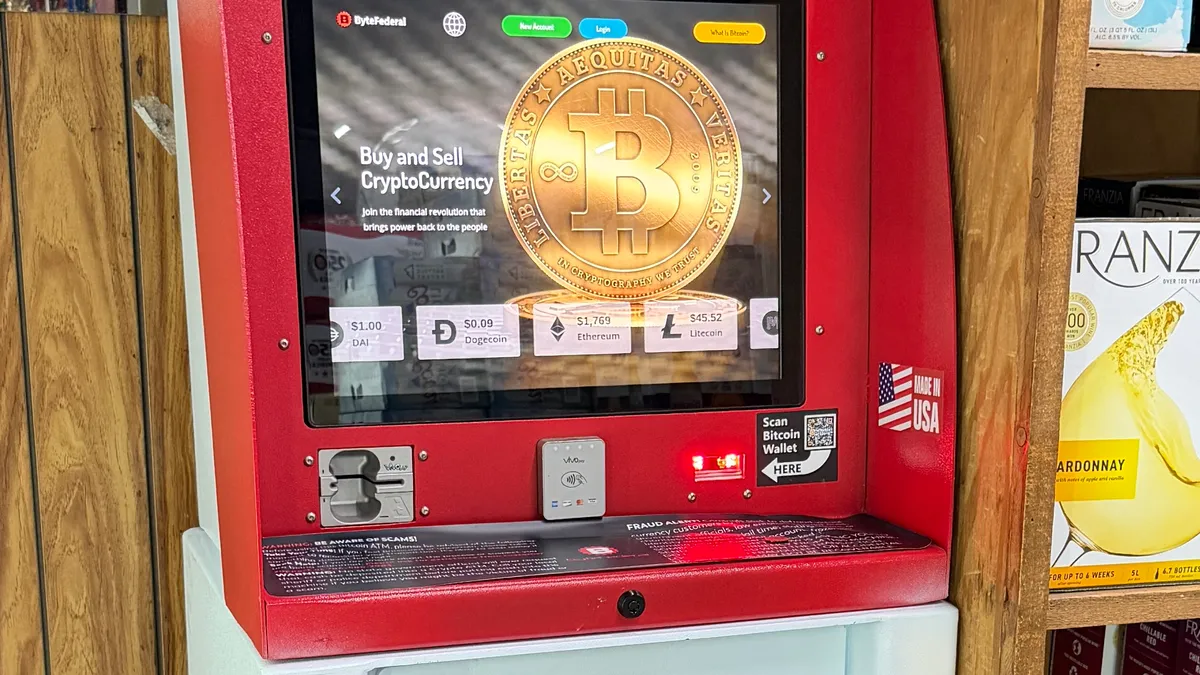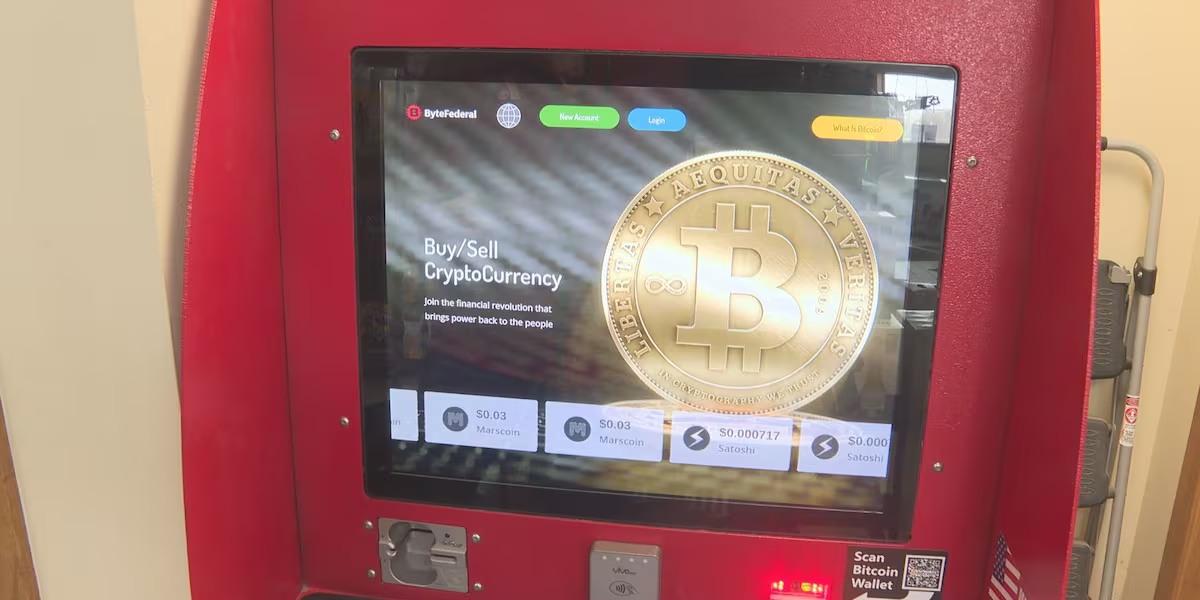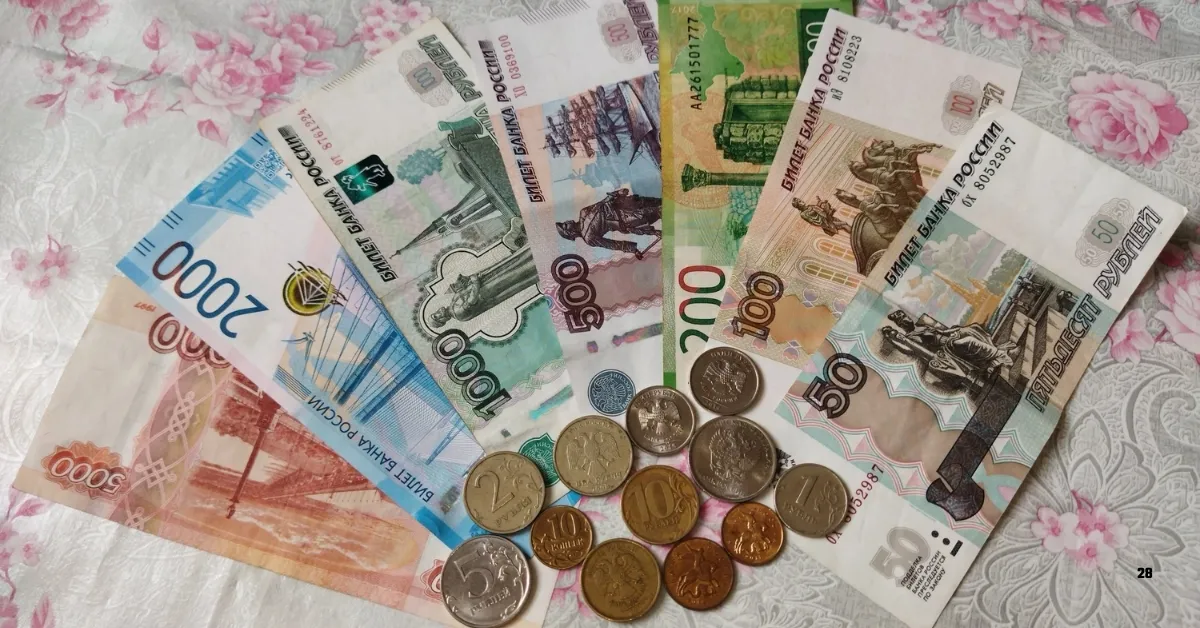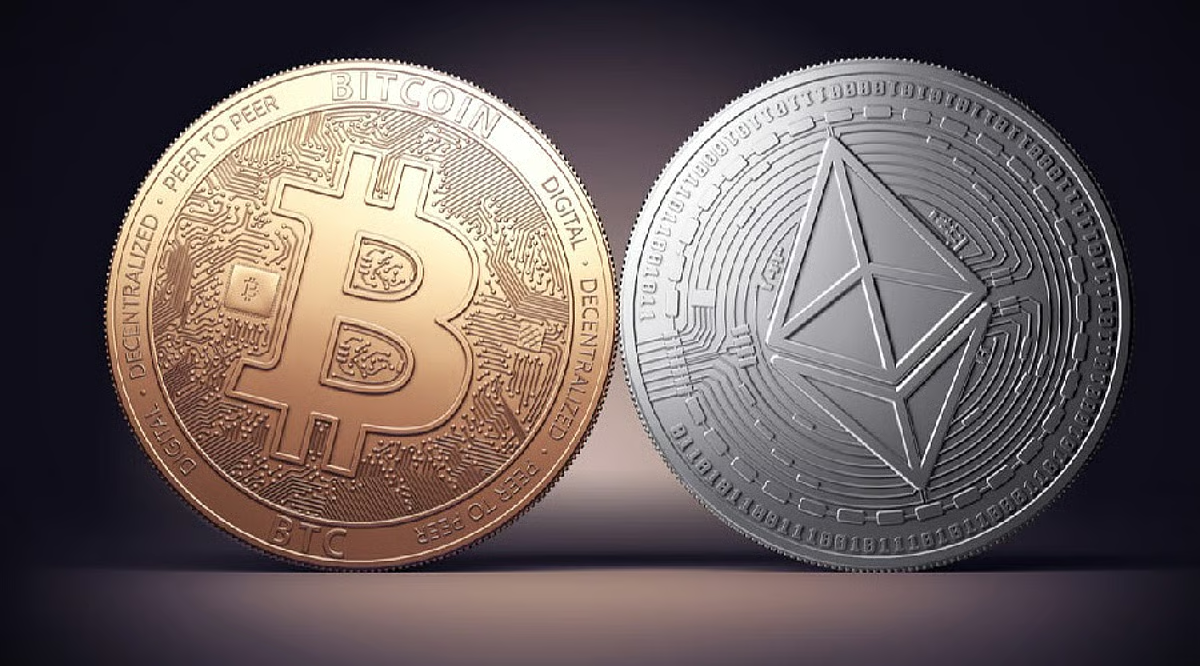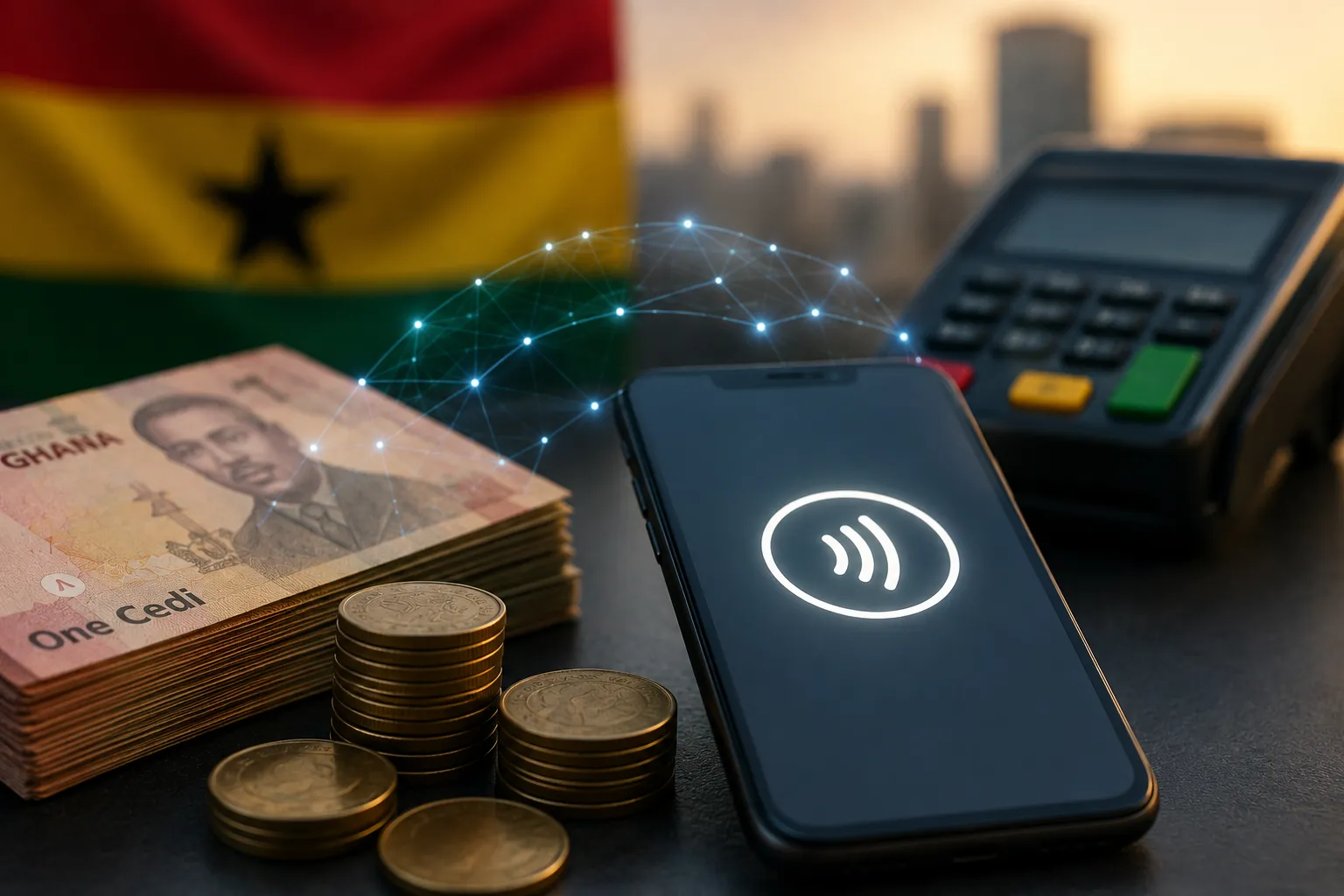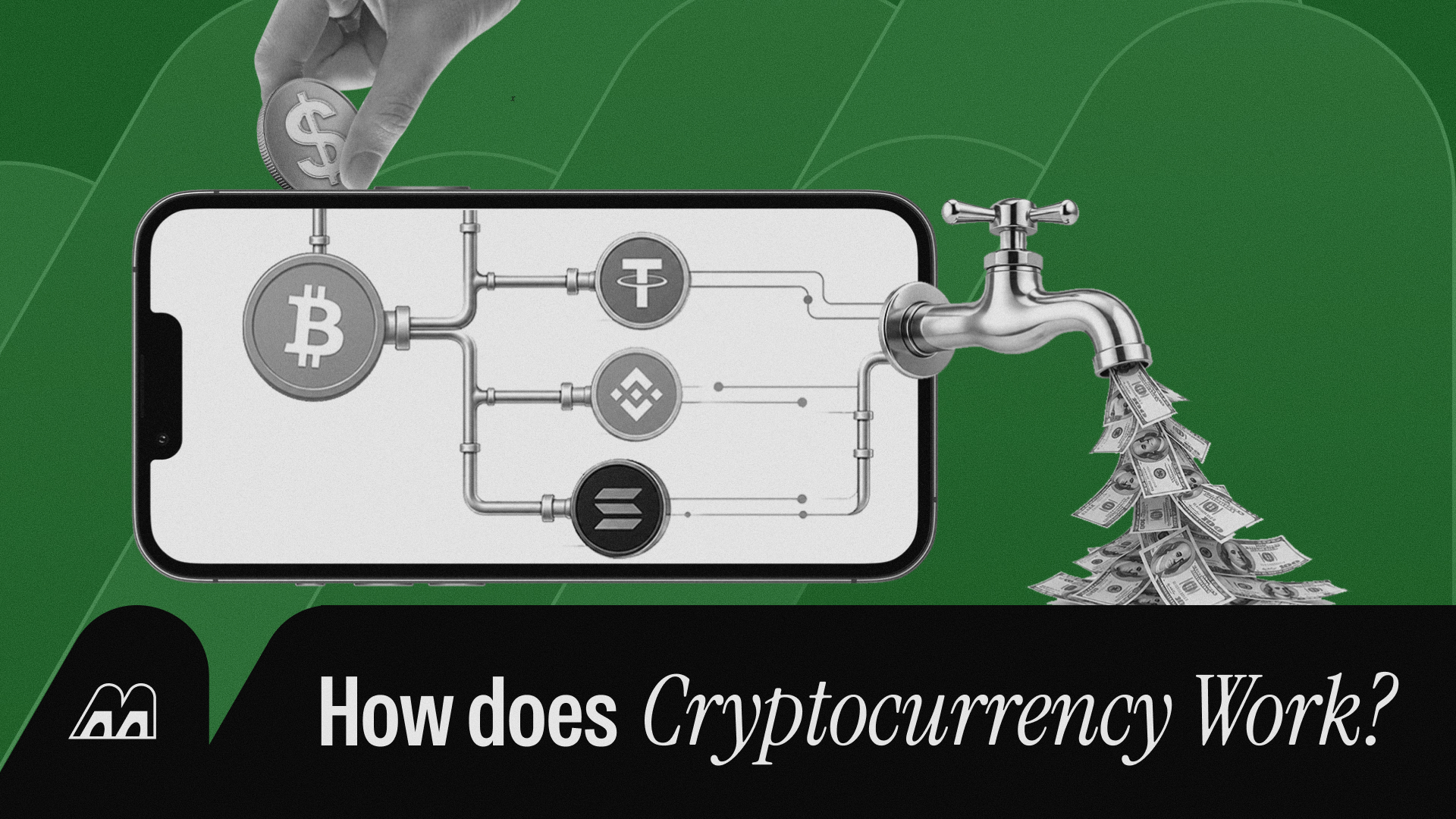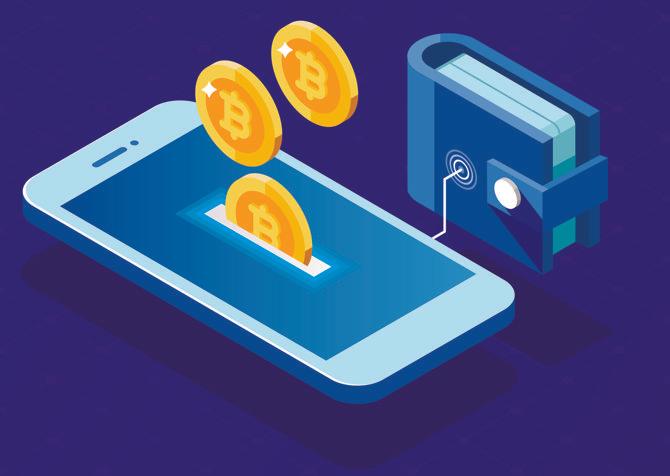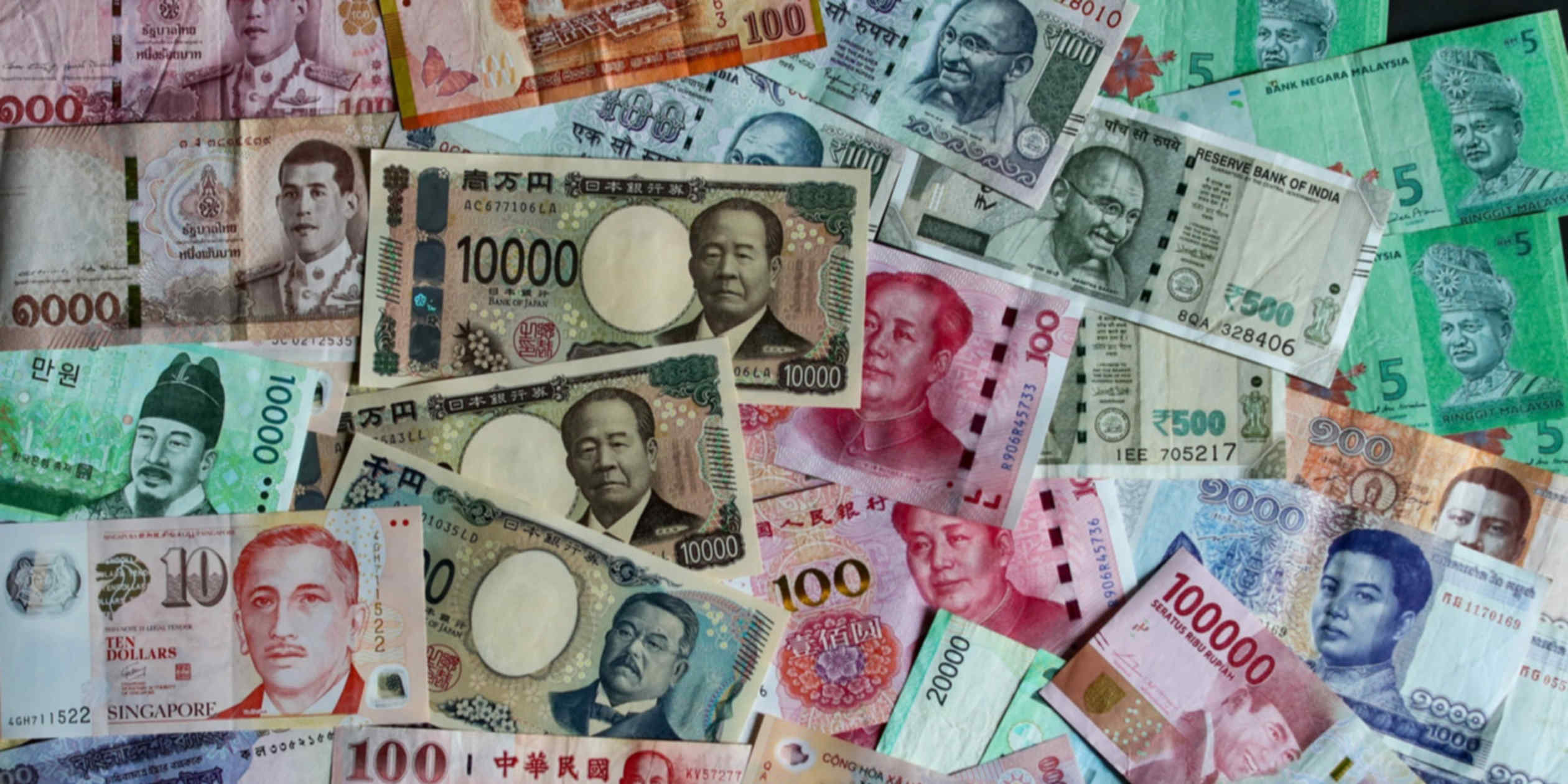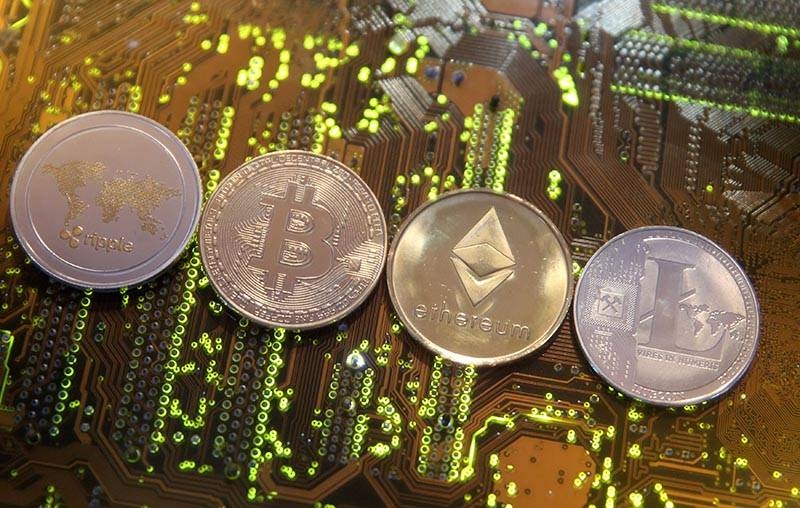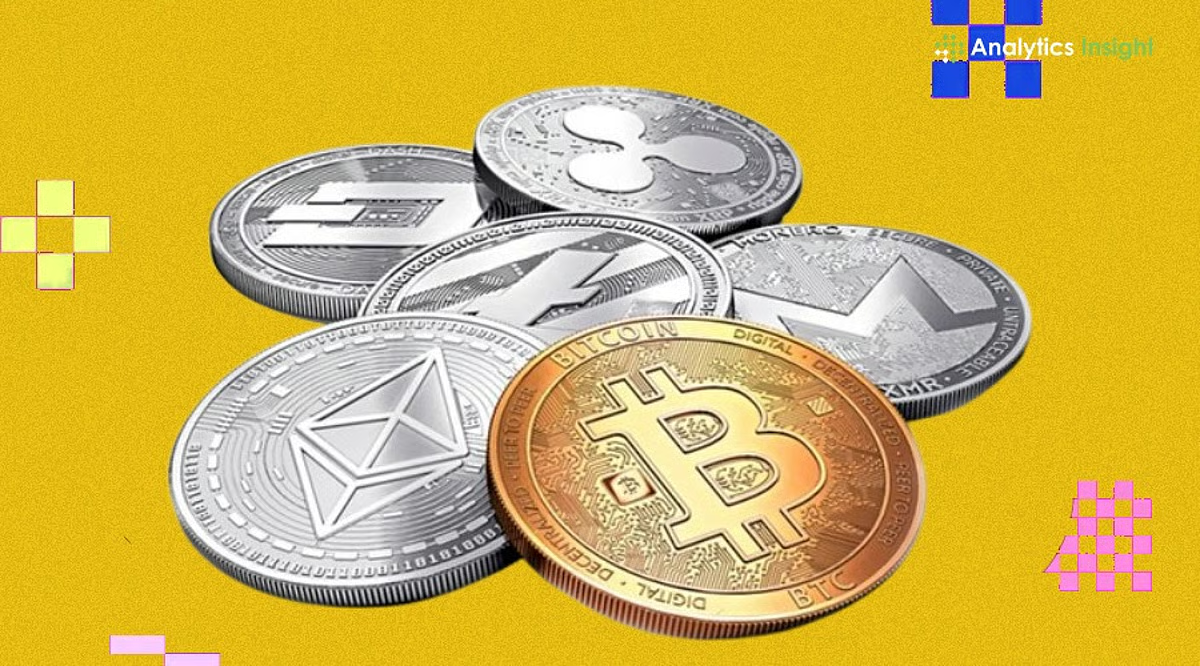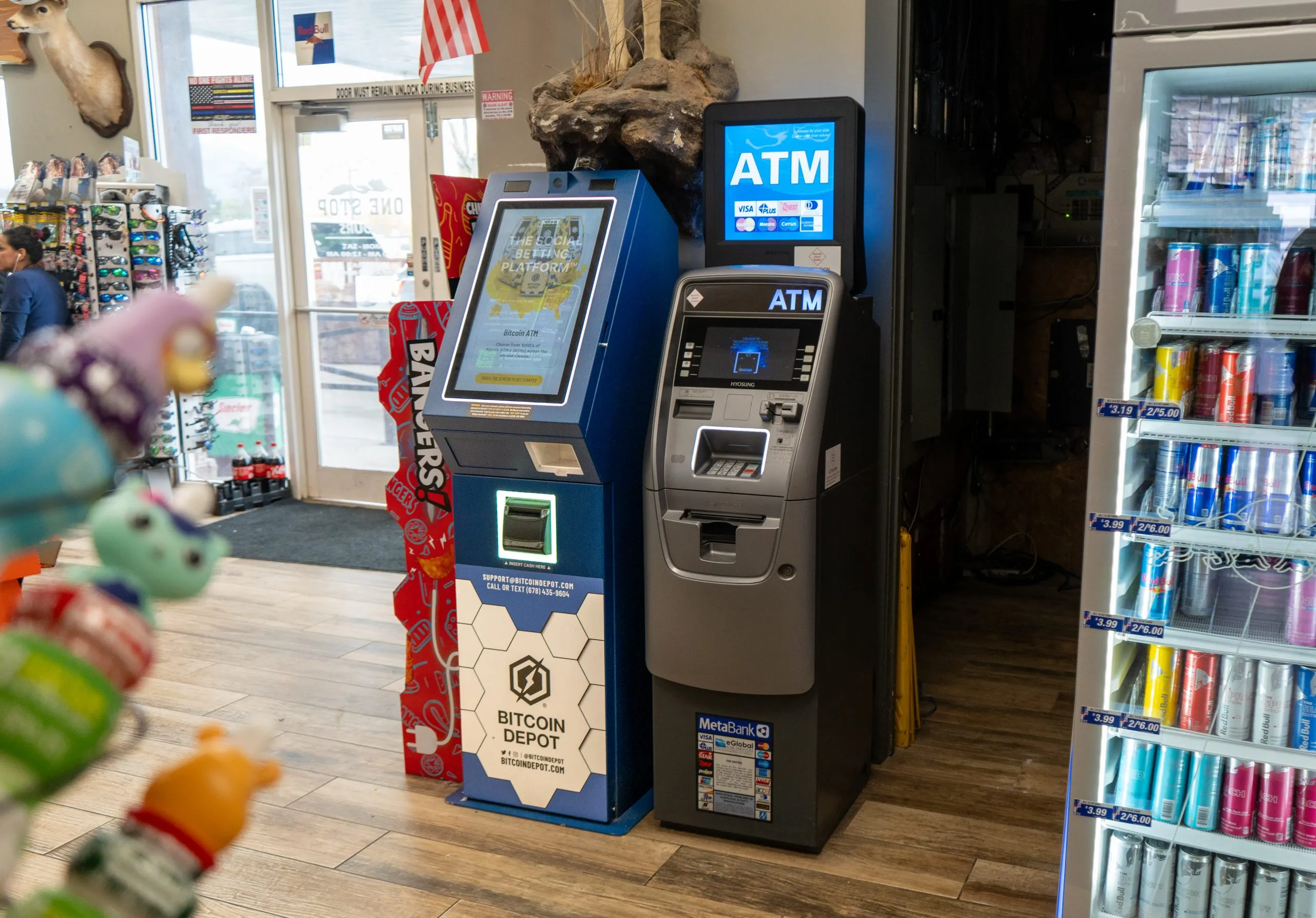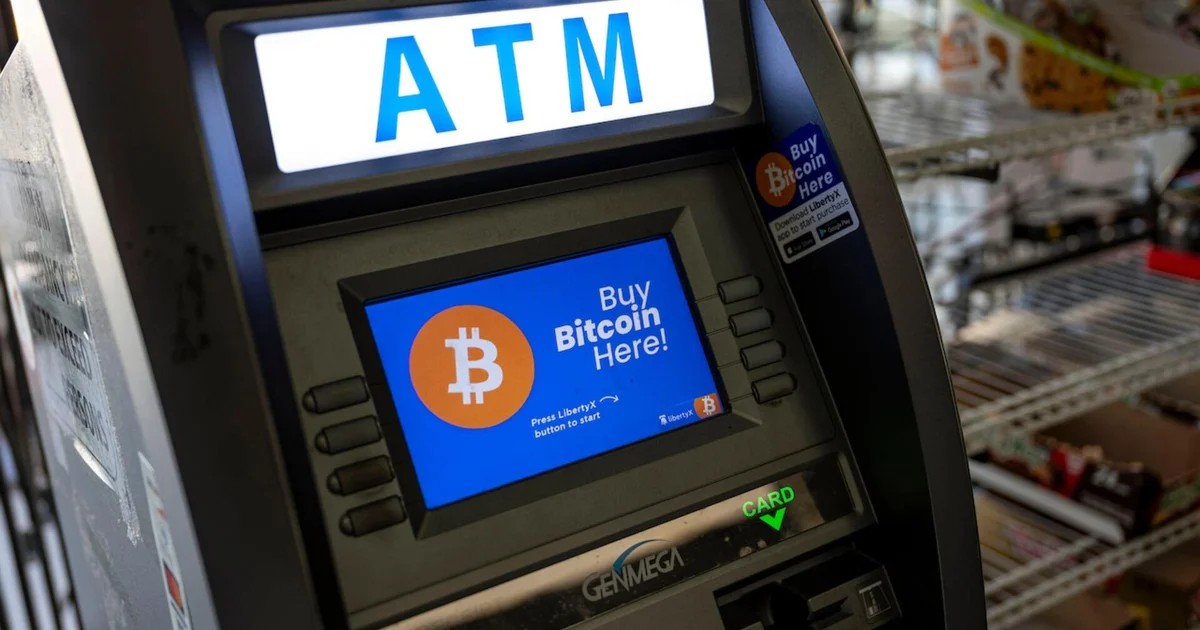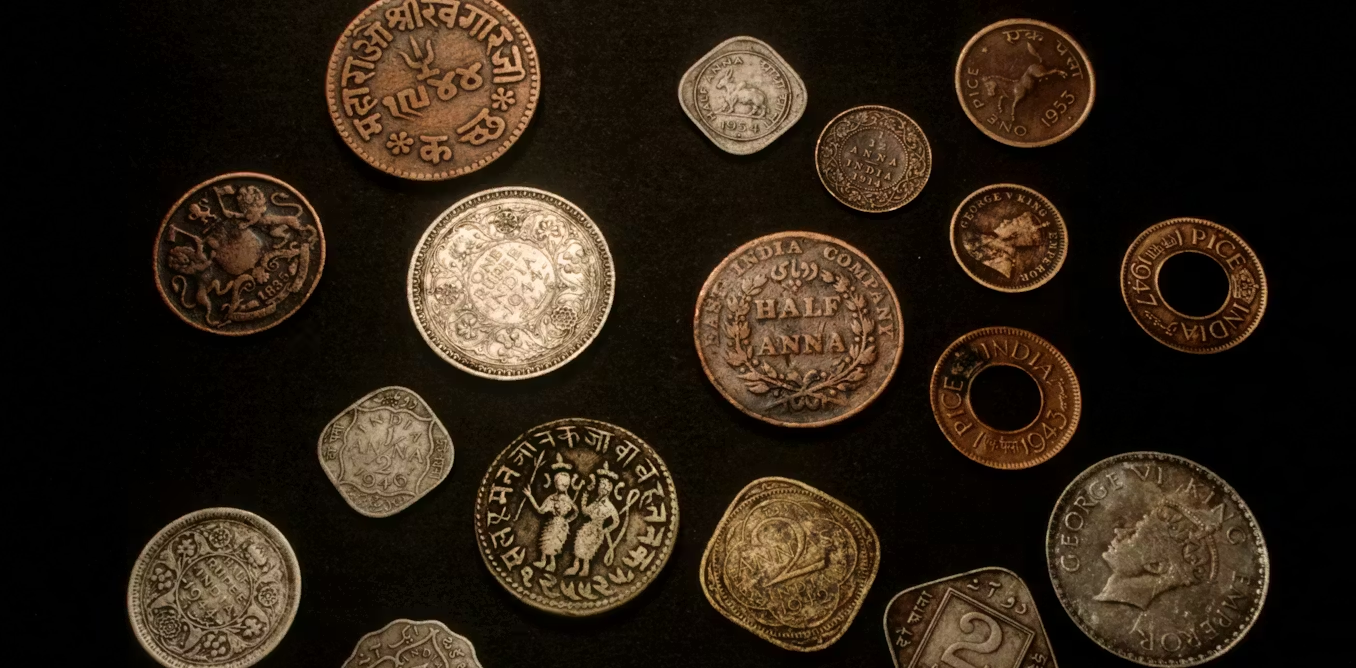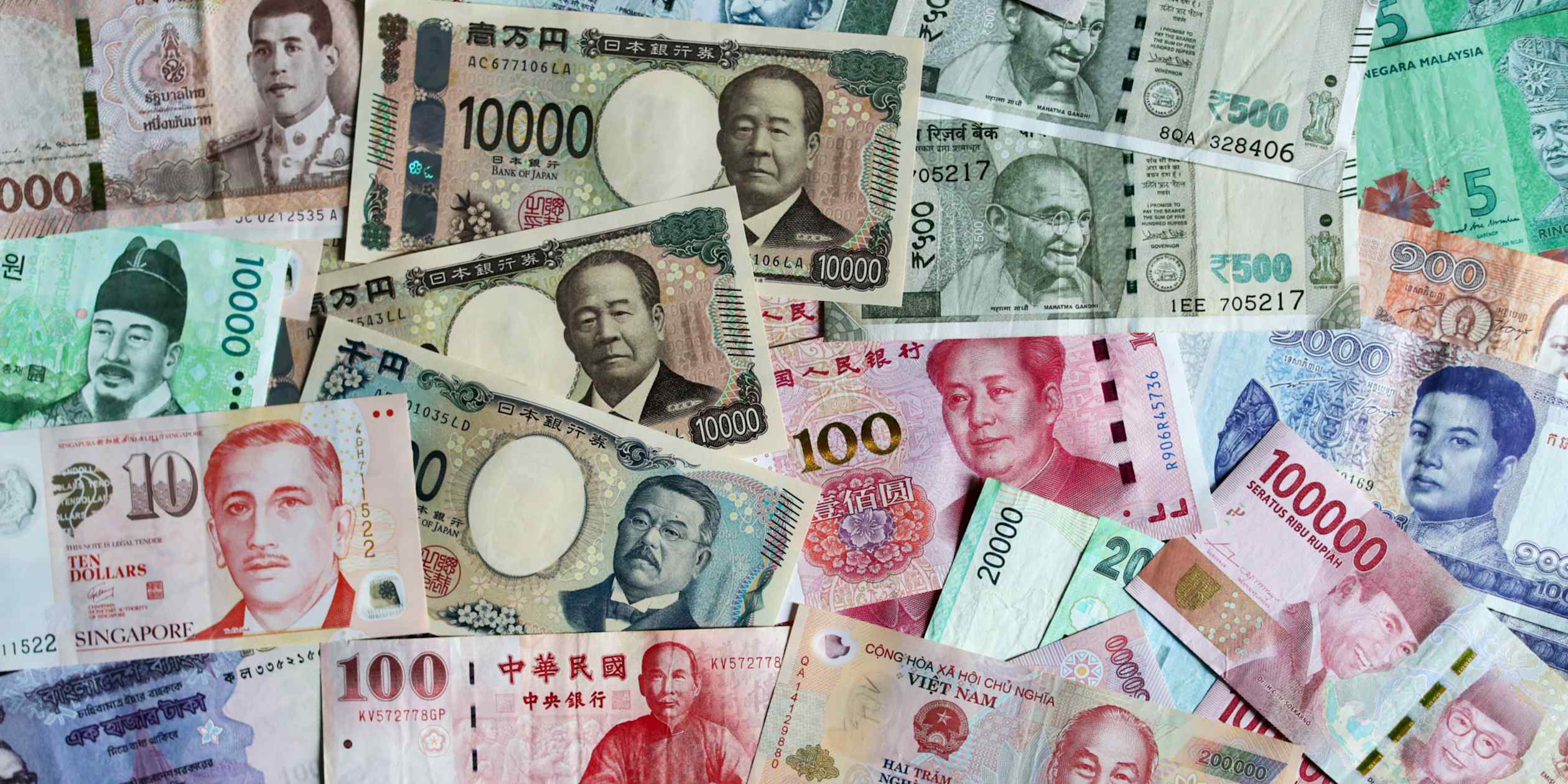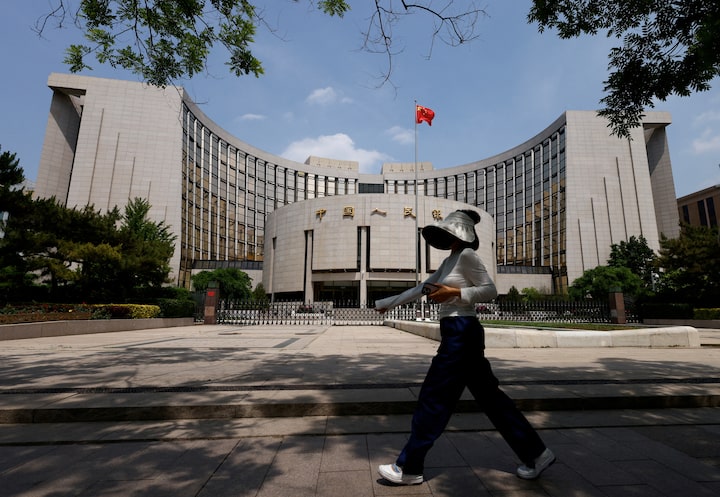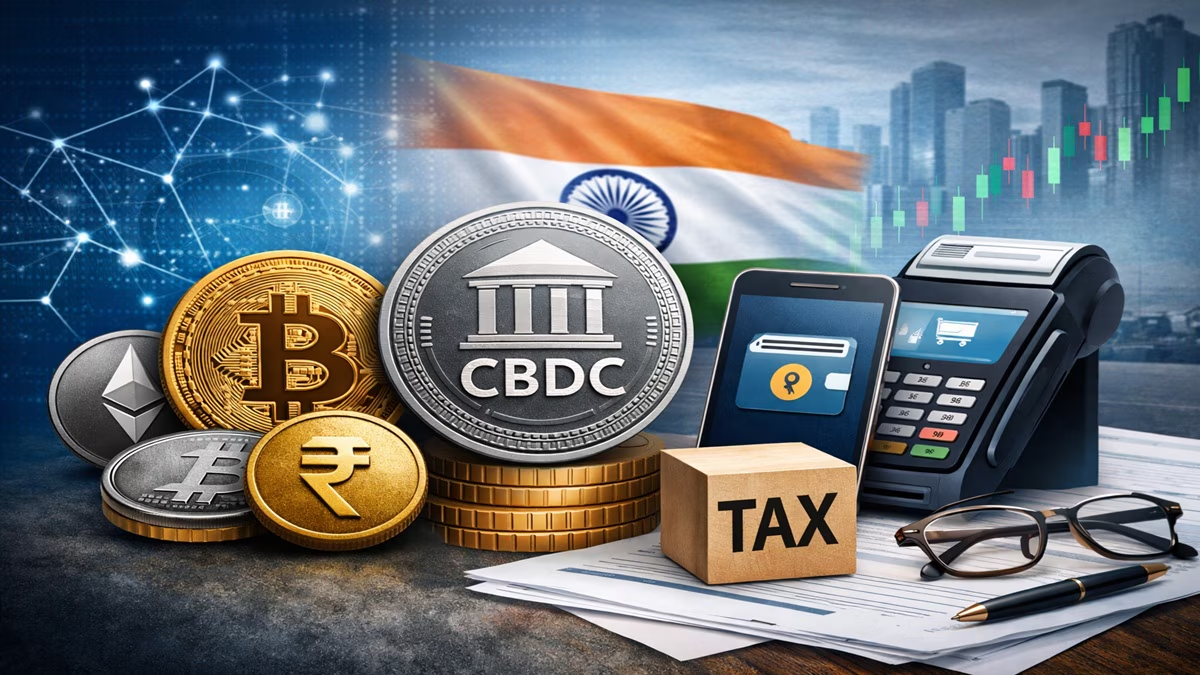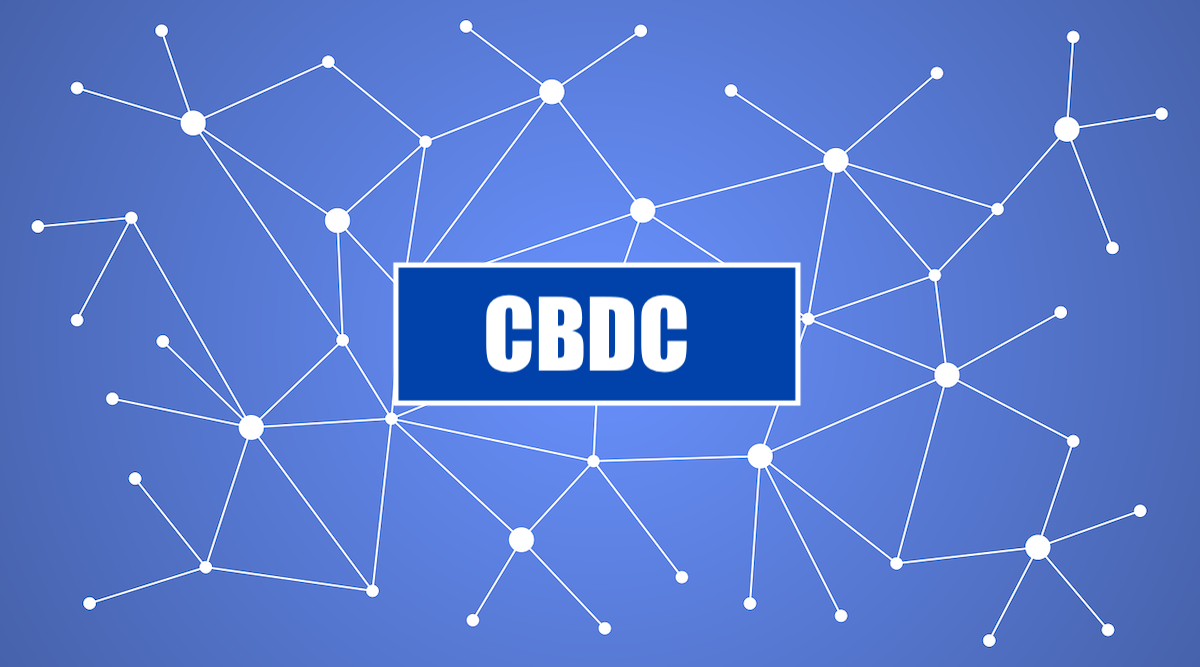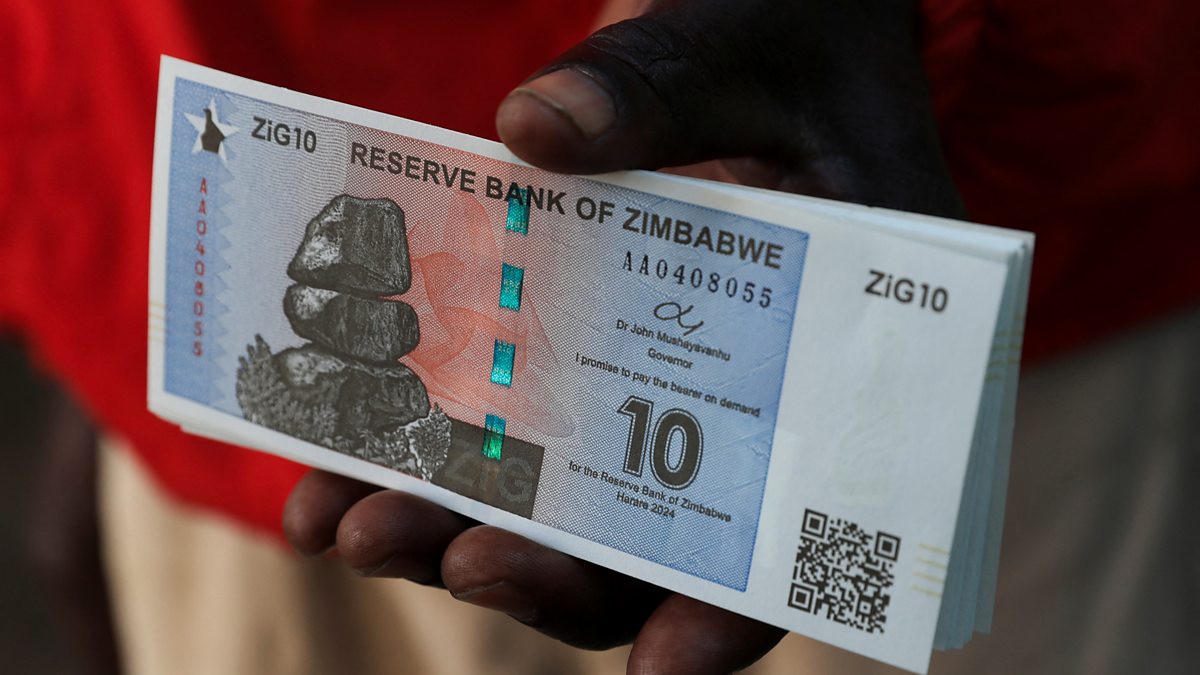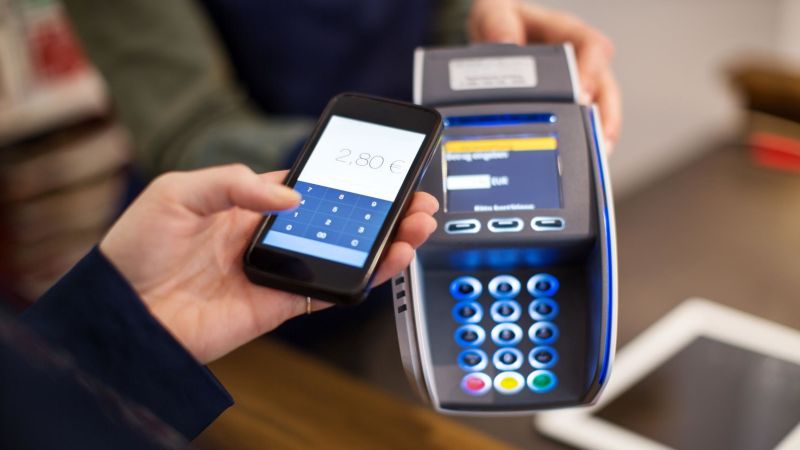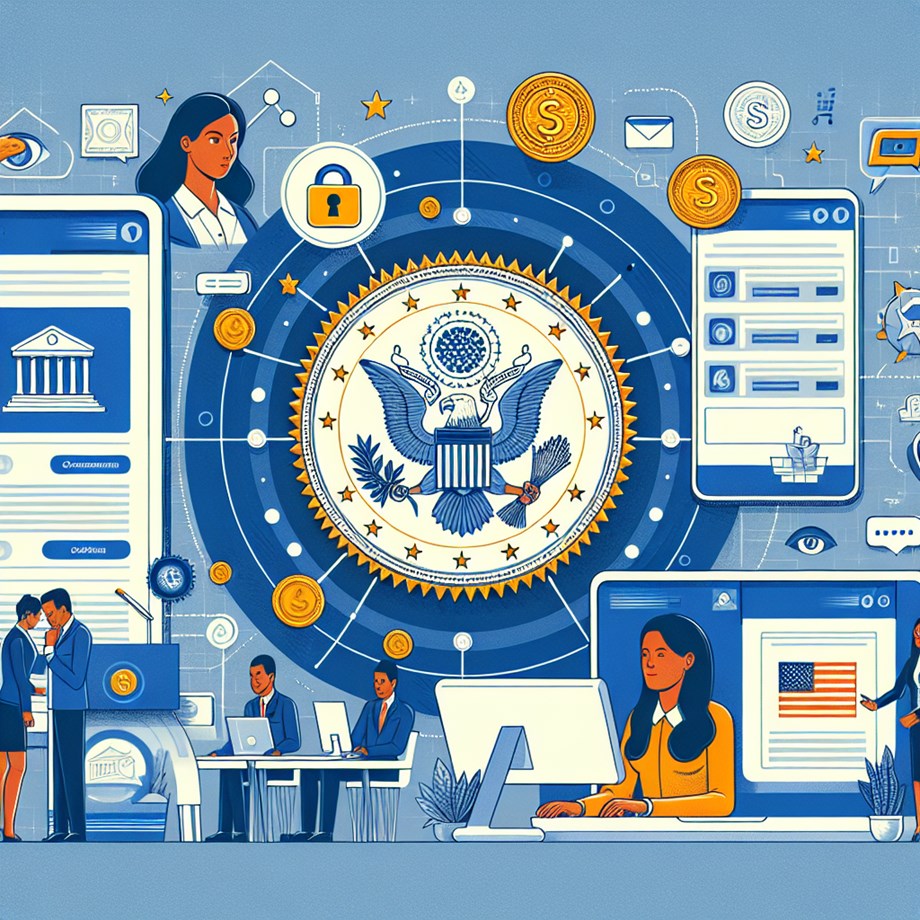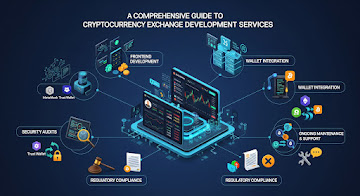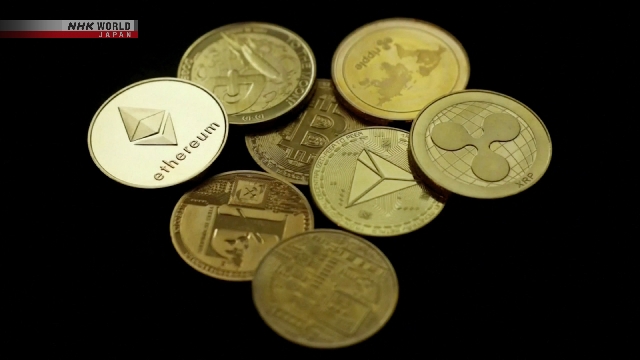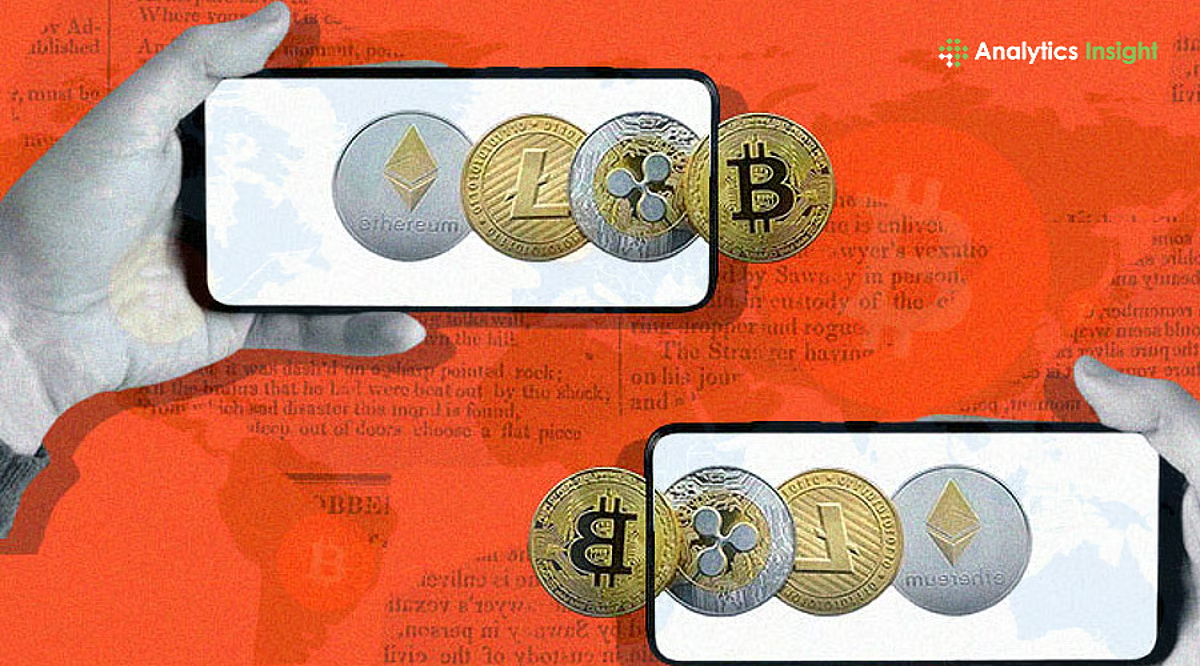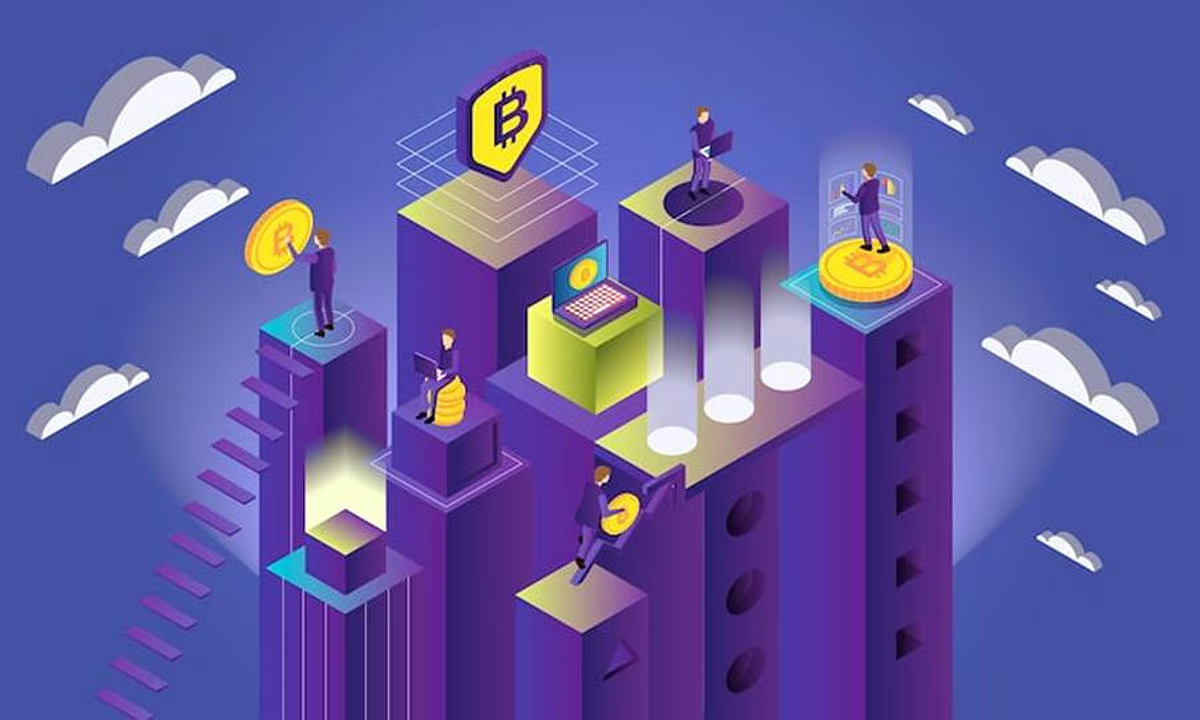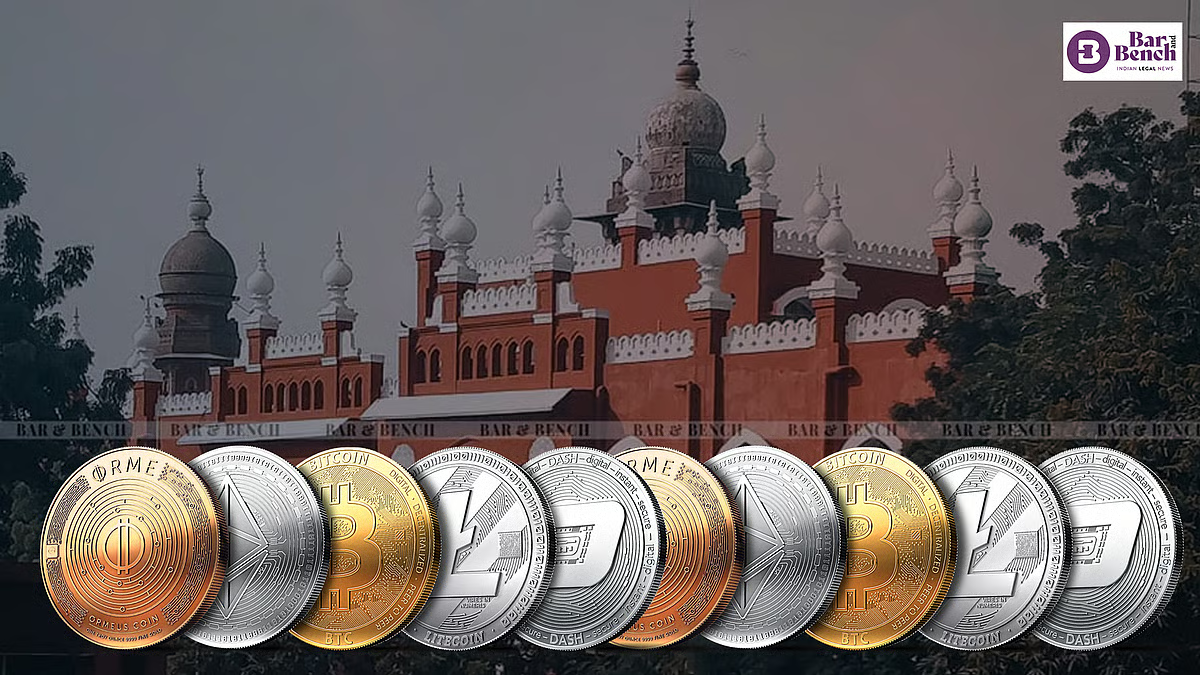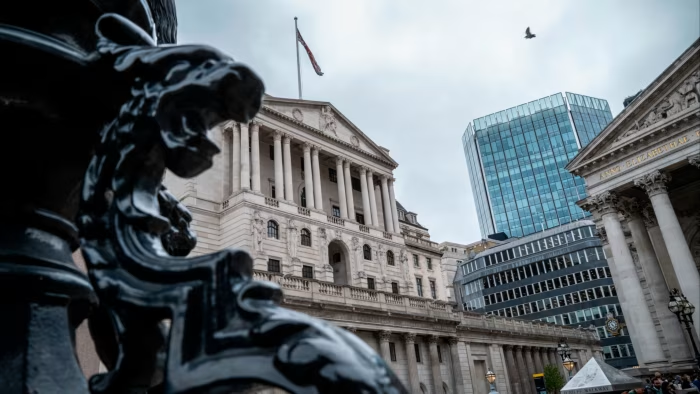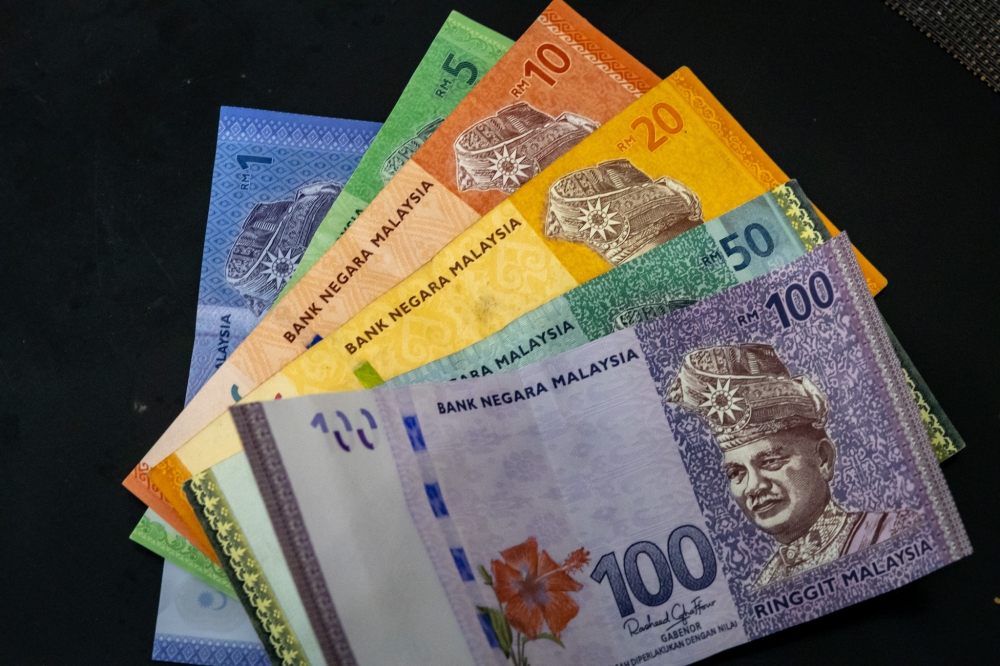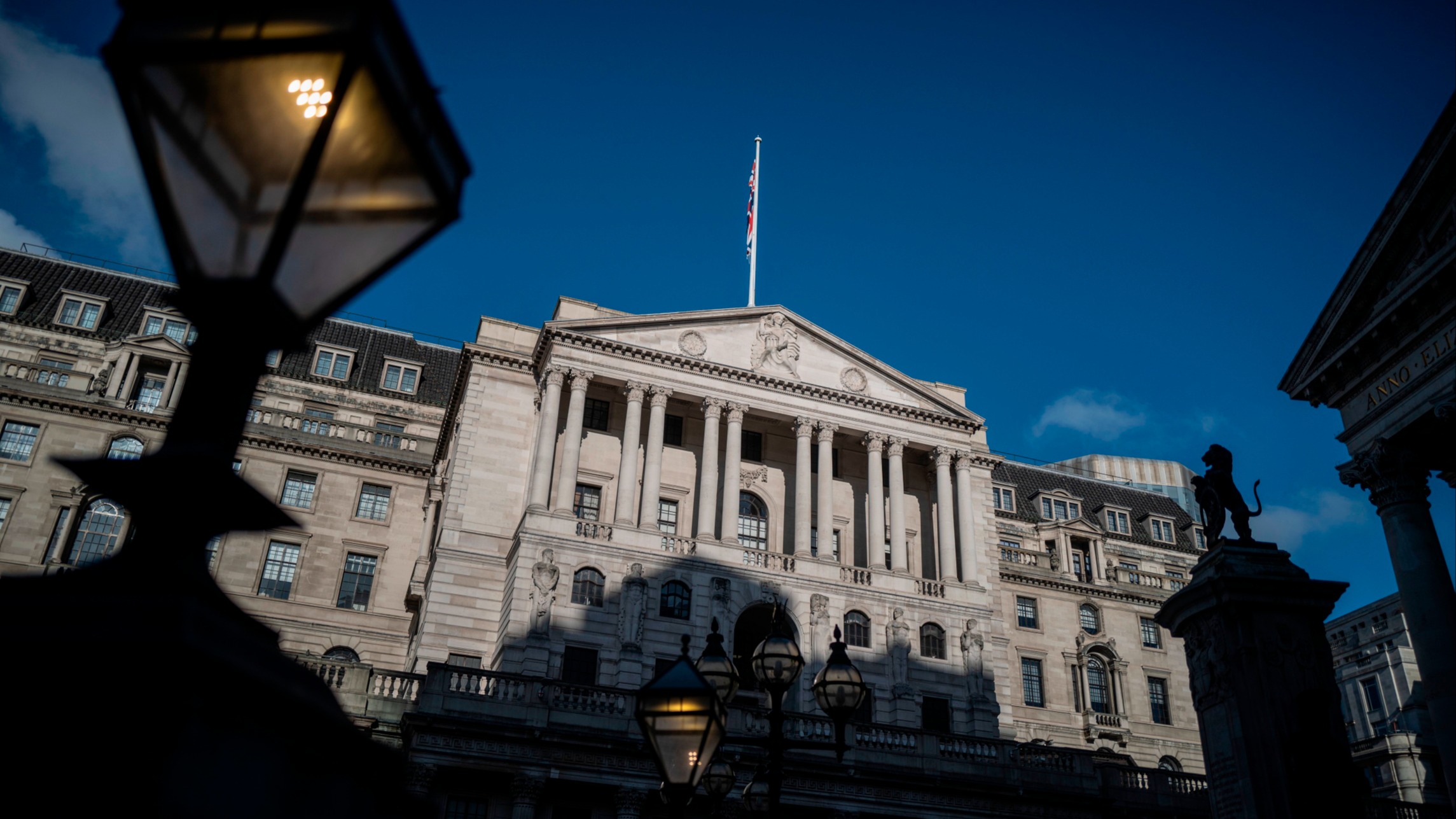
While cryptocurrencies focus on decentralization, CBDCs aim to combine digital innovation with regulatory stability.
India’s Approach to CBDC
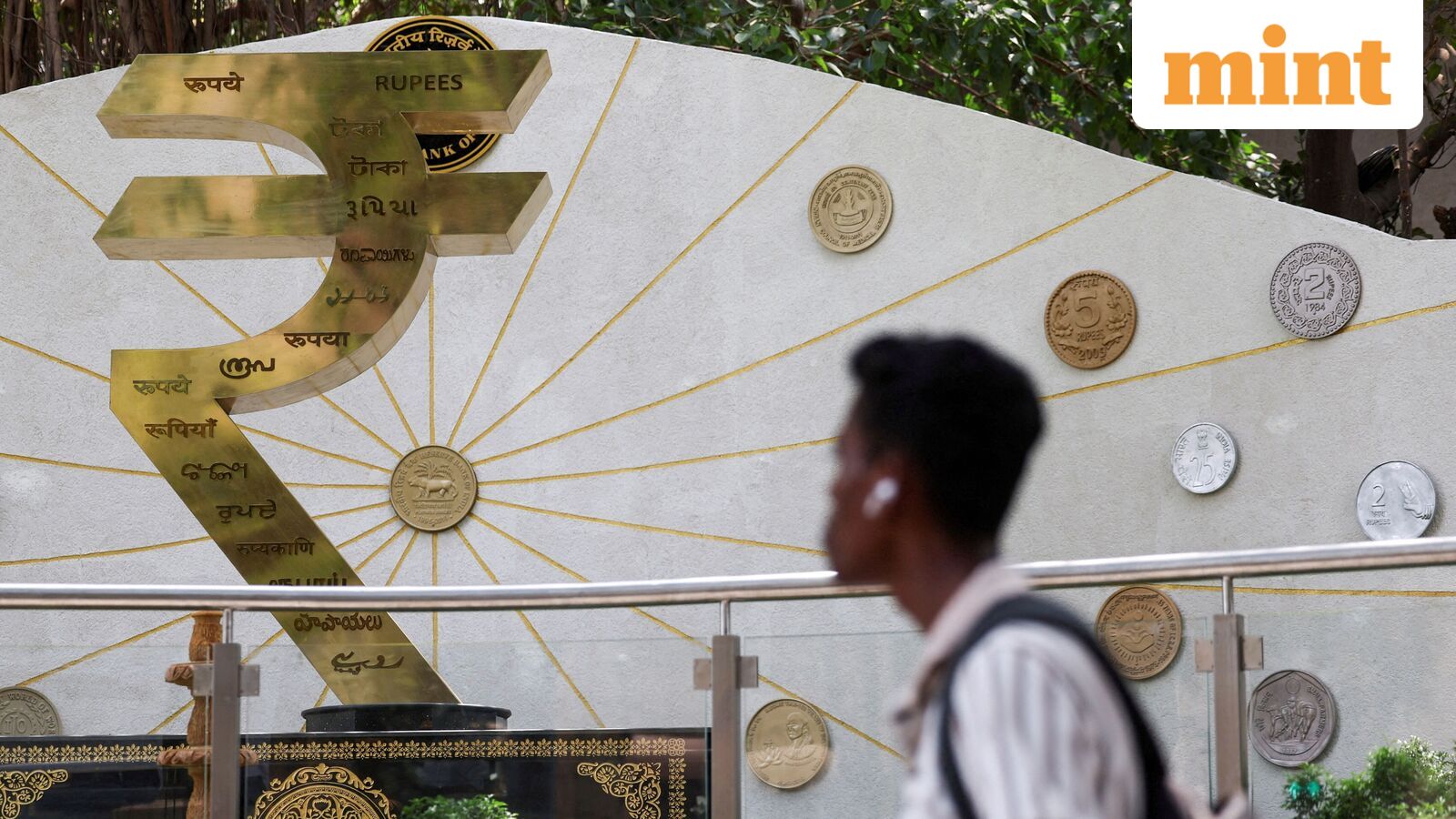
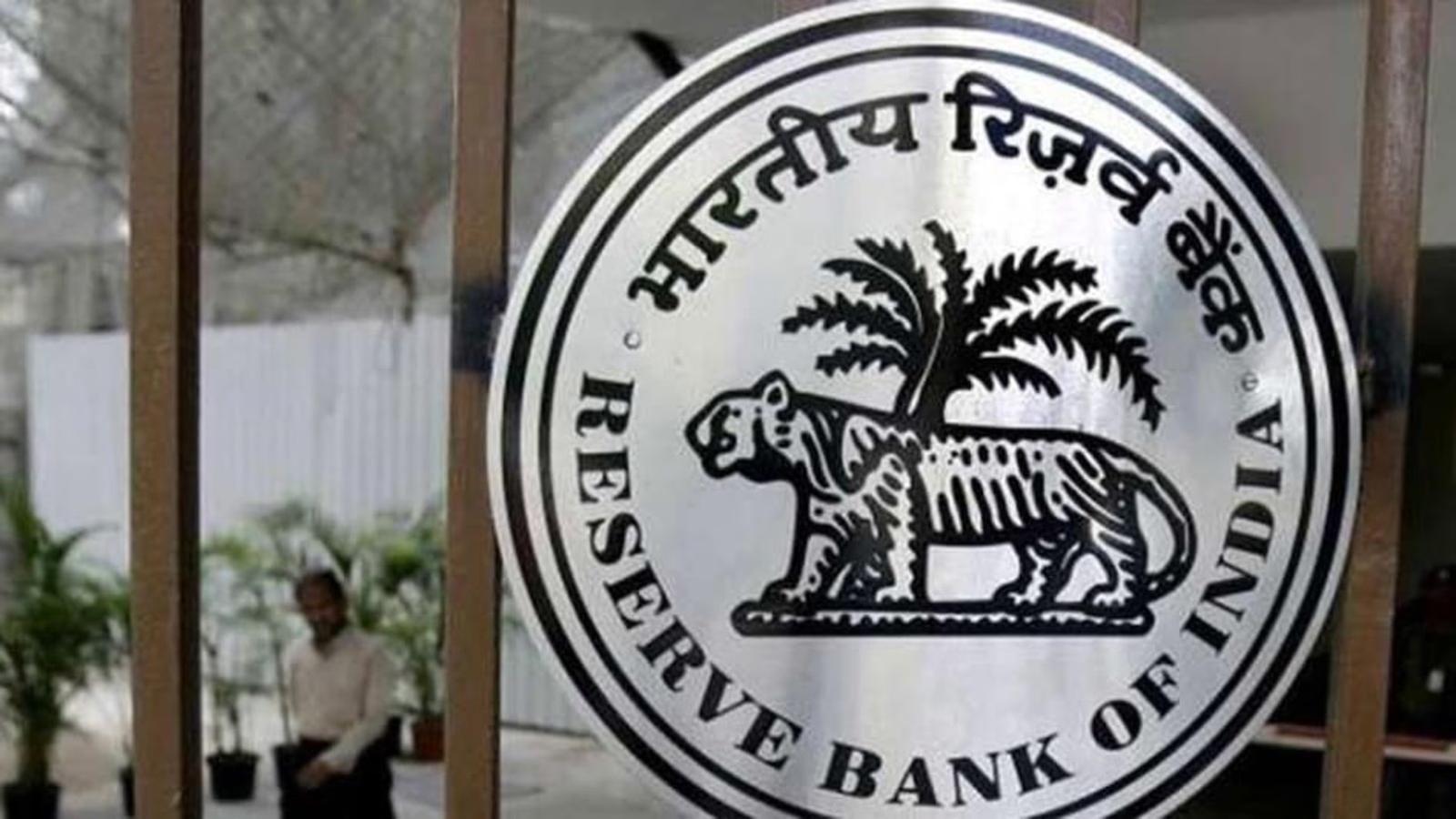
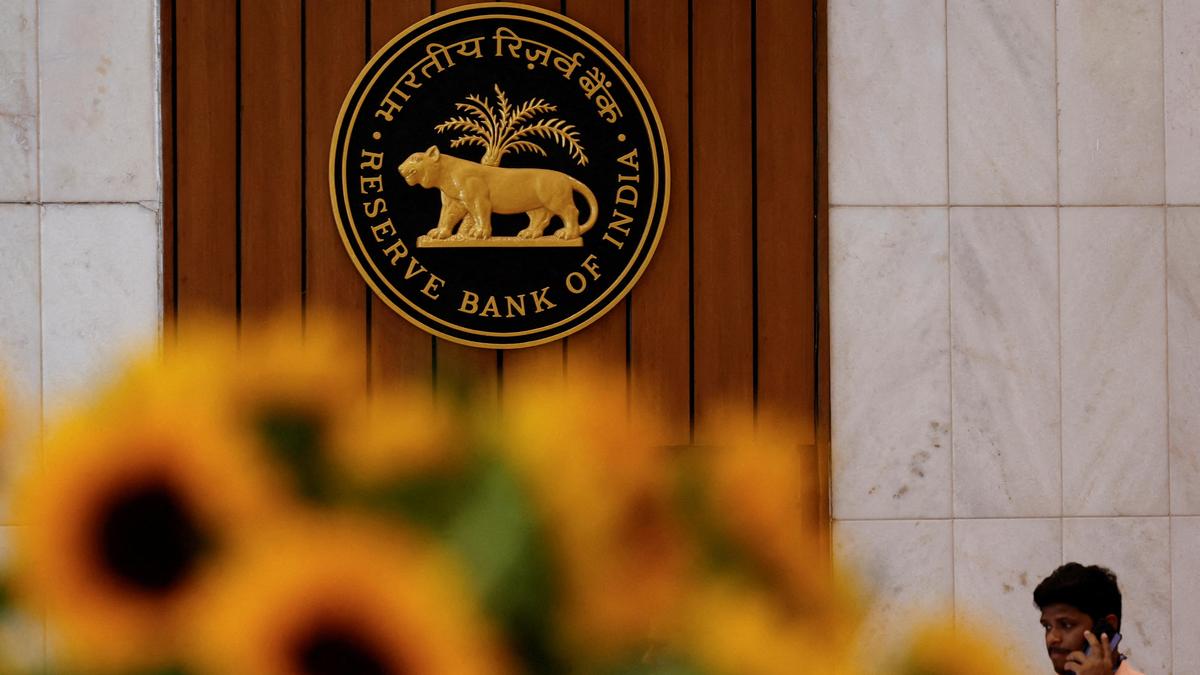
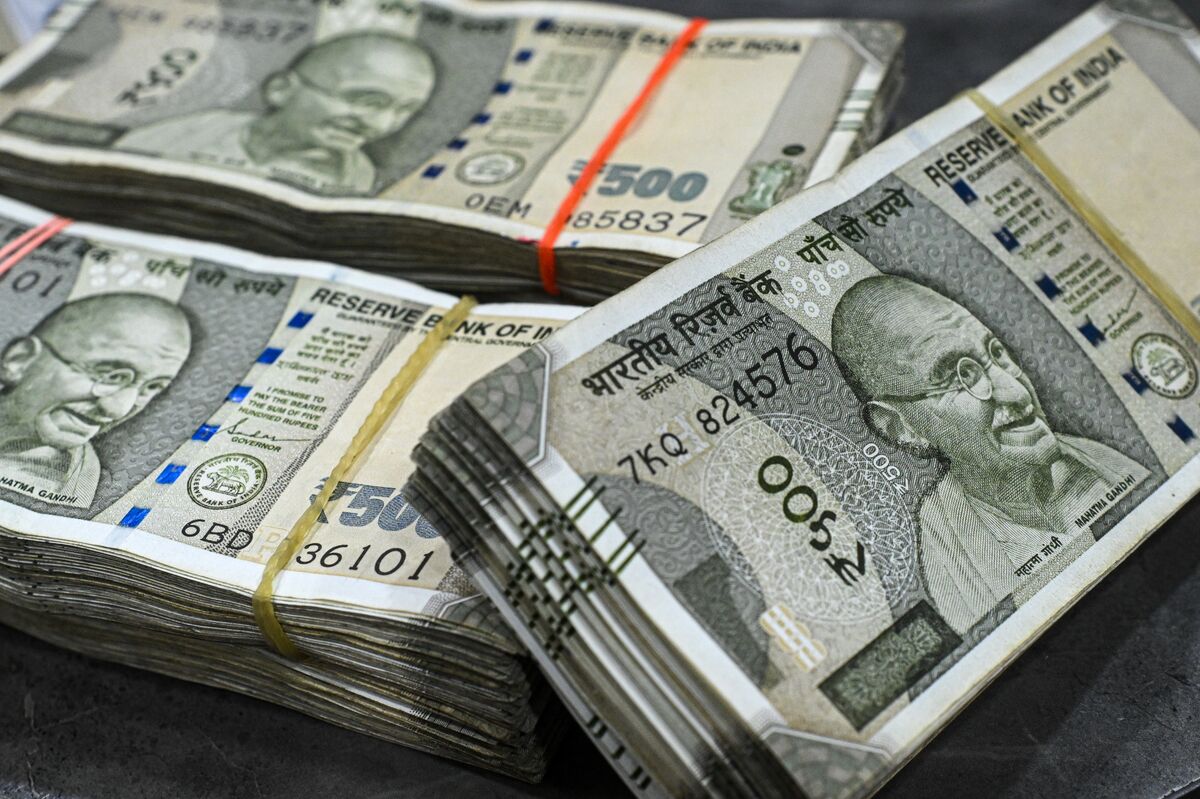
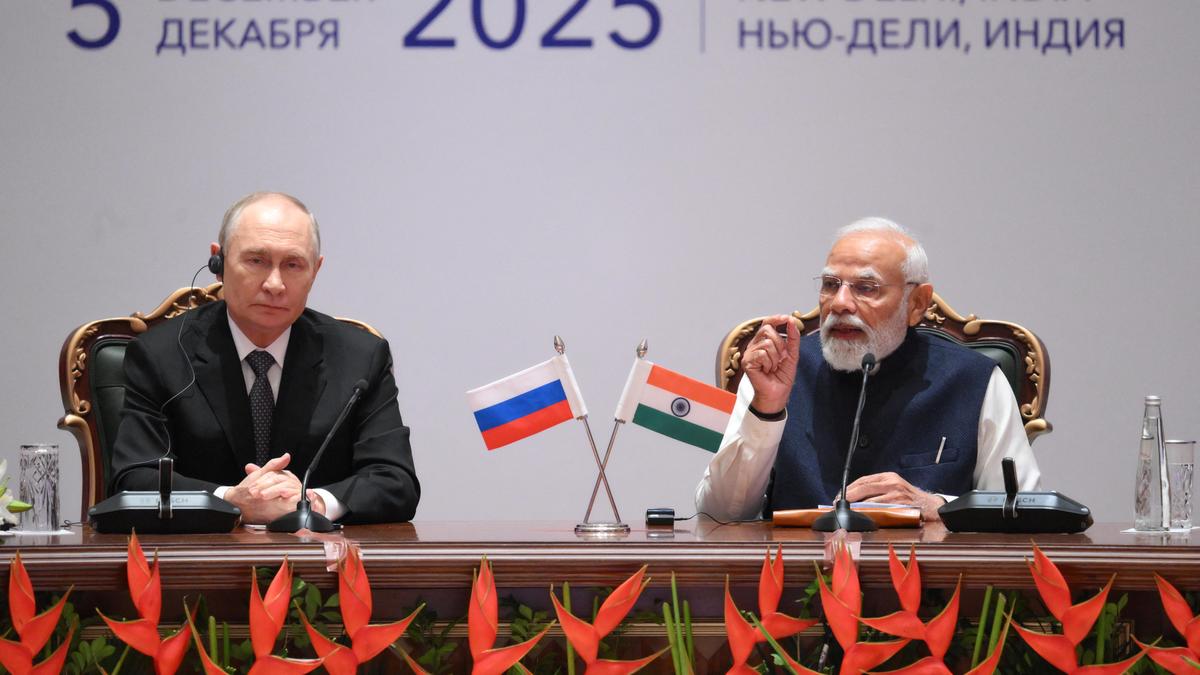
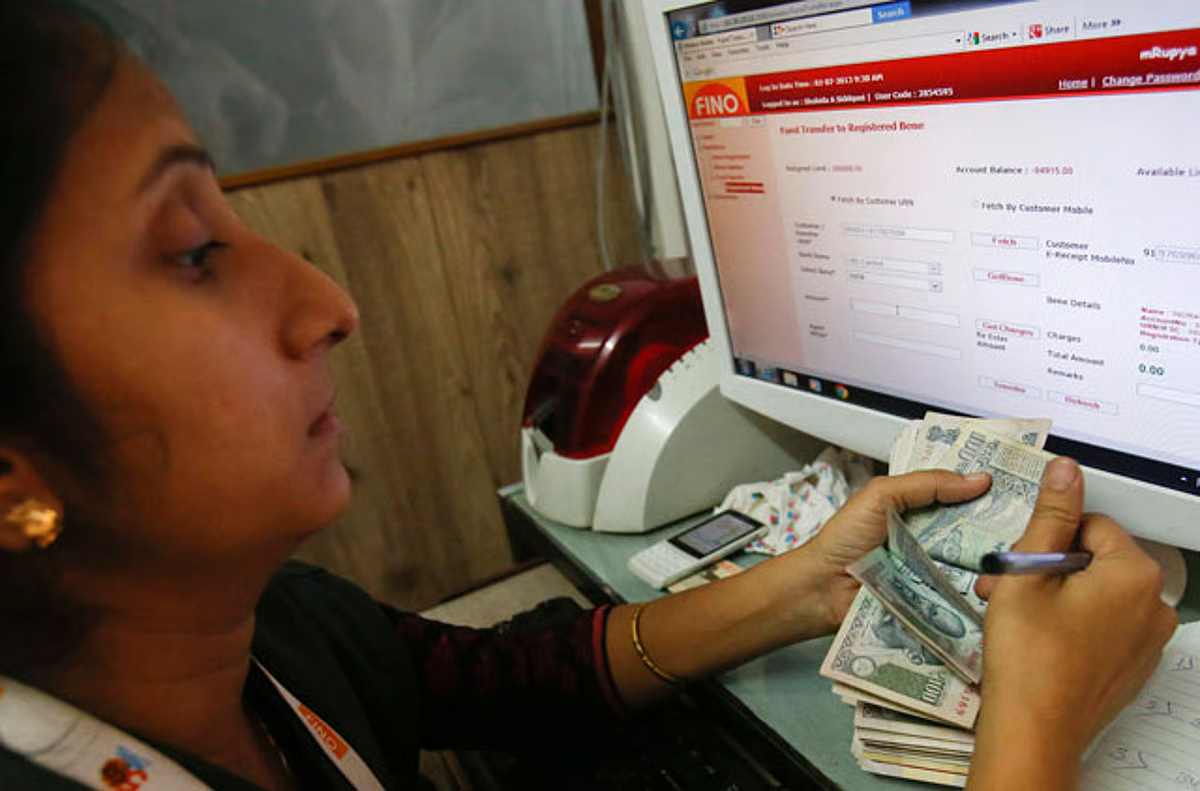
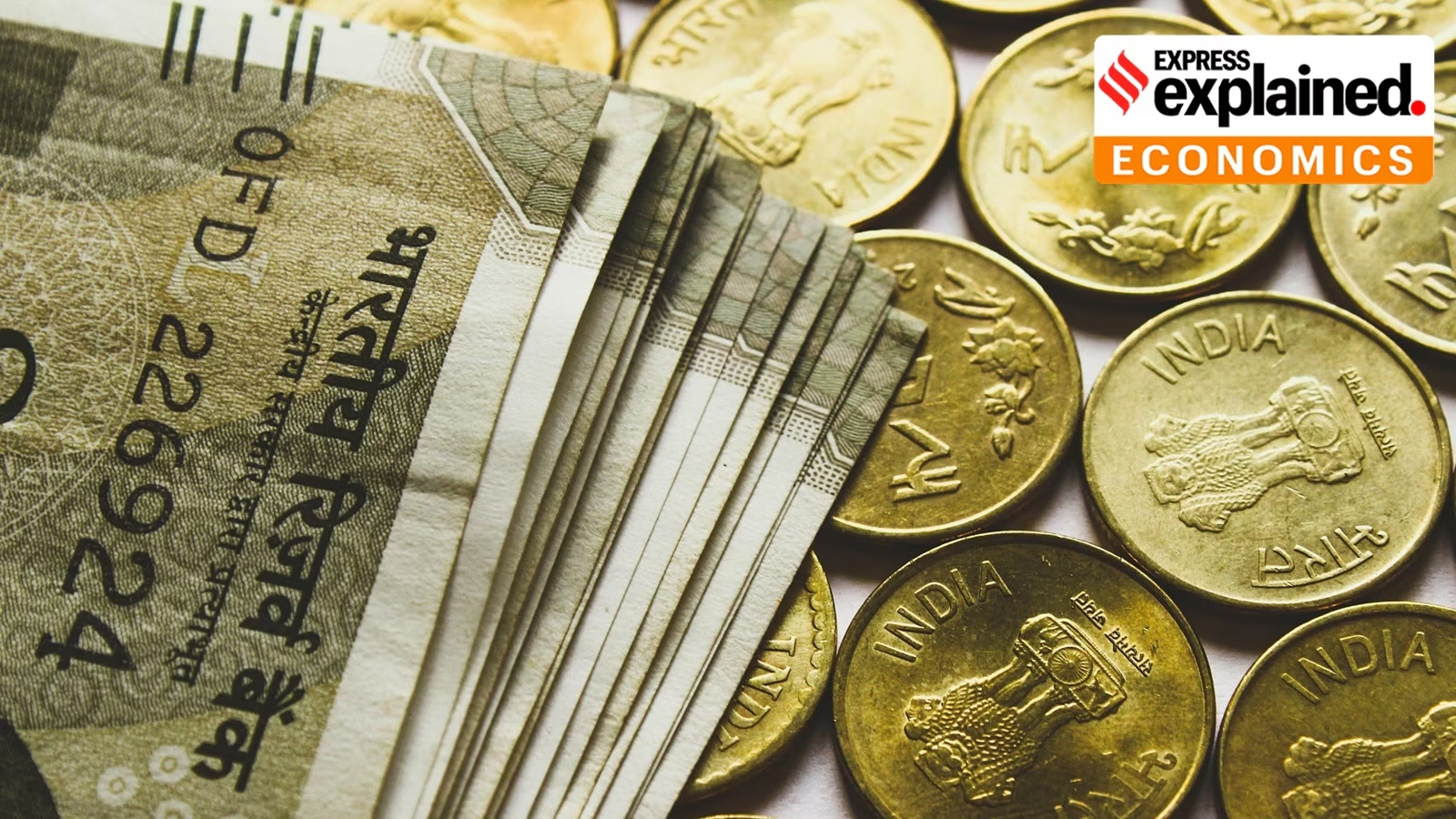
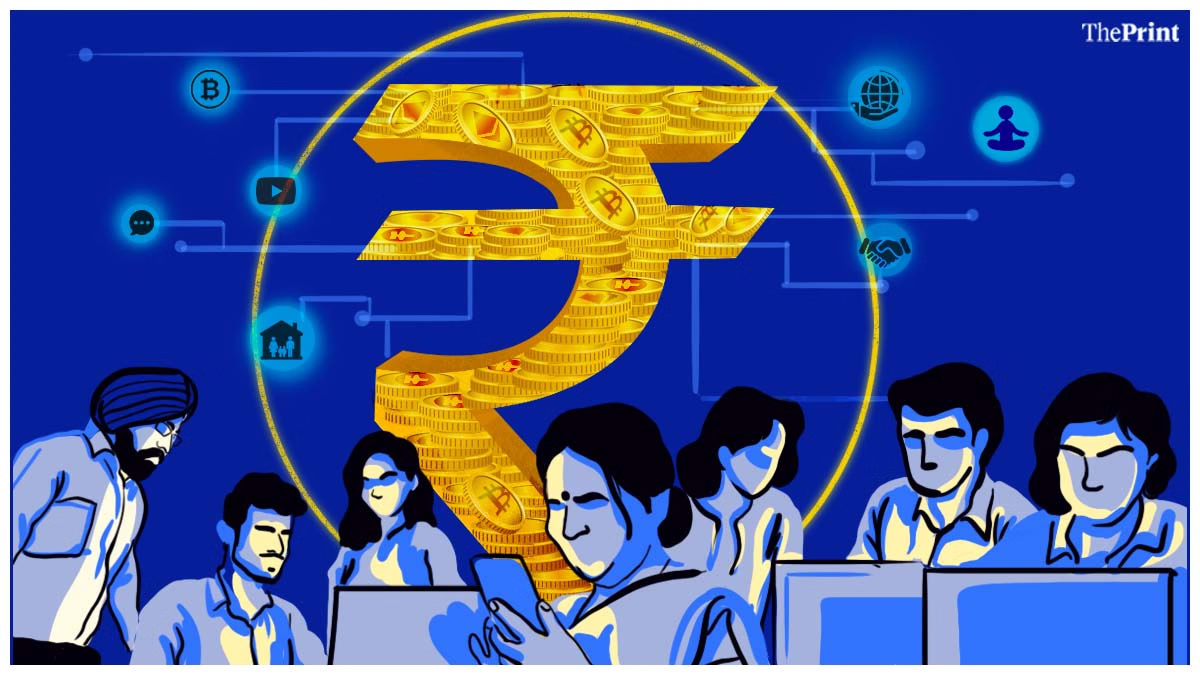
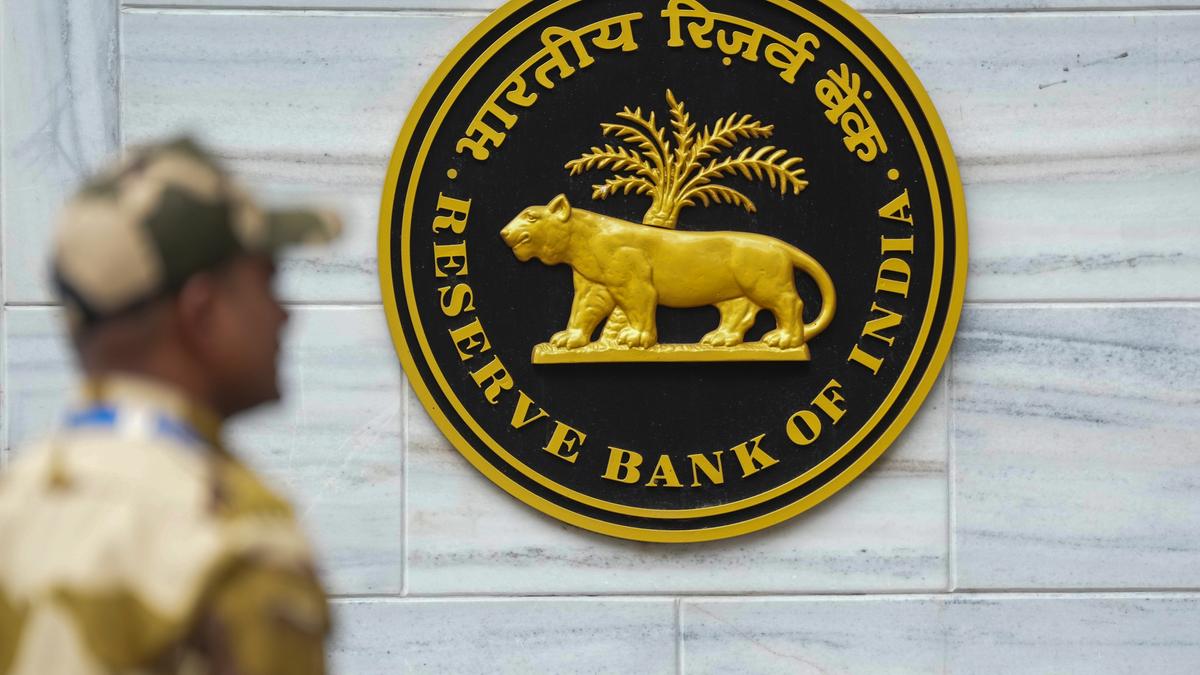
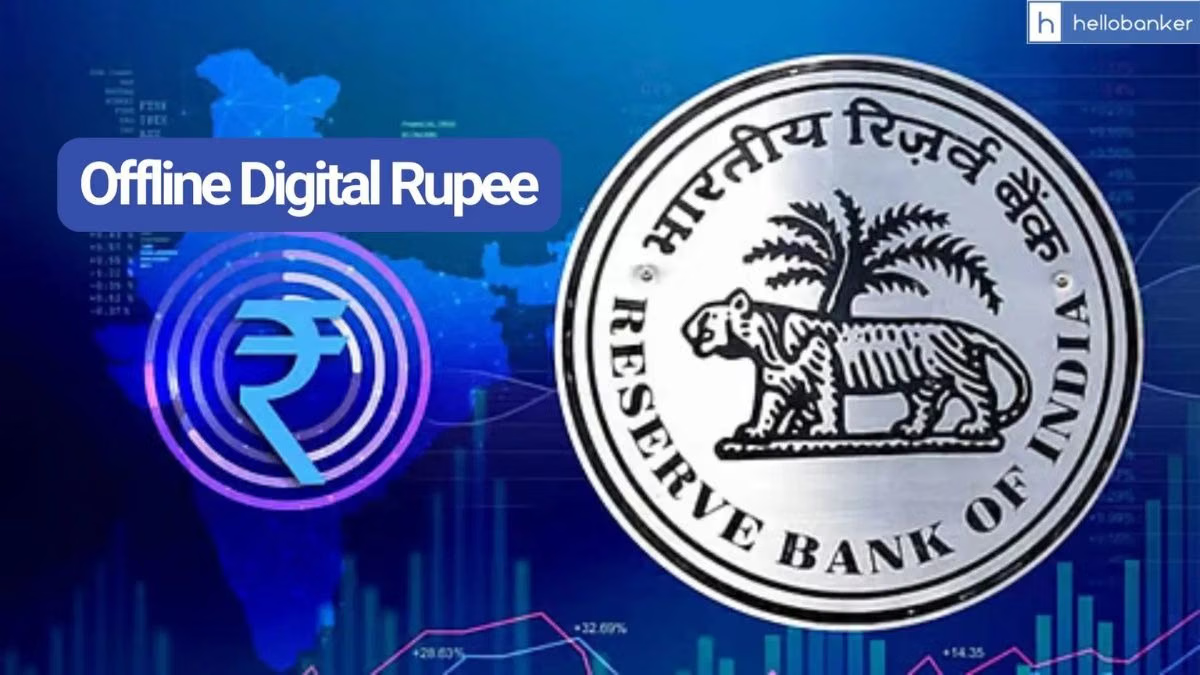
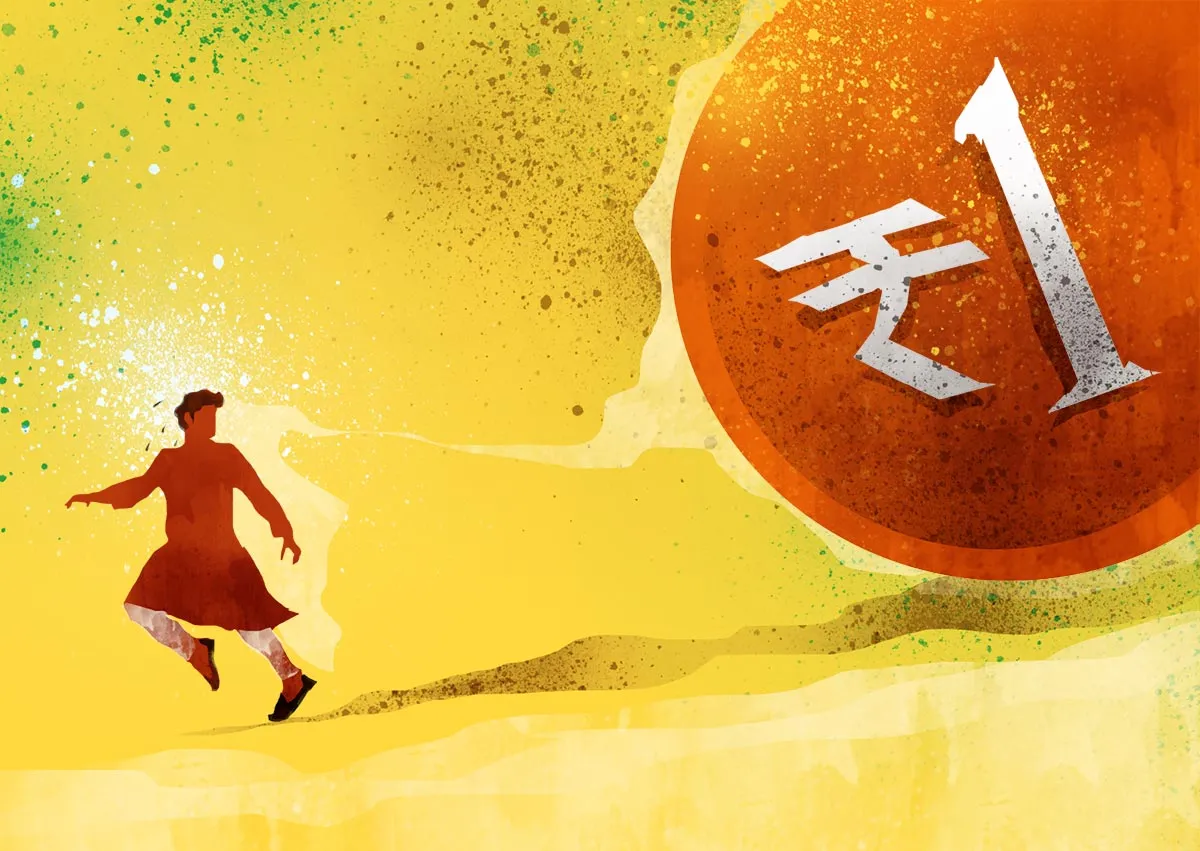
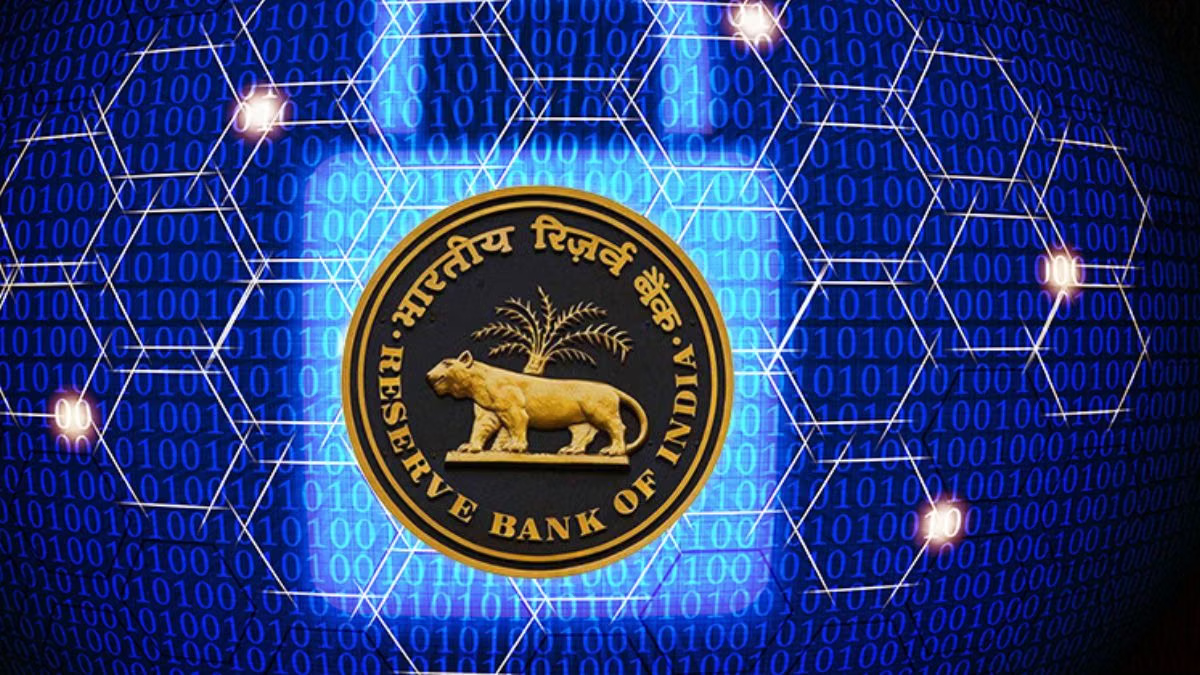
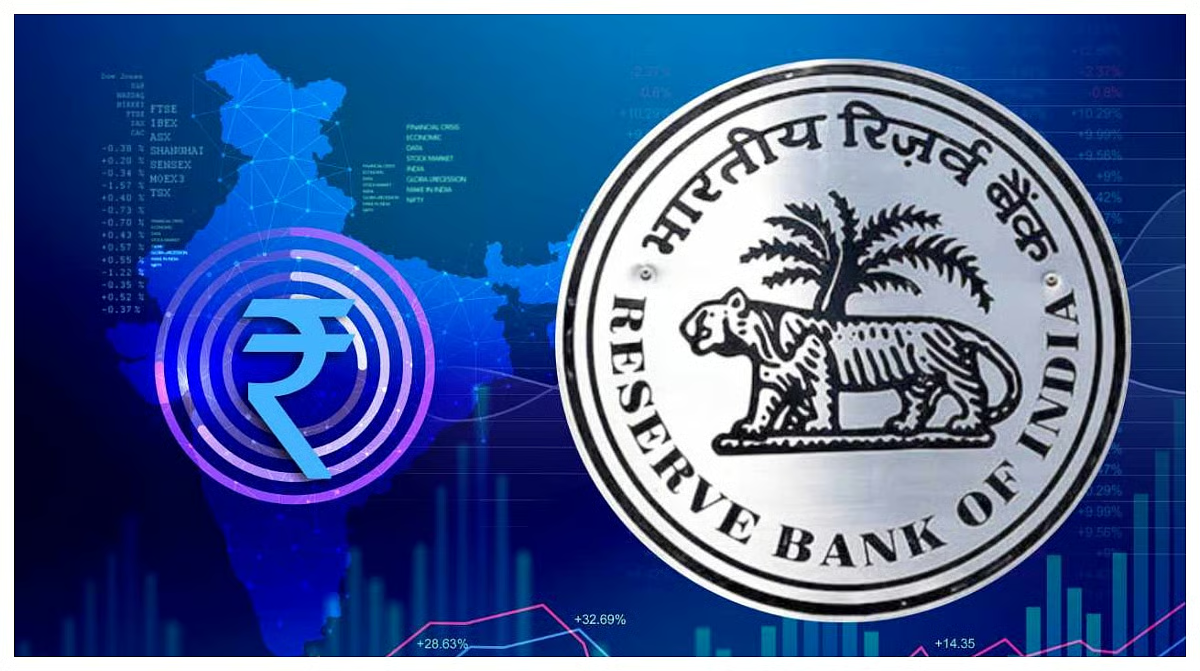
India has taken a cautious yet progressive approach toward CBDCs. The Reserve Bank of India launched pilot programs for the Digital Rupee in both retail and wholesale segments.
Key highlights:
-
Focus on secure digital payments
-
Integration with existing banking systems
-
Gradual rollout to avoid disruption
A major development in India’s CBDC journey is that the Digital Rupee (e₹) is now fully interoperable with the UPI (Unified Payments Interface) network, allowing users to seamlessly transact between traditional bank accounts and CBDC wallets.
India’s strategy reflects a balance between innovation and financial stability, aligning with the broader trend of Subtle Crypto Banking.
Global Momentum Behind CBDCs
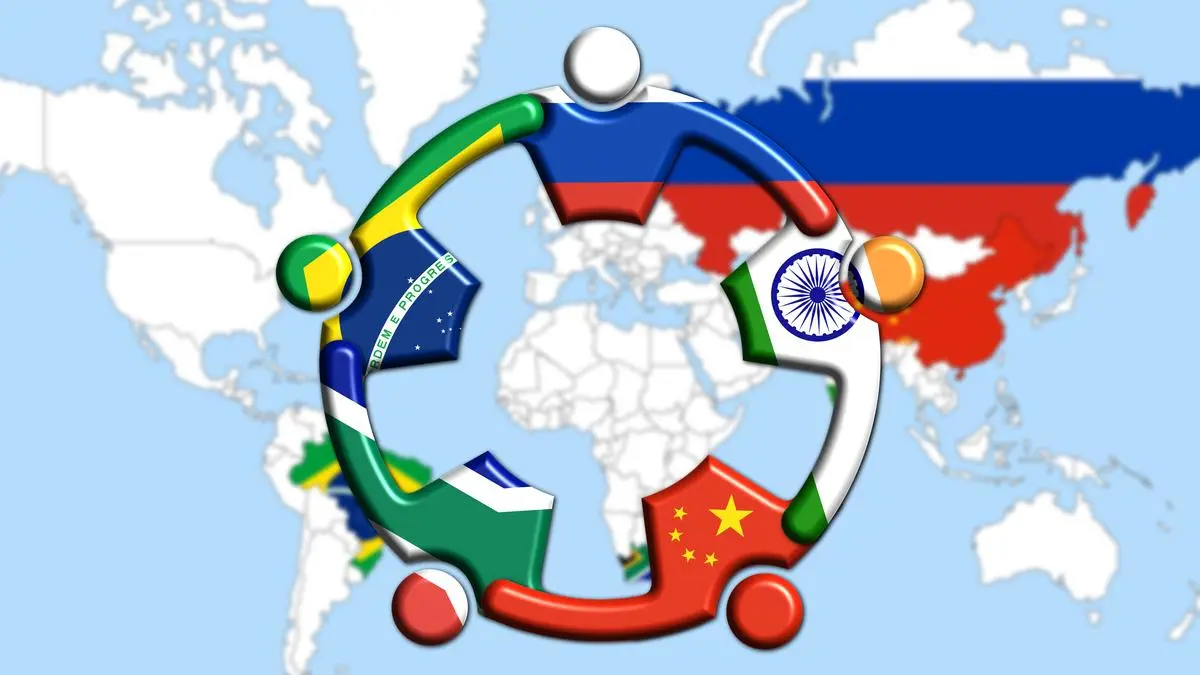
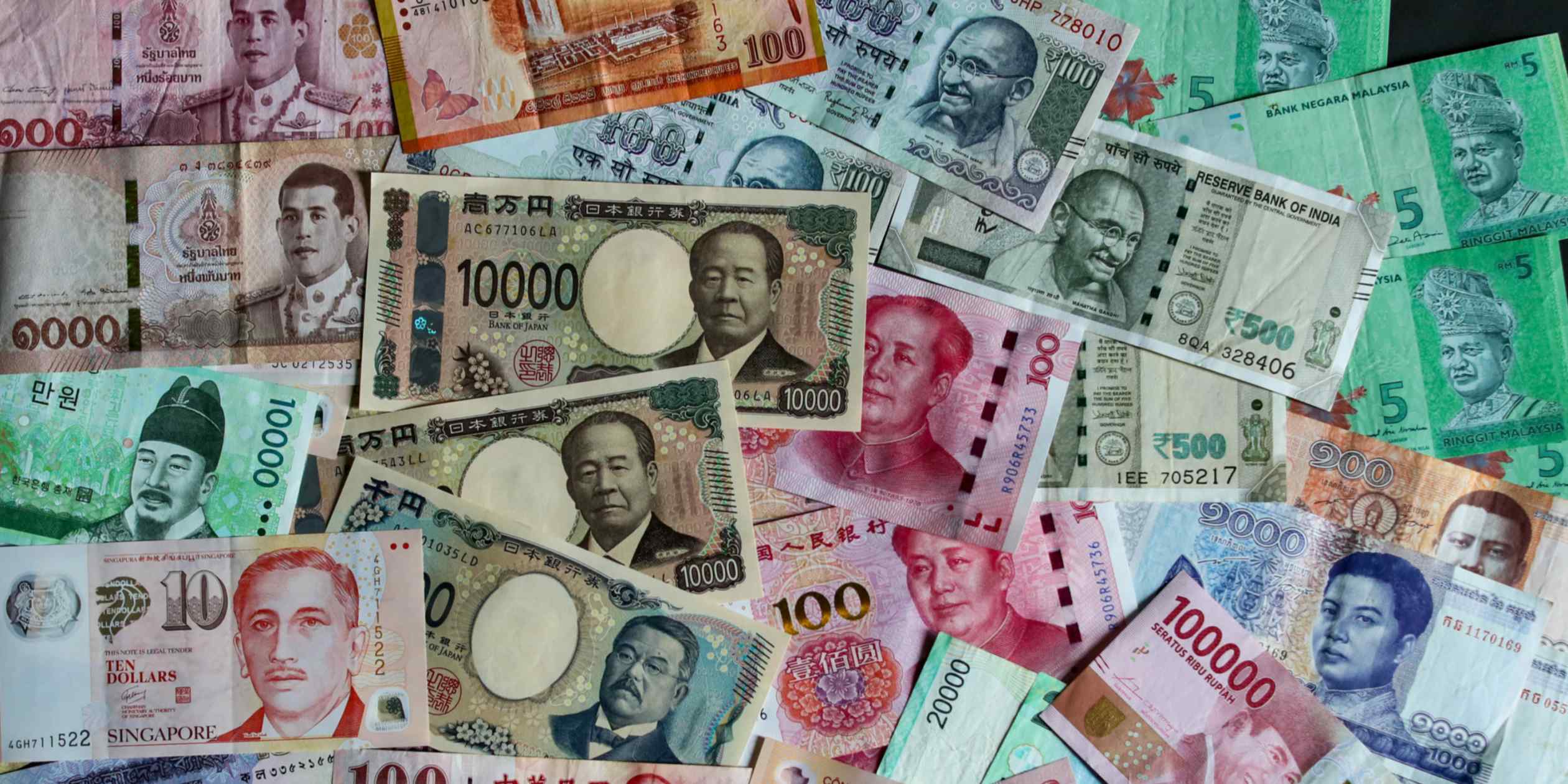
CBDCs are not limited to one country. Several nations are actively experimenting or implementing digital currencies.
Notable examples:
-
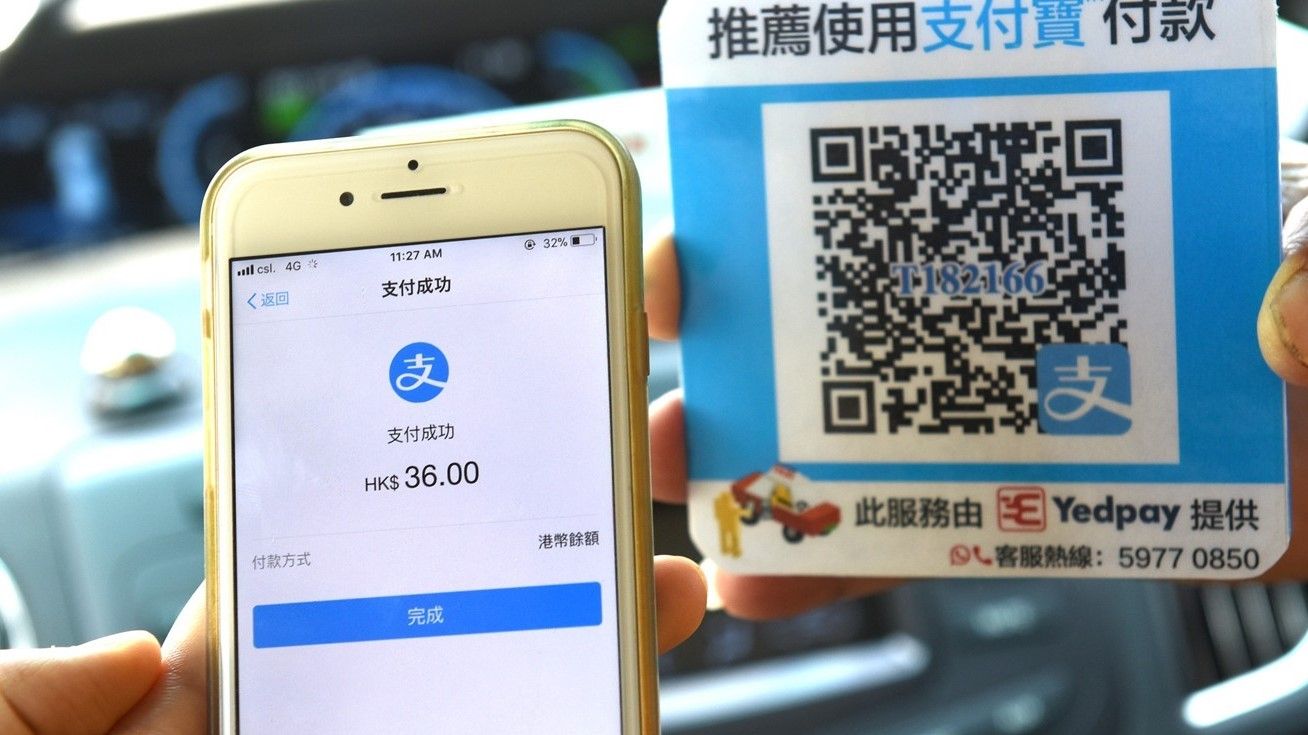
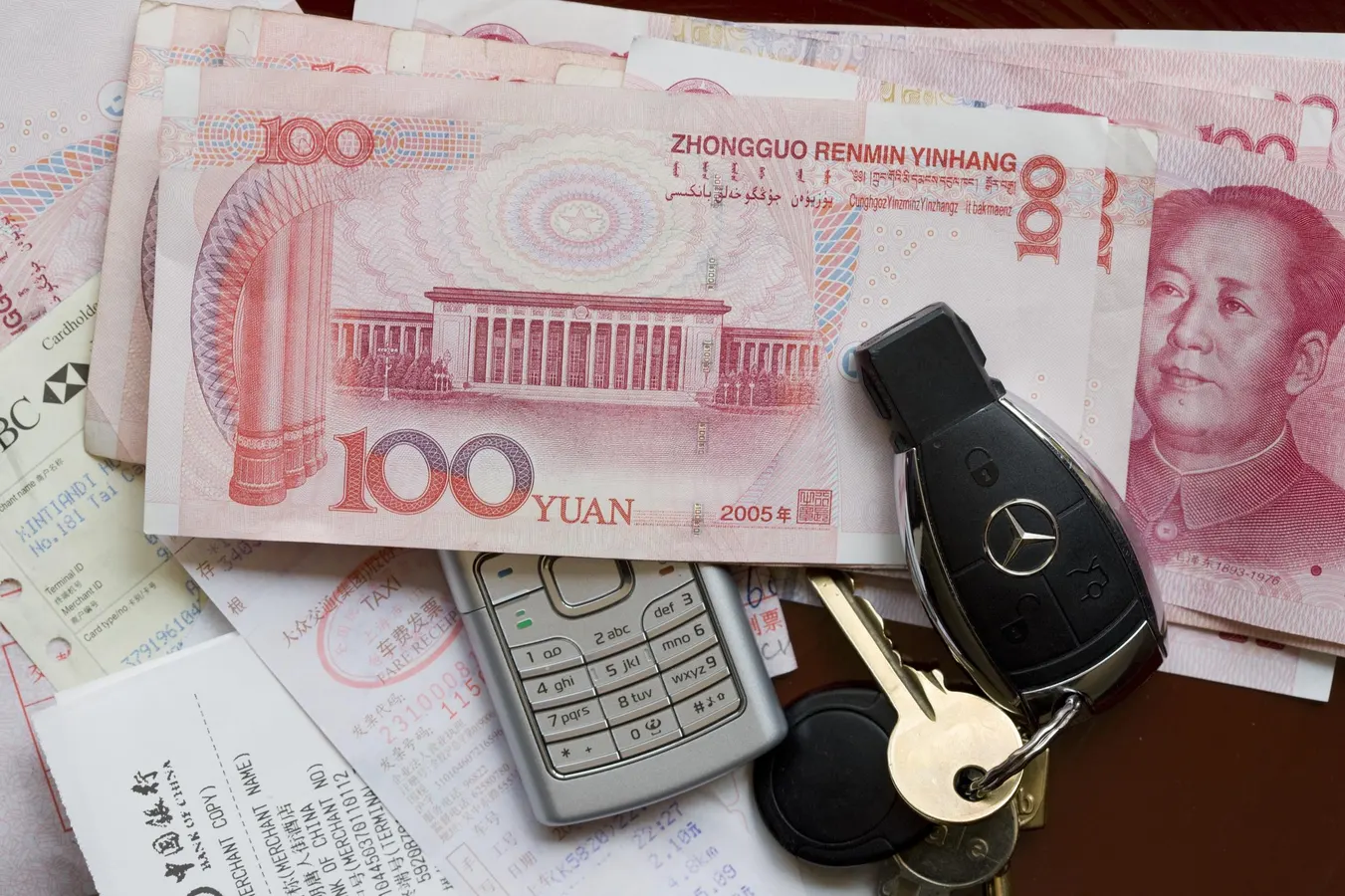
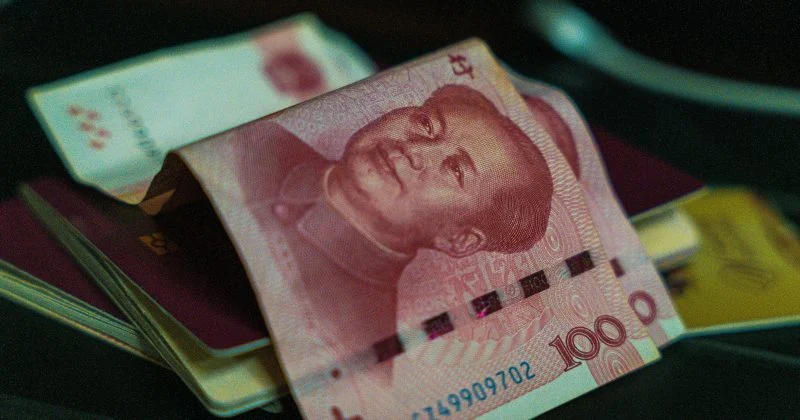
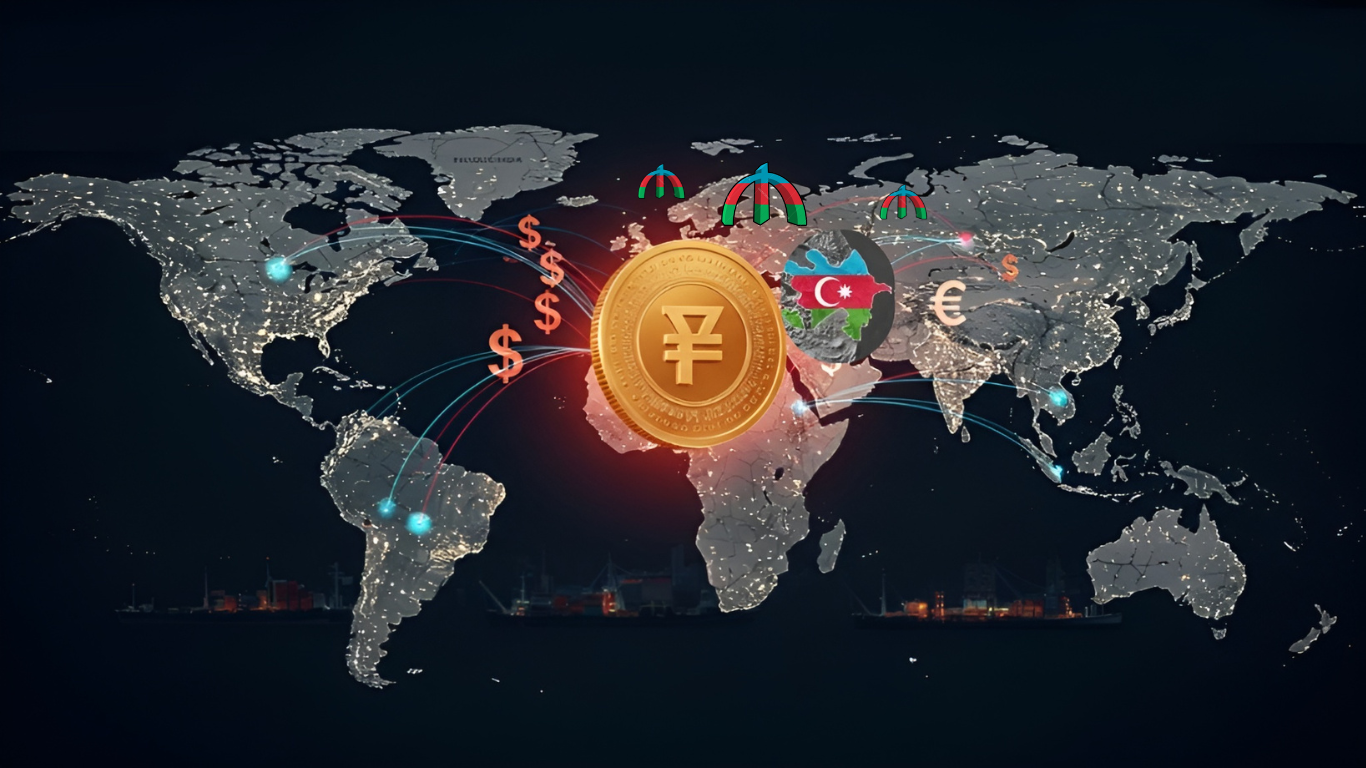
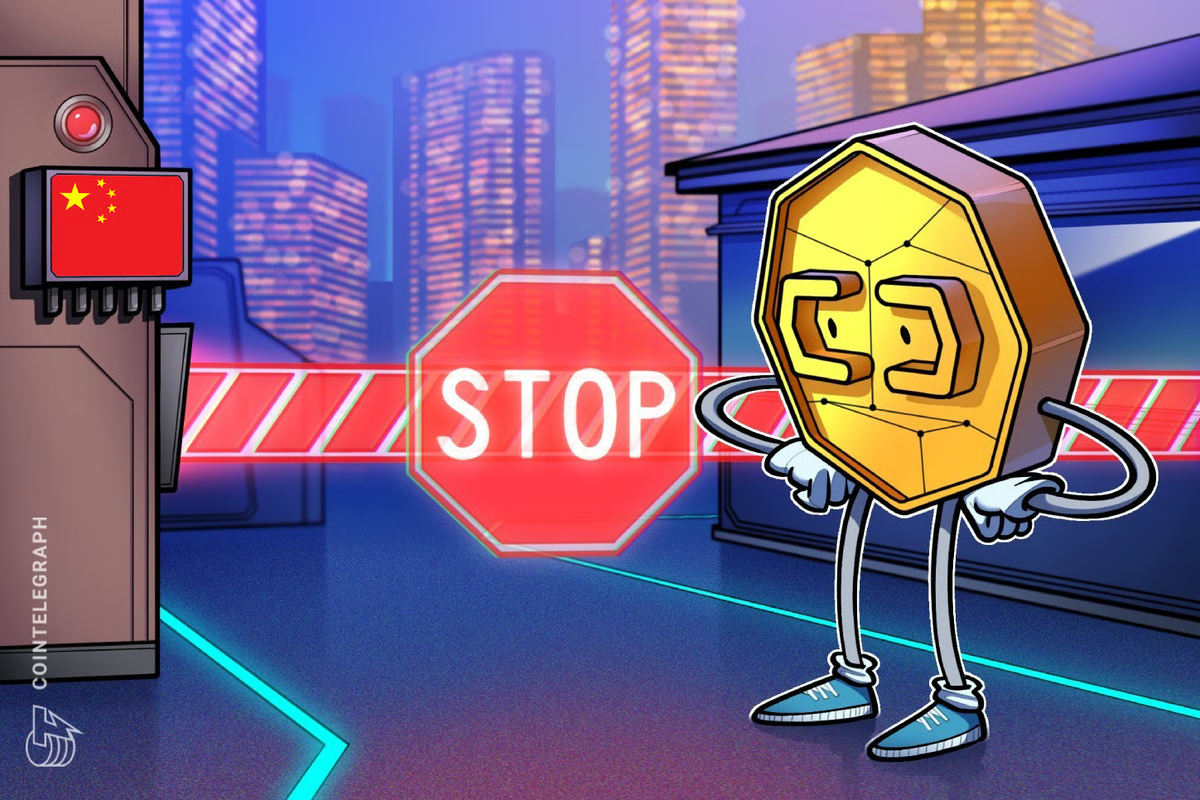
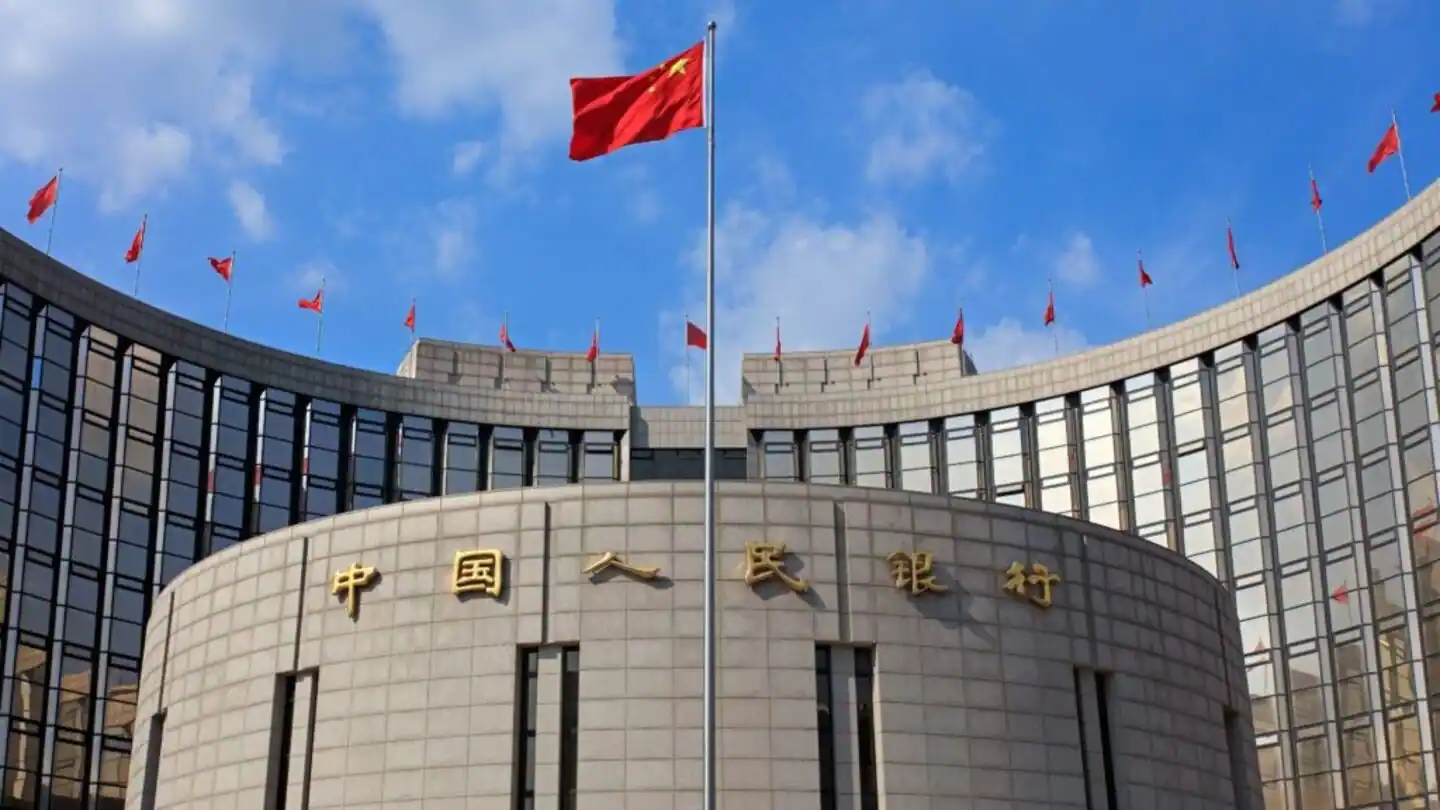
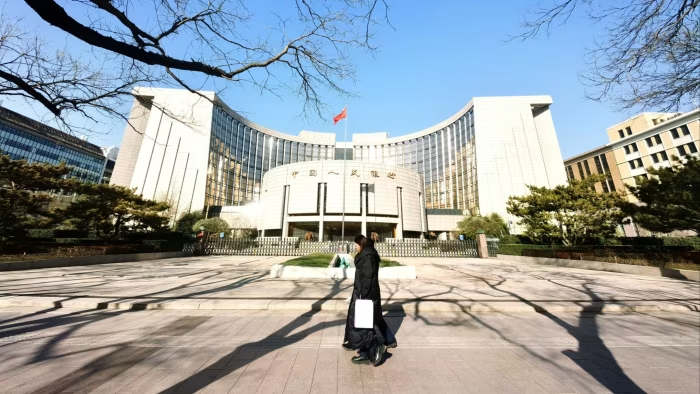
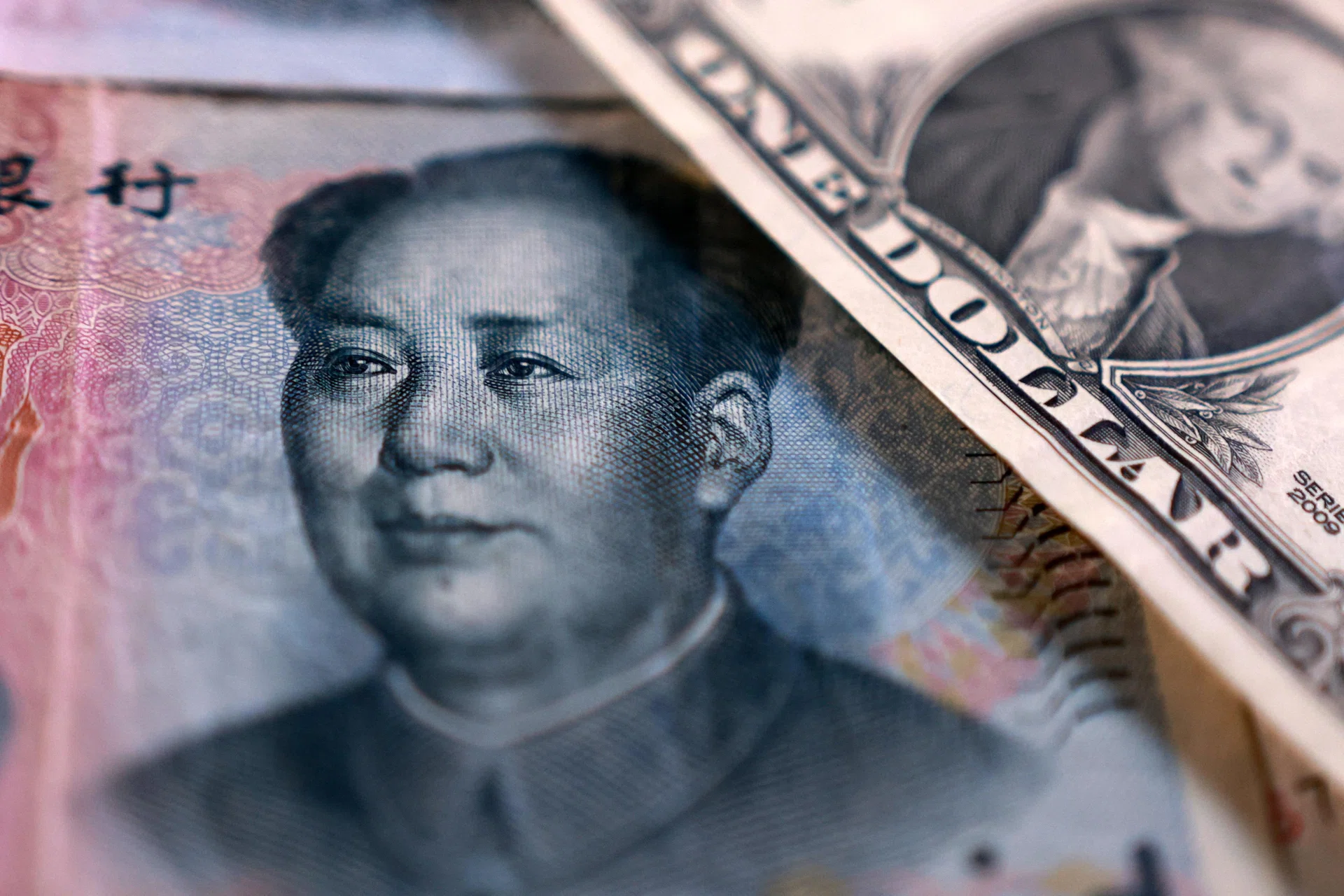
China’s Digital Yuan is already in use in major cities
-
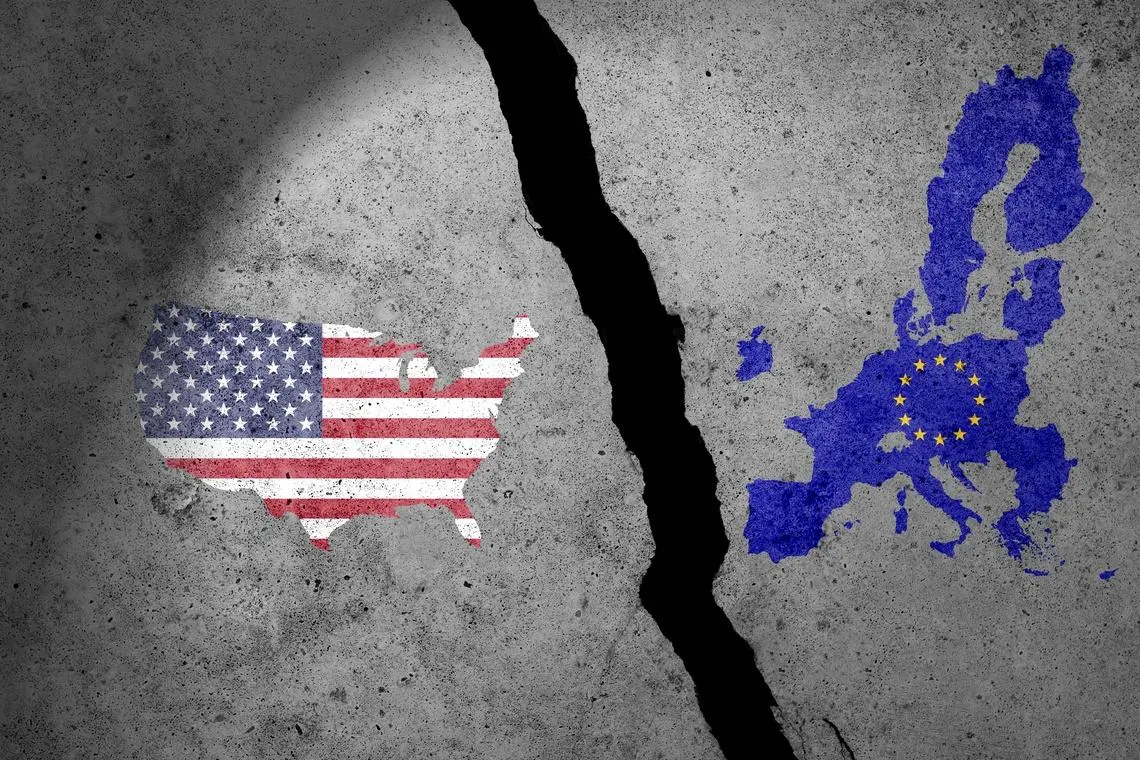
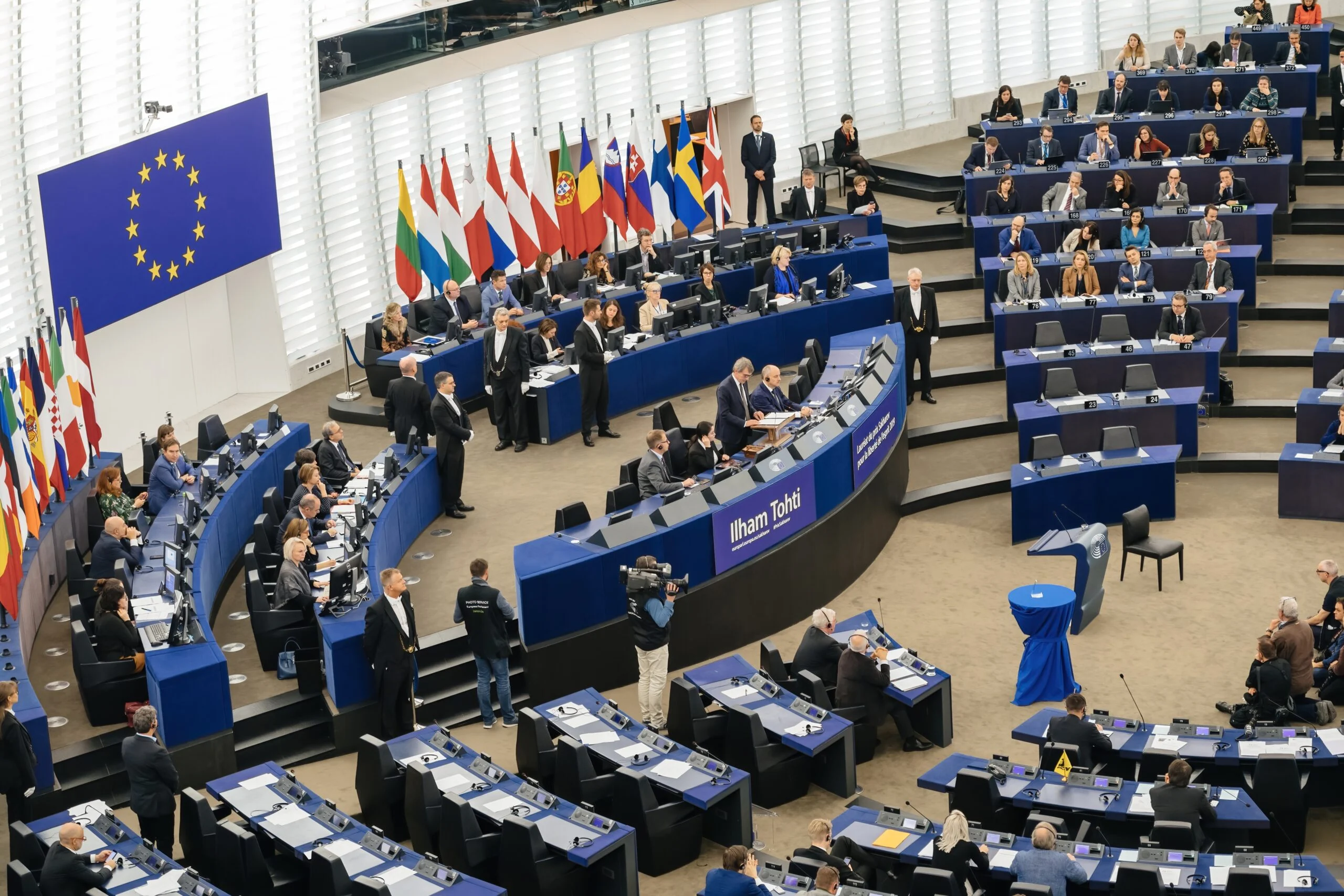
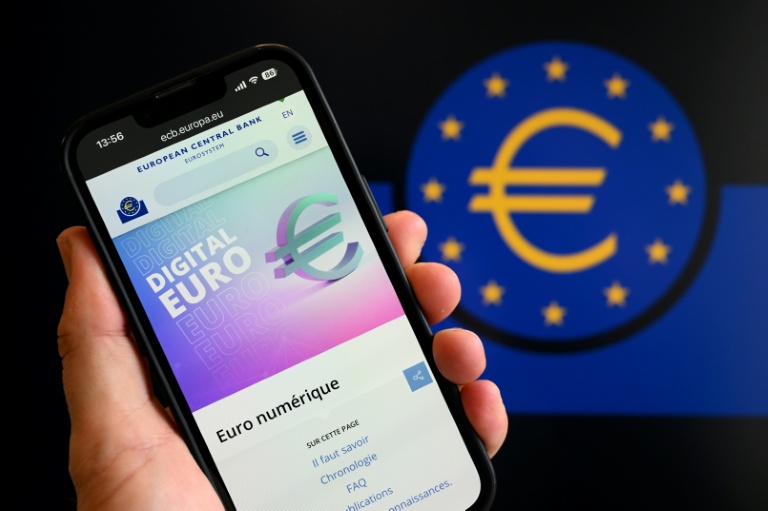
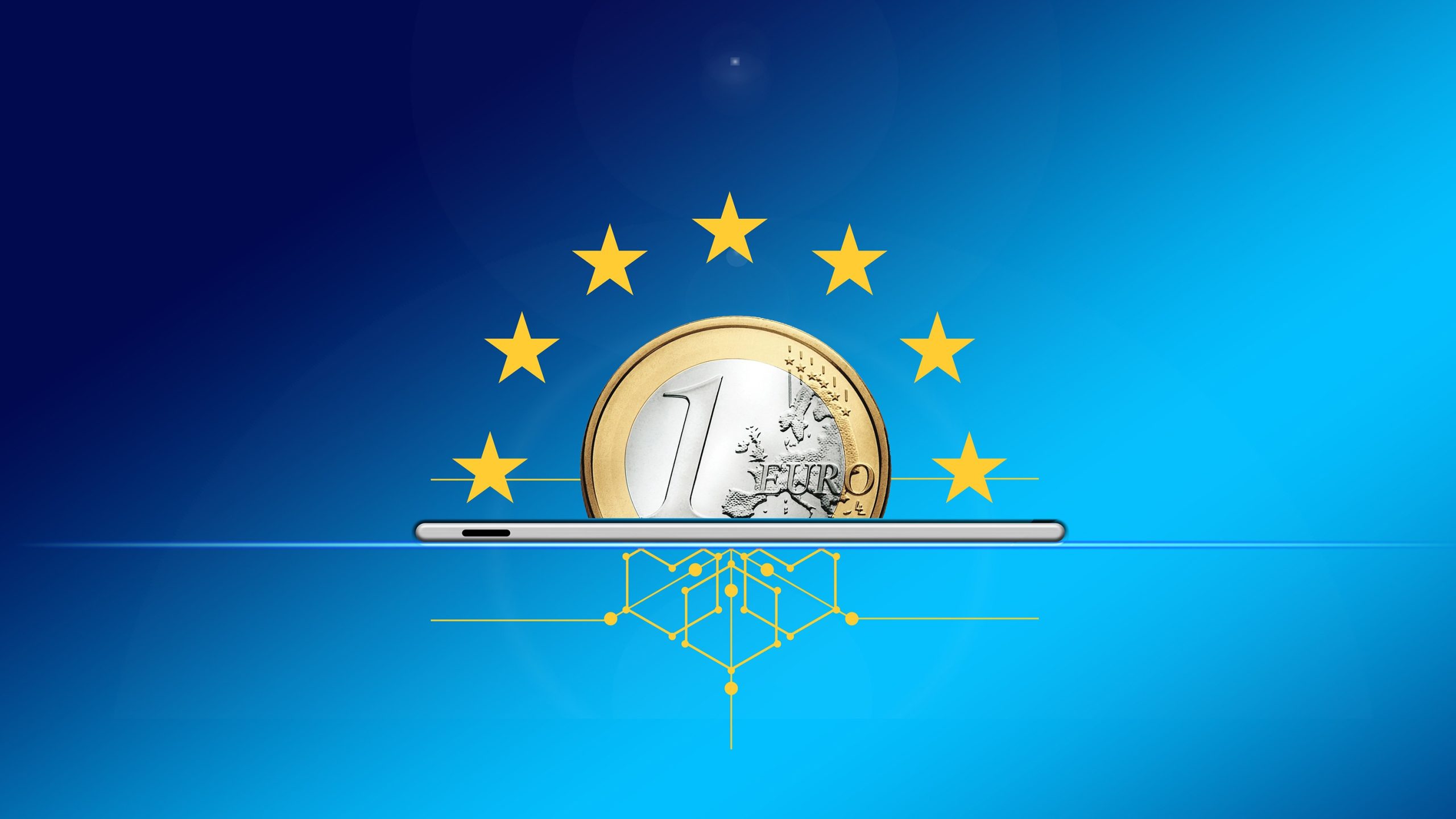
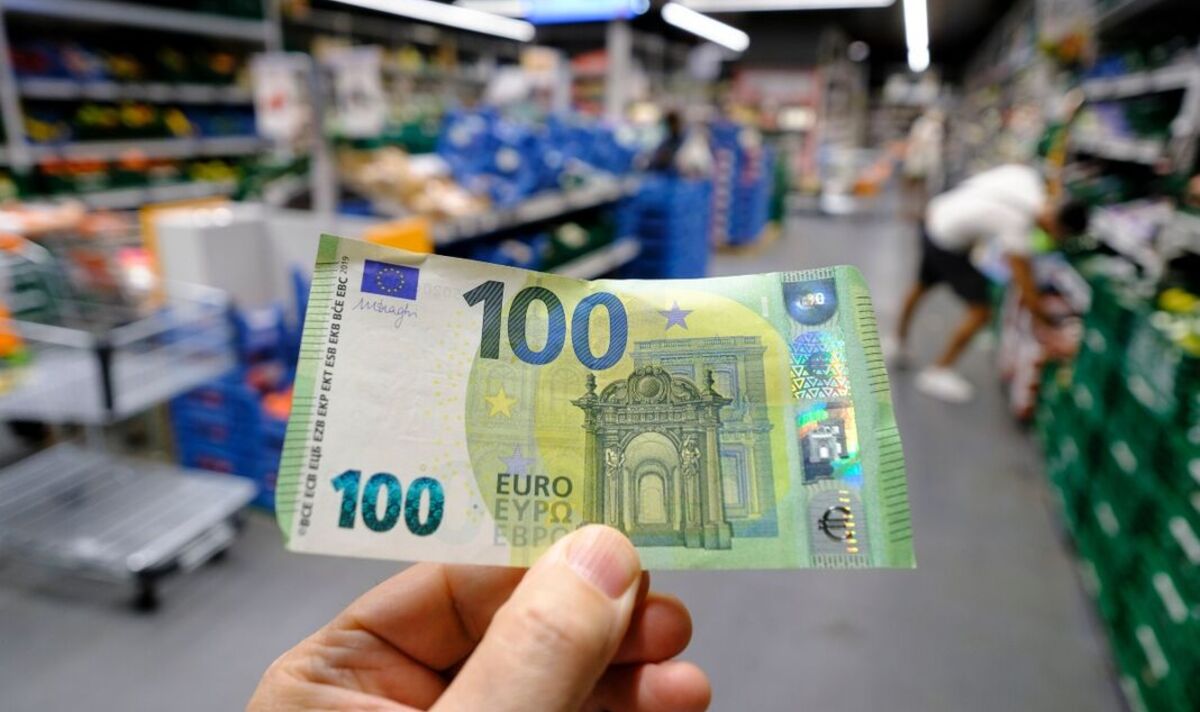
The European Union is exploring a Digital Euro
-
The United States is researching a Digital Dollar
This global movement shows that digital currencies are no longer a concept—they are becoming reality.
Benefits of CBDCs
CBDCs bring multiple advantages to both users and governments.
For Individuals:
For Governments:
CBDCs can also support economic growth by making financial systems more efficient.
Challenges and Concerns
Despite their benefits, CBDCs also come with certain challenges.
Major concerns include:
-
Privacy issues: Governments may track transactions
-
Cybersecurity risks
-
Impact on traditional banks
-
Digital literacy barriers
Balancing innovation with privacy and security remains a key challenge for policymakers.
The Future of Digital Money
CBDCs are expected to play a major role in the future of finance. As technology evolves, digital currencies will become more integrated into daily life.
We may soon see:
-
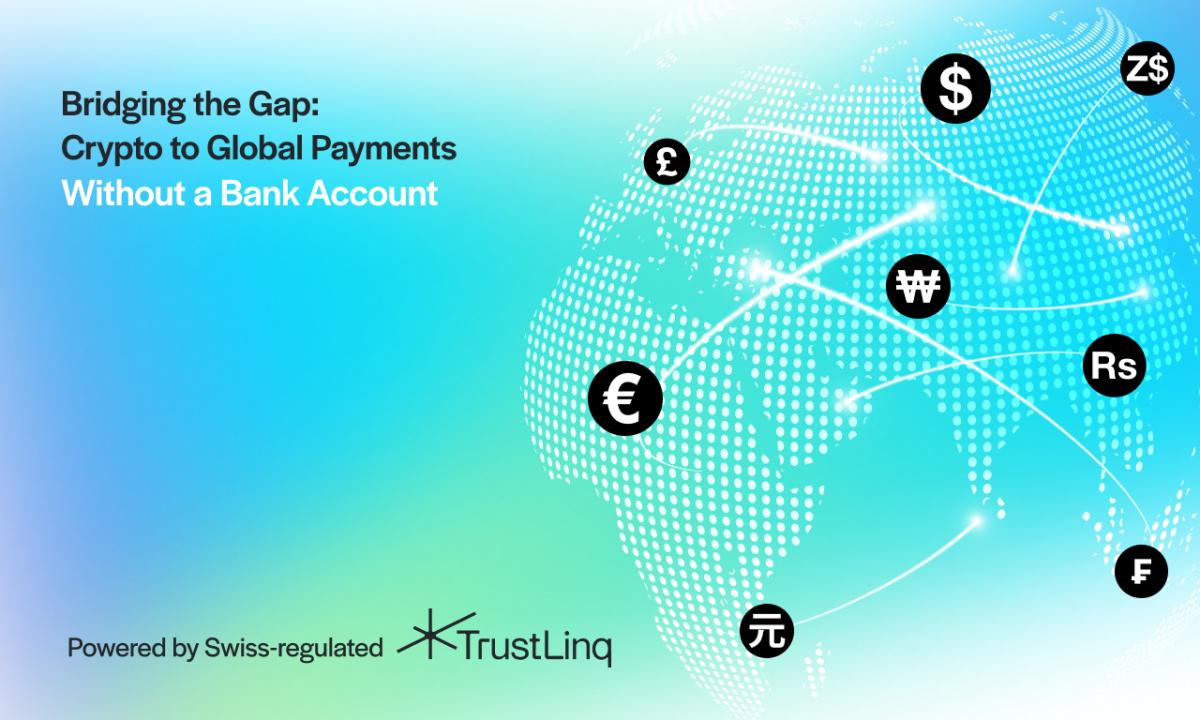
Seamless cross-border payments
-
Integration with mobile wallets and apps
-
Reduced dependency on physical cash
The rise of CBDCs signals a shift toward a more digital and efficient financial ecosystem.
Frequently Asked Questions (FAQs)
1. Is CBDC the same as cryptocurrency?
No, CBDCs are government-backed digital currencies, while cryptocurrencies are decentralized and not controlled by any authority.
2. Is CBDC safe to use?
Yes, CBDCs are issued by central banks, making them more secure and stable compared to most cryptocurrencies.
3. Will CBDC replace cash?
Not immediately. CBDCs are designed to complement cash, not completely replace it.
4. Can CBDCs be used offline?
Some countries are exploring offline functionality, but it depends on the technology used.
5. Why are governments interested in CBDCs?
They help improve payment systems, increase financial inclusion, and give better control over monetary policies.
Conclusion
Central Bank Digital Currency is more than just a technological upgrade—it is a transformation of how money works. By blending the reliability of traditional banking with the efficiency of digital systems, CBDCs represent the future of finance.
As countries continue to adopt and experiment with digital currencies, one thing is clear: the evolution of money is already underway, and it is happening more quietly—and more powerfully—than ever before.