1. What are the most common cryptocurrency scams in 2026?
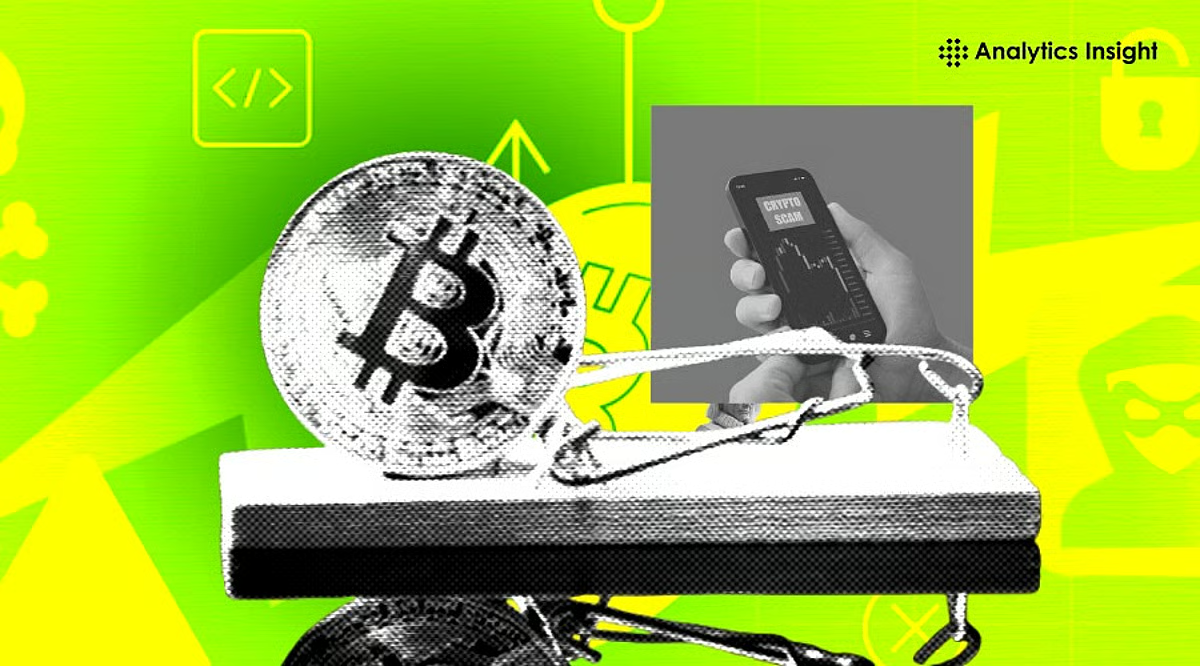
Common cryptocurrency scams include fake investment platforms, fraudulent exchanges, phishing attacks, impersonation fraud, romance scams and AI-generated deepfake schemes. Criminals frequently promise guaranteed returns, create fake account balances or impersonate trusted organizations to convince victims to transfer funds.
2. How can investors identify a fake cryptocurrency exchange or investment platform?
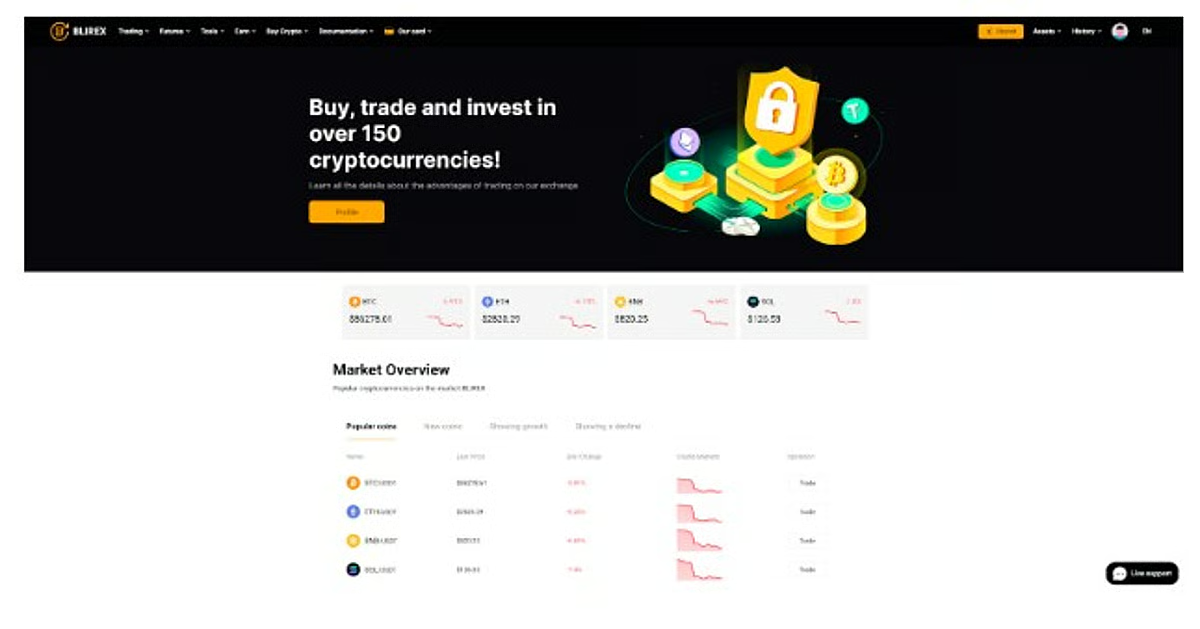
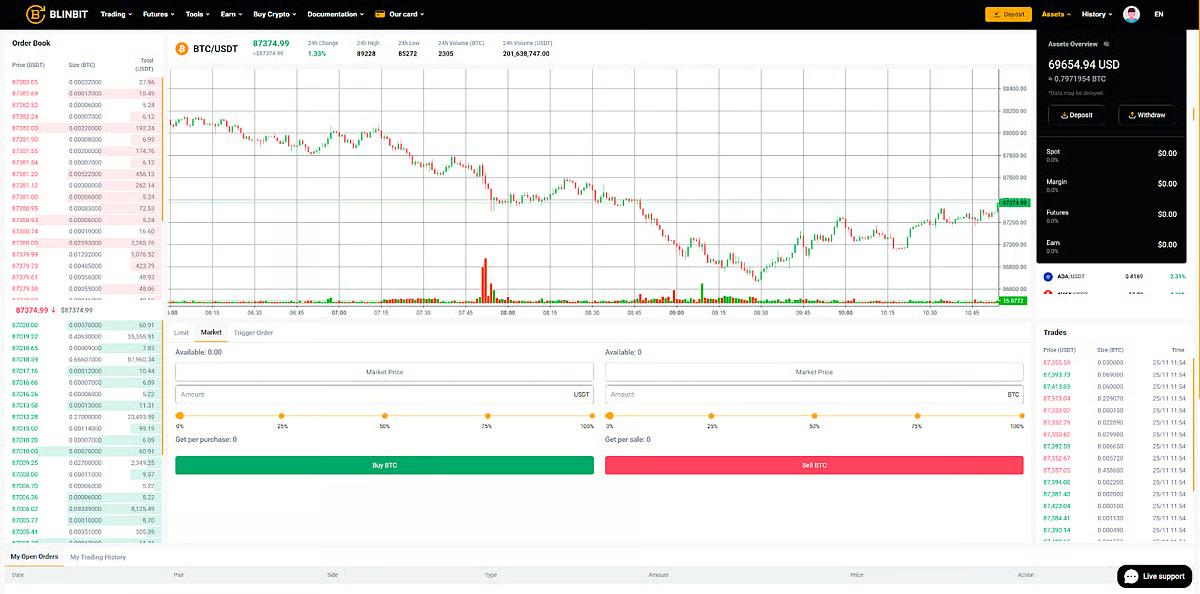
Investors should watch for unrealistic profit guarantees, suspicious website addresses, fabricated testimonials, unexpected withdrawal fees and pressure to deposit additional funds. Verifying the platform’s regulatory status, official domain and independent reputation can help identify potentially fraudulent services.
3. How are scammers using artificial intelligence for cryptocurrency fraud?
Scammers use AI-generated images, deepfake videos, voice cloning and convincing messages to impersonate celebrities, financial professionals and cryptocurrency exchange representatives. These techniques can make fraudulent investment opportunities appear legitimate, so users should independently verify identities before sharing information or transferring assets.
4. What should someone do after becoming a victim of a cryptocurrency scam?
Victims should immediately stop sending funds, preserve transaction hashes, wallet addresses, screenshots and communication records, and notify the relevant cryptocurrency exchange. US victims can report fraud through the FBI’s Internet Crime Complaint Center (IC3), while victims elsewhere should contact their local cybercrime authorities.
5. How can cryptocurrency users protect themselves from online impersonation fraud?
Users should enable two-factor authentication, protect private keys and recovery phrases, verify official communication channels and avoid suspicious investment links. They should also reject urgent cryptocurrency transfer requests, independently confirm unexpected messages and remain cautious of anyone promising guaranteed returns or demanding advance payments.