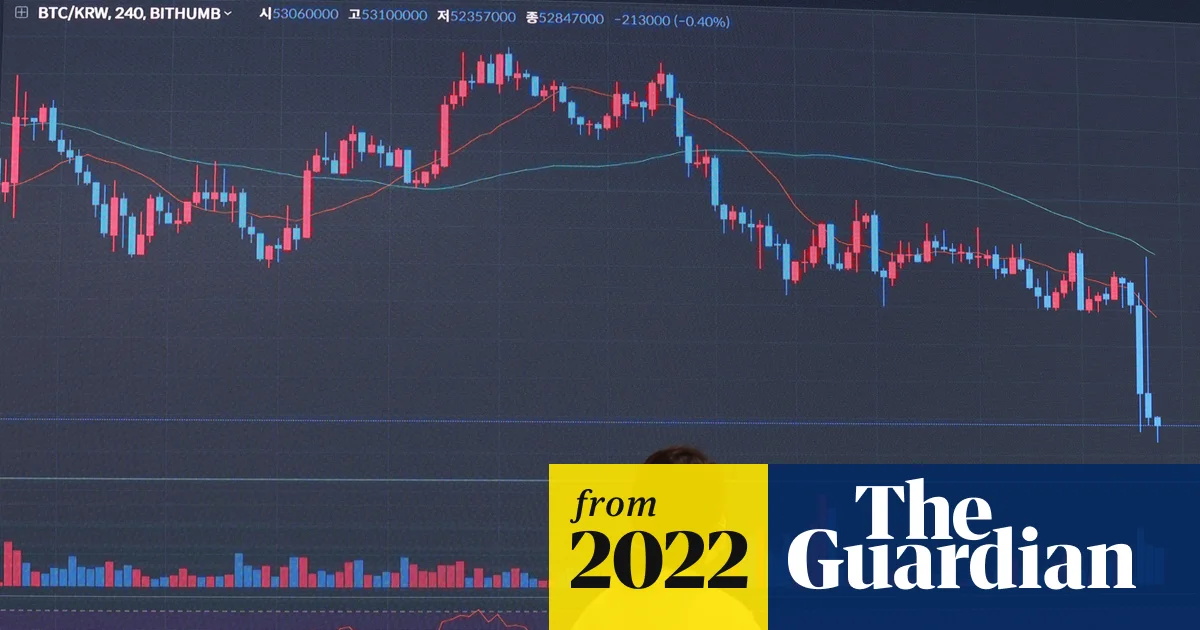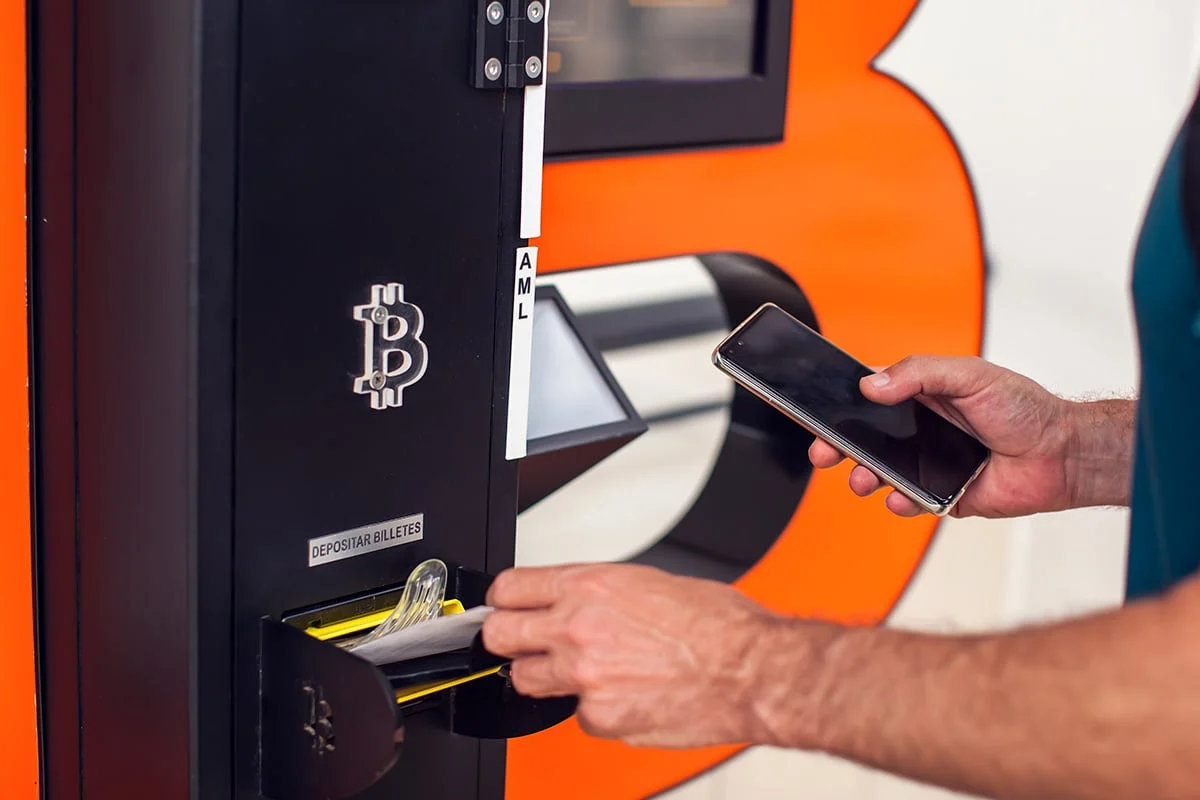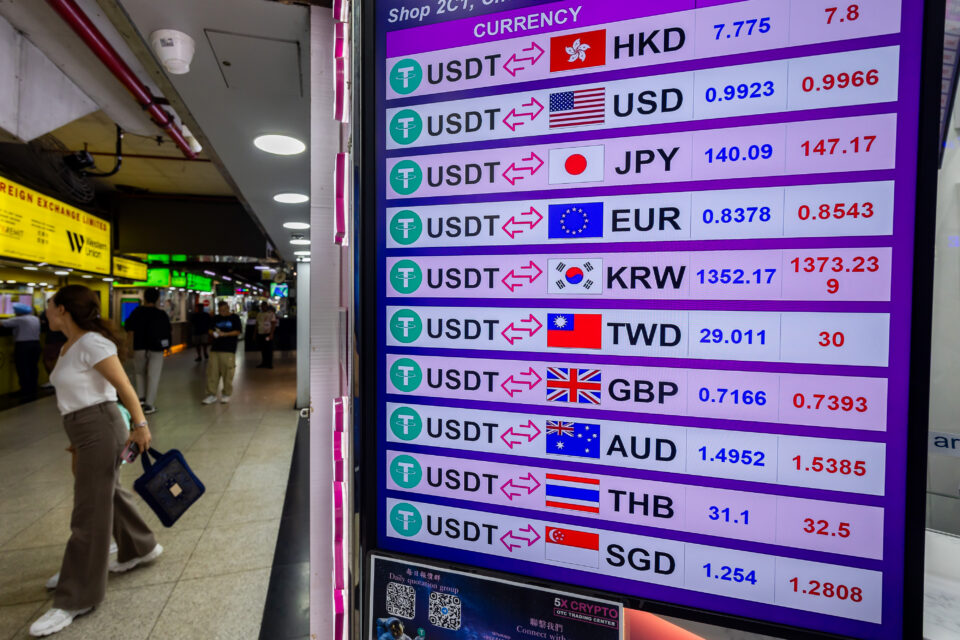
Exchanging cryptocurrency for fiat-denominated bills can be a complex process, especially during periods of heightened market fluctuation. Whether one is interested in investment or using crypto as payment, checking something like the litecoin price is different from using an exchange rate to complete a specific purchase.
Market prices rarely stay the same for long, but checkout software must be able to provide a customer with a definite number. Without this clear measure, it would be unclear how a given digital asset translates to conventional currency.
Solutions to this problem vary, but one of the most common is to create a temporary quote that applies only to a defined payment window.
In concept, a merchant or exchange sets the price, a conversion snapshot is sent to the customer based on the calculated value, the payment window opens, the customer either pays or allows the quote to expire, and the payment software evaluates the result.
Essentially, these are payment instructions that function only for a specific point in time, after which the process must begin again with a new quote.
A Payment Model Defined in Three Layers
Cryptocurrency checkout quotes exist to clarify the intersection between three distinct metrics: the merchant or exchange’s valuation, the exchange rate applied by the application, and the resulting payment amount. While these numbers are closely related, they perform different functions.
Suppose a merchant’s commercial price for a product is currently valued at £100, and the customer has the option to pay with Litecoin. Once they choose to do so, the exchange handling that payment will use the current price of Litecoin to determine the proper rate.
That measure is then established as the Litecoin payment amount, remaining internally consistent until a set window expires.
Without such a defined conversion point, the requested payment amount would likely continue to change, even as the customer is attempting to authorise the transaction.
Payment software therefore requires rules that determine when a particular quote begins and ends, something that is especially true of cryptocurrency. The value of these digital assets is constantly changing, necessitating clear payment windows.
An Example of Real-World Implementation
In a typical implementation, an invoice is priced in a fiat currency such as pounds, while the equivalent cryptocurrency amount is calculated from current prices and locked for a set period. The customer sees one fixed crypto figure, and the merchant still books the sale at its original fiat price.
Each payment provider sets its own duration for these temporary instructions, often measured in minutes. Quoted prices can also last a different amount of time depending on the asset involved, though that is decided by the provider and not by the cryptocurrency or blockchain itself.
‘Stablecoins represent [an] alternative,’ Binance co-CEO Richard Teng said in an April 2026 post on Binance Square. ‘It’s totally built on blockchain. If you do a transfer on stablecoin, it’s instantaneous at a fraction of the cost.’
Understanding Blockchain Network Clocks
Although payment windows are not determined by blockchains themselves, many networks feature so-called ‘clocks’ that target individual blocks over a given period of time.
According to Litecoin documentation, blocks are targeted every two and a half minutes. While not directly tied to an invoice, this does happen to create a second timing restriction relevant to the transaction under the right circumstances.
If a blockchain does not produce a new block associated with a given payment within the same window as the quote time, it may be possible that a shift occurs in the actual payment.
Quote time determines how long specific payment instructions remain viable, while blockchain time determines the network’s actual processes. Factor in business timelines, and commercial use of crypto becomes more complex.
A central technical model for effective payment windows is dependent on these three clocks: the commercial deadline, payment-quote expiry, and blockchain processing.
An attempt to treat all three as a single timer may result in confusing checkout behaviour or possible stale payment handling, wherein a customer attempts to use old payment instructions after a quote has expired.
The Three Clocks as an Engineering Objective
Many aspects of software engineering already rely on some form of time-sensitive state or defined lifetime akin to a payment window.
Temporary tokens, reservation holds, signed requests, shopping carts, and API credentials frequently involve expiry rules. As such, cryptocurrency payment quotes fit neatly into a wider computing pattern despite what differences may arise.
The engineering objective is not necessarily determining where an asset’s exchange rate will end up next. It is establishing a process to ensure that both sides know exactly what payment instructions apply to a given translation at a given time, and each is satisfied with the result.
An effective cryptocurrency checkout design therefore depends on keeping the three clocks separate, as opposed to treating conversion, invoices, and blockchain processing as a single event.