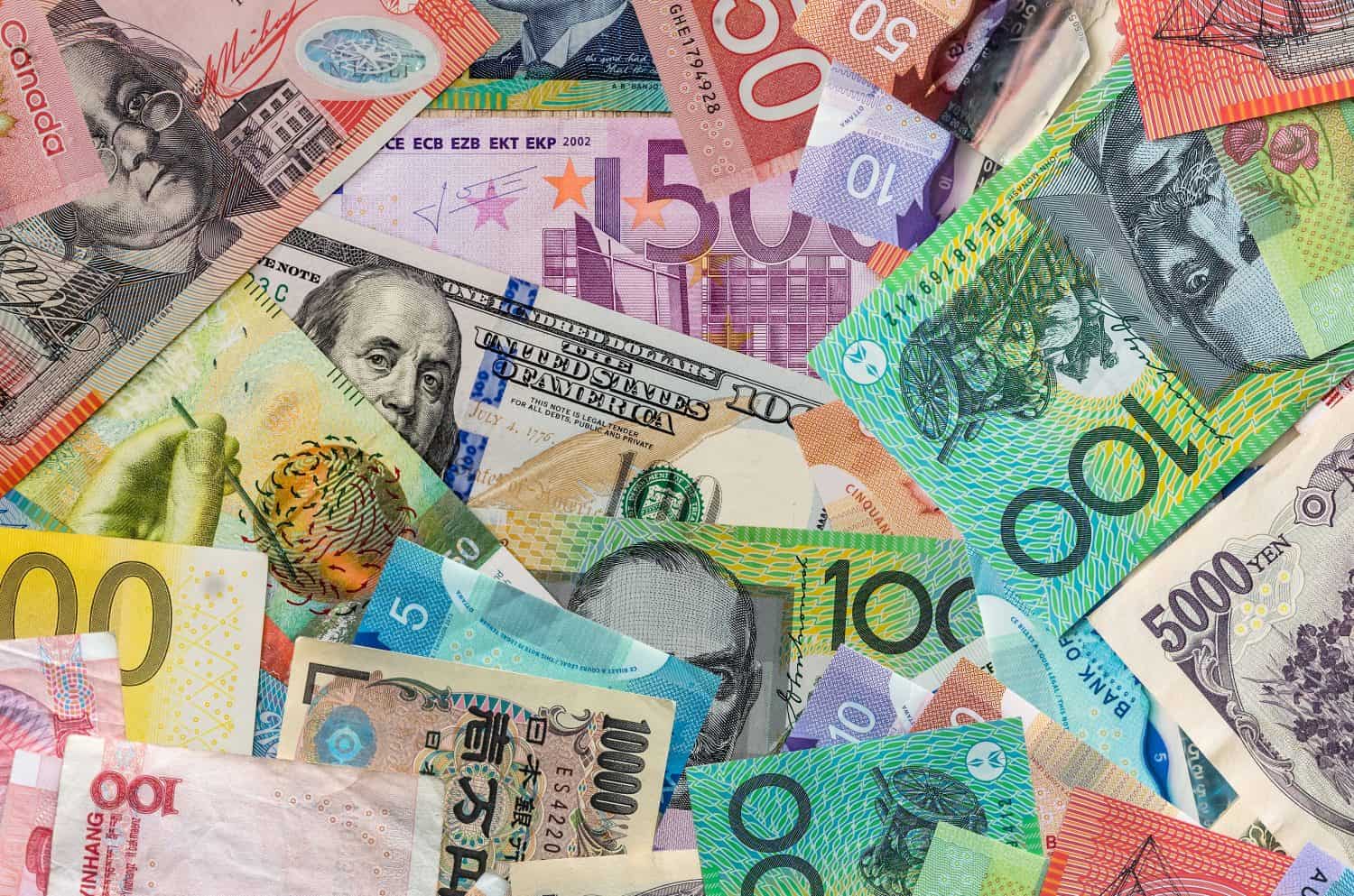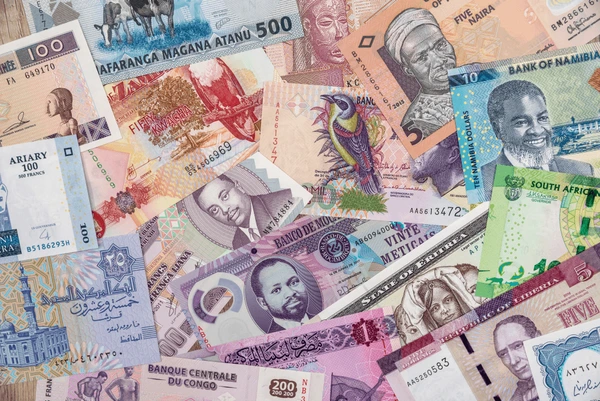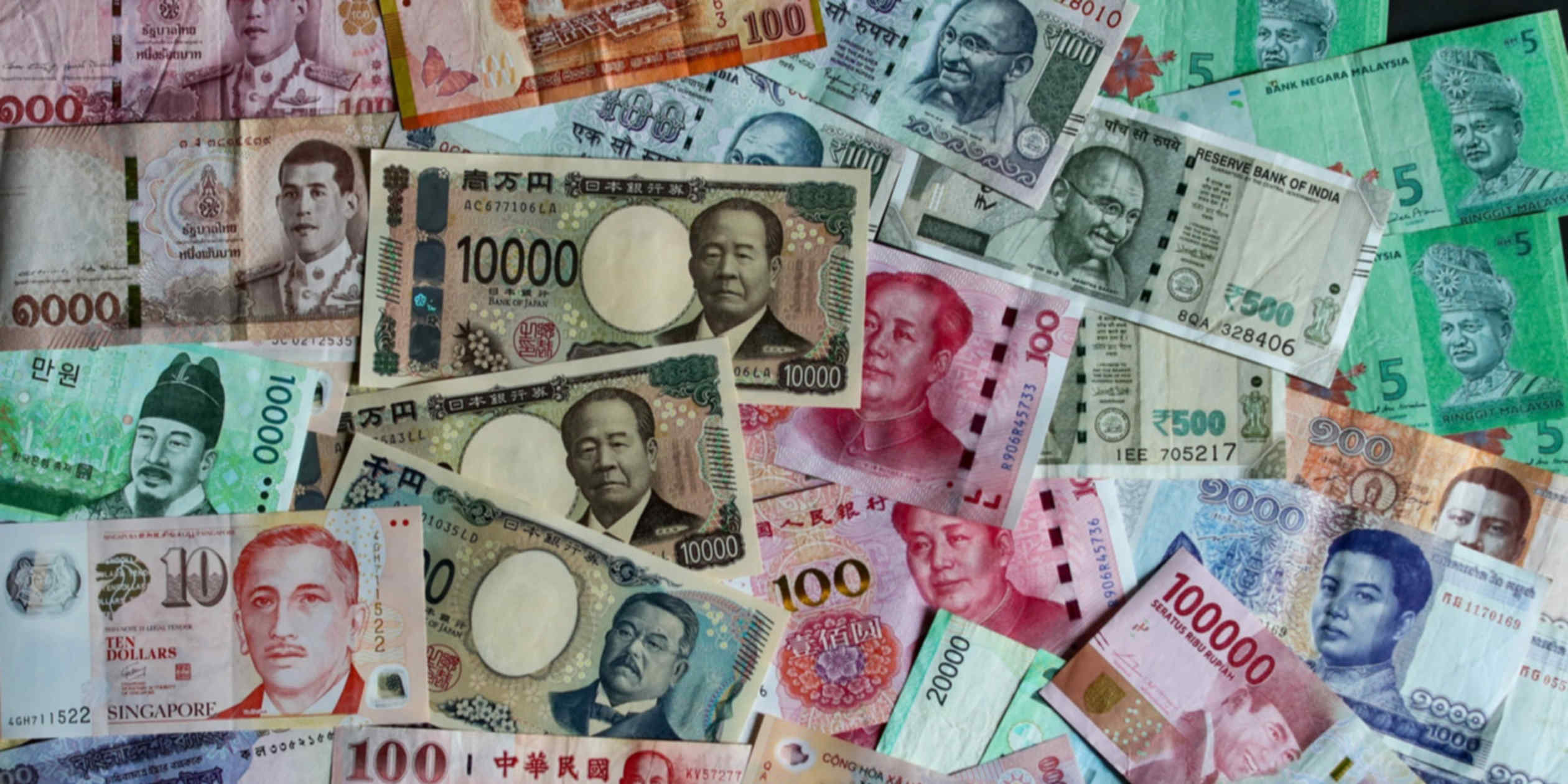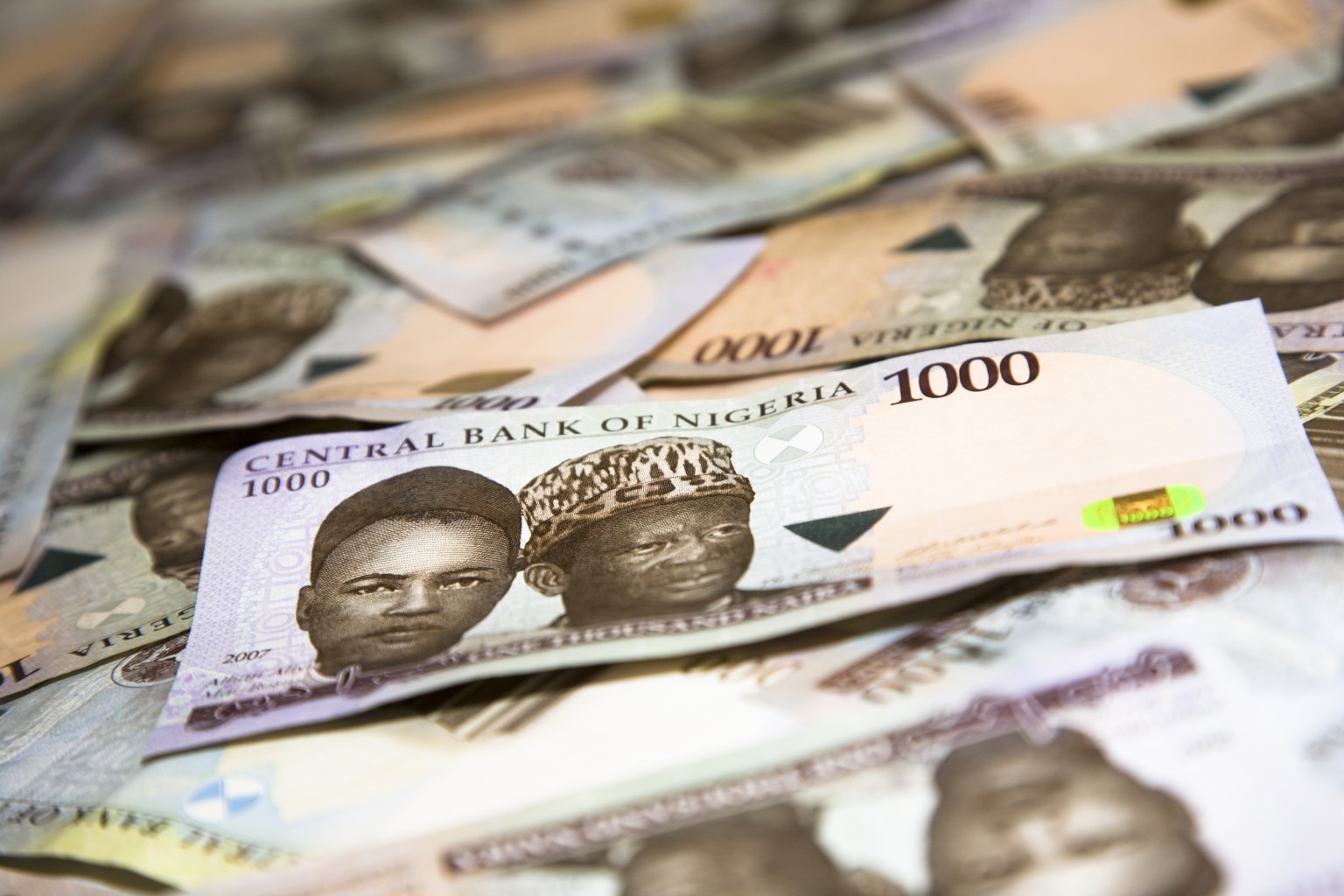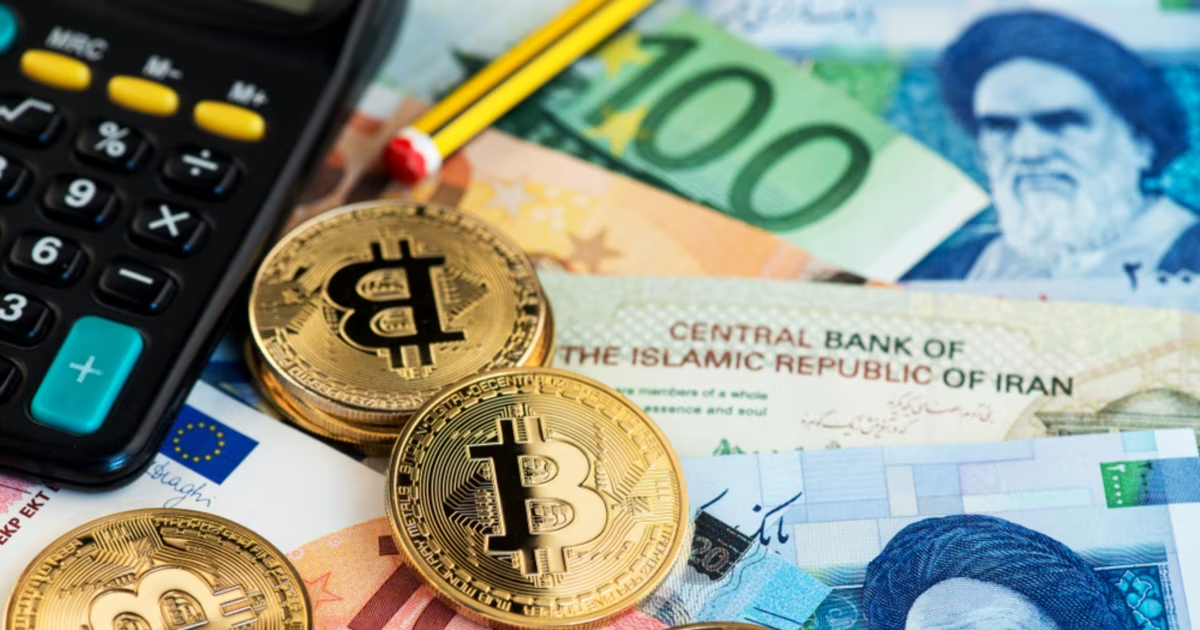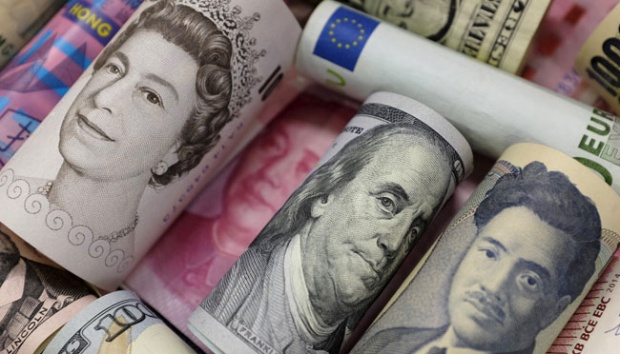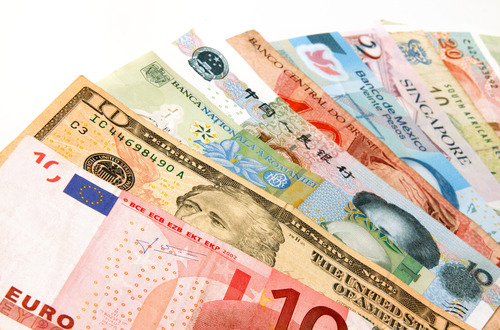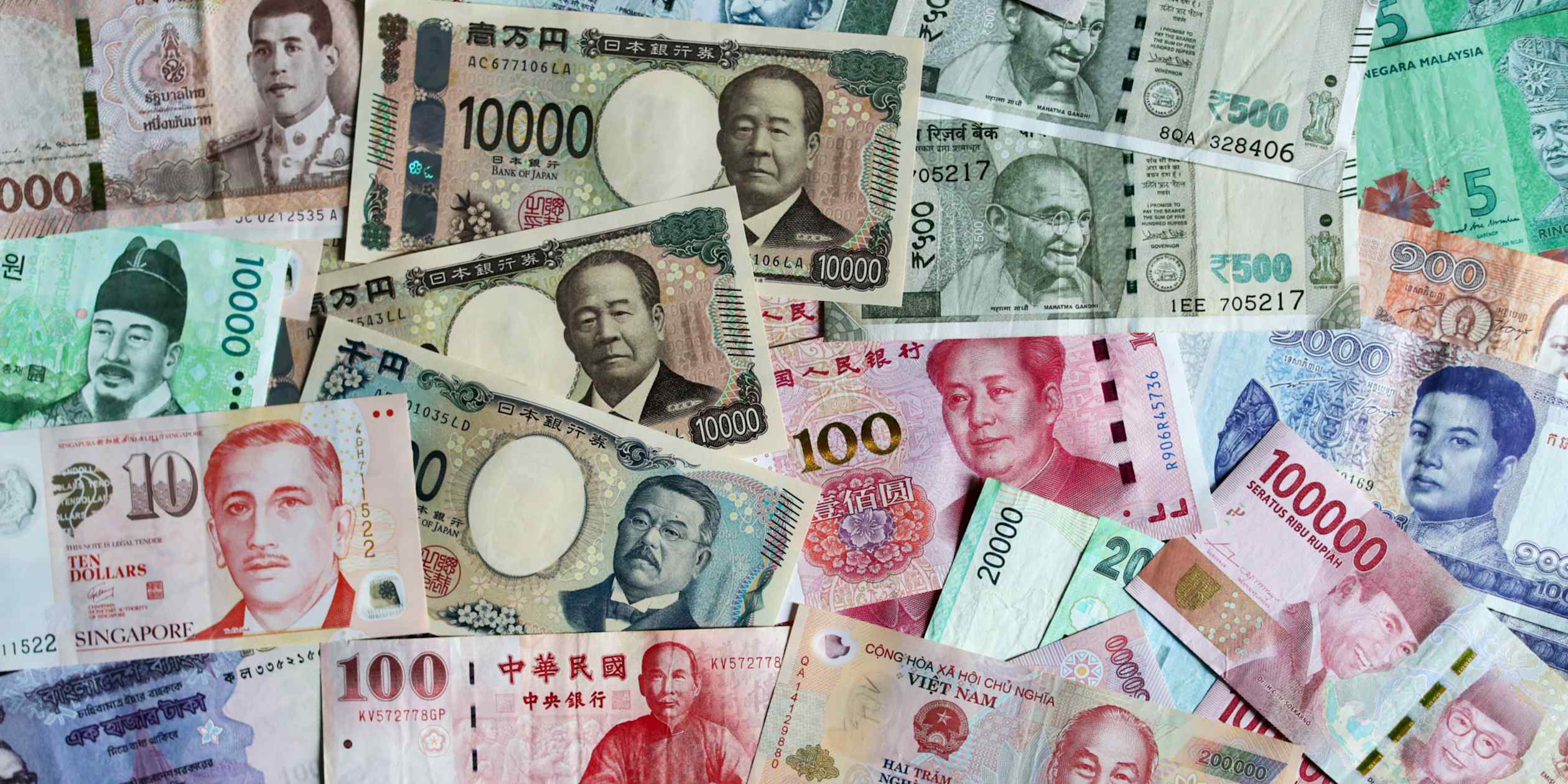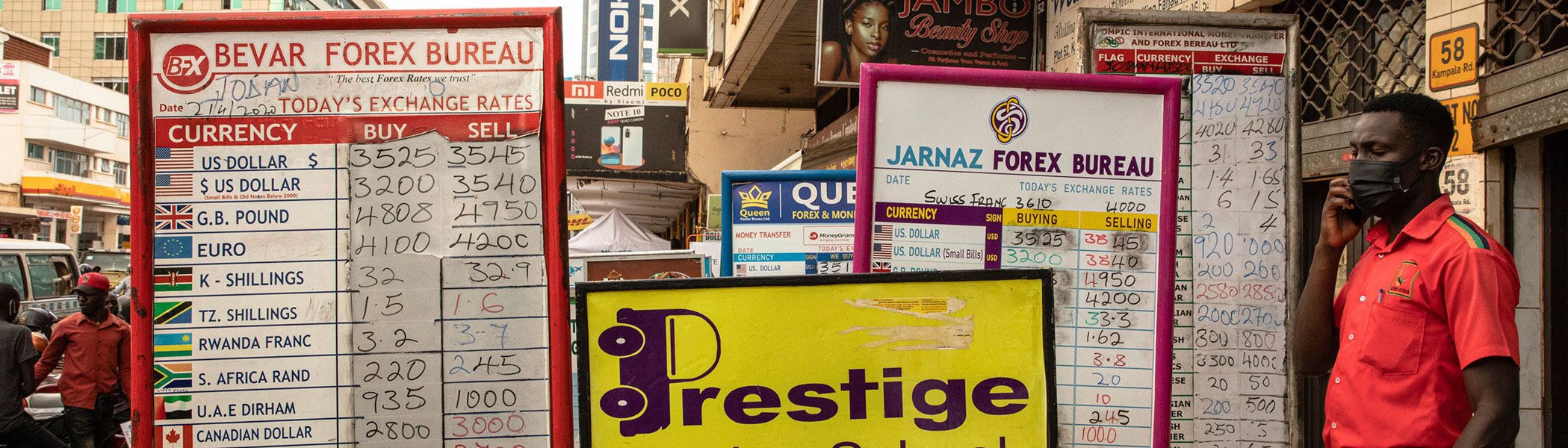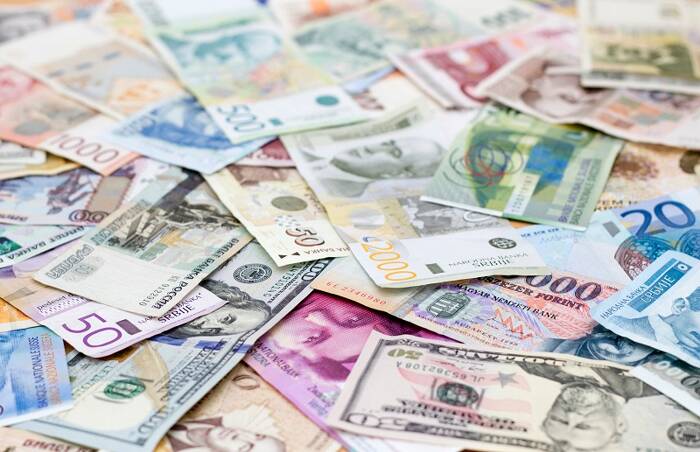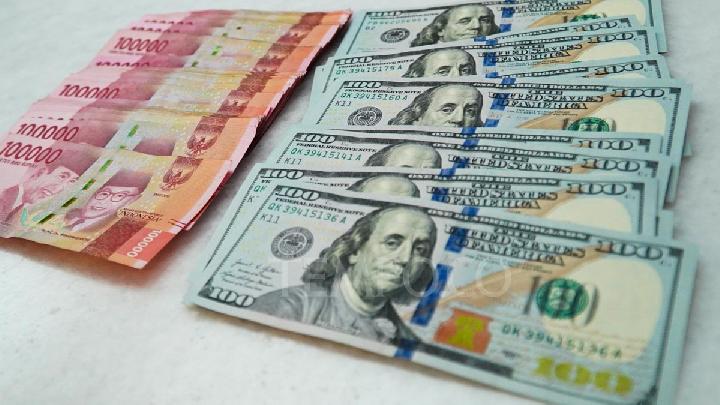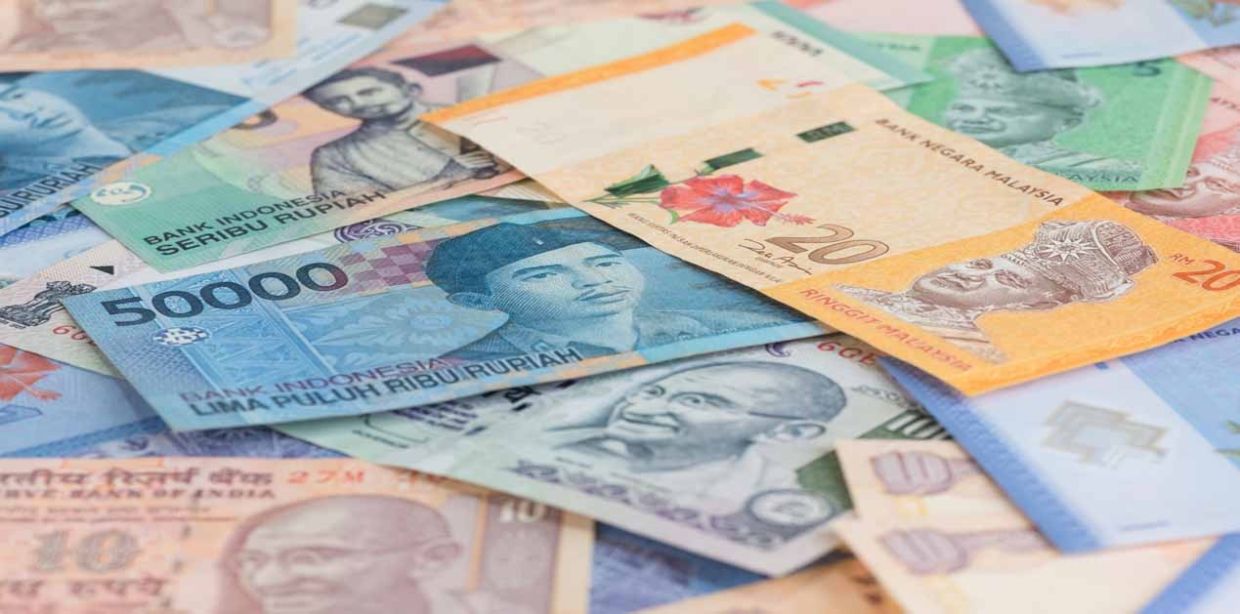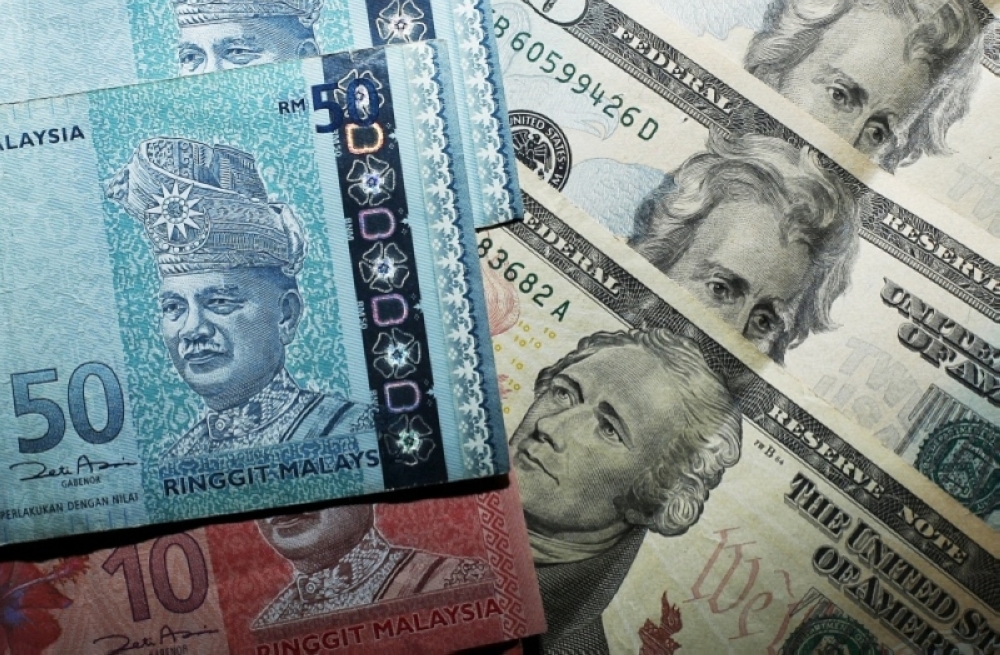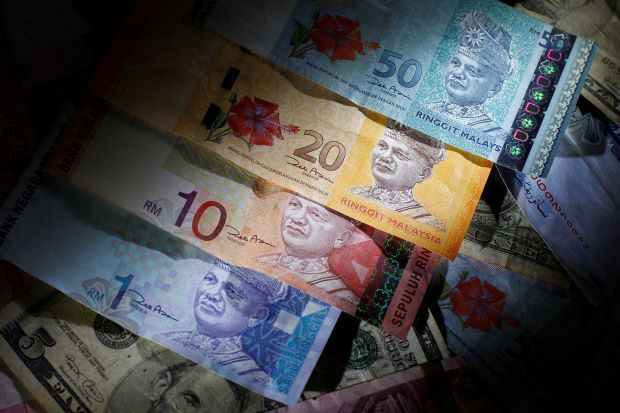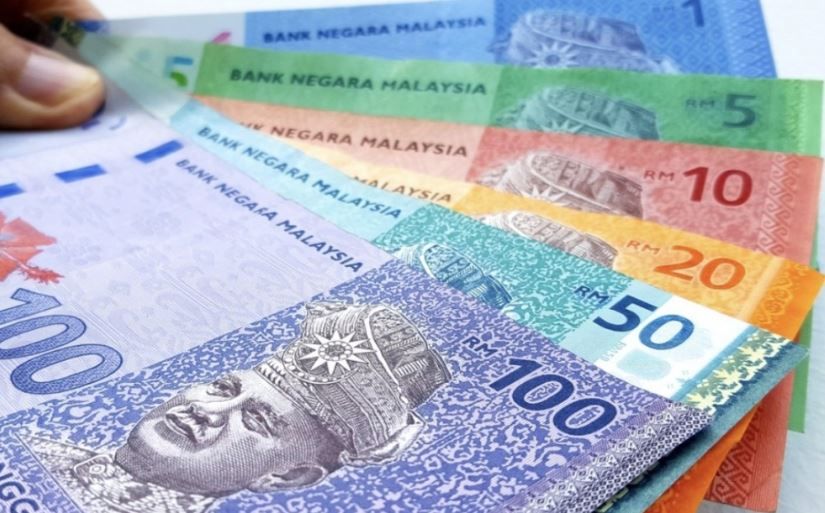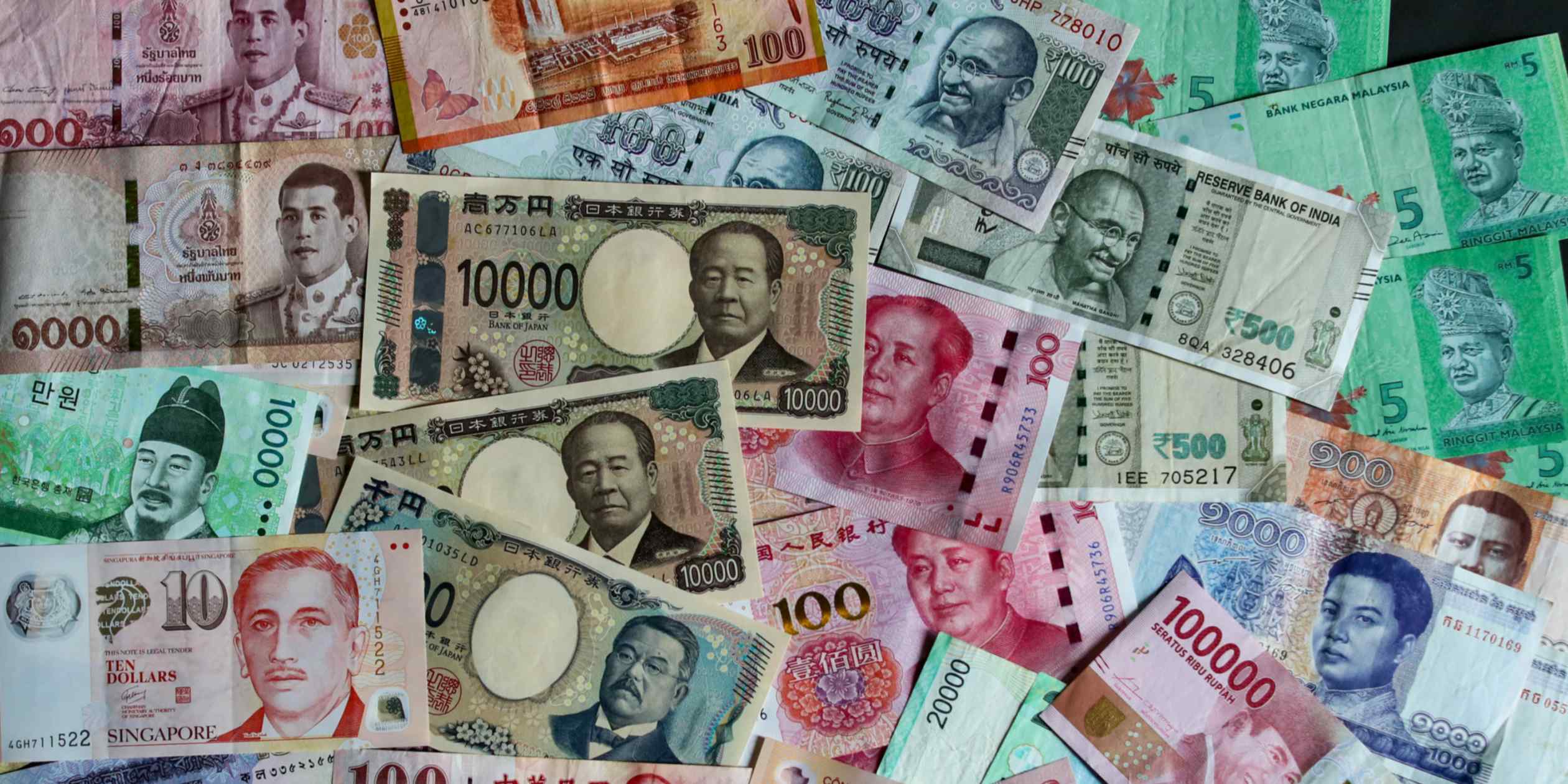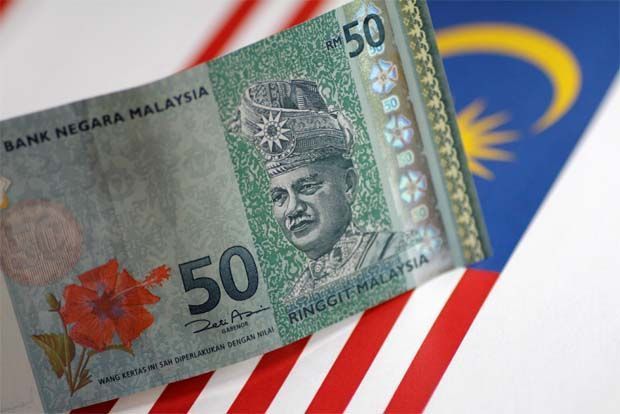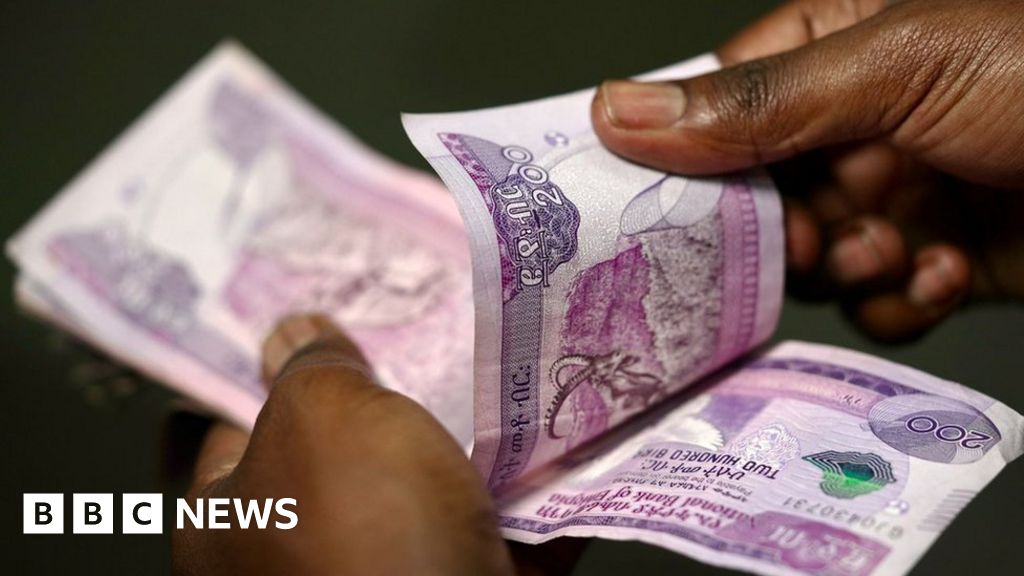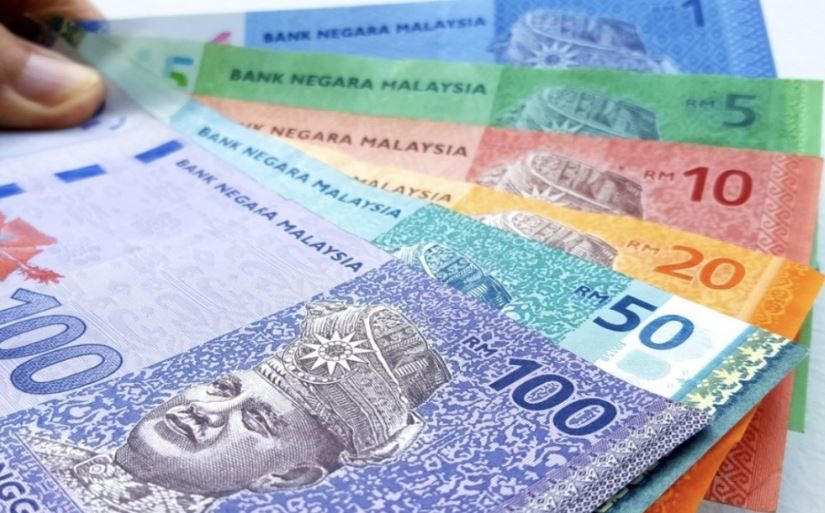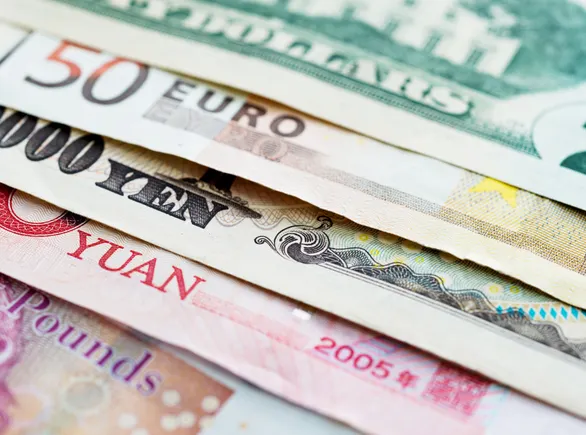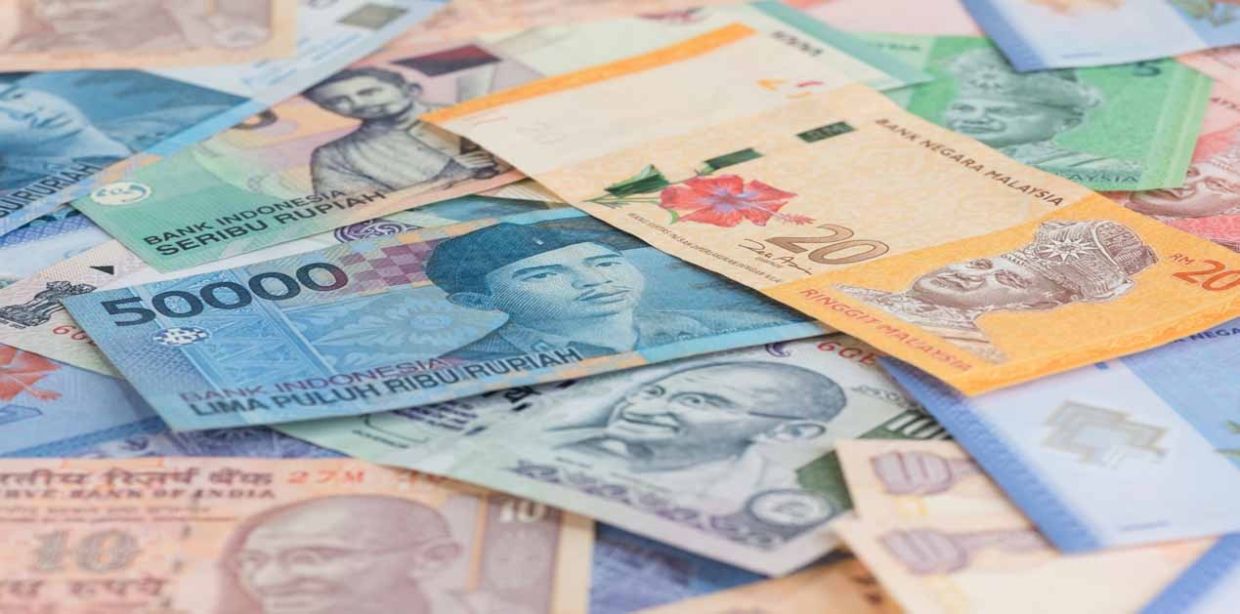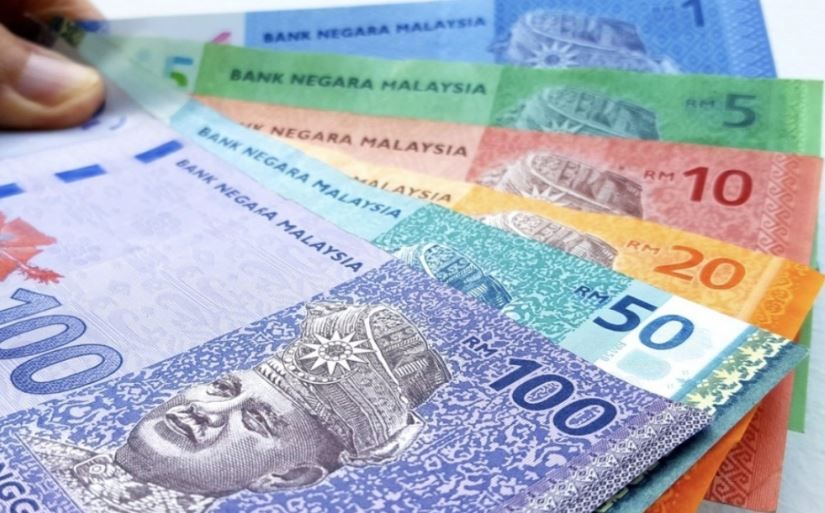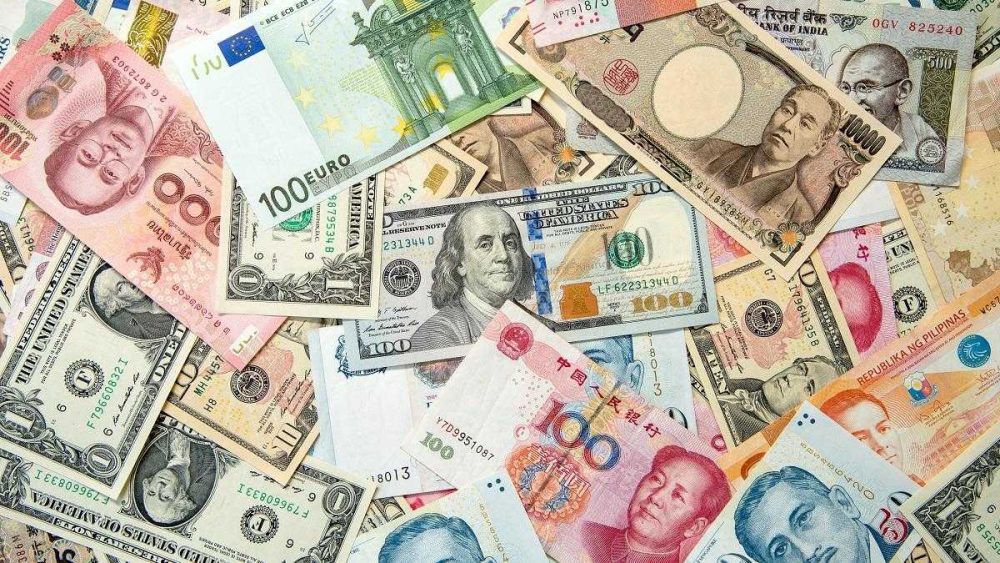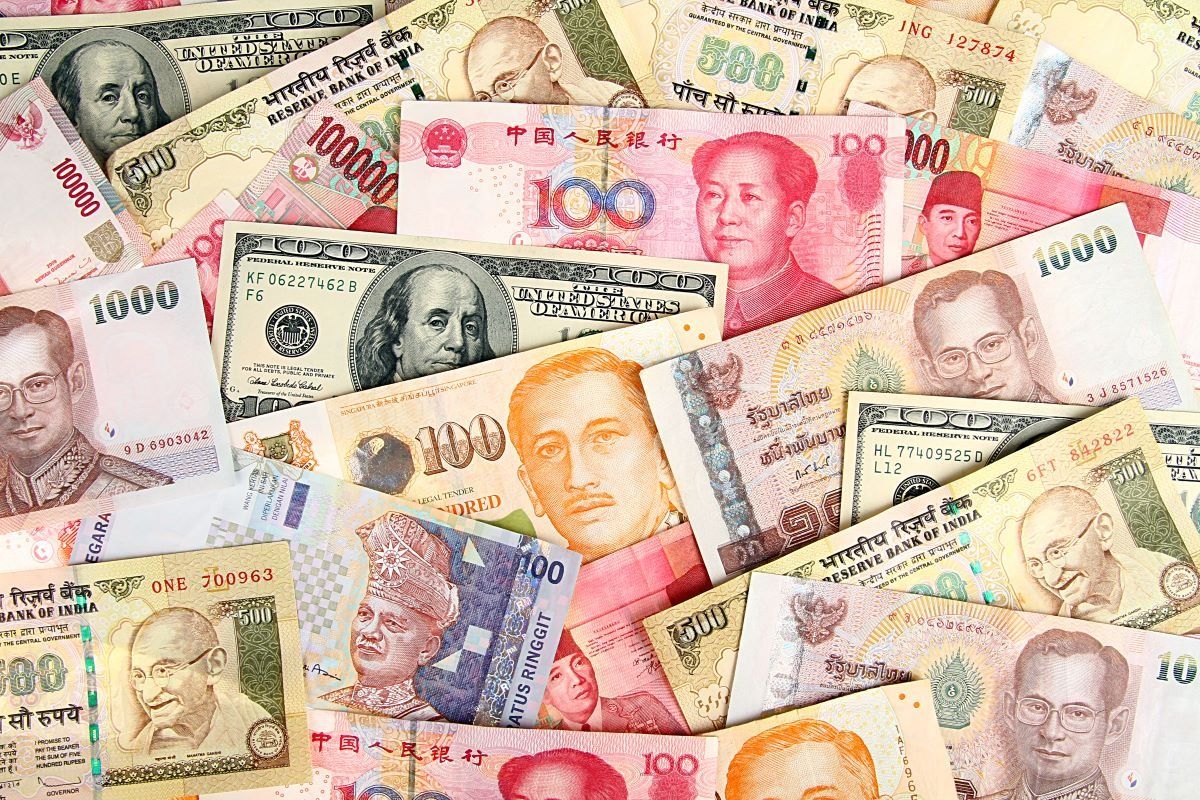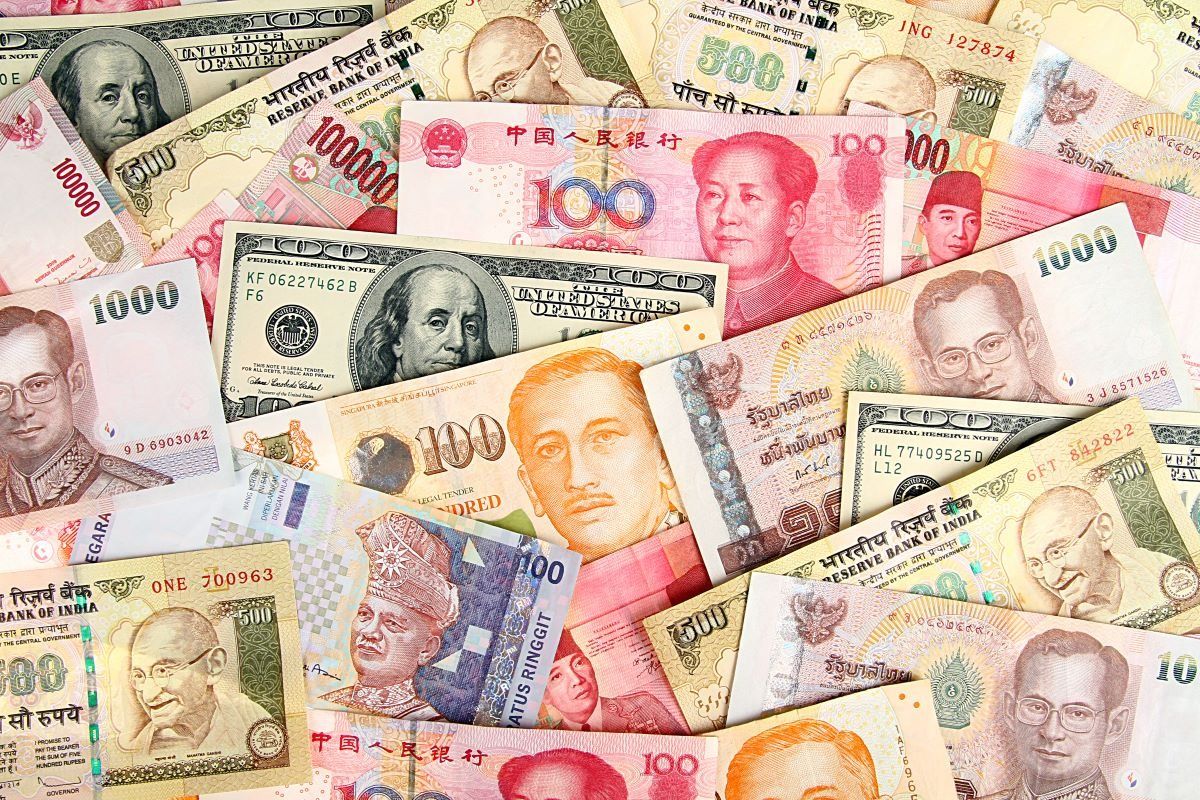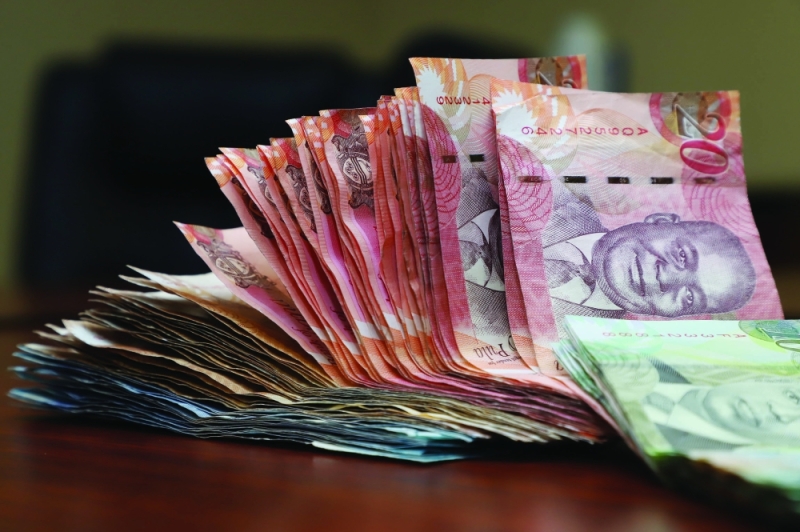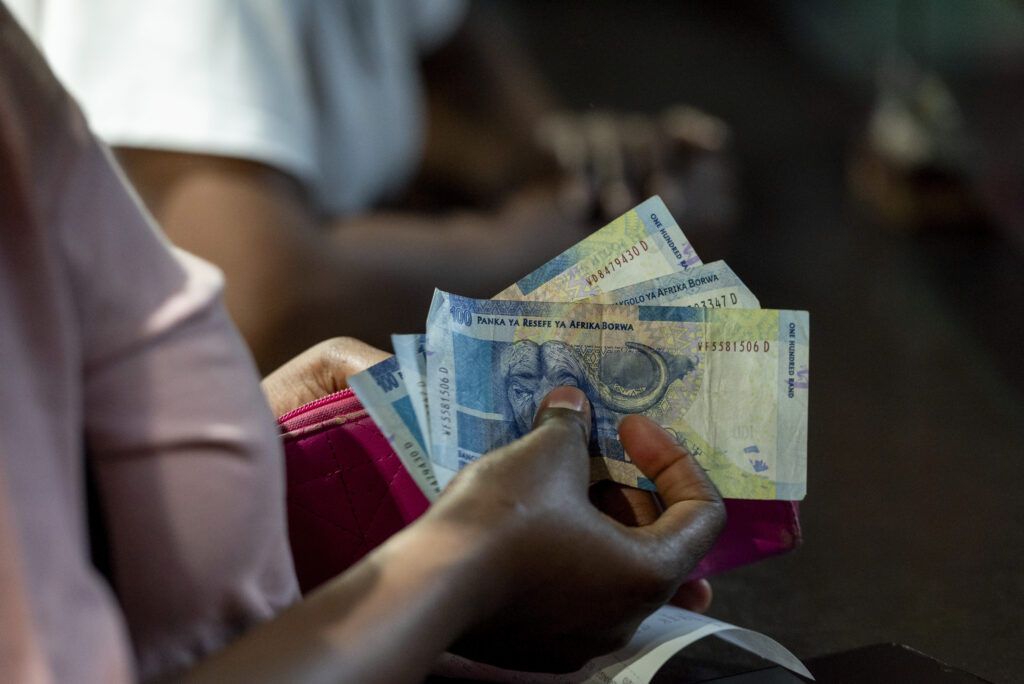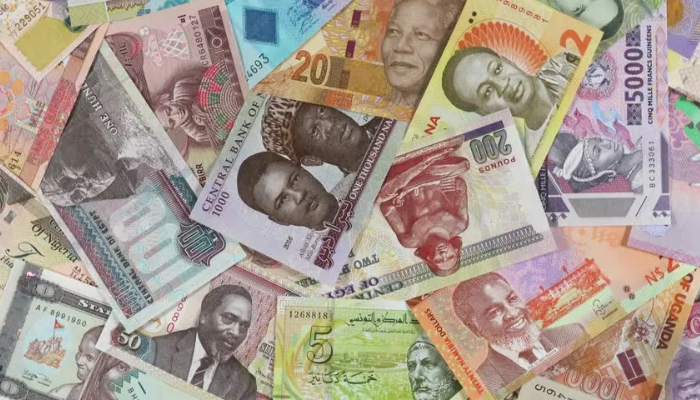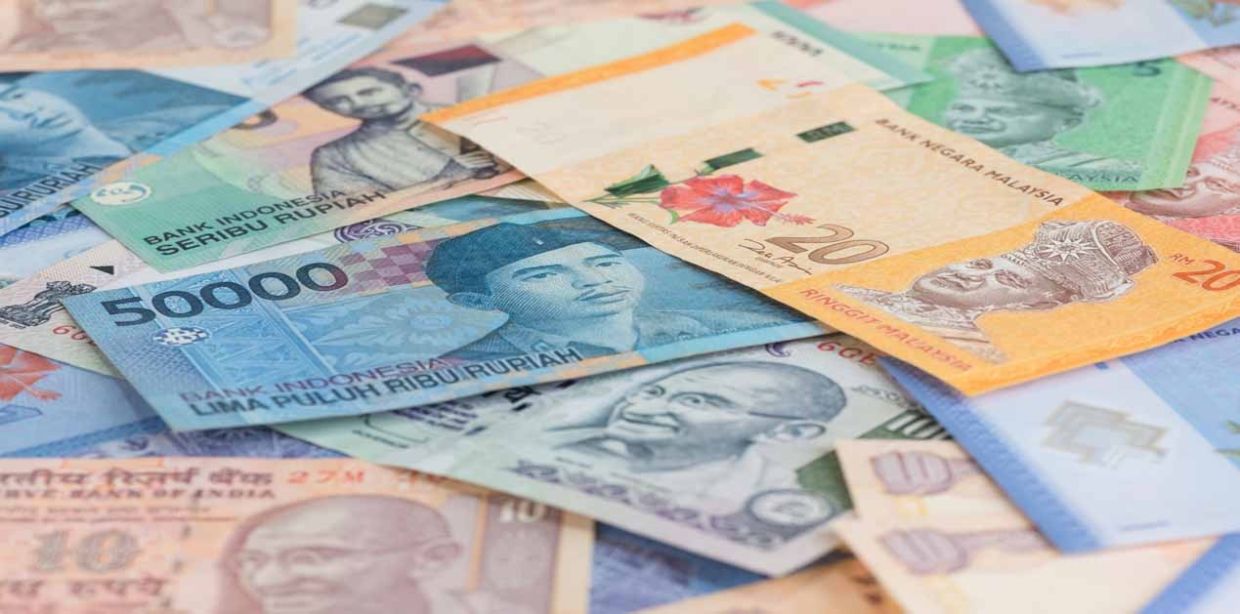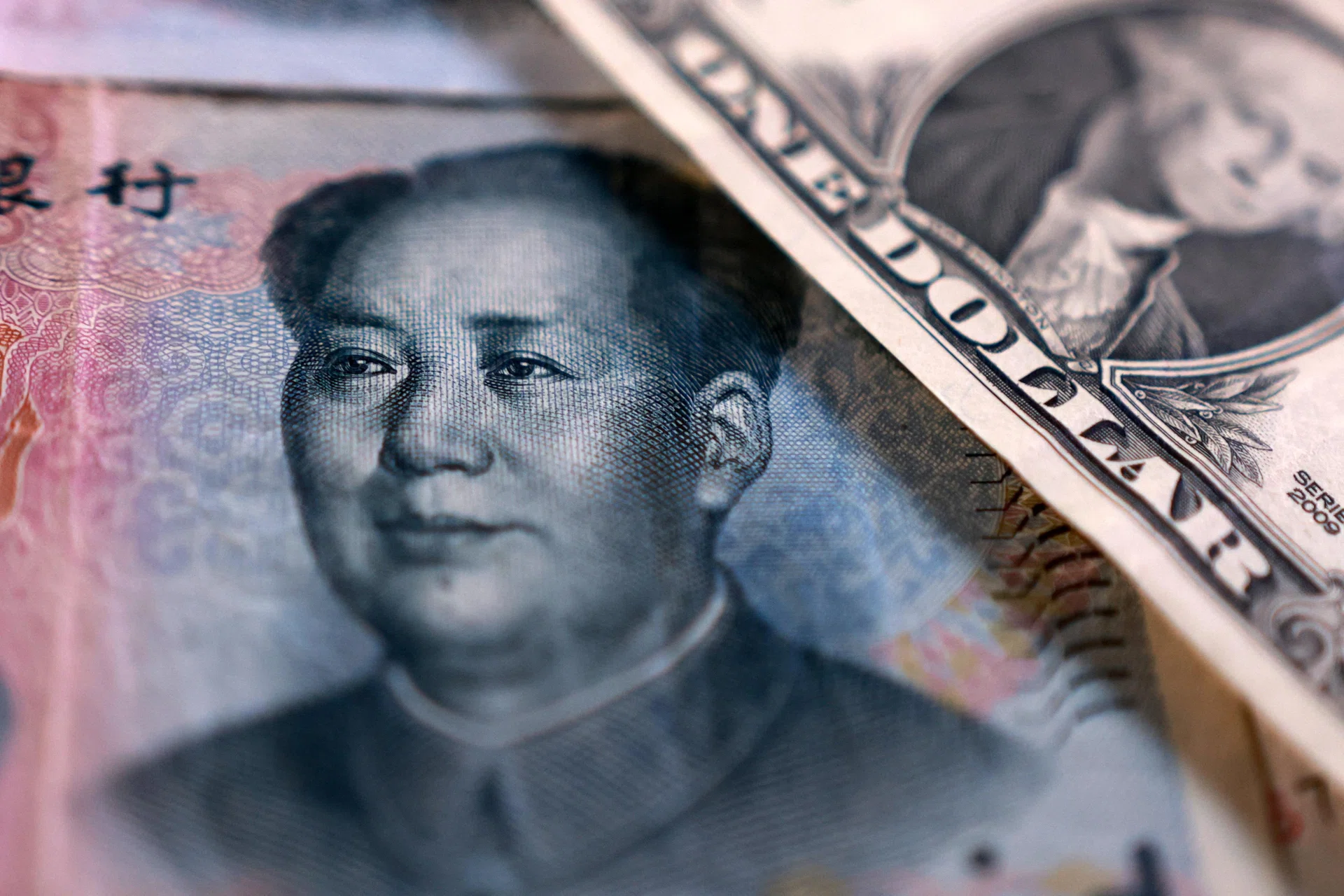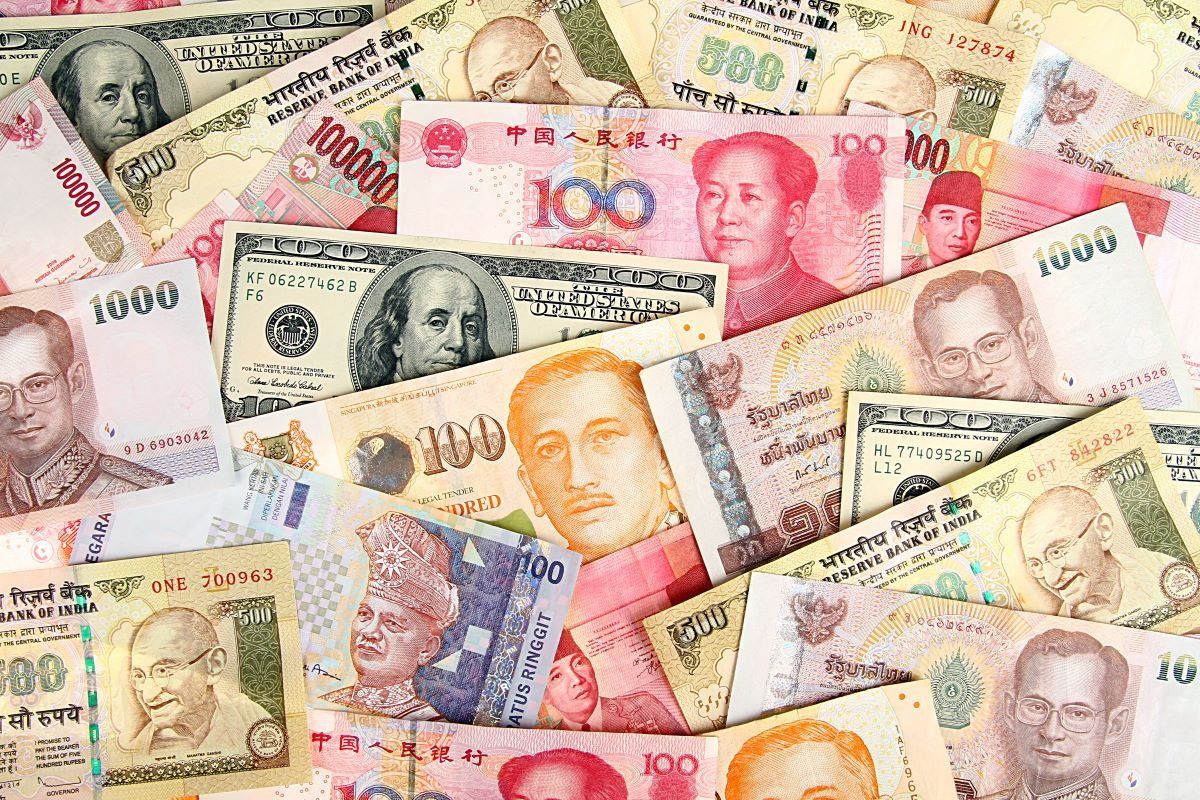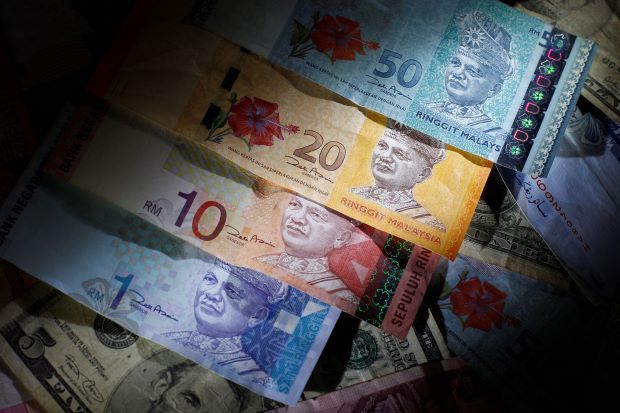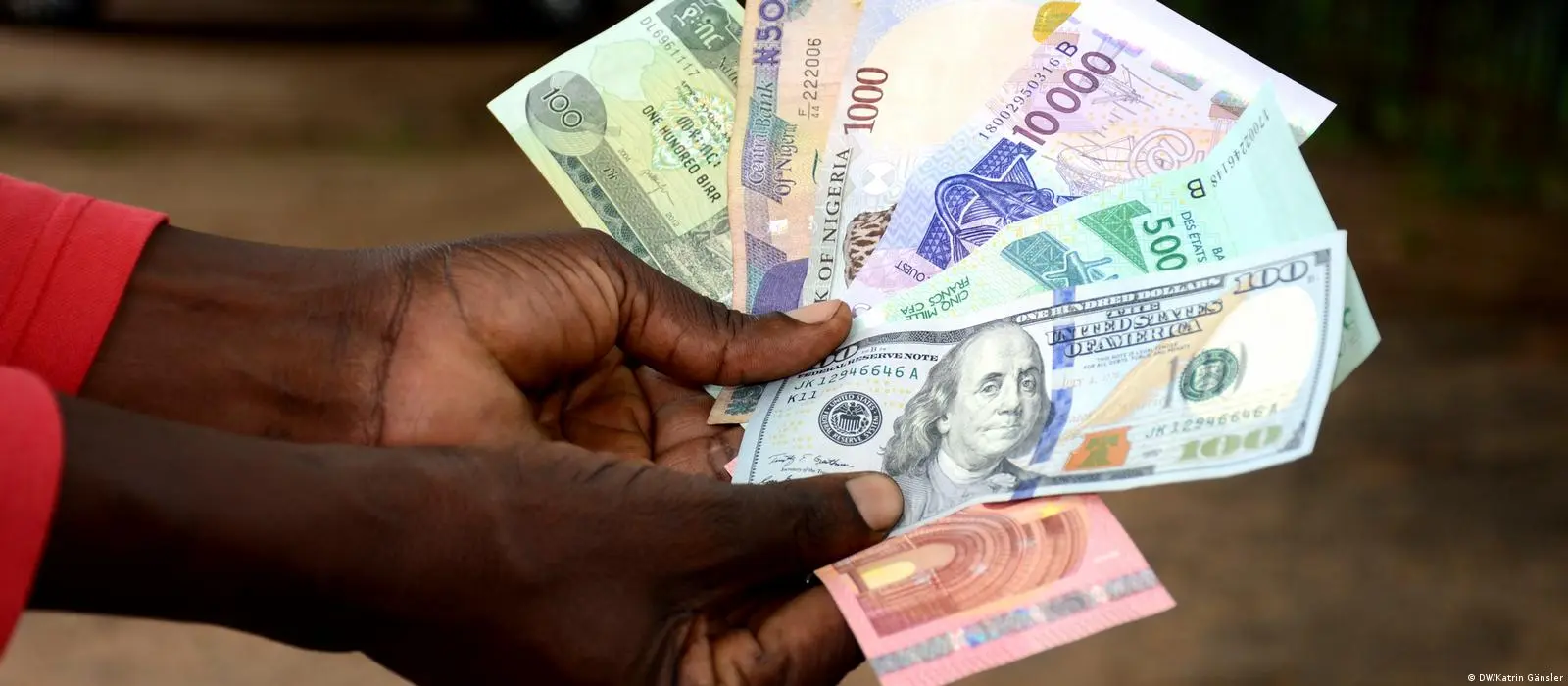
For most of the past year, emerging-market currencies were having a moment. The Colombian peso surged nearly 20%. The South African rand and Israeli shekel posted double-digit gains. Traders who had bet against the dollar were looking very smart.
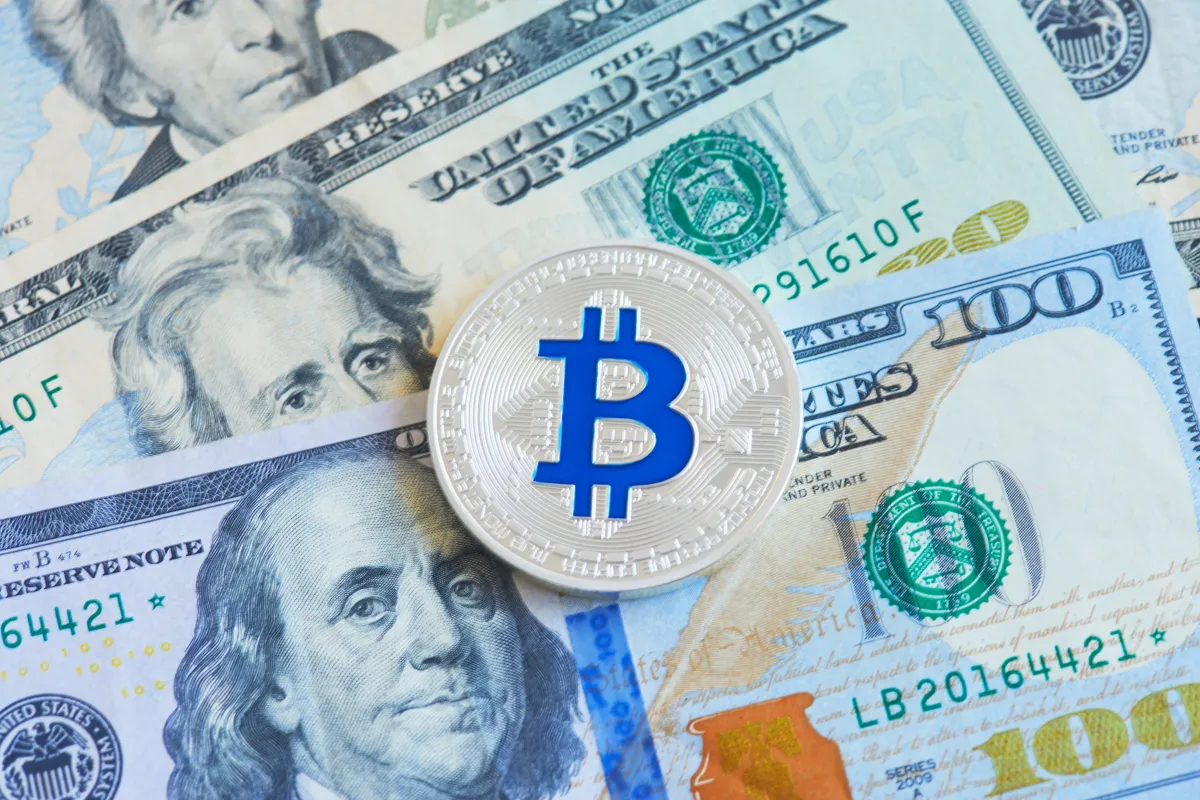
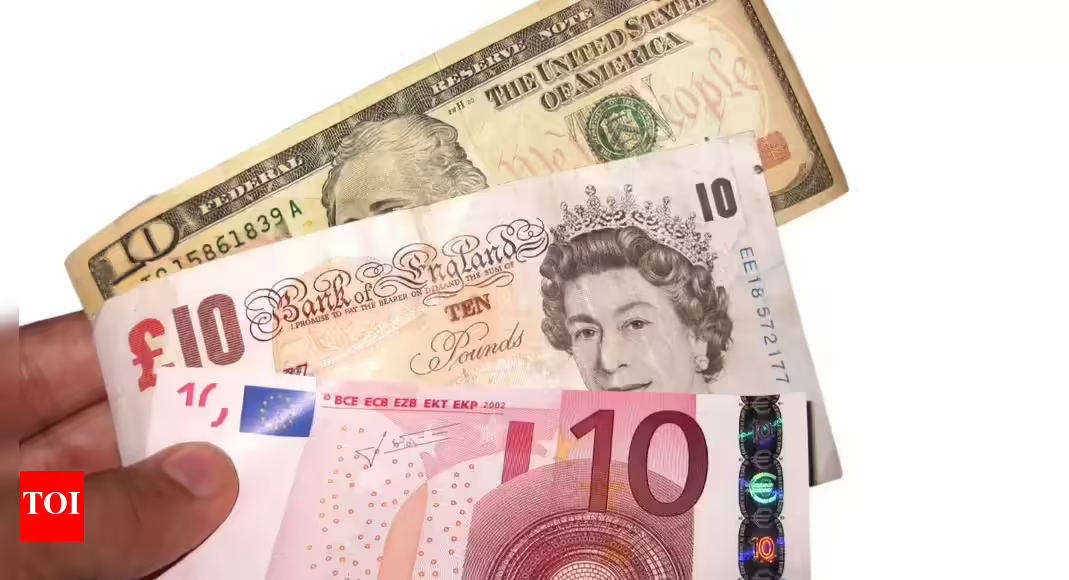
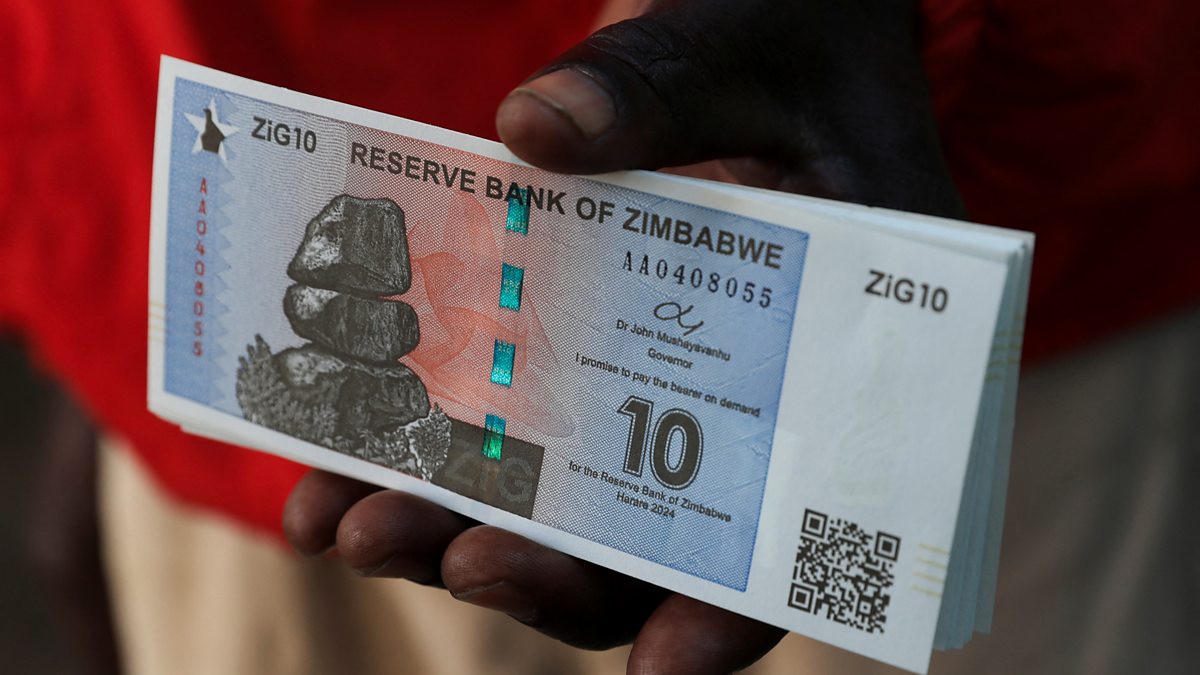
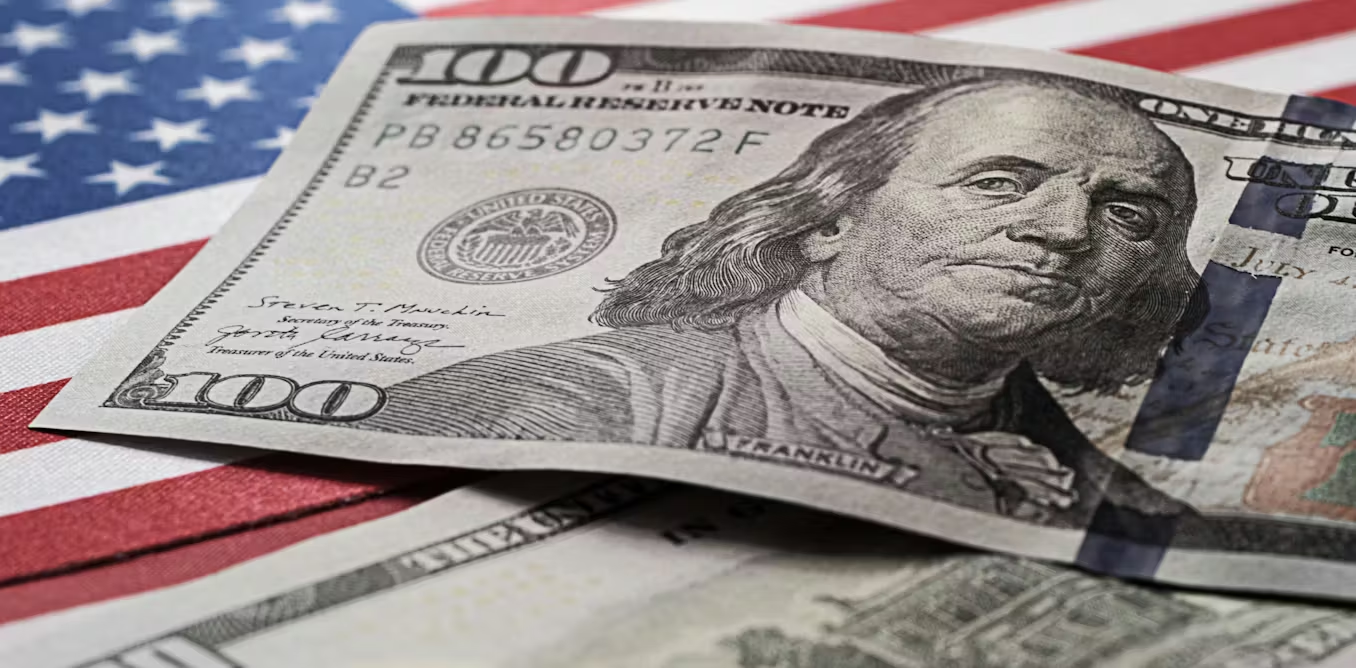
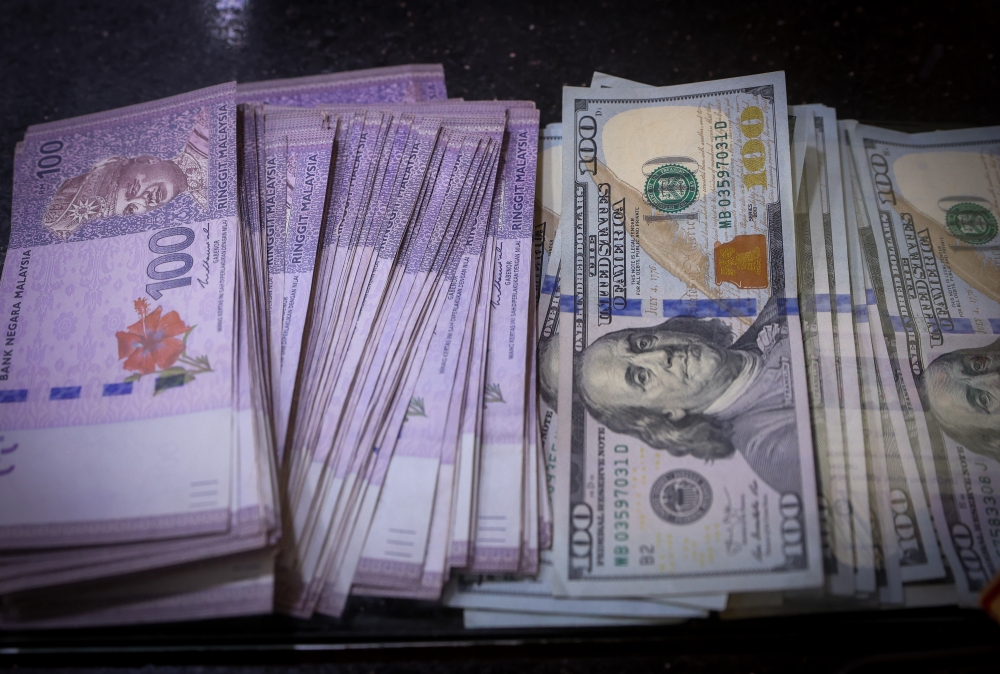
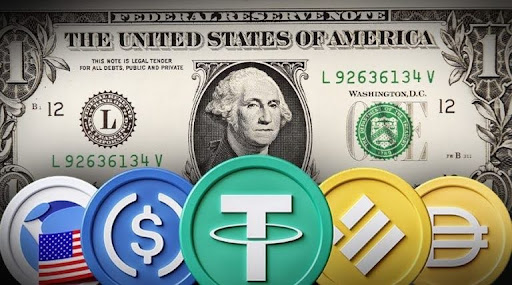
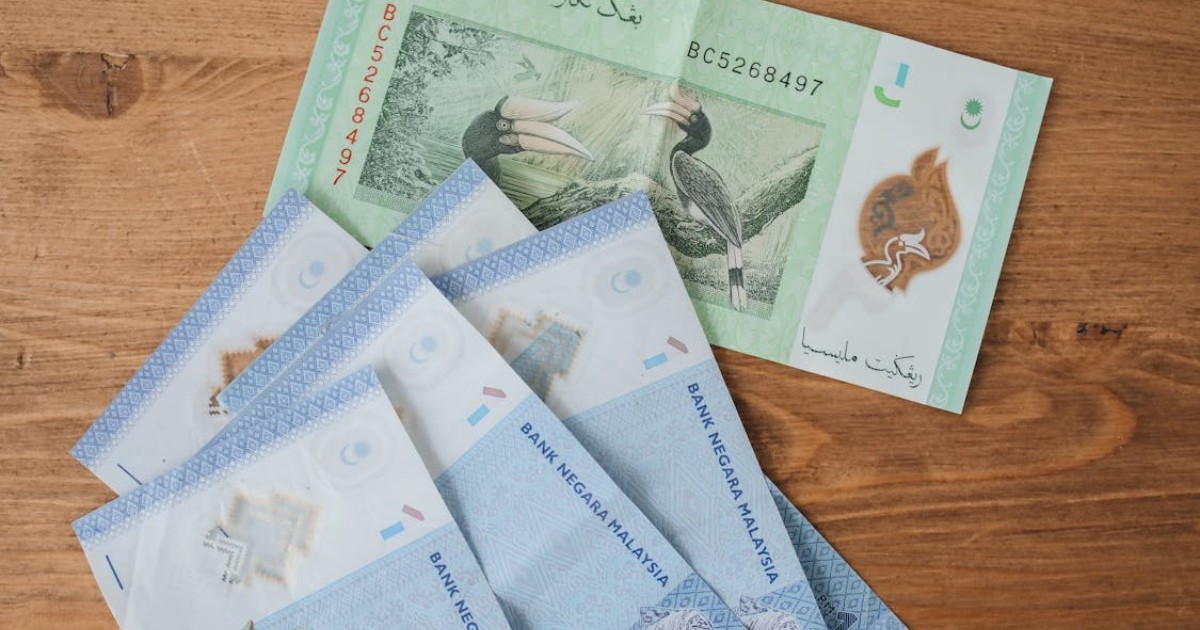
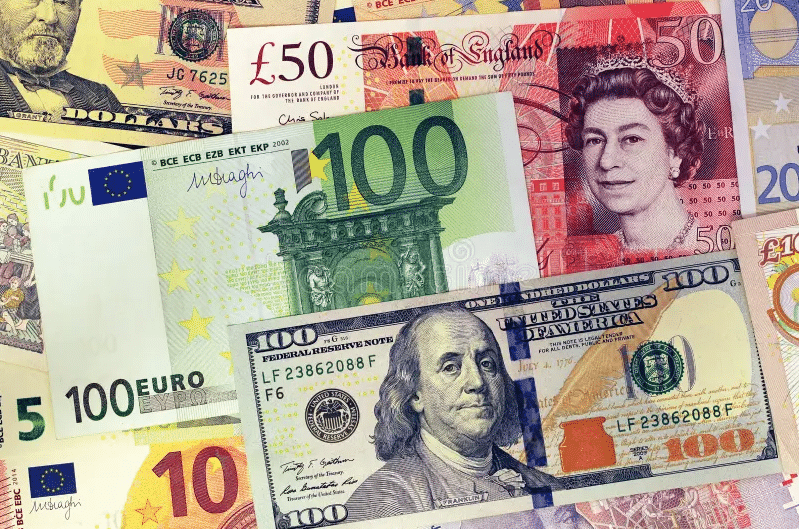
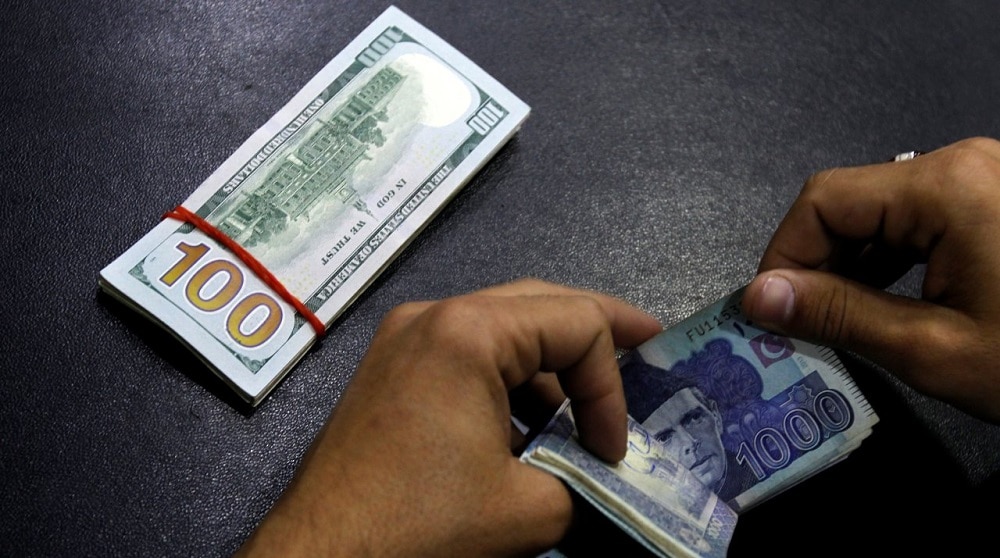
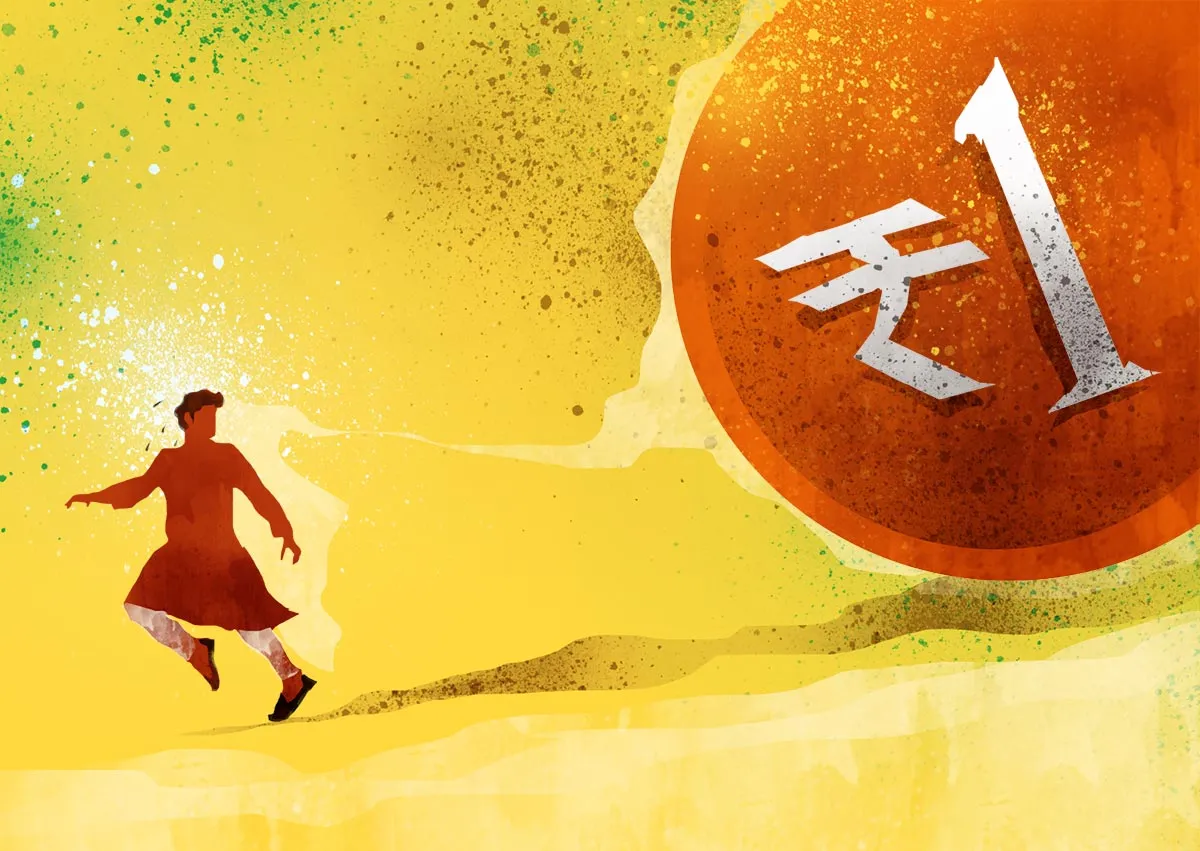
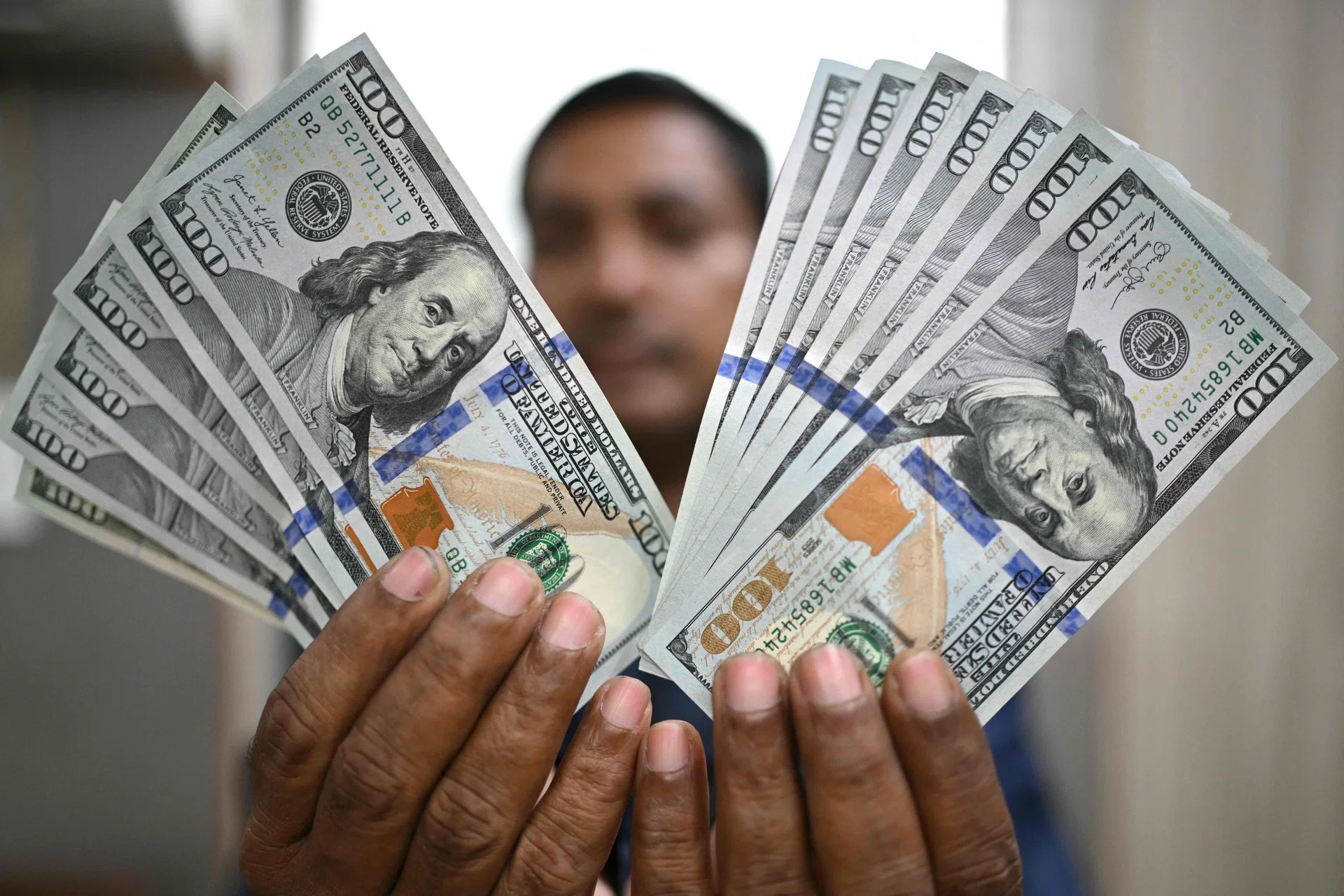
That trade is now unwinding at speed. The US dollar, which had fallen roughly 10% on a trade-weighted basis through early 2026, hitting a four-year low, has snapped back with enough force to erase the gains that EM currencies had accumulated over months. Several developing-nation currencies are now sitting at or near record lows against the greenback.
What flipped the script
Throughout 2025 and into early 2026, the consensus trade was straightforward. The Fed was expected to keep easing, US interest rate differentials with emerging markets were narrowing, and the dollar was losing its gravitational pull. Money flowed into higher-yielding EM assets. The Colombian peso’s 19.7% gain against the dollar through April 2026 was perhaps the most eye-catching example, but it was far from the only one.
Then the mood shifted. JPMorgan upgraded its dollar outlook in mid-May 2026, citing a reassessment of Fed policy trajectory and a US labor market that kept printing resilient numbers.
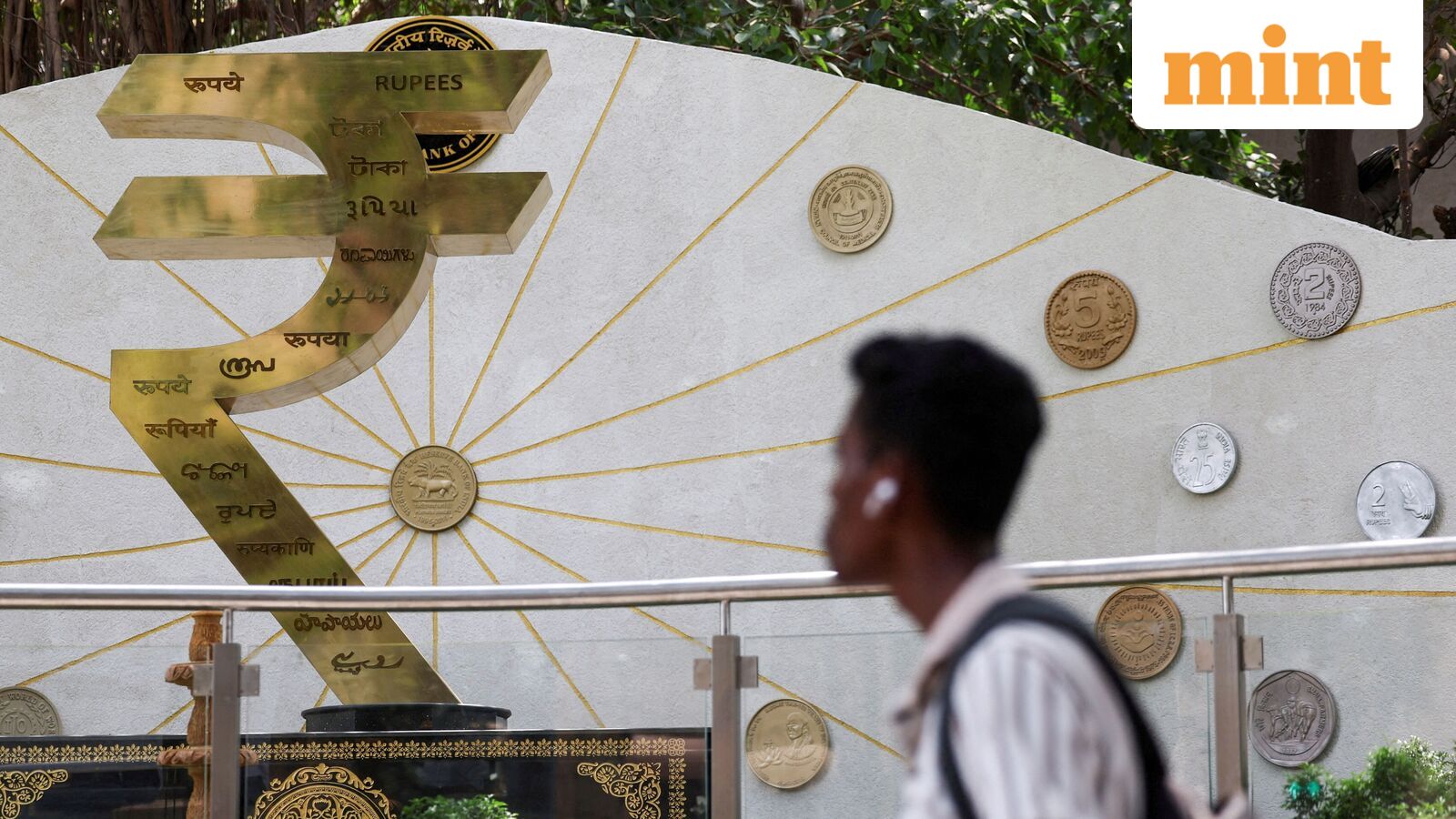
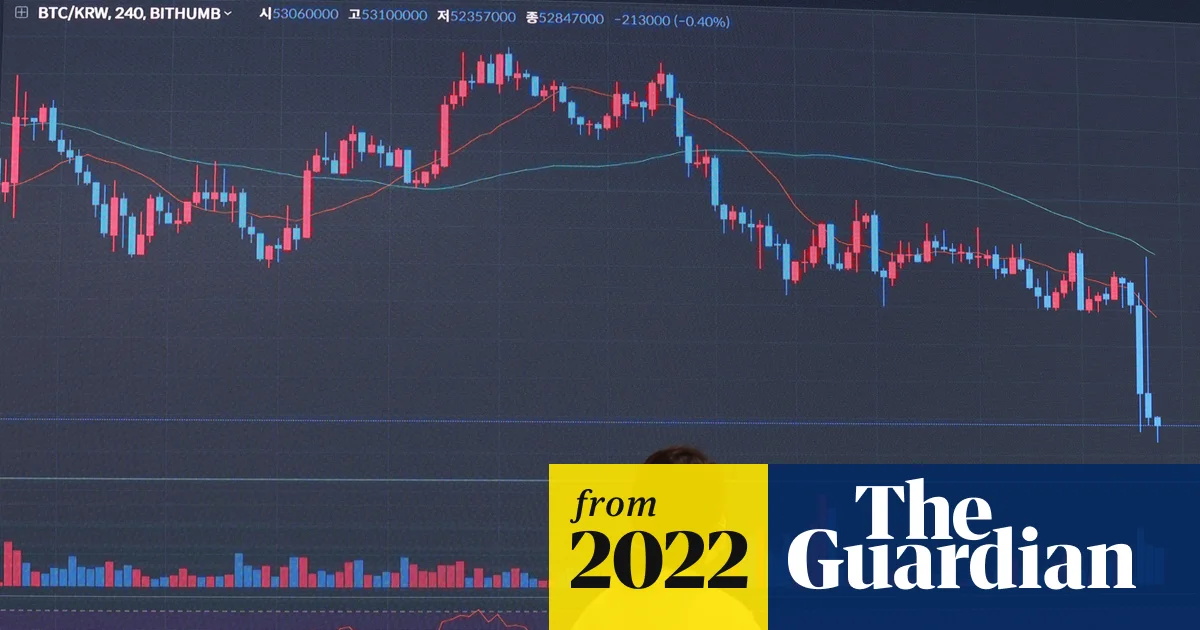
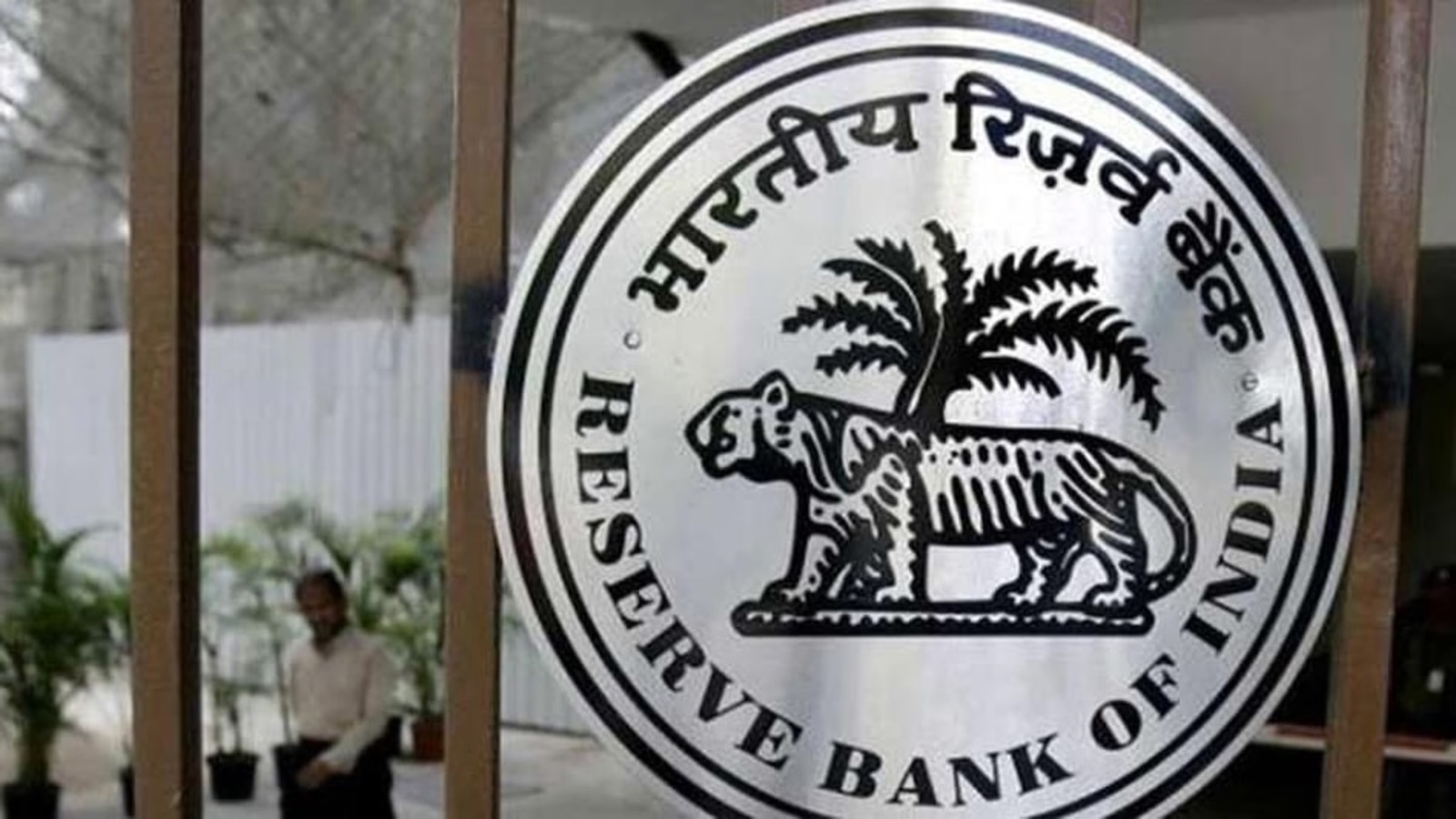
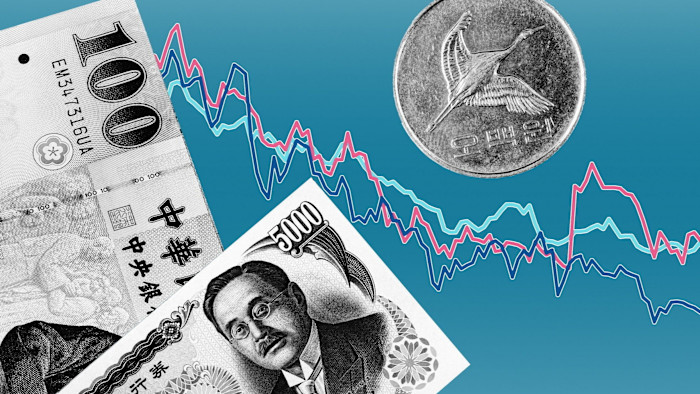
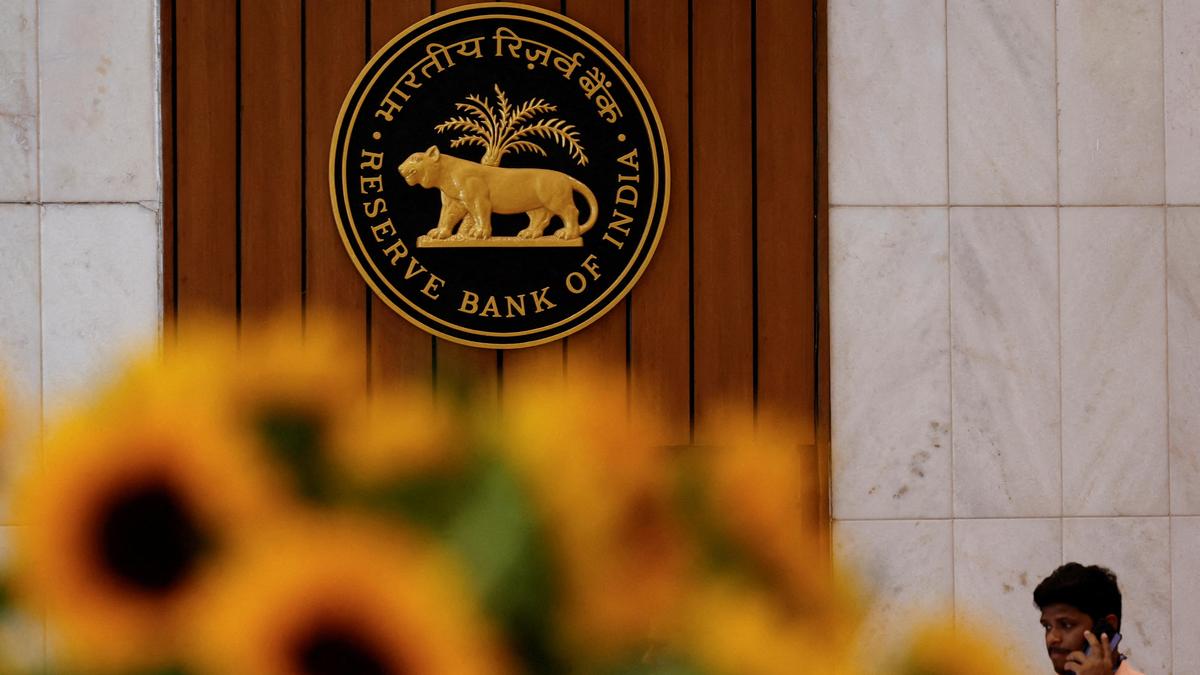
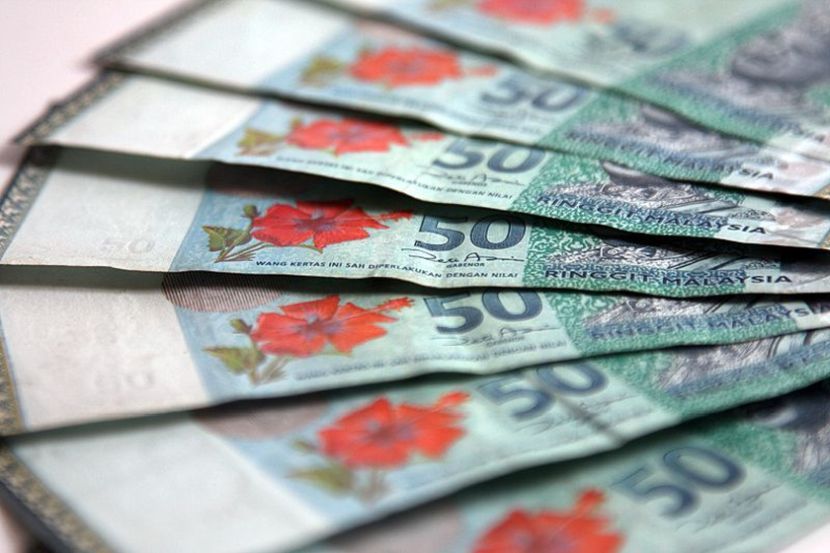
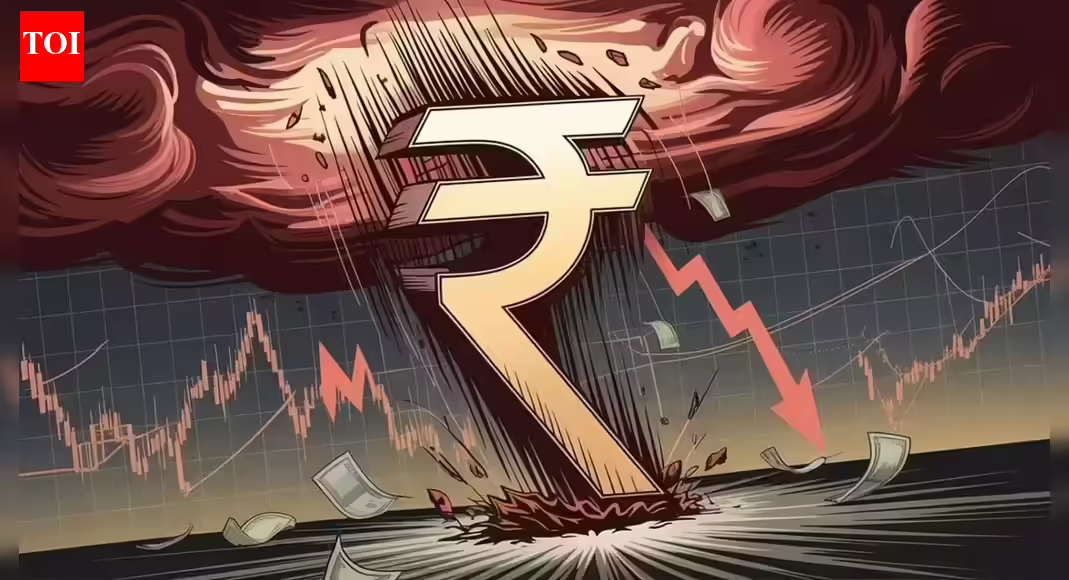
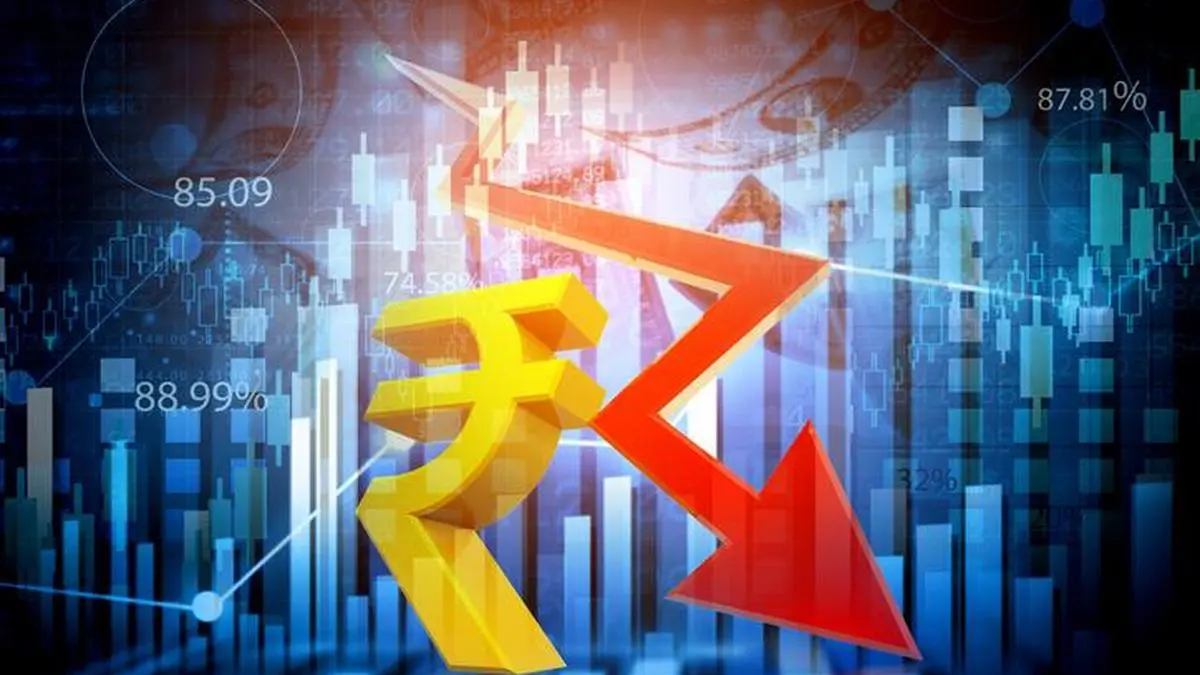
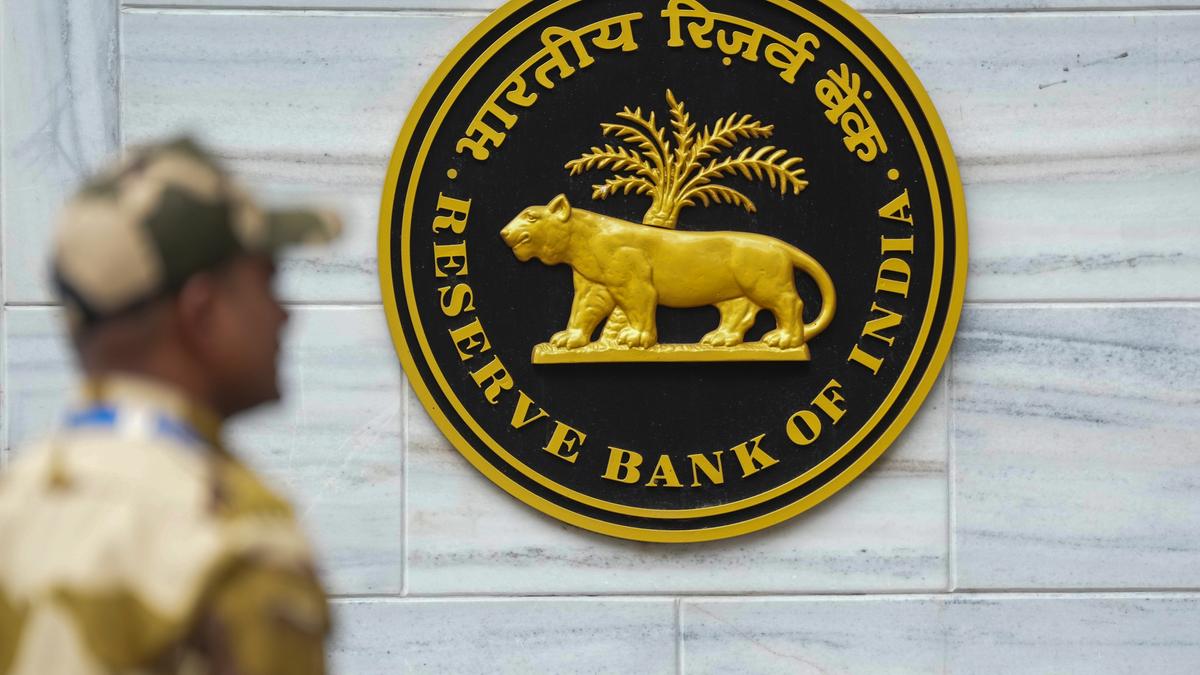
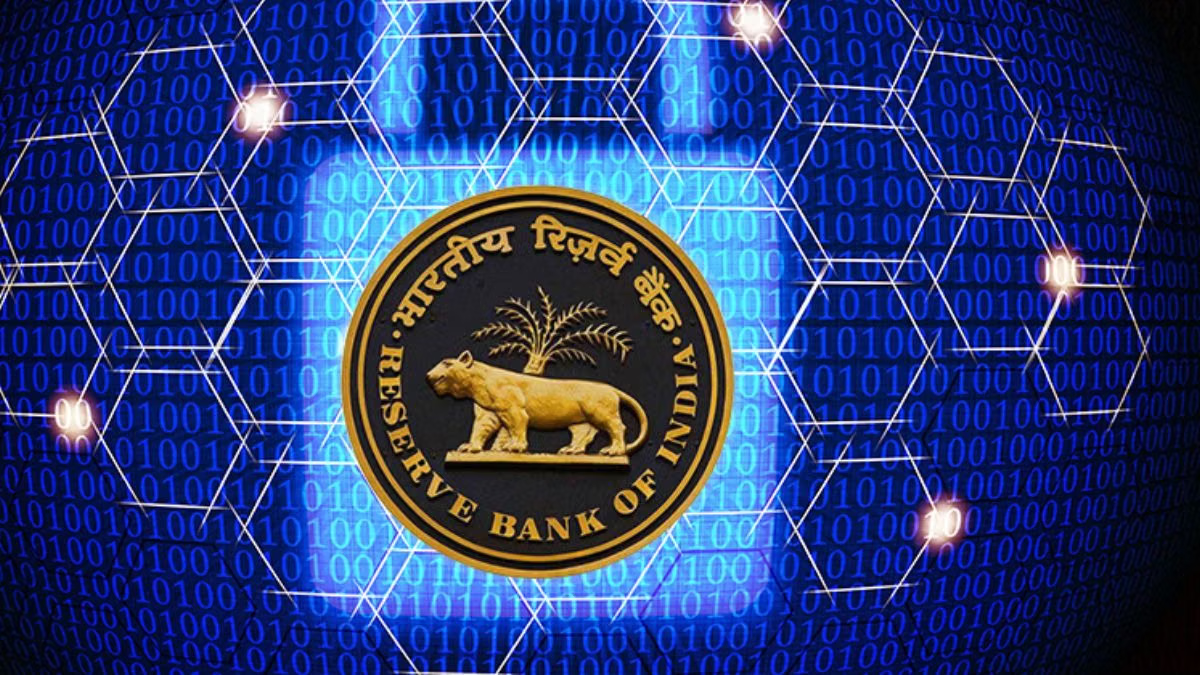
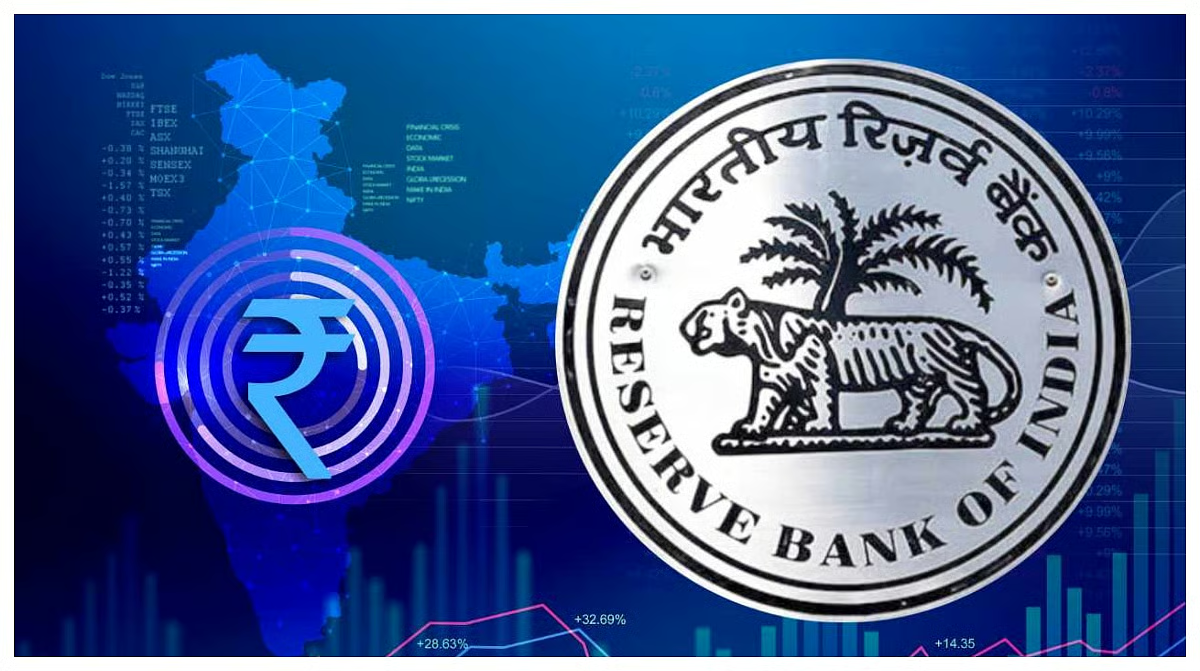
The South Korean won has fallen to record lows against the dollar. The Indian rupee is under enough pressure that the Reserve Bank of India has faced increased scrutiny over its intervention strategies.
The dollar-debt doom loop
A strengthening dollar doesn’t just make EM currencies look bad on a chart. It creates real economic pain through a mechanism that’s been replaying since at least the 1990s Asian financial crisis.
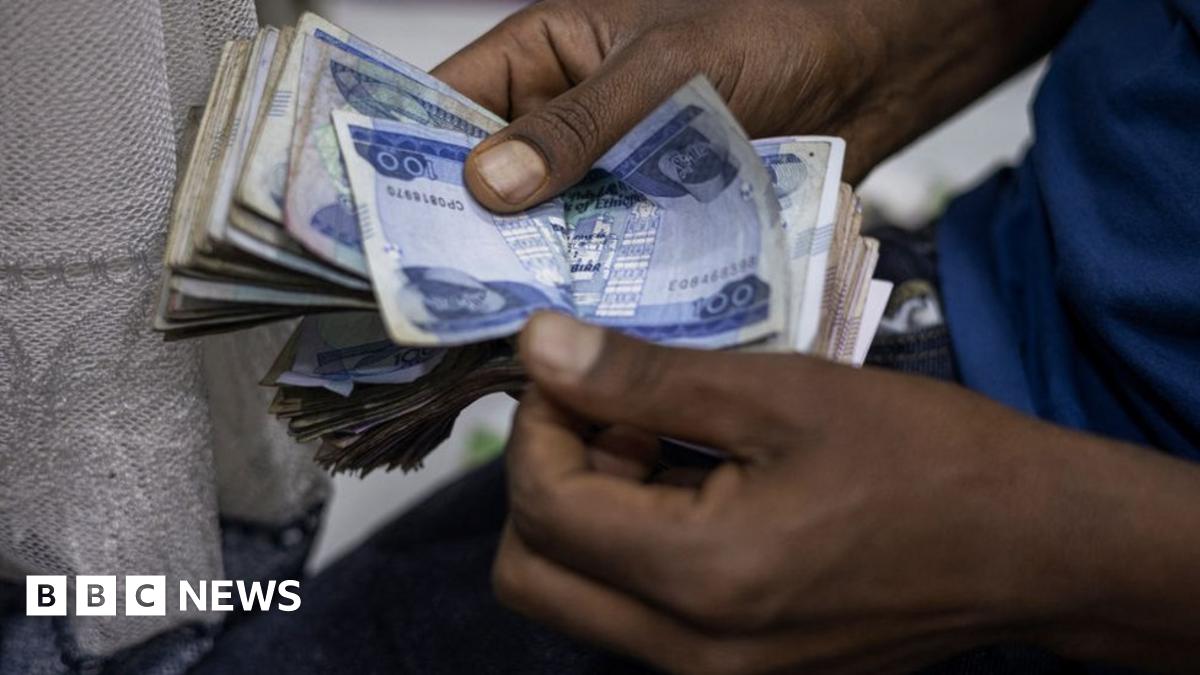
Many emerging-market governments and corporations borrow in dollars because that’s where the deepest capital pools are. When the dollar strengthens, those debt payments get more expensive in local-currency terms, even if nothing else about the borrower’s finances has changed. You owe the same number of dollars, but each dollar now costs you more pesos, rand, or rupees to buy.
As debt servicing costs rise, foreign investors start questioning whether EM borrowers can handle the load. Capital begins flowing out, which weakens currencies further, which makes dollar debts even more expensive. After a period of optimism and inflows, the sudden reassertion of dollar strength is forcing EM central banks to reconsider their strategies, whether that means holding rates higher for longer, intervening in currency markets, or both.
What this means for investors
The speed of this reversal is a reminder that EM currency trades are inherently leveraged bets on US monetary policy. When traders talk about “carry trades” in emerging markets, picking up extra yield by holding higher-rate currencies, they’re really making a bet that the dollar stays weak or neutral. When that assumption breaks, the carry isn’t worth much against a currency that’s moving 10% or more against you.
Investors who rode the EM rally without hedging their dollar exposure are now facing the full brunt of the reversal. Those who maintained currency hedges are in a far better position, even if that insurance felt expensive at the time.