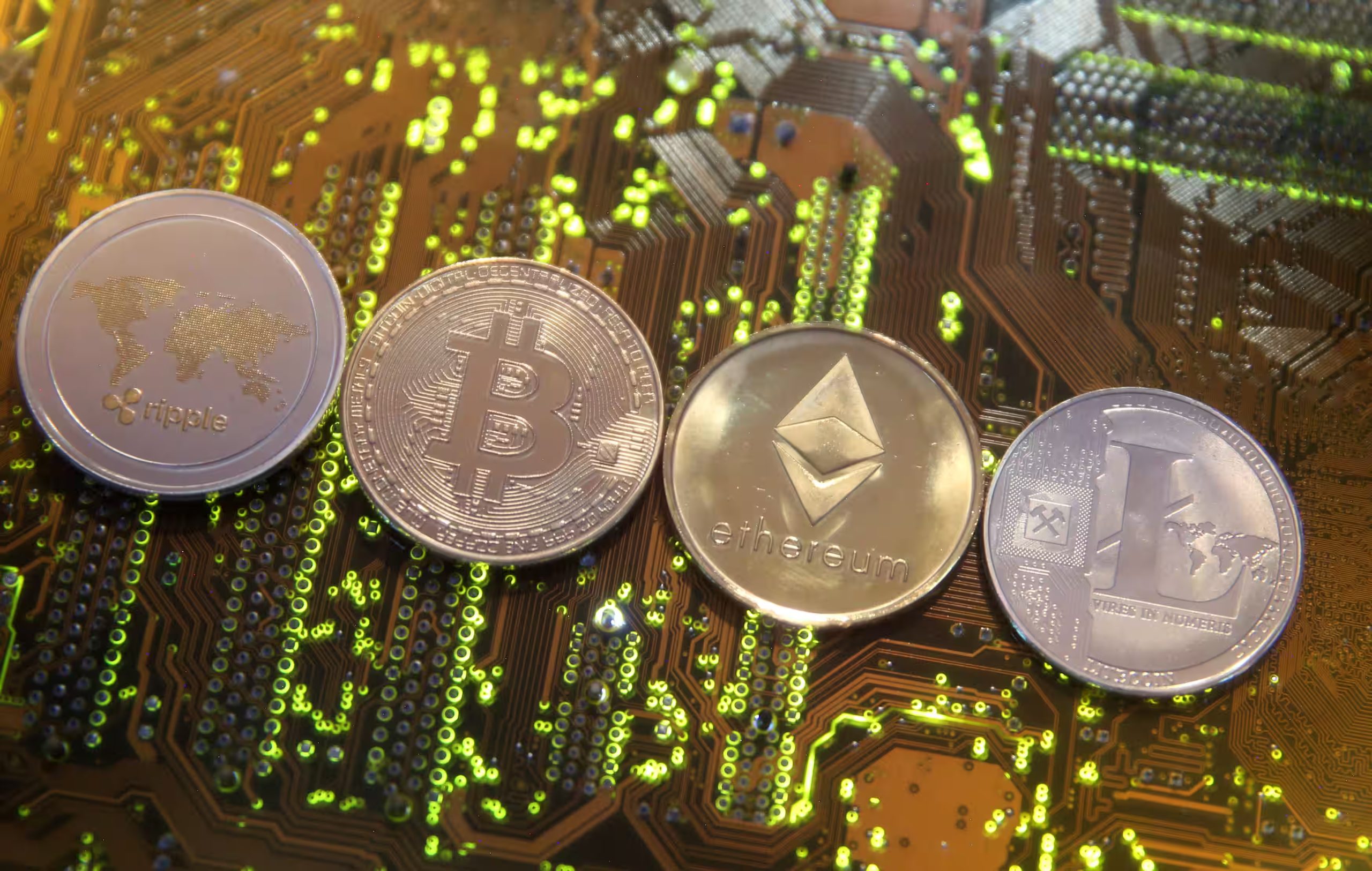

1. What are the most important advanced cryptocurrency concepts to understand in 2026?
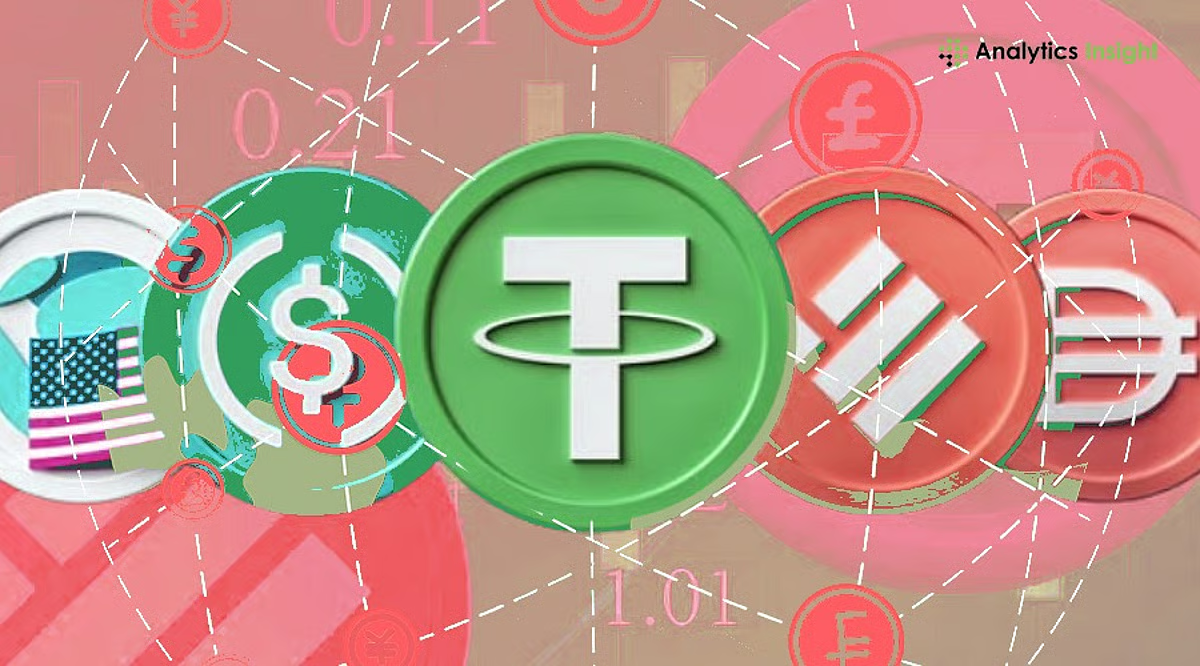
Important concepts include Layer-2 rollups, zero-knowledge proofs, account abstraction, liquid staking, restaking and real-world asset tokenization. Investors should also understand stablecoin reserve risks, automated market makers, cross-chain interoperability and maximum extractable value.
2. How do Layer-2 rollups improve blockchain scalability?
Layer-2 rollups process transactions outside the main blockchain while using the underlying network for settlement and security. They can reduce transaction fees and improve processing capacity, making blockchain applications more efficient.
3. What is the difference between liquid staking and restaking in cryptocurrency?
Liquid staking allows investors to stake cryptocurrency while receiving transferable tokens representing their staked assets. Restaking enables already-staked assets to secure additional services, potentially generating extra rewards while introducing additional slashing and security risks.
4. Why is real-world asset tokenization important for cryptocurrency markets?
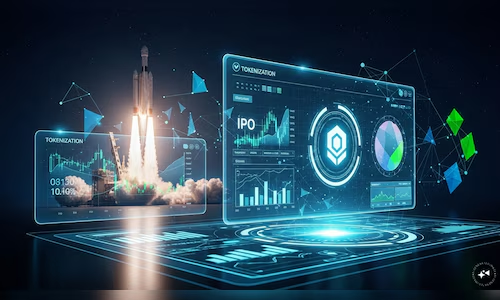
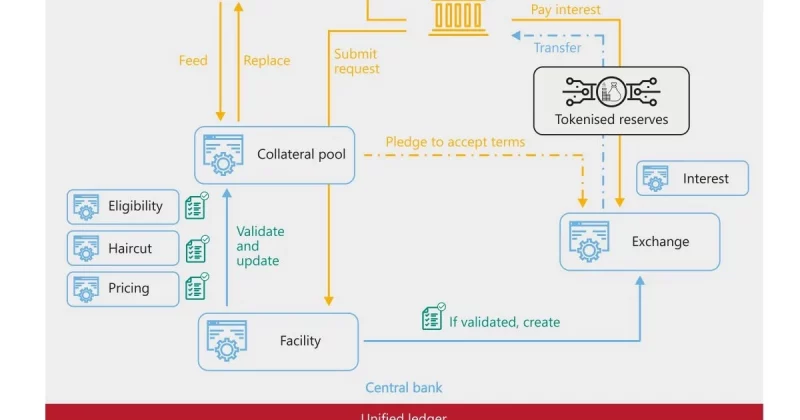
Real-world asset tokenization represents traditional financial assets, including bonds, equities and real estate, on blockchain networks. It can improve transferability, fractional ownership and settlement efficiency, although regulatory compliance and legal ownership rights remain important considerations.
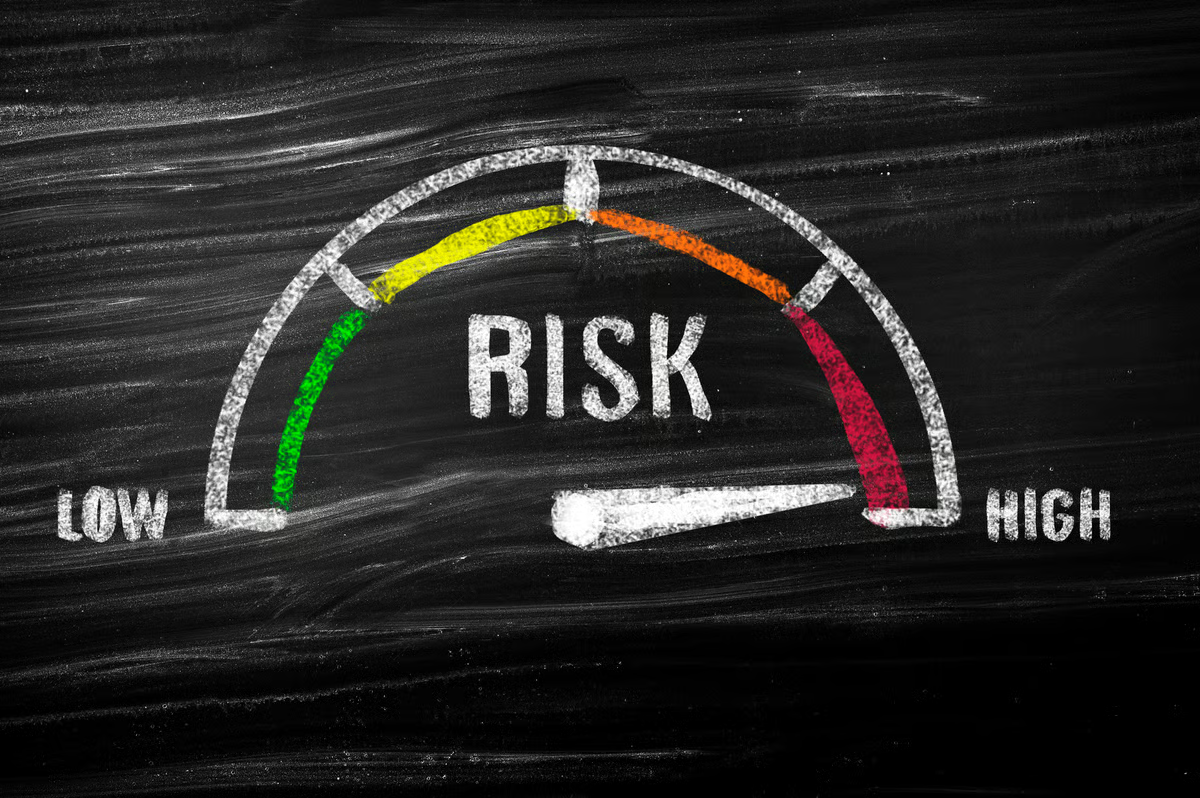
5. What are the major risks associated with advanced cryptocurrency technologies?
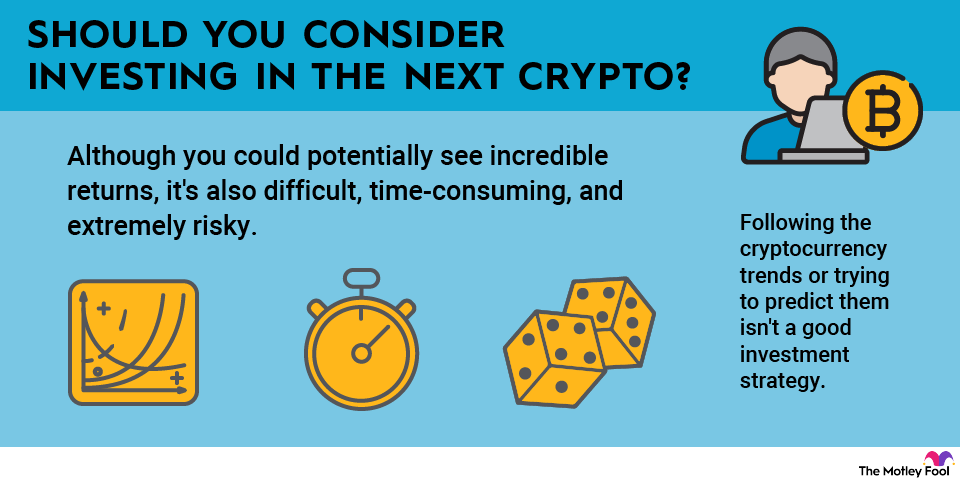
Advanced cryptocurrency technologies involve smart-contract vulnerabilities, liquidity shortages, counterparty failures, bridge exploits and potential losses from complex DeFi strategies. Investors should evaluate security mechanisms, collateral structures, protocol transparency and market conditions before participating.