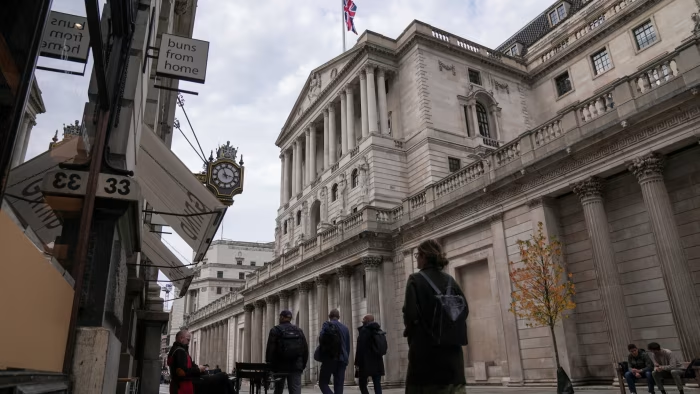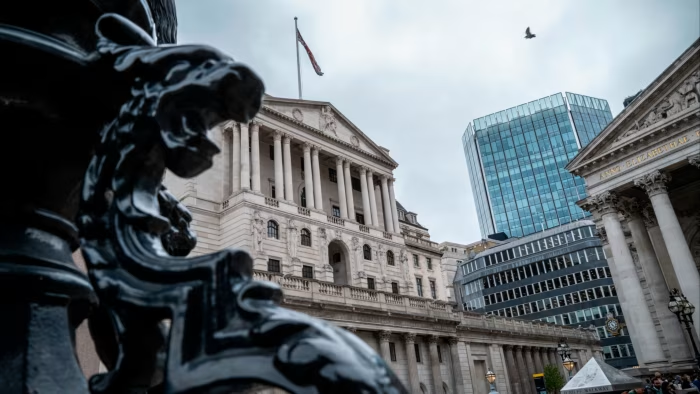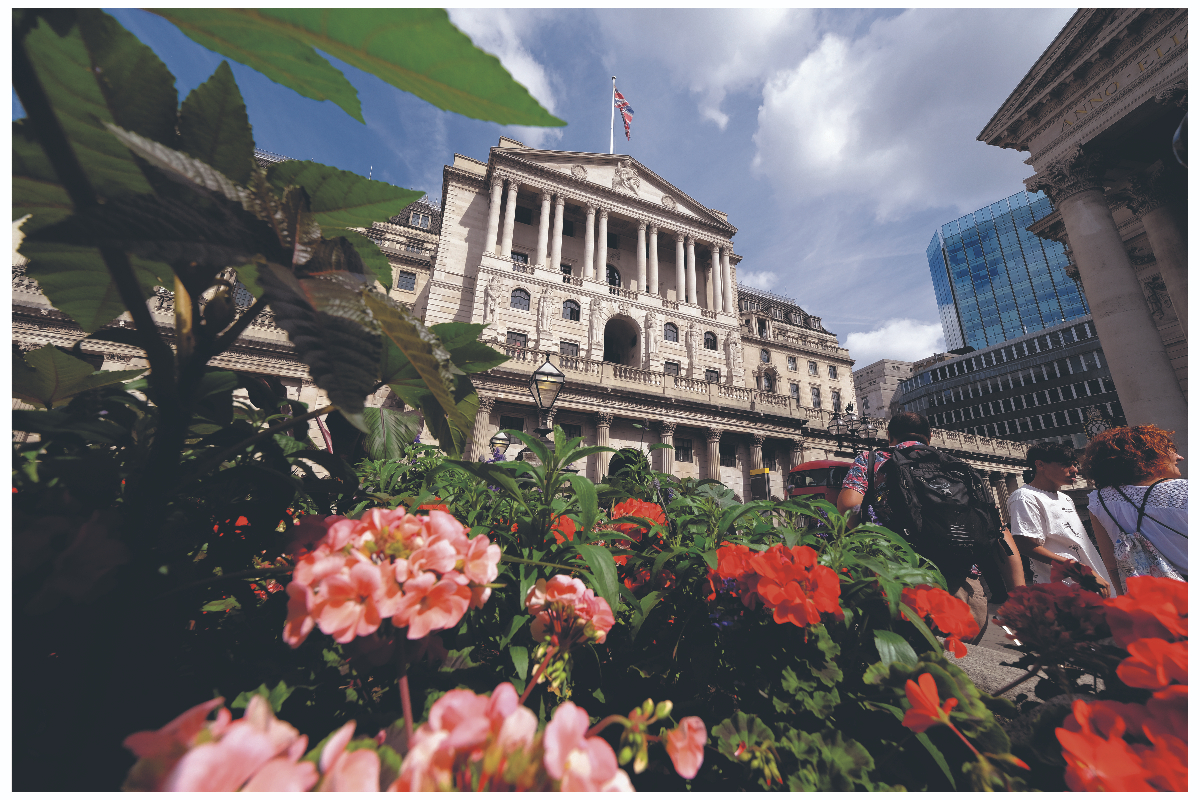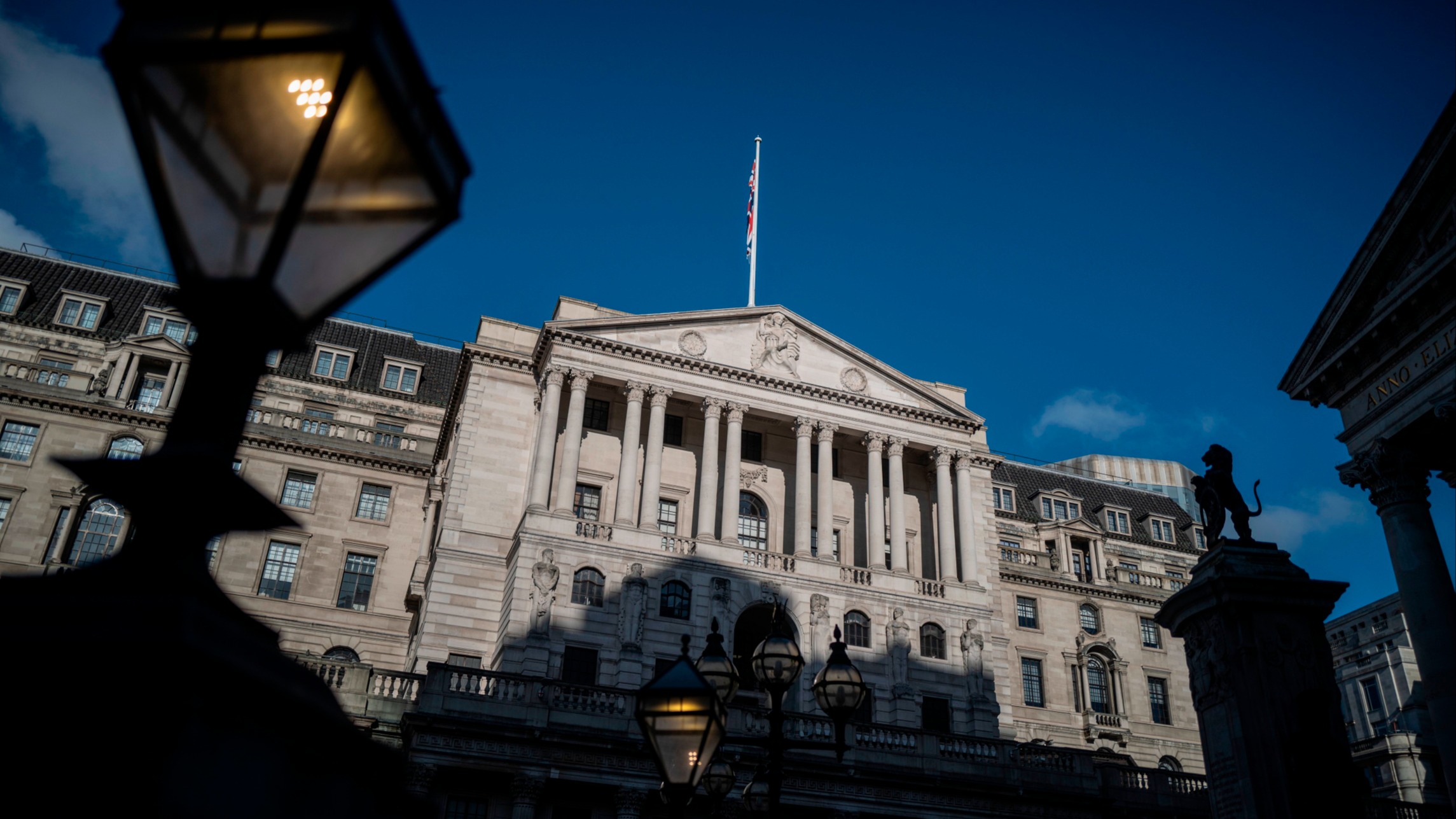
The Bank of England is quietly building the plumbing for what could become a fundamentally different monetary system. Its Digital Pound Lab, launched in August 2025, is testing how a central bank digital currency might coexist with private stablecoins to make cross-border trade finance faster and cheaper, particularly for small and medium-sized enterprises that currently get the worst end of international payment friction.
The initiative isn’t just theoretical hand-waving. A Phase 1 showcase on January 15, 2026 demonstrated a working use case: NOBO Finance and Applied Blockchain executed conditional business-to-business payments on a simulated digital pound ledger, proving that programmable money can automate the kind of trade finance processes that currently involve stacks of paperwork and days of settlement delays.
What the Lab is actually building
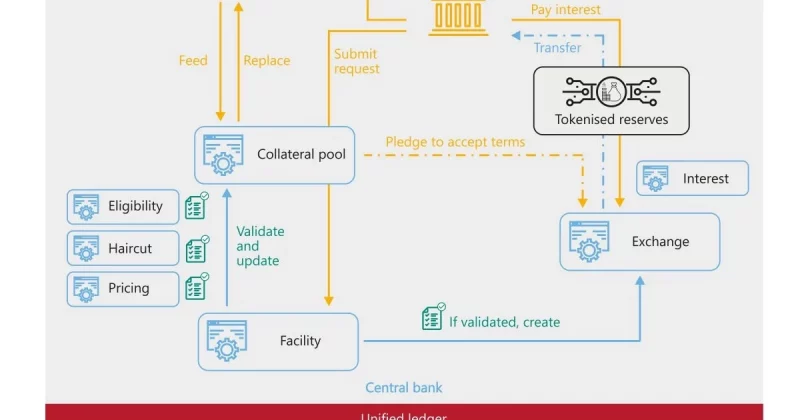
The Digital Pound Lab runs on Hyperledger Besu, an enterprise-grade blockchain platform, and is testing some genuinely ambitious functionality. Atomic swaps, which allow two parties to exchange different digital assets simultaneously without needing a trusted middleman, are a core focus.
The system also integrates distributed ledger technology with smart contracts. These are self-executing agreements where the terms are written directly into code. In a trade finance context, that means a payment could automatically release when goods are confirmed as delivered, eliminating the back-and-forth between banks, importers, and exporters that currently makes international trade painfully slow.
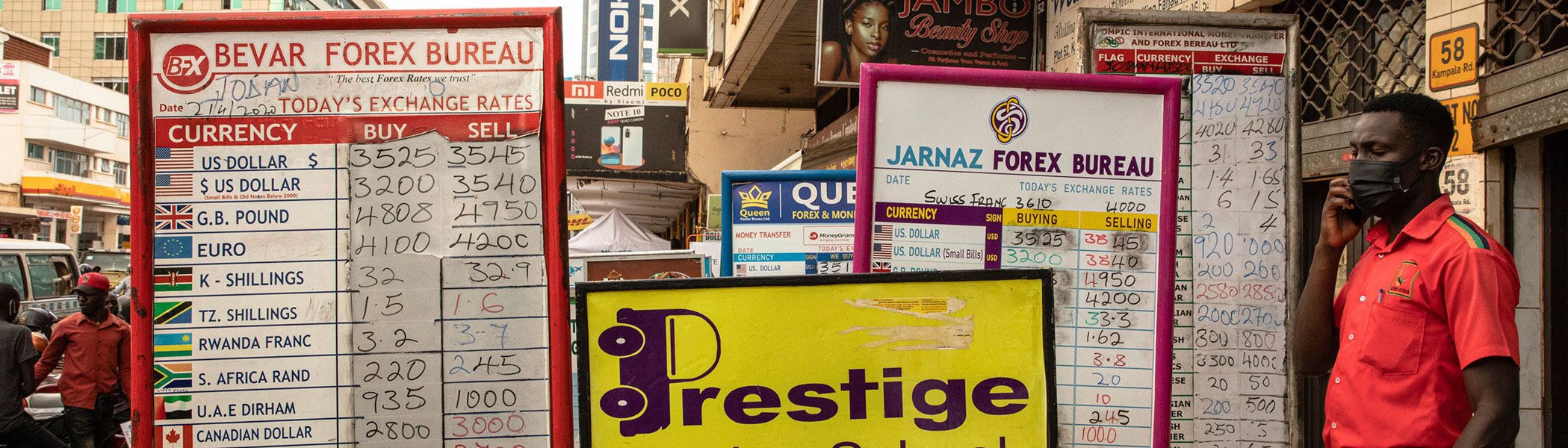
NOBO Finance’s demonstration focused specifically on conditional B2B payments. The scenario targeted SMEs engaged in cross-border trade, a segment that disproportionately suffers from high fees and slow processing times in the current system.
The Lab operates in a simulated environment, meaning no real money is changing hands. The BoE has been careful to emphasize that nothing happening inside the Lab constitutes a commitment to actually launching a digital pound. The design phase runs through mid-2026, at which point the Bank will decide whether to proceed with issuance.
Stablecoins get a regulatory playbook
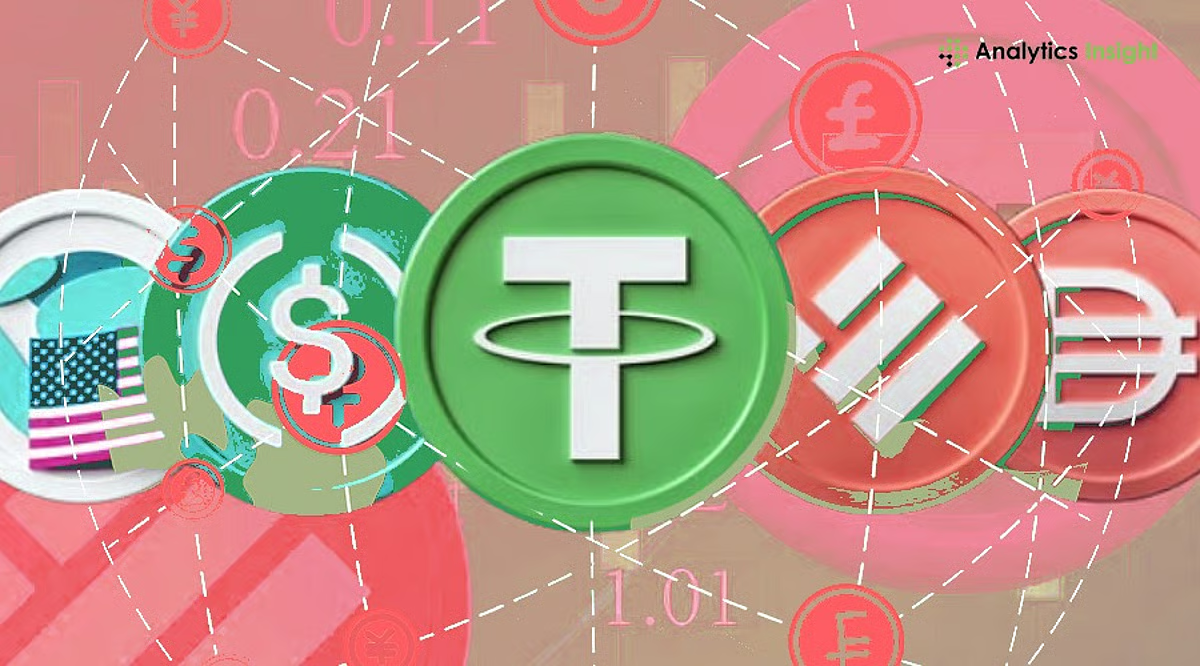
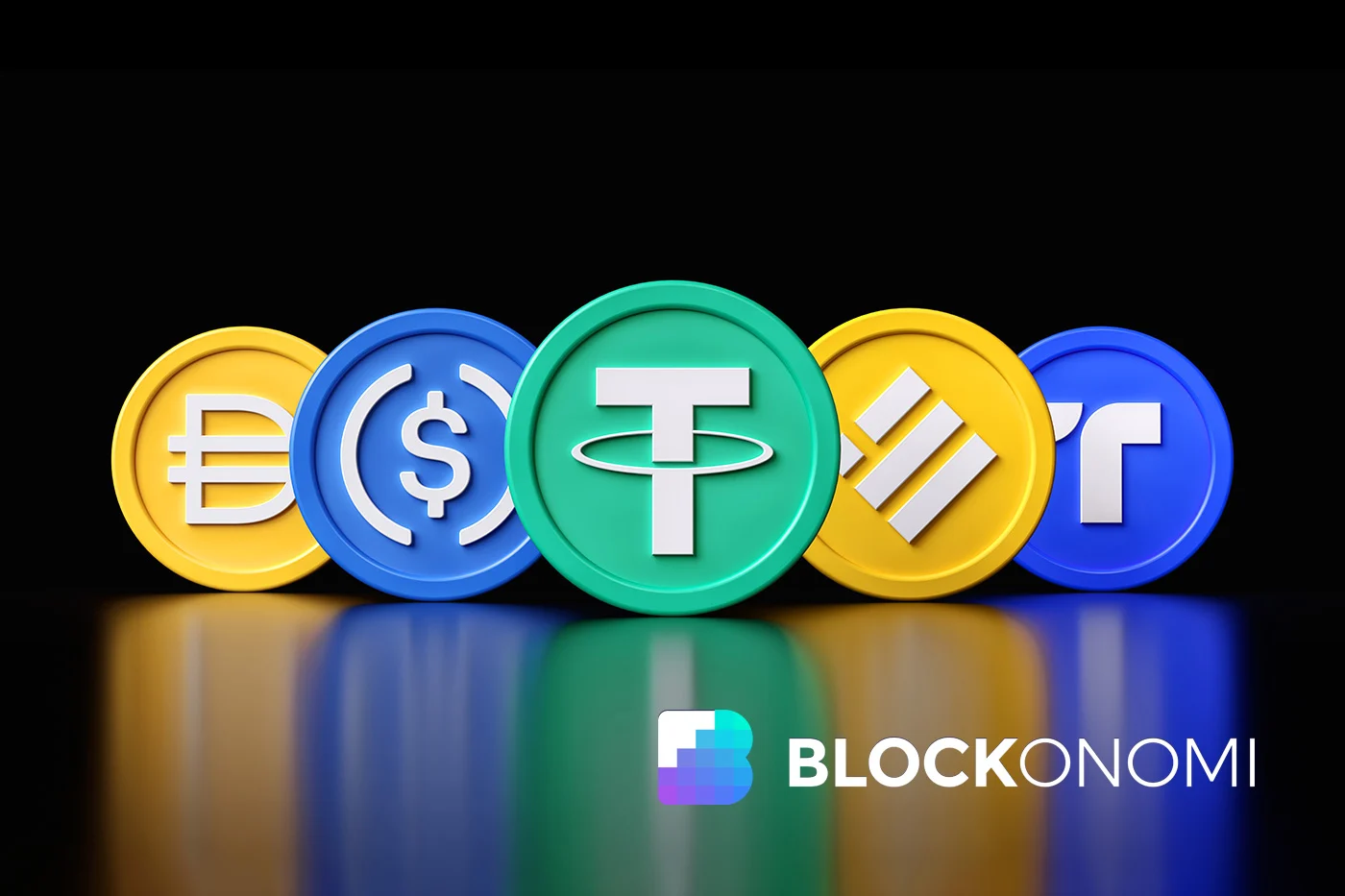
Perhaps more immediately consequential than the CBDC experimentation is the BoE’s policy statement on systemic stablecoins, released on June 22, 2026. The document lays out explicit rules for sterling-denominated stablecoins, treating them not as competitors to a potential digital pound but as complementary components of a broader digital money ecosystem.
The policy specifies a 70/30 backing ratio: stablecoin issuers would need to hold 70% of their reserves in government debt and 30% in deposits at the Bank of England during steady-state operations.
Interoperability requirements sit at the center of the framework. The BoE wants sterling stablecoins to be technically compatible with a future digital pound, which means issuers will need to build their systems with that connectivity in mind from the start.
What to watch next
The Lab is scheduled to run until July 2026, with the culmination of the design phase expected around the same time. The BoE will then face a decision about whether to actually issue a digital currency for public use.
The stablecoin regulatory framework may end up being the more immediately impactful development. With clear backing requirements and interoperability standards now published, stablecoin issuers operating in sterling have a concrete set of rules to build against.