Throughout 2026, U.S. stocks have continued climbing a proverbial “wall of worry,” with major market benchmarks setting new all-time highs…
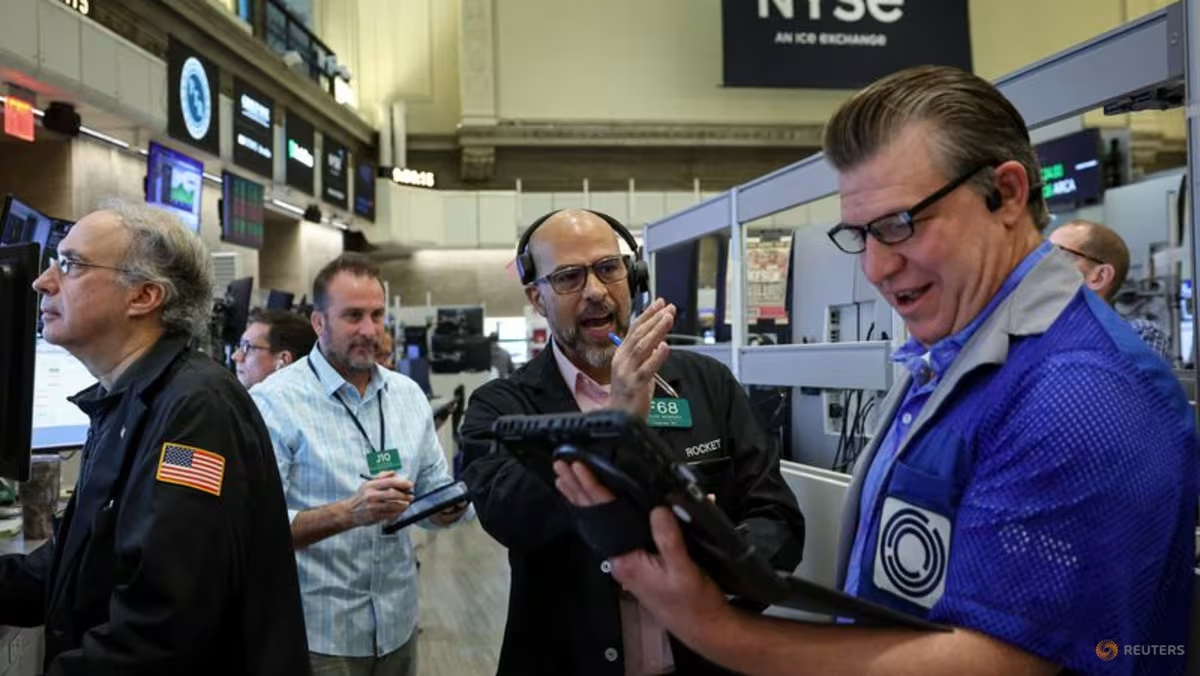
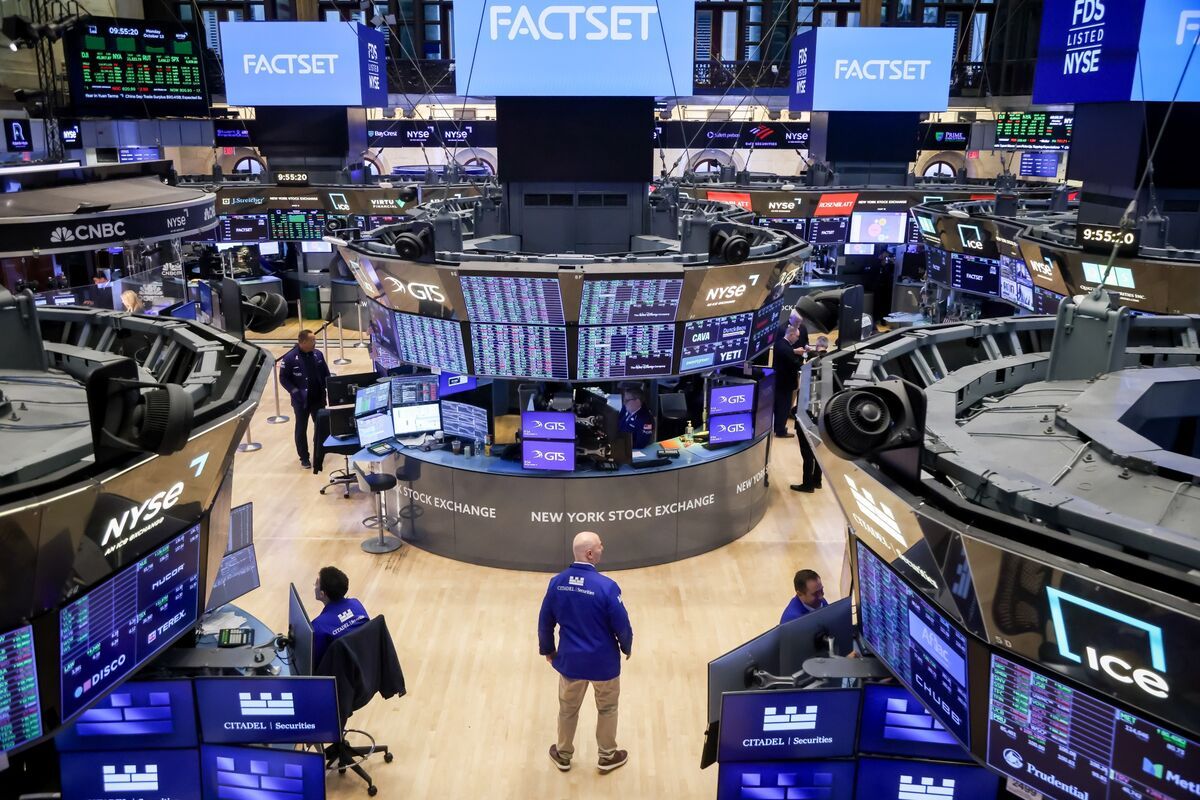
Throughout 2026, U.S. stocks have continued climbing a proverbial “wall of worry,” with major market benchmarks setting new all-time highs despite tariff-driven trade disputes and the ongoing war involving the U.S., Israel and Iran.
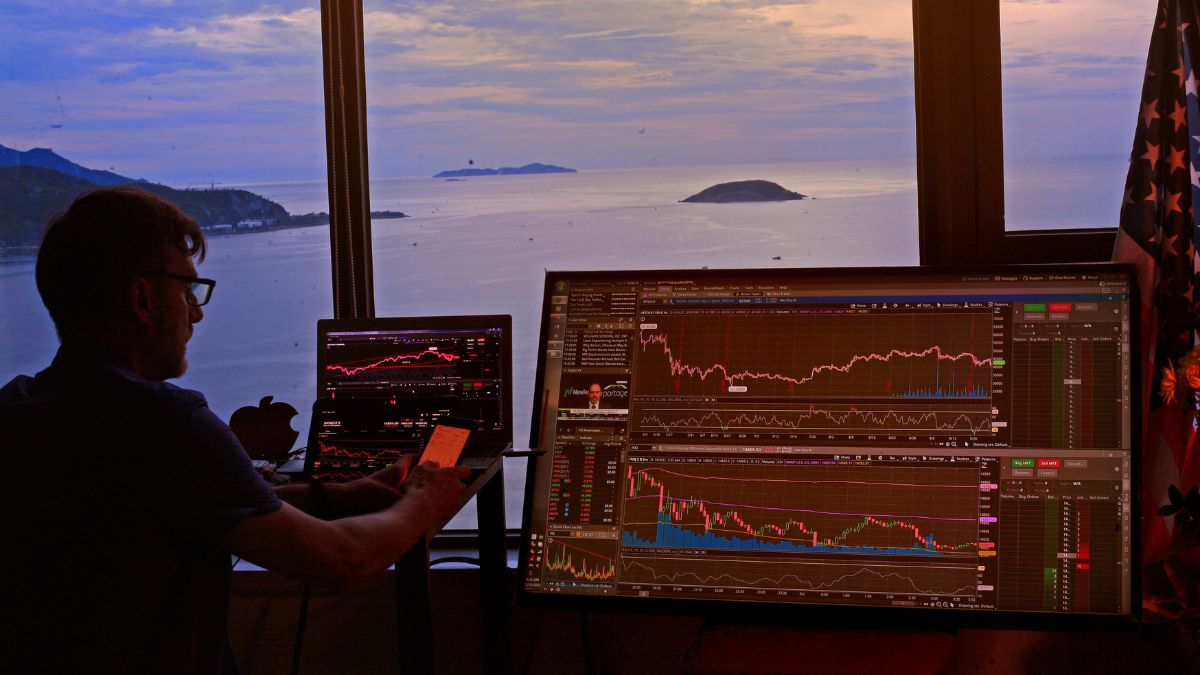
Year to date through Aug. 18, the S&P 500 is up 12.4%, while the mega-cap growth and technology-heavy Nasdaq-100 index has done even better, with a 16.7% return. Leading them both is the small-cap Russell 2000 index, up 21.5% over the same period.
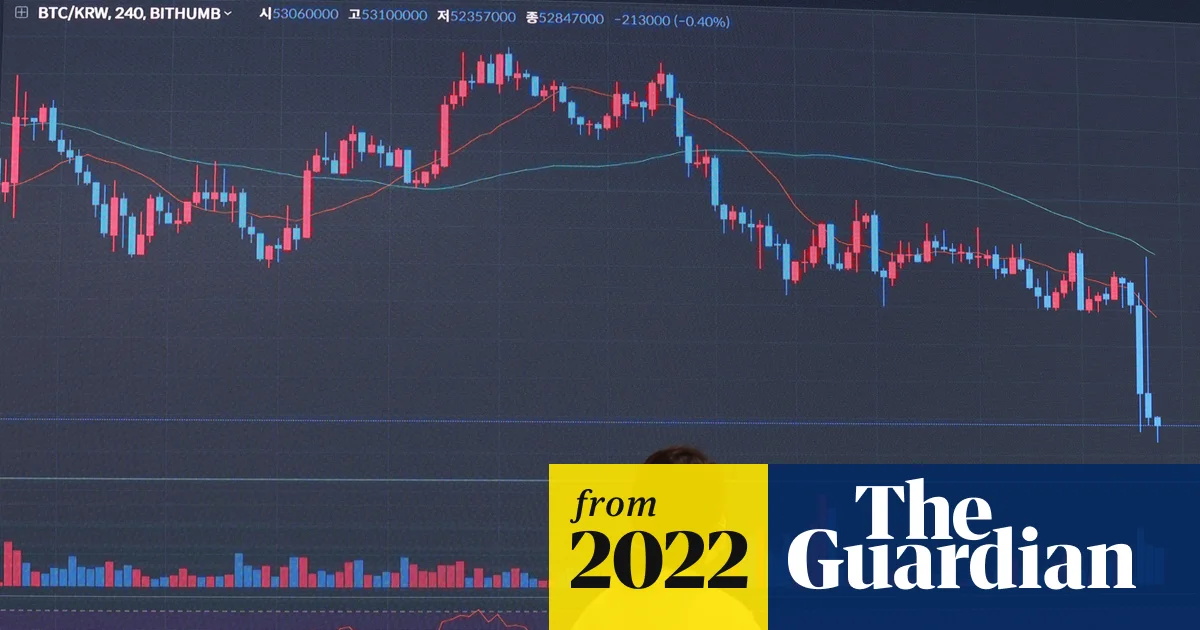
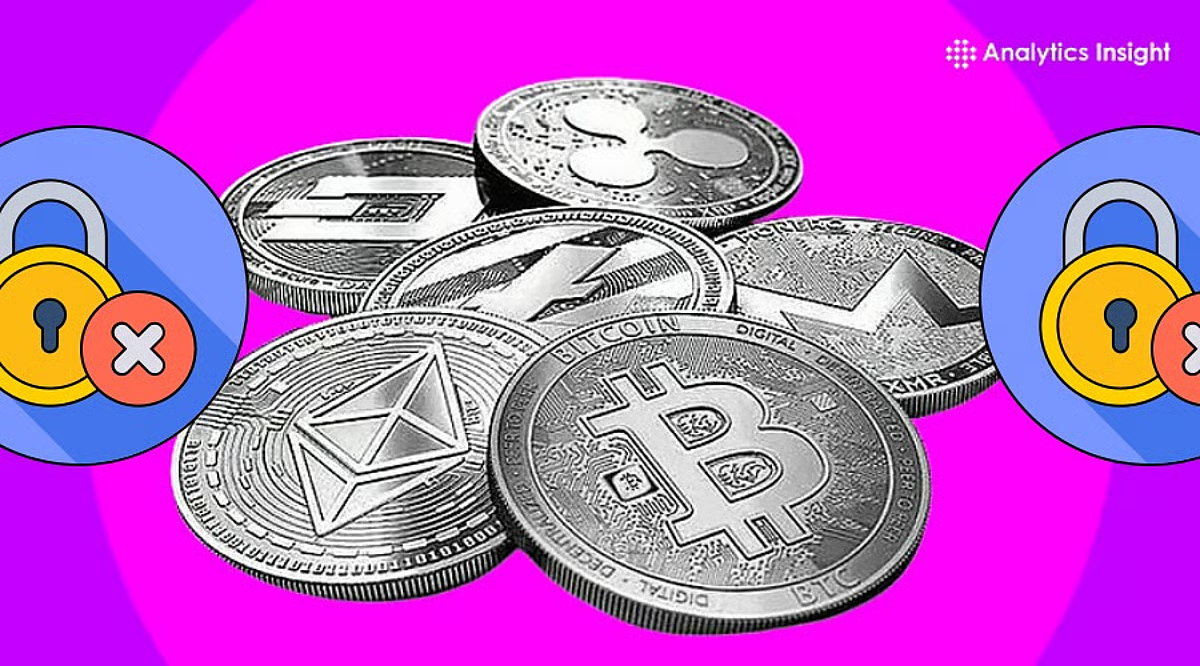
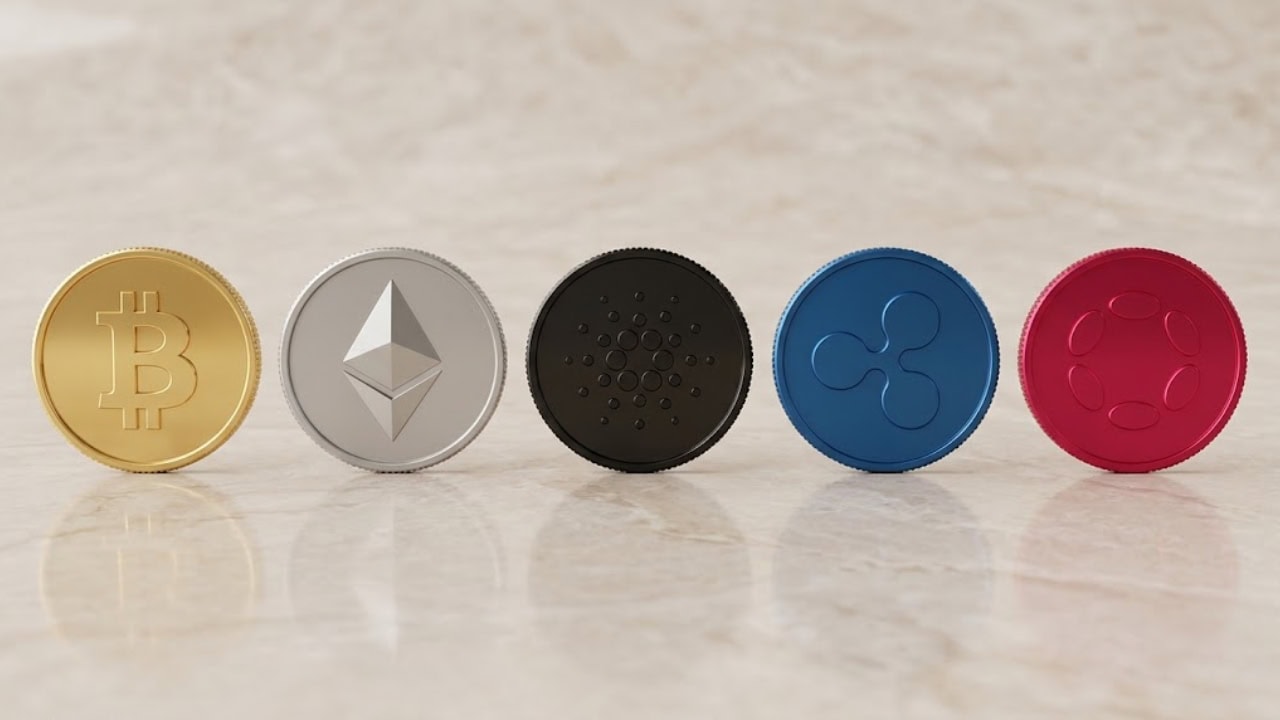
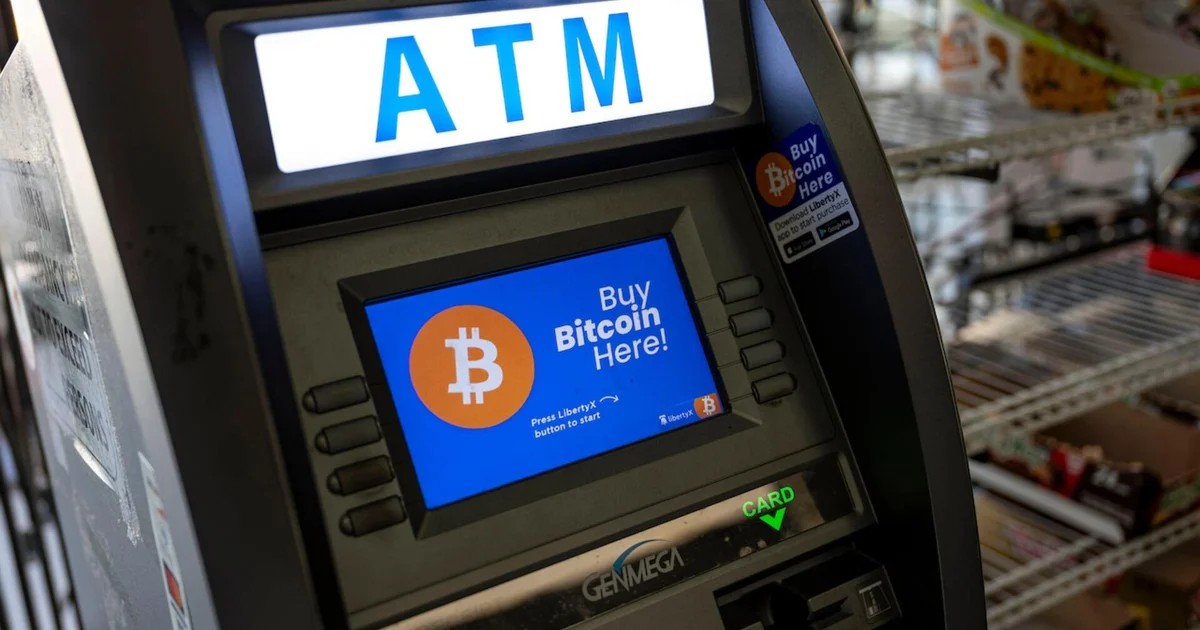
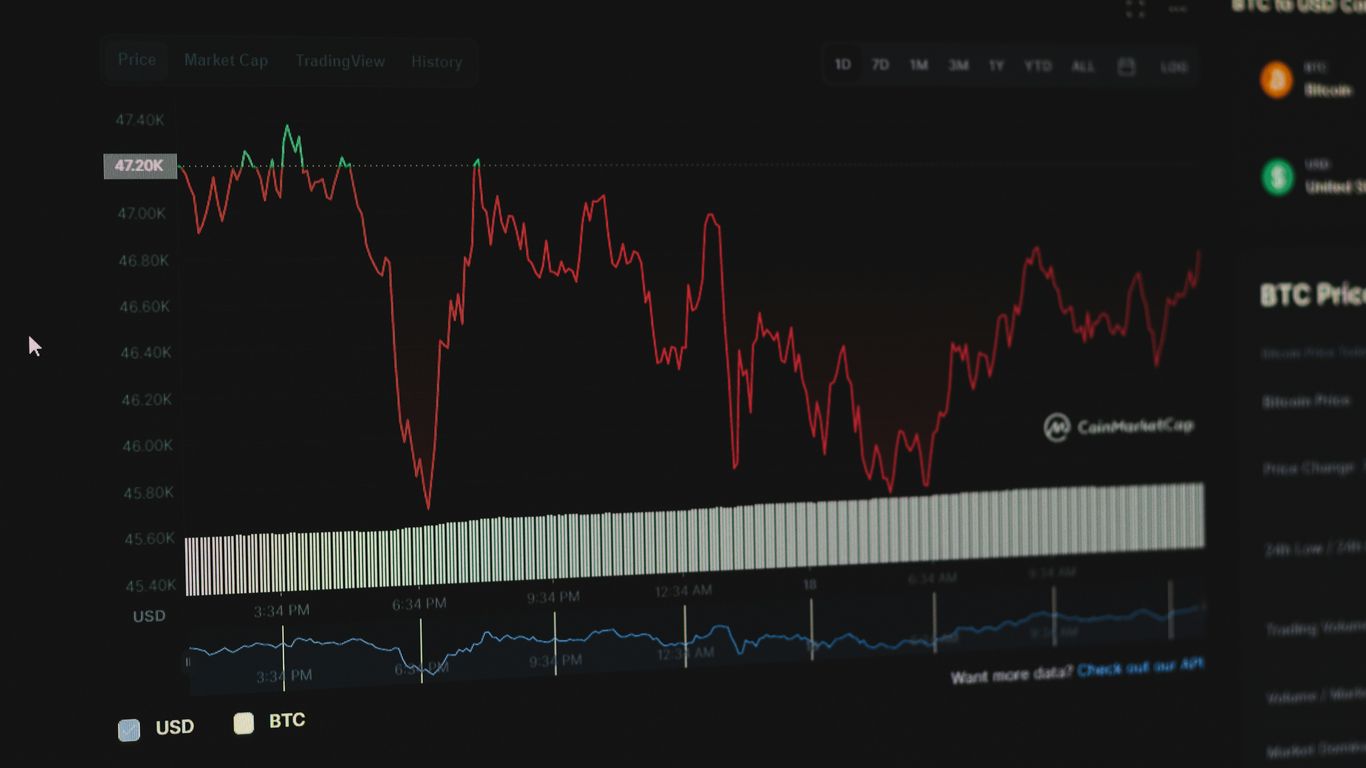
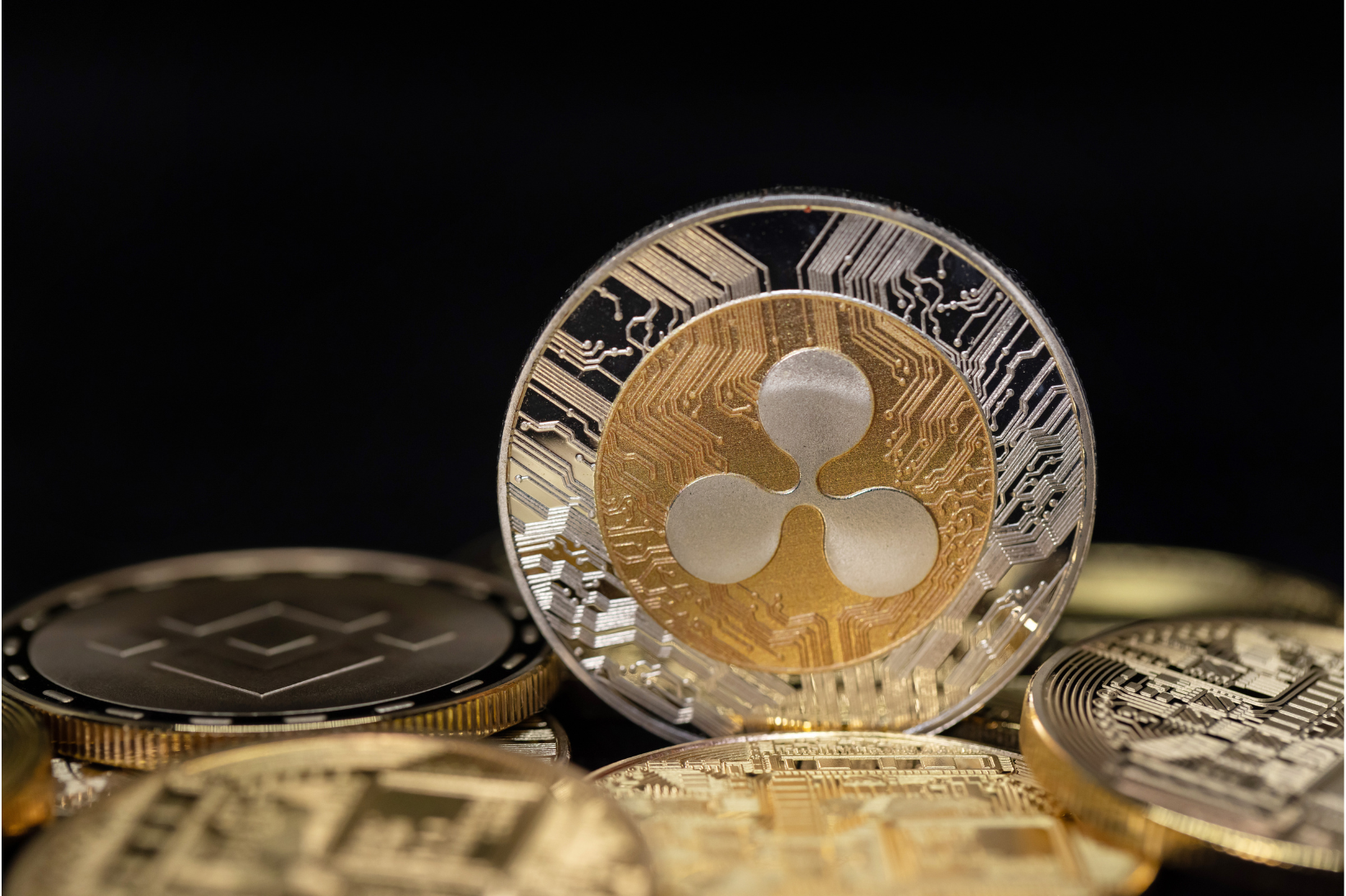
Given that risk-on environment, investors might expect more speculative assets such as cryptocurrencies to be performing even better. While that relationship has generally held for growth and small-cap stocks, it has broken down for major cryptocurrency tokens. Bitcoin is down 26.1% year to date through Aug. 18, trading just above $64,000. That’s a long way from its all-time high of about $126,000 reached in October 2025.
[Sign up for stock news with our Invested newsletter.]
Market commentators have noticed the divergence. The Wall Street Journal recently explored the phenomenon in an article titled “How the AI Trade Is Stealing Crypto’s Thunder.” Part of the explanation is that cryptocurrencies such as Bitcoin have historically attracted traders because their high volatility can produce substantial price movements over relatively short periods. Today, volatile artificial intelligence stocks are competing for the same speculative capital.
For example, popular semiconductor stocks such as Nvidia Corp. (ticker: NVDA) and Micron Technology Inc. (MU) can provide the large daily price swings sought by risk-tolerant traders. The proliferation of leveraged single-stock exchange-traded funds (ETFs) tied to these names has added another way for traders to amplify bullish bets without relying on cryptocurrency.
Still, the cryptocurrency ETF universe has expanded substantially. While the initial momentum surrounding the January 2024 launch of 11 spot Bitcoin ETFs has tapered off, several continue to command substantial assets under management and trading volume. Their investor bases have also expanded beyond retail traders, with financial advisors increasingly using ETFs as a convenient way to incorporate cryptocurrency into portfolios.
“Looking back at 2016, there was only one option to directly hold Bitcoin within your retirement account,” says Chris Kline, chief operating officer and co-founder of Bitcoin IRA. “Now, there are routes to hold crypto assets in nearly every type of financial account, and the market is better for it.”
Here are seven of the best cryptocurrency ETFs to buy today:
| ETF | Expense Ratio |
| iShares Bitcoin Trust ETF (IBIT) | 0.25% |
| Grayscale Bitcoin Mini Trust ETF (BTC) | 0.15% |
| Morgan Stanley Bitcoin Trust (MSBT) | 0.14% |
| Roundhill Bitcoin Covered Call Strategy ETF (YBTC) | 0.96% |
| T. Rowe Price Active Crypto ETF (TKNZ) | 0.75% |
| Hashdex Nasdaq CME Crypto Index ETF (NCIQ) | 0.25% |
| Calamos Laddered Bitcoin Structured Alt Protection ETF (CBOL) | 0.79% |
iShares Bitcoin Trust ETF (IBIT)
The clear winner of the January 2024 spot Bitcoin ETF launch race has been IBIT, which has since grown to about $48 billion in assets under management. Its success has spurred iShares to launch derivative products such as the iShares Bitcoin Premium Income ETF (BITA), an income-oriented strategy currently advertising an 18.5% annualized distribution rate through the use of options.
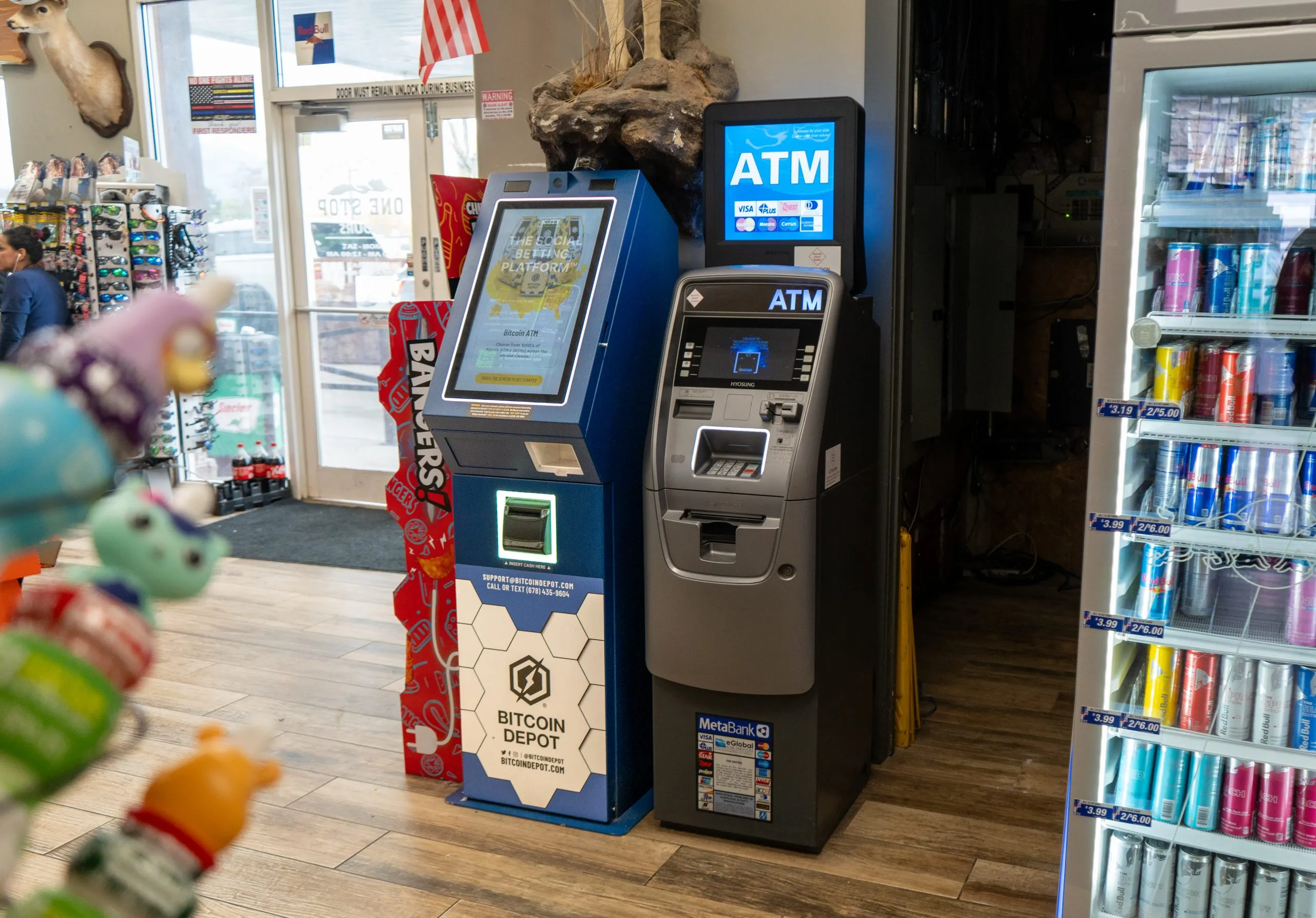
IBIT itself remains comparatively straightforward. For a 0.25% expense ratio, investors receive exposure to spot Bitcoin held in cold storage without having to manage private keys or a cryptocurrency wallet themselves. The ETF also trades with a narrow 0.03% 30-day median bid-ask spread and has a listed options chain, enabling strategies such as selling covered calls or cash-secured puts.
Grayscale Bitcoin Mini Trust ETF (BTC)
Grayscale played a pivotal role in bringing spot Bitcoin ETFs to the U.S. market after suing the Securities and Exchange Commission over its rejection of a proposal to convert the Grayscale Bitcoin Trust ETF (GBTC) from a closed-end structure into an ETF. Grayscale’s legal victory helped clear a path toward spot Bitcoin ETF approval, but GBTC subsequently incurred outflows due to a high 1.5% expense ratio.
To compete more effectively on fees, Grayscale subsequently spun off 10% of GBTC’s Bitcoin into BTC. The resulting fund is now among the lowest-cost spot Bitcoin ETFs, charging a 0.15% expense ratio while managing roughly $3.8 billion in assets. Like GBTC and other physically backed Bitcoin ETFs, BTC holds actual Bitcoin in institutional cold storage to provide shareholders with spot-price exposure.
Morgan Stanley Bitcoin Trust (MSBT)
Large Wall Street banks were historically cautious about cryptocurrencies, but the success of spot Bitcoin ETFs has given traditional asset managers a sizable new source of potential fee revenue. Morgan Stanley Investment Management arrived relatively late, launching MSBT in April 2026, but immediately undercut on price with a low 0.14% expense ratio. The ETF has since accumulated $443 million in assets.
MSBT’s custody arrangement involves both the Bank of New York Mellon for cash and Coinbase Custody Trust Co. for crypto, providing a hybrid institutional infrastructure for safeguarding the fund’s assets. MSBT held 6,849 Bitcoin as of Aug. 18. The fund values those holdings by referencing the CoinDesk Bitcoin Benchmark Rate, which provides its index for tracking the spot price of Bitcoin.
Roundhill Bitcoin Covered Call Strategy ETF (YBTC)
BITA has been relatively slow to gain traction, with one potential drawback being its partnership structure and the resulting Schedule K-1 tax reporting. A simpler alternative is YBTC, which launched in January 2024 and uses options on IBIT to generate income. The ETF currently advertises a 30.1% distribution rate and pays weekly, although those high payouts should not be confused with total return.
“YBTC offers the potential for high income, as it generates income through a covered call strategy on Bitcoin,” says Dave Mazza, CEO of Roundhill Investments. “This ETF provides upside exposure to Bitcoin, subject to a weekly cap, offering a unique blend of income generation and Bitcoin exposure without the complexities of direct Bitcoin investment or the hassle of trading options directly.”
T. Rowe Price Active Crypto ETF (TKNZ)
T. Rowe Price is better known for its extensive lineup of actively managed mutual funds, many of which are fixtures in workplace 401(k) plans. However, the firm has increasingly expanded into ETFs and digital assets, recently launching TKNZ. TKNZ is an actively managed, multi-crypto ETF whose managers allocate among eligible tokens based on factors including valuation, momentum and risk.
Unsurprisingly, Bitcoin remains the portfolio’s largest position at approximately 41.5%, followed by Ethereum at 19.5%. Binance’s ecosystem token accounts for another 12.2%, followed by Solana at 10.4% and XRP at 6.8%. Hyperliquid rounds out the major allocations at 5.8%, giving TKNZ a diversified cryptocurrency portfolio while still concentrating most assets in the largest established tokens.
Hashdex Nasdaq CME Crypto Index ETF (NCIQ)
Active management introduces another layer of risk in cryptocurrency investing because portfolio managers can make the wrong calls on which tokens to overweight or underweight. Investors seeking diversified crypto exposure through a more systematic framework may instead prefer NCIQ, which tracks the Nasdaq Crypto Index. The ETF has $271 million in assets and charges a 0.25% management fee.
Unlike TKNZ, NCIQ largely weights its cryptocurrency exposure according to market value, resulting in Bitcoin dominating at roughly 78% of the portfolio. Ethereum follows at 12.2%, with XRP at 5.2% and Solana at 3.2%. Smaller allocations to Cardano, Chainlink, Stellar and Bitcoin Cash round out the portfolio, providing broader token exposure while remaining influenced by Bitcoin’s performance.
Calamos Laddered Bitcoin Structured Alt Protection ETF (CBOL)
Some cryptocurrency ETFs have managed to sidestep much of Bitcoin’s year-to-date drawdown. One example is CBOL, a fund-of-funds that equally weights 12 monthly Calamos Structured Protection Bitcoin ETFs, each designed to provide 100% downside protection against Bitcoin price declines over its one-year outcome period. The trade-off is a cap on upside capture and a high 0.79% expense ratio.
“Against this backdrop of steep drawdowns and extreme volatility, the need for a risk-managed approach has never been higher,” says Matt Kaufman, senior vice president and global head of ETFs at Calamos Investments. “Many investors find themselves caught between the fear of missing out on Bitcoin’s extraordinary gains and the very real risk of suffering devastating losses during its frequent corrections.”
More from U.S. News
7 Best Cryptocurrency ETFs to Buy
7 Best REIT ETFs to Buy for 2026
7 Best Cryptocurrency ETFs to Buy originally appeared on usnews.com
Update 08/19/26: This story was published at an earlier date and has been updated with new information.