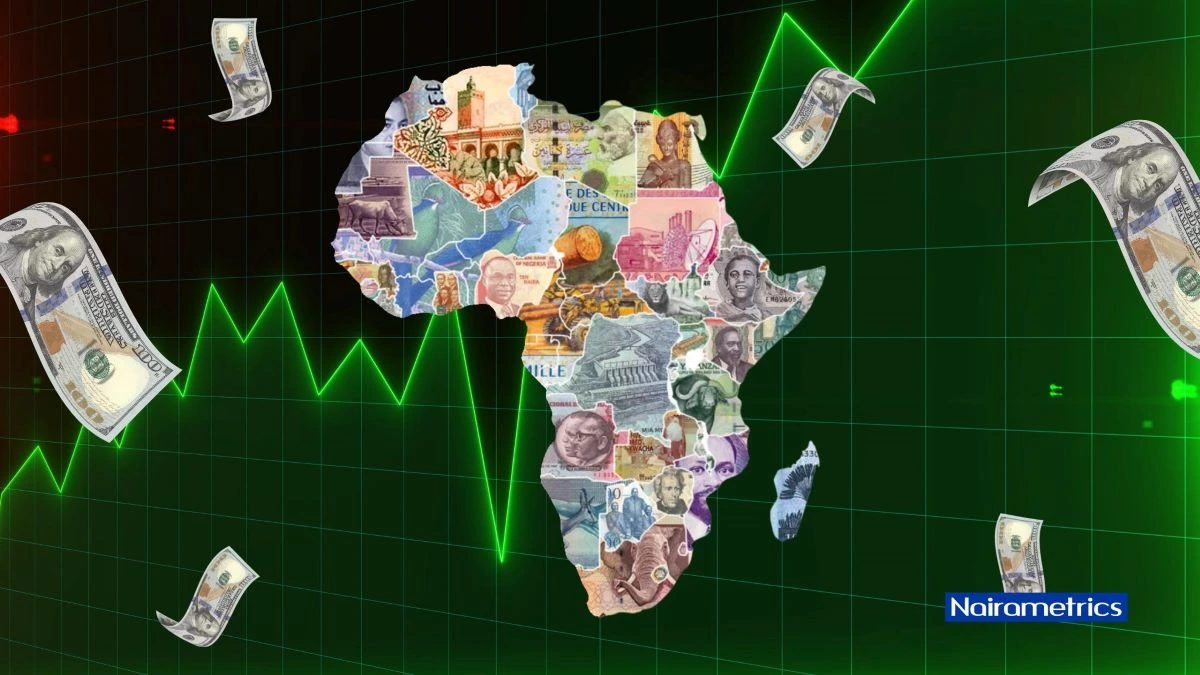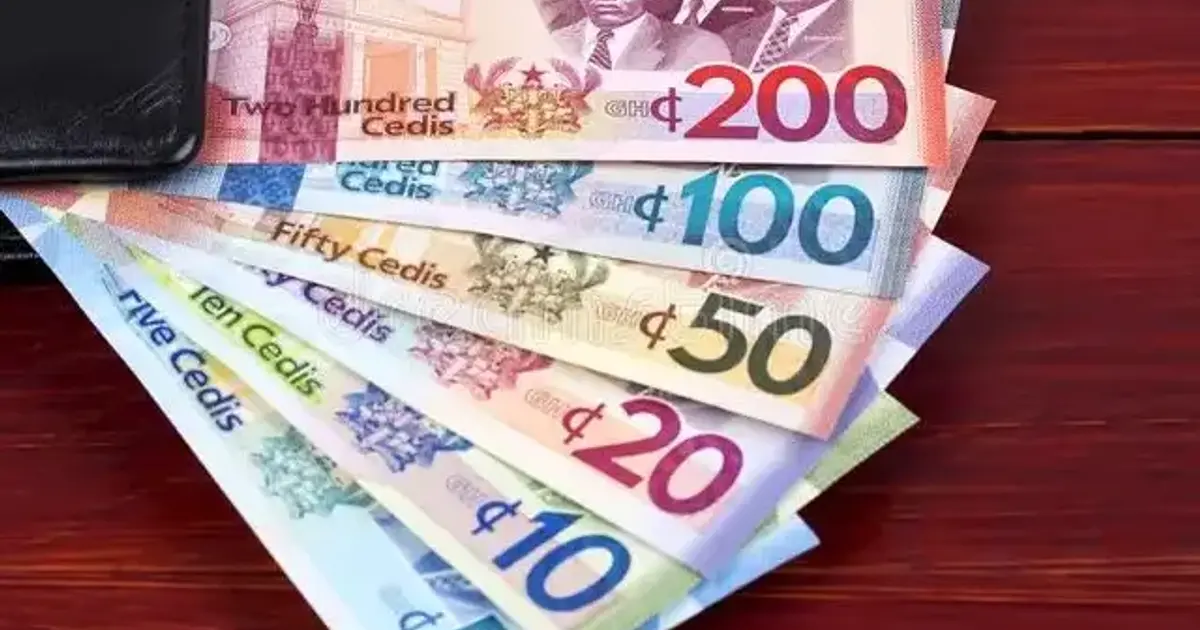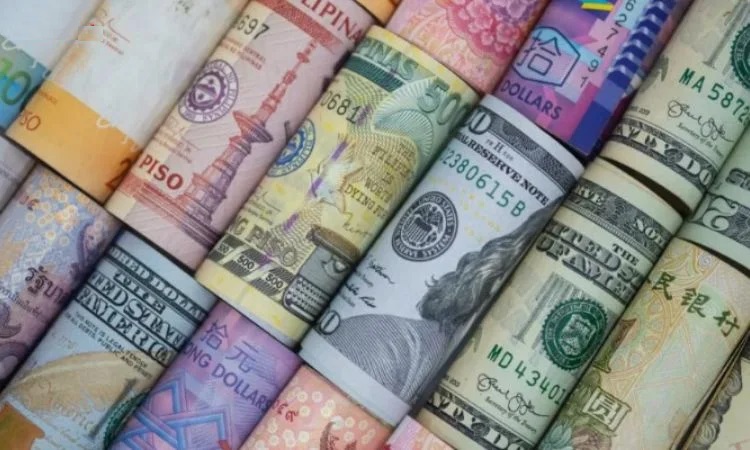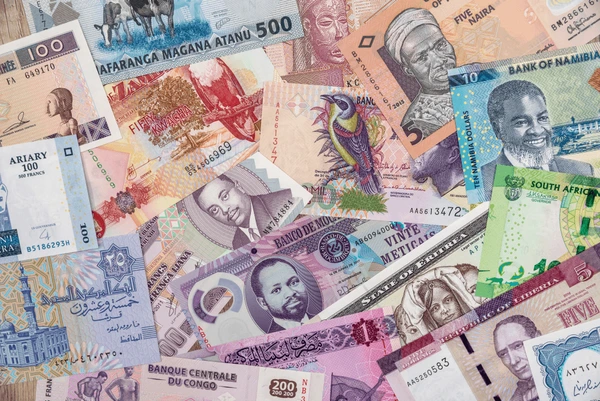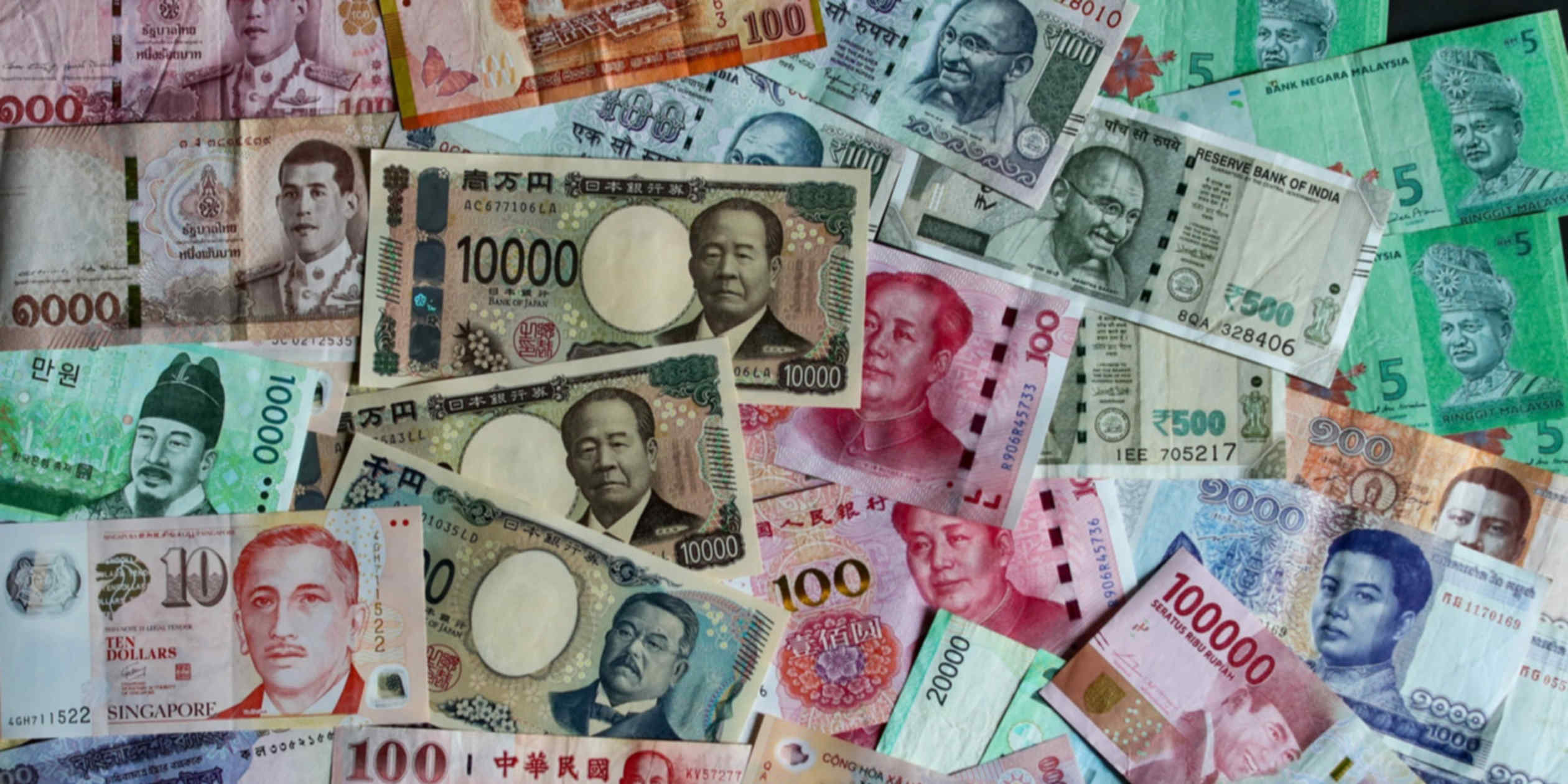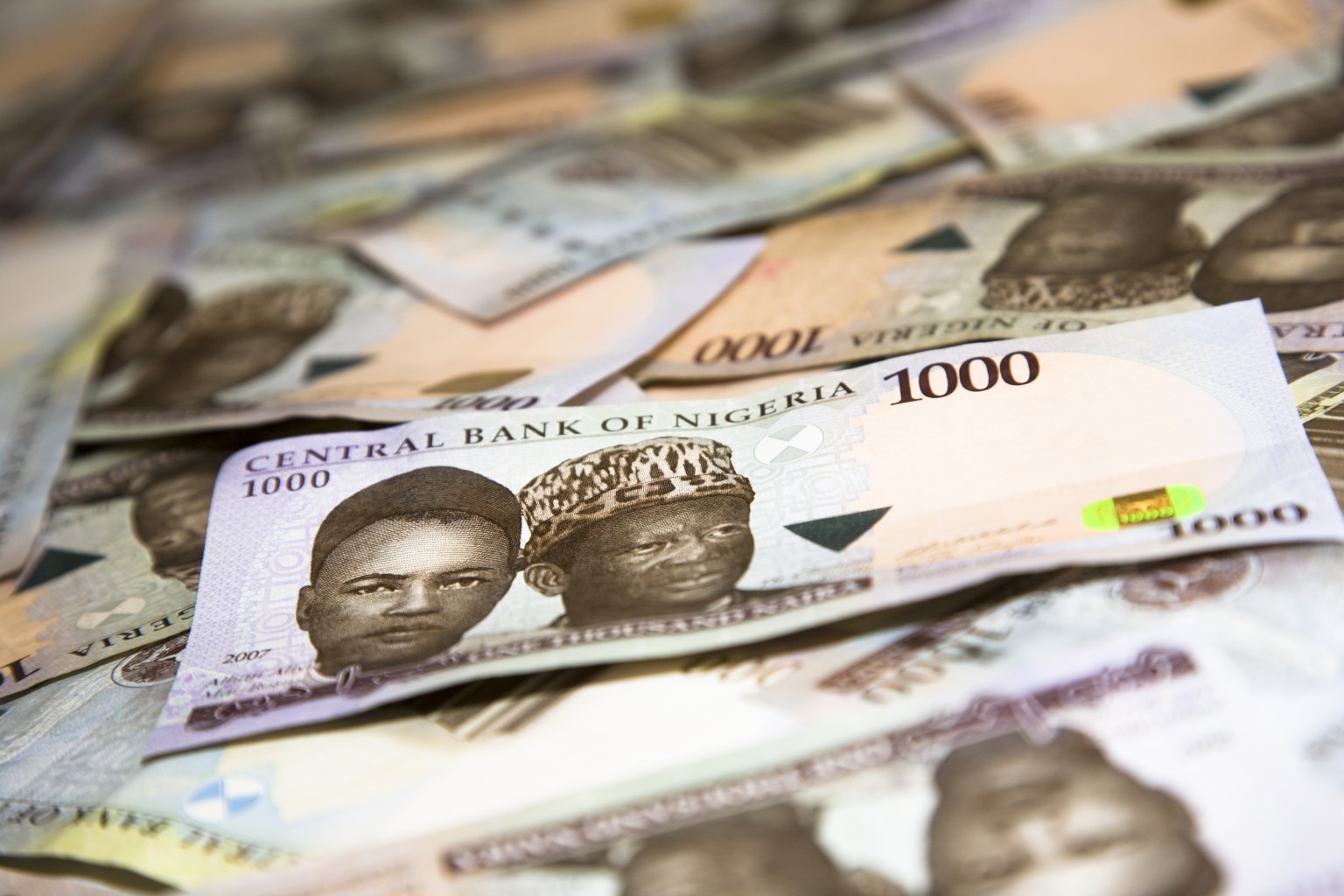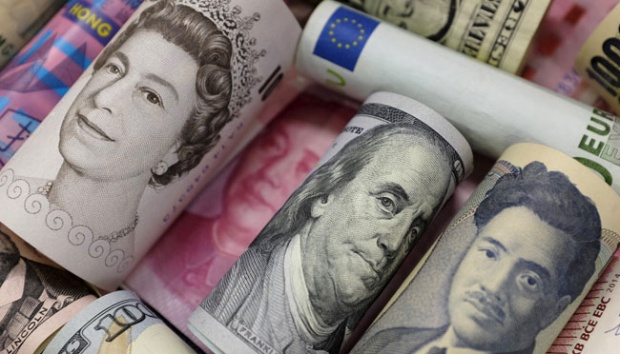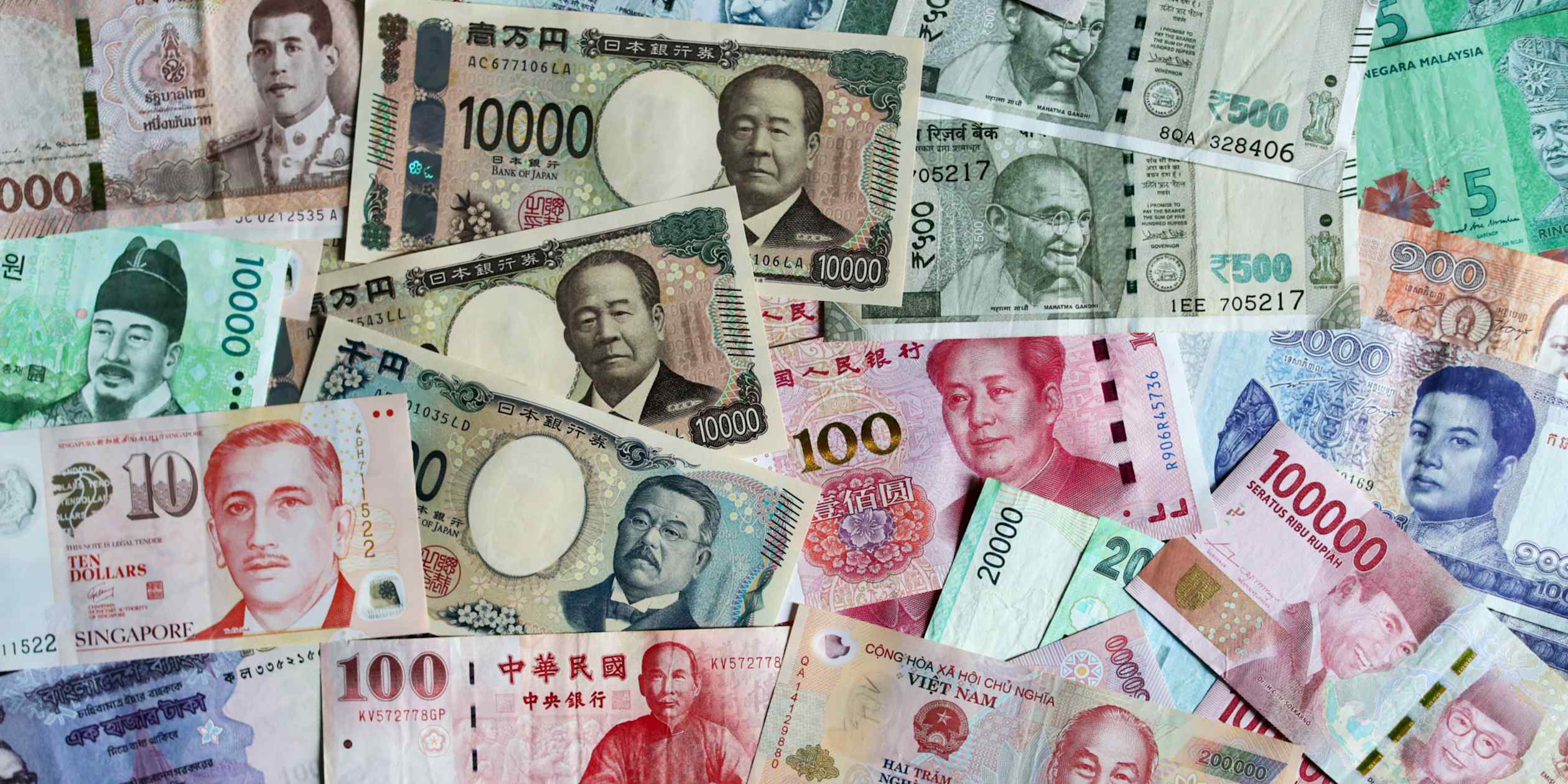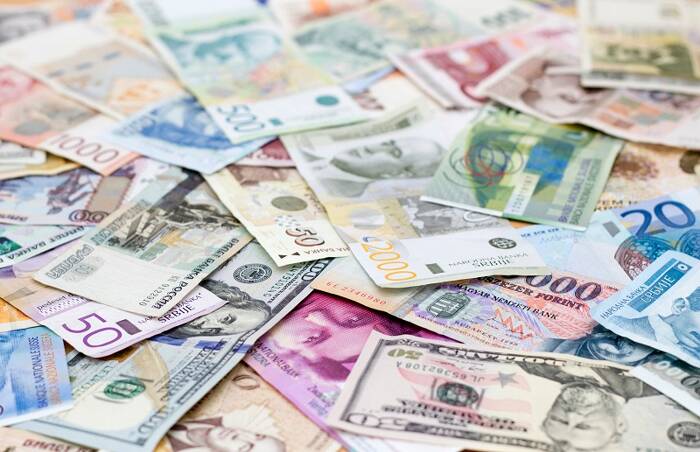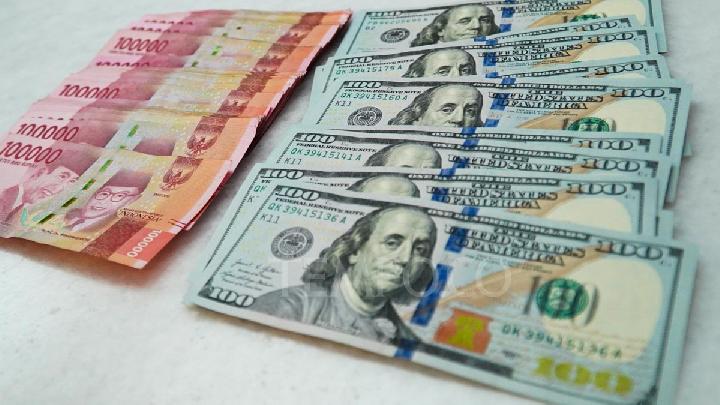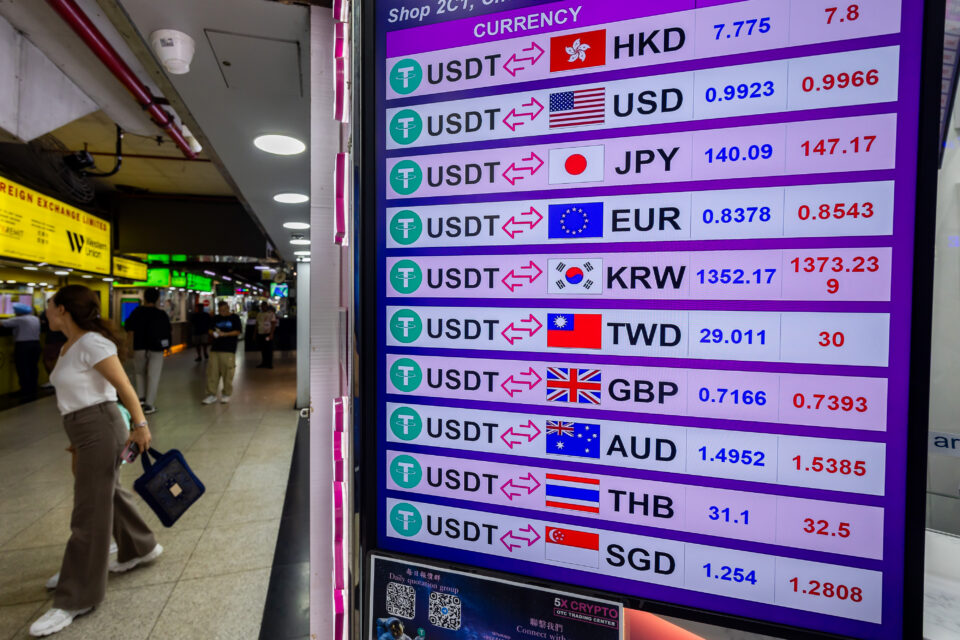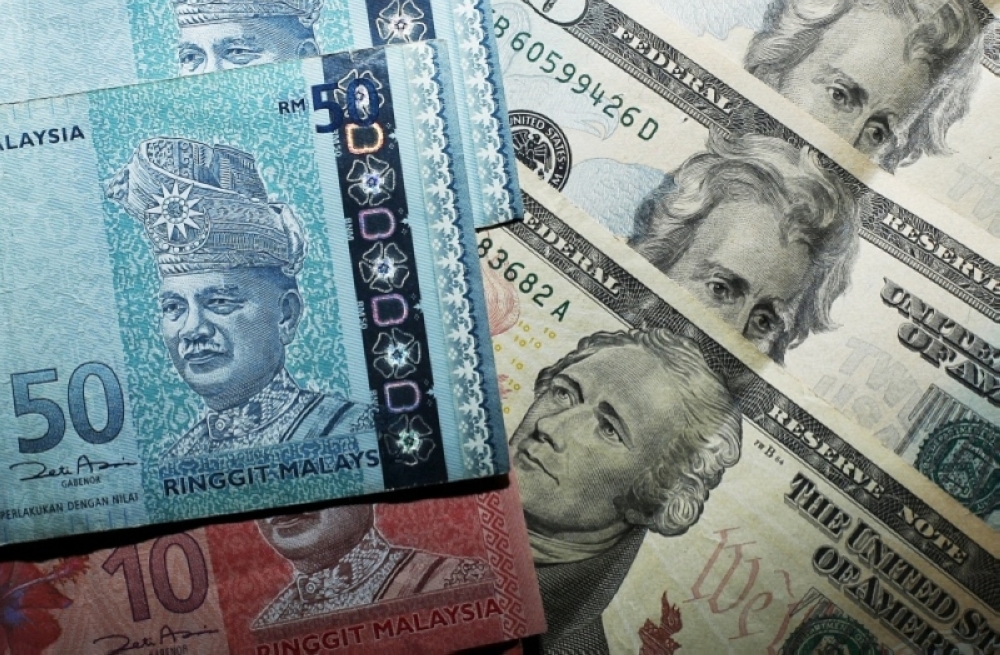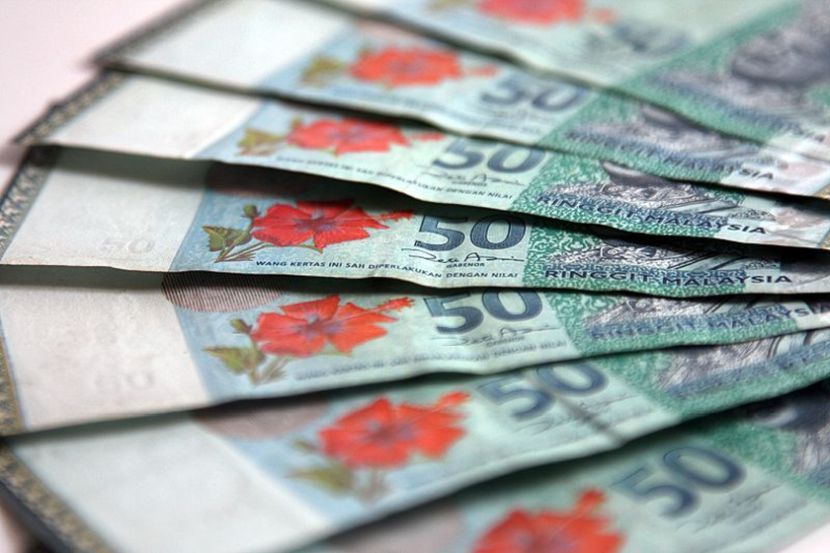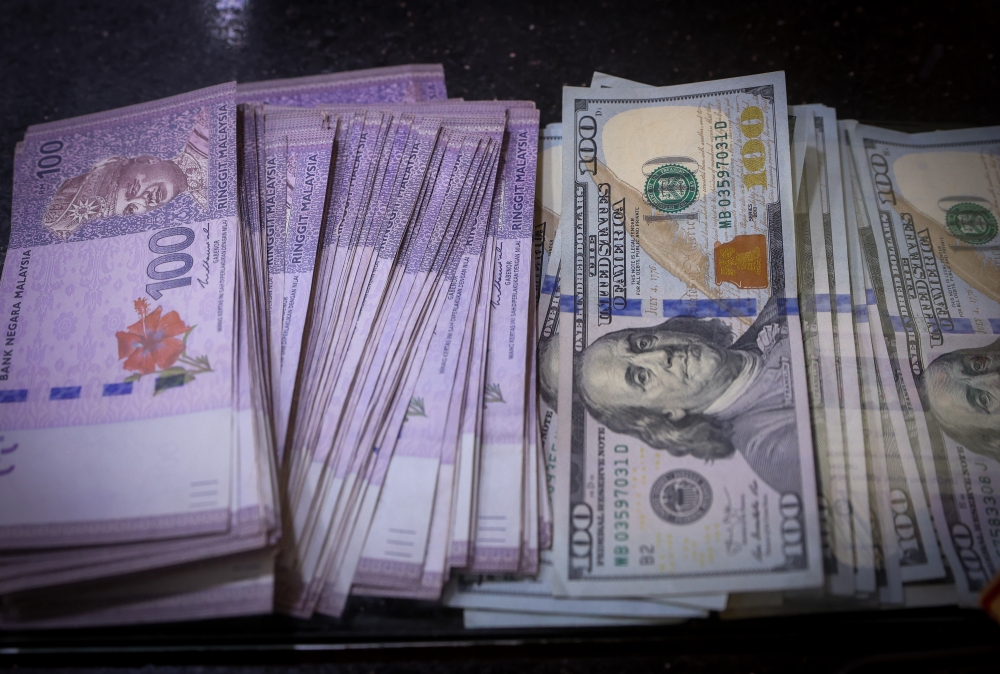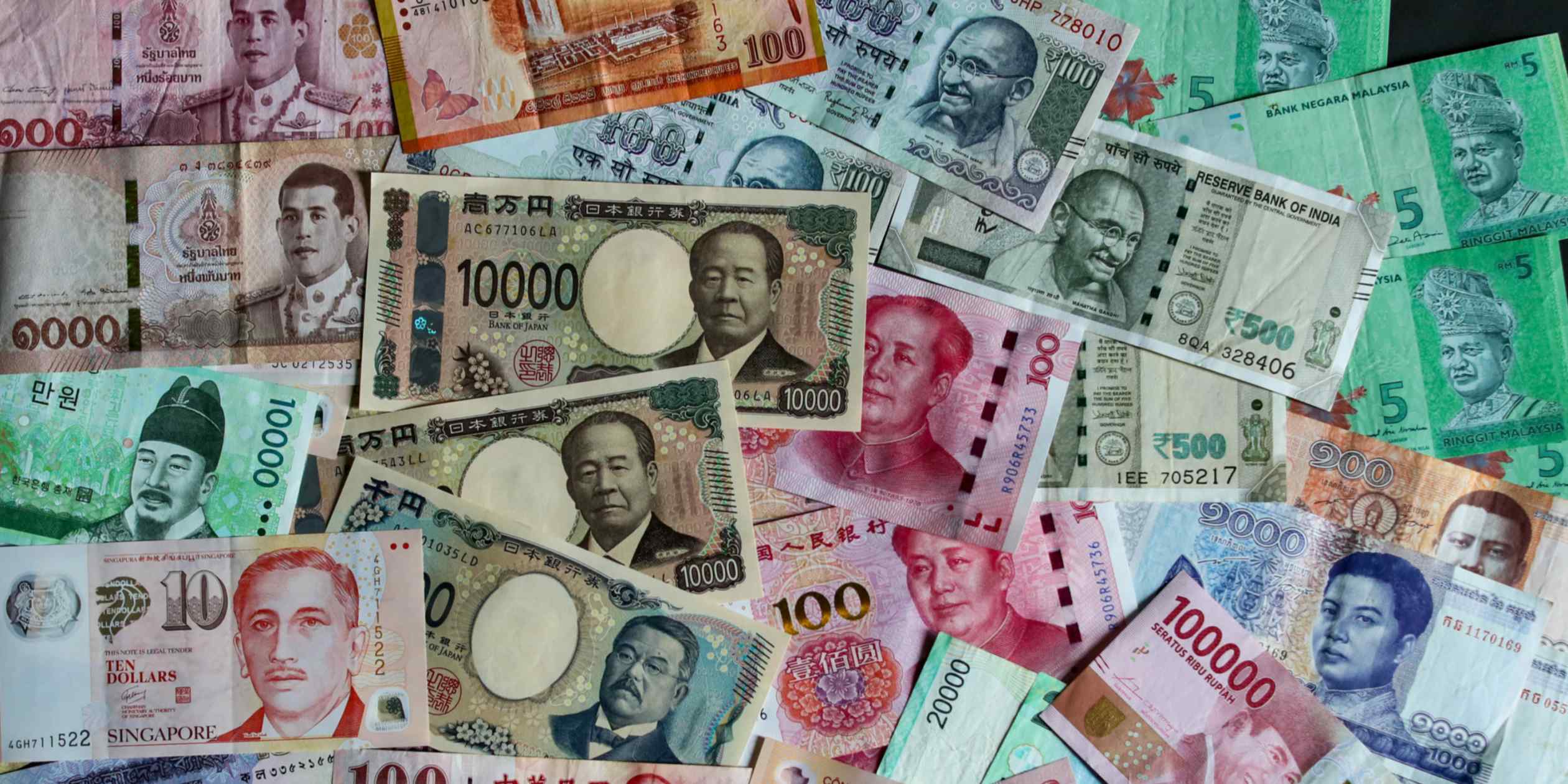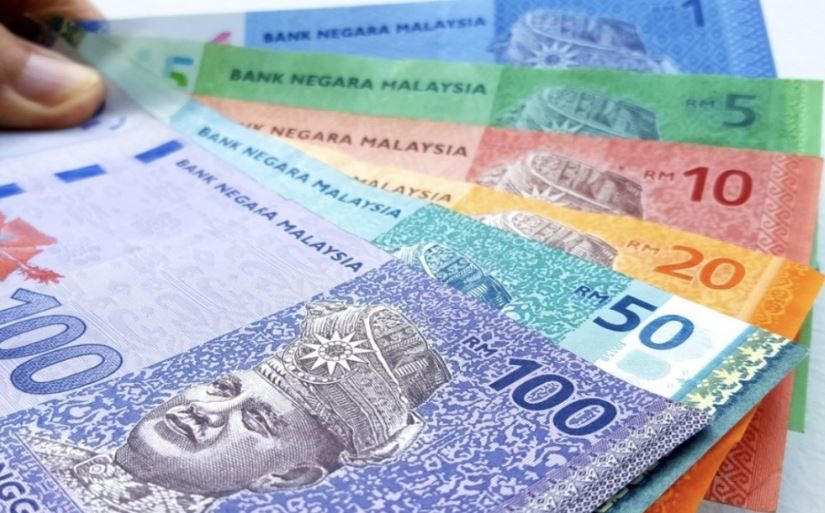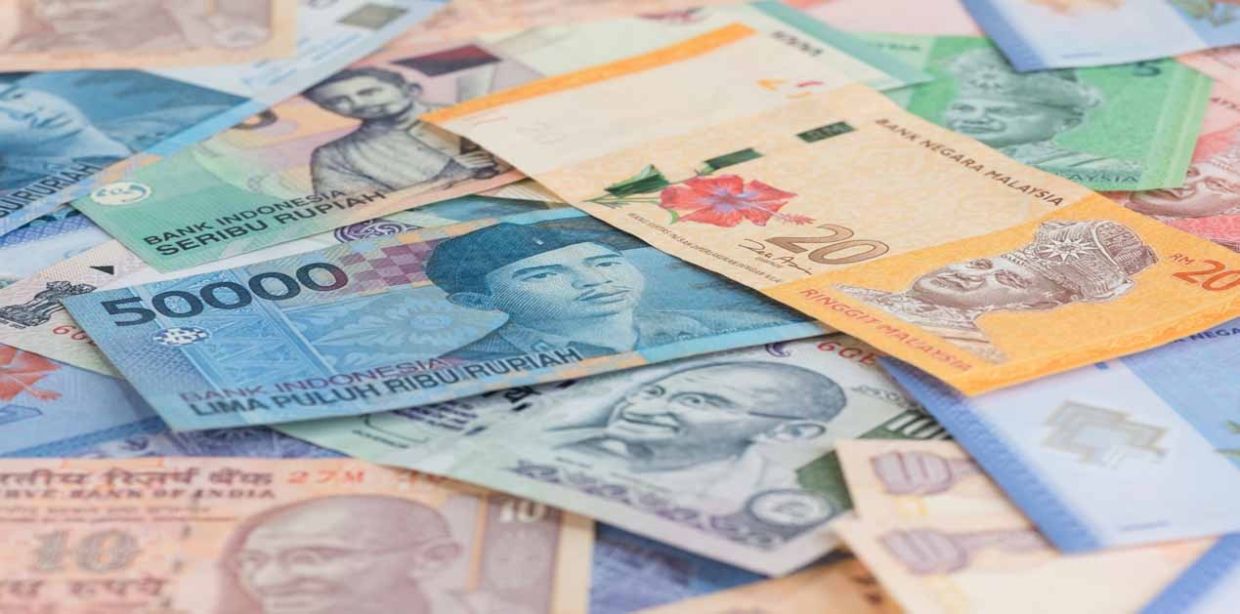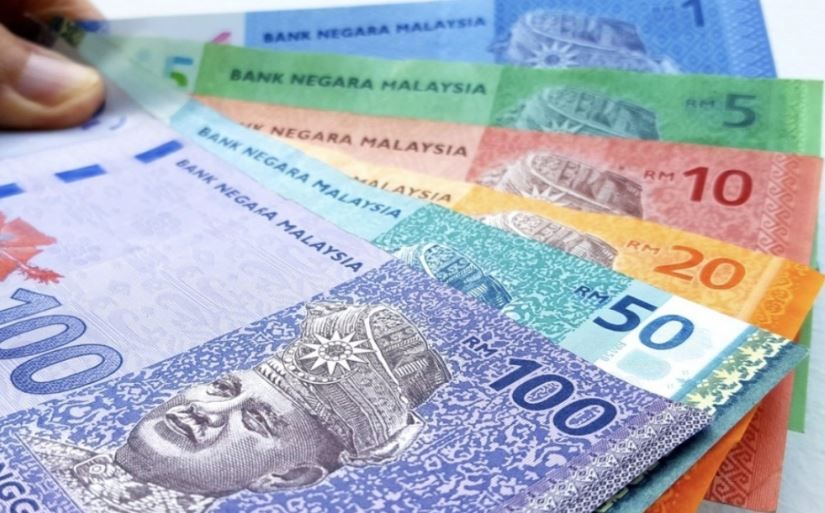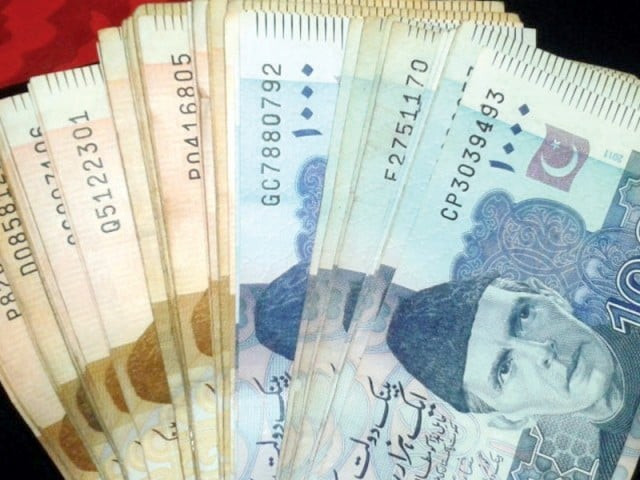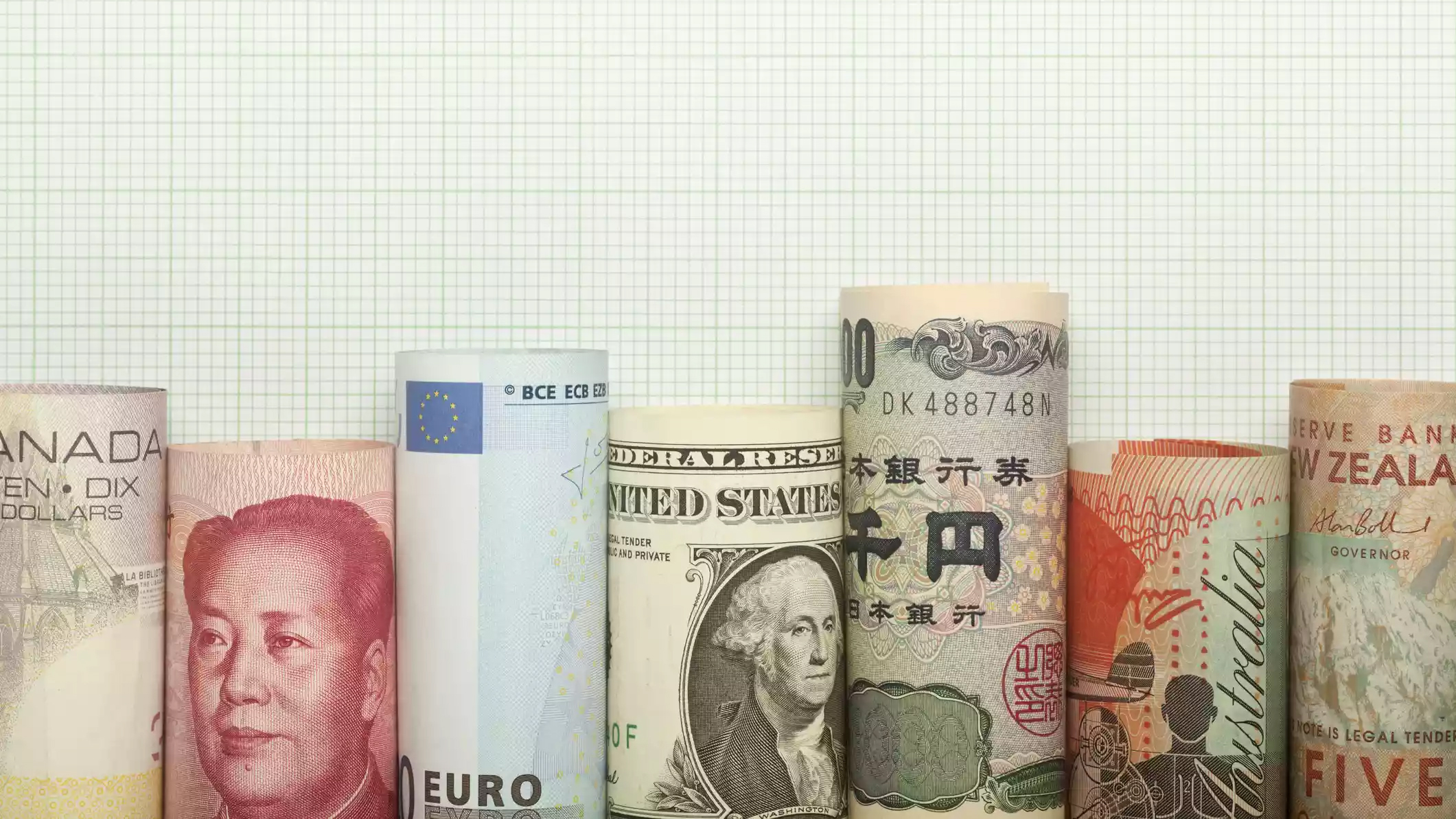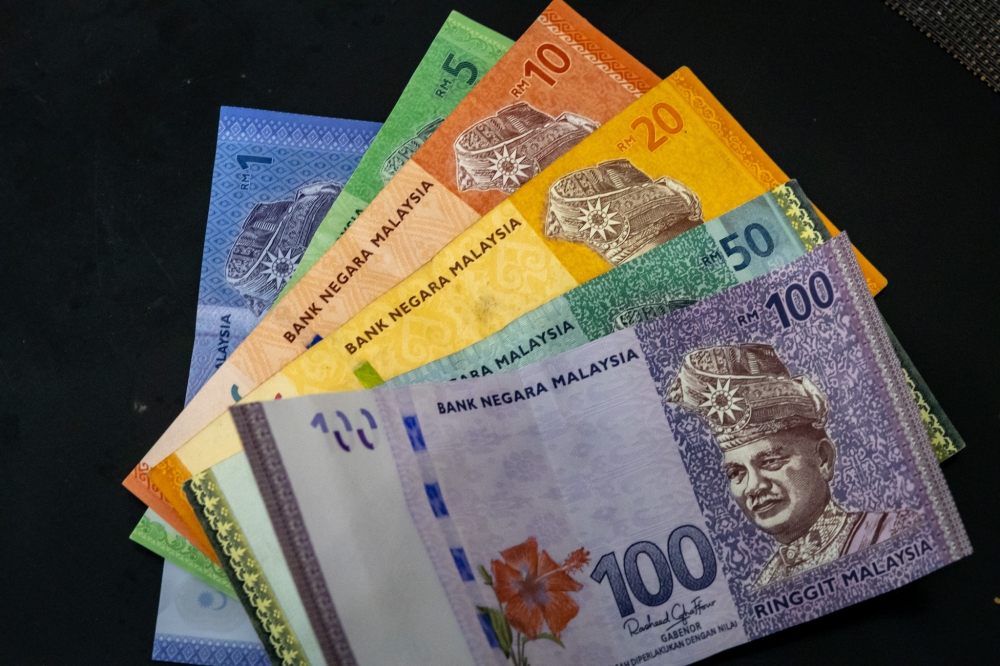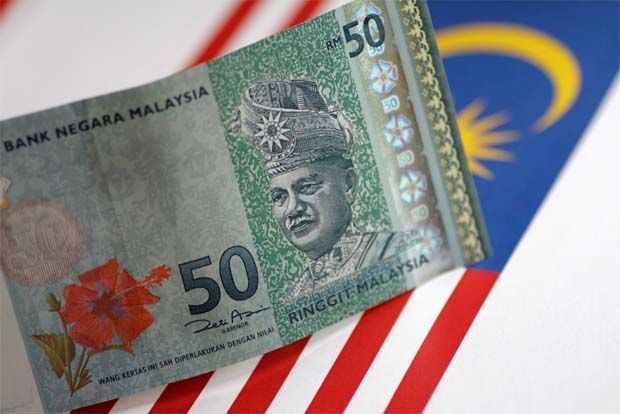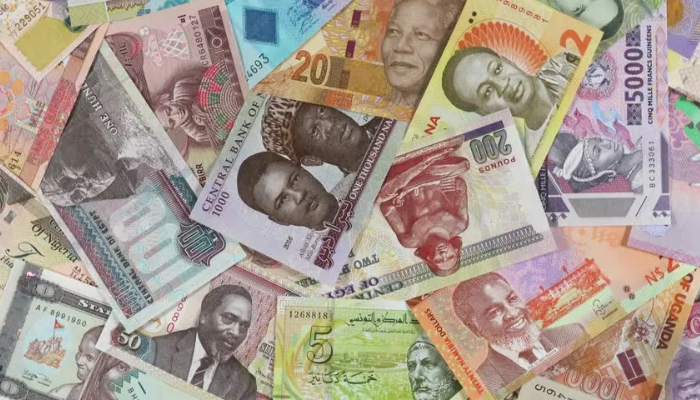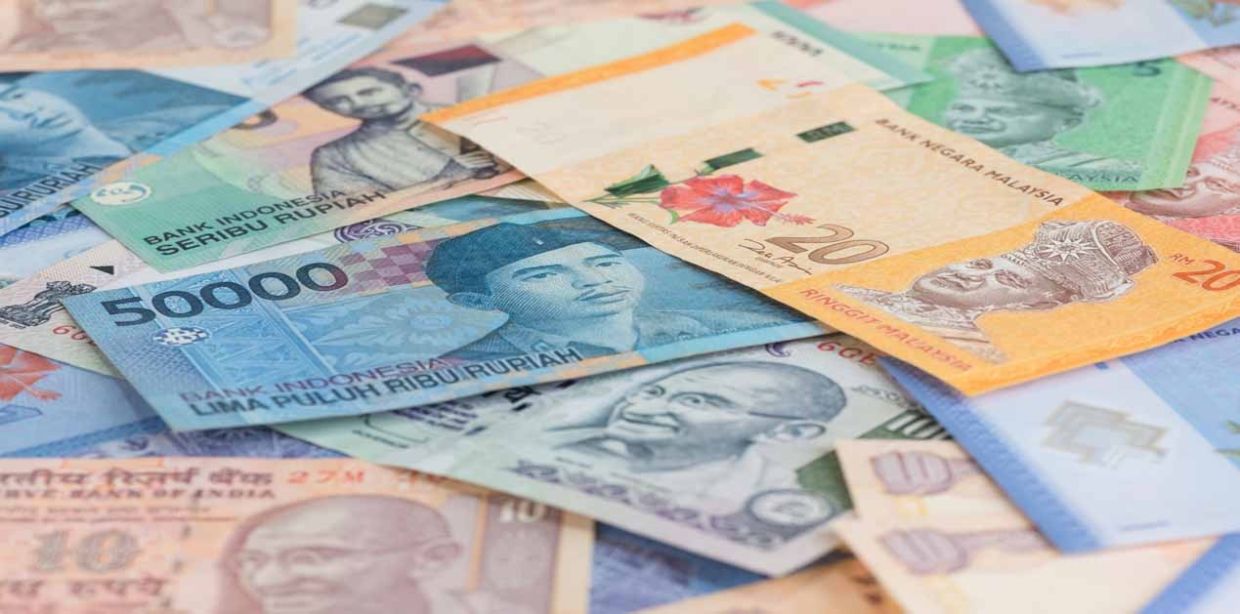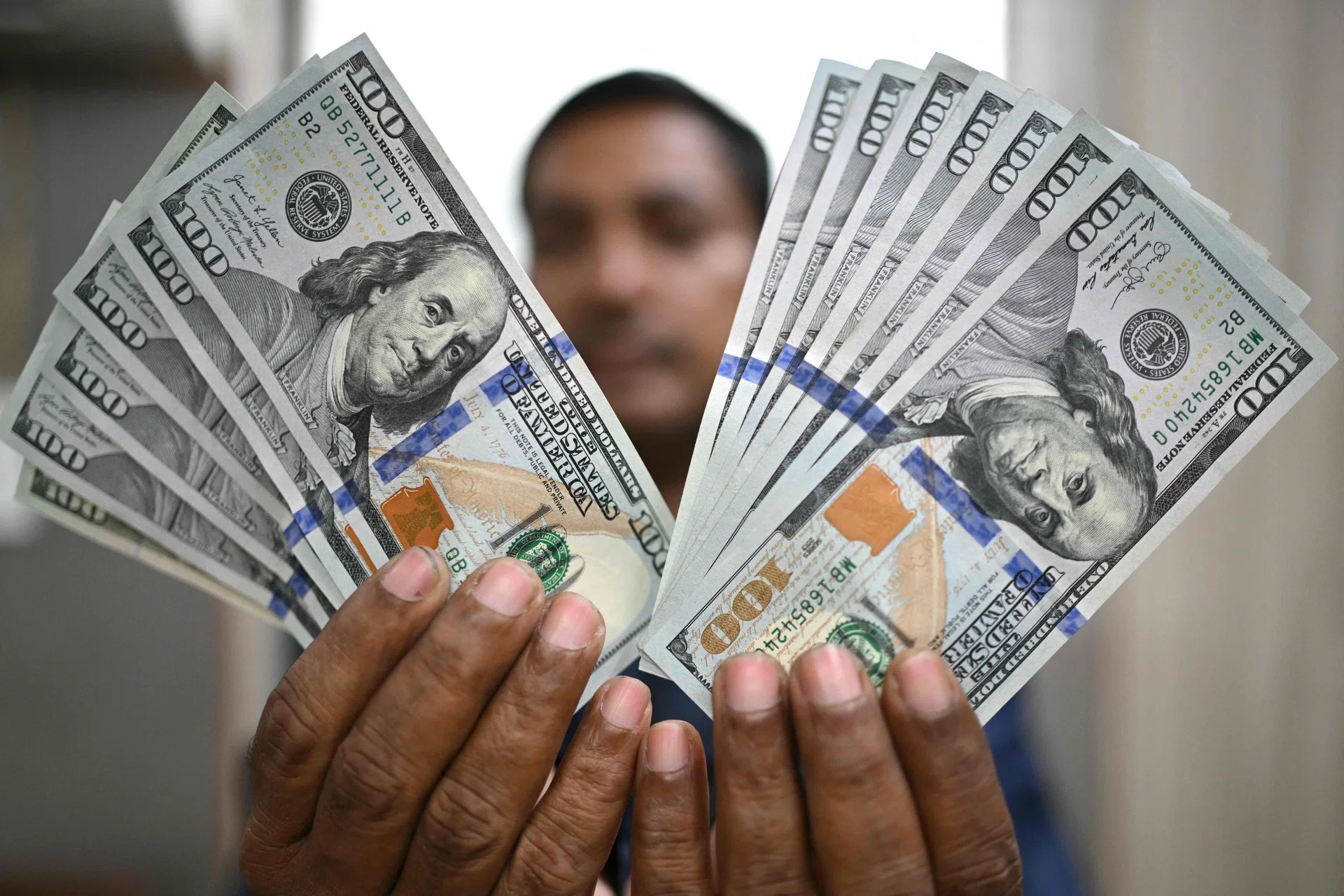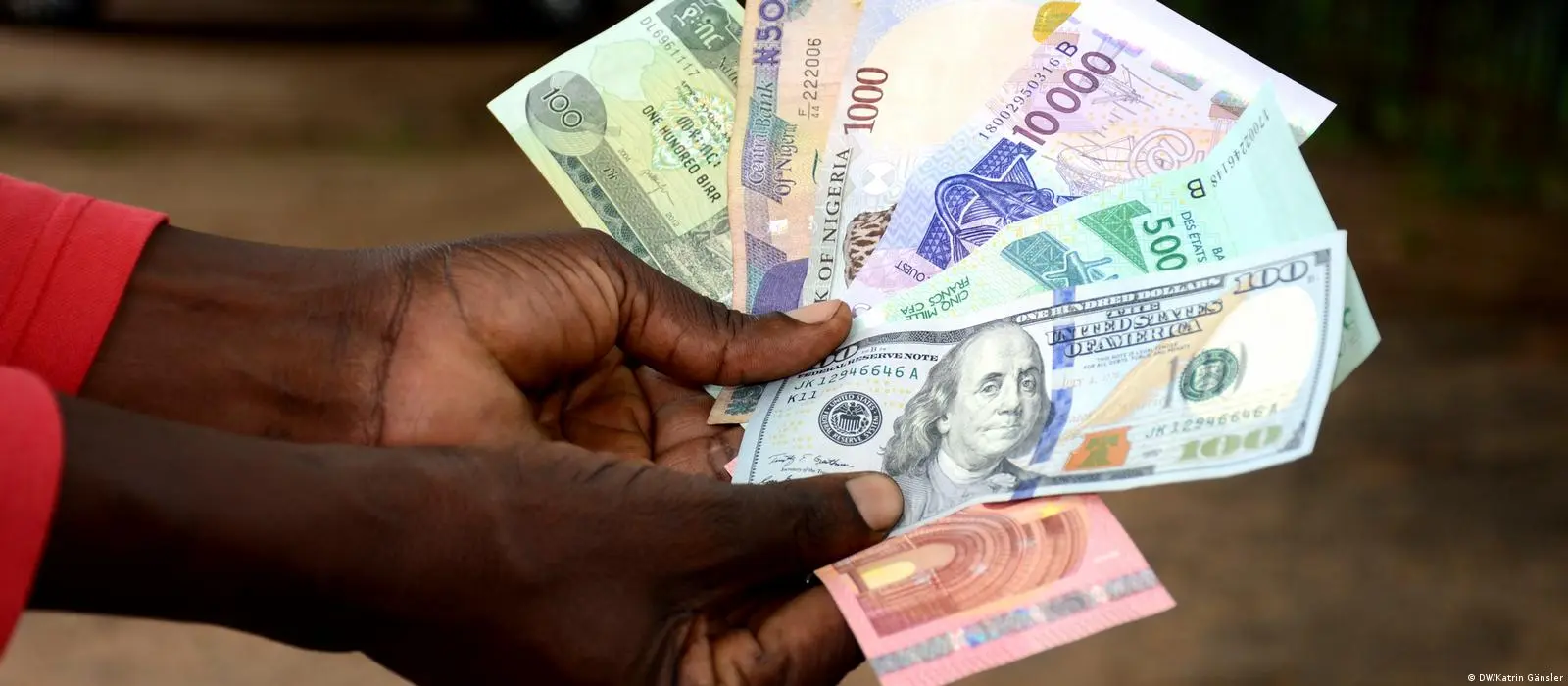
Emerging-market currencies just did something they haven’t done since January: set a new record. The MSCI Emerging Market Currency Index climbed to an all-time high on August 6, ticking up 0.1% intraday as traders recalibrated their expectations for what the Federal Reserve will do next.
The catalyst was straightforward. July’s producer price index came in flat, showing no change, and the market read that as one more data point suggesting the Fed can afford to sit on its hands. The carry trade, which involves borrowing in low-yielding currencies to invest in higher-yielding ones, suddenly looked a lot more attractive.
The Fed math that moved the needle
Fed funds futures told the story in real time. After the PPI release, the implied probability of a September rate hike dropped to 35%. That’s down from 40% just a day earlier and 55% a week before that. In the span of seven days, the market effectively cut the odds of a near-term hike by more than a third.
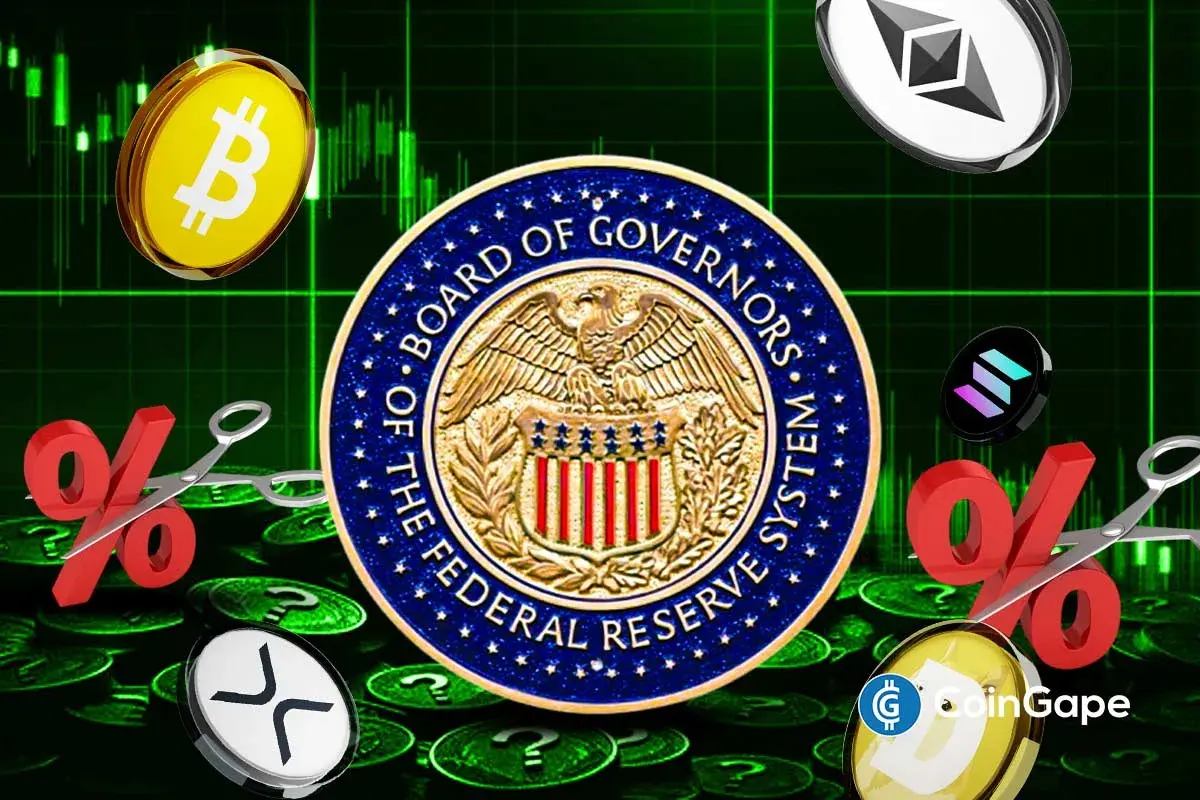
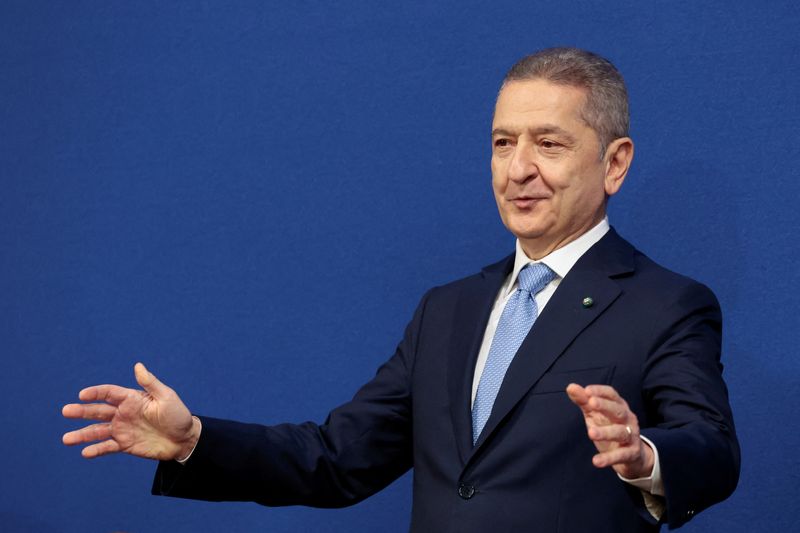
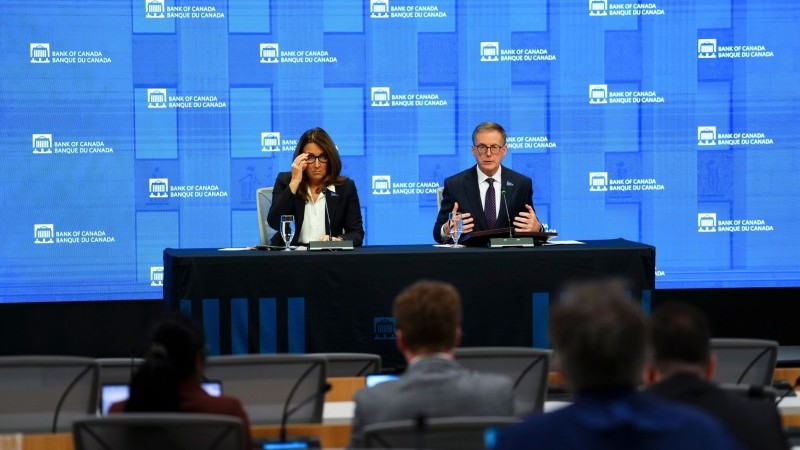
The Fed held its target rate at 3.50% to 3.75% during the July FOMC meeting, even as year-over-year inflation sat at 3.4%. Some committee members reportedly pushed for tighter policy, but the majority held the line. New Fed Chair Kevin Warsh’s approach to tightening has been read by markets as measured rather than aggressive, which has given risk assets room to breathe.
For context, EM currencies had already been on a six-week winning streak against the dollar heading into early August.
Dollar weakness as the other side of the coin
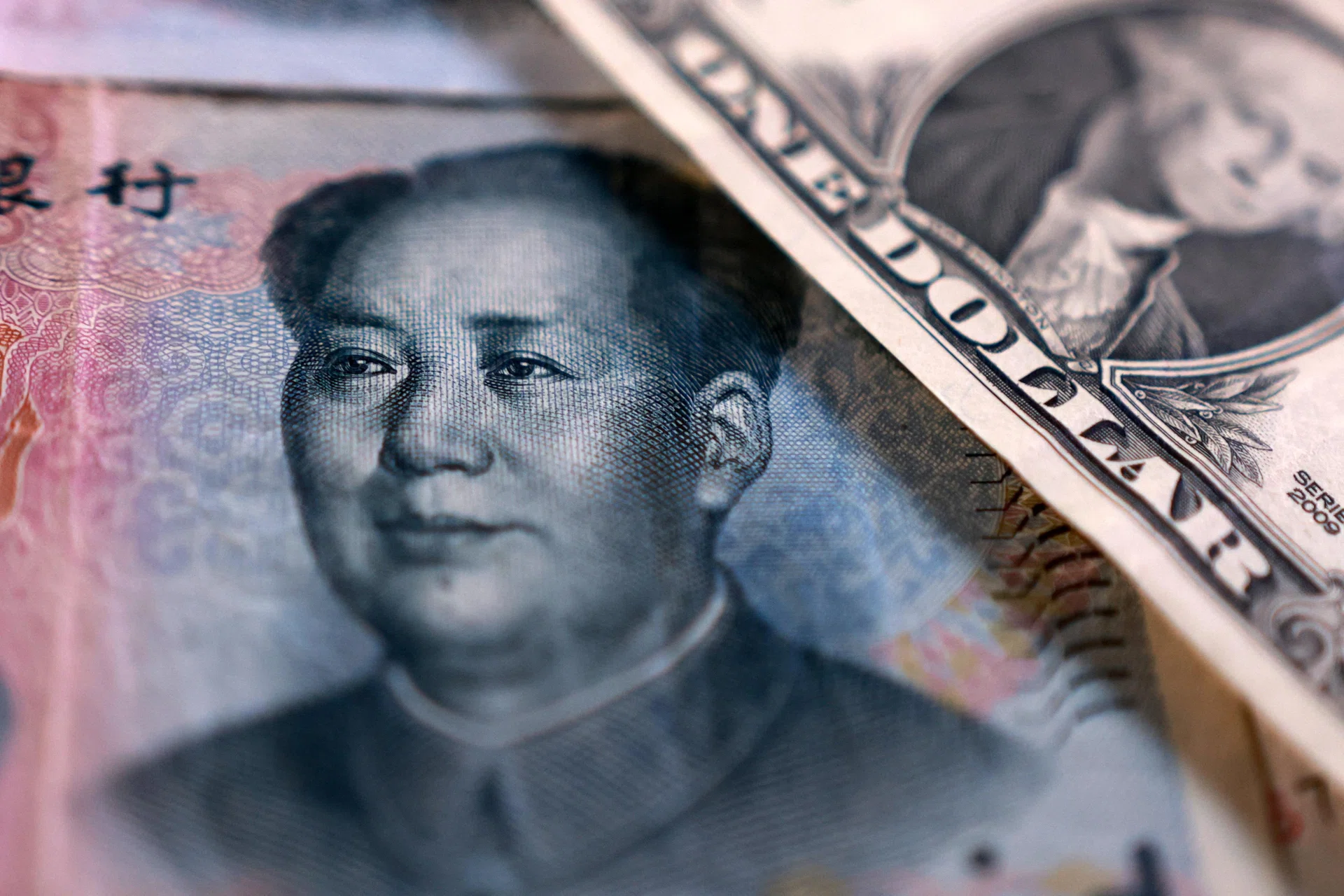
The dollar index showed mixed, directionless trading, edging up just 0.02% to 99.96 in one session.
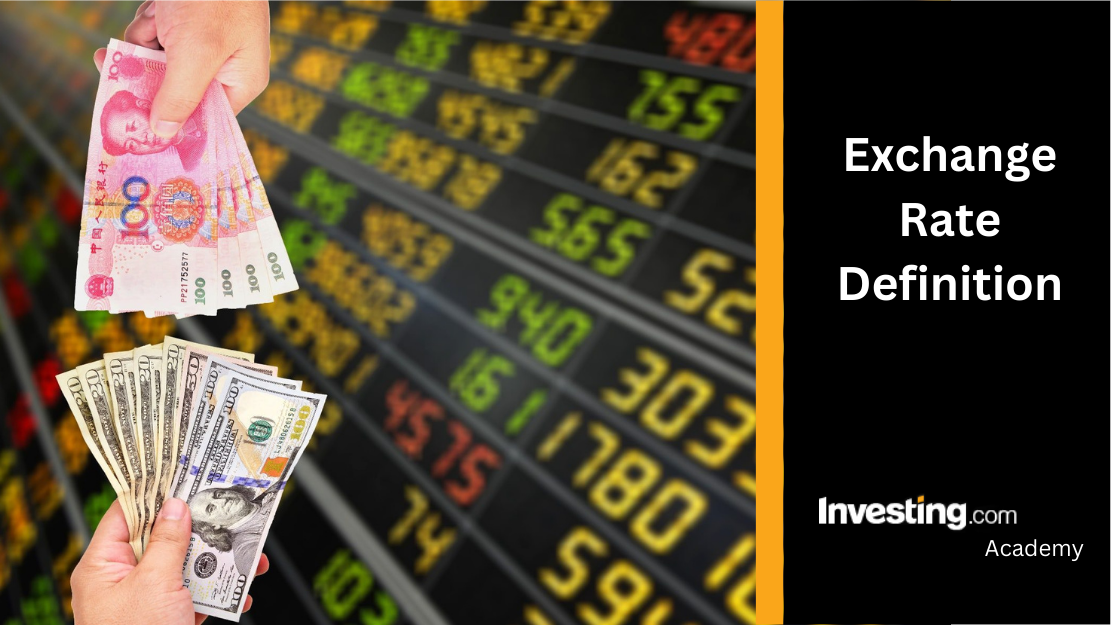
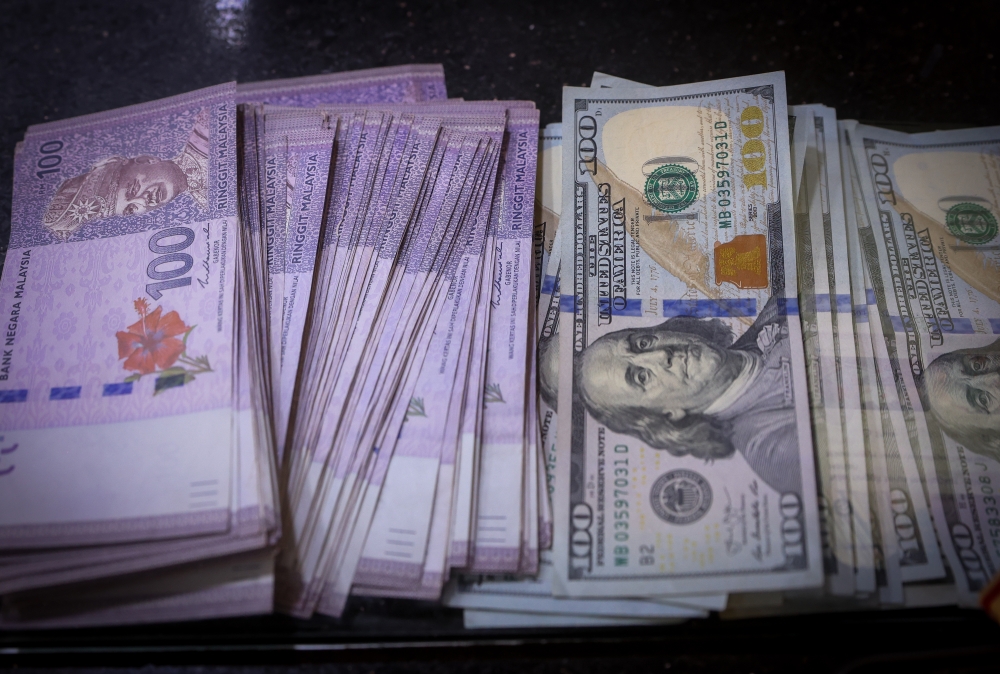
When the Fed tightens aggressively, capital flows back to the US chasing higher yields, and emerging-market currencies tend to suffer. When rate expectations soften, the math reverses. Money goes hunting for yield in places like Colombia and Brazil, where local rates offer substantially higher returns. Both of those currencies were among the top performers in the recent rally. Declining oil prices have eased some inflationary pressure on EM economies, making their central banks’ jobs slightly less complicated and their currencies more appealing on a risk-adjusted basis.
Carry trade revival and what’s driving it
This isn’t the first time EM currencies have flashed strength in 2026. The index hit record closes back in January before pulling back. The difference this time is the macro backdrop: oil prices are declining rather than spiking, the Fed’s tone has softened, and the dollar is trading below 100 on its index.