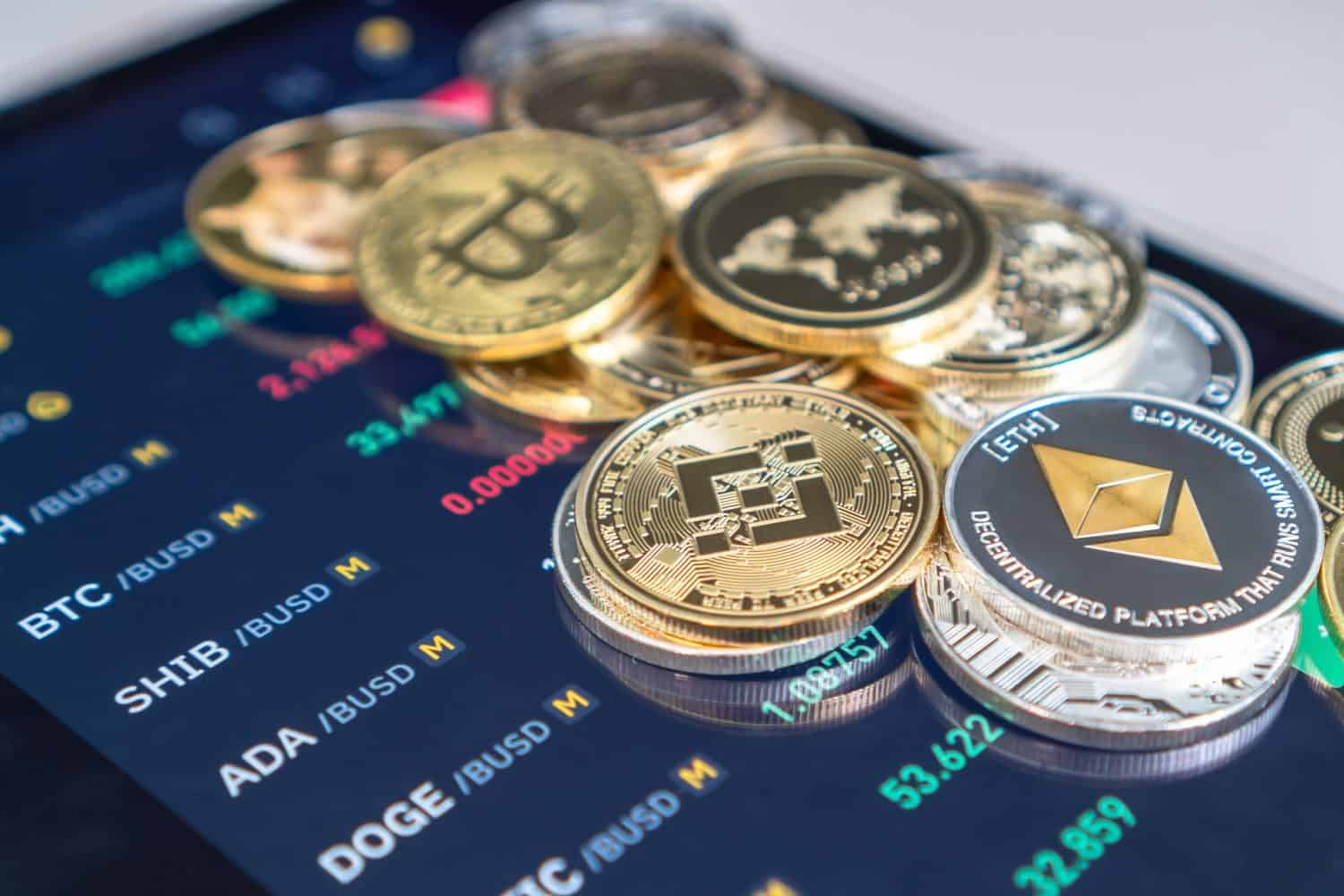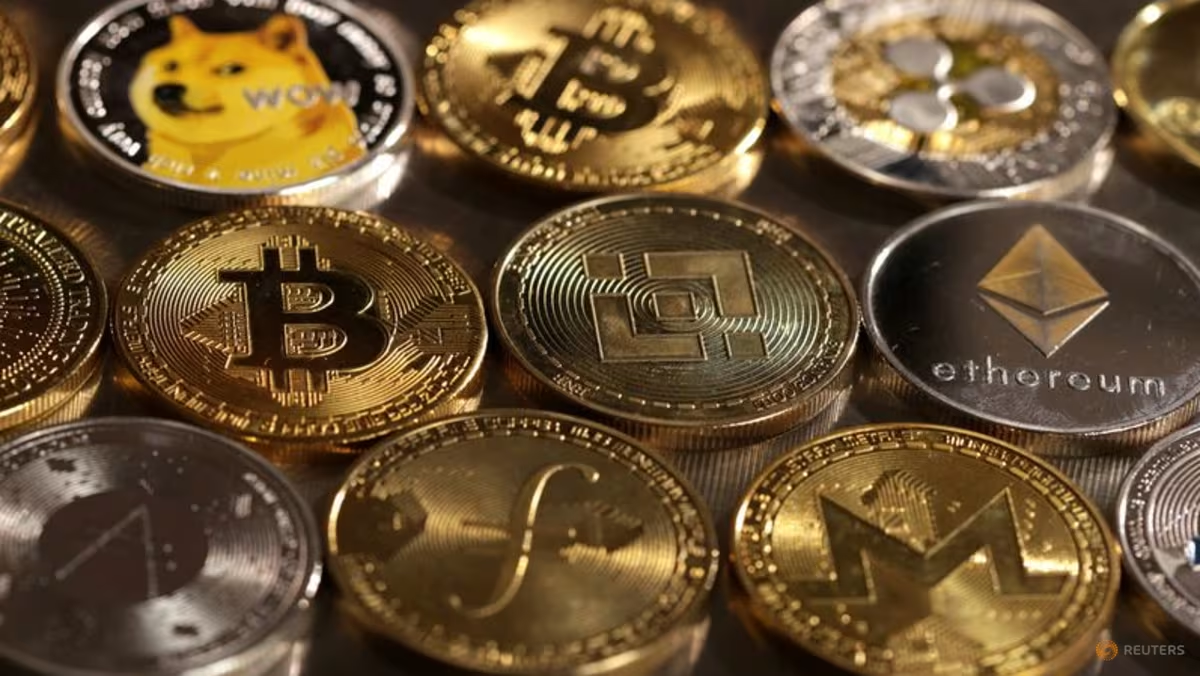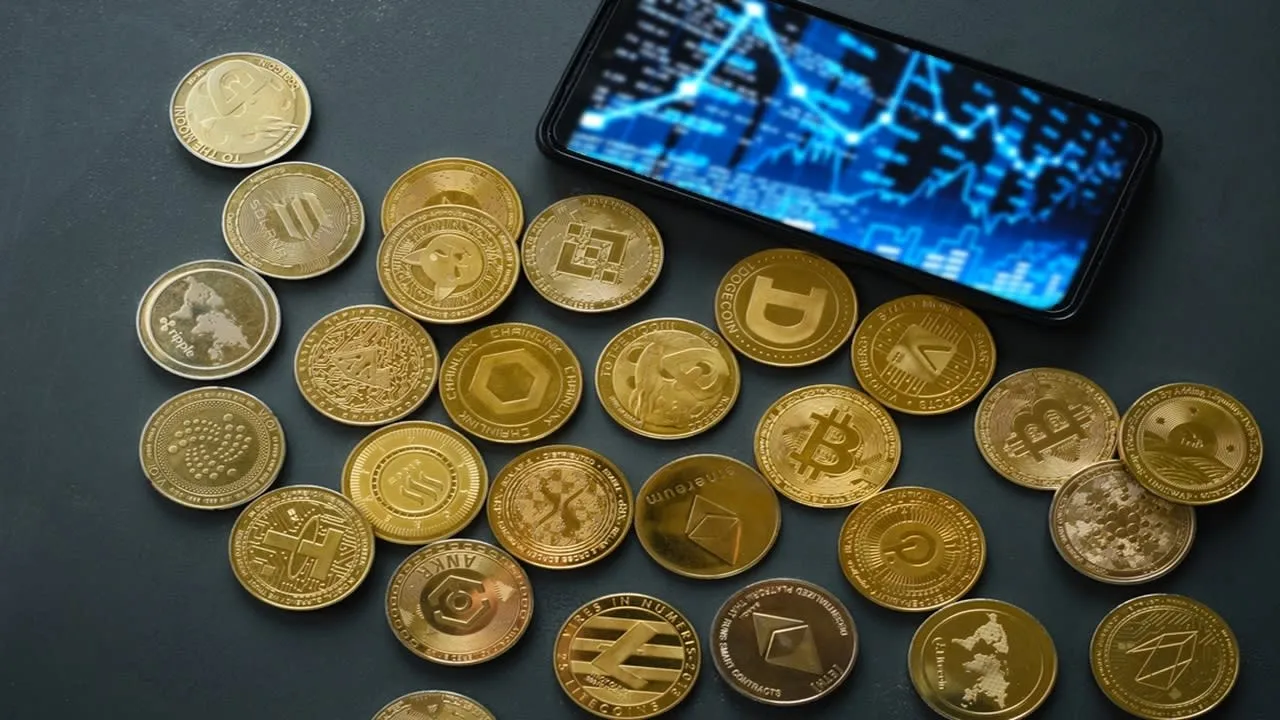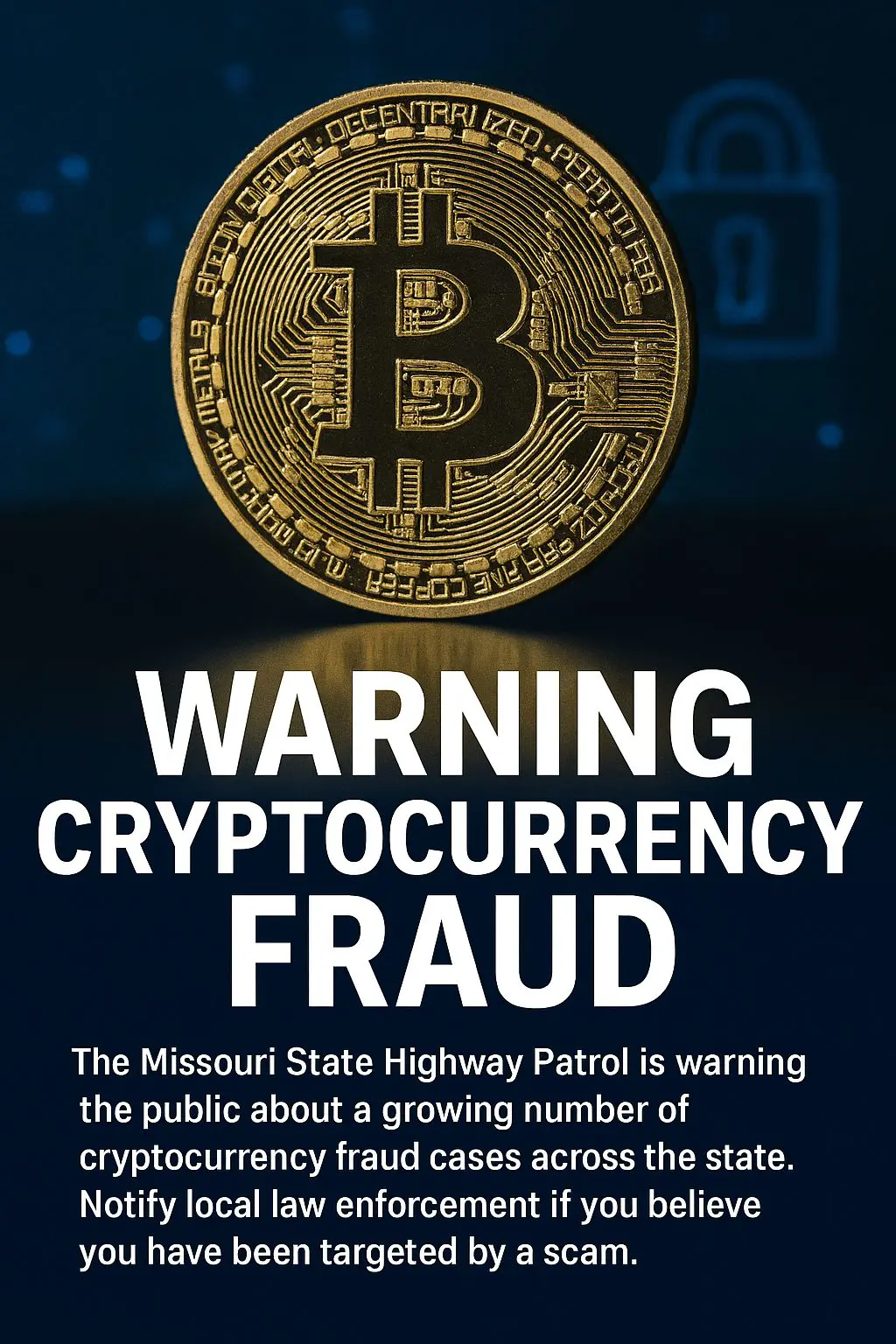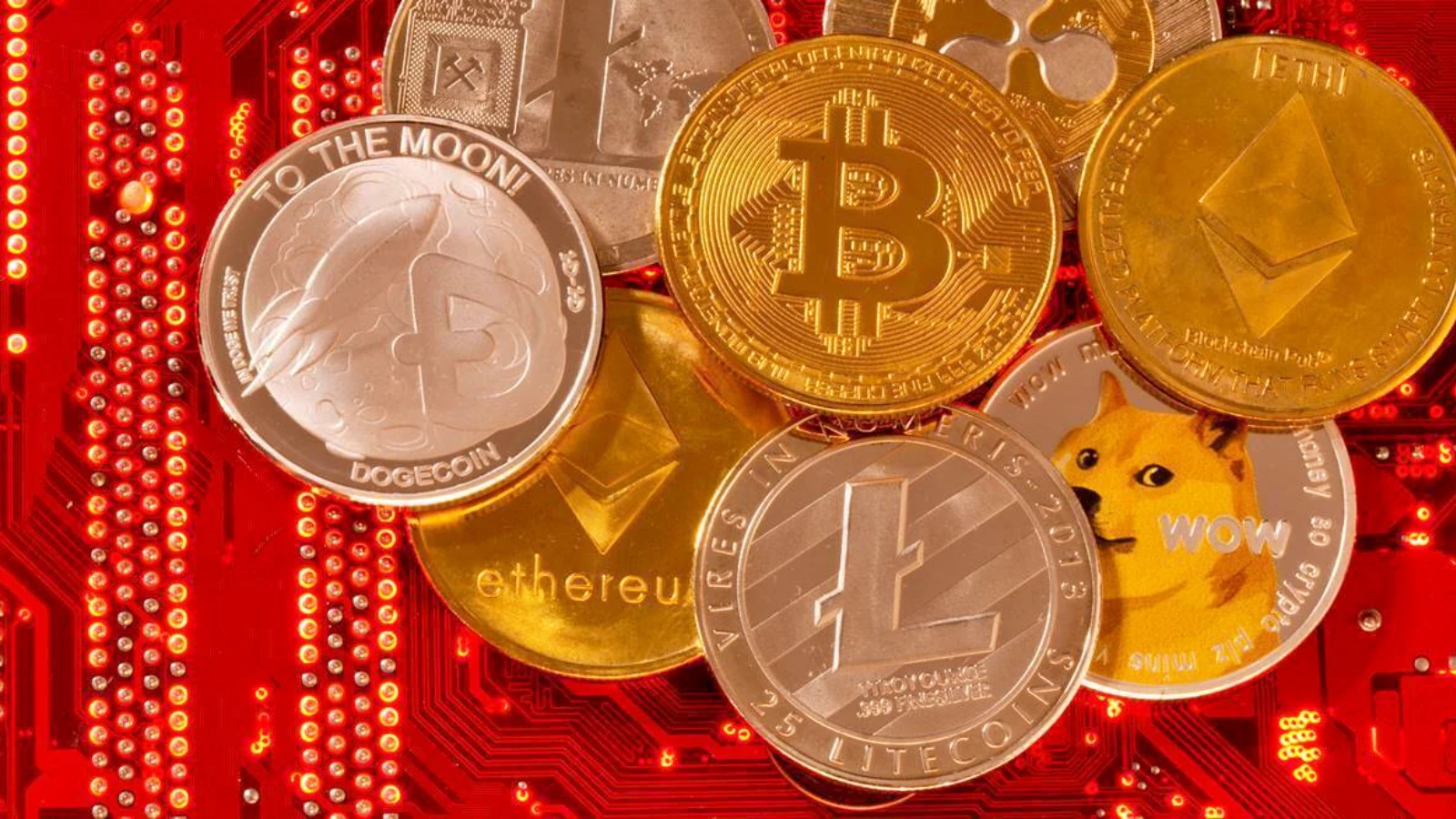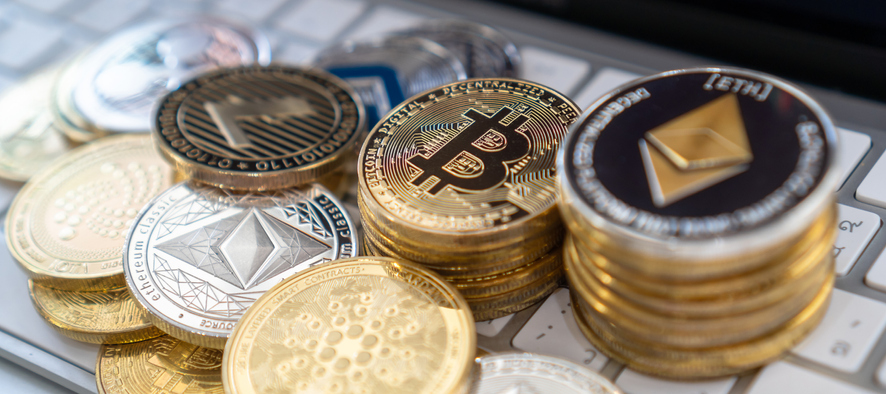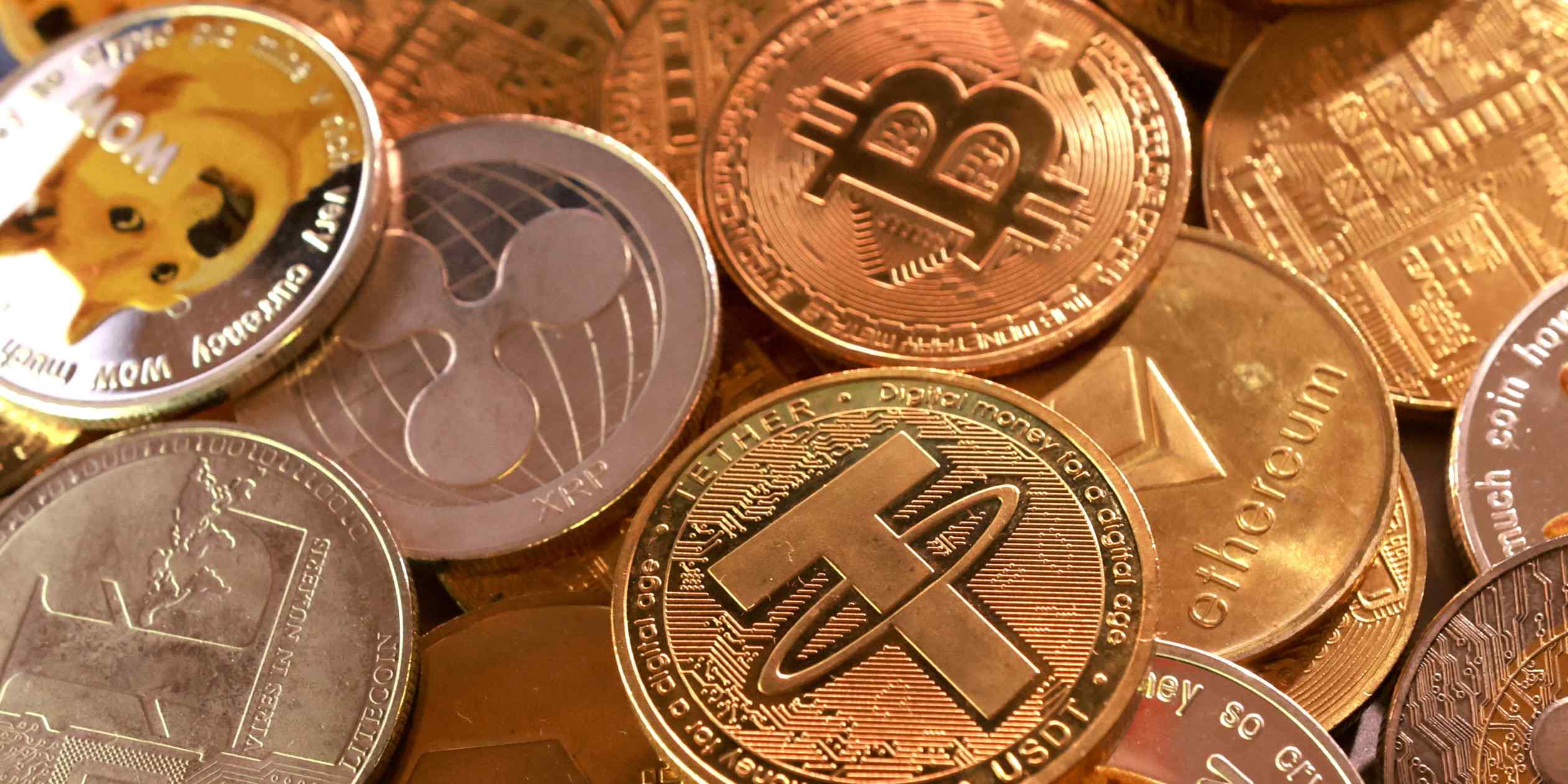


Cryptocurrency is a newer asset class than stocks or bonds. It is also less regulated, and many coins have little use beyond trading. That makes research a basic step before any purchase.
The numbers show why. Investopedia cites Yieldfund data that counts more than 50 million alternative cryptocurrencies. Fewer than 11,000 of them are actively traded.
This article collects the main statistics and checks from three guides. One is a step-by-step research guide by Ren & Heinrich on Medium. The others come from Fidelity Learn and Investopedia.
Each section covers one part of the research process. Each has a table and a chart. Figures are as of June 2026 unless stated, and the article is for information only. It is not financial advice.
How Big Is the Crypto Market?
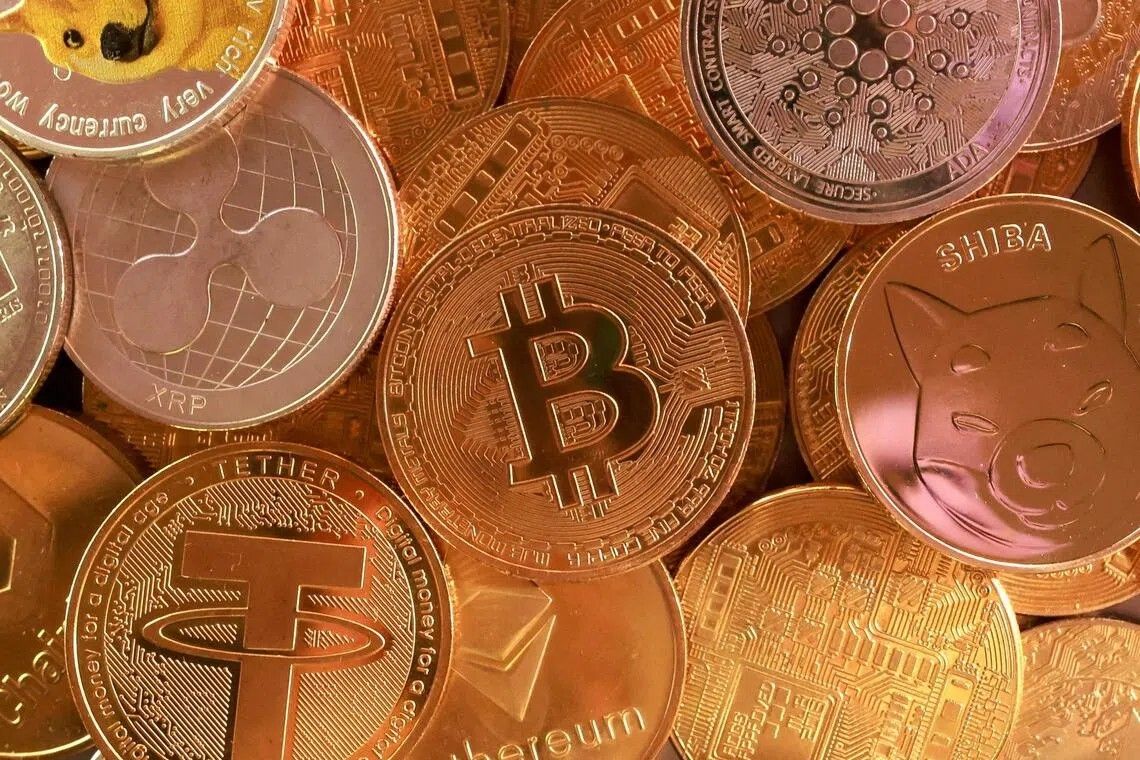
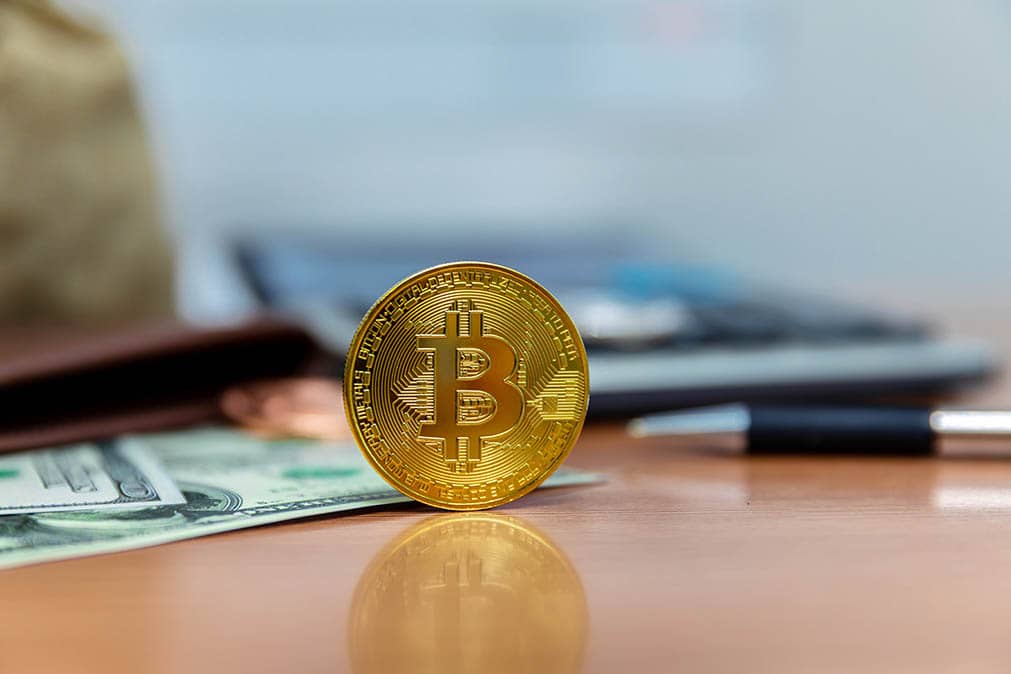
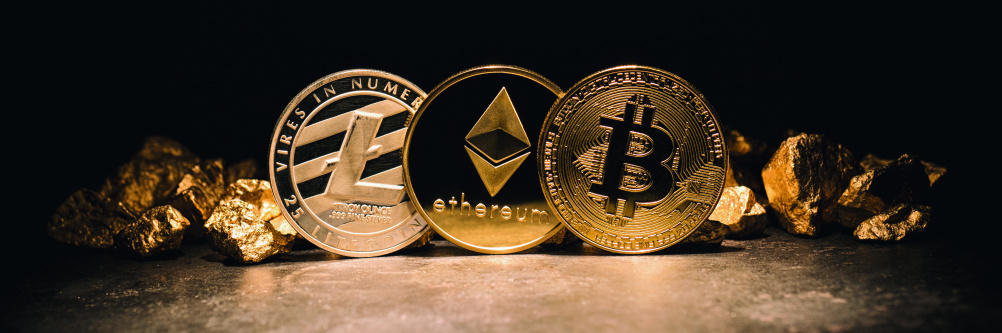
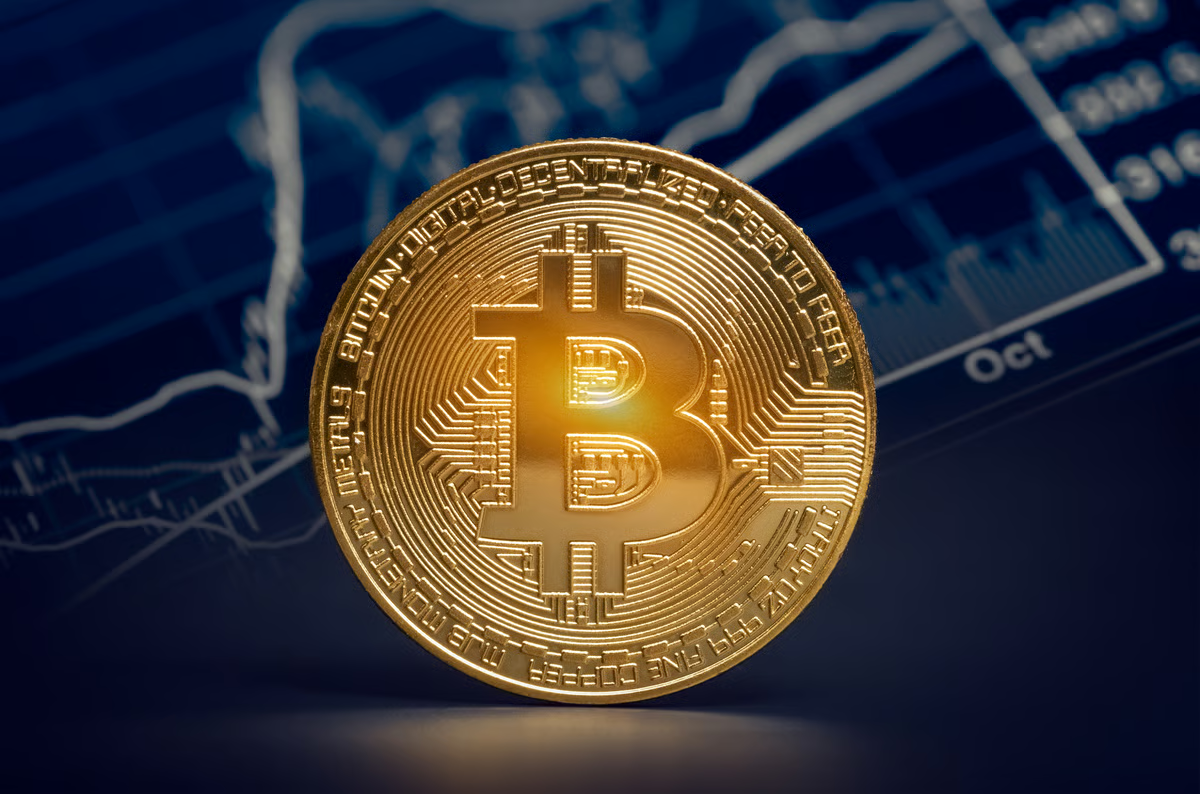
Bitcoin was the first cryptocurrency. It was created in 2008 and launched in early 2009 by an anonymous developer known as Satoshi Nakamoto. Since then, thousands of other digital tokens have been marketed.
Investopedia says some were real attempts at an alternative currency. Others were hype machines or scams. The industry has also seen large boom and bust cycles over that time.
Yieldfund data puts the count of alternative cryptocurrencies at more than 50 million. Fewer than 11,000 of them are actively traded. That works out to less than 0.022 percent of the total.

In other words, most coins that exist see little or no active trading. The chart below draws both bars to scale. The traded group is too small to see as more than a thin line.
| Measure | Figure | Source |
|---|---|---|
| Alternative cryptocurrencies | More than 50 million | Yieldfund via Investopedia |
| Actively traded | Fewer than 11,000 | Yieldfund via Investopedia |
| Share actively traded | Under 0.022% | Calculated for this article |
| Bitcoin created and launched | 2008 and early 2009 | Investopedia |

Ren & Heinrich points out that thousands of projects now exist. For small projects, he says, data is not as easy to find as it is for large ones. He suggests that beginners start with Bitcoin and Ethereum, because many free resources cover them.
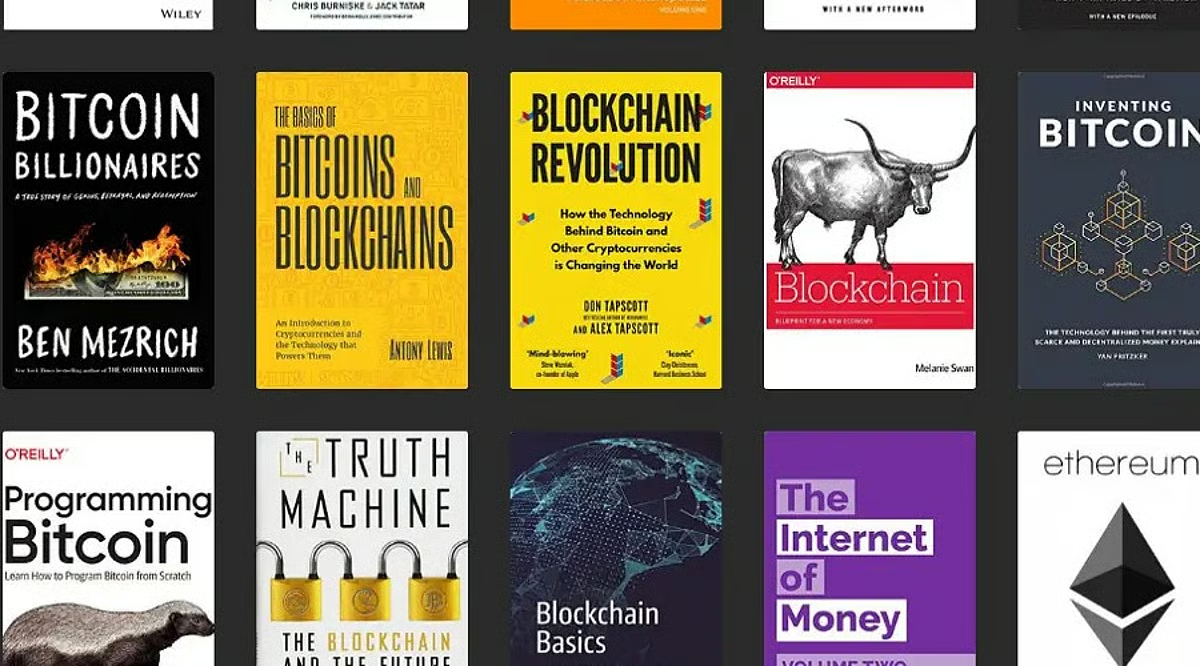
His reading list for beginners is short. It includes the original Bitcoin whitepaper and the book Mastering Bitcoin by Andreas Antonopoulos. The goal is to understand wallets, addresses, keys and how transactions work before moving to smaller coins.
Investopedia says that in the end, what matters are a crypto’s fundamentals. Learning how to check them is a key skill for any buyer.
That view fits the numbers above. With millions of coins and only thousands in active use, size alone says little about quality. A reader still has to look at the project behind each coin.
He also suggests buying and selling small amounts of large coins first. Only after that does he suggest exploring smaller projects. With so many choices on offer, he argues that a clear method matters.
Bitcoin Supply: The Numbers Behind Scarcity
Supply is one of the first numbers Investopedia tells investors to check. It affects scarcity and the chance of price growth. Three terms come up often.
Circulating supply is the number of tokens in circulation. Maximum supply is the most tokens a project plans to create. Total supply counts every token created so far.
The emission rate is also used. It describes how fast new coins enter circulation. Bitcoin has a fixed limit of 21 million coins.
As of June 15, 2026, about 20.04 million were in circulation. That is about 95.4 percent of the cap. Roughly 960,000 coins remain to be created.
Investopedia notes that Bitcoin’s emission schedule decreases over time, which keeps coins scarce. Fidelity Learn makes a similar point. Knowing the gap between coins on the market and the maximum supply helps explain scarcity.
| Supply term | Meaning | Bitcoin figure |
|---|---|---|
| Maximum supply | Most tokens a project plans to create | 21 million |
| Circulating supply | Tokens now in circulation | About 20.04 million (June 15, 2026) |
| Remaining to be created | Maximum minus circulating | About 0.96 million (calculated) |
| Share in circulation | Circulating divided by maximum | About 95.4% (calculated) |

Ren & Heinrich asks whether a project has a hard cap. If the total amount grows over time, it can hurt the price. A deflationary design, such as burning tokens after use, is a plus in his view.
Distribution matters as well. Investopedia lists mining, staking, airdrops and initial coin offerings as common methods. Wider distribution lowers the risk of market manipulation.
Fidelity Learn tells readers to review how many original tokens went to the founders. A large share held by founders could lead to future market manipulation. Ren & Heinrich says the same about pre-sales and team holdings, since a few holders can move the price.
Utility is the third factor. Investopedia says tokens used for governance voting, staking rewards or transaction fees tend to hold stronger value. Ren & Heinrich warns that some tokens have no real use, even when the project has a good idea. In that case, he says, the price becomes a matter of speculation.
Market Cap, Volume and Exchange Risk
Market capitalization is the total value of a coin’s supply. Fidelity Learn says it should not be the only measure used. Still, coins above $1 billion may be seen as less risky because of their value potential.
The same guide adds that some large coins can still be high risk. It also tells readers to check trading volume. High volume may point to more liquidity and price stability, while low volume may show a lack of interest or price disputes.
Investopedia gives three examples with June 2026 data. Ethereum has a market value of over $200 billion. Polygon is valued at over $830 million.
PepeCoin sits at about $7 million. Ethereum’s value is more than 28,000 times larger than that. The chart uses a log scale so all three fit on one page.
| Coin | Market cap (June 2026) | Note |
|---|---|---|
| PepeCoin | About $7 million | No detailed white paper |
| Polygon | Over $830 million | Team profiles list past roles |
| Fidelity Learn mark | $1 billion or more | May be seen as less risky |
| Ethereum | Over $200 billion | Many uses for ether tokens |

Ren & Heinrich explains the risk at the low end. If a coin’s market cap is small, the price can be moved by people who hold a lot of it. That sets the stage for pump and dump schemes.
Where a coin trades matters too. Small exchanges carry more risk, he says, because they are more likely to be hacked or go bankrupt. They also have fewer users, which makes selling harder.
Storage is another point. Hardware wallets such as Ledger or Trezor usually support only well-established coins. For smaller projects, holders may use dedicated wallets or leave coins on an exchange, and both carry risk.
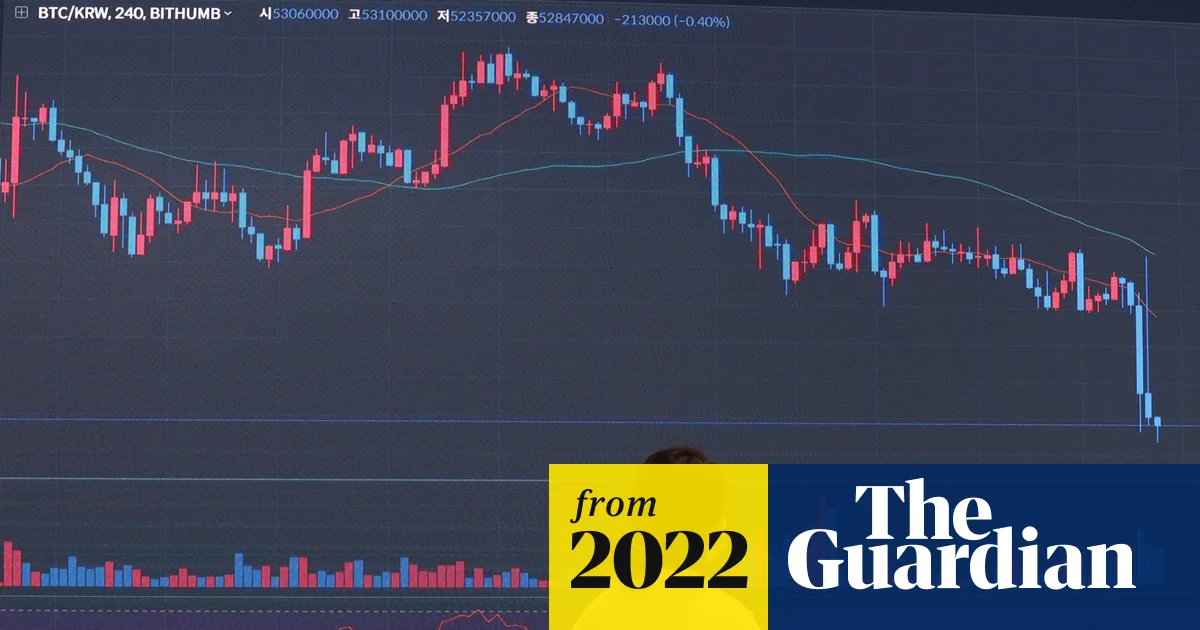
Price swings are part of the picture as well. Investopedia says crypto markets trade worldwide and never close. The U.S. Securities and Exchange Commission warns that crypto asset investments can be exceptionally volatile and speculative.
Investopedia also notes that short-term moves often depend on investor sentiment rather than changes in fundamental value. Since 2024, institutions have bought far more crypto through exchange-traded funds and futures. Sentiment tools such as the fear and greed index are one way investors track the mood.
Buying through a contract is a separate risk. Ren & Heinrich says money sent to a contract can be lost through technical problems or fraud. For coins sold in an initial coin offering, funds may also be locked up until a listing date.
Red Flags, Scams and Security
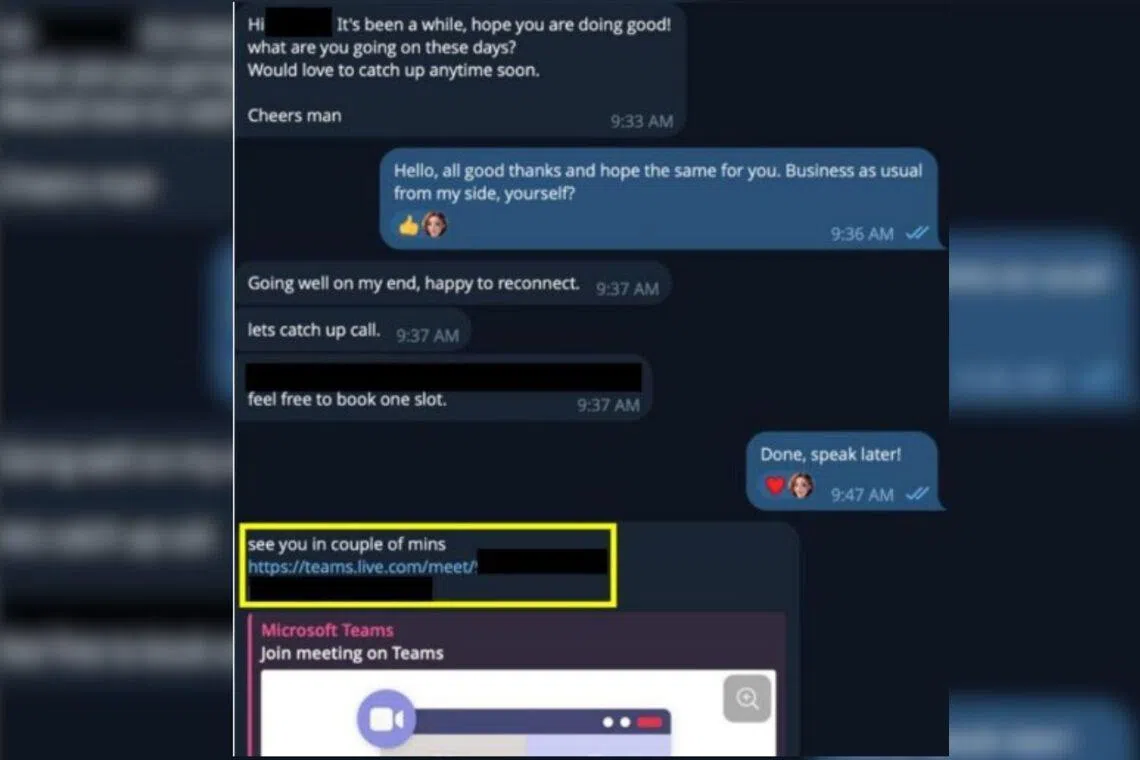
Investopedia lists four common crypto scams. These are pump and dump schemes, rug pulls, fake ICOs and phishing attacks aimed at digital wallets. Each one tends to leave clues.
Fidelity Learn tells readers to study price history. The crypto market often swings, so some movement is normal. Sharp highs followed right away by lows may point to a pump and dump, also called a rug pull.
PepeCoin is one example from Investopedia. It has no detailed white paper, just a playful website that admits it has no intrinsic value. Its market cap is about $7 million, down from about $50 million through most of 2025.
That is a drop of about 86 percent. Investopedia contrasts it with Chainlink, whose white paper details how its oracle networks connect smart contracts to outside data.

Team background is a second clue. The Squid Game token tried to use the Netflix show to gain attention. It gave no credible background for anyone behind it, quickly became worthless and was shown to be a fraud.
Froggy Coin is a third case. In early 2024 it was marketed as a meme token that promised quick gains. After enough money came in, the founders drained the liquidity pool, and holders could not sell.
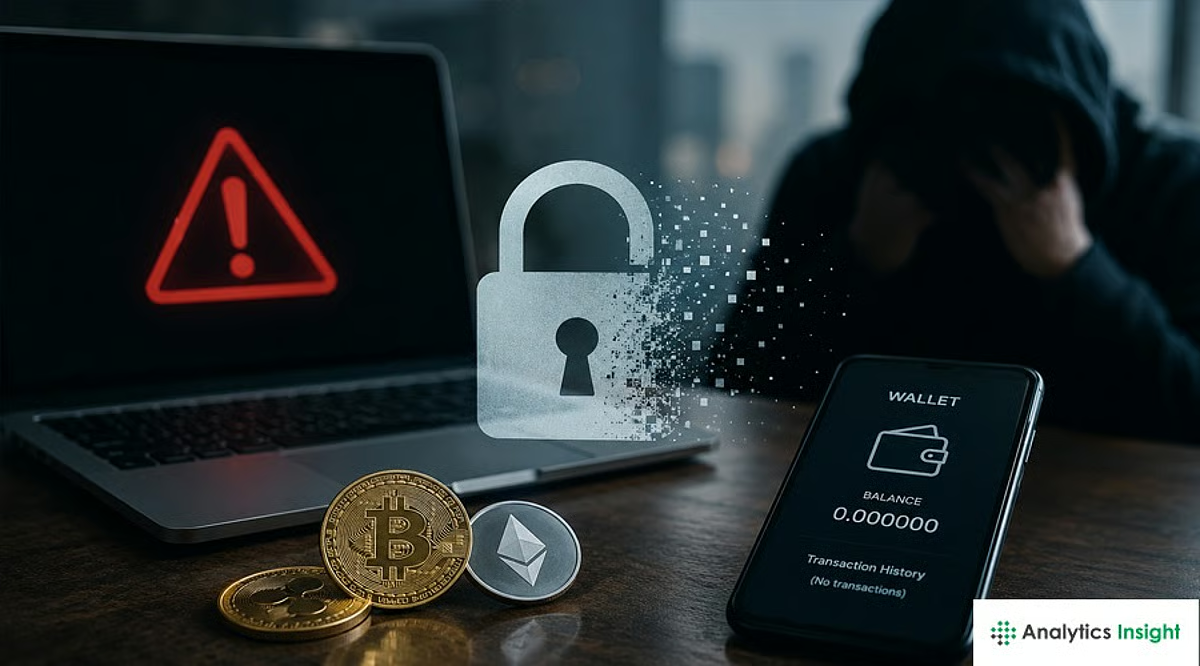
Investopedia also reports that billions of dollars were stolen through crypto scams in 2024 and 2025. It ties the rise to pig butchering scams and generative AI. Deepfake videos of public figures, such as Elon Musk, have been used to push fake endorsements.
Hillary Adler, co-founder of BitcoinOS, told Investopedia that real white papers do not read like marketing brochures. She said they are technical and well cited. She also said a legitimate project should have outside security reviews and bug reward programs.
Security habits make up the second half of the advice. The two guides list them in different ways. The table below groups them.
| Area | Investopedia | Fidelity Learn |
|---|---|---|
| Foundations | Strong encryption, unique and complex passwords, 2FA through authenticator apps | 2FA on all accounts; never share private keys |
| Wallets and backups | Hardware wallets, regular updates, encrypted backups in several places | Not covered |
| Transactions | Multi-signature wallets that require several approvals | Keep holdings private, per FBI advice |
| Network and behavior | Check emails, websites and messages; use a trusted VPN on public networks | Never click links in social media messages; check email links twice |
Fidelity Learn adds that exchanges rarely contact users on social media unless the user started the chat. It also cites the FBI, which says people should avoid sharing how much crypto they own, to avoid SIM swap scammers.
The 16-Step Research Process
Ren & Heinrich built his guide around 16 numbered steps. He says he has researched more than 100 projects. He also says that early in his crypto journey he did no research and lost tens of thousands of his own money.
The steps fall into three groups. Nine cover the project itself. Four look at outside sources, and three deal with buying.
| Stage | Steps | Count | Share of 16 |
|---|---|---|---|
| Project information | 1 to 9 | 9 | 56% |
| Outside sources | 10 to 13 | 4 | 25% |
| Buying details | 14 to 16 | 3 | 19% |

The first group starts with the website. He asks whether it lists contact details, terms of use and a privacy policy. He also suggests checking sites such as URLVoid for reputation and safety.
Next come the industry, the problem the project says it solves and the use of the token. He also asks whether a blockchain is needed at all. A project has better odds, he says, when it clearly improves on current options.
Token details come next. These include whether it is a coin or a token, the total amount issued and how many sit with the team. He also looks at the consensus algorithm, because it shows how decentralized a chain is.
Team checks follow. A few names and titles are not enough in his view. He suggests looking up profiles on LinkedIn and Twitter, and reaching out with questions to see how the team responds.
The road map is next. Delays of several months are not unusual for software, he says. Missing milestones again and again is a bad sign, and a very short timeline is probably unrealistic.
Partners are the last item in the first group. He puts quality ahead of quantity. He advises checking press releases to confirm that a partnership is real, rather than trusting a row of logos.
The second group looks beyond what the team says. This includes competitors, news sites, analysts and social media. Ren & Heinrich asks whether the project has been hacked before, and how the team responded.
On social media, he looks for active channels and regular updates. He also warns that people who invest tend to get hyped and attached. For that reason, he says, readers should stay calm when reviewing news.
GitHub is the last outside check. Many projects claim to be open source and should post their code there. Even without coding skills, a reader can see how many contributors there are and when the code was last updated.
The final group covers buying. It asks where and how to buy the token, how high the market cap is and whether hardware wallets support it. Those points link back to the exchange and market cap risks covered above.
What the Three Guides Agree On
The three guides differ in style, but they overlap on core checks. All three tell readers to read the white paper, check the team and look at the community. All three also cover token supply and distribution.
The table below shows which guide covers which check. A yes means the guide covers that topic directly.
| Check | Ren & Heinrich | Fidelity Learn | Investopedia |
|---|---|---|---|
| Website review | Yes | Yes | Yes |
| White paper | Yes | Yes | Yes |
| Team background | Yes | Yes | Yes |
| Community and social media | Yes | Yes | Yes |
| Token supply and distribution | Yes | Yes | Yes |
| Market cap and market data | Yes | Yes | Yes |
| Price history and volatility | No | Yes | Yes |
| Security habits | No | Yes | Yes |
| Road map, partners, competitors | Yes | No | No |
| GitHub activity | Yes | No | No |

By this article’s count, Ren & Heinrich lists 16 steps. Fidelity Learn lists seven evaluation tips and five safety tips, for 12. Investopedia covers 11 items across project checks, tokenomics, market trends and security.
Fidelity Learn compares buying crypto to buying a car. A buyer gathers information, checks that the seller is reputable and weighs options before acting. Investopedia says investors should stay informed and watchful about evolving risks.
Weighing the evidence is the final step in the Medium guide. Ren & Heinrich says a comment by a random person on Reddit should count for less than a press release. News about a hack should count for more than news about a planned feature.
His method is simple. He makes two columns, one for positives and one for negatives, and lists each fact in a column. That gives a clear view before any money is committed.
The Bottom Line
The data points to one theme. Most coins are not actively traded, and many lack documentation, transparency or real use. Fewer than 11,000 of more than 50 million coins trade actively, and a coin like PepeCoin can fall from about $50 million to about $7 million.
The guides share a method. Read the white paper, check the team, review supply and distribution, test the community and secure your accounts. Ren & Heinrich says the work can take a long time, and he aims to cover as many points as possible.
Market data changes often, so readers should confirm current figures before acting. This article is for information only and is not financial advice.