What are exotic currencies?
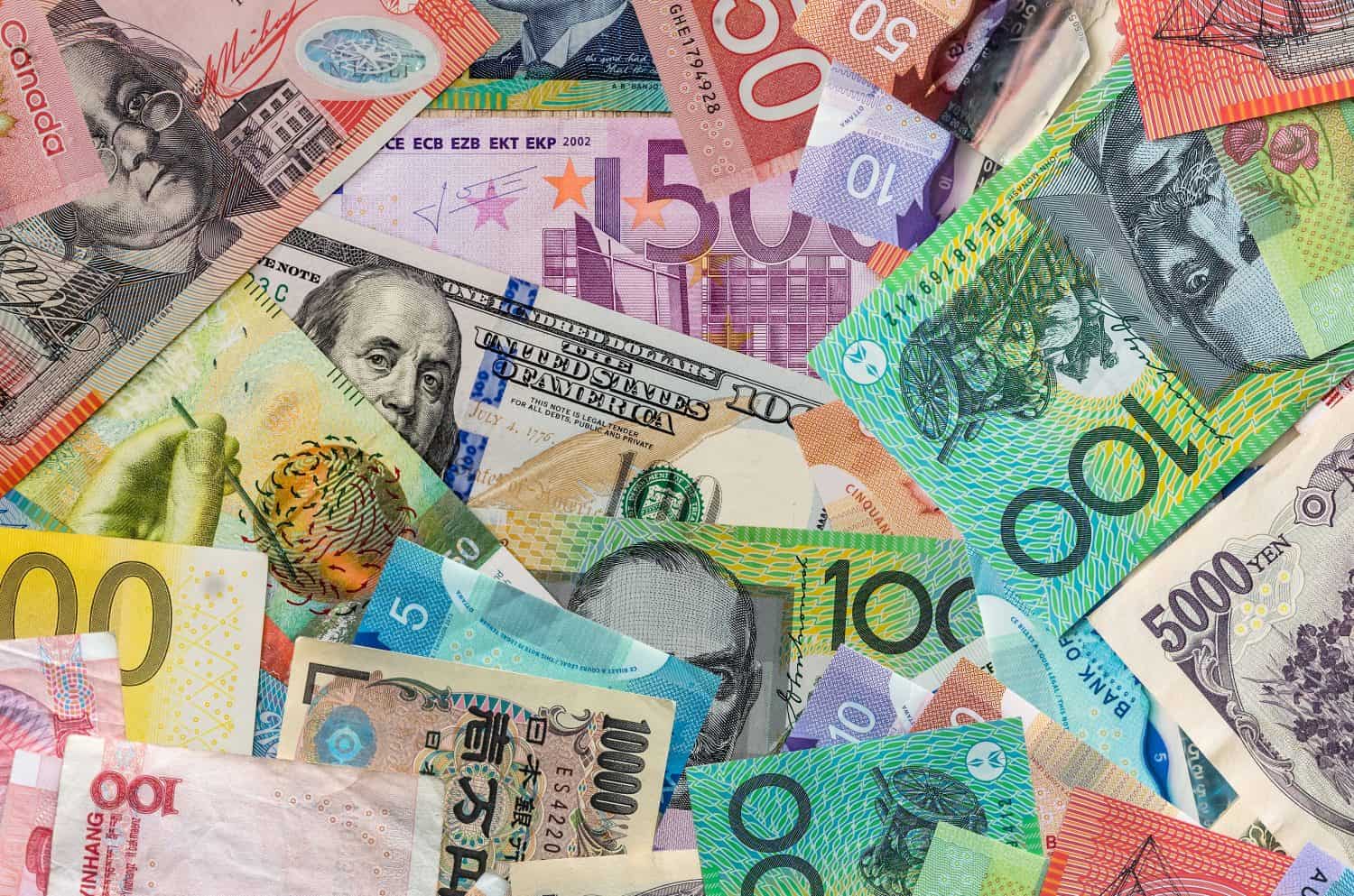
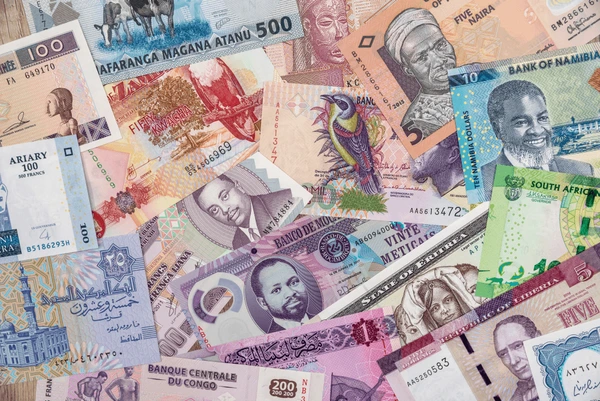
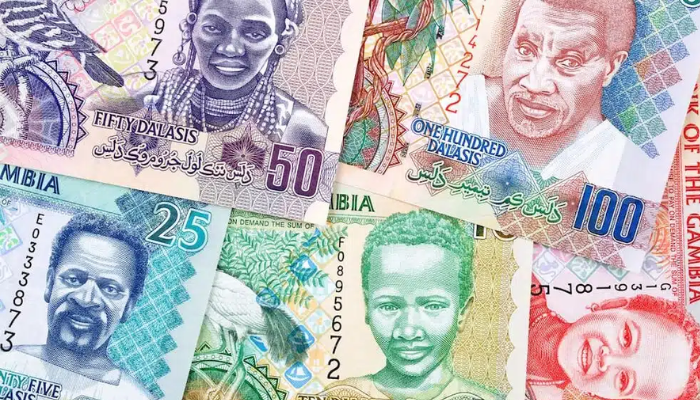
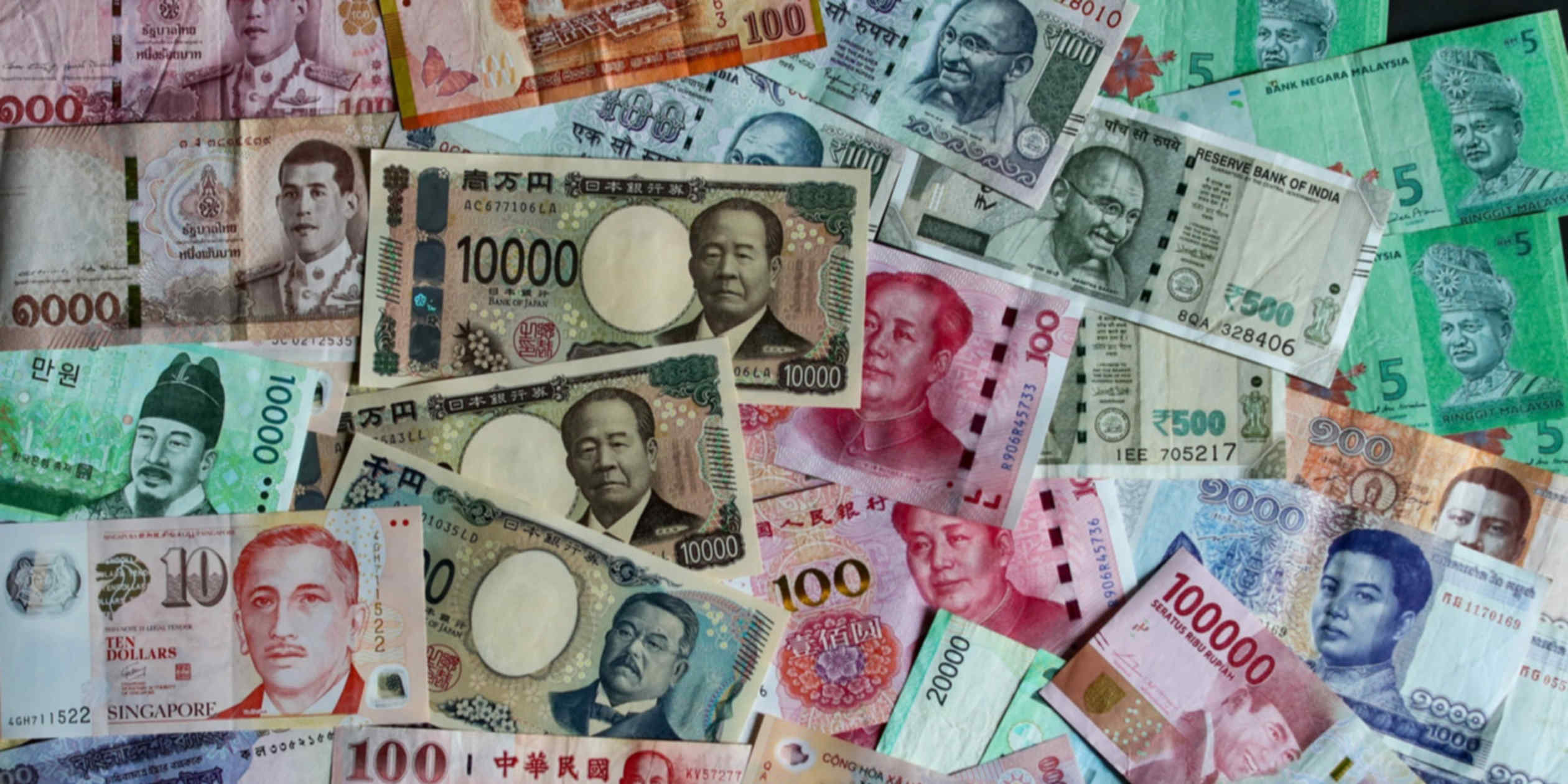
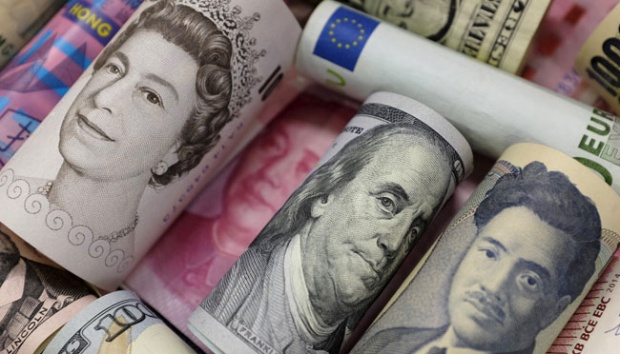
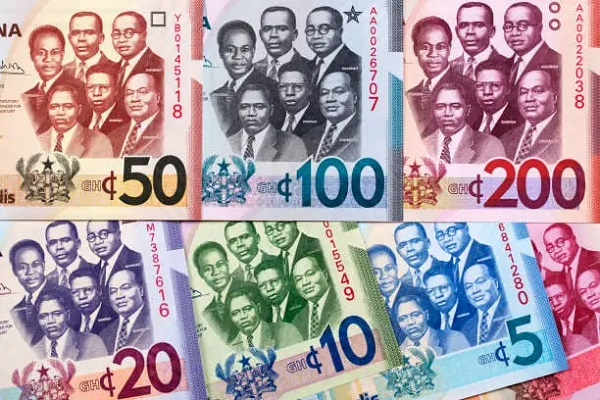
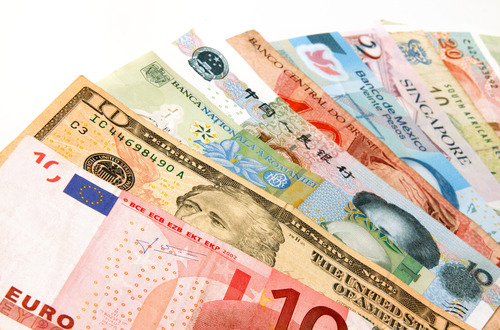
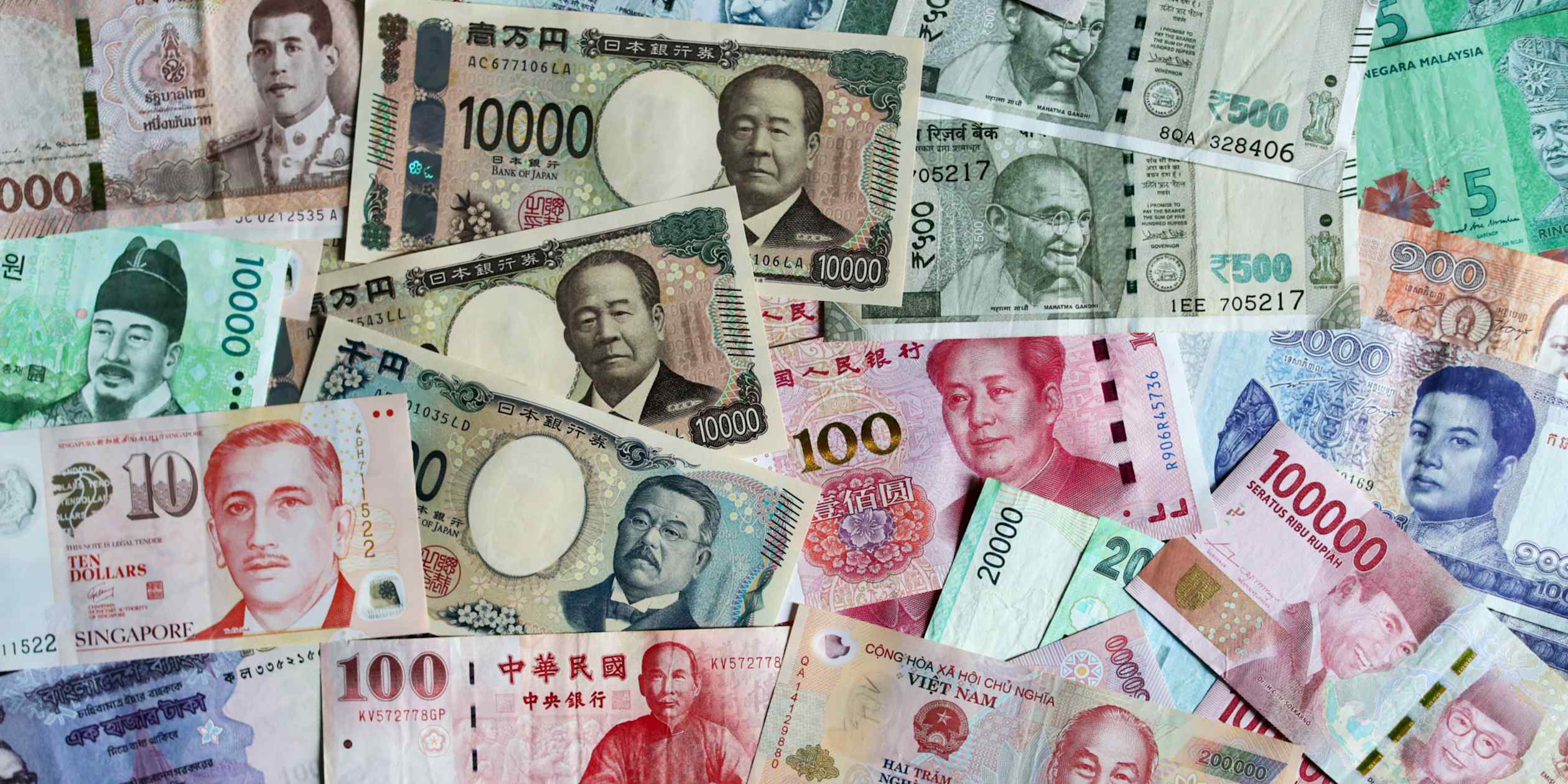
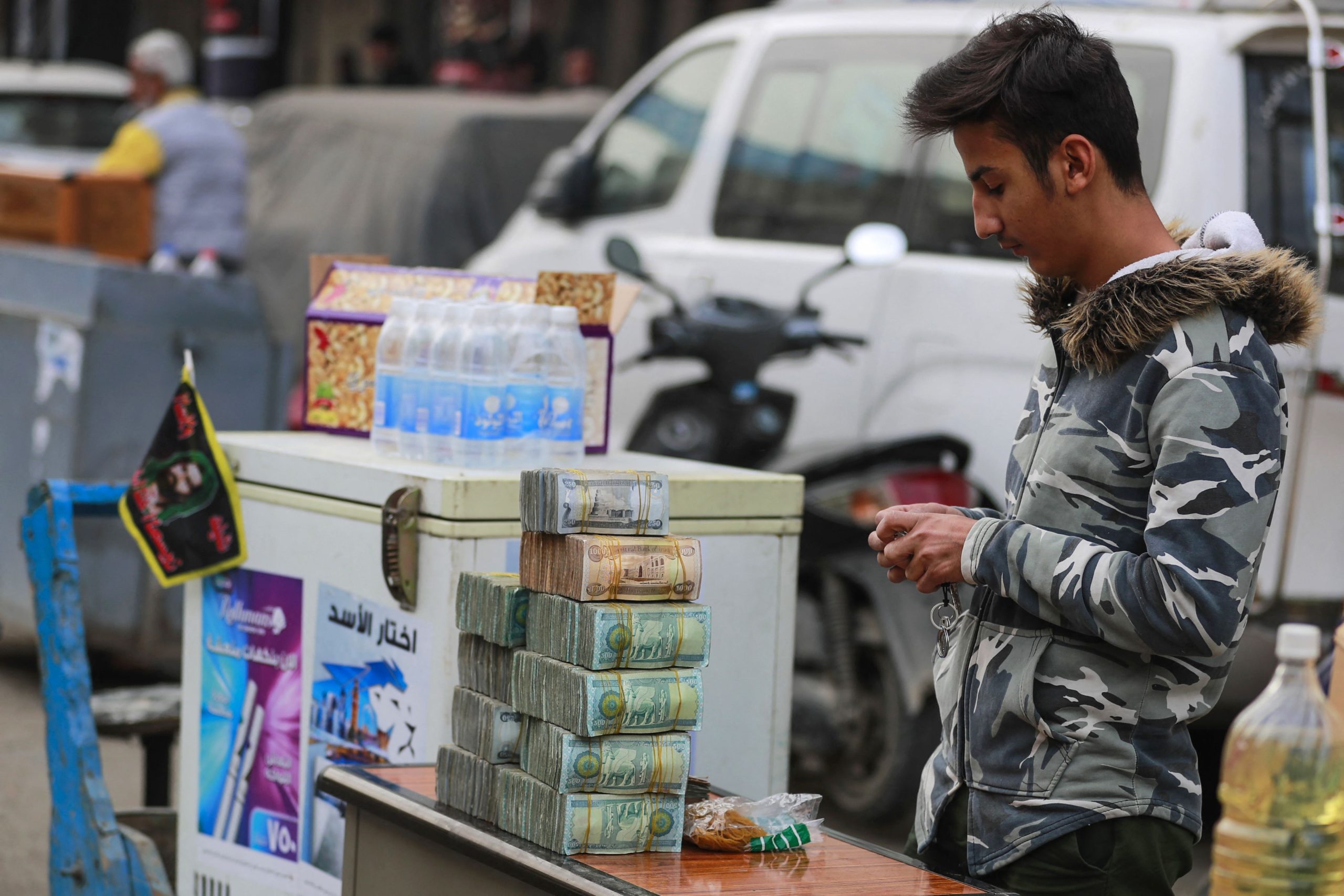
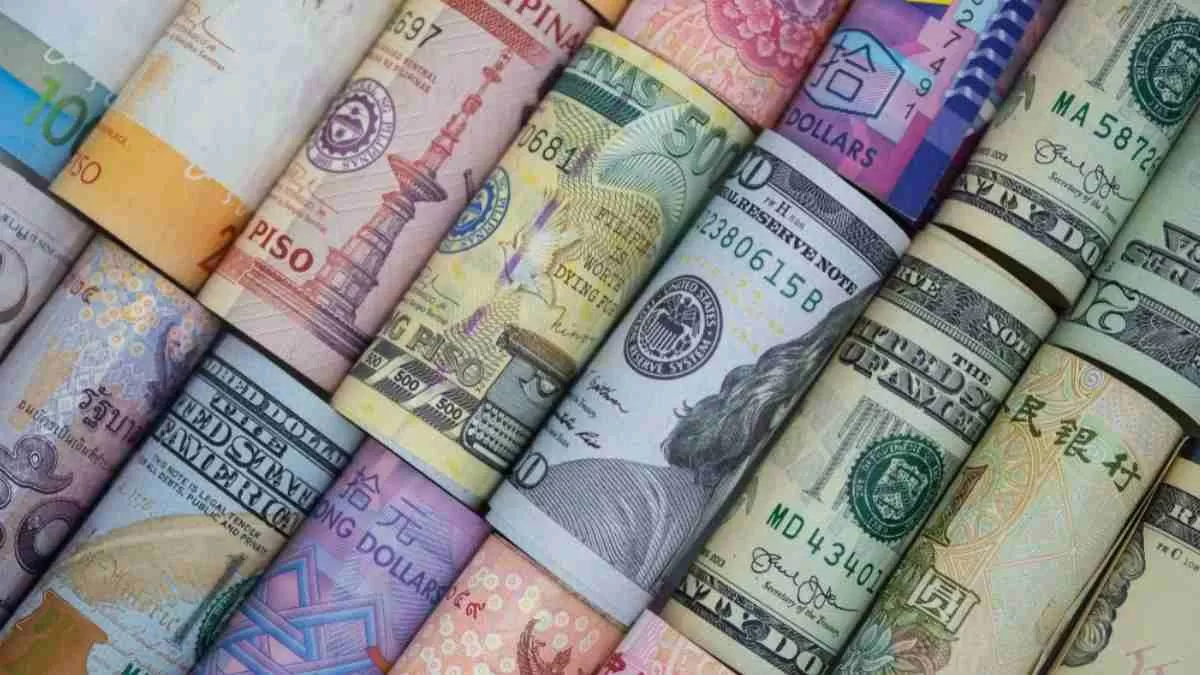
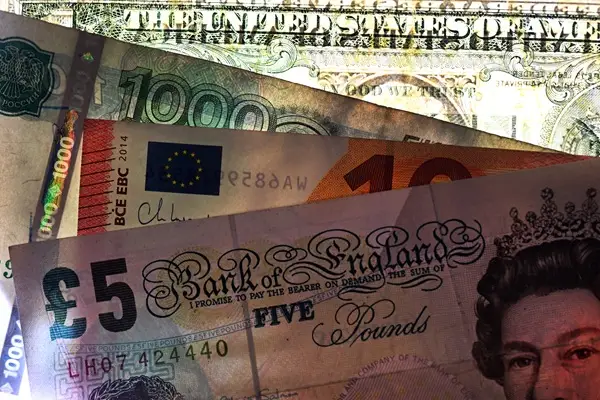
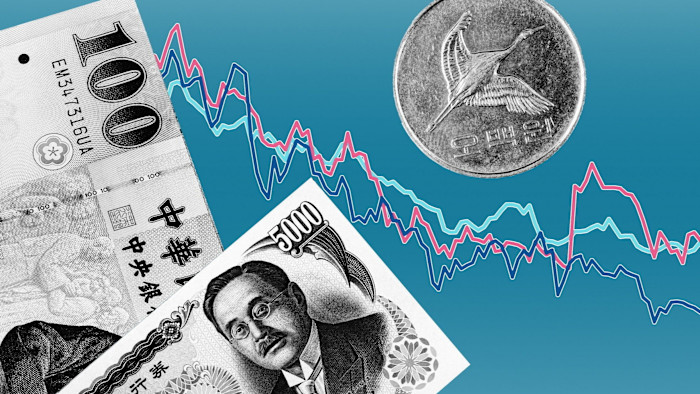
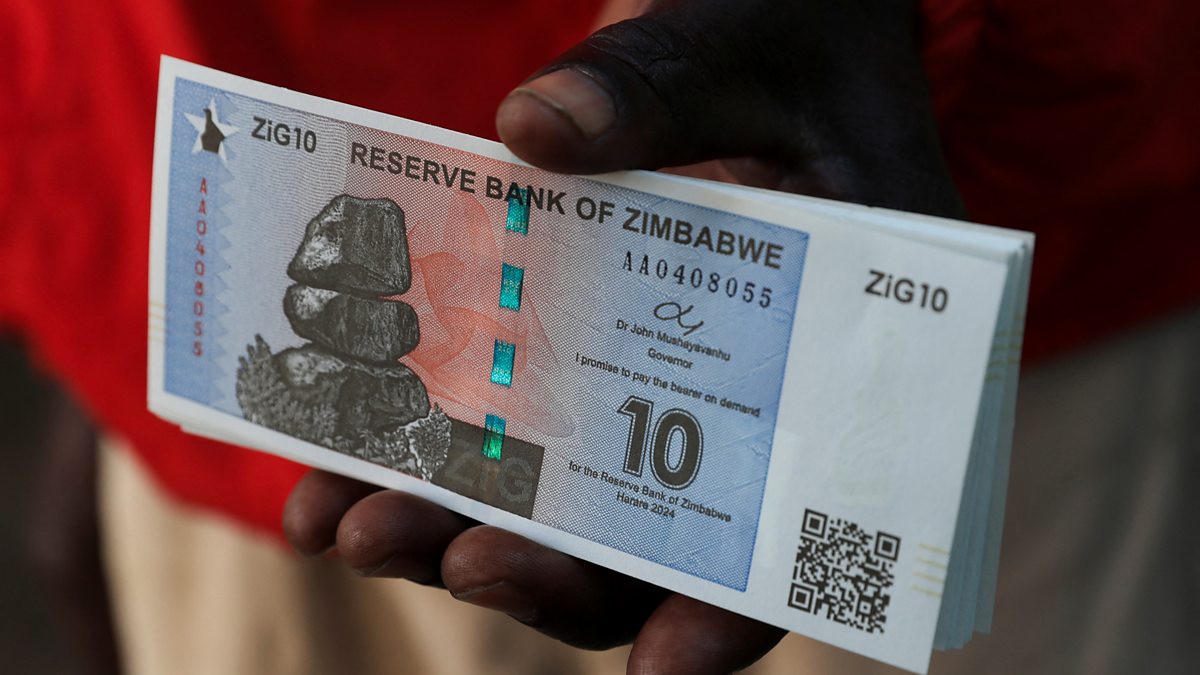
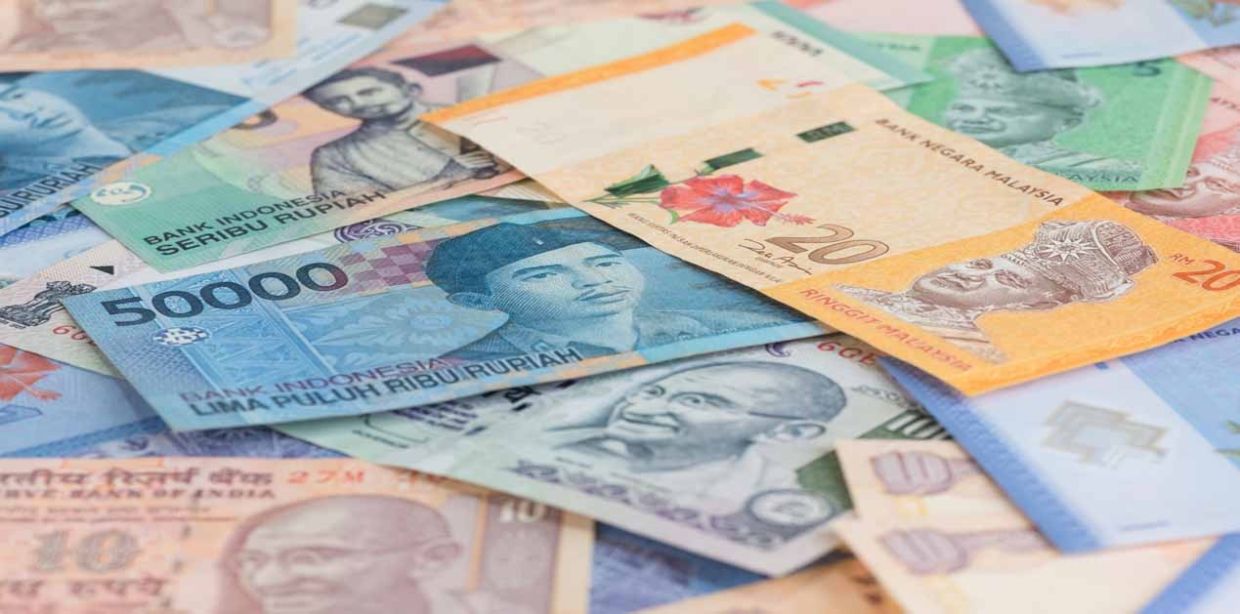
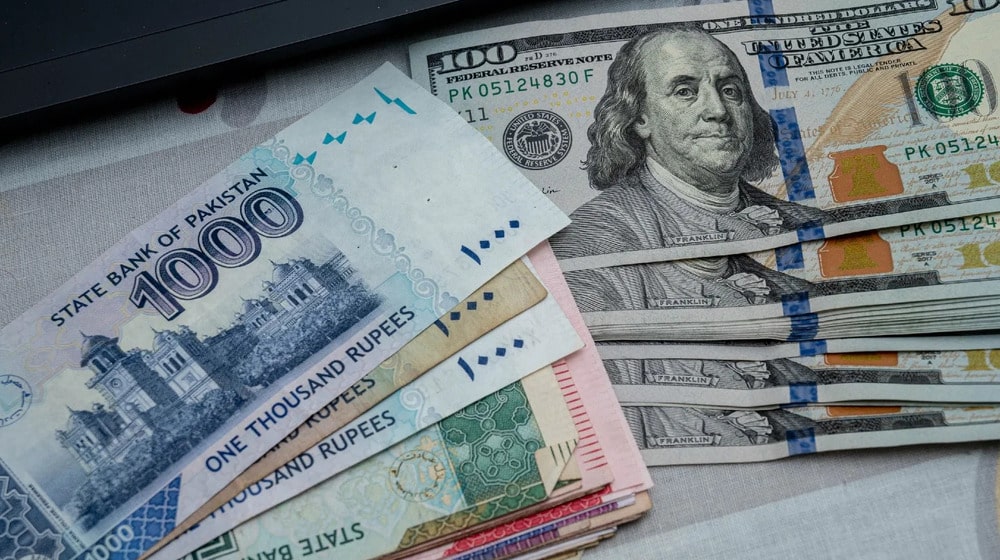
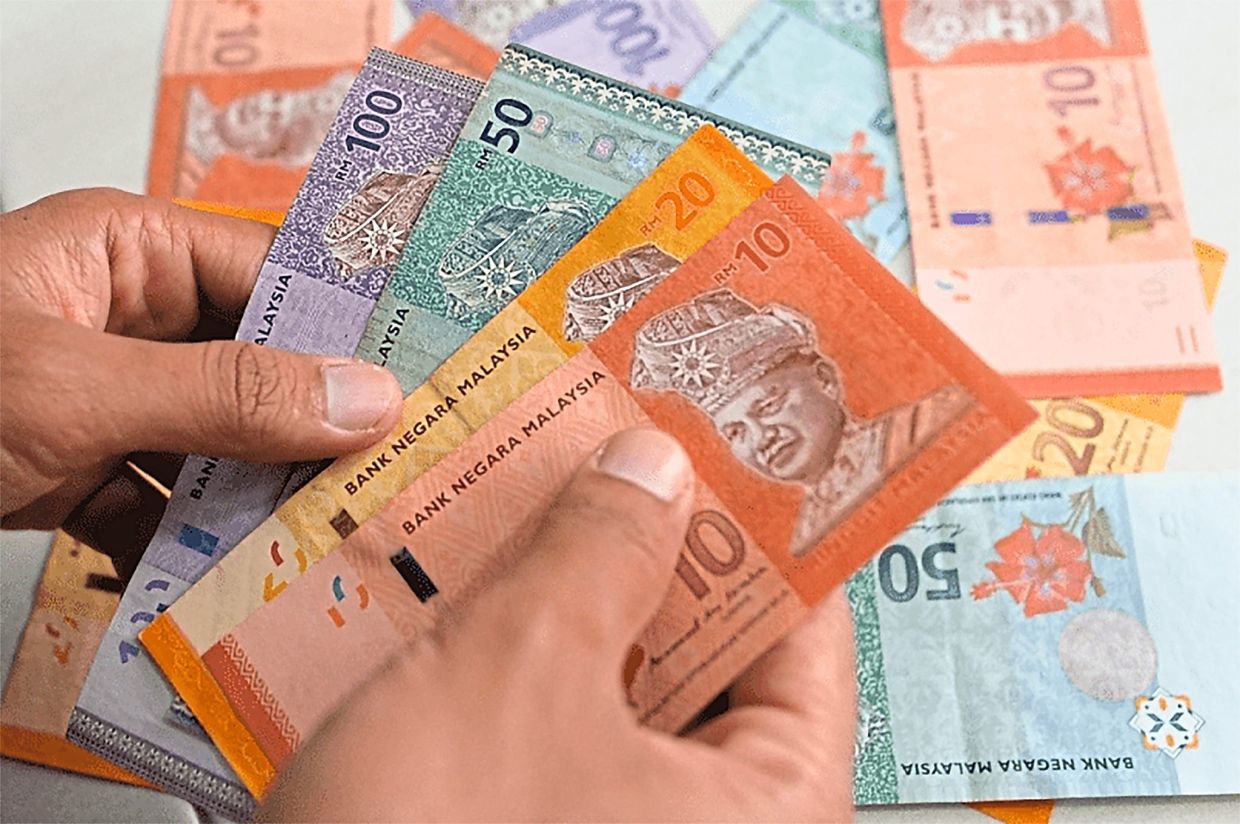
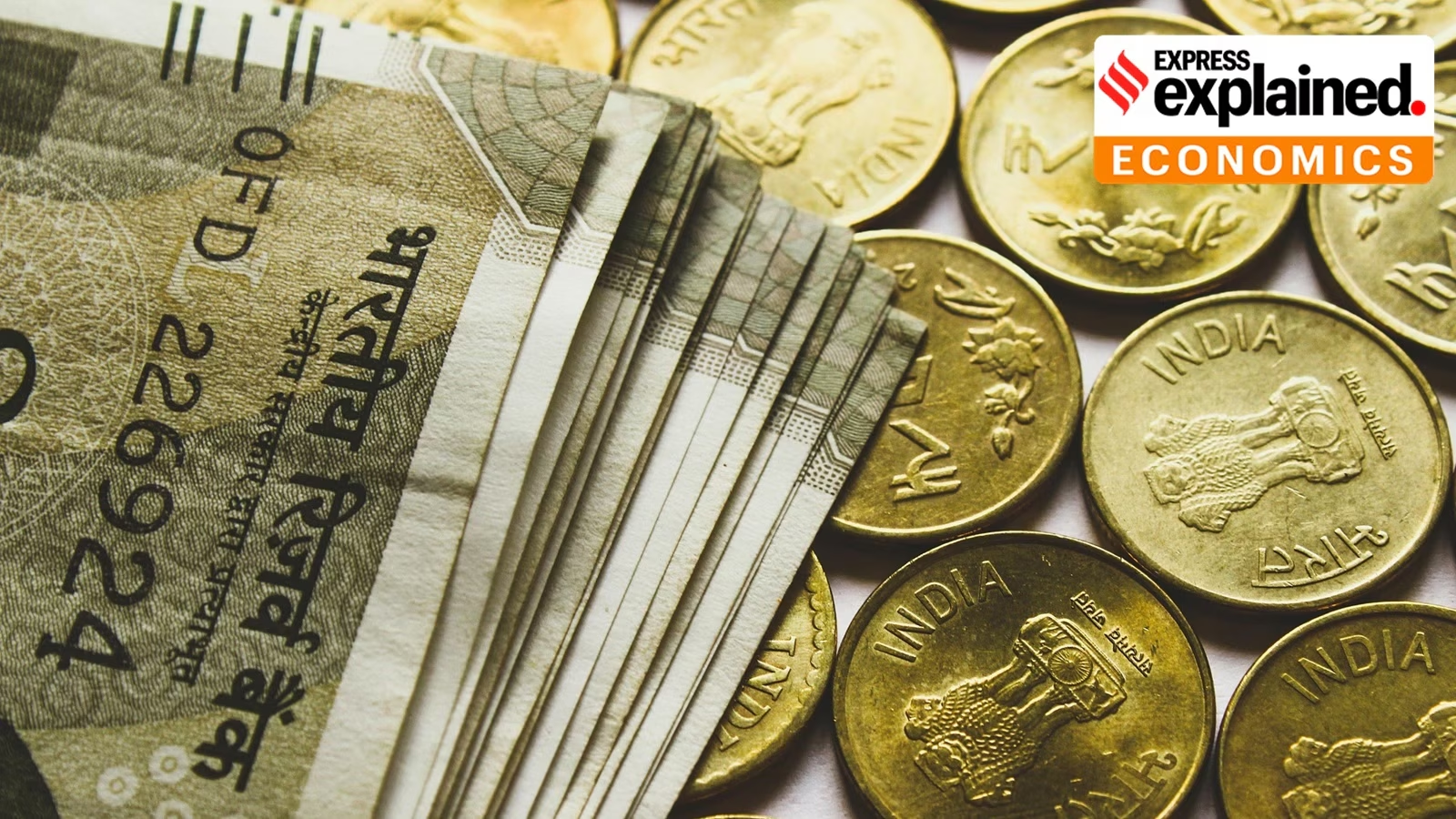
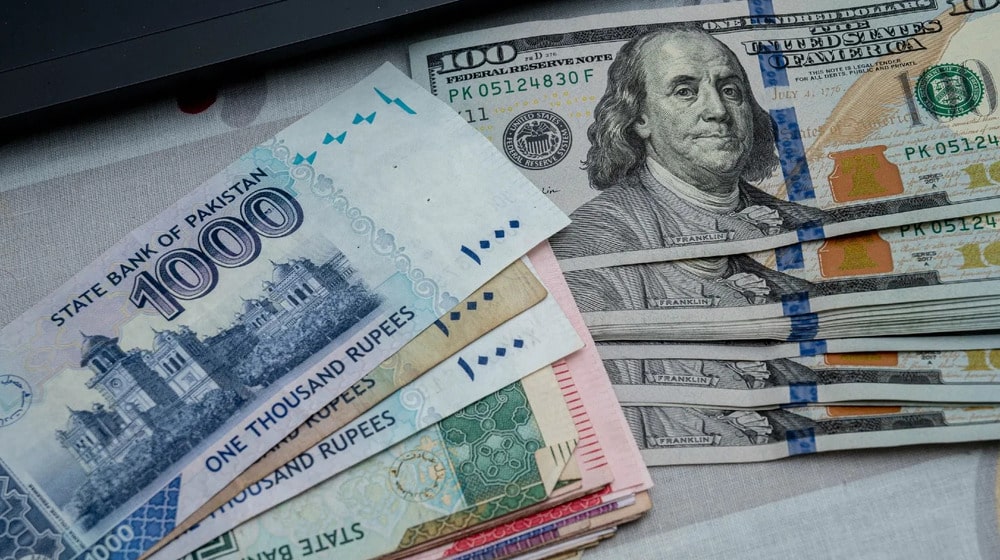
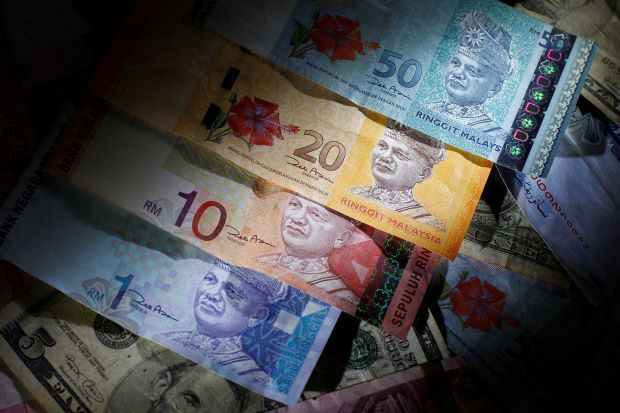
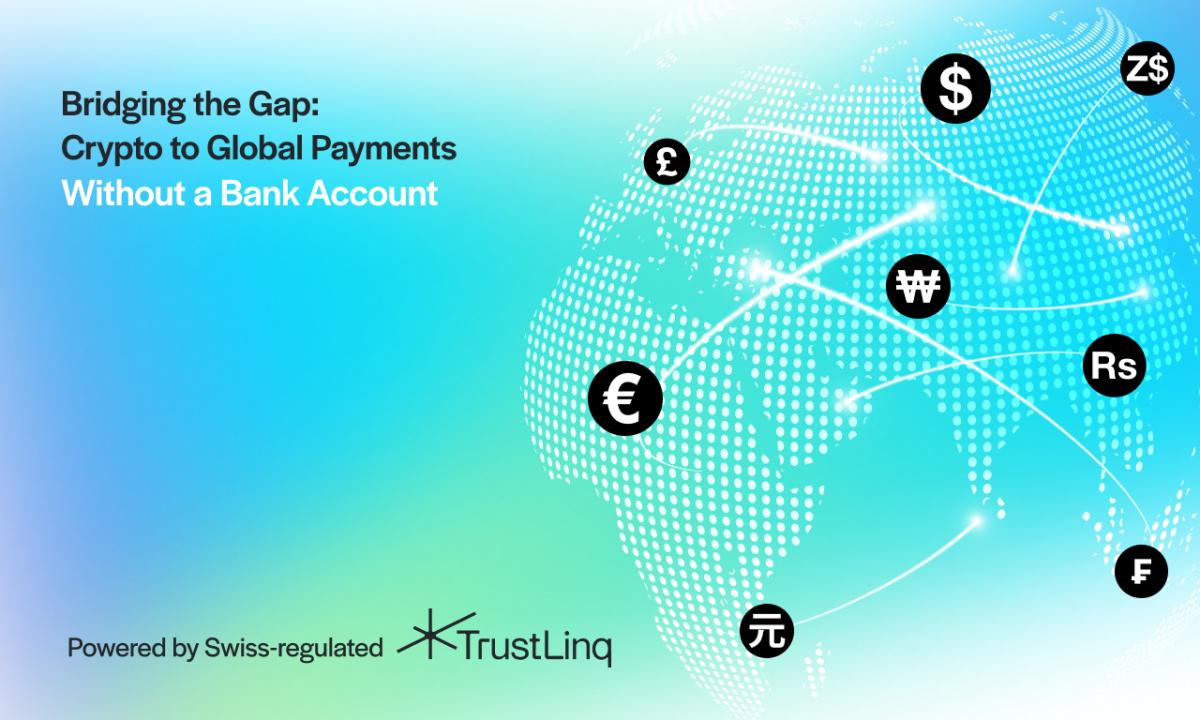
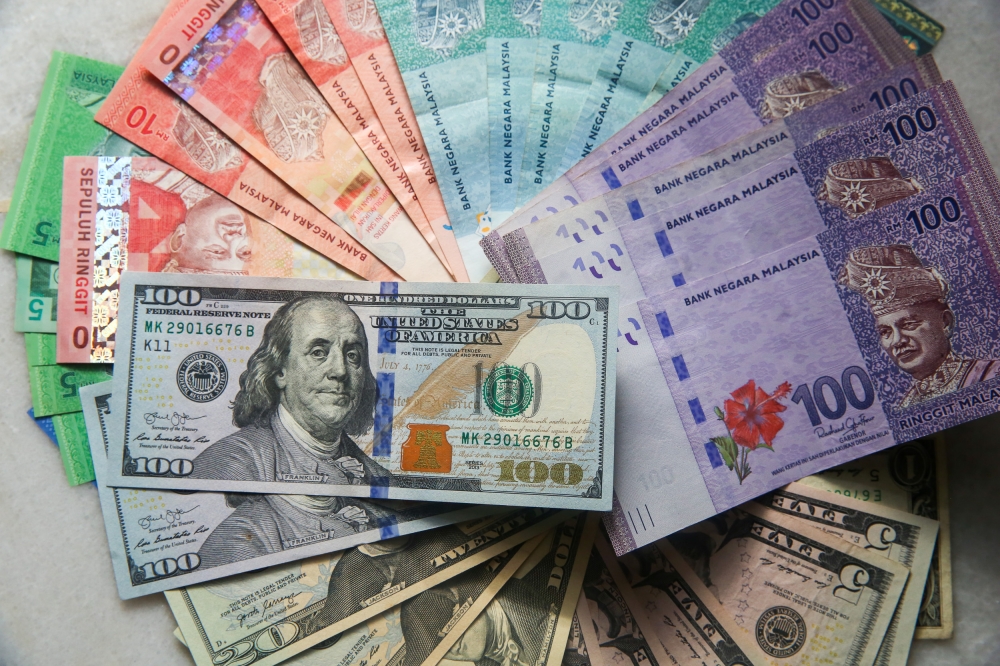
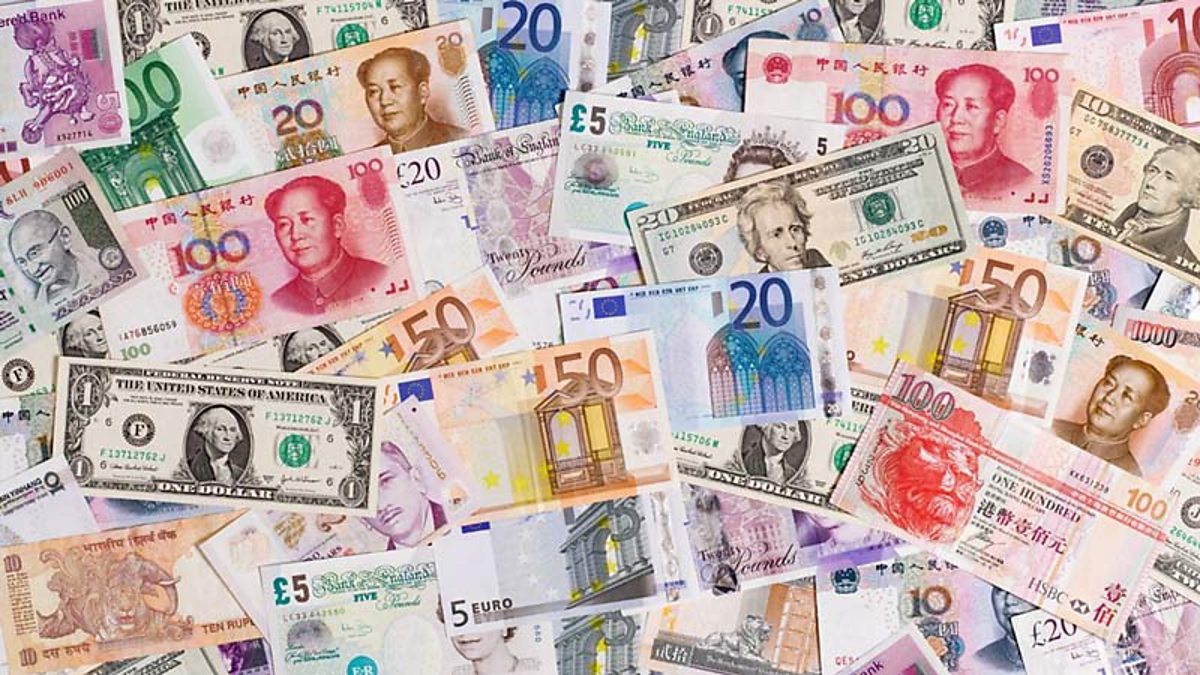
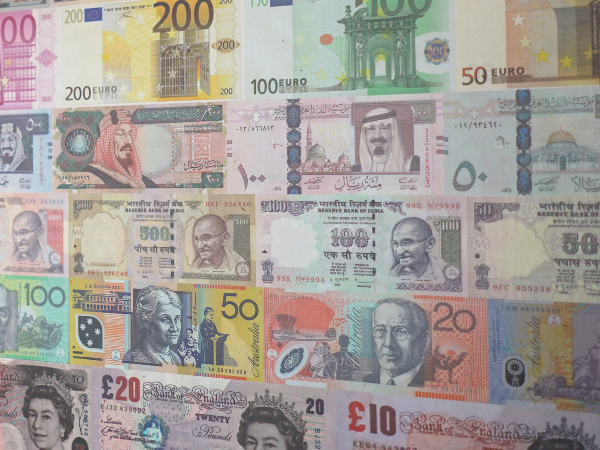
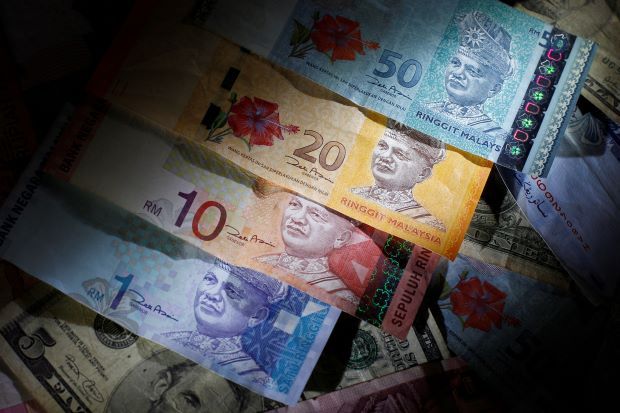
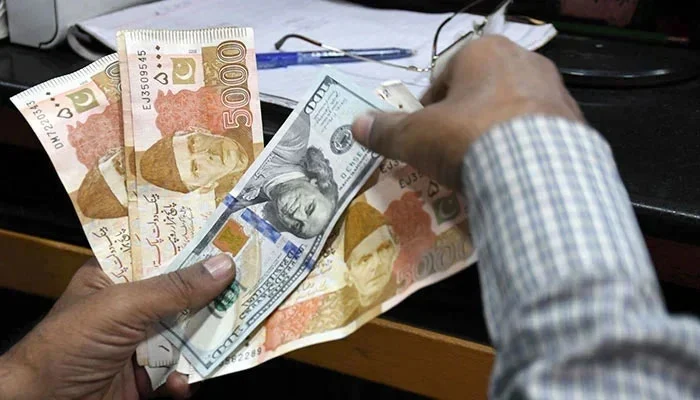
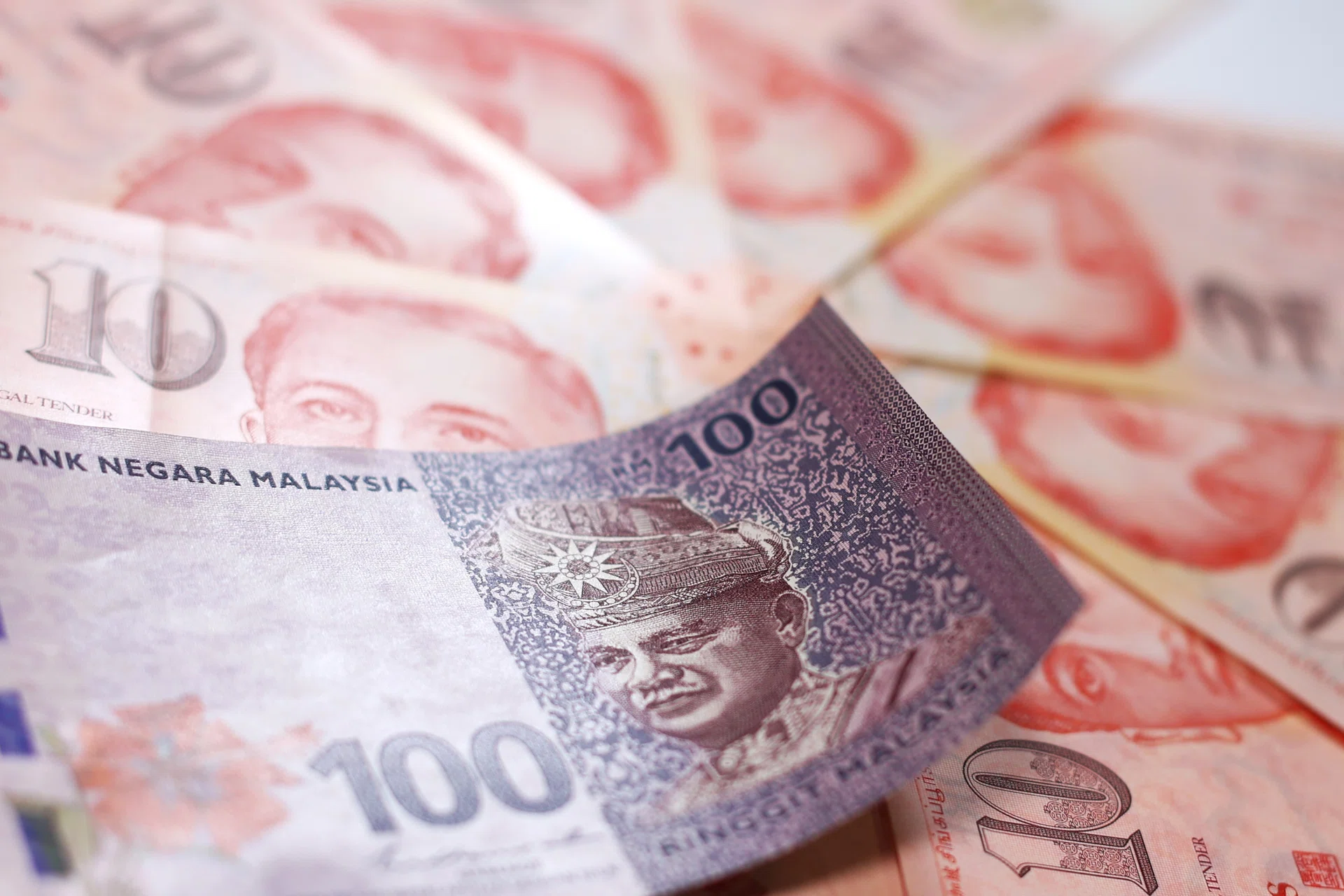
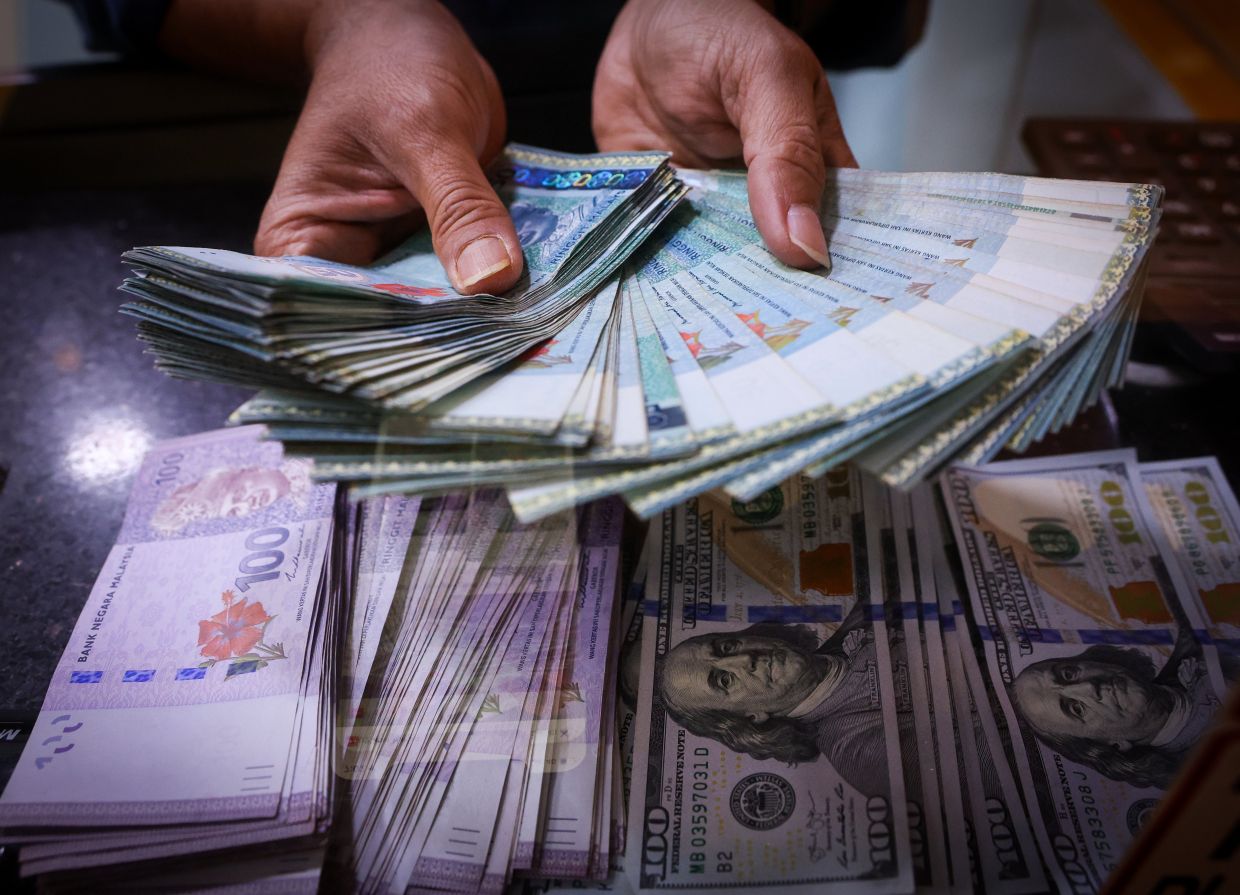
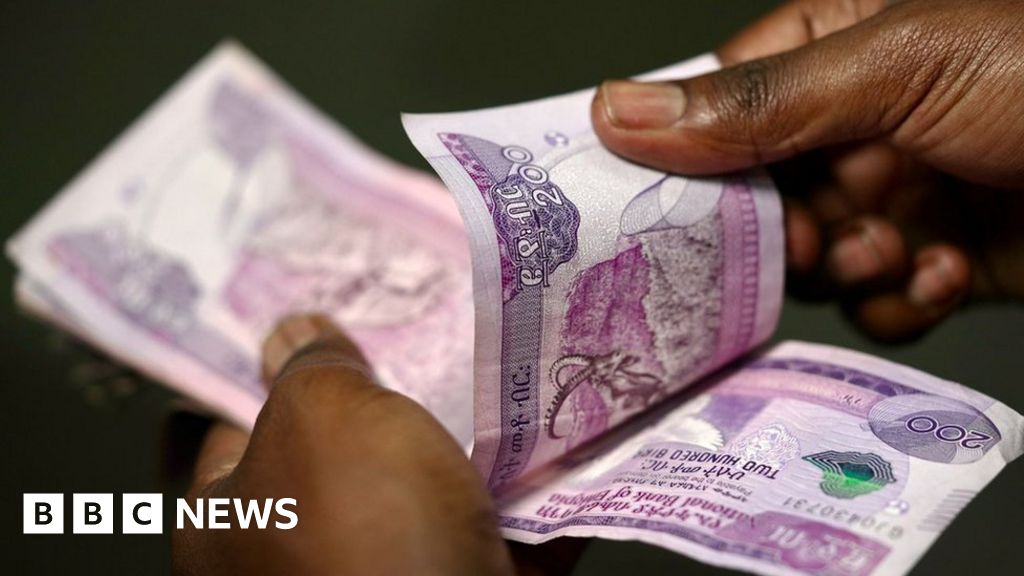
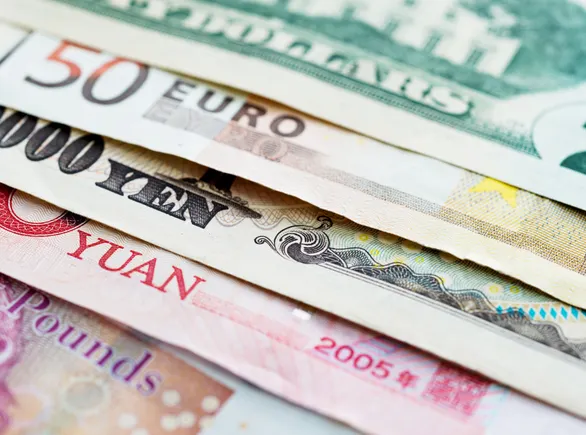
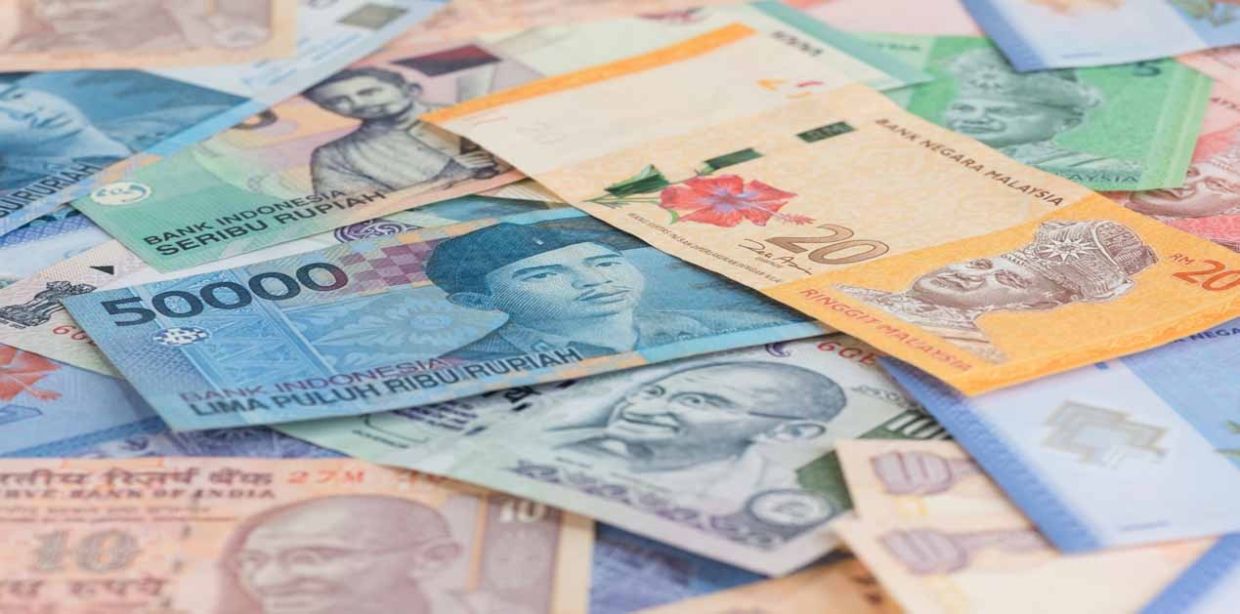
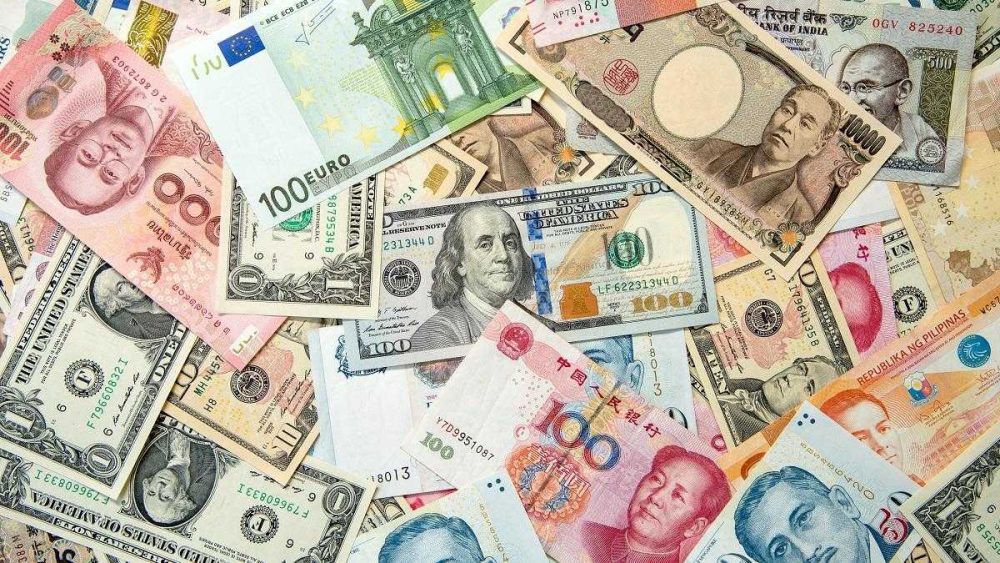
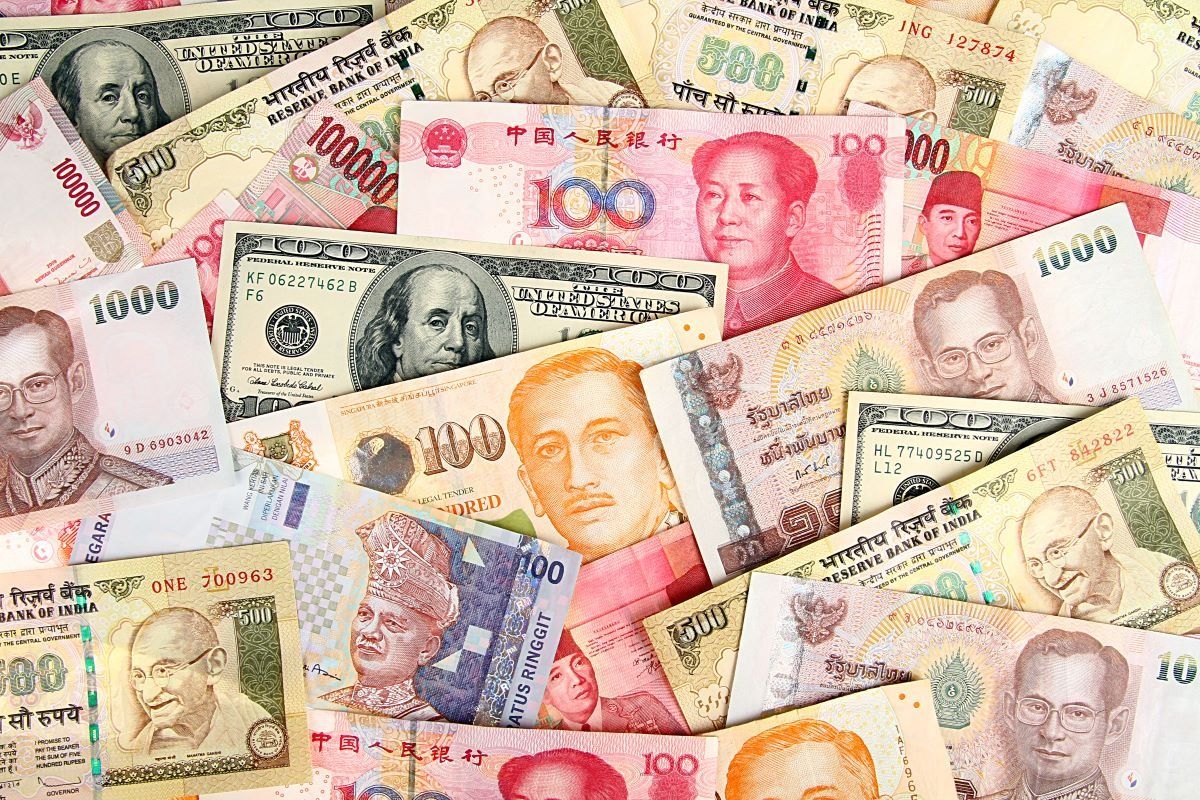
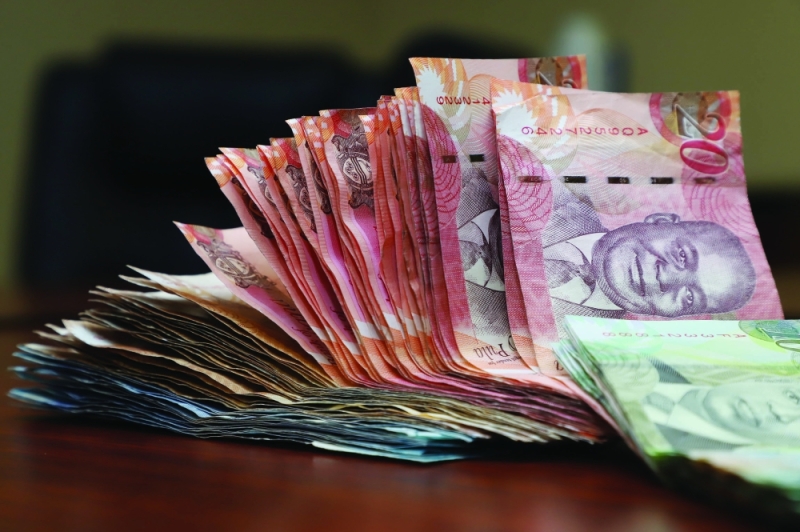
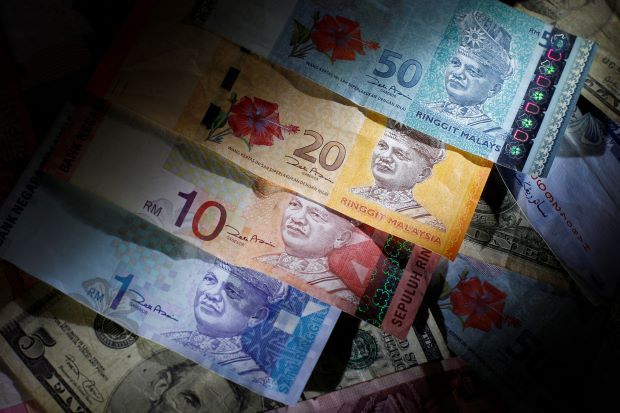
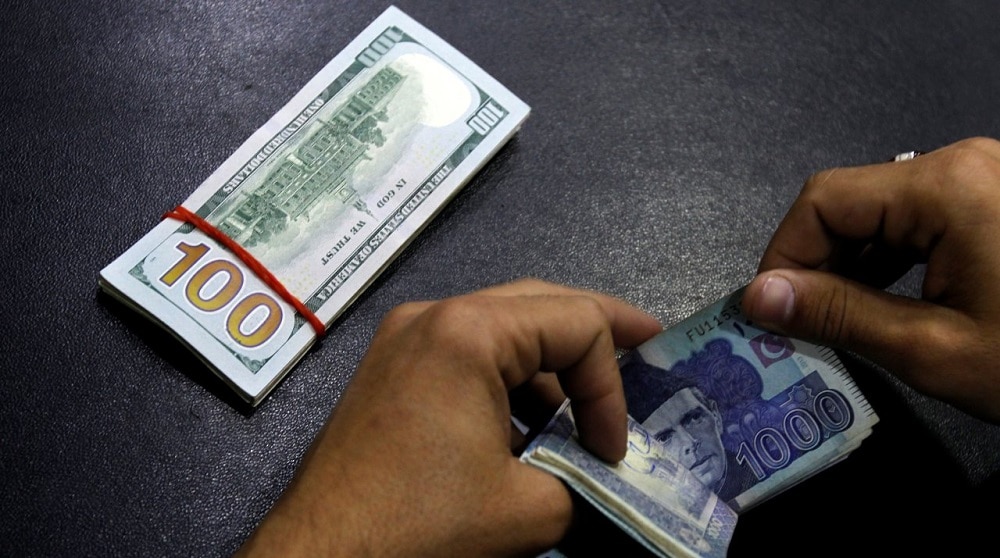
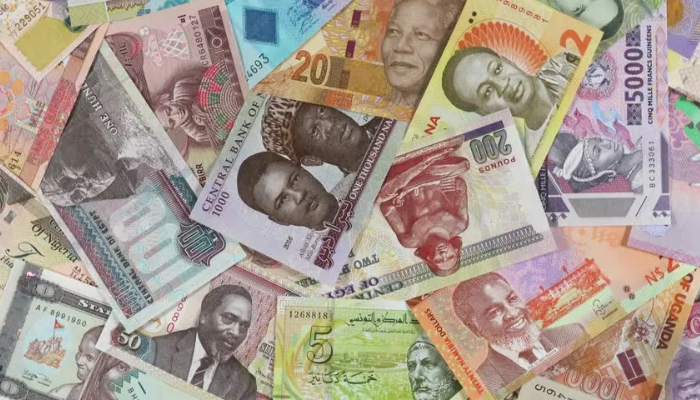
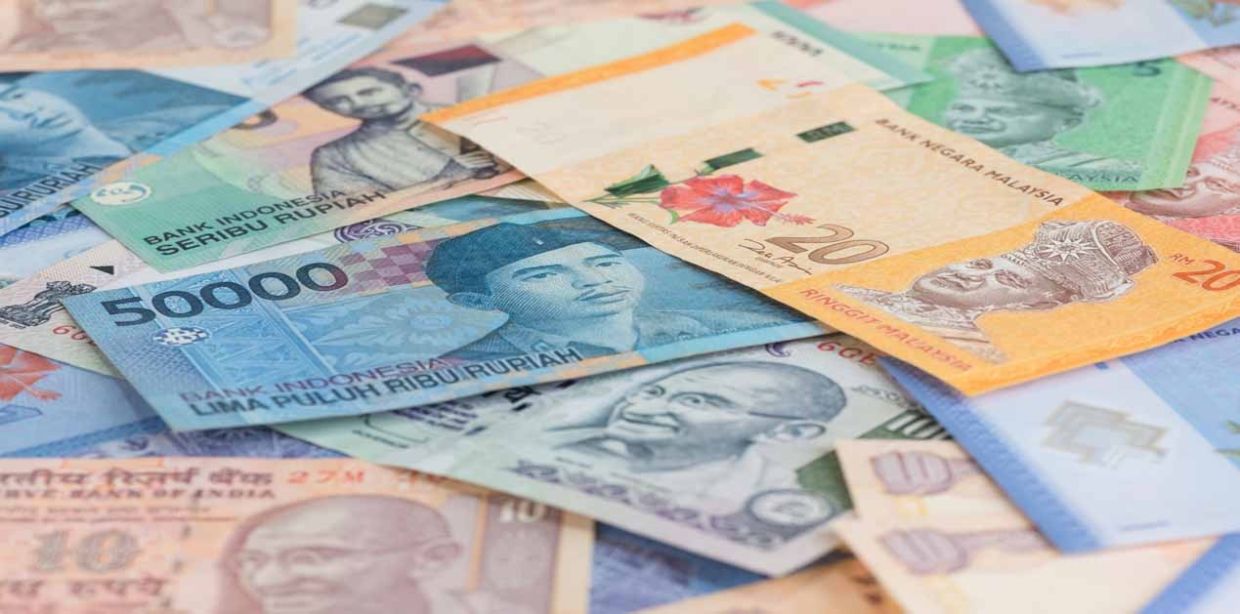
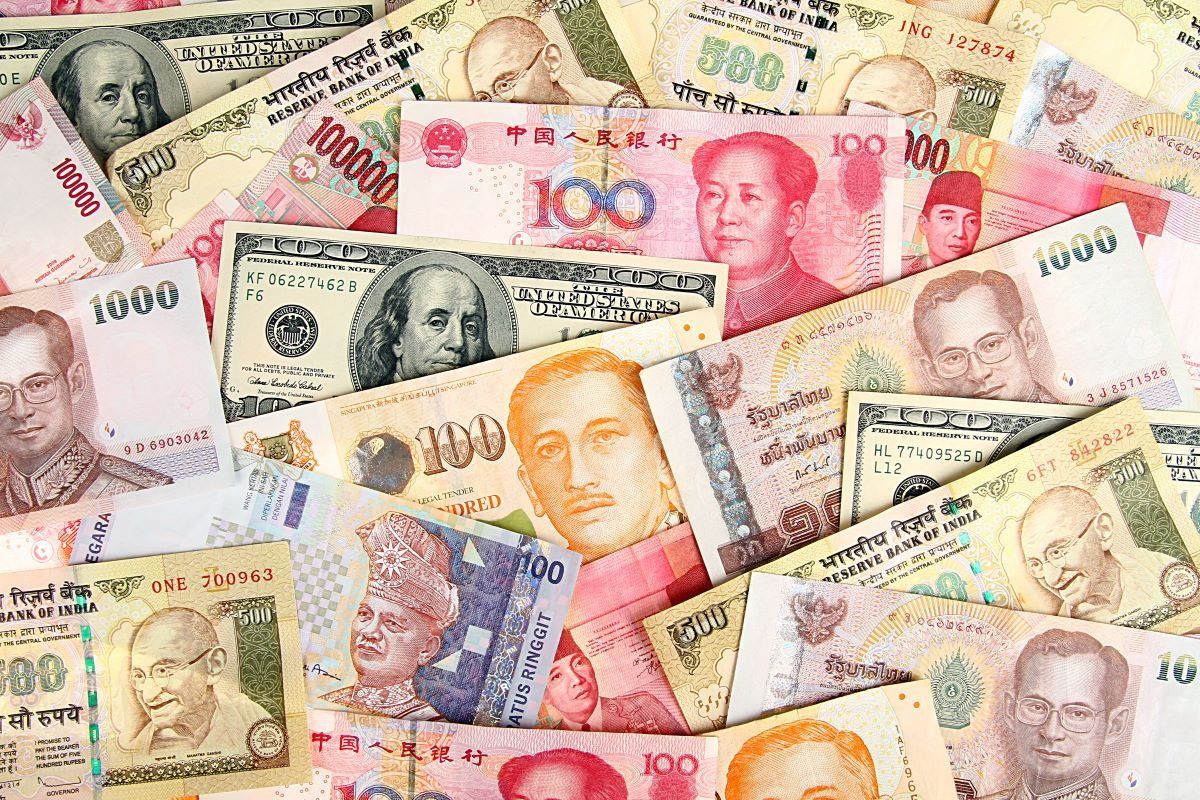
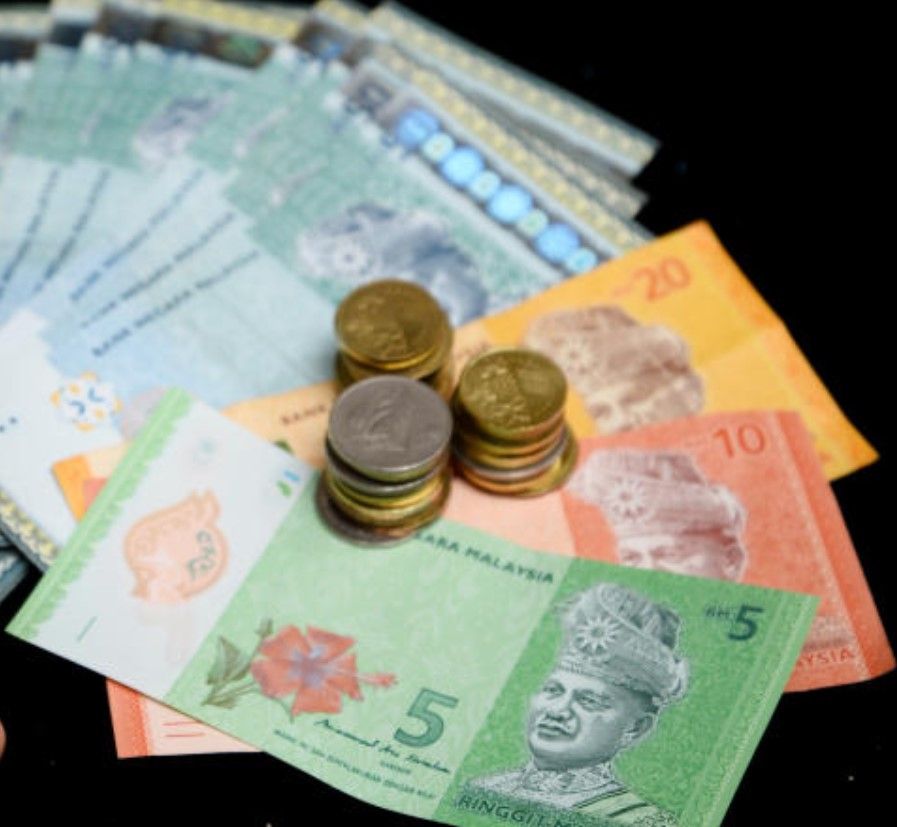
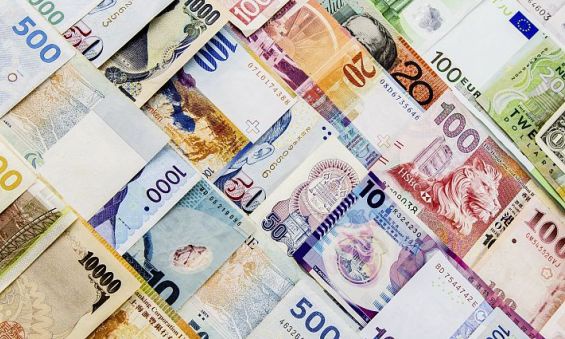
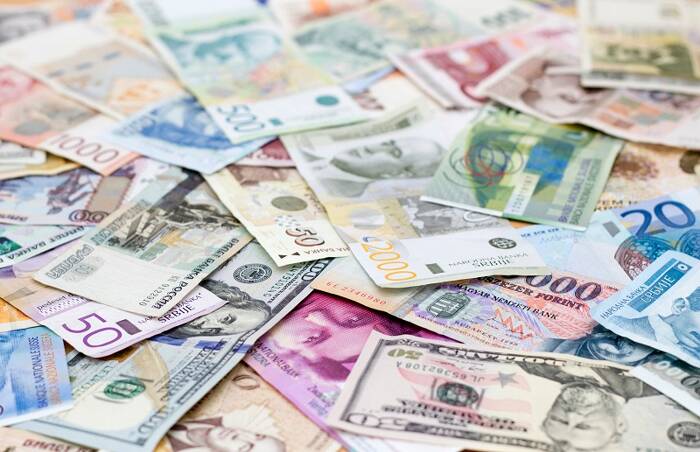
Exotic currencies are any currencies not mentioned already. Some like the Hong Kong Dollar (HKD) and Norwegian Krone (NOK) are actually very liquid, some like the Mexican Peso (MXN) and Thai Baht (THB) are fairly liquid, and others like the Malawian Kwacha (MWK) and Laos Kip (LAK) have very little liquidity.
Exotic pairs are those that include one major currency and one exotic currency. While there are over 150 countries that could be classified as developing nations, trading in exotic currencies is focussed on 18 currencies. Admiral Markets UK Ltd, a prominent forex and CFD broker, for instance, lists 19 exotic FX currency pairs including 10 exotic currencies. There are plenty of other exotic currencies, but in most cases, brokers will only offer those that their clients demand.
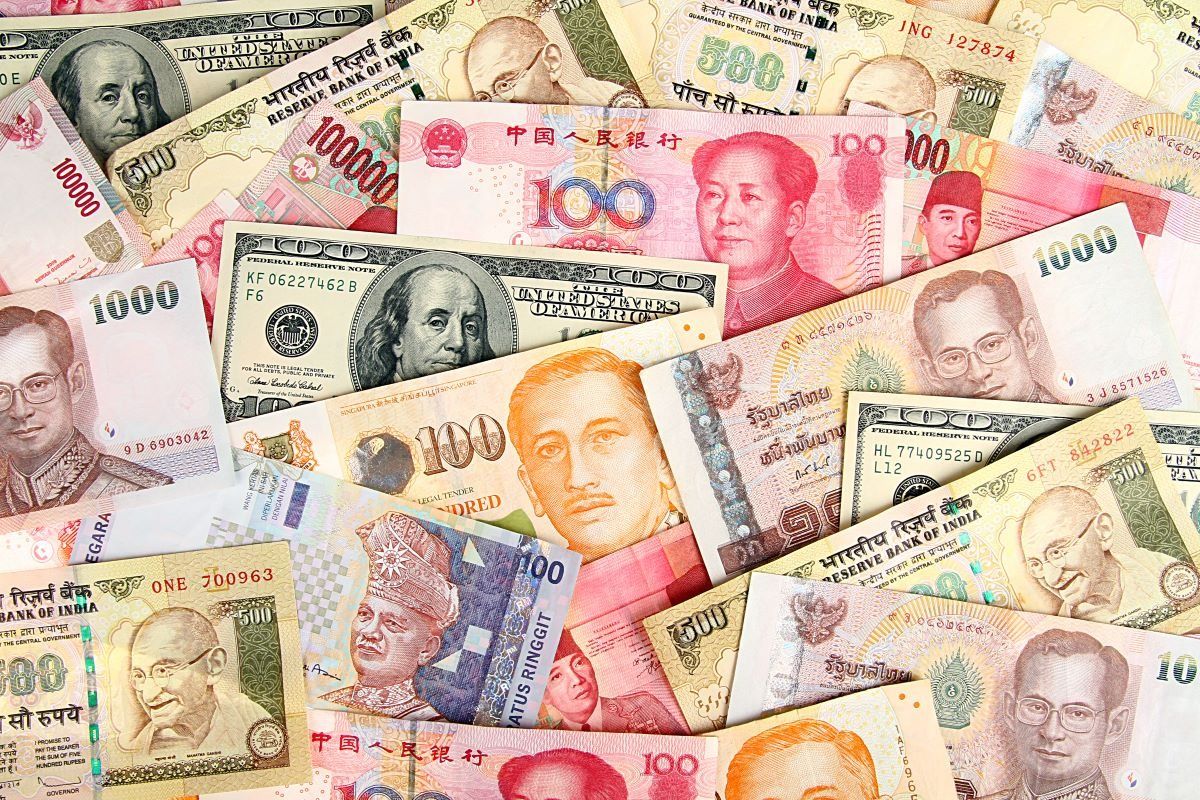
The following are the most widely traded exotic currencies:
- Norwegian Krone
- Polish Zloty
- Czech Koruna
- Hungarian Forint
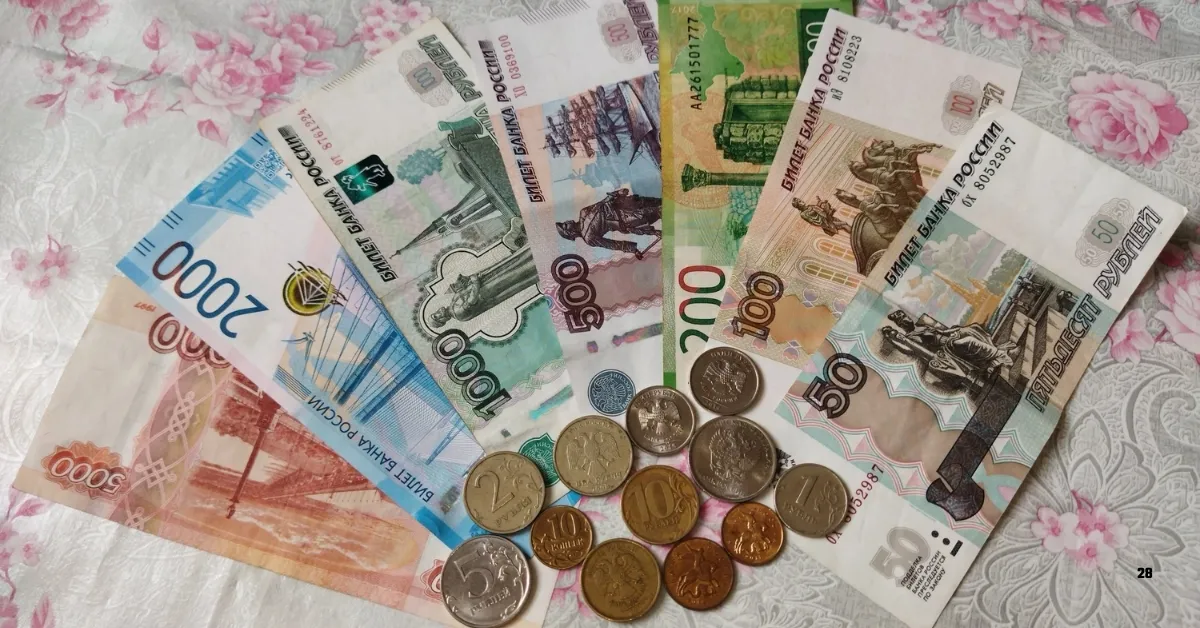
- Russian Ruble
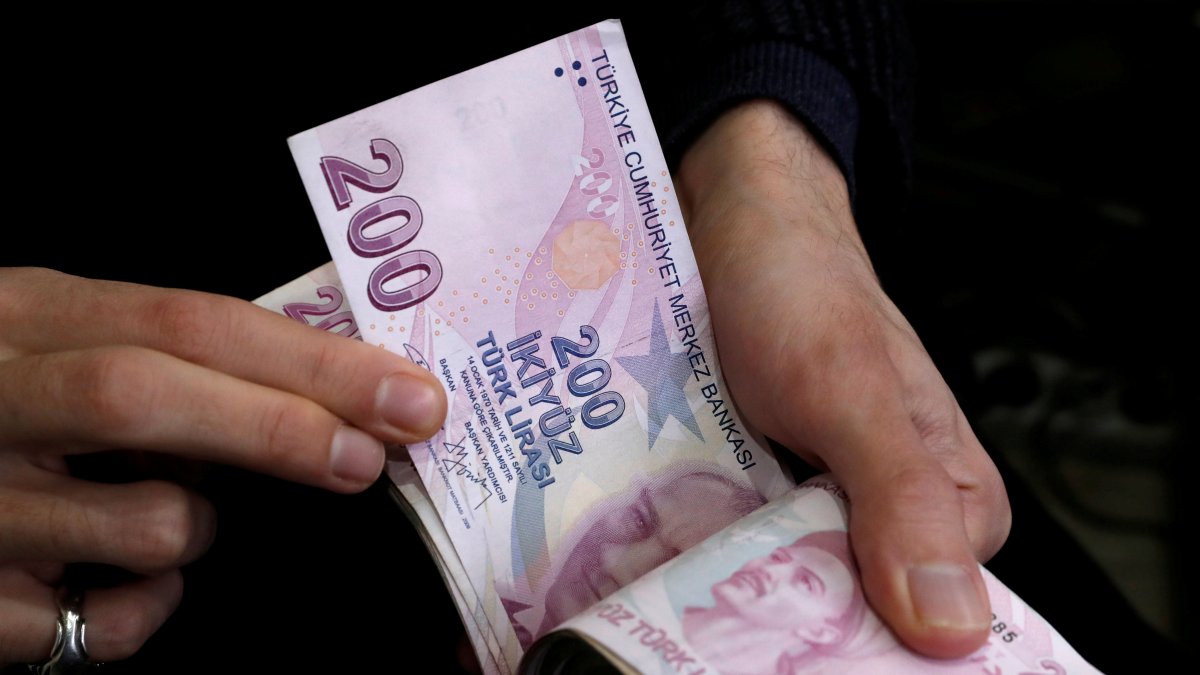
- Turkish Lira
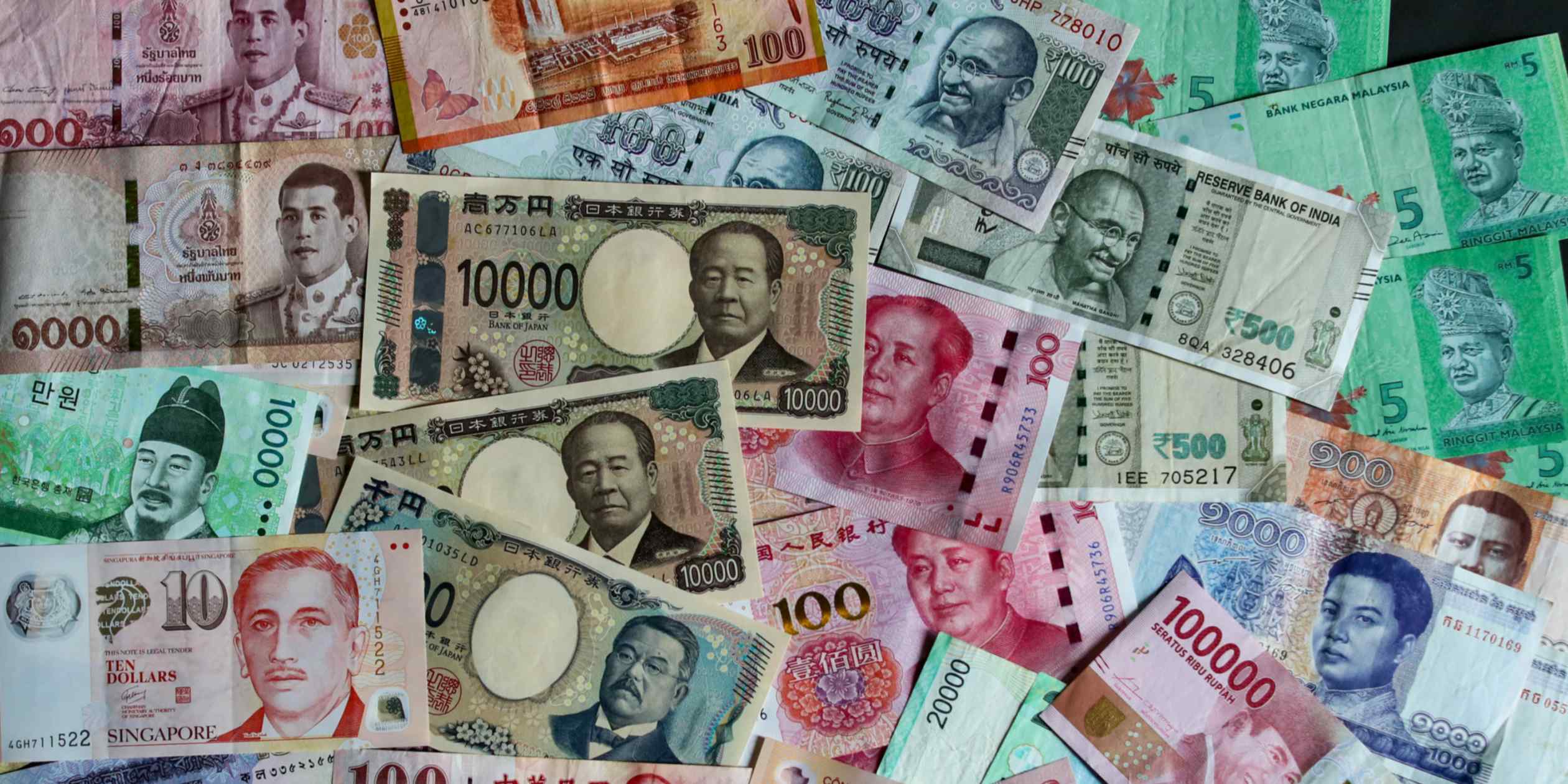
- Chinese Yuan Renminbi
- Singaporean Dollar
- Hong Kong Dollar
- South Korean Won
- Thai Baht
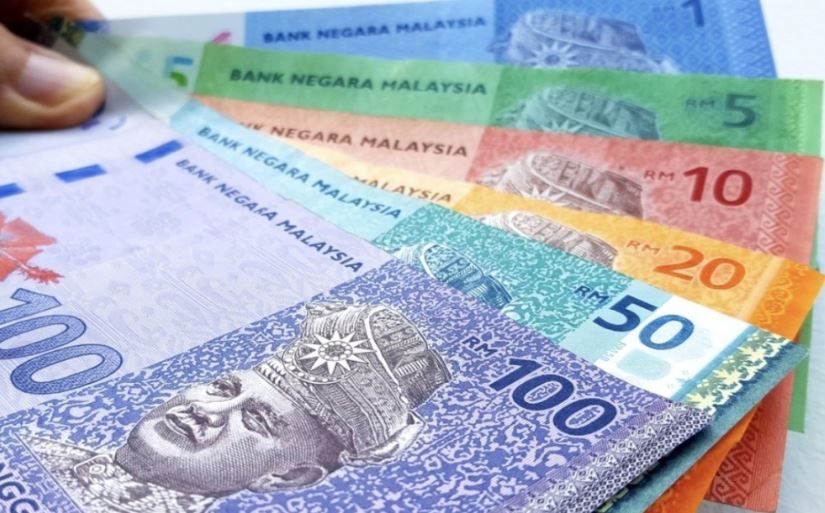
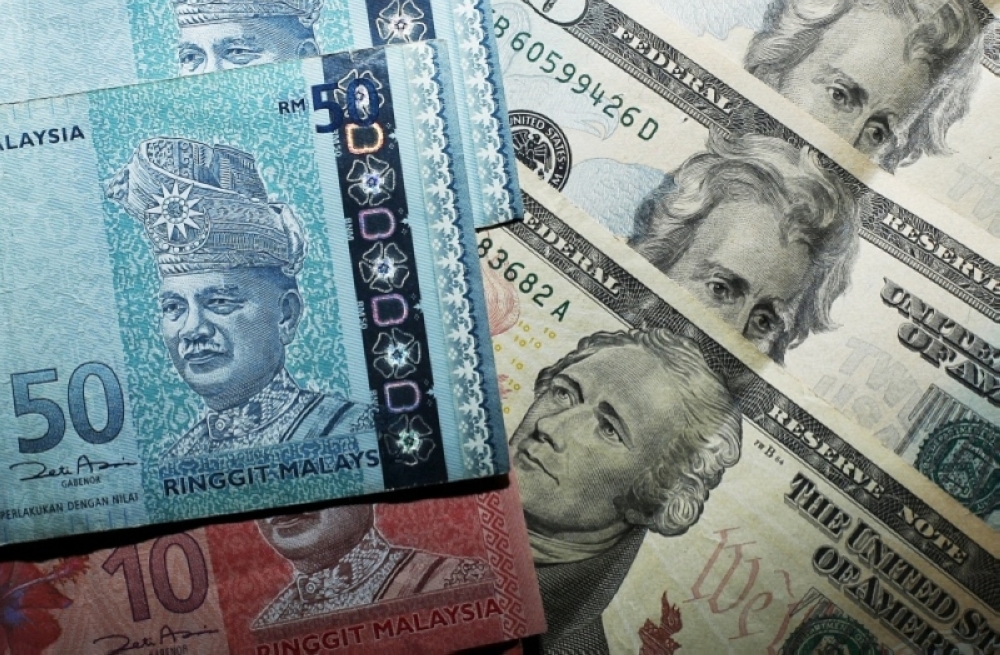
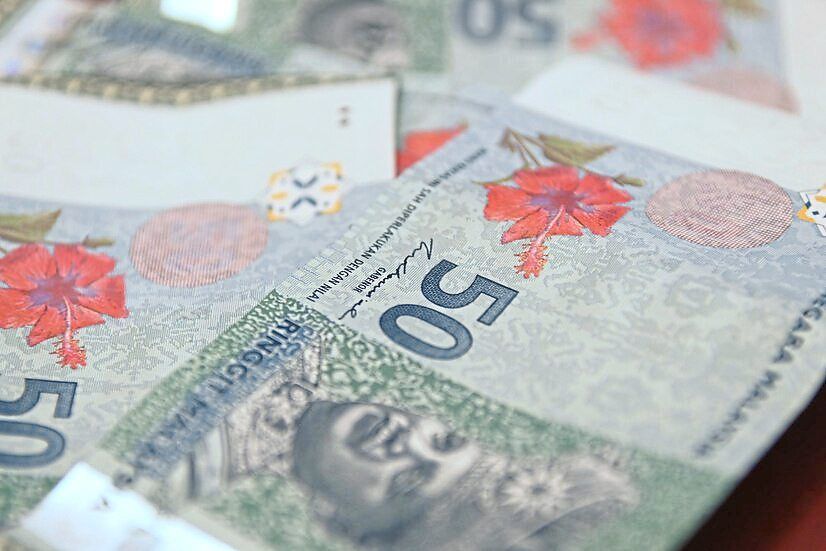
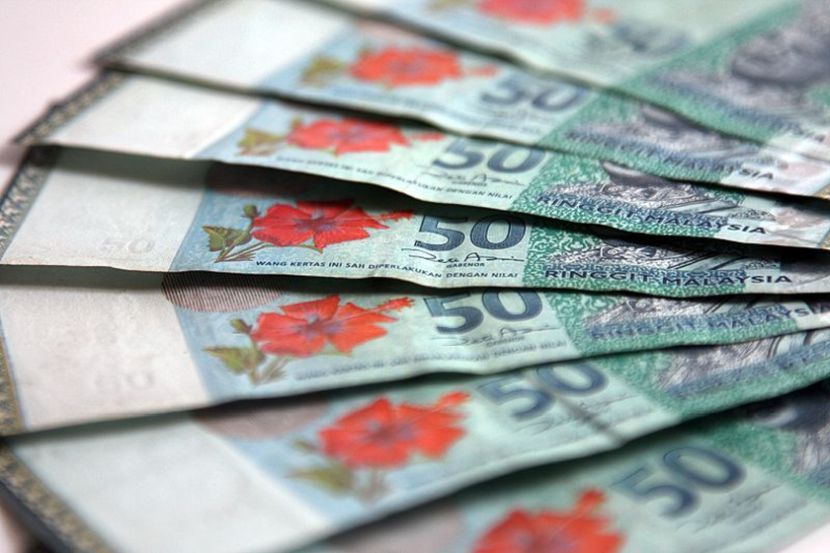
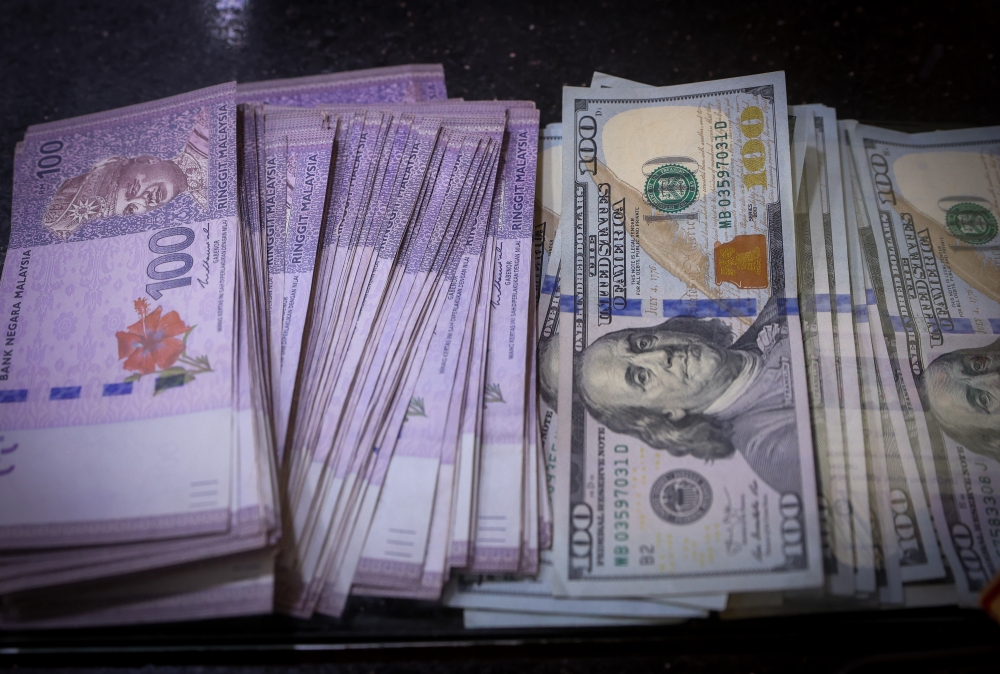
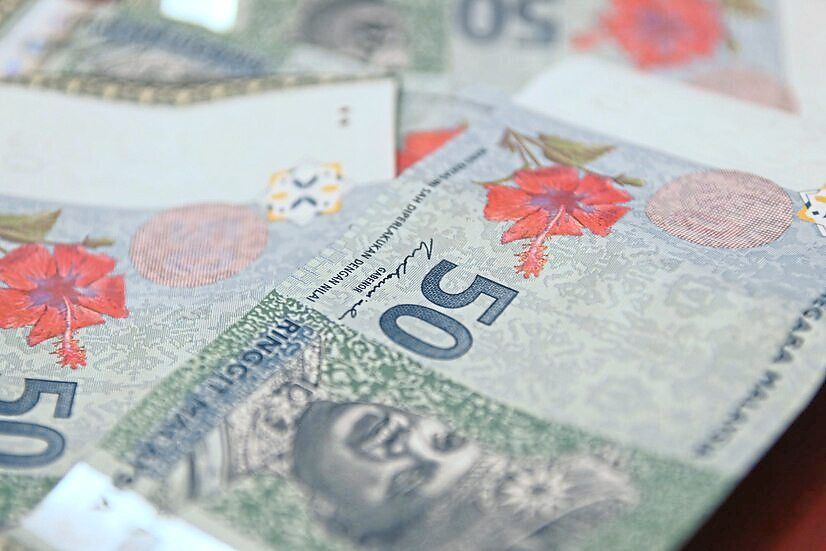
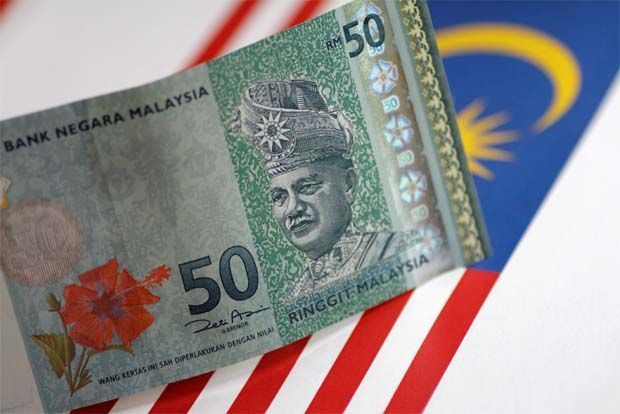
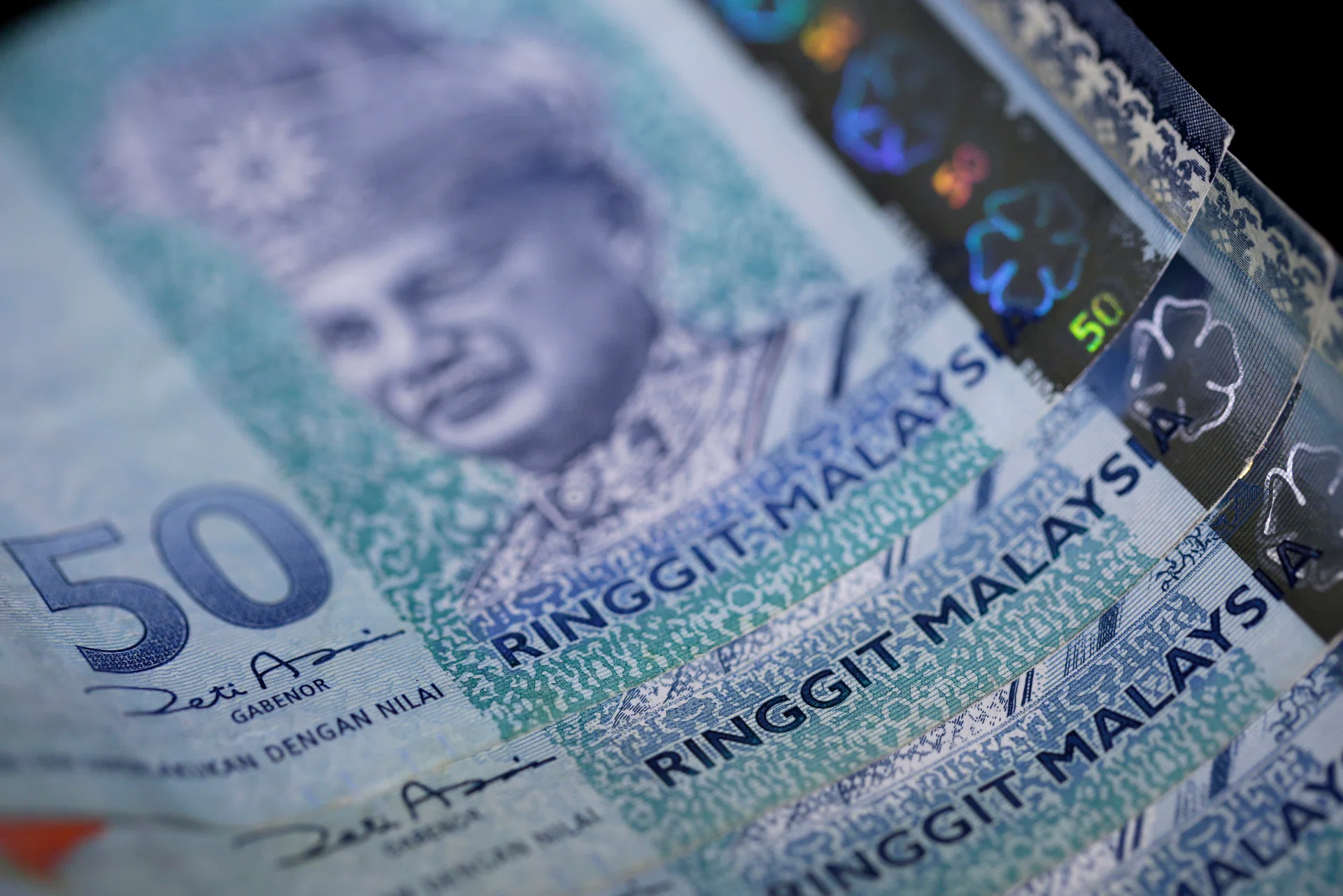
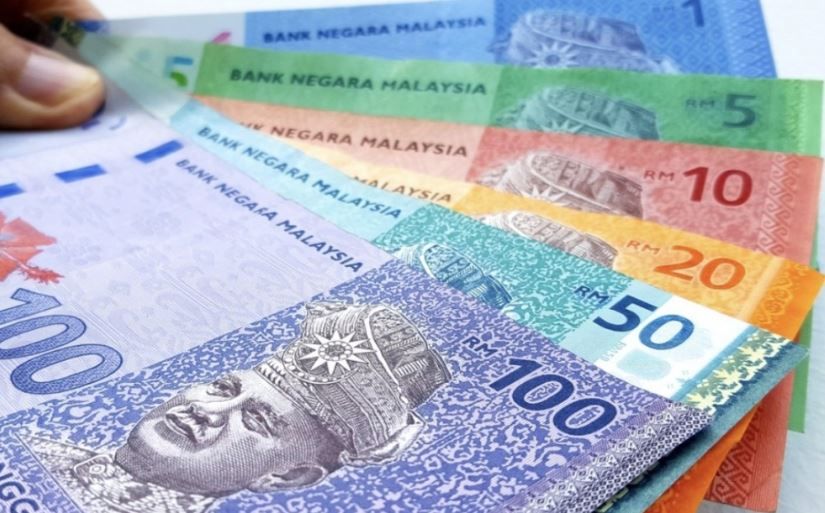
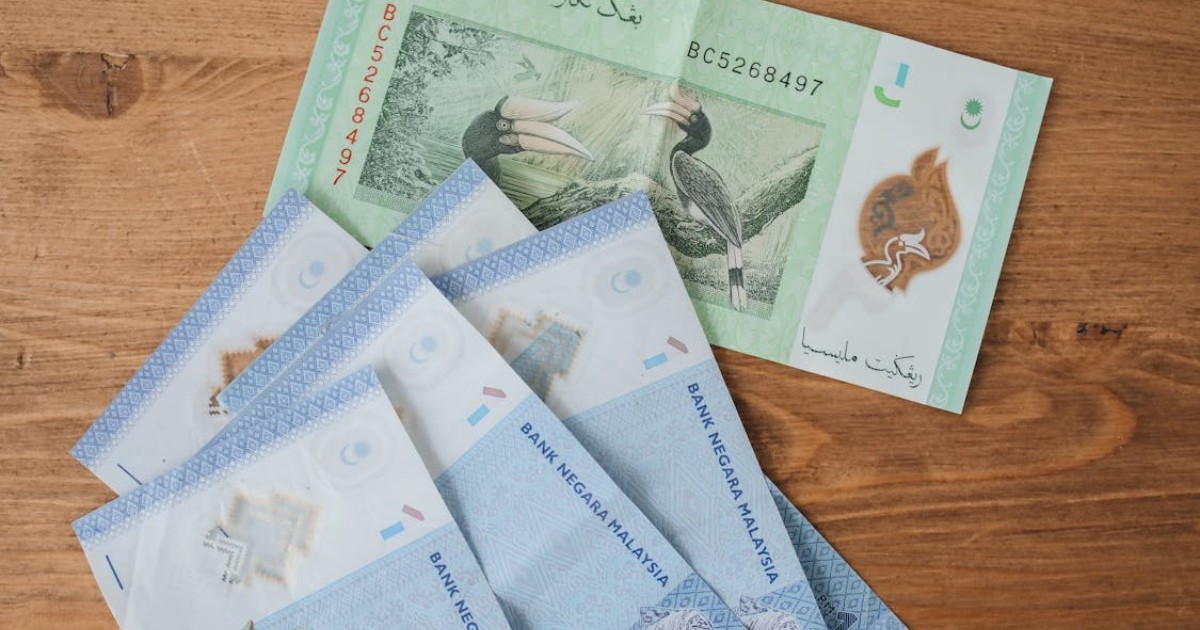
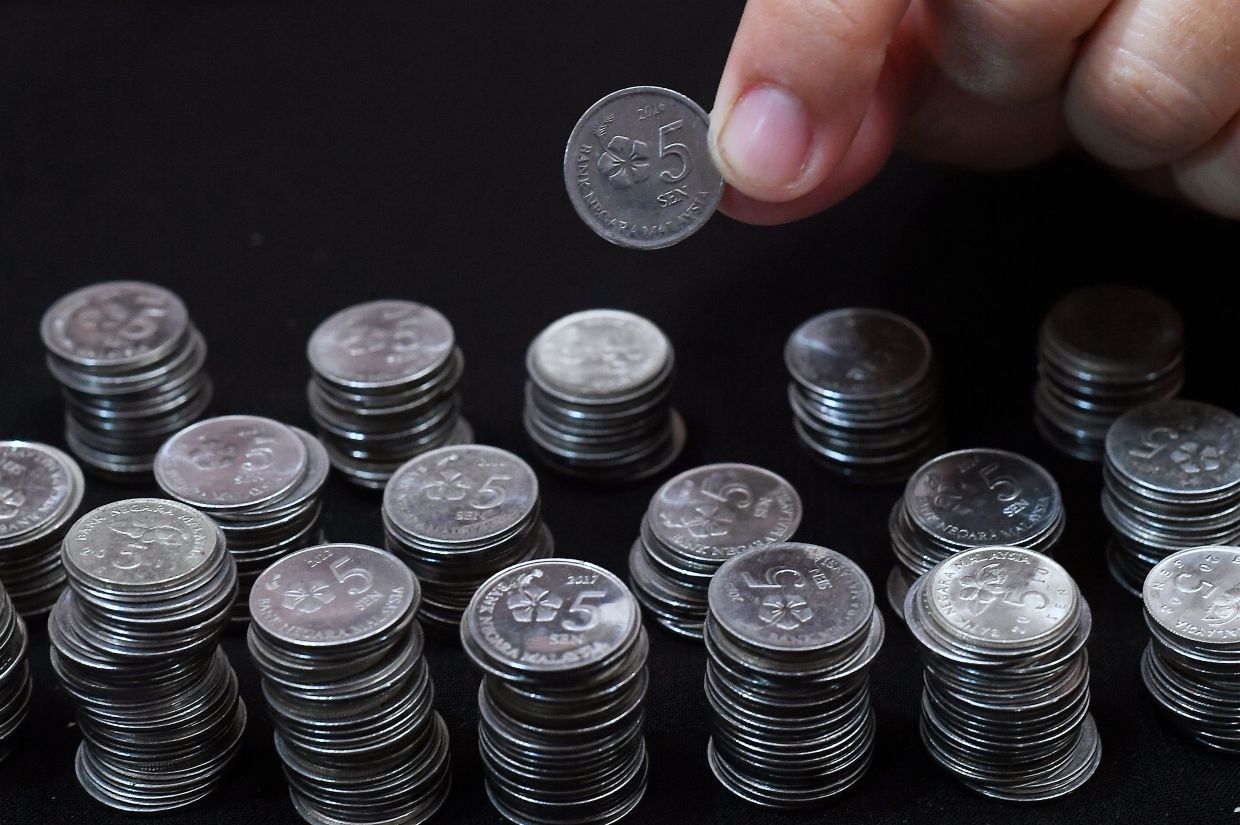
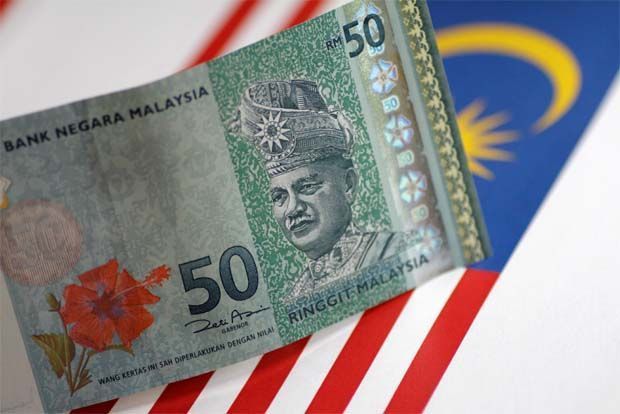
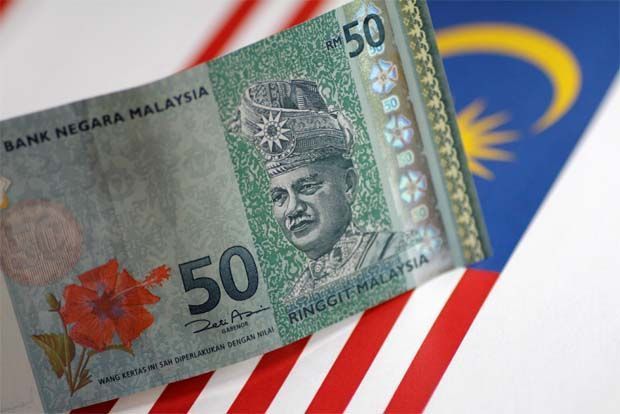
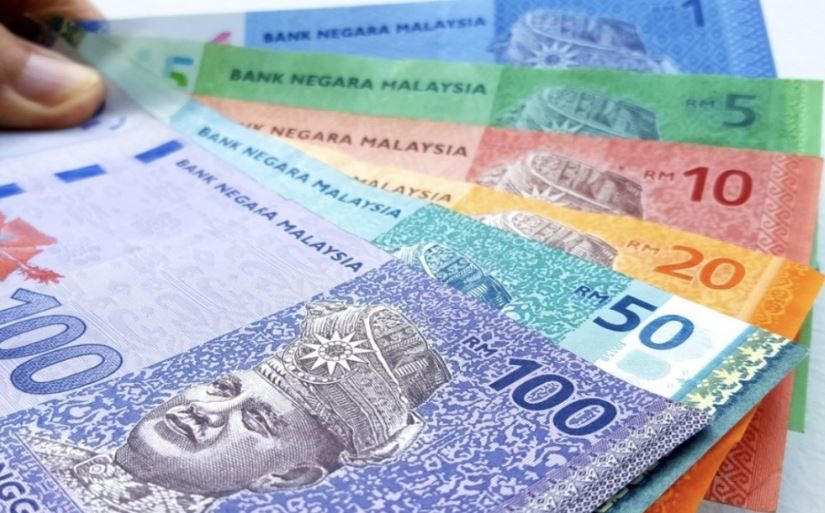
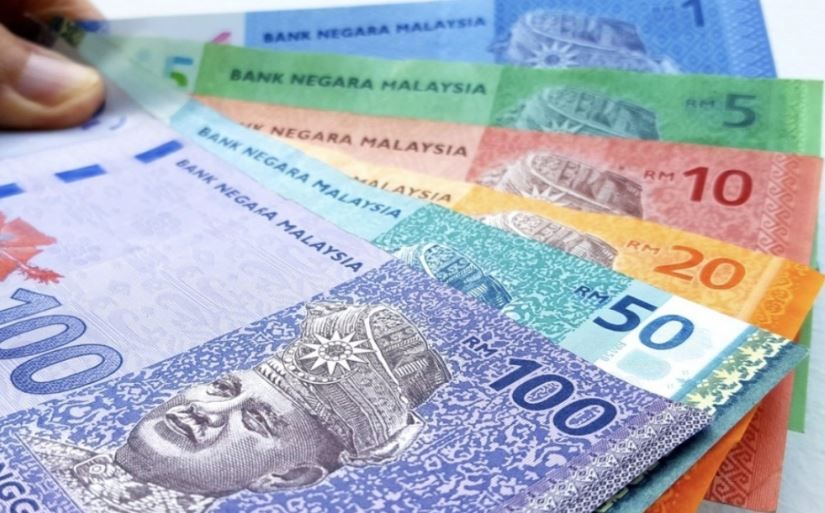
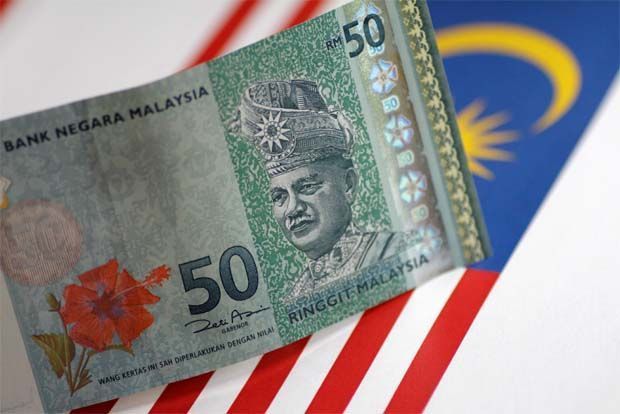
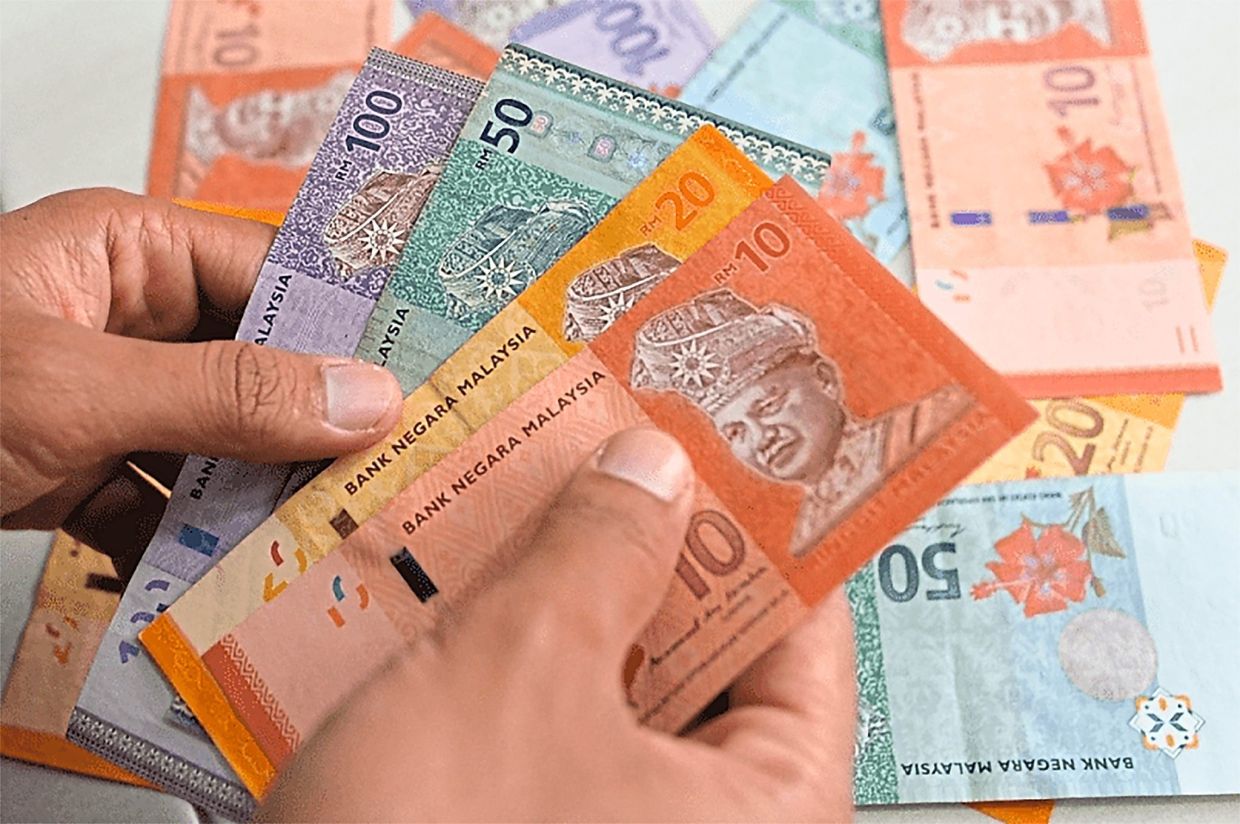
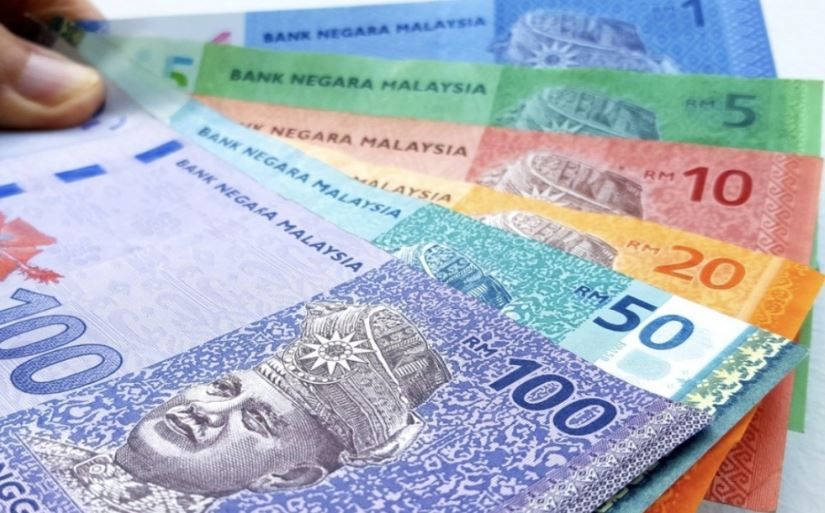
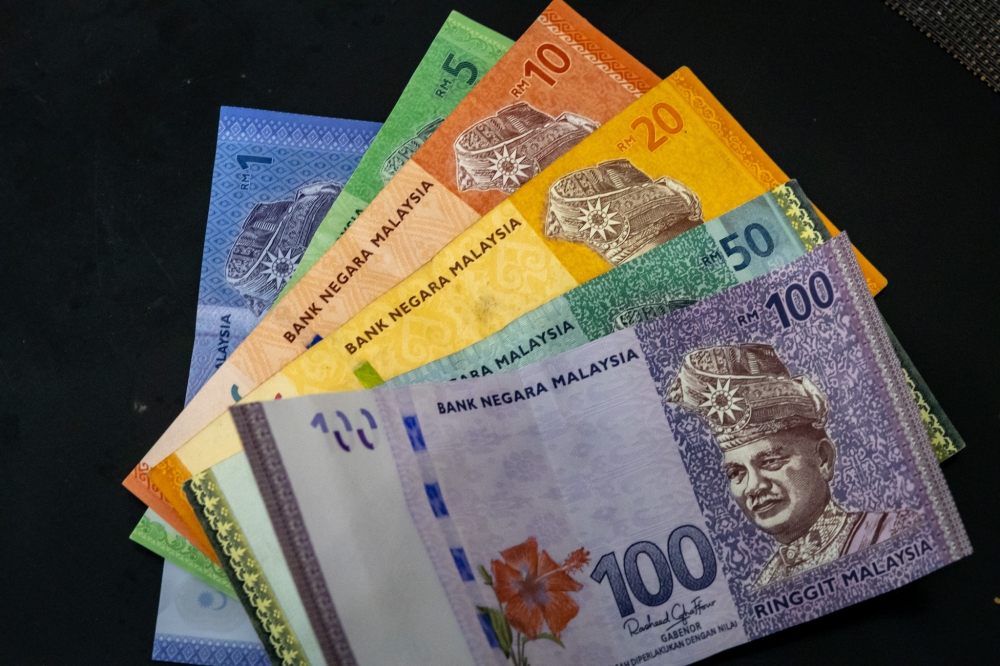
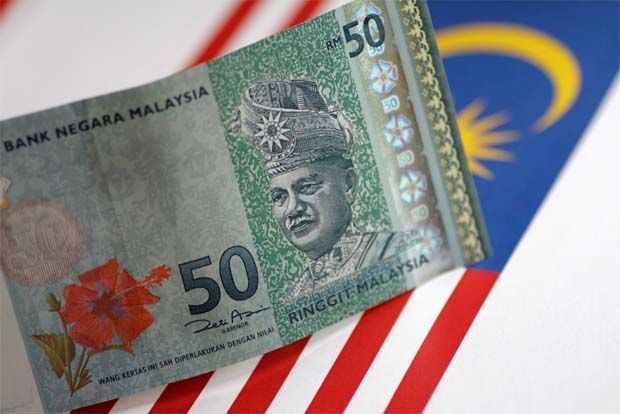
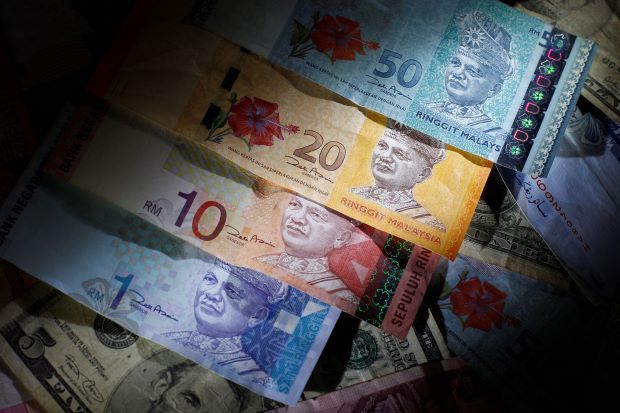
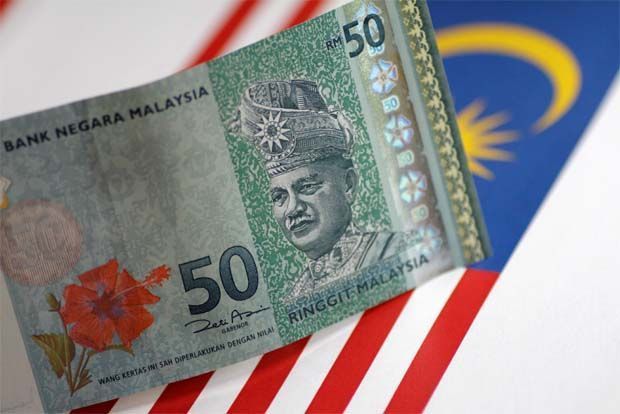
- Malay Ringgit
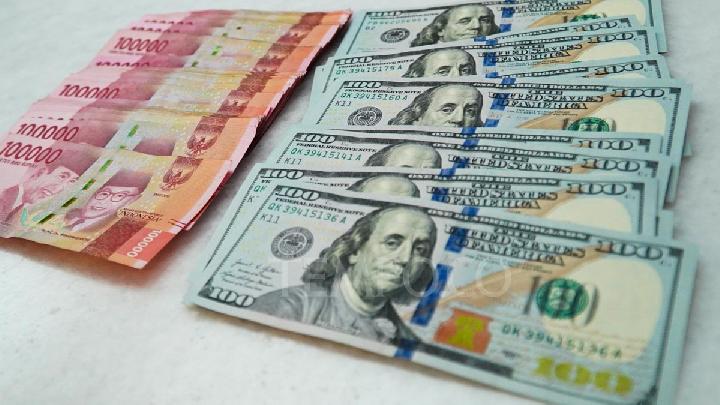
- Indonesian Rupiah
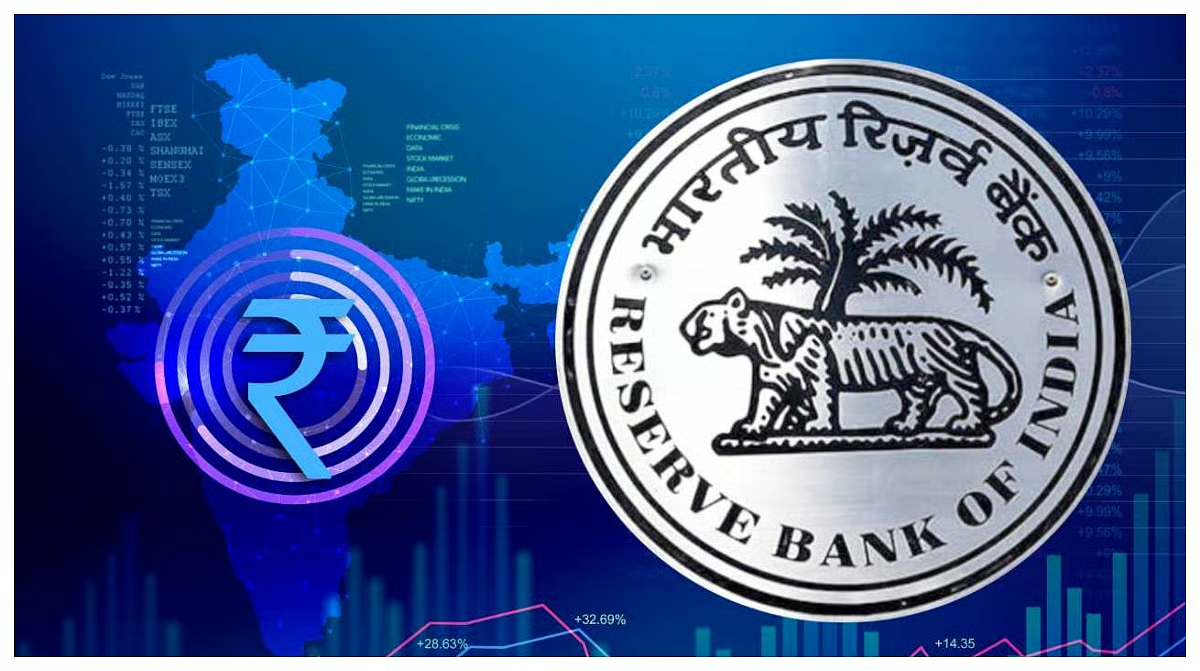
- Indian Rupee
- Mexican Peso
- Brazilian Real
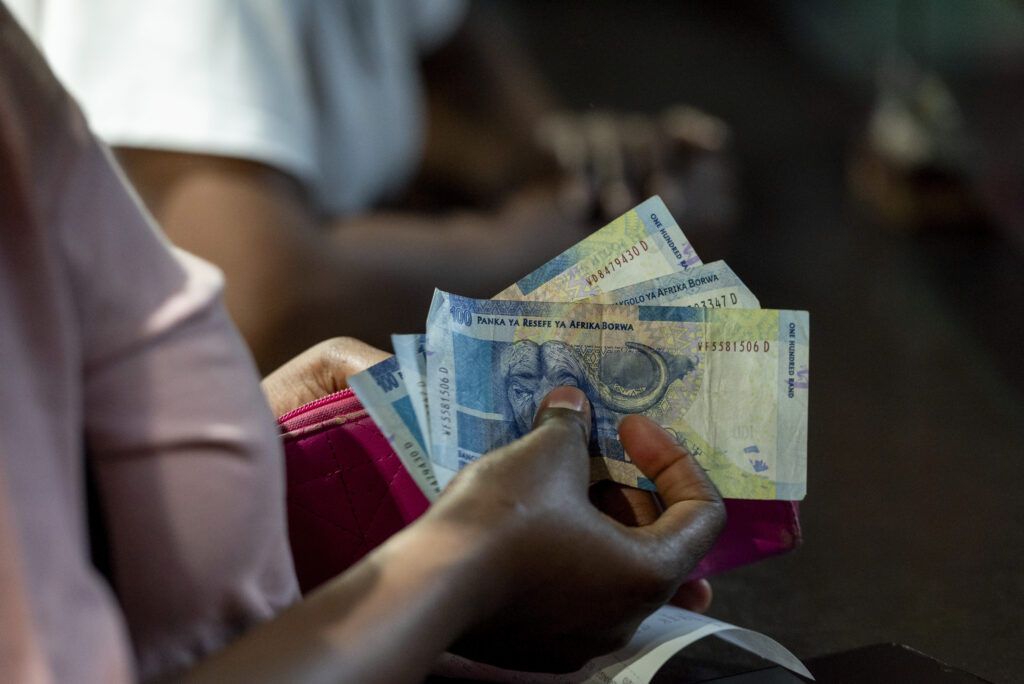
- South African Rand
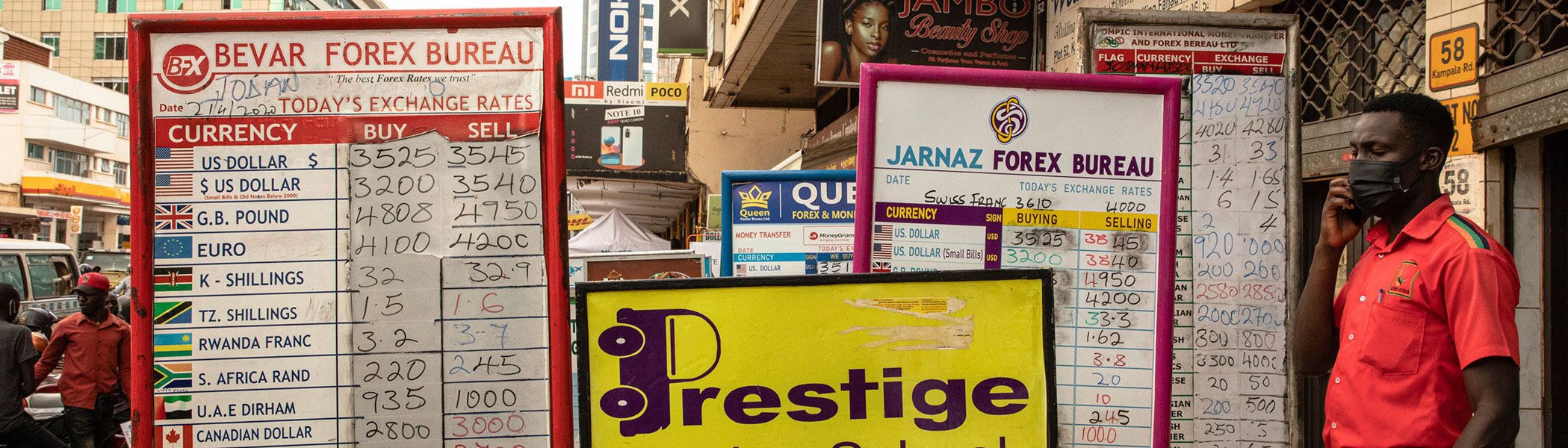
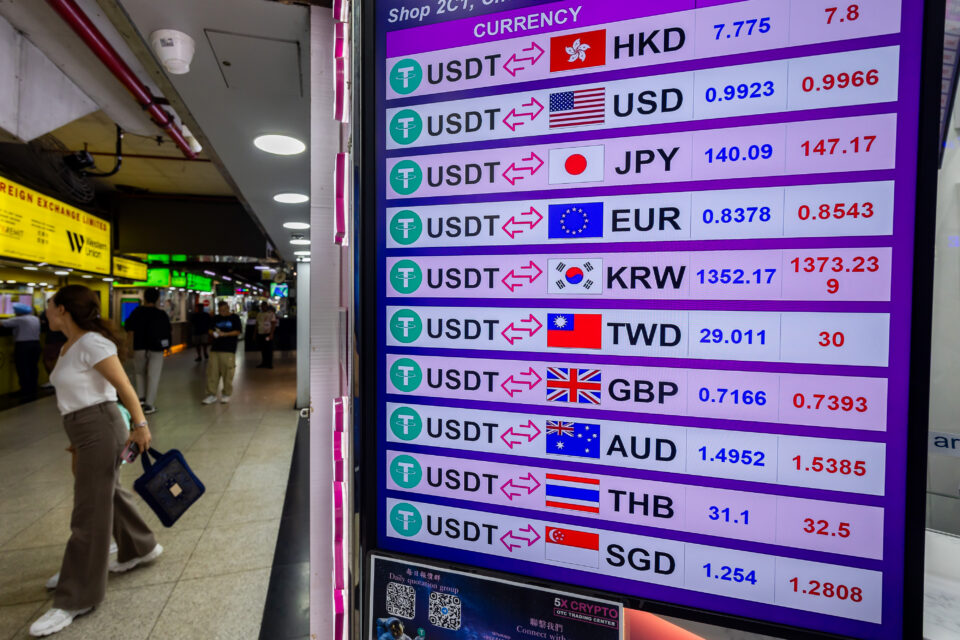
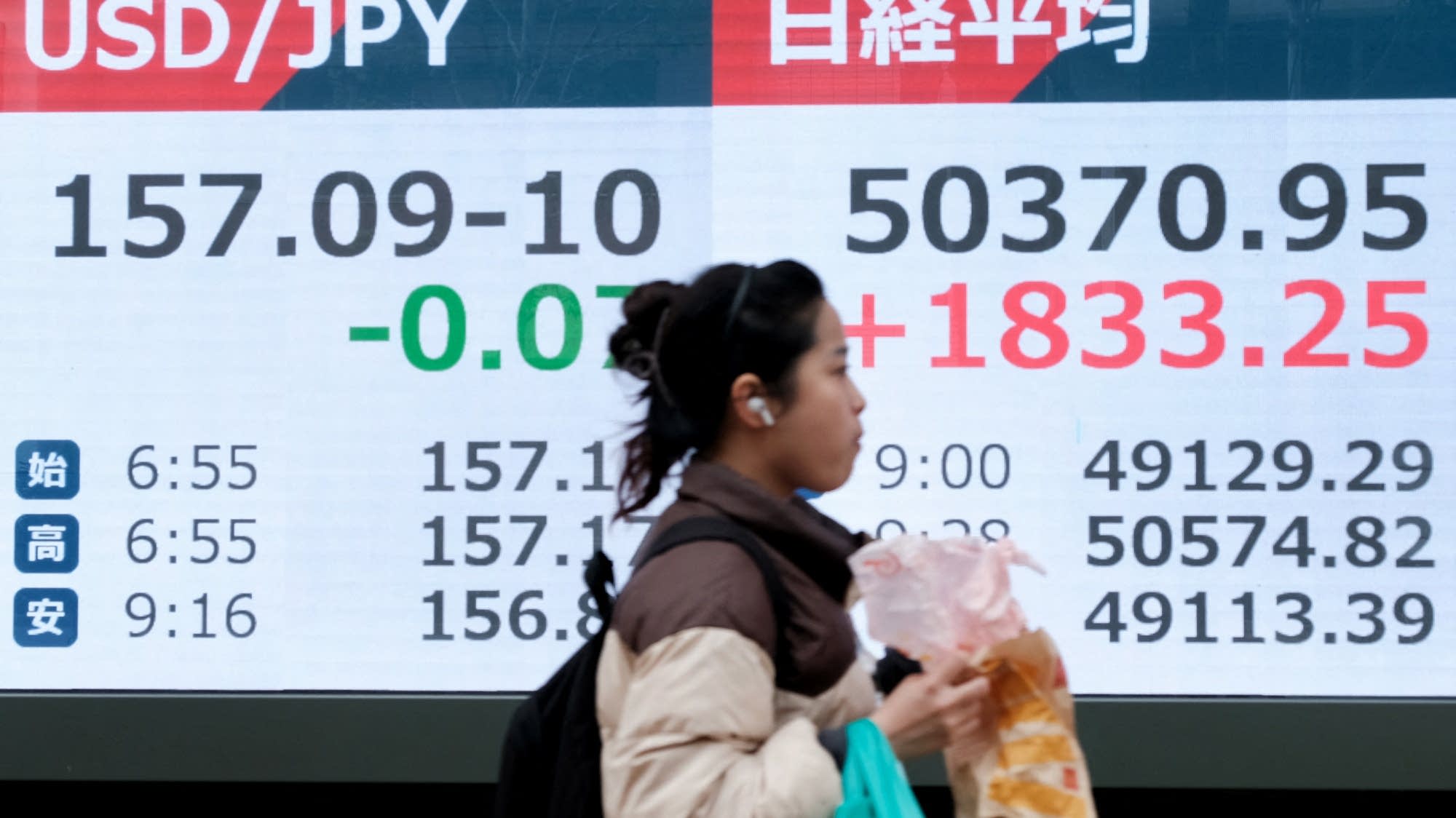
With any broker, the spreads being offered for a currency pair will reflect the underlying liquidity for that pair. Admiral Markets, for instance, offers spreads as low as 0.1 pip for the EURUSD pair (the most liquid pair in the world) to 5 pips for CADCHF and 10 pips for the USDCNH. For even less liquid currencies, the spreads can be much wider, in some cases reaching 800 pips.
Which Currencies Should You Trade Exotic Currencies Against?
An exotic currency will usually have better liquidity if it is traded against the currency of a major trading partner. The Turkish Lira is therefore usually traded against the Euro, the HKD against the USD or Chinese Renminbi and Mexican Peso against the US Dollar. You would struggle to find a broker offering a Malawian Kwacha/Swiss Franc pair, but even if you did, the spreads would be very wide. In most cases, exotic currencies from countries in or close to Europe are traded against the Euro, and others are traded against the USD.
Pros and Cons of trading Exotic Currencies
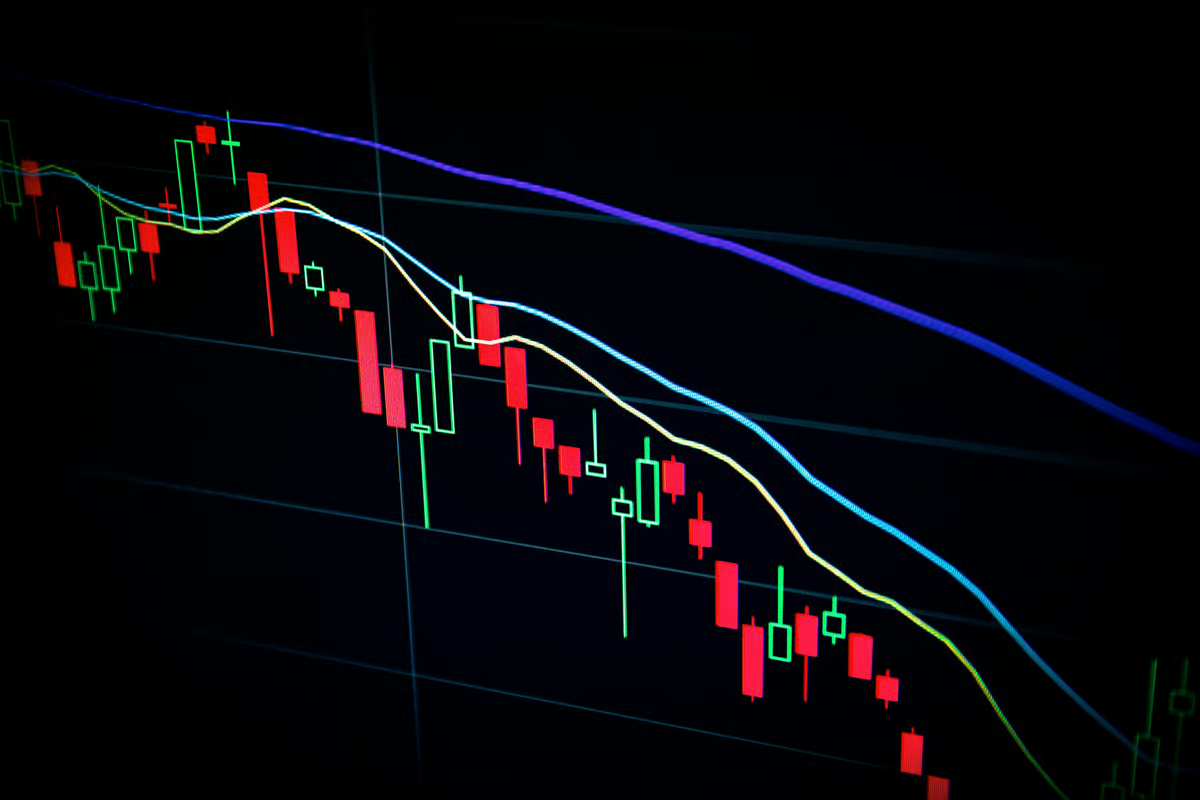
The currencies of developing nations are often volatile and prone to trend strongly. Some countries with large current account deficits have structurally weak currencies that have weekend consistently for decades, while others have steadily strengthened over time.
This means there are certainly opportunities for forex traders to profit. The downside is that trading costs can be high and are some currencies are prone to large, unexpected moves when government policies are changed without warning.
For the most part, traders need to have a longer-term view when trading exotic currencies than they would with major currencies. The less liquid a currency is, the longer the time horizon should be. Some, like the Norwegian Krone and Singapore Dollar, are very liquid and can be treated like major currencies. However, others, like the South African Rand and Turkish Lira are not suitable for intraday trading and are only suitable for medium-term trading under unique circumstances. In most cases, exotic currencies require time horizons of weeks to months, unless a very unique opportunity presents itself.
Secondly, traders must familiarise themselves with the typical patterns for a particular currency before trading it. Each currency has its own unique personality and there are usually good and bad times of the day and week to trade them.
Conclusion
While trading exotic currencies are less straightforward than trading major and minor pairs, they do offer very profitable opportunities. Every few years there is usually an emerging market currency crisis which results in some currencies moving as much as 20 to 30%.
These situations offer forex traders opportunities they will seldom see in major pairs. It is therefore worth learning more about these currencies and adding another tool to your trading arsenal.
Risk disclosure: Forex and CFD trading carries a high level of risk that is not suitable for all investors. Presented information is not an offer, recommendation or solicitation to buy or sell. Before making any investment decisions, you should seek advice from an independent financial advisor to ensure you understand the risks involved. Read more at admiralmarkets.com.