
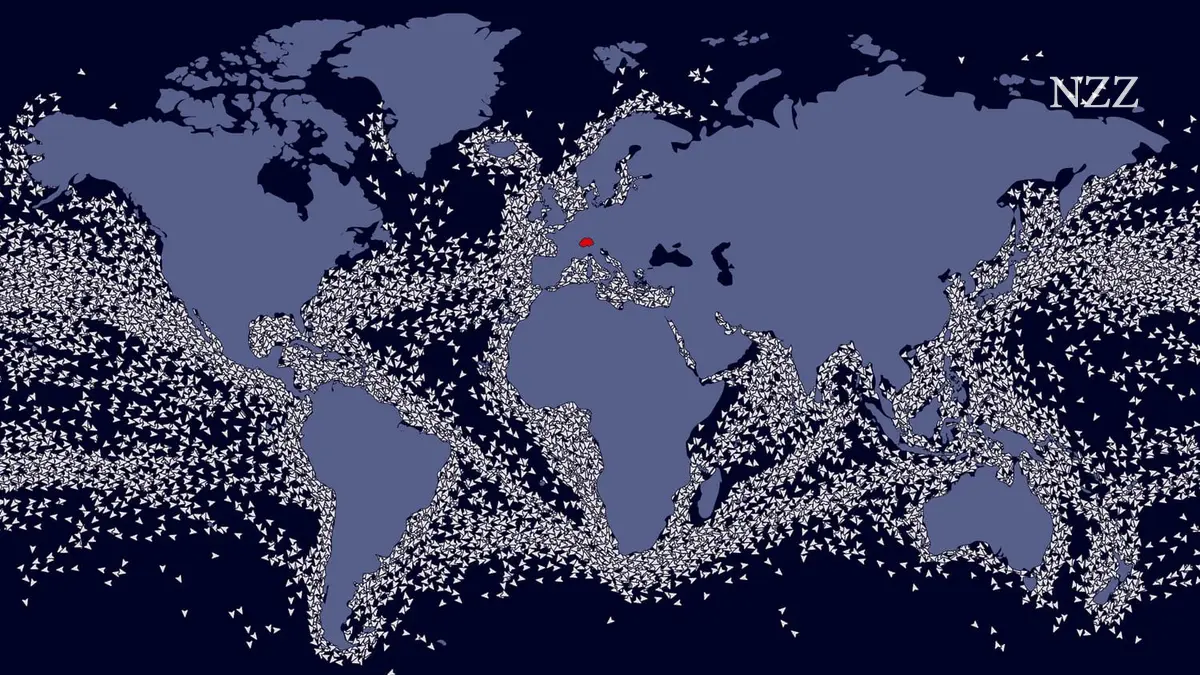
Switzerland ranks among the world’s leading centres for commodities trading despite possessing few significant natural resources of its own. Its clout comes not from what lies beneath its soil but from a dense cluster of expertise and specialist services.
Created on behalf of Glencore
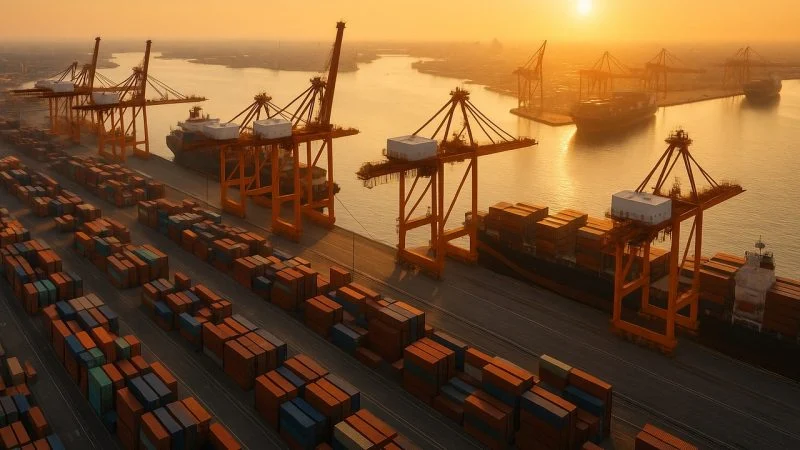
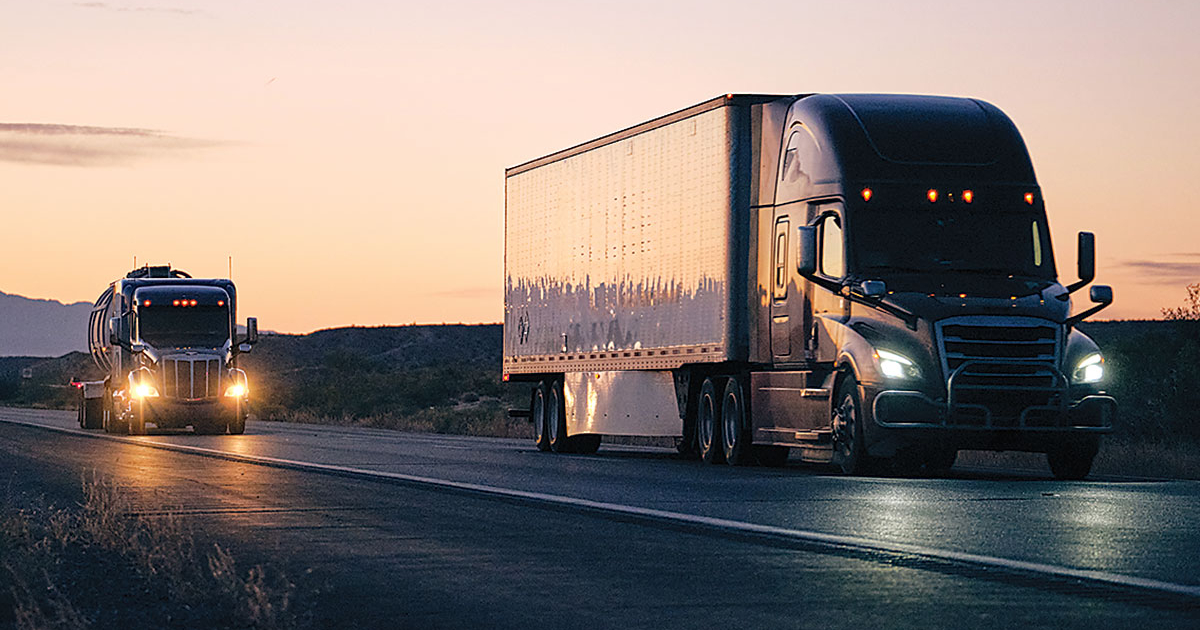
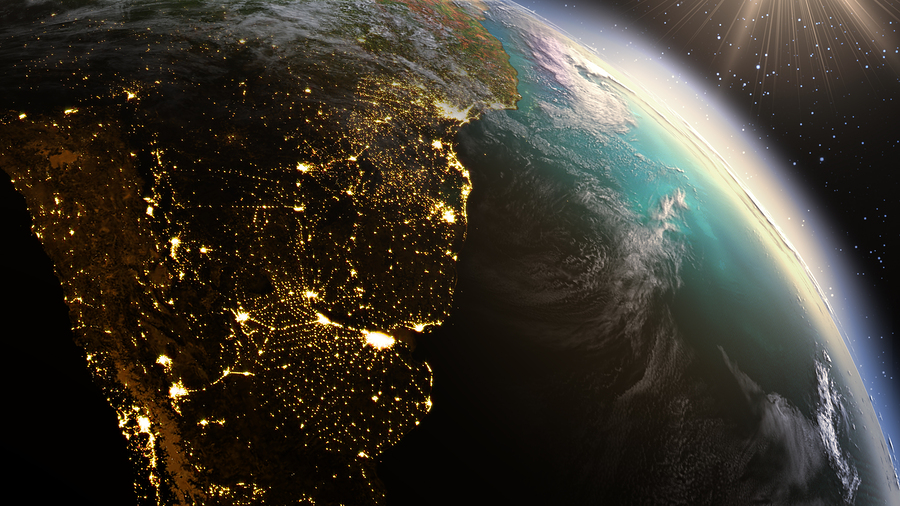
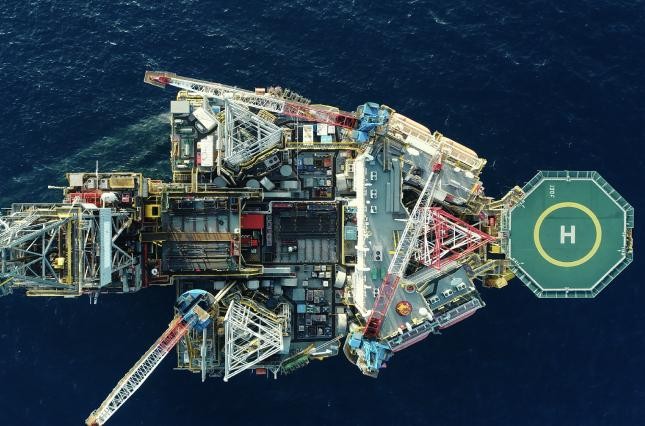
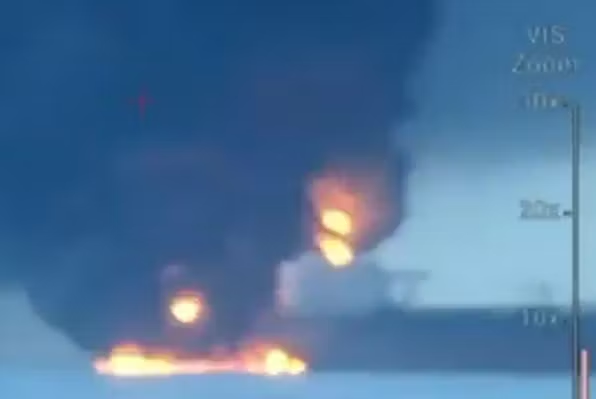
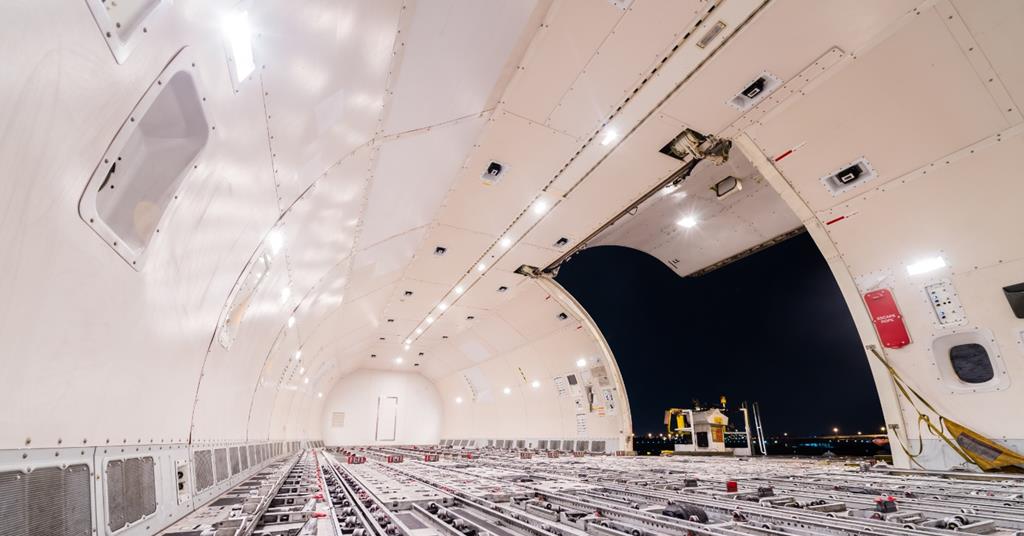
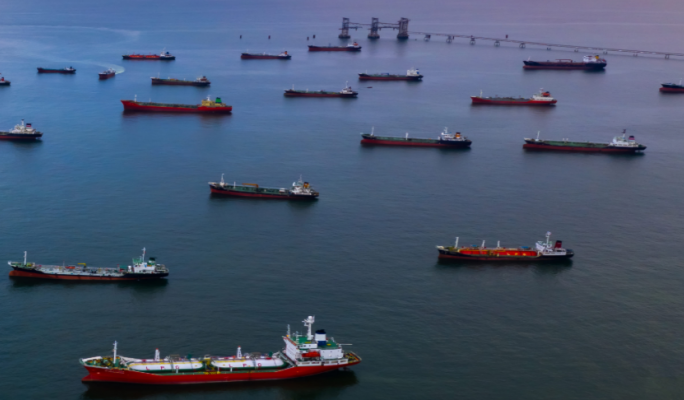
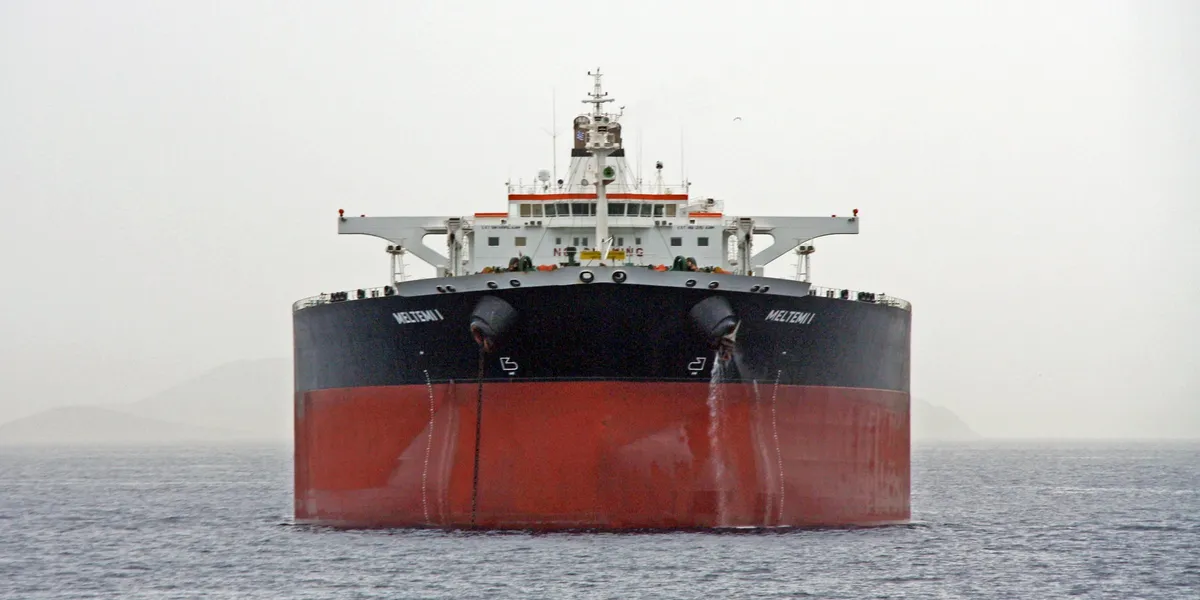
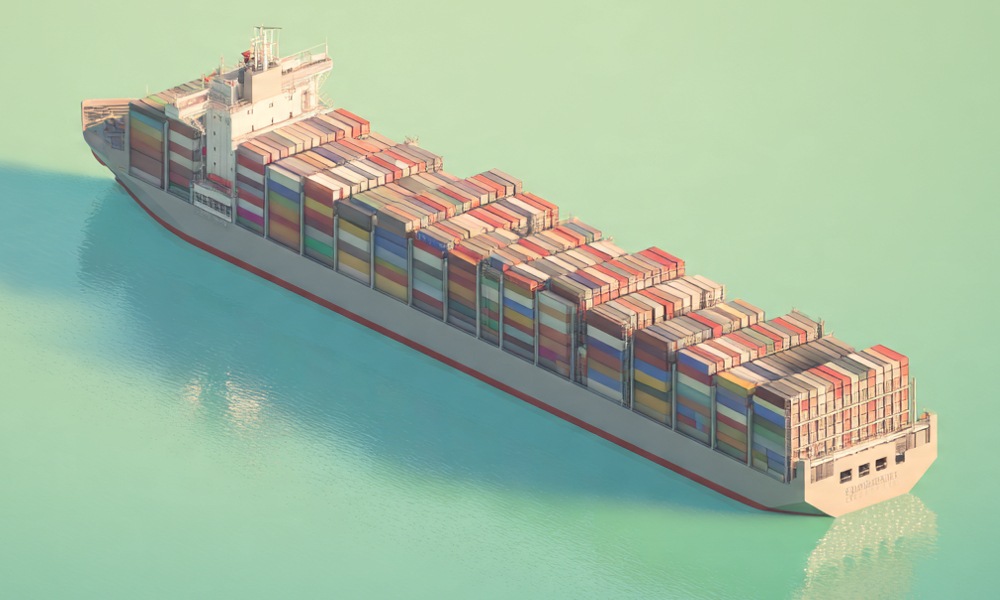
Countless ships transport raw materials around the globe. The commodities may never pass through Switzerland, yet the transactions are frequently coordinated from here.
Illustration: Armin Apadana / MarineTraffic
This article was published as part of the NZZ publishing supplement ‘Mineral raw materials’ on 8 November 2026. Sponsored Topic produced by NZZ Story Lab on behalf of Glencore. The client bears editorial responsibility for this article. Read the NZZ guidelines on native advertising.
No copper is mined in Geneva, nor is nickel extracted in Zug. Yet from offices in Geneva and Zug, companies coordinate the movement of commodities between producers and customers across the globe. It is here that contracts are negotiated, financing arranged, risks managed and shipping and storage organised.
This is the paradox at the heart of the industry. The commodities themselves rarely touch Swiss soil. They flow directly between third countries, while trading, financing, risk management and coordination are often run from Switzerland. The federal government therefore describes the sector as a network of trading houses, specialised banks, commodity inspectors, shipping companies and insurers.
The geographical concentration of this activity is striking. According to a recent estimate by the Federal Statistical Office (FSO), commodity traders in the narrow sense generated CHF 19.2bn in value added in 2024, or 2.3 per cent of the national total. Geneva alone accounted for 58.4 per cent of this, and Zug for a further 27 per cent; Vaud,
Ticino and Zurich followed at some distance.
The hubs of global commodity trading
Estimated value added by locally based commodity trading companies, by canton, 2024

The figures come with caveats. They are a first estimate and only cover the sector’s core activities: companies whose principal activity is commodities trading and which employ at least three people. Ancillary activities such as transport, financing and certification are excluded.
From a European link to a global hub
Switzerland has long been a trading and transit nation. For centuries, major routes between northern and southern Europe crossed its Alpine passes. The country was also among the first in Europe to industrialise, which bound it tightly to foreign markets as both an importer and exporter. By the 19th century, another form of commerce was gaining ground: transit trade, in which Swiss merchants arranged transactions between foreign countries without the goods ever entering Switzerland.
Swiss merchant houses built far-flung networks, and several that specialised in cotton, grain, cocoa or silk became global heavyweights. Their rise was supported by the gradual liberalisation of international trade, while advances in transport, communications and finance made long-distance commerce ever easier. Swiss authorities further promoted access to foreign markets, including through trade and friendship treaties, such as the agreement concluded with Japan in 1864.
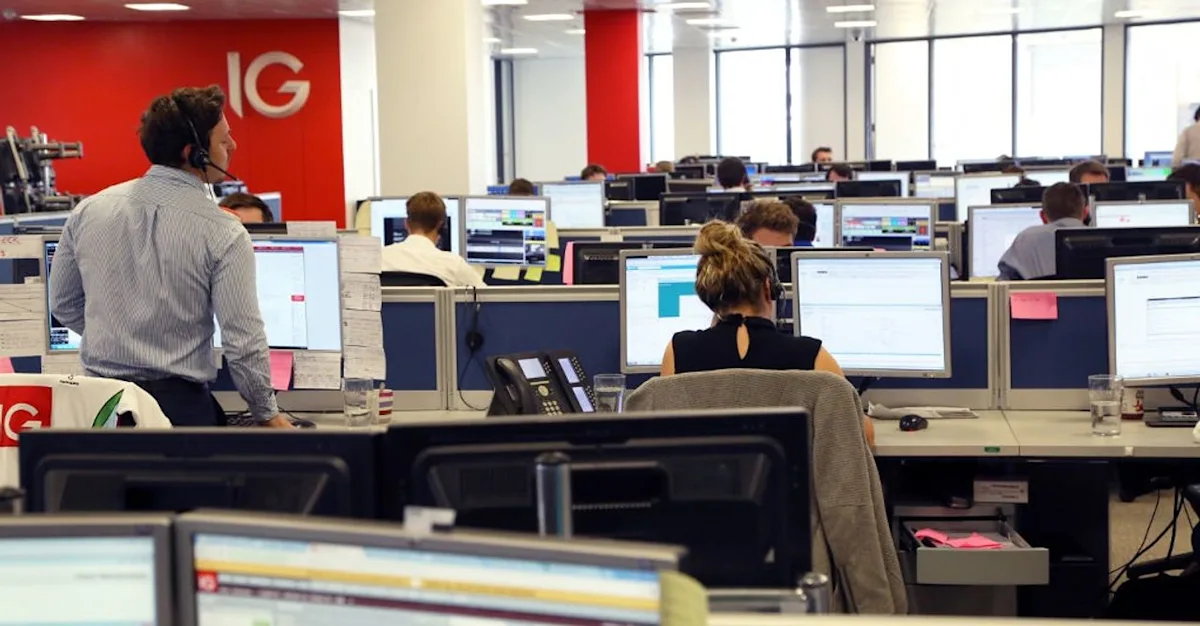
Today, the sector is far broader than its best-known names – Glencore, Vitol and Trafigura – might suggest. According to the FSO, there are just under 1,000 commodity trading firms in Switzerland. Most are small or medium-sized: well over half have fewer than 50 employees, only a few employ more than 250. And a broad ecosystem of specialist service providers has grown up around them. A survey by the State Secretariat for Economic Affairs (SECO) identified more than 1,600 employees in 2022 working in areas such as finance, consultancy, insurance, shipbroking, and transport and logistics. In other words, the Swiss commodities sector consists not only of a few large global firms, but mainly of a multitude of niche traders and service providers with deep knowledge of particular products, markets and regions.
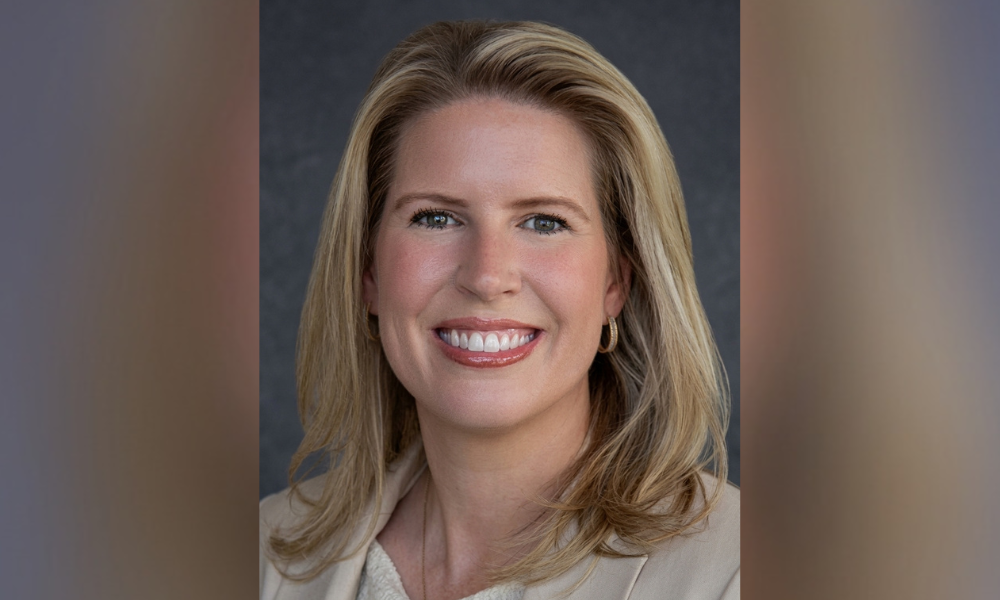
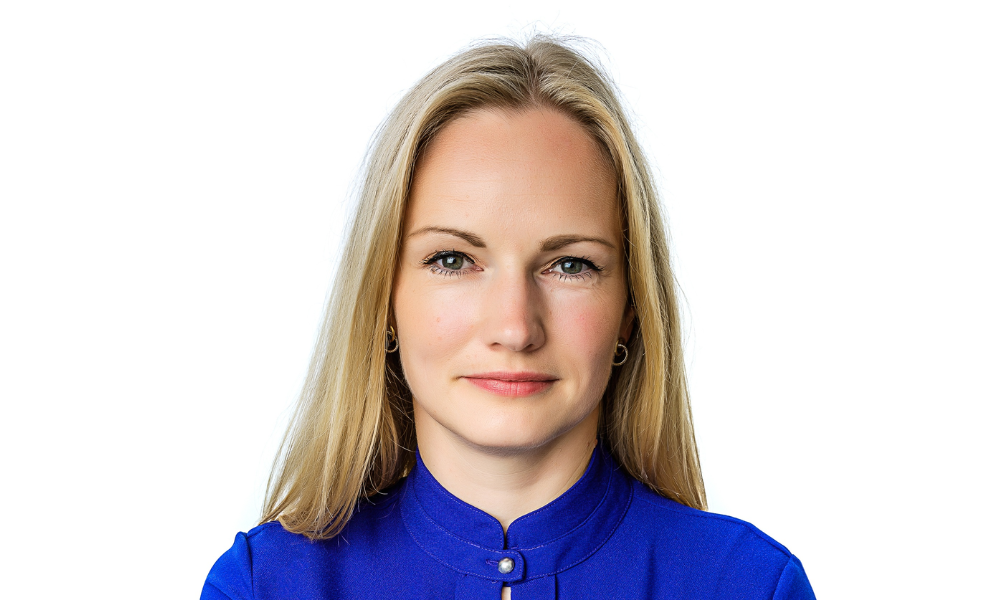
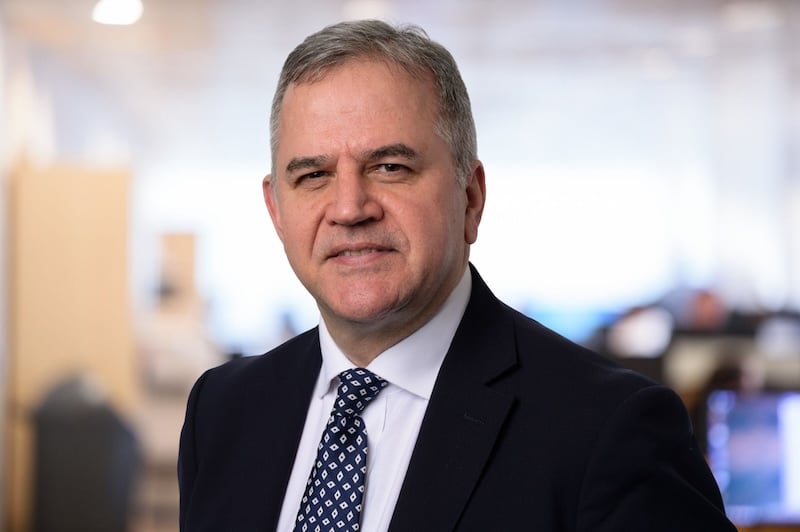
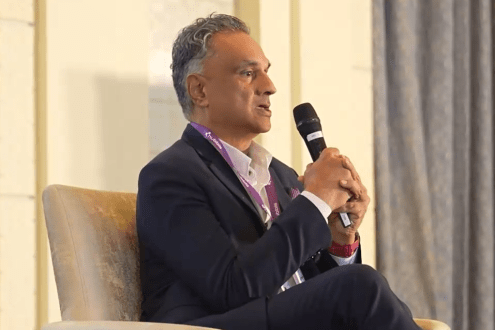
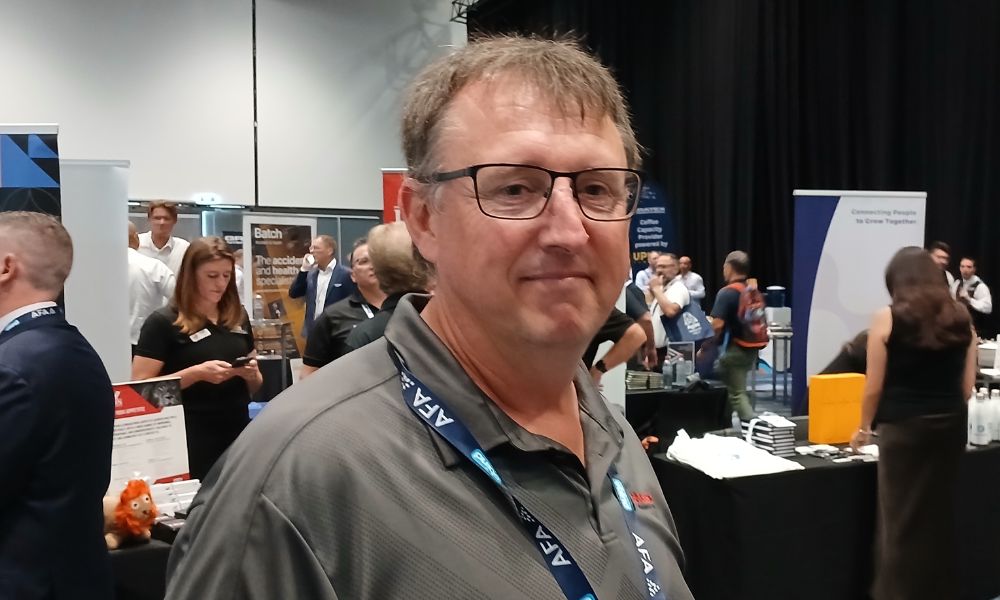
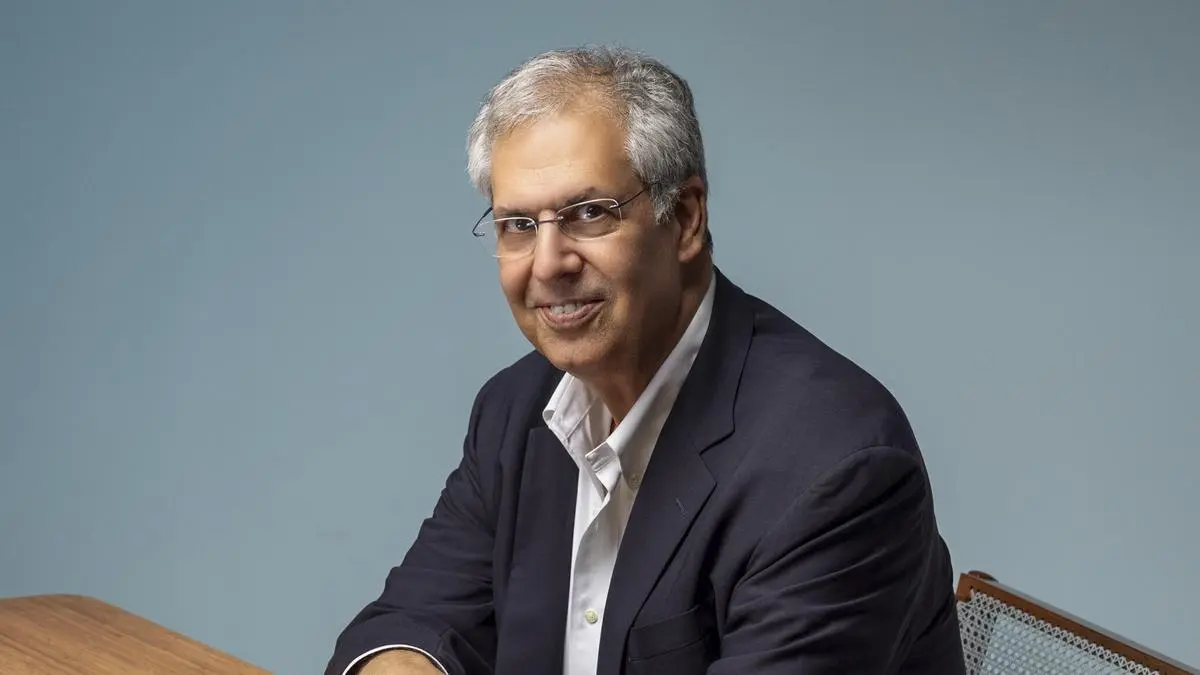
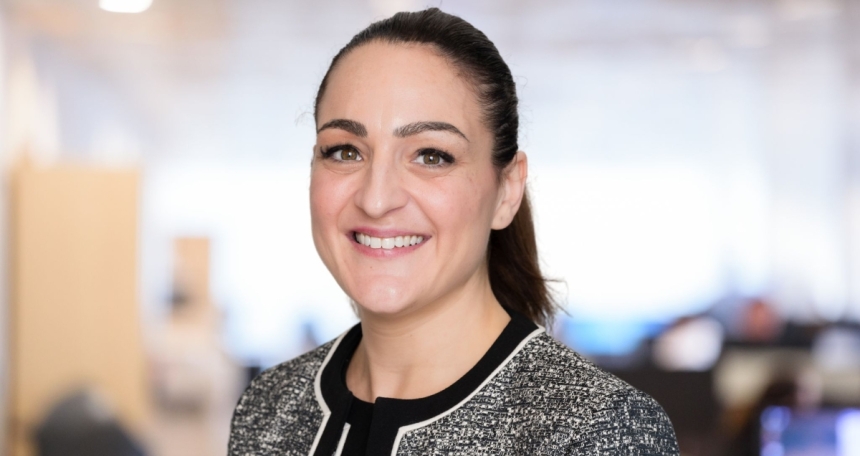
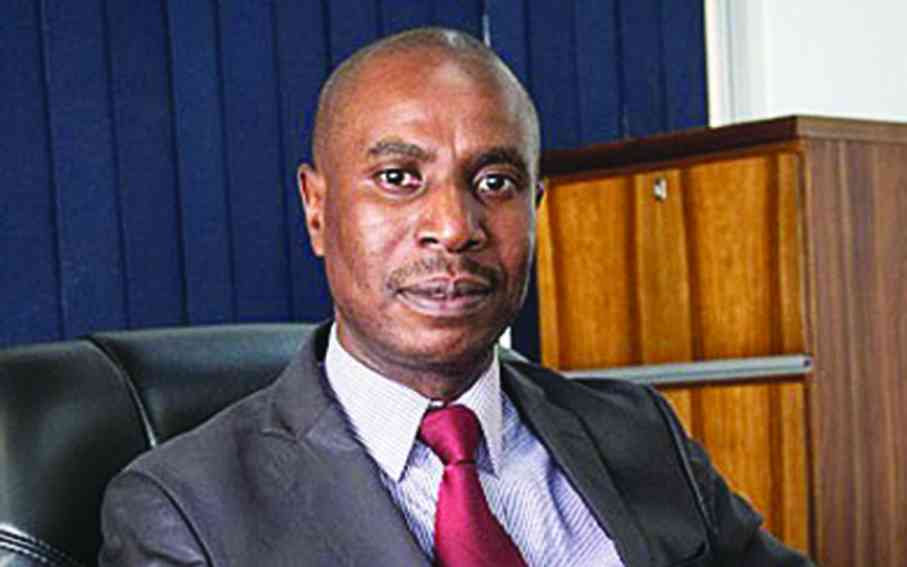
Florence Schurch, Secretary General of the industry association Suissenégoce, attributes Switzerland’s success as a commodities trading hub to three things: capital, expertise and reliability. ‘Commodities trading requires enormous amounts of liquid funds,’ she says. Access to a globally connected financing network is therefore a key advantage. Equally important is a deep pool of seasoned professionals, whose skills range from contract negotiation and trade finance to sanctions compliance and the management of currency and commodity price risks. Reliability matters, too: political stability and predictable institutions are a boon to any trading hub.
Competition from Singapore, Dubai and London
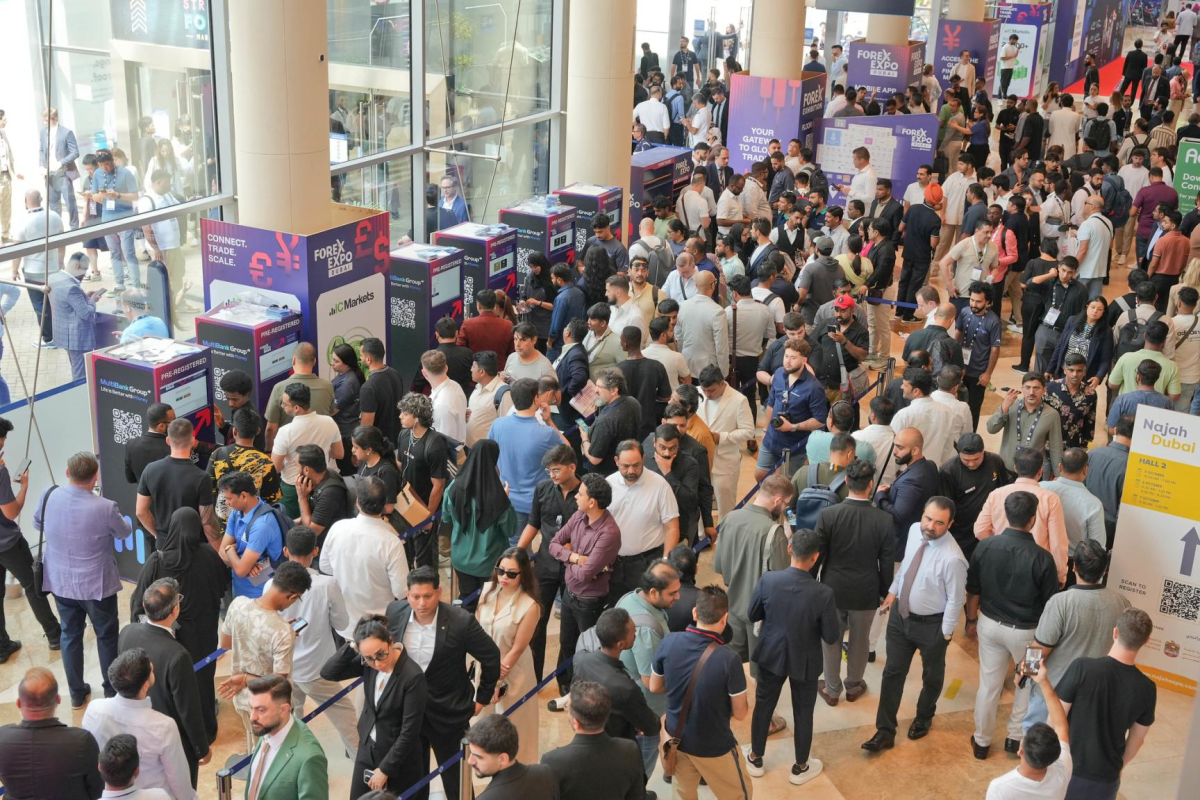
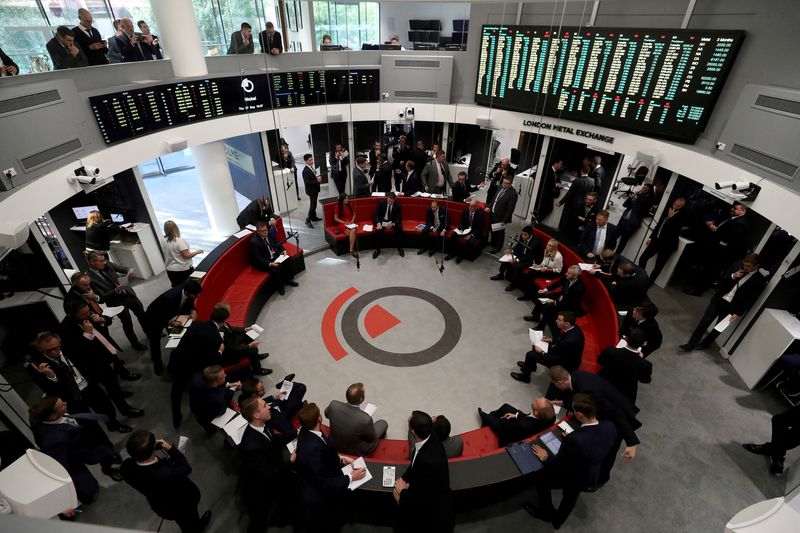
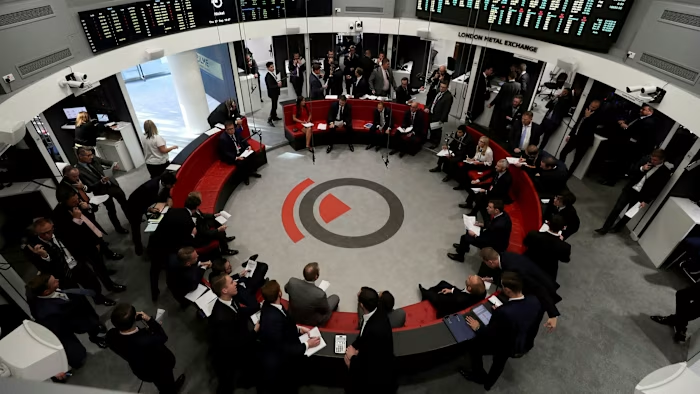
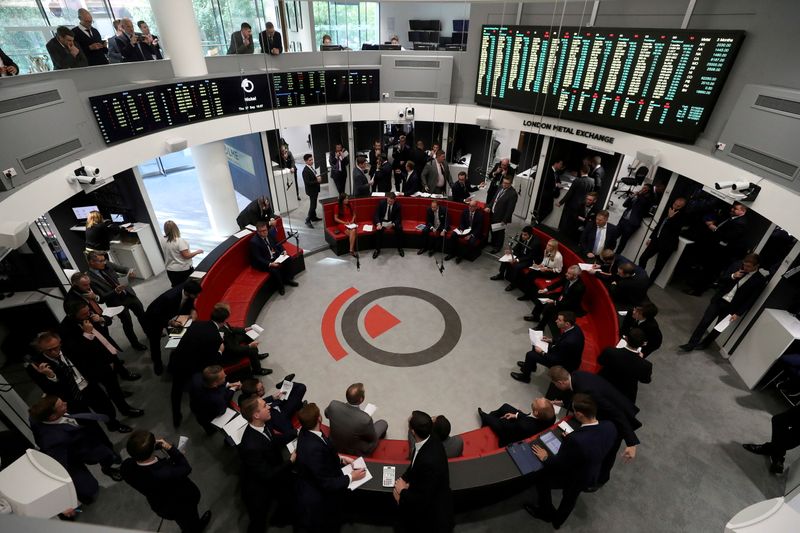
Switzerland’s preeminence is increasingly contested. Schurch names Singapore, London and Dubai as its most serious rivals. Singapore enjoys proximity to Asian markets, a government that actively courts trading firms and, above all, low taxes – in Schurch’s view its strongest card. Dubai is rising fast as a hub linking Africa, the Middle East and Asia, and lures international talent and investment, not least with lavish pay packages. London, meanwhile, has lost some lustre since Brexit but remains a key market for many commodities. The London Metal Exchange, in particular, continues to serve as a global benchmark for industrial metals such as copper.
Still, Switzerland holds its own. ‘It doesn’t have just one advantage, but a whole range of them,’ says Schurch. Banks, insurers, law firms, inspection companies, arbitration specialists and experienced industry professionals are all close at hand. Geography helps, too: from a Swiss desk, traders can deal with Asia in the morning and the Americas in the afternoon. Just as important is Switzerland’s high degree of legal certainty. In an industry where millions can hinge on the timely arrival of a vessel, access to financing or a sudden price movement, predictability and stable institutions are a competitive asset in their own right.

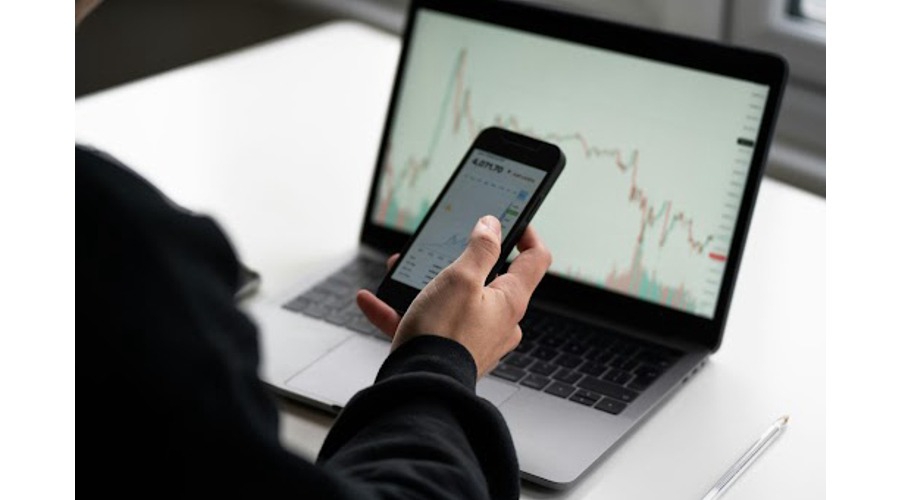
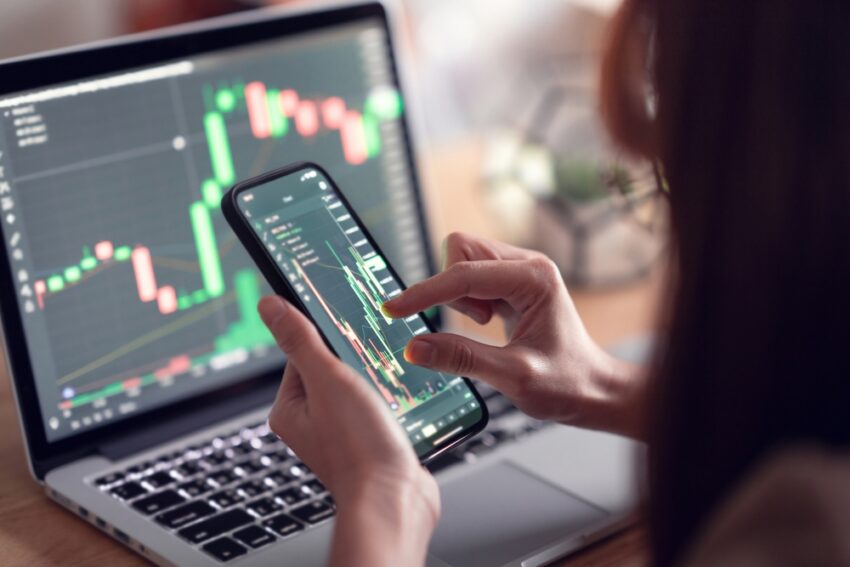
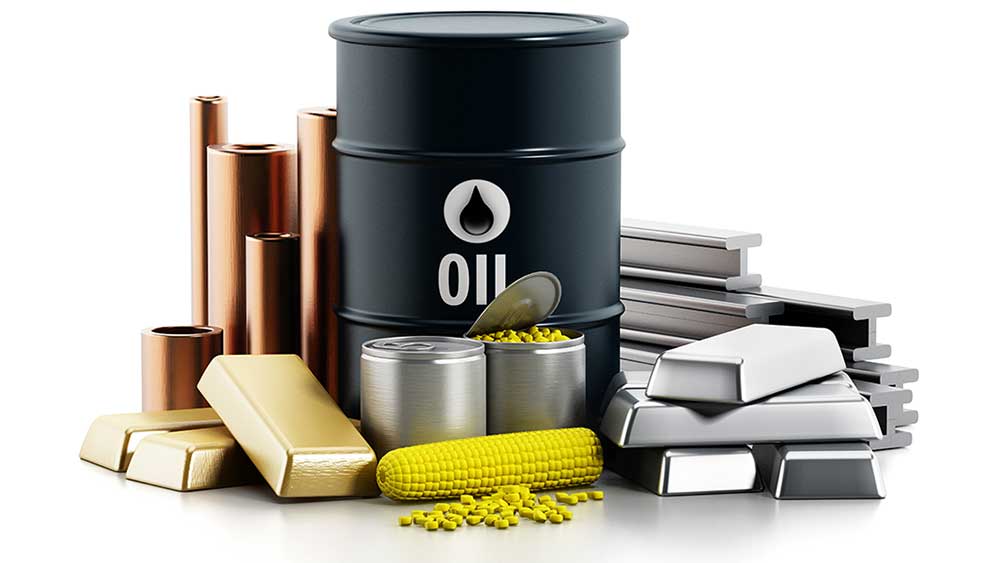
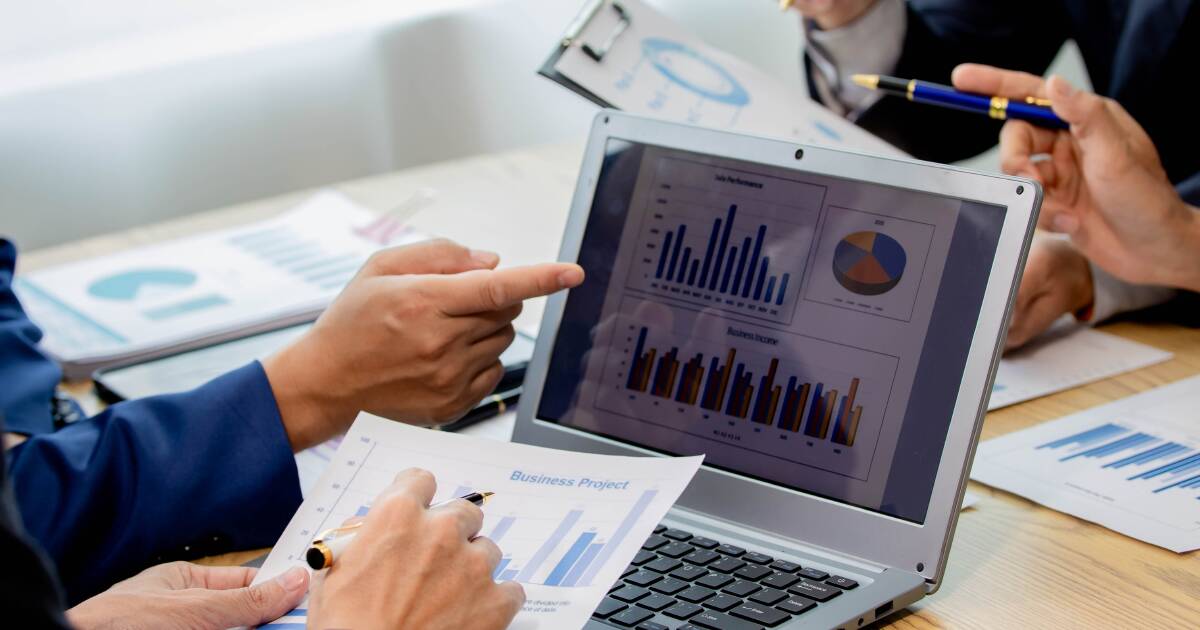
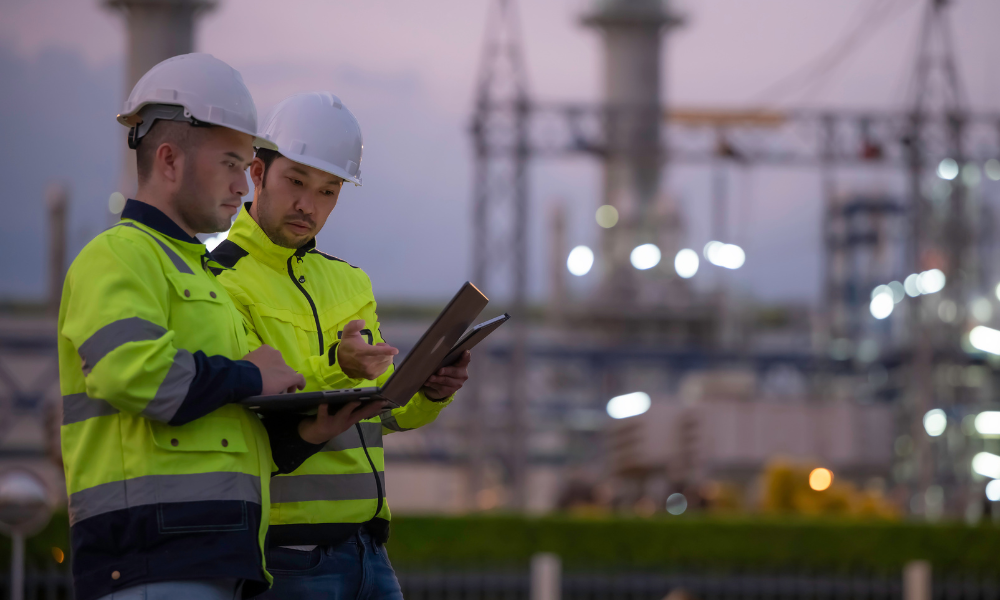
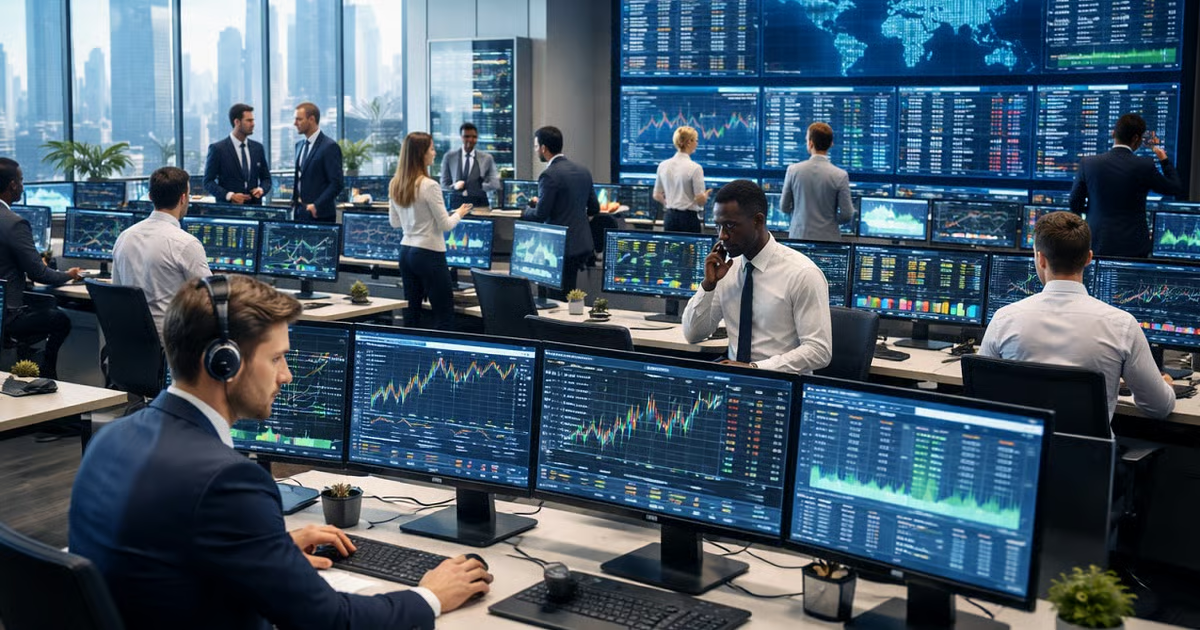
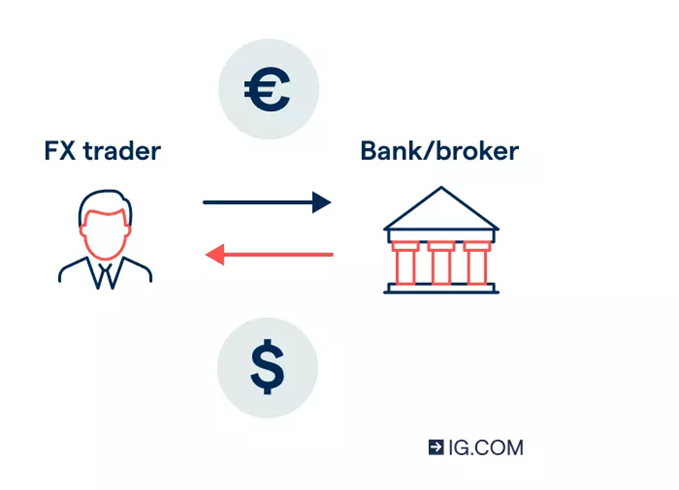
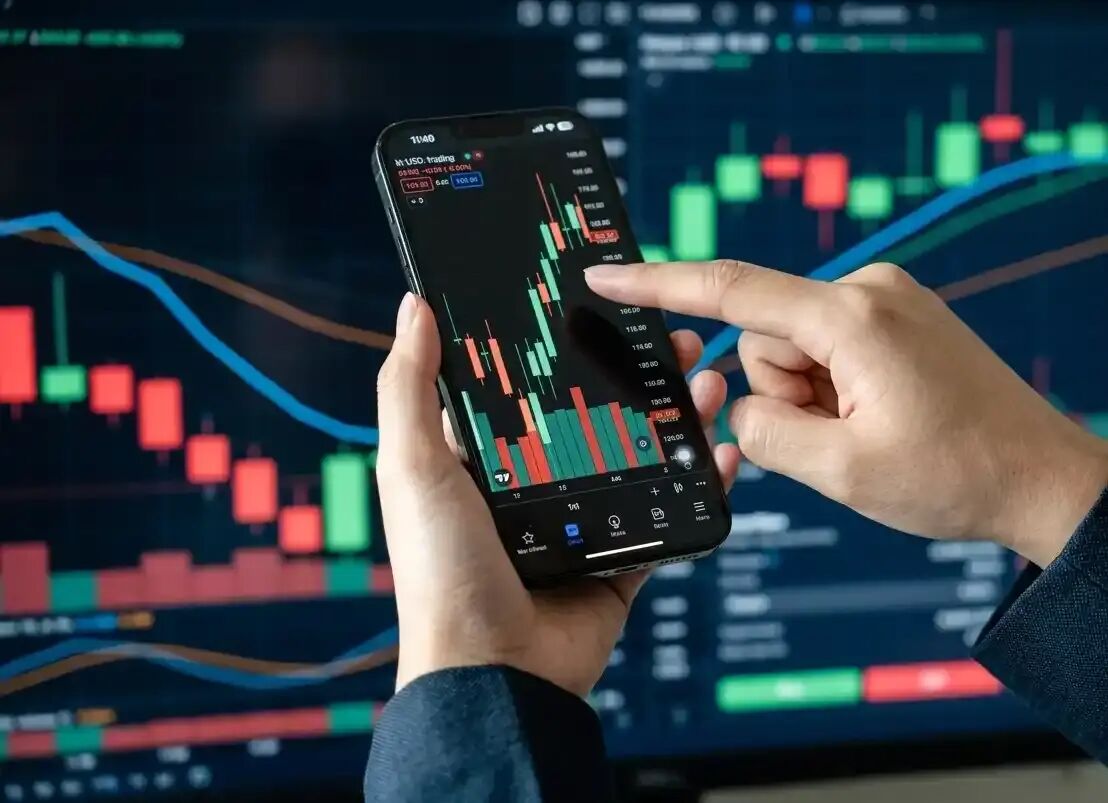
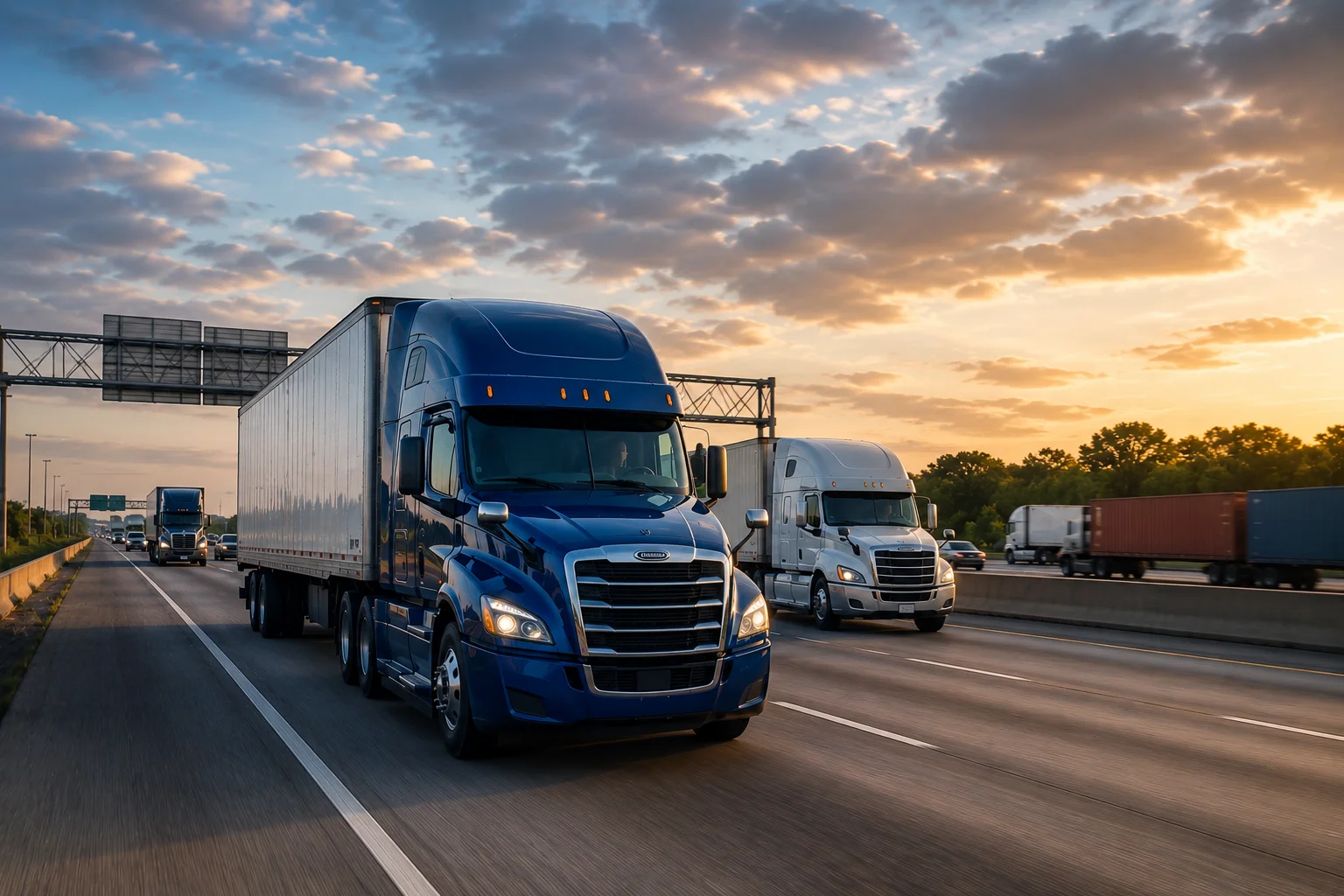
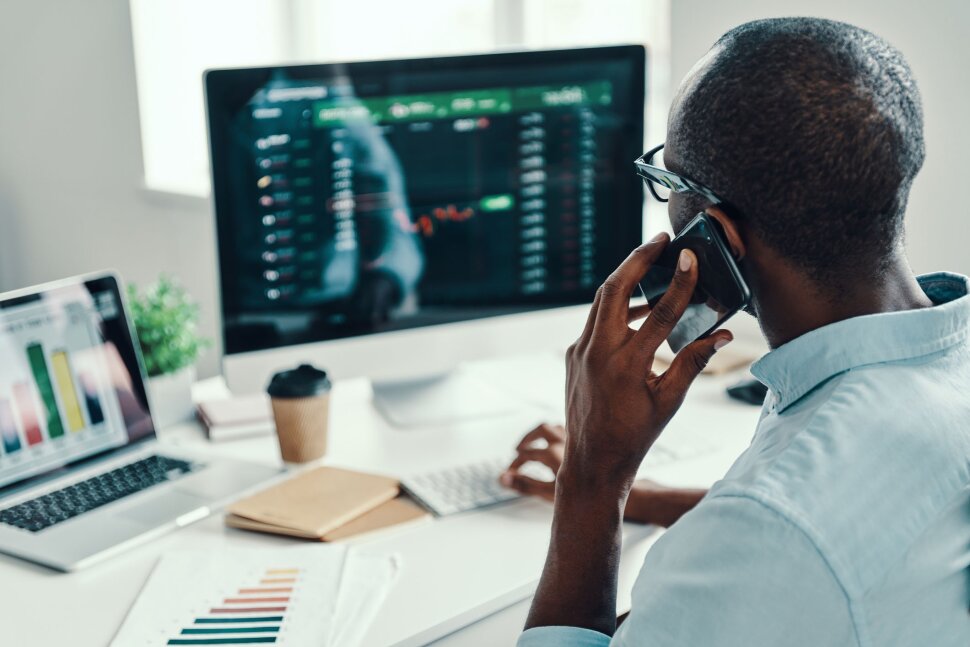
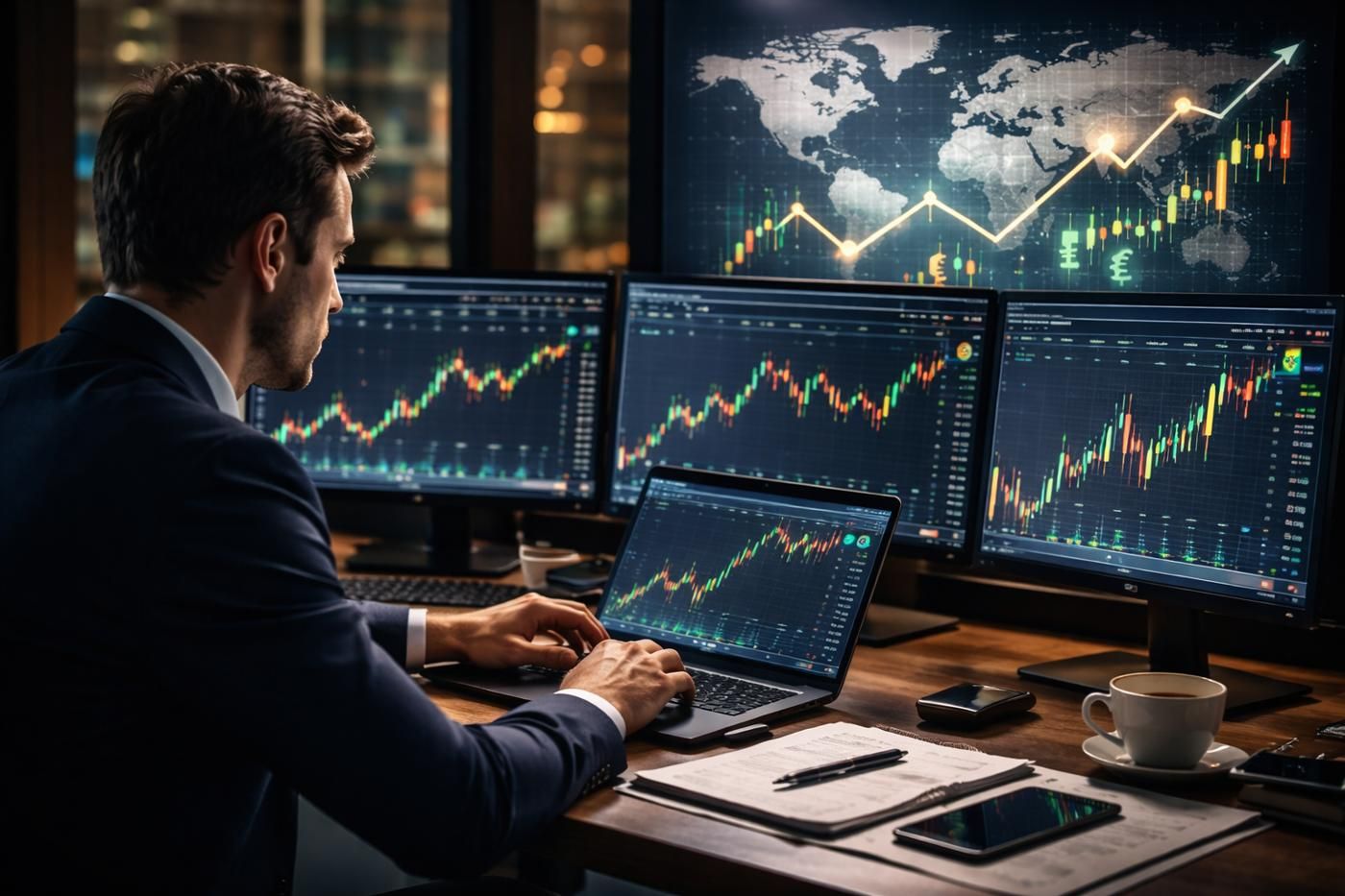
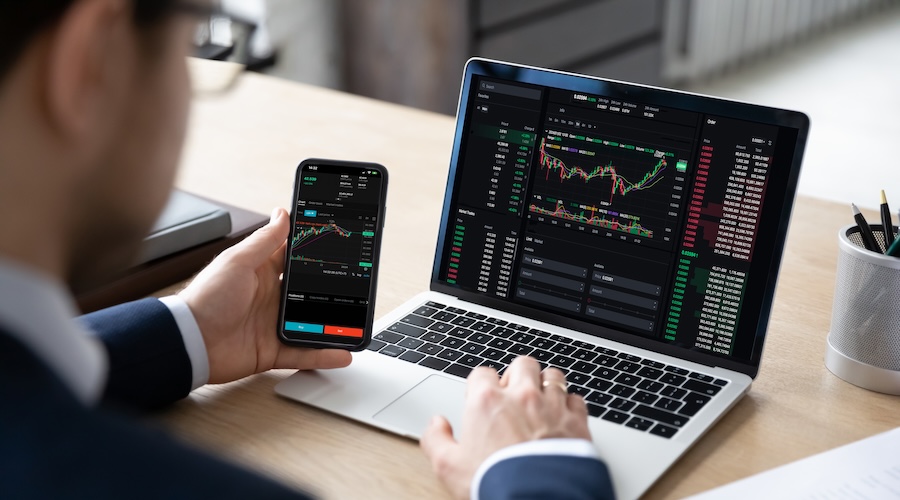
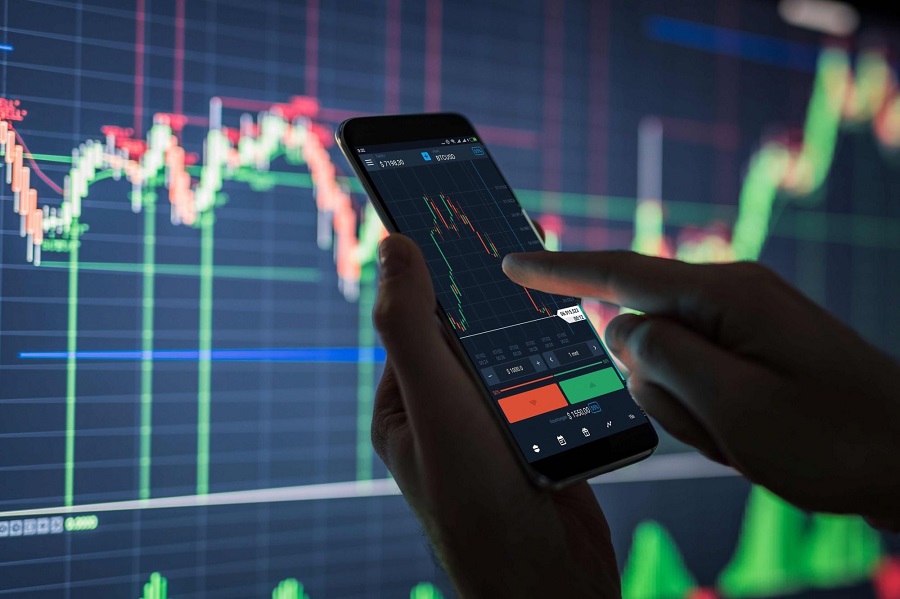
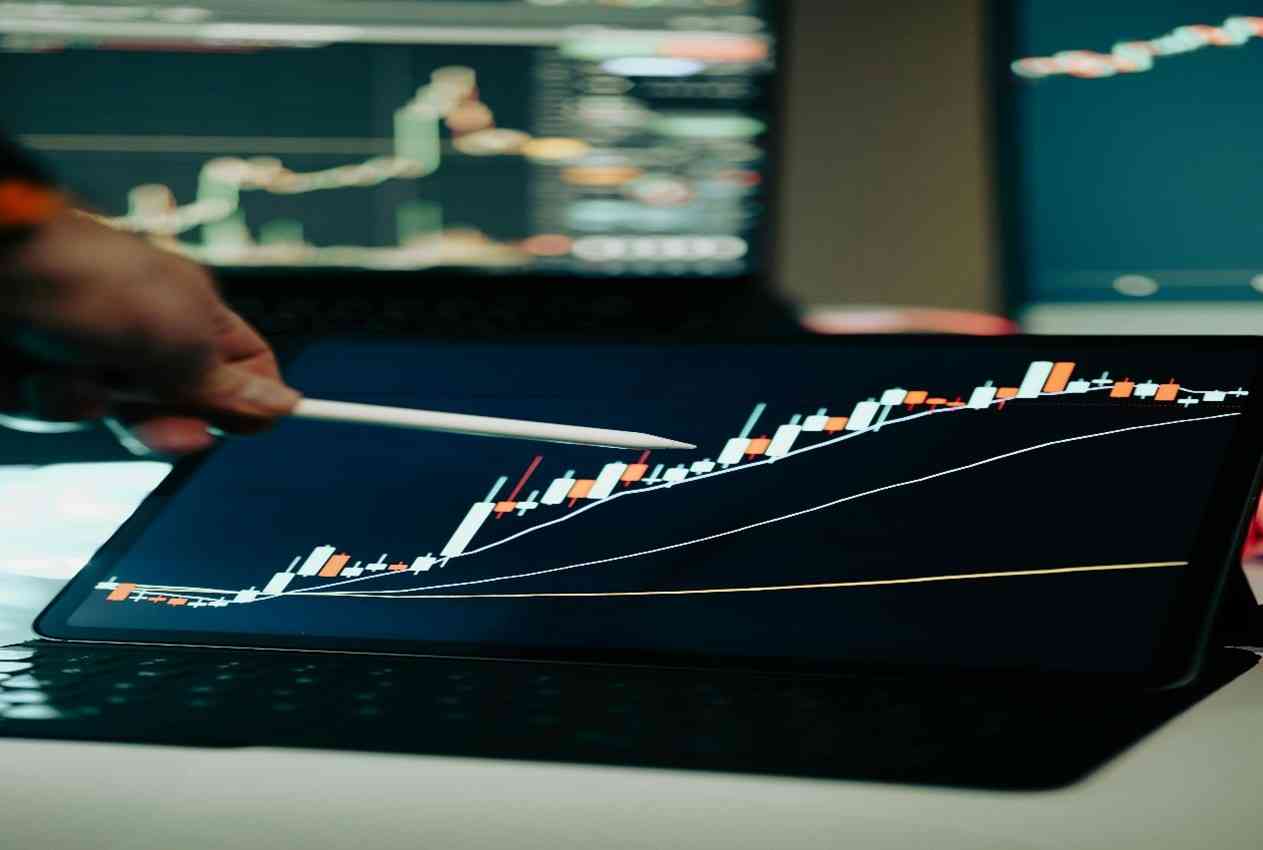
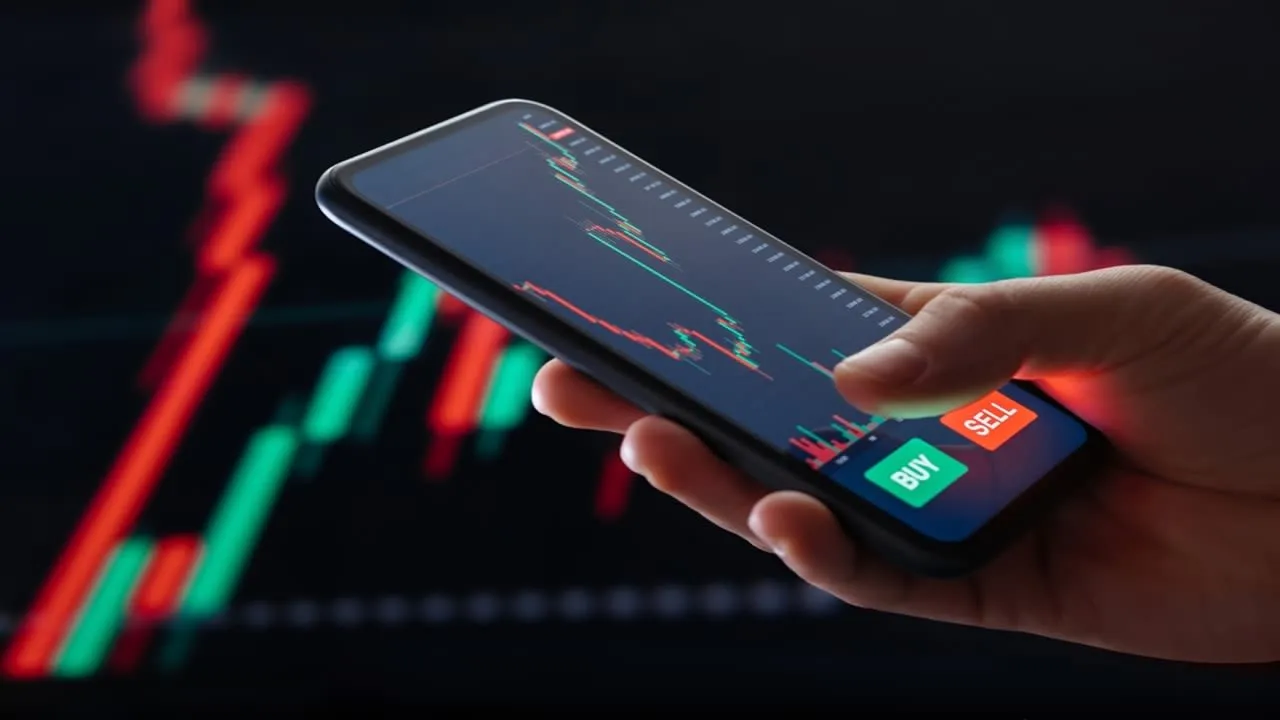
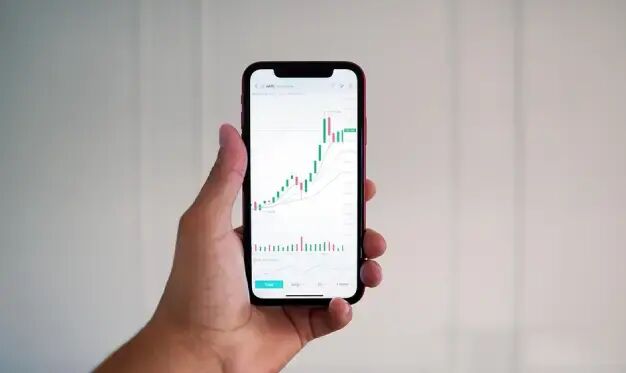
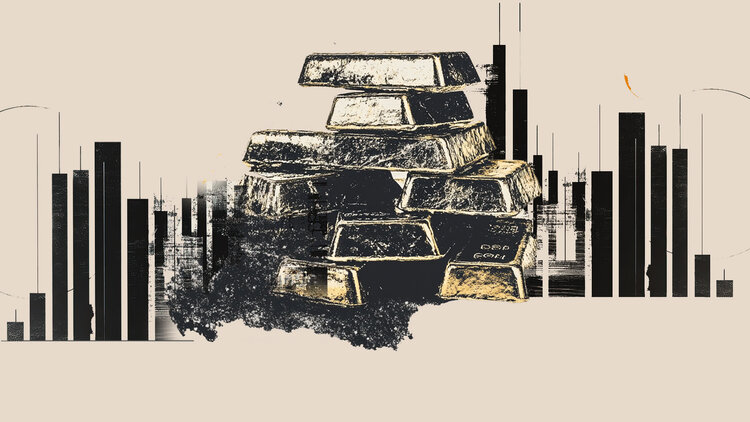
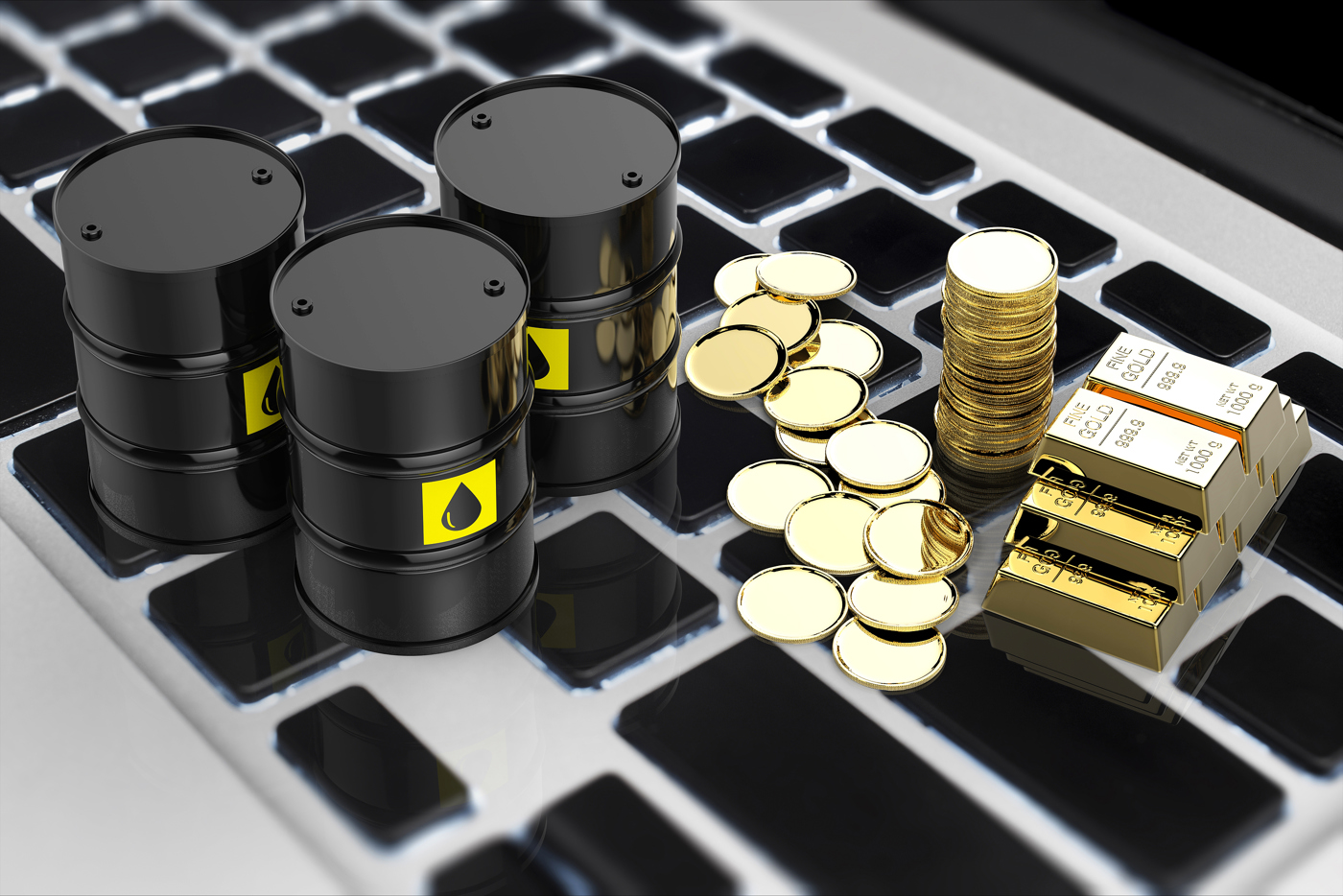
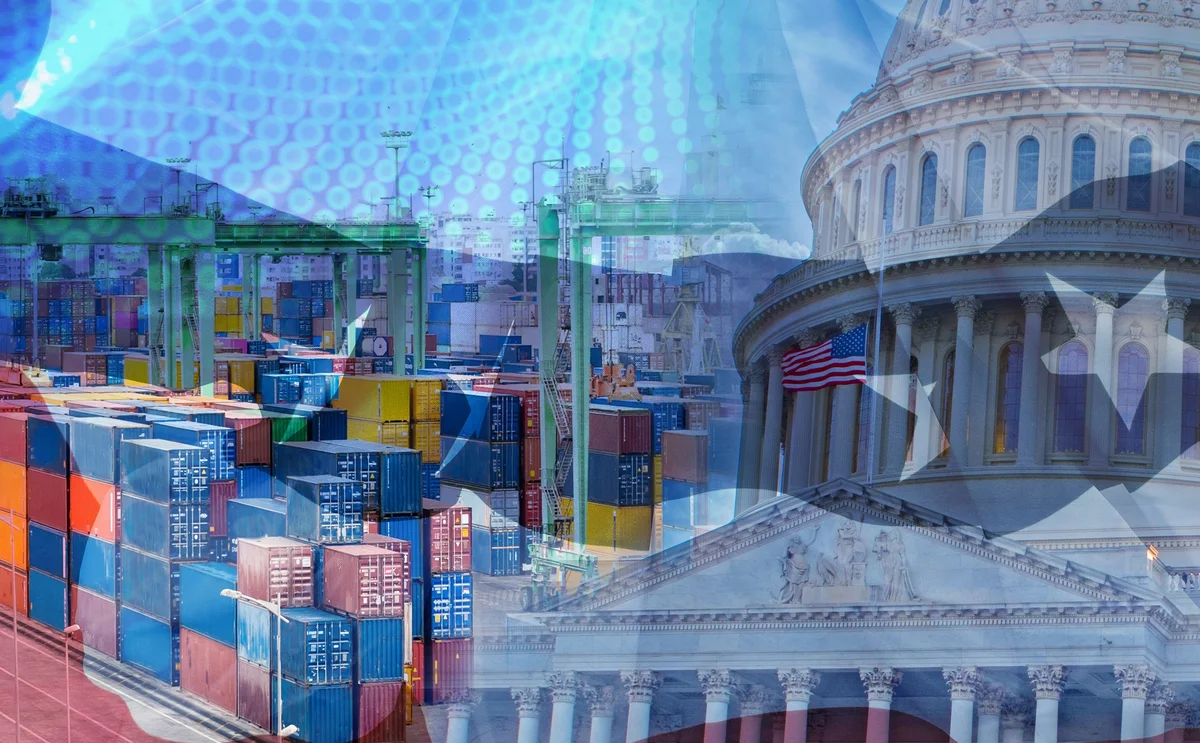
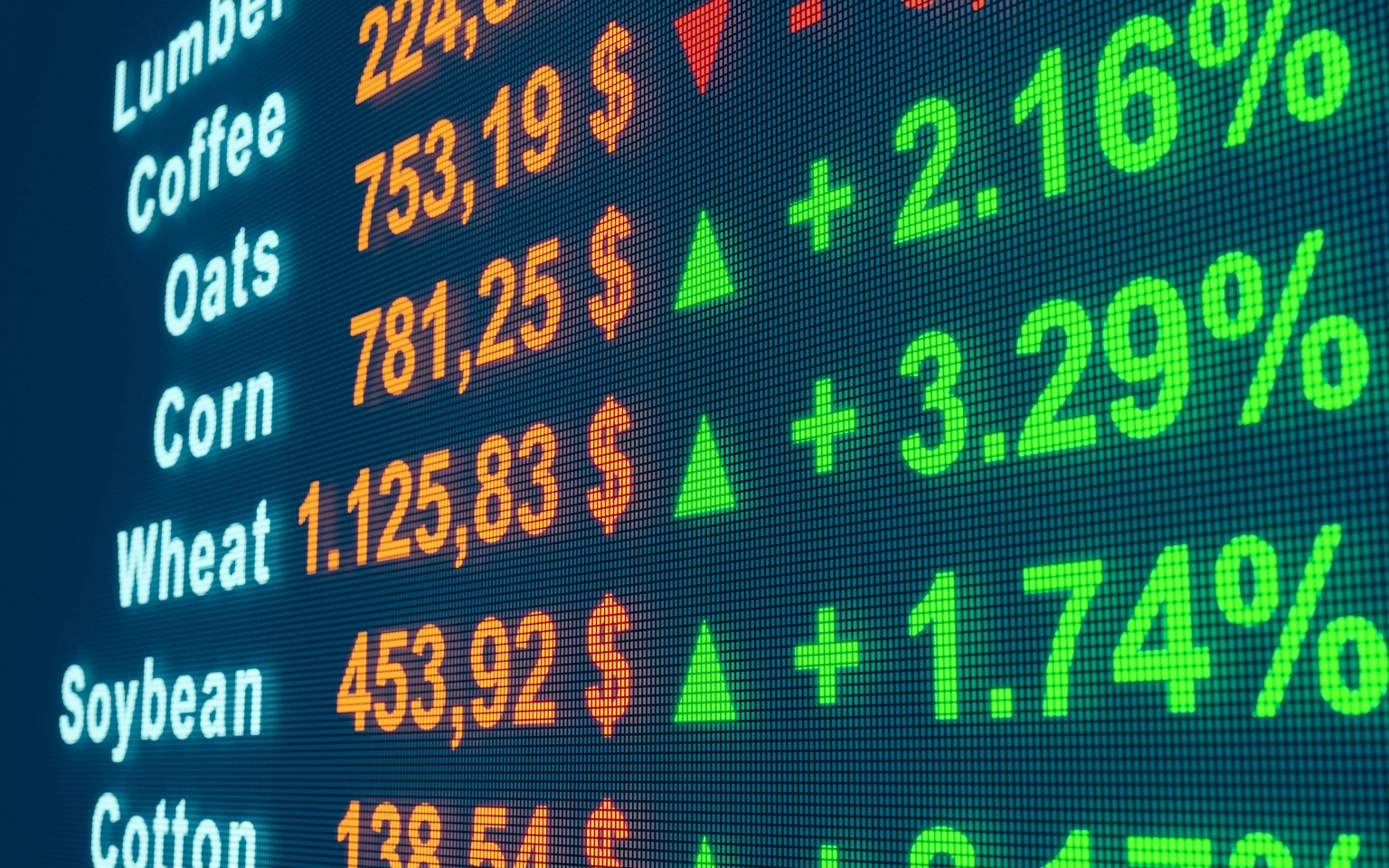
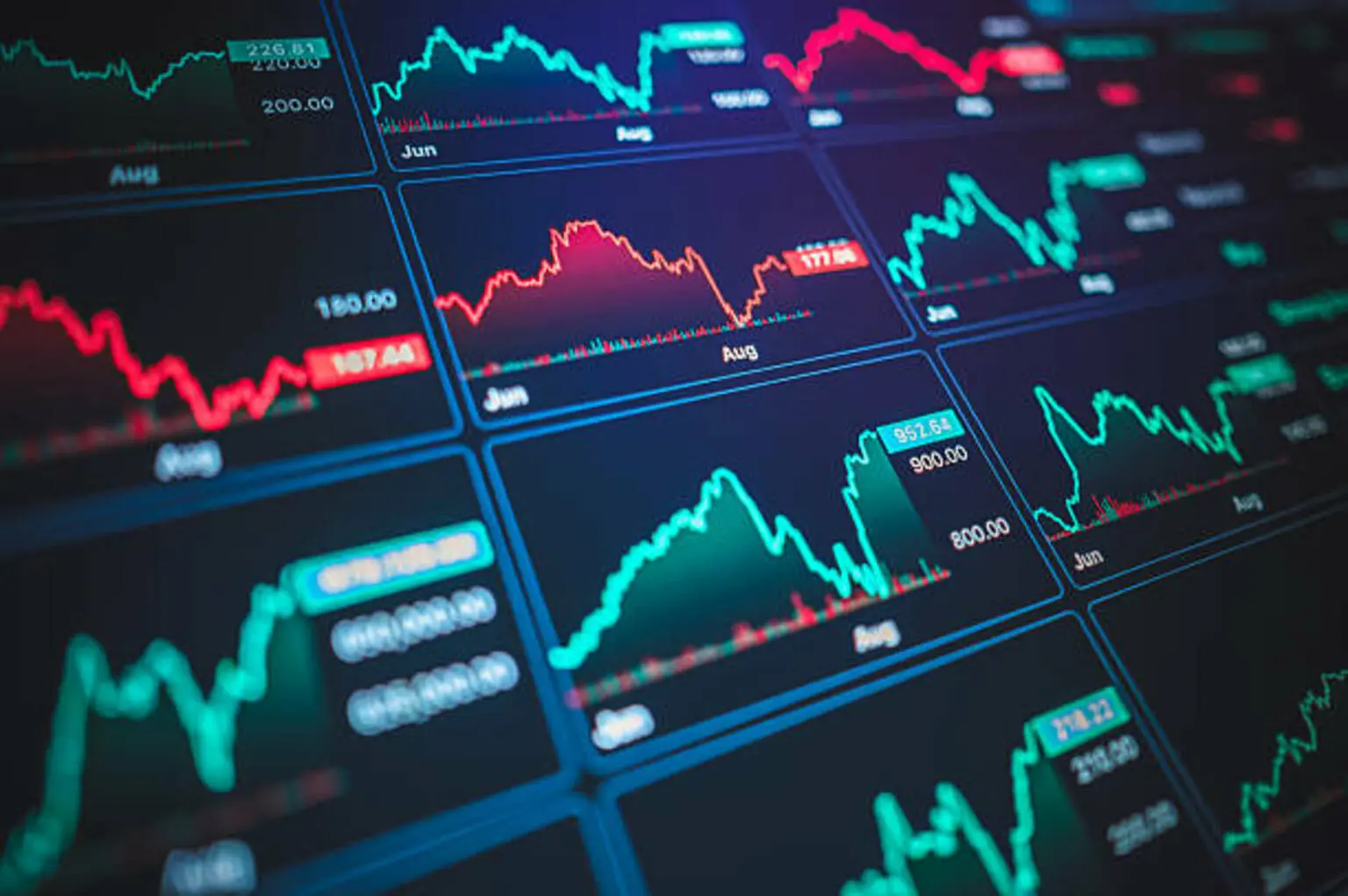
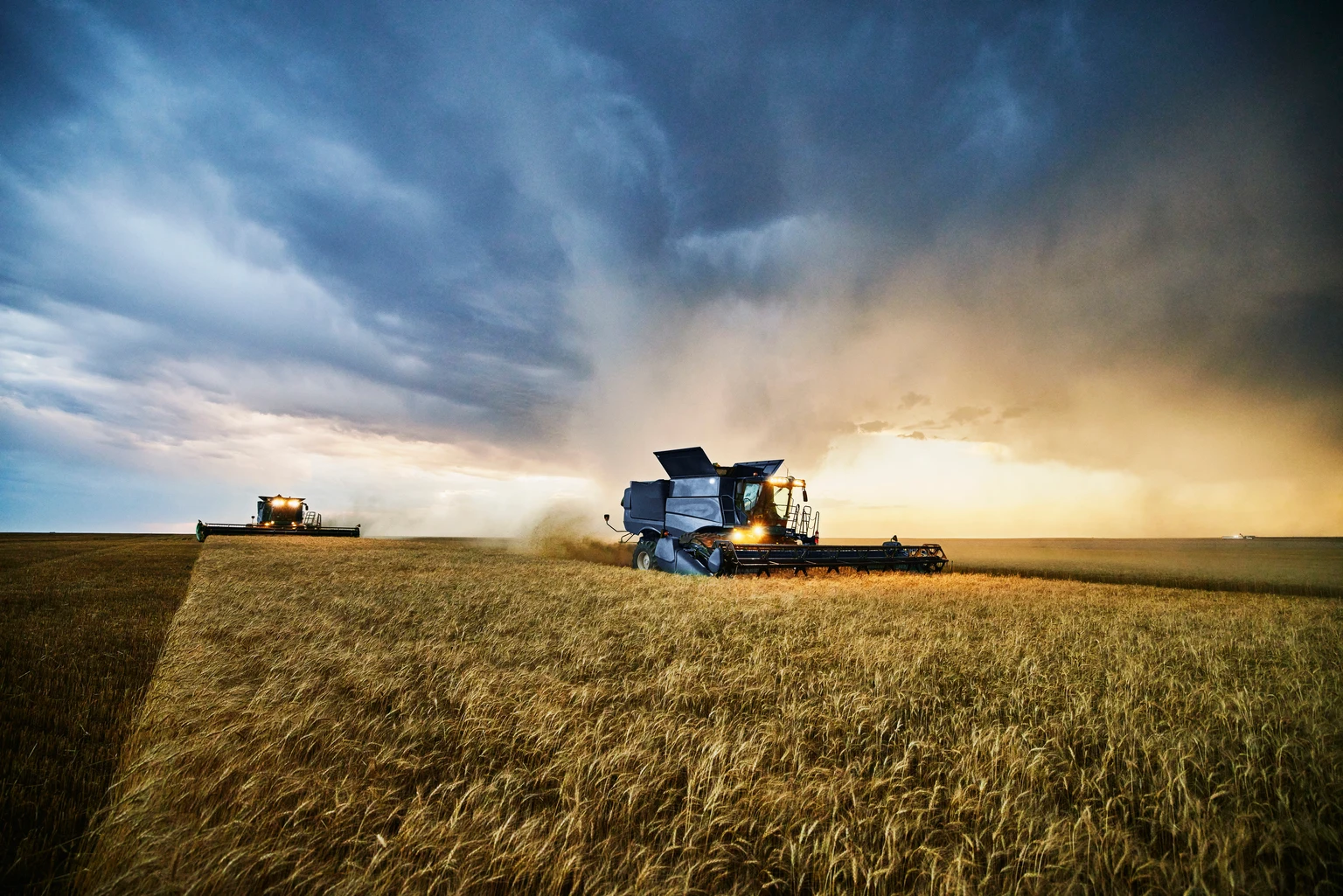
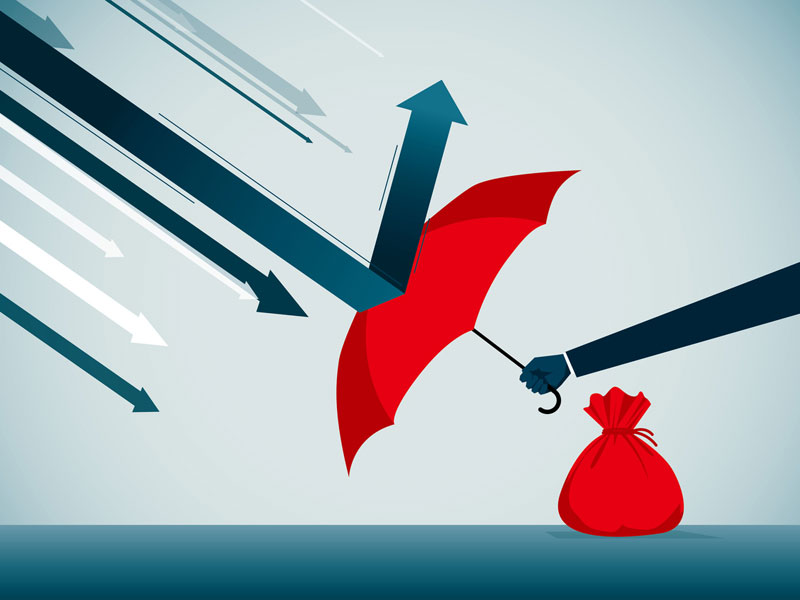
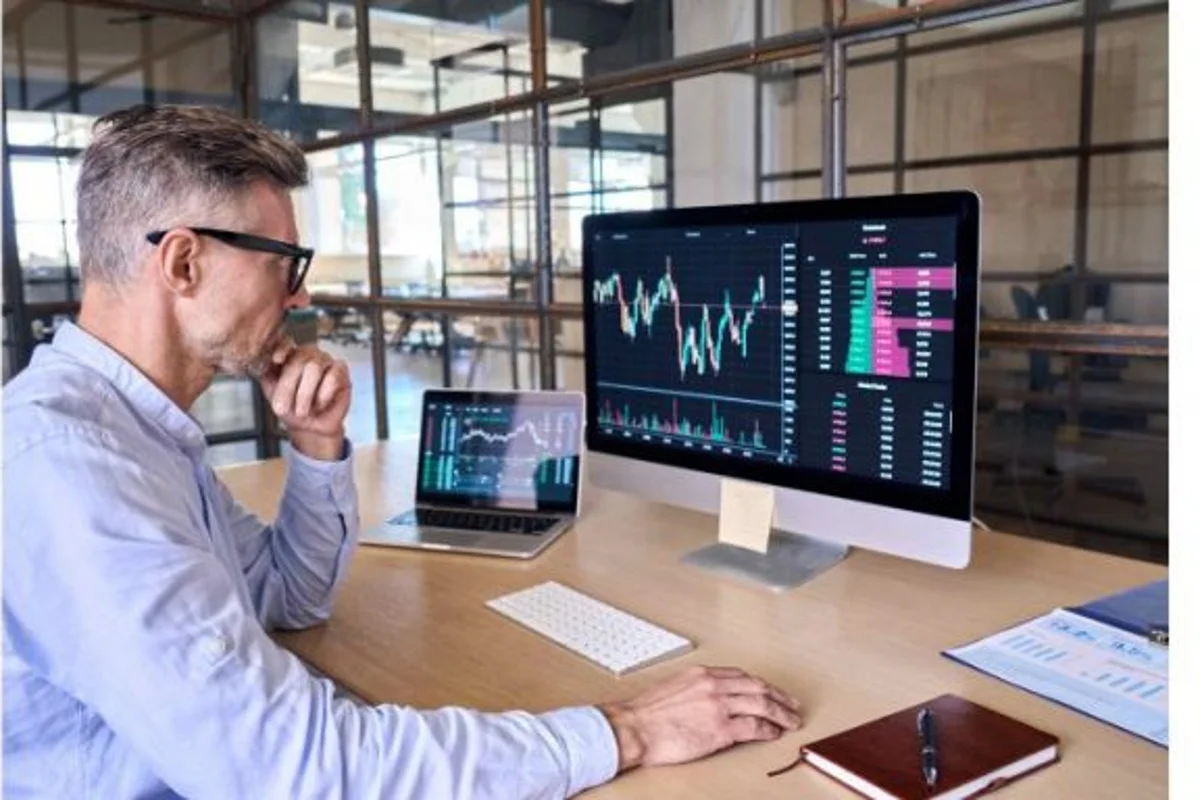
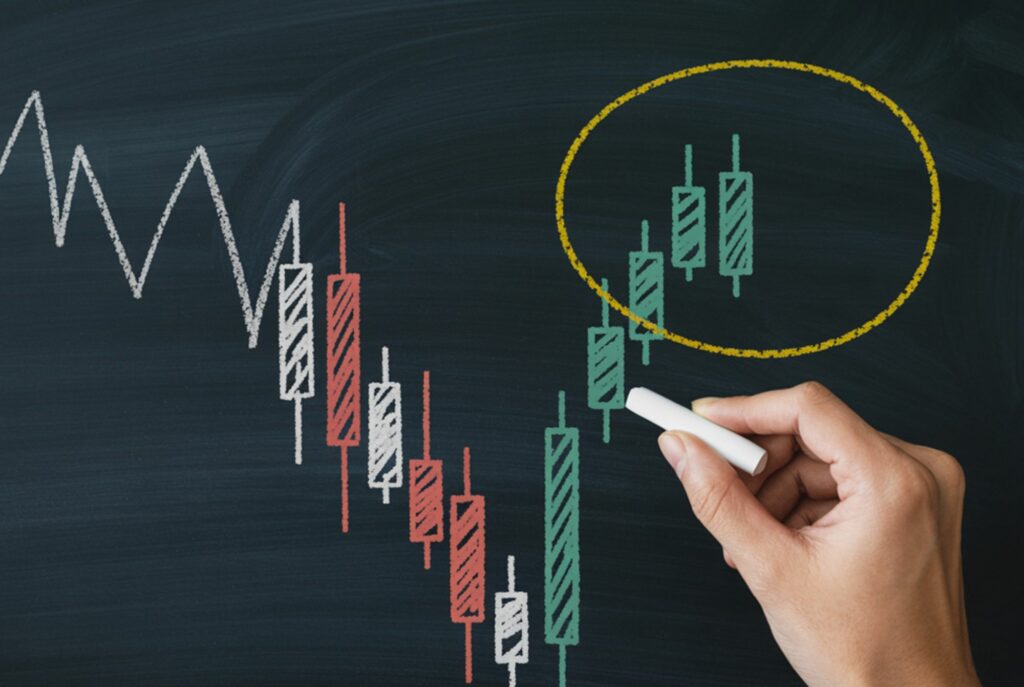
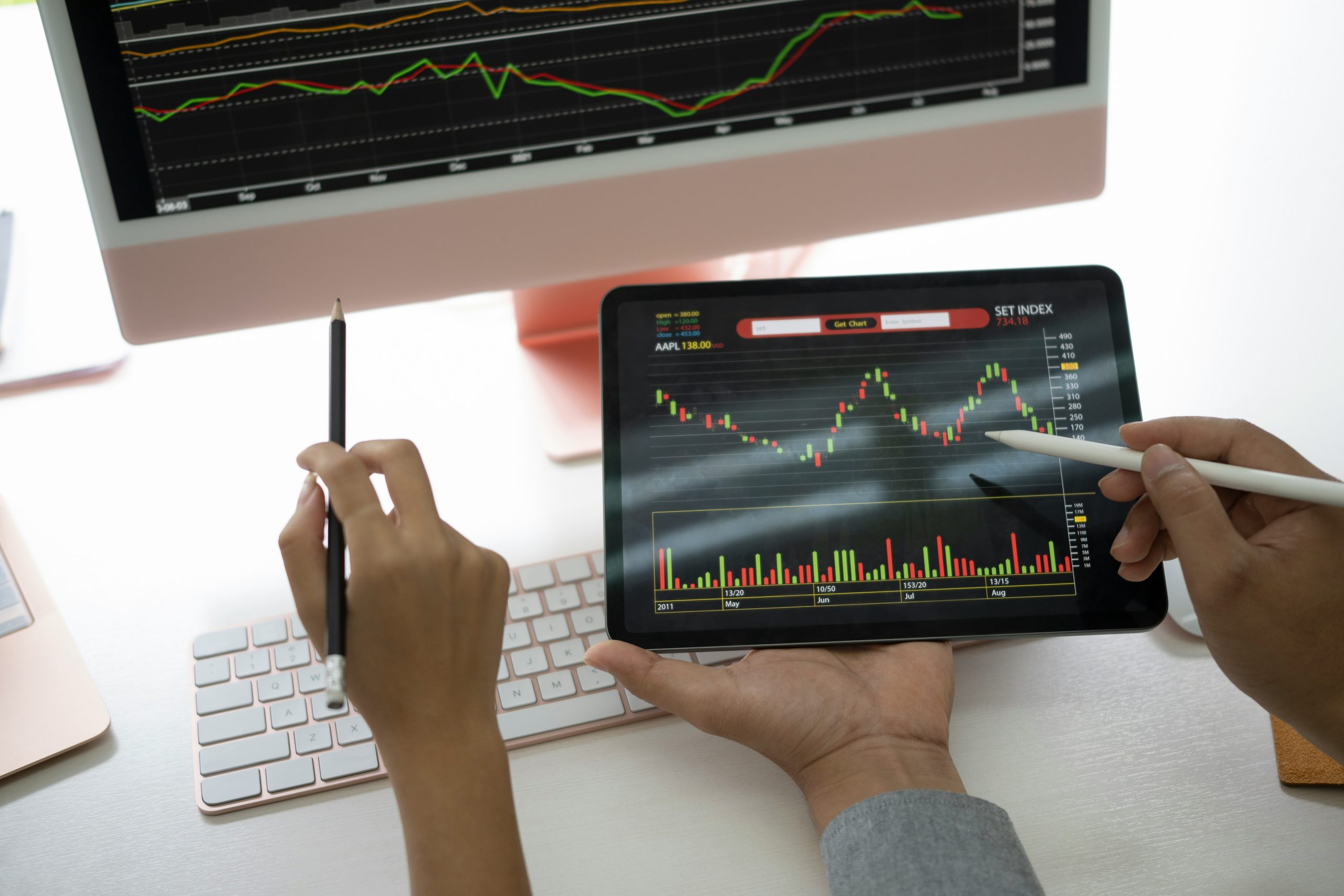
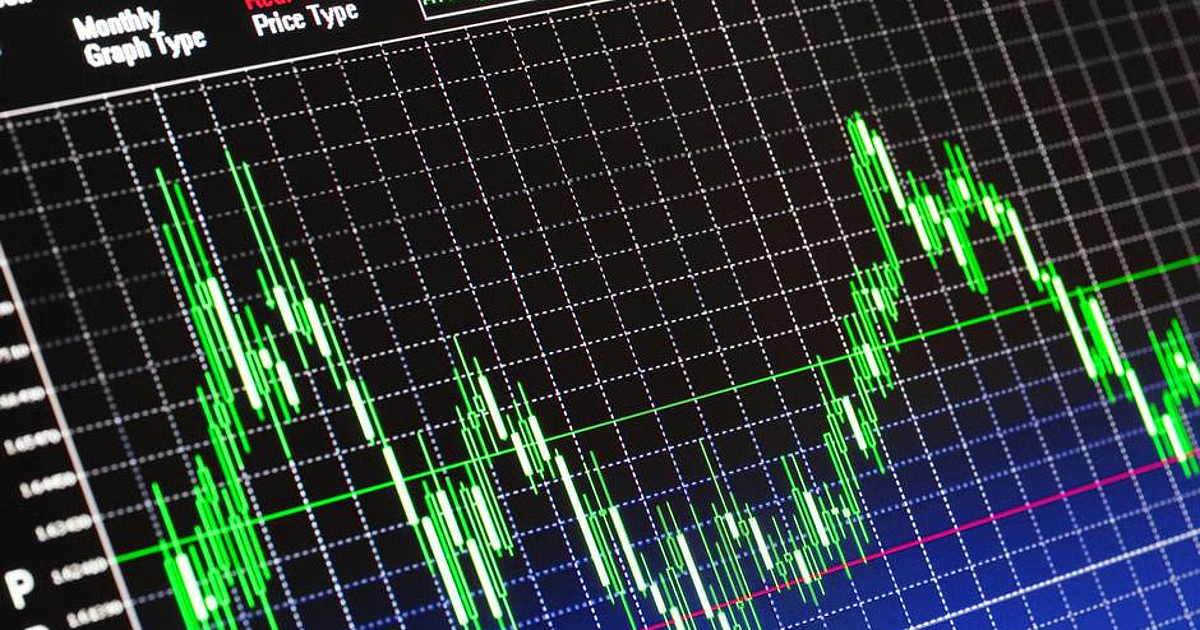
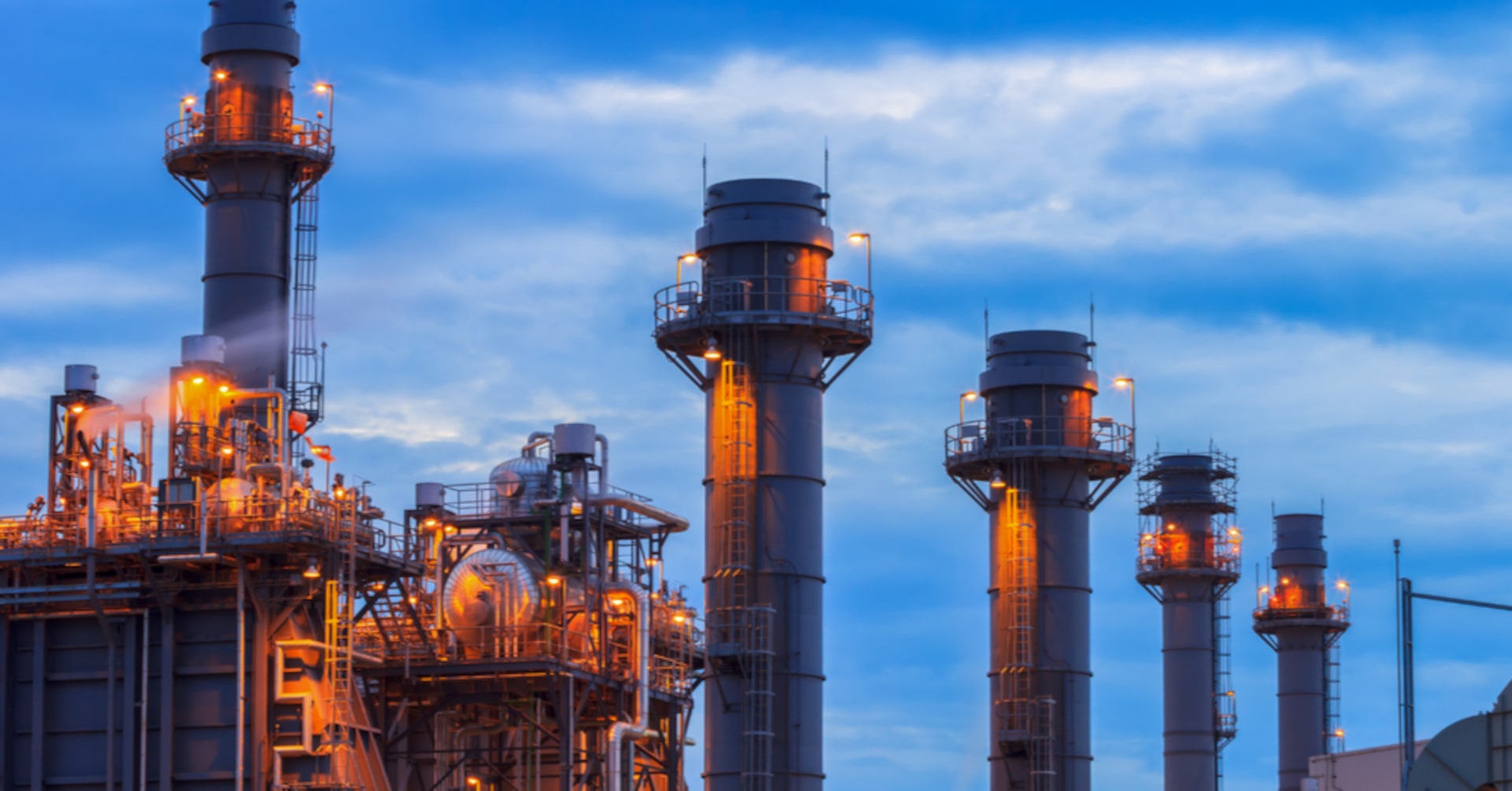
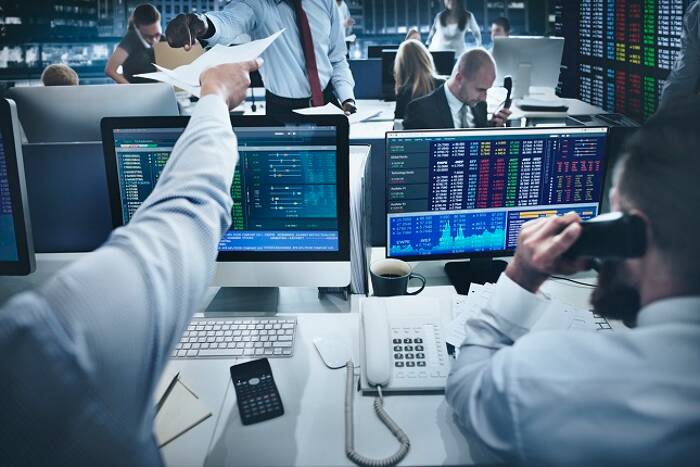
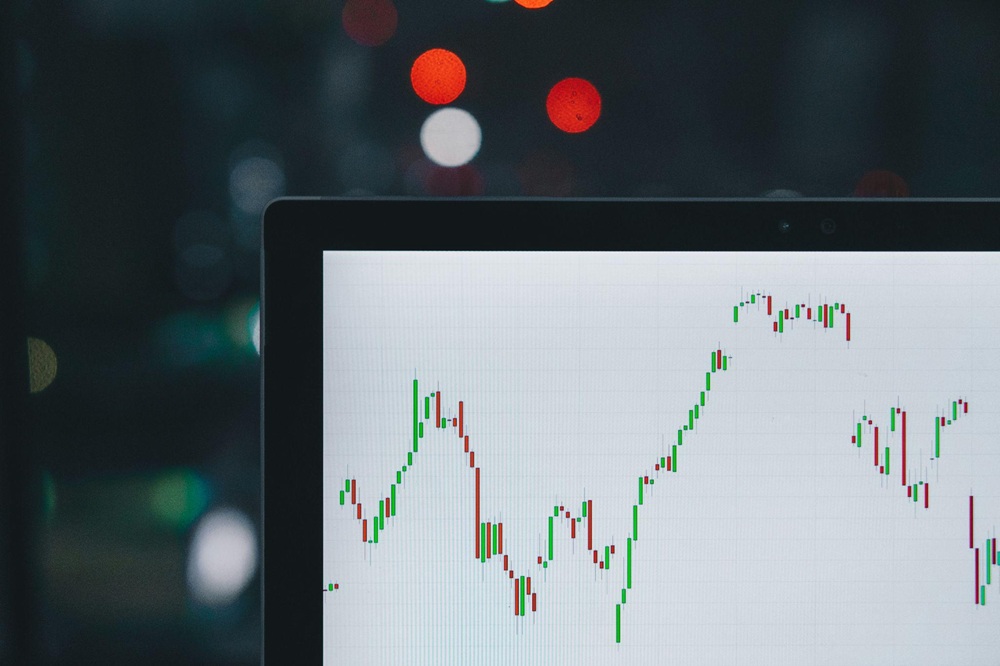
Transport is only one part of commodity trading. It also involves other services, such as insurance and hedging against price risk.
Adobe Stock
Keeping supply chains moving
These strengths matter most when global supply chains come under strain. A stable and specialised trading environment makes it easier to respond to disruptions such as blocked ports, closed trade routes or export restrictions, whether by identifying alternative sources of supply or consolidating volumes from different origins. Commodity traders are far more than middlemen. They bring together the financing, risk management, storage, transport and insurance required to move commodities from producer to buyer.
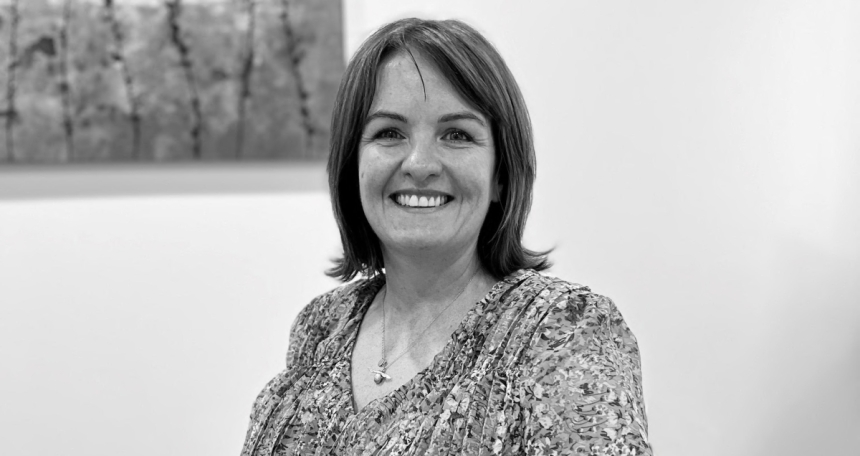
‘Switzerland doesn’t have just one advantage, but a whole range of them.’
Florence Schurch, Secretary General of Suissenégoce
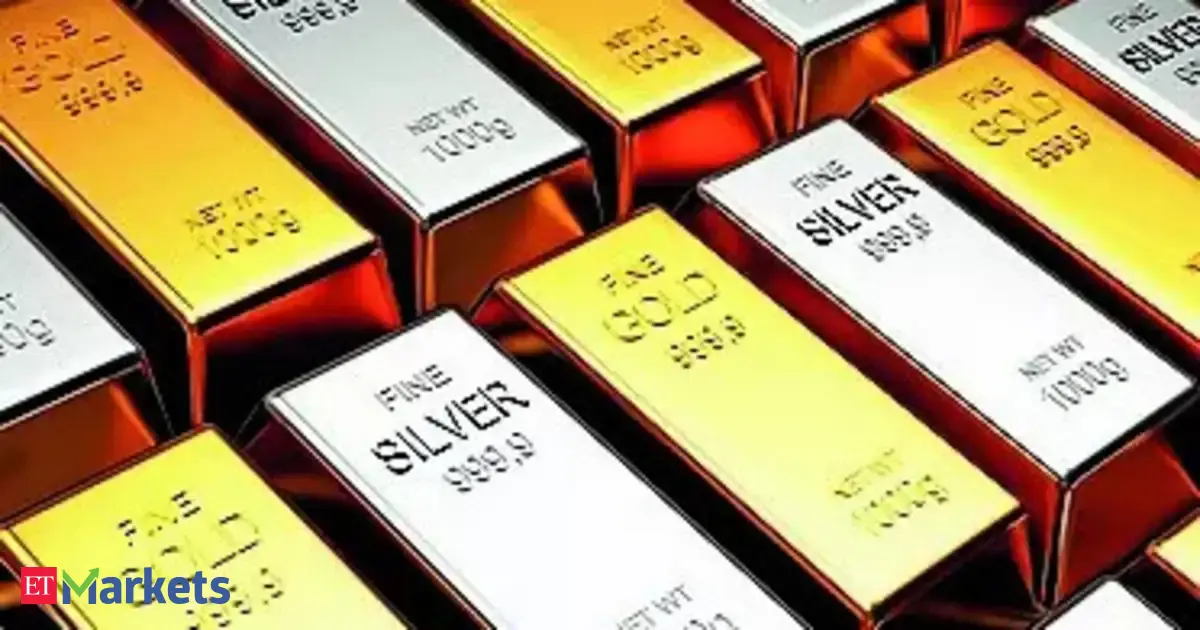
Take metals and minerals. Industrial buyers do not simply want ‘copper’ or ‘aluminium’; they want metal of a given grade, delivered at a given time, with a traceable origin. Traders therefore arrange inspections, certification, insurance and logistics, helping to ensure that agreed specifications, quality standards and delivery schedules are met.
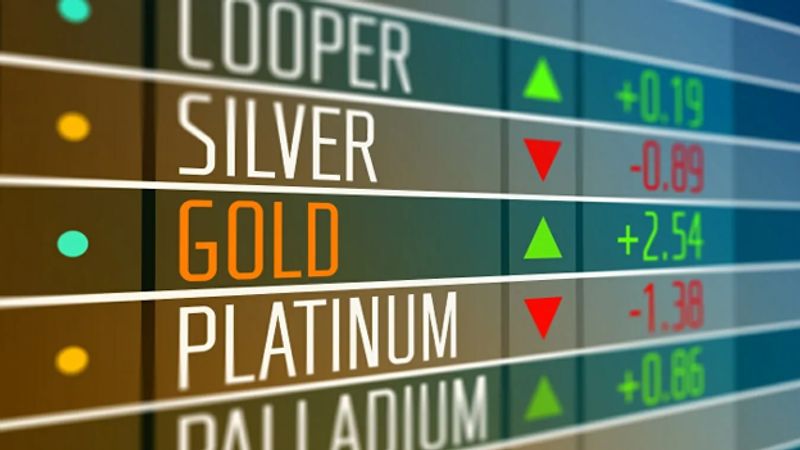
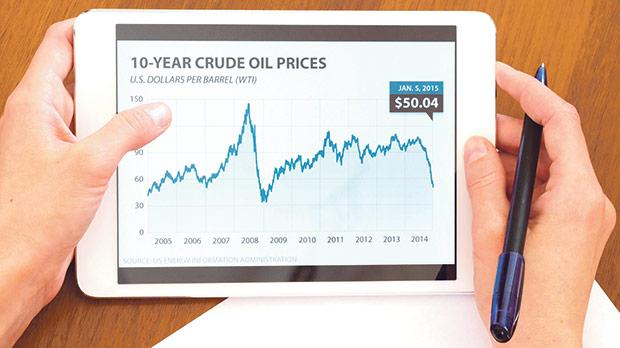
Traders also help manage price risk. Commodity markets are notoriously volatile: producers fear falling prices, while consumers fear rising ones. According to Schurch, futures markets help participants hedge these risks and make future prices at least partially predictable.
In a forward contract, for example, the price of a future delivery is agreed in advance, allowing both buyers and sellers to limit their exposure to market fluctuations.
For industry, this is crucial. Manufacturers of cables, batteries, machinery and building materials need certainty not only that raw materials will be available, but also at what price and on what terms.
Expertise as an export commodity
For all its economic significance, the commodities sector remains largely invisible to the public. Schurch recalls a remark by a former president of her association: ‘We should be just as proud of Swiss commodities traders as we are of our Swiss cheesemakers.’ The comparison may seem surprising, but it highlights an important parallel – and a crucial difference. In both cases, specialised expertise has developed in Switzerland over time and helped the country secure a prominent international position. But whereas cheese sits on every supermarket shelf, commodity trading happens largely out of sight.
Yet its footprint on the world economy is large. From here, traders connect producers and buyers across continents, arrange the financing, manage the risks and coordinate the movement of goods. As supply chains become increasingly complex, these functions matter all the more. Switzerland may have little in the ground. But it is here that many of the threads of global trade are tied together – helping to keep the world’s industries supplied.
About Suissenégoce
Suissenégoce is the association of the Swiss commodities trading sector. Headquartered in Geneva, it represents more than 200 companies involved in commodities trading, shipping, trade finance, insurance and legal advisory services. The association provides information about the sector, engages with policymakers and the public, and offers training and professional development programmes.
Author: Bruno Kalbermatten
Mineral raw materials
Dossier from the Publisher’s Supplement