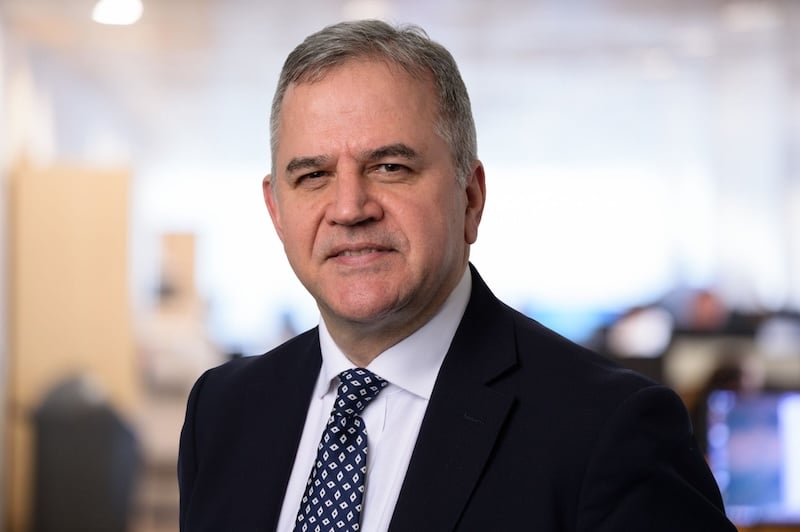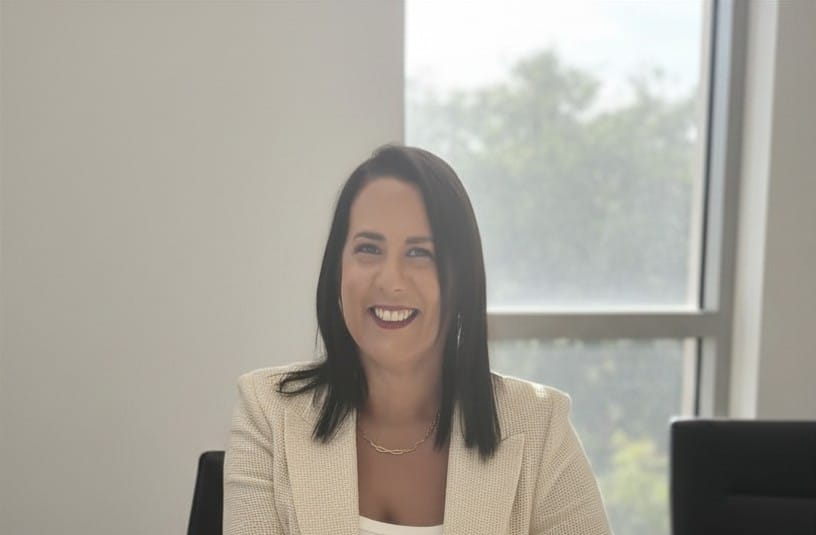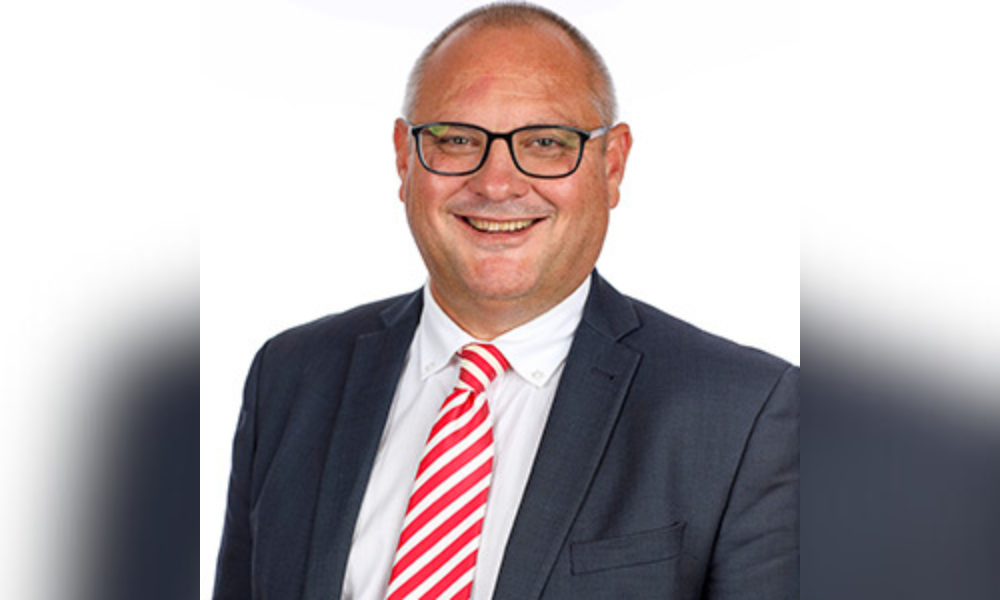
David Ispiryan is the CEO of Effeect, where he helps businesses thrive online through innovative digital marketing strategies.

Many forex brokers respond to weak rankings by publishing more market guides, adding country pages and building links. That often creates a larger website without fixing the real problem: Google and prospective clients still cannot confirm who stands behind the content, which regulated entity serves each market or whether the claims on the page can be trusted.
Forex SEO sits inside a high-risk category. Google describes topics that may affect financial stability as “Your Money or Your Life,” or YMYL. Its public guidance says content in these areas receives greater scrutiny around experience, expertise, authority and trust. That does not create a separate YMYL score, but it raises the standard for what a credible page needs to show.
More Content Will Not Fix A Trust Architecture Problem
The first mistake is treating YMYL as a content-volume issue. A broker can publish 200 articles and still struggle if its legal entities, authorship and regional offers remain unclear.
A prospective client should be able to answer a few basic questions without searching through the footer. Which company operates the website? Which entity will hold the account? Where is that entity authorized? Who wrote or reviewed the trading guide? When was the page last checked?
I have seen broker websites with useful educational content but no clear connection between the brand, the license and the registration path. In one multi-jurisdiction project, we paused keyword expansion and mapped every country page, product page and sign-up route to the correct operating entity. That review exposed pages where one entity’s terms appeared beside another entity’s risk language.
A compliance disclaimer at the bottom of the page does not correct mixed signals in the main content. Trust needs to appear in the page structure itself.
Build Entity And Editorial Signals Into Each Important Page
For a forex broker, an About page is not enough. Commercial and educational pages need enough context to stand on their own.
A product page should identify the relevant entity when the offer changes by jurisdiction. Regulatory claims should link to a clear page that lists the legal name, license information, permitted markets and service limits. Educational articles should show a real author or reviewer, relevant experience, sources and a visible review date.
Google’s organization structured data can help search engines understand a company’s name, address, contact information and legal details. It does not replace clear on-page information.
This work often slows the publishing process because SEO, compliance, legal and product teams need to agree on wording. That is a fair trade-off. A slower page that accurately represents the offer is more useful than a fast page that creates regulatory or trust problems.
Stop Treating Regional Pages As Translation Projects
A global broker cannot serve every market with one generic English page and a different risk warning.
Account terms, leverage limits, instruments, platforms, investor protections and onboarding rules can vary by entity. If the page targets the United Kingdom but sends users into a registration path for another region, the page is not merely weak SEO. It is a poor customer journey.
Each meaningful regional version should use its own indexable URL. Use hreflang to connect equivalent language and country pages, and add an x-default page for users who do not match a specific market. Google recommends explicit regional URLs because automatic redirects and locale-adaptive pages may prevent search engines from reaching every version.
Before launching a country page, check the entity name, license wording, available products, currency, phone number, account terms and sign-up destination. A translated headline does not make a page local. The full offer must match the market.
Some brokers avoid separate regional pages because they fear duplicate content. That concern is valid when pages differ only by a few words. The answer is not to merge every market into one page. The answer is to create regional pages only where the product, legal position or customer journey differs in a meaningful way.
Replace Generic Trading Content With Decision-Support Content
Broad articles such as “What Is Forex Trading?” may attract impressions, but they rarely help a serious prospect assess a broker.
A stronger content plan answers the questions users face before opening or funding an account. How are spreads and commissions calculated? What may delay a withdrawal? Which entity serves a given country? How does the execution model work? Which costs apply to positions held overnight?
These pages need careful wording. Claims such as “lowest spreads,” “best execution” or “safest broker” require evidence and a transparent comparison method. If the broker cannot support the claim, factual wording is safer and more persuasive.
The article should also stay within the broker’s area of competence. Explaining how margin works is useful. Telling an individual what to trade or how much risk to take crosses into a different type of content and creates added compliance concerns.
Measure SEO By Qualified Discovery
Traffic alone tells a broker very little. A glossary page may attract thousands of visits from countries the broker cannot serve. A regulation page may attract far fewer visits but contribute to more eligible registrations.
SEO reporting should separate brand and non-brand queries, commercial and educational intent, and permitted and restricted markets. Connect organic landing pages to useful downstream events, such as eligible registrations, verified accounts or qualified applications.
If traffic rises while qualified account activity stays flat, review the queries, countries and landing pages behind the increase. Do not approve another batch of articles until you understand the gap.
What Brokers Should Fix First
Start with an entity and jurisdiction map. Match every commercial page and registration route to the correct legal entity. Review the author, source and update information on high-traffic educational pages. Then audit regional URLs, hreflang, product terms and risk wording.
Forex SEO depends on technical quality, but technical work alone will not earn trust. A broker becomes easier to find when it also becomes easier to verify.
Forbes Agency Council is an invitation-only community for executives in successful public relations, media strategy, creative and advertising agencies. Do I qualify?