
Highlights
- Hybrid securities combine features of debt and equity and are often listed on the ASX.
- They can offer regular income but carry risks that may not be obvious, including conversion and capital risks.
- Hybrids must fit the investment strategy and be valued at market value each year.
Listed hybrids are popular with some SMSF trustees seeking income. They are often issued by banks and other large companies. But hybrids can be complex, and their risks may differ from both shares and term deposits.
This explainer outlines key considerations. It is general information and does not recommend any security.
What hybrids are
Hybrids typically pay regular distributions, which may be franked, and have features such as conversion into shares or repayment at a future date. Terms vary widely between issues.
Risks
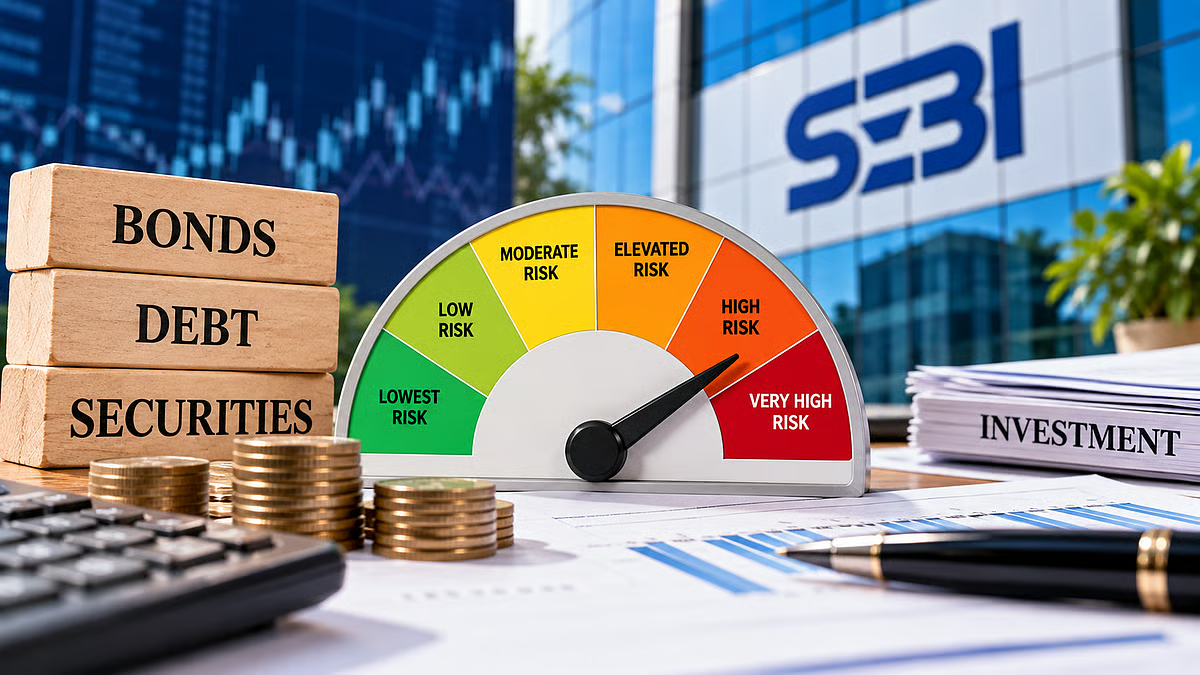
Distributions may be discretionary and can be stopped. Some hybrids can be converted into shares or written off in certain circumstances. Their prices can fall, particularly in periods of market stress.
Not like term deposits
Despite paying regular income, hybrids are not guaranteed like bank deposits. Trustees should read the prospectus carefully and understand the terms.
Strategy and diversification
The ATO requires investments to fit the strategy, considering risk, return and diversification. Holding several hybrids from the same sector, such as banks, may concentrate risk.
Valuation and records
Listed hybrids can generally be valued using their closing price at year end. Trustees should keep distribution statements, which may include franking credits.
Practical considerations
Read the prospectus, understand conversion and distribution terms, consider concentration, document how hybrids fit the strategy and seek licensed advice.
Hypothetical example
Imagine trustees considering a bank hybrid for income. After reviewing the terms and noting their existing bank shares, they limit their hybrid allocation to avoid concentration. This example is hypothetical.
The Bigger Picture
Listed hybrids can provide income for SMSFs, but they carry complex risks. Understanding the terms and limiting concentration helps trustees use them prudently.