A large asset under management (AUM) may reflect the popularity and scale of a mutual fund, but it does not guarantee better returns, experts said on Zee Business’ Money Guru show.
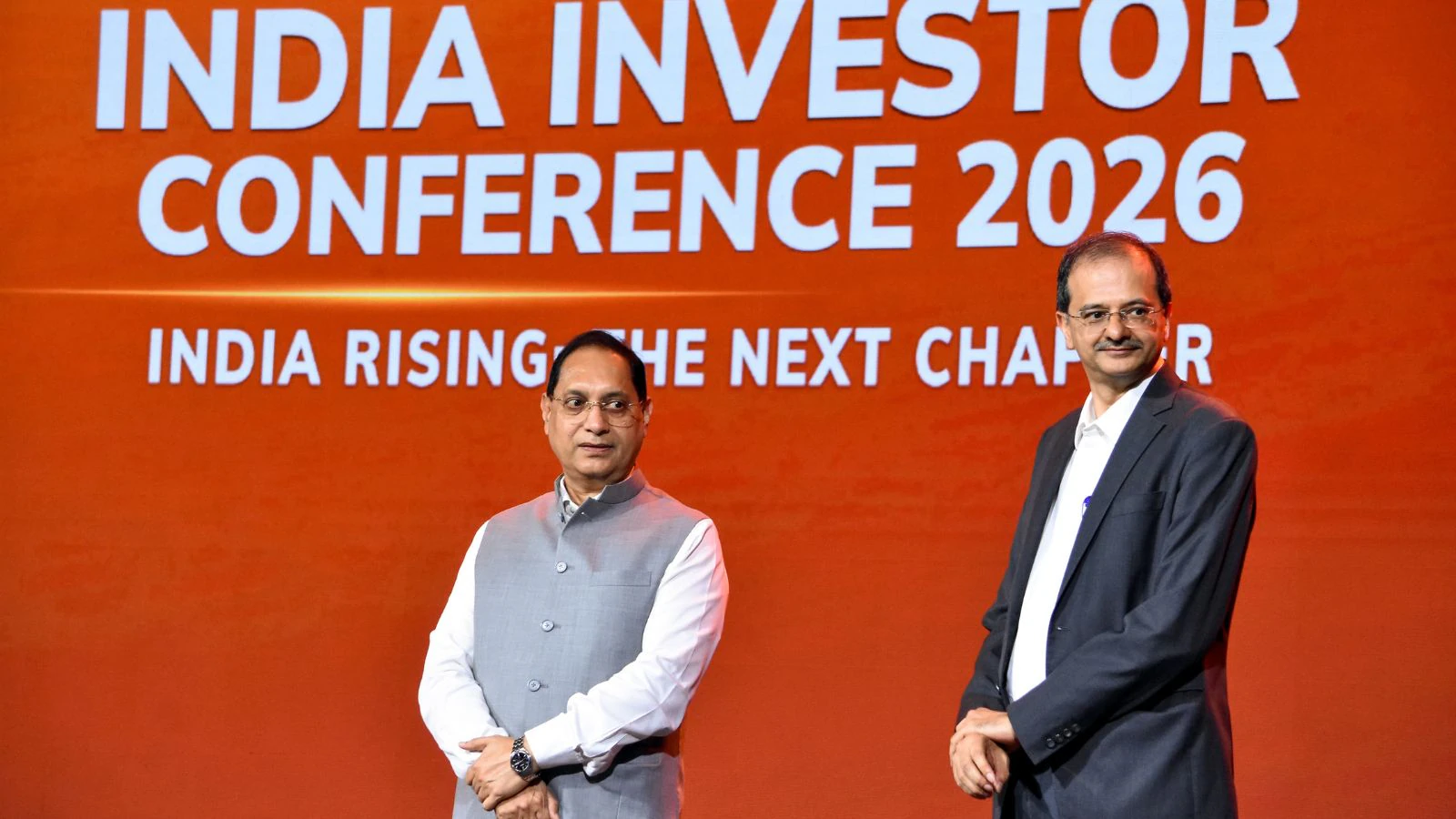
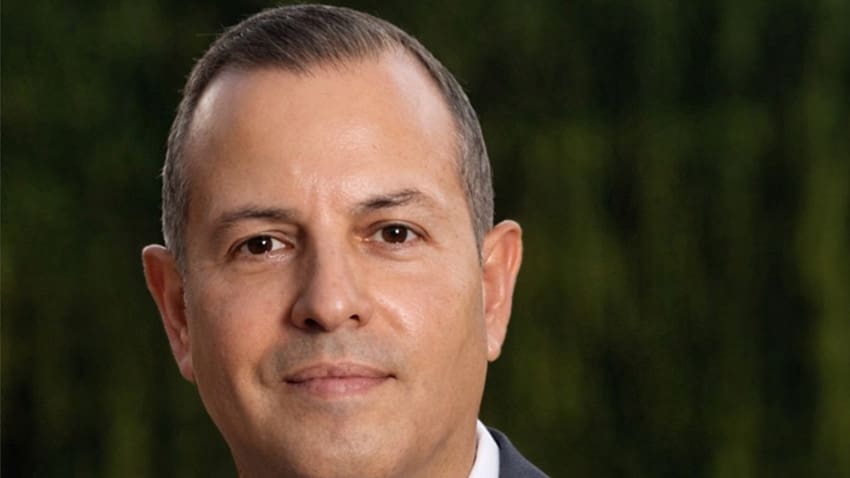
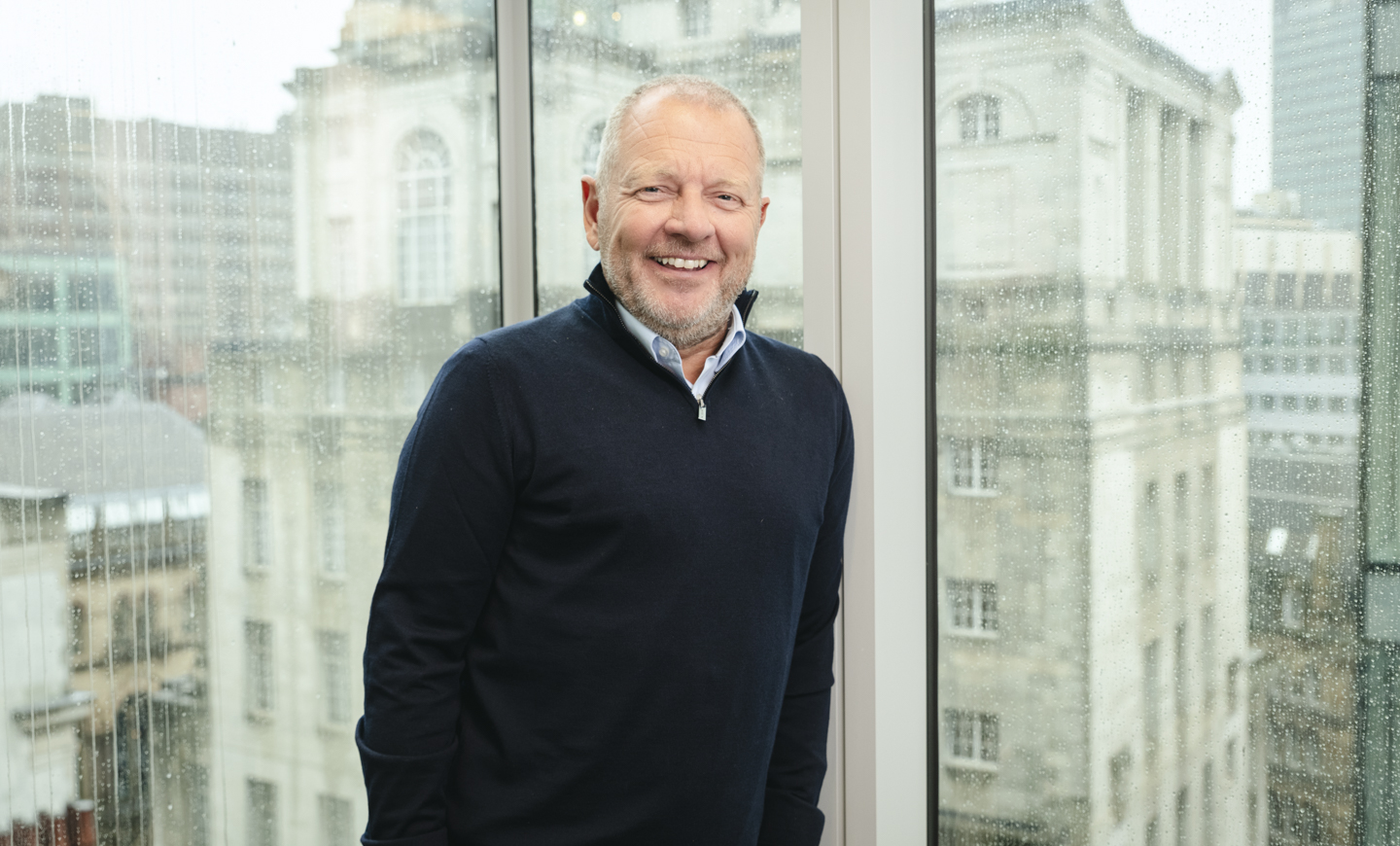
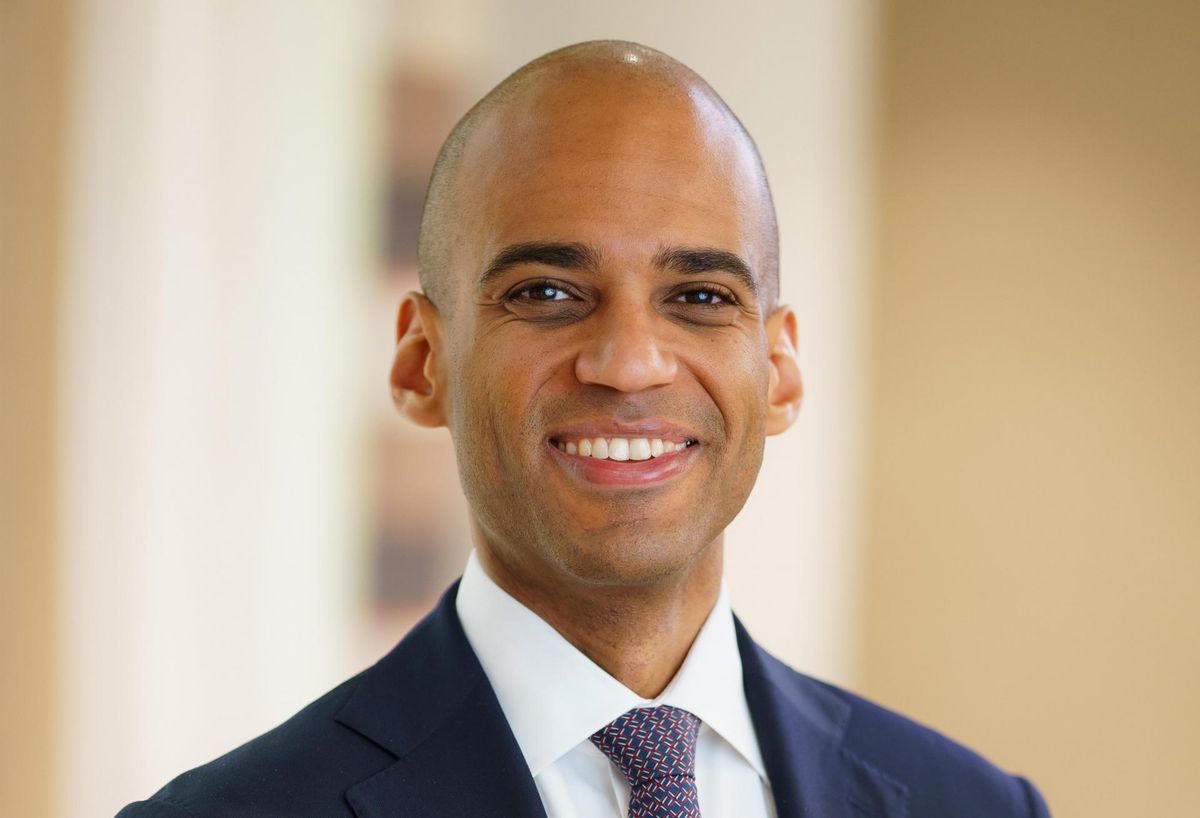
Vikas Puri, Senior Partner, Complete Circle Capital, and Rishikesh Palve, Director, AnandRathi Wealth, said investors should not select mutual funds merely because they have a large corpus. Factors such as investment strategy, fund manager’s style, consistency and portfolio allocation are also important.
Large AUM can limit flexibility
Palve said there is no strong correlation between the size of a mutual fund and its performance.
In fact, a very large AUM can reduce a fund manager’s flexibility, particularly while investing in small-cap companies where trading volumes are lower.
“If the fund size is very large and you want to invest in a small-cap company, you may not get the desired entry point because of limited volumes,” Palve said.
A large fund may need to stagger its investment, by which time the stock price could move higher. This can make it difficult for the fund manager to take meaningful positions in smaller companies.
Puri said a fund with an AUM of Rs 1 lakh crore, for instance, may have to invest a substantial amount even to build a small percentage stake in a company. This can restrict the fund manager’s investment universe.
Smaller funds, on the other hand, have greater flexibility to take positions in relatively smaller companies, potentially creating opportunities for additional returns.
Large funds can still outperform
The experts, however, cautioned against assuming that large AUM automatically means a fund will underperform.
Several large funds have delivered strong long-term returns. The discussion cited HDFC Flexi Cap Fund’s 10-year CAGR at around 14.98 per cent, compared with 13.03 per cent for its benchmark.
Parag Parikh Flexi Cap Fund was also cited as having delivered around 16 per cent CAGR over a 10-year period.
Puri said the growth in AUM is often a result of a fund’s strong performance over several years. When a scheme consistently performs well, investor interest rises and money starts flowing into the fund.
Therefore, a large AUM can also be a consequence of past consistency rather than a reason for future performance.
One-year return not enough
The experts also warned investors against choosing funds based only on one-year returns.
Puri said one year is a very short period to judge a mutual fund and relying on such a period could lead to decisions based on temporary market conditions.
Investors should instead examine performance over at least three to five years and look at rolling returns to assess consistency across different market cycles.
A fund that occasionally ranks first but frequently drops down the rankings may be less attractive than one that consistently remains among the top-performing funds, he said.
What investors should check
Palve said investors should first define their investment goal before selecting a fund.
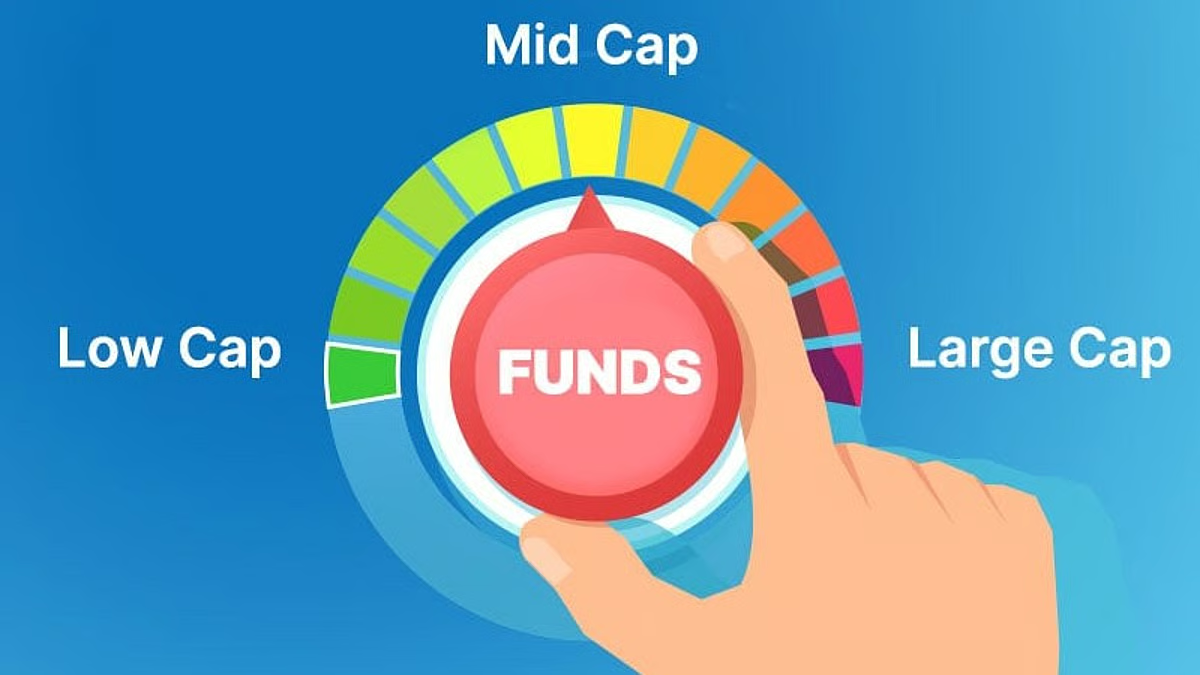
They should then look at their market-cap allocation across large-cap, mid-cap and small-cap funds. He suggested that a mix of around 55 per cent large-cap, 22-23 per cent mid-cap and the remaining allocation to small-cap could provide a broad framework.
Investors should also examine the fund manager’s investment style, the asset management company’s track record, the fund’s investment philosophy and the potential to generate alpha in the selected category.
AUM should not be the sole criterion
Palve said AUM is an important parameter but should not be used alone to accept or reject a mutual fund.
Very small funds can also face challenges, while very large funds may face difficulties in deploying money efficiently.
He suggested that investors could use around Rs 1,000 crore as a basic scheme-level benchmark for fund size, while stressing that a large AUM should not automatically be considered a negative.
For long-term investors, the experts also recommended creating a basket of complementary funds instead of depending on a single scheme.
Ultimately, investors should focus on their financial goals, portfolio mix, investment strategy, fund manager’s approach, consistency and governance rather than simply chasing funds with the largest AUM, the experts said