Introduction
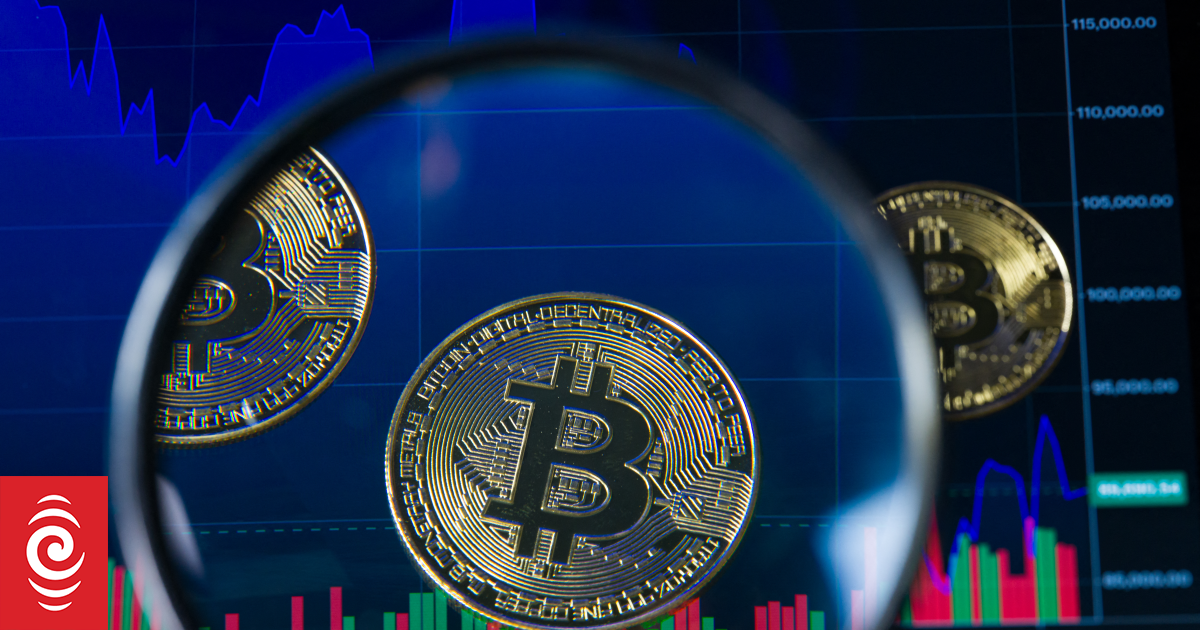
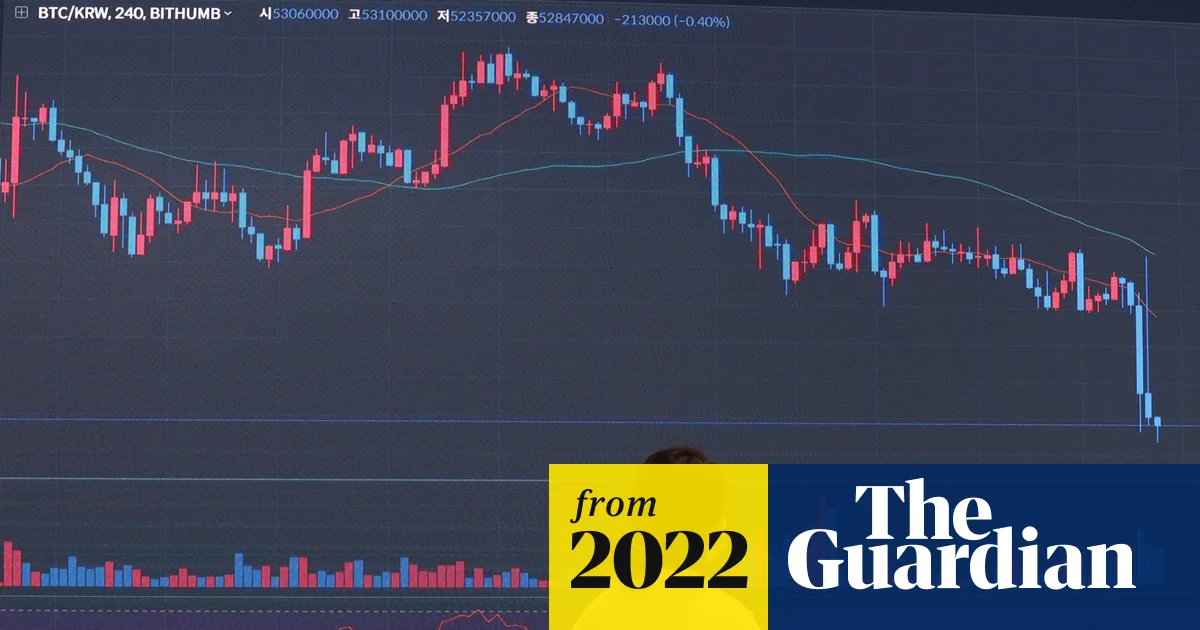
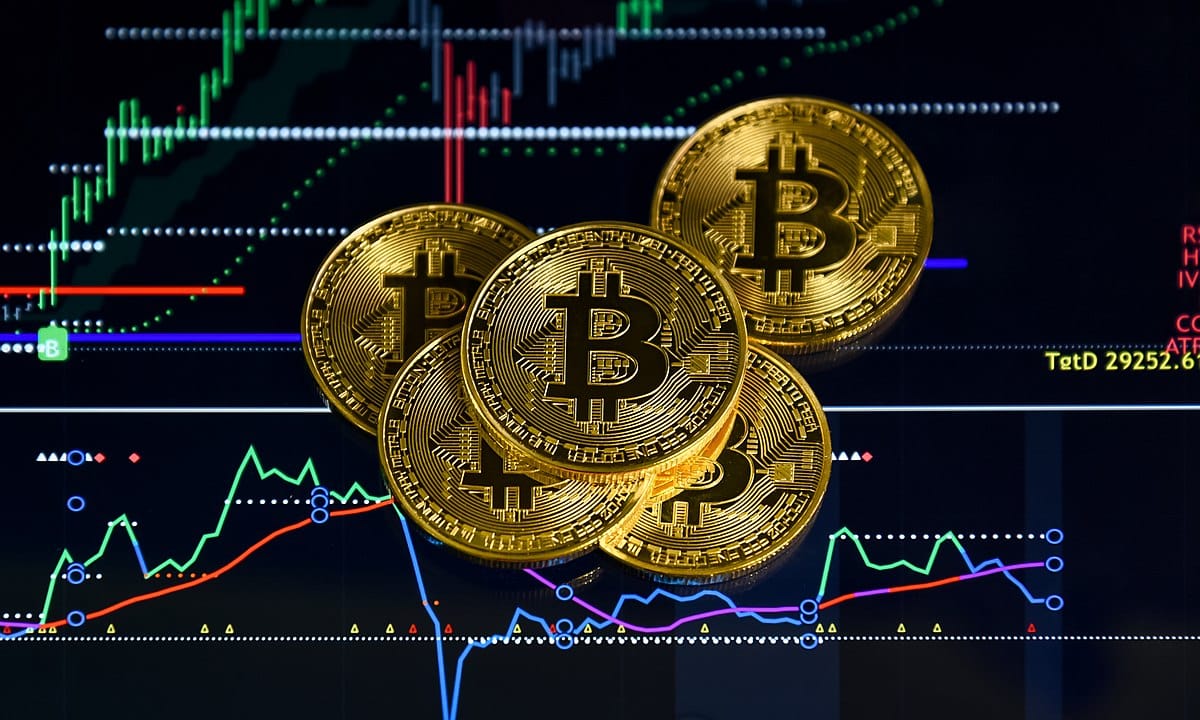
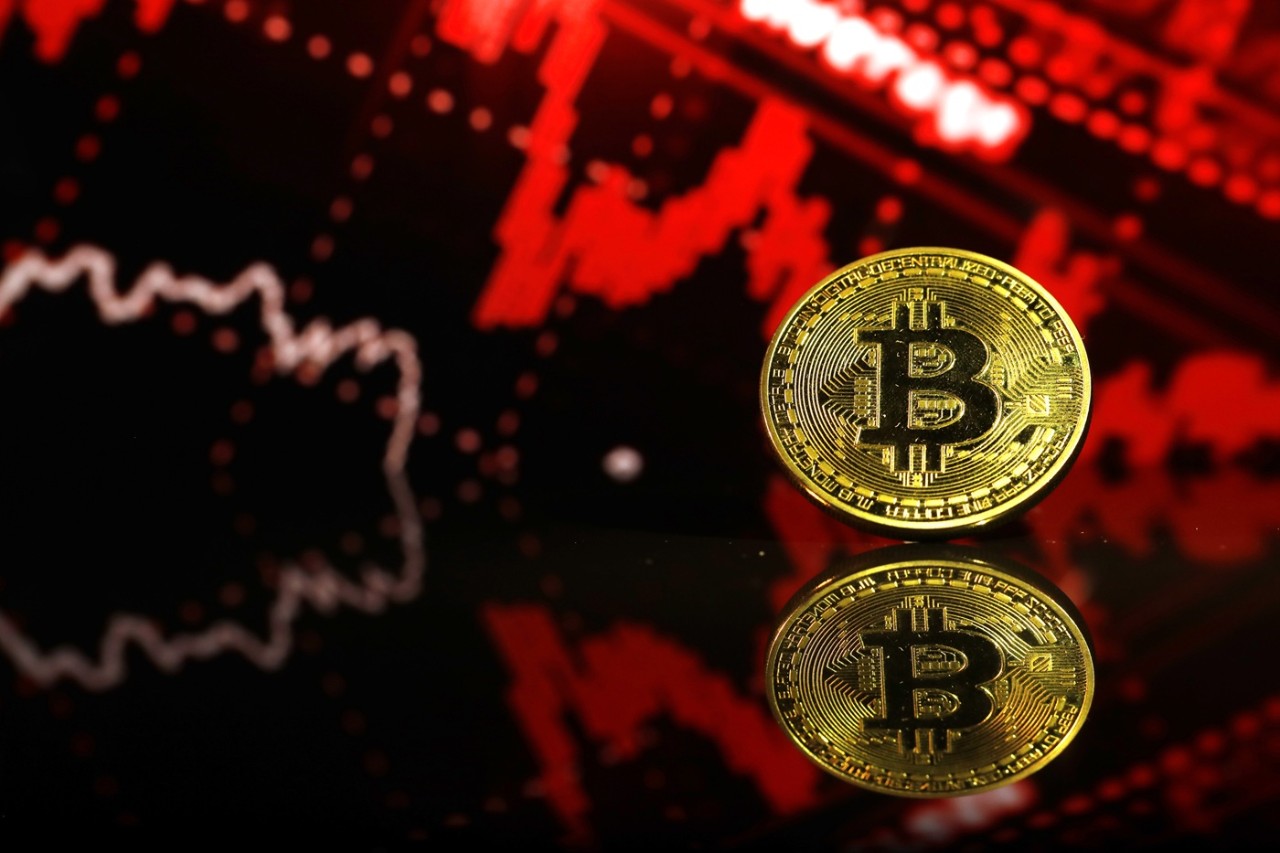
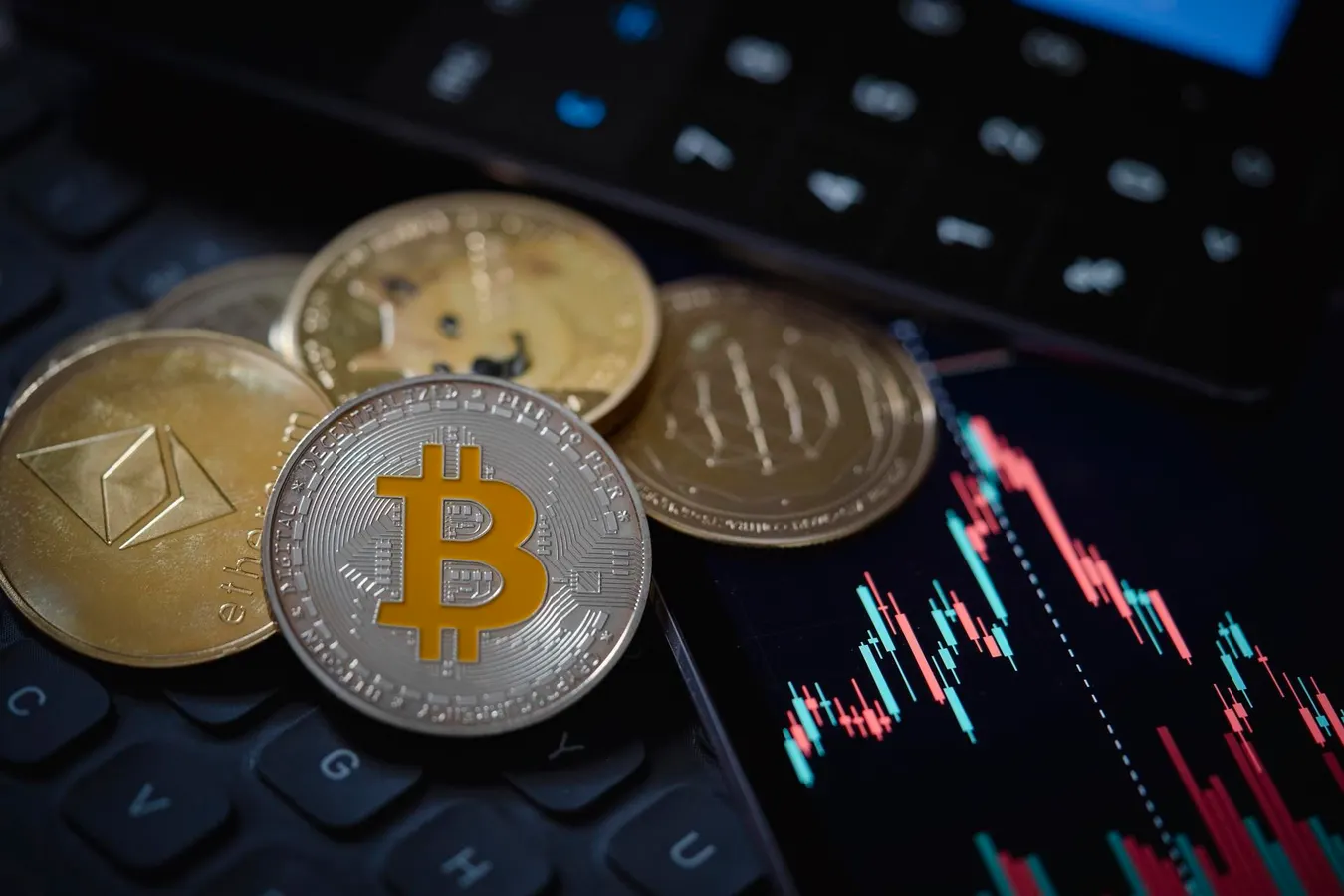
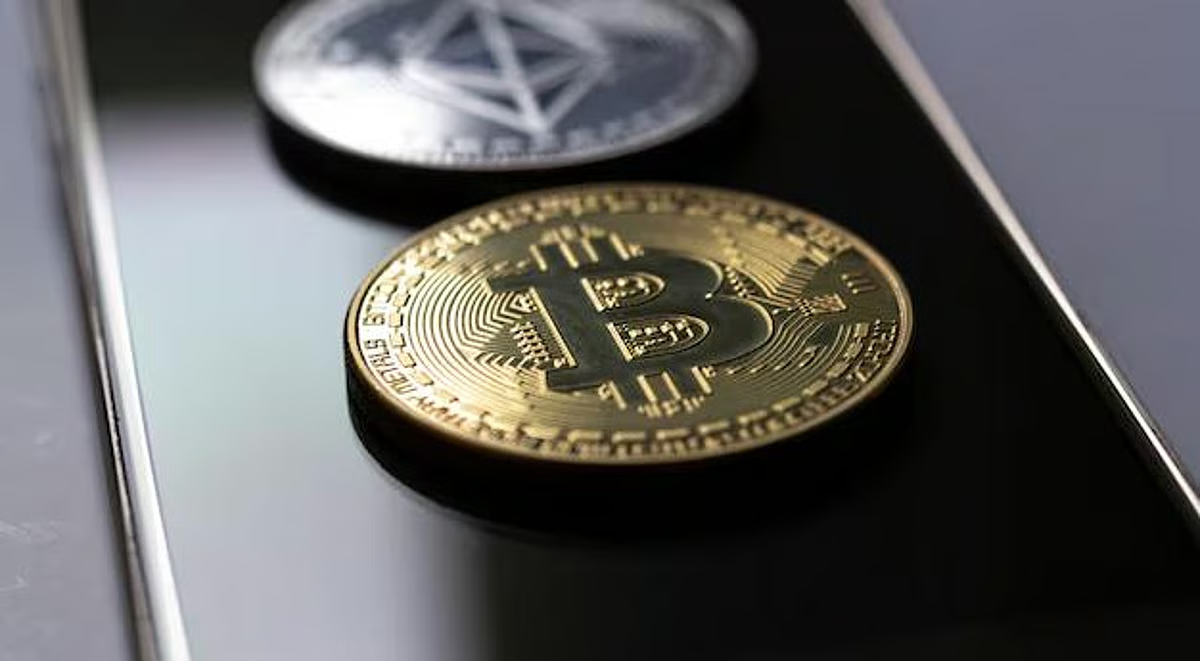
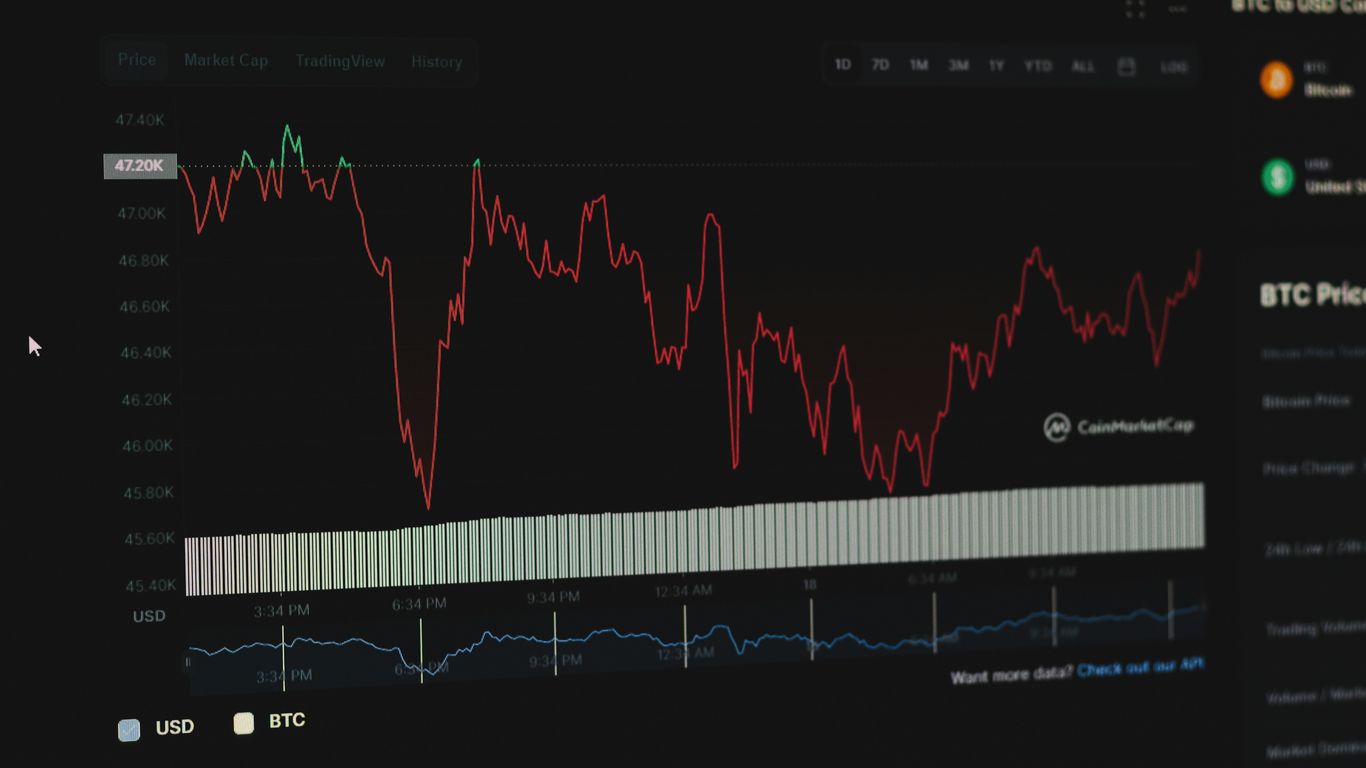
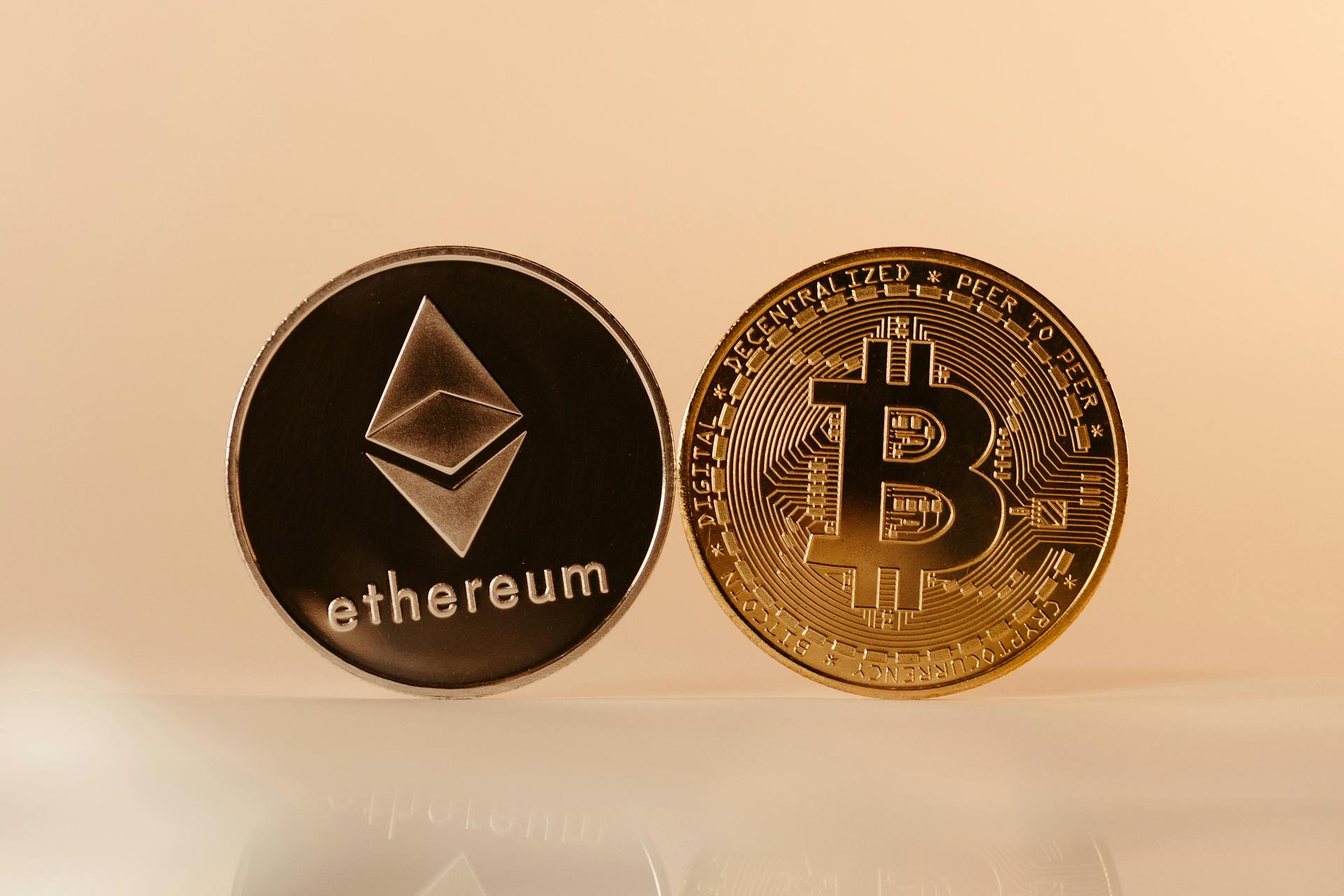
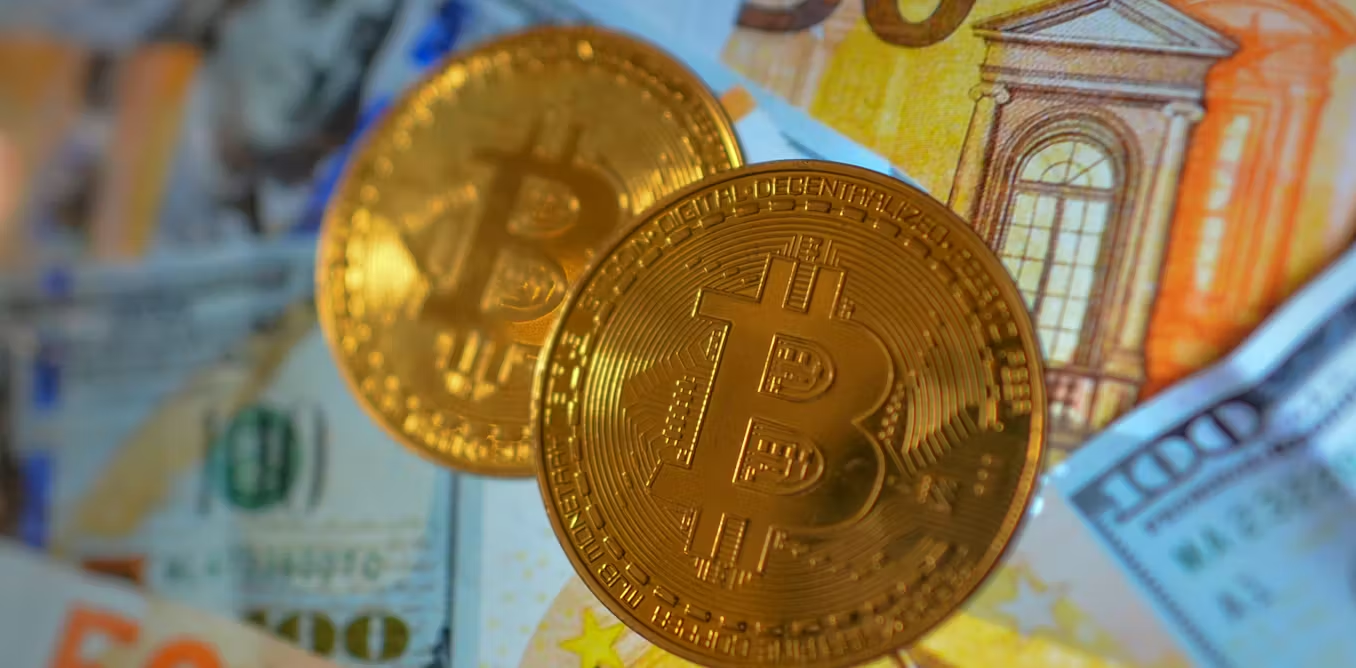
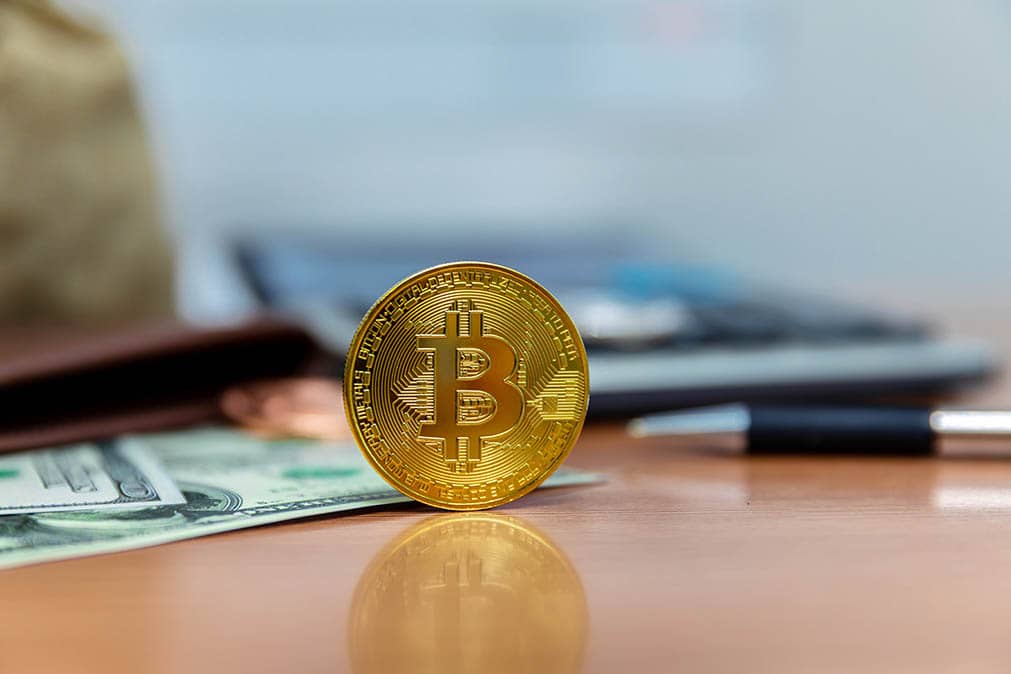
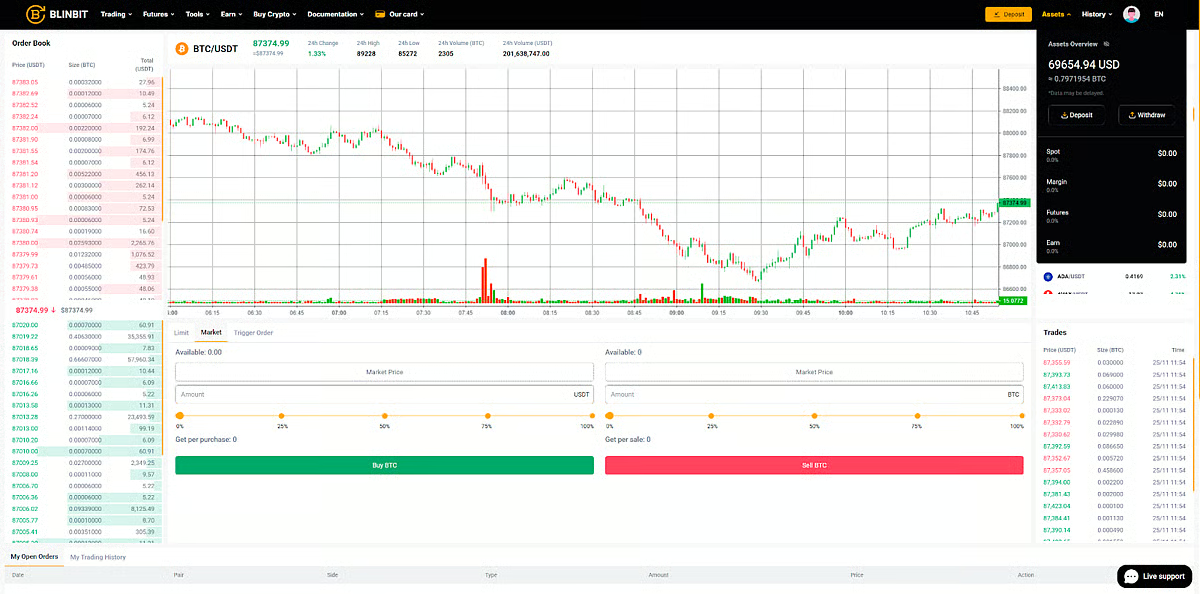
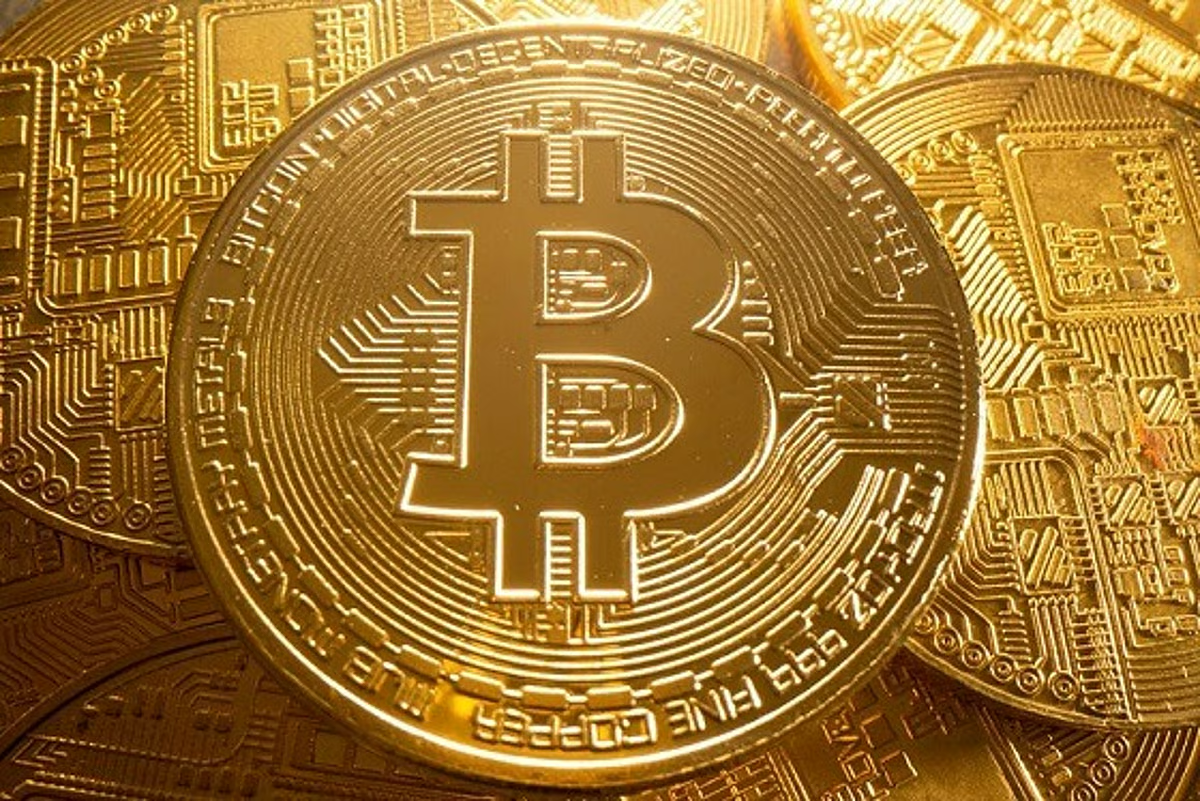
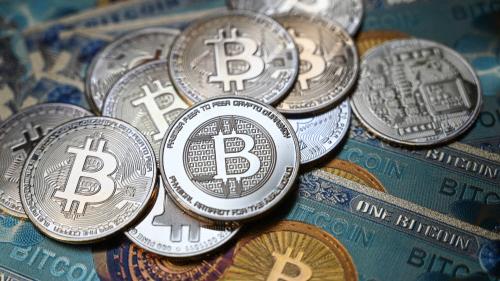
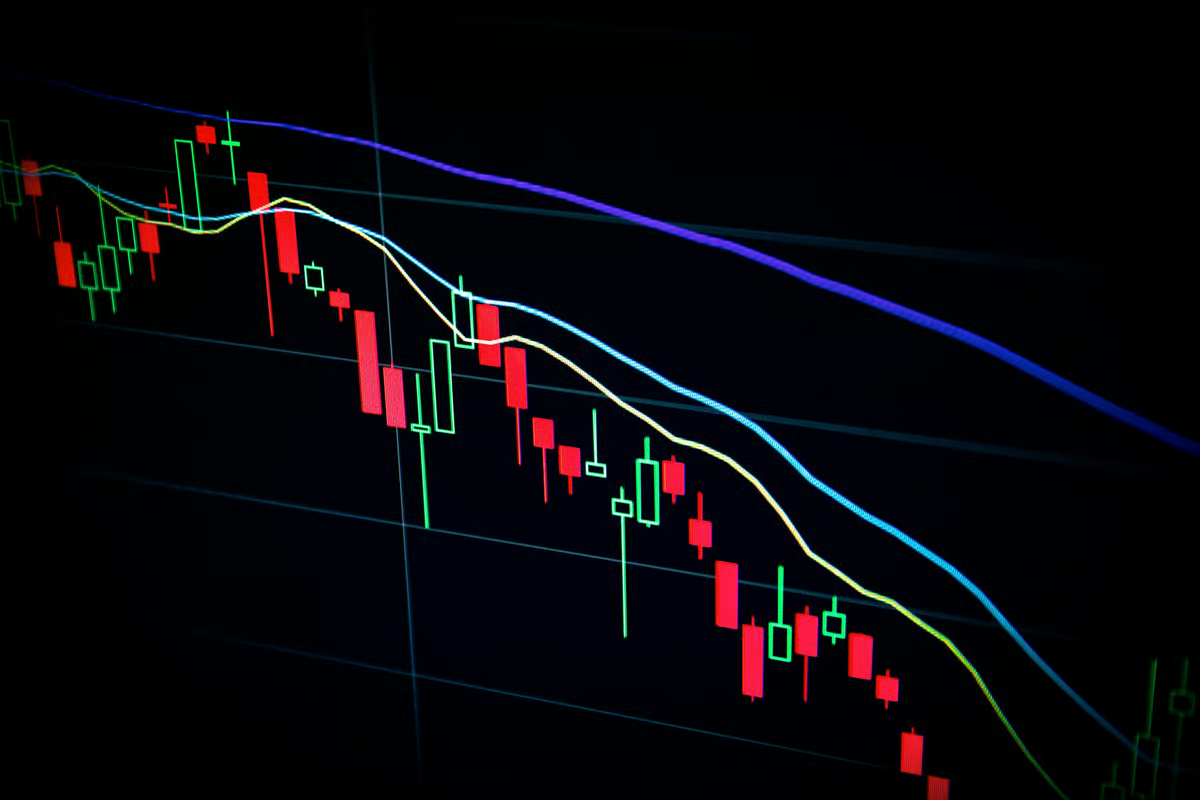
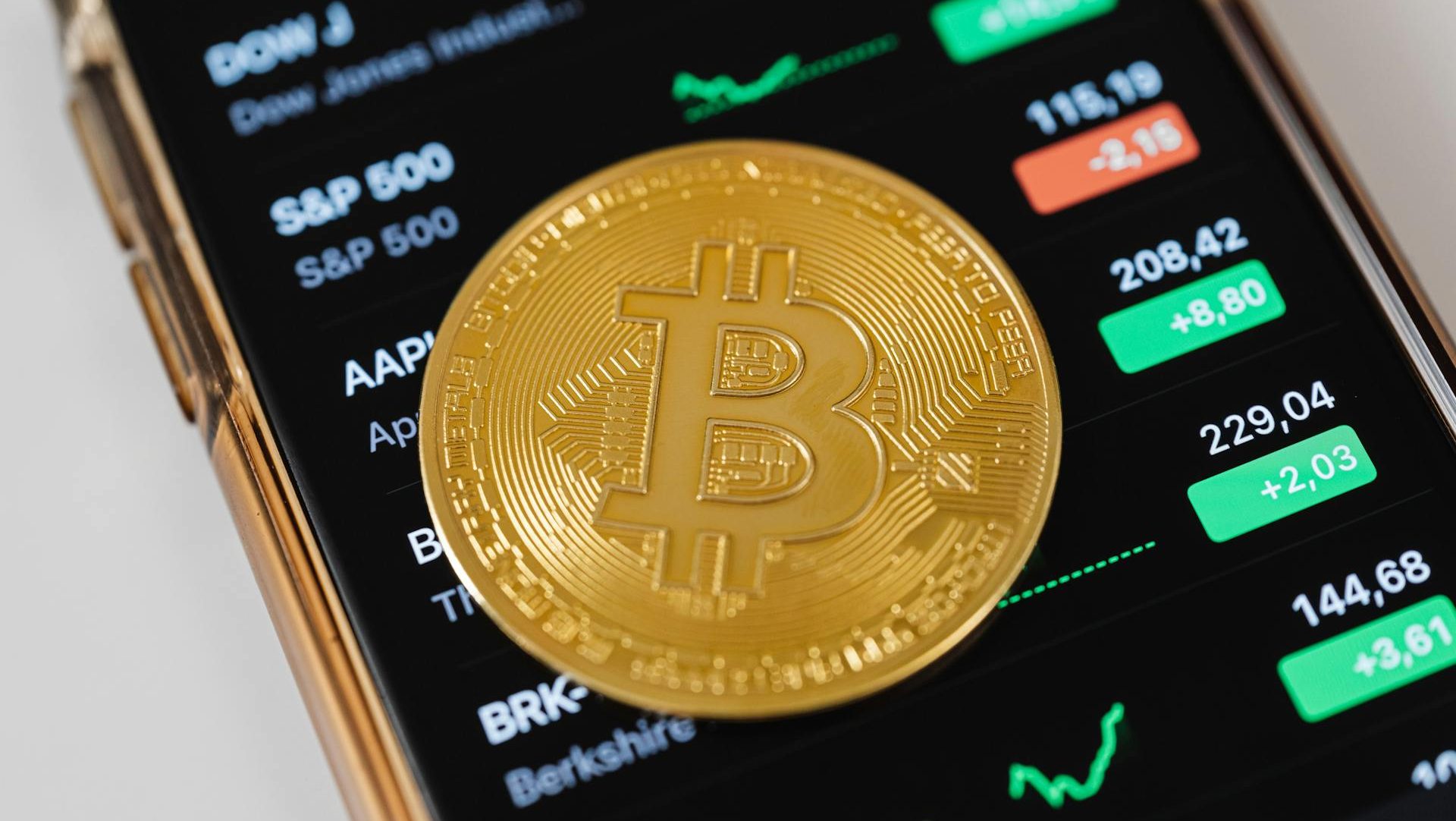
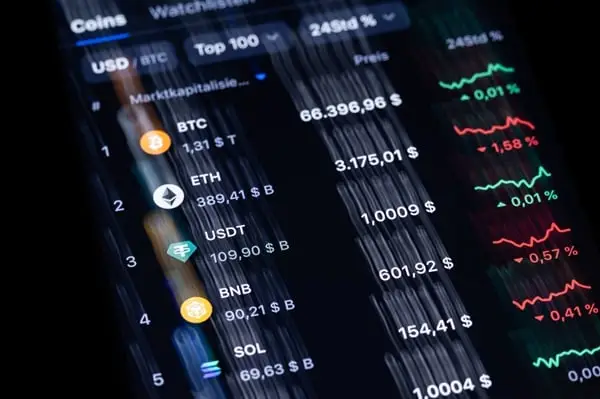
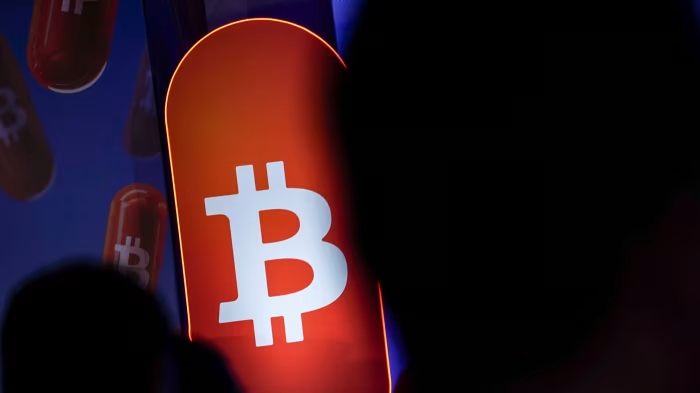
In the cryptocurrency market on November 15, 2026, Bitcoin (BTC) briefly fell to around $62,000, marking its lowest level since July.
While there were moments of rebound to the $64,000–$65,000 range, market instability persists due to ongoing capital outflows from U.S. spot Bitcoin ETFs and large-scale liquidations of leveraged positions.
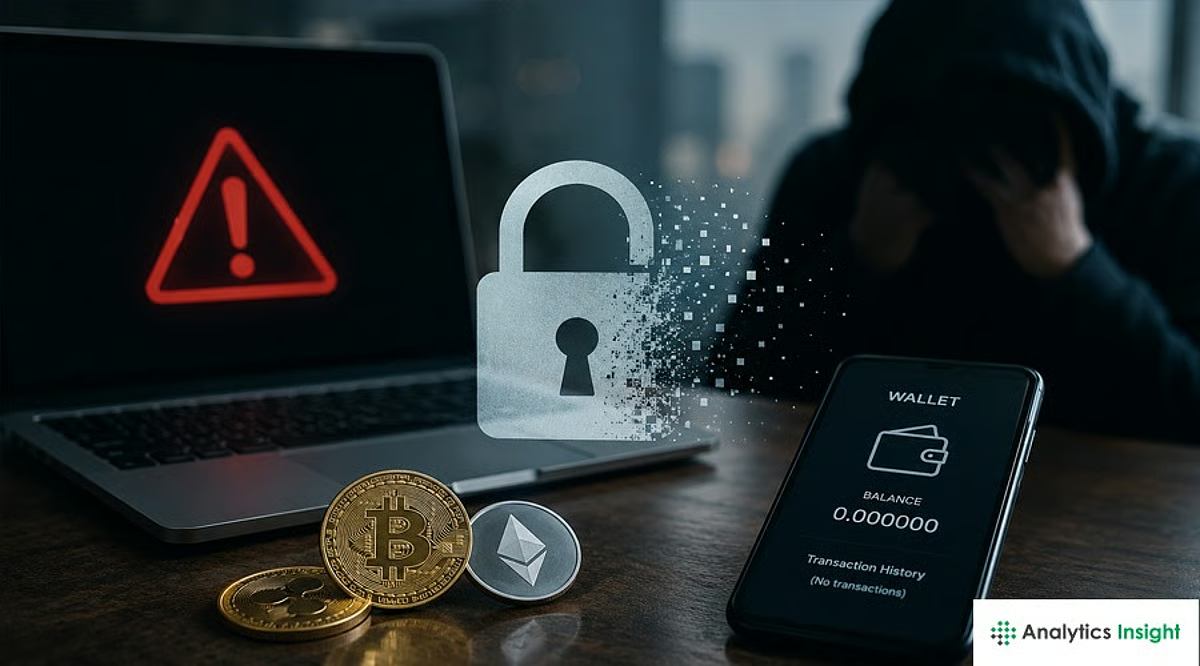
Additionally, the South Korean cryptocurrency exchange Coinone announced a customer data leak caused by unauthorized access to a third-party support service provider. It has been a day where attention is required not only on market prices but also on the security of exchanges and related services.
In this article, we will summarize the cryptocurrency-related news for November 15, 2026, and explain the key points to watch moving forward.
*Prices and capital outflow figures vary depending on the time of reporting and aggregation. Please view this as reference information to understand the day’s market trends, rather than as definitive values for a specific time.
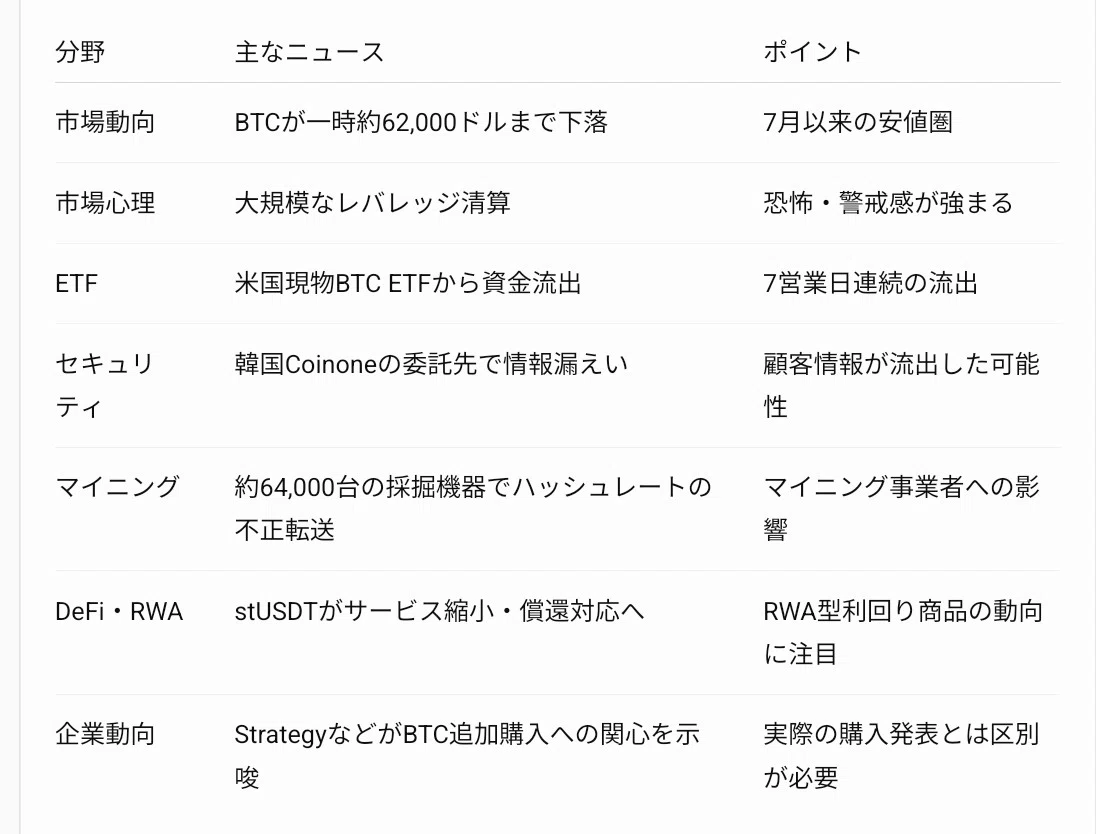
1. Key News to Understand First
2. Bitcoin Briefly Falls to Around $62,000
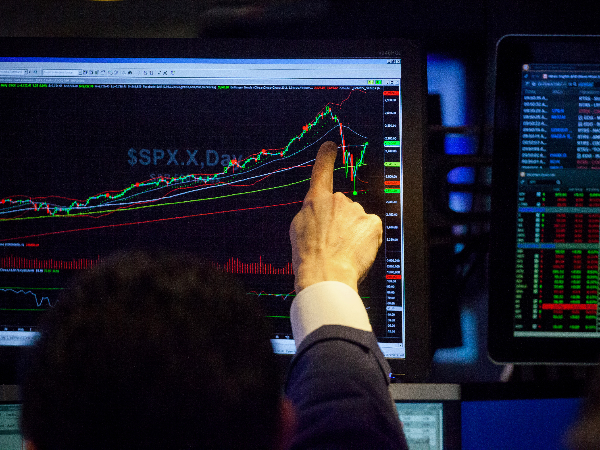
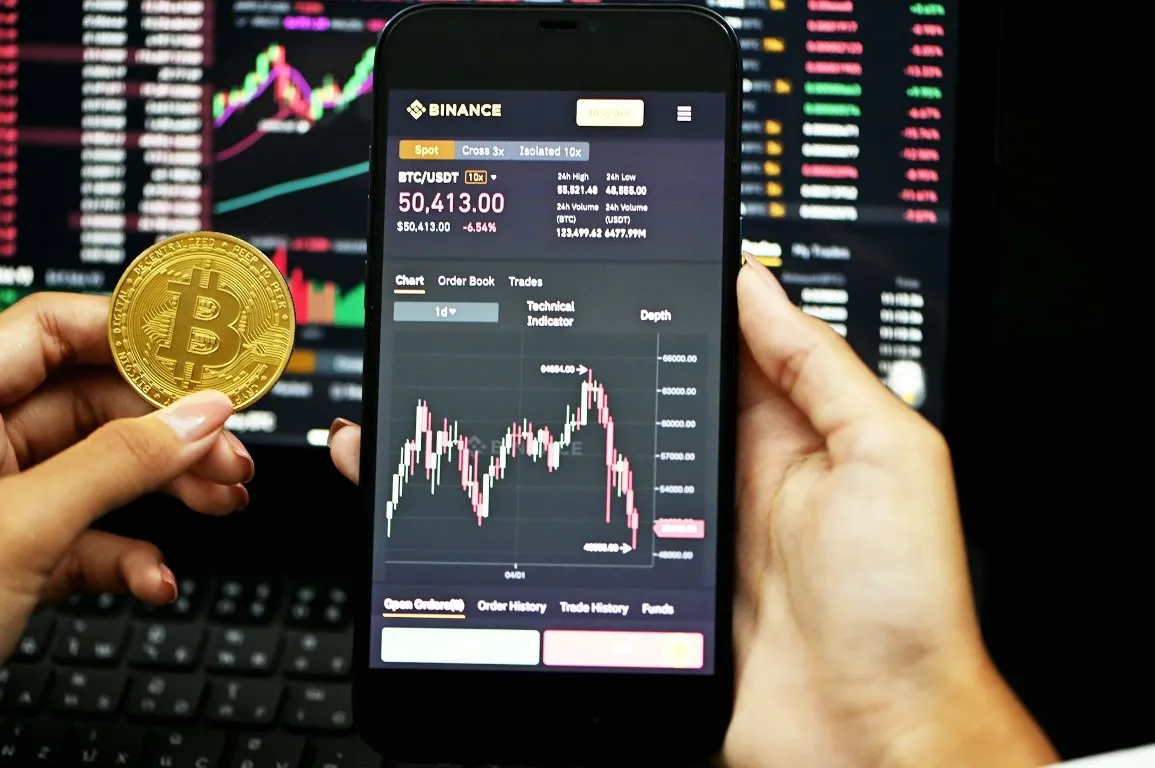
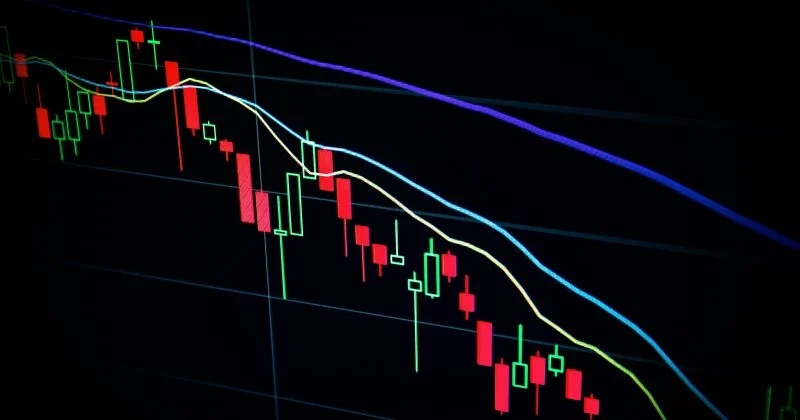
The major news on November 15 is the sharp decline in Bitcoin.
Selling pressure on BTC intensified over the weekend, causing it to briefly drop to around $62,000. This is reported to be its lowest level since July 2026.
It subsequently rebounded, with multiple reports confirming it returned to the $64,500–$66,000 range.
Background of the Decline
This decline is believed to be caused by a combination of several factors.
-
Caution regarding rising U.S. interest rates and monetary tightening
-
Capital outflows from U.S. spot Bitcoin ETFs
-
Risk-off sentiment across the entire cryptocurrency market
-
Forced liquidation of long positions in leveraged trading
-
Uncertainty regarding risk assets, including AI-related stocks
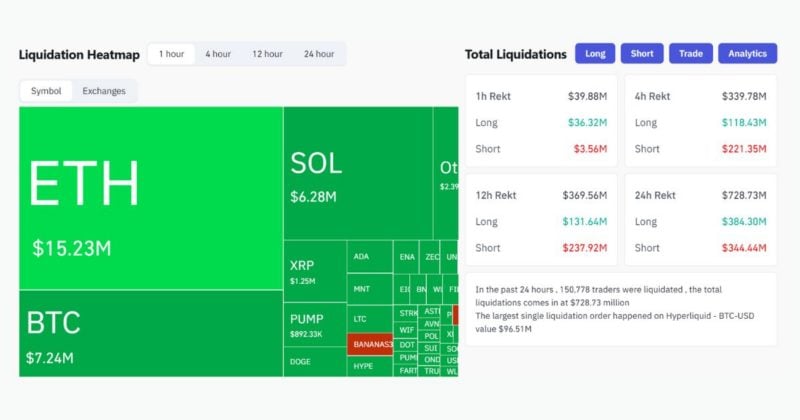
The liquidation of leveraged trades is particularly noteworthy.
When prices fall, investors holding long positions on margin face insufficient collateral, leading to the forced closure of their positions.
Such selling can further push down prices, triggering stop-losses for other investors and causing a chain reaction of declines.
This time as well, it is possible that this chain of liquidations accelerated the decline.
Points to Watch Moving Forward
In the short term, the focus will be on whether the $62,000 level is tested again.
However, a temporary rebound does not necessarily mean the downward trend has ended.
It is necessary to monitor multiple indicators, such as whether capital inflows into ETFs recover or if liquidations in leveraged trading settle down.
3. Capital Outflows Continue in U.S. Spot Bitcoin ETFs
Capital outflows are continuing in U.S. spot Bitcoin ETFs.
According to reports including data up to November 14, U.S. spot BTC ETFs have seen net outflows for seven consecutive trading days, with total outflows in November reaching approximately $2 billion.
Additionally, a net outflow of approximately $185.4 million was reported for November 13 alone.
Why ETF Capital Outflows Are Important
Spot Bitcoin ETFs are financial products that allow investors to invest in Bitcoin through brokerage accounts and similar platforms.
When capital flows into ETFs, it can lead to demand for BTC purchases by asset management firms.
Conversely, if capital outflows continue, it could lead to selling pressure on held assets.
When price declines and ETF capital outflows occur simultaneously, as they have this time, it is possible that market sentiment will deteriorate further.
Points to Watch Moving Forward
-
Whether capital outflows from U.S. spot BTC ETFs stop
-
Capital trends for major ETFs such as BlackRock’s IBIT
-
Capital inflows and outflows for Ethereum ETFs
-
Whether institutional investor demand through ETFs recovers
ETF fund flows are an important indicator for understanding not only short-term price fluctuations but also the investment stance of institutional investors.
4. Potential Customer Data Leak at South Korean Exchange Coinone
On November 15, the South Korean cryptocurrency exchange Coinone announced an unauthorized access incident involving MetaM, a company to which it outsources support operations.
According to reports, the unauthorized access occurred on November 12, and there is a possibility that a third party accessed customer support-related records held by the contractor.
Information that may have been leaked
Depending on the information shared by customers with the support desk, the following details may have been included:
Coinone has stated that no direct intrusion into its trading or wallet systems has been confirmed.
Additionally, they are urging users who shared their passwords during support interactions to change them.
Key takeaways from this news
The important point in this incident is that not only the exchange’s own systems but also its outsourced service providers can pose security risks.
In cryptocurrency services, external companies may handle customer information for identity verification or inquiry support.
Therefore, as a user, you should be mindful of the following measures:
-
Do not reuse exchange passwords for other services
-
Set up two-factor authentication
-
Do not open links in suspicious emails or SMS messages
-
Never share private keys or recovery phrases with anyone claiming to be a support representative
-
Check for announcements on the exchange’s official website or official app
It should be noted that this report concerns a third-party contractor of Coinone, and it has not been confirmed that the information of all users was leaked.
5. Unauthorized hash rate redirection involving approximately 64,000 Bitcoin mining machines
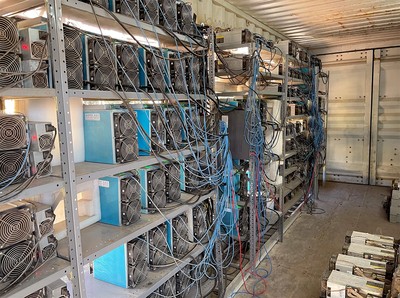
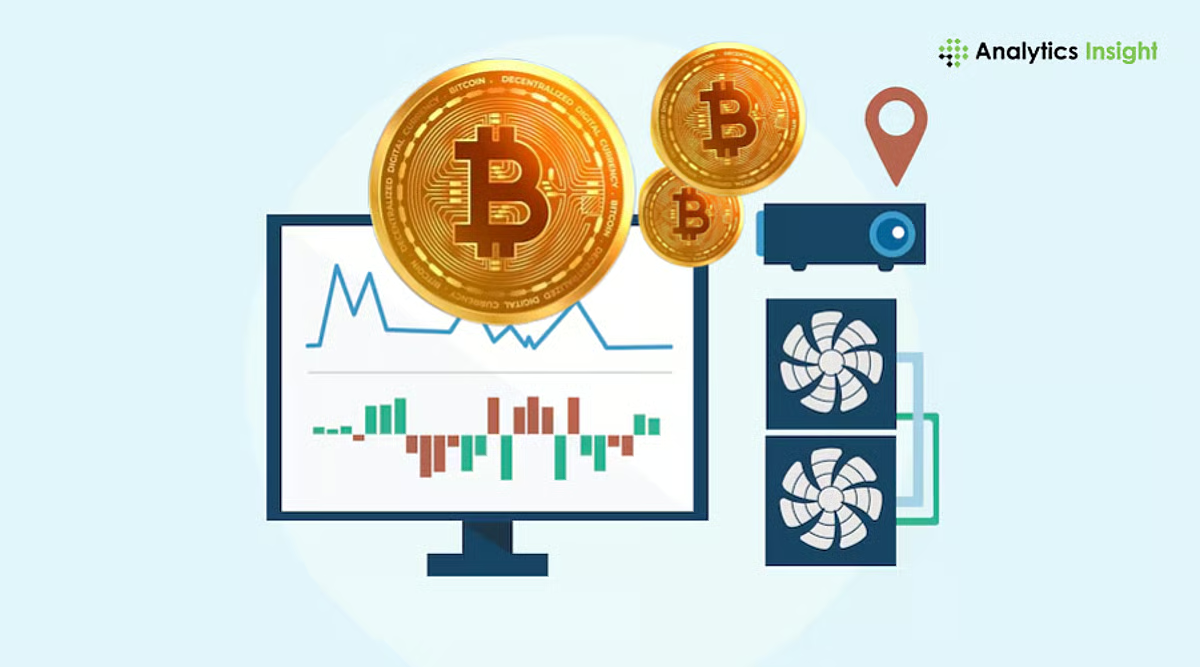
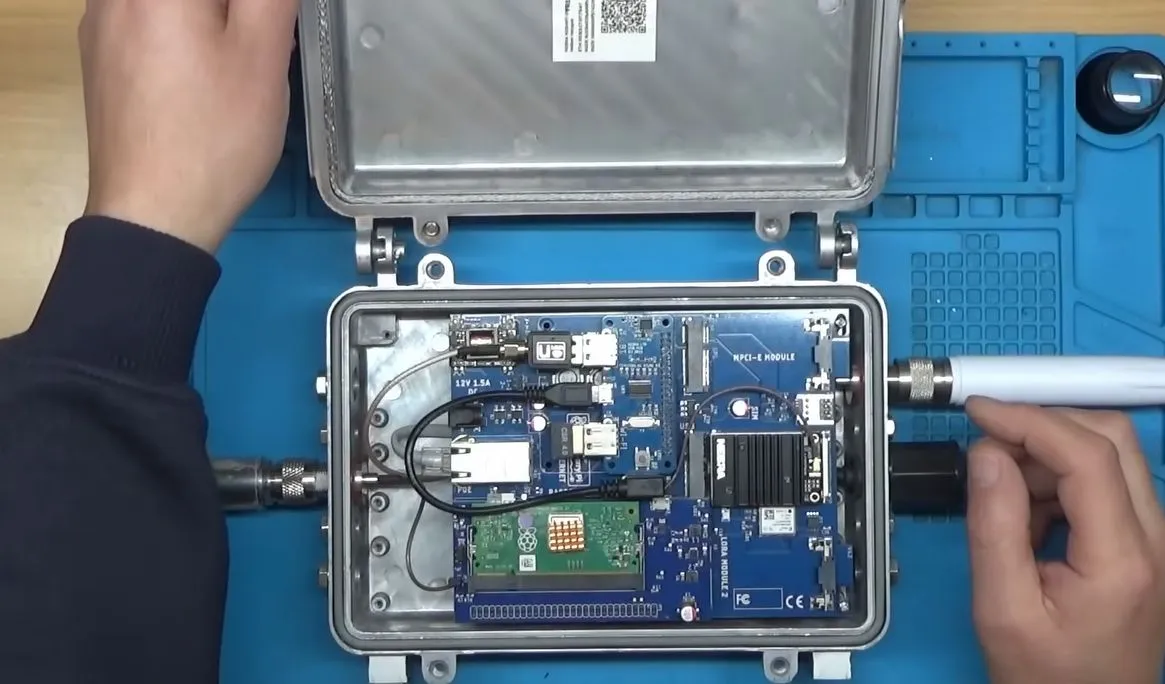
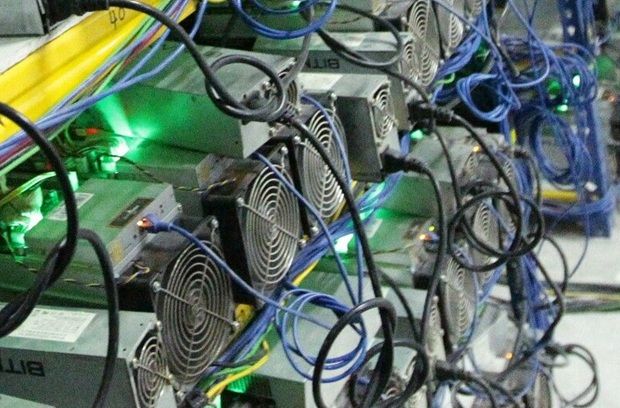
In the Bitcoin mining sector, unauthorized hash rate redirection involving approximately 64,000 mining machines has been reported.
According to reports, mining capacity totaling approximately 13 EH/s was redirected to OCEAN, a mining pool different from the usual one, and the destination for receiving rewards was also changed to an address controlled by the attacker.
Subsequently, the related company CoreX Hosting explained on November 15 that the incident had been resolved.
Additionally, Luxor Technology, which provides the related software, also confirmed the unauthorized hash rate redirection through its Commander platform and is reported to have outlined a compensation policy for affected customers.
What is unauthorized hash rate redirection?
In mining, mining machines perform computational processing and provide that computing power to a mining pool.
Normally, mining rewards are paid to wallets or other destinations specified by the mining operator based on contracts and settings.
If the connection destination or reward recipient is changed without authorization, as in this case, the mining operator may lose the revenue they were originally supposed to receive.
In this report, it is stated that the attacker did not mine blocks to obtain rewards, but the unauthorized use of mining capacity itself is a major issue.
Key points
For mining operators, not only the management of mining machines but also the authentication and access control of management software and connection destinations are important.
It has been demonstrated once again that cryptocurrency security risks are not limited to exchanges and wallets.
6. RWA project “stUSDT” to scale down services
In the DeFi and RWA (Real World Asset tokenization) sector, it has been reported that stUSDT has begun taking steps toward terminating its services.
stUSDT is a project that claims to provide yields by utilizing real-world assets.
According to reports, the accrual of interest ended on November 14, and holders of stUSDT and wstUSDT can apply for redemption through the official portal until May 14, 2027.
Furthermore, it has been reported that related DeFi services also plan to phase out the supply and borrowing of wstUSDT.
Why it is attracting attention
RWA is a mechanism for handling real-world assets such as government bonds, real estate, and credit on the blockchain.
In recent years, it has been attracting attention as a new growth sector in the crypto asset market.
On the other hand, even with RWA-related products, there are risks involving the issuer, operating entity, underlying assets, and redemption methods.
The recent movement of stUSDT is not a denial of the RWA theme itself, but it shows that when using yield products, it is necessary to fully confirm the mechanism and redemption conditions.
7. Strategy and Strive management suggest interest in additional BTC purchases
As the Bitcoin price falls, management at companies holding large amounts of Bitcoin have made statements indicating a positive stance toward additional purchases.
It is reported that Michael Saylor of Strategy and CEO Matt Cole of Strive each made posts on November 15 indicating interest in acquiring additional Bitcoin.
However, these are statements suggesting purchases, and they are not announcements confirming that new purchases were completed as of November 15.
Points to watch
Companies that hold Bitcoin as a financial asset may consider additional purchases during price decline phases.
On the other hand, corporate BTC purchases are also influenced by the funding environment, stock prices, and valuation gains or losses on held assets.
Therefore, it is important to distinguish between management statements and actual purchase announcements.
Moving forward, the focus will be on whether actual purchases are confirmed in SEC filings or official company announcements.
8. AI agent payment usage on XRP Ledger becomes a hot topic
Regarding the XRP Ledger, movements related to payment usage by AI agents have also been reported.
In an interview released by the XRPL Foundation, it was introduced that over 10 million AI agent-related transactions have been processed through t54.ai’s x402 Facilitator.
In the reports, a figure of approximately 11.7 million cumulative transactions was also highlighted.
This mechanism is related to use cases where AI agents make payments using XRP, RLUSD, etc., when utilizing services such as computing resources.
Future possibilities
If a system where AI agents autonomously use services and make necessary payments becomes widespread, the demand for machine-to-machine payments and micropayments may expand.
However, an increase in the number of transactions is not the same as an increase in the market price of XRP.
It is necessary to verify the actual scale of usage, payment volume, and sustained demand.
9. Three changes visible from the news on November 15
Summarizing the news, the following three movements can be seen in the cryptocurrency market.
① Market capital outflows and leverage liquidations are overlapping
Not only is the BTC price falling, but capital outflows from ETFs and liquidations of leveraged trades are occurring simultaneously.
To judge market recovery, it is necessary to check not only price rebounds but also ETF capital flows and position status in the futures market.
② Security management of cryptocurrency services is becoming important
Multiple security-related issues have been reported, such as information leaks at Coinone’s contractors and unauthorized redirection of mining equipment hashrate.
Beyond the security of the blockchain itself, the safety of peripheral systems such as exchanges, external contractors, and management software is also important.
③ Integration of AI/RWA and blockchain is progressing
On the other hand, new ways of using blockchain are emerging, such as payments by AI agents and RWA-related services.
Even if short-term market prices are unstable, technological development continues in practical fields such as payments and asset management.
10. Points to watch in the future
From November 16 onwards, I would like to pay attention to the following items.
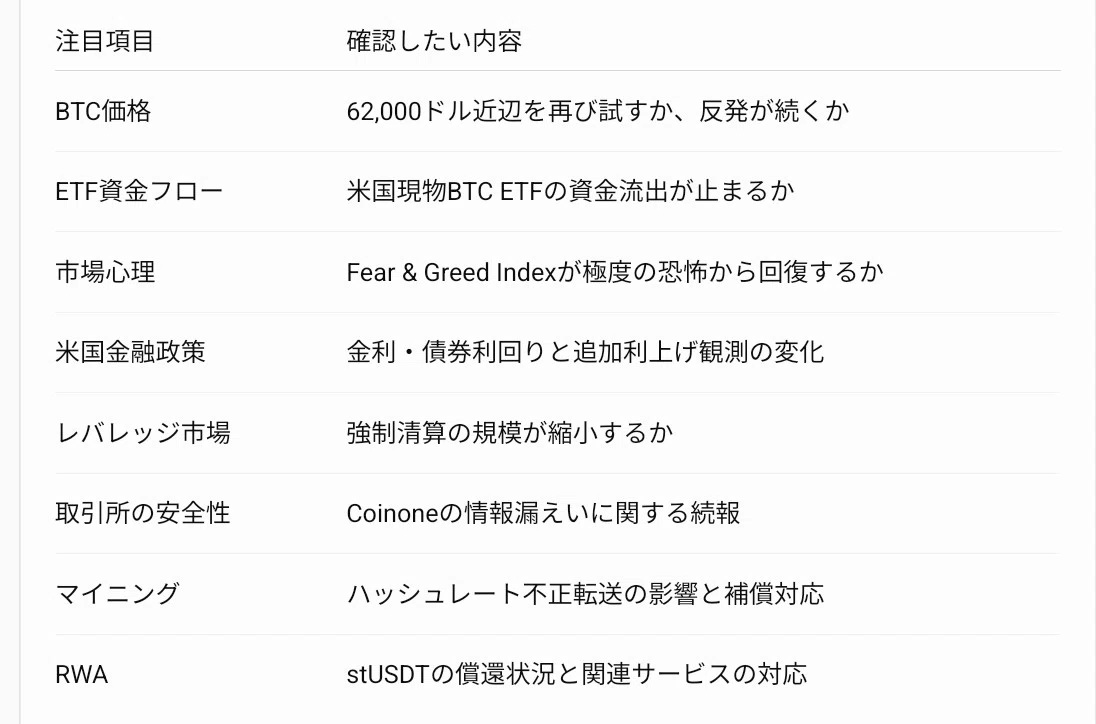
What is particularly important is whether the rebound in BTC price is accompanied by a recovery in capital inflows into ETFs.
Even if the price only recovers temporarily, if capital outflows continue, downward pressure may strengthen again.
11. Summary
The cryptocurrency market on November 15, 2026, saw a difficult development, with Bitcoin briefly falling to around $62,000.
Looking back at the main news, here is a summary.
-
Bitcoin briefly fell to around $62,000, marking its lowest level since July
-
US spot BTC ETFs see outflows for 7 consecutive trading days
-
Possibility of customer information leak at a contractor for South Korea’s Coinone
-
Unauthorized hash rate redirection involving approximately 64,000 mining machines occurred
-
RWA project stUSDT to halt interest and initiate redemption process
-
Management at Strategy and Strive hint at interest in additional BTC purchases
-
Use of AI agents for payments on the XRP Ledger becomes a hot topic
In the short term, ETF fund flows, US monetary policy, and the liquidation status of the leveraged market are likely to be key factors influencing the price.
On the other hand, efforts toward the practical application of blockchain, such as AI agent payments and RWA, are continuing.
It is important to consider market price declines and the development of blockchain technology separately.
Moving forward, we want to avoid being swayed by short-term price movements and instead keep a balanced view on capital flows, security, and the progress of practical applications!