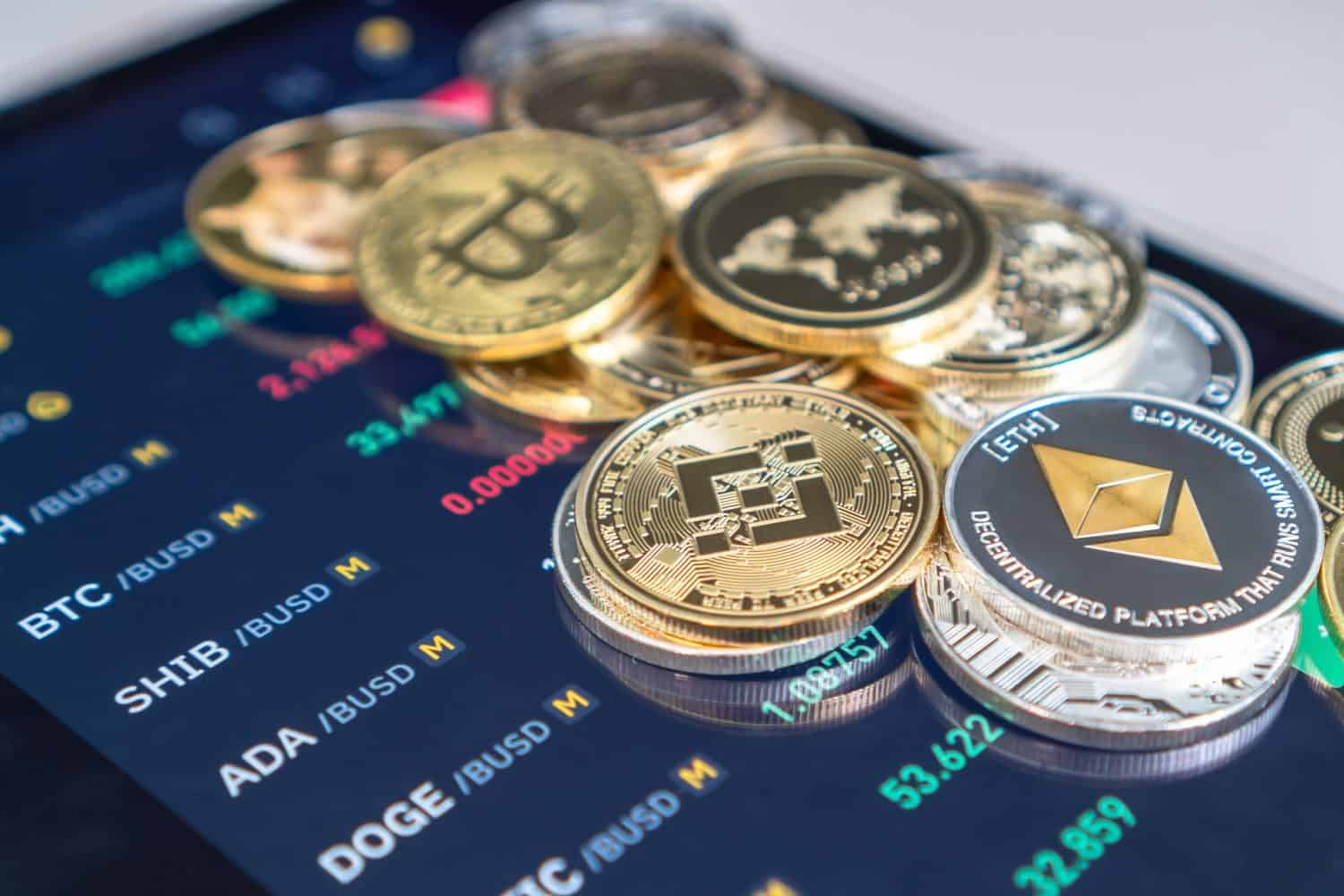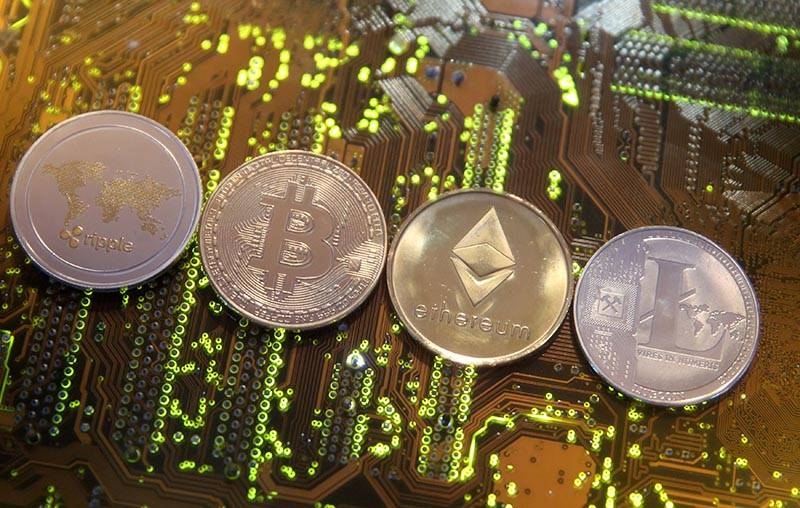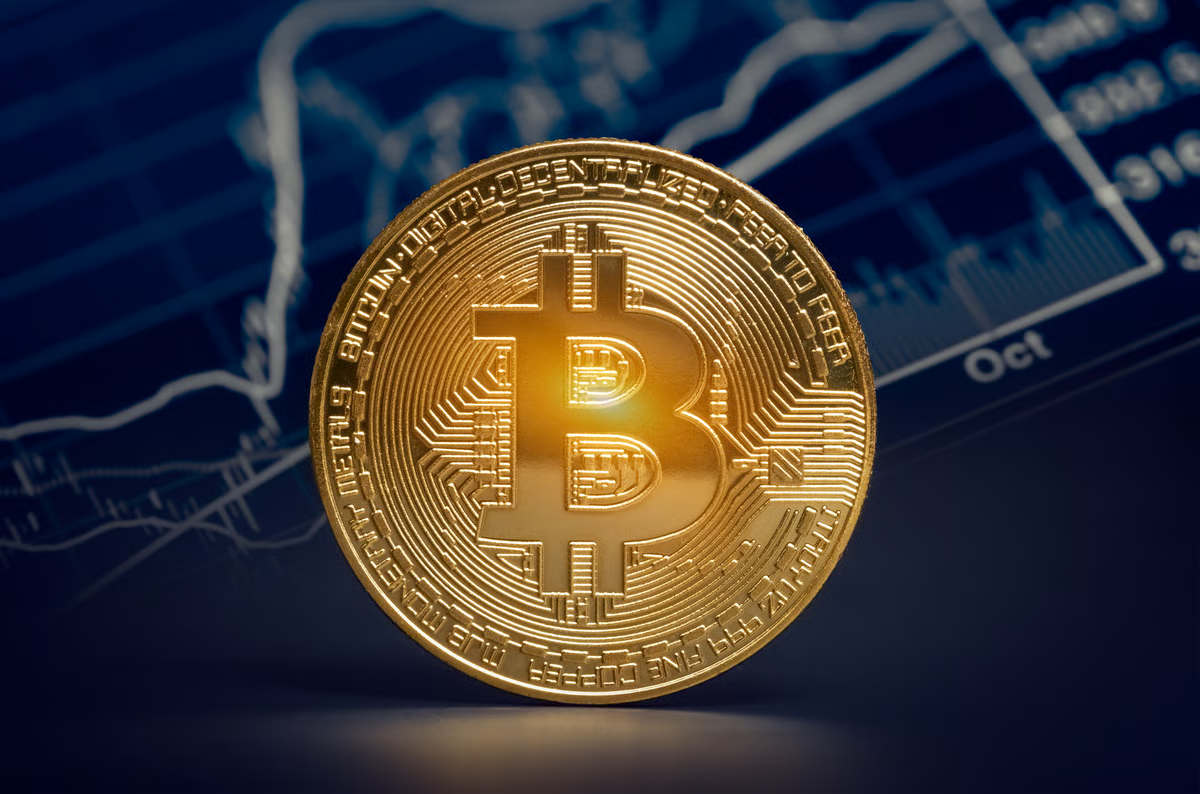

When you hear about cryptocurrency, the term ‘gas fee’ often comes up.
Even if you understand that it’s ‘some kind of fee,’ it’s not always clear why it’s called ‘gas’ or why the amount changes every time. At first, I was also scratching my head, wondering, ‘Gas? Like the gas for electricity, gas, and water?’
But in reality, the mechanism of gas fees can be explained with just one formula.
By reading this article, you will understand:
・What the ‘gas’ in gas fees means
・Why the amount changes, as explained by one formula
・Common pitfalls for beginners and how to spot scams that use gas fees as an excuse
Especially the last point is something I really want you to know before you start dealing with cryptocurrency.
[Conclusion] Gas fees are the ‘fuel costs for the blockchain’
Let me start with the conclusion.
Gas fees are the ‘fuel costs’ required to get the blockchain to do work for you. ‘Gas’ refers to the gasoline (gas) used to power a car.
In a previous article, I compared the blockchain to a ‘road.’ Sending money or buying and selling NFTs is like ‘driving a car’ on that road. And to drive a car, you need fuel.
The fuel cost for a car is determined like this, right?
Fuel cost = Amount of gasoline used × Price per liter of gasoline
Gas fees are exactly the same.
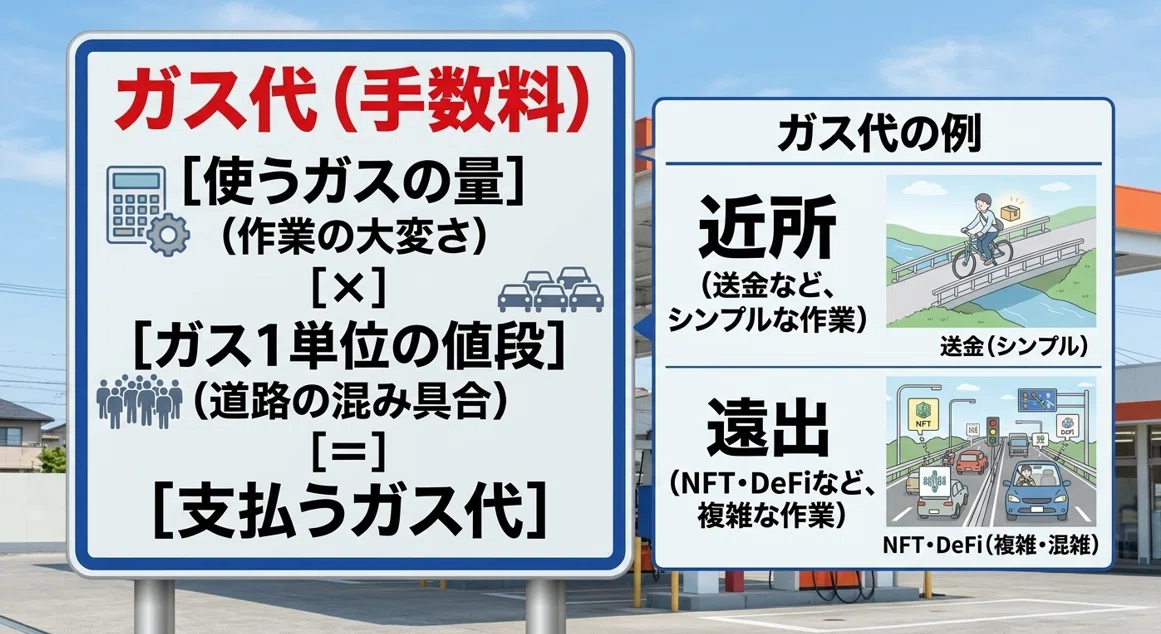
Gas fee = Amount of gas used × Price per unit of gas
・Amount of gas used: How difficult the task is (whether you are going to the neighborhood or taking a long trip)
・Price per unit of gas: How congested the road is at that time
Because these two are multiplied together, the gas fee changes every time.
‘I see, I just need to think about it in terms of quantity and unit price’—if you remember this formula, you can understand almost everything about gas fees. From here, I will look at these two things one by one.
[Reason 1] The ‘amount of gas’ is determined by the difficulty of the task
The first factor, the ‘amount of gas used,’ is determined by how difficult the task is.
・Just sending cryptocurrency: Like driving a car to the neighborhood. The amount of gas is small.
・Buying NFTs, using DeFi: This is the task of running smart contracts (programs like vending machines) that I talked about in a previous article. It’s like a long trip, so the amount of gas increases.
Here is one surprising point.
The size of the amount sent is unrelated to the amount of gas.
Whether you send 10,000 yen worth of ETH or 1,000,000 yen worth of ETH, if the ‘sending’ task is the same, the amount of gas used is almost identical. It is somewhat similar to how bank transfer fees do not change based on the amount.
What determines the gas fee is not ‘how much you send,’ but rather ‘what kind of task you perform‘.
[Reason 2] The ‘unit price of gas’ is determined by road congestion
The second factor, the ‘price per unit of gas,’ is determined byhow congested the road called the blockchain is at that moment.
Blockchains have an upper limit on the number of transactions that can be processed at once. When the number of users increases and the road becomes congested, the number of people who ‘want to get through quickly’ increases, which causes the price to rise.
In Ethereum, this unit price is made up of two parts.
・Base fee: A fee that automatically rises or falls according to road congestion. This portion isburned (disappears)
after being paid. ・Tip: A gratuity added when you ‘want to get through even a little faster.’ This becomes a reward for the person who processed the transaction (the validator).
The original article explained gas fees as a ‘thank you to the person who processed it,’ but to be precise,only the tip portion is the thank you. The base fee mechanism was introduced in 2021, and because the fee is determined based on congestion, it has become easier to predict how much you need to pay.
Times when congestion is likely include when popular NFTs are released or when the market moves significantly. However, since people all over the world use crypto 24 hours a day, you cannot simply say ‘it is cheap late at night in Japan.’
[Specific Example 1] How much are gas fees right now?
Many people have the image that ‘gas fees are expensive.’ But in reality,the situation has changed significantly over the past few years.
During the NFT boom around 2021, the Ethereum road was heavily congested, and there were times when fees of several hundred to several thousand yen were charged for transactions of a few thousand yen.
Since then, Ethereum has undergone major upgrades between 2024 and 2025. As many transactions have moved to the ‘Layer 2 (branches)’ mentioned in the previous article, Layer 2 now handles about 95% of Ethereum transactions. The main road is also clearer, and gas fees are much cheaper than before.
Also, the level of gas fees differs for each blockchain.
・Ethereum mainnet: Although significantly cheaper than before, it fluctuates depending on congestion. ・
Layer 2s like Base and Arbitrum: Often even cheaper than the mainnet. ・
Other blockchains like Solana: Each has its own unique fee mechanism.
However, gas feeschange based on the congestion at that exact moment. Since you cannot say ‘it is always X yen,’ it is best to check the price at that time if you are concerned.
[Specific Example 2] Two things beginners often stumble over
From here on, we will cover the points where beginners often stumble when actually using crypto.
1. You need separate ‘fuel’ to pay for gas fees
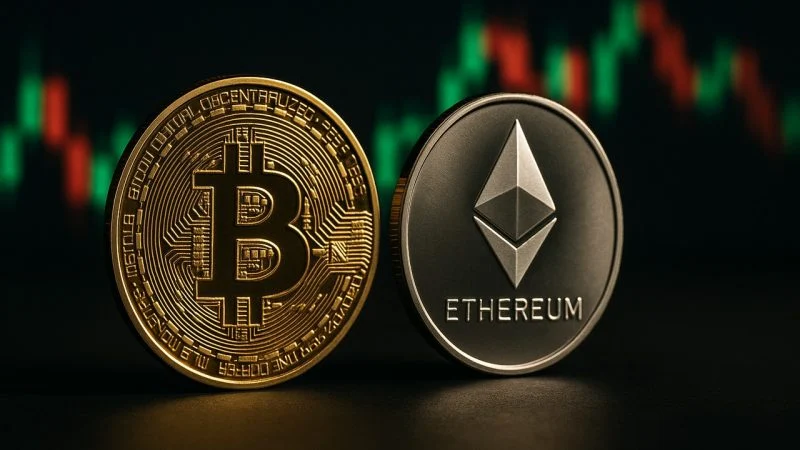
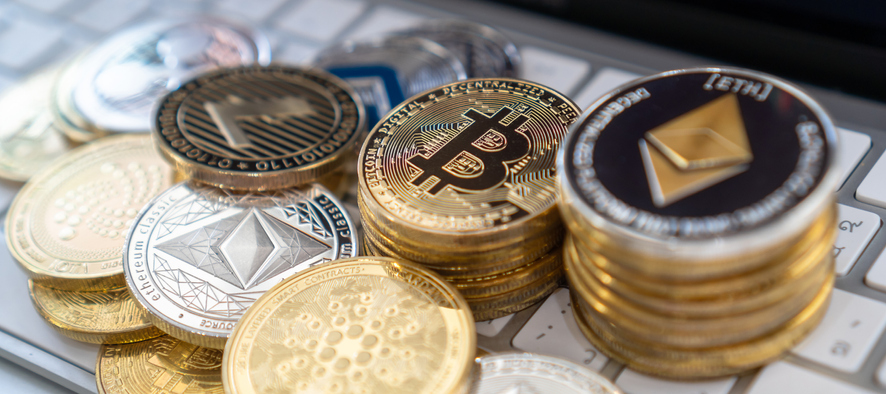
Gas fees are paid in the specific cryptocurrency of that blockchain. For Ethereum, it is ETH.
In other words, even if you want to send a stablecoin like USDC on Ethereum, you cannot send it unless you have ETH on hand for gas fees. It is the same as not being able to drive a car even if it is loaded with cargo if you do not have gasoline. If the blockchain is different, the type of ‘fuel’ required also changes.
2. The ‘withdrawal fee’ at domestic exchanges is different from gas fees
When using a domestic cryptocurrency exchange, what many people see is not the gas fee itself, but the ‘withdrawal fee’ set by the exchange. Depending on the exchange, this may be a fixed amount regardless of fluctuations in gas fees.
Also, if you are just buying and selling cryptocurrency within an exchange, you are not writing to the blockchain, so no gas fee is incurred. Gas fees only come into play when you send cryptocurrency outside of the exchange.
‘Gas fees,’ ‘withdrawal fees,’ and ‘trading fees’ may seem similar, but they are different things. Just knowing this difference will make the explanations of exchange fees much easier to read.
[Specific Example 3] ‘Pay the gas fee first’ is a sign of a scam
This is the most important point I want you to remember today.
You are recommended an investment site by someone you met on social media or a matching app, and when you try to withdraw the profits you made, you are told, ‘To withdraw, please pay the fee (tax/deposit) first’—.
This is a typical scam tactic that the National Consumer Affairs Center of Japan has repeatedly warned about. Even if you pay as instructed, you often cannot withdraw your money, and requests for payment under different pretexts continue. Moreover, consultations regarding cryptocurrency investment scams are most common among people in their 40s.
If you know what we discussed today, you can spot the red flags.
・Gas fees are paid to the blockchain on the spot when you make a transaction. They are not something you ‘transfer to another account in advance to withdraw later.’
・You will never be asked to send gas fees to an account or address specified by the other party.
If you are told that you can withdraw if you pay the fee first, do not send any more money, and immediately consult the Consumer Hotline at ‘188’ or the police consultation phone number ‘#9110’.
[Conclusion again] Once you learn the formula, gas fees are no longer scary
Finally, here is the conclusion once more.
Gas fees are ‘fuel costs’ for getting the blockchain to do work for you. And,
Gas fee = Amount of gas used (difficulty of the task) × Price per unit of gas (road congestion)
was the formula.
・The amount is determined by what kind of work you are doing, not by the amount sent
・The unit price is determined by the congestion of the road
・’Fuel’ for gas fees is required separately. It is different from the exchange’s withdrawal fee
・‘Pay the gas fee first’ is a sign of a scam
As a next step, you don’t need to spend any money. Please take a look at the ‘Gas Tracker’ page on the ‘Etherscan’ website. You don’t need an account or a wallet to see the current unit price of Ethereum gas. If you check it a few times, you will surely realize that ‘it really does change depending on how busy the network is.’
Don’t worry, as long as you understand the formula, you won’t be confused when the topic of gas fees comes up again.
*This article is for informational purposes only and does not recommend the purchase or use of any specific cryptocurrency or service. Cryptocurrency prices fluctuate, and there is a risk of losing your principal. Gas fees and transaction fees vary depending on the situation. Please make your own decisions regarding use. The content of this article is based on information at the time of writing and may differ from the latest situation.
References: