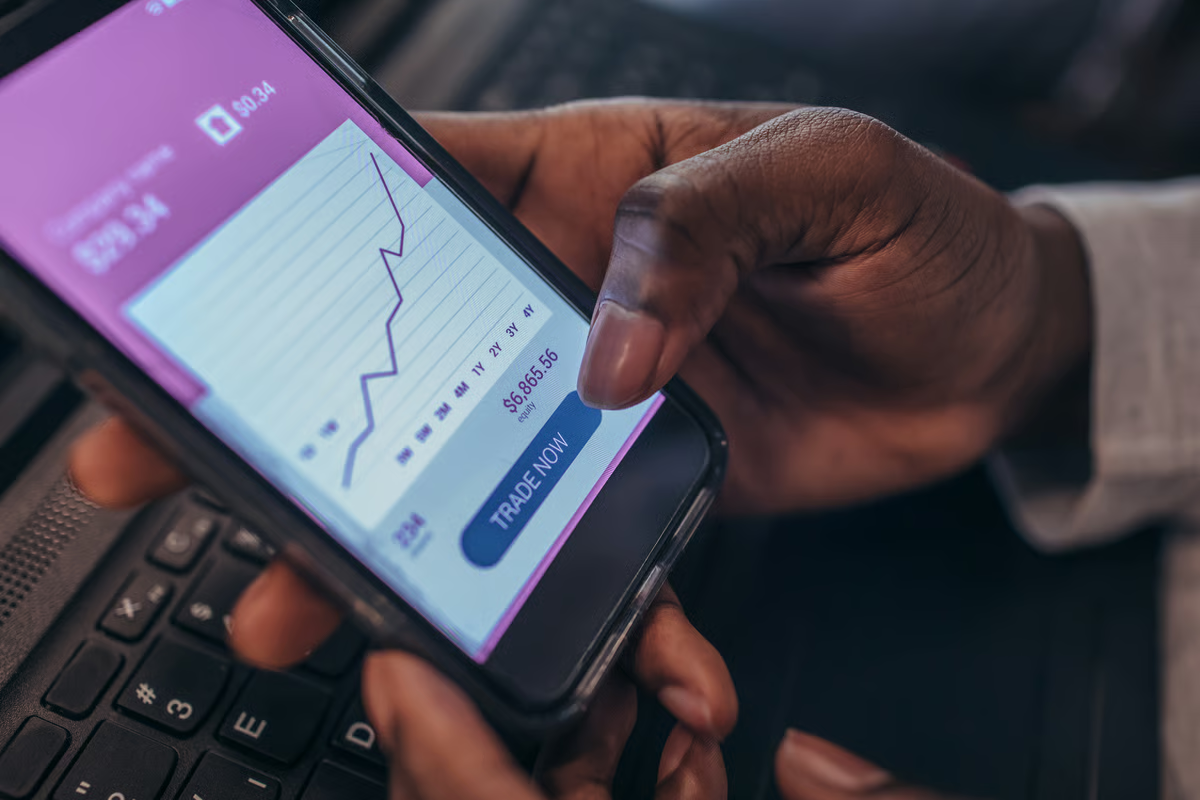
Growth of the brokerage business depends either on winning new traders or keeping the ones already there. Where regulation has settled, growth comes mostly from the same pool of traders, and every broker is competing for it. The winner is the one with the best overall experience: tight spreads, fast order execution, a wide range of assets and responsive support. Slow withdrawals undermine it all.
Withdrawals as the main retention tool
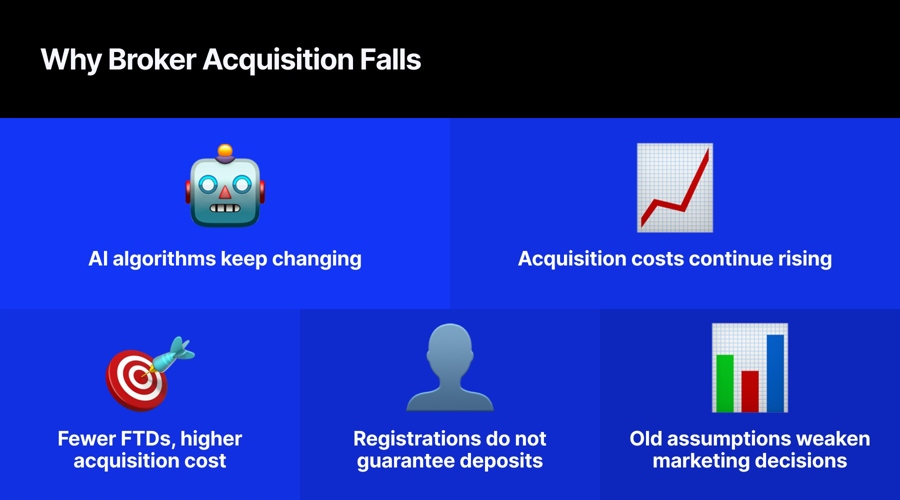
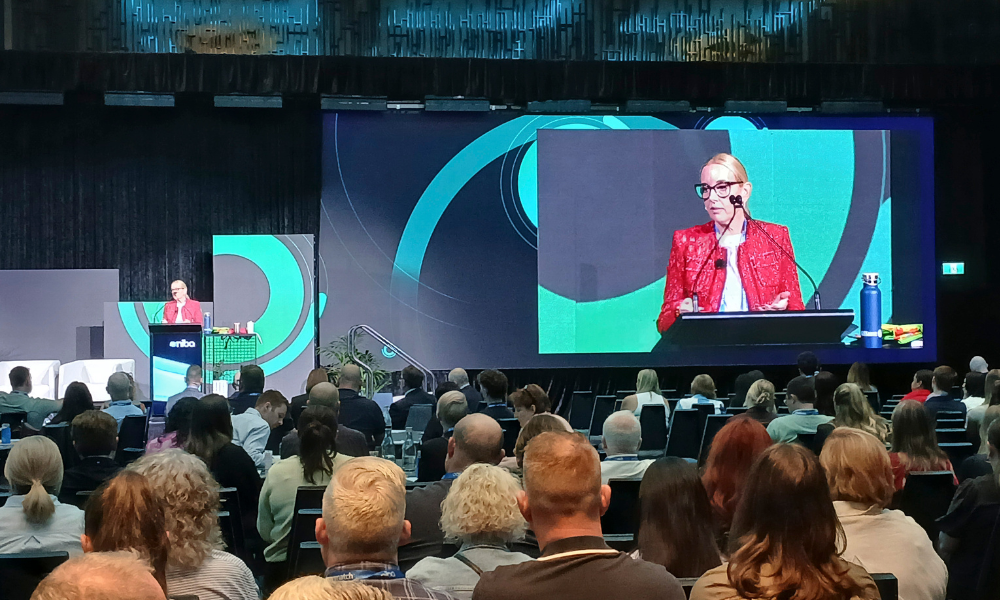
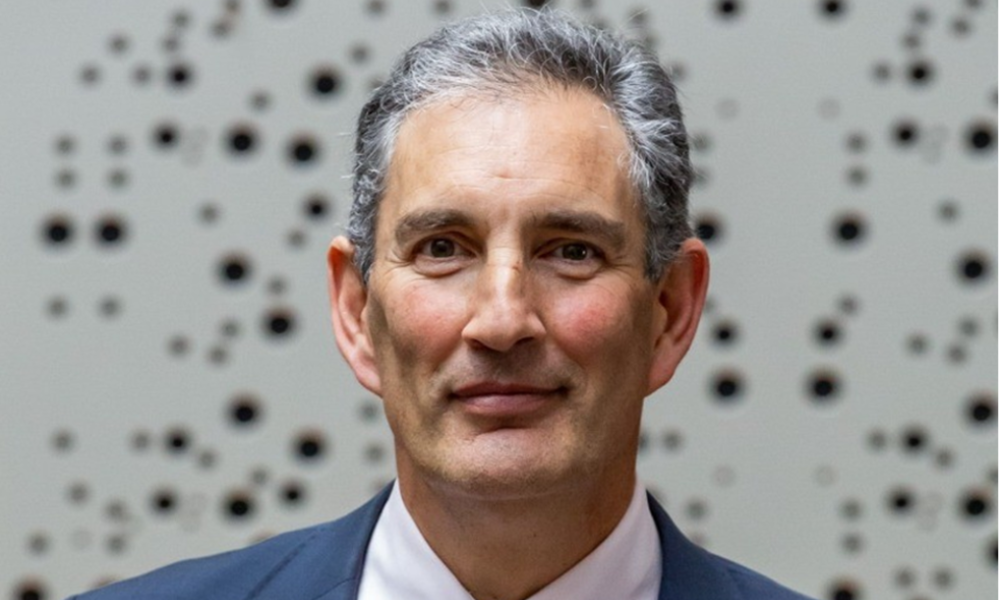
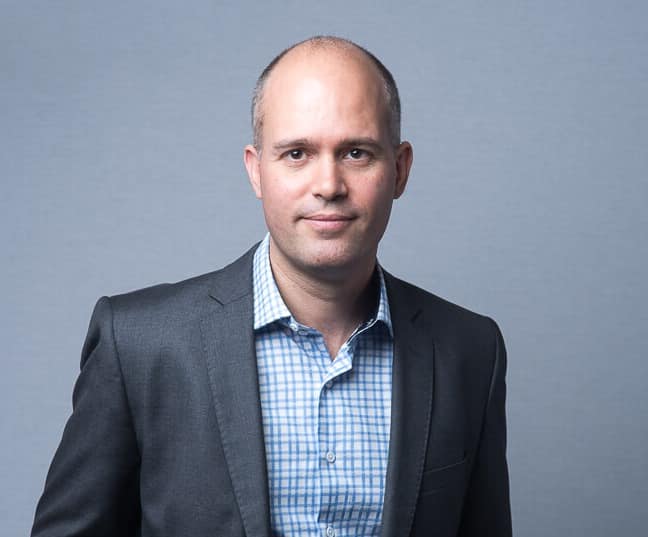
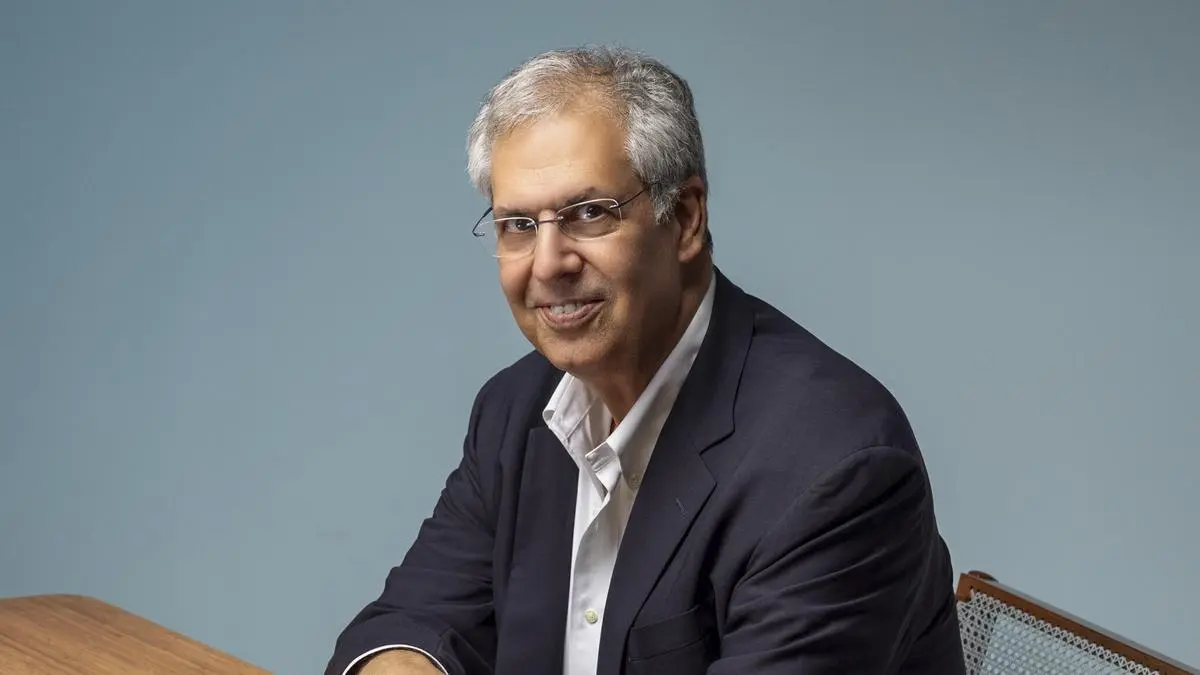
Competition in retail forex is intense, and it has pushed spreads down on many core products, in some cases turning pricing into a contest of who charges least, writes Itai Sadeh, CEO of iFOREX. Brokers are shifting their focus from acquisition to retention, he says, because winning new clients has become harder and more expensive under regulatory and advertising restrictions.
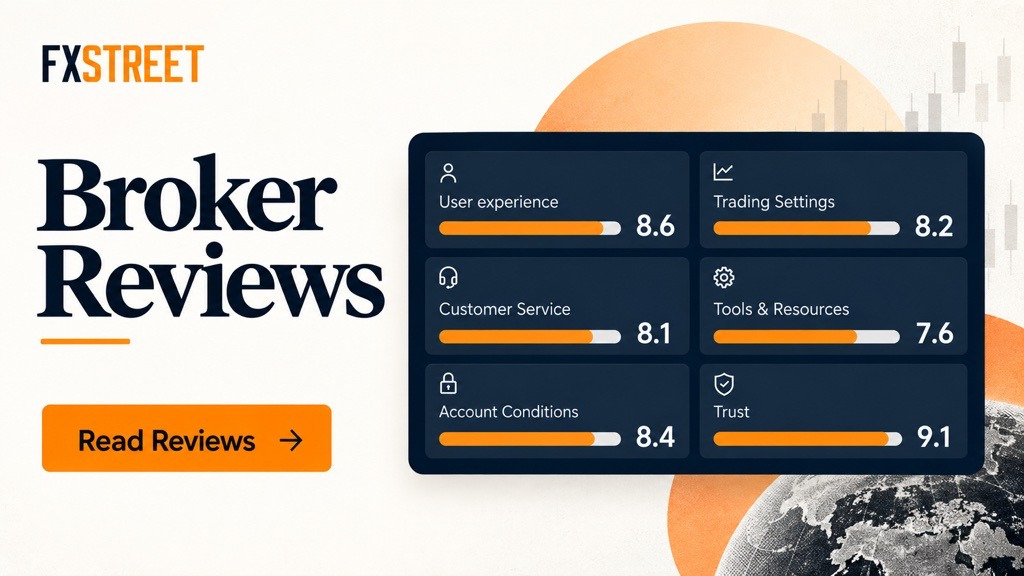
In high-risk online sectors, including iGaming and forex, instant deposits and withdrawals build trust and engagement, according to SPAYZ.io. A study by FXStreet among traders with at least one open broker account points the same way: reputation, regulatory compliance, and the efficiency of withdrawal and deposit processes are the key factors that build trust in a broker. Delays in withdrawal times risk driving traders to competitors.
Why withdrawals need time
When a trader requests a withdrawal on Saturday night and receives money on Tuesday or Wednesday, it’s the moment when he decides whether to come back or not. For a forex broker, it is the moment when it either achieves growth or loses ground.
If a broker decides to pay out instantly, it has to finance the withdrawal from its own pocket. When a trader tops up the balance by card, the amount shows on the account at once, but the broker receives the money only two business days later. If the trader asks to withdraw straight away, the broker has to pay out money it has not received yet.
Take a broker receiving USD 100,000 a day, about USD 3 million a month. Under T+2 terms, USD 200,000 of deposits are in transit on paper. Weekends push the figure higher, because banks settle only on business days: deposits made on Saturday and Sunday arrive on Wednesday. Counted day by day, the amount in transit averages about USD 300,000 and reaches USD 400,000 by Sunday night.
Even if a broker makes the withdrawal immediately, the trader may receive the money only on Tuesday or Wednesday. Despite all the operator’s efforts, it still risks losing the trader because the money arrives too late. The trader does not care where the delay came from, whether it was the broker, the bank or the weekend.
How crypto rails fix the delay
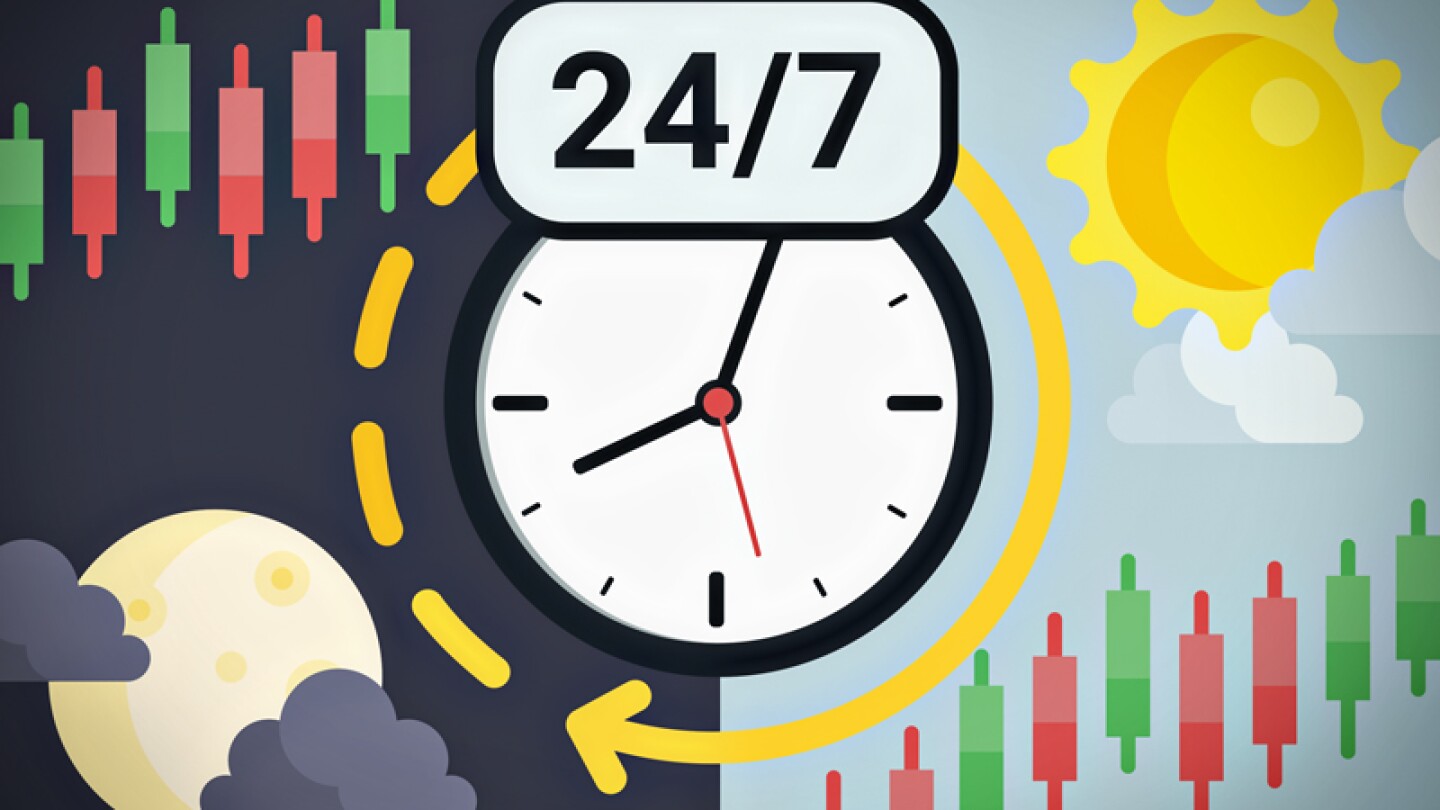
Crypto helps both sides of the payment. A trader receives a withdrawal in crypto within minutes, on any day of the week. The broker receives deposits almost instantly too, with no wait for banking hours or a T+2 cycle, so there is no gap in cash flow and a weekend withdrawal is covered by money that has already arrived.
Keeping the trader matters most of all. A trader who leaves takes future revenue along, and in order to replace that trader, the platform has to pay for the attraction of a new one. The more mature the market is, the higher the cost of a new trader.
According to Plus500, one of the largest listed CFD brokers, acquiring a new customer cost $1,267 on average in 2025, against average revenue of $3,268 per active customer. A broker that keeps losing traders over slow withdrawals pays that price again and again.
B2BINPAY, an international crypto payment gateway with more than 2,600 business clients, offers businesses this option: incoming crypto payments are settled near instantly, with fiat settlement available on T+1. Its fee for outgoing crypto payments is 0% and processing rates fall to 0.25% once monthly volume passes USD 5 million. For a business receiving USD 100,000 a day, deposits that arrive in crypto are available promptly for withdrawals.
Near-instant fiat rails also exist, but these options differ from country to country, and a broker with traders in many markets still depends on card and bank withdrawals in most of them. Crypto is a single rail that works the same way in the majority of regulated markets.
For brokerage businesses, a withdrawal that arrives in minutes is one of the few things that can still set them apart. Crypto does not replace cards and bank transfers, but it adds an alternative route for users, a faster one. As a result, fewer traders may leave over a slow withdrawal, and a business can build a stronger position in a market where keeping traders is the main condition of growth.
Disclaimer:
This material is not directed at, and does not constitute marketing, an offer, or a solicitation of any regulated service to persons in US/EU/EEA/UAE. Service availability, licensing, and product scope depend on jurisdiction and applicable regulatory requirements. B2B only; onboarding is subject to KYB verification. For more information, please see our Legal Information and Disclaimers, Terms of Use, and Privacy Policy, which can be found on our website https://b2binpay.com