
The idea that commercial-bank deposits could become programmable digital money did not begin with the latest wave of shared-ledger transactions. Its development can be traced through a series of experiments that progressively moved distributed-ledger technology from the margins of banking towards the core infrastructure of money and settlement.
Singapore was an early testing ground. The Monetary Authority of Singapore (MAS) launched Project Ubin in 2016 with a consortium of financial institutions to explore distributed-ledger technology for clearing and settlement of payments and securities. JP Morgan subsequently participated in the work, including the development of a blockchain-based prototype for multi-currency payments. In 2019, JP Morgan introduced JPM Coin, demonstrating how institutional clients could transfer commercial-bank money over blockchain infrastructure. The initiative subsequently became part of Onyx, JP Morgan’s blockchain business, which was renamed Kinexys in 2024.
Those strands began to converge in 2021 when DBS, JP Morgan and Temasek established Partior, building on Project Ubin to develop shared infrastructure for cross-border payments, trade transactions and foreign-exchange settlement. The progression was significant. JPM Coin had demonstrated what tokenised commercial-bank money could achieve within a bank-led network; Partior pushed the proposition towards a multi-bank model.
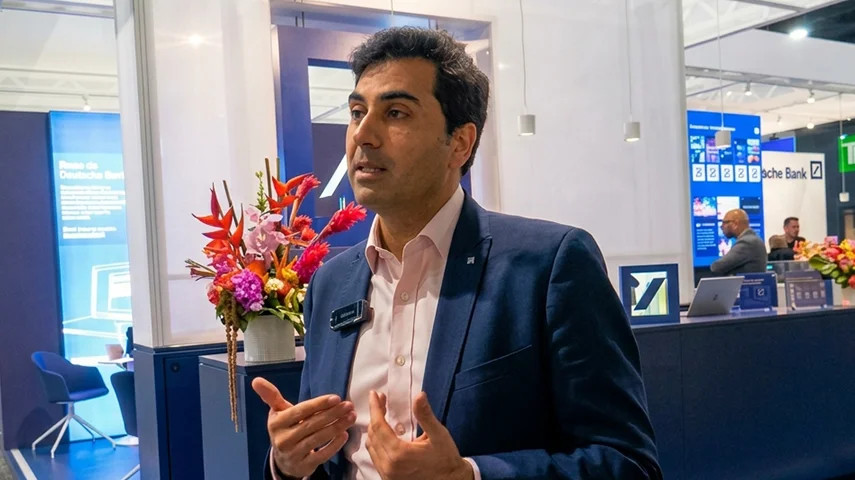
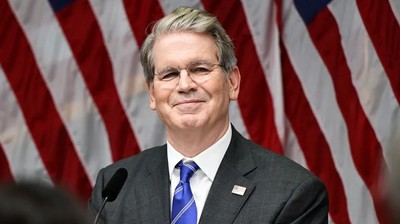
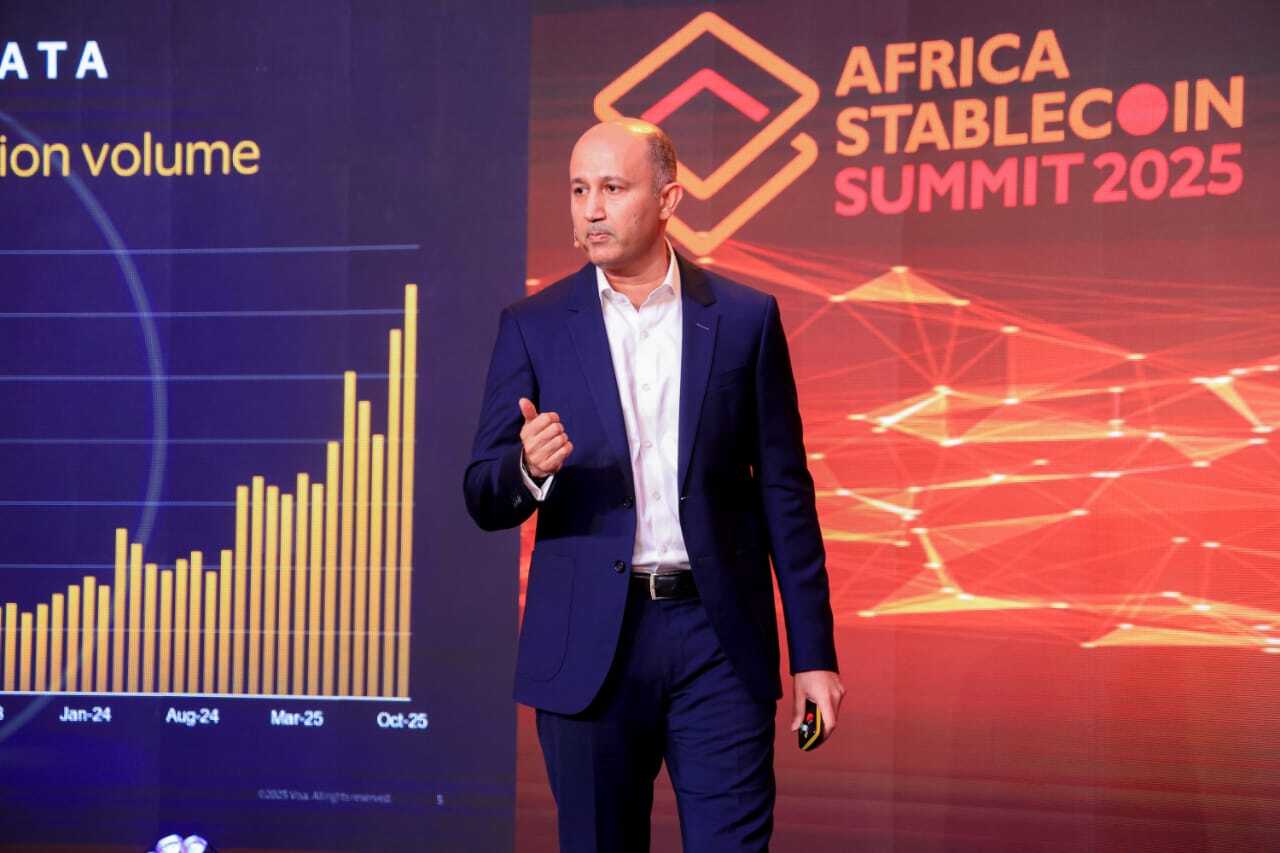
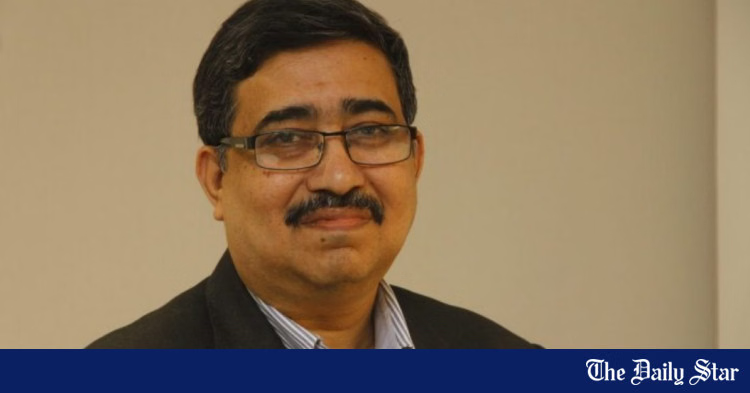
Naveen Mallela, Global Head of Payments at Standard Chartered, knows that evolution from both sides. Before joining Standard Chartered, he spent more than 14 years at JP Morgan, giving him a perspective spanning the earlier development of bank-led digital payments and today’s increasingly multi-rail environment. His present view is that these initiatives should not be seen as competing attempts to build the one network that eventually wins. They are addressing different parts of an increasingly interconnected payments and settlement architecture.
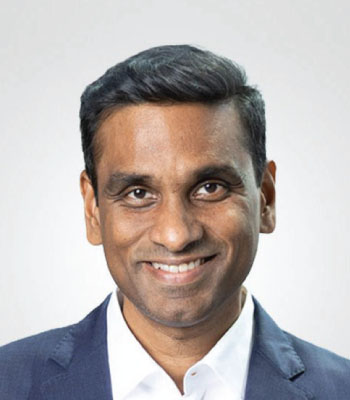
Naveen Mallela, Global Head of Payments at Standard Chartered
That distinction is becoming more important. A bank can tokenise its own deposits and make them transferable, programmable and available outside conventional banking hours. The harder problem arises when the money has to leave that bank’s environment. A tokenised deposit remains a liability of the issuing institution; putting it on a blockchain does not automatically turn it into a common settlement asset that another bank can accept as though the two institutions shared one balance sheet.
The industry’s latest developments therefore represent less a new beginning than the next stage of that evolution. In July 2026, Swift said its blockchain-based ledger was ready for initial use, with 17 banks across six continents preparing live tokenised-deposit transactions. Standard Chartered and HSBC subsequently executed the first live cross-border interbank transaction on the ledger, followed by UOB and HSBC in Hong Kong dollars. On 5 September, DBS and Citi completed a US dollar payment between Singapore and New York over a weekend, using tokenised deposits through the same infrastructure.
The progression is revealing. Project Ubin explored whether distributed ledgers could support interbank settlement. JPM Coin demonstrated that commercial-bank money could become programmable within a bank-led network. Partior sought to extend that proposition across institutions. Swift is now attempting to connect tokenised deposits issued separately by multiple banks through infrastructure with much wider institutional reach.
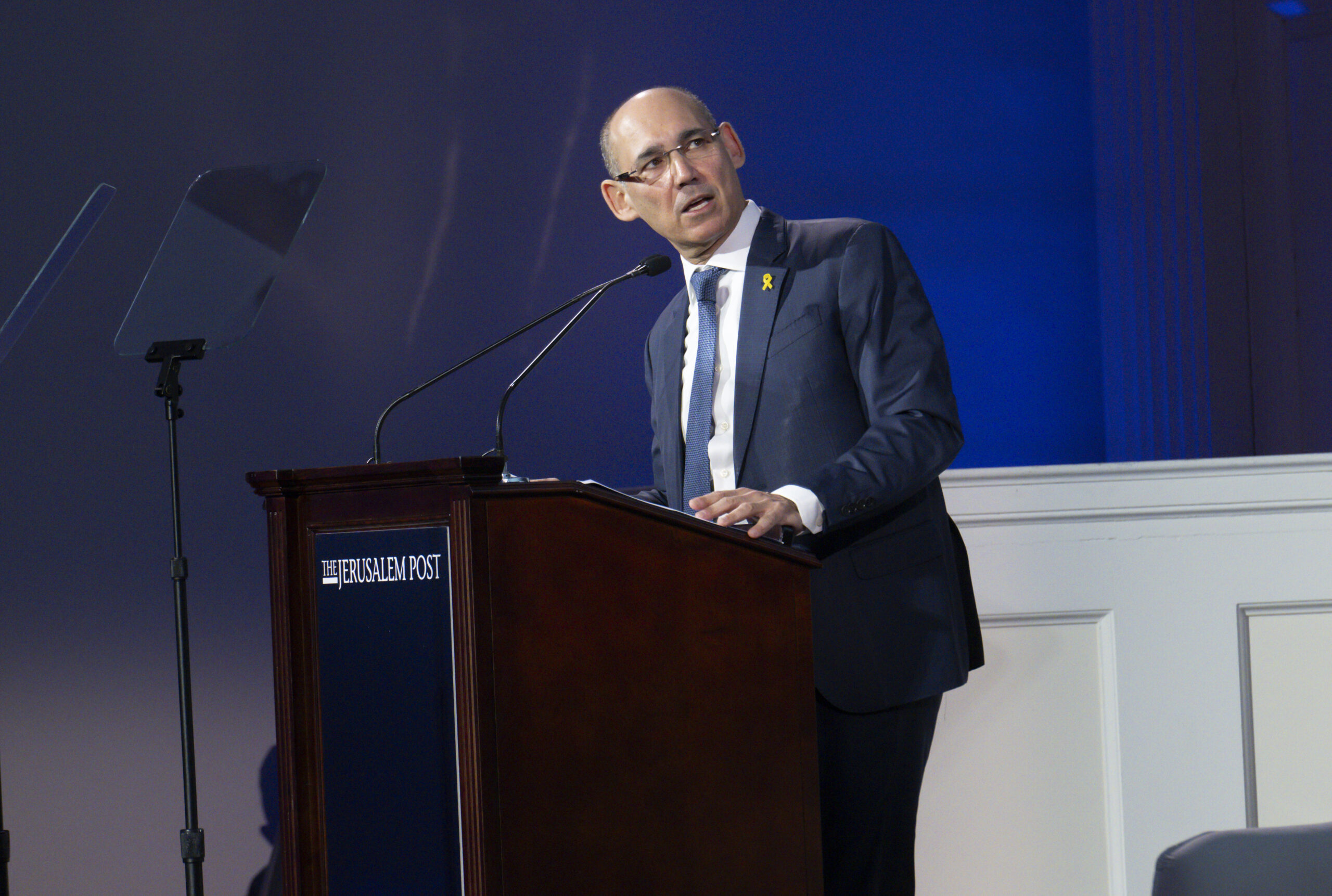
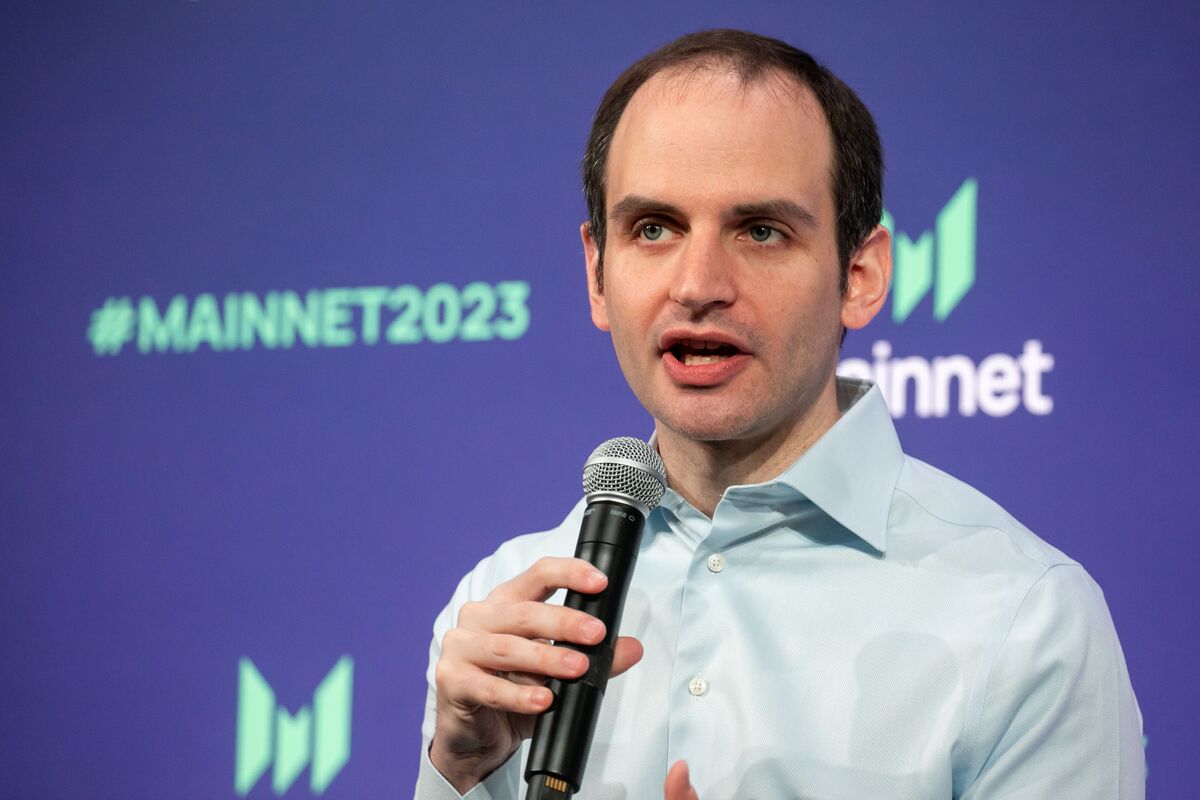
Avalon Ingram, Digital Assets Business Lead at Swift, described the remaining limitation succinctly: “Traditionally, tokenised deposits are a walled garden. They are siloed.” Swift’s answer is not to issue another form of money or become a settlement institution, but to provide an orchestration layer between separate bank liabilities while leaving final settlement through existing infrastructure. “We are not actually exchanging value in this circumstance,” she explained. “We are just recording that interbank liability, and then we’re orchestrating the settlements.”
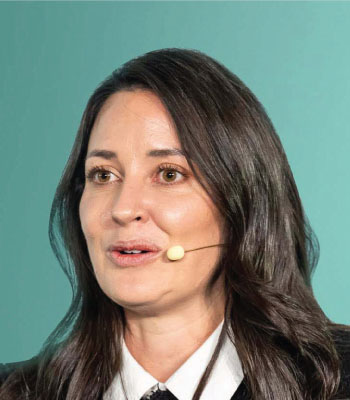
Avalon Ingram, Digital Assets Business Lead at Swift
Even these live transactions should not yet be mistaken for commercial scale. Digital finance has accumulated years of technically successful pilots that did not necessarily generate recurring transaction volumes. Ingram argued that moving infrastructure into initial use removes one barrier, but the commercial test is whether banks find transaction flows where the new orchestration layer creates sufficient economic value to change established behaviour.
And tokenised deposits no longer have the field to themselves. Regulated stablecoins are gaining institutional backing, central banks are exploring digital currencies and tokenised central-bank money, and tokenised securities, collateral and funds increasingly require digital settlement assets of their own. The question is therefore no longer simply whether deposits can be tokenised. It is where tokenised commercial-bank money fits within an emerging system containing several forms of digital money and assets, and whether those different forms can connect at sufficient scale to become useful financial infrastructure.
Mallela framed that emerging architecture clearly: “There is not going to be one singular rail.” He expects correspondent banking, domestic instant payment systems, tokenised deposits, regulated stablecoins and distributed-ledger platforms to continue evolving because they solve different problems for different participants. Partior, Project Agorá and Swift’s digital-asset work consequently represent different approaches to connecting commercial-bank money, central-bank money and existing payment infrastructure rather than necessarily competing to replace one another.
The test for tokenised deposits is therefore becoming considerably more demanding. It is no longer enough to prove that deposits can move on a blockchain. They must demonstrate that they can move liquidity more effectively, work across banks and currencies, interact with other forms of money and financial assets, and attract enough recurring use to justify changing infrastructure that already moves enormous volumes of money reliably every day.
The business case moves beyond faster payments
The most immediate advantage of tokenised deposits is also the easiest to understand: money no longer has to observe conventional banking hours.
The DBS-Citi transaction in September demonstrated the practical difference. A US dollar payment between Singapore and New York was completed over a weekend in minutes using tokenised deposits through Swift’s digital ledger. For corporate treasurers operating across time zones, the significance is not simply that the payment travelled faster, but that liquidity could be moved when it was needed rather than when the banking system reopened.
That distinction matters because speed alone is becoming a less compelling reason to rebuild payment infrastructure. Many domestic instant-payment systems already operate continuously, while Swift said 75% of payments on its existing network reach beneficiary banks within 10 minutes, often within seconds.
Sriram Muthukrishnan, Managing Director, Group Head of Transaction Banking Product Management and Head of Enterprise Payments at DBS, sees liquidity as the more fundamental constraint as payments become increasingly real-time and always-on. Traditional correspondent banking relies on balances, incoming flows and intraday credit to provide liquidity across currencies and markets. As payment activity extends beyond conventional banking hours, those arrangements must increasingly support continuous settlement as well.
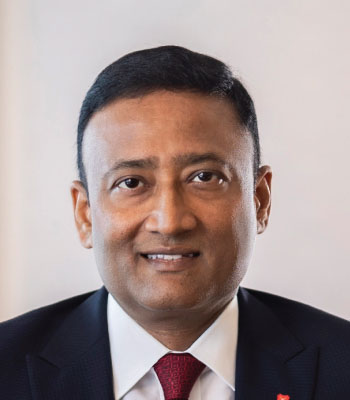
Sriram Muthukrishnan, Managing Director, Group Head of Transaction Banking Product Management and Head of Enterprise Payments at DBS
This is where tokenised deposits potentially change the economics of treasury management. A corporate that can move cash between entities, currencies and markets at weekends or overnight can respond more quickly to funding requirements and reduce the amount of liquidity held simply because it cannot otherwise be mobilised at the required time.
The commercial test is therefore not whether a tokenised payment can beat an existing payment message by a few seconds. It is whether continuously available digital commercial-bank money can improve cash visibility, reduce trapped liquidity, support more efficient working-capital management and eventually allow treasurers to manage liquidity on a more continuous basis.
Muthukrishnan described the next competitive advantage as less about accelerating payment messages than “mobilising liquidity more intelligently”. Tokenisation becomes valuable when it changes what can be done with the money, rather than merely how quickly the payment instruction moves.
Tokenised money gives tokenised markets their cash leg
That business case extends beyond payments. As bonds, funds, collateral and other financial assets become tokenised, the money used to buy and settle them increasingly needs to operate within the same digital environment.
CIMB demonstrated the connection in its tokenised sukuk pilot, which used tokenised deposits as the settlement instrument for a tokenised financial asset. The pilot extended beyond issuance to lifecycle processes including coupon distribution, secondary transfers and redemption, testing whether both sides of a financial transaction could operate digitally. The bank sees potential benefits in greater automation, faster settlement and improved liquidity and capital efficiency.
The underlying problem is straightforward: tokenising an asset solves only part of the transaction if its cash leg still has to leave the digital environment for settlement.
The same principle can eventually apply to securities, repurchase agreements, collateral movements and other wholesale-market transactions. A tokenised bond that can change ownership immediately does not deliver atomic settlement if the corresponding payment remains dependent on separate infrastructure, operating hours or reconciliation.
Mallela sees the boundaries between these activities becoming less distinct. Payments, liquidity management, collateral, securities and custody have historically operated through separate infrastructure. As assets become tokenised, he expects collateral to become more readily mobilised, securities to contribute more directly to liquidity management and payments to coordinate the movement of money and assets rather than remain a standalone banking function.
That introduces a more consequential role for tokenised deposits. They are not simply another payment instrument. They can potentially become a settlement asset representing regulated commercial-bank money inside tokenised financial markets.
Whether they become the preferred settlement asset, however, is far less certain.
Tokenised deposits are only one contender in the future of money
Banks are developing tokenised deposits at the same time as they are investing in stablecoins, central-bank digital money and other forms of tokenised liquidity. Their own strategies suggest that the industry does not expect one model to eliminate the others.
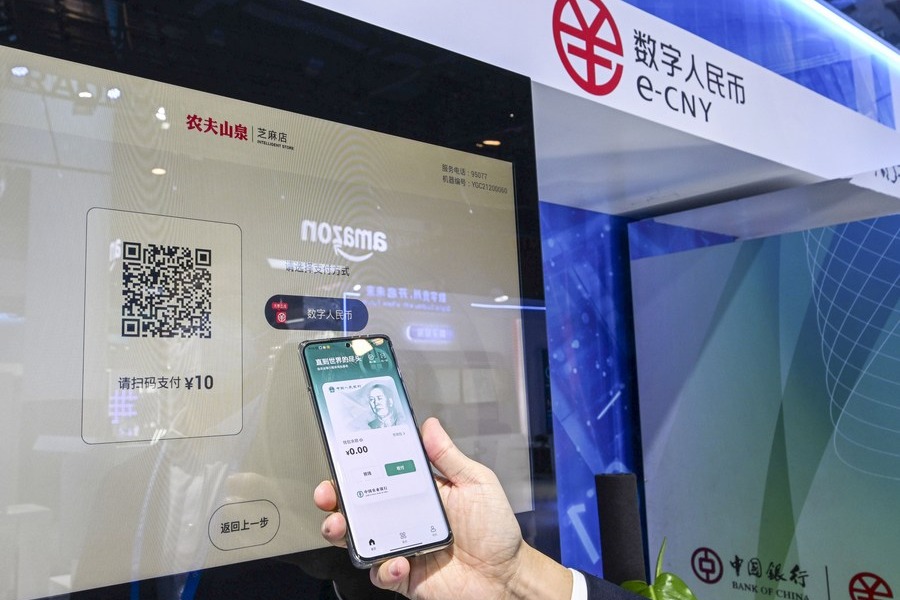
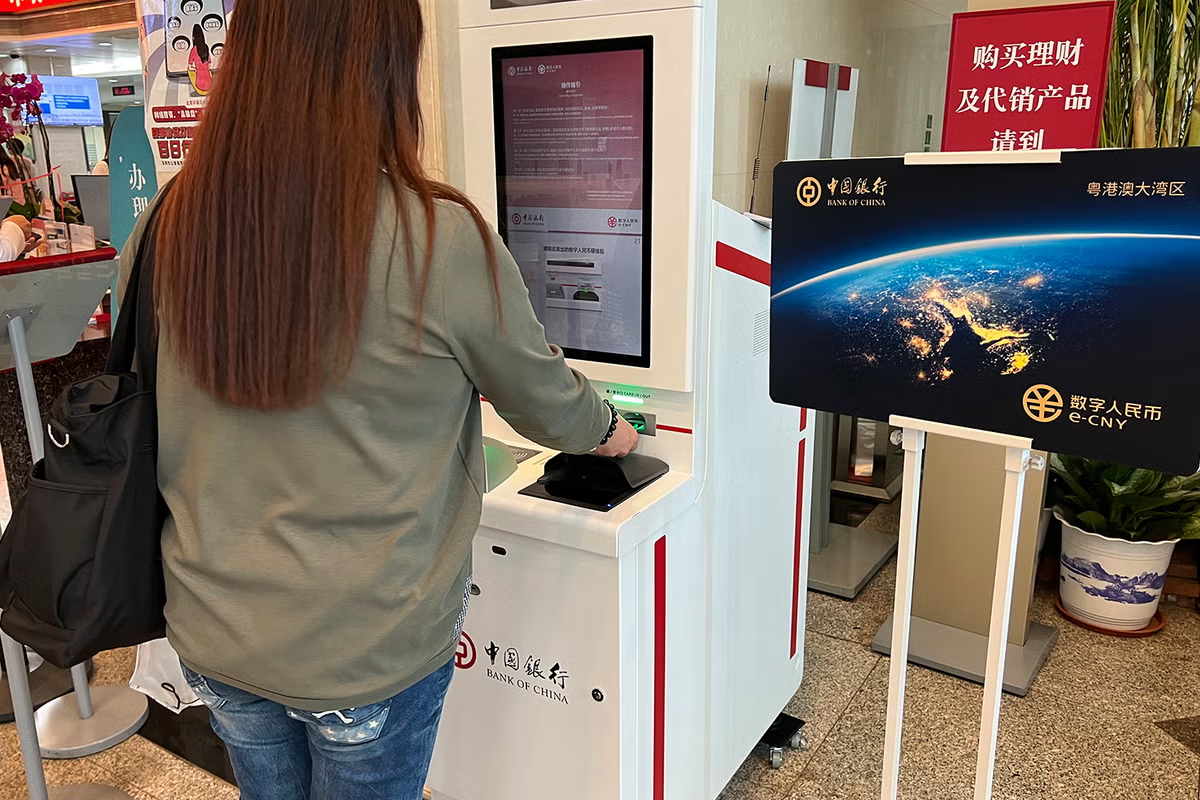
Standard Chartered is a useful example. It participates in commercial-bank-money infrastructure including Partior, central-bank and commercial-bank experiments such as Project Agorá, China’s e-CNY ecosystem and mBridge, as well as regulated stablecoin initiatives. Rather than making a single technological bet, the bank is positioning itself across several possible forms of digital money and settlement infrastructure.
Each solves a somewhat different problem. Tokenised deposits preserve the existing commercial relationship between a bank and its depositor. For corporates and financial institutions already managing liquidity through bank accounts, that familiarity matters. The liability remains that of a regulated commercial bank and can remain integrated with existing treasury, credit and compliance relationships.
Stablecoins offer something different: greater portability. They can potentially move between institutions and across blockchain networks without remaining tied to the issuing bank’s account infrastructure. That makes them particularly relevant where money must circulate through a broader on-chain ecosystem.
Yet portability does not necessarily make stablecoins the natural instrument for every treasury use case. Standard Chartered executives argued that corporate treasurers are unlikely to want very large balances sitting permanently in non-interest-bearing stablecoins when those funds could otherwise remain in bank deposits or interest-bearing instruments. Tokenised money-market funds may therefore also become part of the liquidity architecture.
Central-bank money addresses another requirement: a risk-free settlement asset for interbank obligations. Project Agorá, for example, explores how tokenised commercial-bank deposits and wholesale central-bank money could operate together in a common environment rather than requiring one to replace the other. Mallela characterised these initiatives as different approaches to the same broader interoperability problem.
Even stablecoins themselves are no longer simply an external challenge to banks. Banking groups are becoming issuers, sponsors and infrastructure providers. European banks are backing Qivalis, a consortium of 37 financial institutions developing a regulated euro-denominated stablecoin. Separately, a group of 21 financial institutions, including Bank of America, Citi, Goldman Sachs, Deutsche Bank, UBS and MUFG Bank, is establishing a company to launch a US dollar stablecoin in the first half of 2027, with other G7 currencies planned and the euro the next priority.
The latter is particularly significant because the initiative has expanded from the 10 banks that began exploring jointly issued digital money in October 2025 to 21 institutions moving towards an actual issuing entity and target launch date. It also brings together institutions that are simultaneously developing or participating in tokenised-deposit infrastructure. The emerging competition is therefore not simply banks defending deposits against stablecoins; banks themselves are developing multiple forms of digital money.
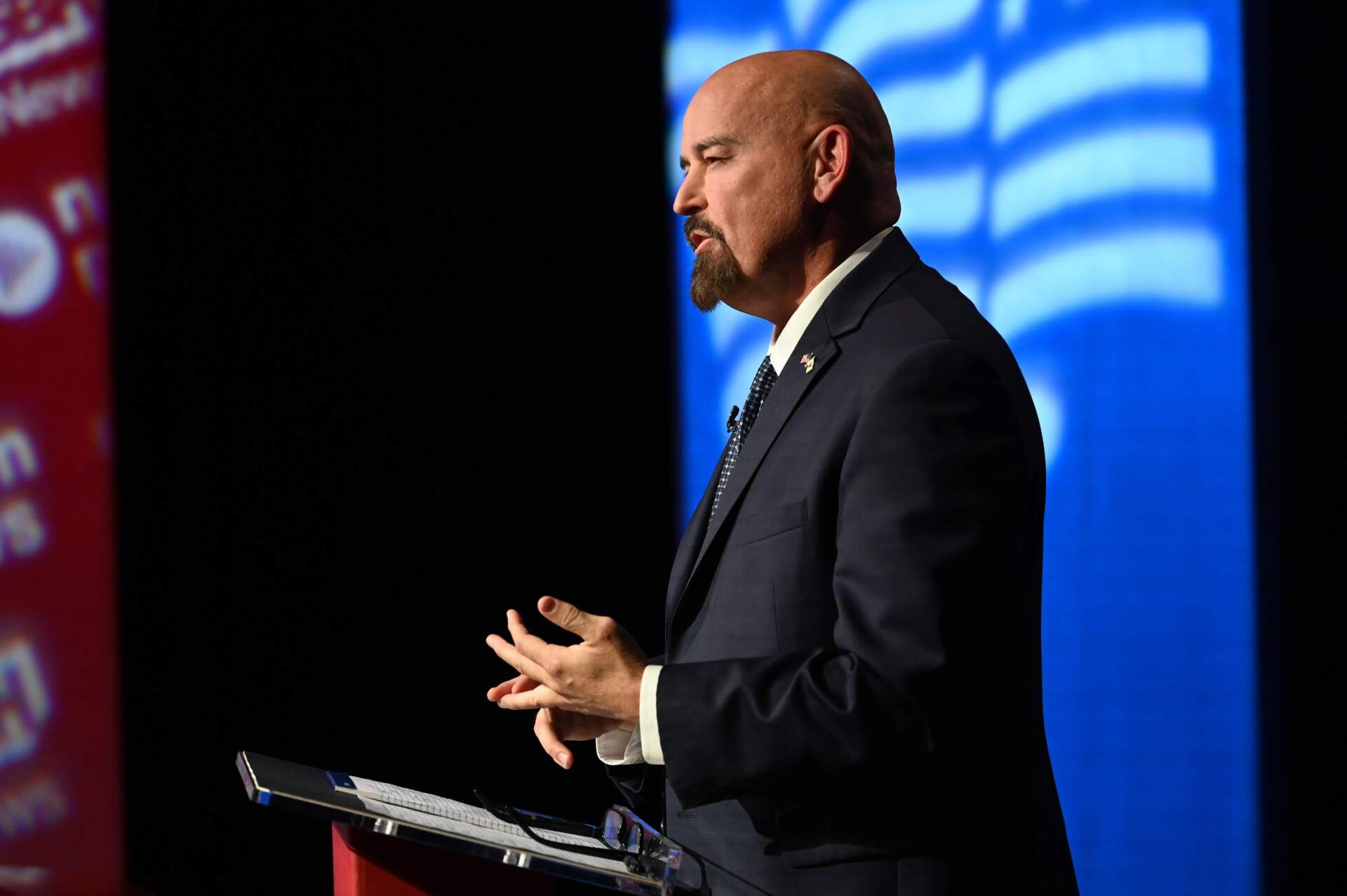
Jan-Oliver Sell, Chief Executive Officer of Qivalis, draws the distinction around portability: a stablecoin can be held and used more broadly across the on-chain ecosystem, whereas a tokenised deposit remains tied to the bank that issues it. This makes a simple contest between tokenised deposits and stablecoins increasingly artificial. Banks may ultimately provide both, selecting the instrument according to the customer, market and transaction.

Jan-Oliver Sell, CEO of Qivalis
Ingram expects precisely this plurality. “I honestly believe that we are going to stay in a multi-asseted world,” she said. Stablecoins, tokenised deposits and central-bank money have different liability, liquidity and settlement characteristics, while individual jurisdictions may favour different arrangements according to their regulatory and policy objectives.
The emerging system therefore looks less like a replacement for today’s monetary architecture than an expansion of it: multiple forms of money, issued by different institutions, moving across multiple networks and settling different types of financial assets. That makes the ability to connect them increasingly important.
Interoperability is becoming the decisive problem
The first generation of tokenised-deposit projects proved that a bank could digitise its own liabilities. The next generation has to prove that those liabilities can move between banks, currencies, networks and ultimately different forms of money and assets.
Swift’s approach illustrates both the ambition and the difficulty. Its shared ledger does not make tokenised deposits issued by HSBC, Standard Chartered, DBS or another bank fungible. Nor does Swift issue a settlement asset of its own. Instead, it records the obligations created when money moves between participating institutions, matches and nets them, and orchestrates final settlement through existing infrastructure.
That is interoperability without requiring banks first to agree on a new universal form of money. The Standard Chartered-HSBC transaction provided an early practical demonstration. The resulting obligations were recorded on the two banks’ respective tokenised-deposit infrastructures, while Swift’s ledger matched and netted the obligations before final settlement through existing systems.
But technical connectivity is only one layer of interoperability. Banks must also know who carries the credit exposure, what constitutes final settlement, which compliance rules apply, how liquidity is provided and how transactions are treated legally when different jurisdictions, institutions and forms of money are involved.
The challenge becomes harder again when interoperability extends beyond deposits. A future institutional transaction may require a tokenised deposit issued by one bank to interact with another bank’s deposit, convert through foreign exchange, settle against a tokenised security, mobilise collateral and ultimately settle an interbank obligation in central-bank money. Stablecoins may provide another route through the same transaction chain.
This explains why initiatives that can appear competitive may instead occupy different layers of the emerging architecture. Partior is developing shared-ledger commercial-bank-money infrastructure. Project Agorá is exploring interoperability between tokenised commercial-bank and central-bank money. MAS’s BLOOM initiative is examining an ecosystem involving tokenised bank liabilities and regulated stablecoins. Swift is trying to connect established financial infrastructure with emerging digital networks.
Mallela therefore rejects the assumption that convergence requires a single global rail. For him, interoperability across different rails, rather than convergence onto a single one, is becoming the defining capability.
Muthukrishnan reaches a similar conclusion from a different direction. “Network density matters,” he said, recalling previous innovations that remained “pockets of excellence” because too few institutions participated. A technologically sophisticated network has limited value if it cannot reach the counterparties customers actually need.
That makes network density an economic component of interoperability. Connecting two ledgers demonstrates that the technology works. Connecting enough banks, currencies, liquidity providers and financial assets to make the new route more useful than existing infrastructure creates a market.
Swift’s initial 17-bank group therefore represents reach, but not yet critical mass. More than 40 institutions contributed to development of the ledger, and Ingram expects participation to expand. She nevertheless cautioned against treating network density itself as the immediate objective. “I don’t think that network density is the primary focus,” she said. “I think it will be an ultimate outcome.”
The distinction is important. Institutions first have to become comfortable operating tokenised money within existing compliance, risk and control frameworks. After that, commercial usage has to create the liquidity and transaction flows that make participation increasingly valuable.
The decisive question is therefore not how many banks can technically connect. It is whether a corporate or financial institution can move digital money between enough banks, currencies, assets and markets that using tokenised infrastructure becomes easier and economically preferable to falling back onto conventional rails.
The next frontier is programmable finance
If 24/7 availability is the immediate proposition, programmability may ultimately be more transformative.
At its simplest, programmable money allows a transaction to occur automatically when specified conditions are satisfied. Treasury balances could be moved when thresholds are reached, payments triggered by commercial events and settlement coordinated automatically with the transfer of an underlying asset.
But the concept becomes more significant when money itself is considered part of a wider programmable transaction.
Ingram said Swift’s immediate priorities remain practical: integrating digital assets into regulated finance while maintaining trust, safety, resilience and compliance, and determining whether continuous coordination improves liquidity and cross-bank execution. Longer term, Swift sees its infrastructure providing a foundation for programmable money and potentially agentic commerce, in which software agents could initiate economic transactions.
The distinction between what is available now and what remains prospective is important. Banks are already demonstrating out-of-hours transfers and interbank tokenised-deposit transactions. Conditional payments and automated treasury actions are emerging. Fully autonomous machine-initiated commerce remains much further ahead.
The larger opportunity may therefore be programmable finance rather than programmable money alone. A transaction could eventually coordinate money, foreign exchange, securities, collateral, liquidity and contractual obligations as parts of the same process.
Mallela’s view that payments are becoming the connective layer between liquidity, collateral and tokenised assets points in that direction. The long-term significance of tokenised deposits may consequently depend less on putting today’s deposit onto a blockchain than on enabling commercial-bank money to participate natively in transactions that today’s fragmented financial infrastructure cannot execute as a single process.
Scale will be measured in repeat transactions, not firsts
Tokenised deposits have moved substantially beyond where JPM Coin, Project Ubin and the early shared-ledger experiments began. Banks can now issue programmable commercial-bank money, move it outside conventional banking hours and increasingly connect separate bank-issued deposits across institutional boundaries.
But the industry’s succession of first transactions should be interpreted carefully. A first currency, first bank pair or first weekend transfer demonstrates feasibility. It does not demonstrate scale.
The next measures will be less newsworthy but more consequential: recurring transaction volumes, active corporate users, liquidity available across currencies, the number and diversity of counterparties, transactions crossing different networks and forms of money, and measurable improvements in treasury, settlement and capital efficiency.
Ingram’s test is ultimately commercial. Participation, investment and technical connectivity do not guarantee recurring volume. Banks must identify flows that are materially better executed through new infrastructure than through systems that already work reliably at enormous scale.
That may also explain why tokenised deposits do not need to defeat stablecoins or central-bank digital money to become mainstream. Their natural advantage is that they bring a familiar form of regulated commercial-bank money into an increasingly digital financial environment. Their limitation is that every bank deposit remains the liability of a particular institution.
Success therefore depends on making that limitation progressively less visible to users. Muthukrishnan’s description of the broader payments market is instructive. DBS is “not putting all our eggs in one basket”; it participates across different networks because different infrastructures can serve different customer needs. Competitive advantage comes from orchestrating those choices rather than predicting which network will eventually prevail.
Tokenised deposits can therefore become mainstream financial infrastructure without becoming the single form of mainstream digital money. Stablecoins may provide portability across networks; central-bank money may remain essential for final settlement; conventional deposits and payment rails will continue to carry enormous volumes; and tokenised financial assets will create new requirements for digital settlement.
The more important question is whether these forms can work together. The evolution that began by asking whether money could be tokenised is consequently entering a more demanding phase. The next stage is not simply tokenising money, but connecting money, across banks, currencies, networks and the financial assets it ultimately needs to settle.