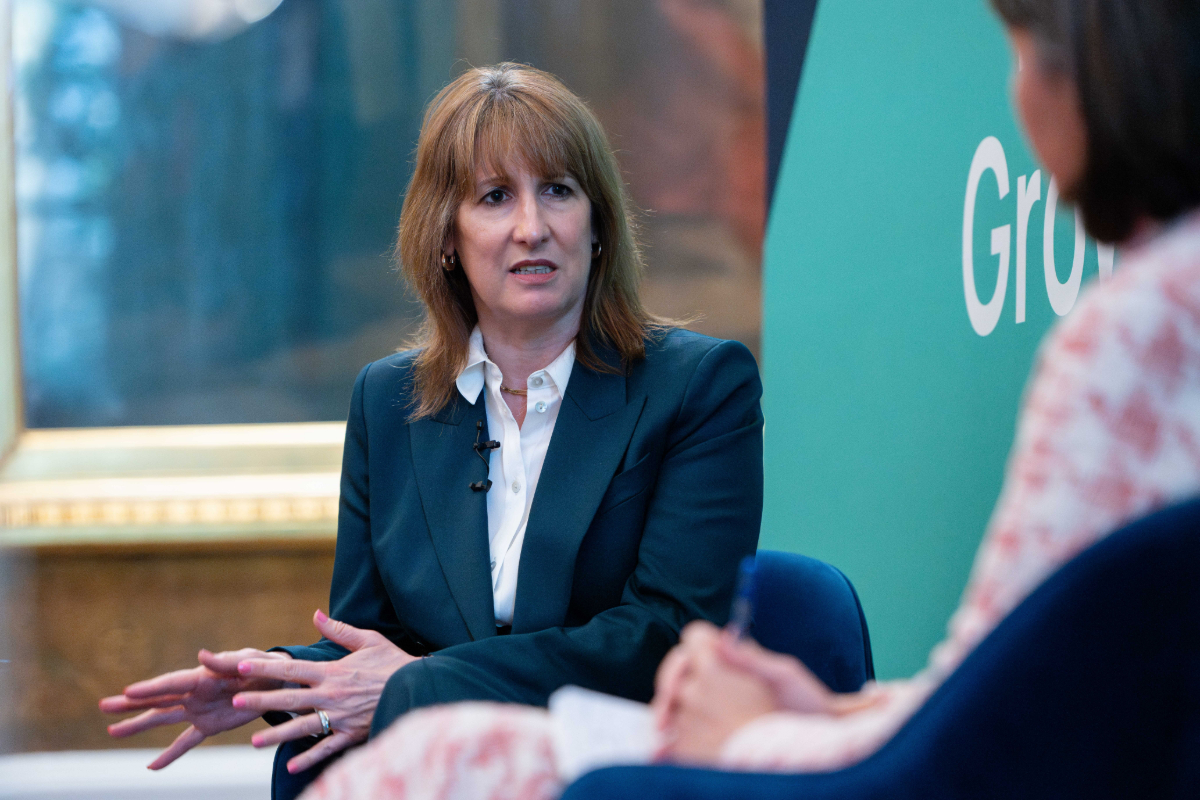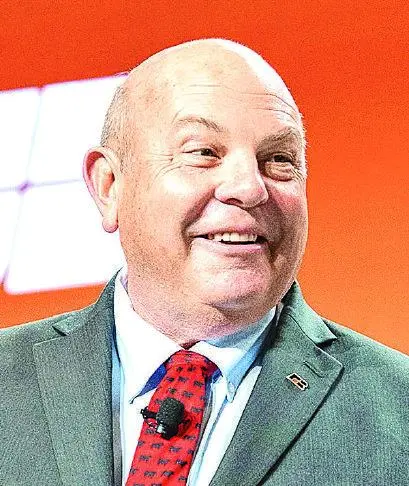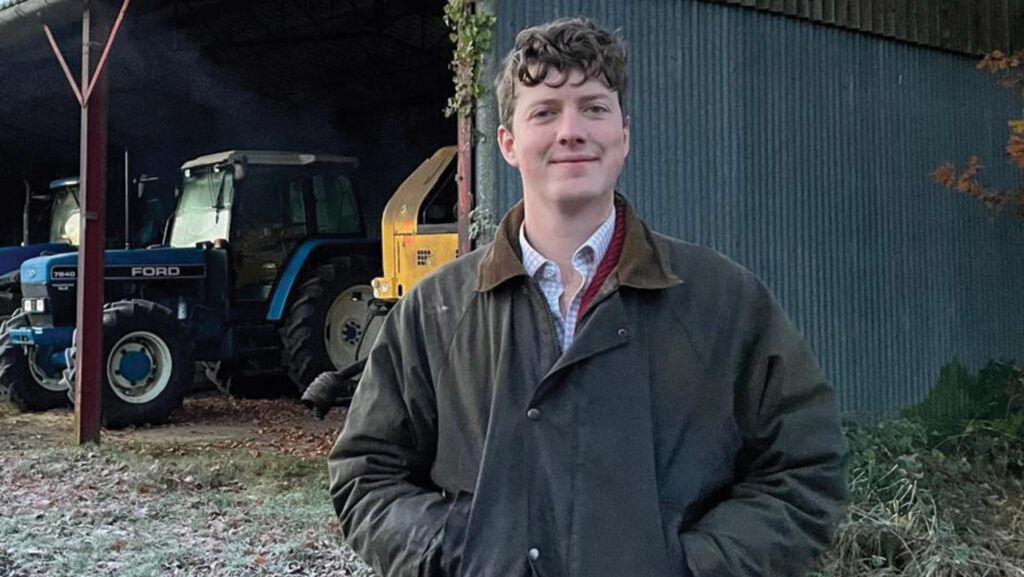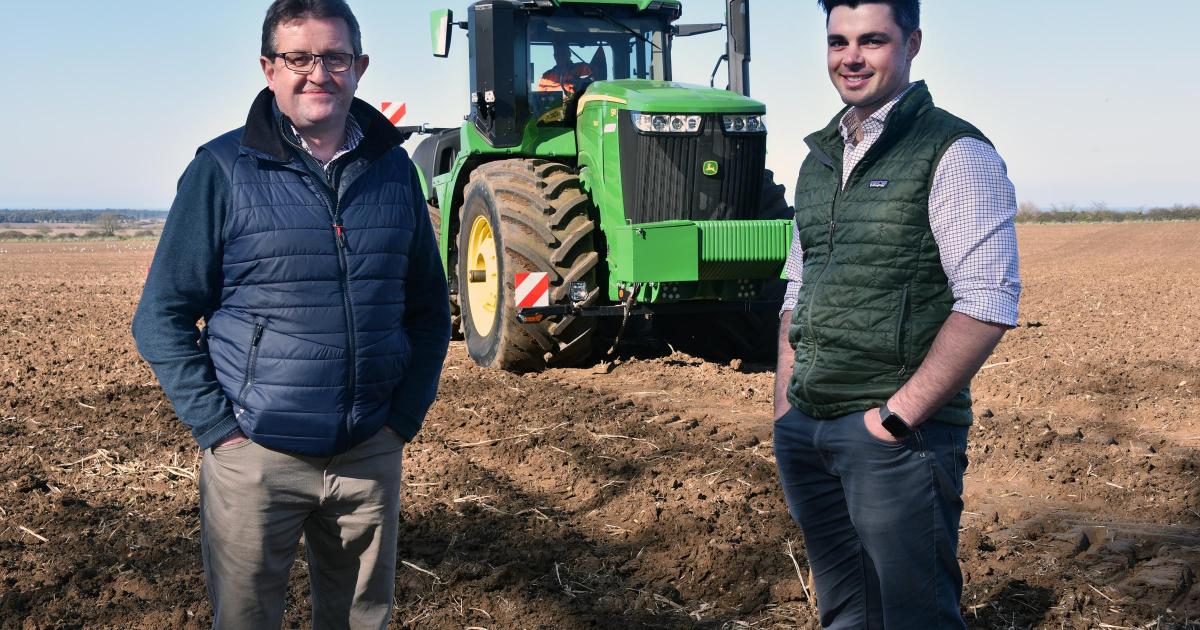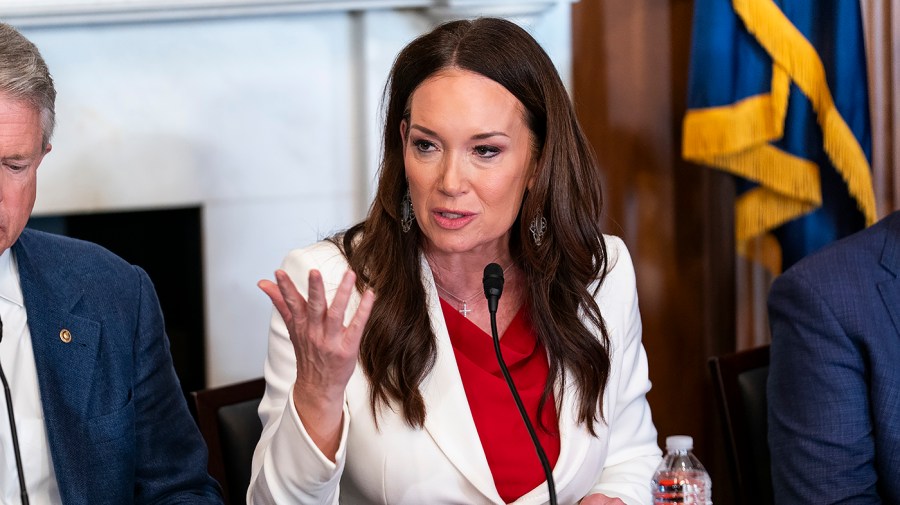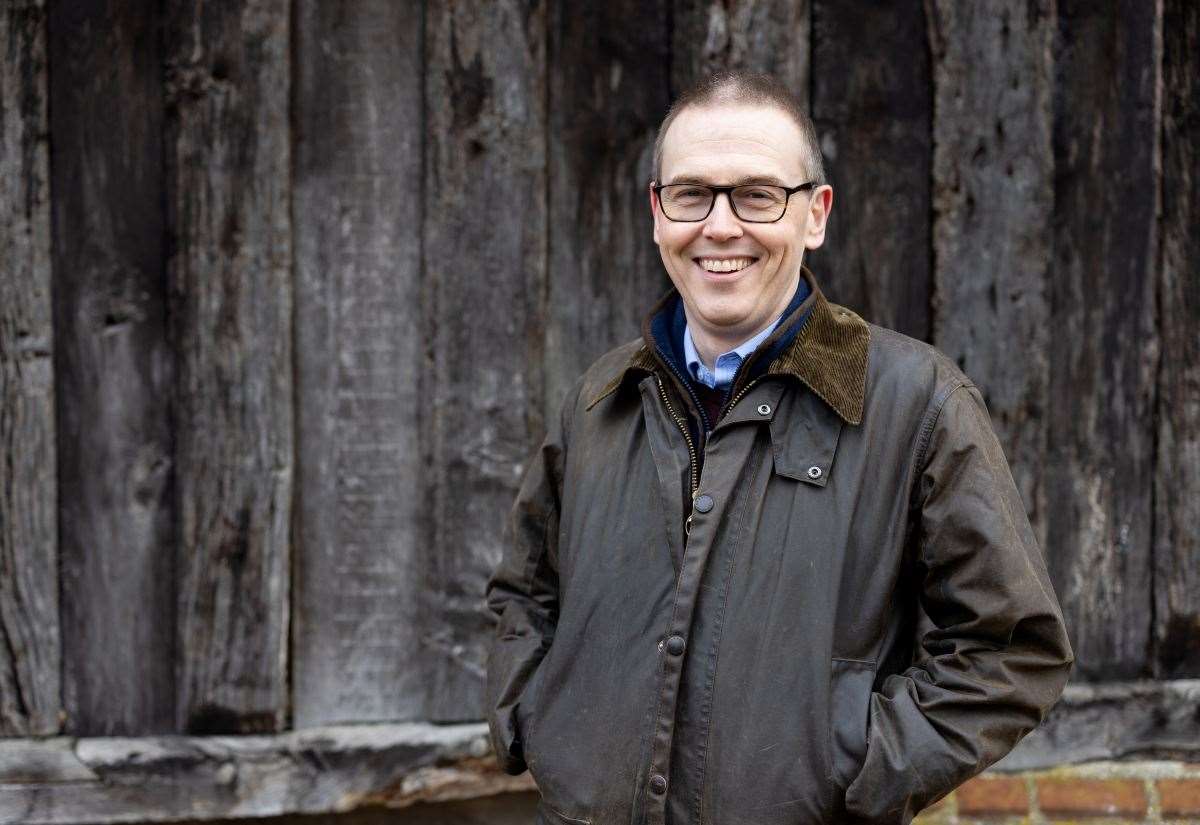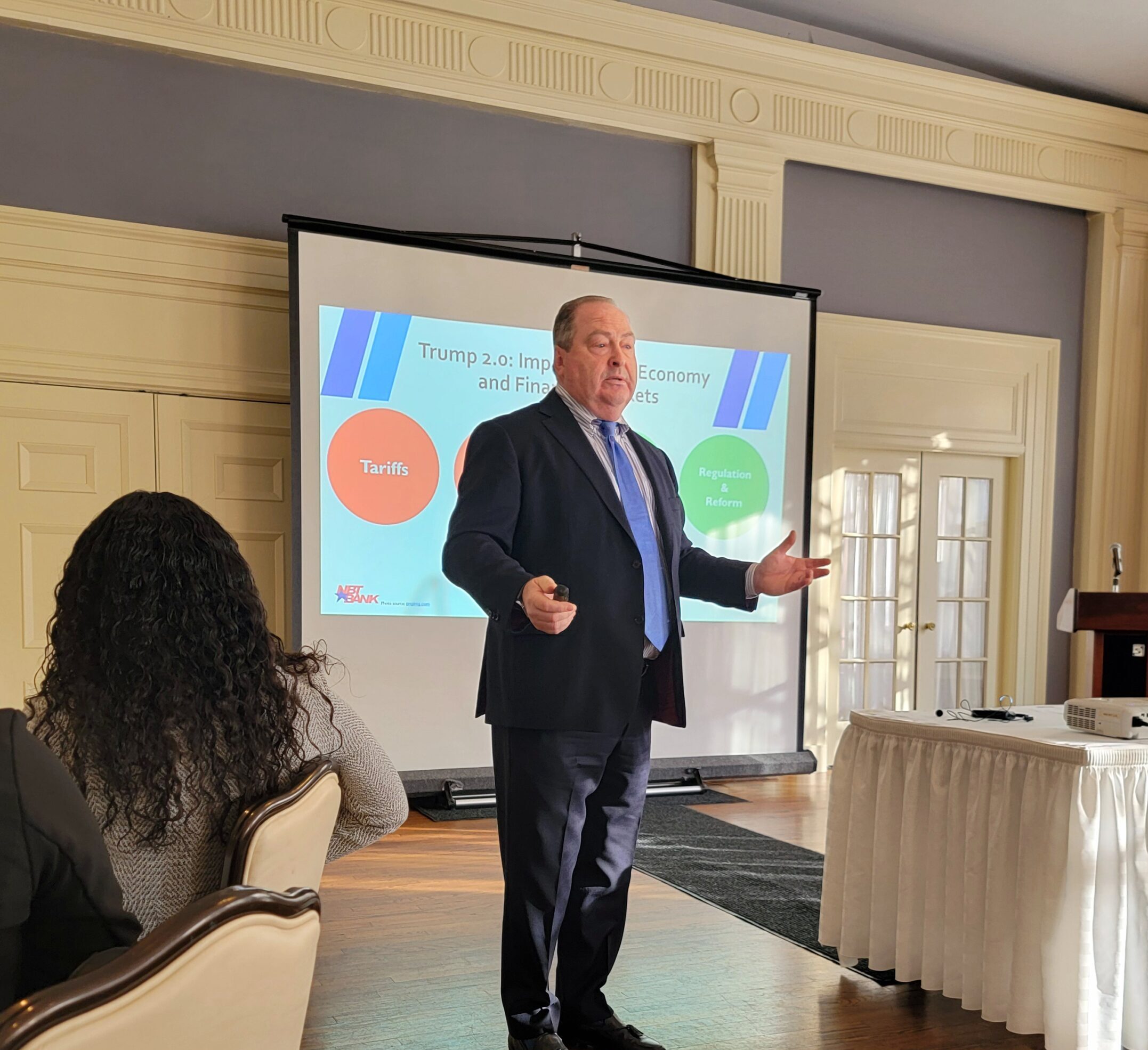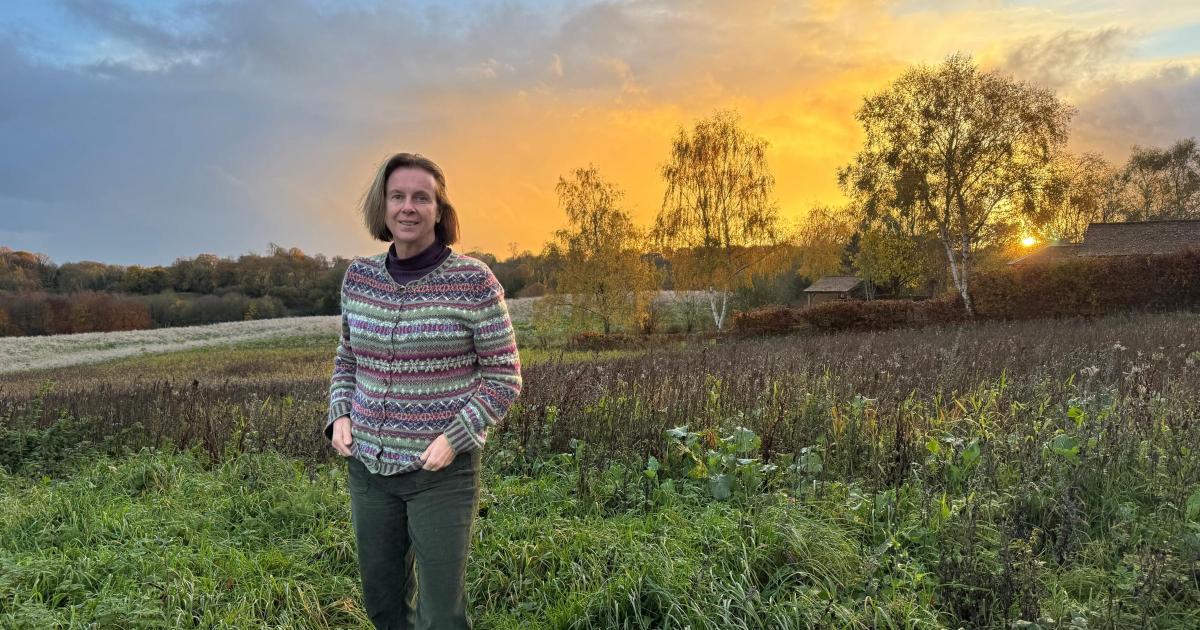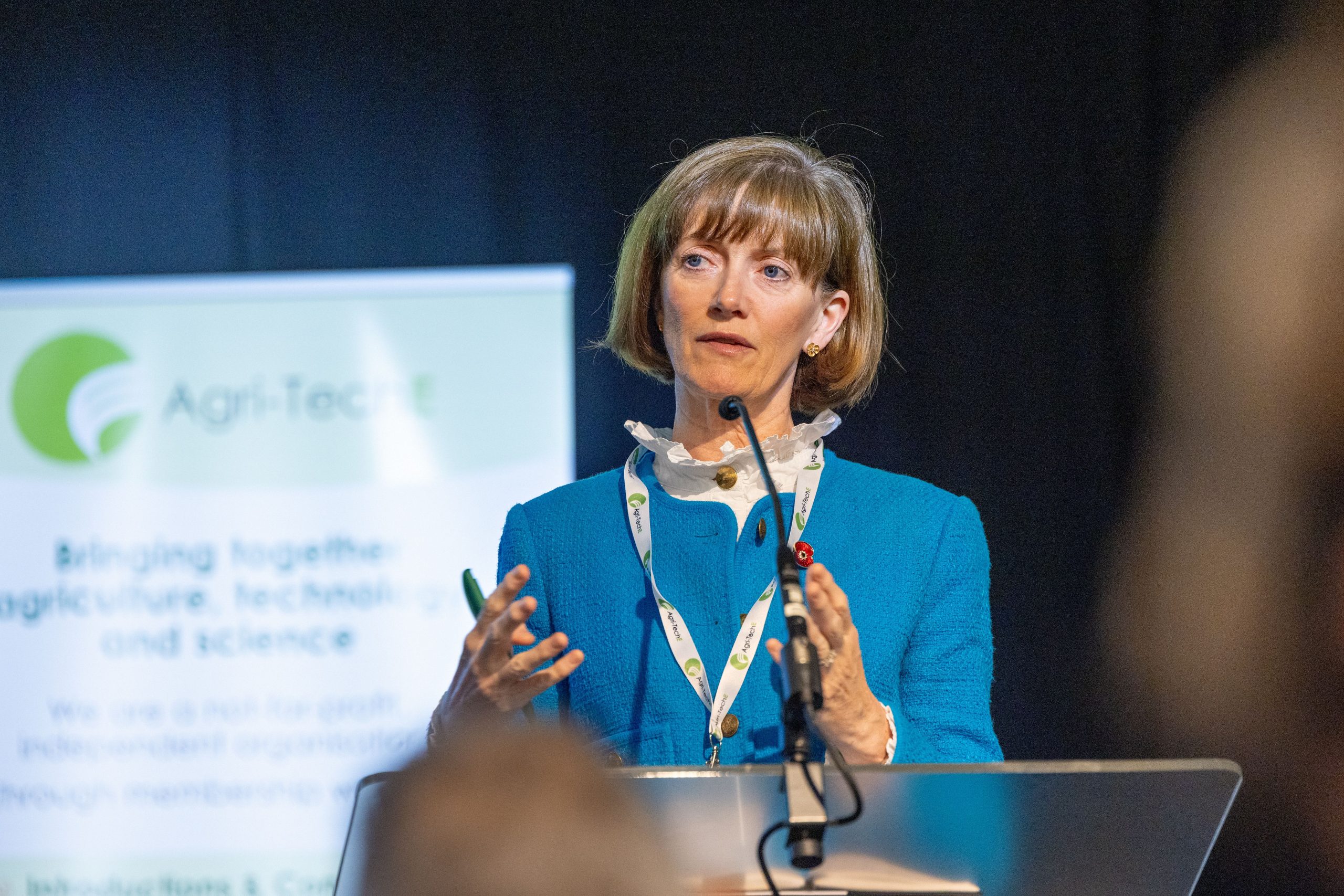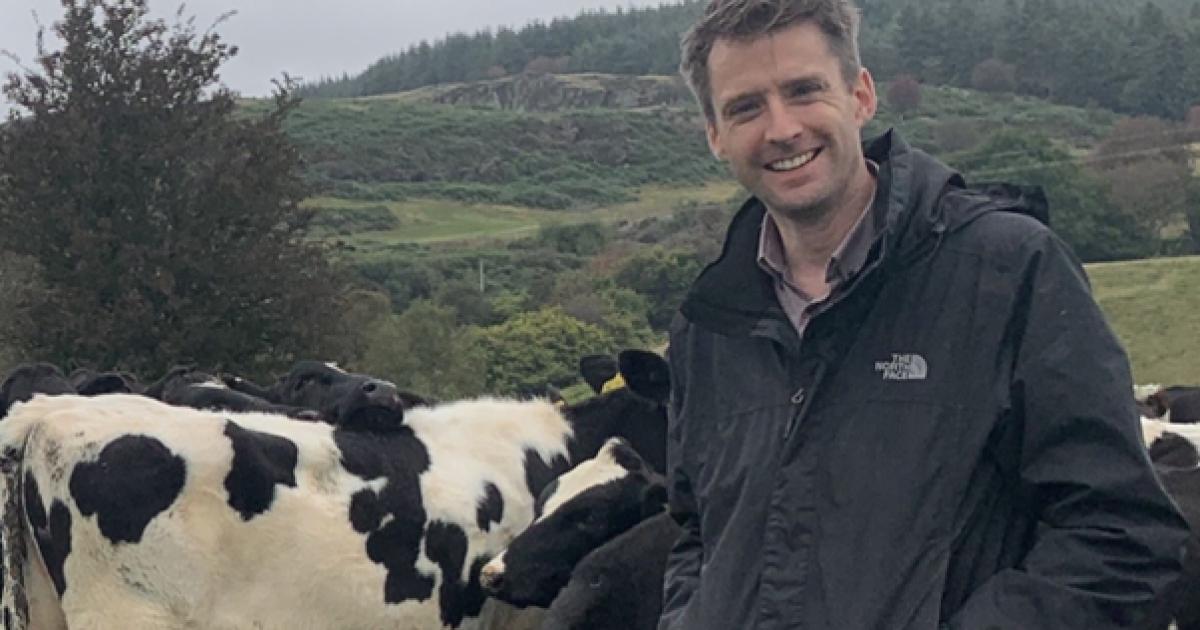
Jeff Tkach, CEO of Rodale Institute and author of The Farm Is Here, is a leading voice in regenerative organic agriculture and soil health.

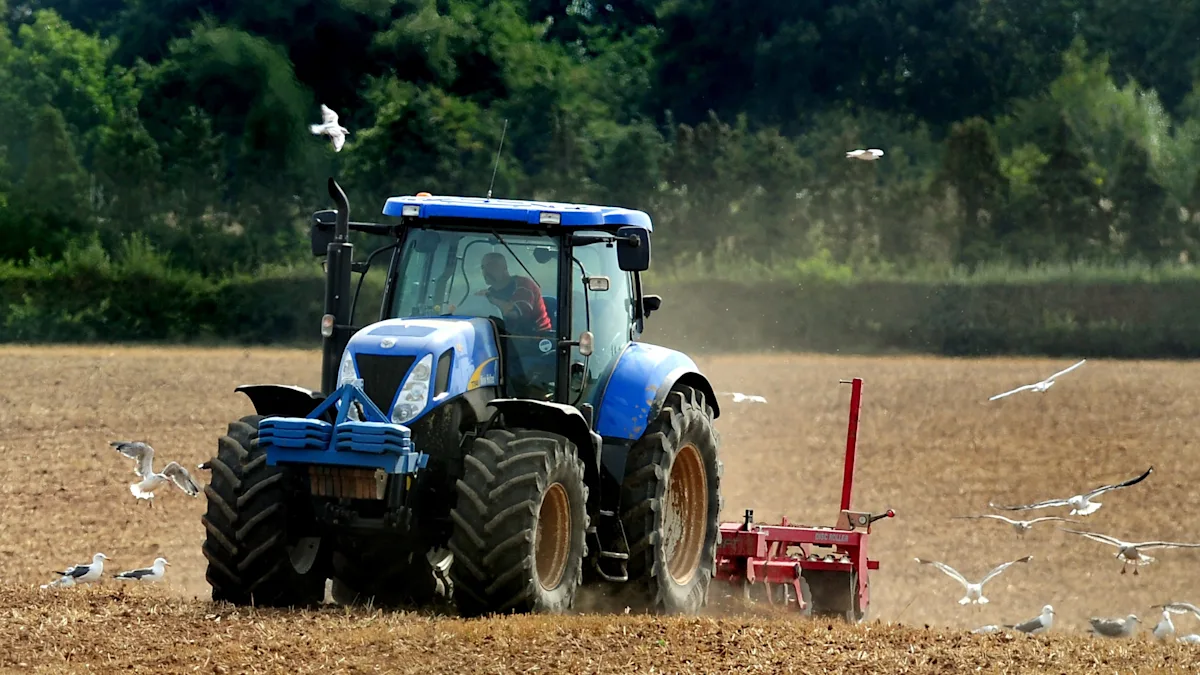
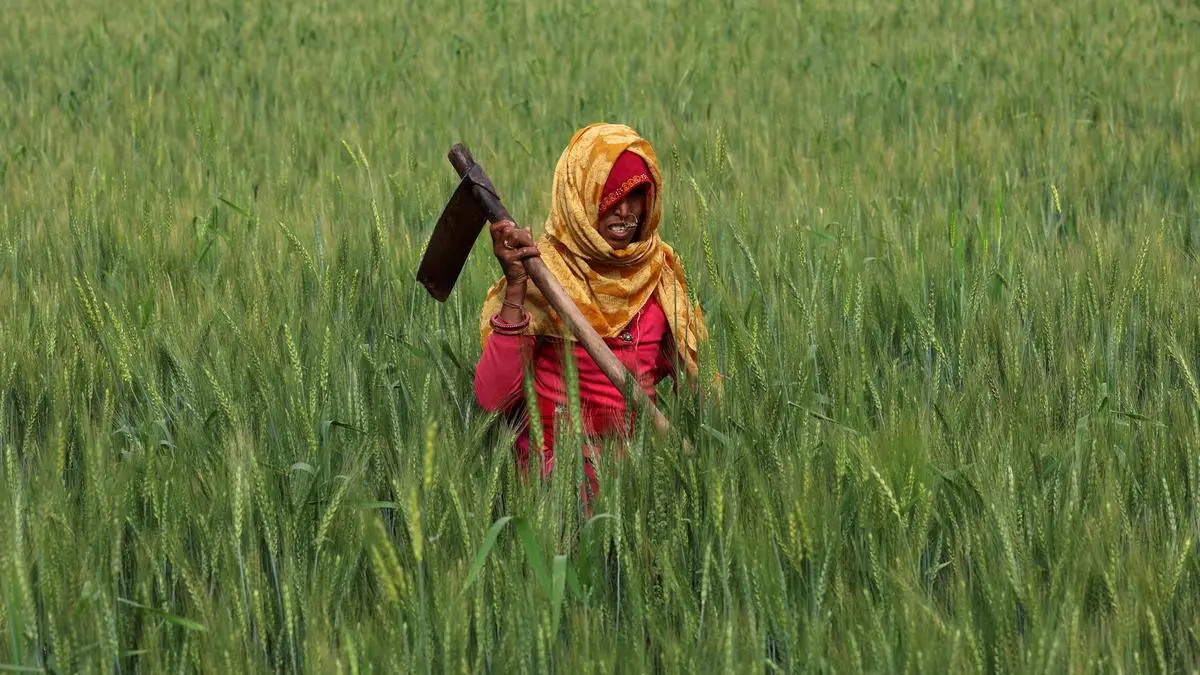
Innovation is often measured by the next breakthrough: a new technology or business model that promises to change an industry. But some of the most consequential innovations are not the ideas themselves. They are the systems that allow those ideas to move from possibility to widespread adoption. Agriculture is confronting that challenge now. For many farmers, success depends on forces beyond the farm gate, such as global commodity markets, rising input costs and weather they cannot control.
Markets for organic agriculture are growing, and U.S. organic sales reached a record $76.6 billion in 2025, growing at twice the rate of the overall marketplace. Buyers across the organic supply chain are seeking reliable domestic sources of supply, while organic farming offers producers opportunities to reduce dependence on synthetic inputs, strengthen economic resilience and access higher-value markets. Yet domestic organic production and infrastructure are not keeping pace with market growth. The problem is not a lack of demand or viable ideas. It is a lack of infrastructure to help farmers navigate one of the most complex business transitions they may ever undertake. That gap is particularly visible in the dairy industry.
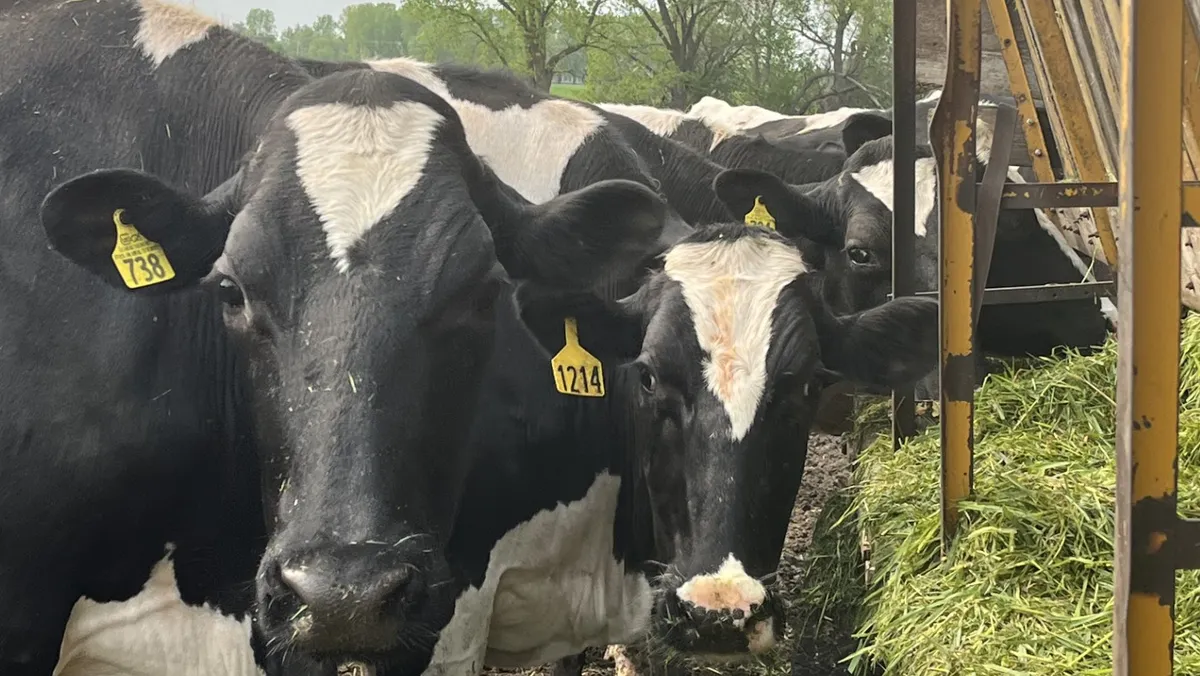
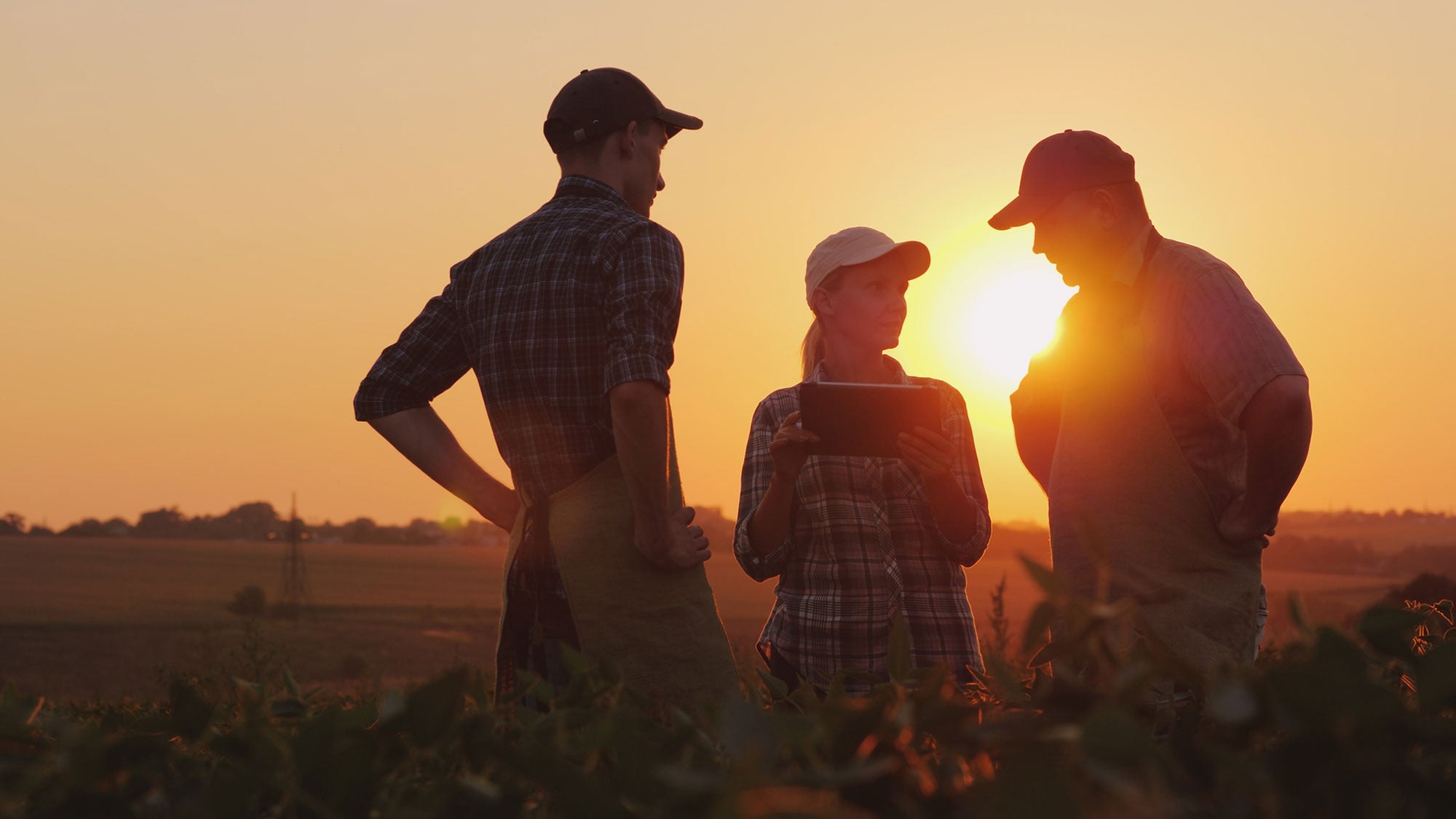
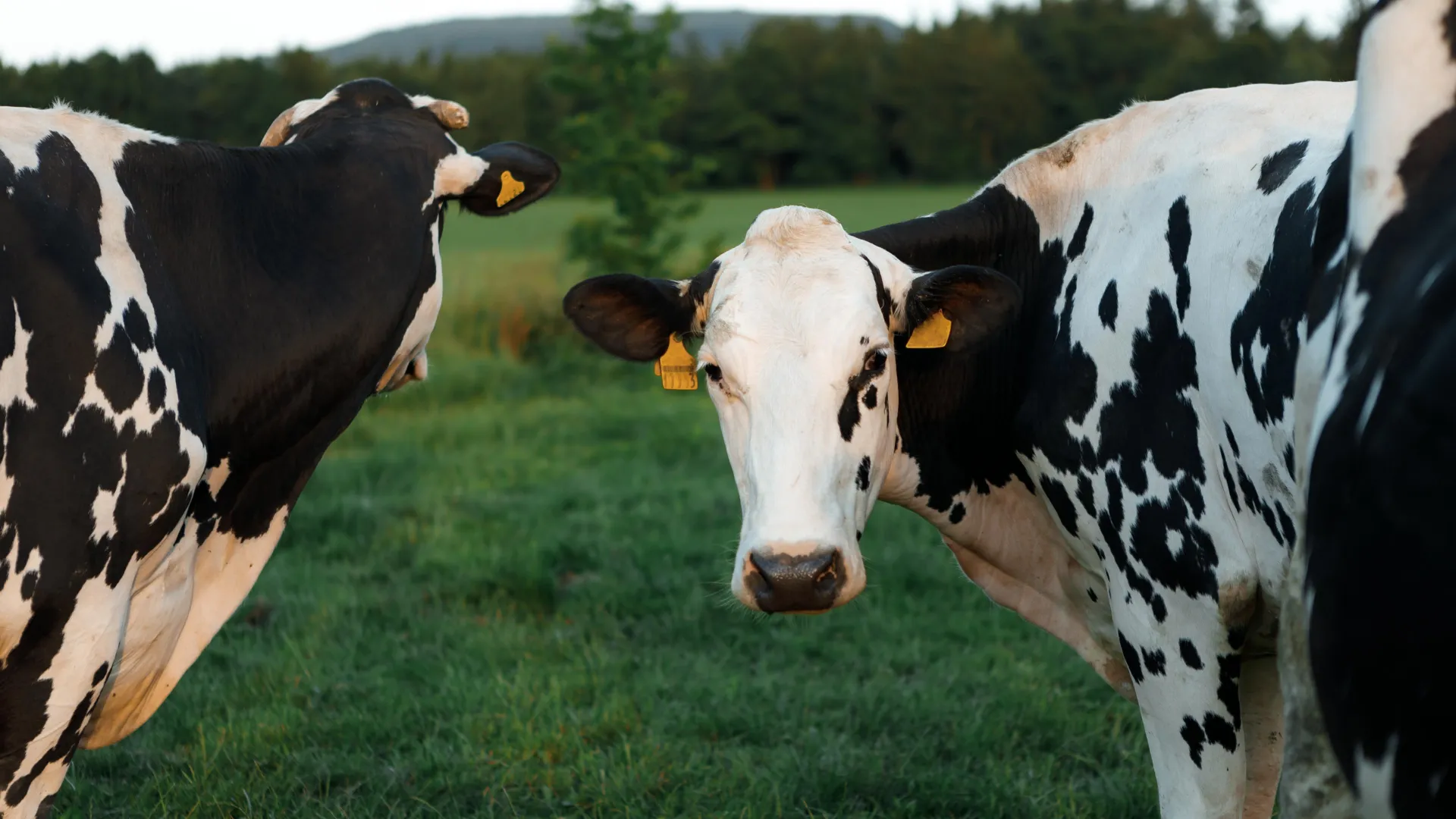
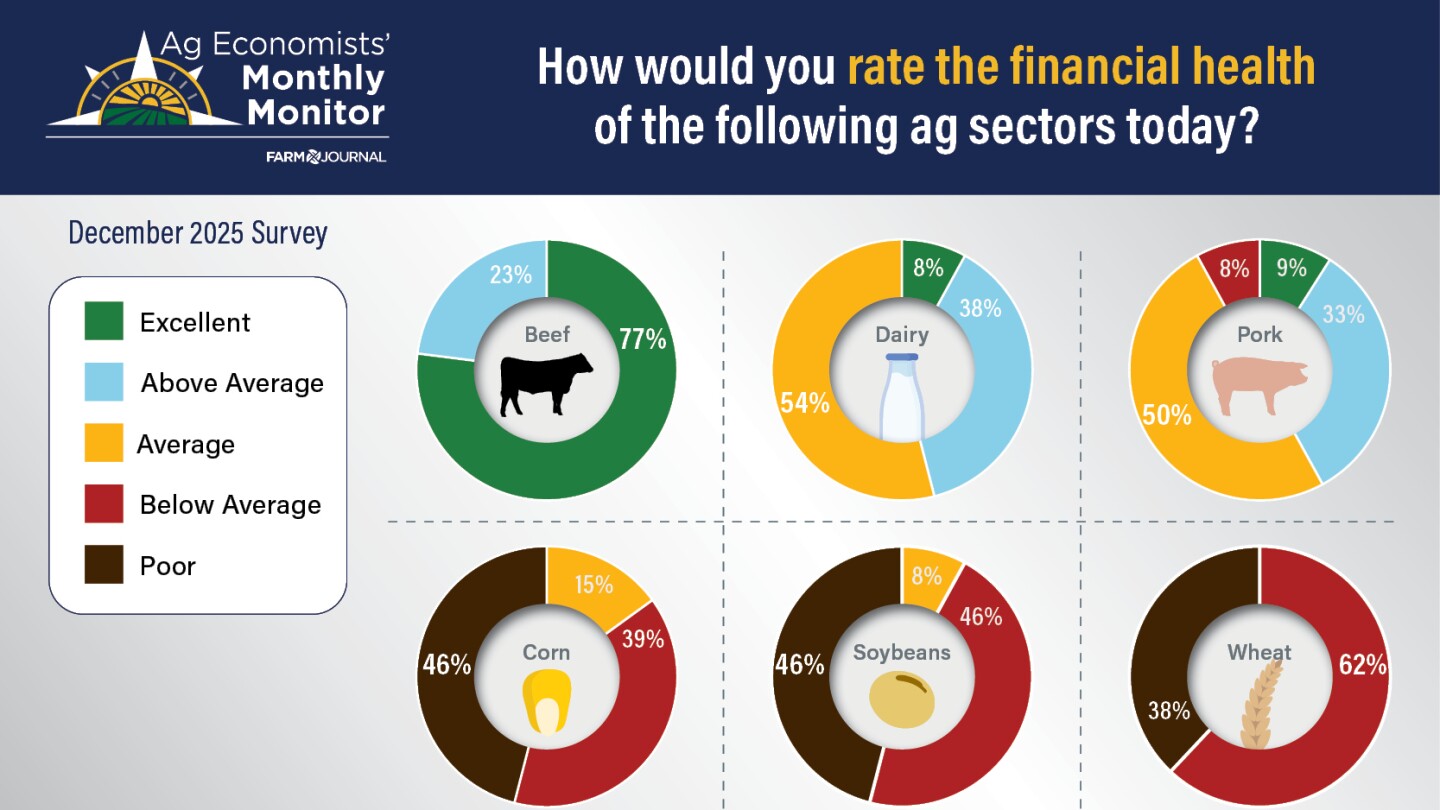
American dairy farmers are producing more efficiently than ever, yet many continue to struggle financially. Despite advances in productivity, profitability remains largely outside a farmer’s control. Hayley and Stephanie Painter, fourth-generation Pennsylvania dairy farmers and founders of Painterland Sisters, offer a concrete example of farmers working to shape their own economic future. My organization has a warm, collaborative industry relationship with them. The sisters started their own organic skyr yogurt business to help sustain their family farm and preserve their way of life as dairy farmers. Their motivation points to a lesson nonprofit leaders across sectors should not ignore: Innovation must address the practical realities of keeping a business going.
This challenge isn’t unique to dairy. It reflects a broader economic reality across agriculture. Markets for organic agriculture are moving faster than adoption infrastructure can support. Right now, there’s a rare window where demand exceeds supply, premiums are sustained and farmers are ready to transition but lack access to the technical support, market certainty and transition funding that bridge conventional to viable economics. Dairy offers one of the clearest examples of why innovation must create new pathways to profitability and resilience, and nonprofits have an opportunity to lead, unlocking economic opportunity at scale.
Why The Industry Is Moving Now
Markets move on economic pressure, not environmental conviction. In agriculture, those market forces are already shaping the industry’s future.
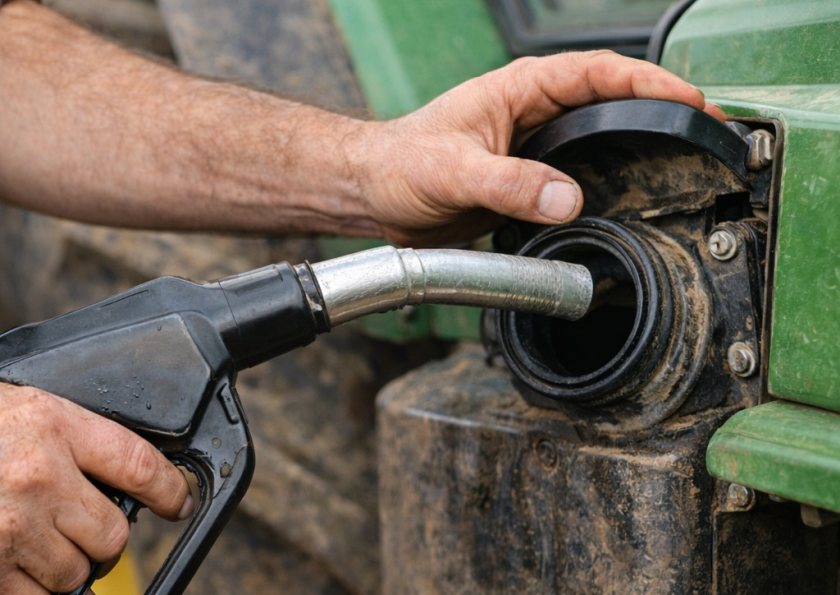
Today, farmers face rising input costs, supply chain pressures and increasing climate-related risks. The conventional agricultural model, heavily dependent on commodity markets and supplier-controlled input costs, has become increasingly difficult to sustain. Dairy farmers sell into commodity markets where prices are largely determined by global supply and demand, while essential inputs such as feed, fuel and fertilizer costs are driven by many of those same external forces. Farmers have little influence over either side of the equation. When production costs rise, margins continue shrinking.
The consequence extends far beyond individual farms. Multigenerational operations close, farmland consolidates into industrial operations or converts to nonagricultural use, rural communities destabilize and food system resilience declines. The issue is not a lack of demand for dairy products. It’s an economic model that leaves producers with limited ability to capture value from what they produce.
At the same time, demand for organic products continues to grow. According to recent SPINS data, the natural and organic food and beverage market is projected to reach $179 billion by 2029, led by meat, dairy, fruits and veggies. Natural products are outpacing conventional counterparts, driving “nearly 10% growth in dollar sales and a 7% increase in units sold.”
Despite clear market demand, transitions are not happening fast enough to meet the opportunity. That gap reveals a challenge many nonprofit leaders will recognize. The barrier is no longer awareness but adoption of innovation.
How Economic Necessity Moves Markets
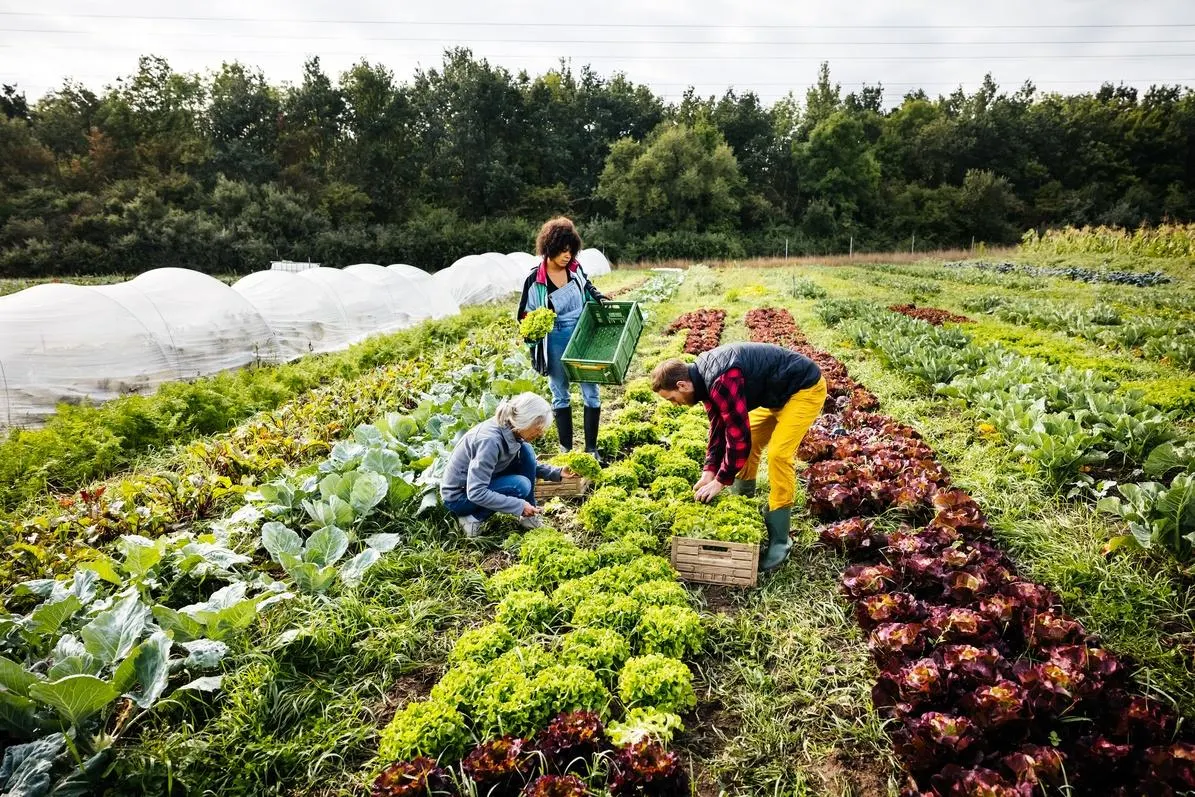
For farmers considering transition, the conversation is increasingly centered on risk management and long-term economic viability. Organic systems reduce dependence on costly external inputs while accessing markets that reward differentiated production. Resilience becomes a business strategy, not just an environmental outcome.
The distinction matters because durable change rarely scales through values-based arguments alone. Adoption accelerates when economic incentives align with desired outcomes. Organizations that frame resilience through profitability, risk reduction and long-term stability will resonate more effectively with producers, lenders and supply chain partners.
Nonprofits As Innovation Infrastructure
This is where nonprofits have an opportunity to rethink their role. Our responsibility is not simply to advocate for change but to help accelerate it.
At my nonprofit, we’ve seen firsthand how research, technical assistance and consulting accelerate adoption across agricultural systems. Credible data, trusted expertise and clear market opportunities can help producers make informed decisions about transitioning to organic production. In this context, nonprofits can become a form of innovation infrastructure.
Demand for organic dairy is strong, and processors are looking for additional supply, but interest alone doesn’t create adoption. Farmers need research-backed guidance, technical support, financing pathways and confidence that viable markets exist on the other side of transition. By reducing uncertainty and connecting stakeholders across the supply chain, nonprofits can help bridge the gap between market demand and market participation. In doing so, they better enable industries to move faster than they could on their own.
The lesson extends well beyond agriculture. Many of today’s challenges stem not from a lack of solutions but from a lack of pathways that help people adopt them at scale. The current moment in dairy demonstrates what is possible when market demand, economic incentive and institutional support begin to align. Innovation is often measured by the ideas we create, but equally important are the systems we build to help those ideas succeed. For nonprofits seeking to drive meaningful change, creating those systems may be one of the greatest opportunities ahead.
Forbes Nonprofit Council is an invitation-only organization for chief executives in successful nonprofit organizations. Do I qualify?