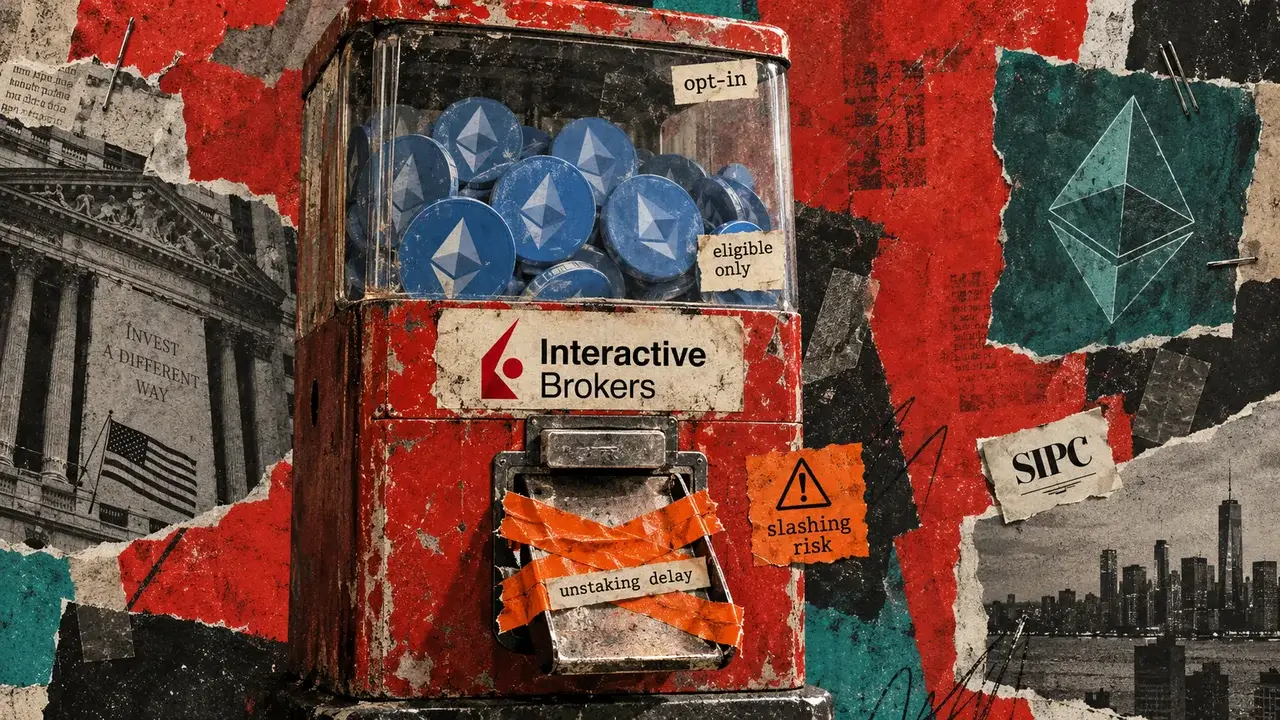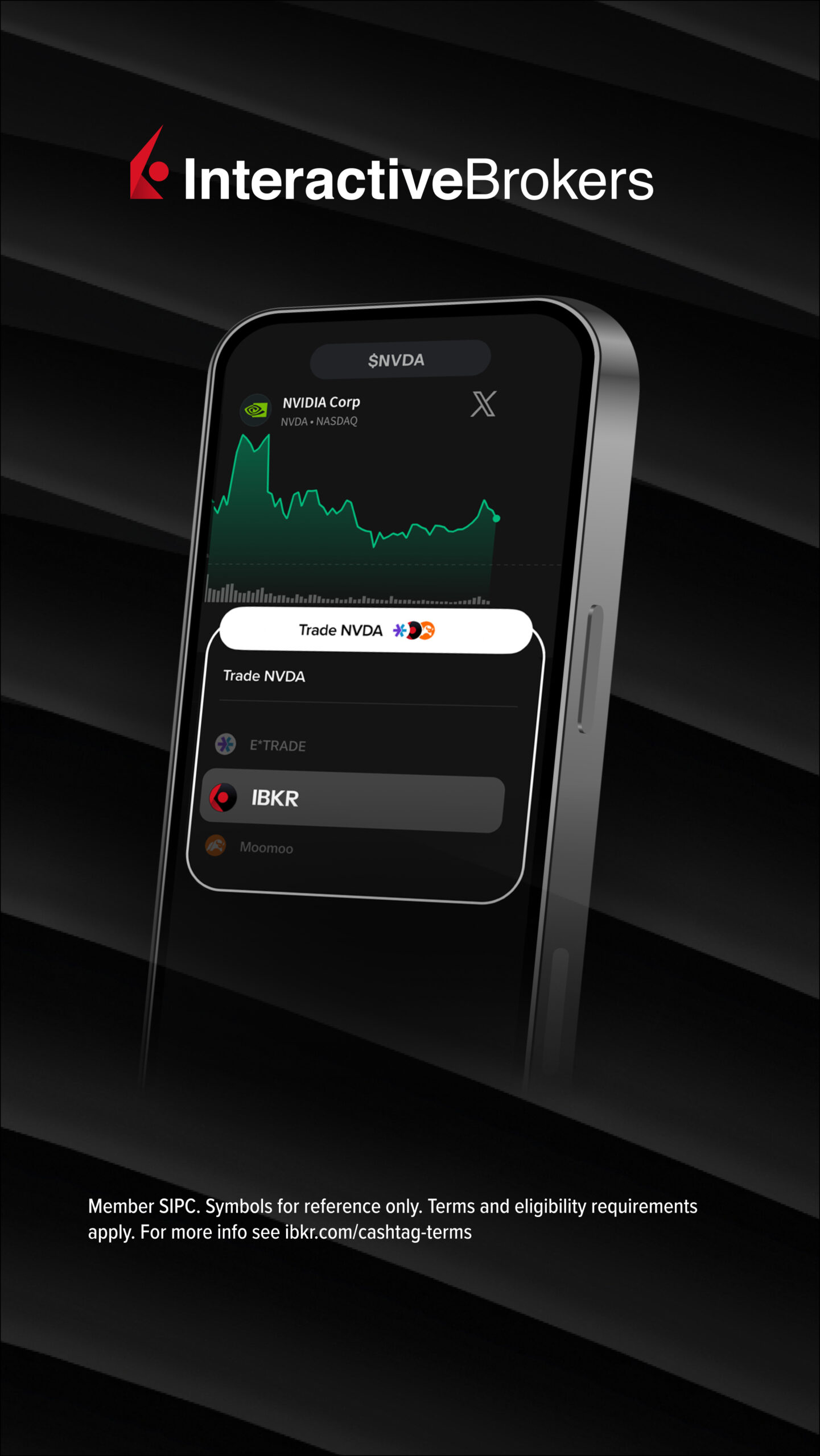

The service operates through dedicated AI Partitions funded from existing brokerage accounts. Interactive Brokers has imposed capital limits, trading restrictions and eligibility requirements to contain the risks associated with delegating execution authority to AI systems.
How Does Autonomous AI Trading Work?
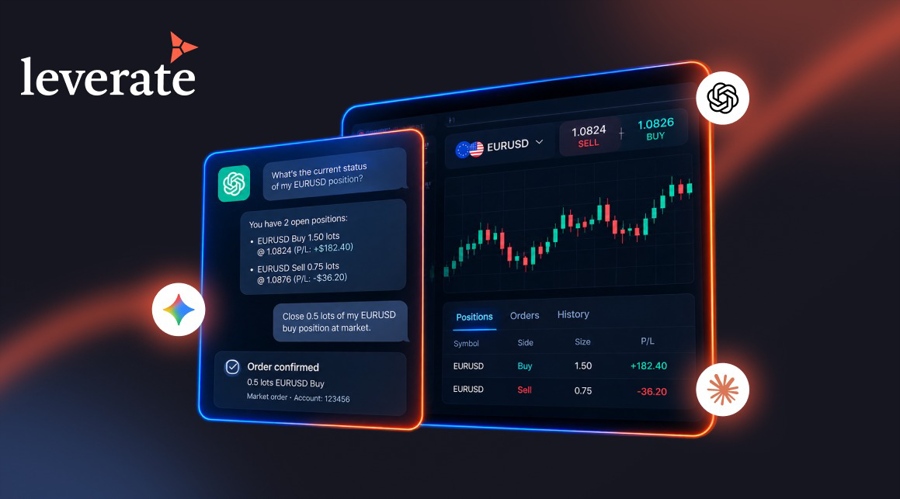
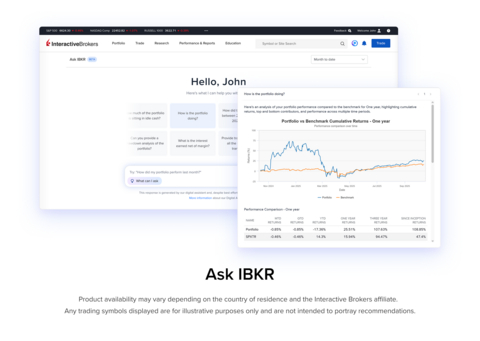
Interactive Brokers’ existing AI Integration allows customers to connect platforms including ChatGPT, Claude, Grok and Perplexity through the Model Context Protocol (MCP). Previously, AI-generated trading instructions required manual review and approval before submission.
The new functionality removes that approval requirement for eligible customers who explicitly authorize autonomous execution.
For example, an investor could instruct an AI platform to reduce any portfolio position exceeding 10% of total holdings to an 8% allocation. The system could then monitor exposures and submit permitted orders when those conditions are satisfied.
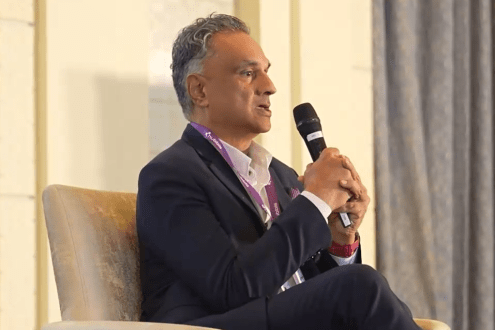
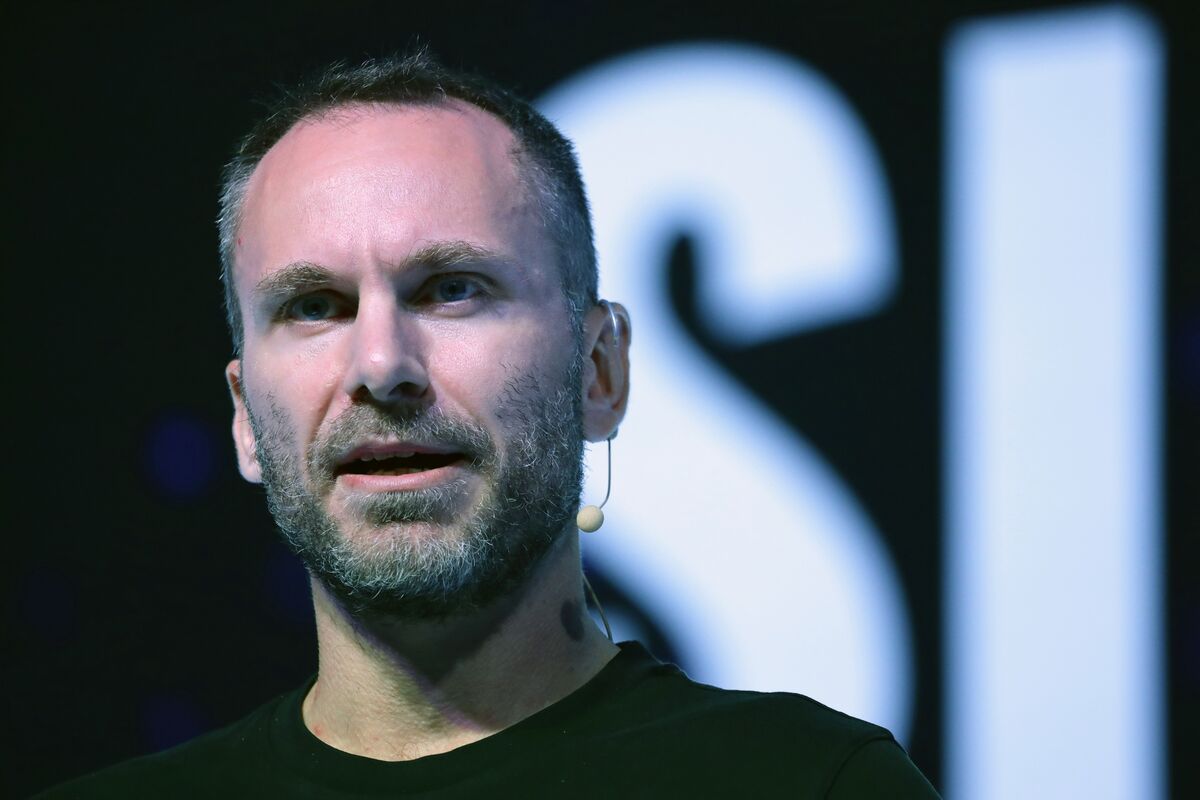
Interactive Brokers CEO Milan Galik said the objective is to let investors establish their strategies and safeguards while AI monitors markets and executes transactions within those parameters.
The distinction between market coverage and execution permissions is important. Although the platform can research more than 75,000 securities and contracts, autonomous execution initially supports eligible stocks and equity options, with market, limit, stop and stop-limit orders using day validity.
Margin trading, short selling, fractional shares and penny stocks are excluded, alongside certain other instruments.
Investor Takeaway
Removing individual order approval could make systematic portfolio rebalancing and rules-based execution more efficient. However, execution accuracy will depend on how reliably connected AI interprets trading instructions and market data.
What Safeguards Limit AI Trading Risks?
Interactive Brokers has established specific funding and eligibility restrictions for the initial rollout.
Customers can generally allocate up to 10% of their account equity to AI Partitions, subject to a $1,000 minimum funding threshold and a $25,000 aggregate maximum. Funds are transferred internally rather than deposited into a separate brokerage account.
Autonomous trading is restricted to eligible individual non-margin accounts. Joint, retirement, advisor-managed and organizational accounts are excluded.
Before activating autonomous execution, customers must complete at least 10 AI-generated trades worth $100 or more each over a two-week period using the existing manual approval system. Interactive Brokers plans to introduce an alternative eligibility assessment.
Customers can disconnect AI access through a dedicated control in Client Portal. However, revoking authorization does not automatically cancel orders that remain pending or partially executed.
The broker also warns that third-party AI systems can submit erroneous or unintended orders. Customers retain responsibility for trading activity, while additional restrictions covering order frequency, transaction size and account values are planned.
Investor Takeaway
The $25,000 ceiling limits initial capital exposure but does not eliminate execution losses or operational errors. The distinction between disconnecting an AI agent and cancelling outstanding orders is particularly relevant during volatile market conditions.
Why Is Interactive Brokers Expanding AI Execution?
The introduction advances a strategy that Interactive Brokers began developing through its earlier integrations with external AI assistants.
In June, the broker expanded its AI connections to ChatGPT and Grok, enabling customers to analyze portfolios and generate trading instructions through familiar conversational interfaces.
The autonomous functionality takes that model further by allowing external AI platforms to become an execution interface rather than merely a research channel.
The competitive implications extend beyond Interactive Brokers. FinanceFeeds previously examined how brokerages including Robinhood, eToro, Public.com and ThinkMarkets are integrating AI agents into investment workflows.
For brokers, supporting multiple AI applications through standardized connections could reduce dependence on proprietary trading interfaces while preserving the underlying brokerage relationship.
However, broader third-party connectivity also introduces questions concerning customer engagement, responsibility for execution errors and the division of control between AI providers and regulated brokers.
Could Autonomous Trading Increase Brokerage Revenue?
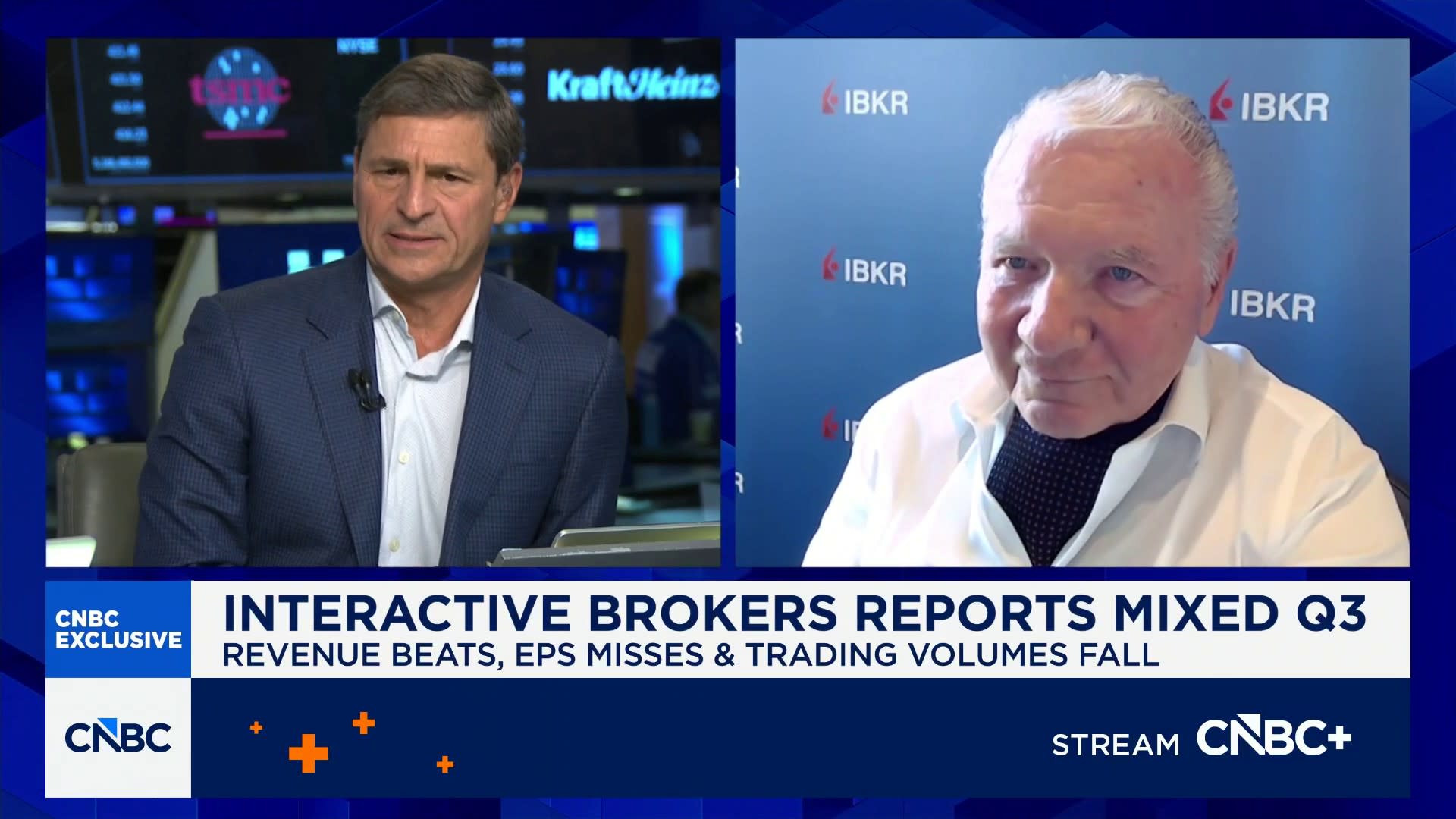
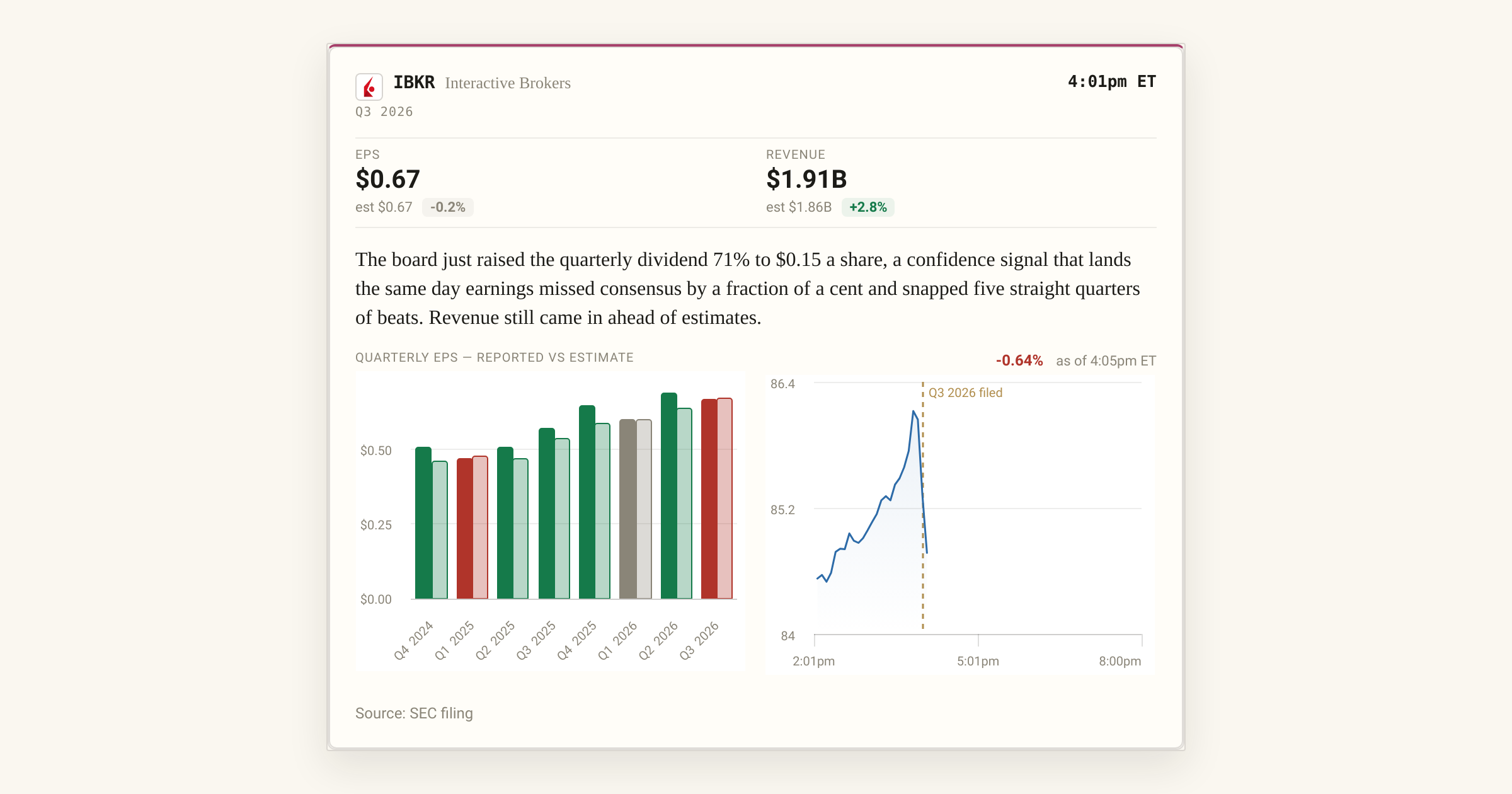
The launch follows Interactive Brokers’ third-quarter financial results, which showed GAAP net revenue of $1.91 billion and commission revenue of $602 million. Net interest income reached approximately $1.15 billion.
Customer accounts increased 35% year over year to 5.58 million, while daily average revenue trades rose 18% to 4.27 million.
Despite that growth, earlier operating figures showed a widening gap between account expansion and transaction activity. FinanceFeeds reported that September client equity reached $964.7 billion while trading activity lagged account growth.
Autonomous execution could potentially increase transaction frequency among customers using systematic strategies, supporting commission income. It may also improve customer retention by making complex investment workflows easier to manage.
Interactive Brokers has not disclosed adoption targets, expected trading volumes or revenue projections specifically attributable to Autonomous Trading.
Investor Takeaway
AI-driven execution offers a potential source of incremental commission revenue, but its financial contribution remains unproven. Adoption rates, transaction frequency, operating costs and the effectiveness of risk controls will determine whether the feature becomes commercially meaningful.