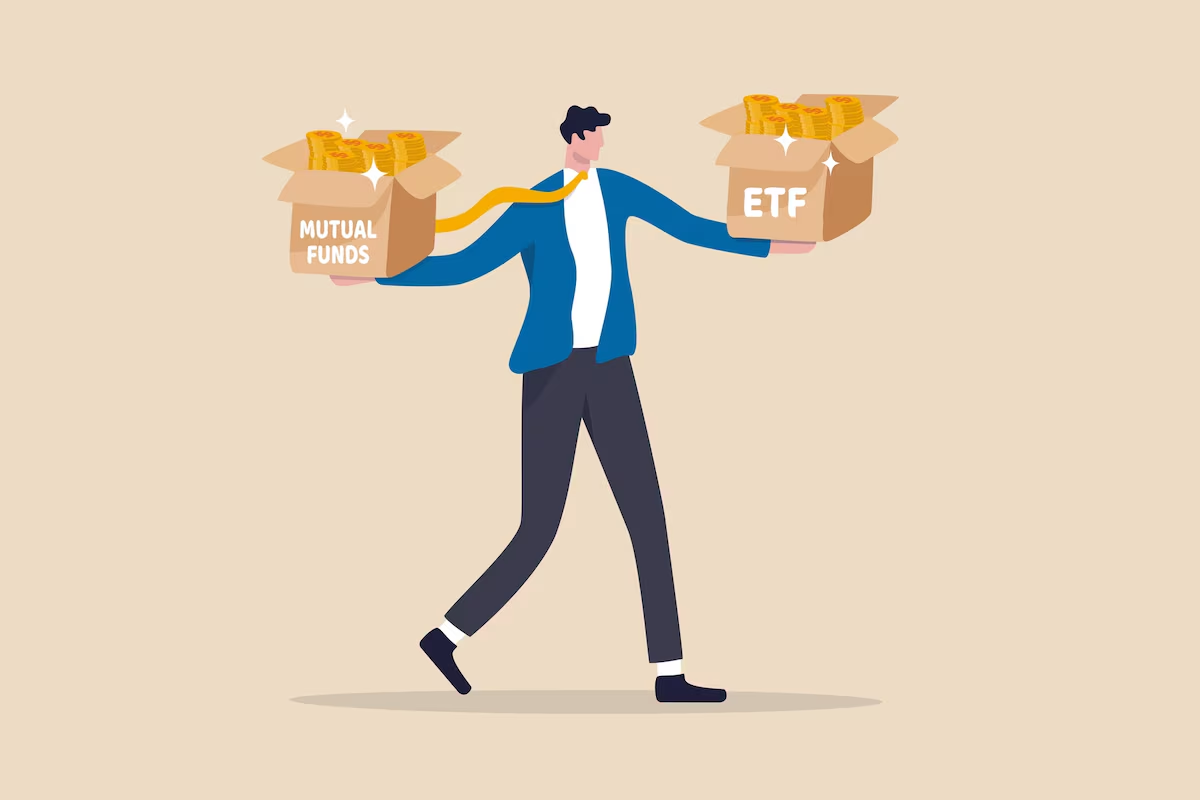

The Vanguard Long-Term Treasury ETF (NASDAQ:VGLT) provides low-cost exposure to government debt, while the iShares iBoxx $Investment Grade Corporate Bond ETF (NYSEMKT:LQD) yields more by holding highly rated corporate credit.
These two funds serve as core pillars for fixed-income investors seeking income and safety, yet they diverge significantly in credit risk and cost. This comparison examines whether the safety of government-backed securities or the slightly higher yield of investment-grade corporate bonds better serves a diversified portfolio in the current market environment.
Snapshot (cost & size)
Vanguard Long-Term Treasury ETF is the more affordable option, charging significantly less than the iShares fund. While both provide steady income, the iShares iBoxx $Investment Grade Corporate Bond ETF offers a slightly higher payout to compensate for its credit risk.
Performance & risk comparison
What’s inside
Vanguard Long-Term Treasury ETF focuses on government bonds with maturities between 10 and 25 years. As a fixed-income fund, it provides no equity sector breakdown but manages 104 holdings. It was launched in 2009. Vanguard Long-Term Treasury ETF has paid $2.52 per share over the trailing 12 months, which, on its recent ~$52.15 share price, works out to a 4.8% yield.
The iShares iBoxx $Investment Grade Corporate Bond ETF tracks an index of high-quality corporate debt issued in U.S. dollars. Like its peer, it is a fixed-income fund with no equity sector breakdown, but it is much more diversified with 3,185 holdings. The fund is highly diversified — no single position exceeds 0.19% of the portfolio. It was launched in 2002. iShares iBoxx $Investment Grade Corporate Bond ETF has paid $5.05 per share over the trailing 12 months, which, on its recent ~$103.85 share price, works out to a 4.9% yield.
For more guidance on ETF investing, check out the full guide at this link.
Which looks like the better buy
When comparing the Vanguard Long-Term Treasury ETF (VGLT) and the iShares iBoxx $Investment Grade Corporate Bond ETF (LQD), investors should consider several key factors. Let’s see what they tell us about each fund.
First, we should examine each fund’s strategy. VGLT focuses on U.S. Treasury debt securities, specifically those with 10 or more years to maturity. Given that it only holds U.S. Treasury debt, it carries virtually no credit risk. LQD, on the other hand, holds investment-grade corporate debt. This investment-grade debt is high quality, but because it is issued by corporations, it carries some risk of default.