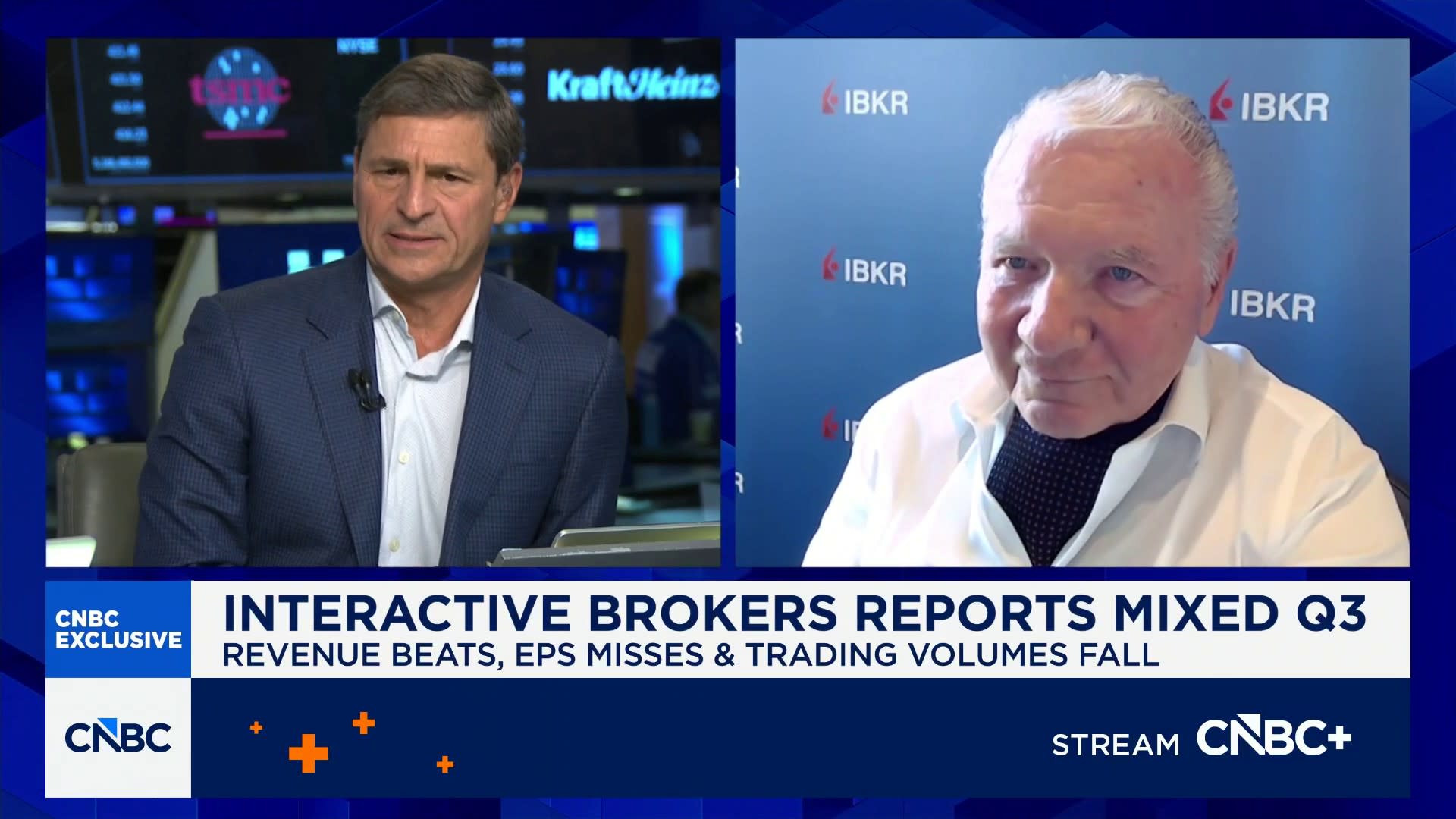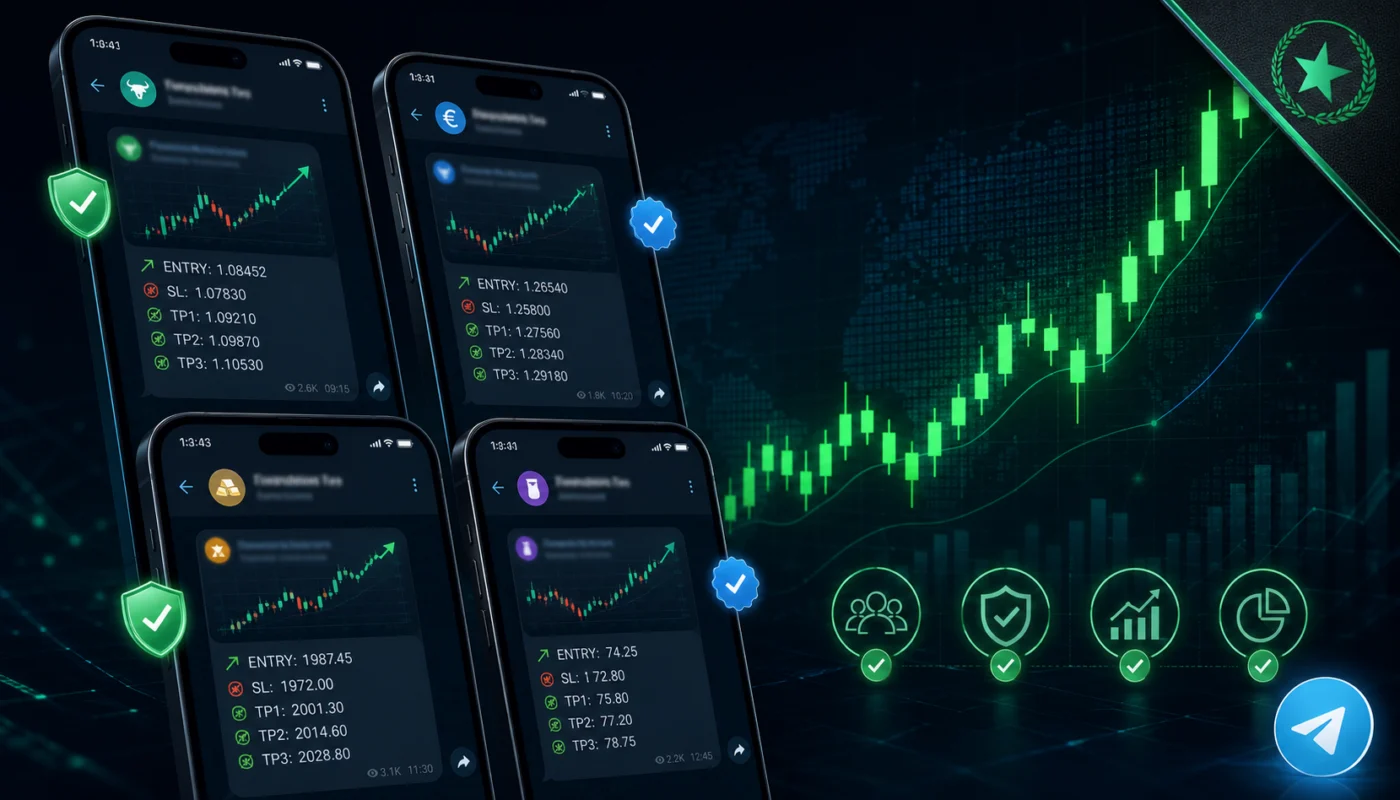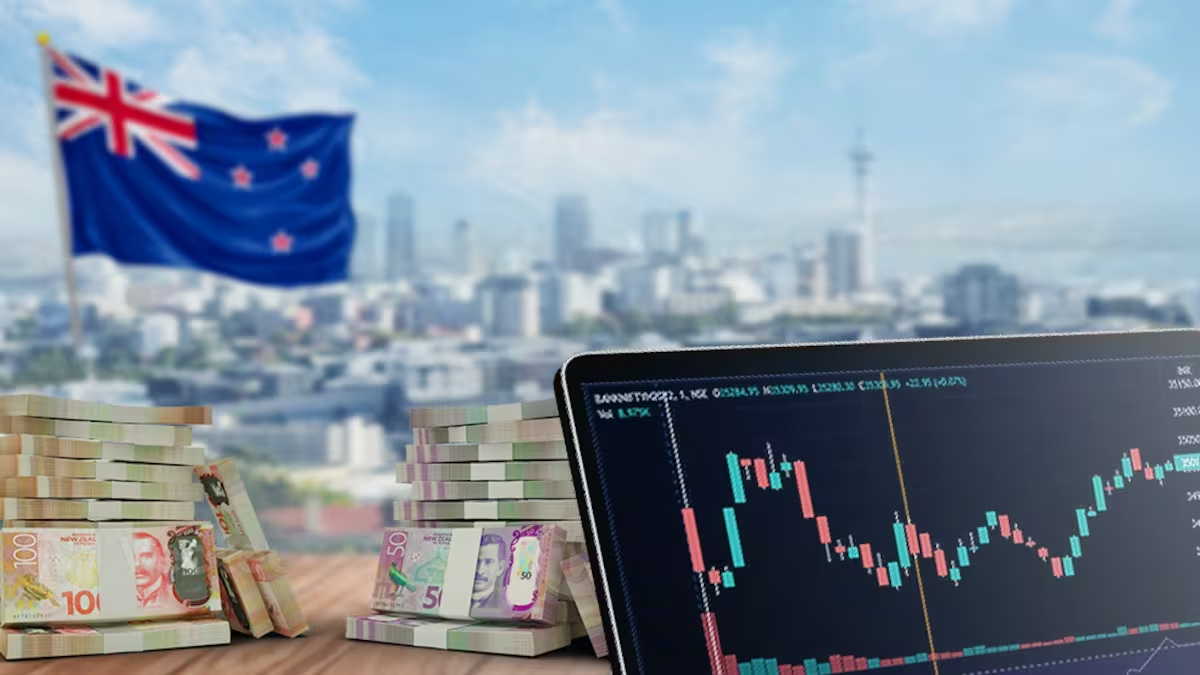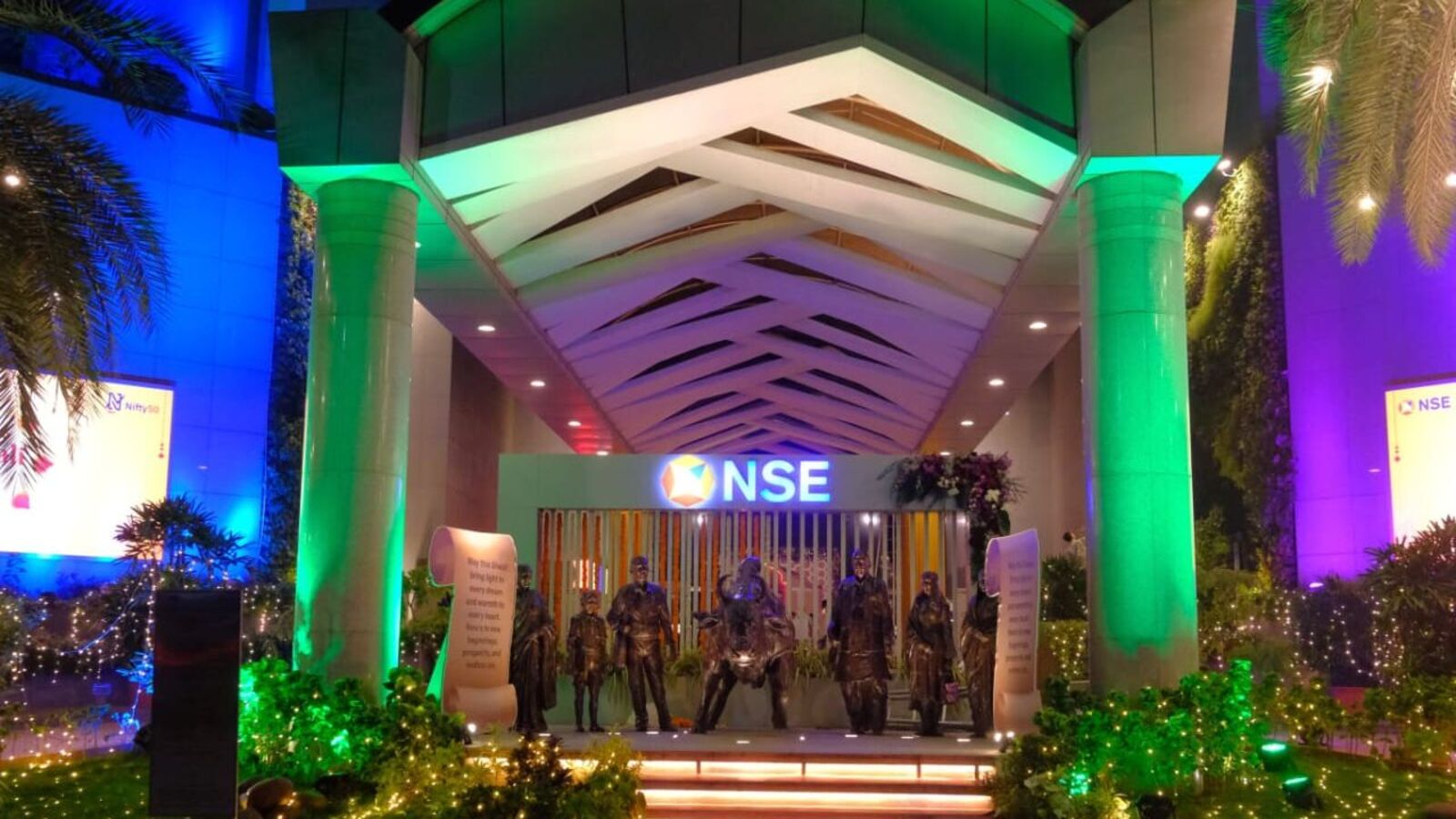

Interactive Brokers is testing a new set of live hurricane contracts on its ForecastEx platform, aimed at helping traders price and hedge storm risk one coastline at a time.
The pilot ran on a real storm, Hurricane Isaias.
How the contracts actually work
The new contracts are tied to the maximum wind gust speed recorded at a specific coastal location during an Atlantic storm.
Traders can pick from wind gust thresholds running from 70 mph to 200 mph, set in 10 mph steps.
Contracts only go live once forecasts show a projected 5% chance of gusts topping 70 mph at a given location.
The Isaias test run
Hurricane Isaias was the first Atlantic hurricane of 2026 to threaten the US. As the storm strengthened, Interactive Brokers listed contracts for 25 coastal locations starting October 7, 2026.
According to Interactive Brokers, the pilot was the first complete end-to-end test of these contracts on a real storm, running the full cycle of listing, trading and settlement against live weather rather than a simulation.
Reask, a catastrophe-modeling firm, supplies both the forecast probabilities used before a storm hits and the wind gust reconstructions used after it passes.
The contracts are designed to resolve within days of a storm dissipating. They settle on 3-second gust maxima instead of the 1-minute sustained wind measure traditionally used to describe hurricanes.
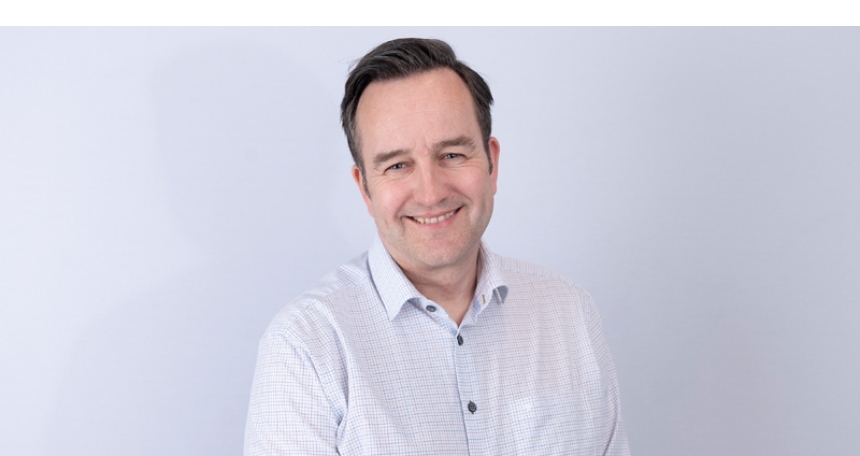
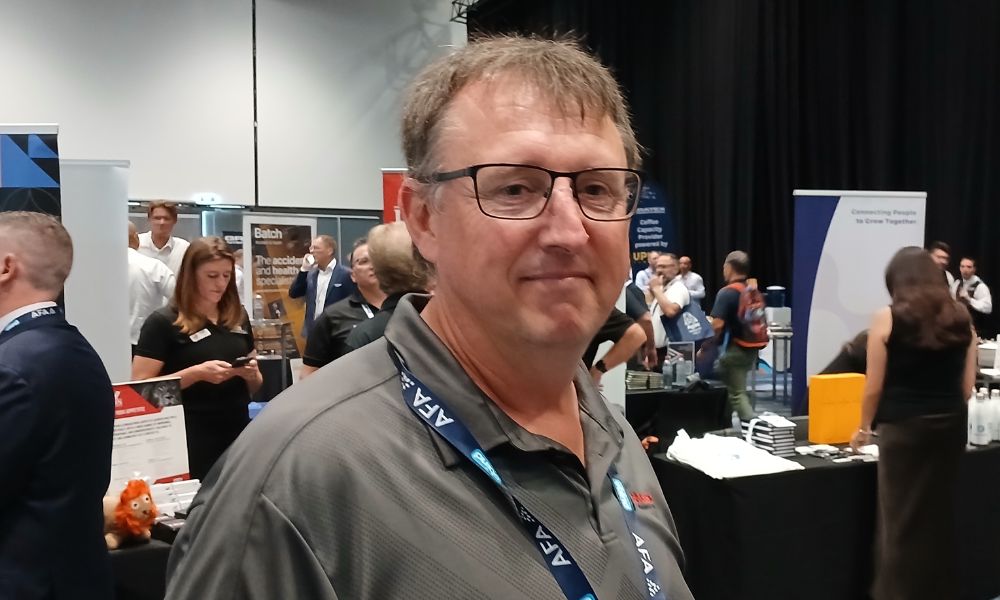
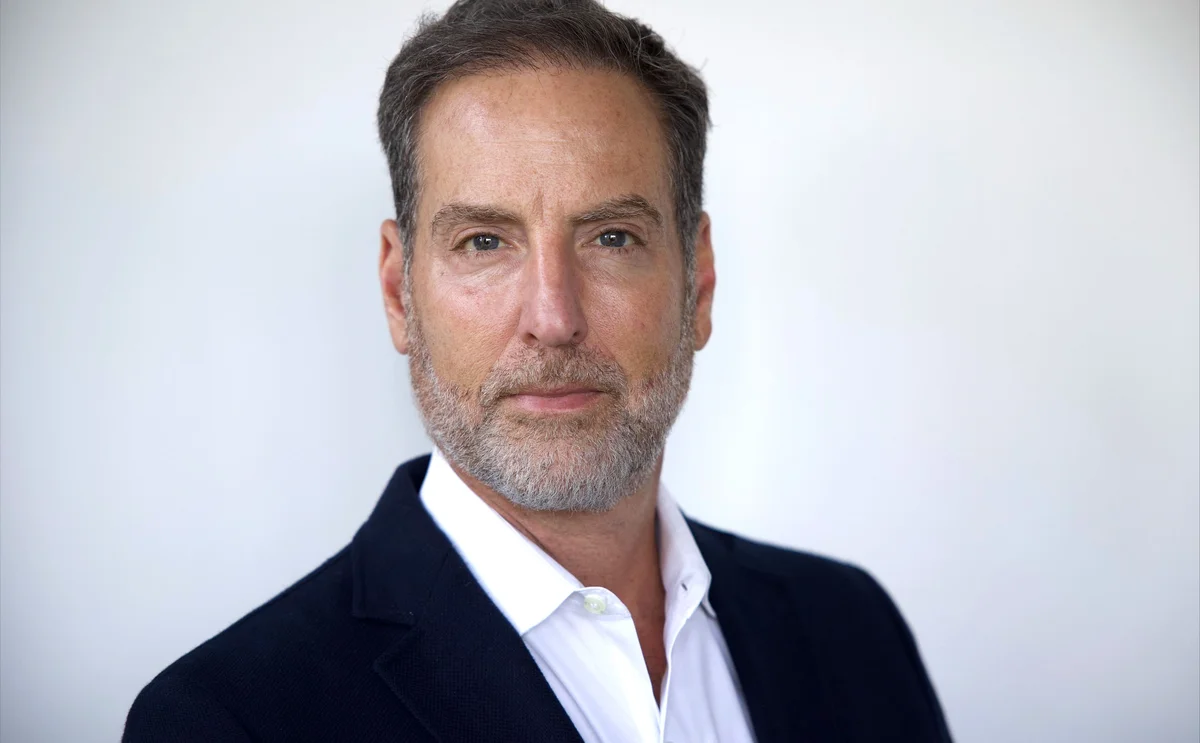
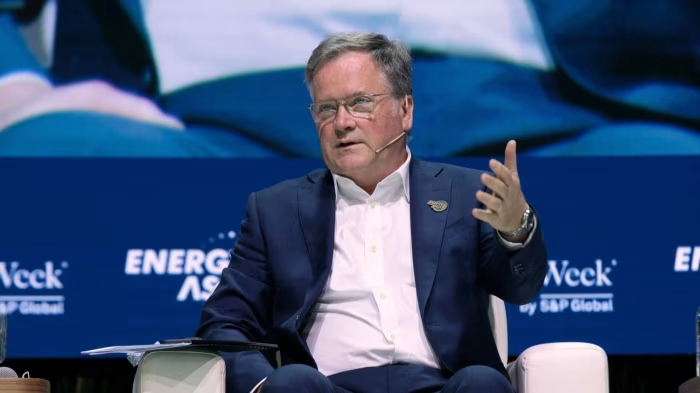
Patrick Brown, Head of Climate Analytics at Interactive Brokers, said the contract design incorporates feedback from reinsurers.
Where this fits in Interactive Brokers’ weather push
Interactive Brokers has offered seasonal and regional hurricane contracts since at least May 2025, including seasonal basin counts and major-landfall contracts introduced in 2025.
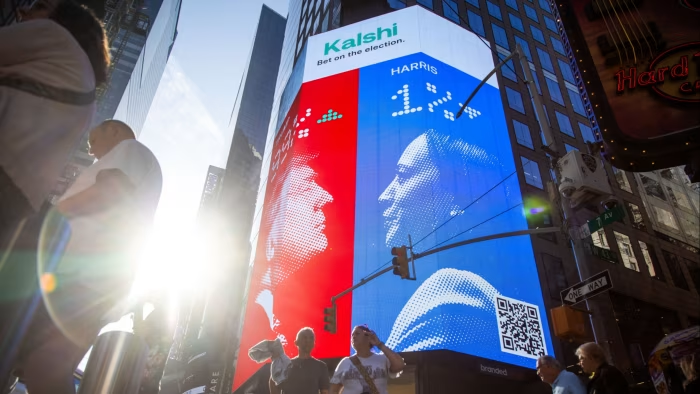
The live contracts are more granular and immediate, tied to real-time data, and invite comparisons with platforms such as Kalshi and Polymarket.
What this means for traders and insurers
Location-specific contracts let players hedge against risk at specific sites. If the bet pays out when gusts at a specific site exceed a set threshold, it can offset losses tied to that same site.
A contract that settles within days of a storm, using a clearly defined wind measure, could give risk managers faster clarity on where they stand.
Liquidity is a key question. A hedge is only useful if someone is on the other side at a sensible price, and 25 separate coastal markets per storm could spread trading thin.
Relying on Reask for both forecasts and post-storm reconstructions centralizes a lot of trust in one modeling firm’s methodology. Using 3-second gusts departs from the measurement most people hear in hurricane coverage.