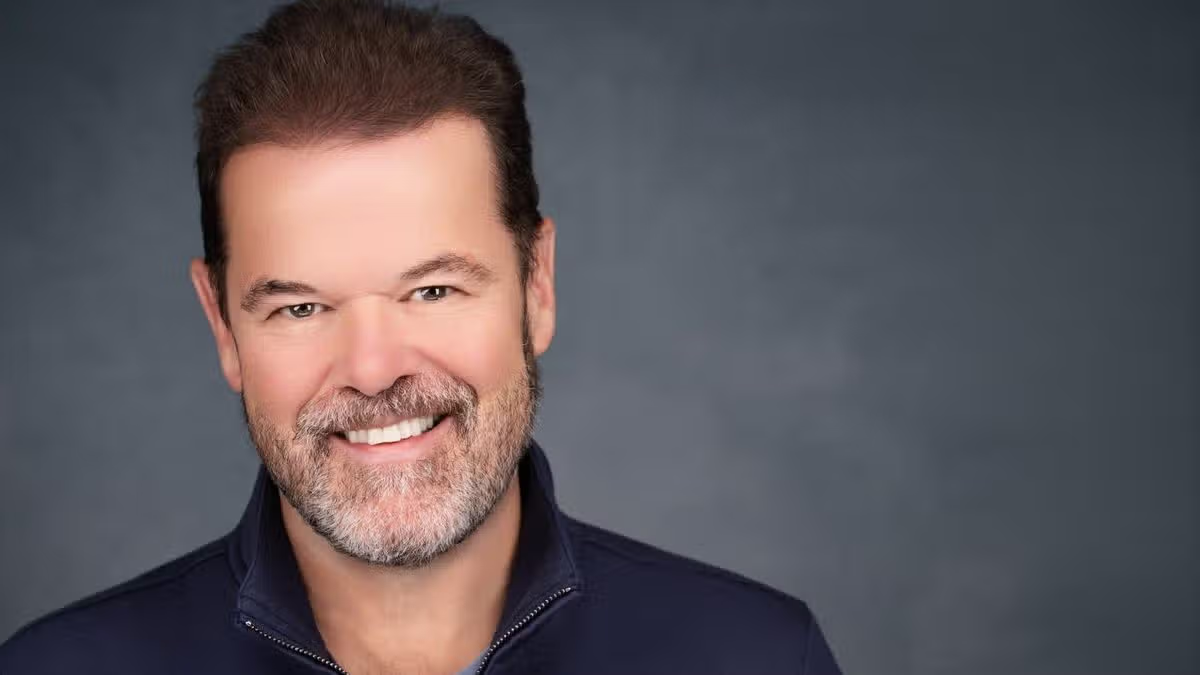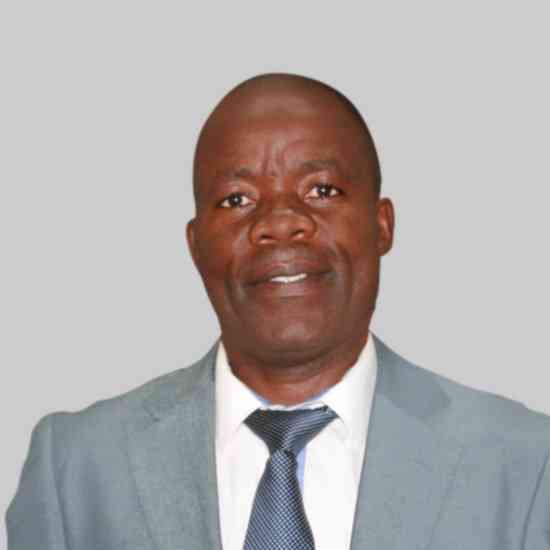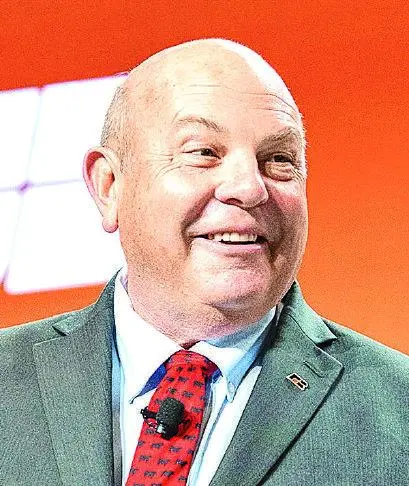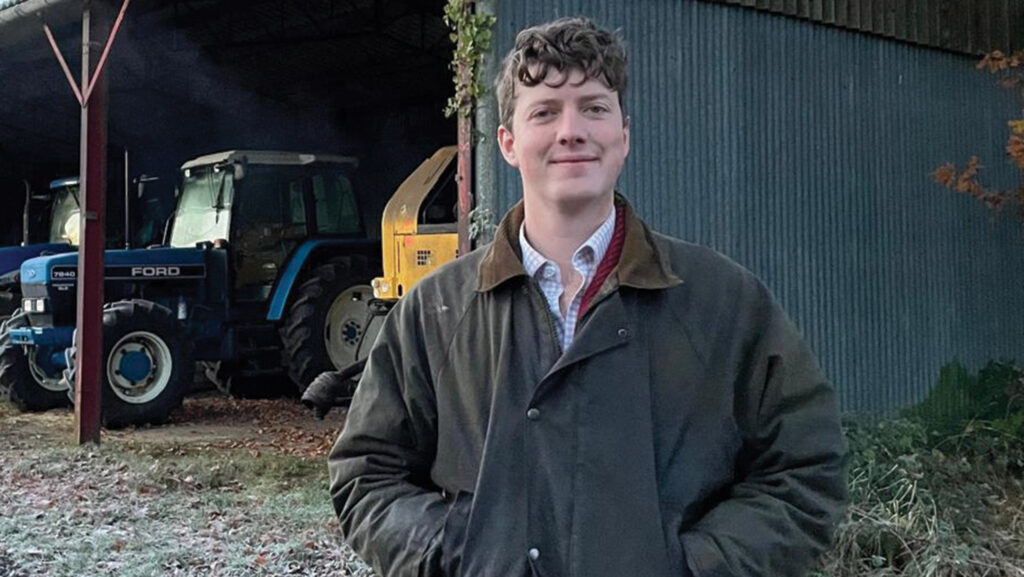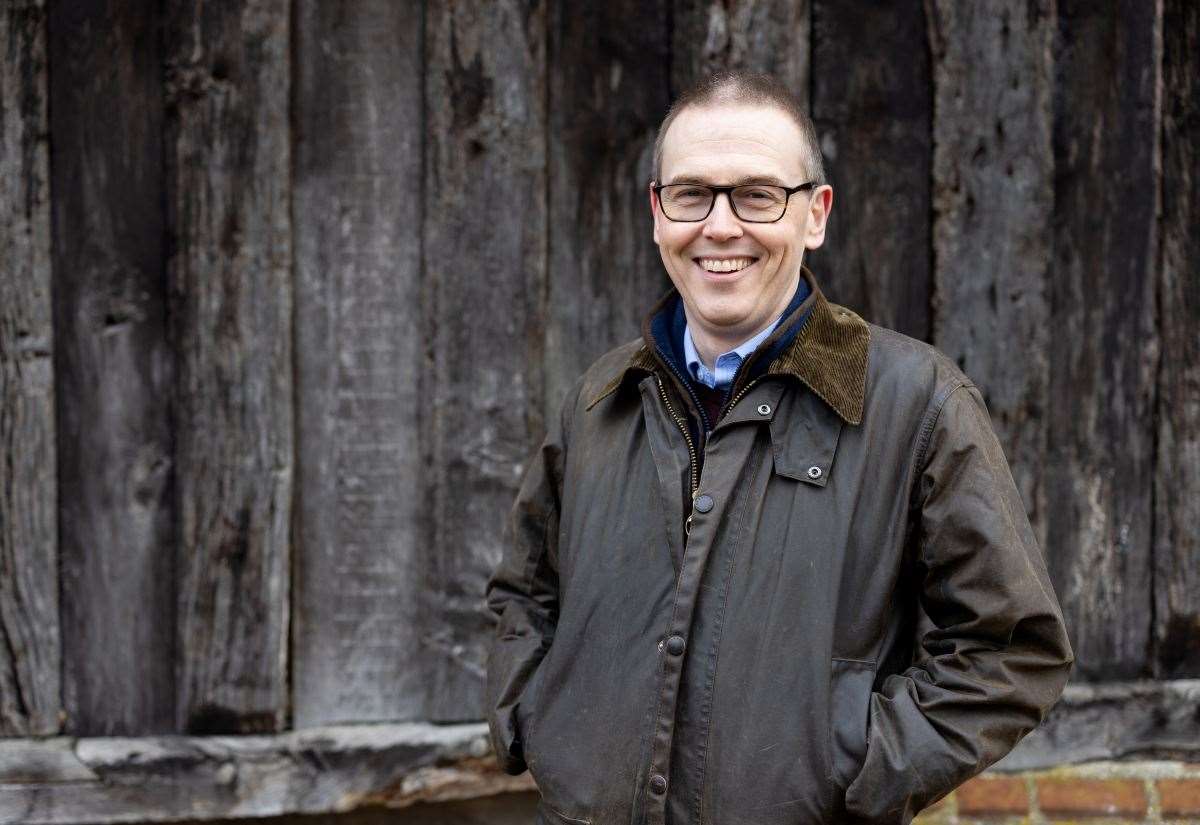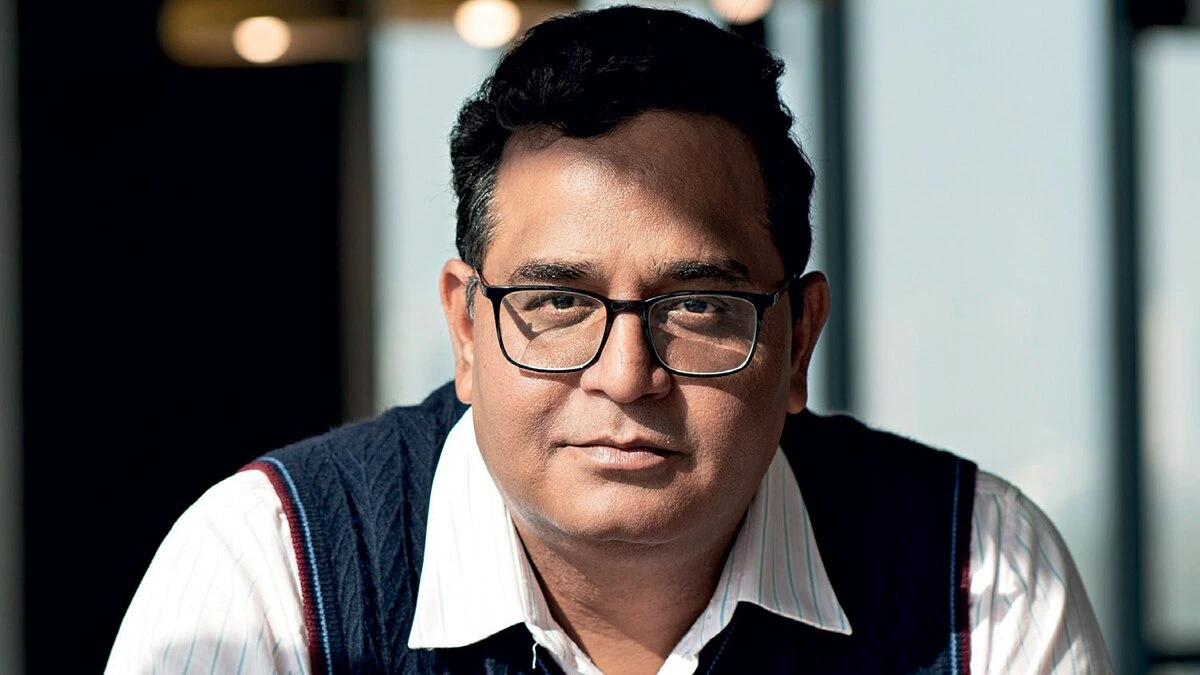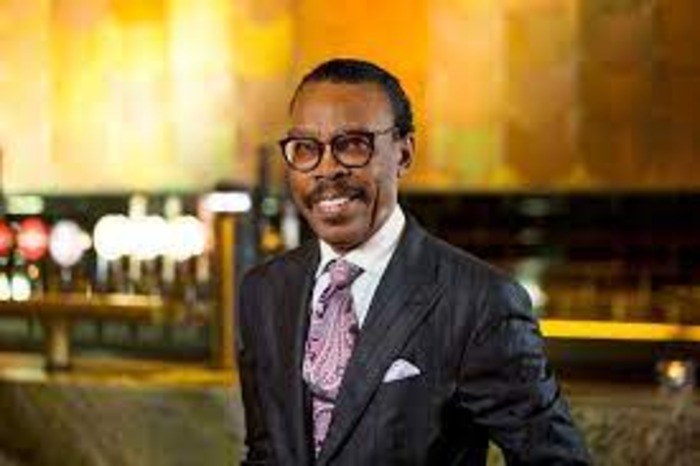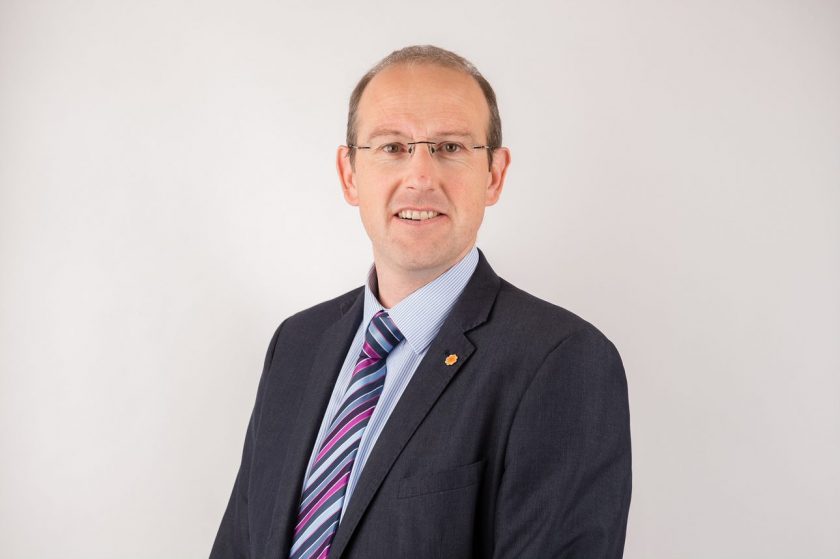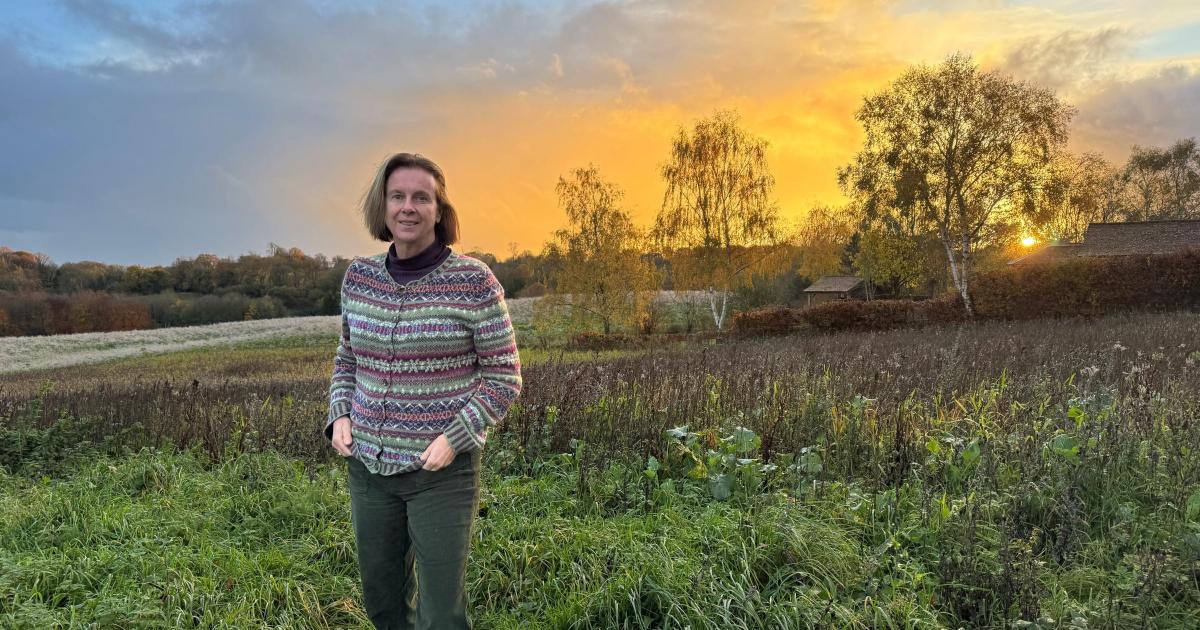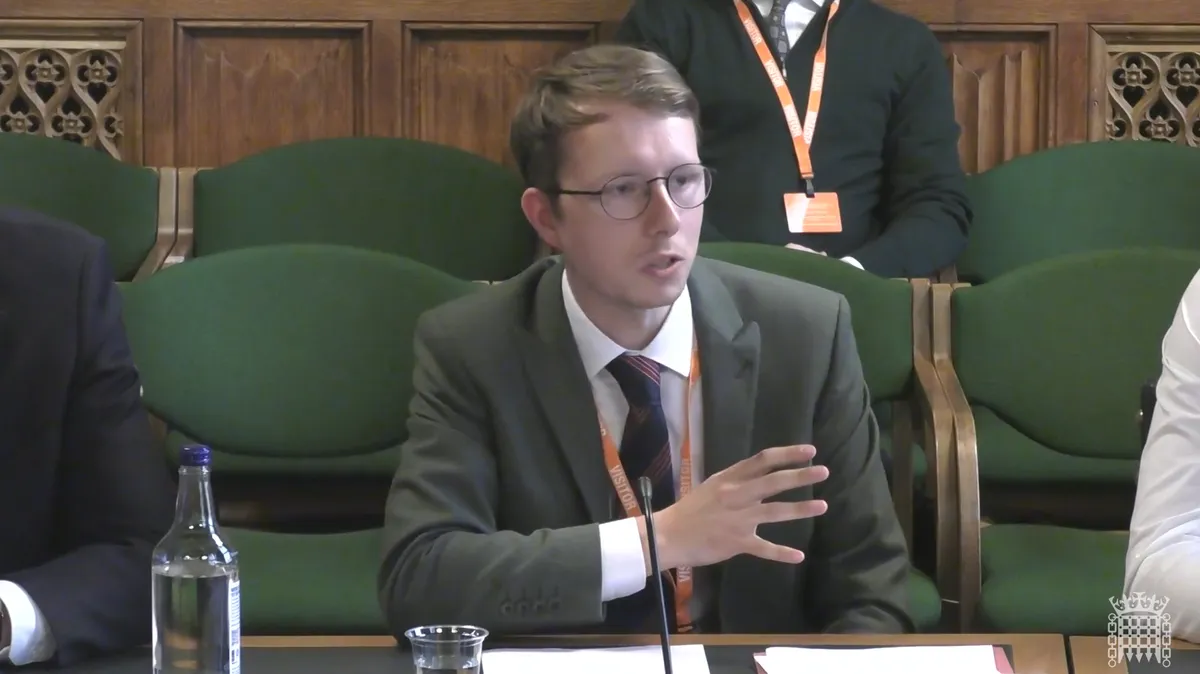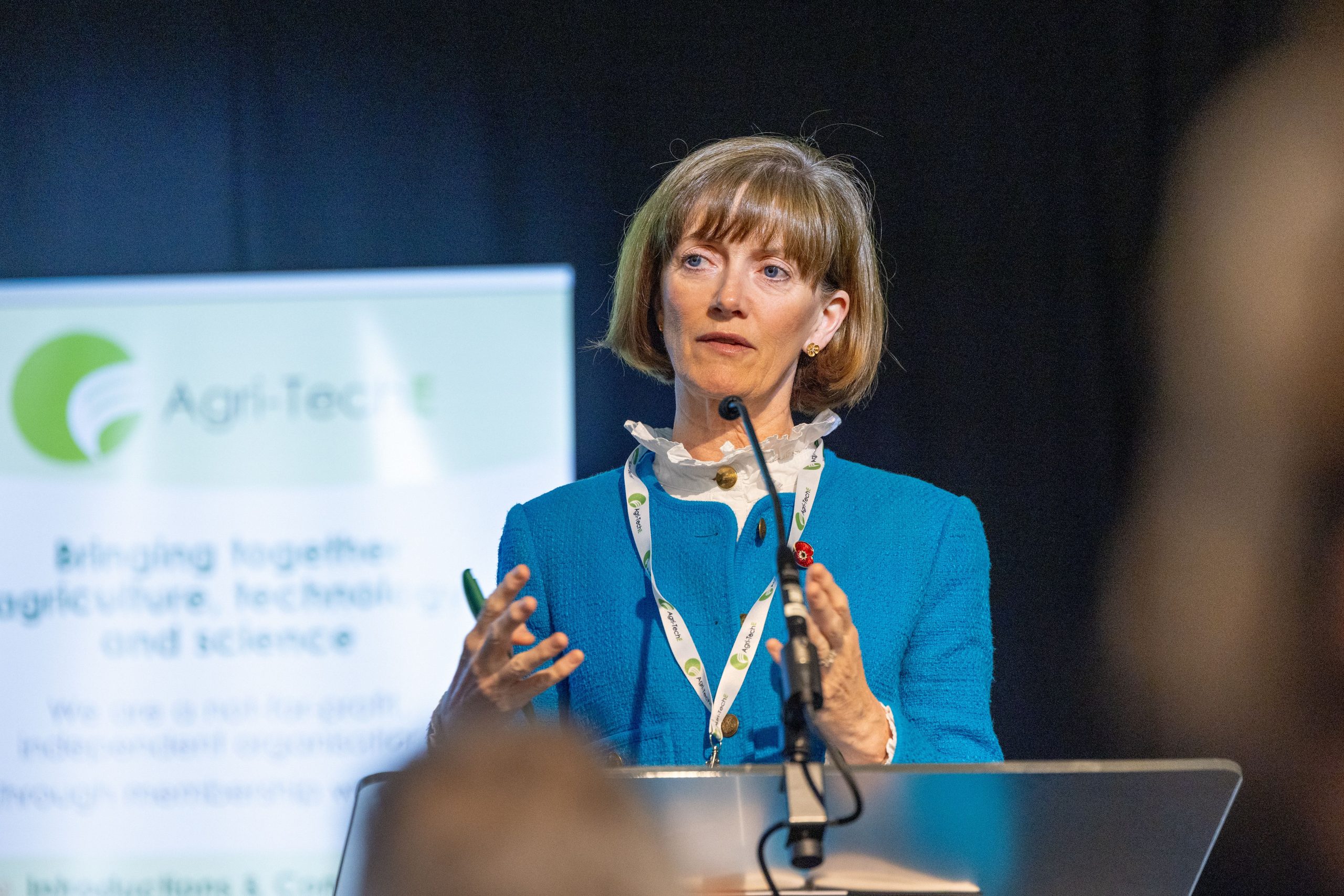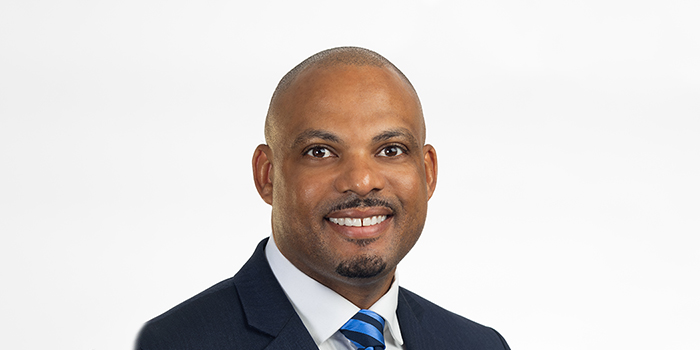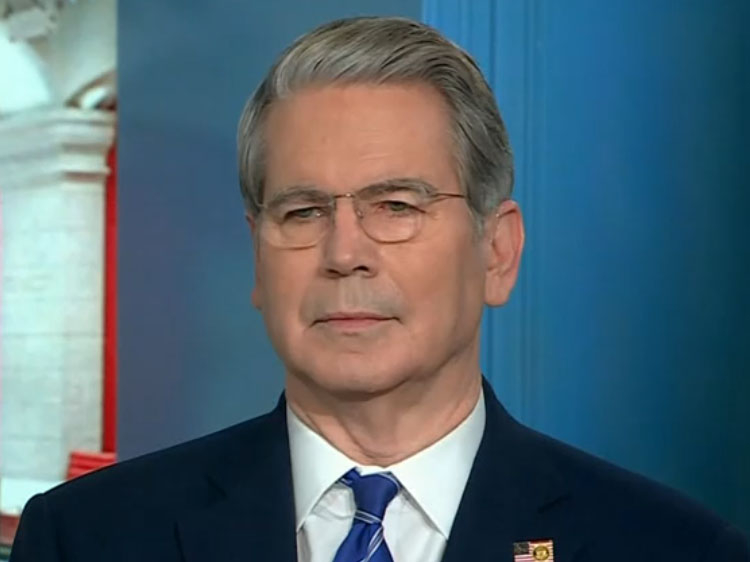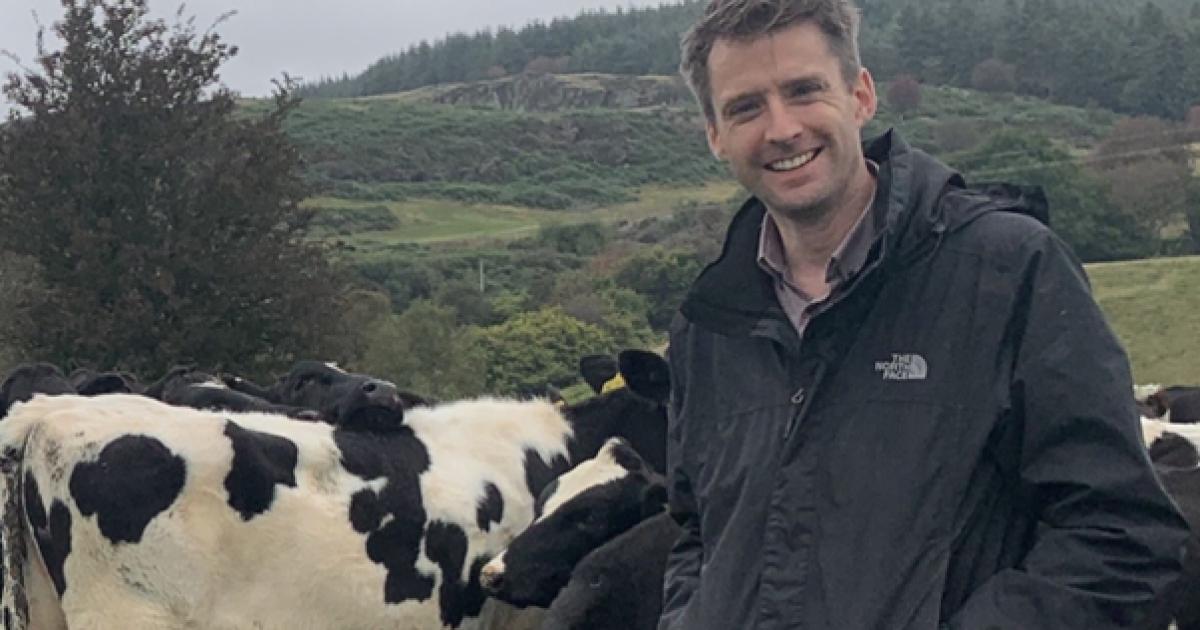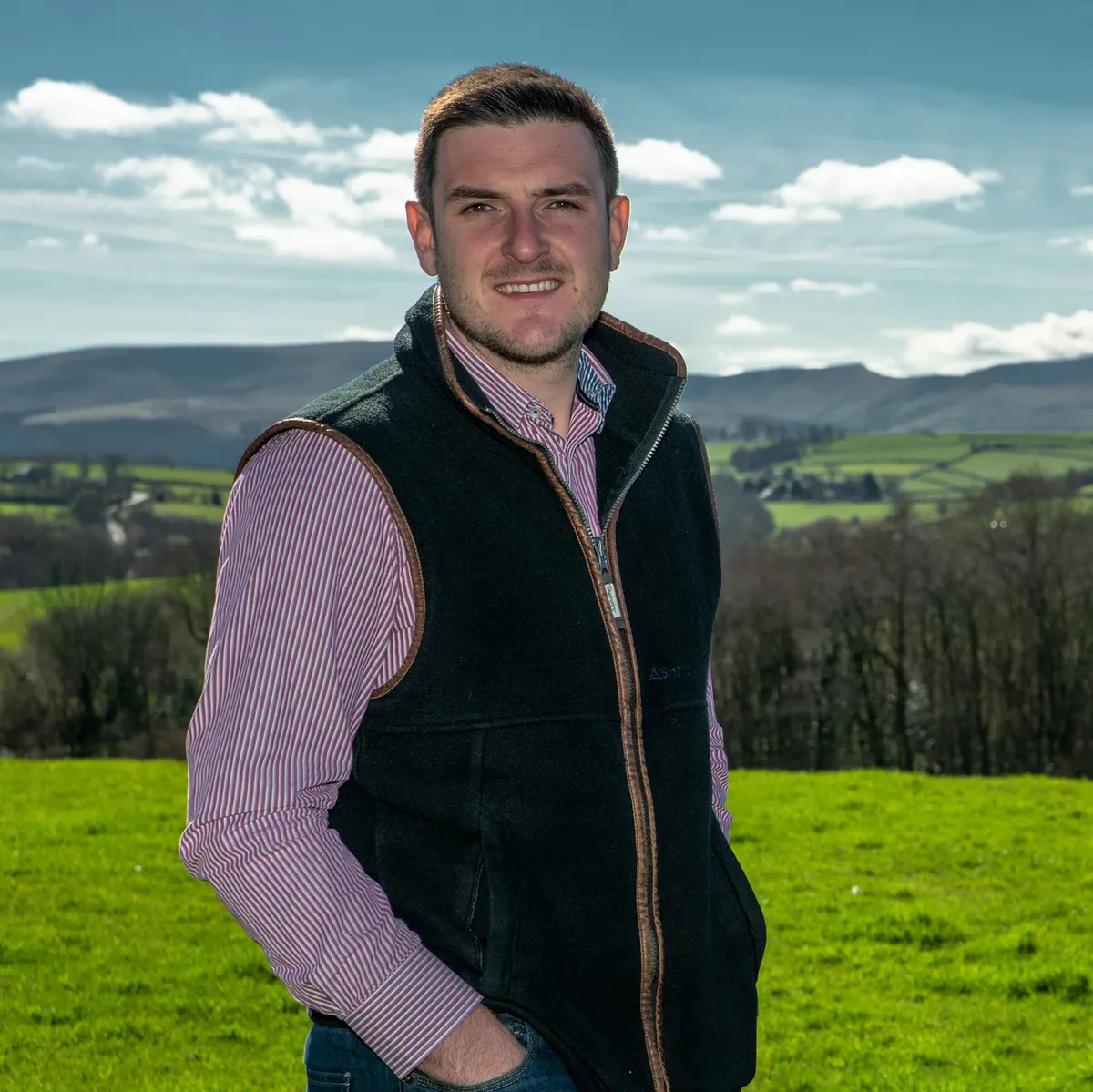
Jeff Tkach, CEO of Rodale Institute and author of The Farm Is Here, is a leading voice in regenerative organic agriculture and soil health.

As science-backed nonprofit leaders in agriculture, food systems and economic resilience, we often think about moving markets through education, advocacy or direct service. But there is another lever that nonprofits in our space control: credibility. As supply chain volatility, rising input costs and climate risk impact agriculture, credibility is becoming a strategic asset.
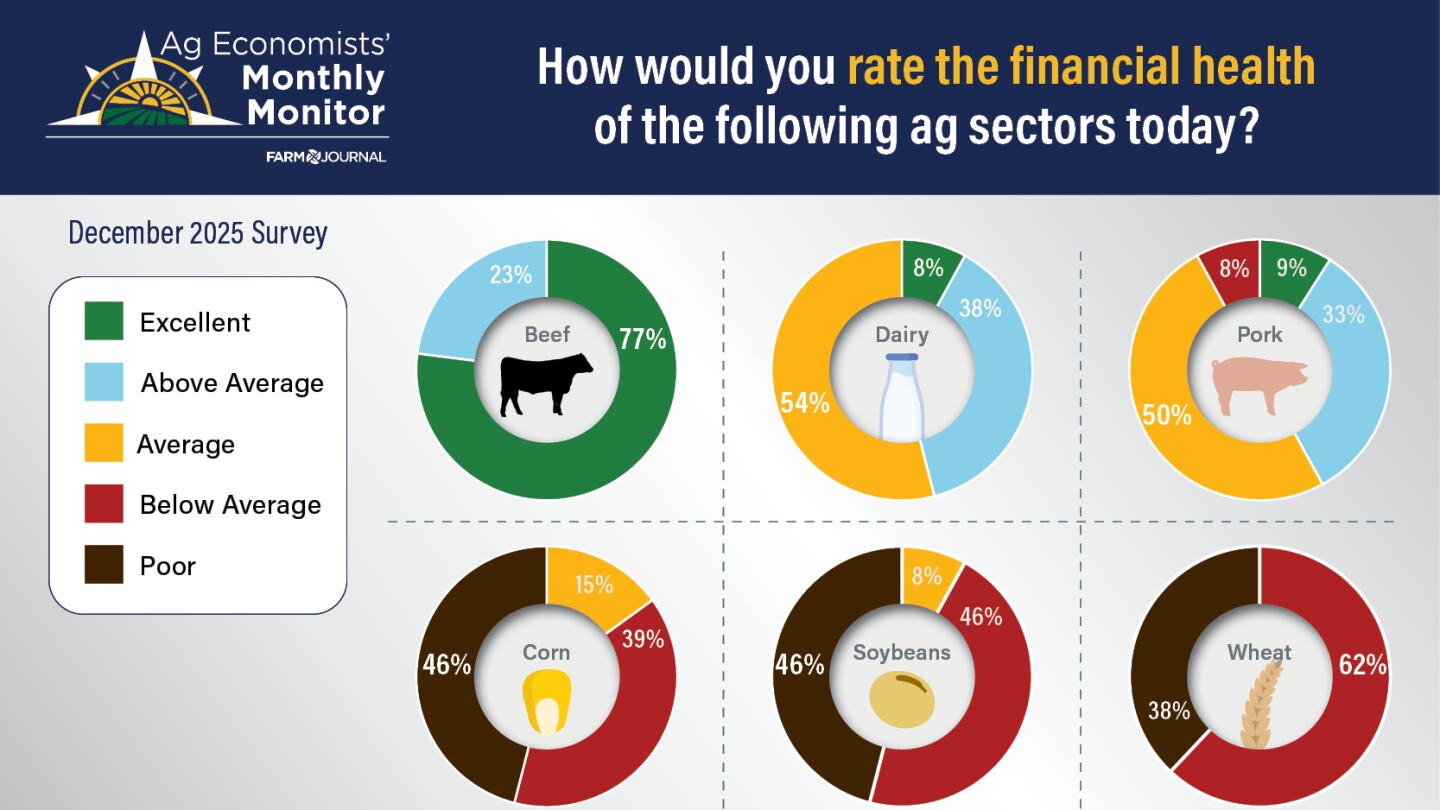
Organic systems are no longer positioned as a niche or values-driven choice; they are strategically aligned with the economic realities now facing the broader market. Positioned as a systems-level solution to growing economic pressure across the agricultural sector, the organic conversation is evolving from values-driven to risk-driven decision-making.
Why Organic Is Now An Economics Conversation
Organic farming has a proven track record of economic viability, but it has been treated as a niche category, a premium segment or a sustainability add-on. That era is ending.
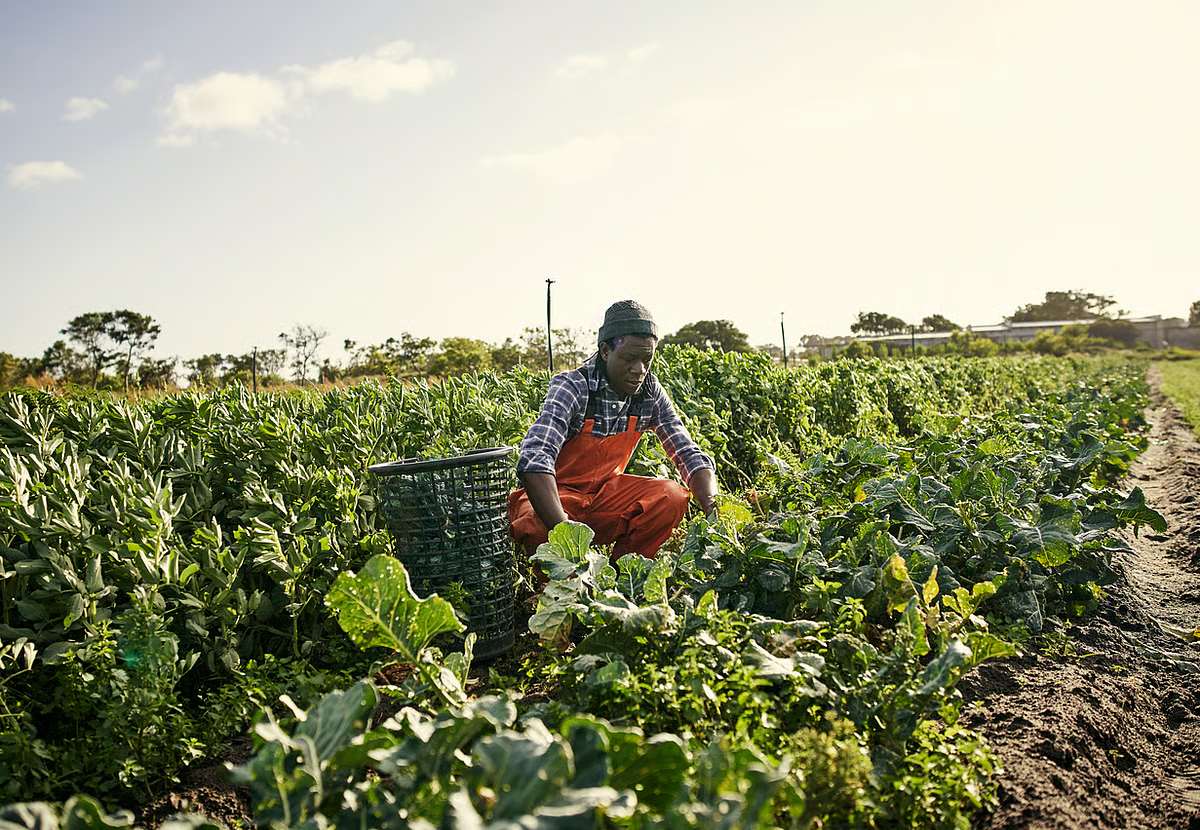
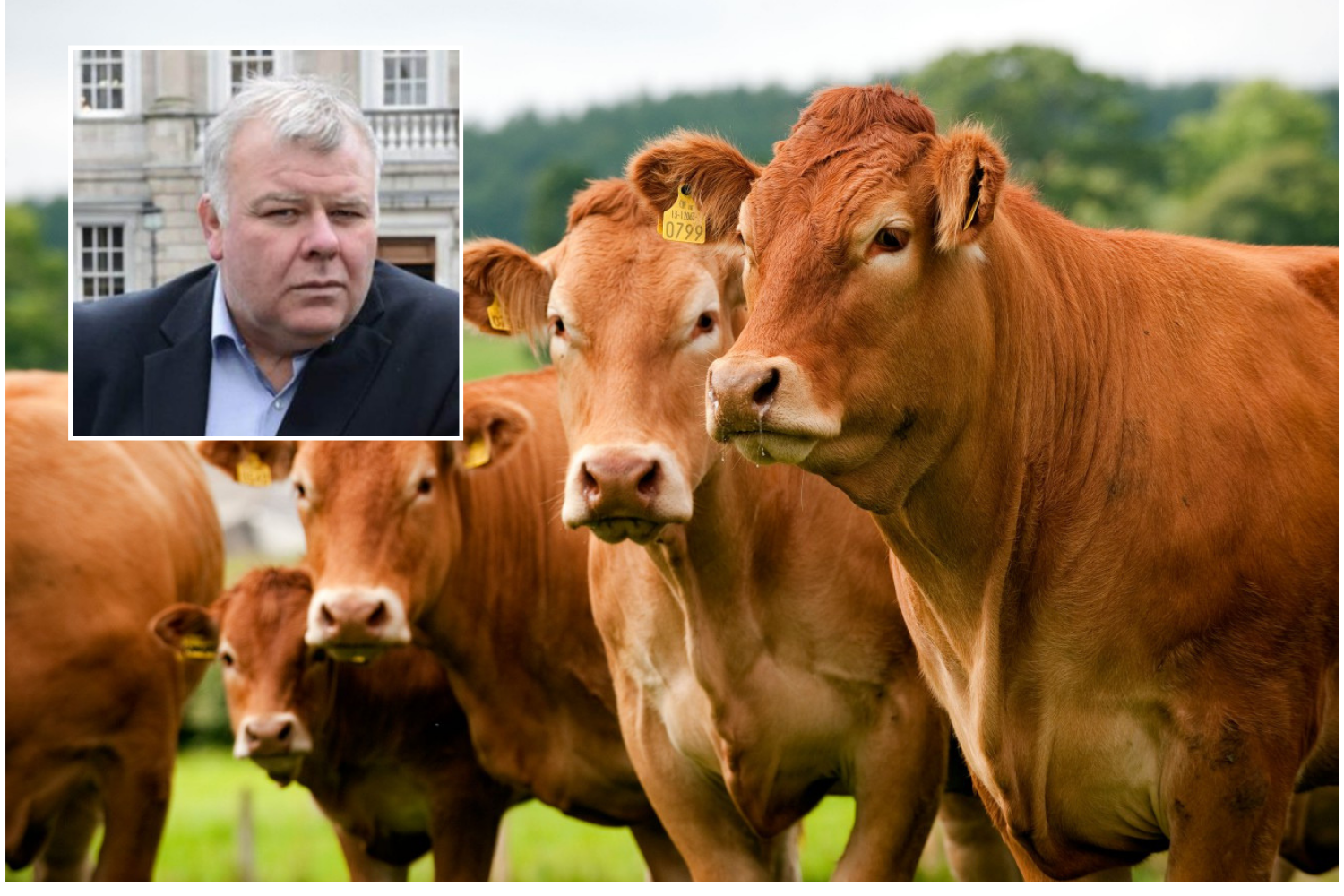
My organization’s “Organic Farming Economics” report shows that certified organic commodity crops can be more profitable than conventional counterparts because organic systems can command price premiums. U.S. organic food sales exceeded $76 billion in 2025, and demand continues to grow.
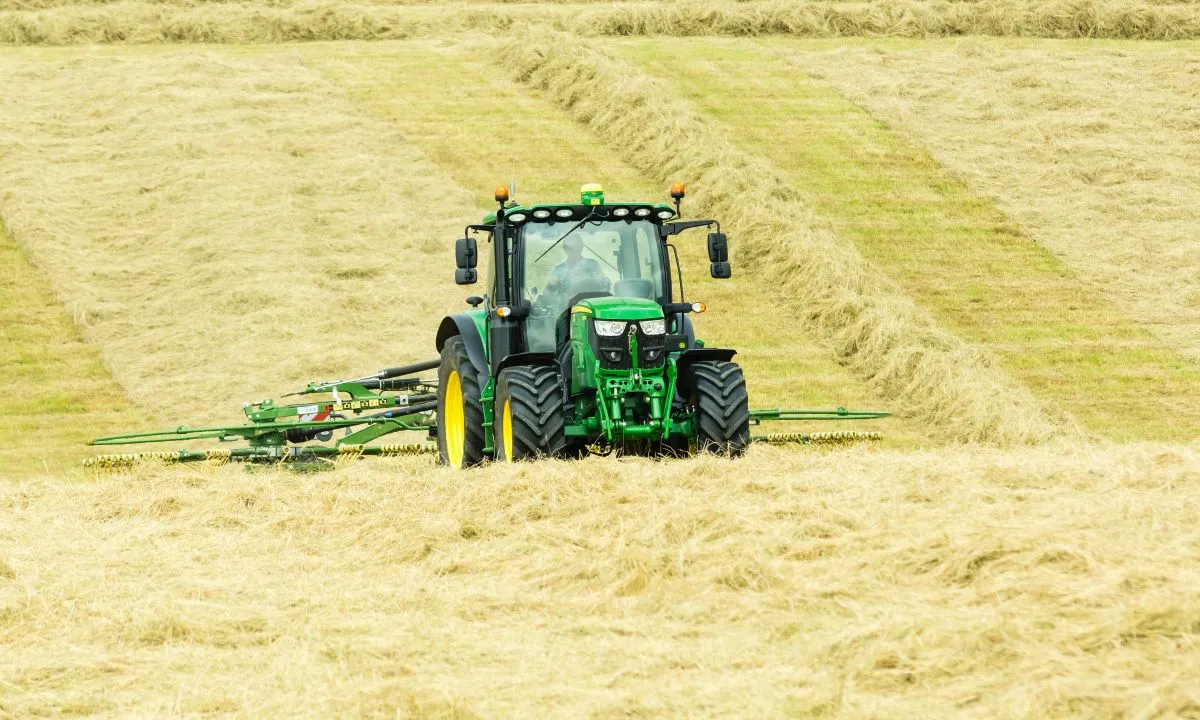
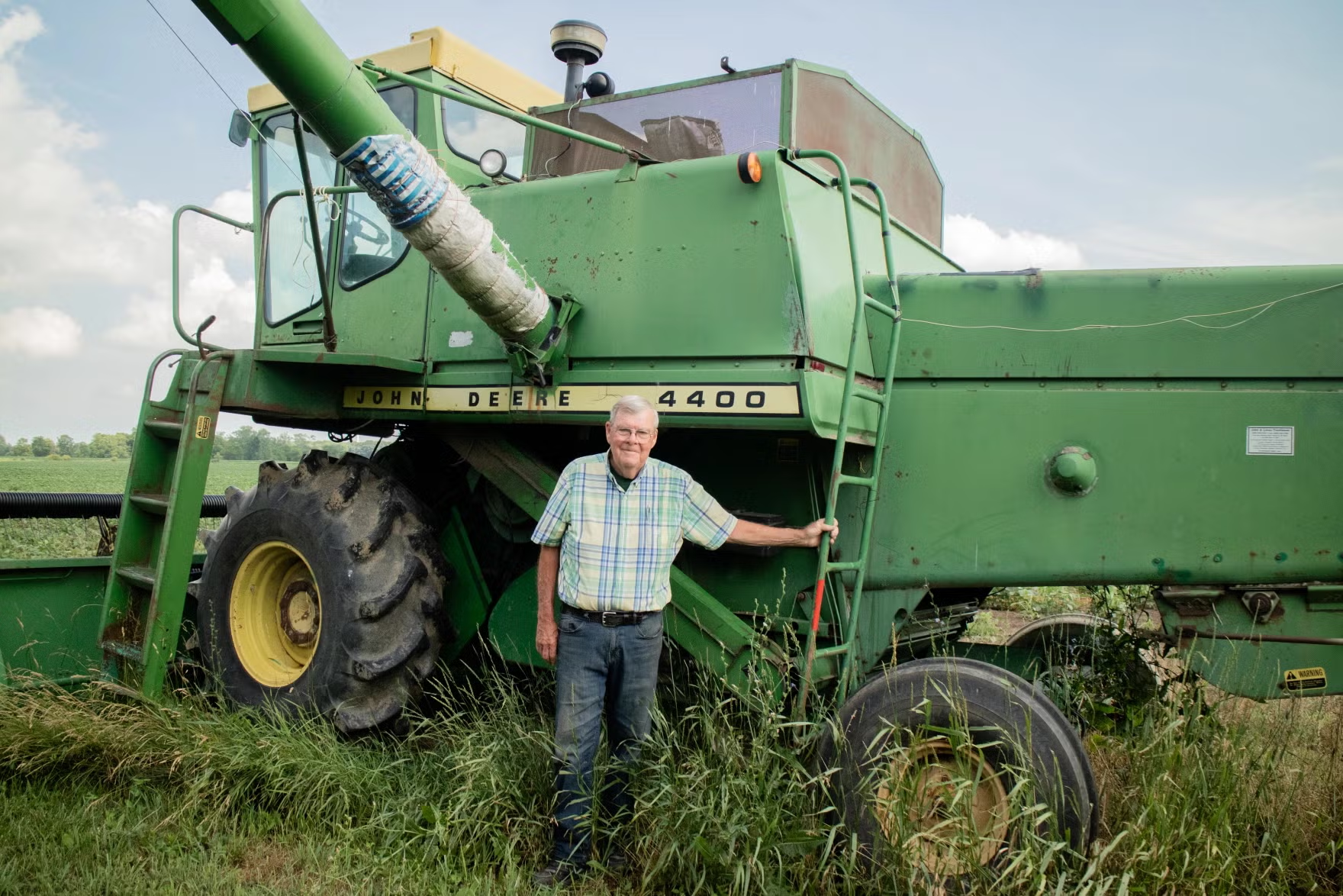
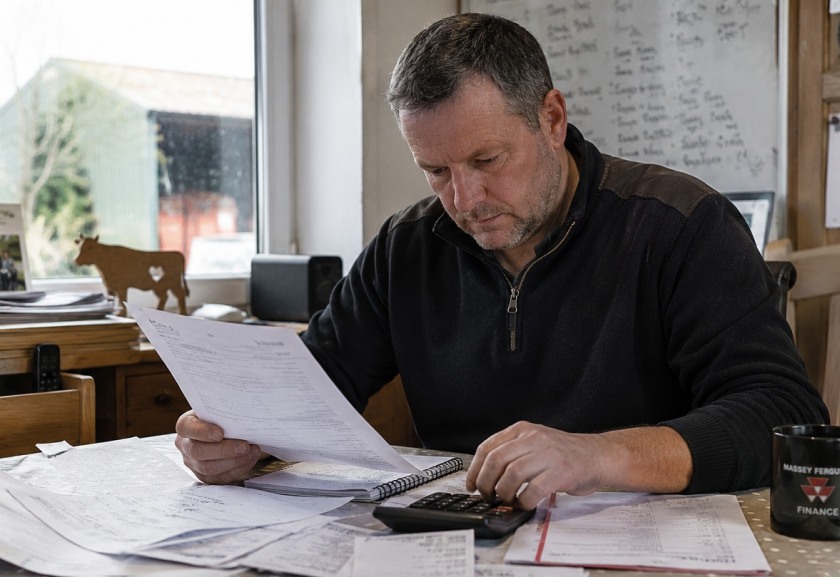
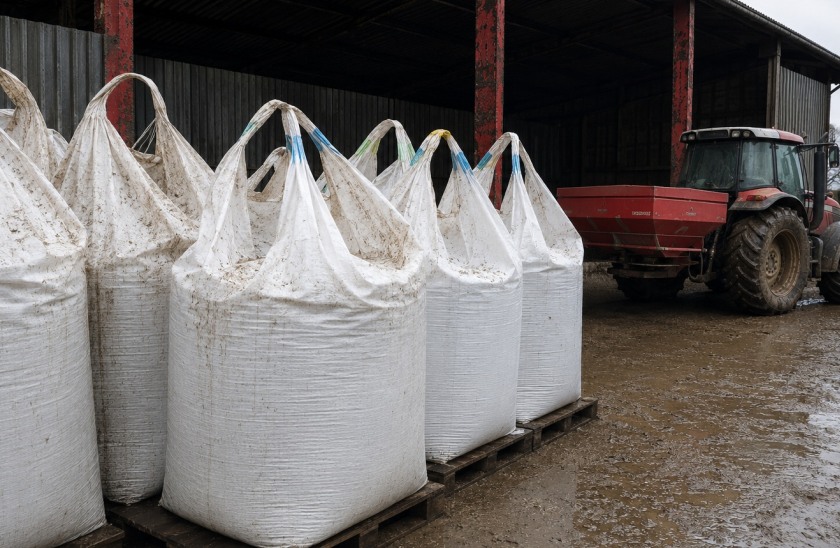
Yet most agricultural systems and the capital that supports them remain aligned with conventional models. That disconnect is not due to a lack of evidence. It is due to perceived risk. When viewed through an economic lens, boards care about supply chain stability, chief financial officers care about input cost volatility and agricultural businesses care about long-term market resilience. All point toward organic systems.
There is a critical gap between what the science shows is possible and what the market is ready to support. Organic produces a tested framework for addressing many of the risks confronting agriculture. Demand is growing, but transition barriers remain significant—particularly the capital burden and certification requirements. That gap is where nonprofits must lead.
Nonprofits Are Uniquely Positioned To De-Risk Innovation
Science-backed nonprofits can do what many commercial actors cannot: invest in long-term research without pressure to deliver quarterly returns. We operate within a broader ecosystem alongside universities conducting long-term research and farmer networks driving peer-to-peer learning.
When nonprofits invest in research, education and implementation support, we reduce the risk that others must bear to adopt innovation. We make change more credible, practical and less costly to try. Farmers cannot absorb repeated failures. Supply chains cannot afford extended transition periods without support. Communities cannot wait for markets to catch up on their own. Nonprofits are the bridge.
At Rodale Institute, that work spans long-term research through our Farming Systems Trial, farmer training and consulting, consumer education and strategic partnerships. We translate research into action, reshaping how industries and markets operate.
How Nonprofits Move Entire Industries
When trusted organizations translate research into practical implementation, several things happen:
• Policymakers gain confidence to adjust incentives and support structures.
• Companies gain confidence to invest in supply chain transition.
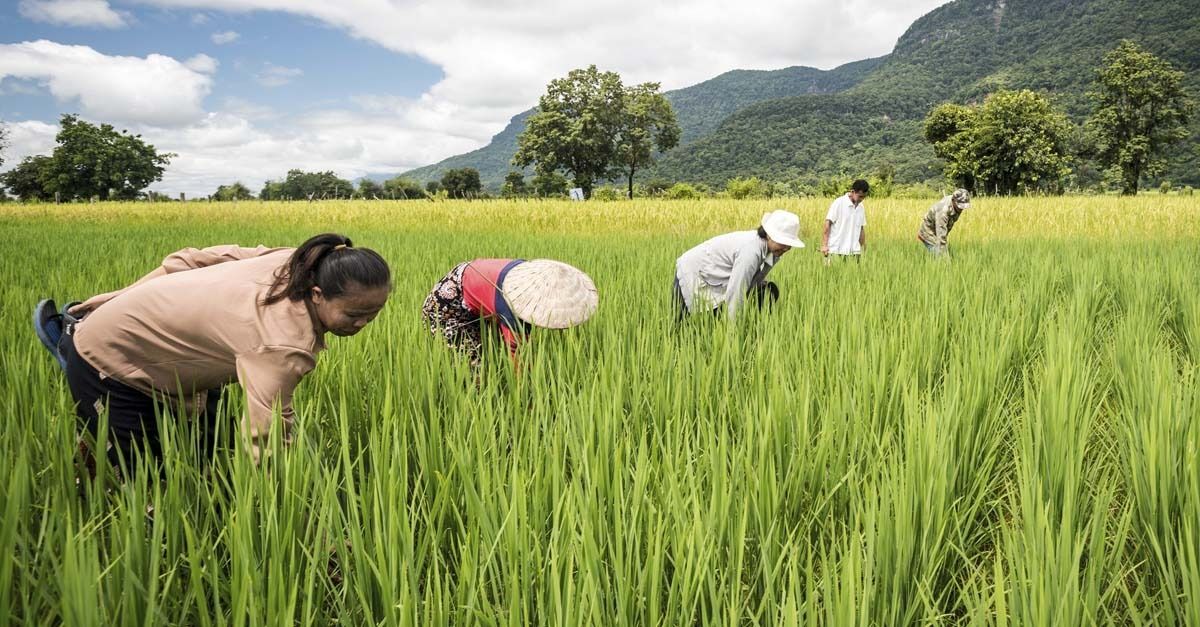
• Farmers gain access to education, technical support and capital pathways.
• Communities gain evidence that change is possible and economically viable.
It’s a pattern that repeats across industries: When credible intermediaries reduce uncertainty, markets move faster. Agriculture is no exception, but it requires nonprofits and institutions to play the long game.
That kind of systemic influence cannot be built on marketing or storytelling. It is built on decades of credible research, consistent commitment and demonstrated results. As corporations, governments and institutions seek evidence-based pathways toward resilience, they look to organizations that have done rigorous, long-term work. They look to nonprofits that have protected their independence and their credibility.
Why This Matters To Nonprofit Strategy
For nonprofit leaders, the lesson is clear: Organic agriculture—and increasingly, Regenerative Organic Certified systems—sits at the intersection of economic viability, environmental resilience, supply chain stability, public health and community well-being. Organizations that help connect those dots through research, education and practical partnerships provide strategic infrastructure for industrywide change.
In my book, The Farm Is Here, I explore how regenerative organic agriculture connects soil health, economic vitality and human well-being. That connection will only become visible at scale if nonprofits and partners do the patient work of research, education and implementation alongside the companies, farmers and policymakers who are ready to move. In this context, nonprofits become vital infrastructure for systems change.
A Call To Nonprofit Leadership
Corporate and institutional recognition that agriculture must change is finally catching up to the decades-long work of farmers, researchers and the nonprofit community that has championed organic systems. It is a practical strategy for risk management, supply chain resilience, rural viability and public health. The question for nonprofit leaders is not whether organic agriculture matters. The question is whether we will claim our role as the institutions that help make it possible.
This happens when science-backed nonprofits invest in long-term research, build trusted partnerships and translate evidence into action. That is the real strategic advantage nonprofits can offer in this moment—not visibility, not branding, but the credibility and commitment to help shape how entire industries think about risk, resilience and the future.
What Nonprofit Leaders Can Do Now
Nonprofits play a critical role in translating long-term strategy into implementation. It starts with research. Our Farming Systems Trial became credible because it maintained rigorous scientific standards over multiple decades. Data matters for demonstrating supply chain resilience, reduced input costs and viable profitability pathways for farmers.
But research alone is not enough. Nonprofits must move from proof to practice through partnerships, technical assistance and supply chain engagement. Credibility attracts industry collaboration and scales change.
Nonprofits also must connect the dots publicly. Soil health, economic resilience, human health and farmer viability are the same system. Organizations that communicate those connections influence markets, policy and consumer behavior.
If we want a resilient food system, we need nonprofits willing to lead on both mission and economics. We need organizations committed to the patient work of research, implementation and farmer support—and boards and funders willing to invest in outcomes that may take years to fully measure.
The future of agriculture and the resilience of our food system depend on it.
Forbes Nonprofit Council is an invitation-only organization for chief executives in successful nonprofit organizations. Do I qualify?