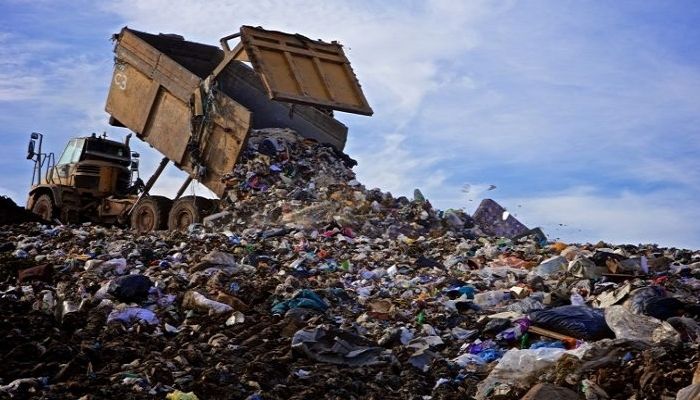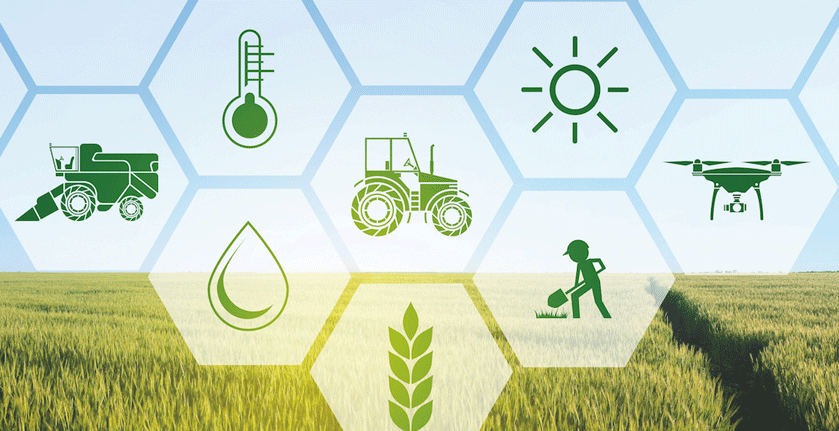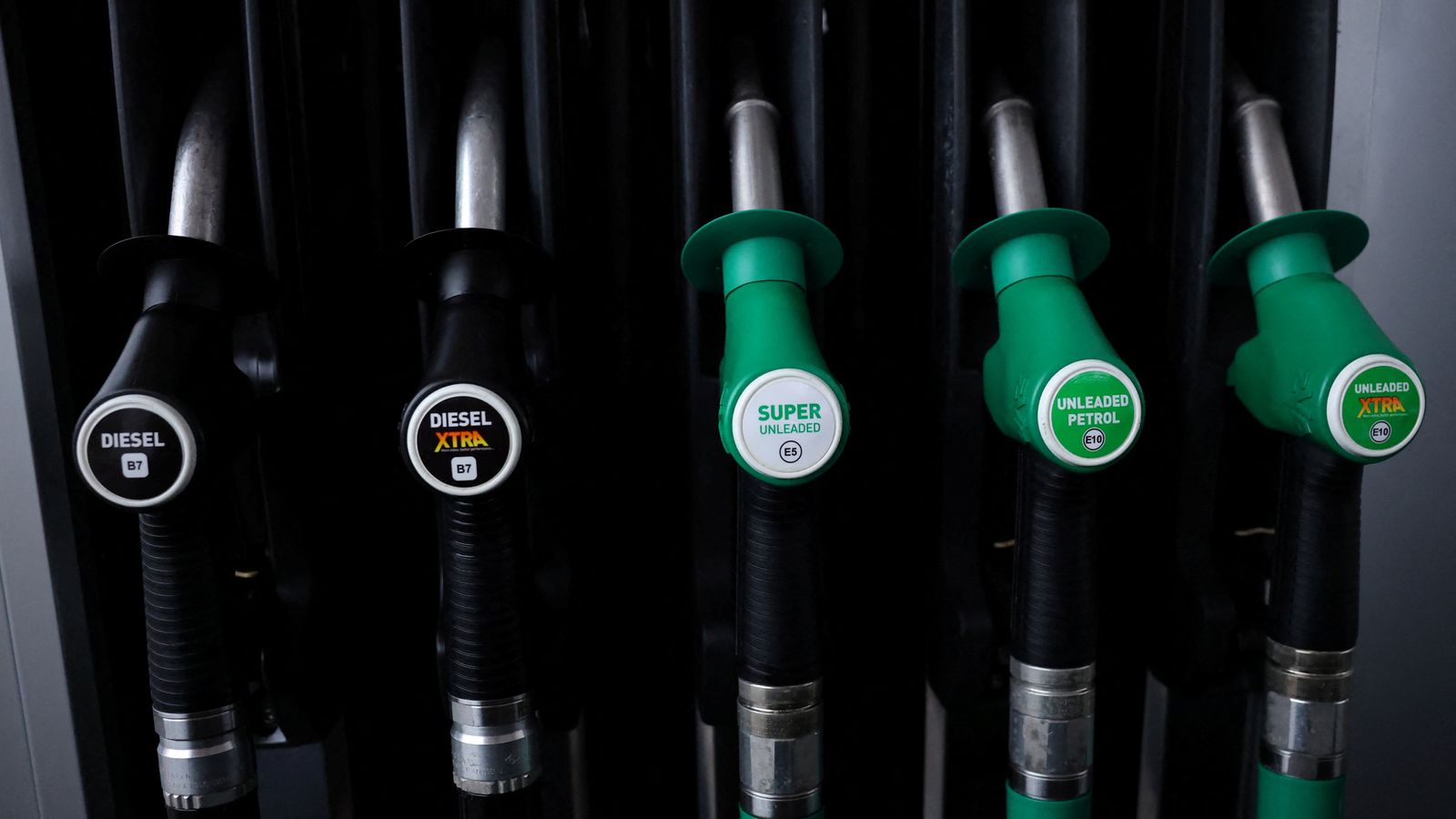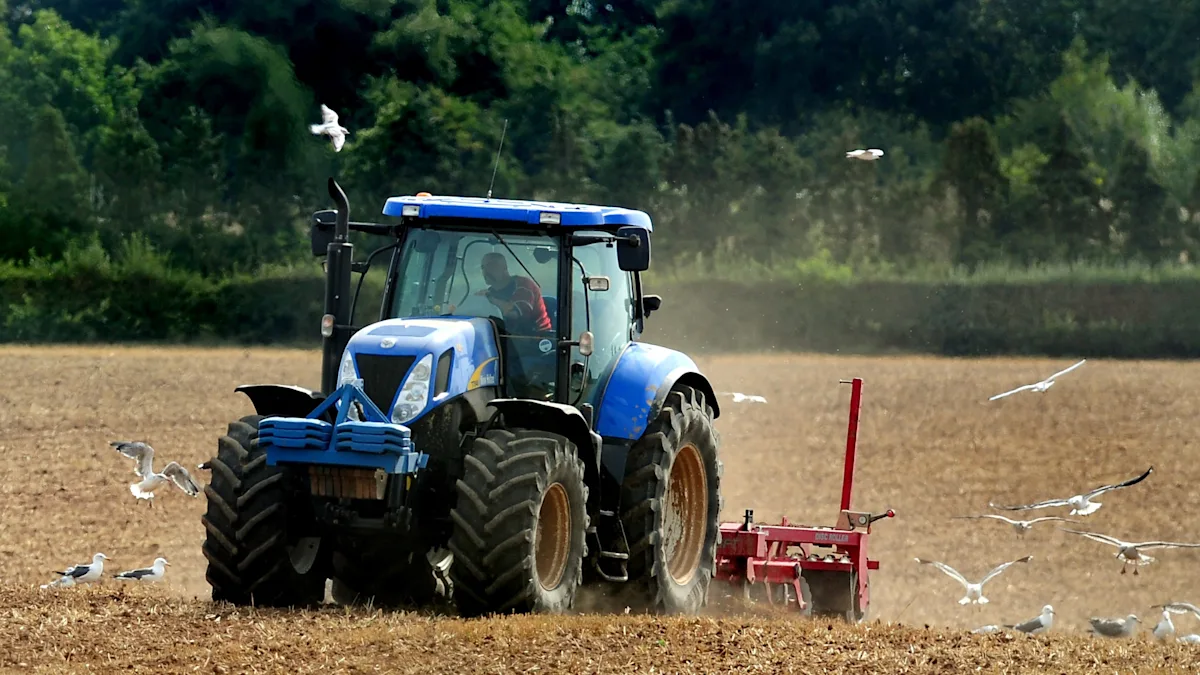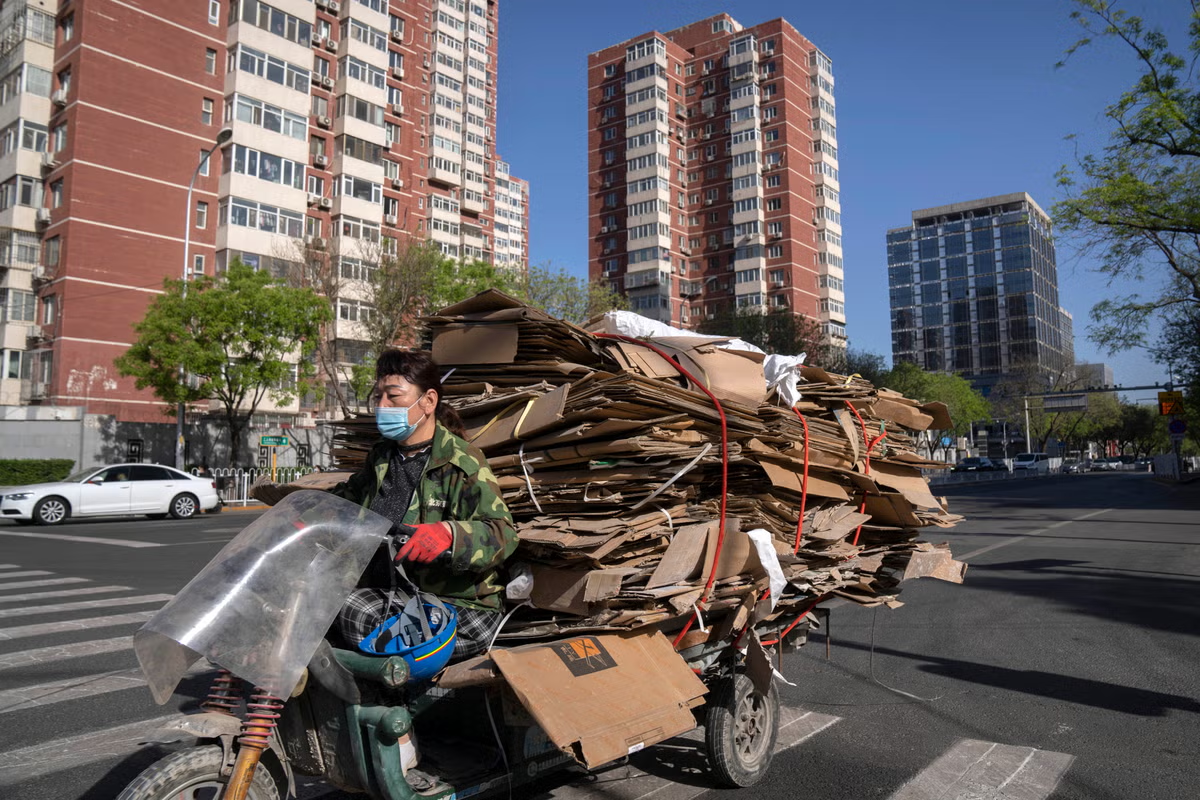
What was once seen simply as waste is now being reconsidered as a resource, with plastics, organic materials and by-products all offering opportunities for reuse within a more circular system.
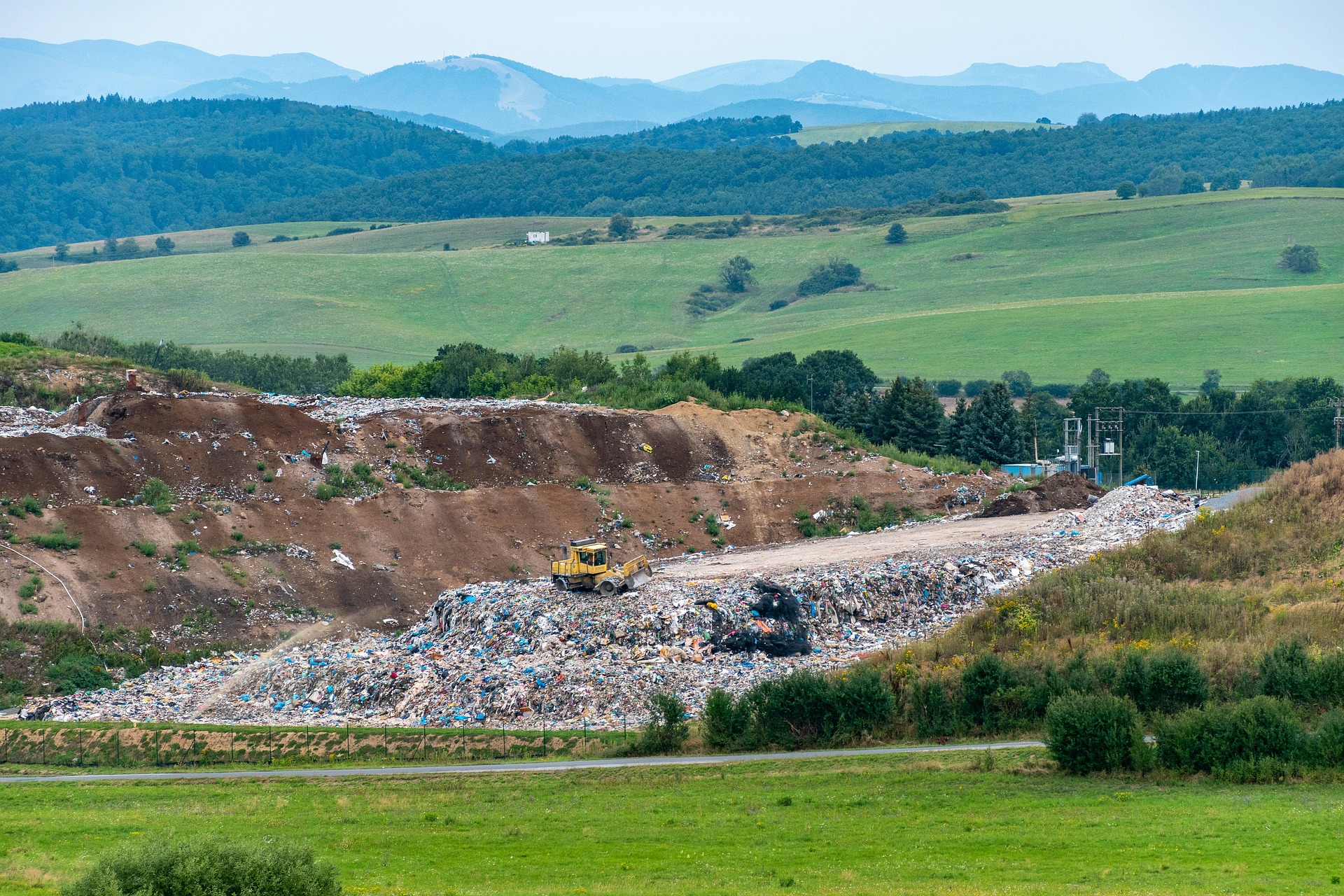
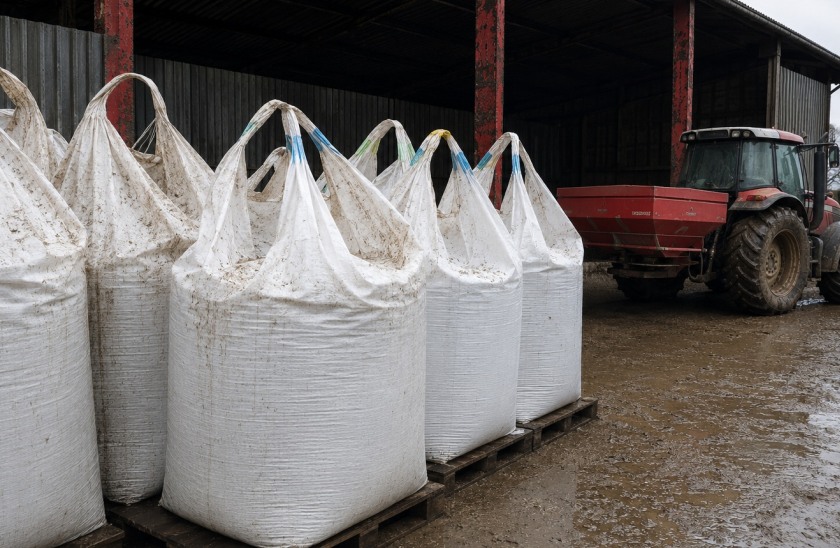
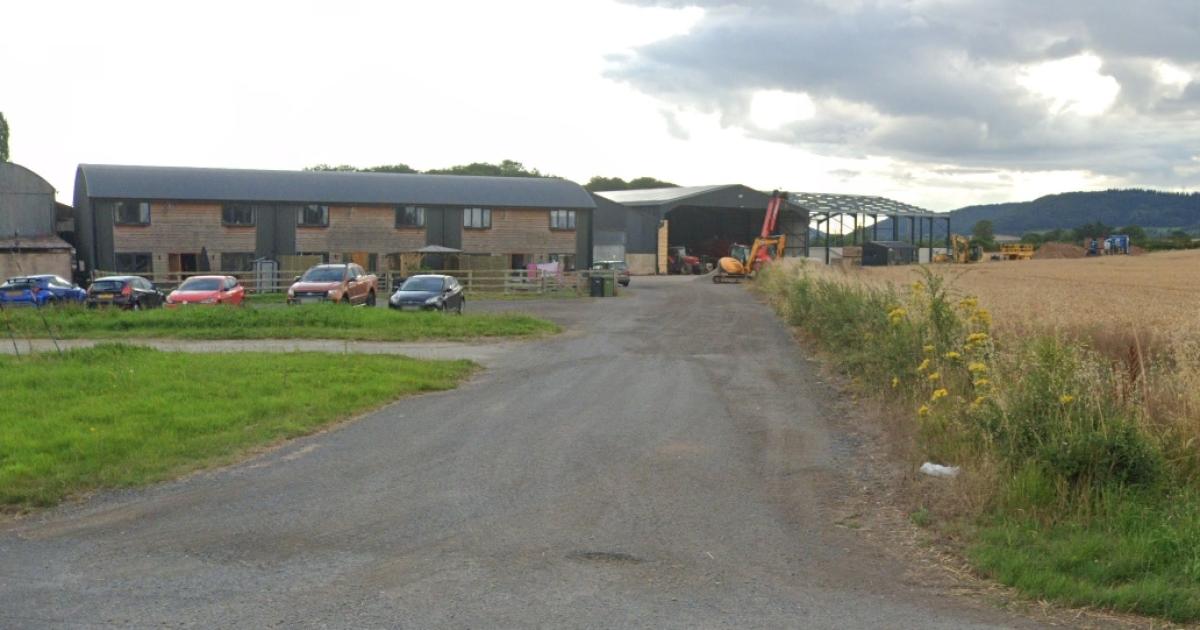
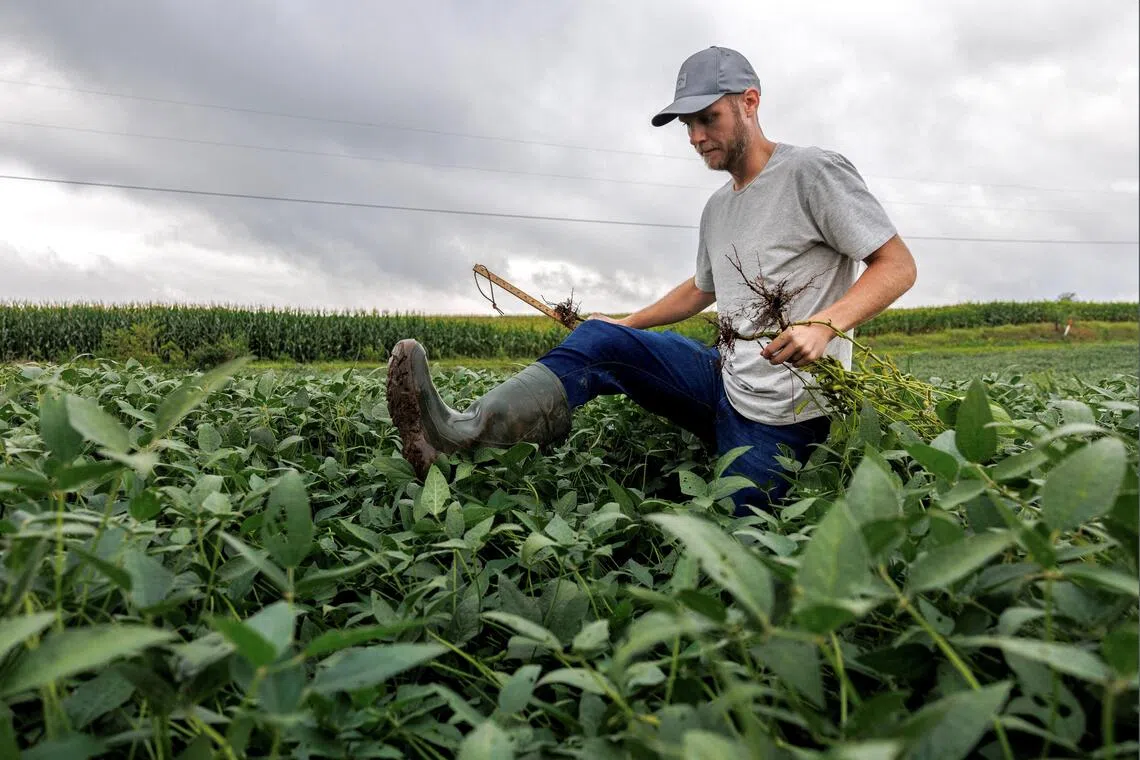
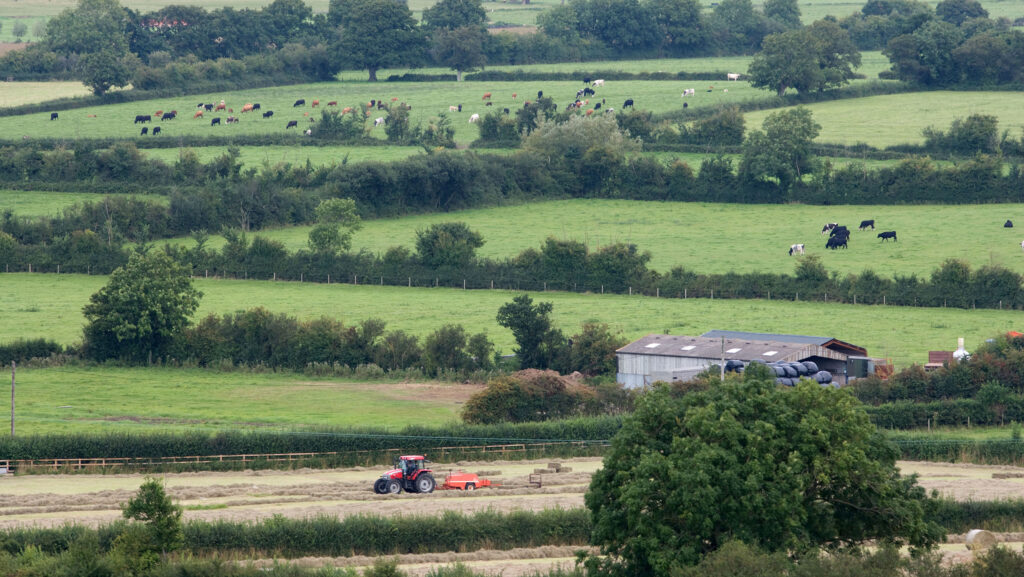
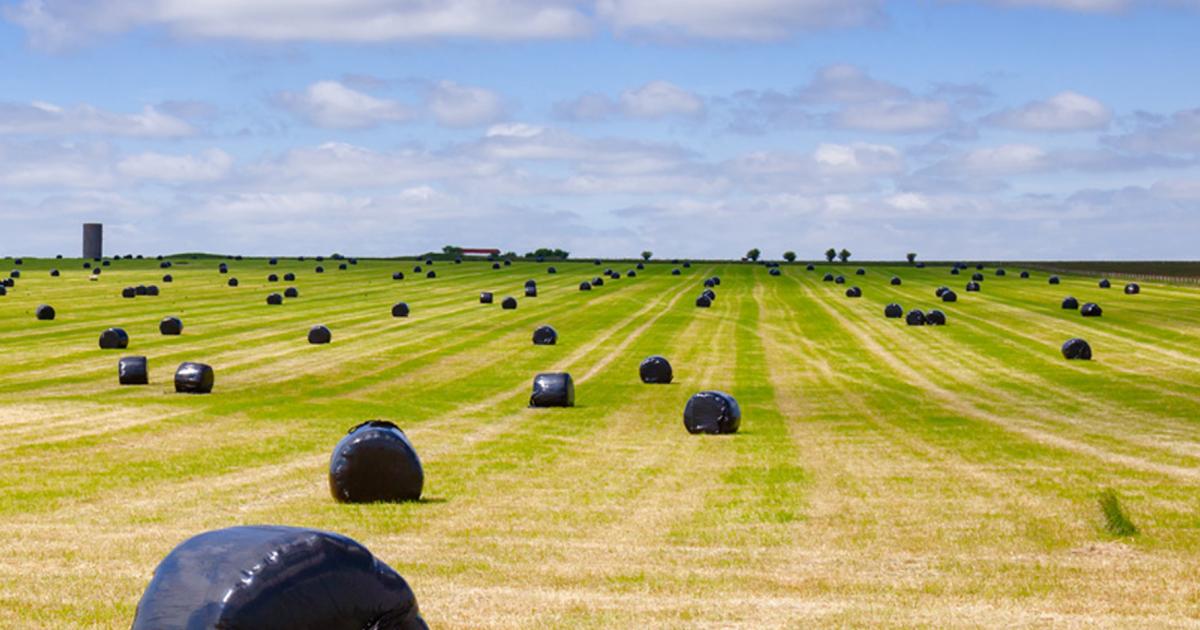
Agricultural activity generates a wide range of waste, including plastics such as silage wrap and fertiliser bags, as well as organic residues and chemicals. The Scottish Environment Protection Agency highlights that if not properly managed, these materials can contribute to pollution, greenhouse gas emissions and biodiversity loss, placing increasing responsibility on farmers to handle waste correctly.

In response, recycling infrastructure has expanded across Scotland, with specialist operators collecting and processing farm plastics. Materials such as bale wrap and crop covers are now routinely cleaned, shredded and pelletised into new products, including refuse sacks and recycled construction materials, supporting a more circular economy.
However, the transition has not been without challenges. Following the ban on burning most farm waste, recycling has become the primary route for disposal – but it comes with logistical and financial pressures.
As Ewan Johnston of SAC Consulting noted: “Recycling is one of the only solutions farmers have but it isn’t always easy.”
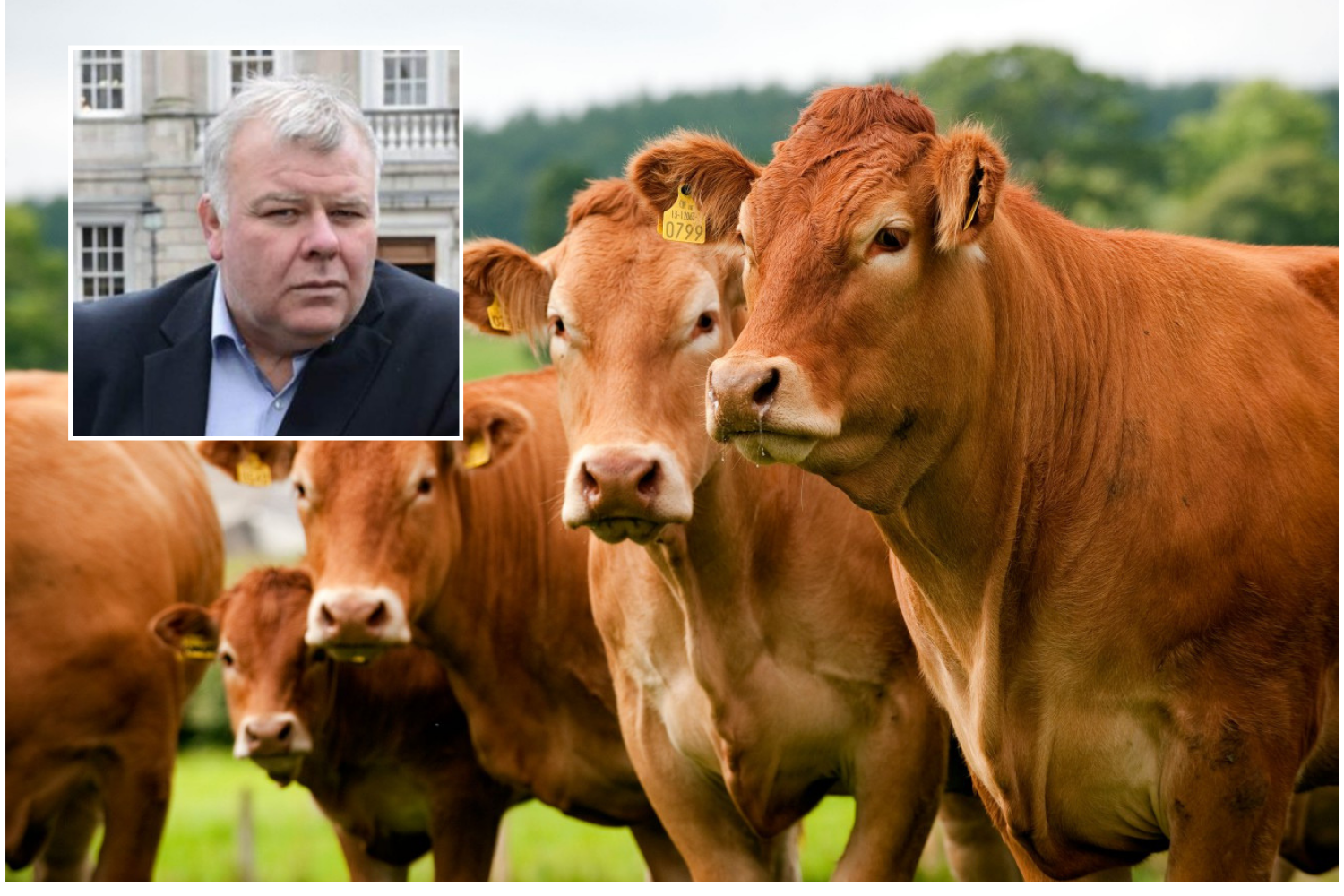
Farmers themselves are adapting practices to make recycling more viable. Aberdeenshire beef farmer George Davidson explained how investment in equipment can help: “We have invested jointly… in a waste baler… which, in the long term, will hopefully reduce the cost of haulage for disposal.”
He added that switching to clear silage wrap is ‘a step in the right direction to improve recyclability’, although ‘costs and logistics still create issues’.
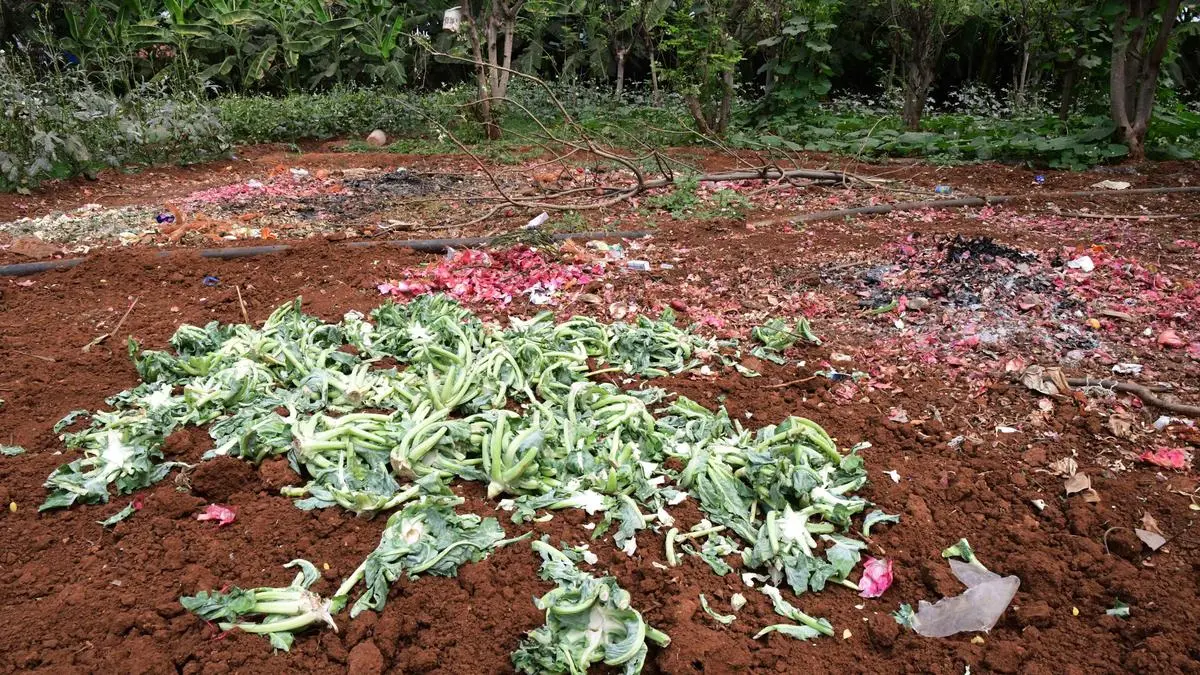
Alongside plastics, there is growing emphasis on recycling organic waste streams such as slurry, crop residues and food waste, which can be reused to improve soil health or generate renewable energy. This aligns with wider Scottish Government ambitions around regenerative agriculture, where efficient resource use and waste reduction are central principles.
Ultimately, recycling in Scottish agriculture is evolving from a compliance issue into a practical business consideration. While barriers remain, particularly around cost and infrastructure, the direction of travel is clear: better resource management is becoming integral to both environmental performance and long-term farm resilience.