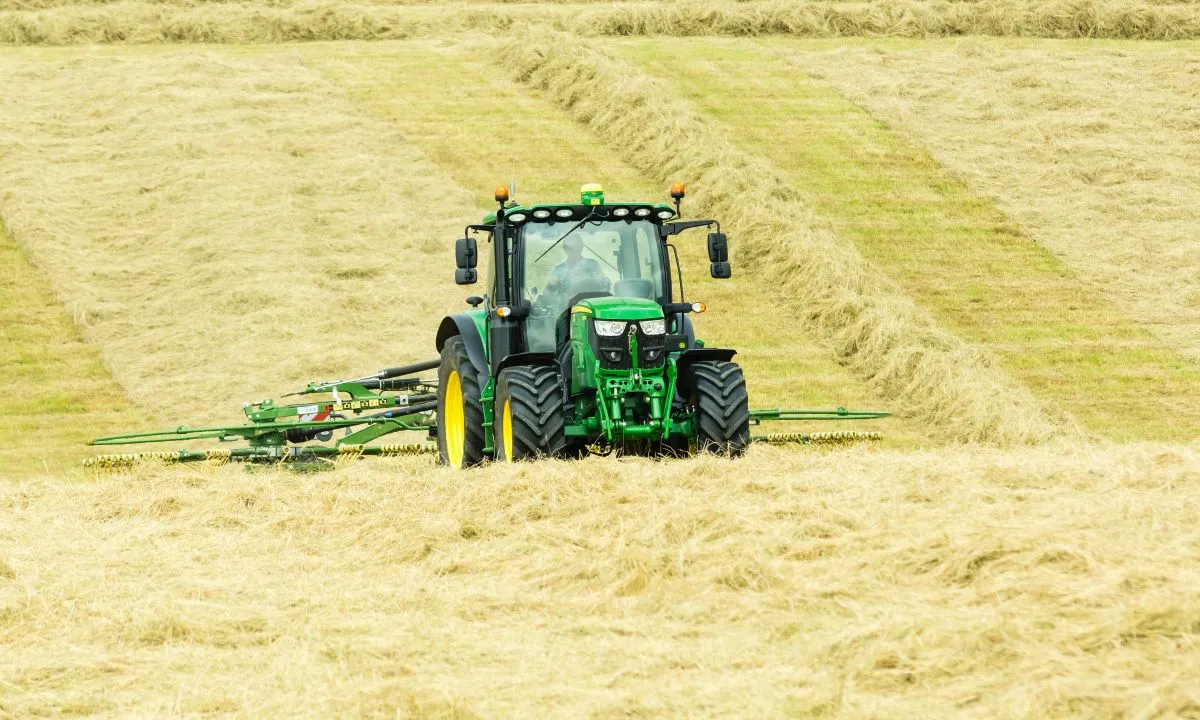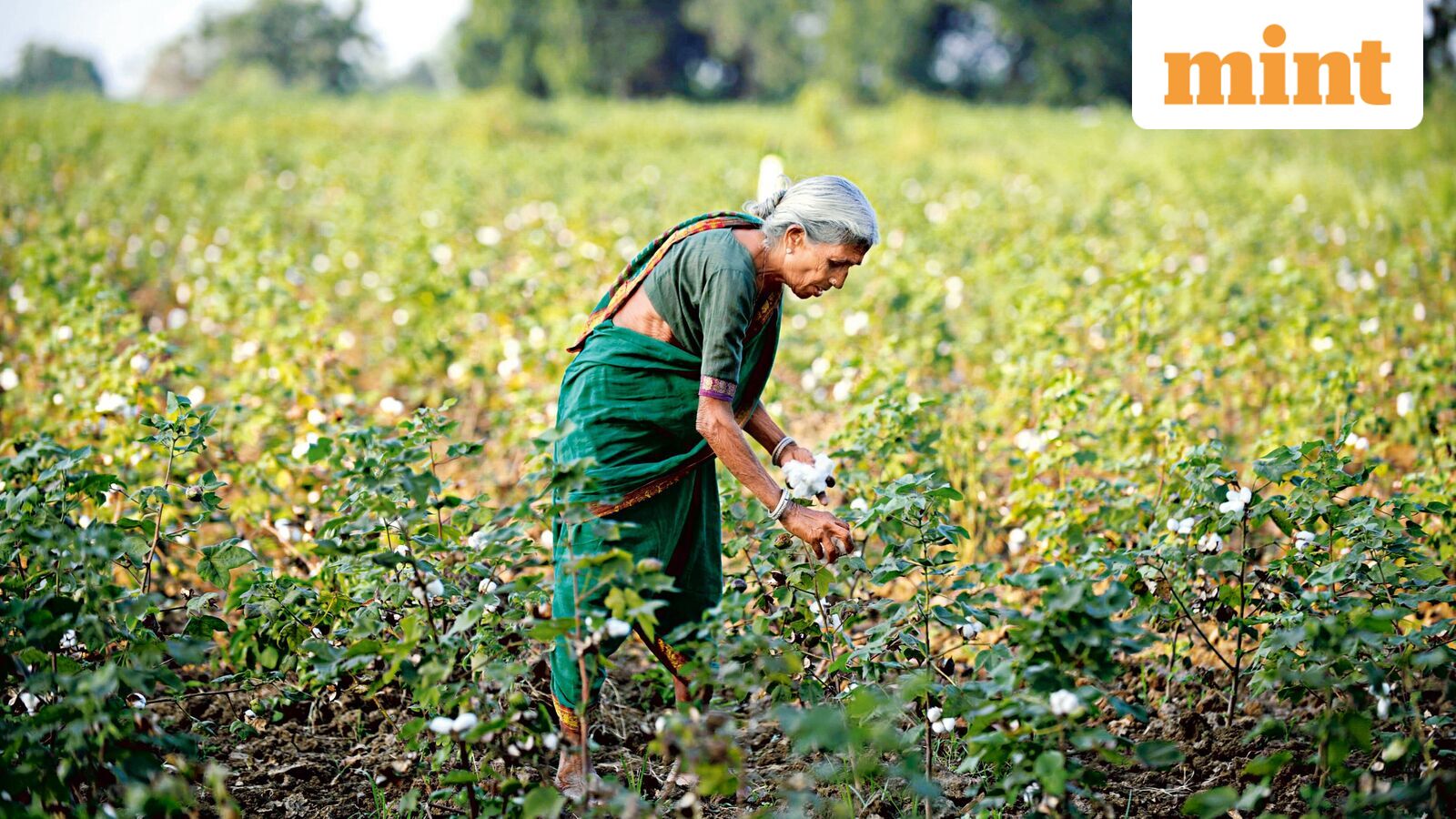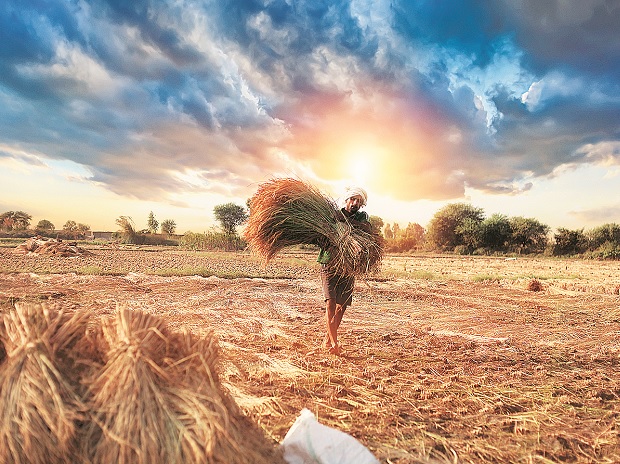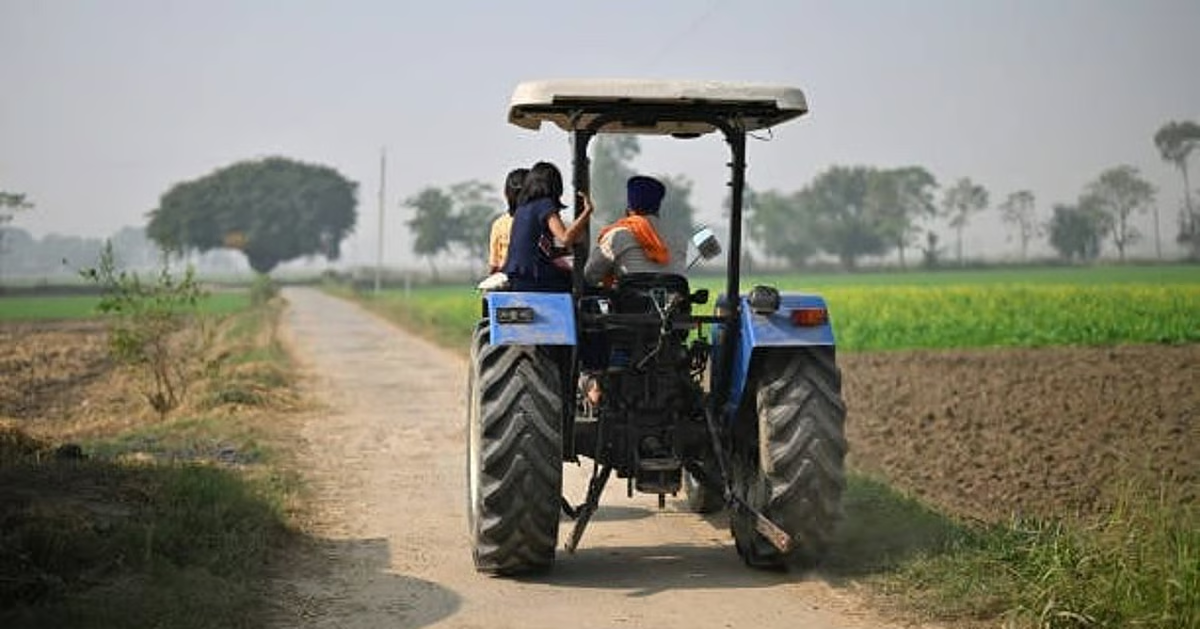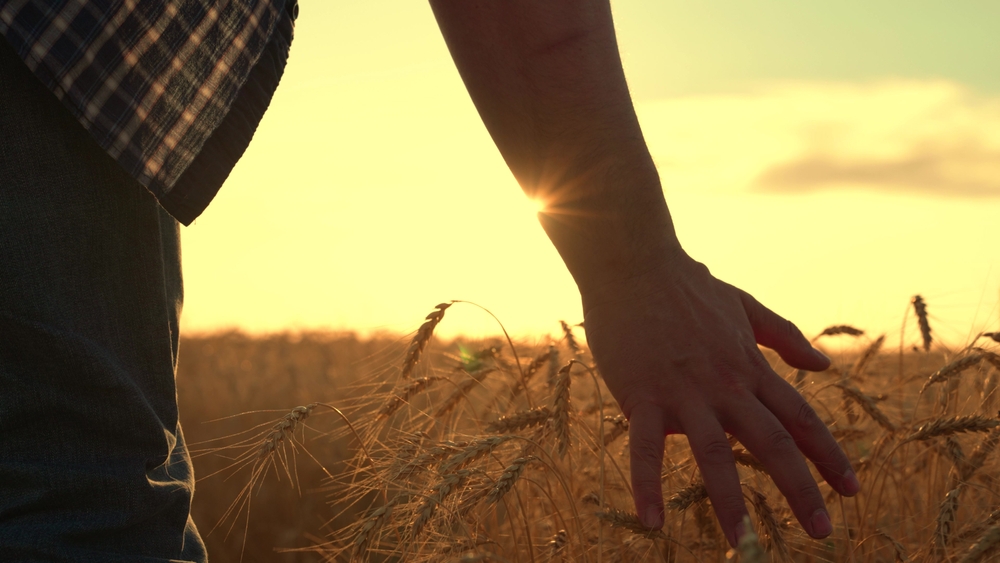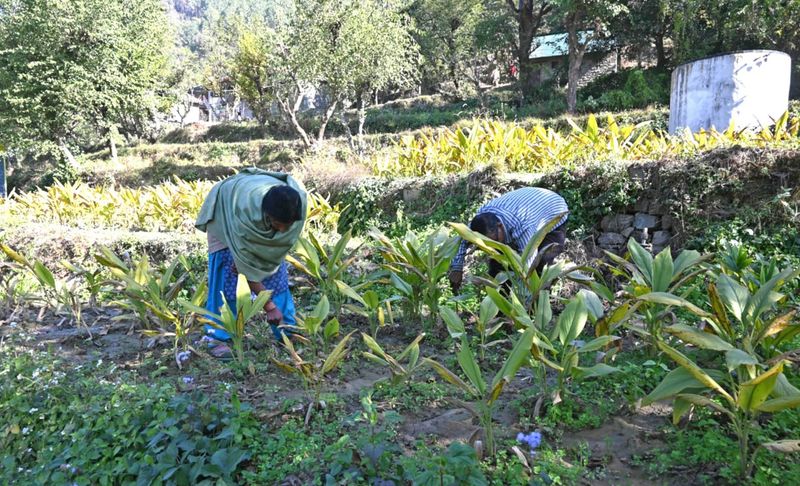
A silent agricultural transformation is reshaping the rural economy around Phagwara as progressive farmers adopt modern techniques, diversified cropping and sustainable farming practices to tackle rising cultivation costs and falling profits from conventional agriculture.
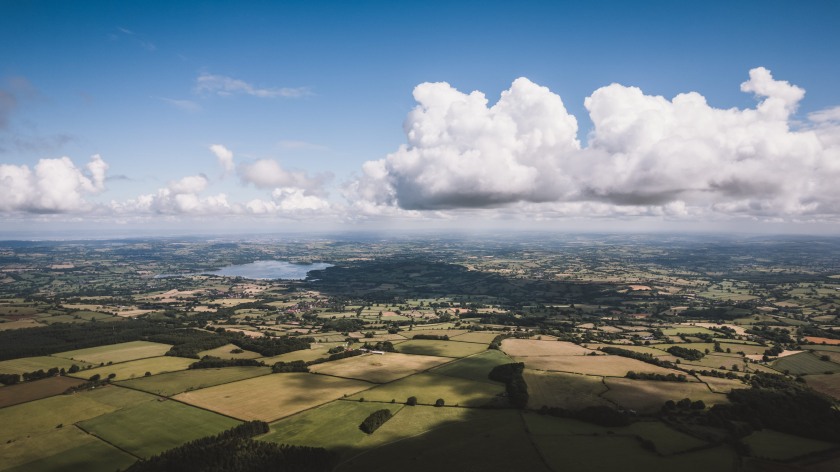
Villages across the Phagwara subdivision, including areas near Goraya, Banga, Mehatpur and nearby rural pockets of Kapurthala and Jalandhar districts, are emerging as examples of how innovation and scientific farming can revive Punjab’s agrarian sector.
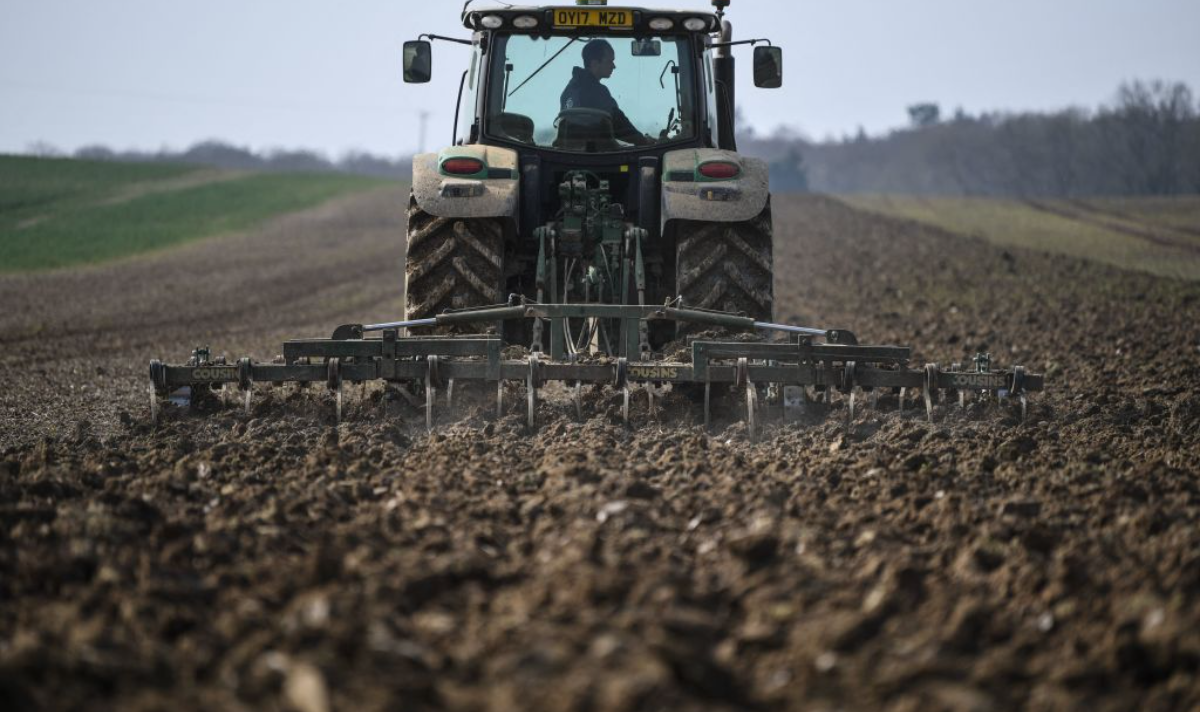
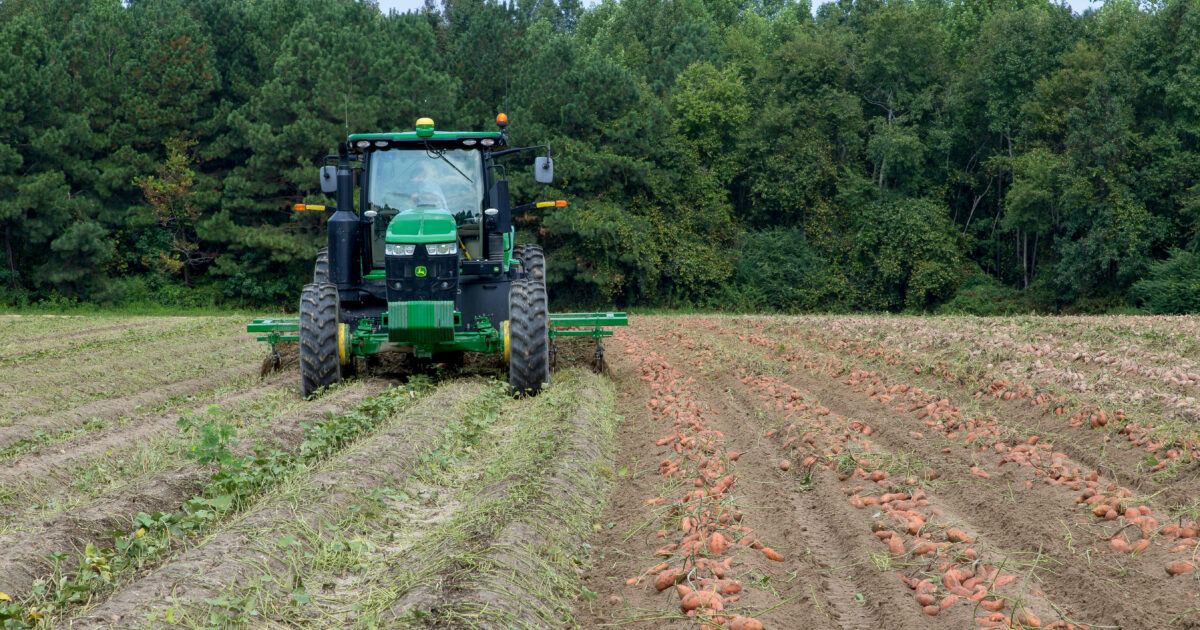
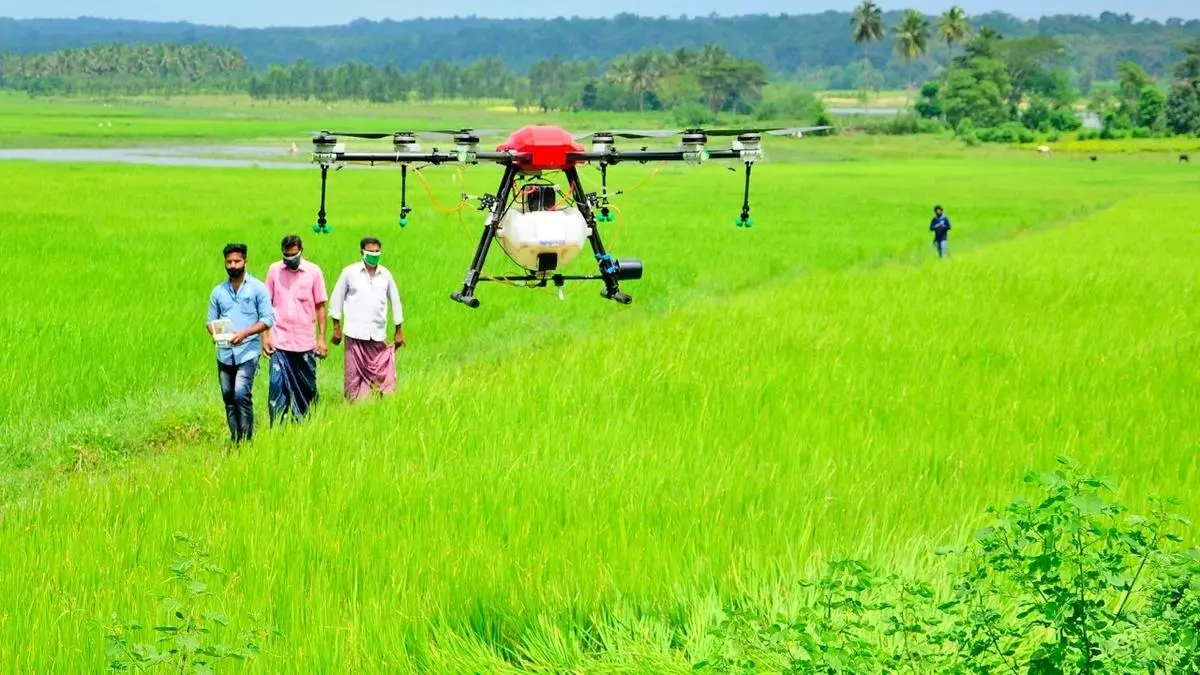
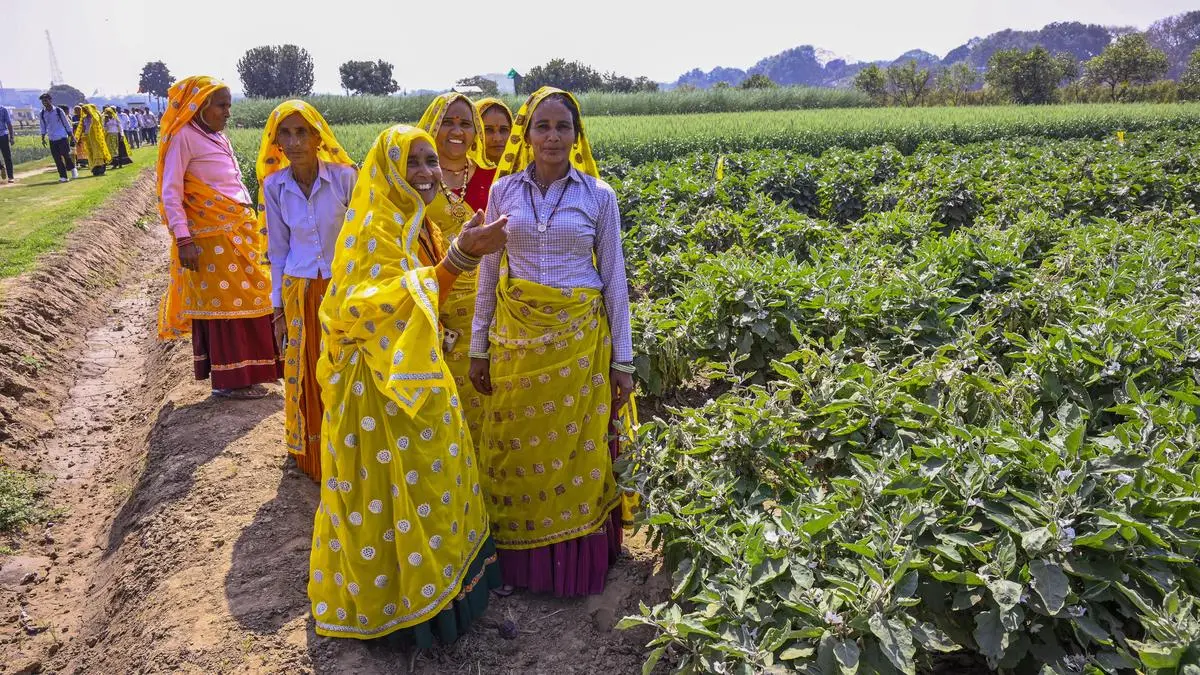
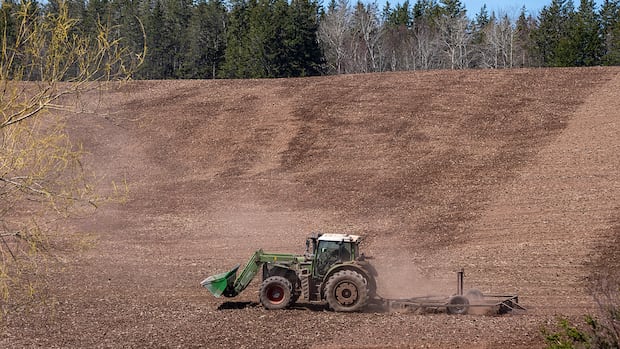
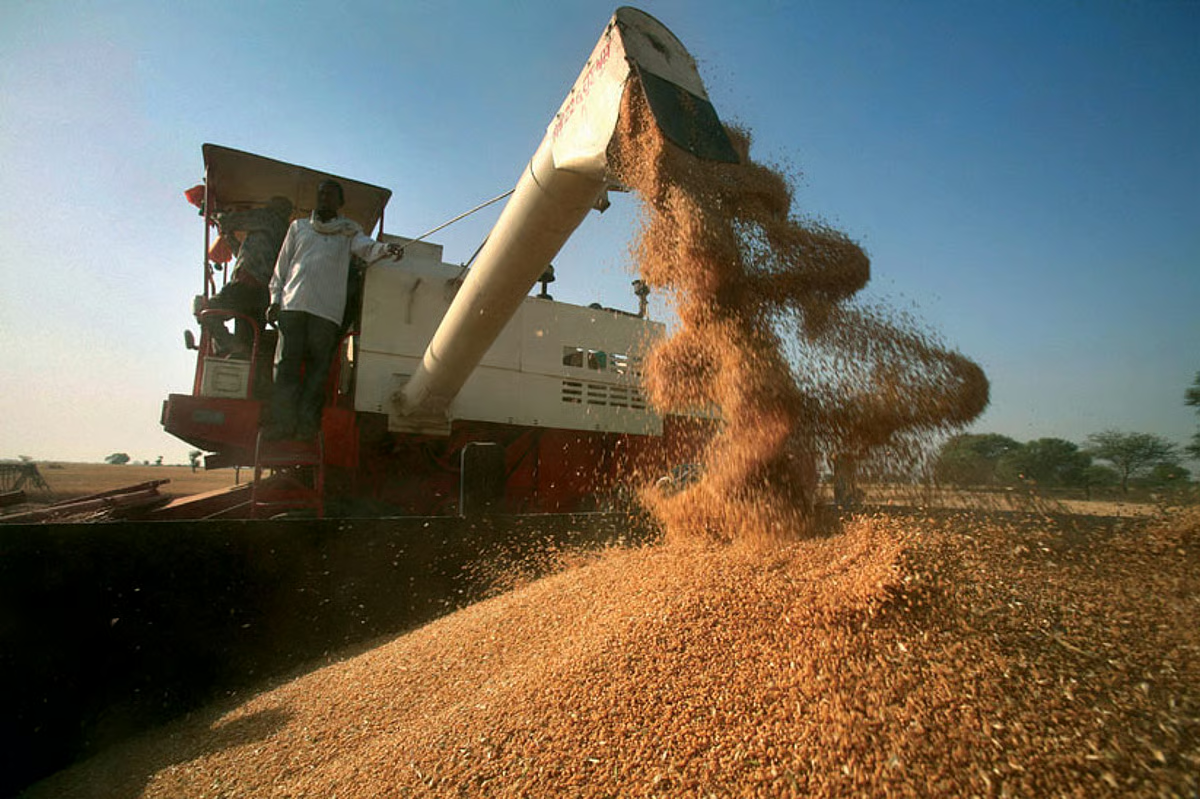
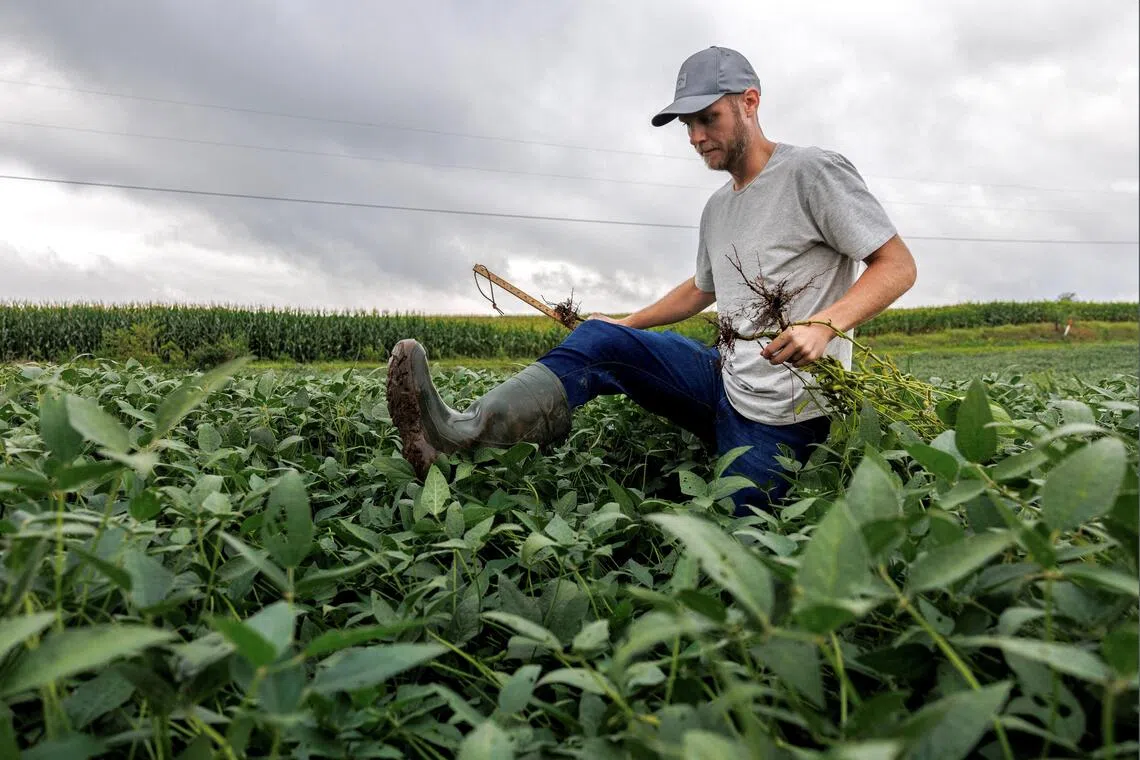
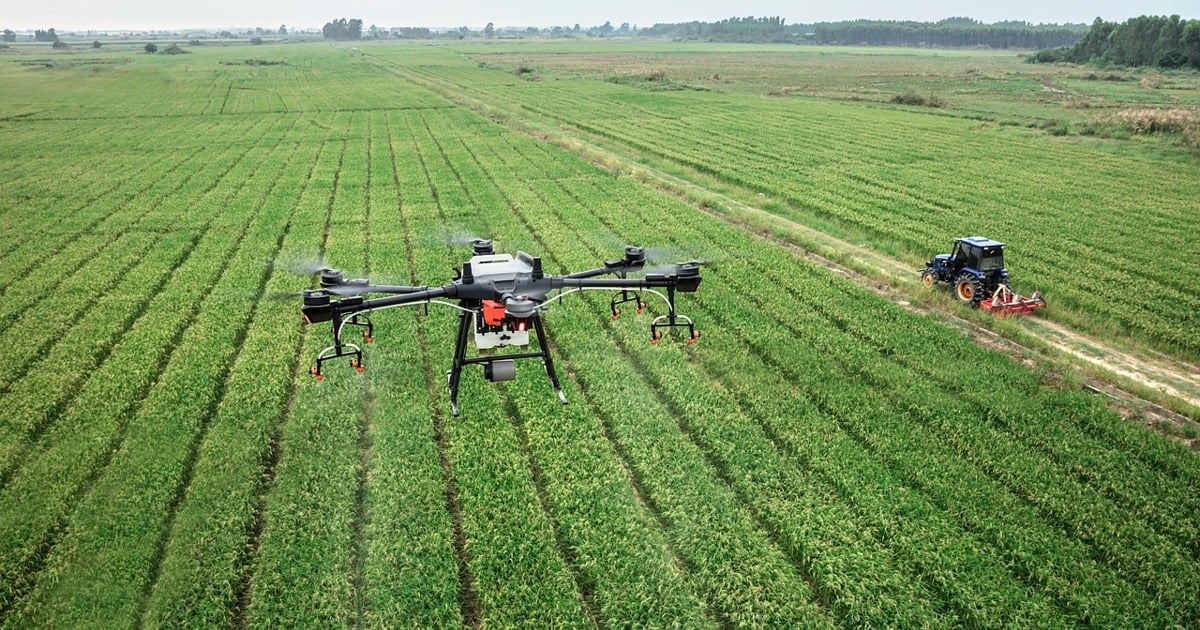
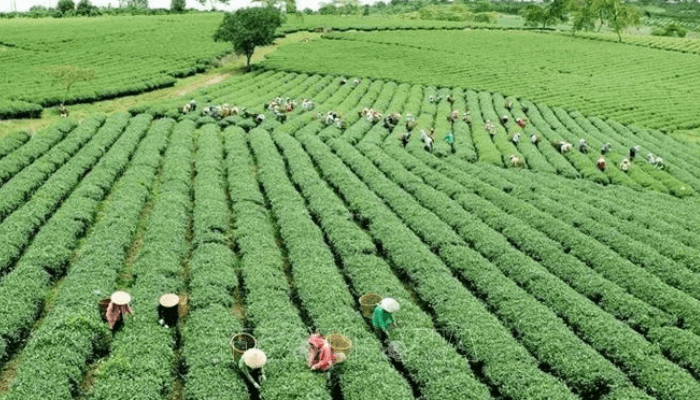
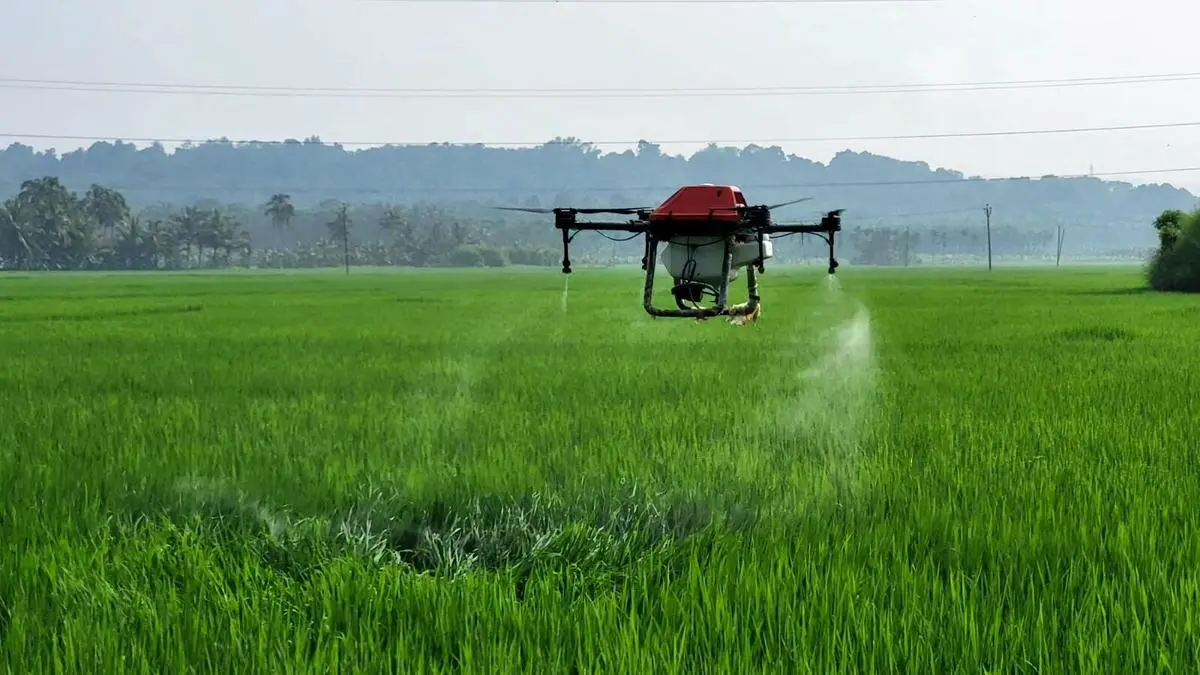
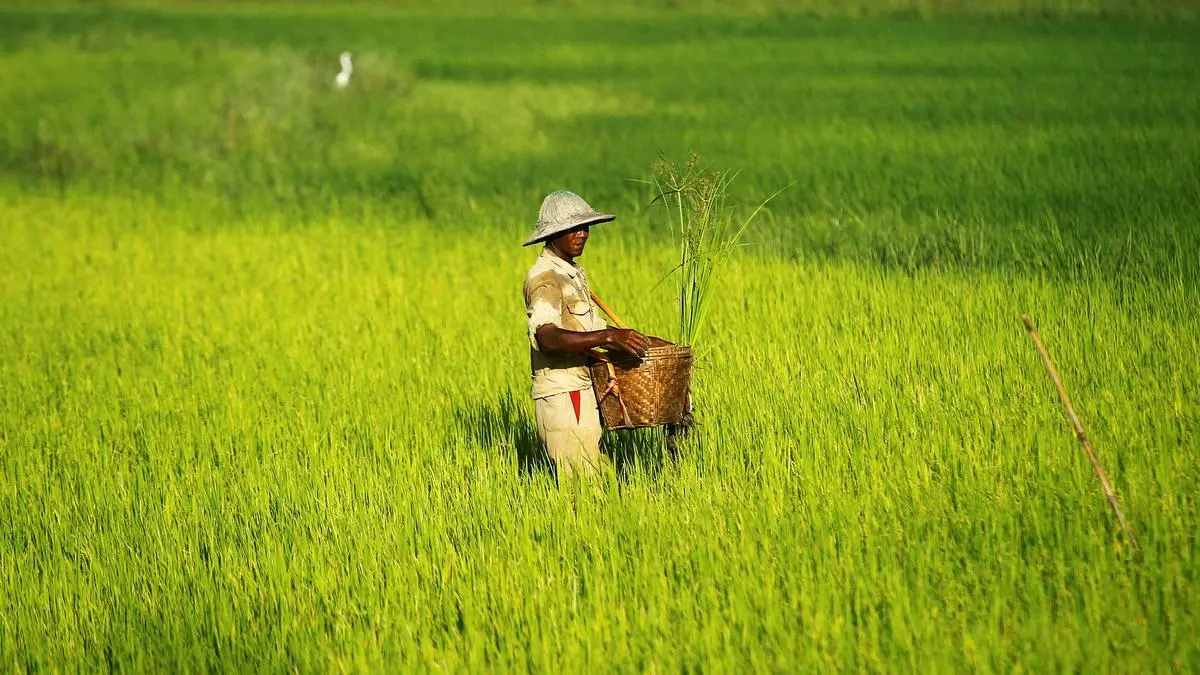
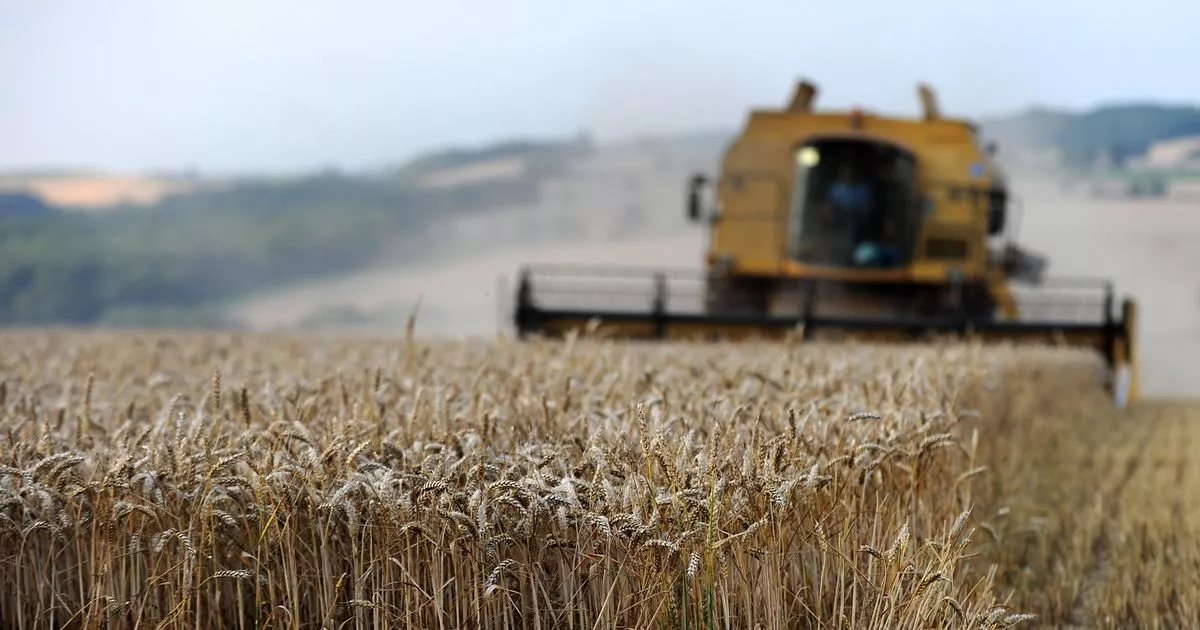
For decades, Punjab’s agriculture depended heavily on the wheat-paddy cycle, leading to excessive groundwater depletion and declining soil fertility. However, a new generation of educated and forward-looking farmers around Phagwara has started adopting crop diversification, organic farming, drip irrigation, precision farming and integrated agriculture to secure better returns while conserving natural resources.
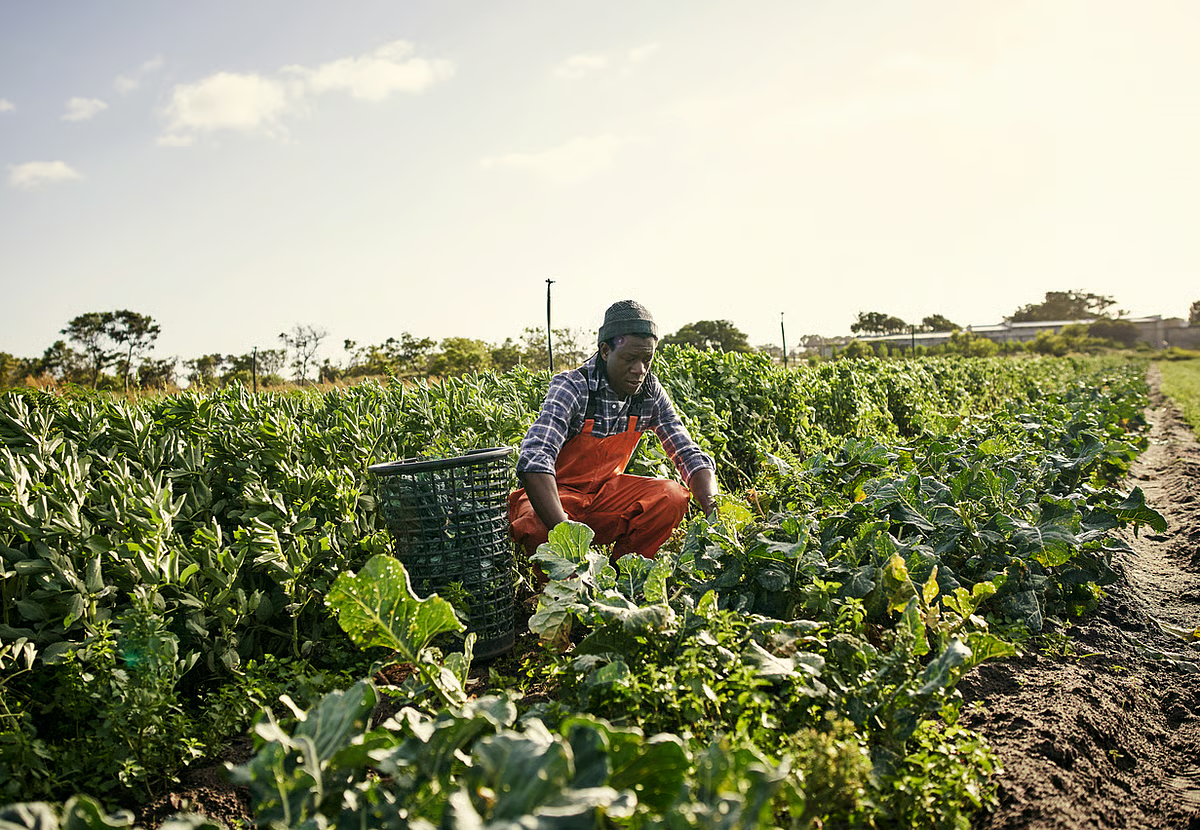
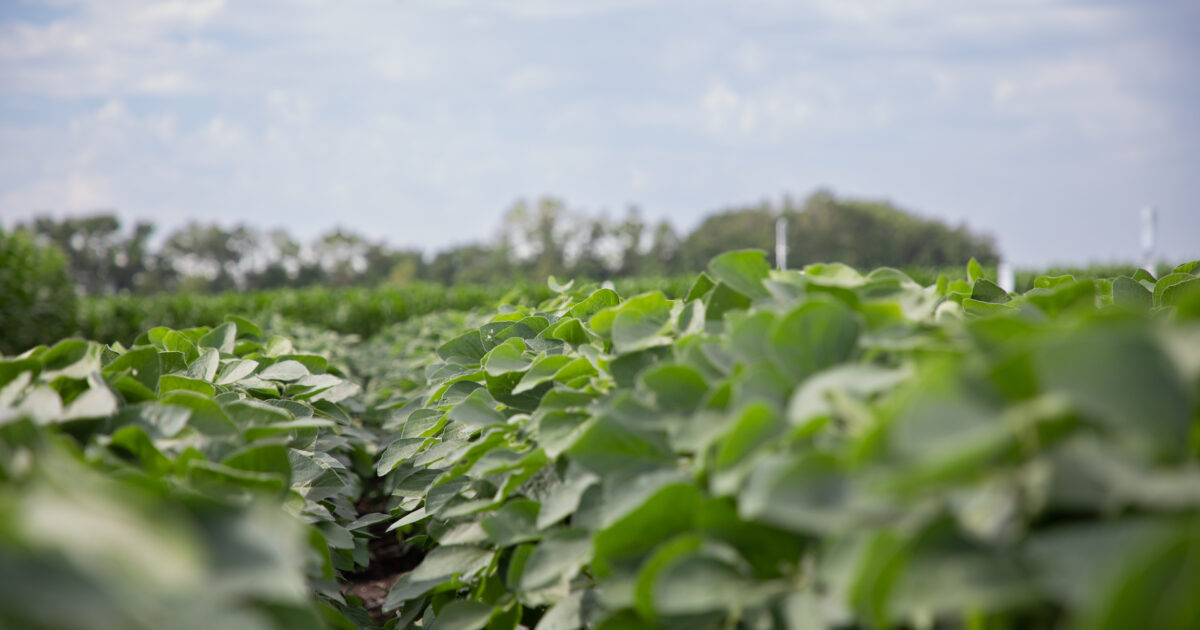
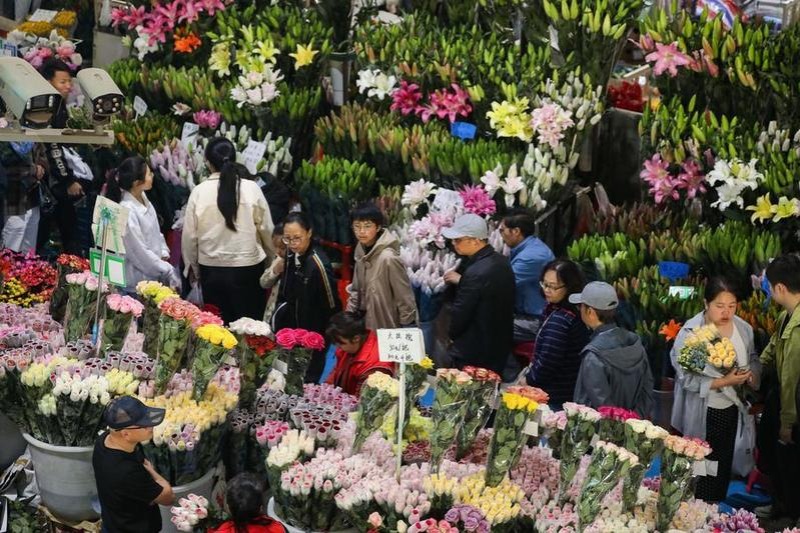
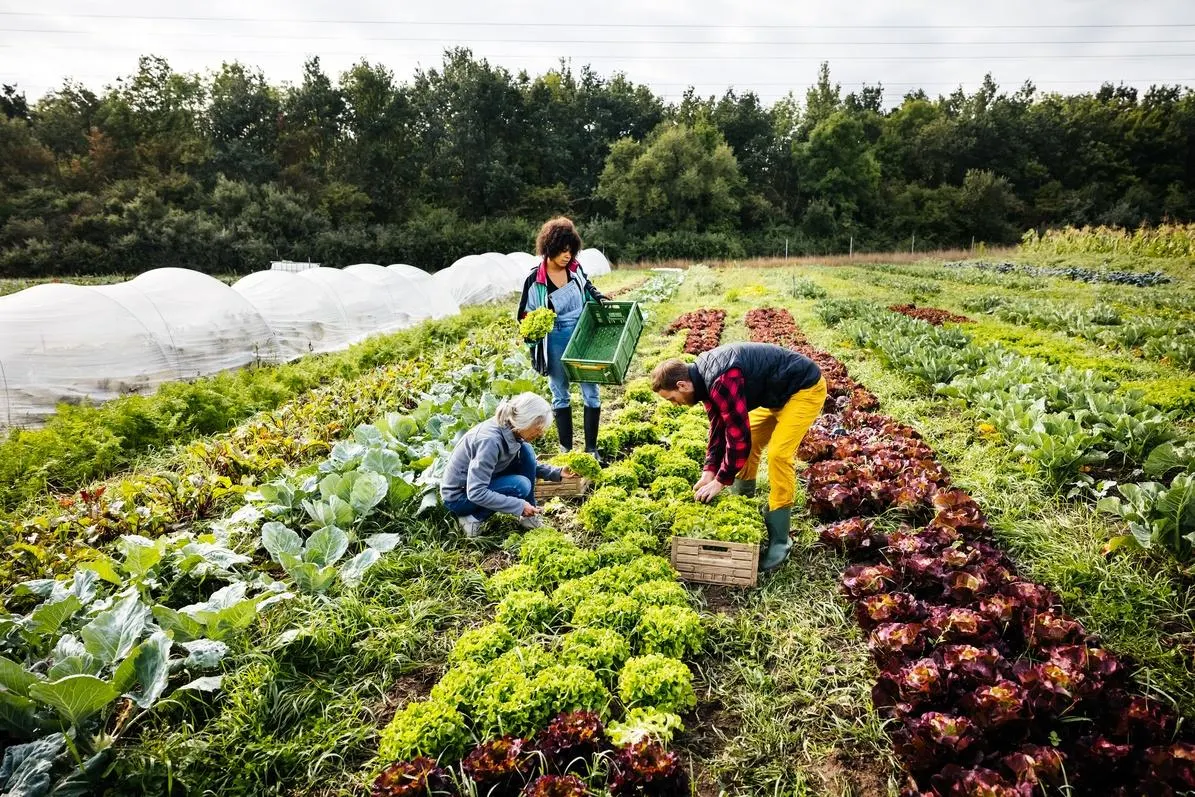
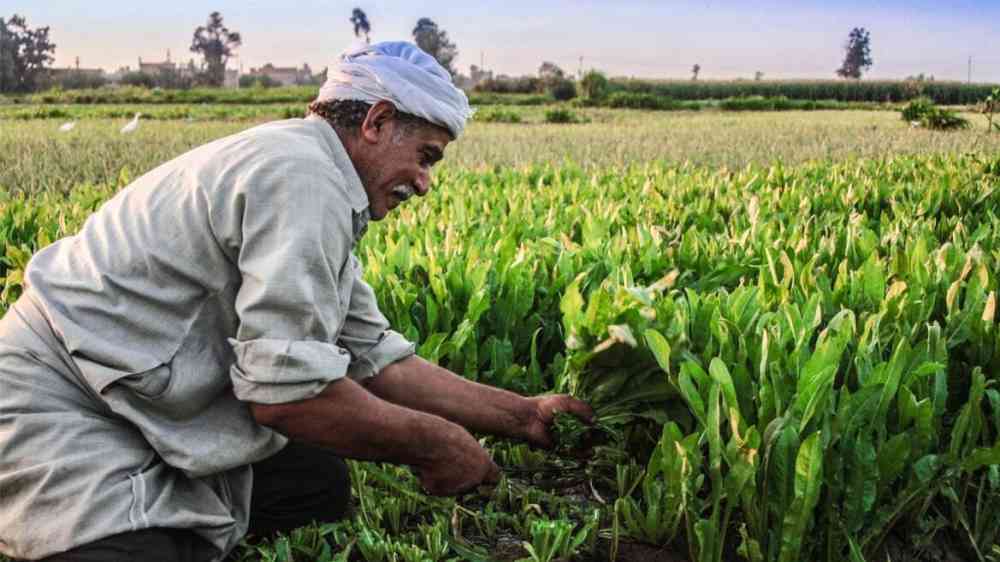
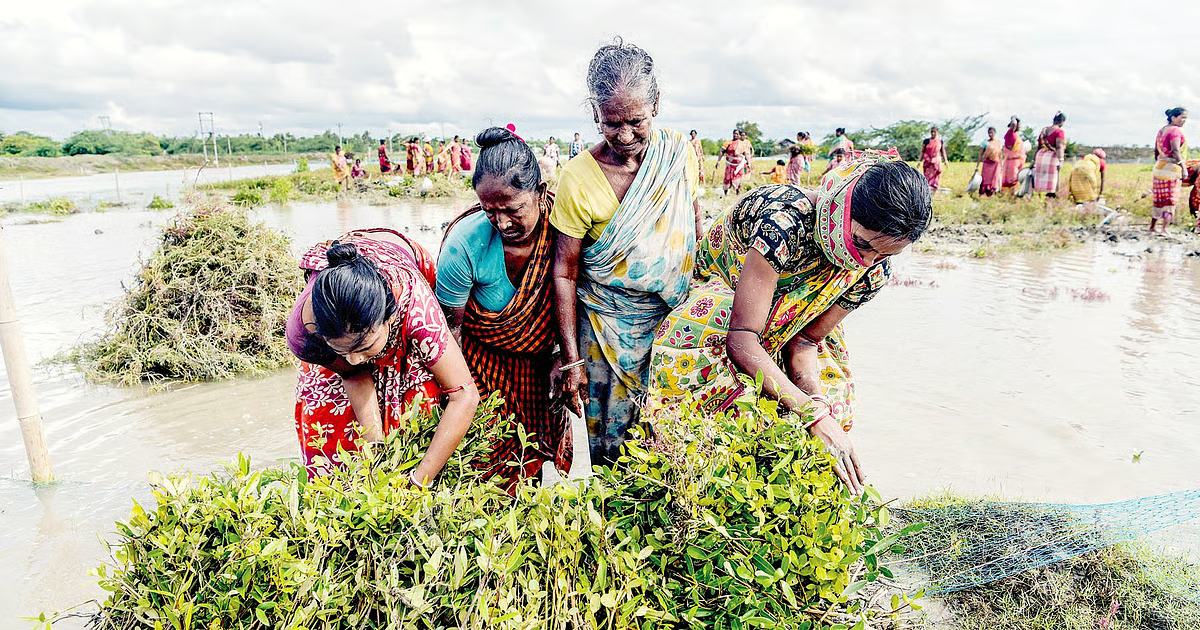
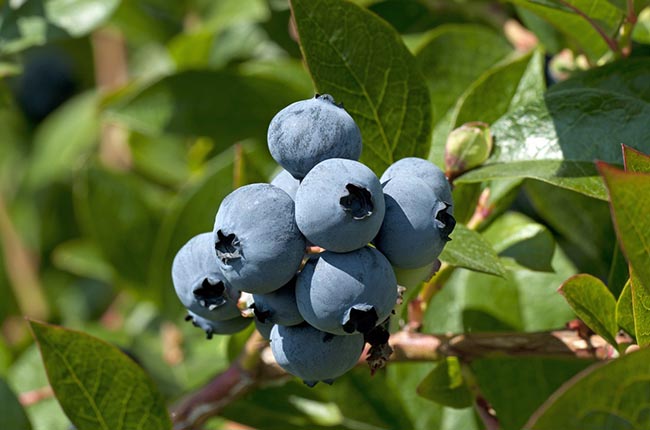
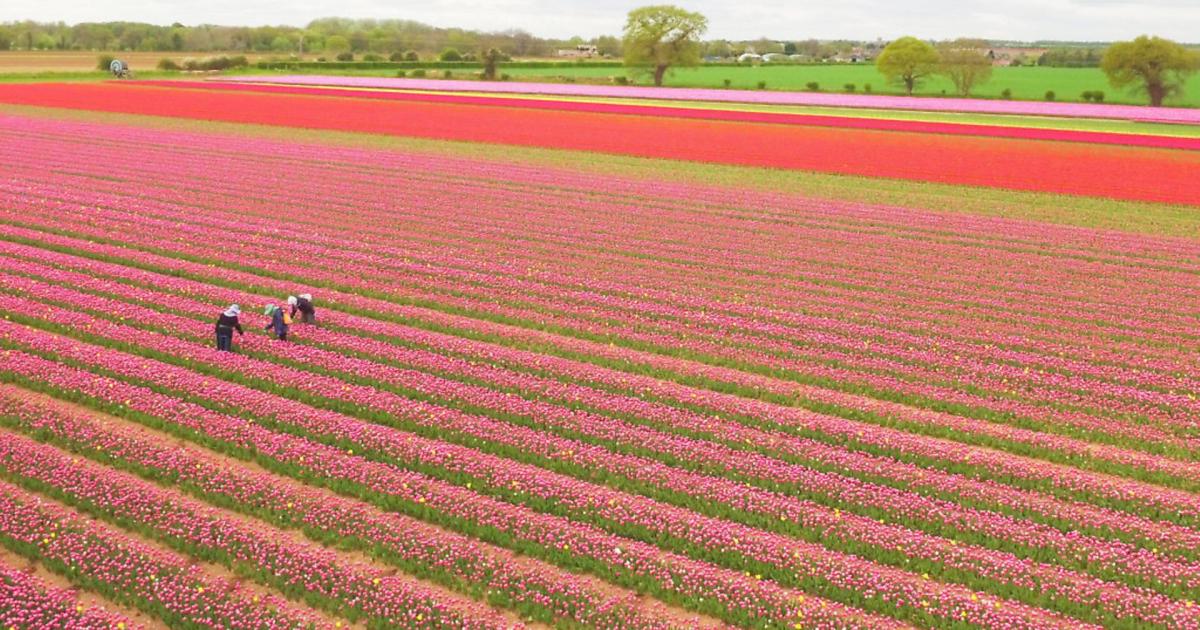
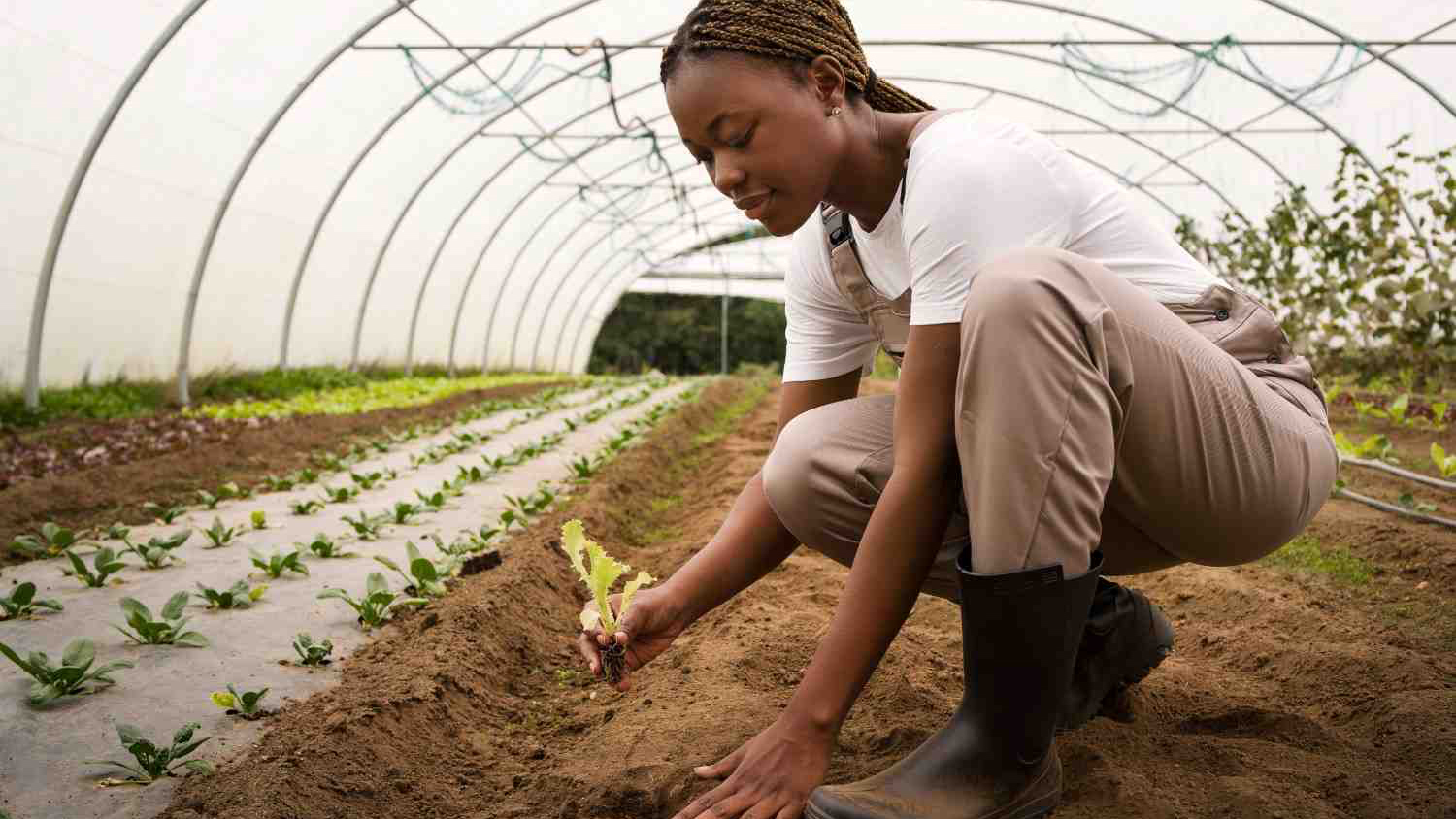
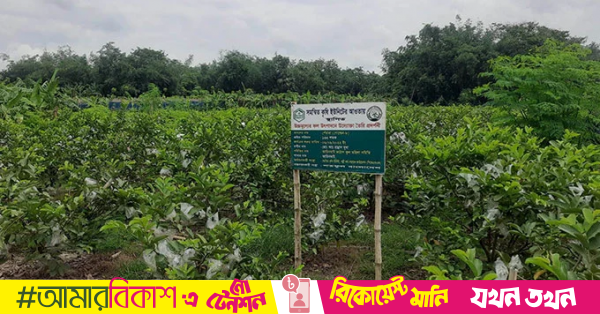
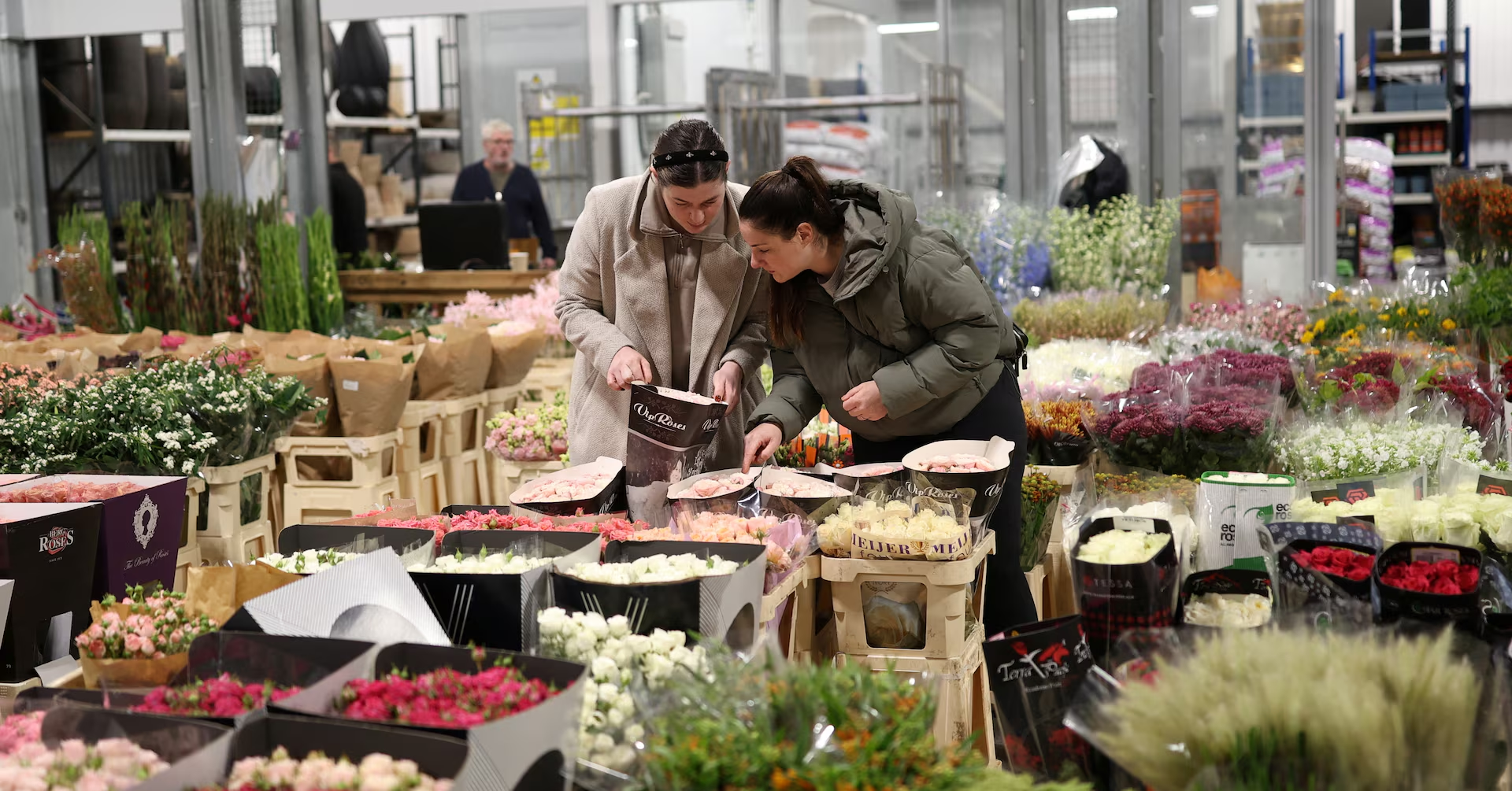
Several farmers in the region have shifted to high-value horticulture crops such as capsicum, exotic vegetables, strawberries, baby corn and flowers. These are supplied directly to urban markets, hotels and supermarkets in Jalandhar, Ludhiana and Chandigarh. Many growers have also set up polyhouses and net houses with the support of agricultural experts and government subsidy schemes, enabling year-round production and protection from unpredictable weather.
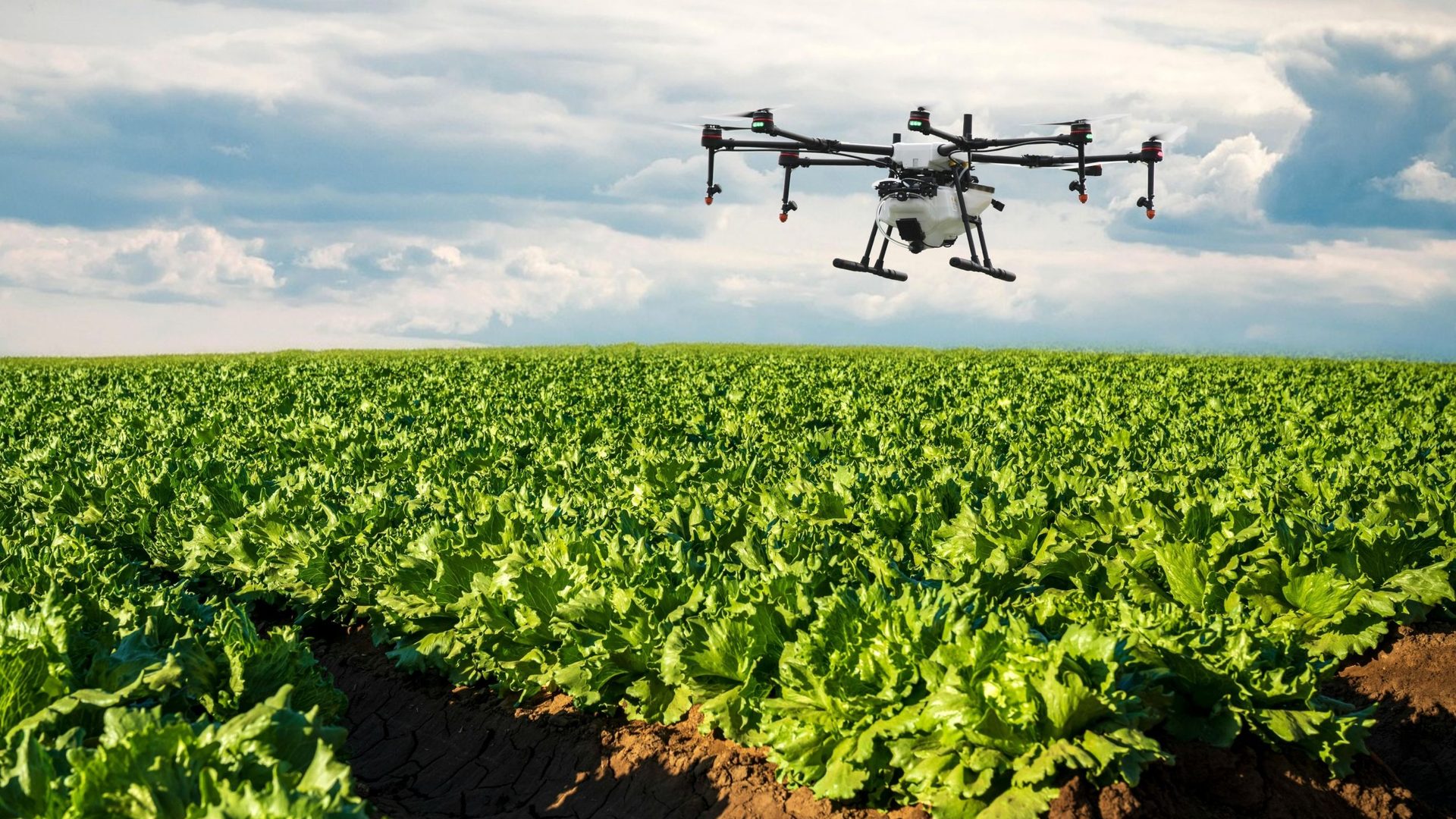
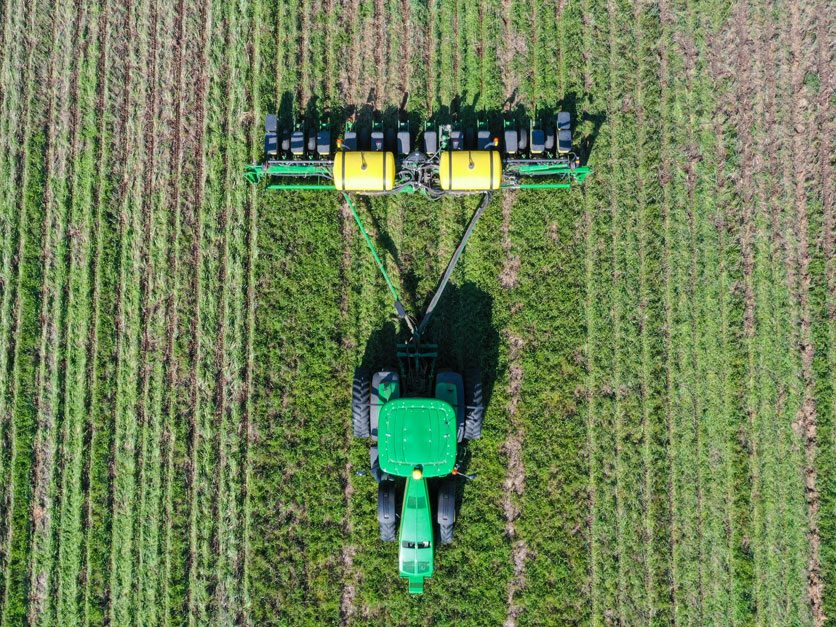
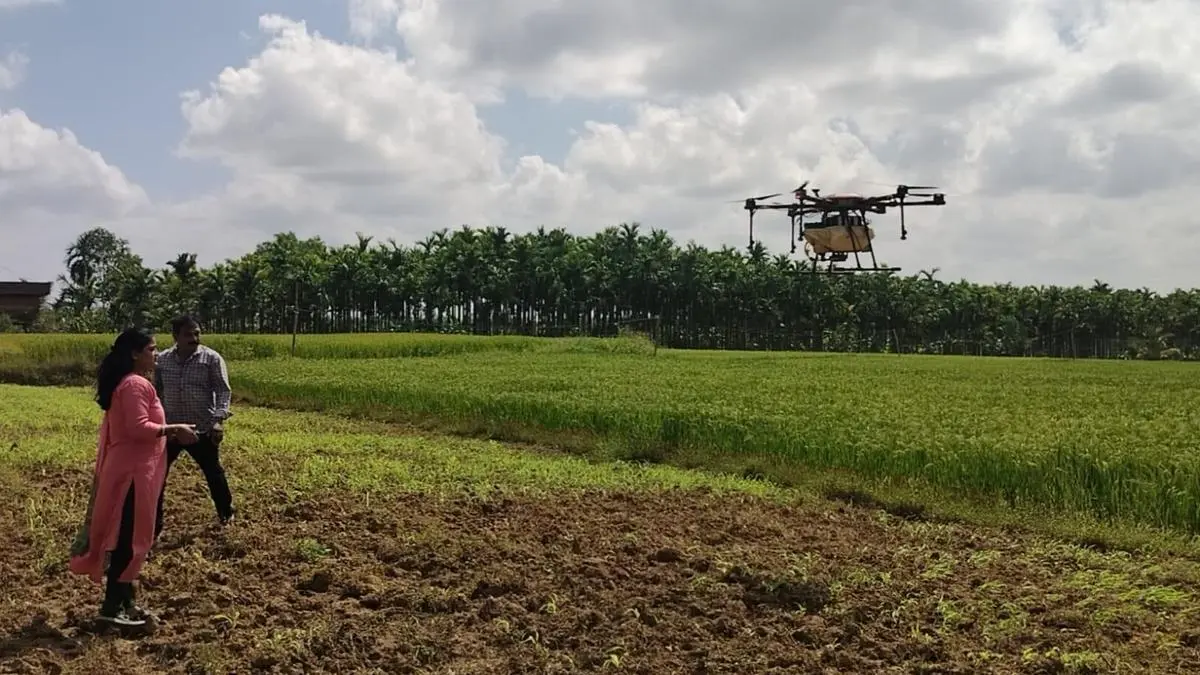
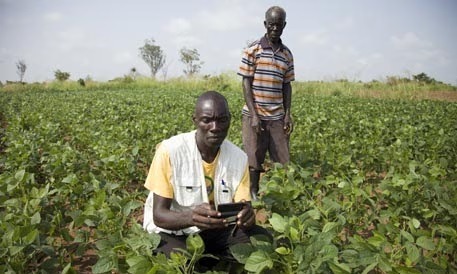
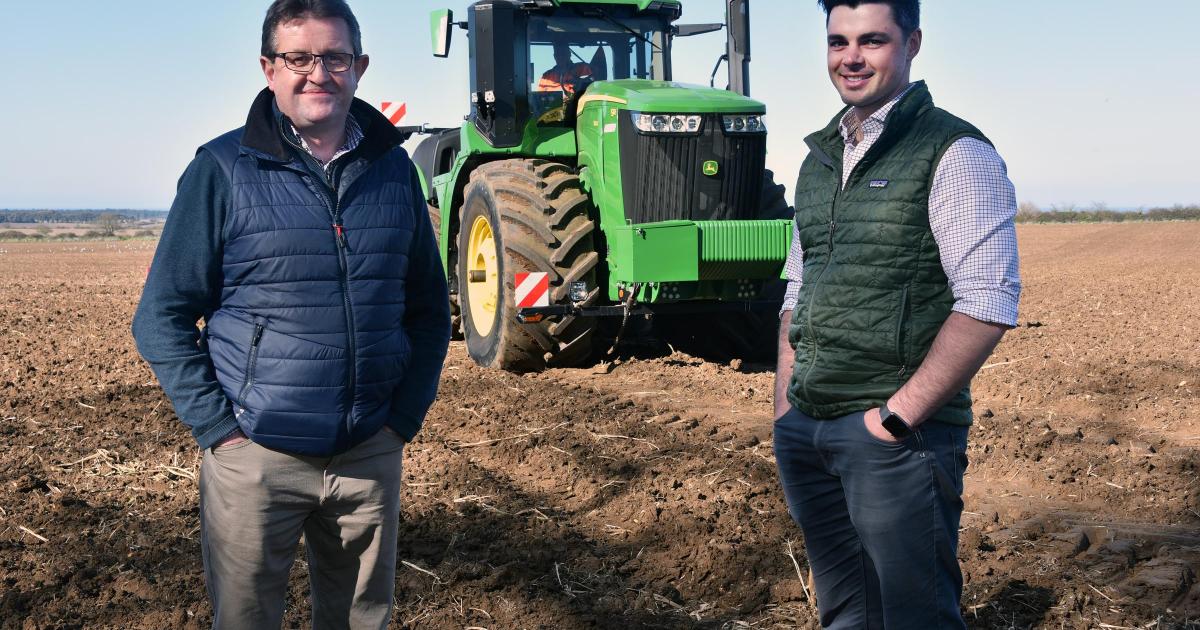
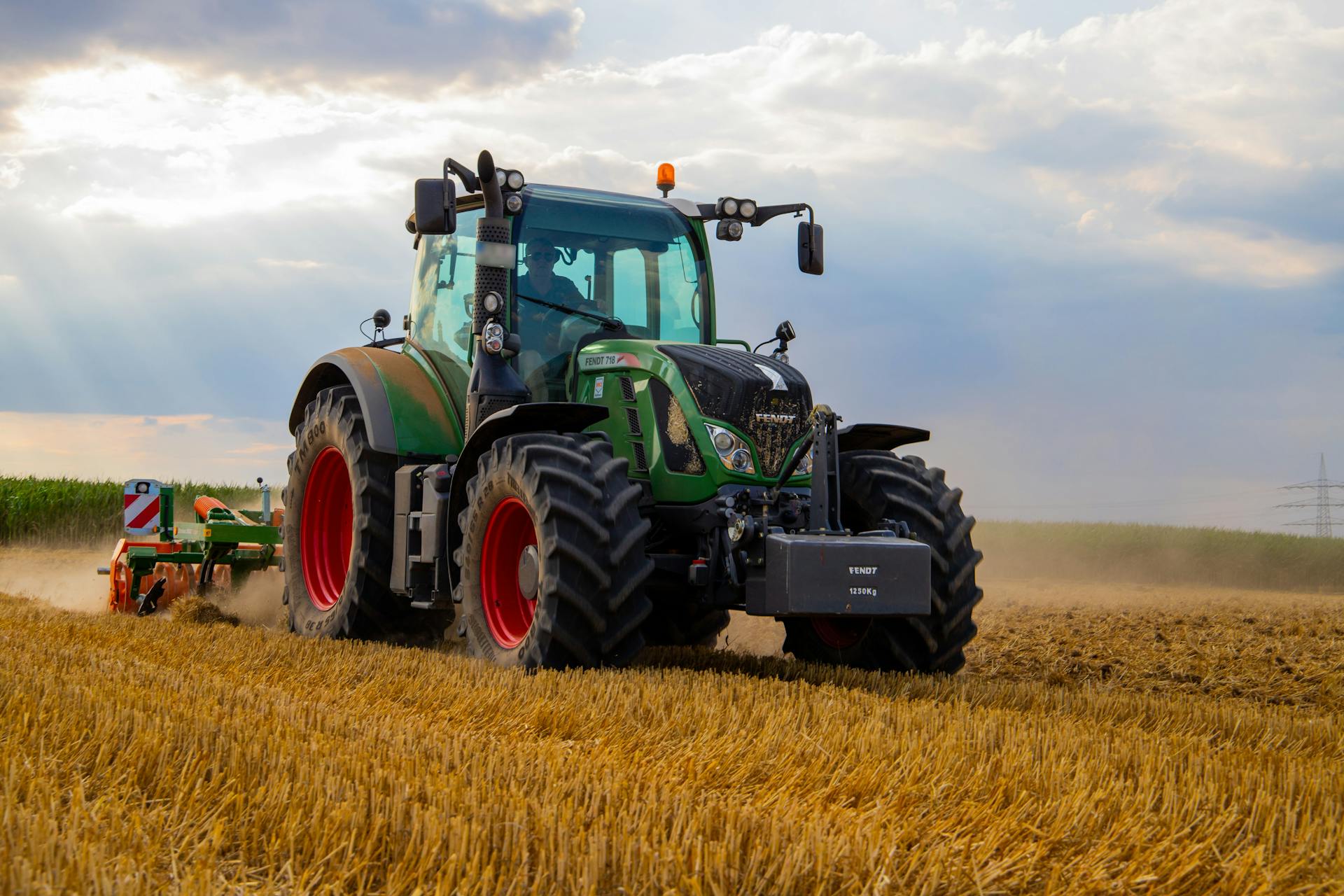
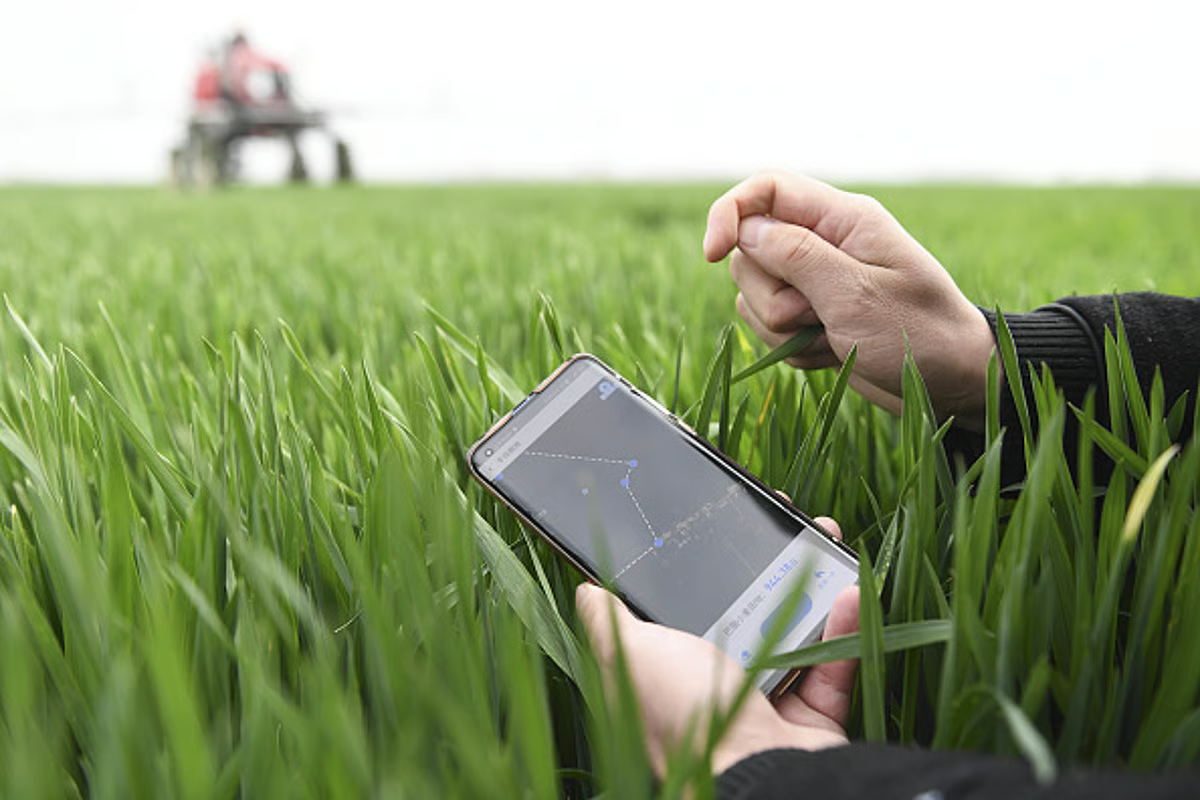
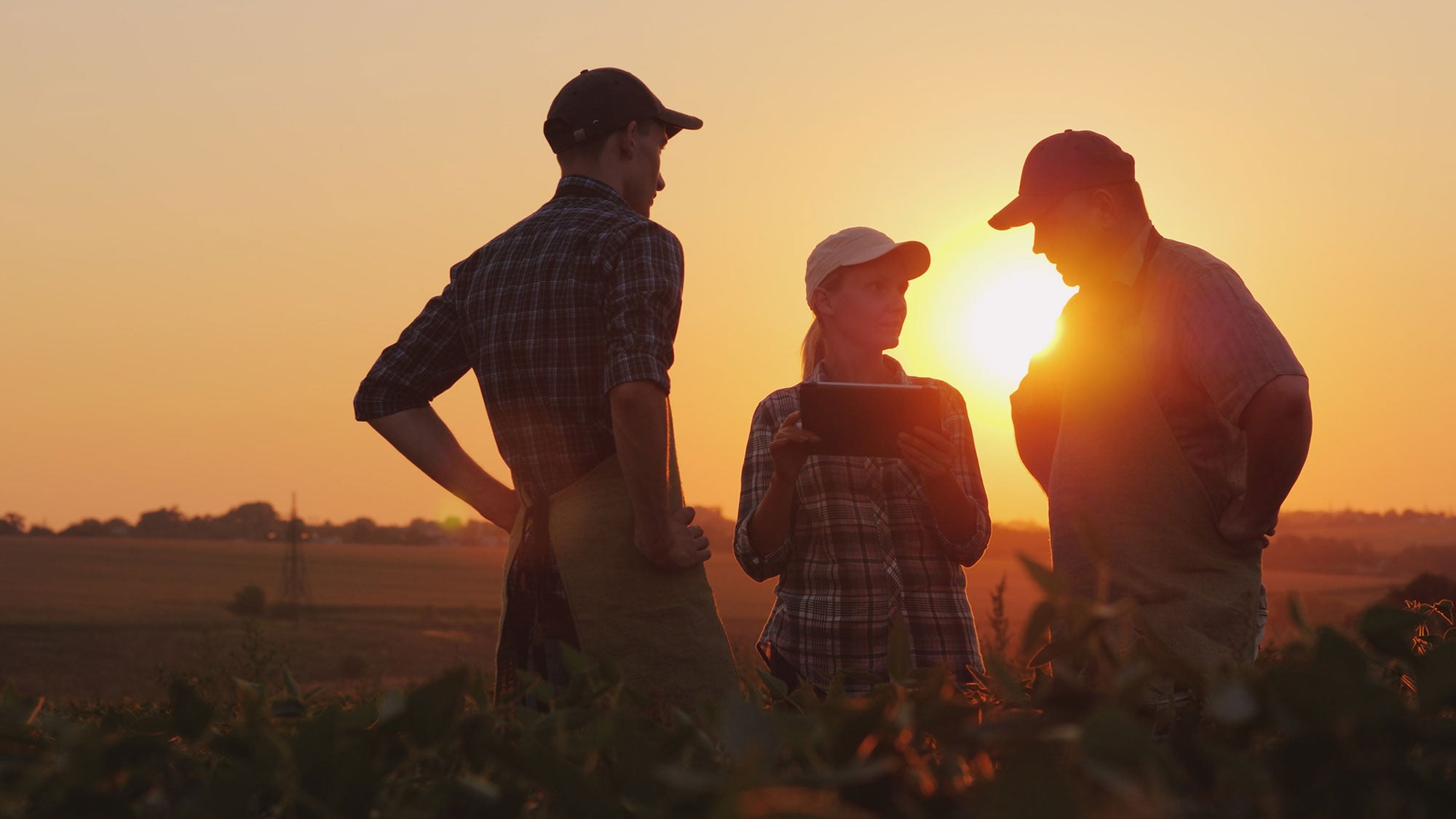
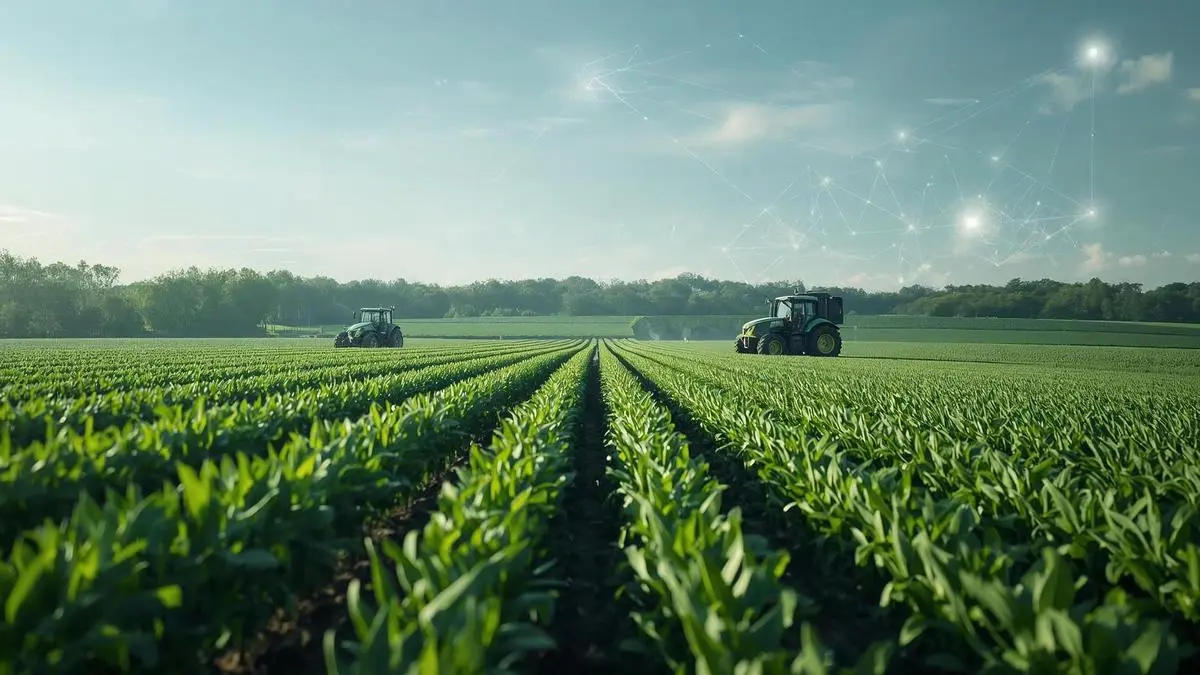
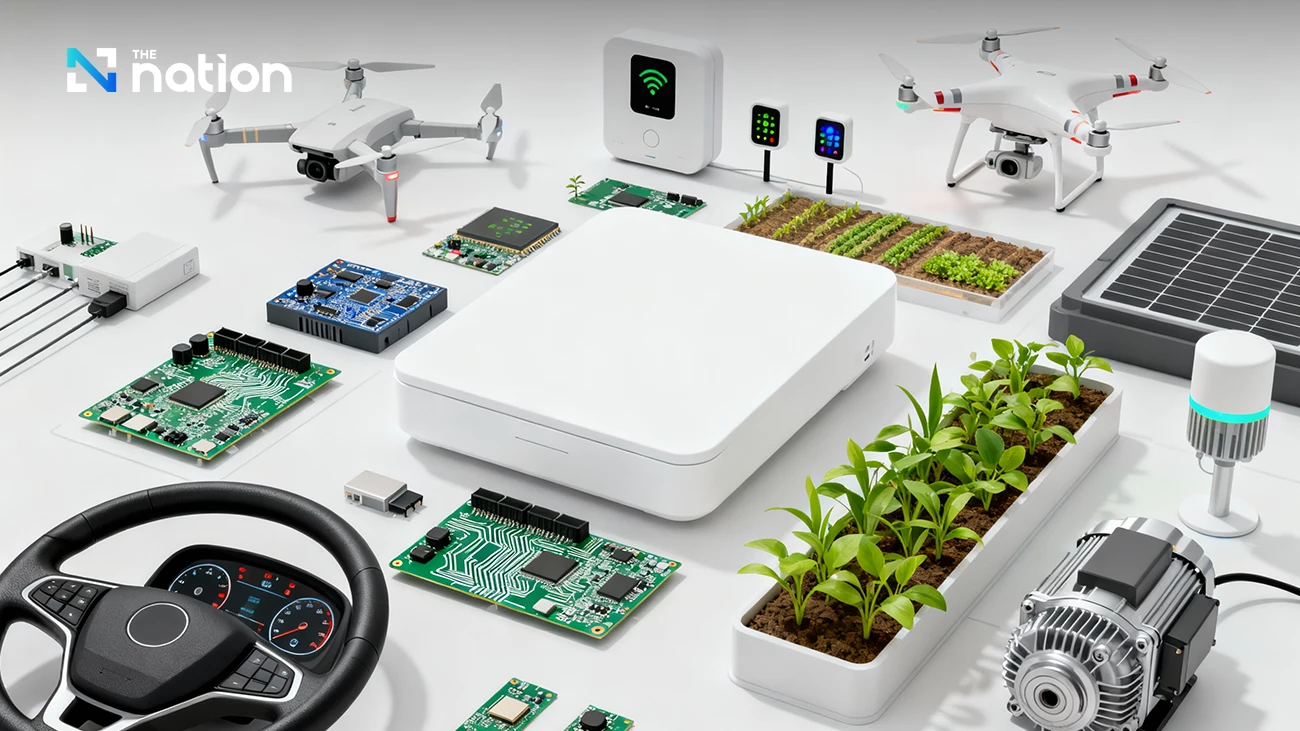
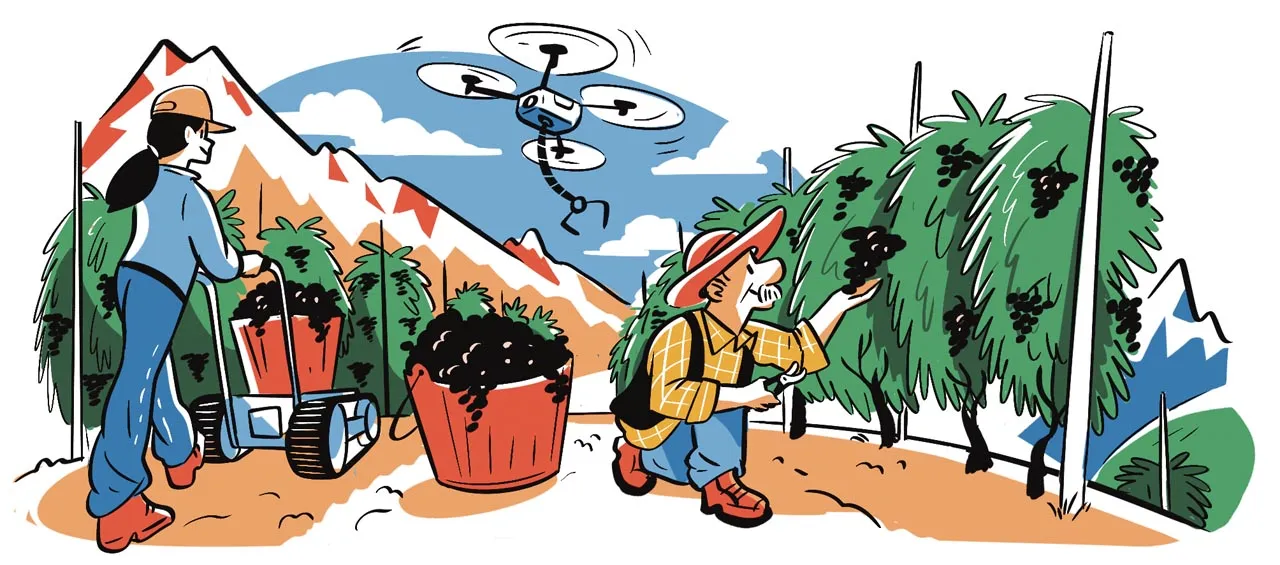
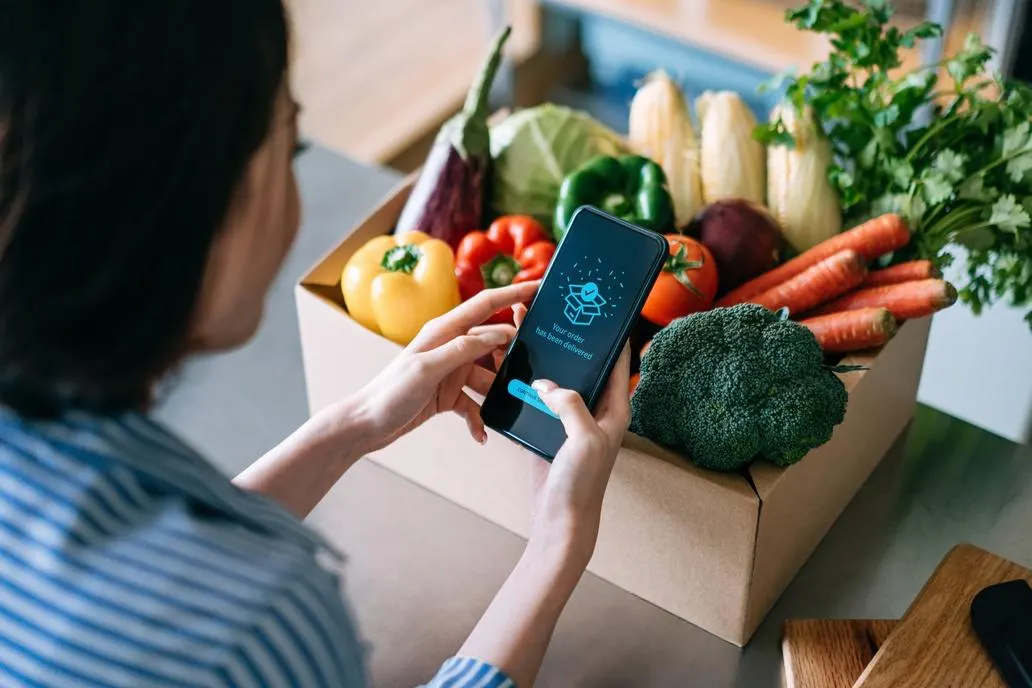
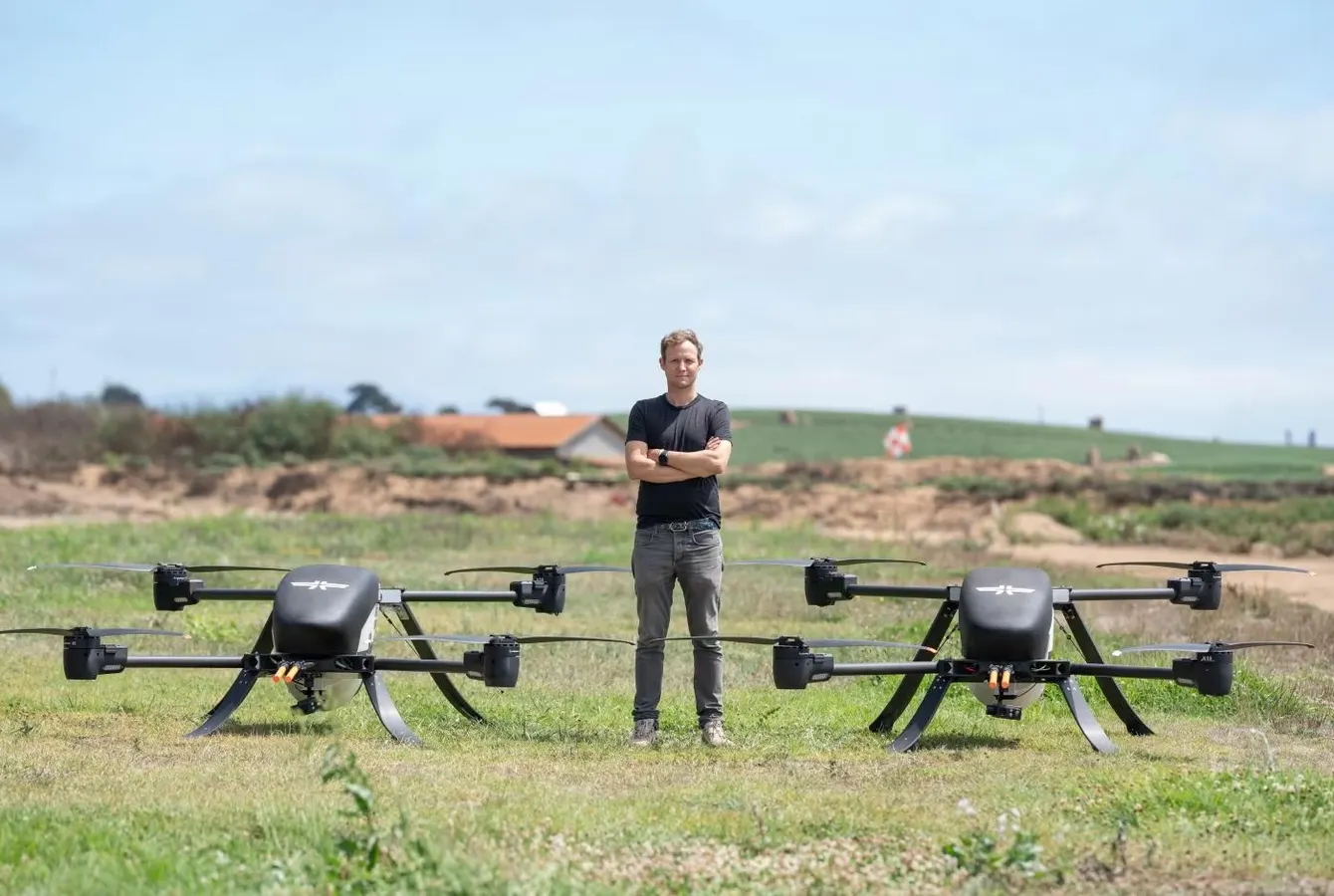
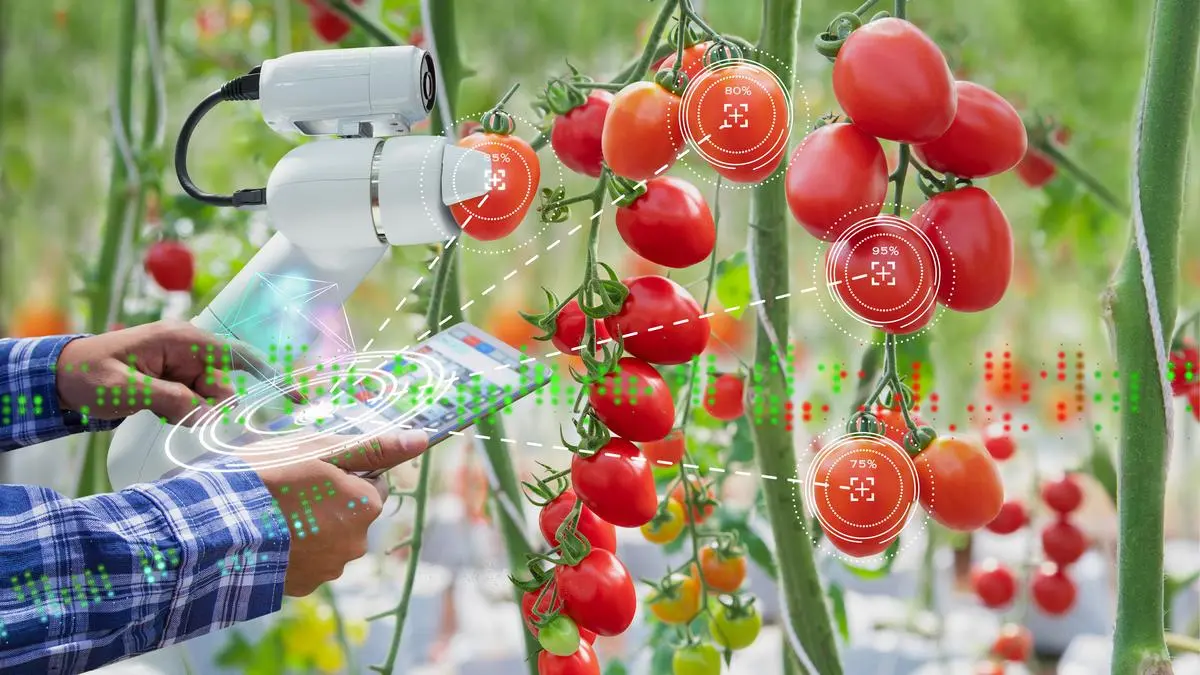
Young farmers returning from abroad or after completing higher education are introducing fresh ideas into agriculture. Instead of relying only on traditional methods, they are using smartphone-based irrigation systems, soil-testing technology, weather forecasting applications and social media marketing to improve productivity and connect directly with consumers. Direct farm-to-customer sales have also reduced the role of middlemen, helping cultivators earn better profits.
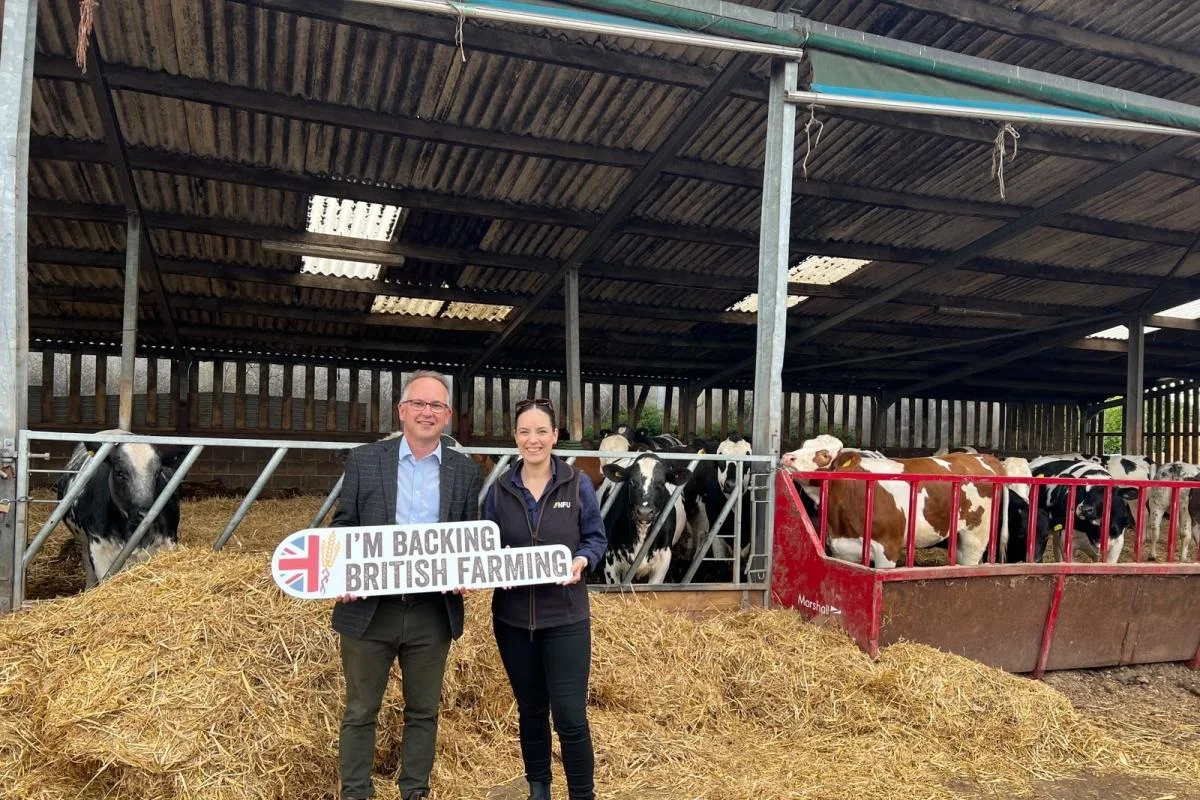
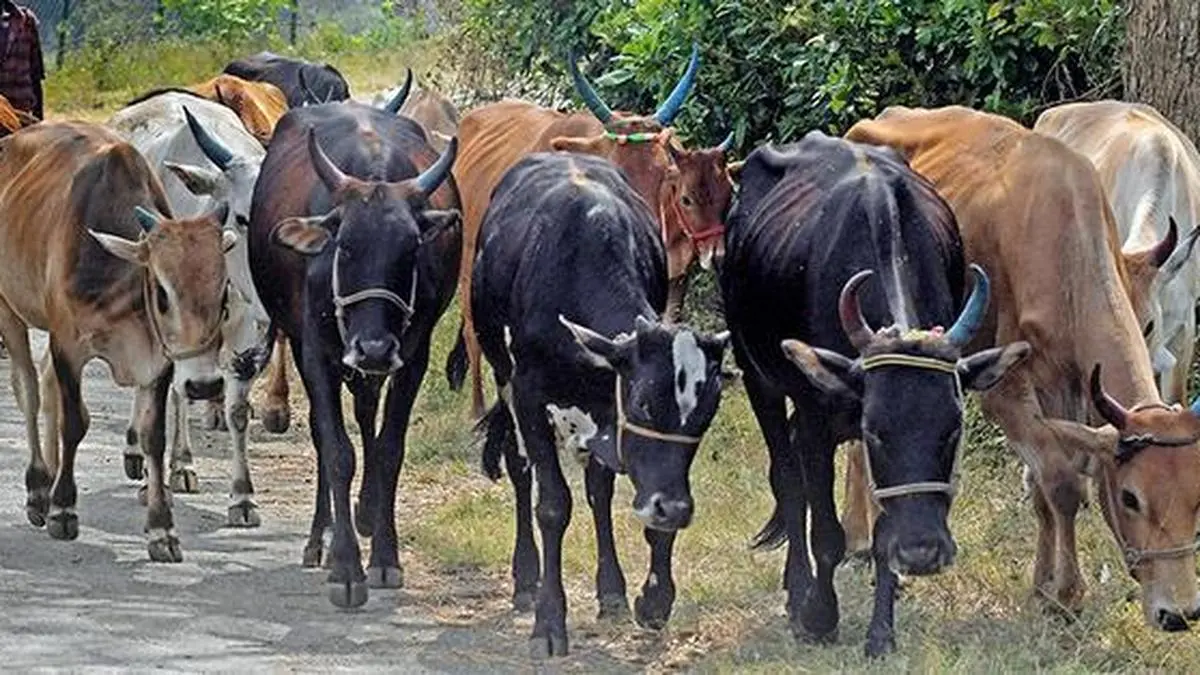
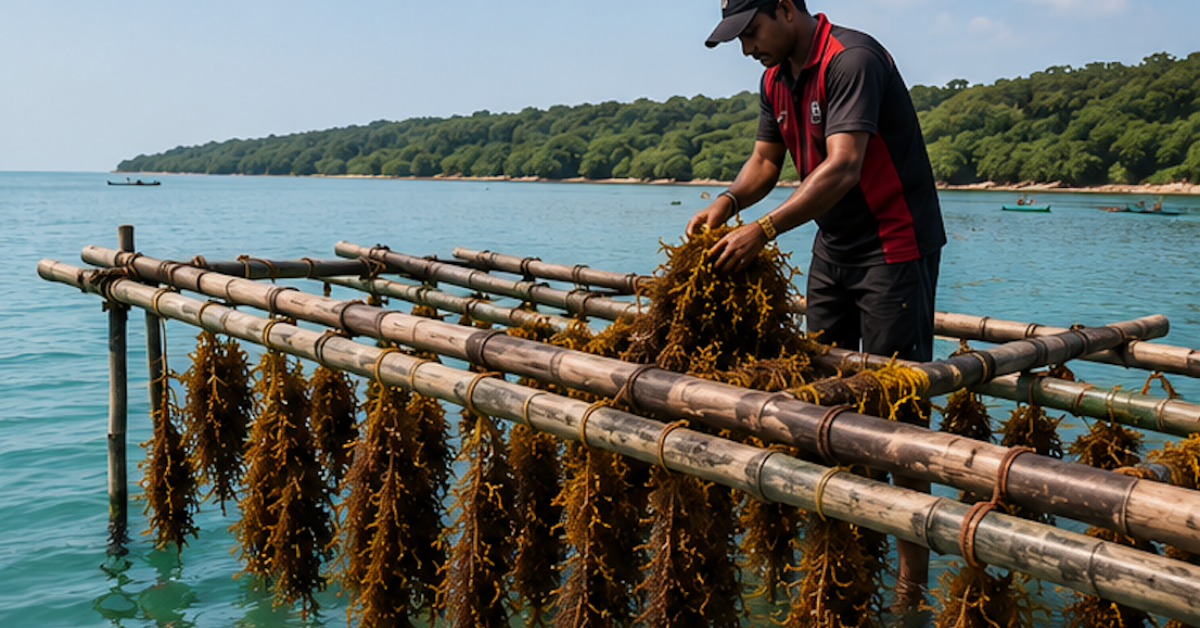
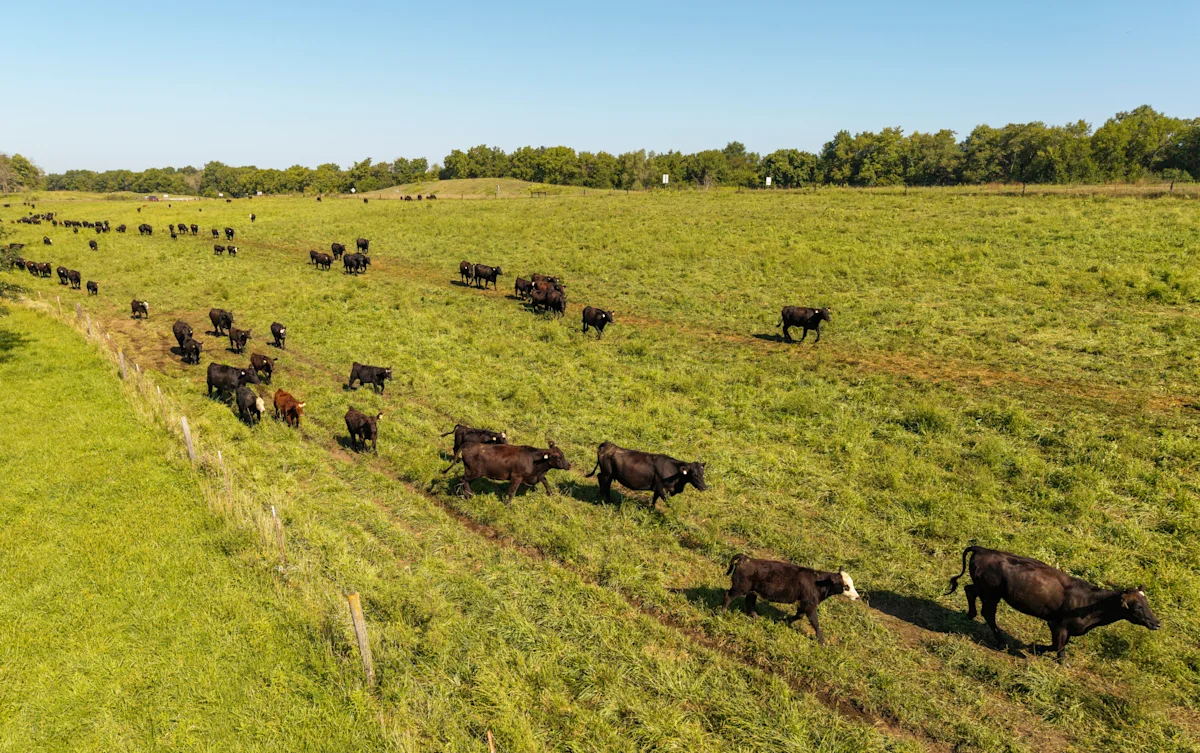
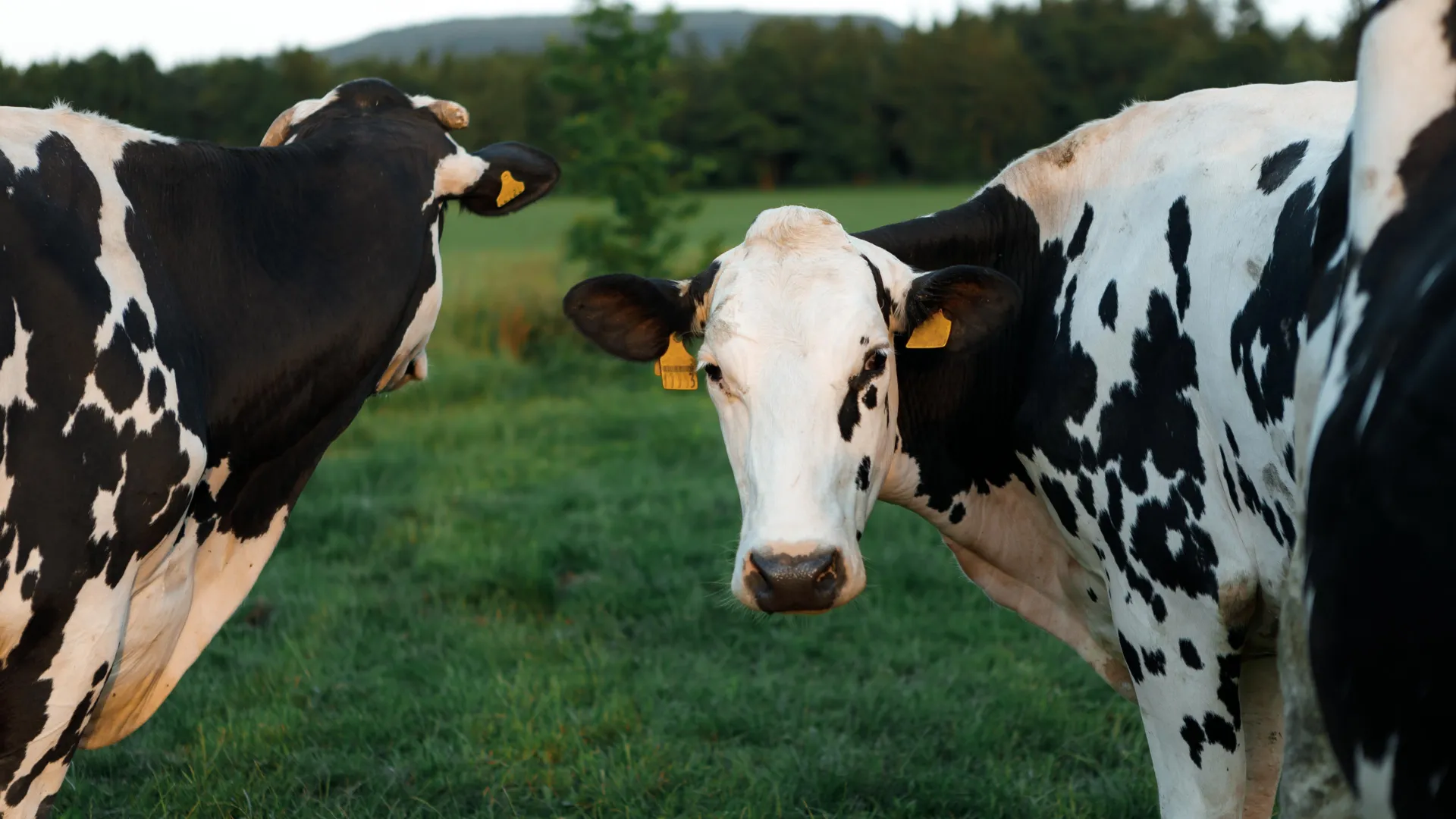
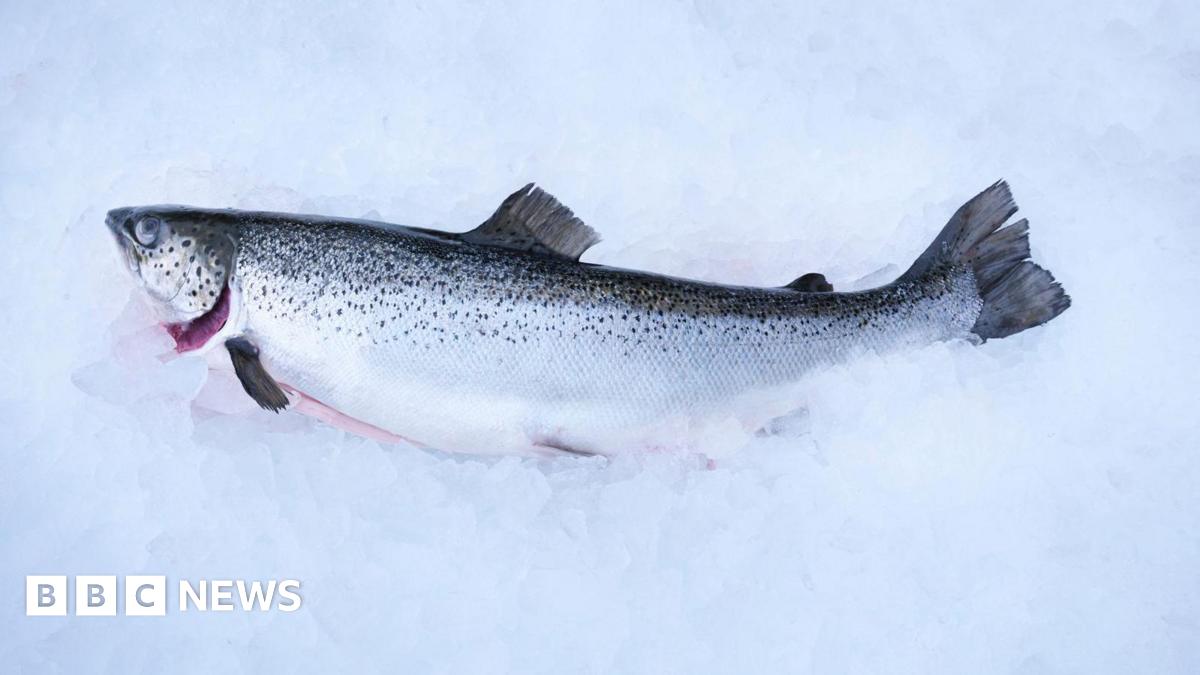
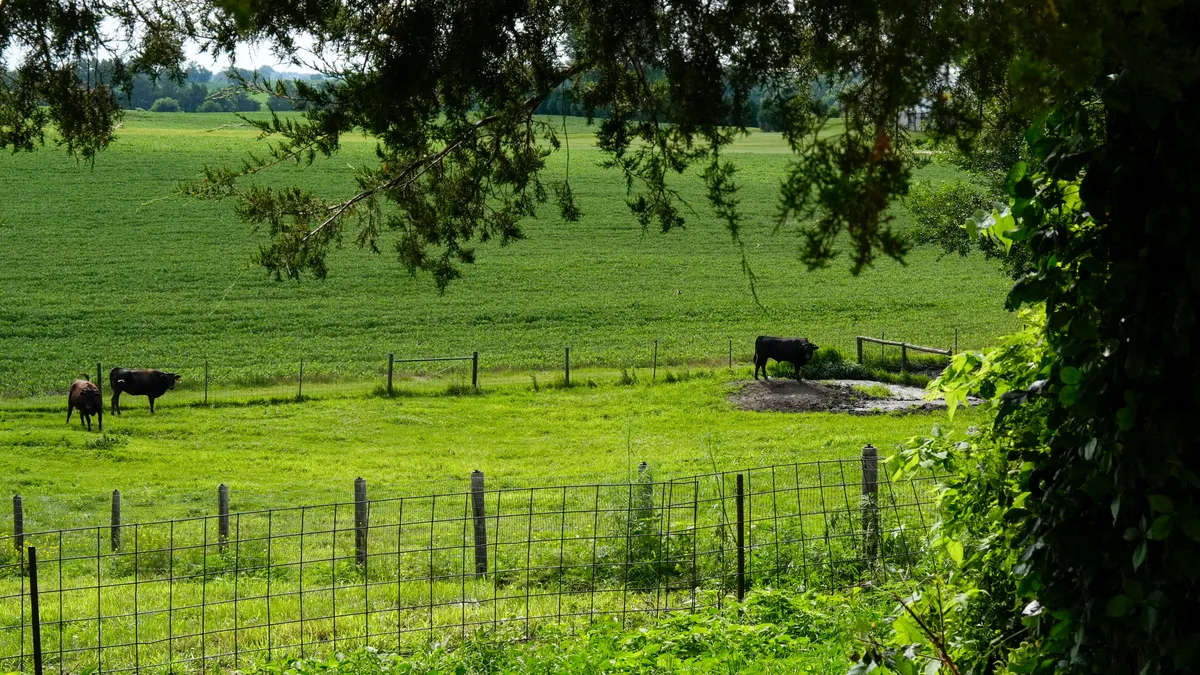
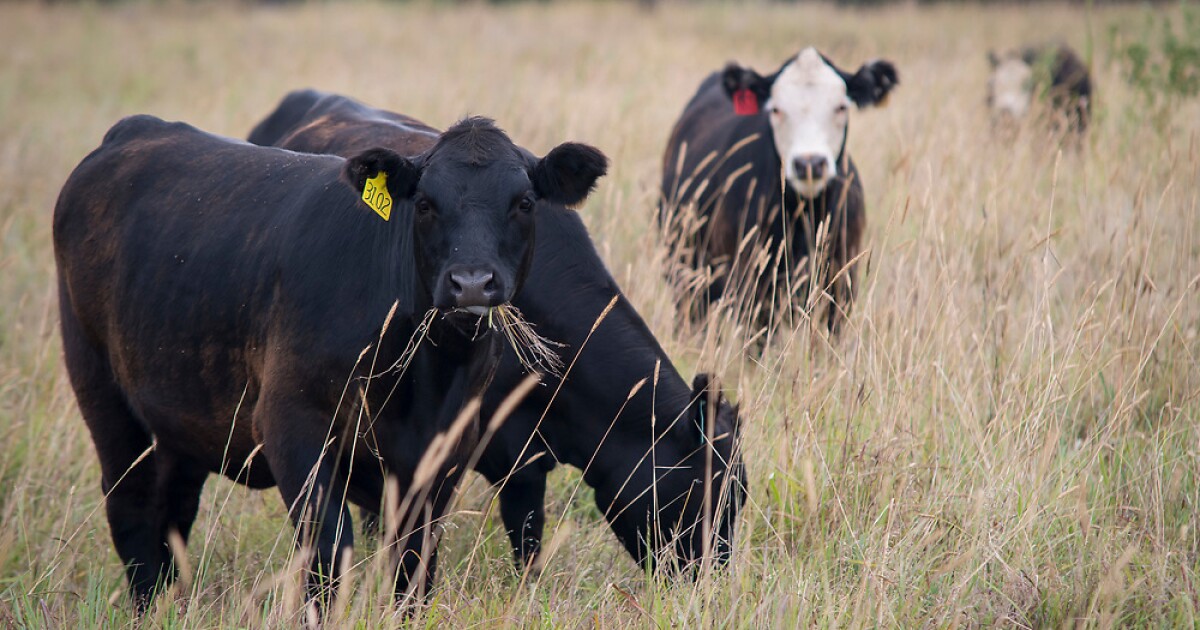
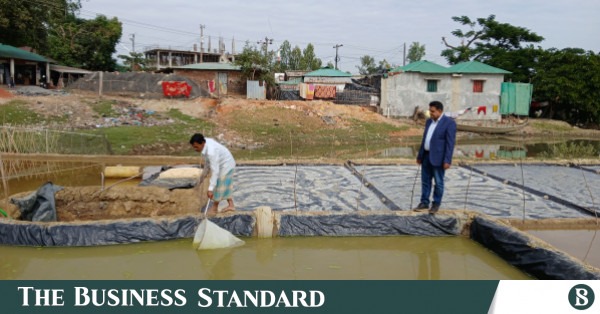
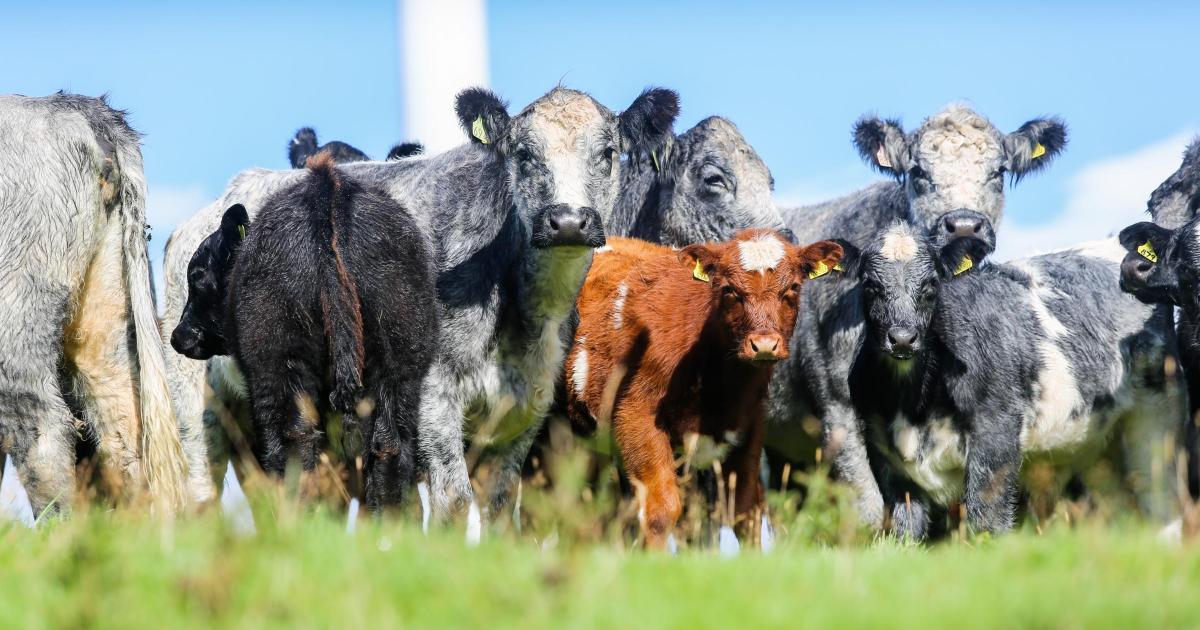
Dairy farming, fish farming and beekeeping are also emerging as important supplementary sources of income. Integrated farming models, combining agriculture with livestock and allied activities, are helping rural families achieve financial stability throughout the year.
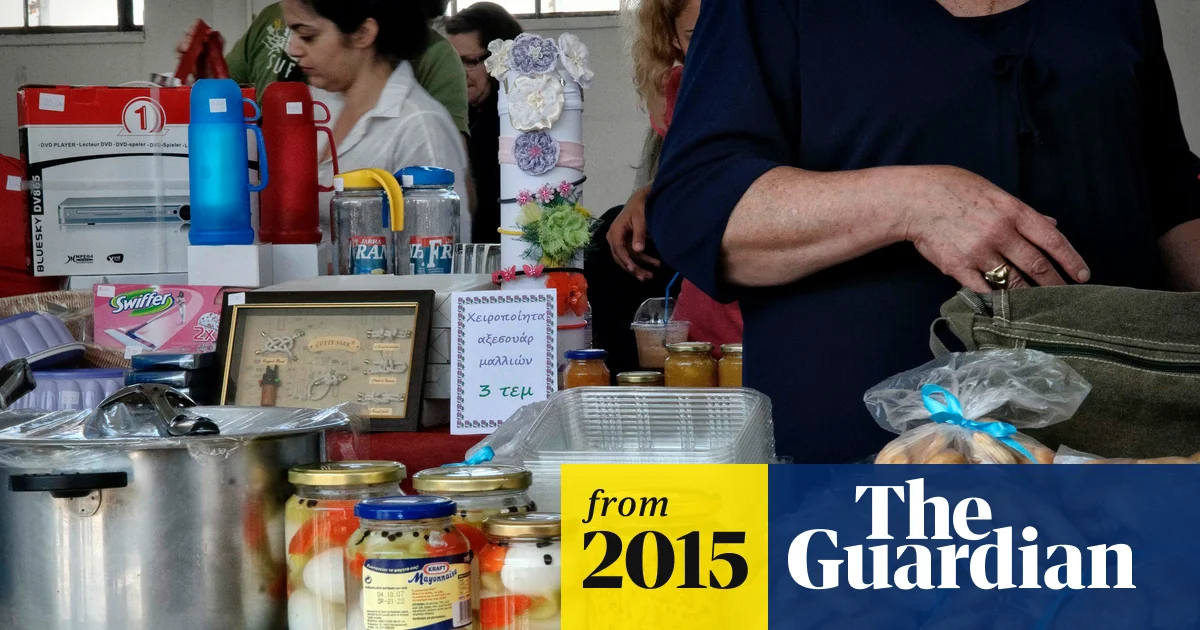
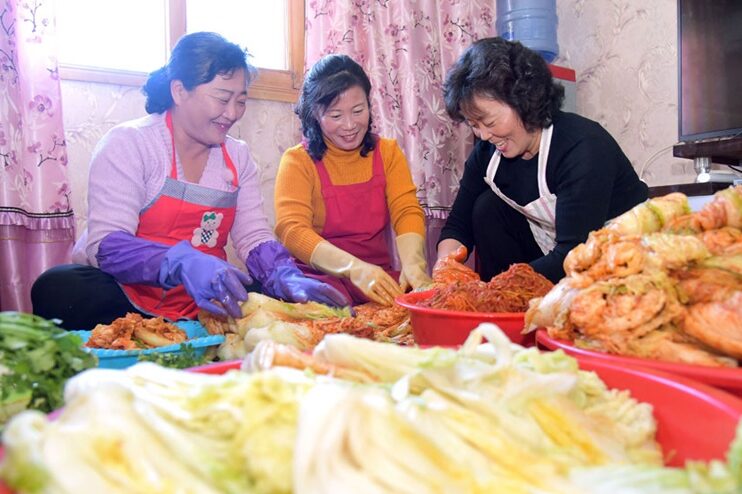
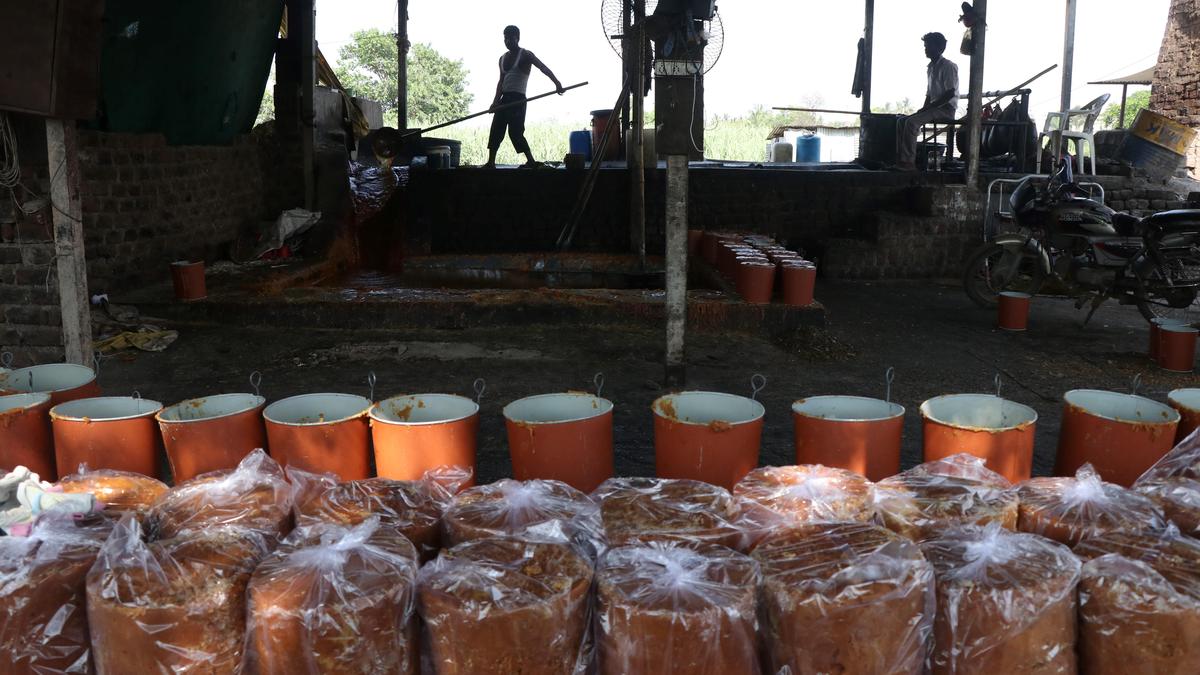
Some farmers have also established small food-processing units to produce organic jaggery, cold-pressed oils and homemade pickles, creating employment opportunities for village youth and women.
Agricultural experts said the success of these farmers lies in their willingness to experiment and adapt to changing market demands. Unlike earlier generations, progressive farmers are focusing on quality production, branding and sustainable resource management instead of merely increasing output.
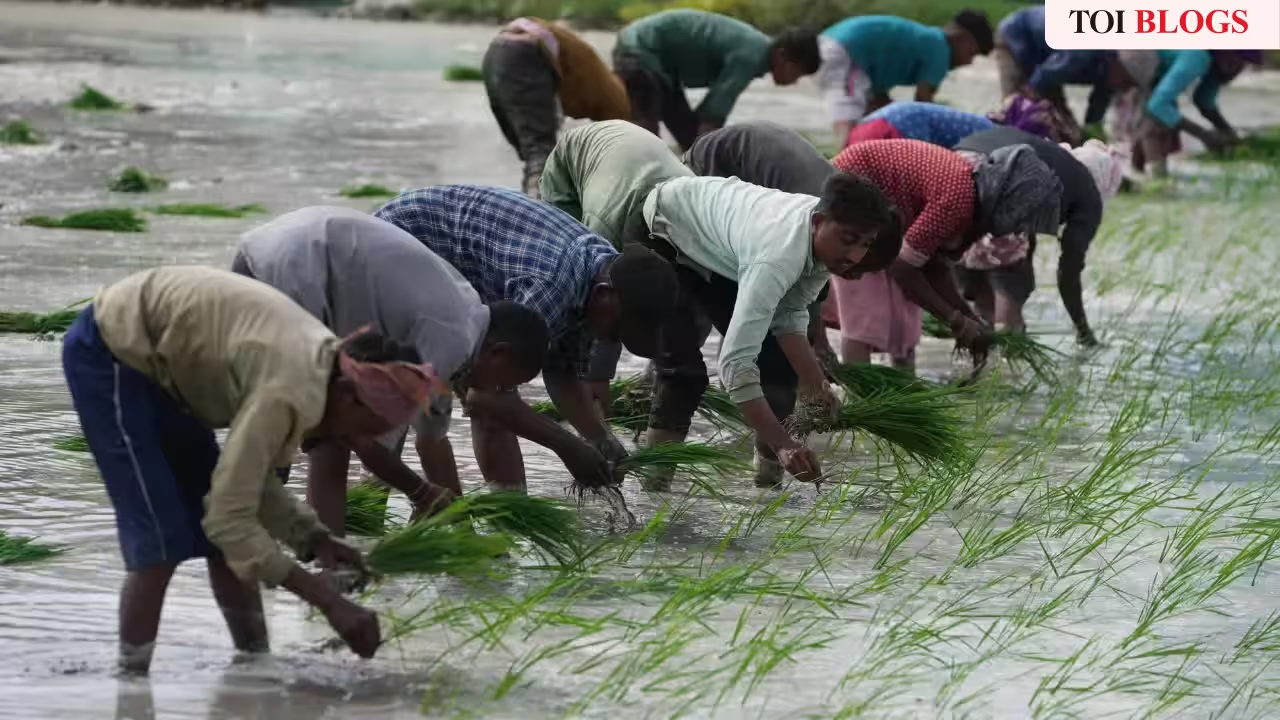
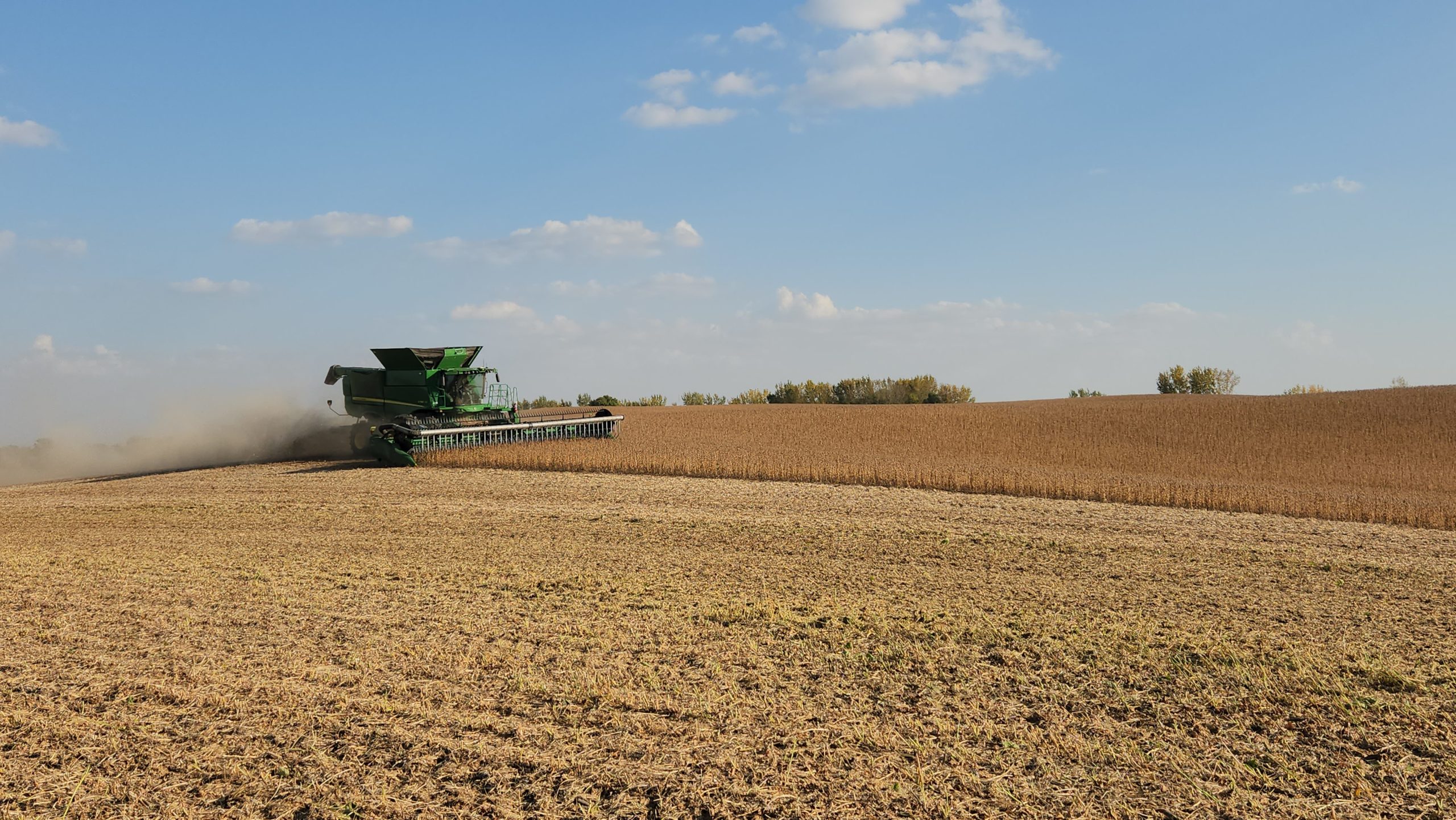
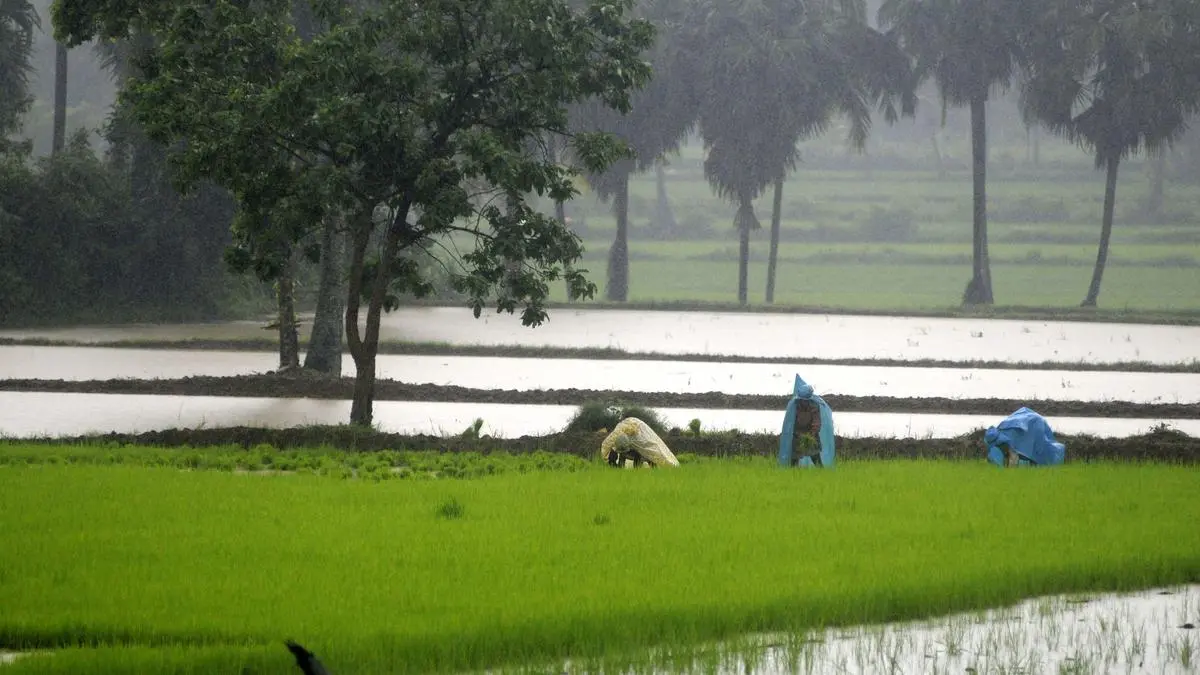
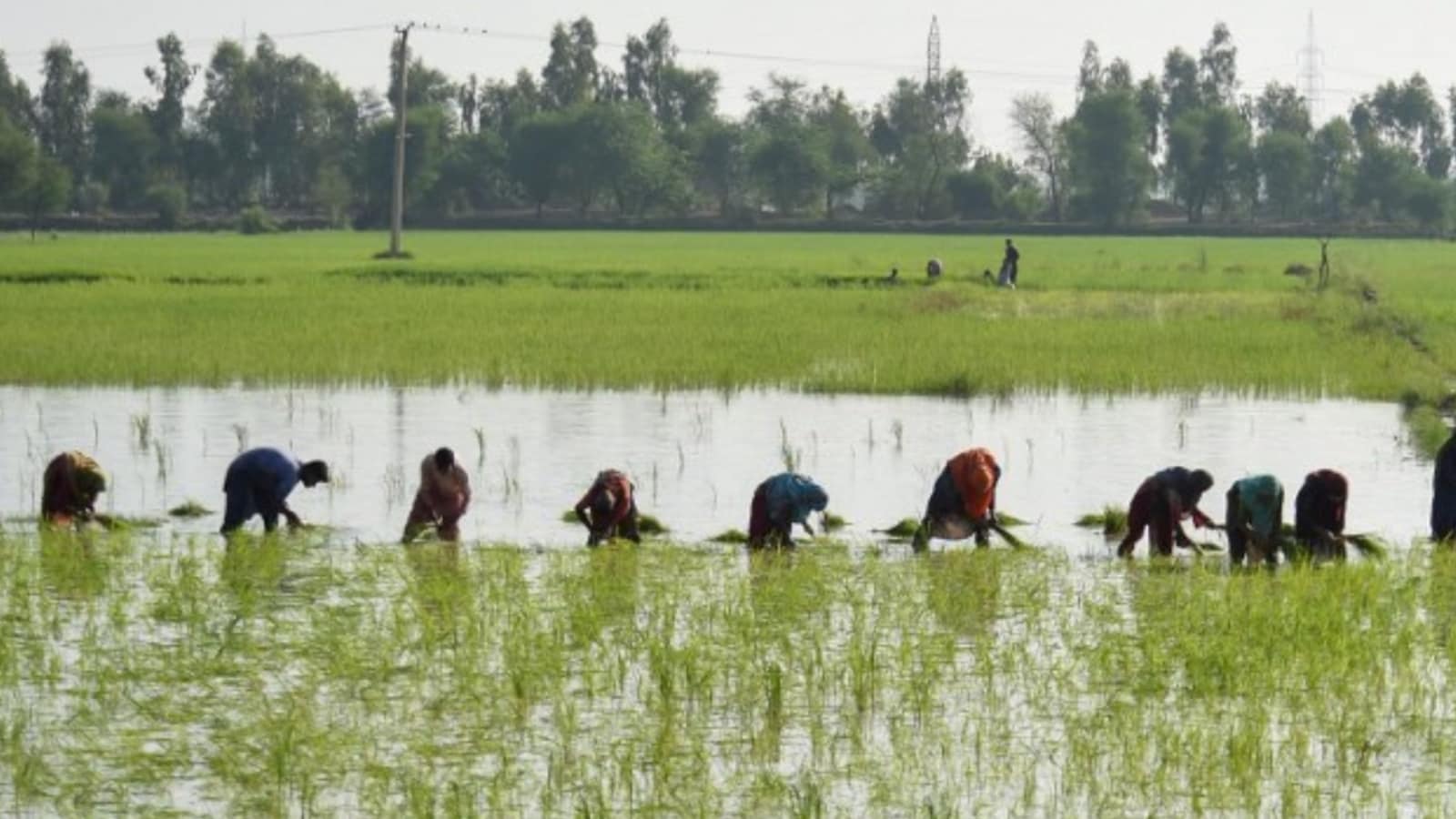
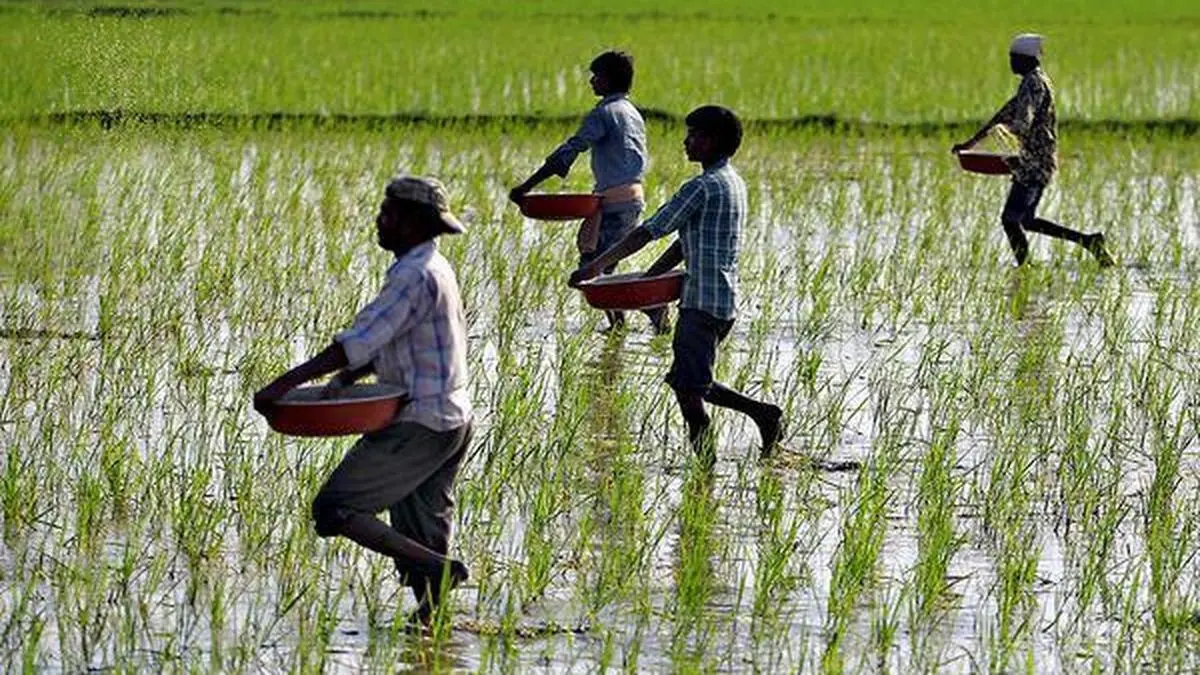
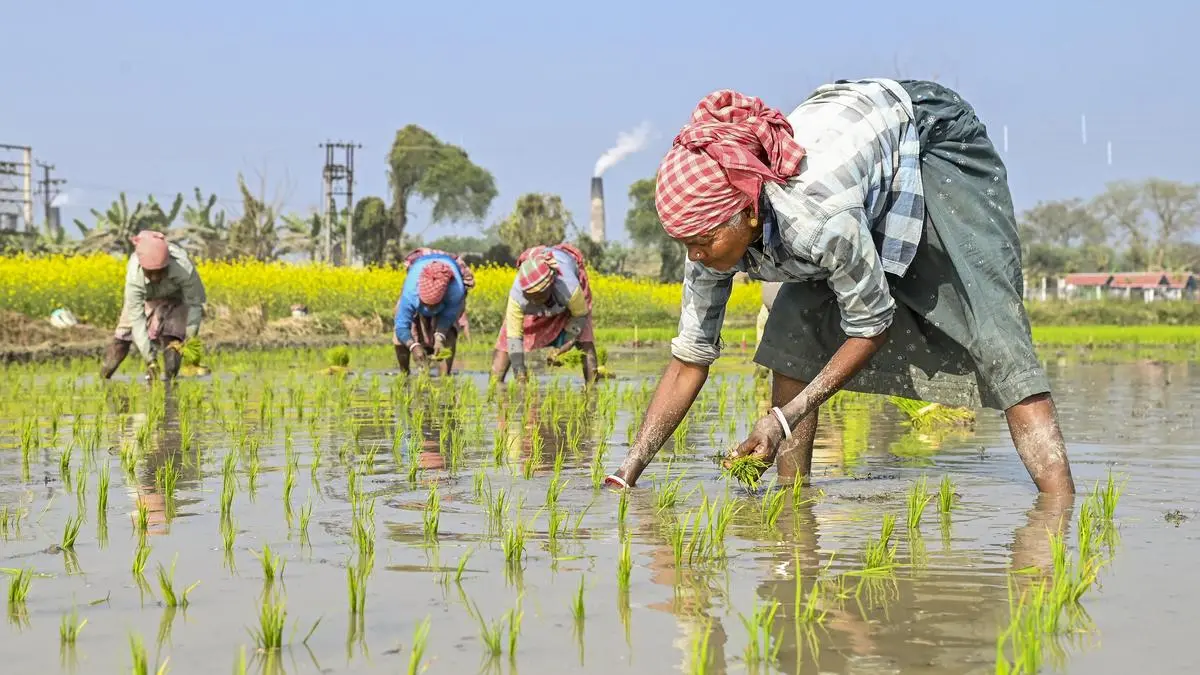
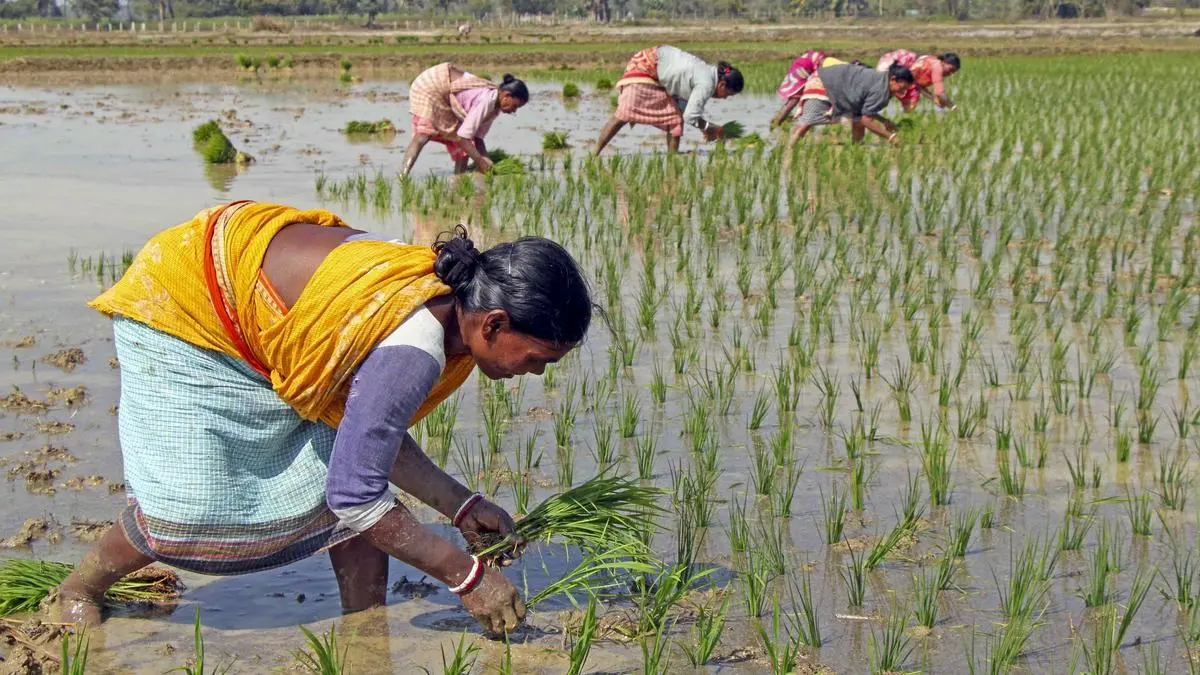
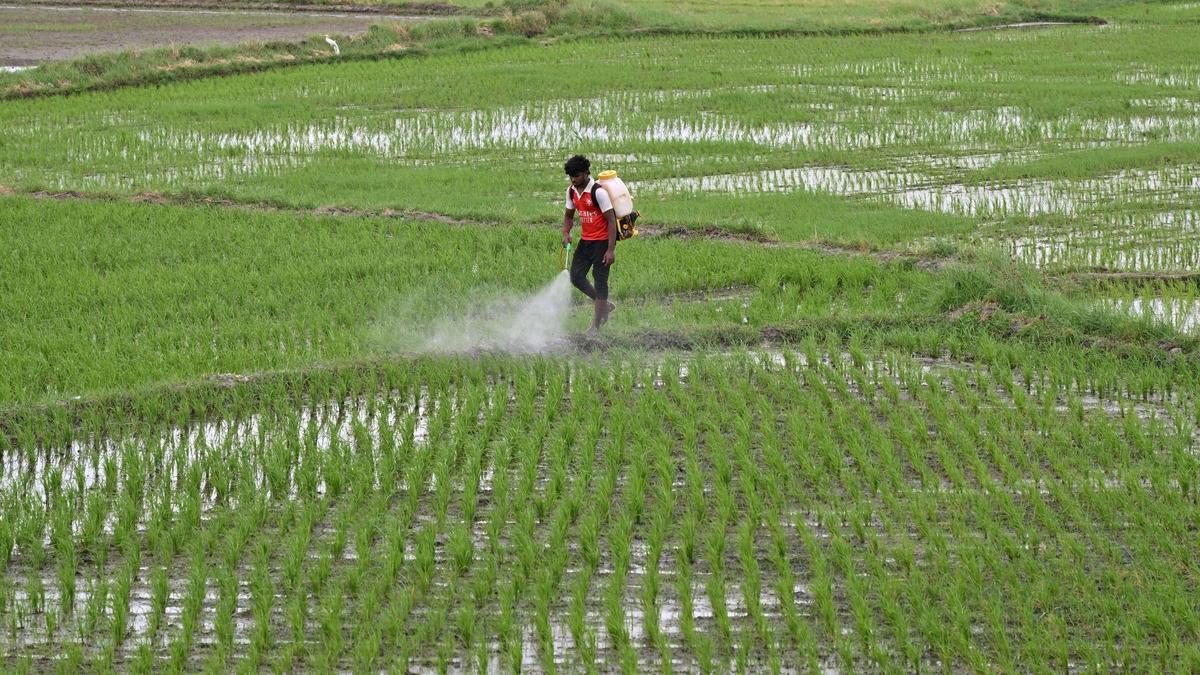
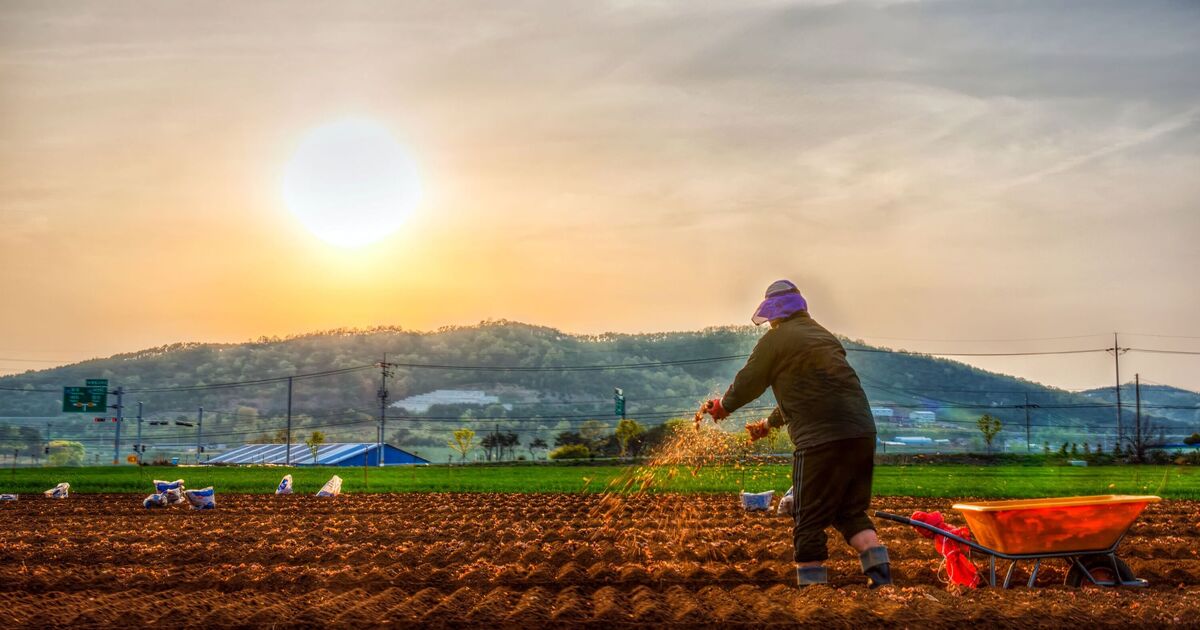
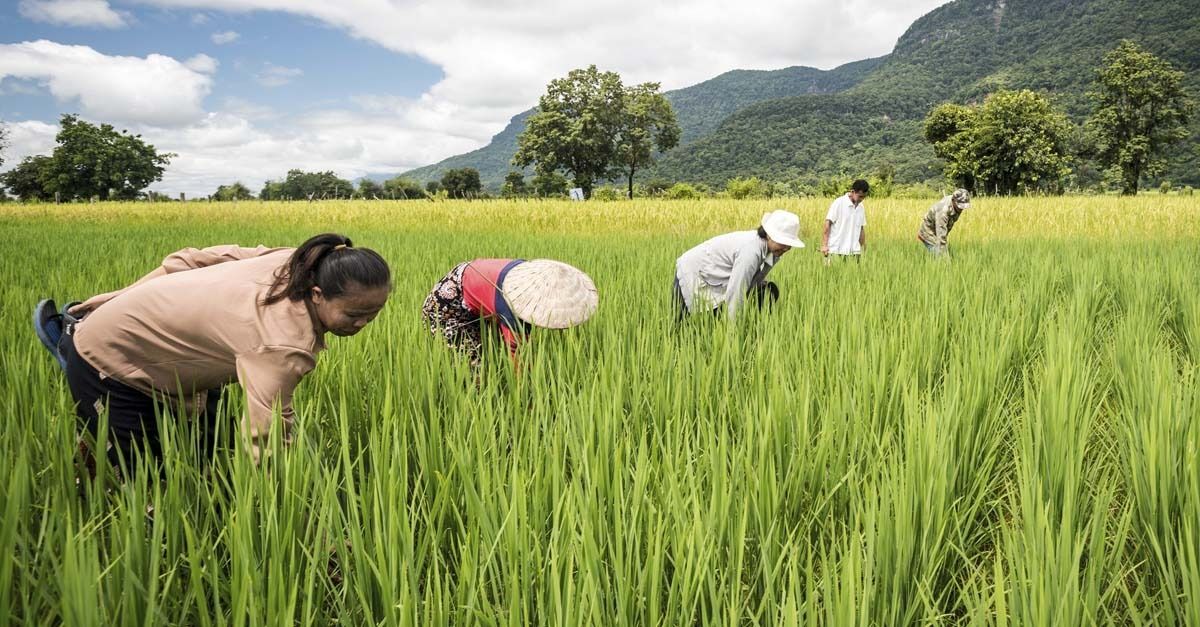
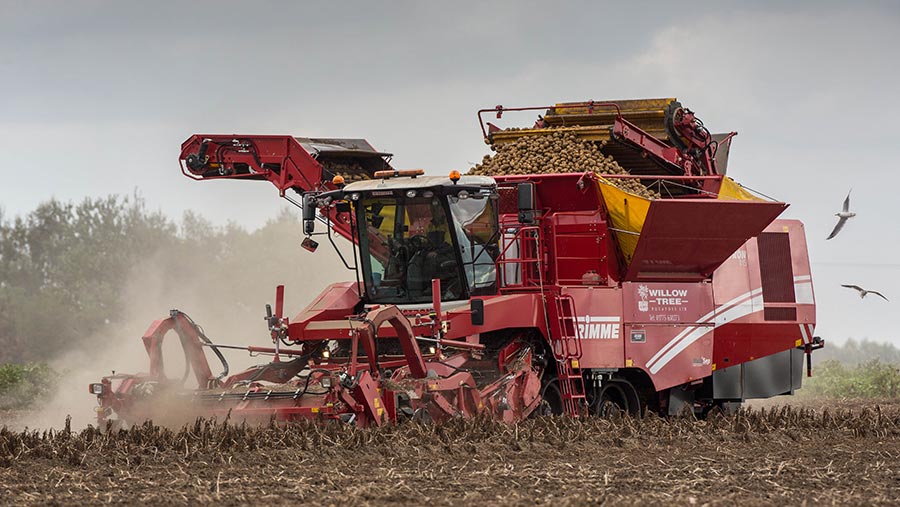
Water-saving methods such as direct seeding of rice, laser land levelling and micro-irrigation systems are also gaining popularity in the region.
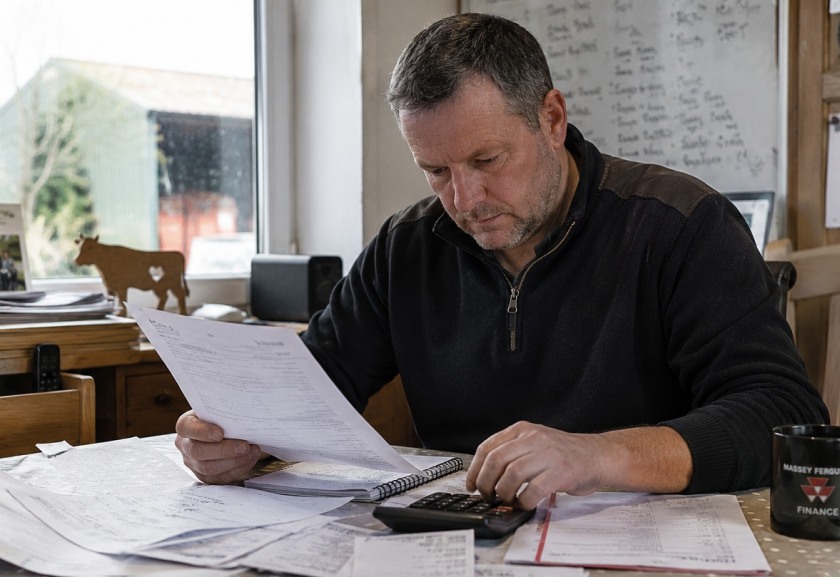
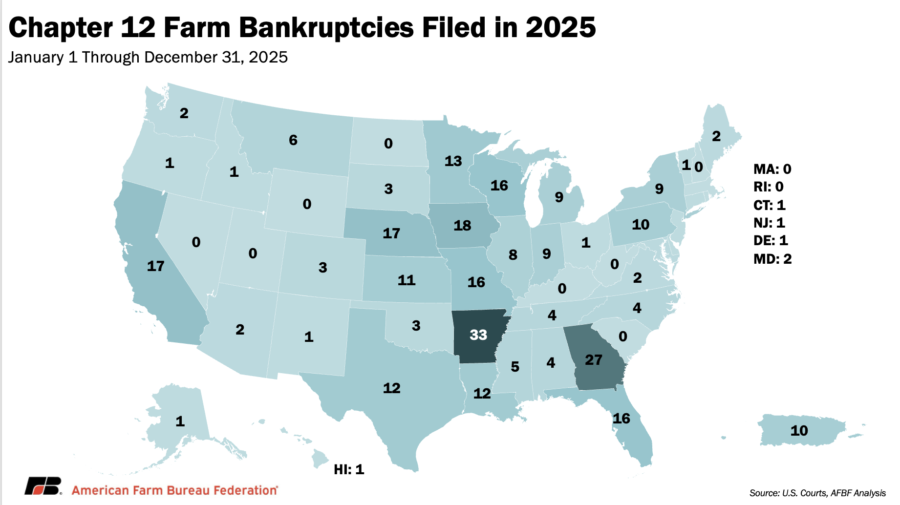
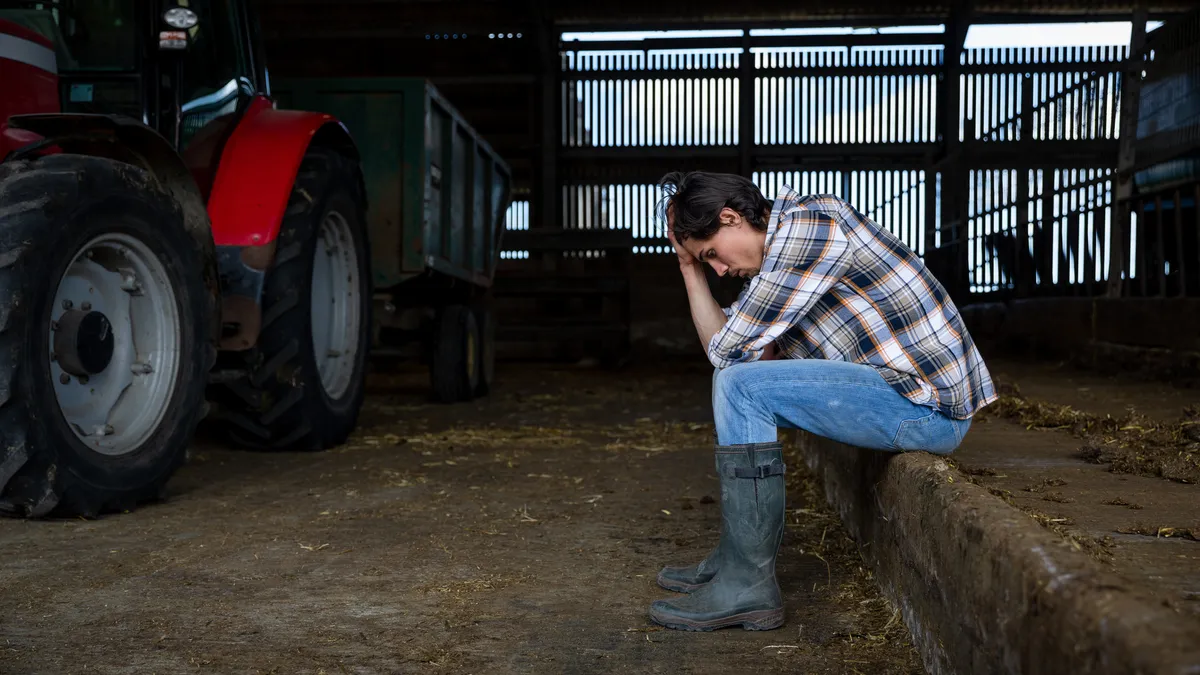
Despite these positive changes, farmers continue to face challenges such as fluctuating market prices, labour shortages and unpredictable climatic conditions. However, the determination shown by progressive cultivators around Phagwara is offering hope at a time when Punjab’s farming sector is facing economic and environmental pressures.
Local agricultural officers and farmer organisations have appreciated the efforts of these innovators, saying their success stories are inspiring many others to move beyond conventional farming practices.
With greater awareness, technological support and better market linkages, the farming community around Phagwara is proving that agriculture can remain profitable, sustainable and future-ready in changing times.