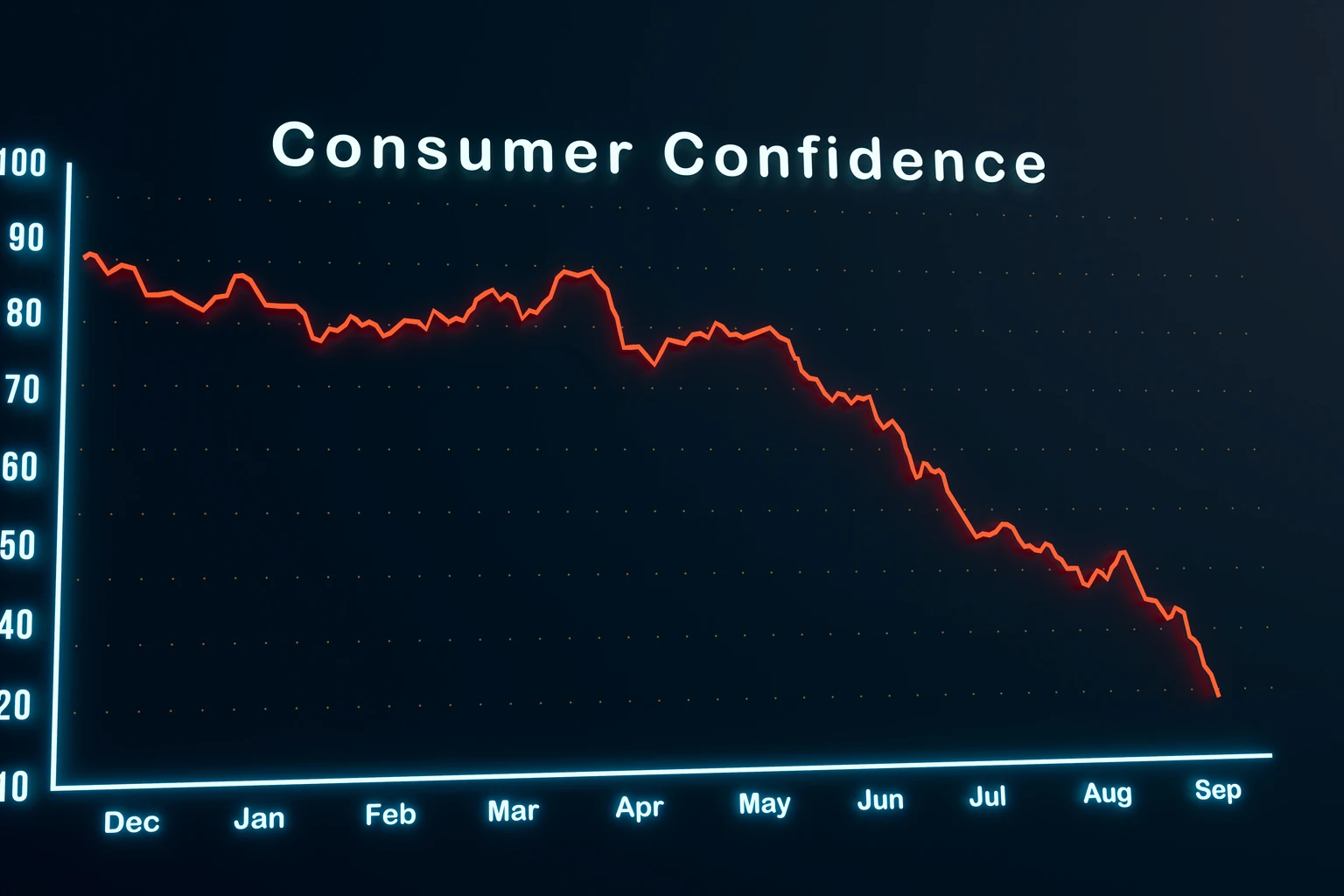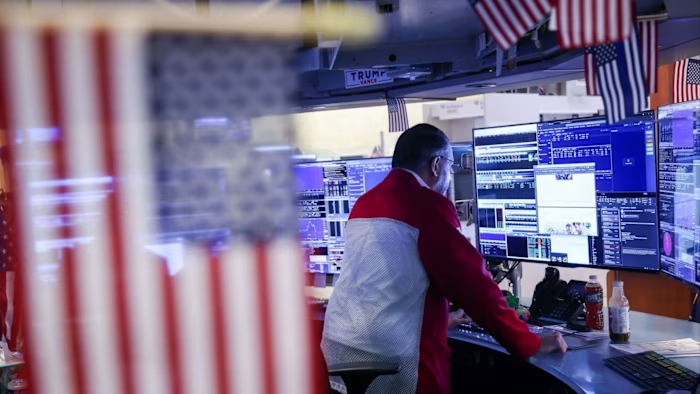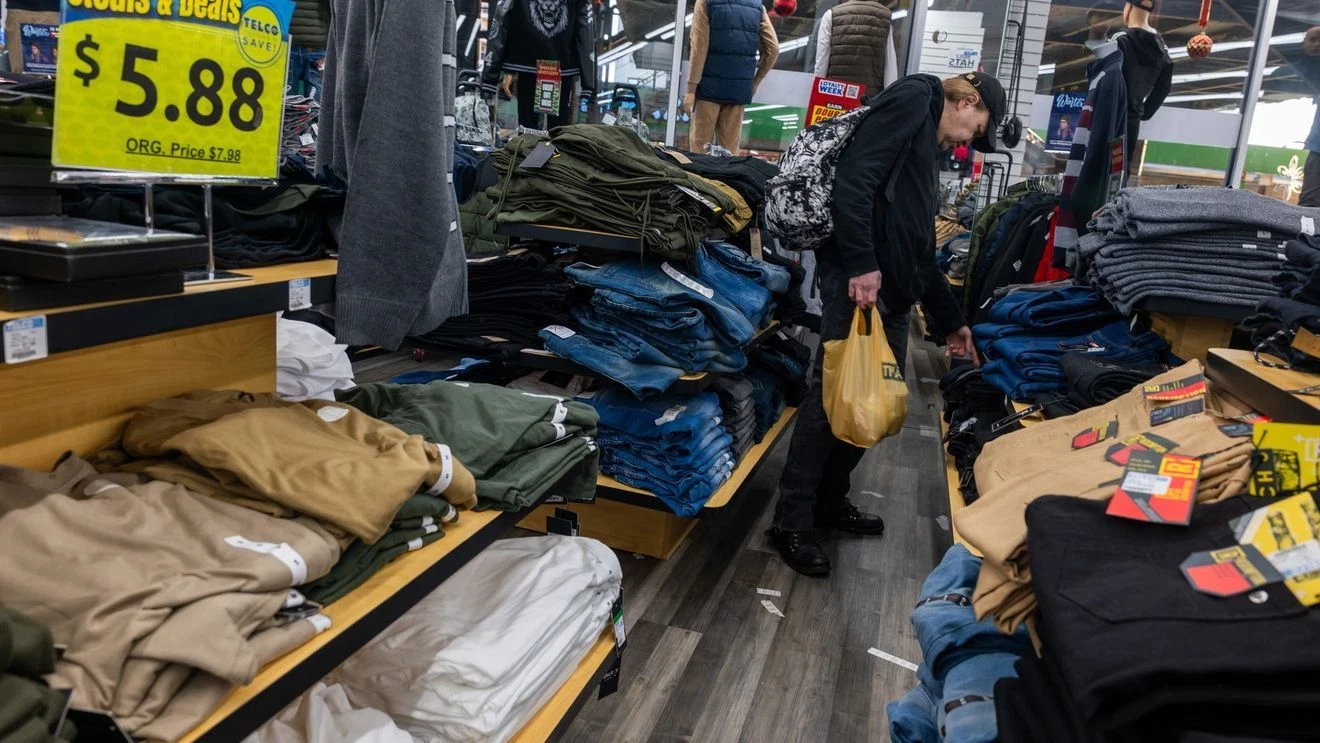
New economic data is offering a mixed picture of the U.S. economy one month before the midterm elections, with inflation showing signs of stabilizing and economic growth remaining positive even as hiring slows and high gasoline and diesel prices continue squeezing household budgets.
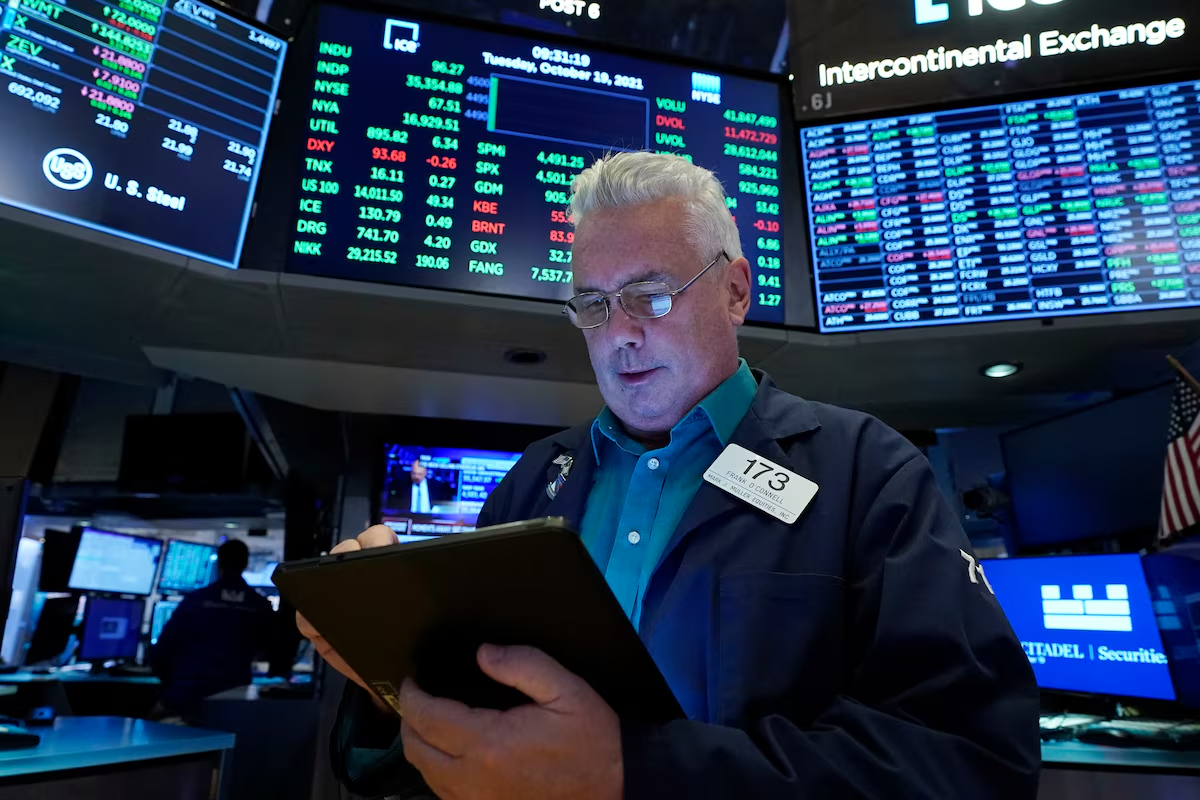
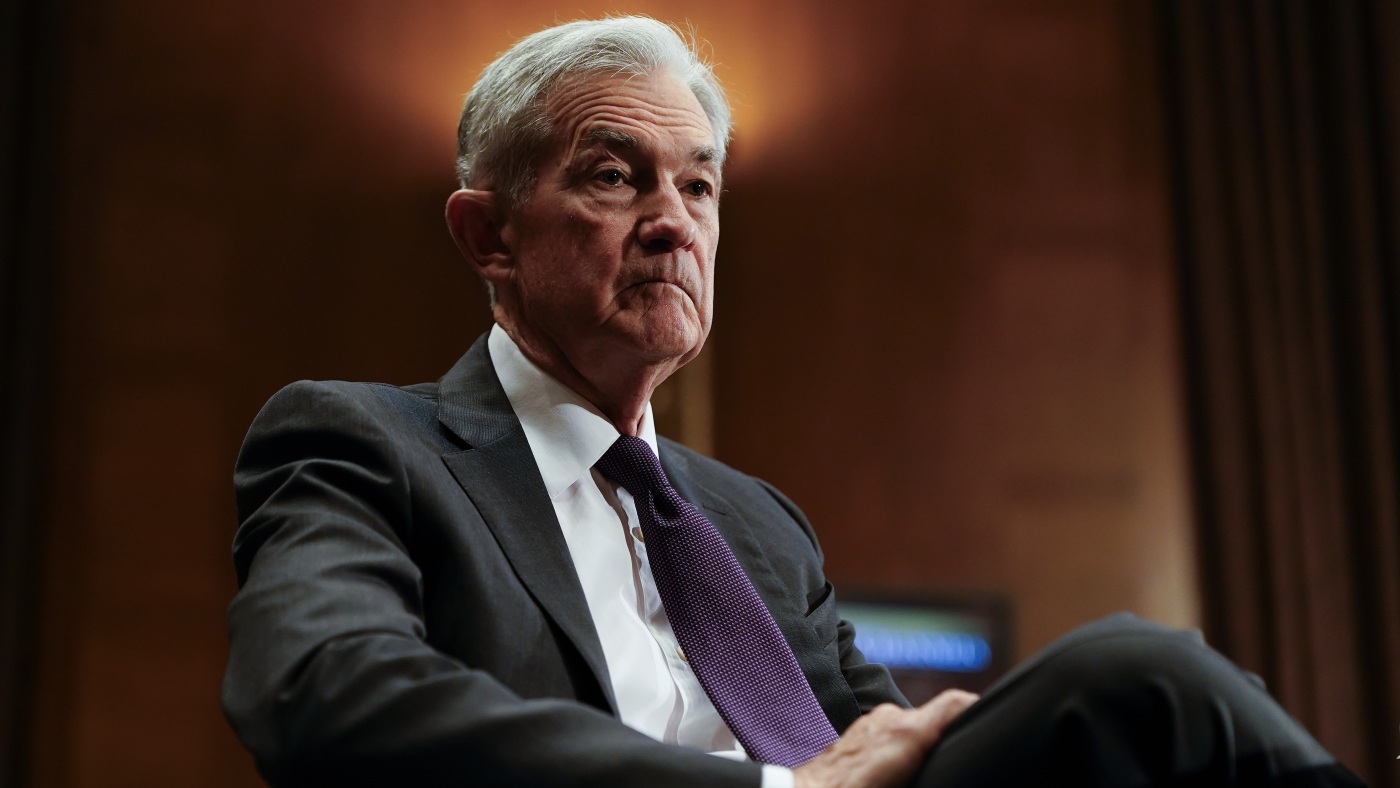
The Federal Reserve’s closely watched measure of underlying inflation, the core Personal Consumption Expenditures Price Index, increased 3% in August compared with a year earlier, according to the Bureau of Economic Analysis.
Core PCE, which excludes volatile food and energy prices, was unchanged from its 3% annual pace in July and down from 3.2% in May. The measure remains above the Federal Reserve’s 2% inflation target.
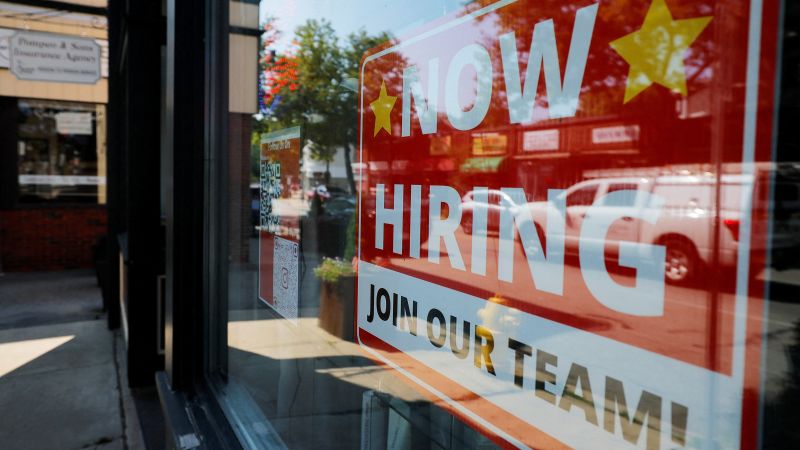
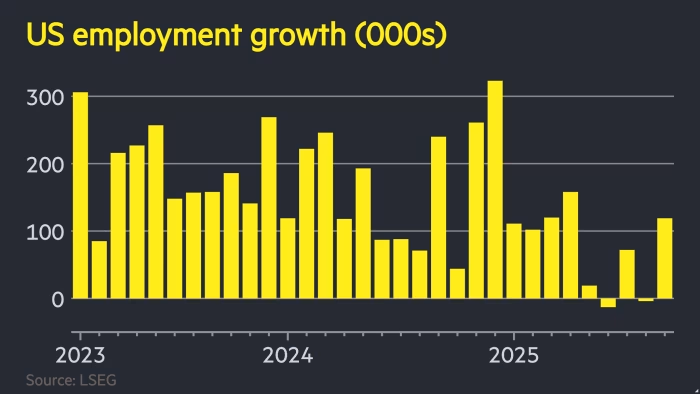
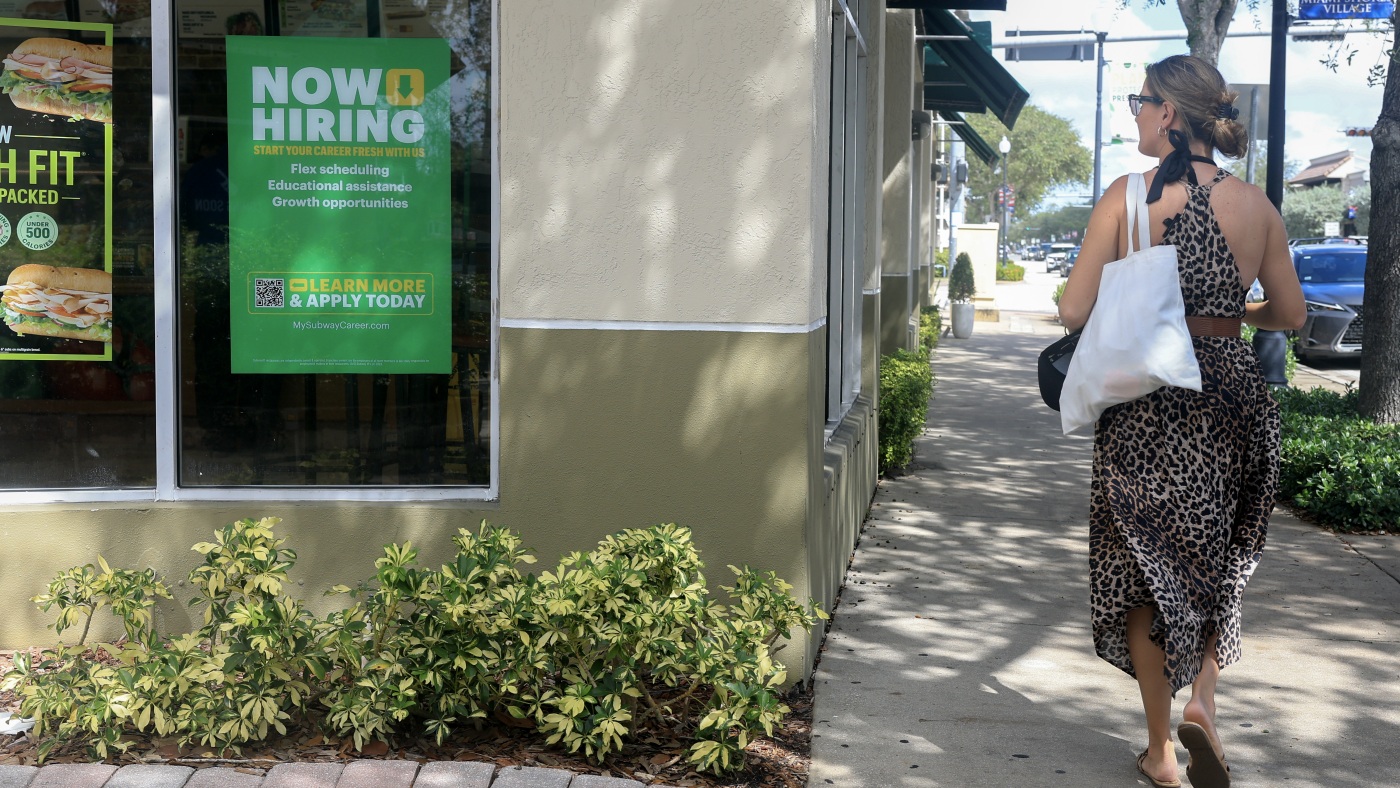
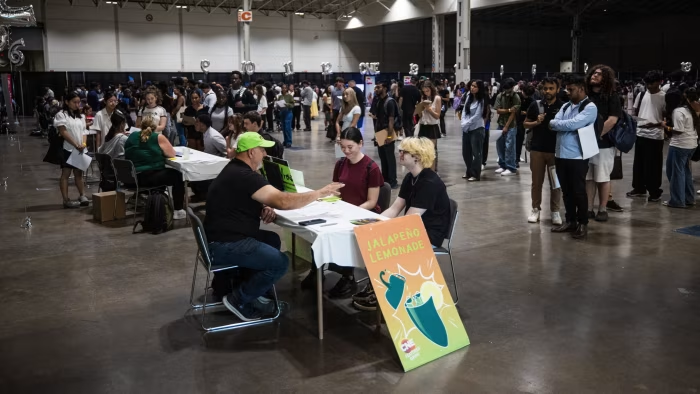
Meanwhile, payroll processor ADP reported private employers added 90,000 jobs in September, accelerating from a revised 36,000 in August and marking the strongest private-sector hiring since May.
“It’s a strong report,” ADP Chief Economist Nela Richardson said. “After a three-month slowdown, job creation rebounded and pay growth remained solid.”
The government’s broader employment report, however, subsequently showed a weaker labor market. Employers added just 29,000 jobs in September, while unemployment edged up to 4.2%, according to the Labor Department. The government also revised July and August employment growth lower by a combined 60,000 jobs.
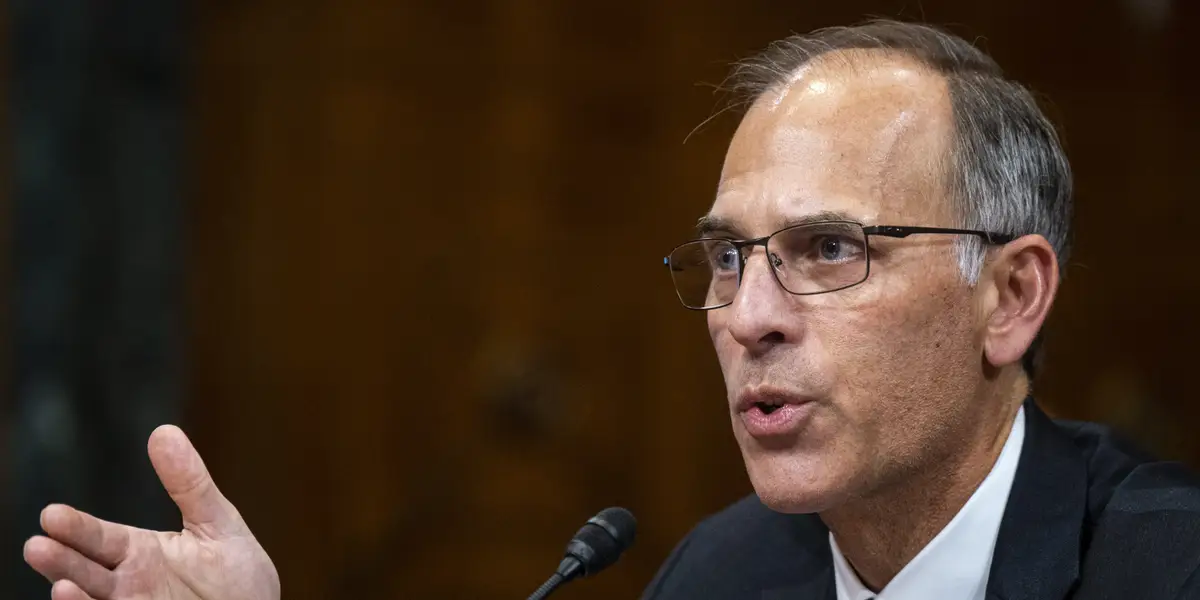
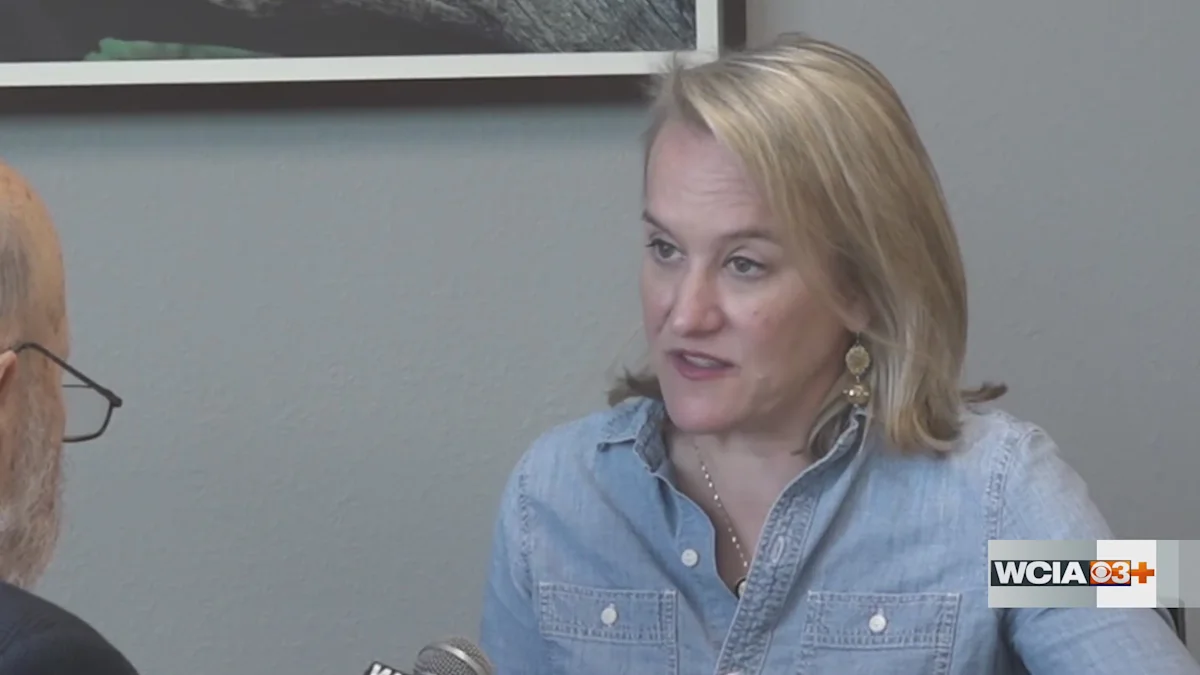
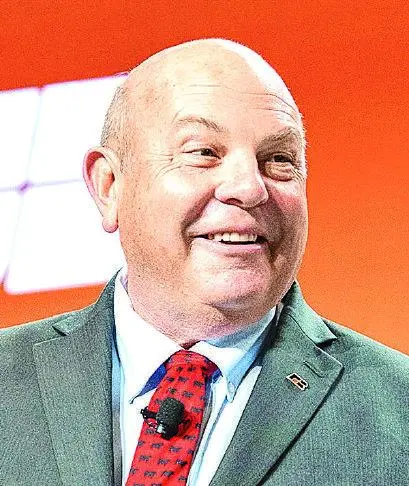
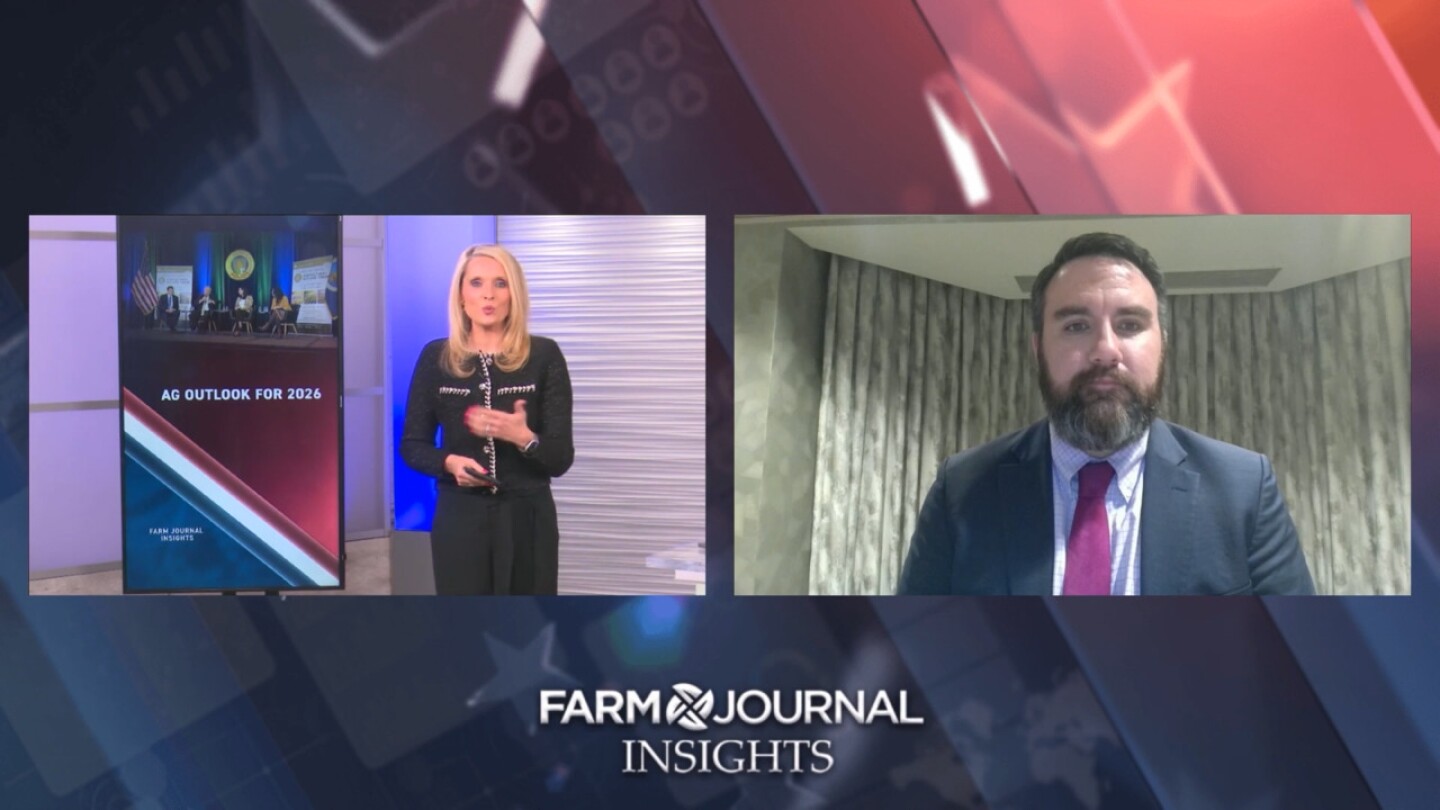
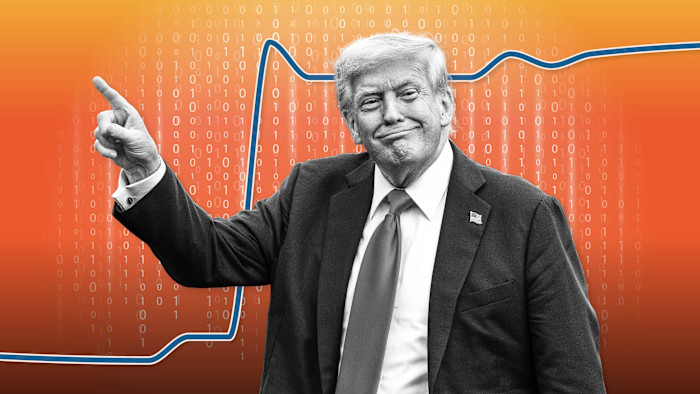
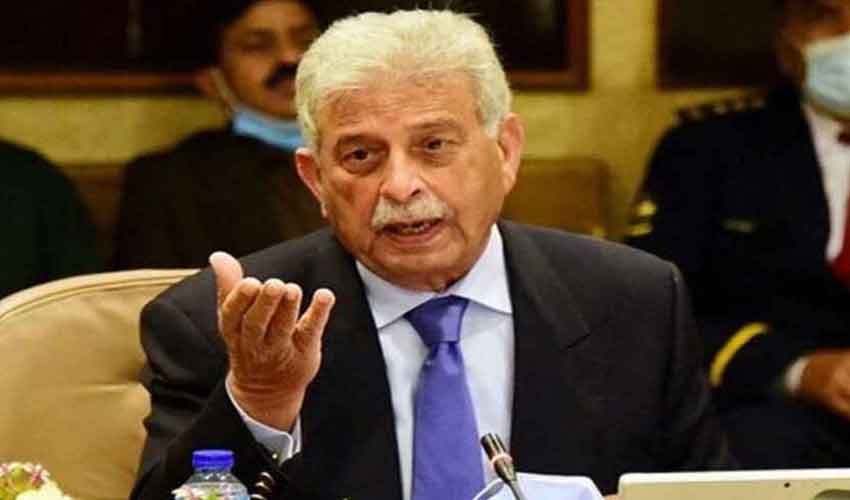
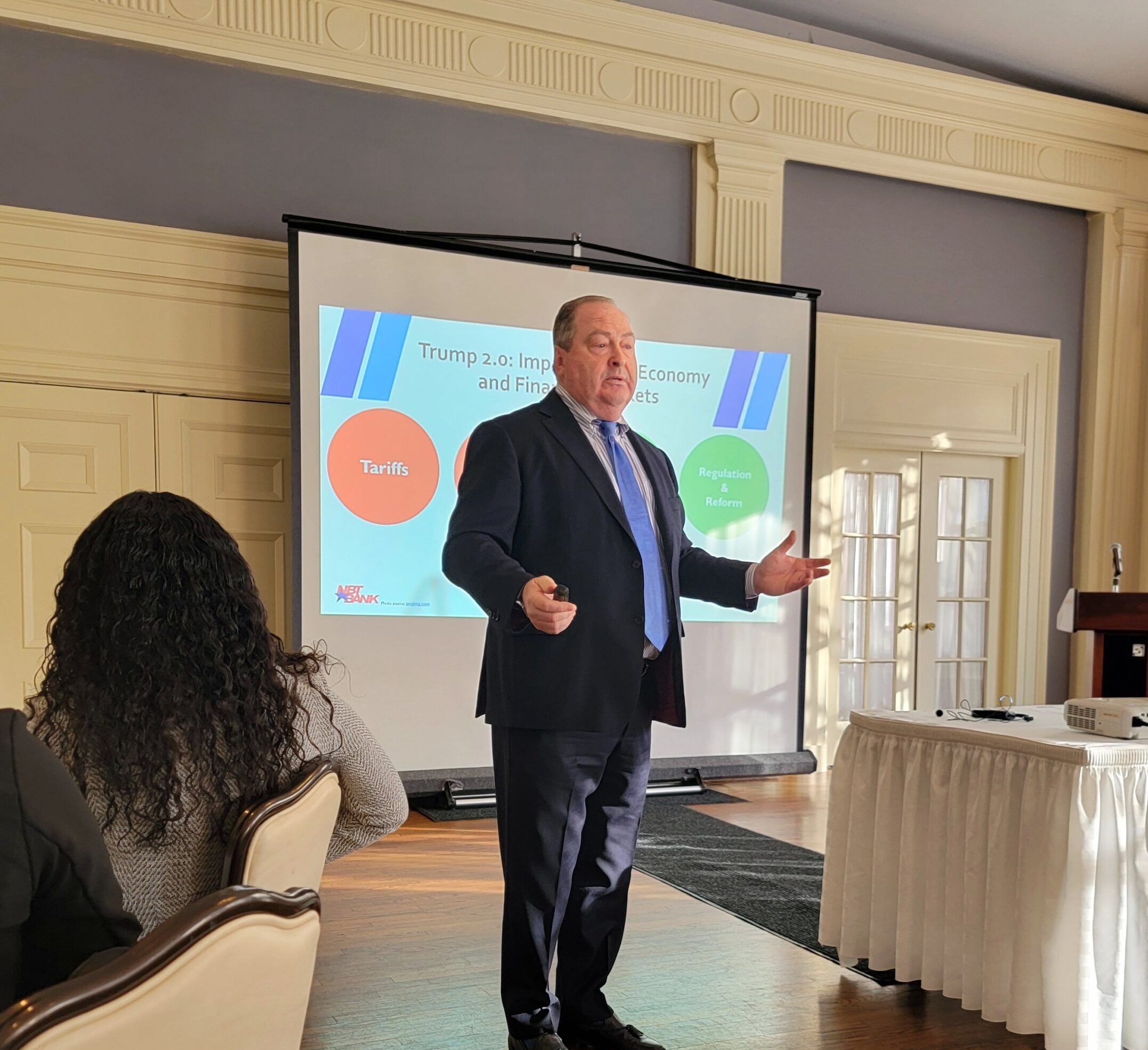
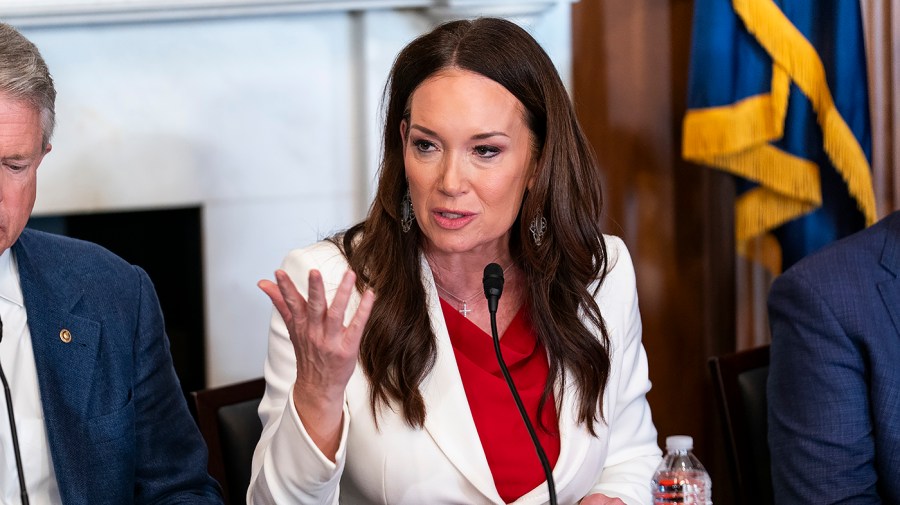
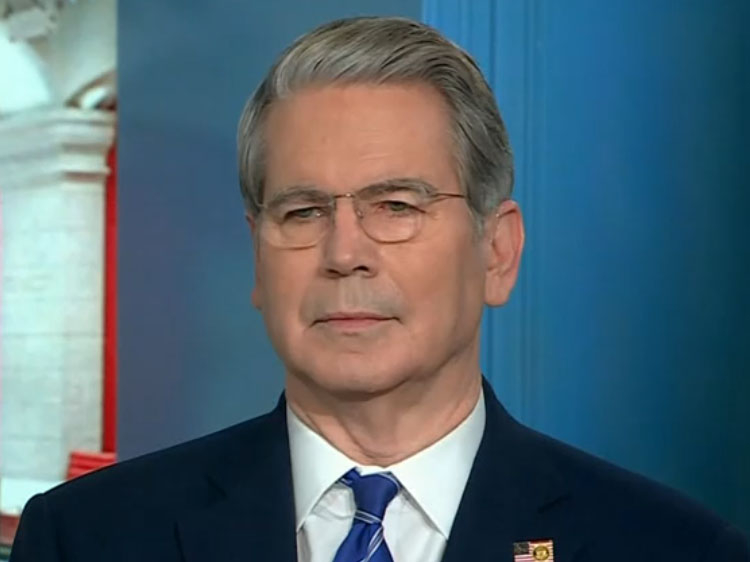
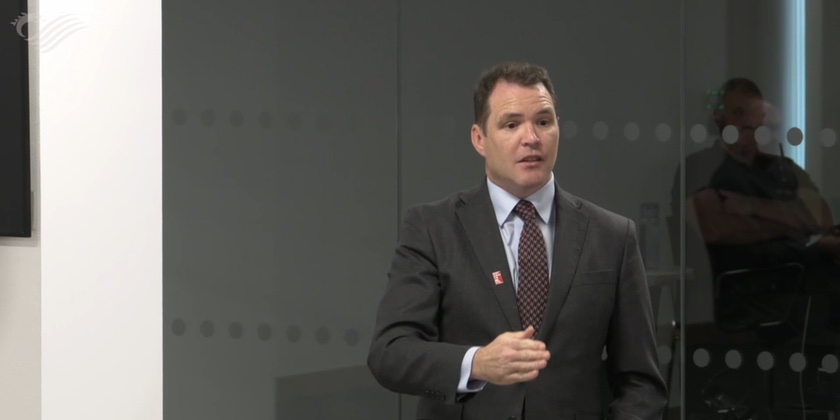
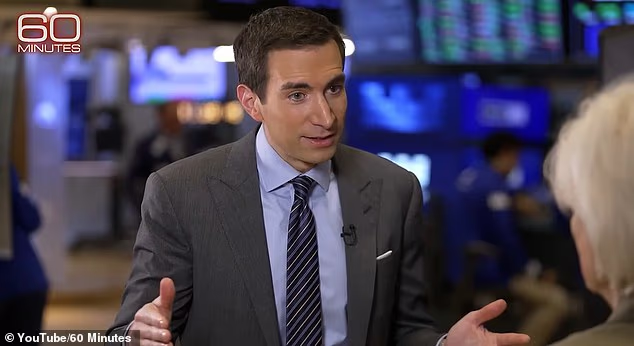
Former Trump White House economic adviser Steve Moore joined The National News Desk to discuss what the latest numbers mean for the economy and why he believes Americans remain frustrated despite some encouraging indicators.
“It’s sort of a paradox because, as I look at all of the official statistics that are coming out, they’re almost all very positive,” Moore said.
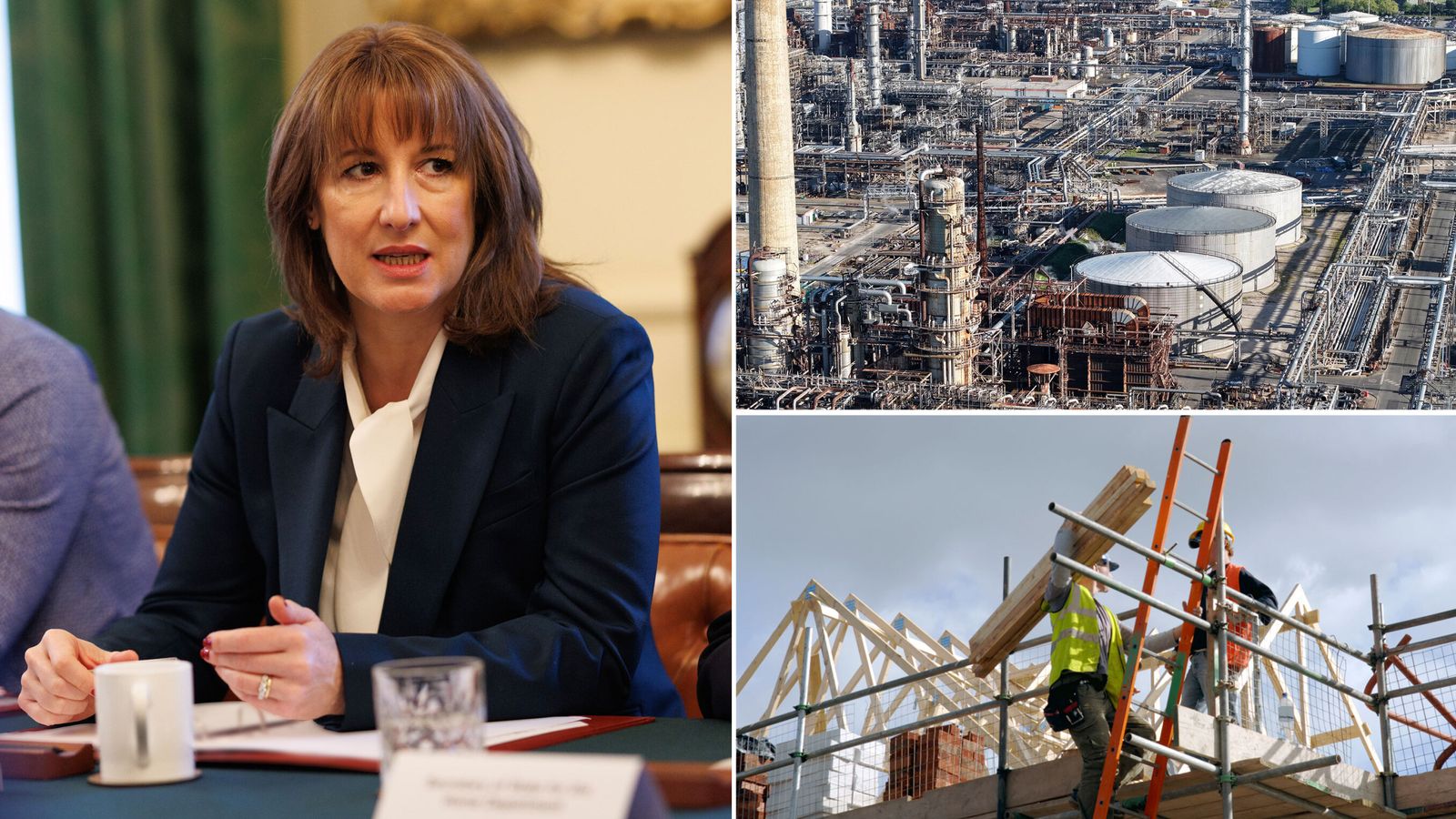
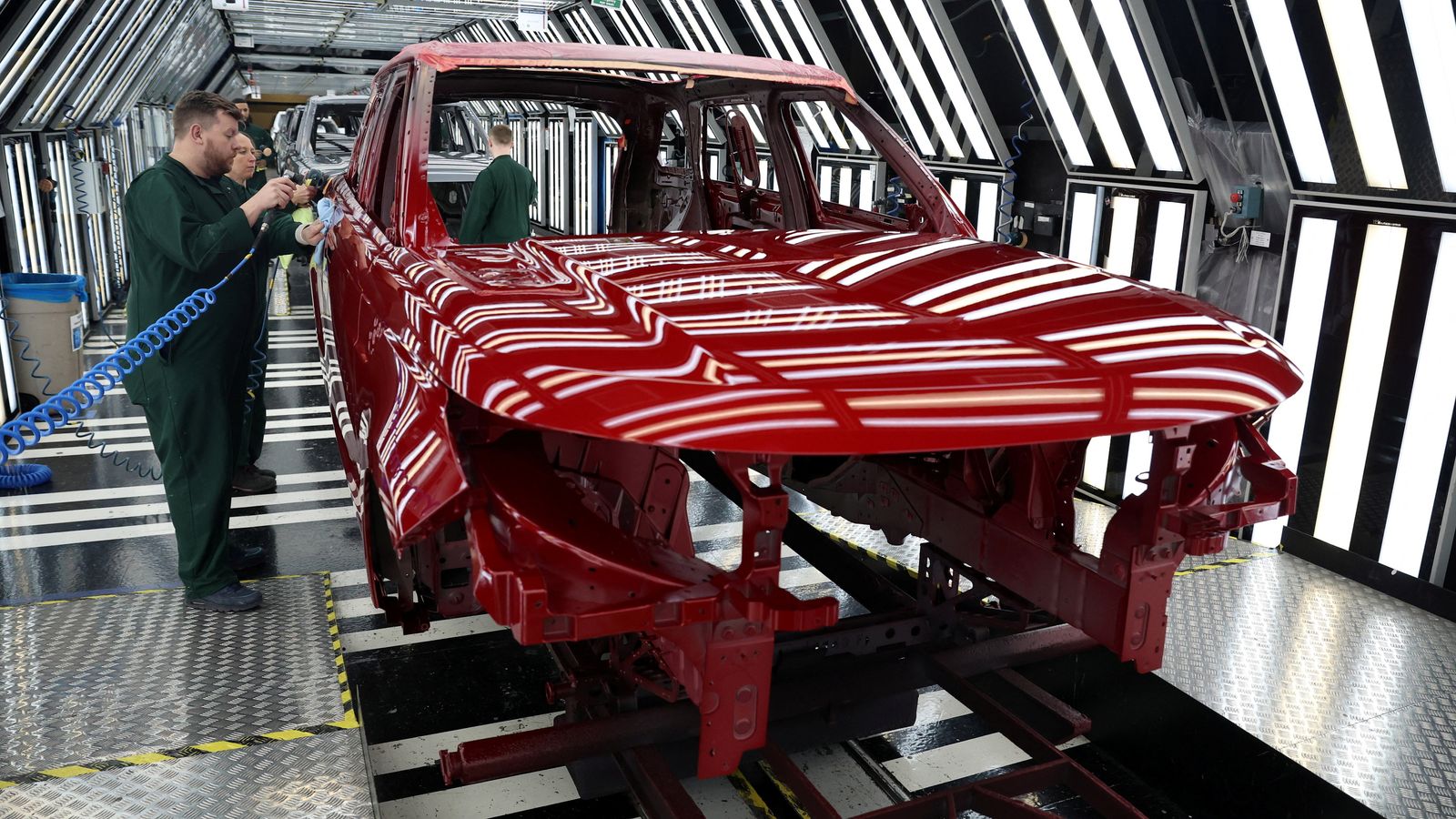
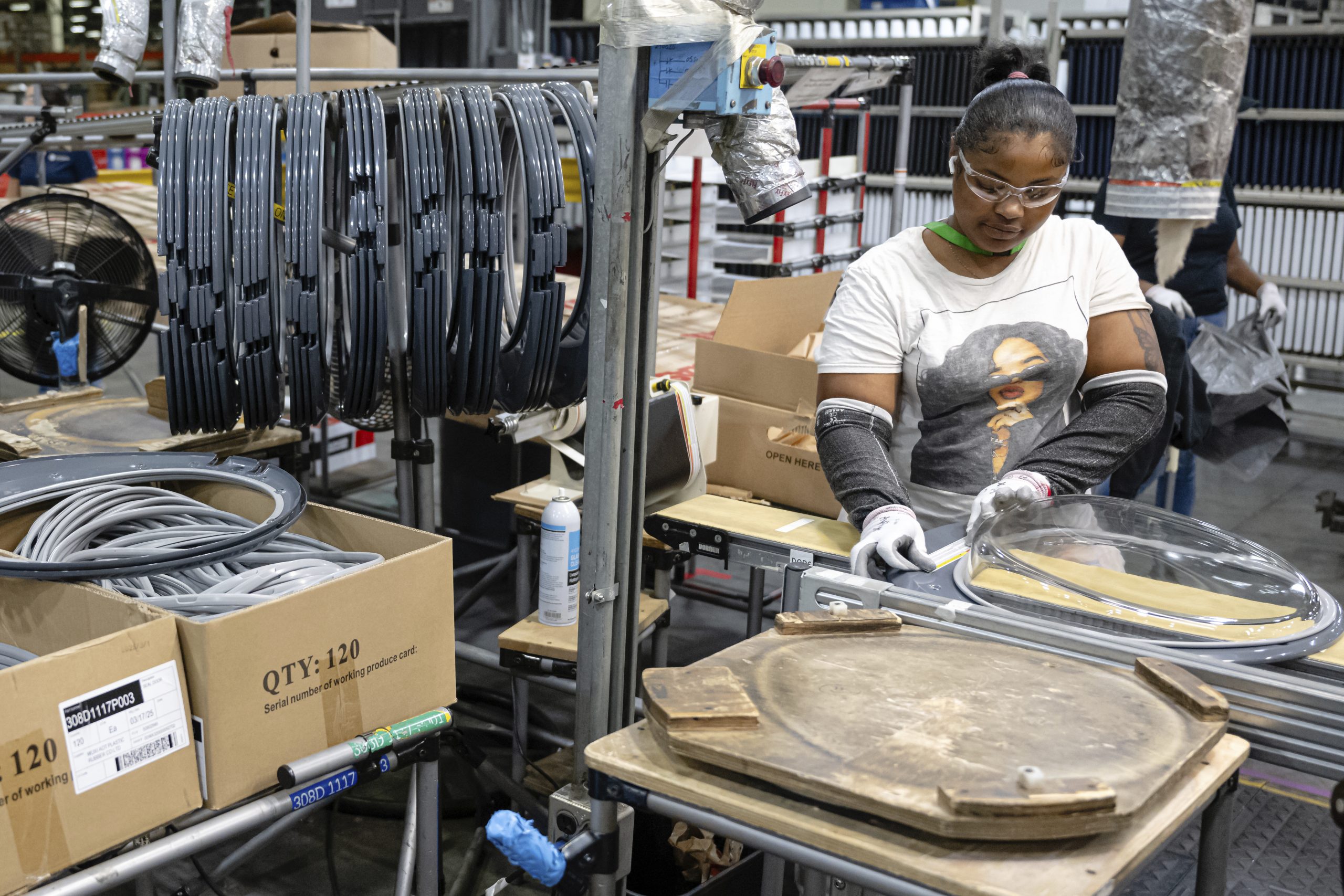
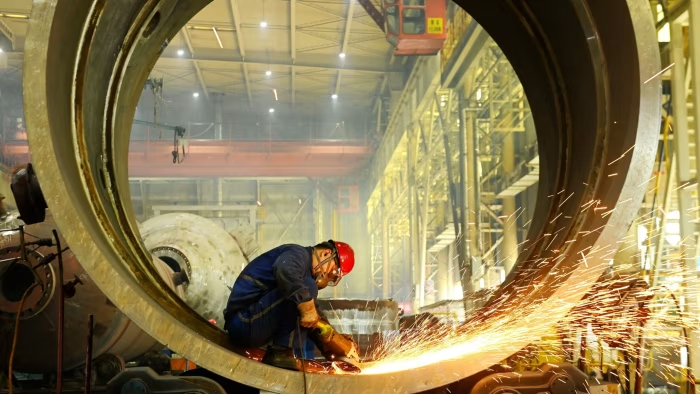
Moore pointed to manufacturing, construction and broader economic growth as signs of strength.
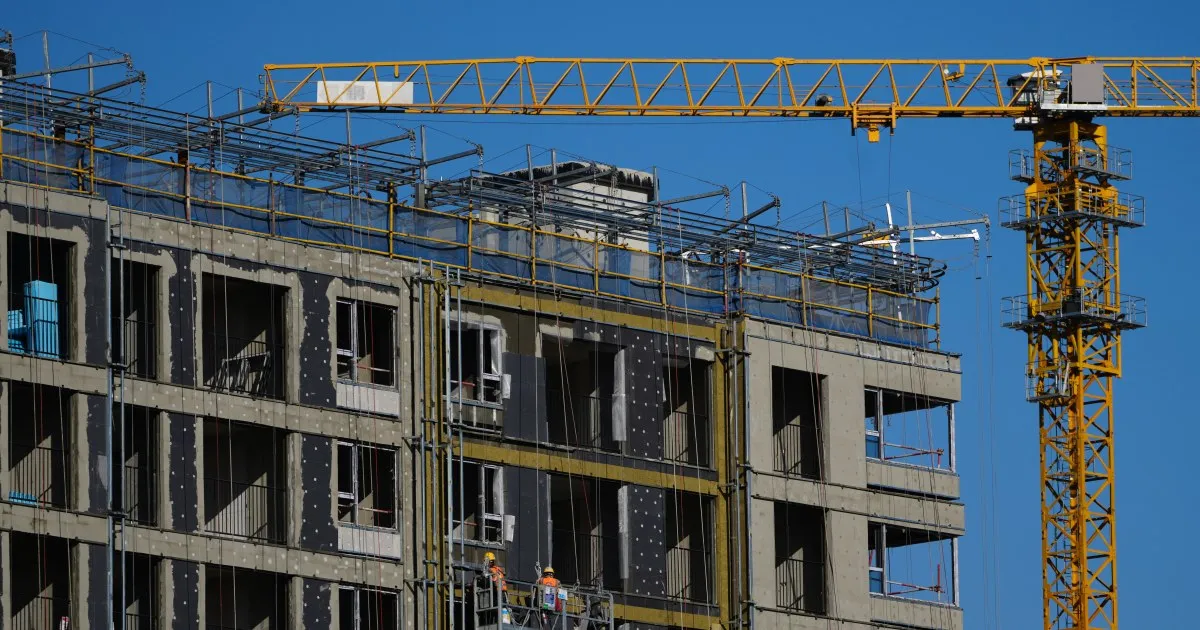
“We have a manufacturing boom going on in this country. We have a construction boom going on in the country,” Moore said.
He also cited estimates suggesting the economy continues to grow at a relatively strong pace.
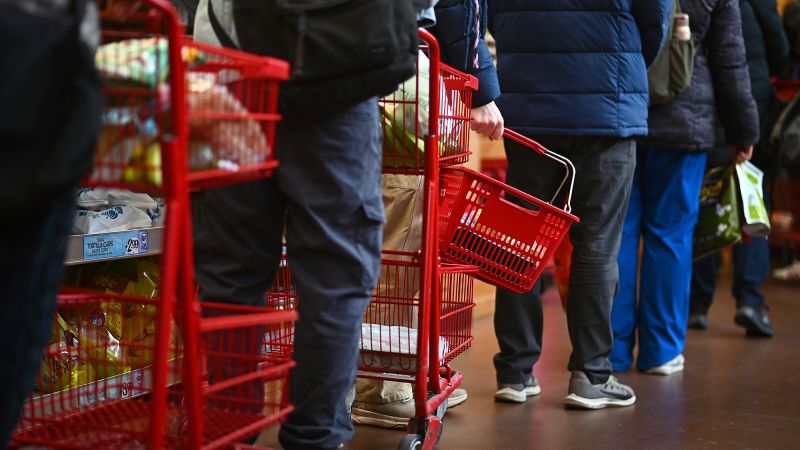
But Moore acknowledged that the economic statistics do not necessarily match the way many Americans feel about their personal finances.
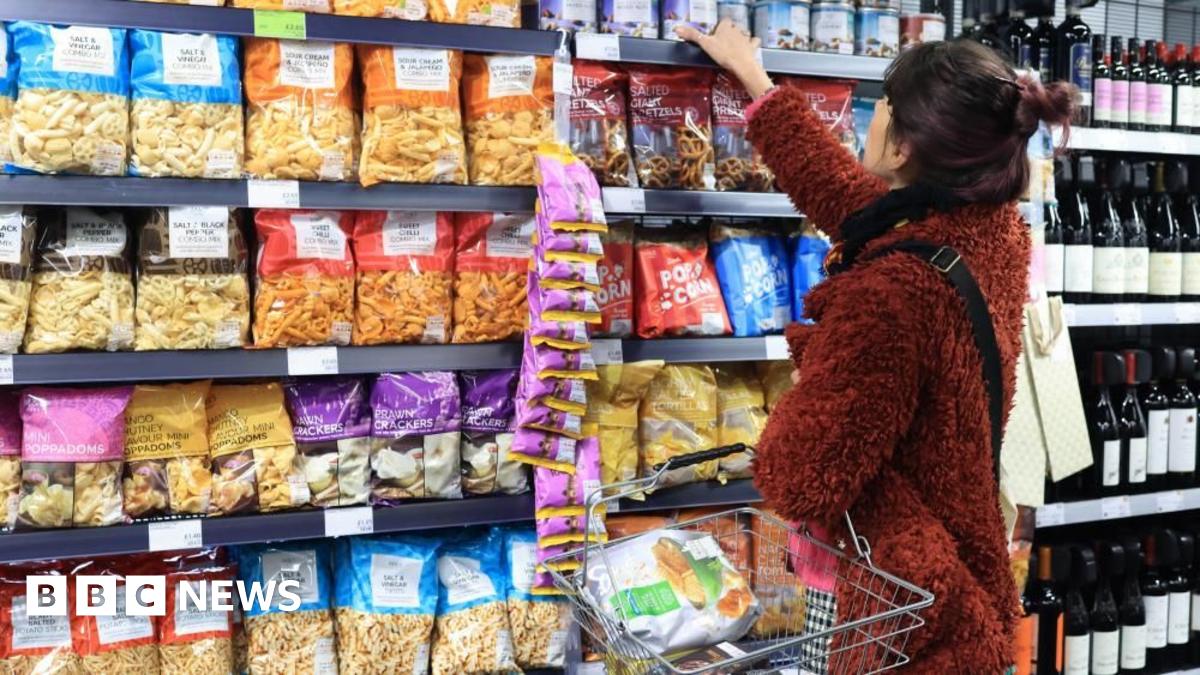
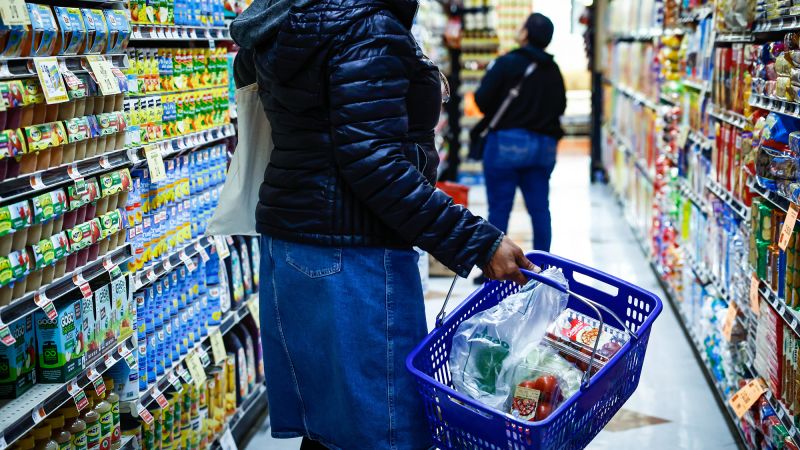
“And yet despite all that, what is everybody focused on?” Moore asked. “Gas prices. Prices.”
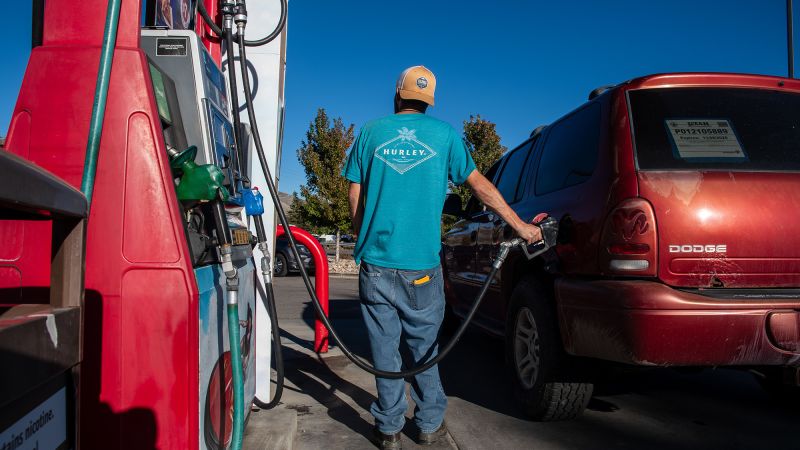
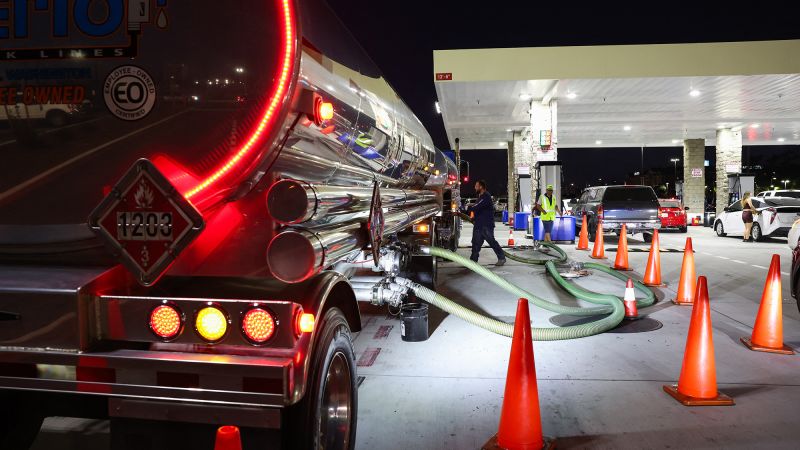
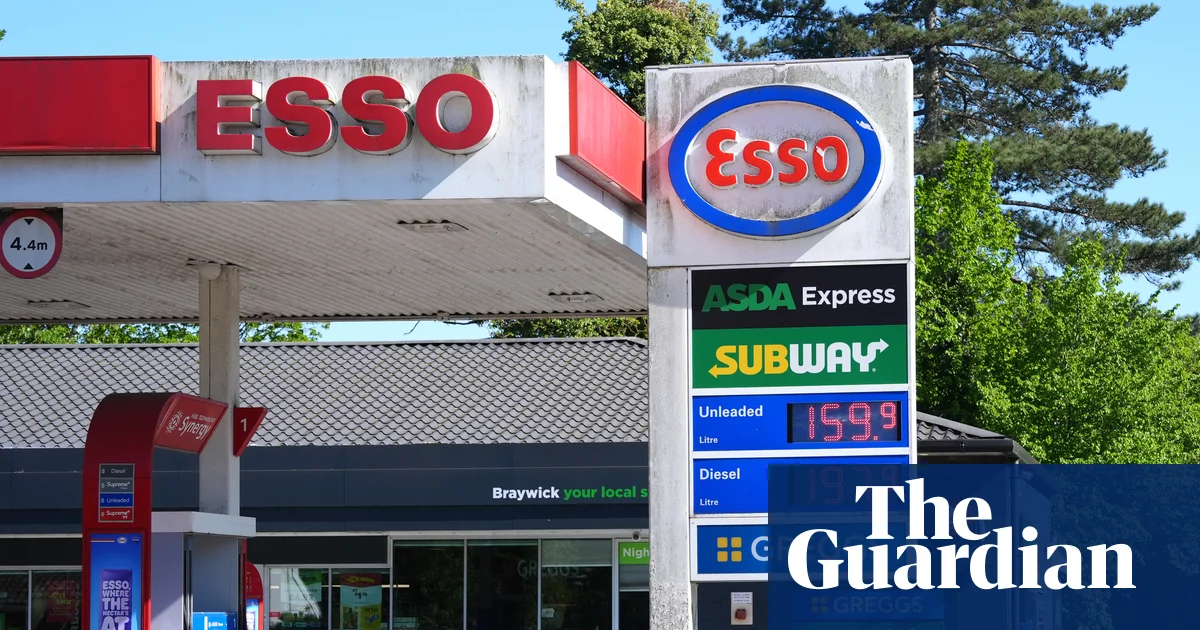
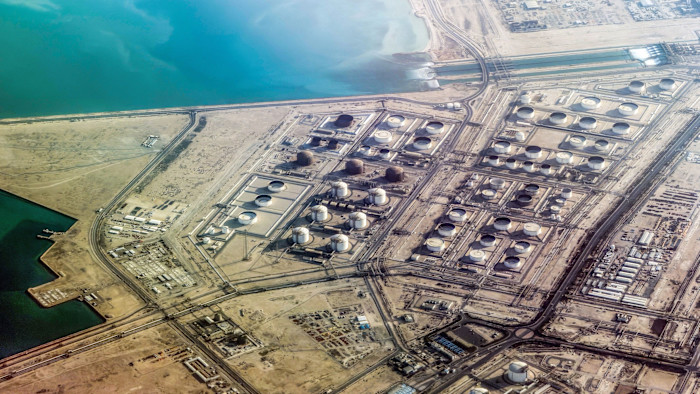
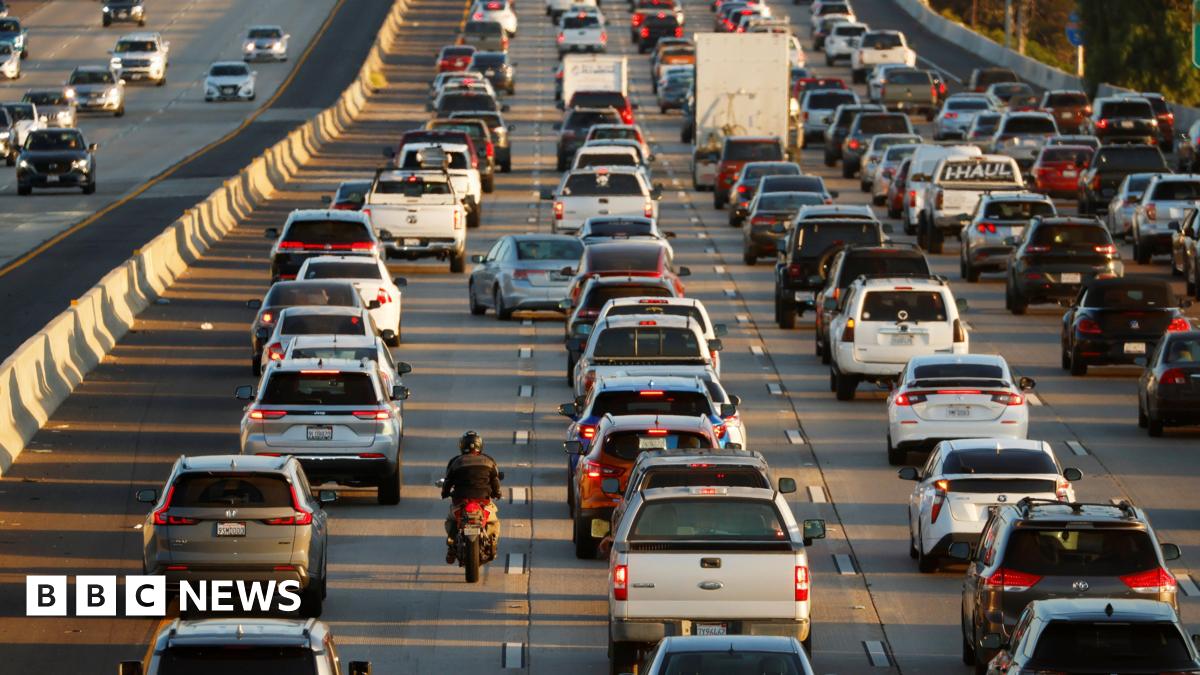
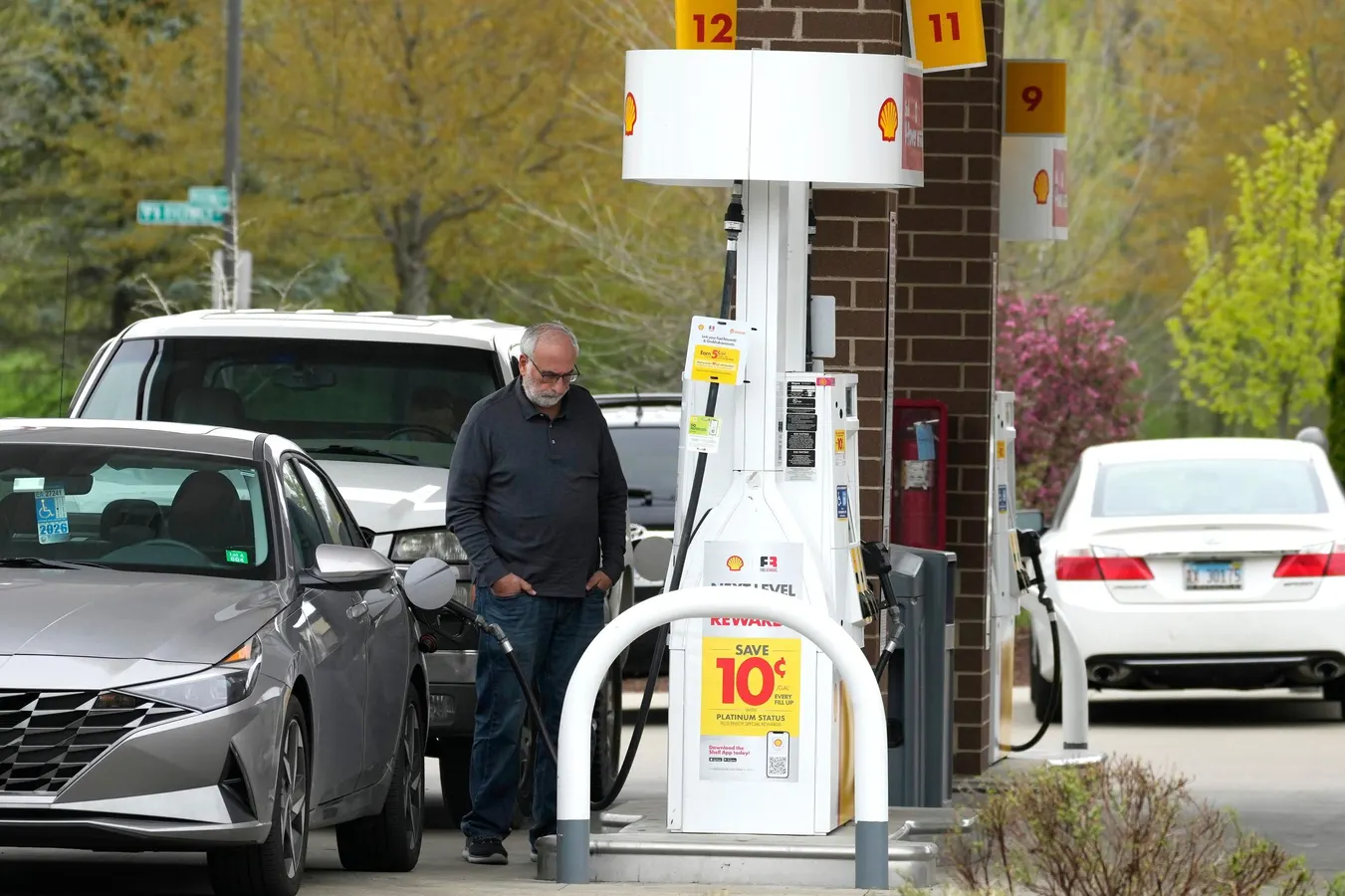
Gasoline prices have risen sharply amid continued instability in global energy markets.
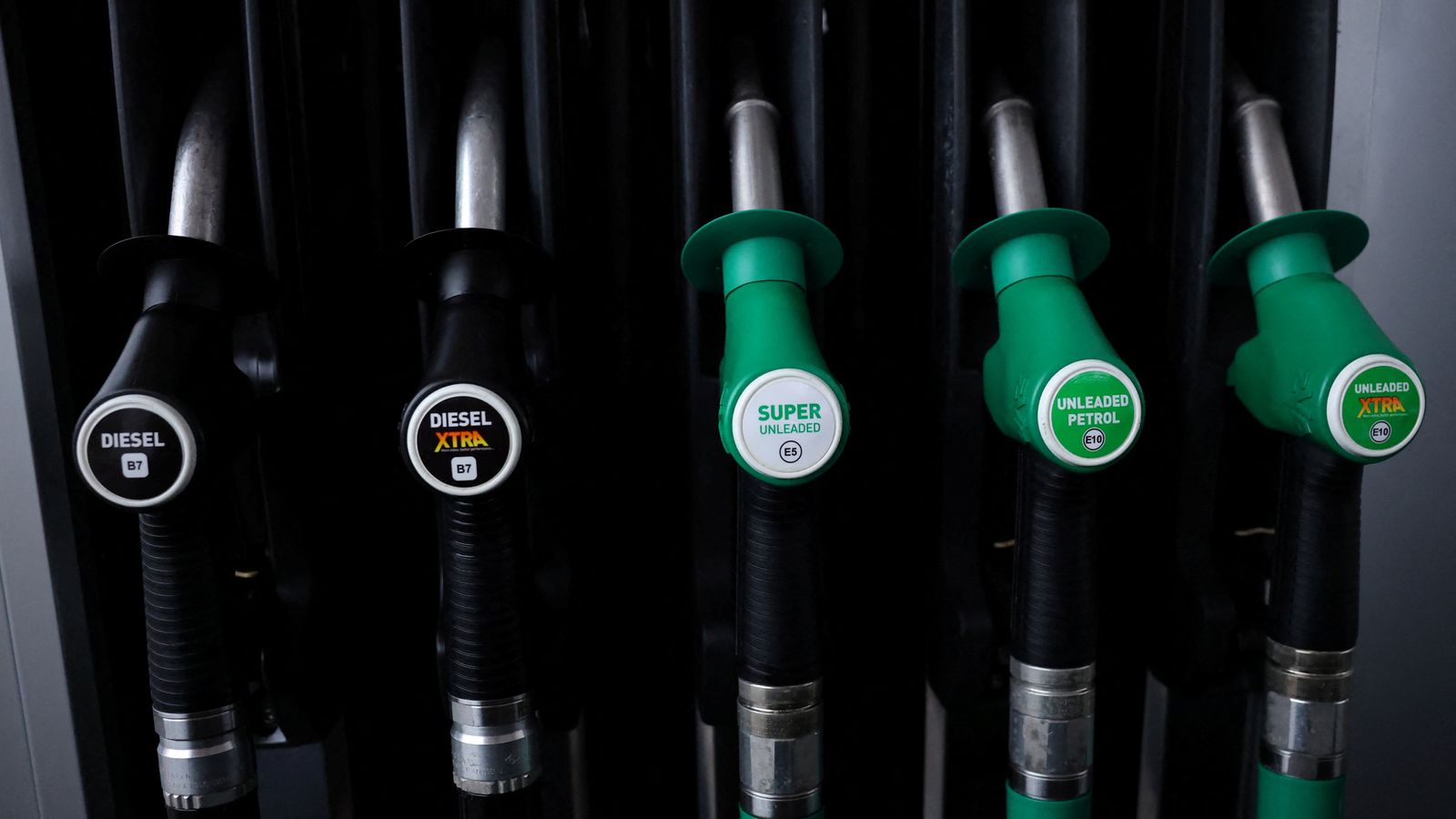
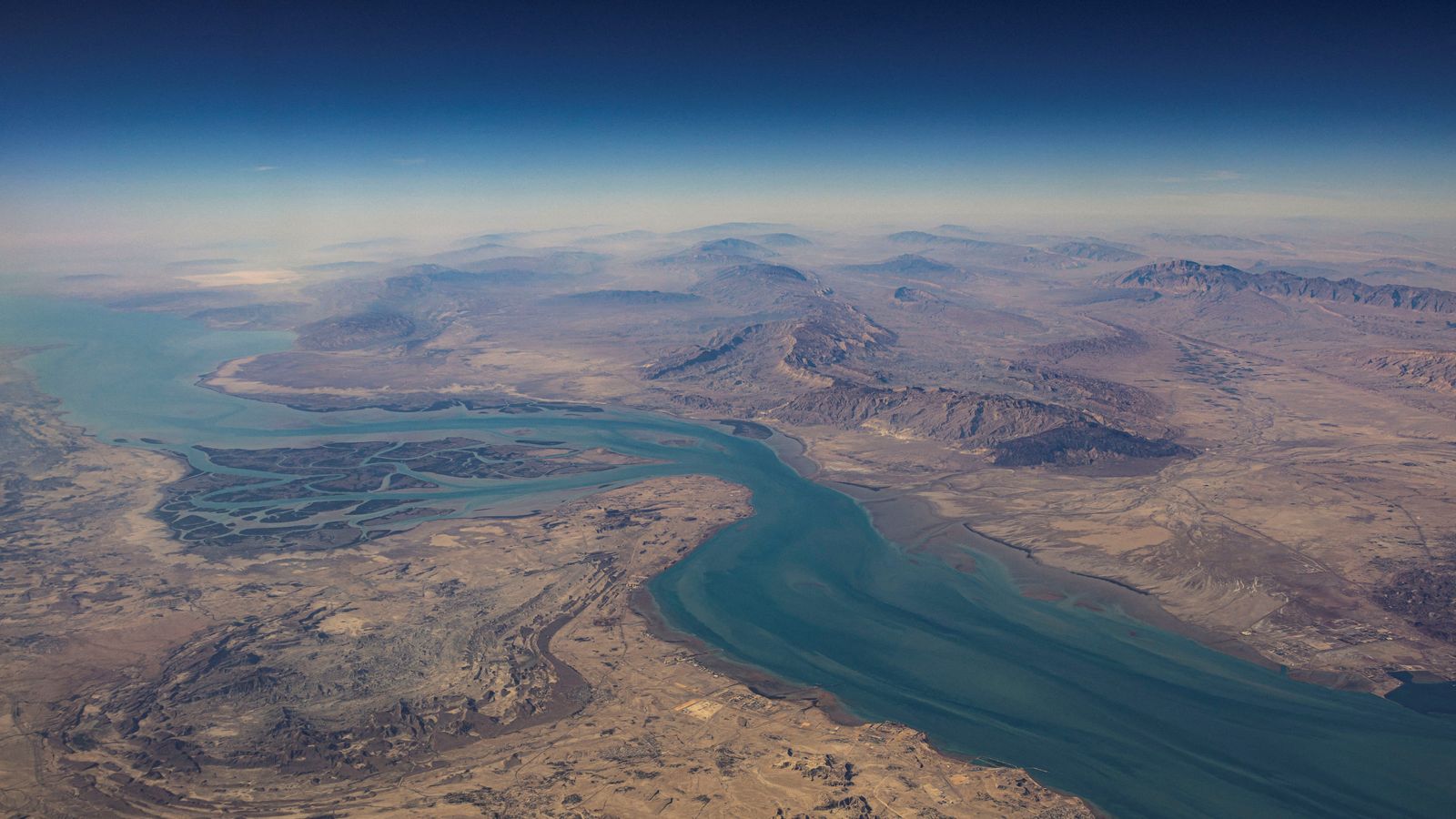
The national average for regular gasoline stood at roughly $4.37 per gallon Tuesday, more than $1 higher than a year earlier. Diesel prices have also remained elevated as the conflict involving Iran disrupts global energy supplies.
“People are angry about the fact that, you know, in so many places gas is as high as $4.50 a gallon,” Moore said.
He argued that bringing fuel prices down could be particularly important because voters experience those costs directly every time they fill their tanks.
“Republicans have to find a way to get that gas price down before Election Day,” Moore said. “That’s what people are focused on.”
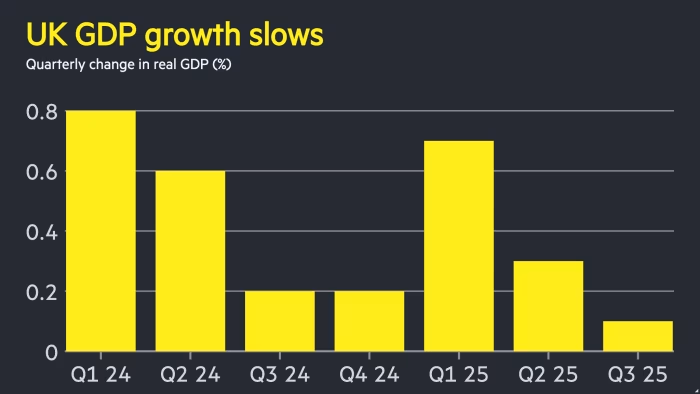
Moore characterized the broader U.S. economy as moving in a positive direction, although that assessment remains debated amid slower job growth, elevated inflation and continued concerns about affordability.
“Objectively, we do have the best economy in the world right now, and things do look like they’re headed very much in the right direction,” Moore said.
“The question is whether they’ll get better fast enough for voters to shift some of their opinions,” he added.
The Trump administration has taken several steps aimed at providing temporary relief from high fuel costs.
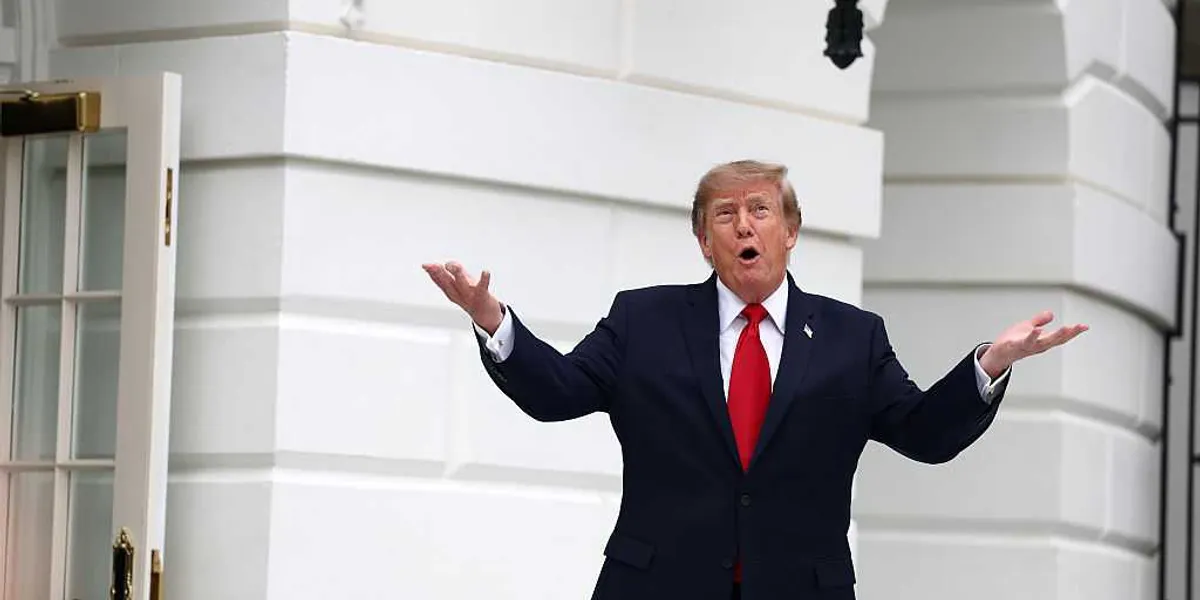
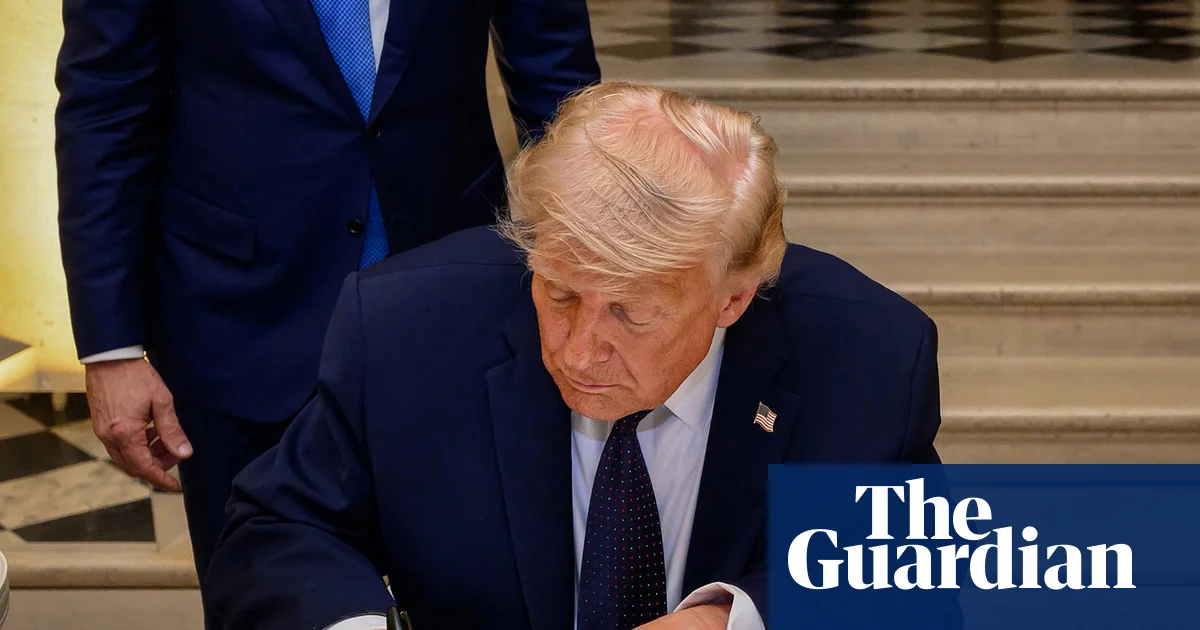
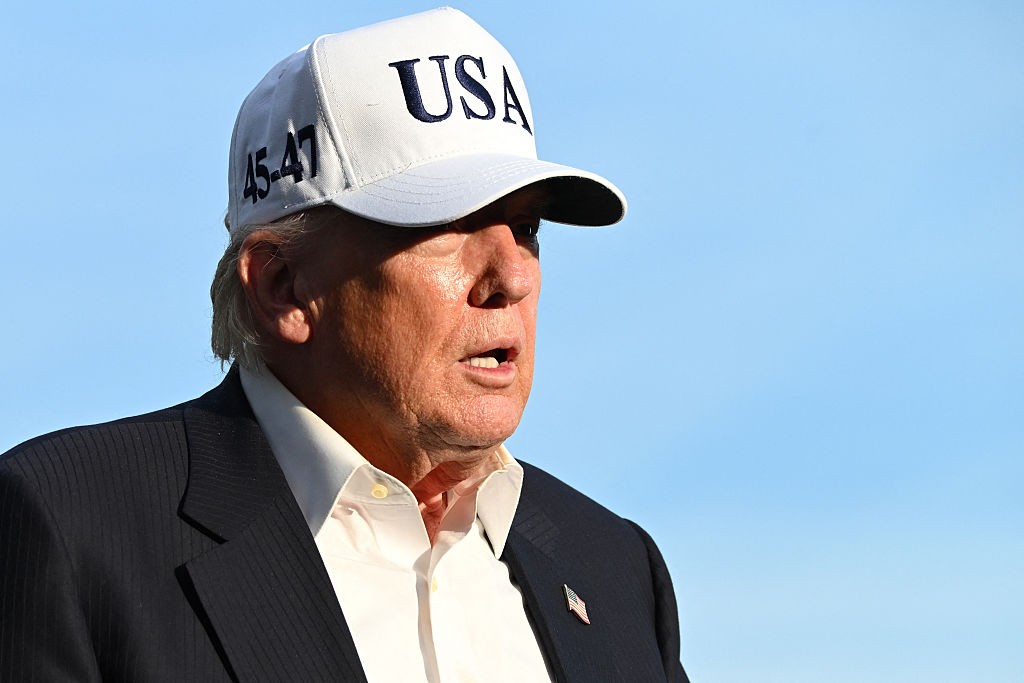
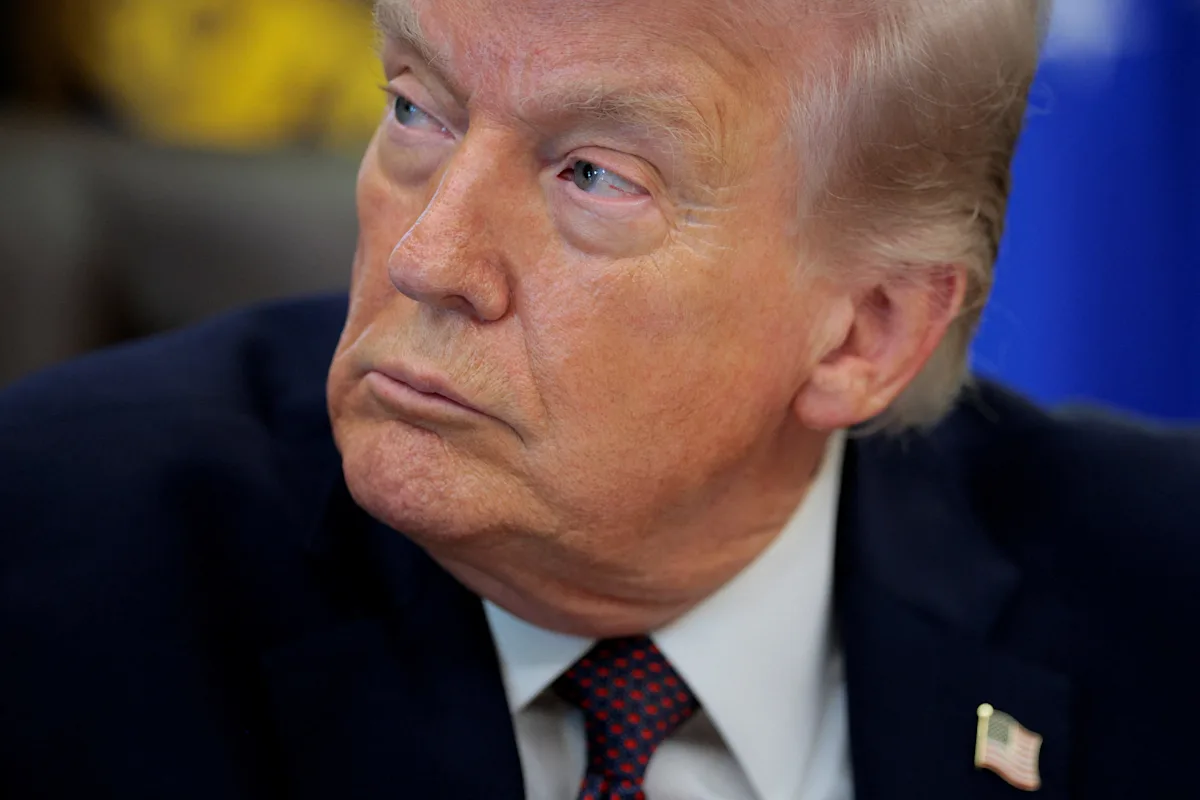
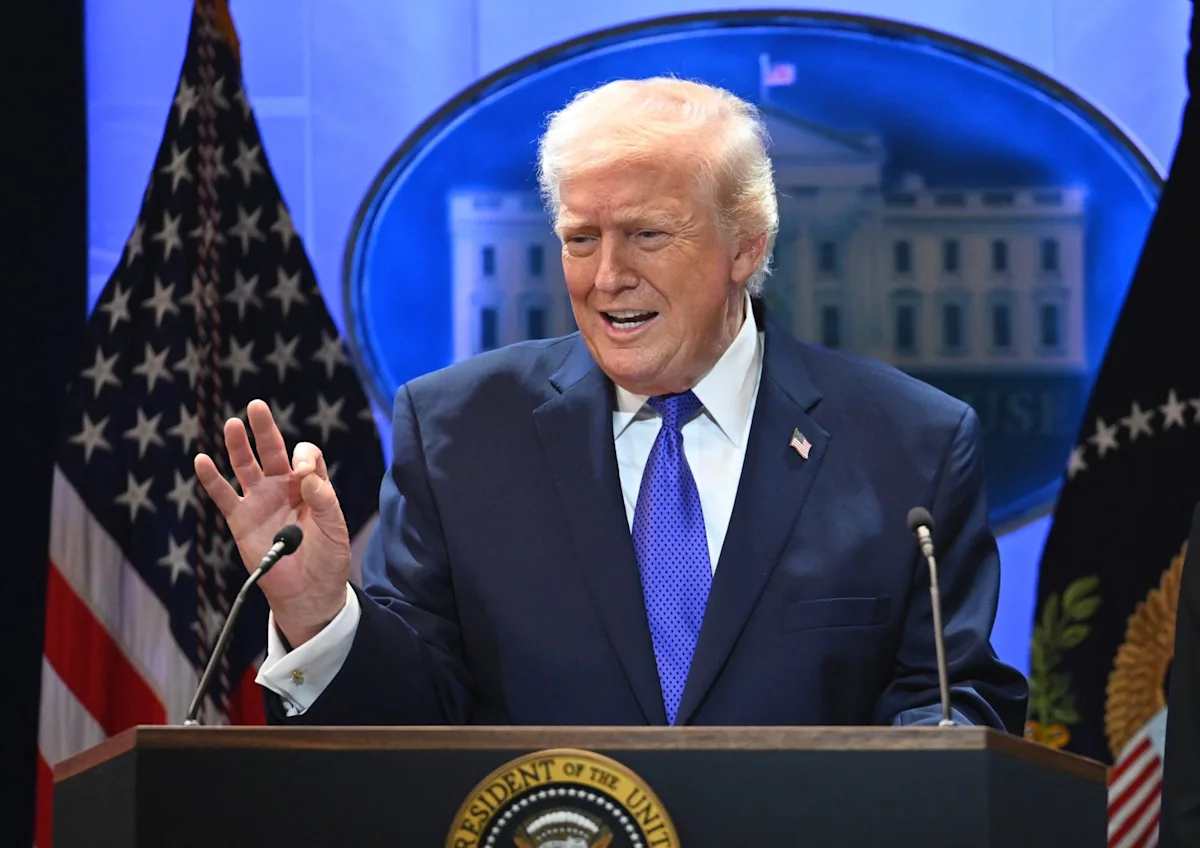
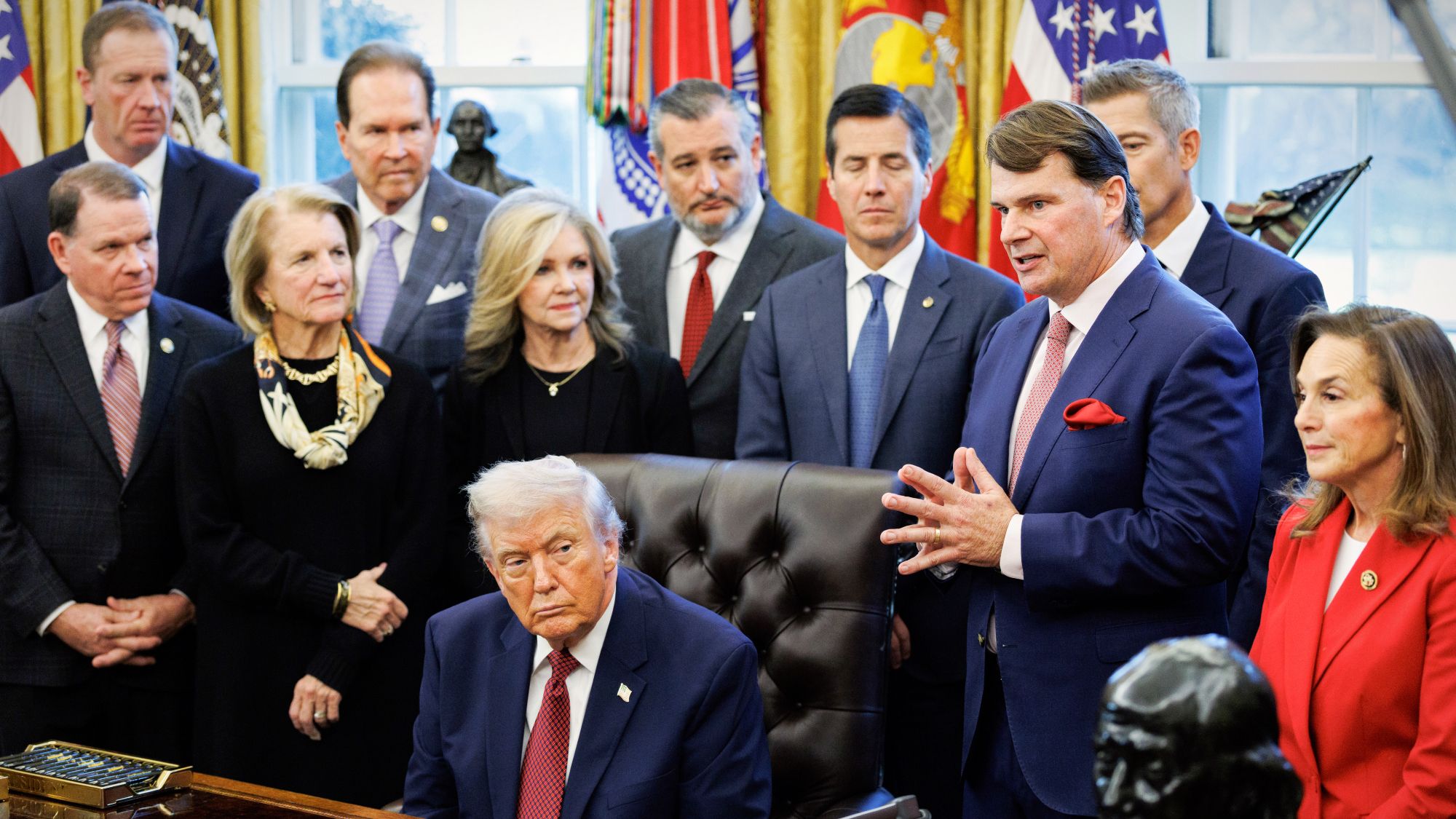
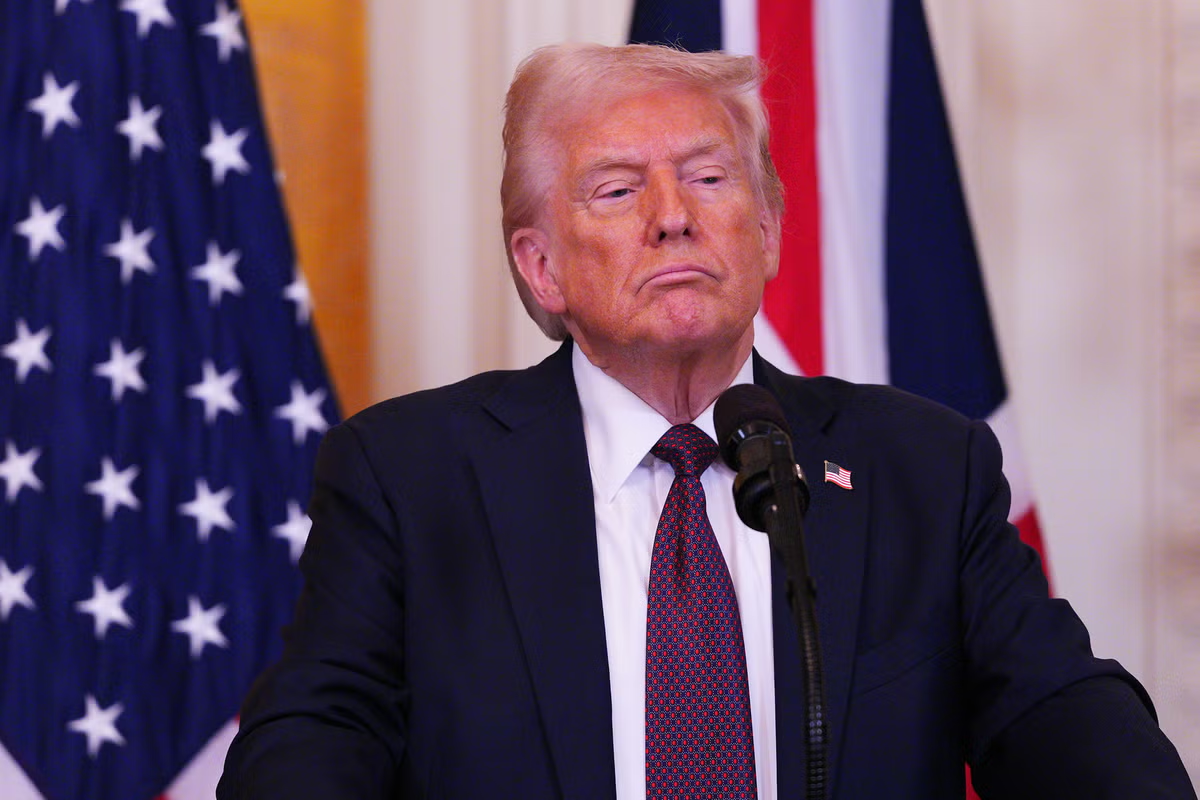
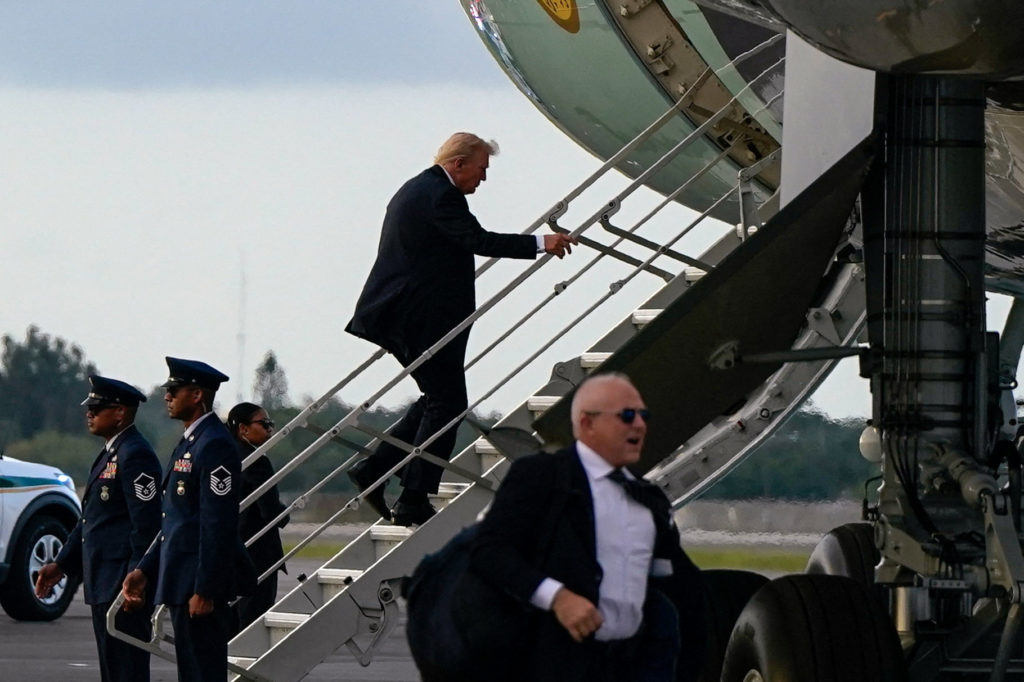
President Donald Trump signed an executive order Sunday directing the Treasury Department to consider deferring certain diesel excise-tax obligations and temporarily easing penalties associated with using dyed diesel on highways.
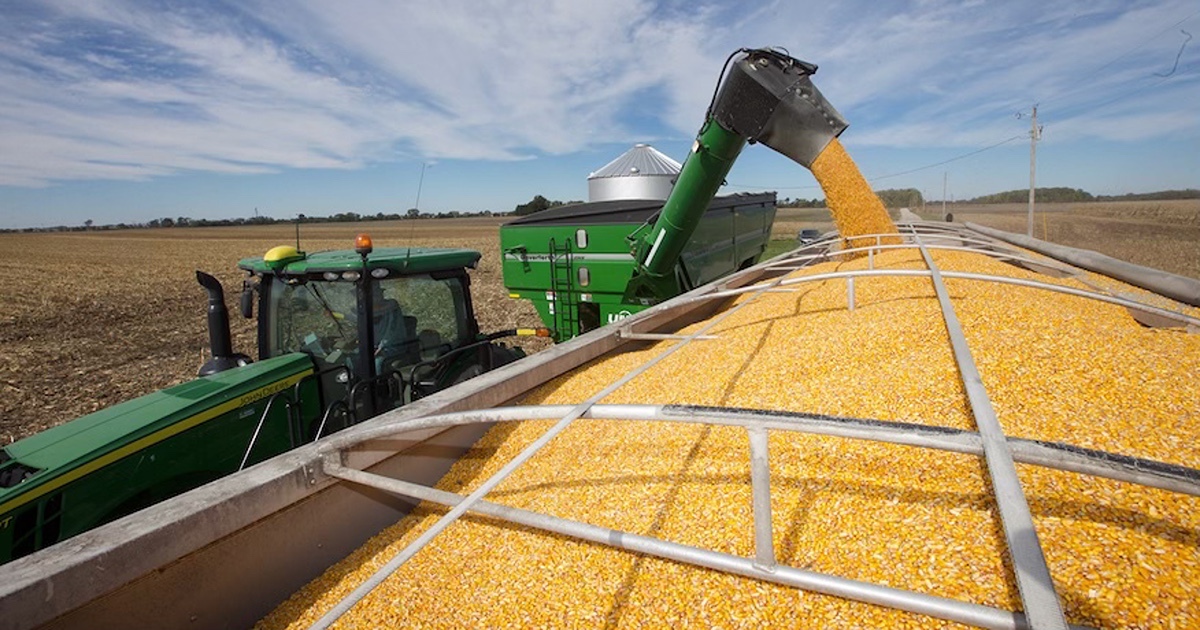
Red-dyed diesel is chemically similar to regular diesel but is generally reserved for tax-exempt off-road uses, including farming and construction equipment.
Trump’s order directs the Internal Revenue Service to temporarily refrain from imposing certain penalties when dyed diesel is used on highways between Oct. 5 and Dec. 31. It also directs Treasury to determine whether it can defer qualifying diesel tax payments during that period.
Moore said the move could provide some relief but argued broader steps may be needed.
“It’s going to lower the diesel price a little bit,” Moore said.
He said he supports temporarily suspending federal gasoline and diesel taxes while energy prices remain elevated.
Trump said Tuesday that his administration is considering a federal gas-tax suspension.
“We’re thinking about that,” Trump said when asked about the proposal.
The federal gasoline tax is 18.4 cents per gallon, while diesel carries a 24.4-cent federal tax.
Unlike the administration’s temporary action involving dyed diesel, suspending those taxes would require congressional approval. Congress is not currently scheduled to return before the November elections.
“If they do that, you could lower the gas price you pay at the pump by maybe 25 cents a gallon,” Moore said.
Moore also called for temporarily easing other fuel regulations that he argues increase costs.
“There are short-term steps that Trump could take to bring that gas price and diesel price down,” Moore said.
Diesel costs are particularly significant because the fuel powers much of the country’s trucking, agriculture and freight industries.
“Diesel is especially important because diesel is a transportation fuel,” Moore said. “All of the stuff that’s transported, the goods and services, are transported on trucks.”
“When the truck prices go up for transportation, guess what that means?” he added. “Everything else goes up in price.”
The administration’s diesel order comes amid a broader global supply crunch.
Trump’s directive says restricted global diesel supplies have driven prices higher and particularly affected farmers and truckers. The order describes the relief as temporary while the administration looks for ways to address the broader energy situation.
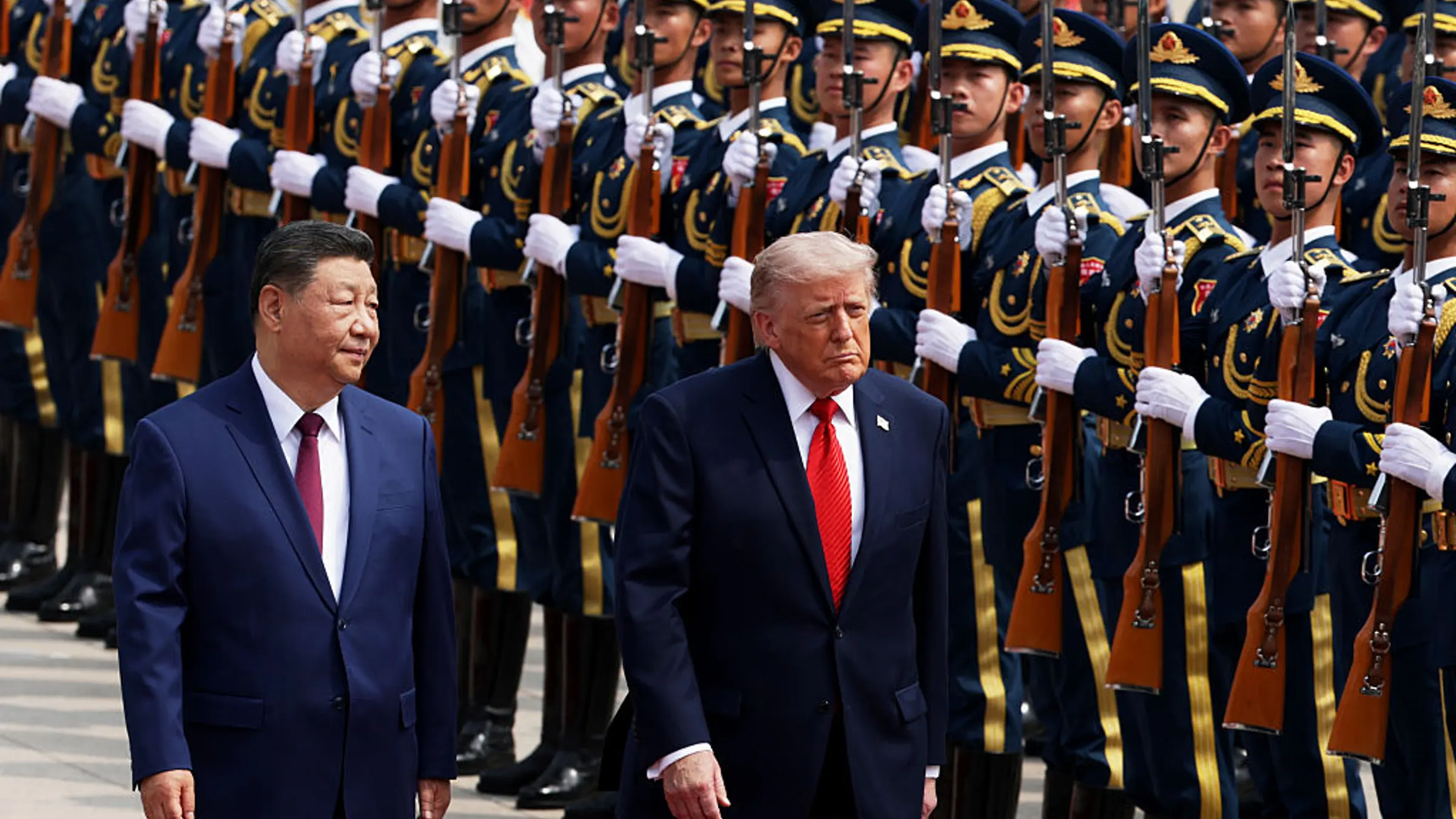
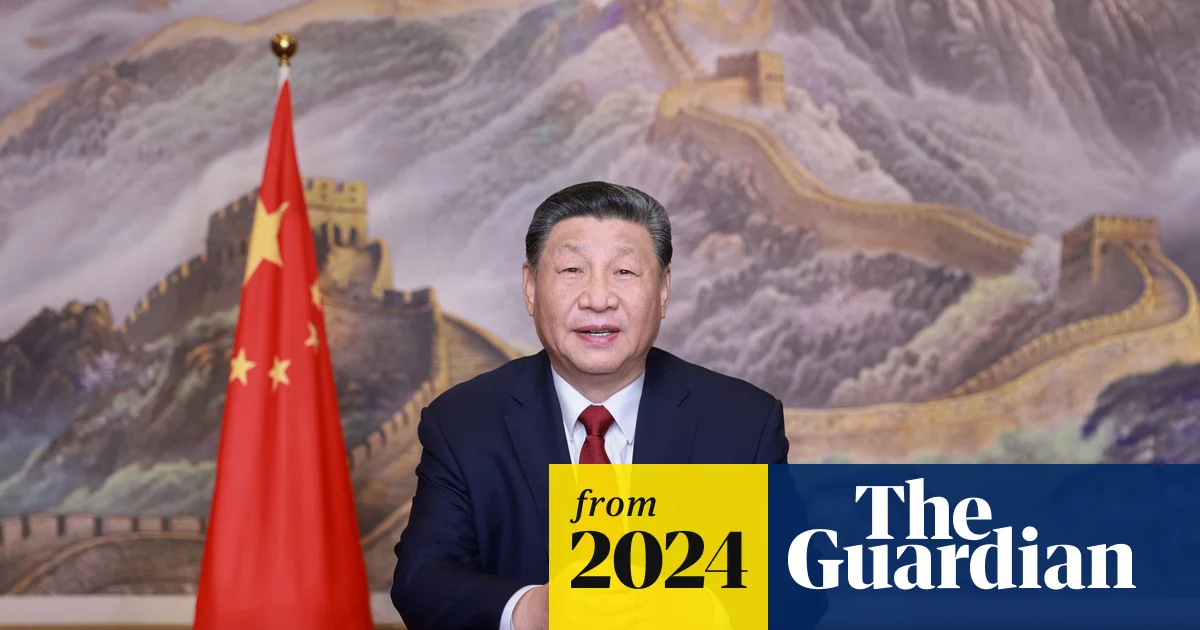
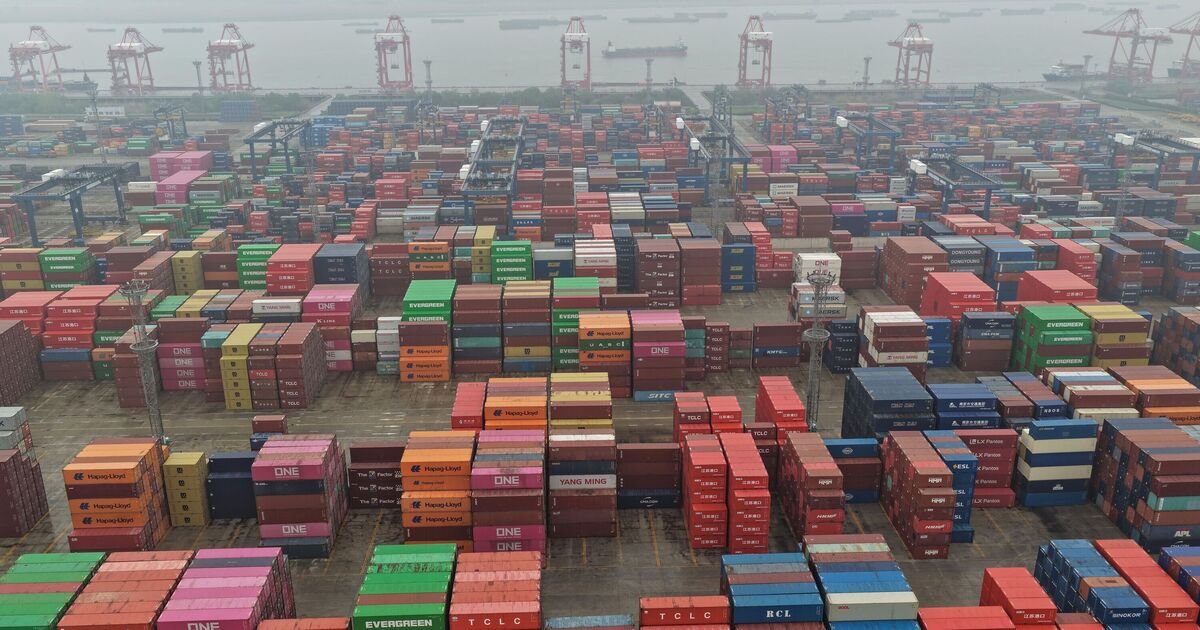
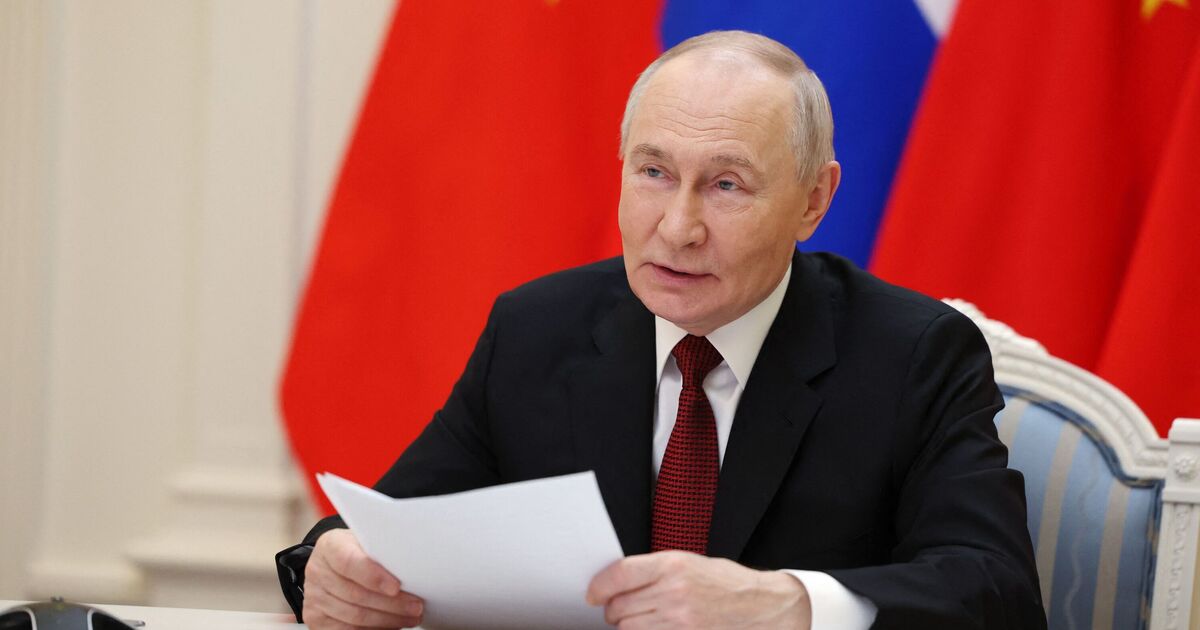
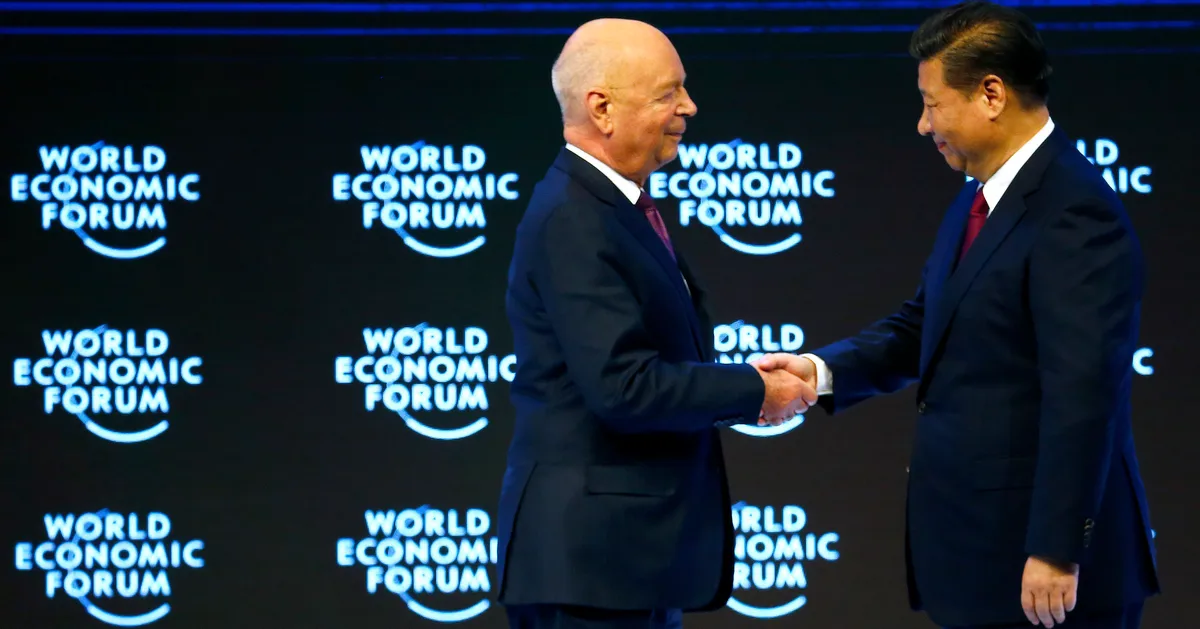
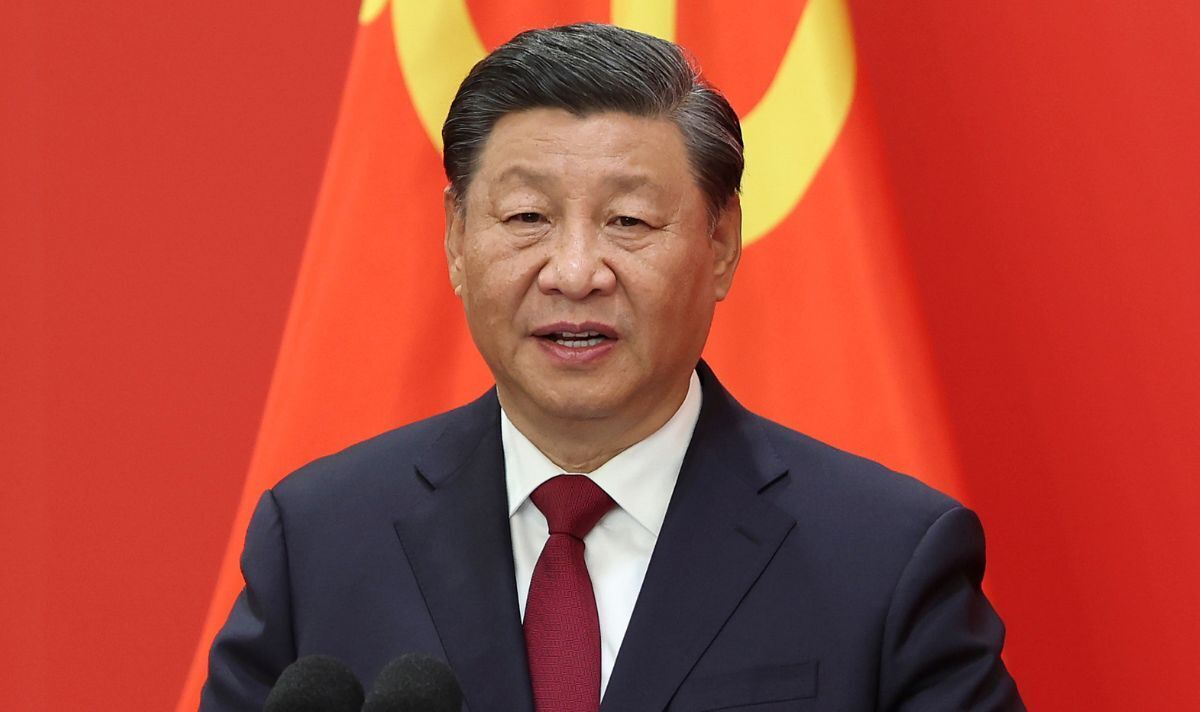
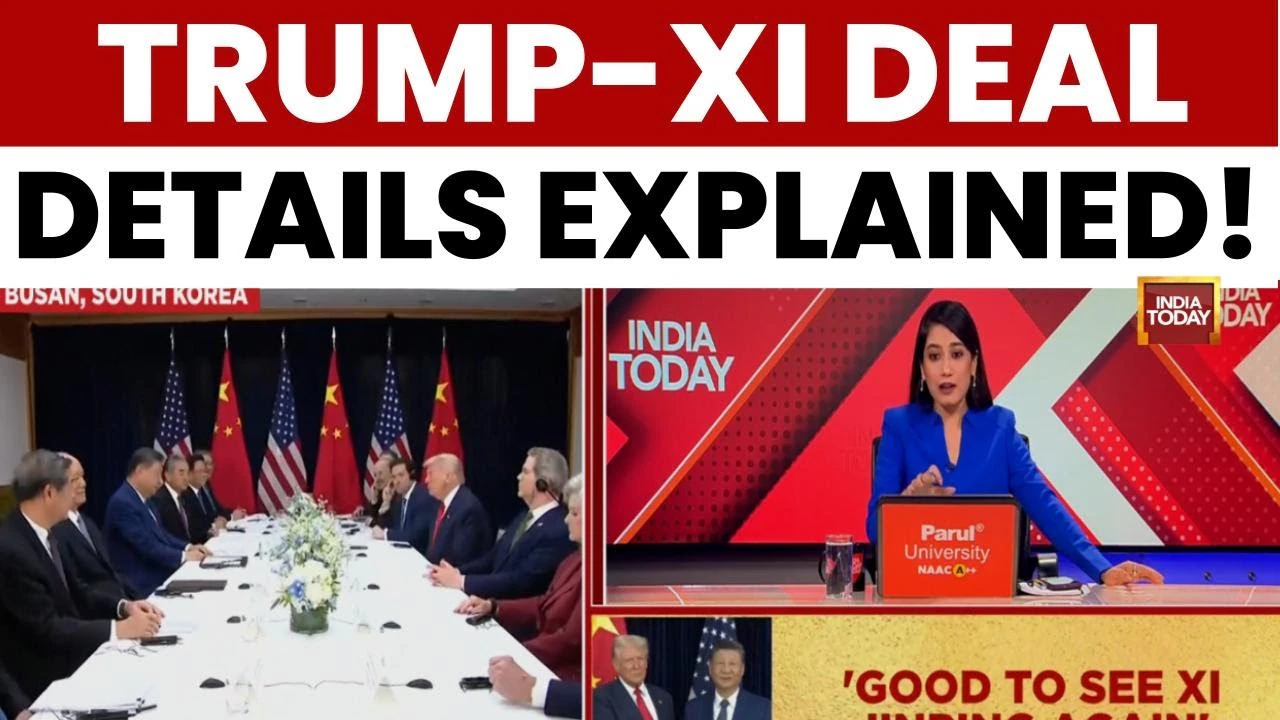
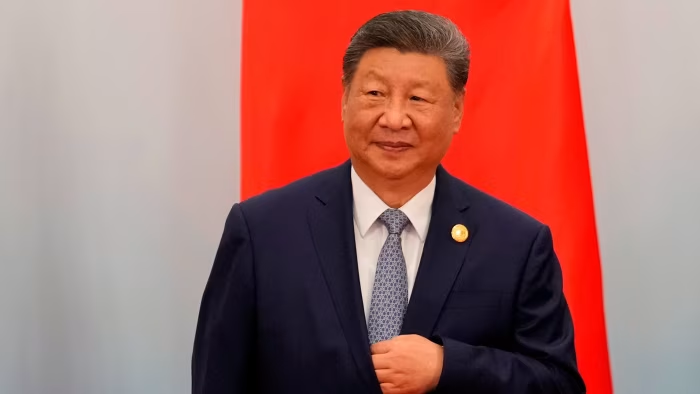
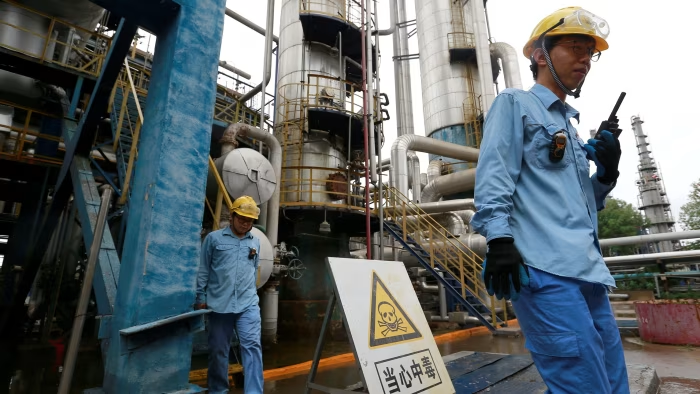
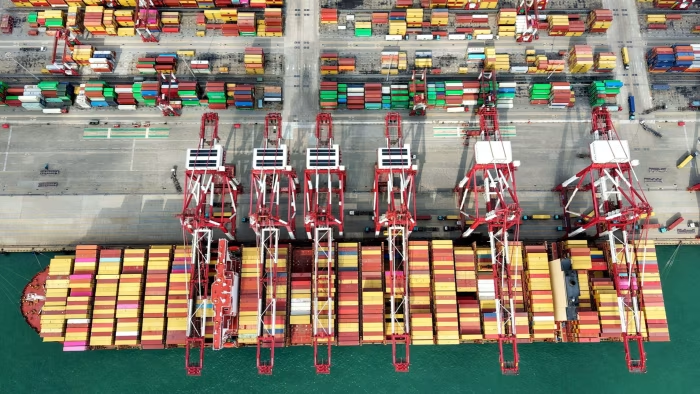
The interview also turned to U.S.-China trade following Chinese President Xi Jinping’s recent state visit to Washington.
Trump and Xi reached agreements aimed at easing some trade tensions between the world’s two largest economies.
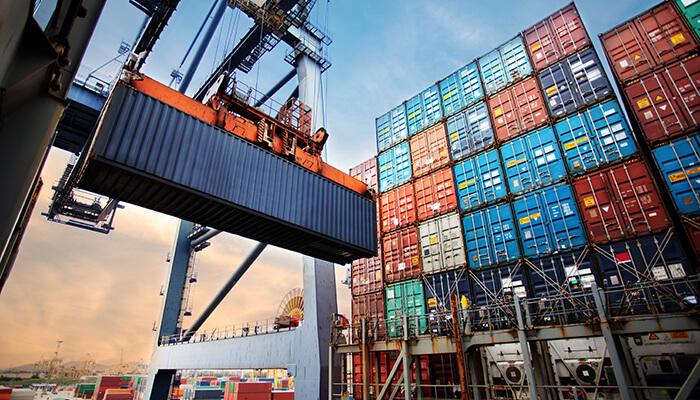
Under recommendations developed through the U.S.-China Board of Trade, the two countries agreed to more favorable tariff treatment for $30 billion worth of non-sensitive goods in each direction.
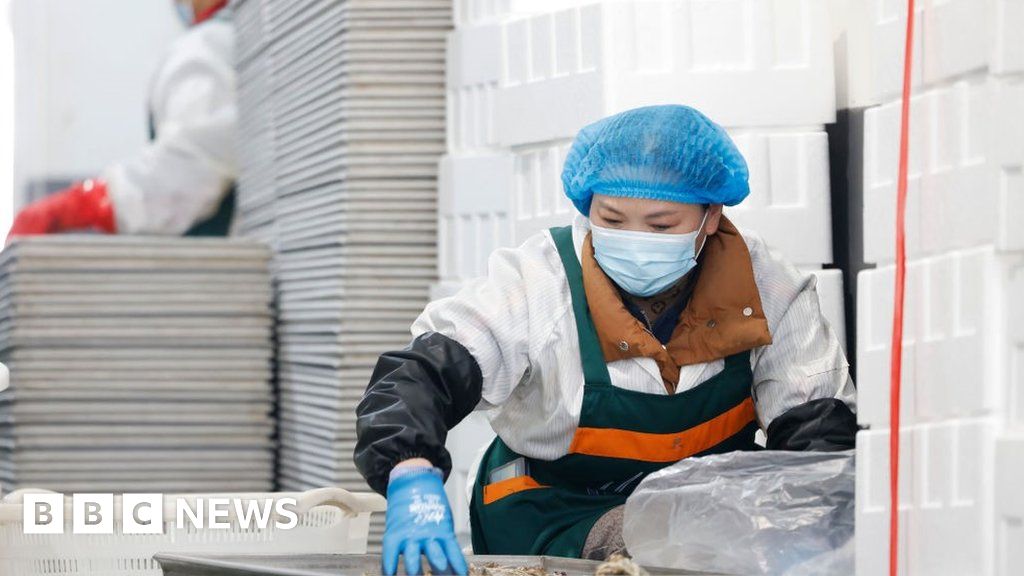
The U.S. exports covered include agricultural products, fish and seafood, wood products, cosmetics and medical devices. The two governments also established a working group focused on agricultural market-access barriers.
Moore said the agreement demonstrates how Trump has attempted to use tariffs as leverage in negotiations with Beijing.
“You used the word leverage,” Moore said. “That is what Trump is trying to do.”
Moore said the administration should continue pressing China over intellectual property protections and trade practices.
“We want to make sure that they’re not stealing our patents and that they’re playing by the rules,” Moore said.
China has long faced accusations from American officials and businesses of intellectual property theft, forced technology transfers and other unfair trade practices. Beijing has disputed many U.S. allegations and has accused Washington of using tariffs and technology restrictions to contain China’s economic development.
Moore said he believes the recent talks create an opportunity to lower trade barriers further.
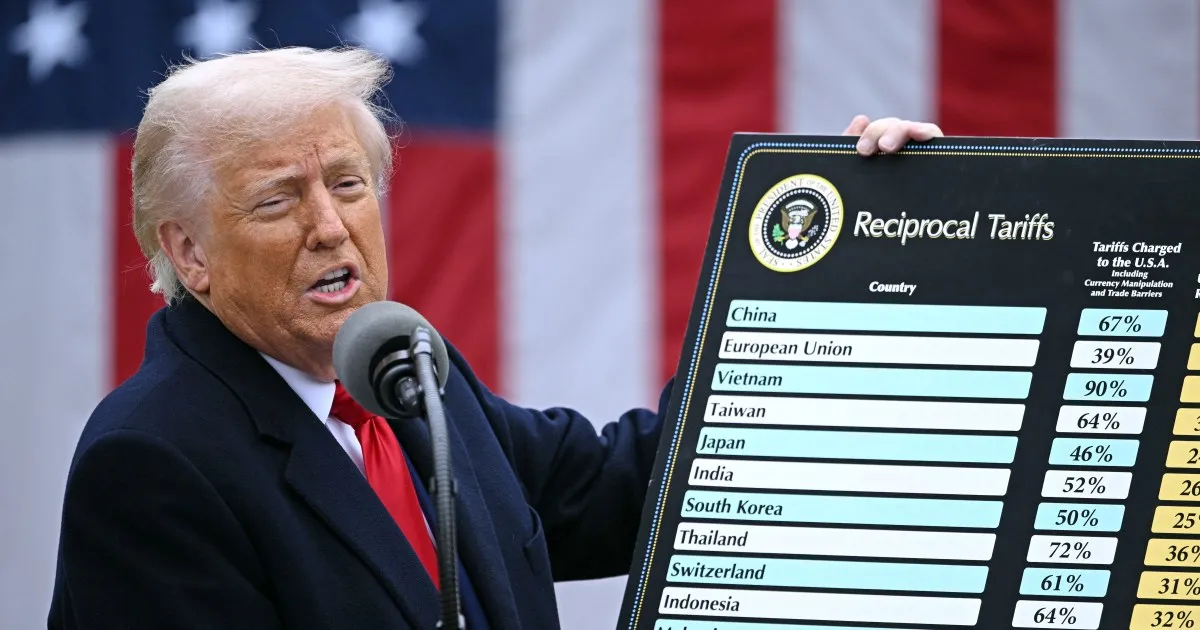
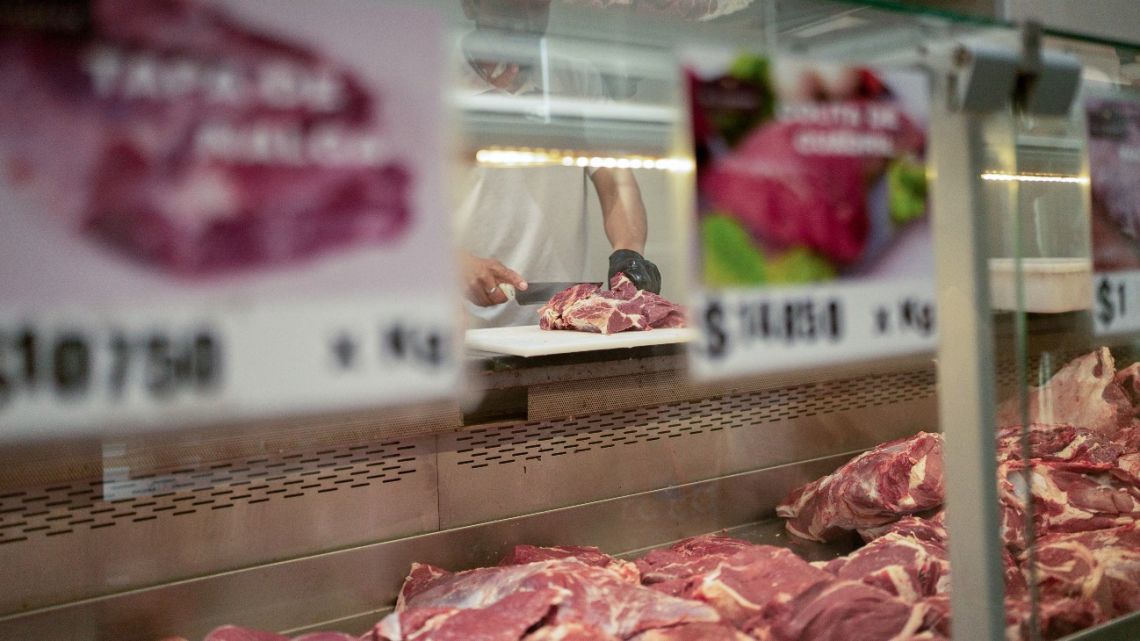
“Now would be a great time to bring down these tariffs because, guess what? Tariffs also raise prices,” Moore said.
Economists generally find that tariffs can increase costs for importers and that at least some of those costs can ultimately be passed along to businesses and consumers, although their precise effects depend on exchange rates, supply chains and how companies respond.
“We pay as consumers for those things too,” Moore said.
He said his preferred outcome would be lower barriers combined with stronger enforcement of trade rules.
“Hopefully we’ll see a freer and fairer trade arrangement with China coming out of that big meeting with President Xi,” Moore said.
The latest economic numbers leave the administration with both positive indicators and significant challenges heading into the final weeks before the midterms.
Core inflation has eased from earlier levels, private payroll data showed a September rebound and the economy continues to expand. But the government’s September jobs report showed a sharp hiring slowdown, while gasoline and diesel prices remain highly visible sources of financial pressure for American households.
For Moore, closing that gap between the economic data and what Americans experience in their daily lives will be critical.
“It’s a sort of paradox,” Moore said. “As I look at all of the official statistics that are coming out, they’re almost all very positive.”
But when it comes to what many Americans notice most, he said, the answer remains simple: “Gas prices. Prices.”