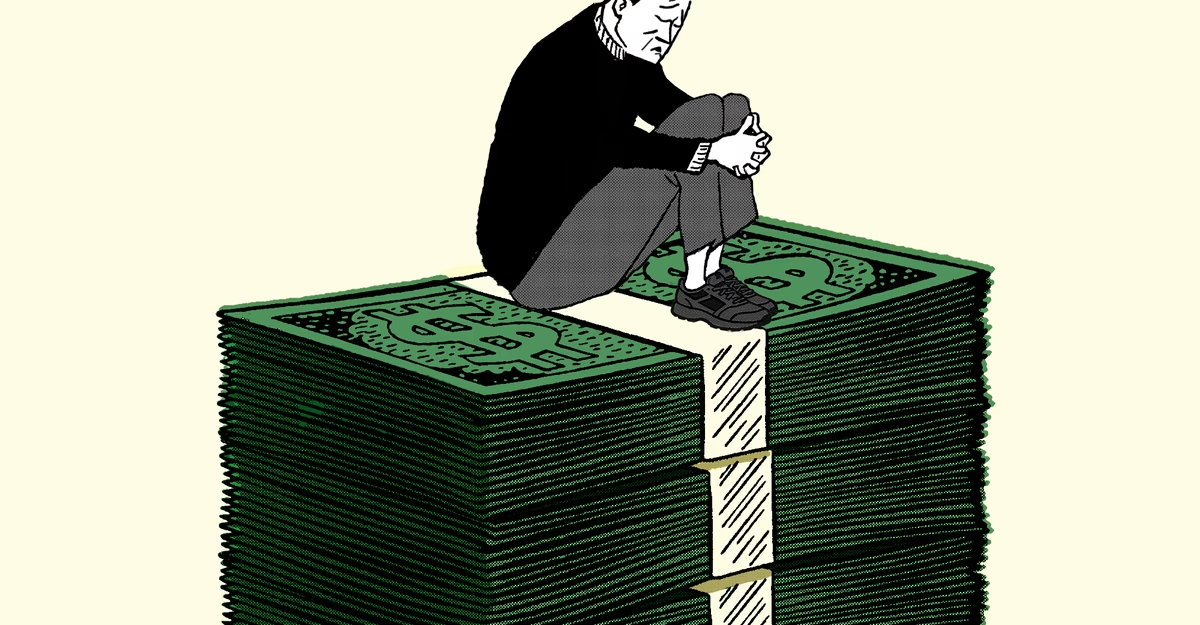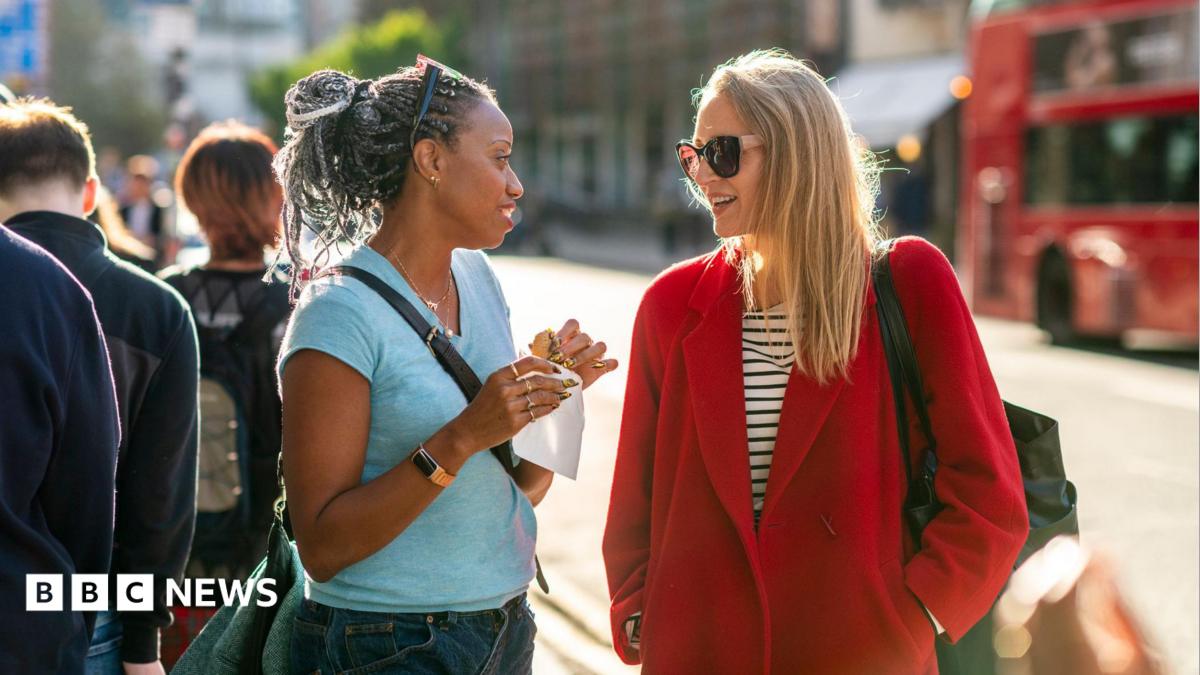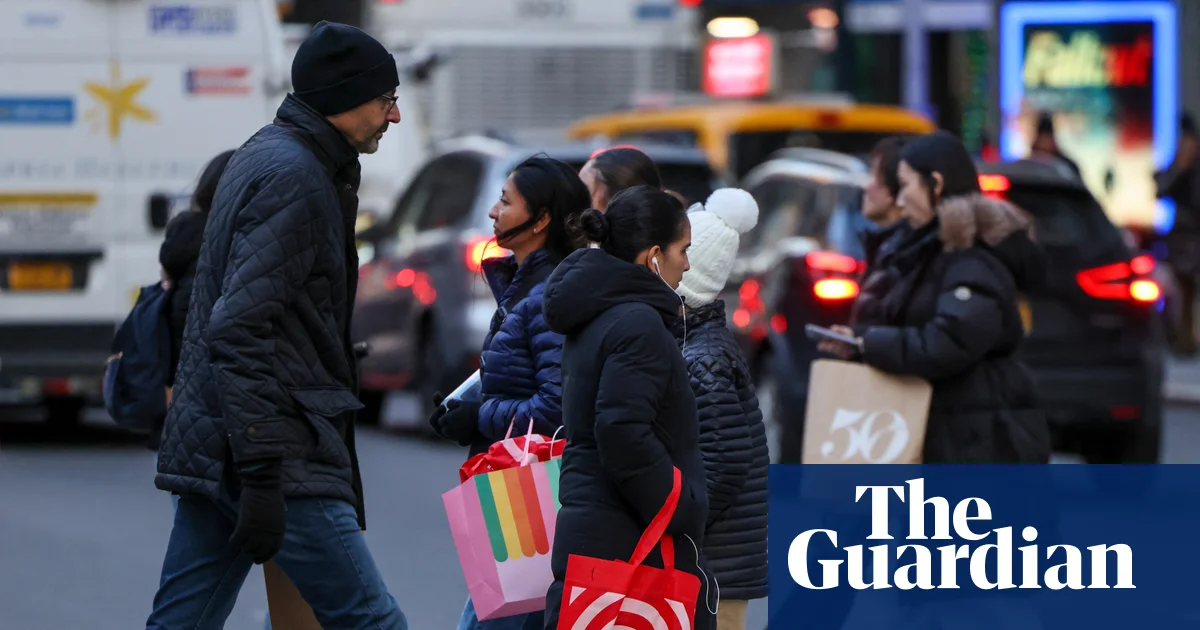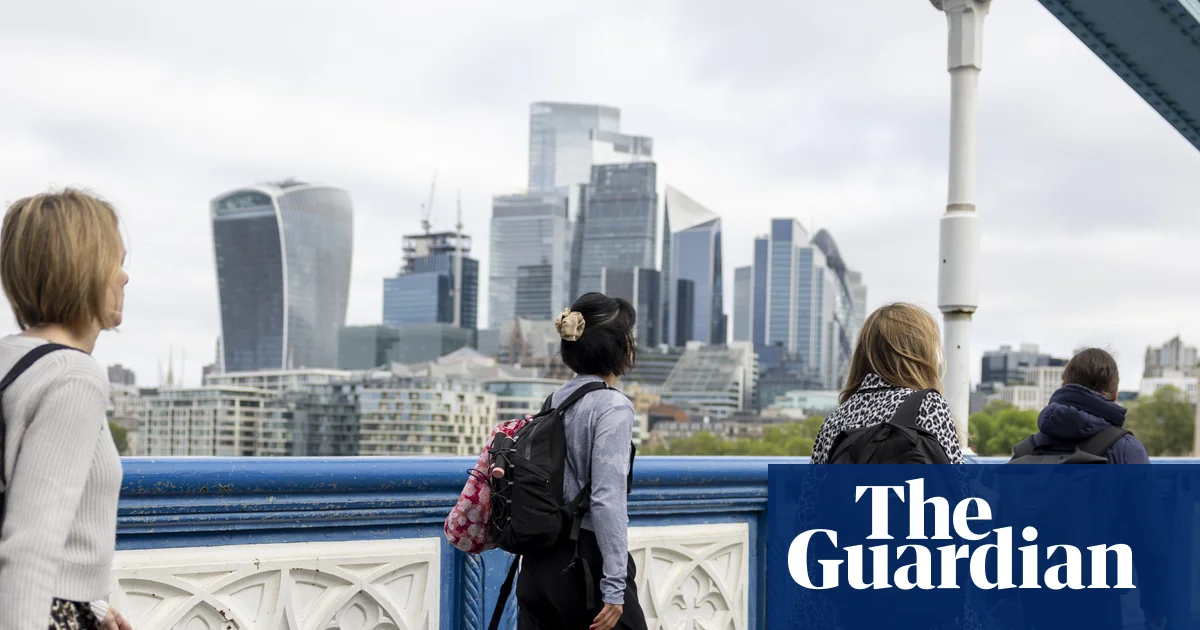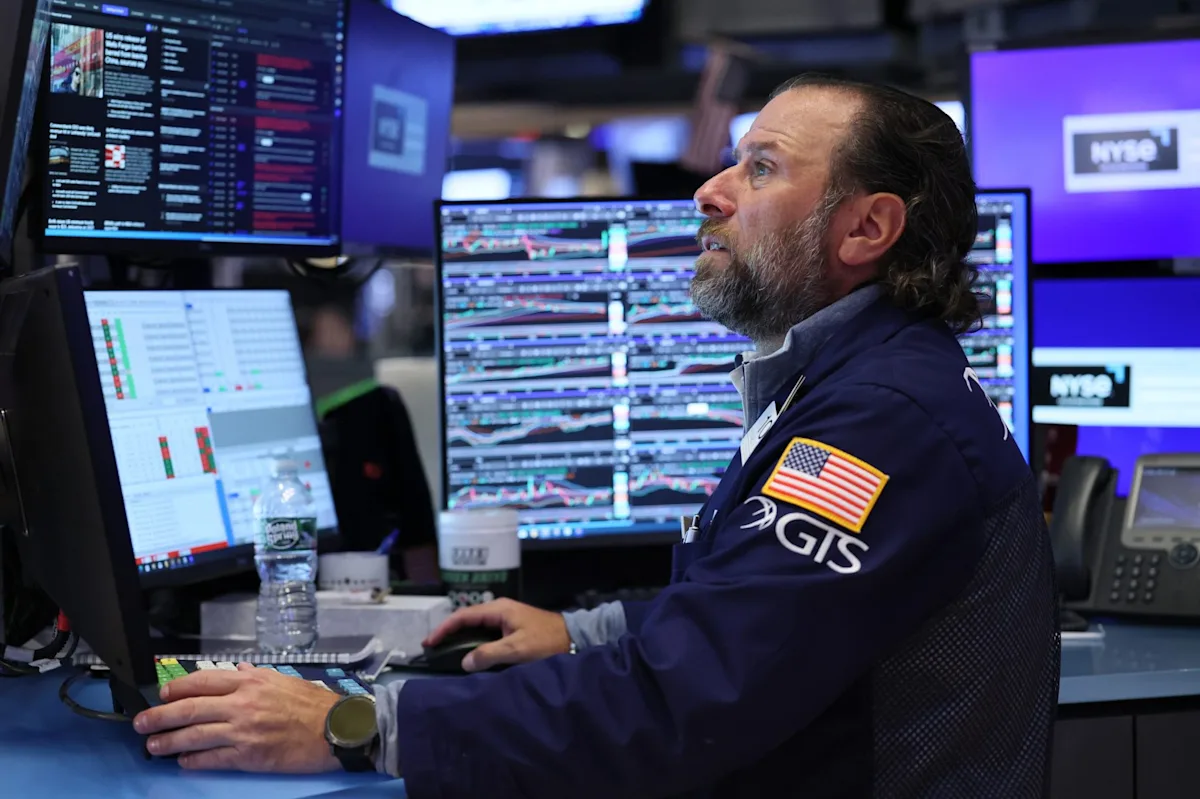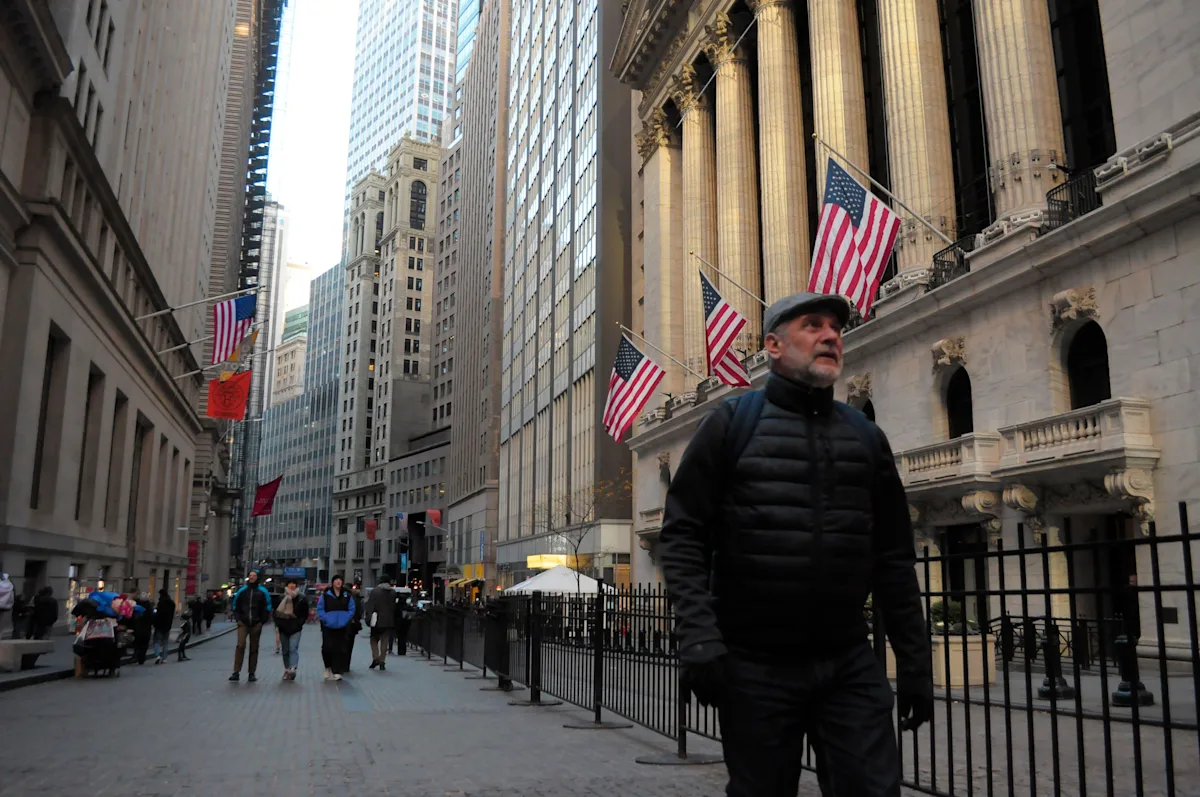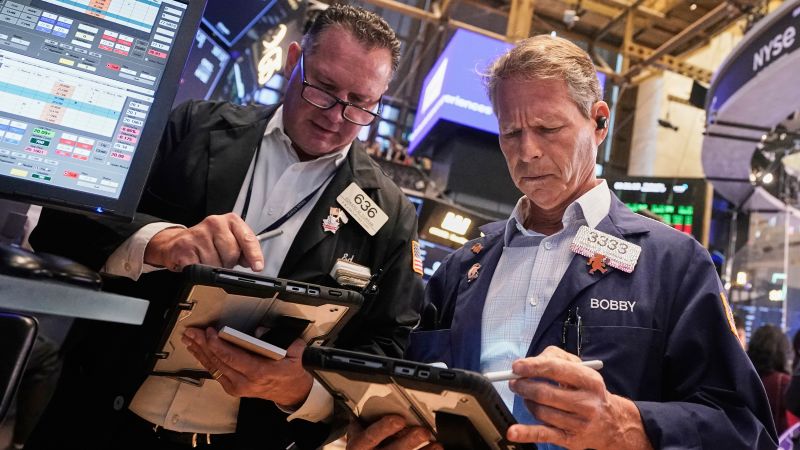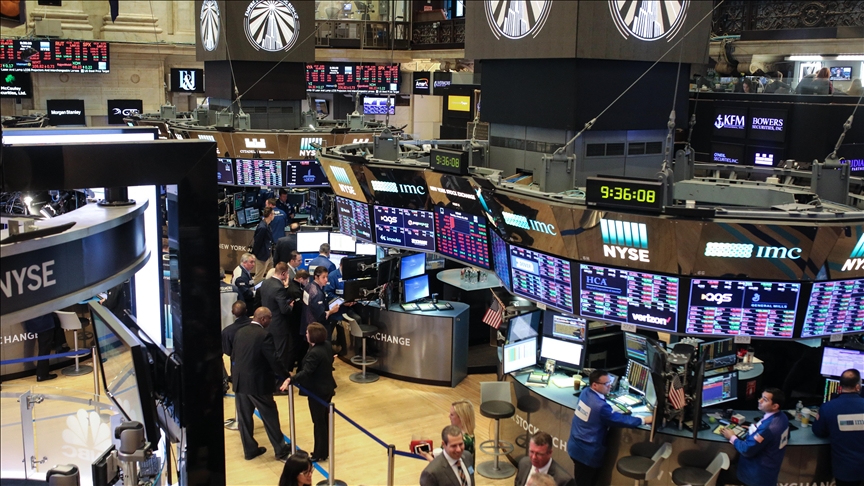
Two in five Americans believe the stock market isn’t for them and only benefits the top 1%, according to a new Harris Poll poll exclusive to the Guardian that surveyed investing habits and knowledge about the economy.
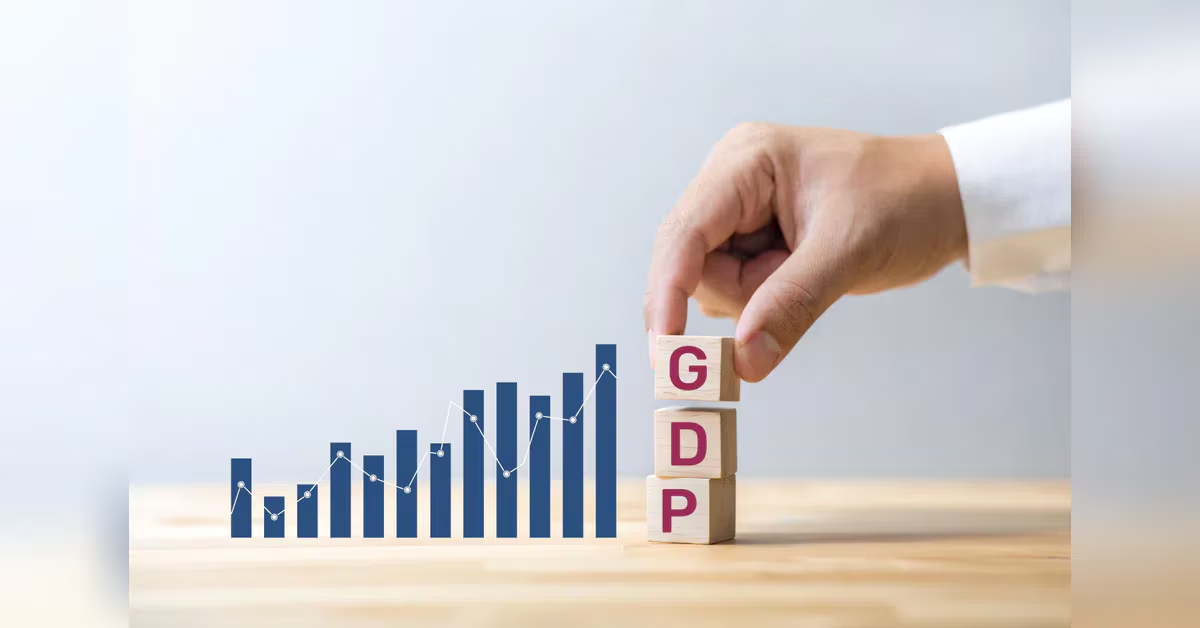
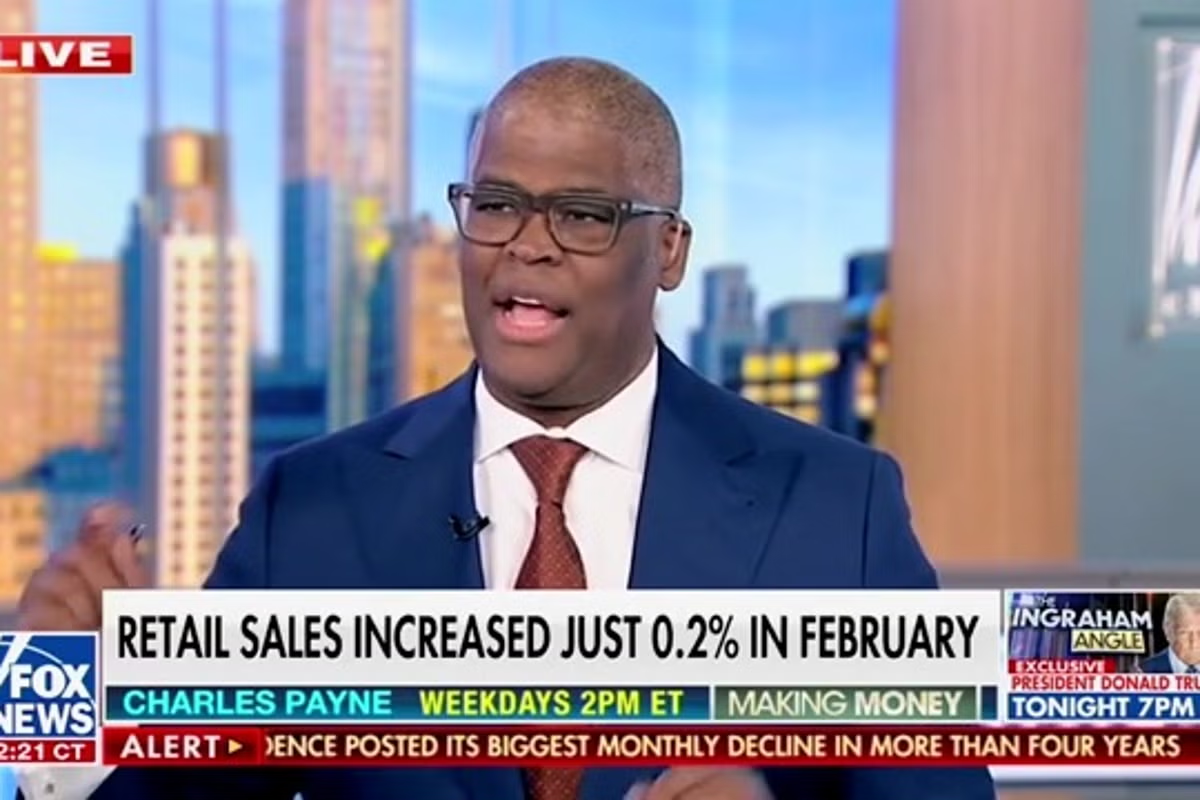
The poll found a similar share of Americans had incorrect assumptions about the relationship between the economy and the stock market. Nearly 40% did not know that the economy and the stock market were not the same thing. And two-thirds of Americans incorrectly believed that a growing stock market means the overall economy is growing.
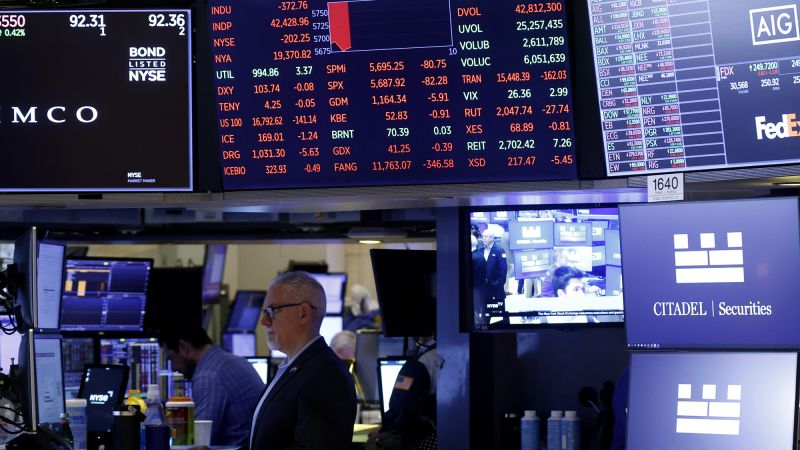
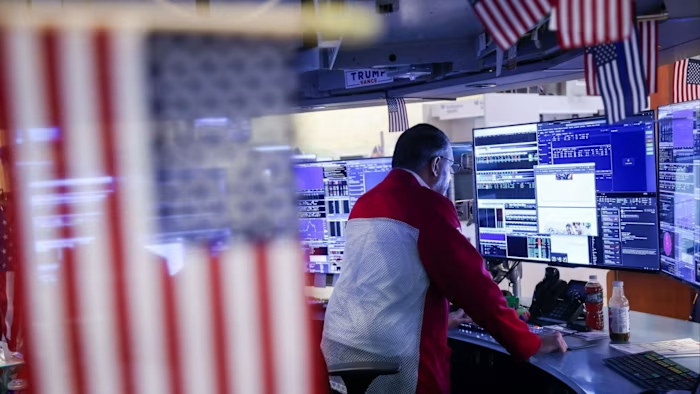
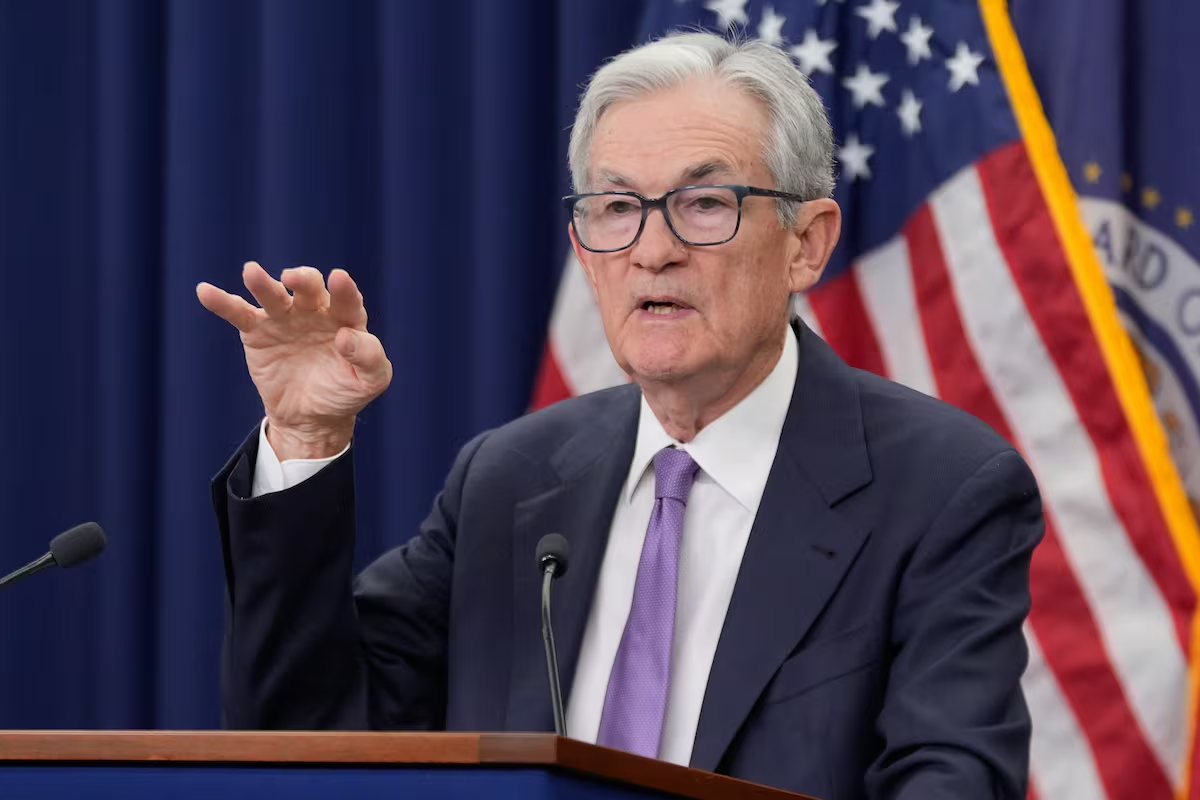
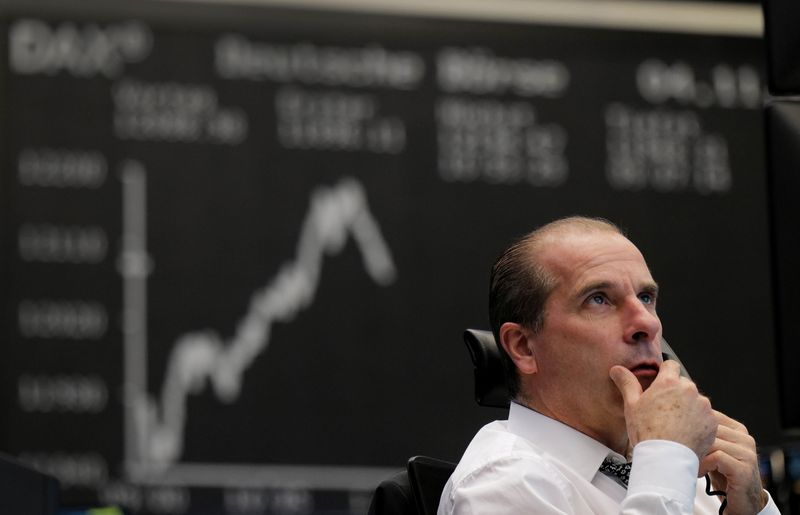
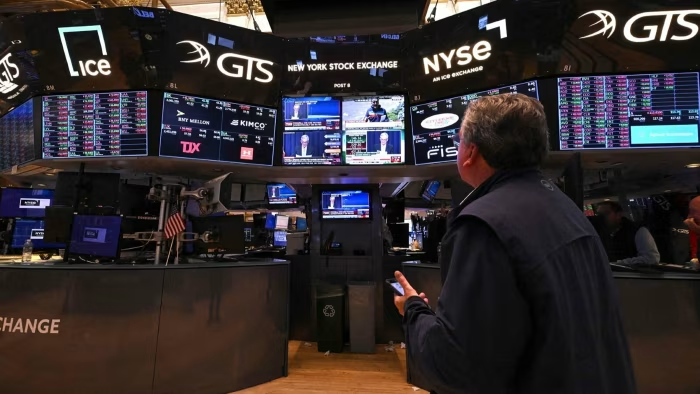
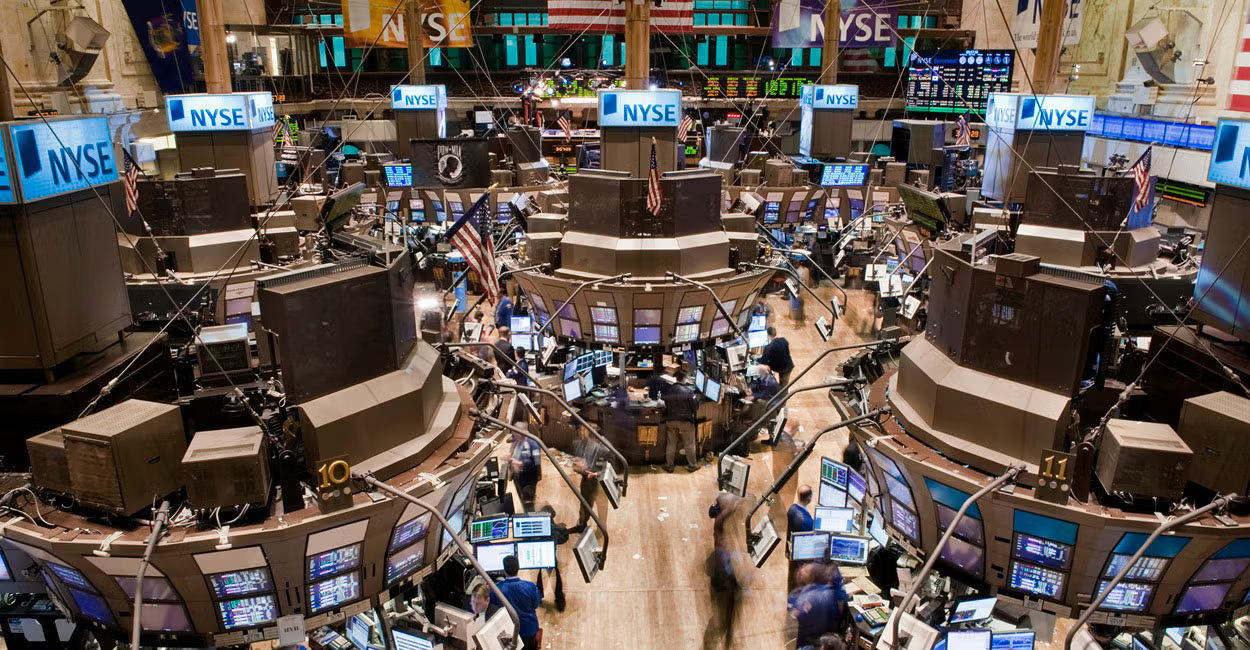
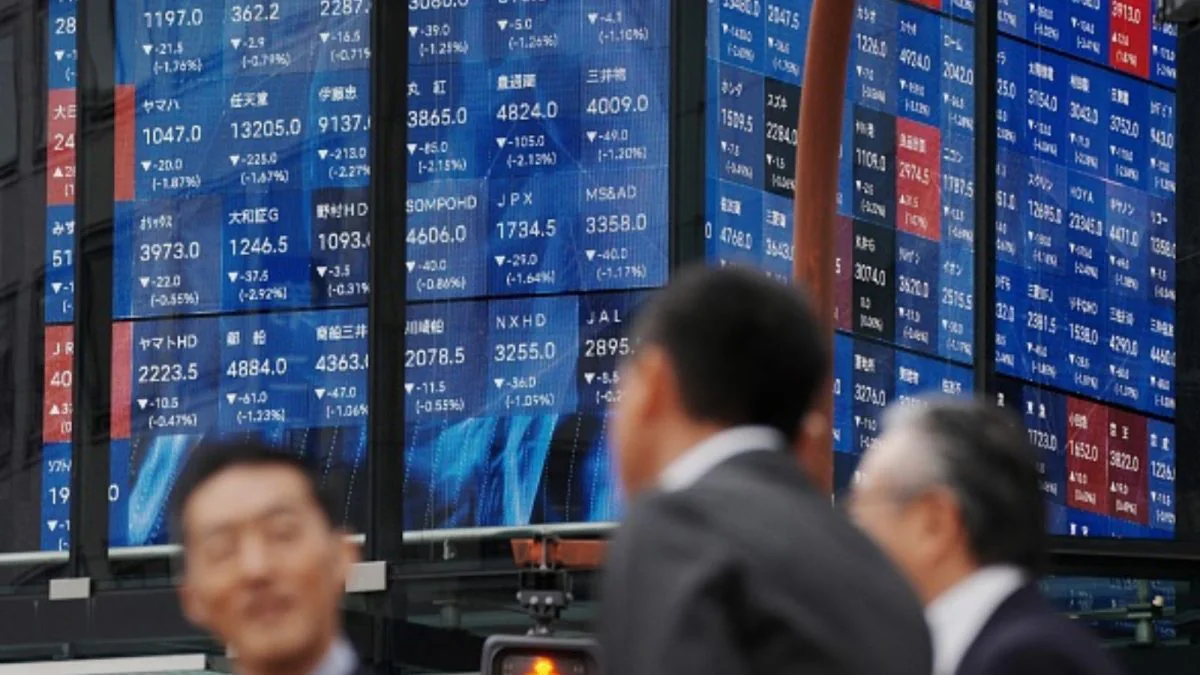
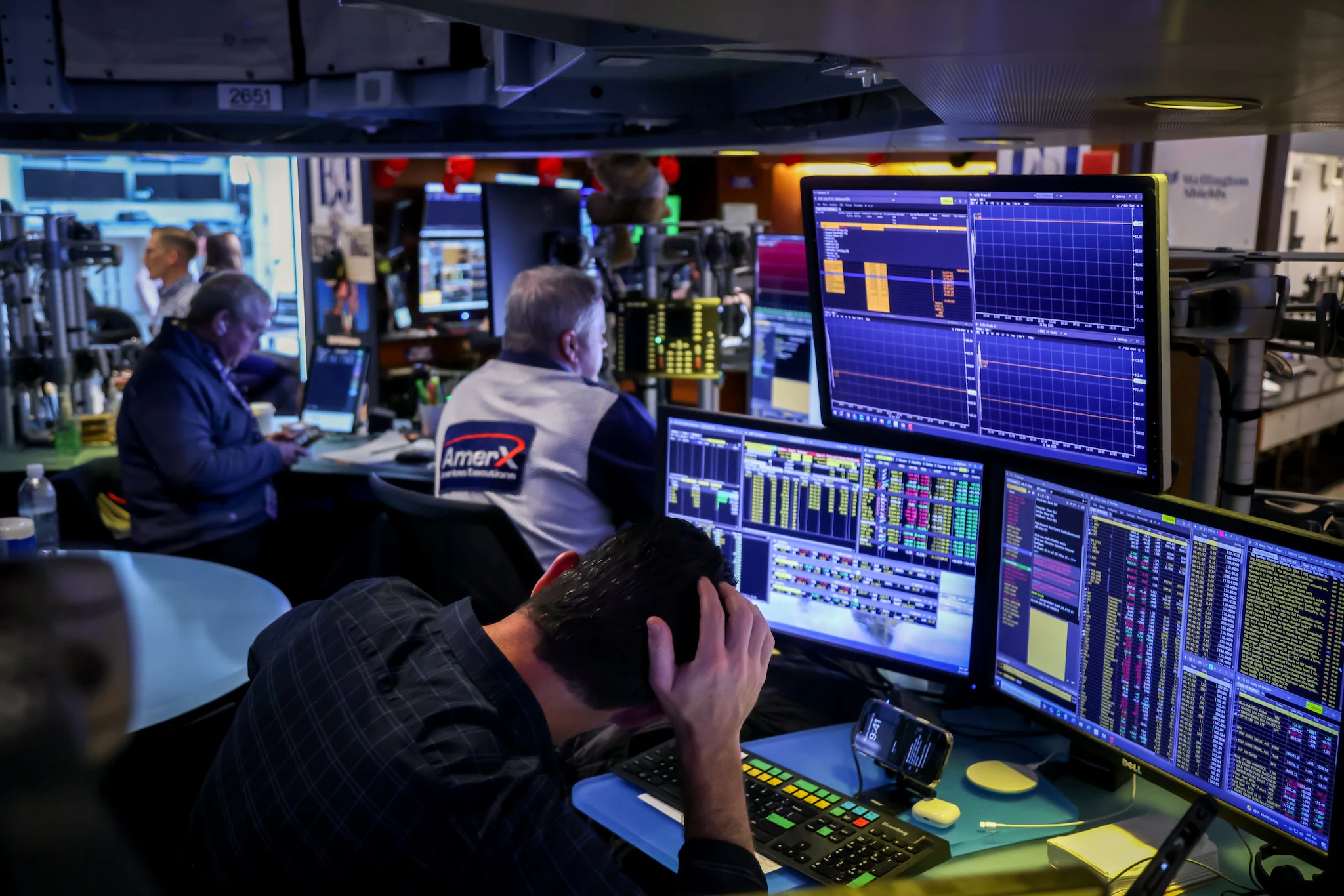
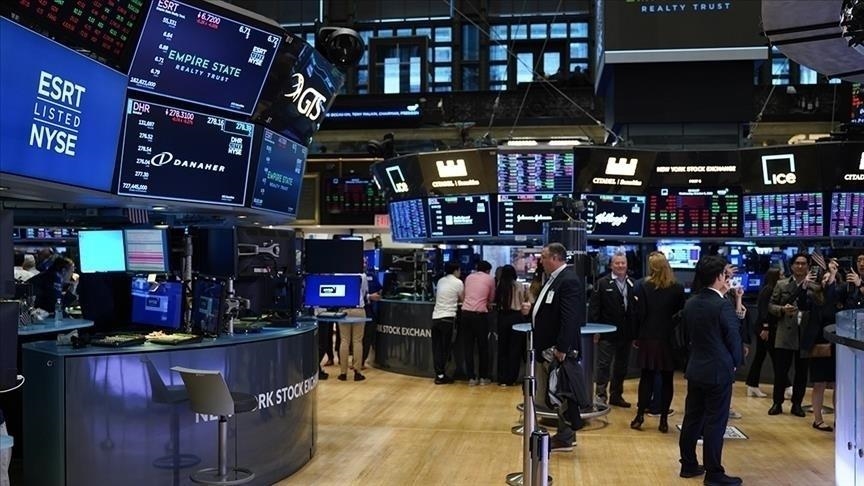
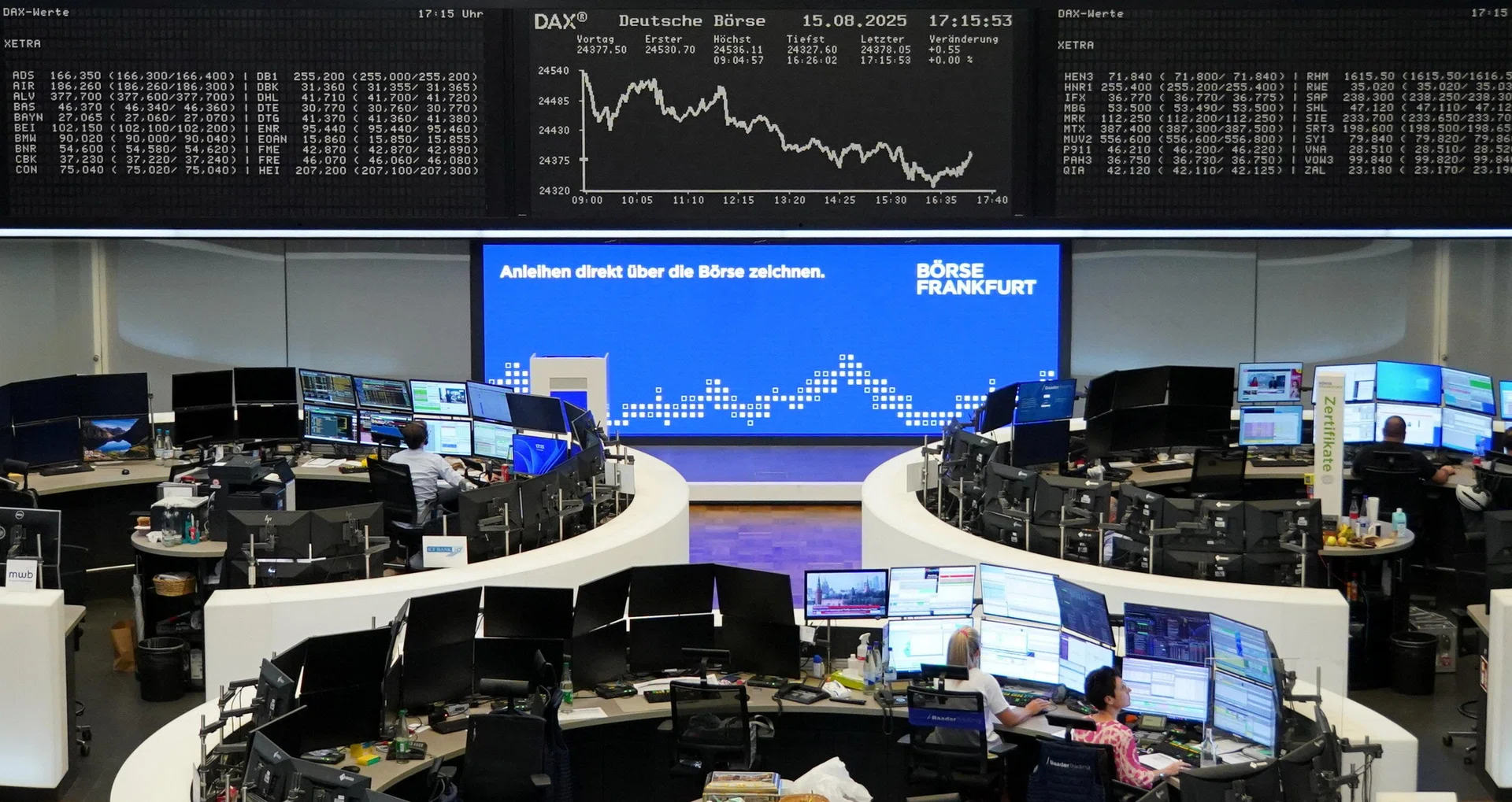
Though the economy has been rattled by events such as the Covid pandemic, high inflation and the war in Iran, the stock market has continued to be resilient.
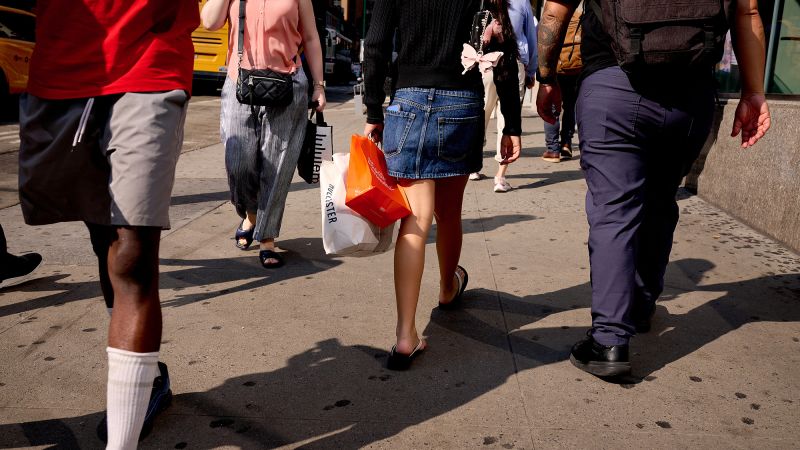
But some economists have described this phenomenon as a K-shaped economy, where the cleft between higher-income Americans, whose wealth has ballooned with the stock market, and workers who find their wages hold less power against rising prices continues to grow in opposite directions.
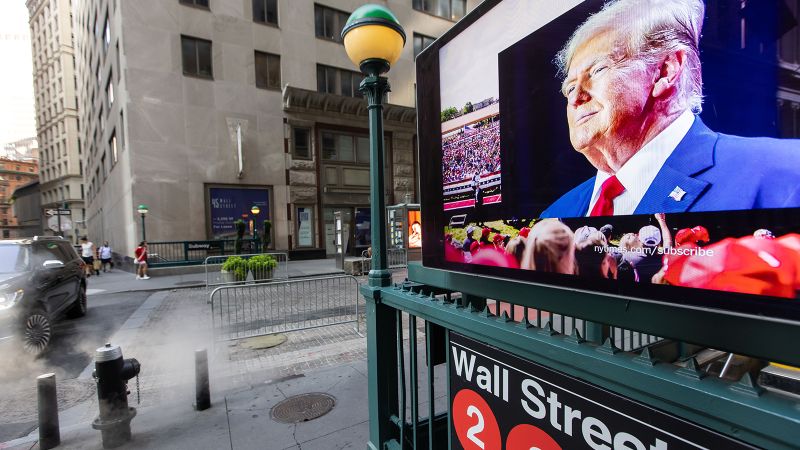
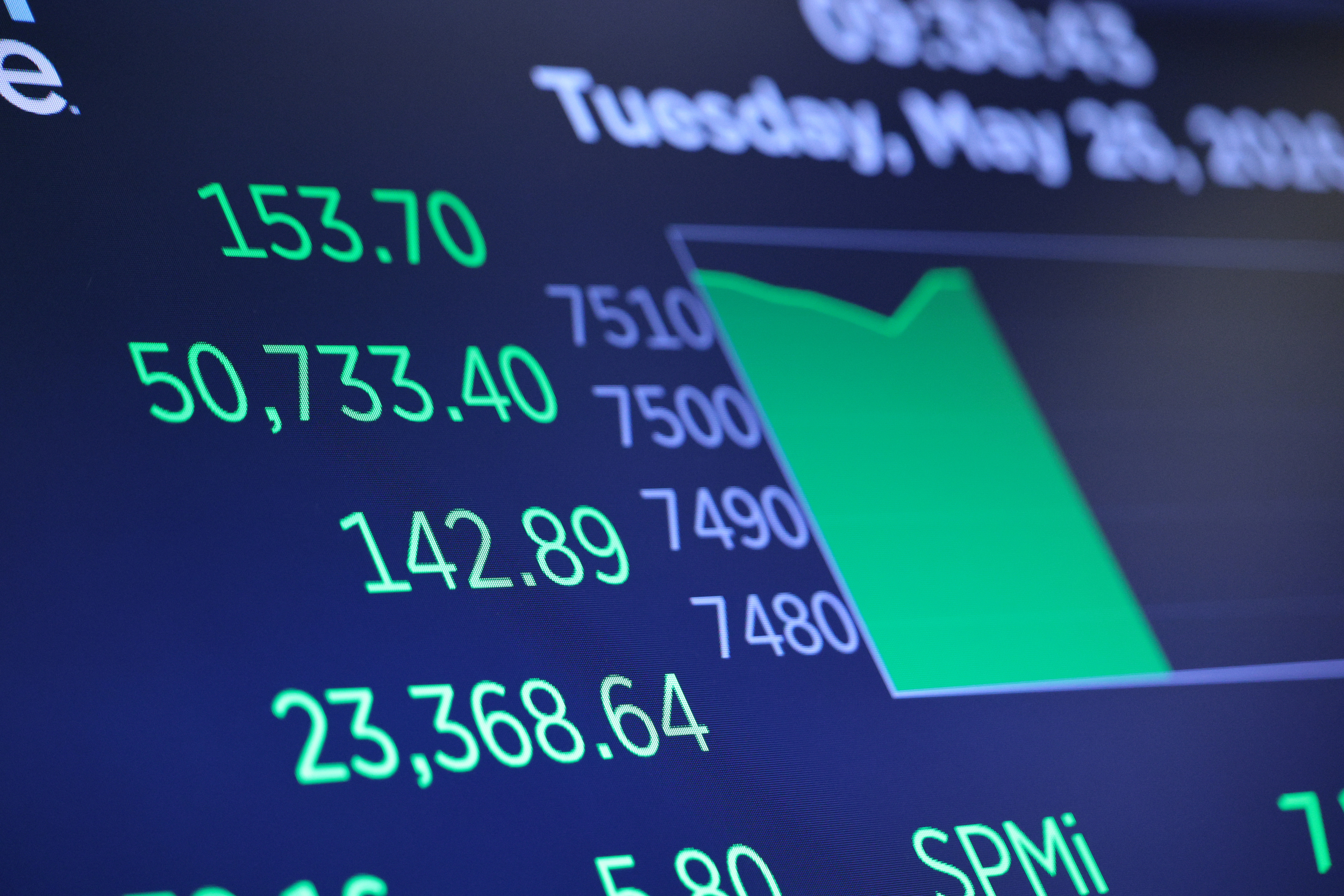
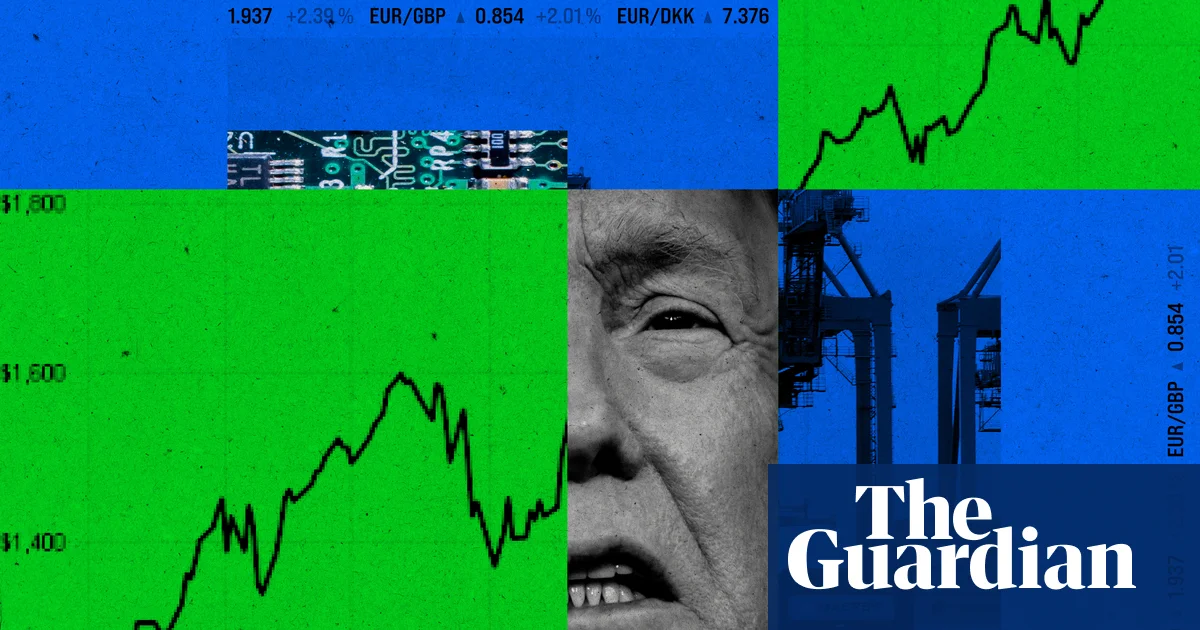
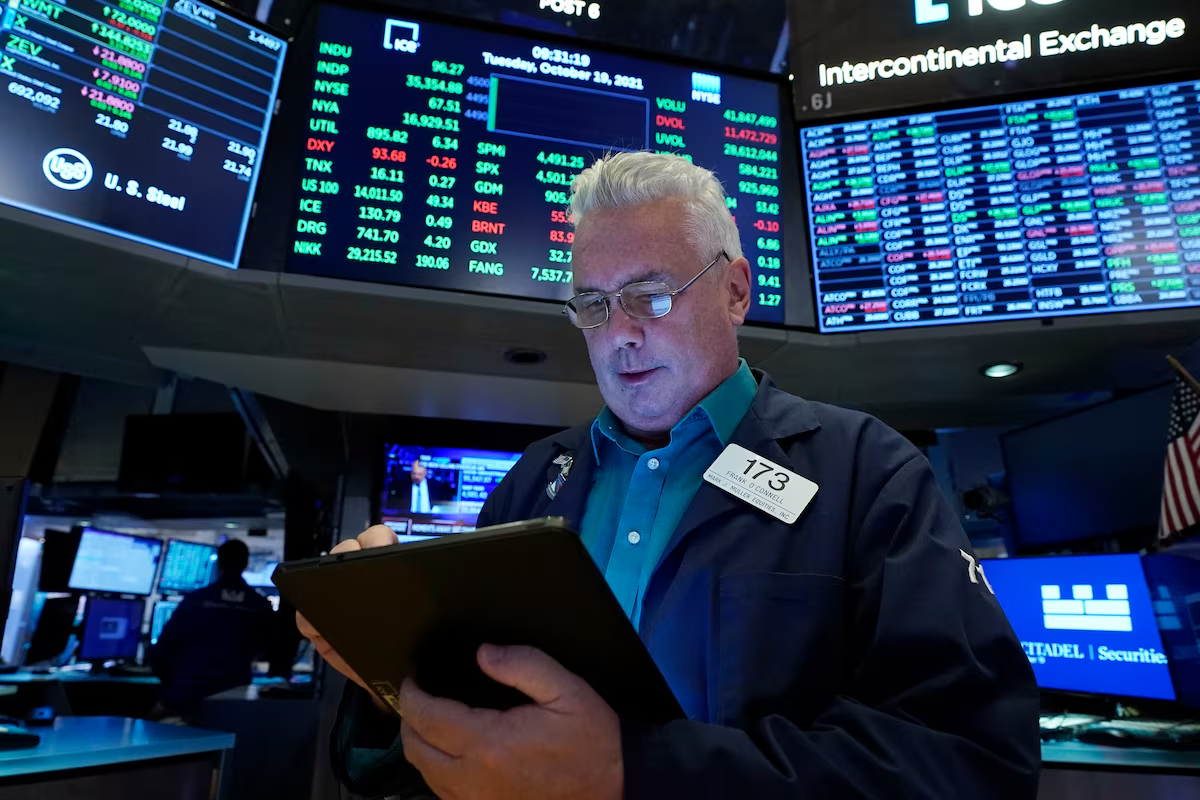
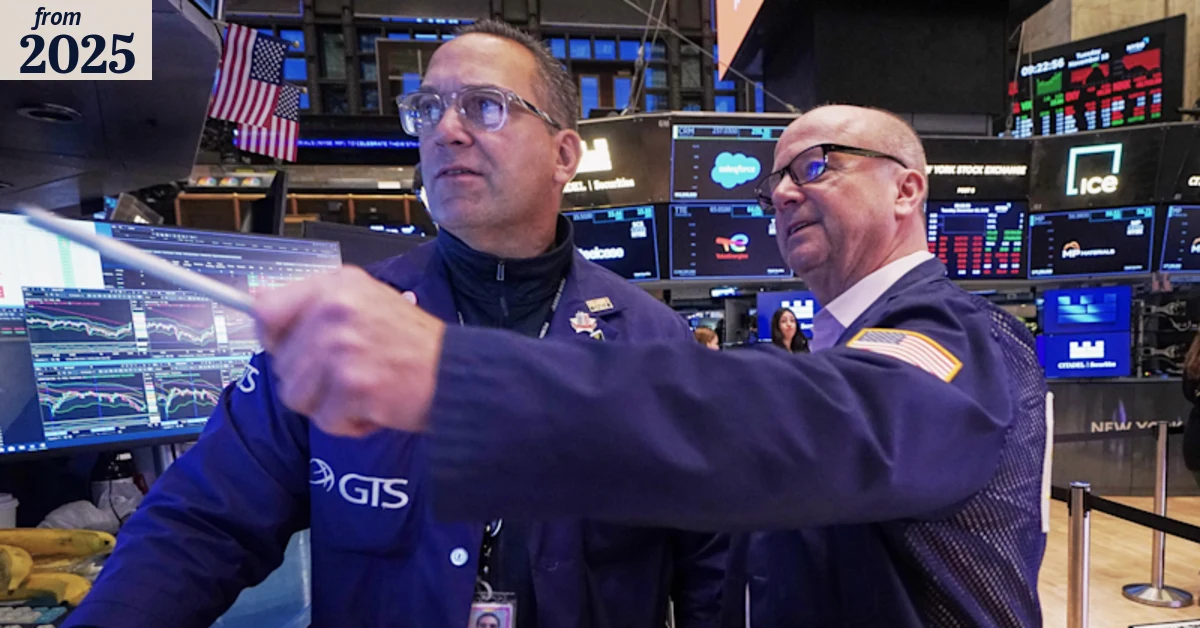
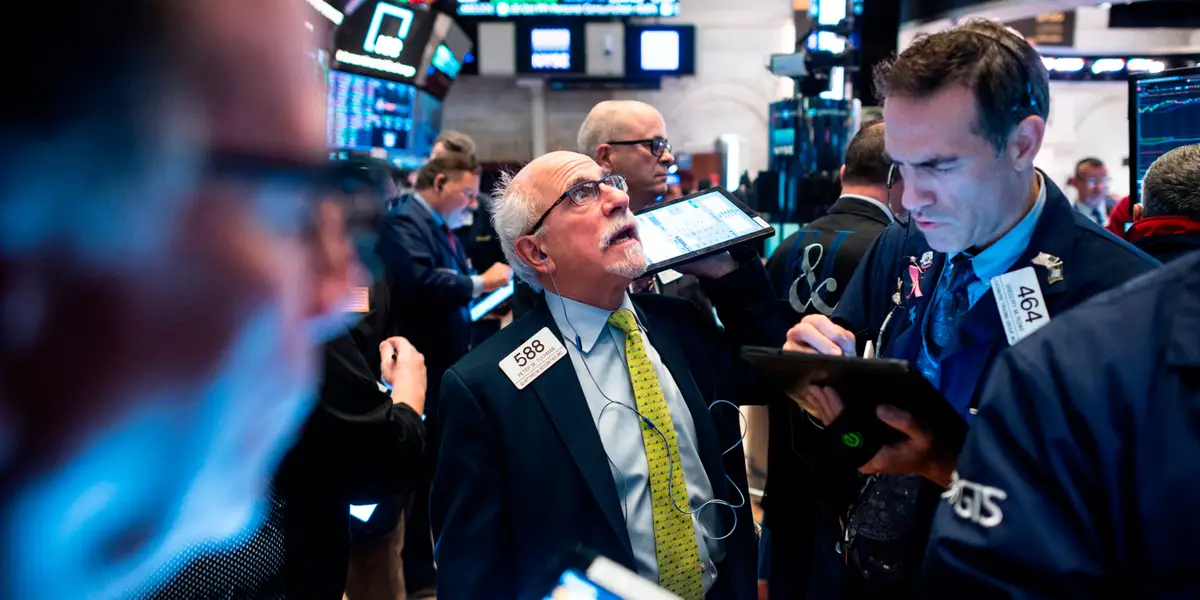
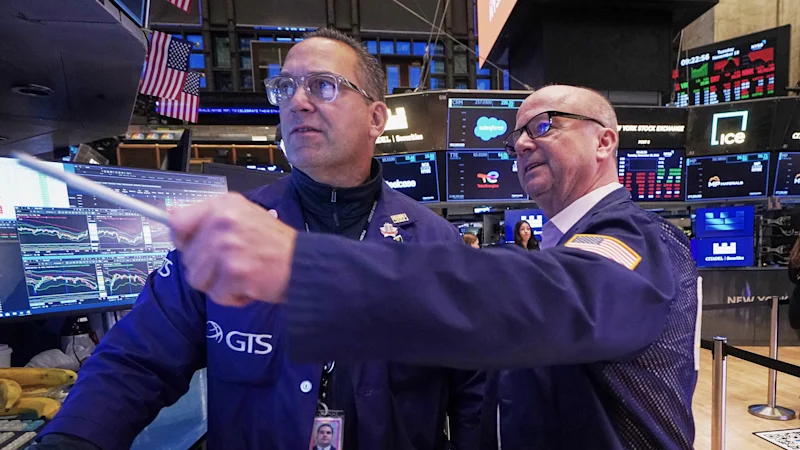
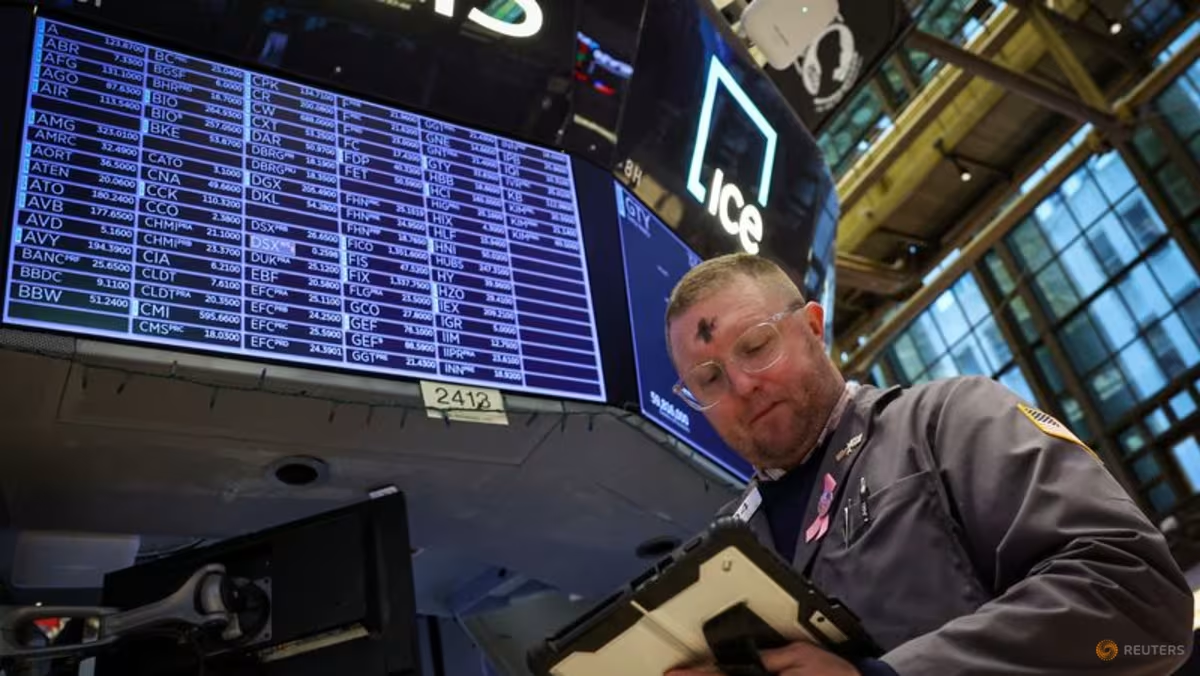
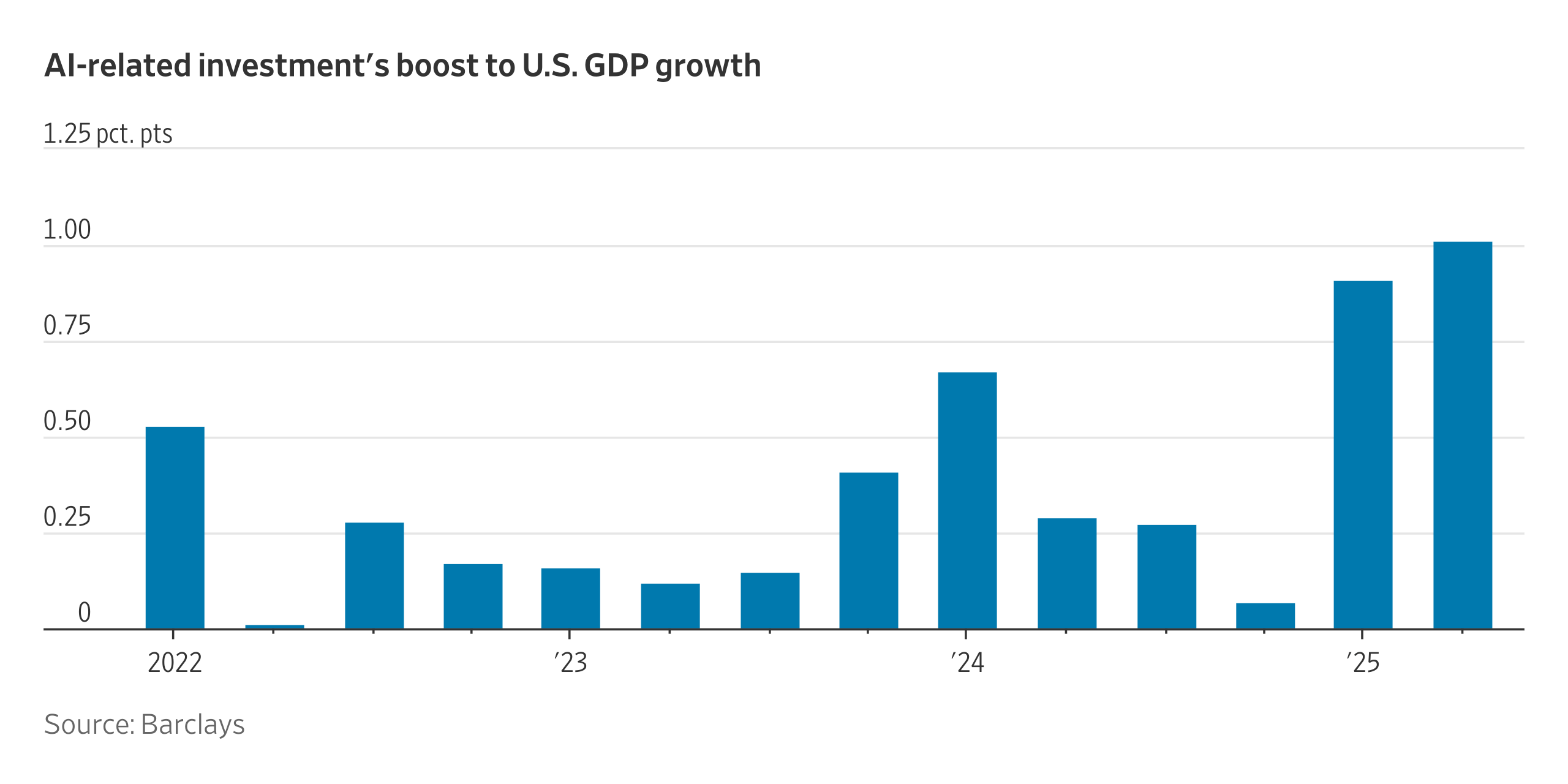
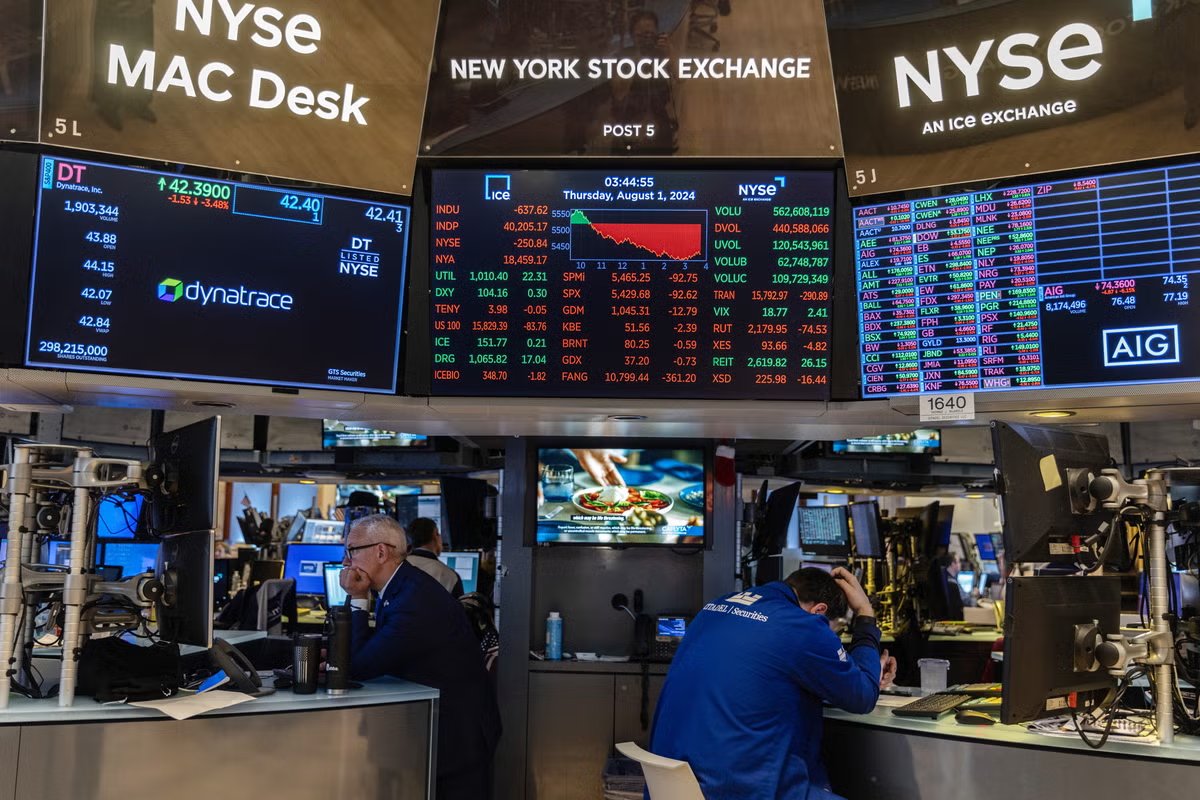
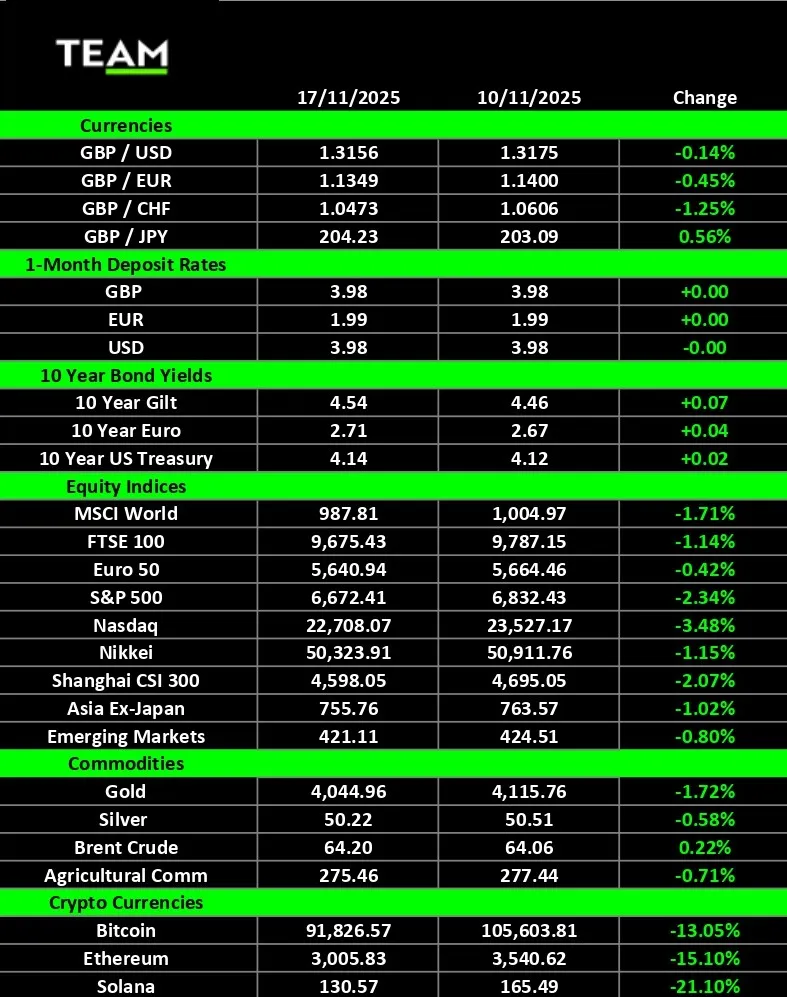
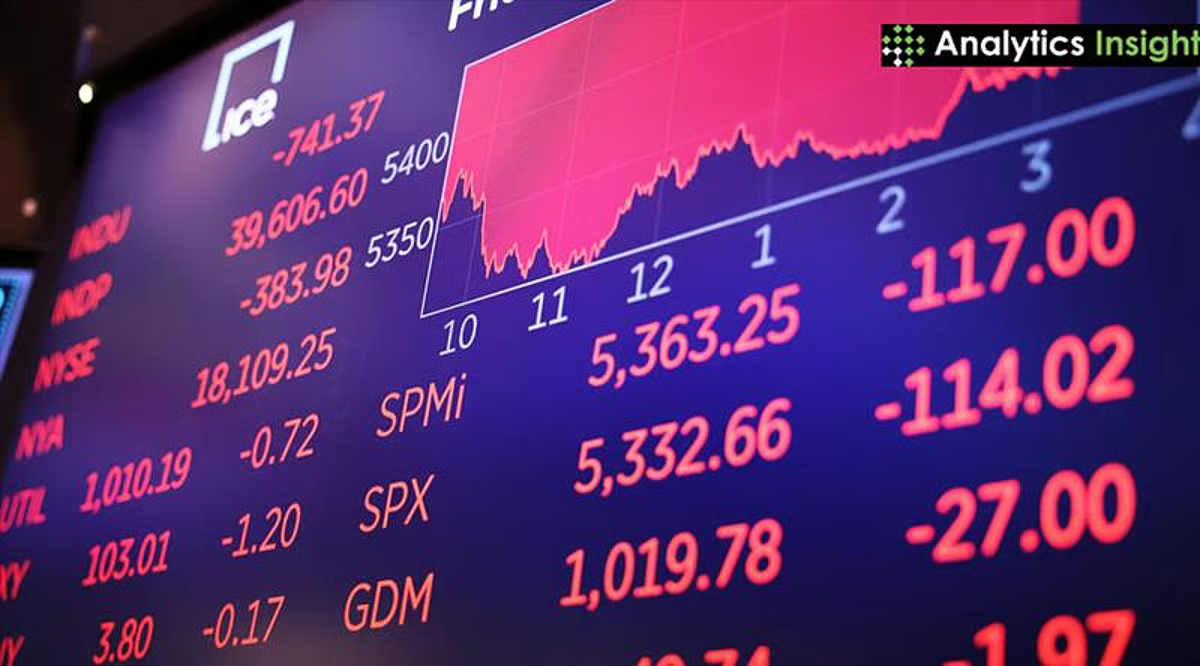
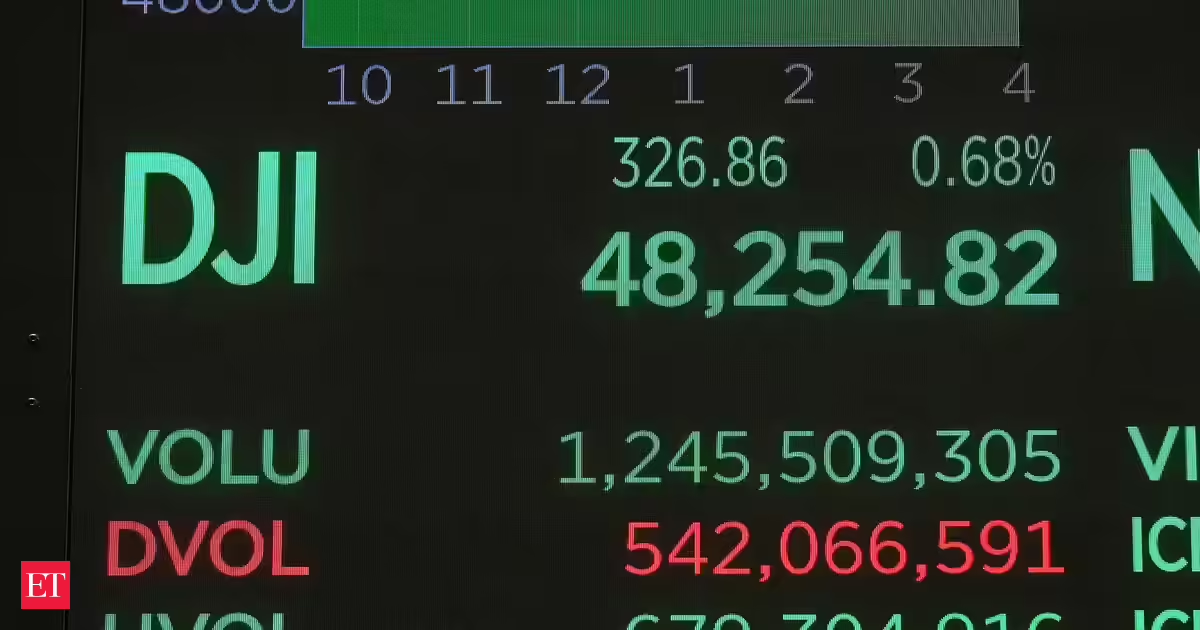
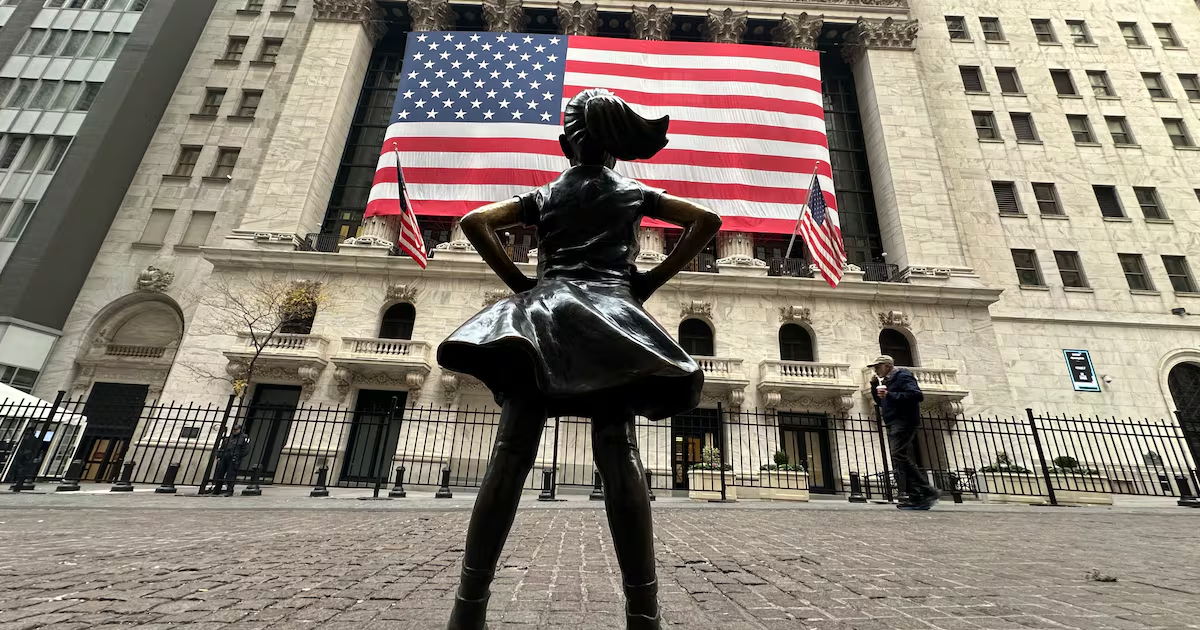
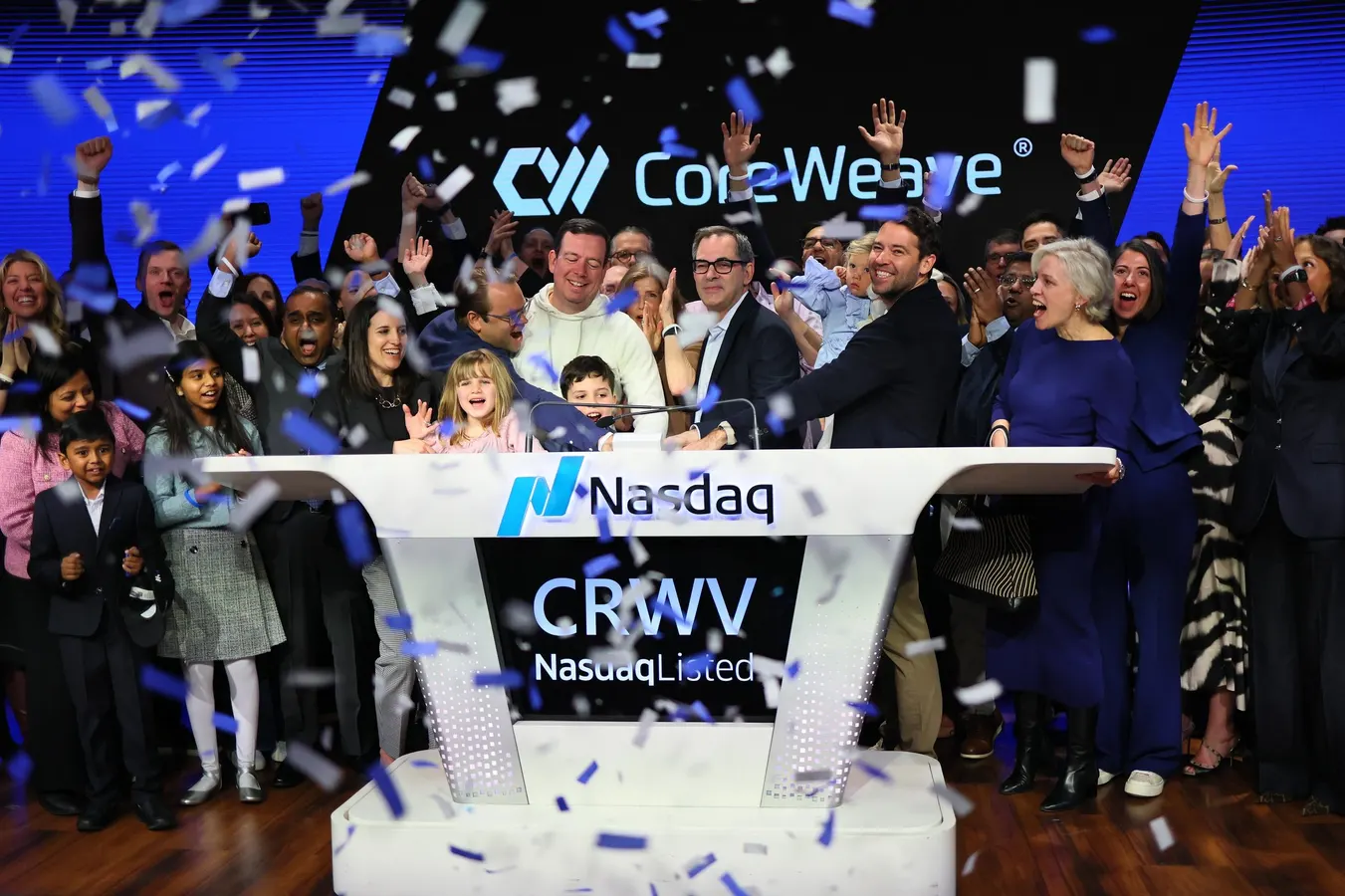
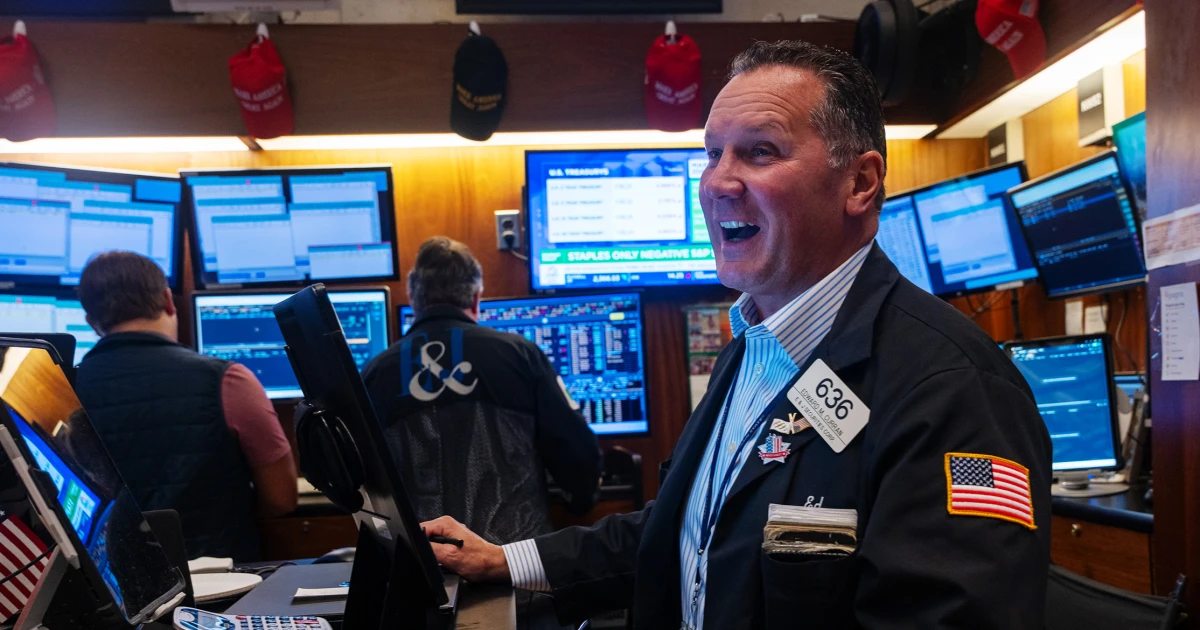
The Dow Jones is up 9% for the year and the tech-heavy Nasdaq is up 12.5% this year. After a large recovery from brief dips during the early weeks of the war in Iran, the AI rally specifically appears to be the rising tide lifting all boats. SpaceX had the largest initial public offering (IPO) in history in June, and OpenAI and Anthropic are planning to have their own huge IPOs over the next year.
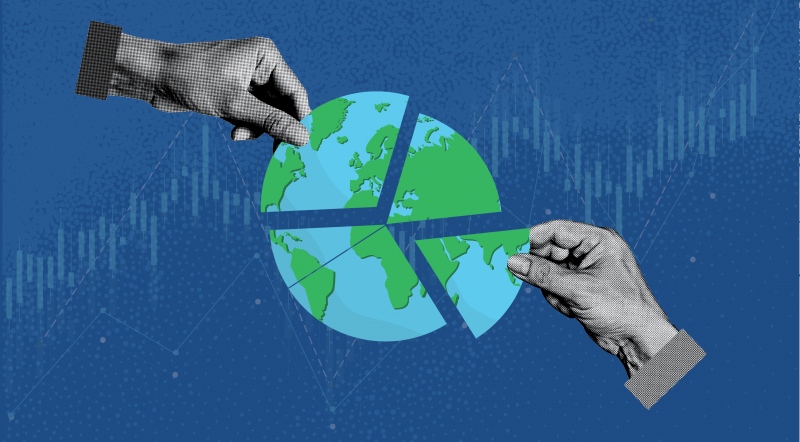
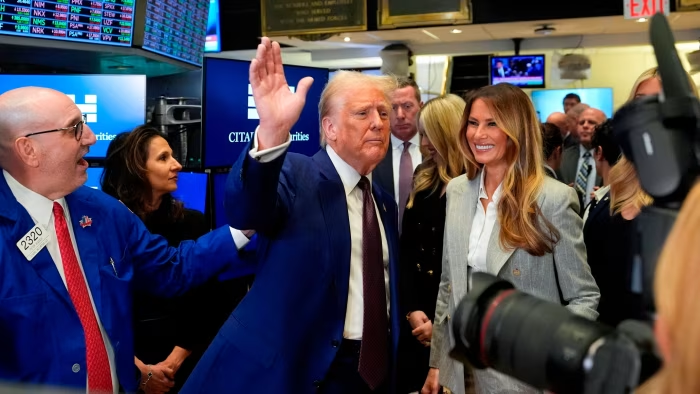
The soaring stock market has been a colossal payday for a small handful of Americans. Half of the stock market is owned by the top 1% wealthiest Americans, while the bottom 50% owns just 1% of the market.
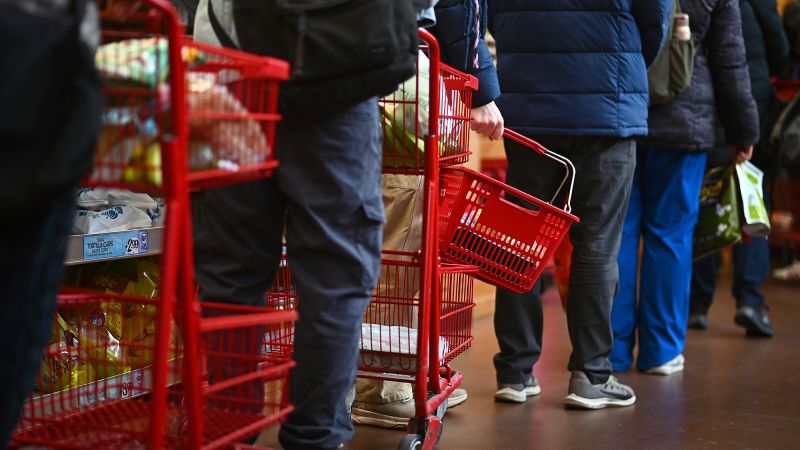
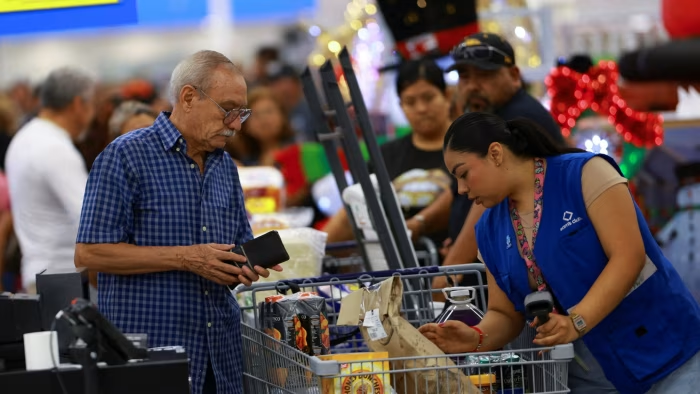
Data released on Tuesday from the Bureau of Labor Statistics found that inflation cooled slightly in June to 3.5%, as the brief US-Iran ceasefire brought energy prices down. Still, inflation remains higher than the pre-war level of 2.4%.
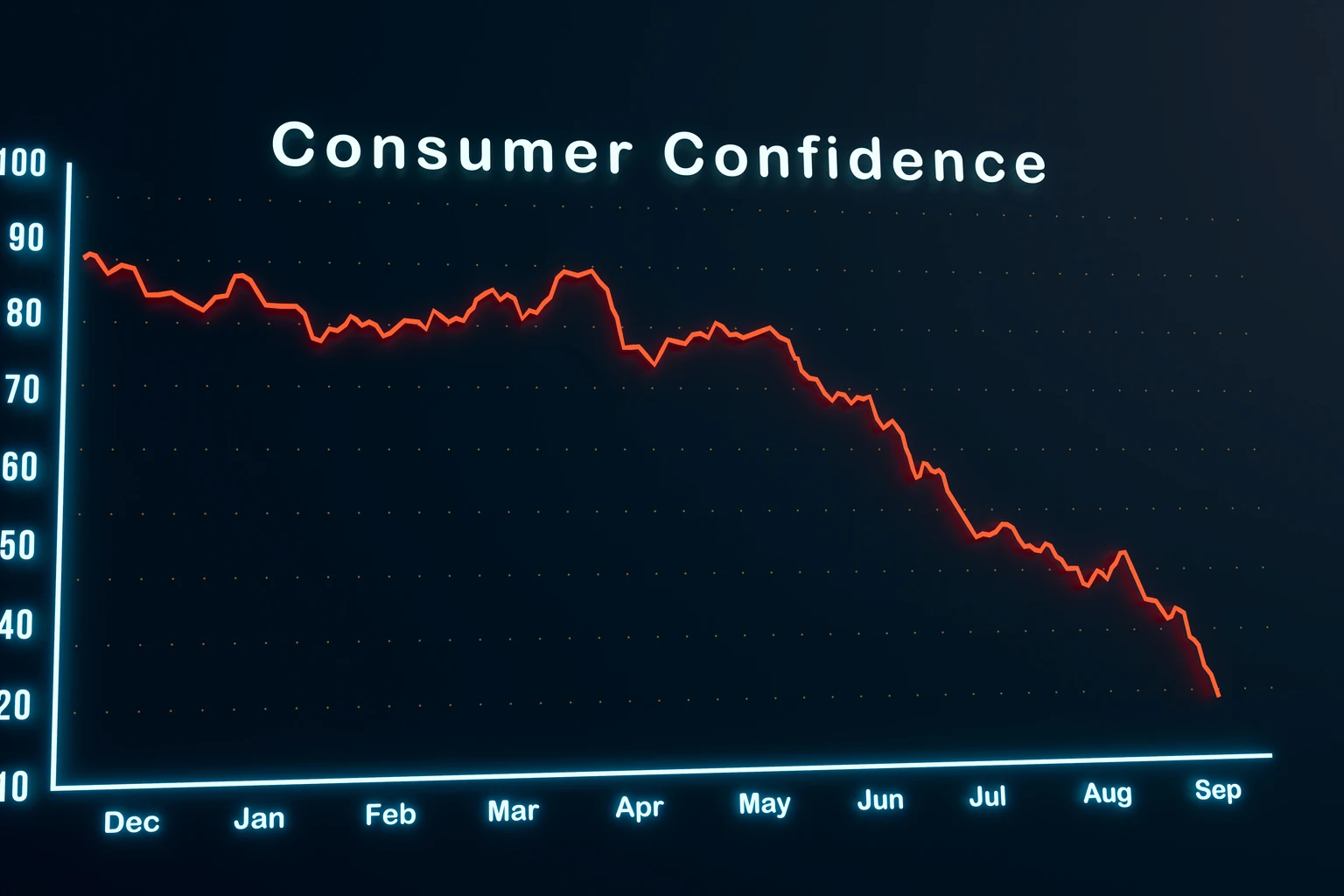
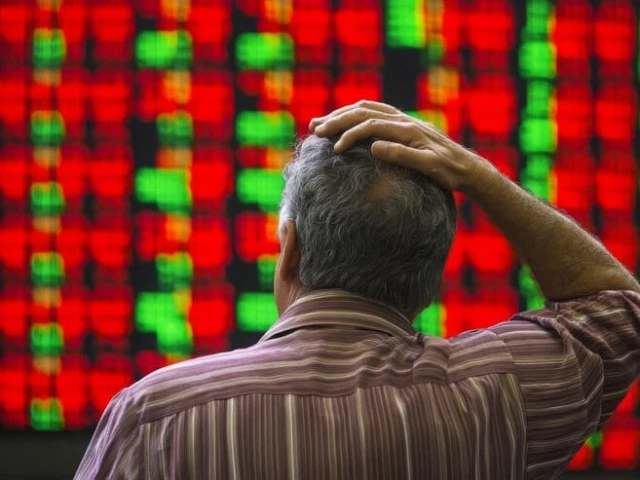
Despite the stock market’s recent record highs, the survey also found that half of Americans believed today’s stock market was weak, or were unsure how it was doing. An even higher share of respondents (60%) said they believed the US economy was weak or were unsure of how the market was doing.
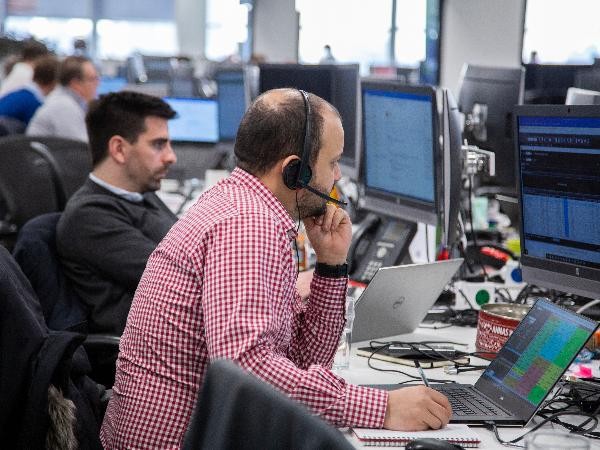
Economic uncertainty and a rising culture of online trading has pushed many young adults to start investing earlier than previous generations. Though most are proceeding with caution by pursuing long-term investing strategies, some are taking on riskier bets, such as investments in artificial intelligence startups, cryptocurrencies and day-trading.
The poll suggested many Americans were willing to place riskier bets than gamble on the stock market. A third of respondents said they would “have higher financial returns focusing more on gambling than today’s stock market”. That share increases to 46% among millennials and to 44% among gen Z.
-
This survey was conducted online by the Harris Poll from 9-11 July, among a nationally representative sample of 2,154 US adults, with 1,667 reporting some level of investing.