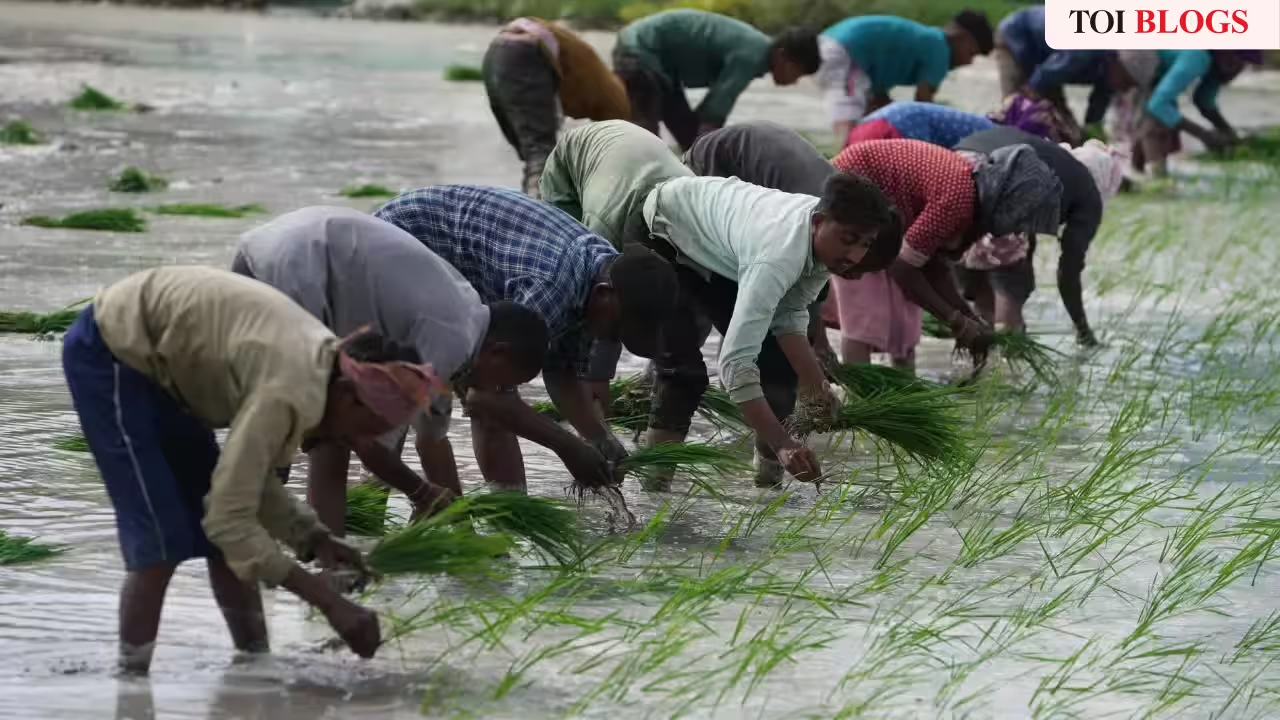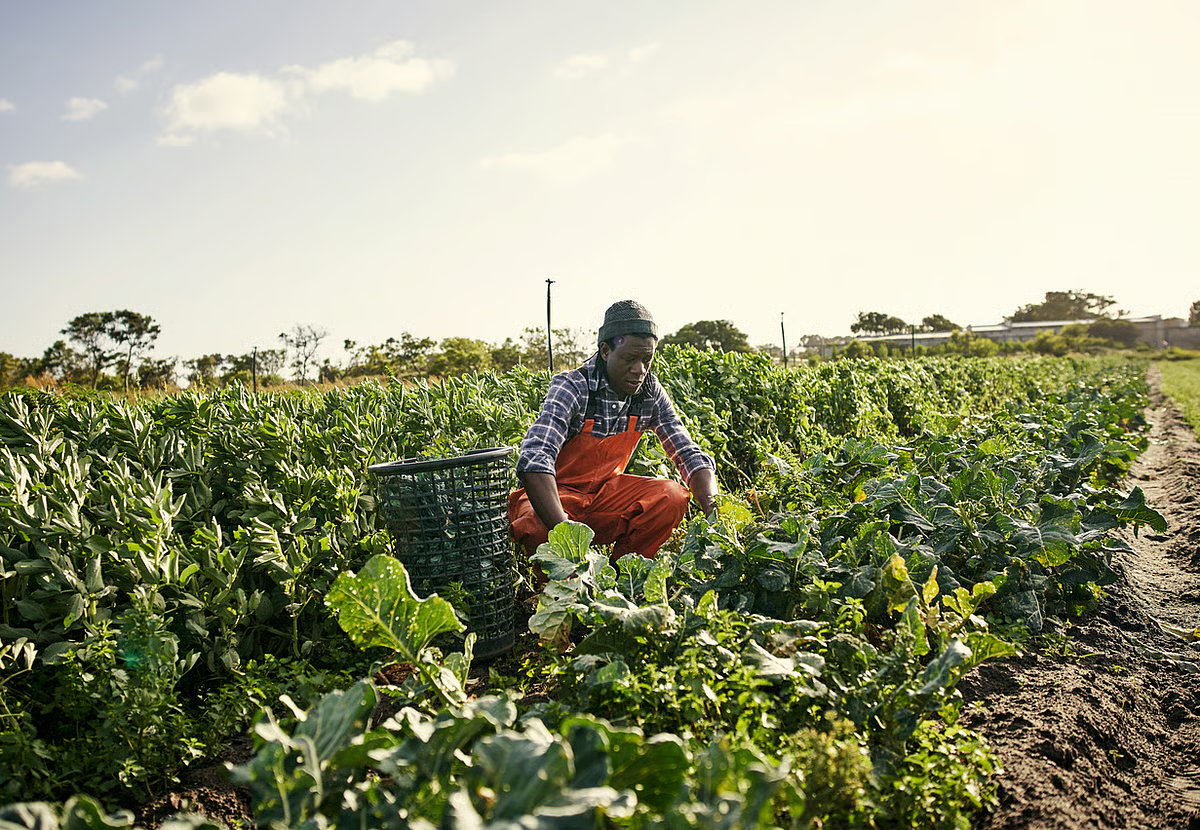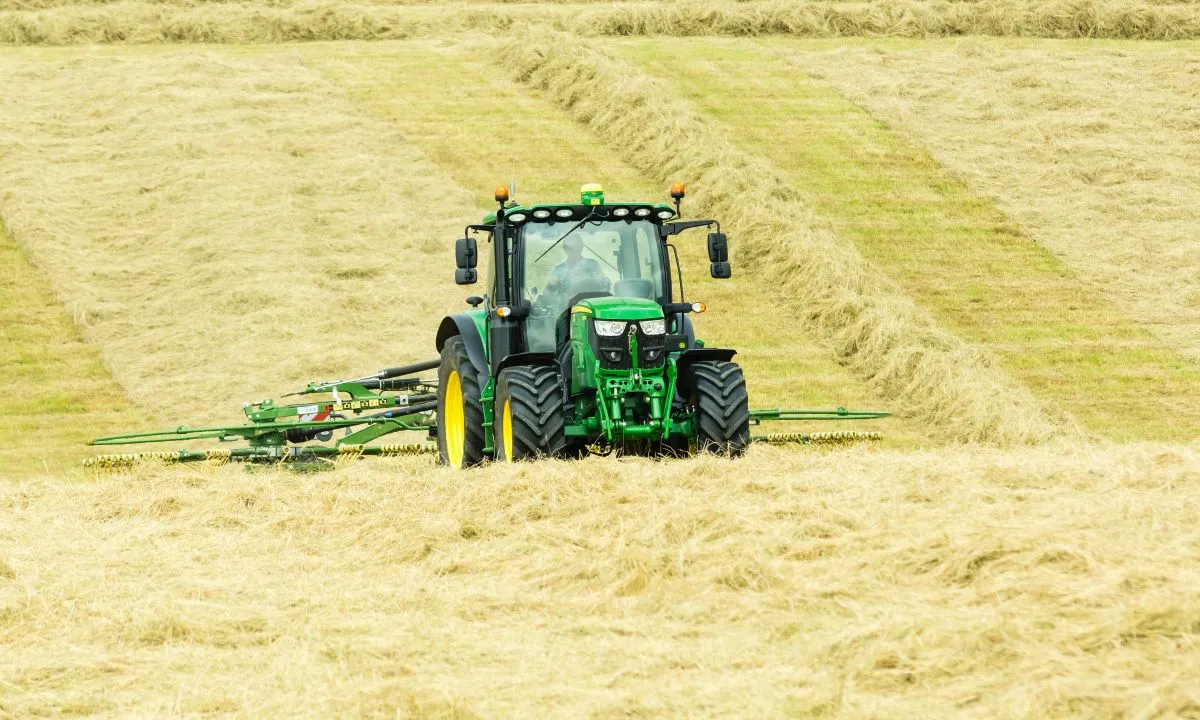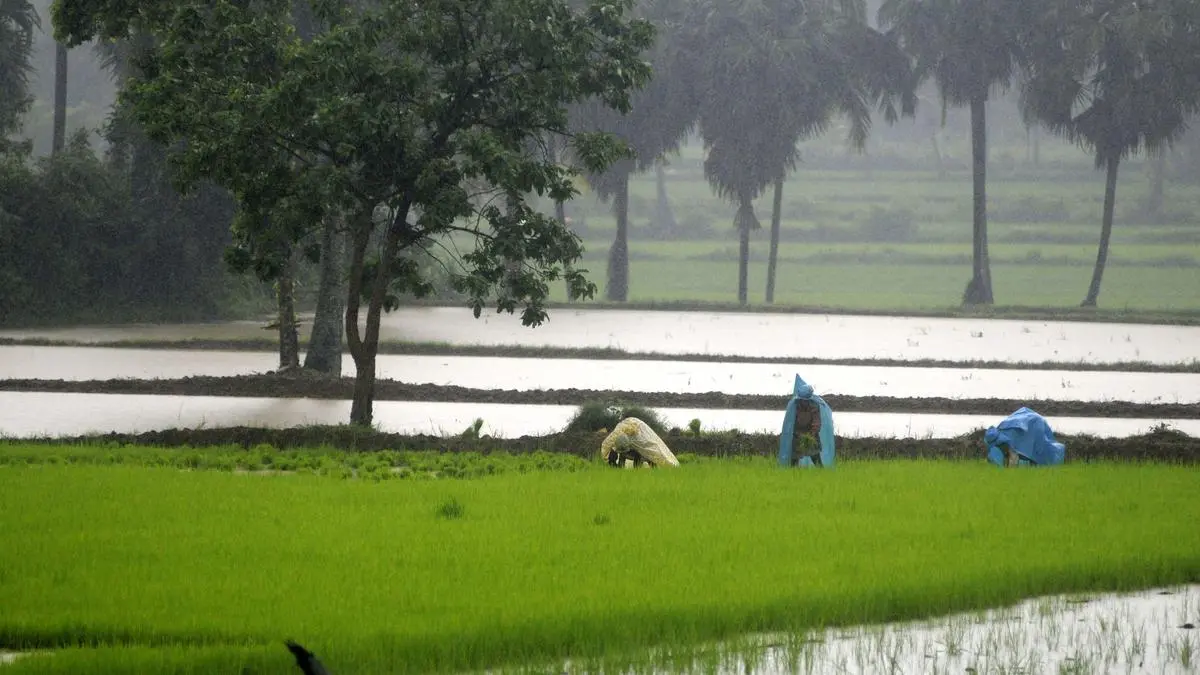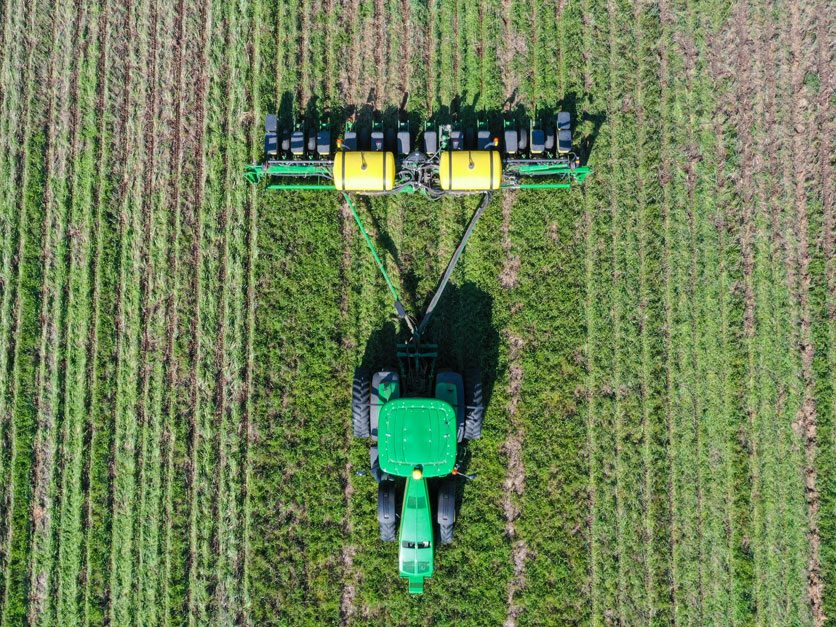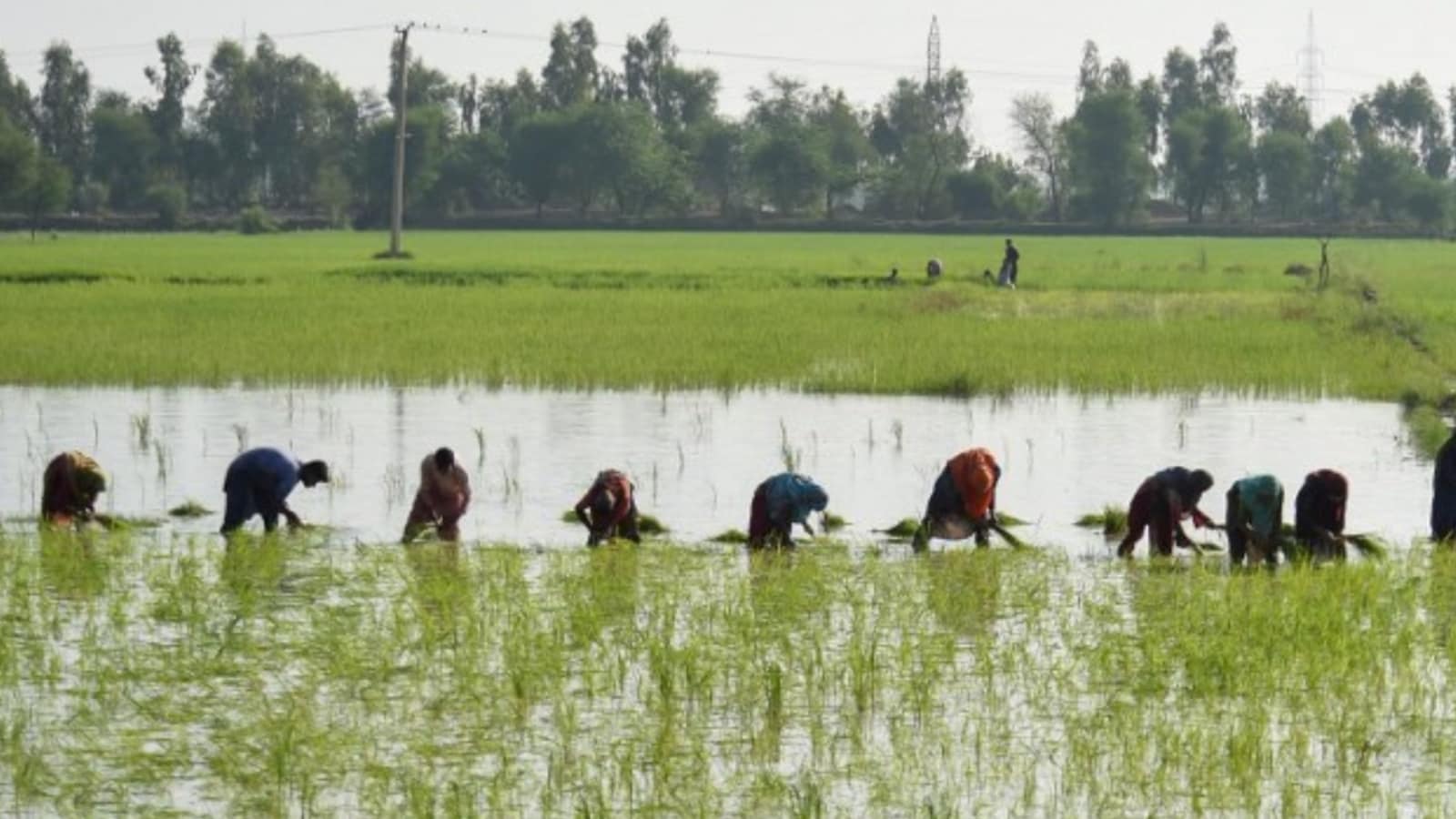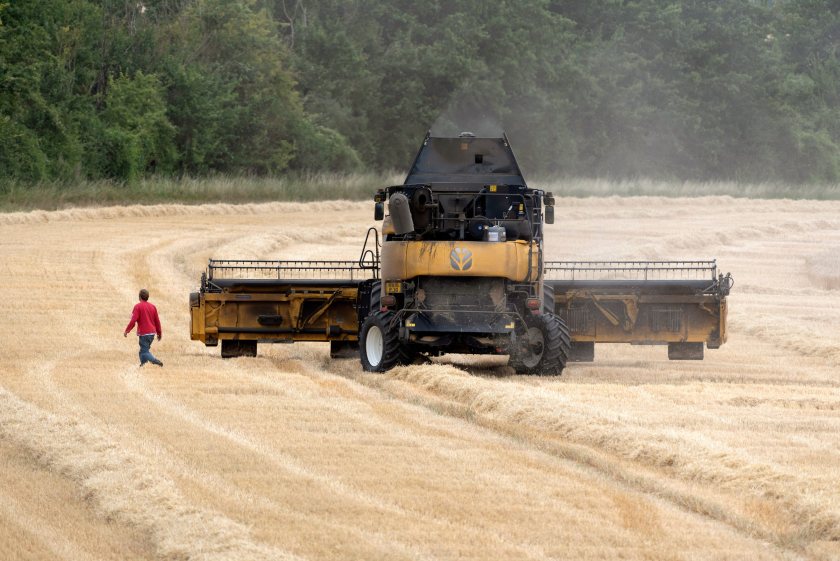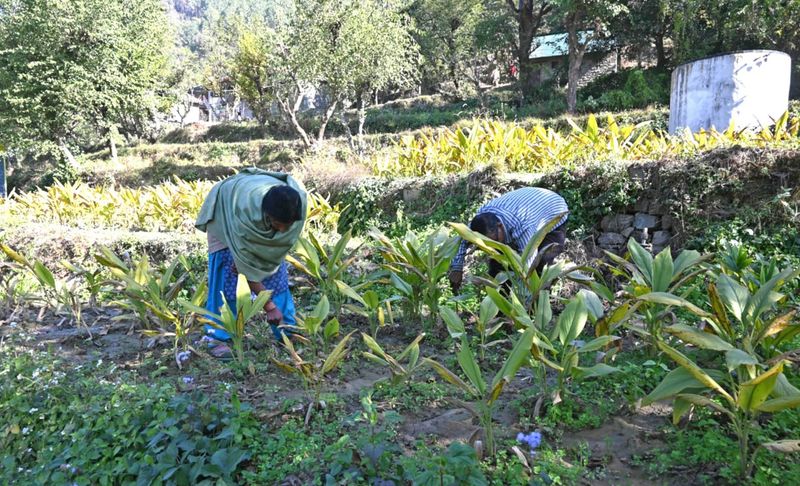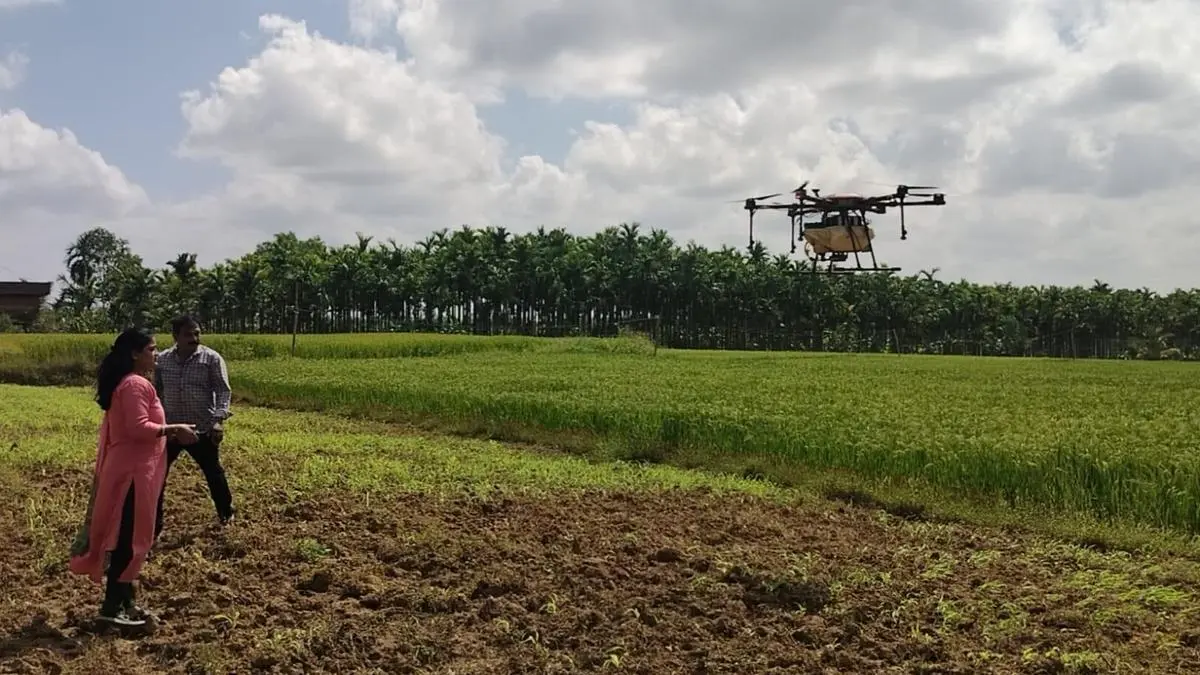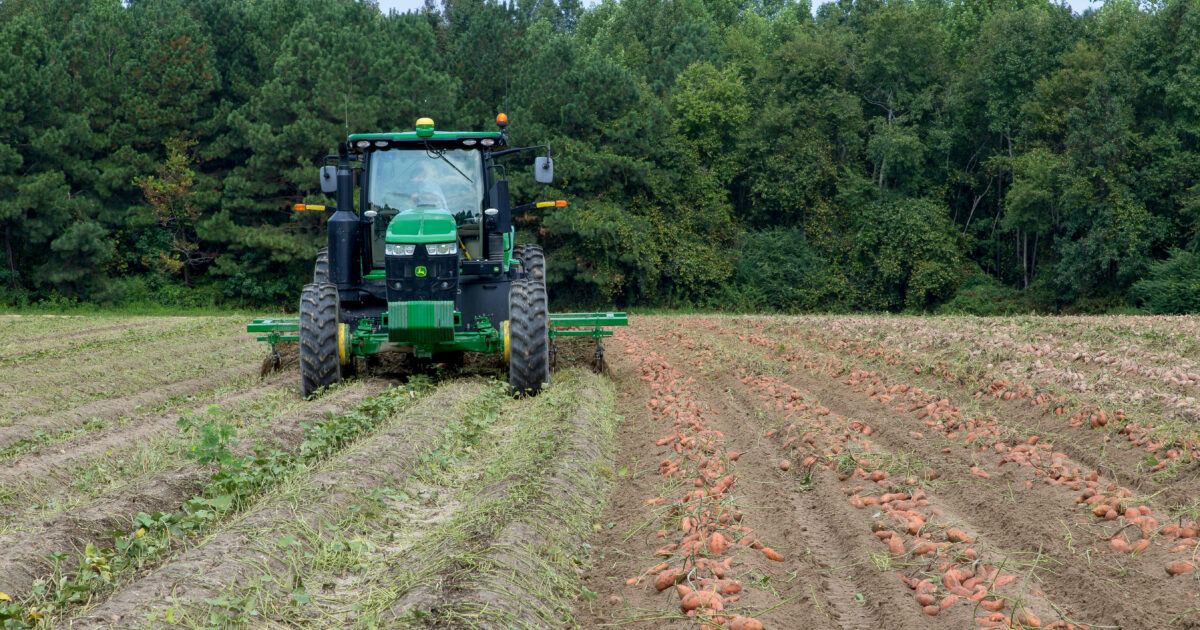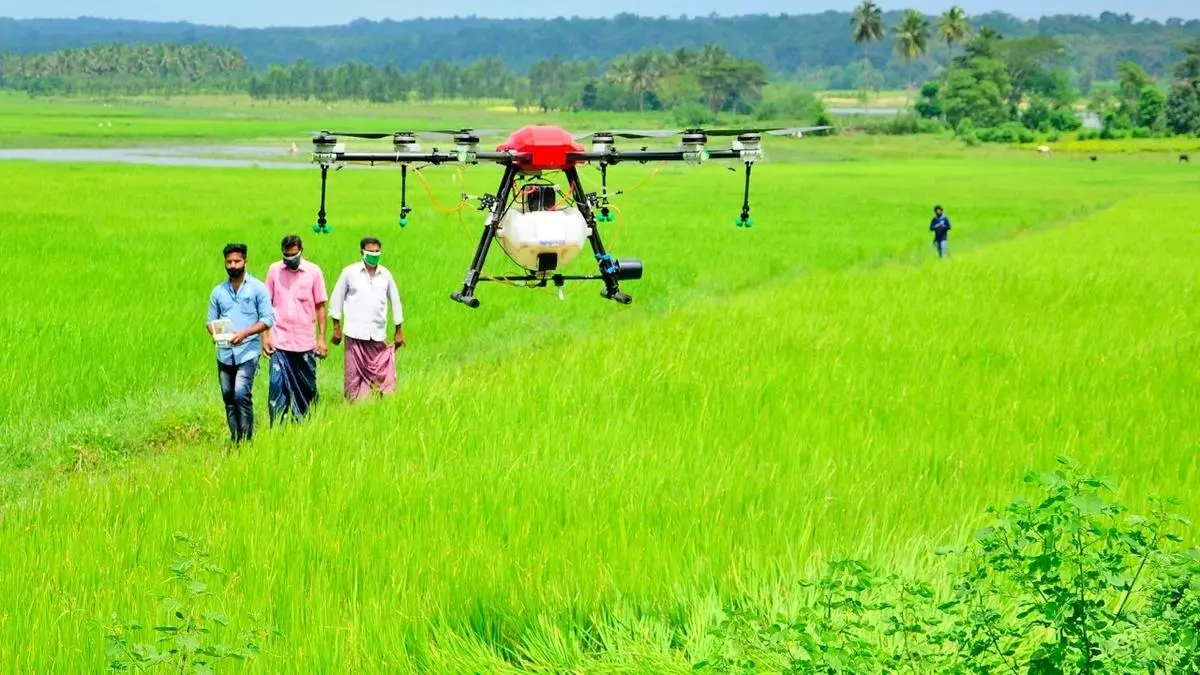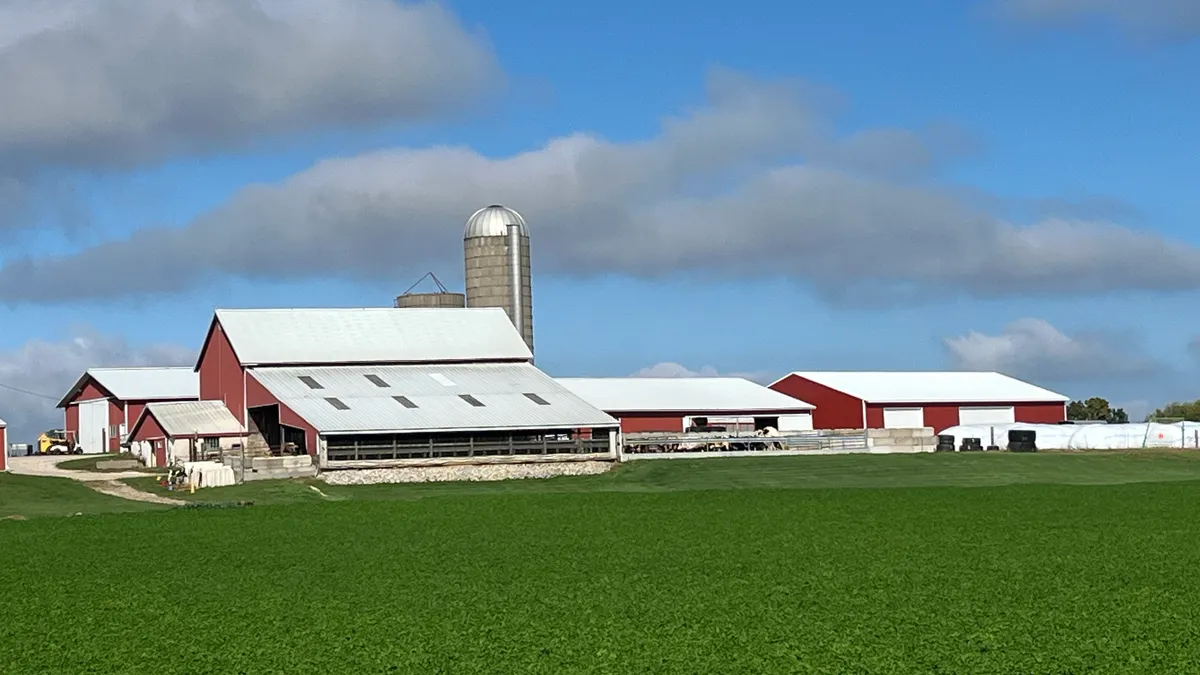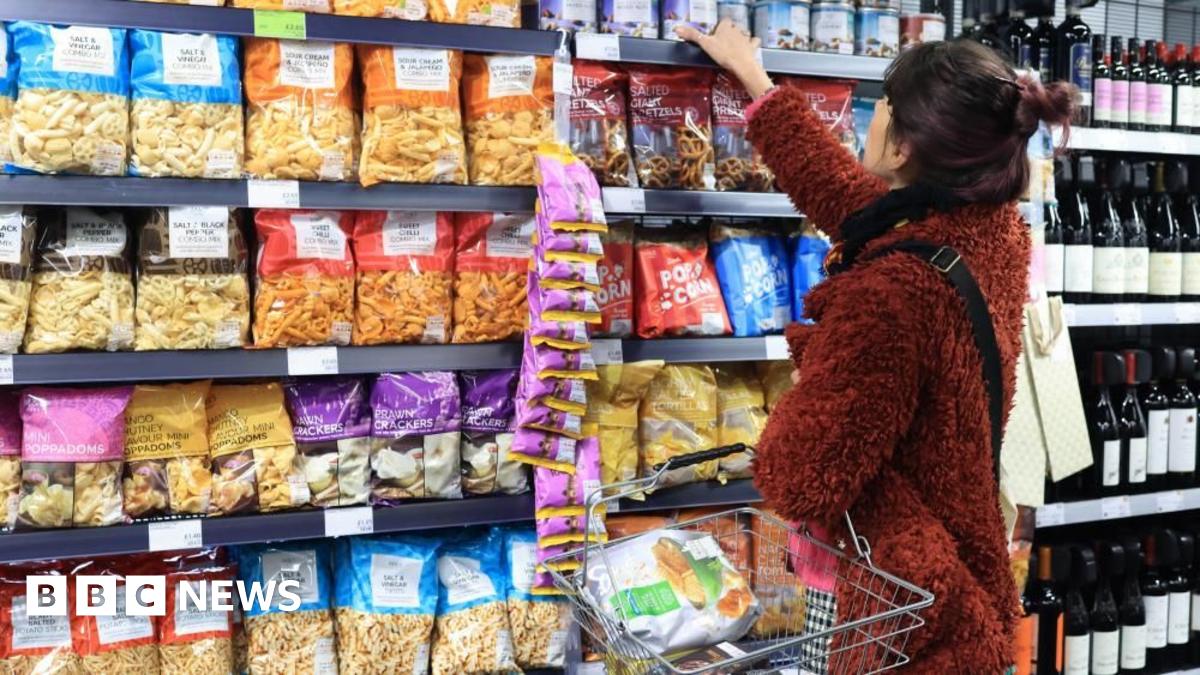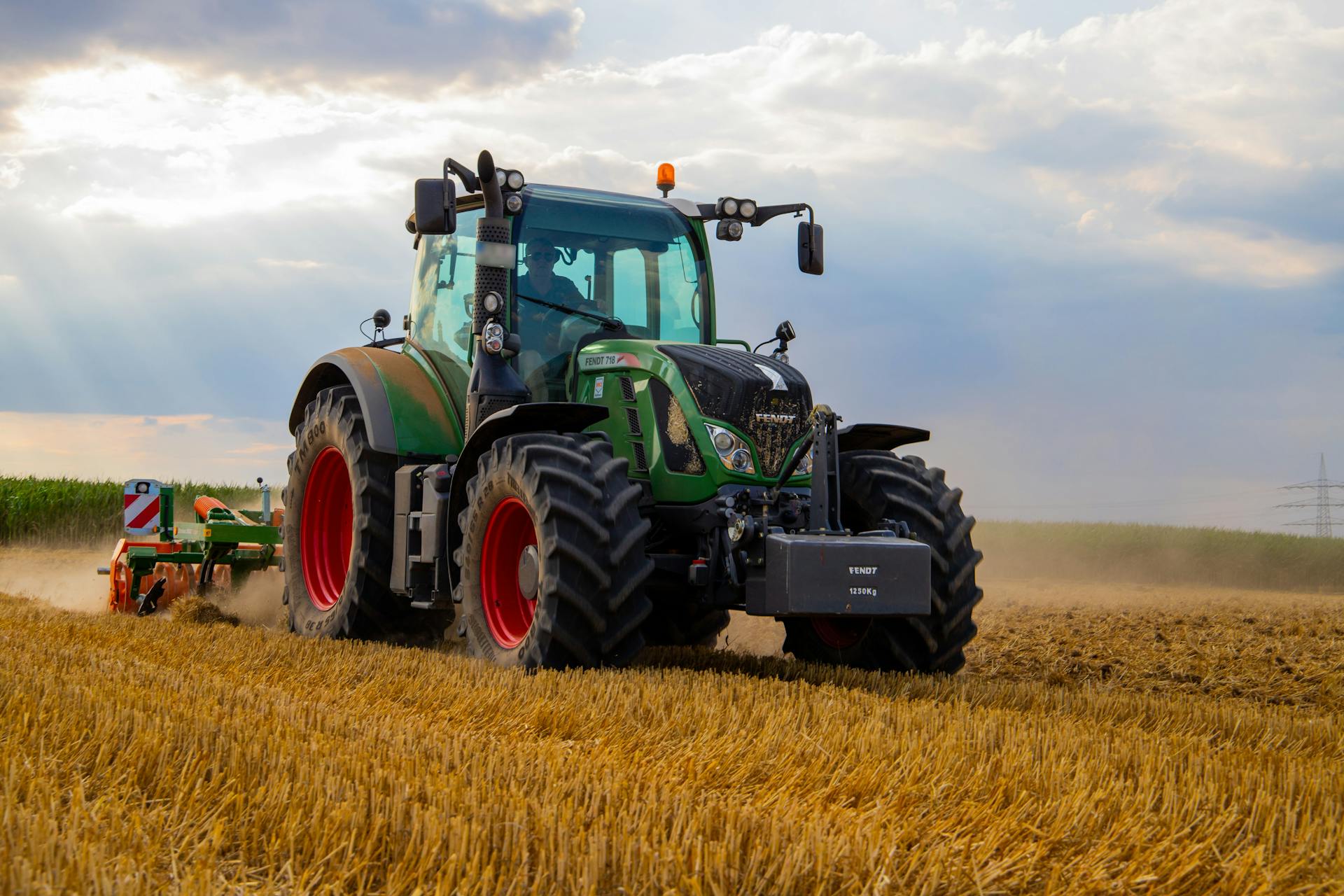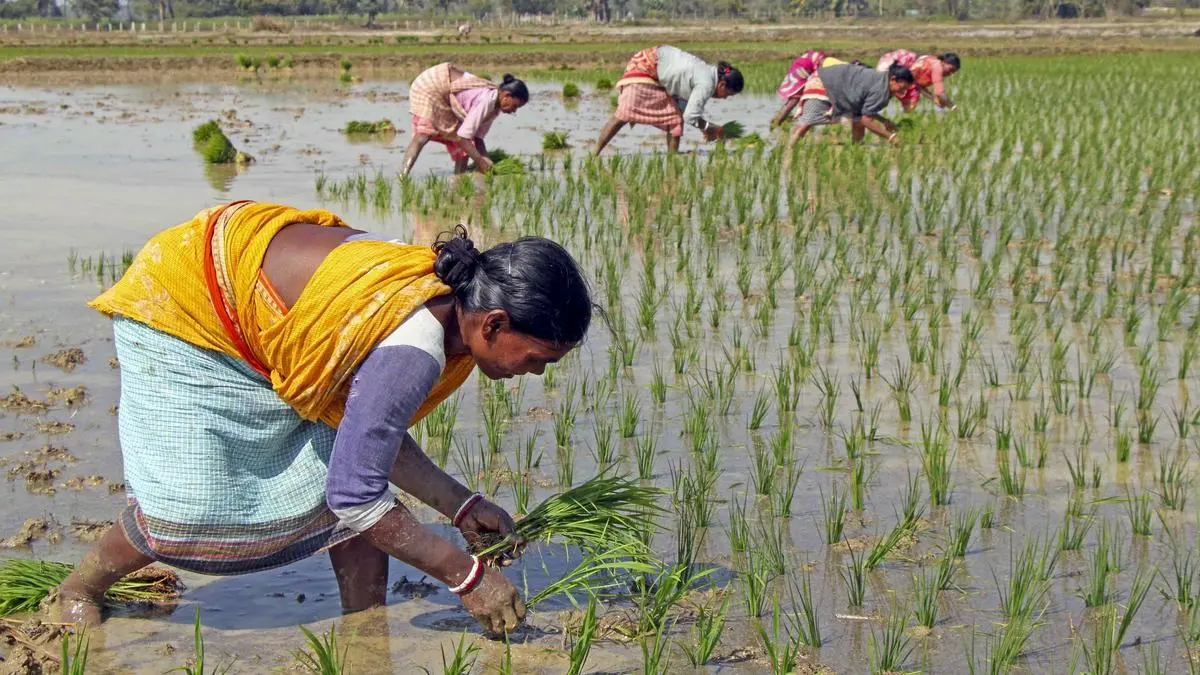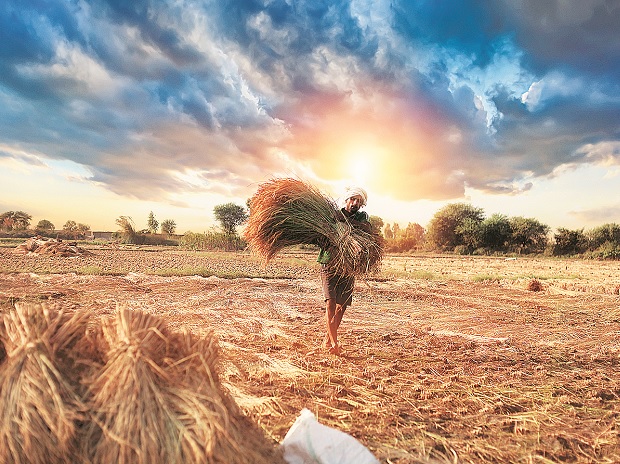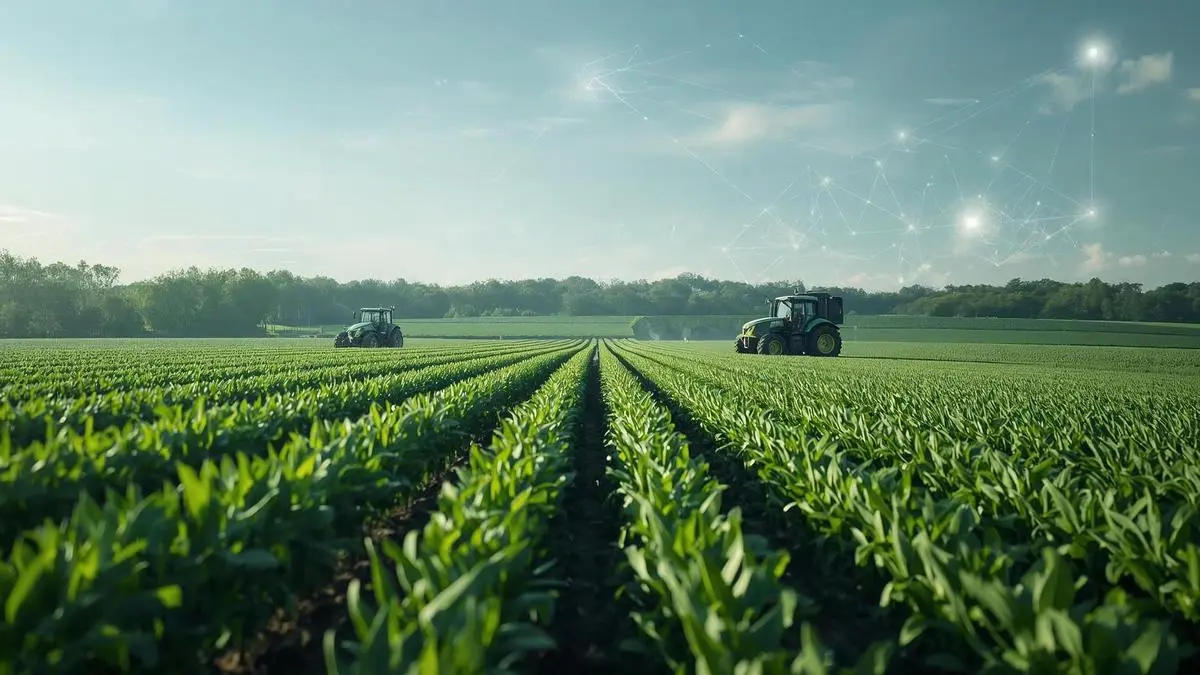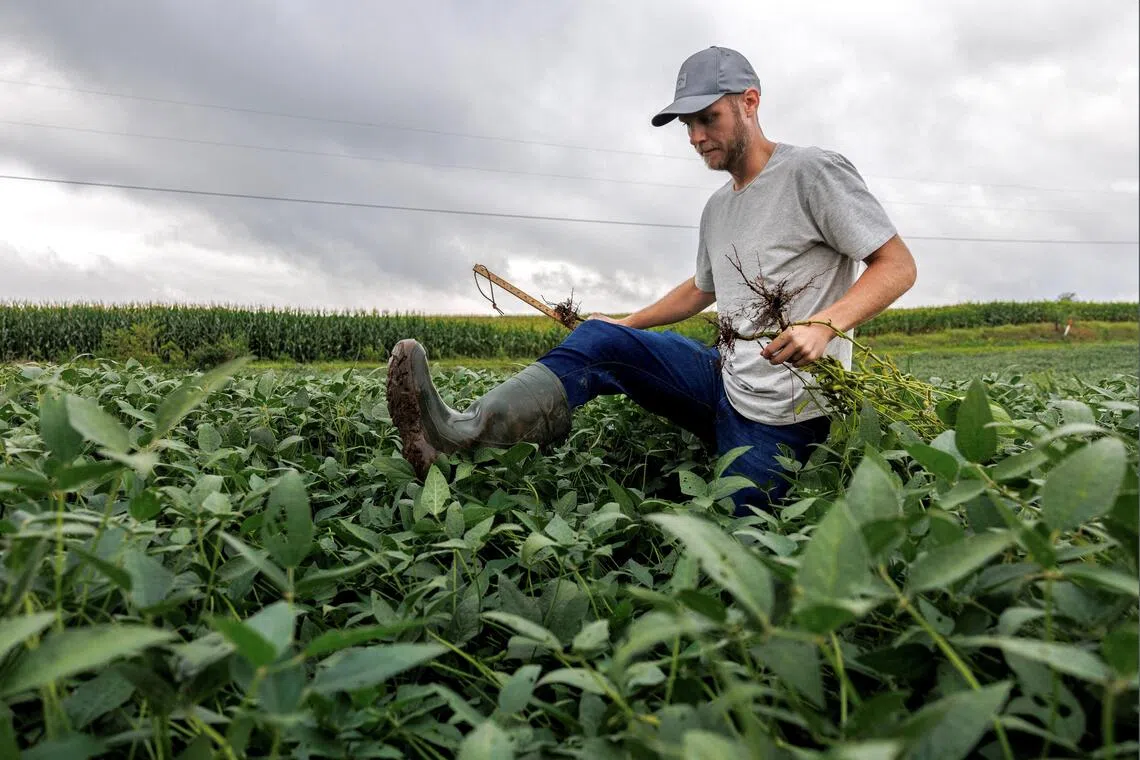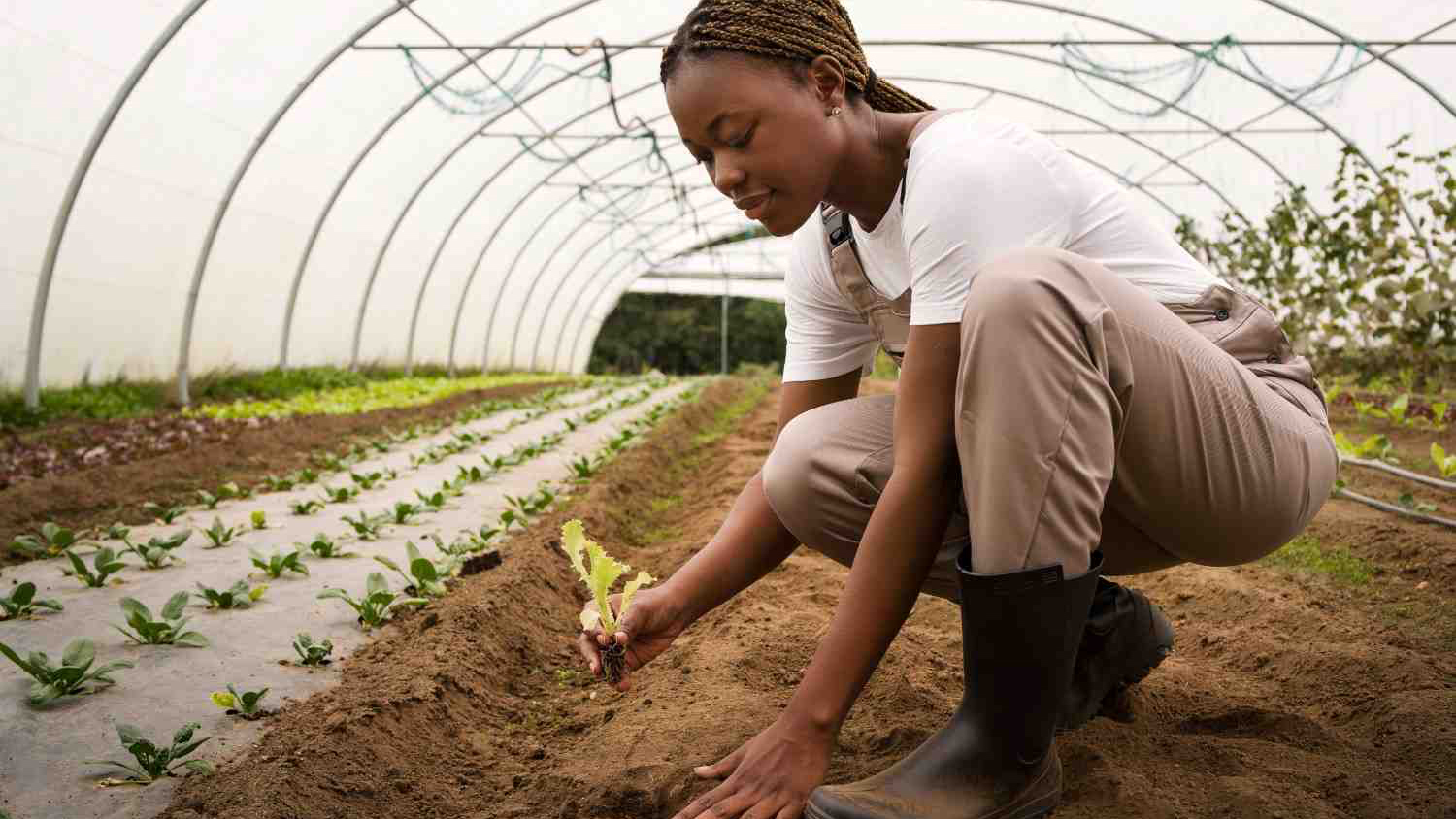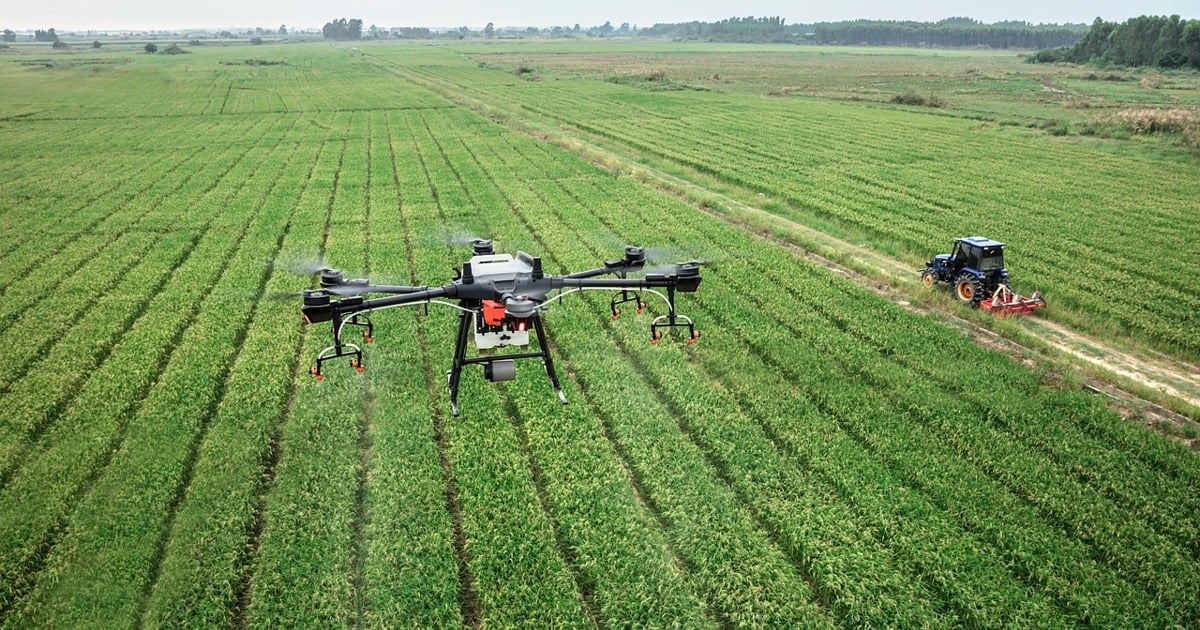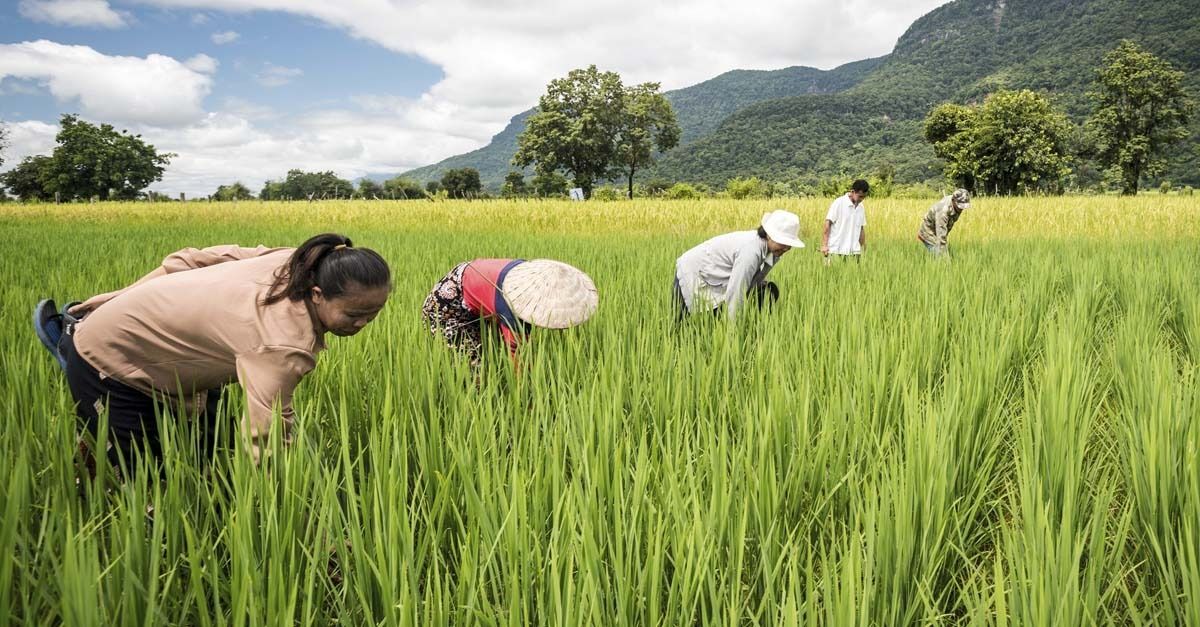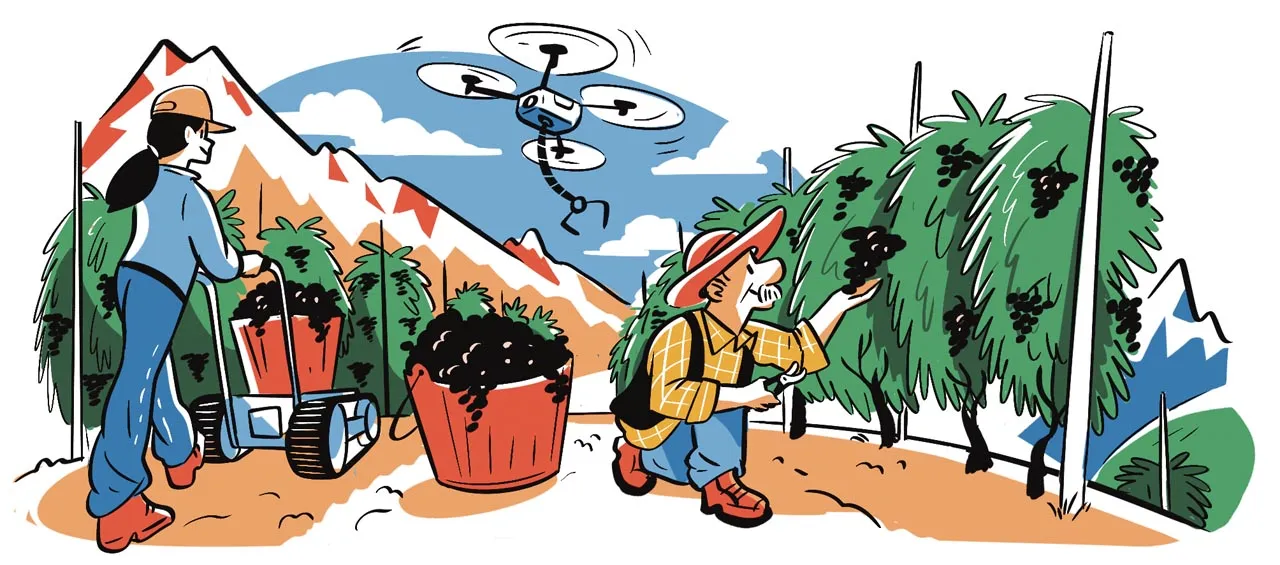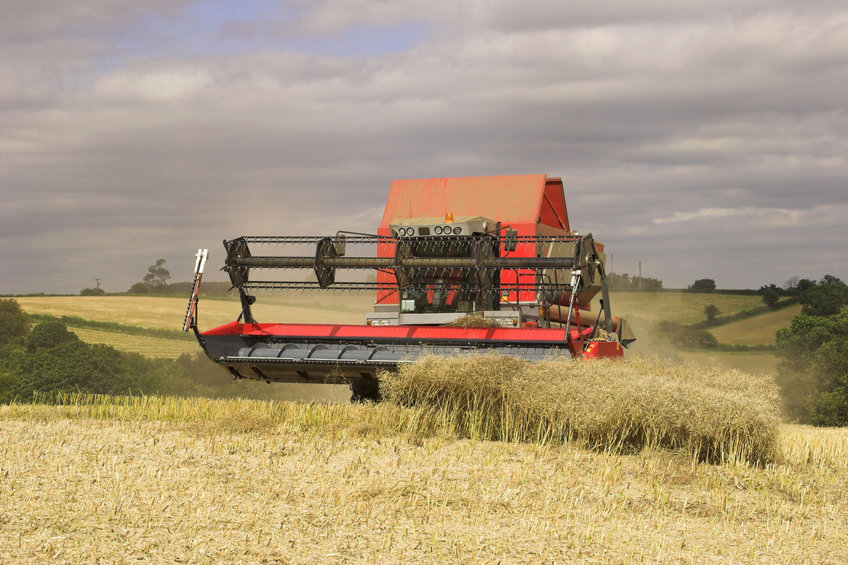
For years, conversations about rural growth in India have centred almost entirely on what happens on the farm. Yields, irrigation, crop diversification. All of these matter. But a quieter shift is taking place outside the farm gate. Increasingly, the real economic opportunity lies in what happens after the harvest.
This is where micro, small and medium enterprises (MSMEs) come into the picture.
Where value is actually created
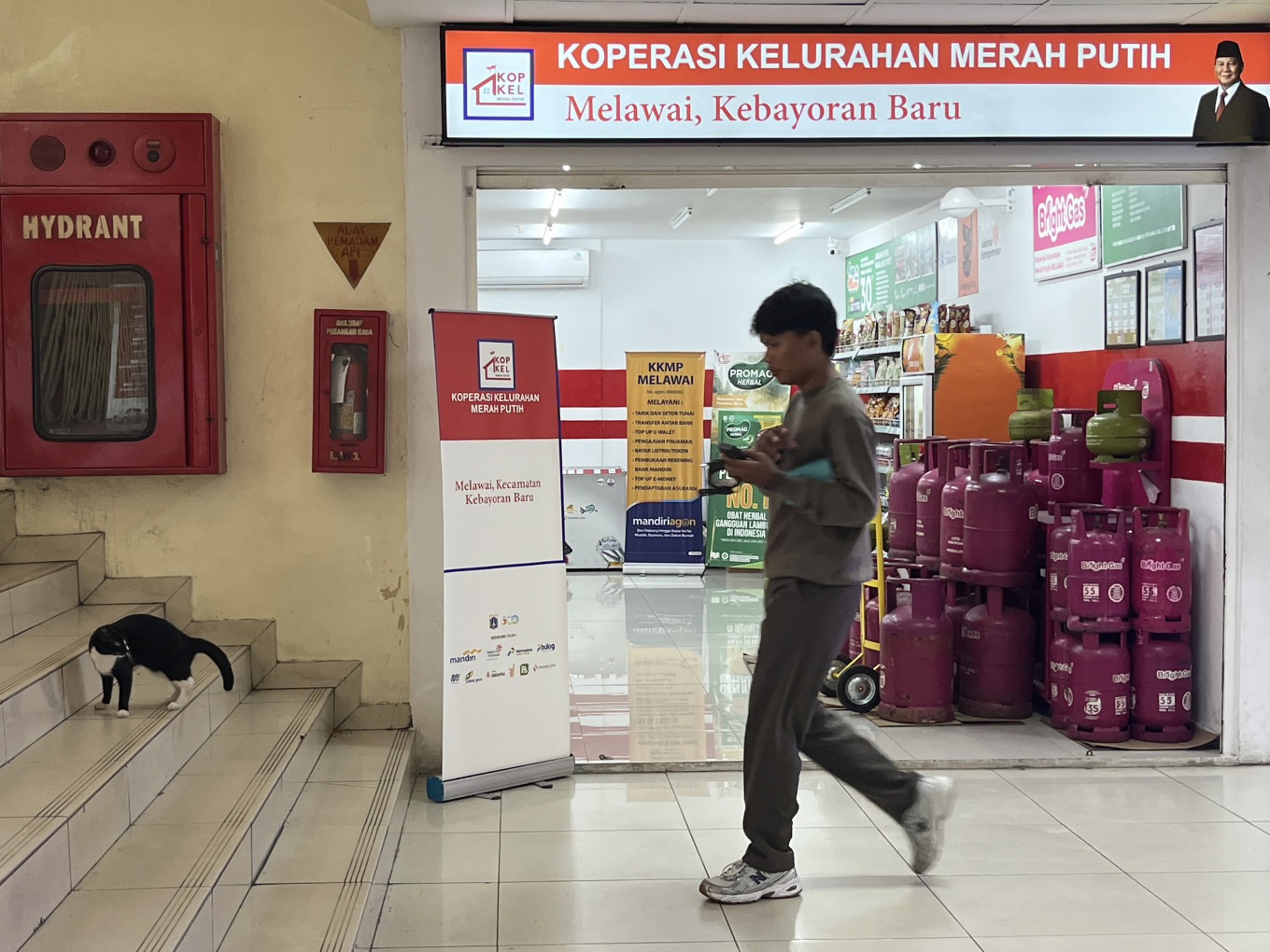
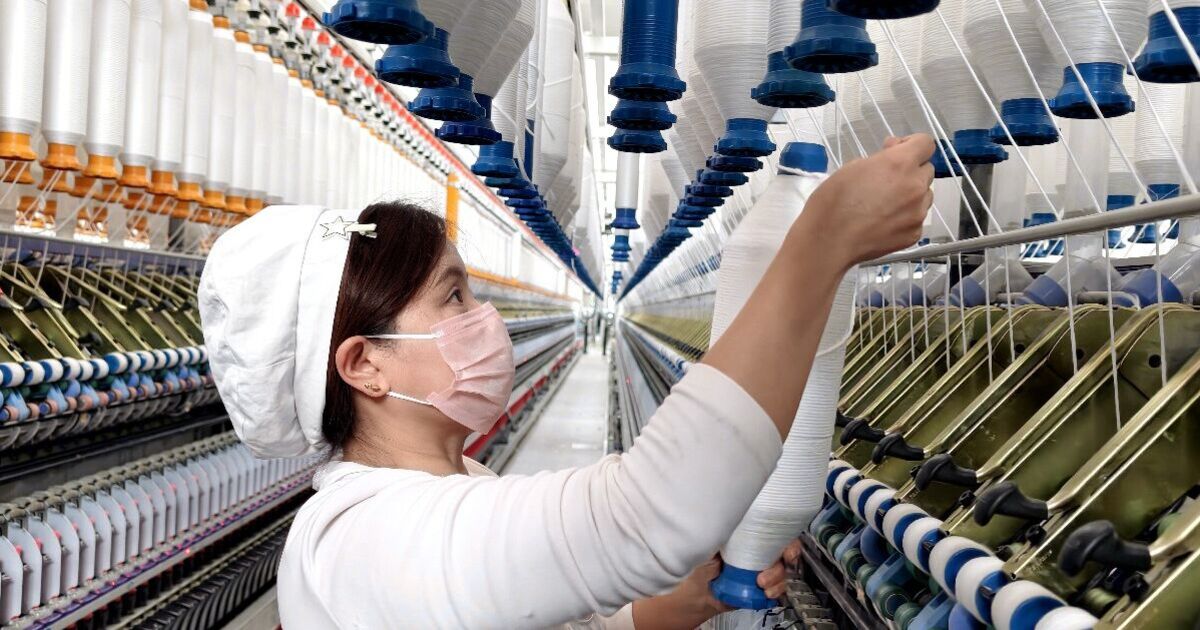
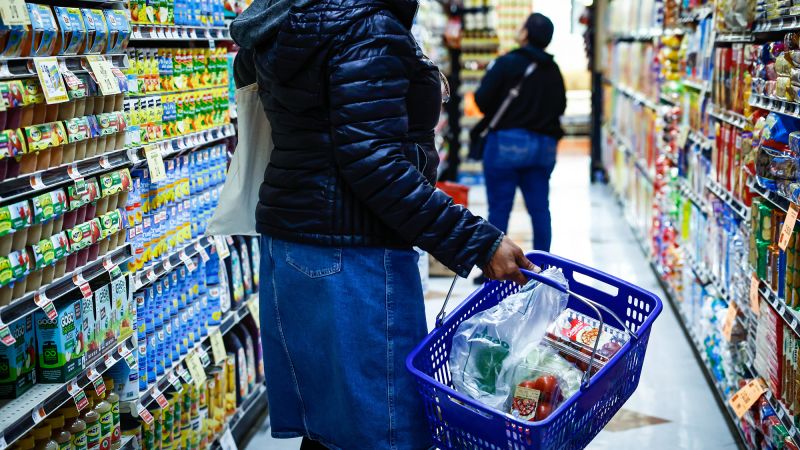
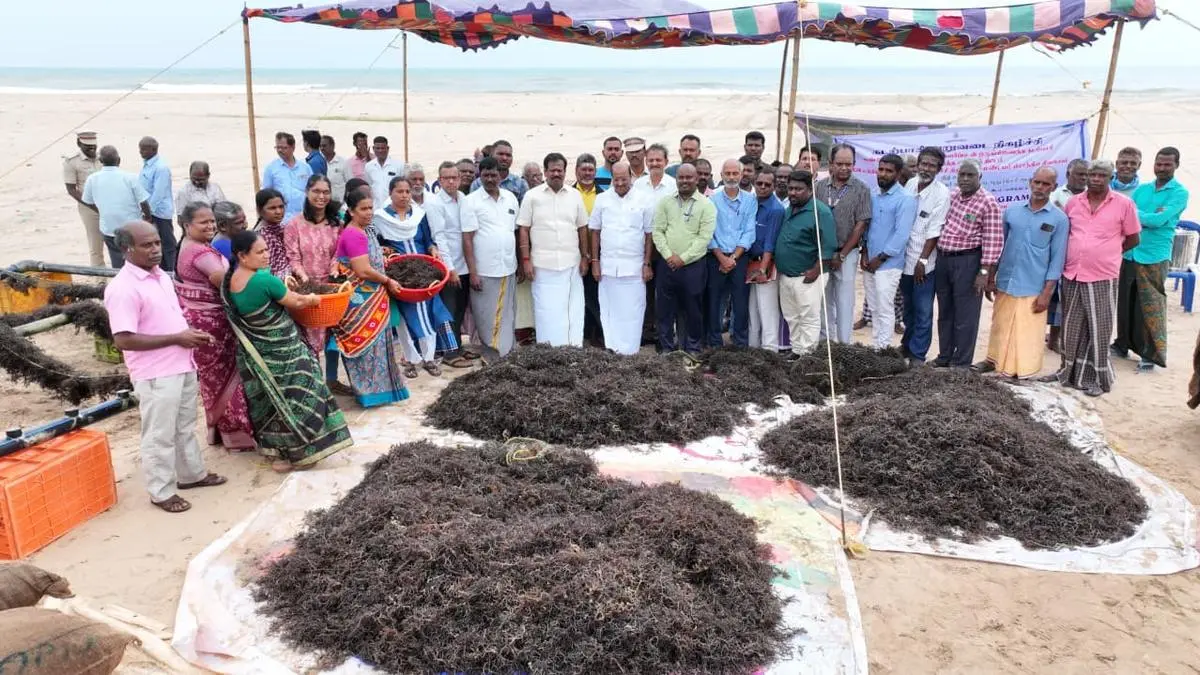
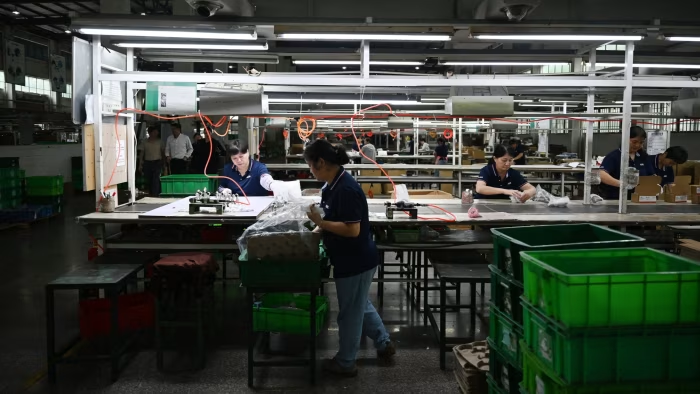
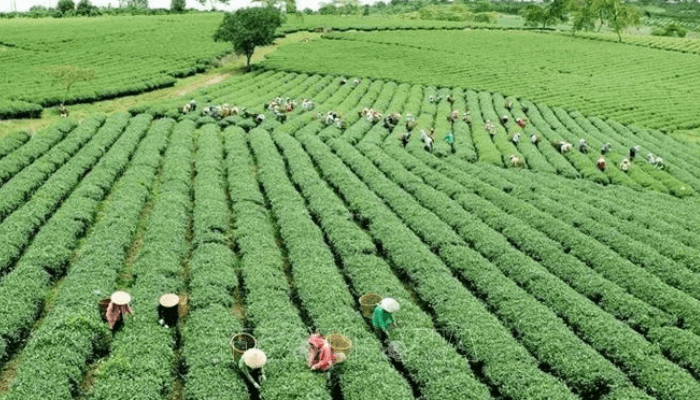
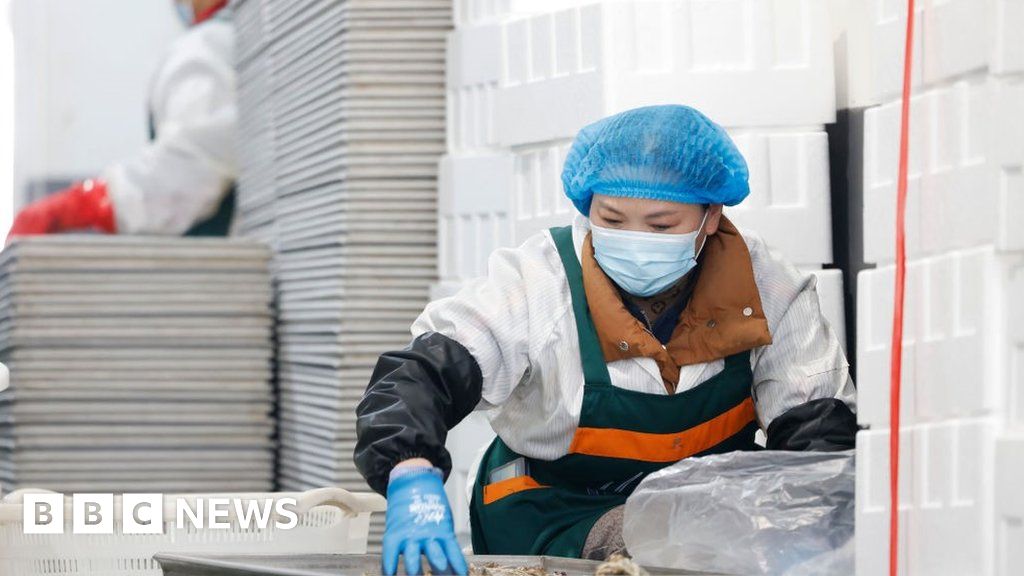
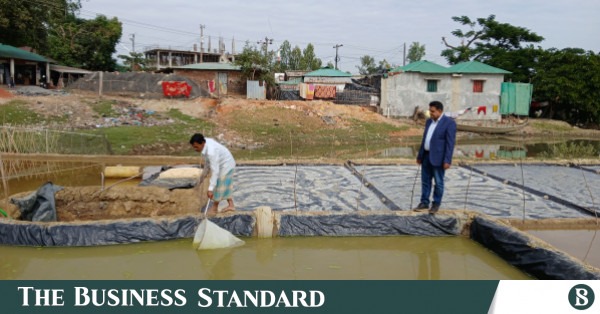
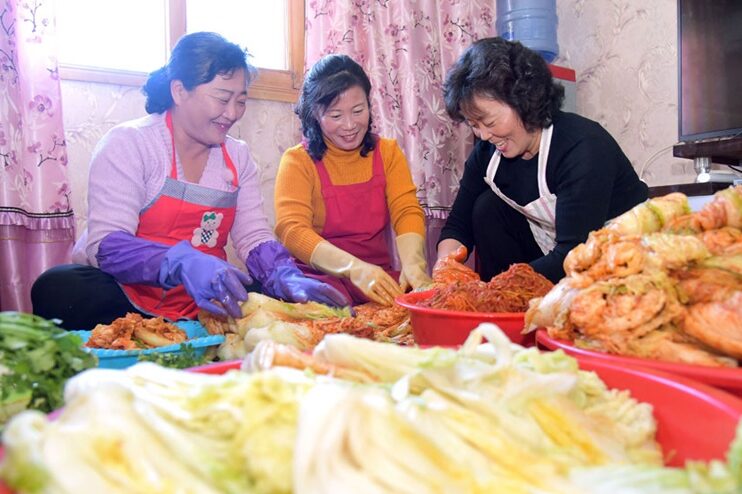
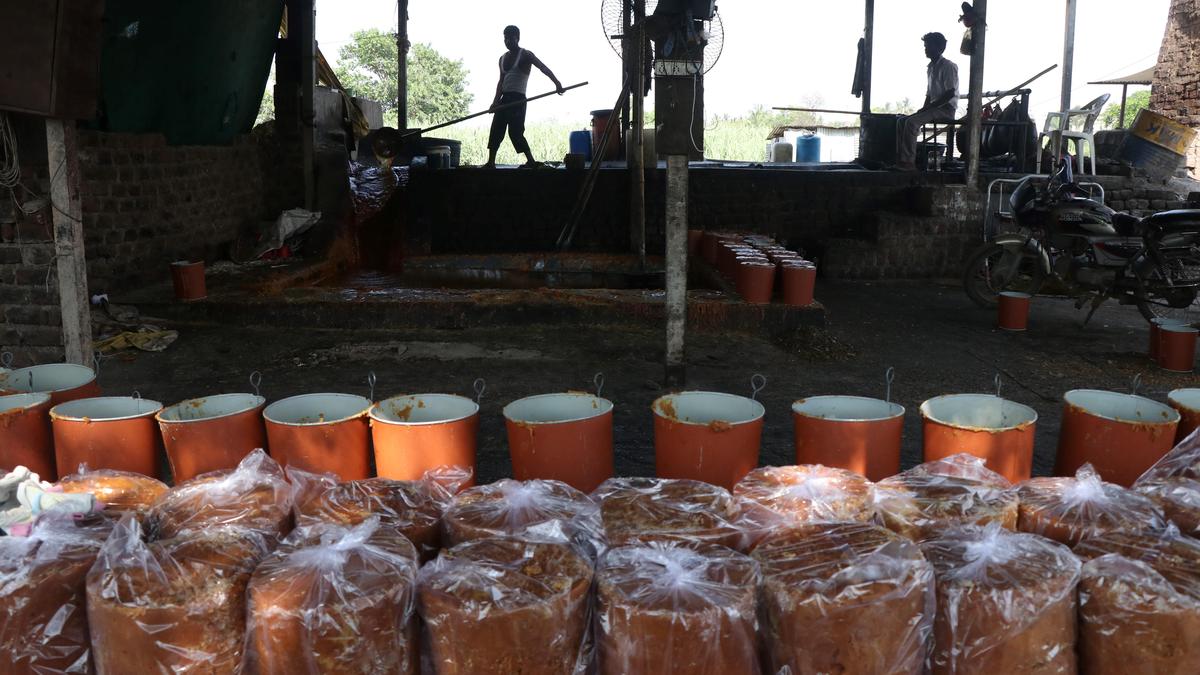
In many parts of rural India today, small food processors, packaging units, cold storage operators and transport businesses are beginning to shape how agricultural produce reaches markets.
They sit between farmers and consumers, performing the tasks that add value along the way. Without these enterprises, even a good harvest does not always mean better incomes for farmers.
However, India already has a resilient base to build on. MSMEs contribute nearly 30 percent of the country’s GDP and around 45 percent of exports, while employing millions across sectors.
Their real strength in rural areas lies in their proximity to local markets. Small enterprises are often located in smaller towns. They respond quickly to local demand and work in close collaboration with the farming communities in the vicinity. Large corporations rarely undertake such tasks.
Strengthening the link between farms and markets
When MSMEs become part of agriculture value chains, the impact can be visible almost immediately. A small processing unit buying tomatoes from nearby villages can stabilise local demand.
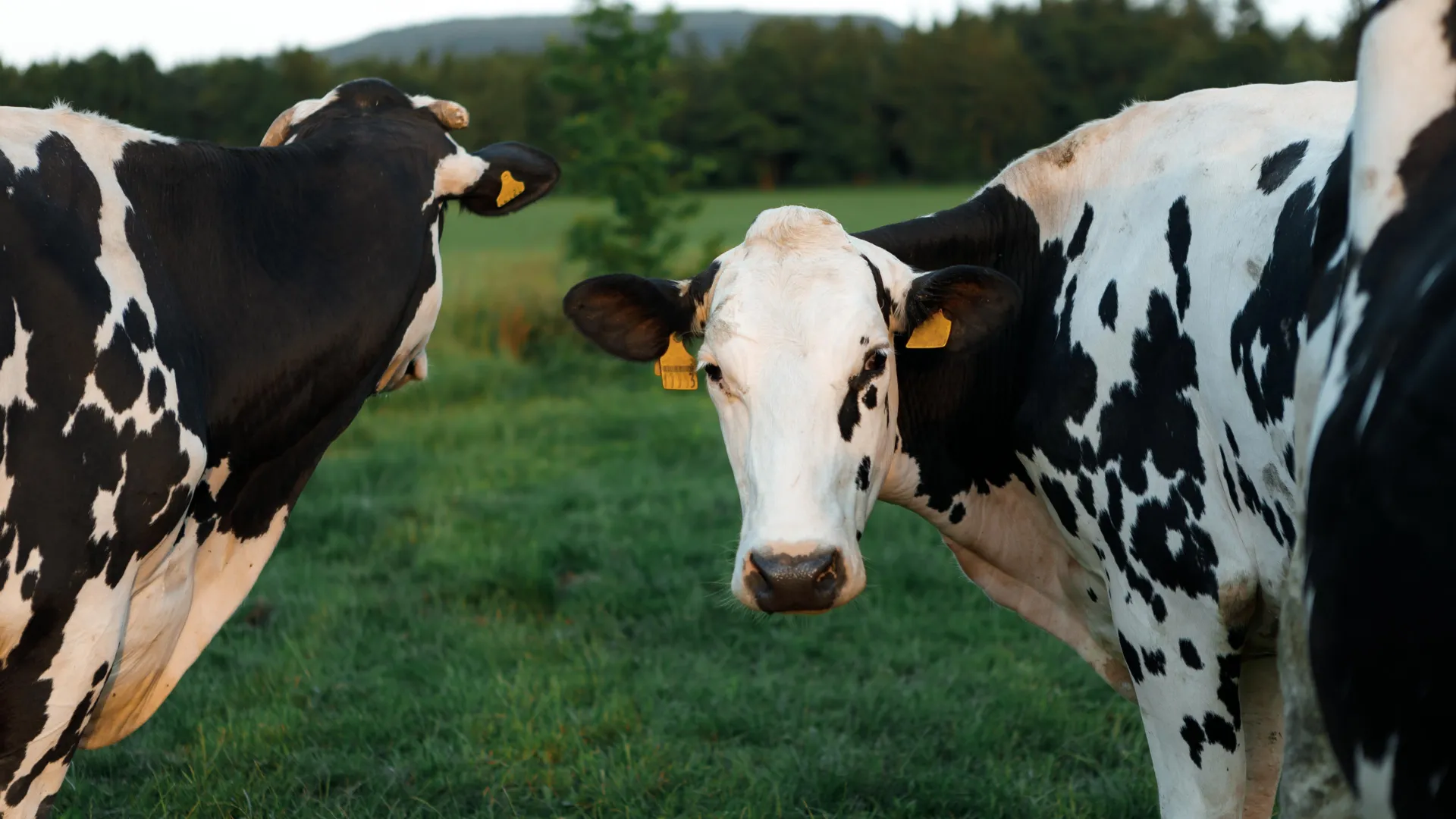
A dairy processing enterprise sourcing milk from clusters of farmers can improve price discovery. Even something as simple as better storage or transport can reduce the losses that often occur before produce reaches the market.
These changes may sound incremental, but they add up.
Lessons from global food systems
Globally, the relationship between small enterprises and agricultural markets has long been recognised. The World Bank notes that small and medium agribusinesses frequently serve as the link connecting smallholder farmers to larger markets and supply chains. In many developing economies, they form the backbone of local food systems.
India’s own experience points in the same direction. The food processing sector, which has expanded steadily over the past decade, draws heavily on small and medium enterprises operating close to agricultural production centres.³ Their presence helps move agricultural output into higher value products while creating employment beyond farming.
Addressing structural gaps
Yet the potential remains only partially tapped. Many rural enterprises continue to face familiar constraints. Access to credit is uneven, logistics infrastructure remains patchy in several regions and reliable cold storage facilities are still limited in many agricultural belts.
Closing these gaps will take more than a few policy announcements. What is really needed is steady investment in the basics that allow rural enterprises to function well—reliable infrastructure, easier access to finance and stronger connections between farmers, processors and markets.
There are, however, signs of progress. MSMEs have started to receive substantial policy attention in the recent past. Efforts to formalise small businesses, improve credit access and promote enterprise clusters are gradually facilitating these firms to grow and operate more efficiently. If aligned more closely with agricultural development initiatives, these measures could unlock far greater value across rural economies.
Building the next phase of rural growth
What is becoming clear is that rural prosperity will not come from farm output alone. The real gains will emerge from building stronger networks around agriculture—networks that include processing units, logistics providers, agri-service firms and local entrepreneurs.
MSMEs sit at the centre of this emerging ecosystem.
They connect farms to markets, create employment where it is most needed and help ensure that value generated by agriculture stays closer to rural communities. Integrating them more deeply into agricultural value chains is, therefore, not simply an economic strategy.
It is one of the most practical ways to strengthen the foundations of rural growth in India.
(The author is Director-General, Indian Chamber of Commerce)
Published on March 28, 2026