
By Esther Onyegbula
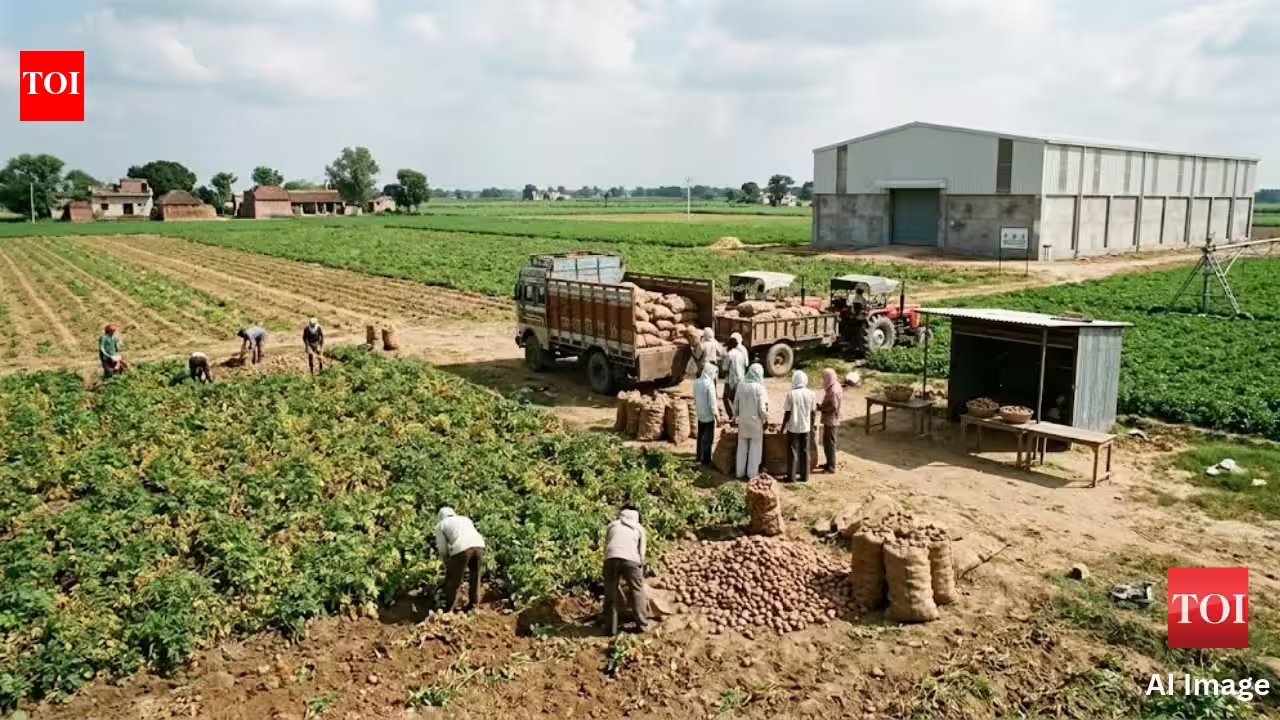
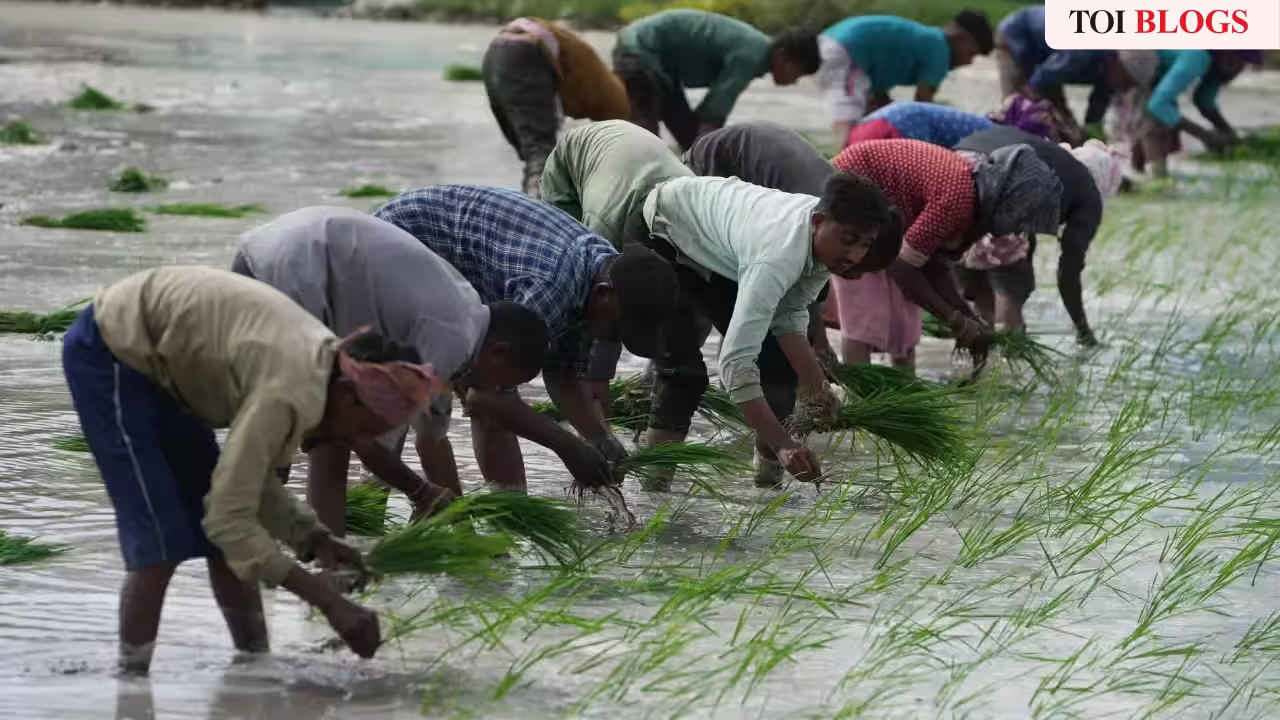
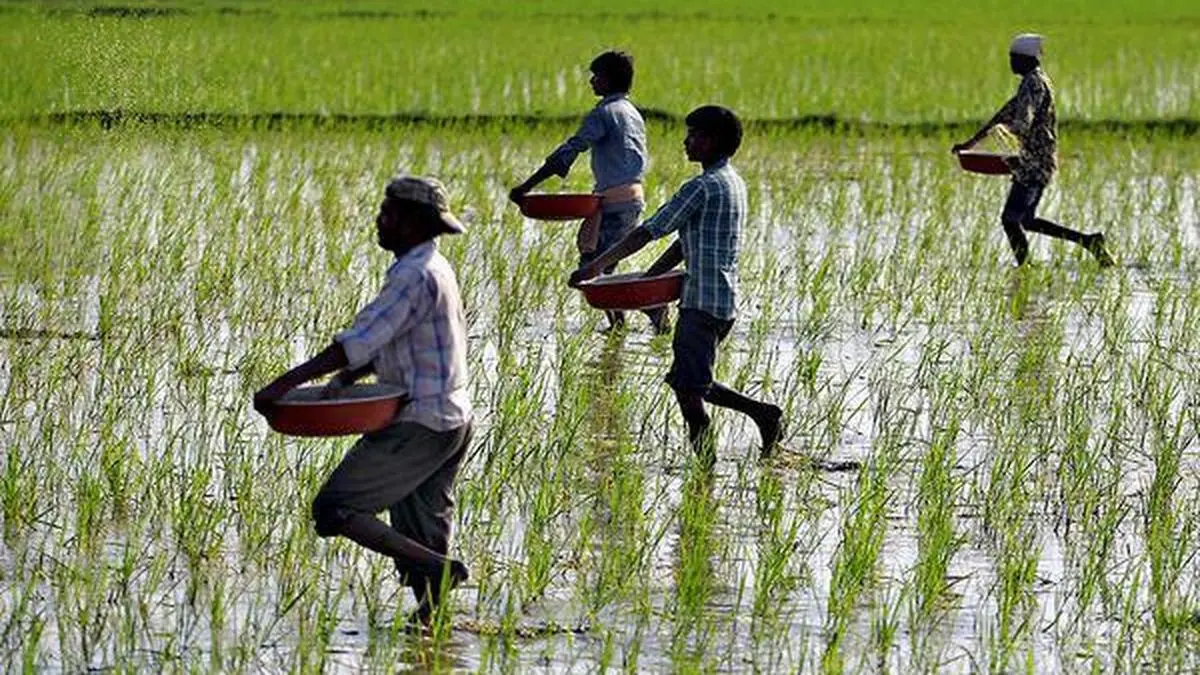
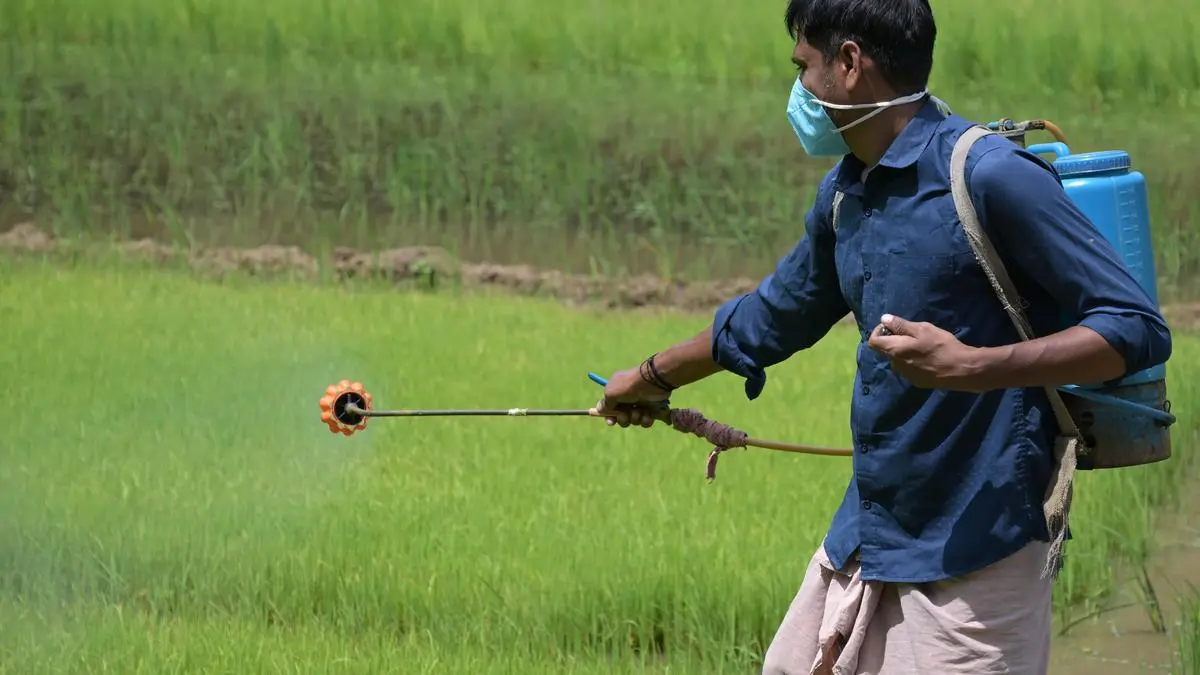
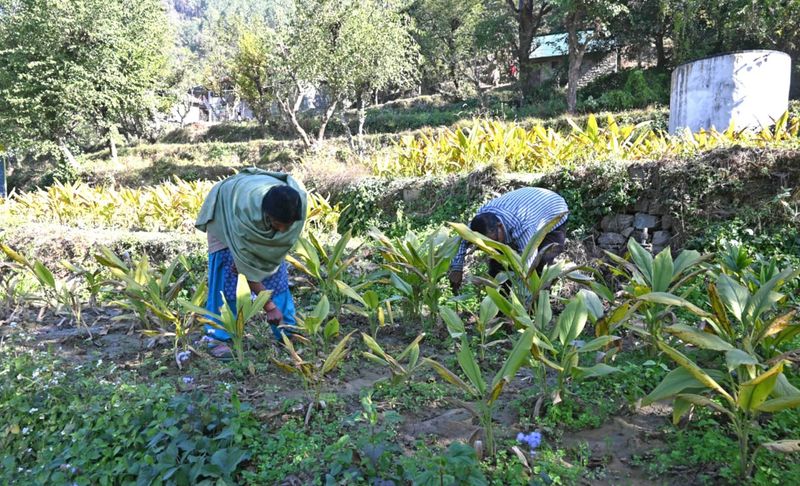
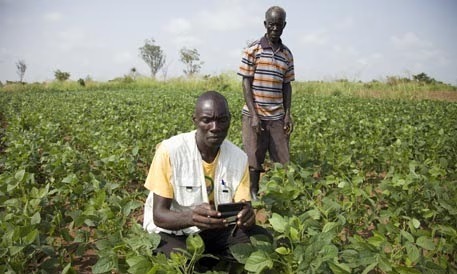
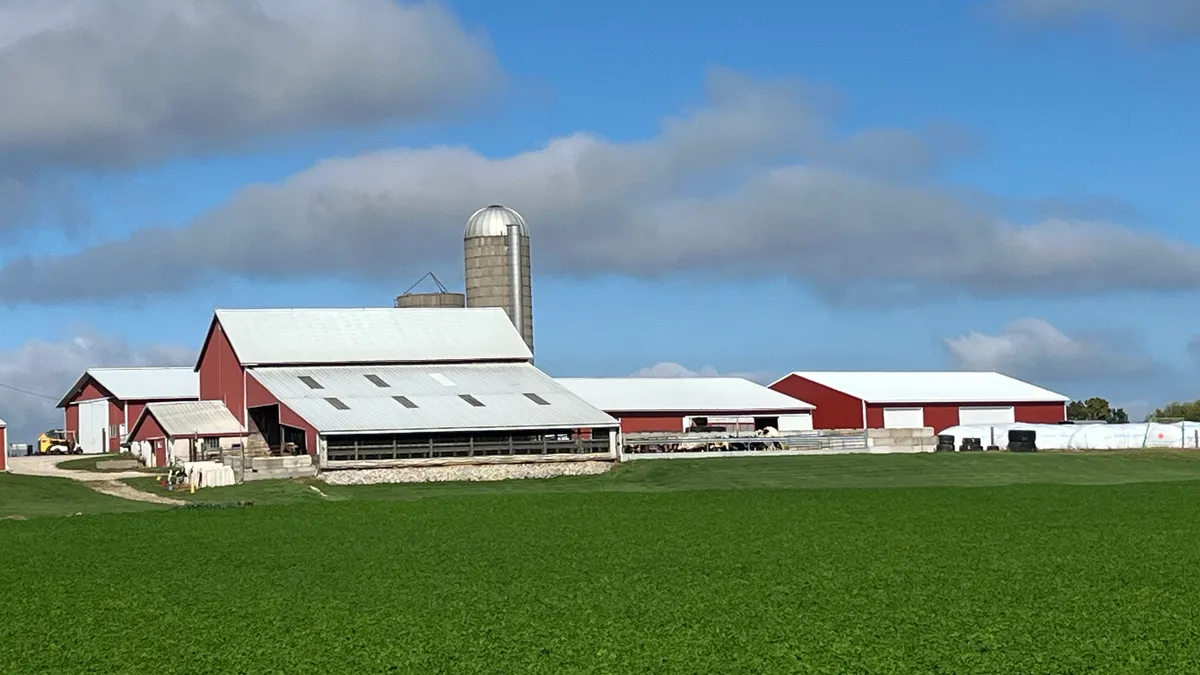
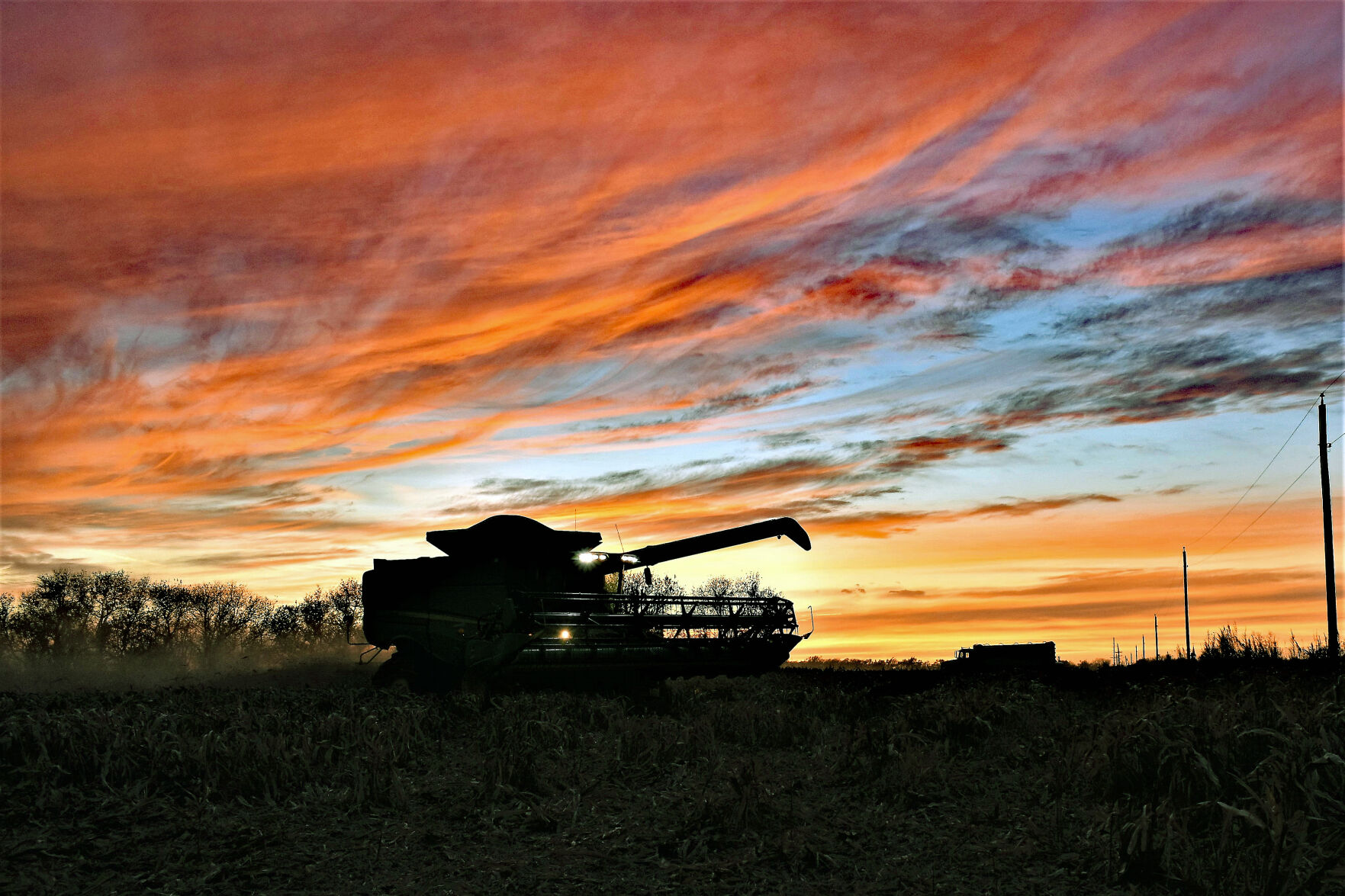
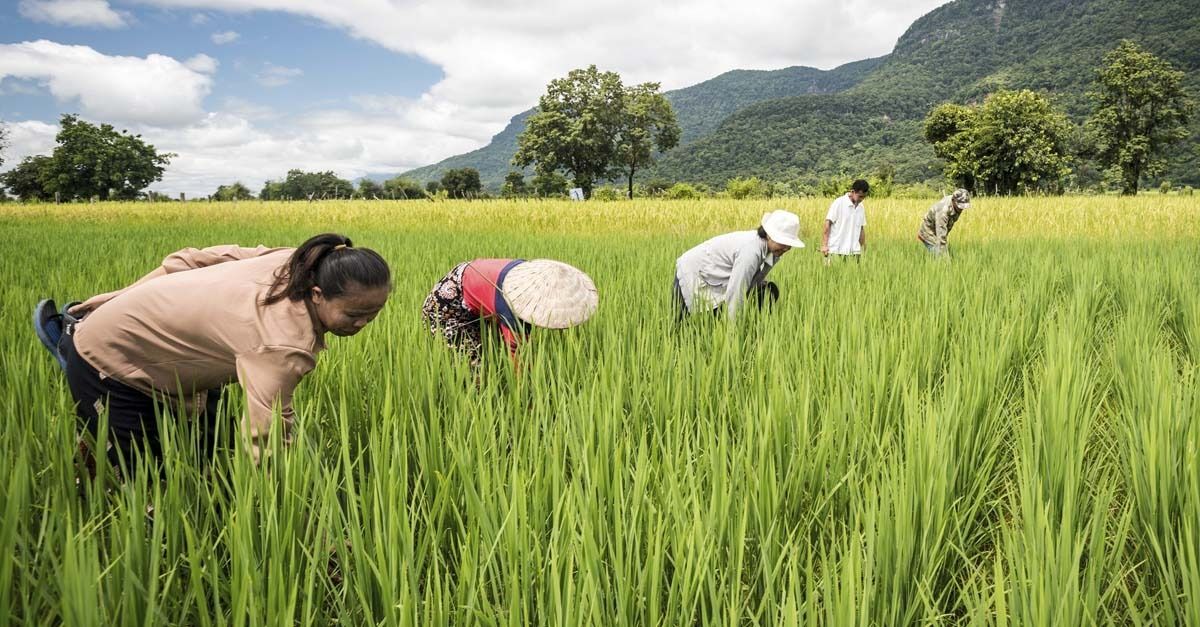
For aspiring farmers and agricultural investors seeking to build wealth, owning hectares of farmland and recording bumper harvests may not necessarily translate into financial success, as the real economic opportunities in agriculture lie in processing, distribution, storage, logistics and other segments of the value chain.
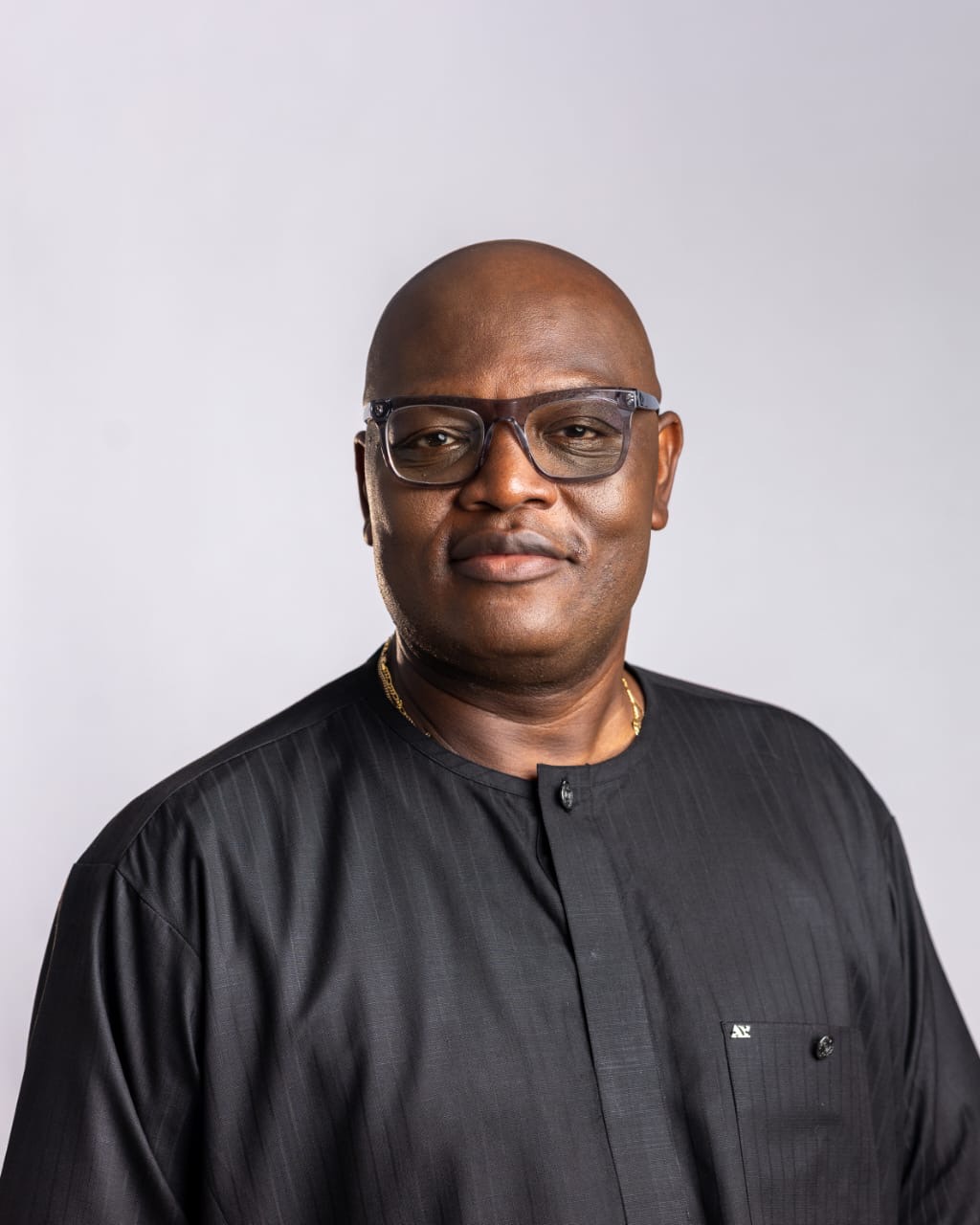
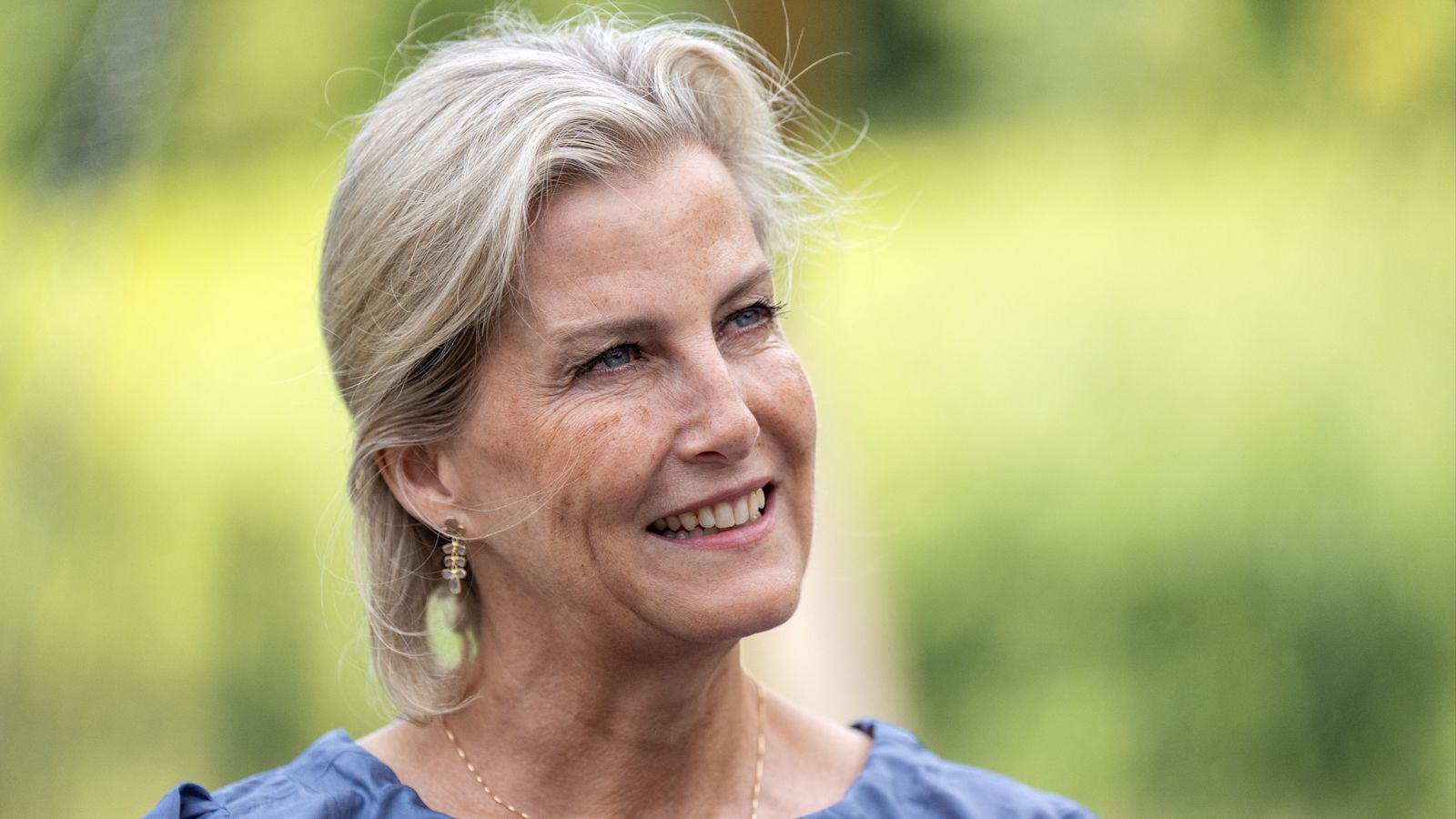
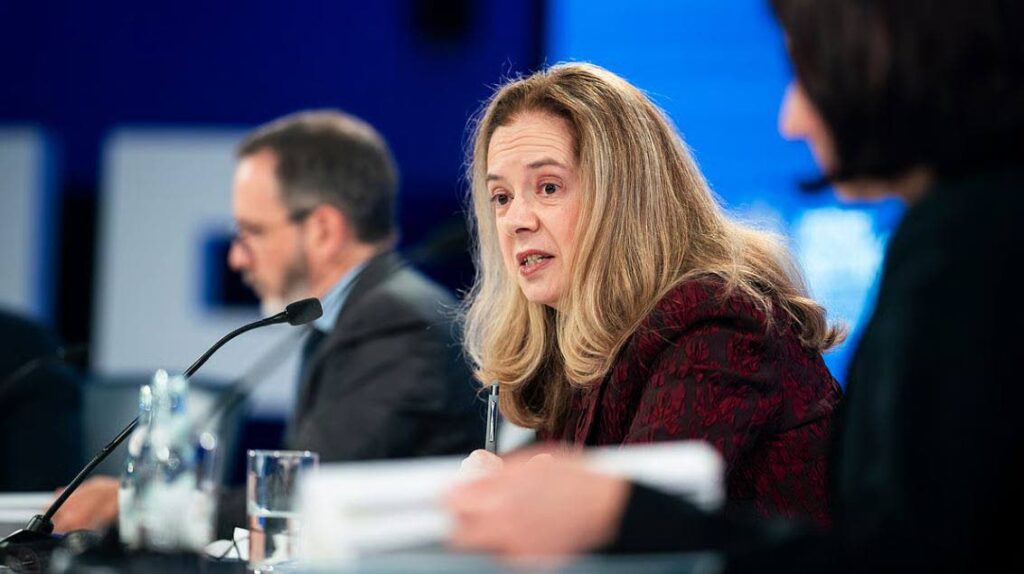
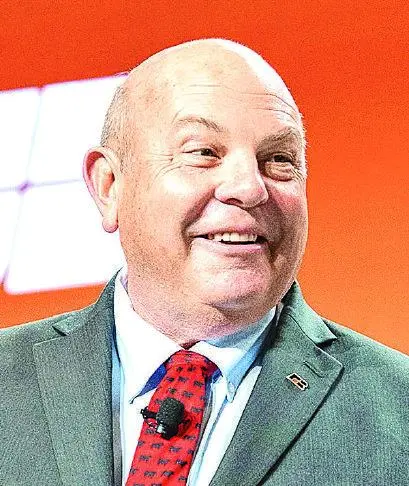
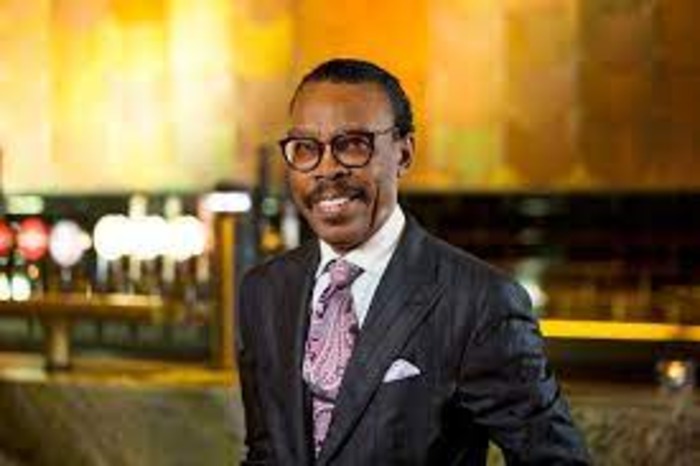
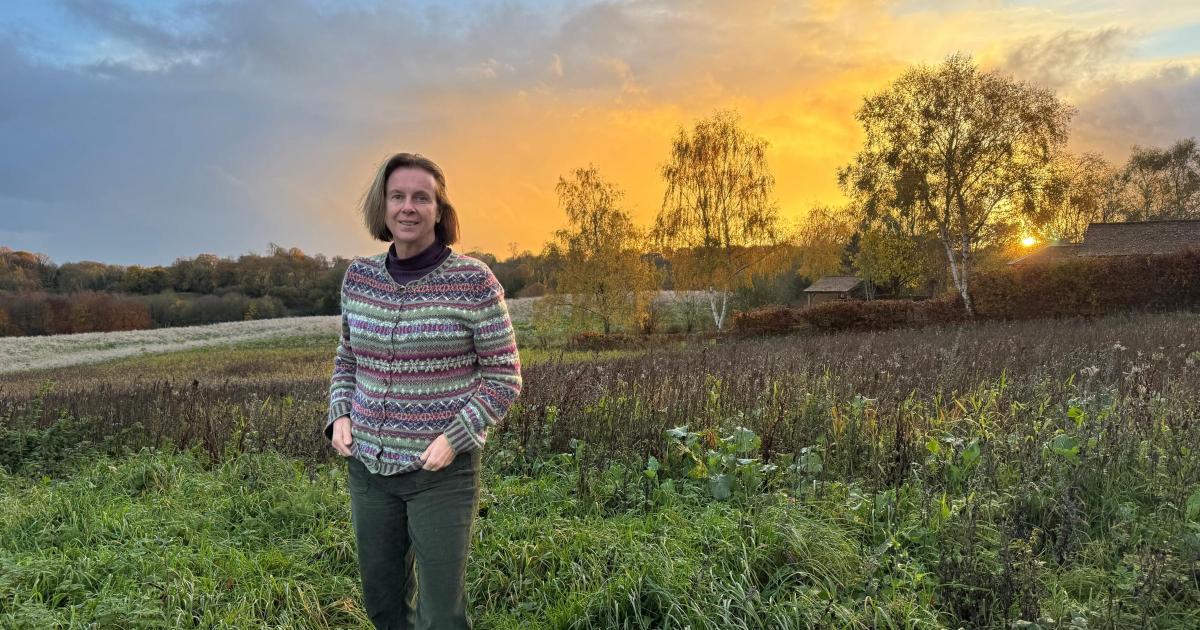
Managing Director of Xtralarge Farms & Resorts, Dr Moji Davids, stated this while highlighting the need for Nigerians, particularly young people, to look beyond traditional farming and embrace agribusiness as a viable pathway to wealth creation.
Davids, who made the submission as Xtralarge Farms & Resorts prepares to mark its 10th anniversary, argued that while farming remains essential to food production, agricultural entrepreneurship requires a broader understanding of markets, business structures, value addition and profitability.
According to her, the challenge confronting many people venturing into agriculture is not necessarily the business itself, but the narrow approach that places emphasis on production without adequate attention to the commercial opportunities surrounding it.
“Farming is an activity. Agribusiness is an enterprise. Farming is about producing food. Agribusiness is about understanding the entire business ecosystem that makes food production profitable,” she said.
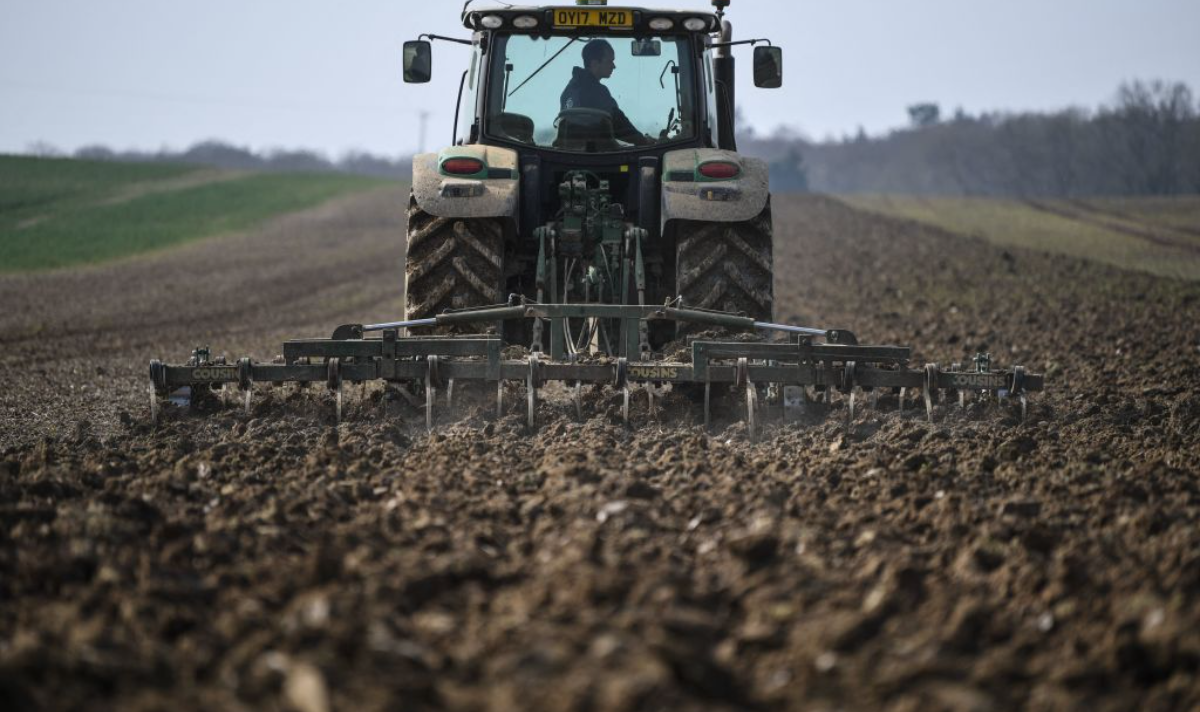
She explained that farmers could cultivate hectares of land, invest heavily in inputs and labour, and harvest tonnes of produce without building substantial wealth if they lacked access to reliable markets and profitable business models.
To illustrate the difference, Davids cited cassava production, explaining that while a conventional farmer might concentrate on cultivating and selling harvested cassava, an entrepreneur with a broader business outlook would explore opportunities in garri production, cassava flour, starch, packaging, distribution and export markets.
“The difference is not necessarily the size of their farms. It is the difference in their business thinking. One is primarily producing a commodity. The other is building an enterprise around an agricultural commodity,” she said.
The Xtralarge Farms boss identified the agricultural value chain as one of the sector’s biggest opportunities, noting that wealth creation was not restricted to primary production.
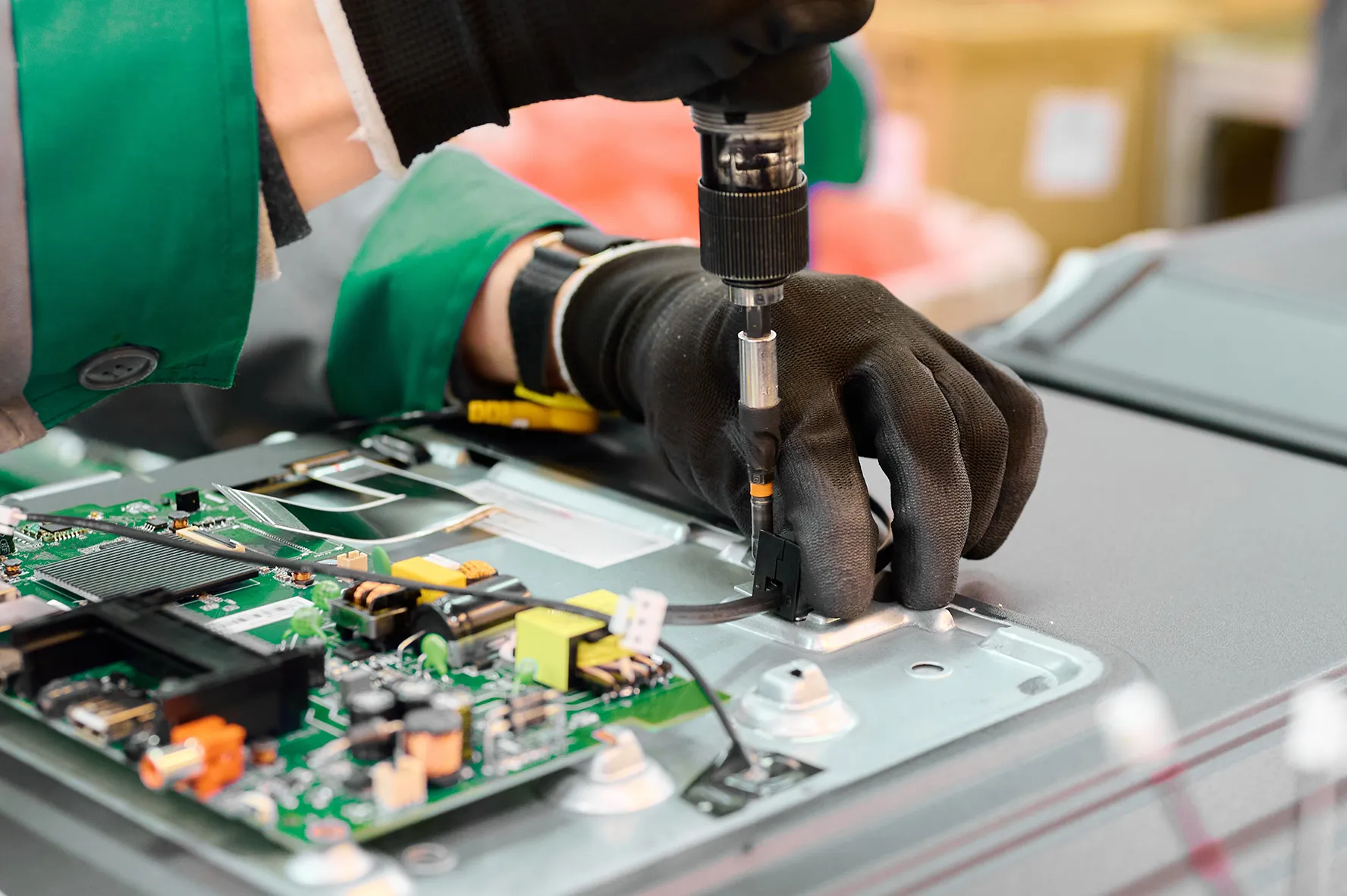
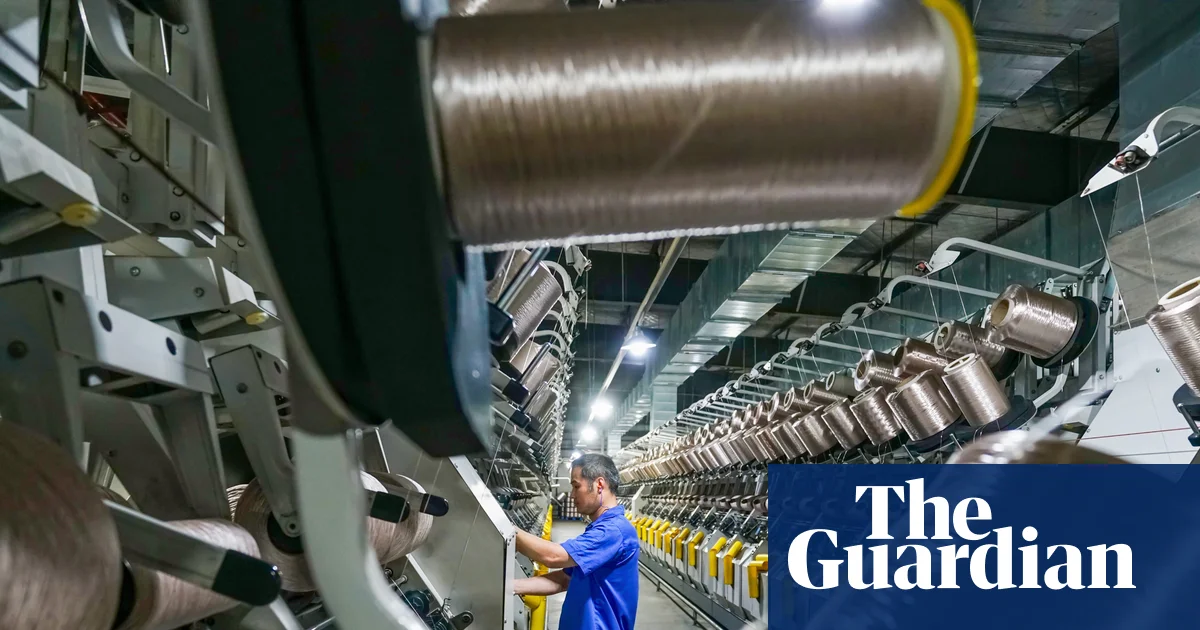
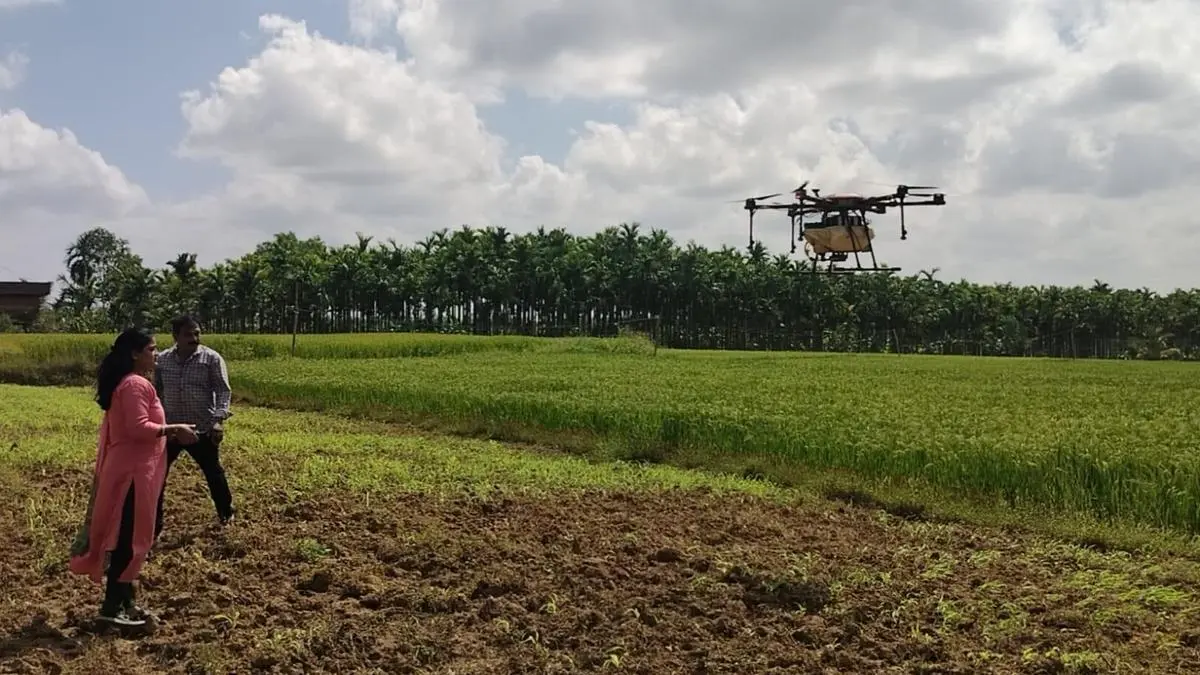
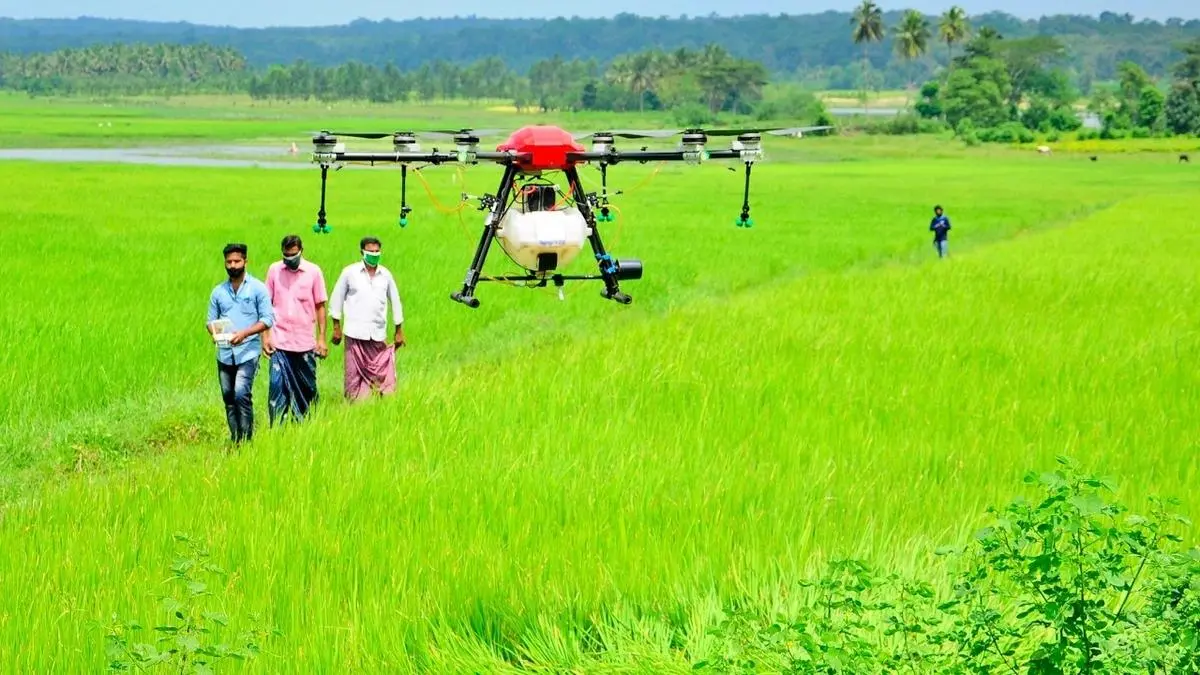
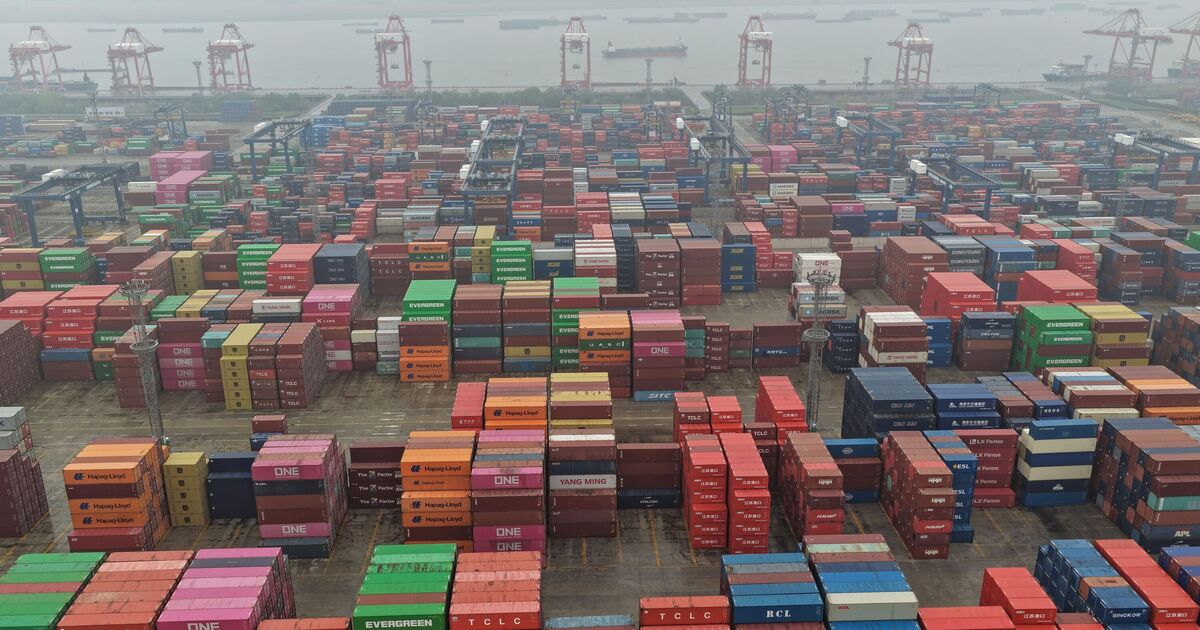
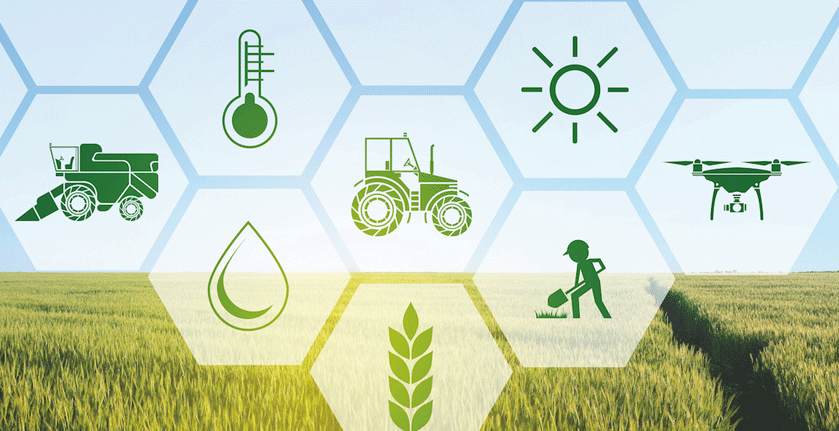
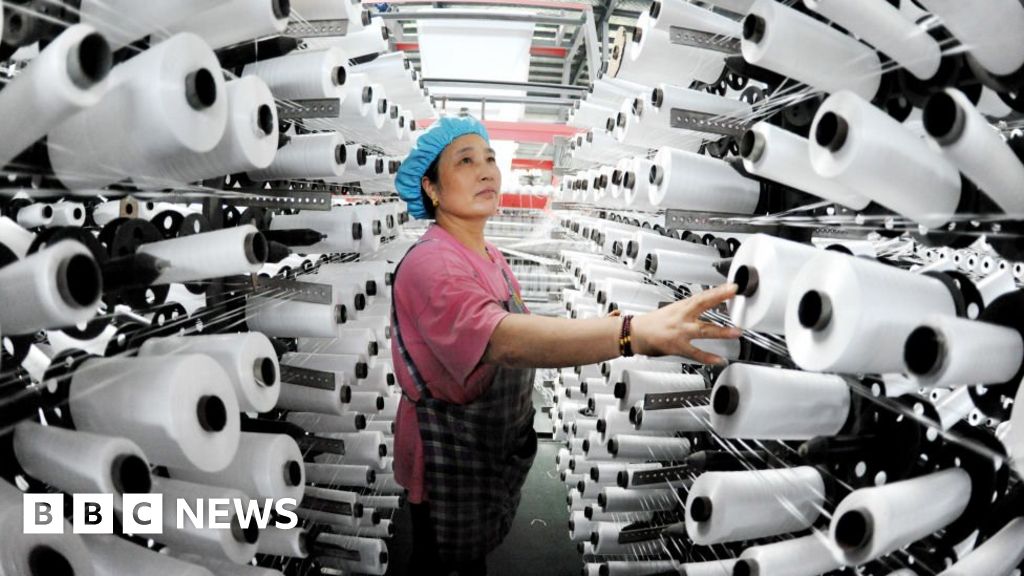
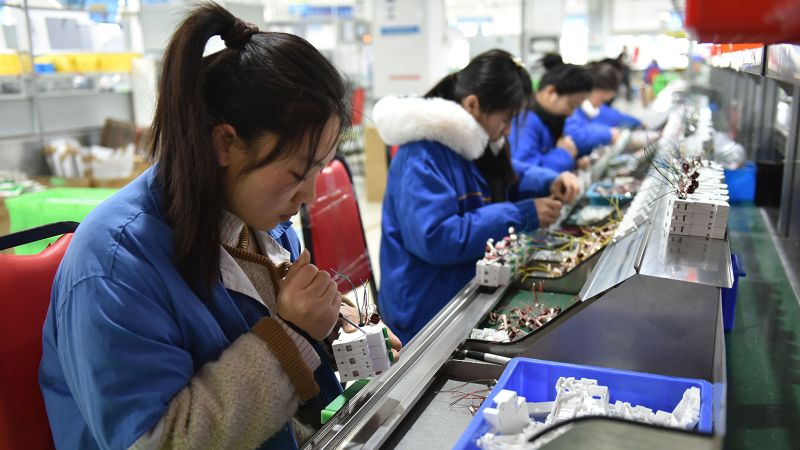
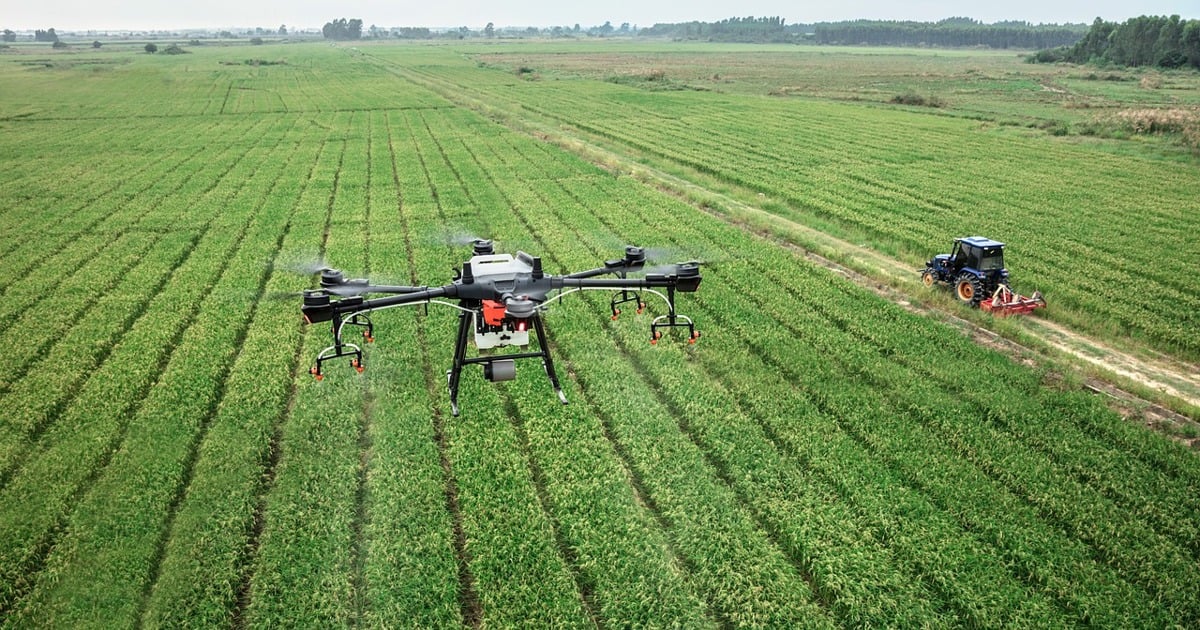
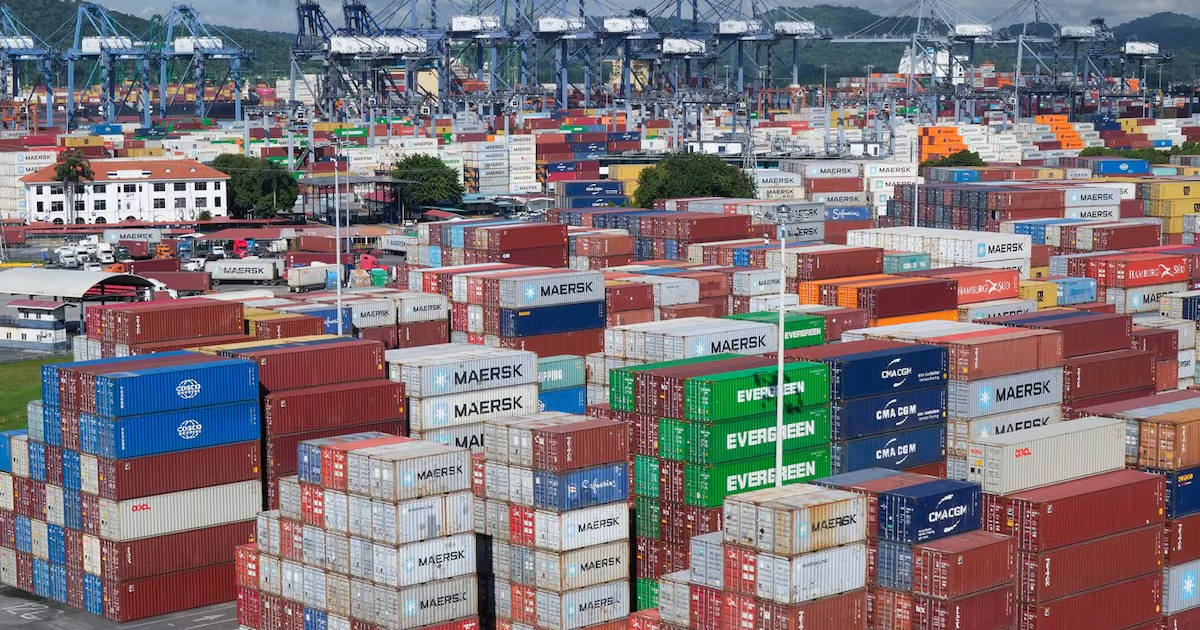
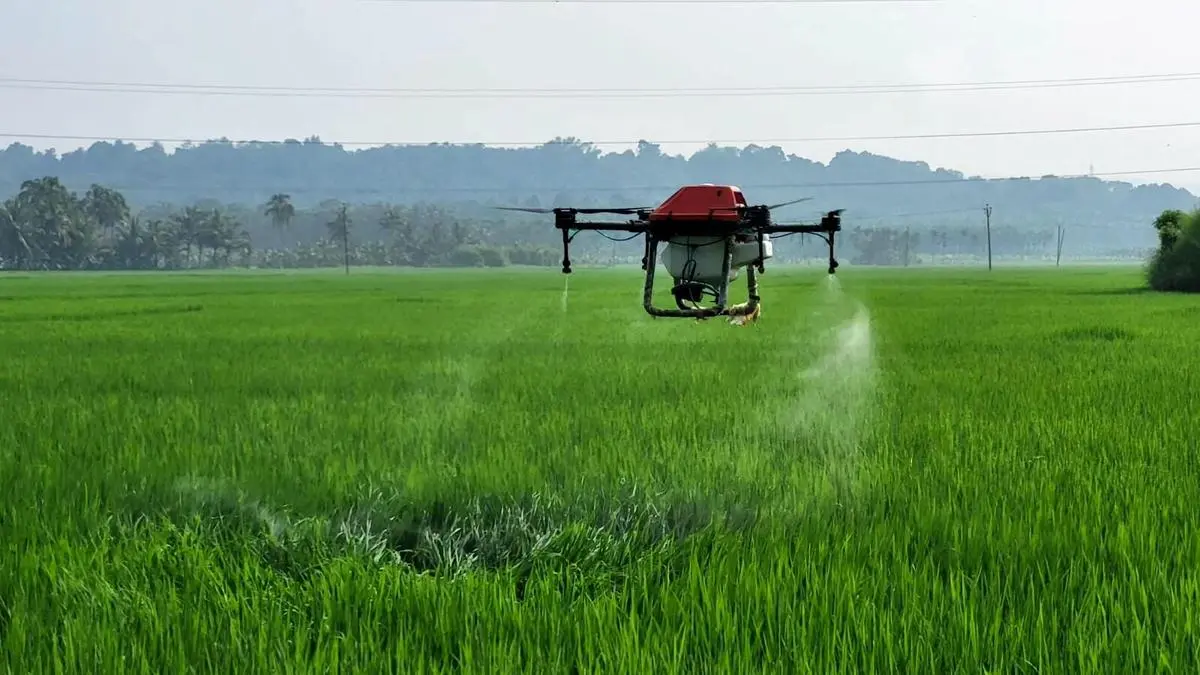
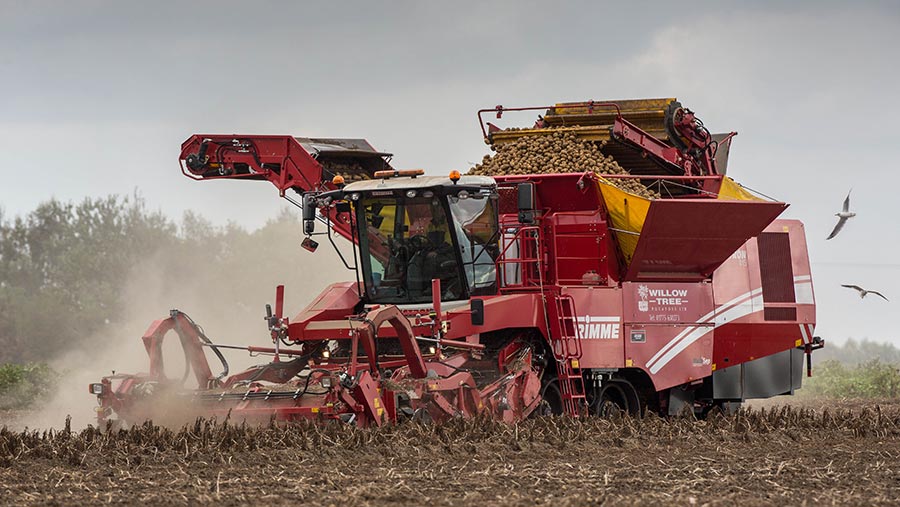
She listed agricultural inputs, mechanisation, processing and manufacturing, storage and preservation, aggregation, distribution, packaging, branding, technology, logistics, agricultural infrastructure and agritourism as areas capable of supporting profitable businesses.
According to her, each stage of the agricultural value chain presents opportunities for entrepreneurs to generate revenue, create employment and develop sustainable enterprises.
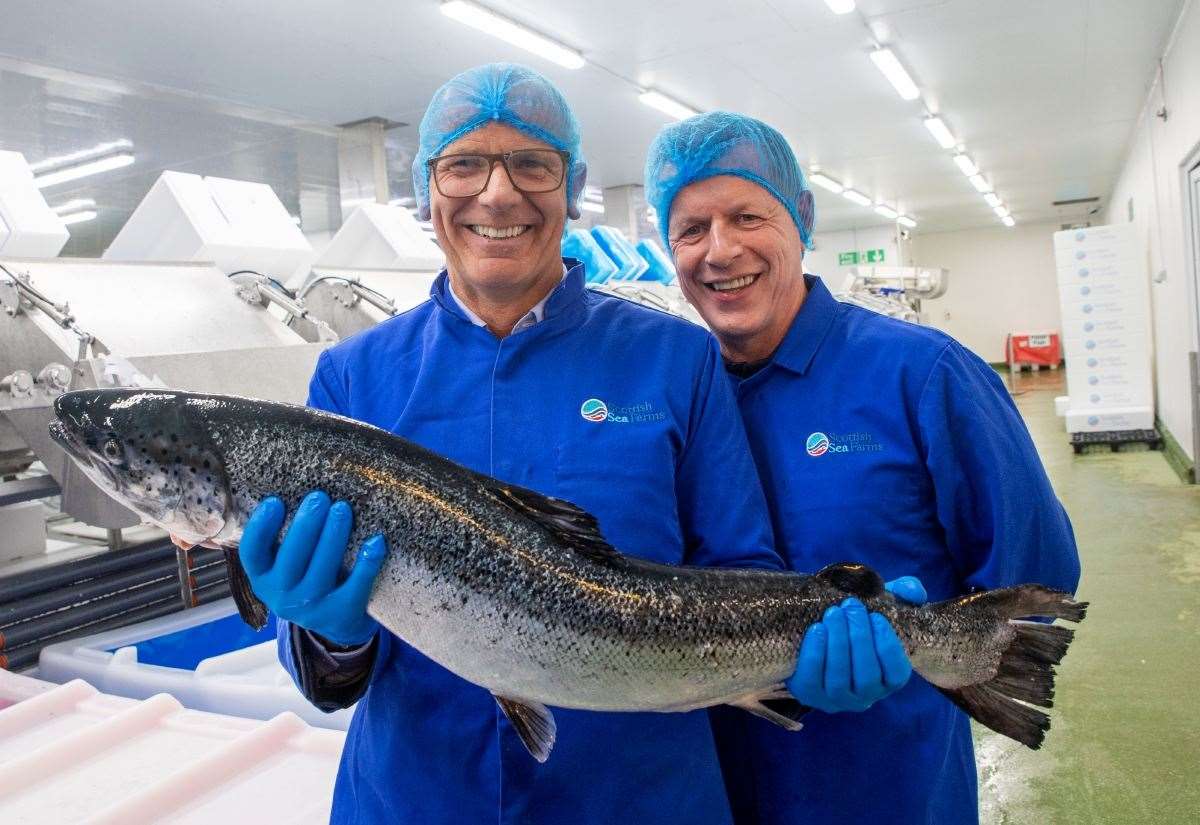
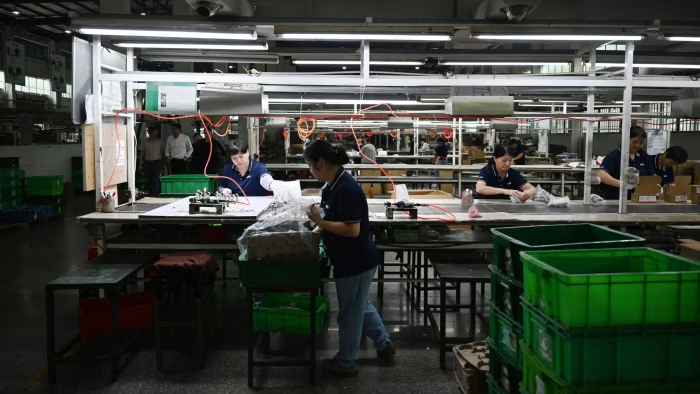
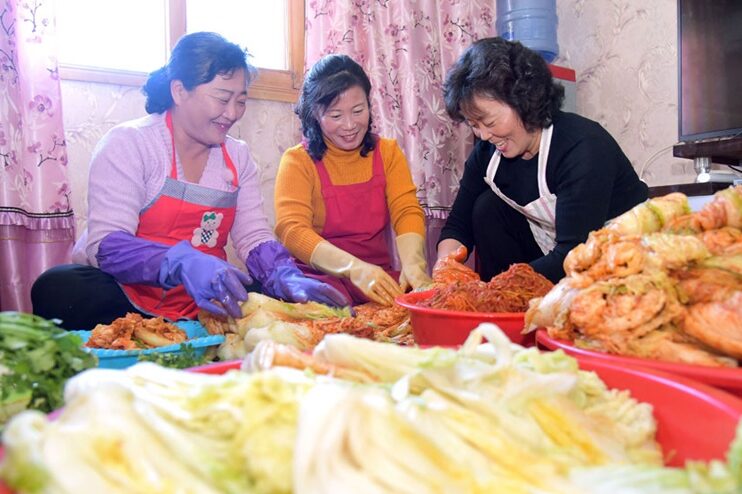
She maintained that some of the most attractive business opportunities in agriculture could be found outside the farm, particularly in processing and converting raw produce into products with higher commercial value.
Davids therefore urged prospective agricultural entrepreneurs to change their approach to investing in the sector, stressing that market research and business planning should precede cultivation.
“Instead of asking, ‘What crop should I plant?’ ask: Who needs this product? How much of it does the market consume? Who are the major buyers? What are the existing supply gaps? Can I process it into something more valuable?” she advised.
She also stressed the importance of understanding production costs, profit margins, storage facilities, packaging and distribution channels before committing resources to agricultural ventures.
“A beautiful farm is not necessarily a profitable farm. A massive harvest is not necessarily a successful business. Revenue is not profit, and profit alone does not automatically translate into wealth,” she said.
According to Davids, sustainable wealth creation requires building efficient systems, retaining and reinvesting profits, creating value and developing enterprises capable of expanding beyond the personal involvement of their founders.
Addressing young Nigerians, she urged them to see agriculture as an attractive economic sector rather than an occupation of last resort for those unable to secure other employment opportunities.
She noted that young people did not necessarily need to own large expanses of farmland to become successful agricultural entrepreneurs, explaining that opportunities existed in food processing, agricultural distribution, logistics, mechanisation services, branding and technology.
“You could build a successful agricultural distribution company without owning a single hectare. You could establish a food-processing business by sourcing from existing farmers. You could build an agricultural logistics company, develop a food brand, provide mechanisation services or create technology solutions for farmers,” she said.
She added that entrepreneurs could start with small but well-researched operations and expand gradually, provided they identified genuine market needs and developed viable business models.
On agricultural investment, Davids cautioned against the assumption that land ownership alone guaranteed financial returns.
She described land as an important asset but emphasised that its productivity depended on access to capital, technology, infrastructure, market opportunities, skilled personnel and sound management.
She urged prospective investors to conduct proper due diligence before committing funds, including verifying land ownership, assessing soil suitability, examining access roads, water availability, security and proximity to markets.
Investors, she said, should also understand operational costs, potential risks and the commercial realities of their proposed ventures rather than being persuaded by attractive farm pictures or promises of extraordinary returns.
“Invest in agriculture because you understand the opportunity, the risks, the business model and the pathway to profitability,” she advised.
Reflecting on Xtralarge Farms & Resorts’ decade of operations, Davids said the anniversary represented more than a celebration of years in business, describing it as an opportunity to renew conversations about agriculture as a platform for enterprise development, investment, food security, tourism, innovation and economic transformation.
She called for stronger collaboration among farmers, processors, financial institutions, government, technology providers, investors and private-sector operators, noting that no individual farmer could transform the agricultural economy in isolation.
According to her, well-organised agricultural enterprises connected through efficient value chains could make significant contributions to economic growth, employment generation and food security.
She said the company remained committed to promoting a broader understanding of agriculture, encouraging Nigerians to become agricultural entrepreneurs, manufacturers, distributors, innovators and investors rather than limiting their ambitions to primary production.
Offering advice to aspiring farmers and investors, Davids urged them to understand the business before putting money into cultivation, identify buyers before harvesting, understand their financial obligations before borrowing and assess risks before making investment commitments.
She said agricultural success should be measured not merely by the number of hectares cultivated or tonnes harvested, but also by the value created, operational efficiency, profitability, employment generated, markets served and assets built.
Summing up her message, Davids said: “Farming may feed a nation, but agribusiness can build an economy. Farming produces commodities, but agribusiness creates industries. Farming can provide income, but well-structured agribusinesses can build generational wealth.”
She urged Nigerians to embrace a business-oriented approach to agriculture, stressing that the future of the sector would depend increasingly on those who could identify opportunities, connect markets and create value across the agricultural ecosystem.
“The future does not belong only to those who cultivate the land. It belongs to those who understand how to create, capture and multiply value from it,” she said.