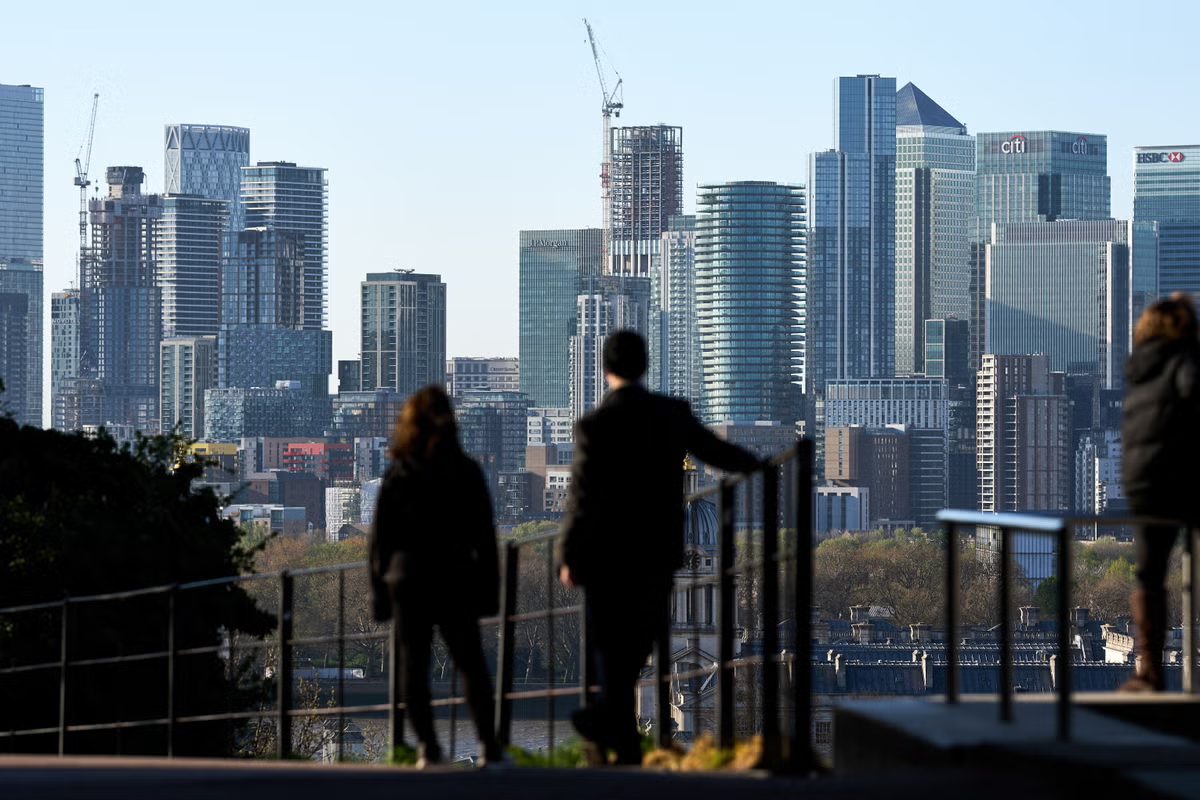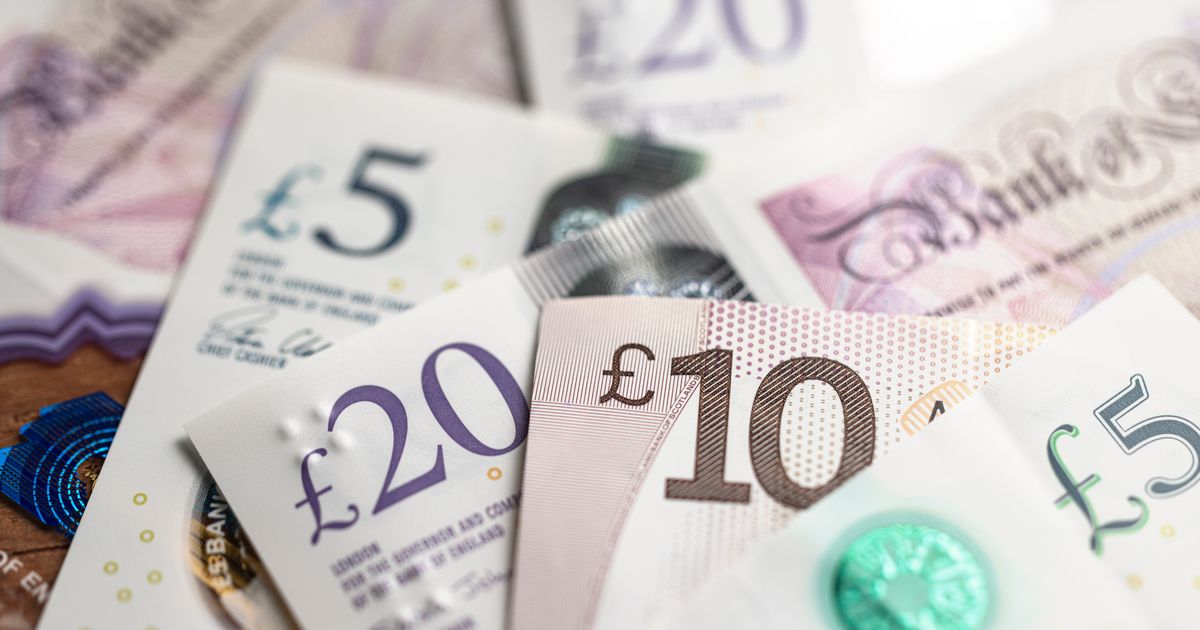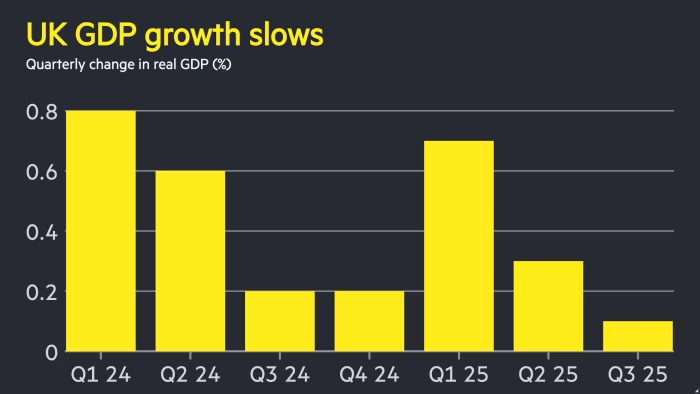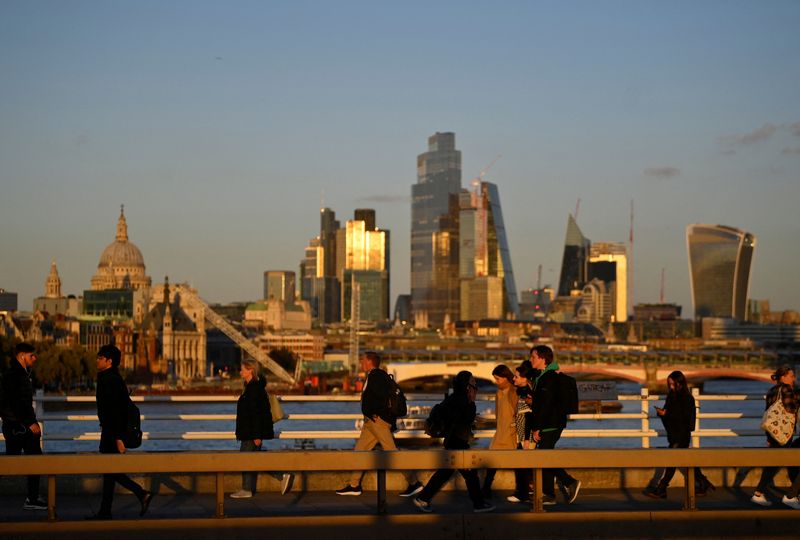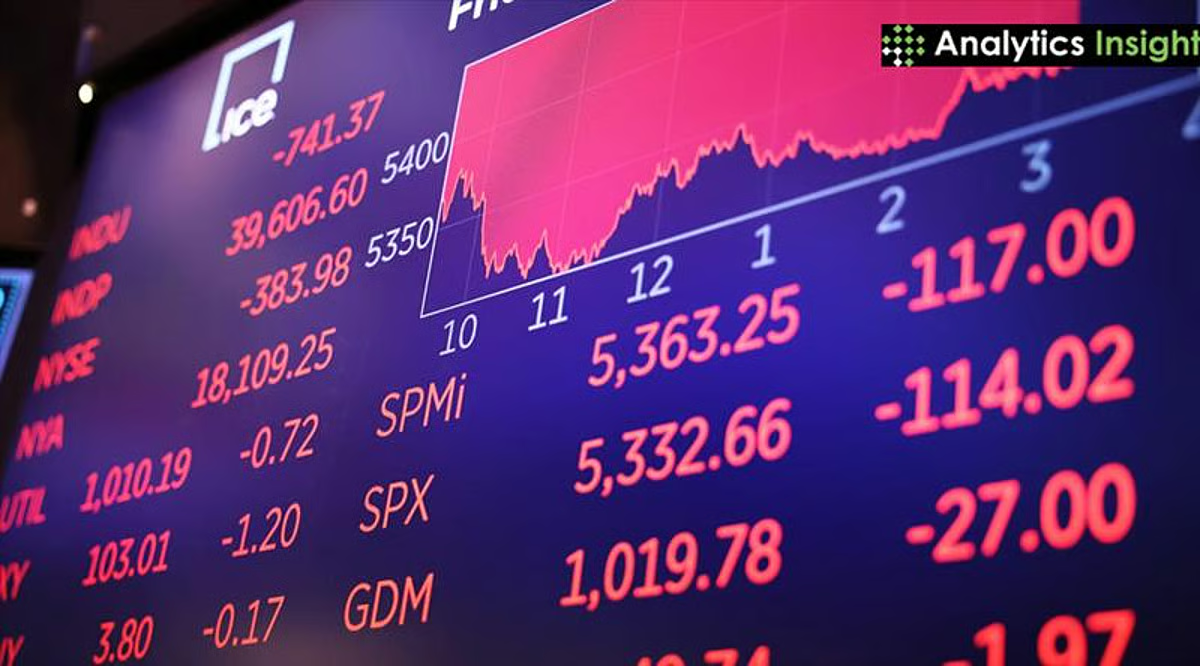
THE UK economy grew by a surprise 0.5% in the three months to February, official figures reveal.
This follows growth of 0.3% in the three months to January and no growth in the three months to December, according to the Office for National Statistics.

In the month to February GDP grew by 0.5% after growth of 0.1% in January and December.
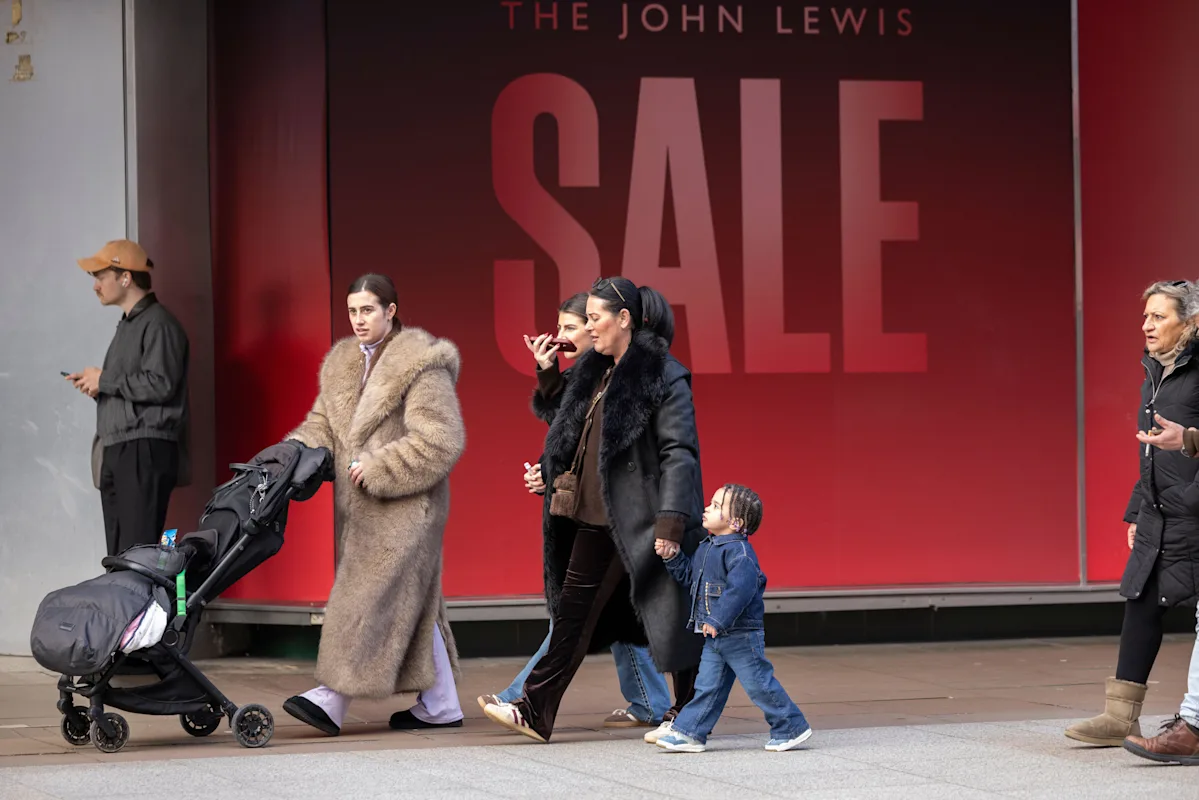
Services output grew by 0.5% in the three months to February, after showing growth of 0.3% in the three months to January.
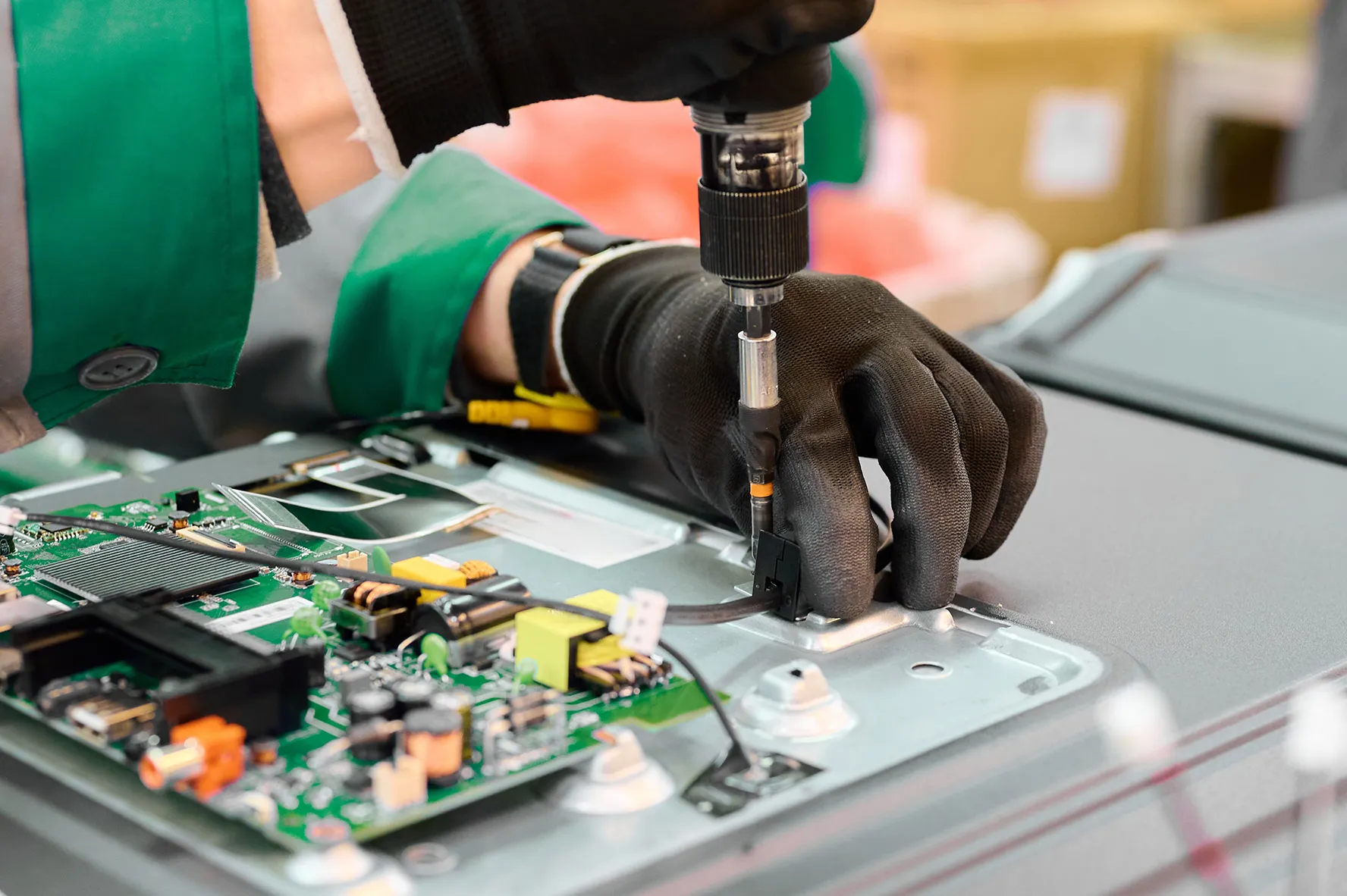
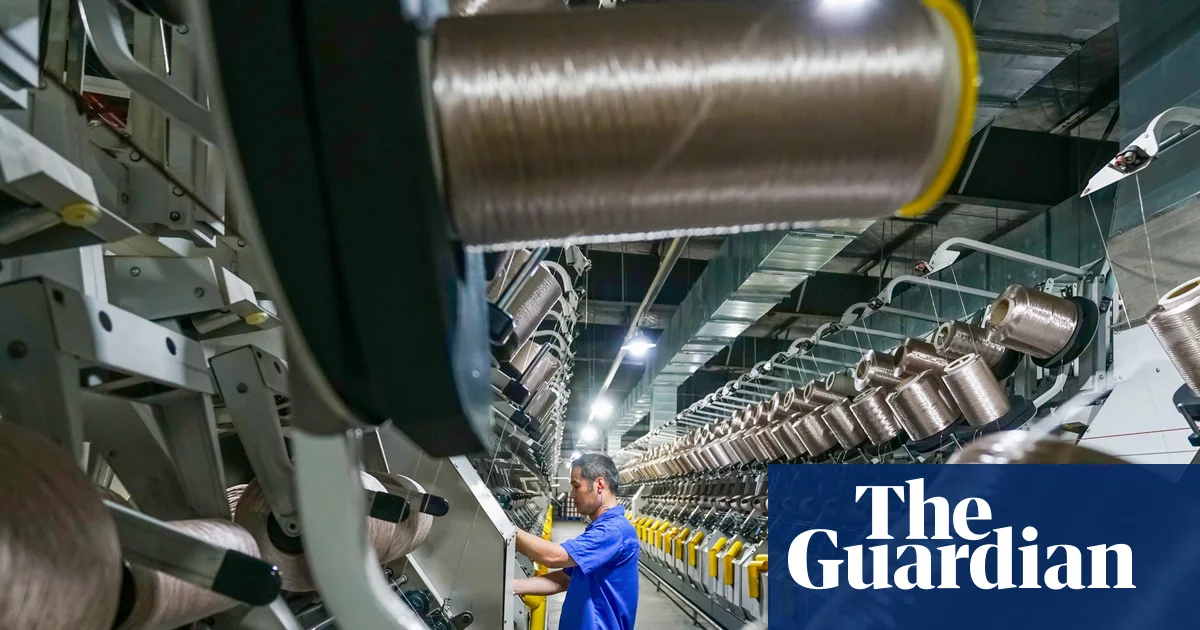
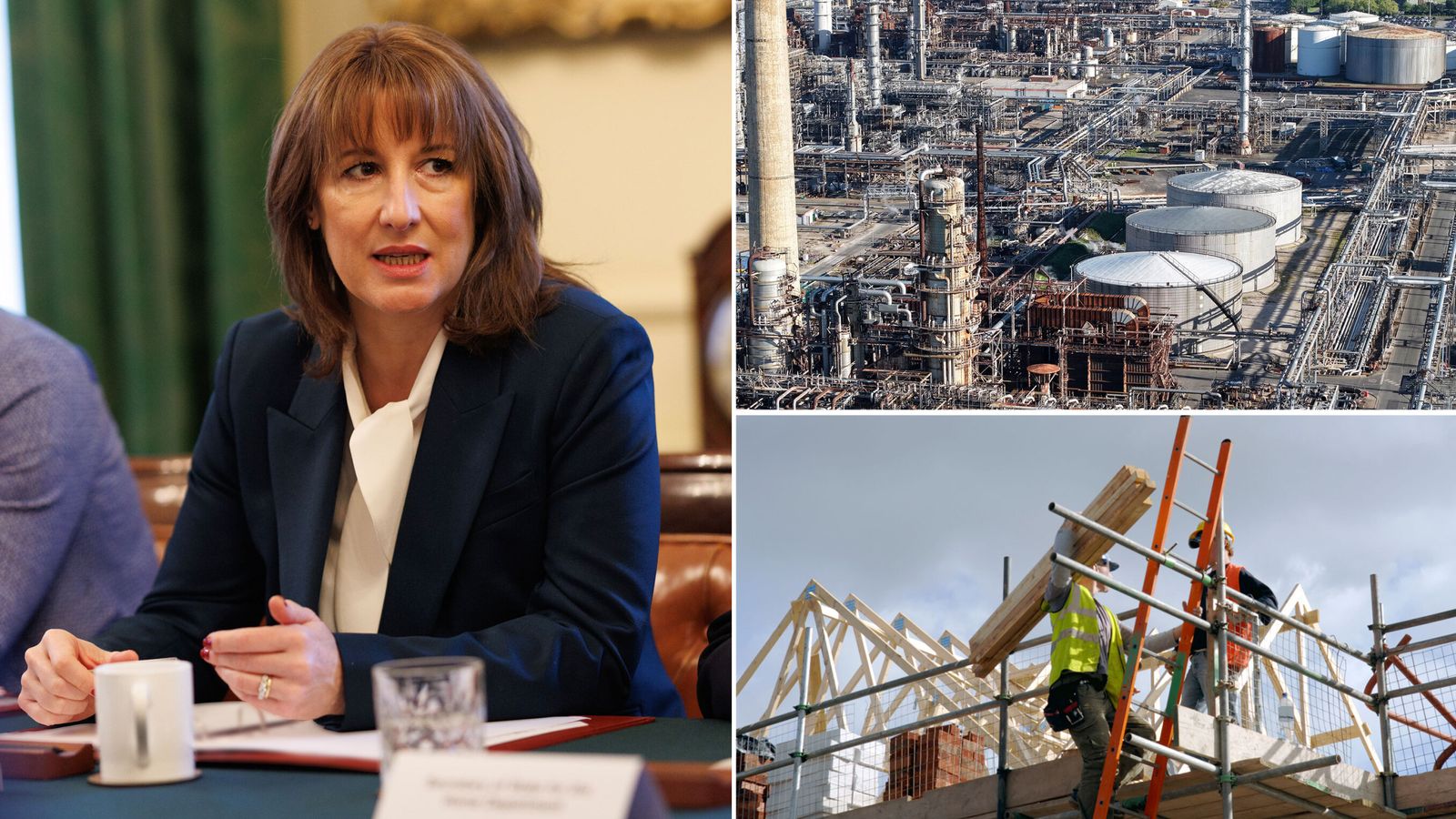
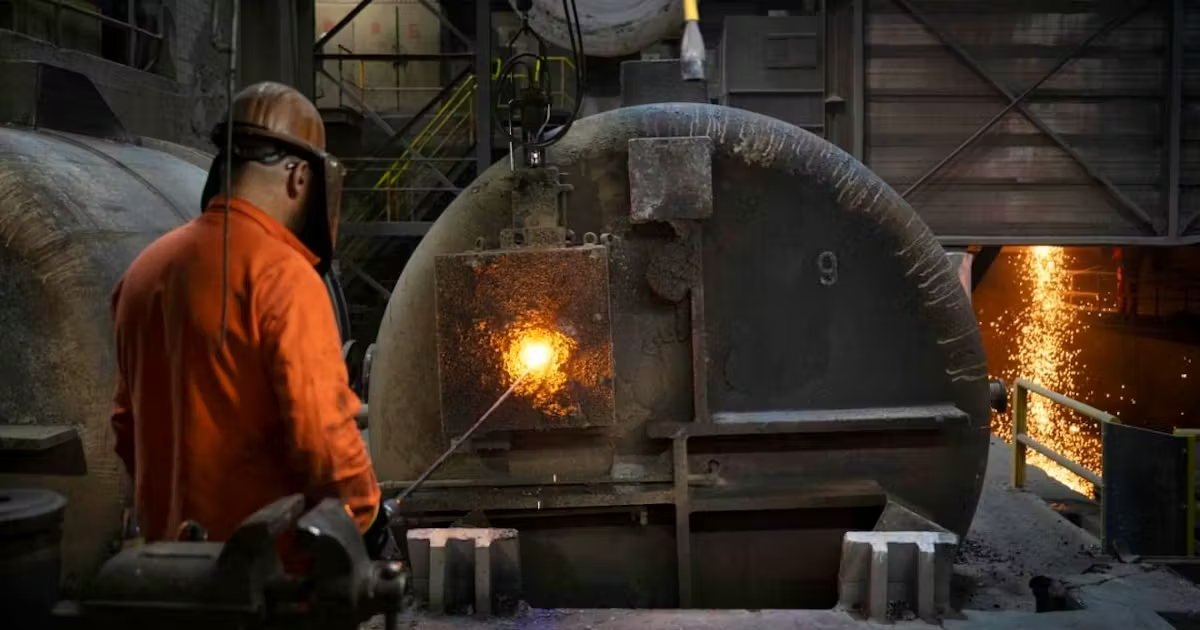
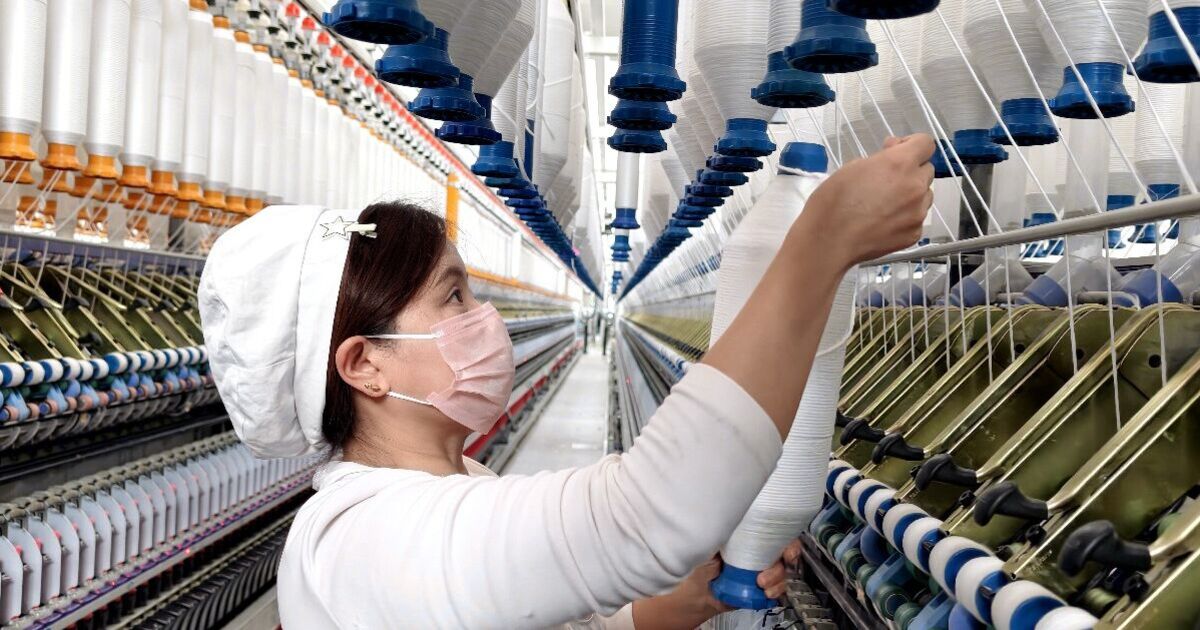
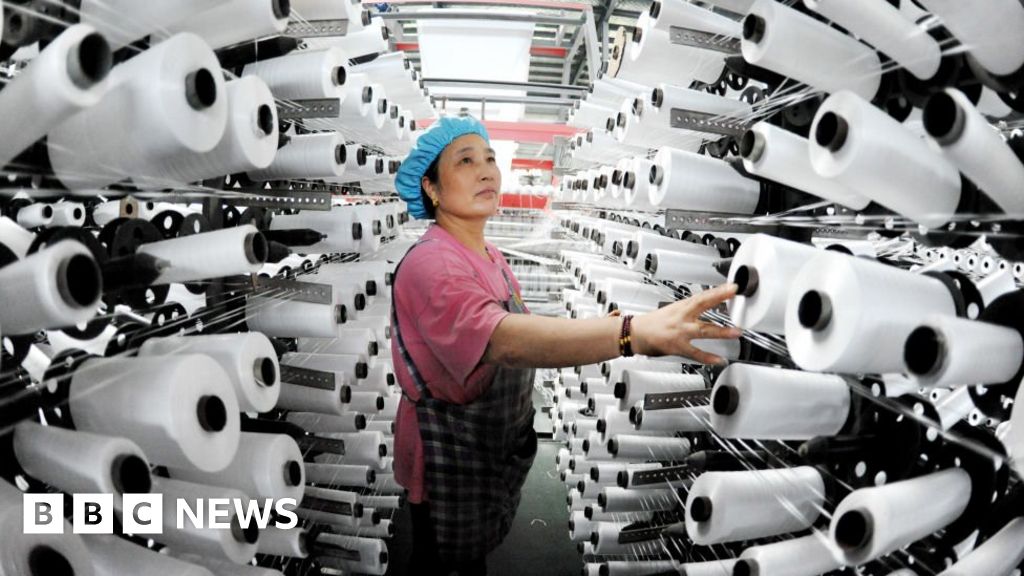
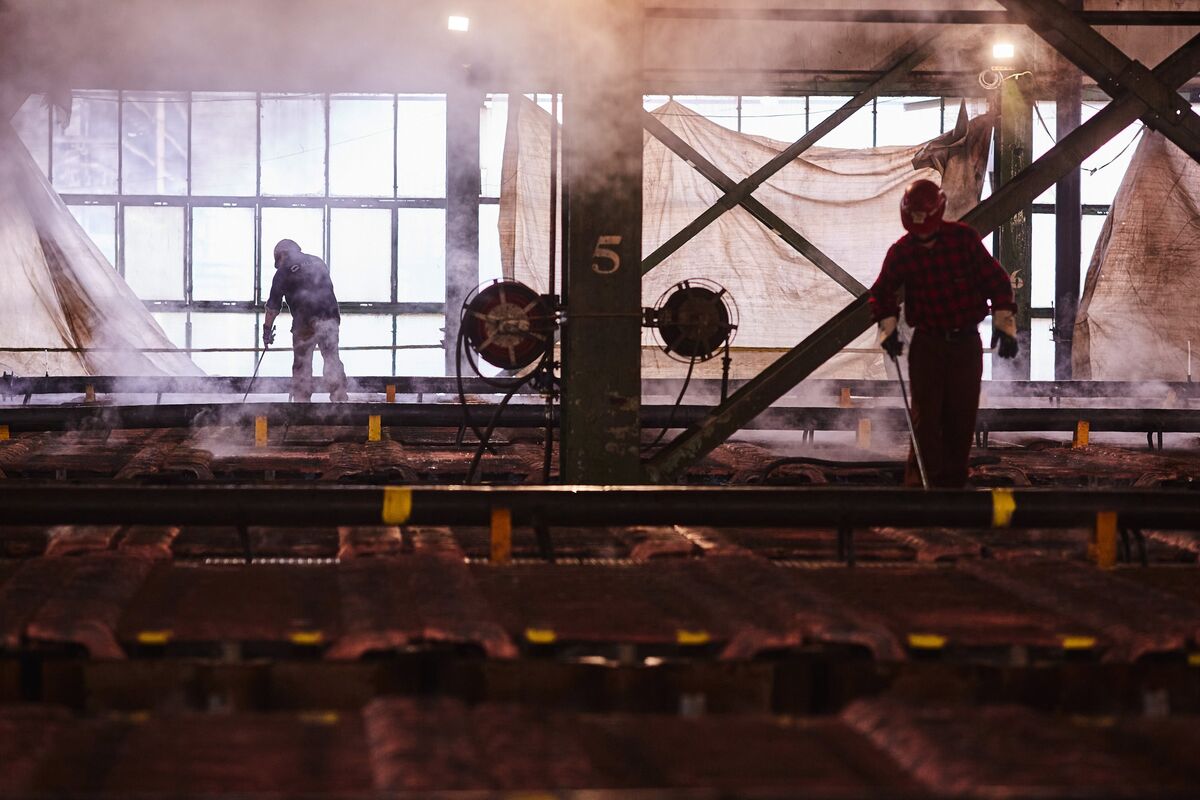
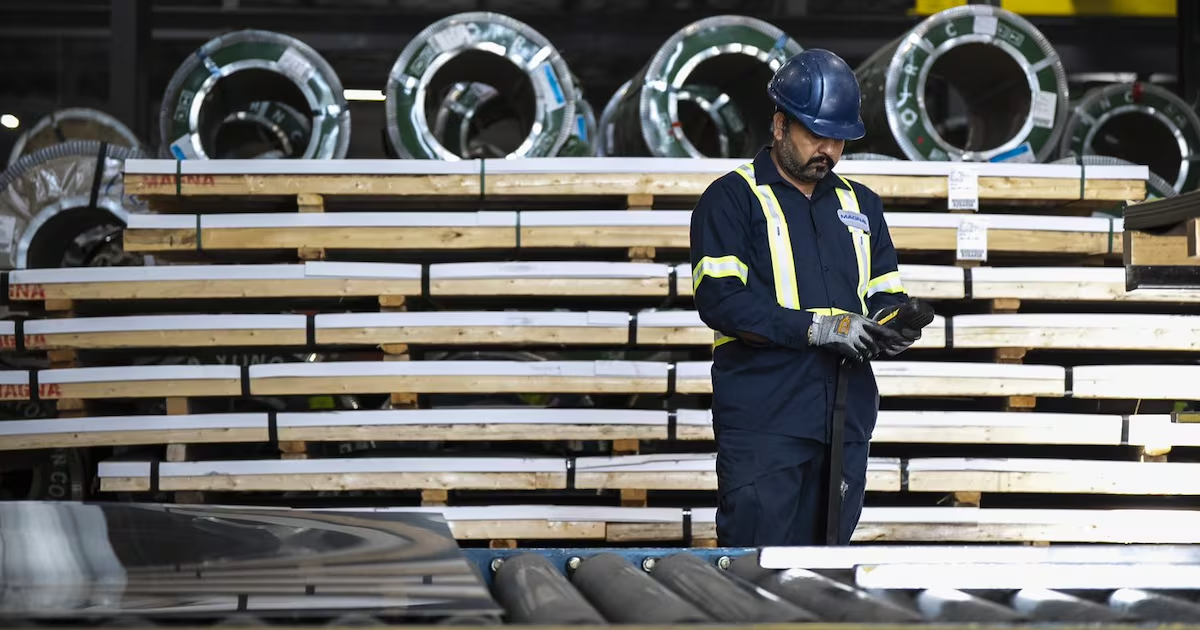
Meanwhile, production output grew by 1.2%, following growth of 1.7% in the three months to January.
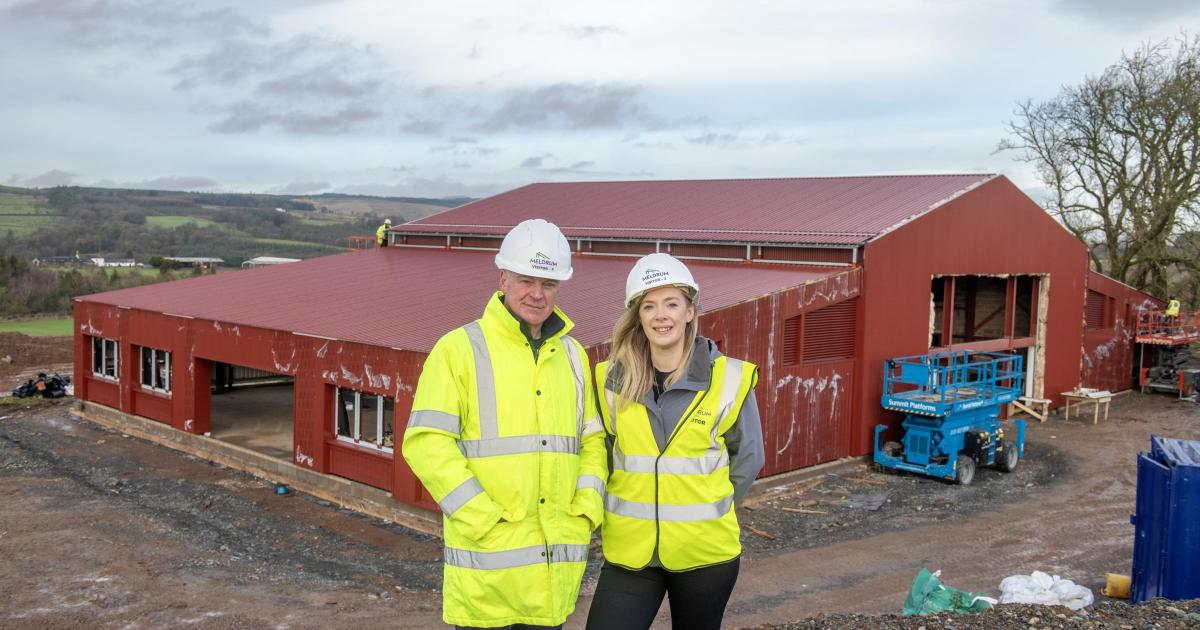
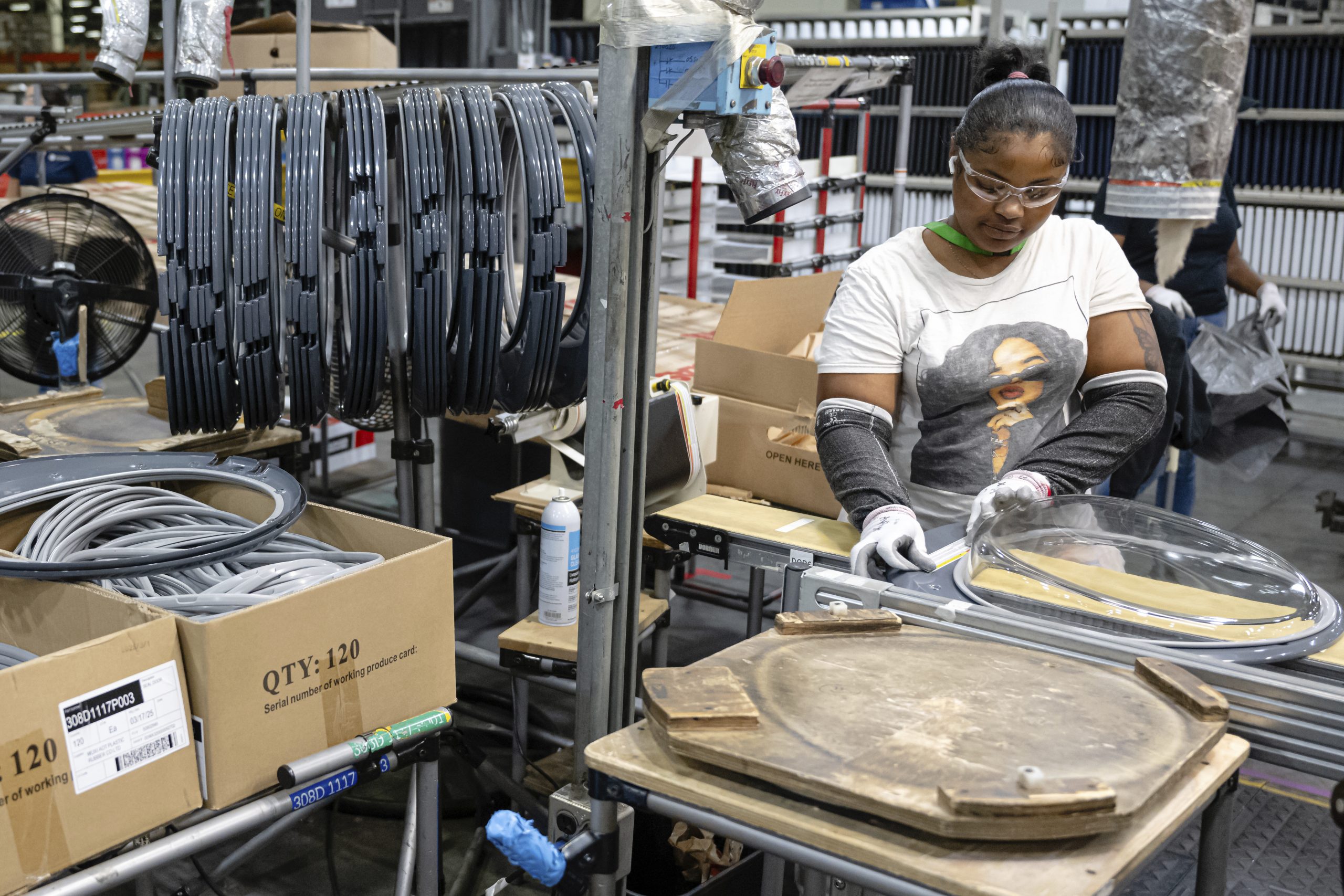
But construction output fell by 2.0% after falls of 2.8% in the three months to both January and December.


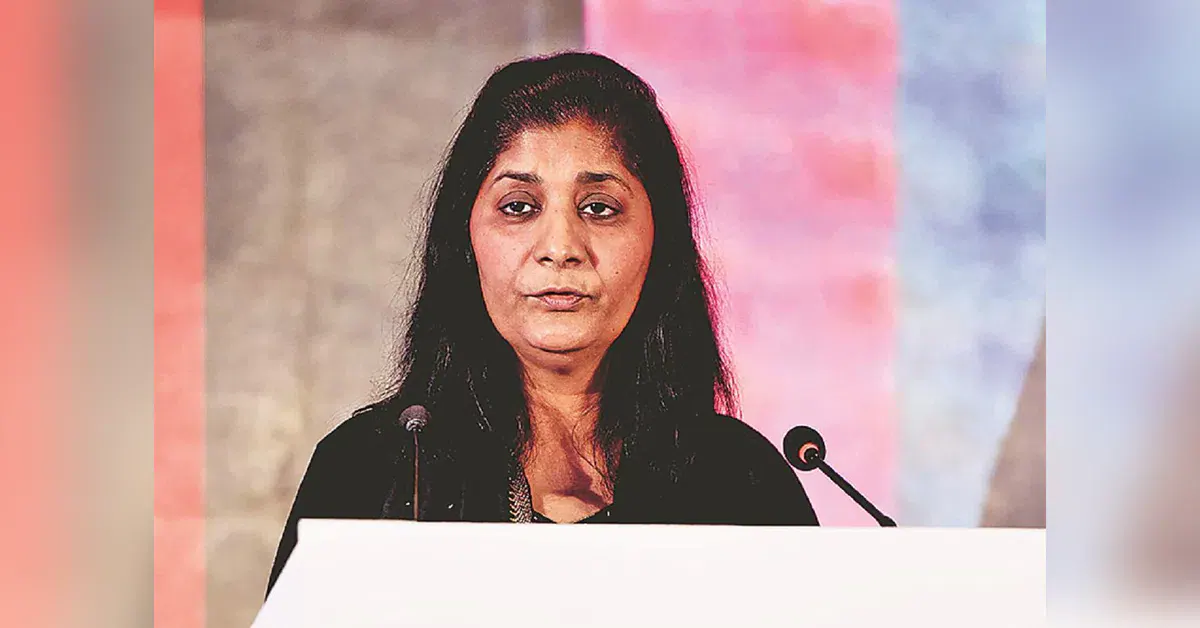
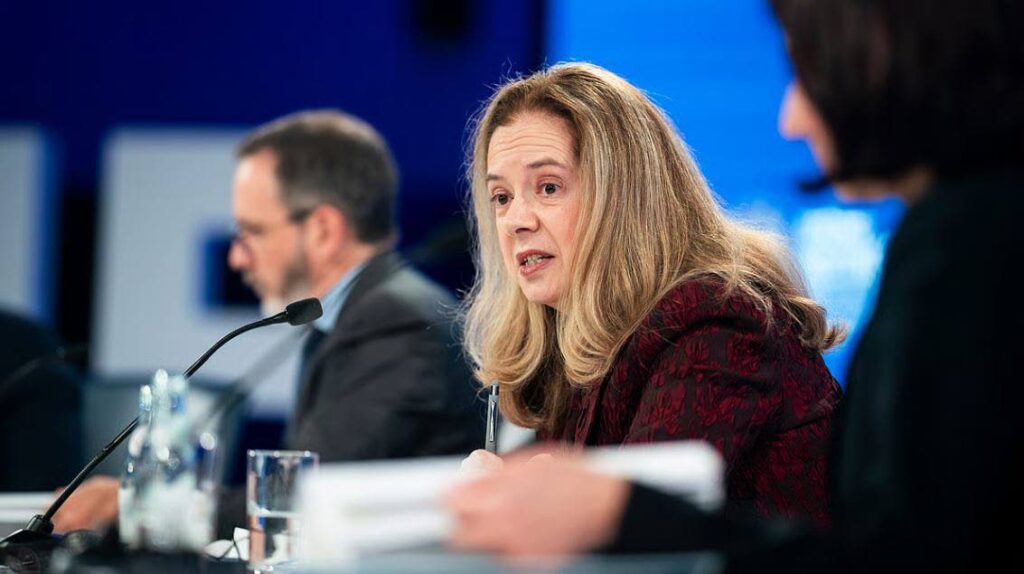
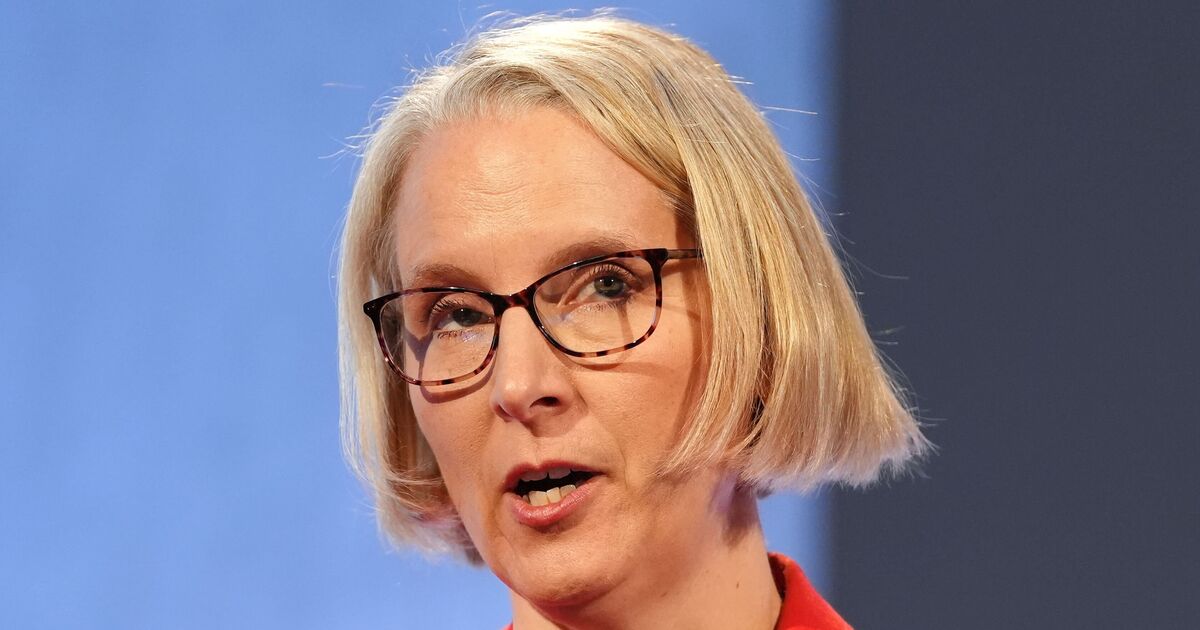
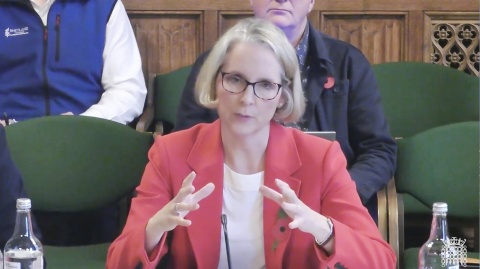
Commenting on the figures, Liz McKeown, director of economic statistics at the ONS, said: “Growth increased further in the three months to February led by broad-based increases across services.
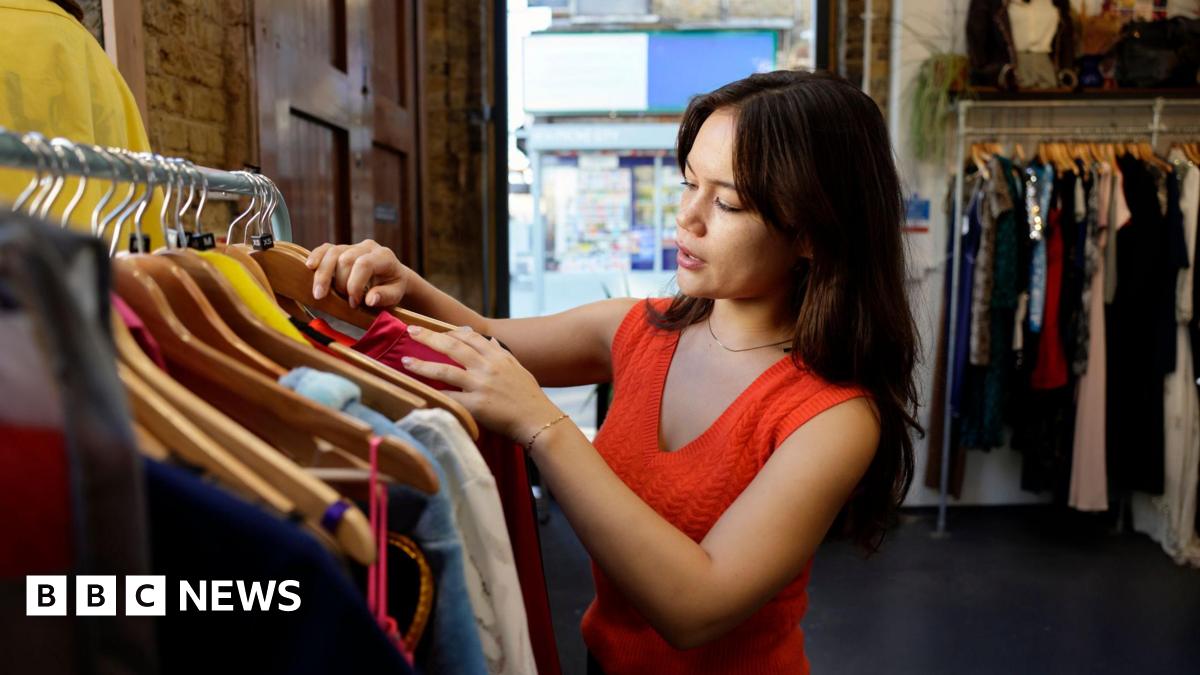
“Within services, growth was driven by wholesaling, market research, hospitality and publishing, which all performed well in the three months to February.
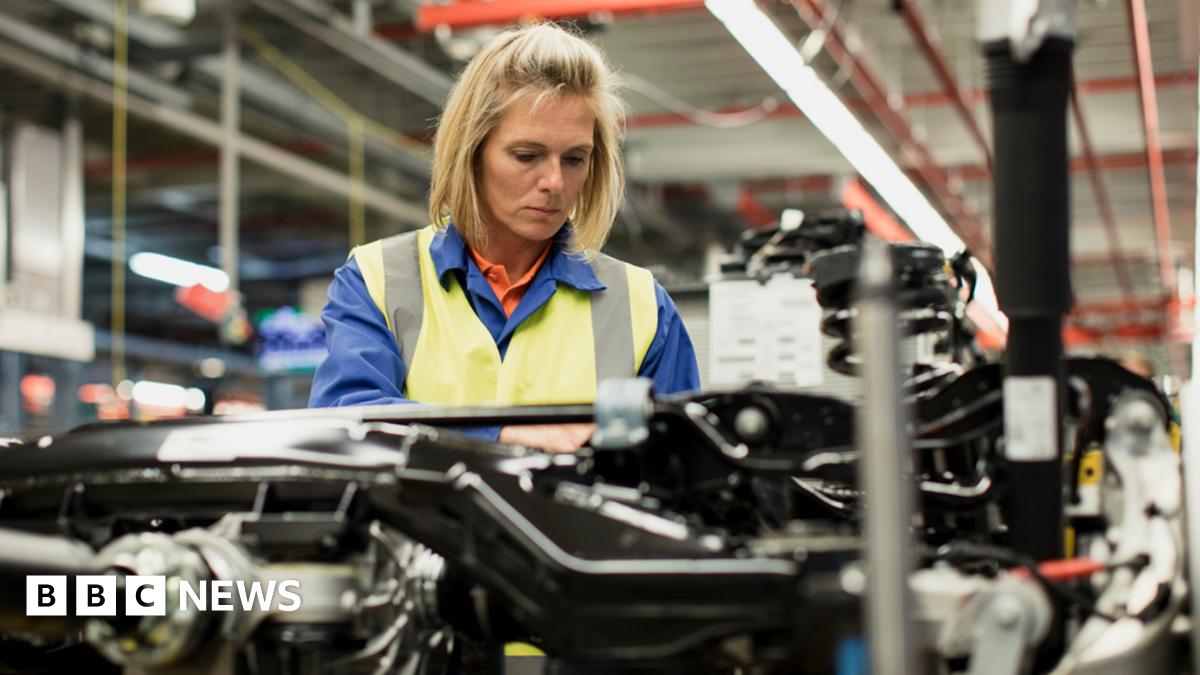
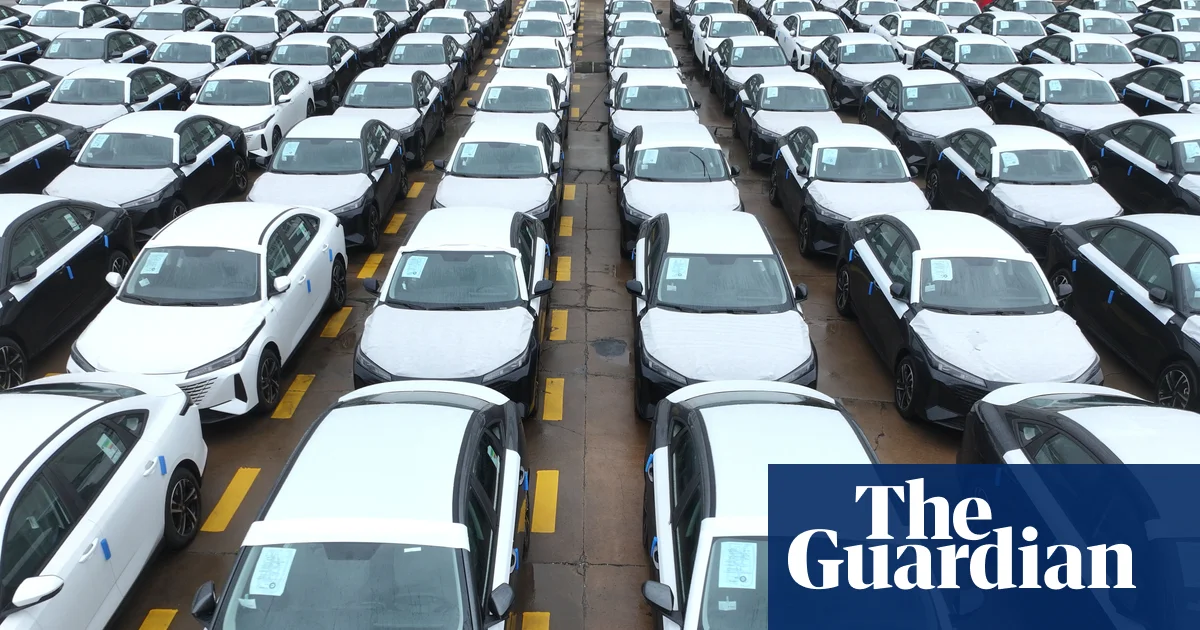
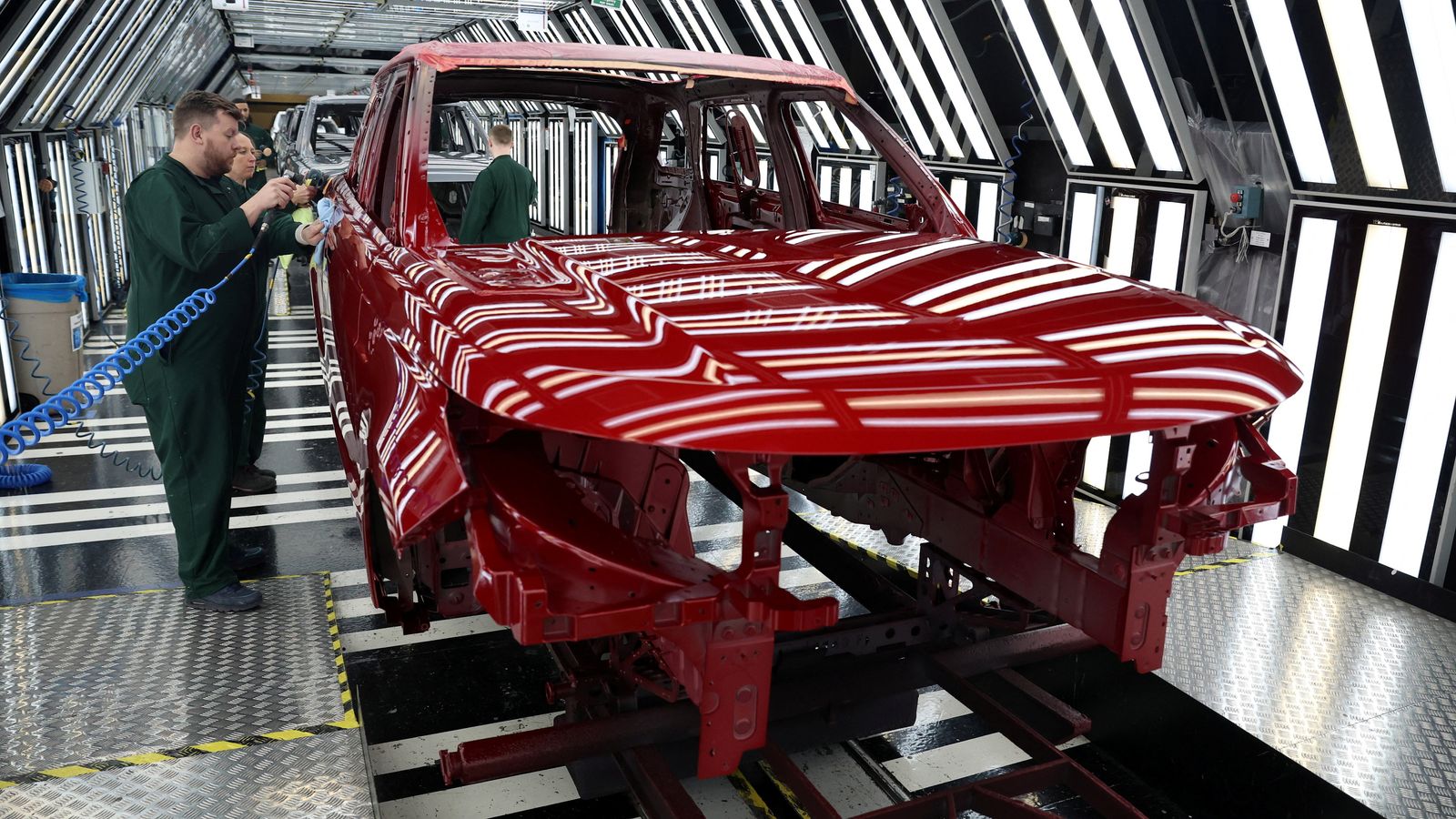
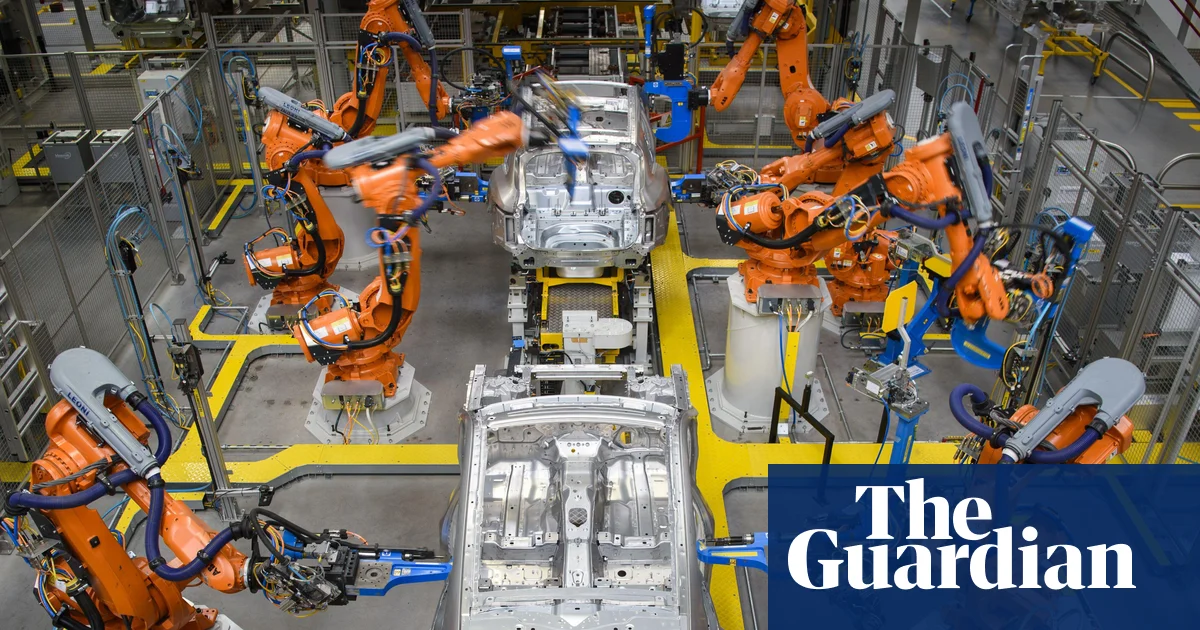
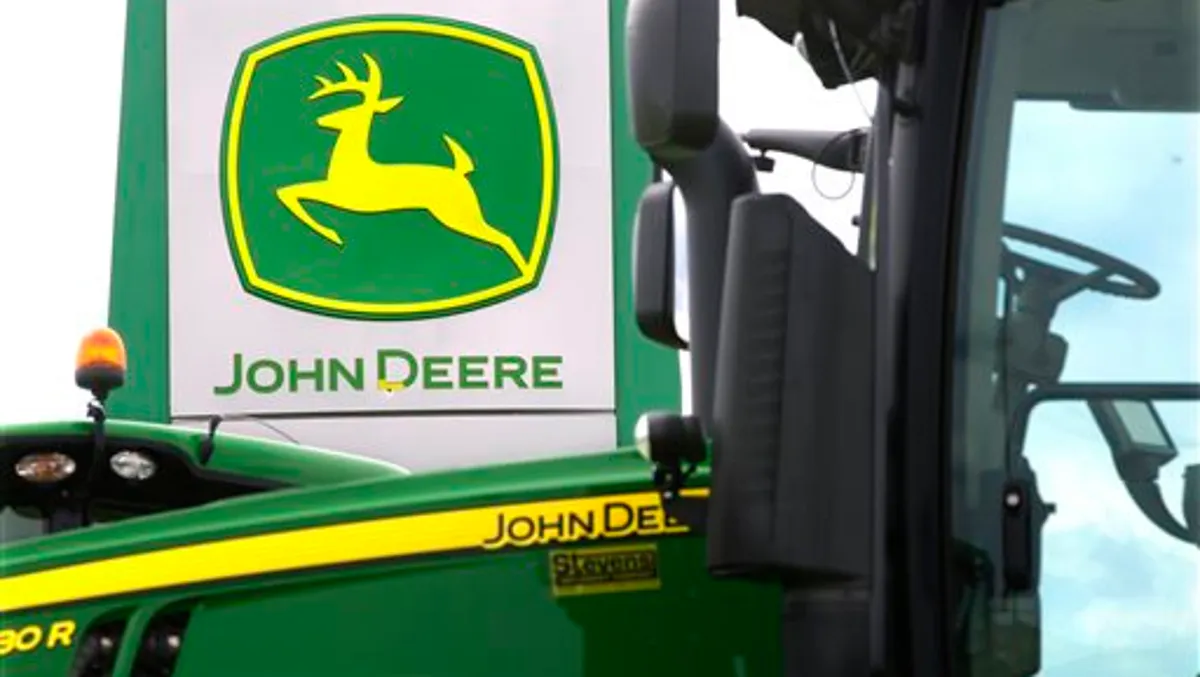
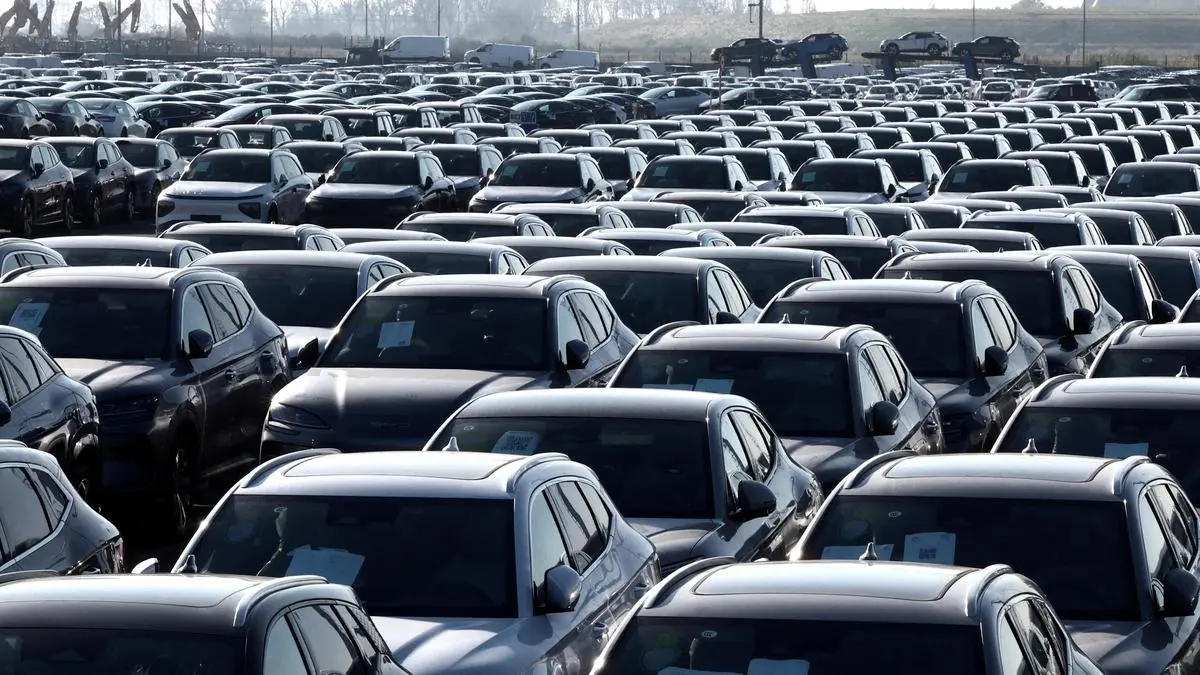
“Meanwhile, car production recovered from the effects of the autumn cyber incident.”
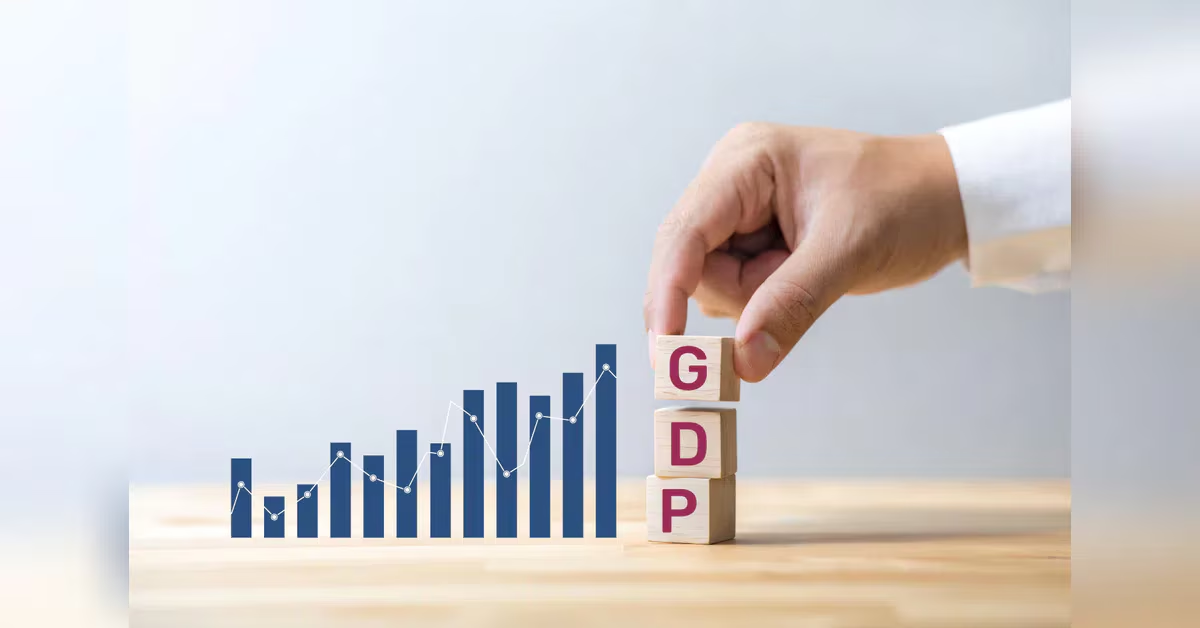
GDP is one of the main indicators used to measure how a country’s economy is performing.
When it increases it means the economy is doing well.
But when it falls it means the economy has shrunk.
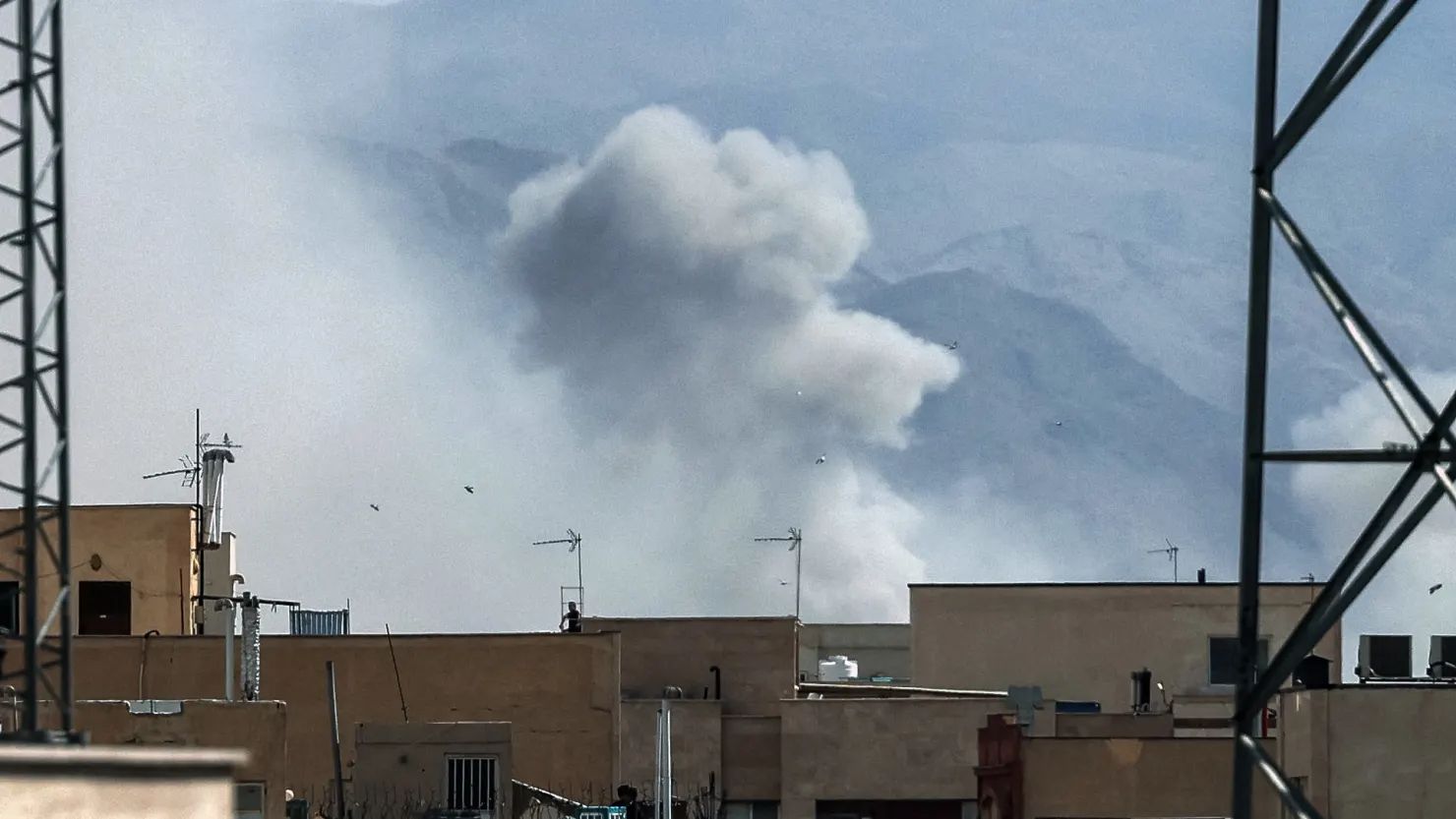
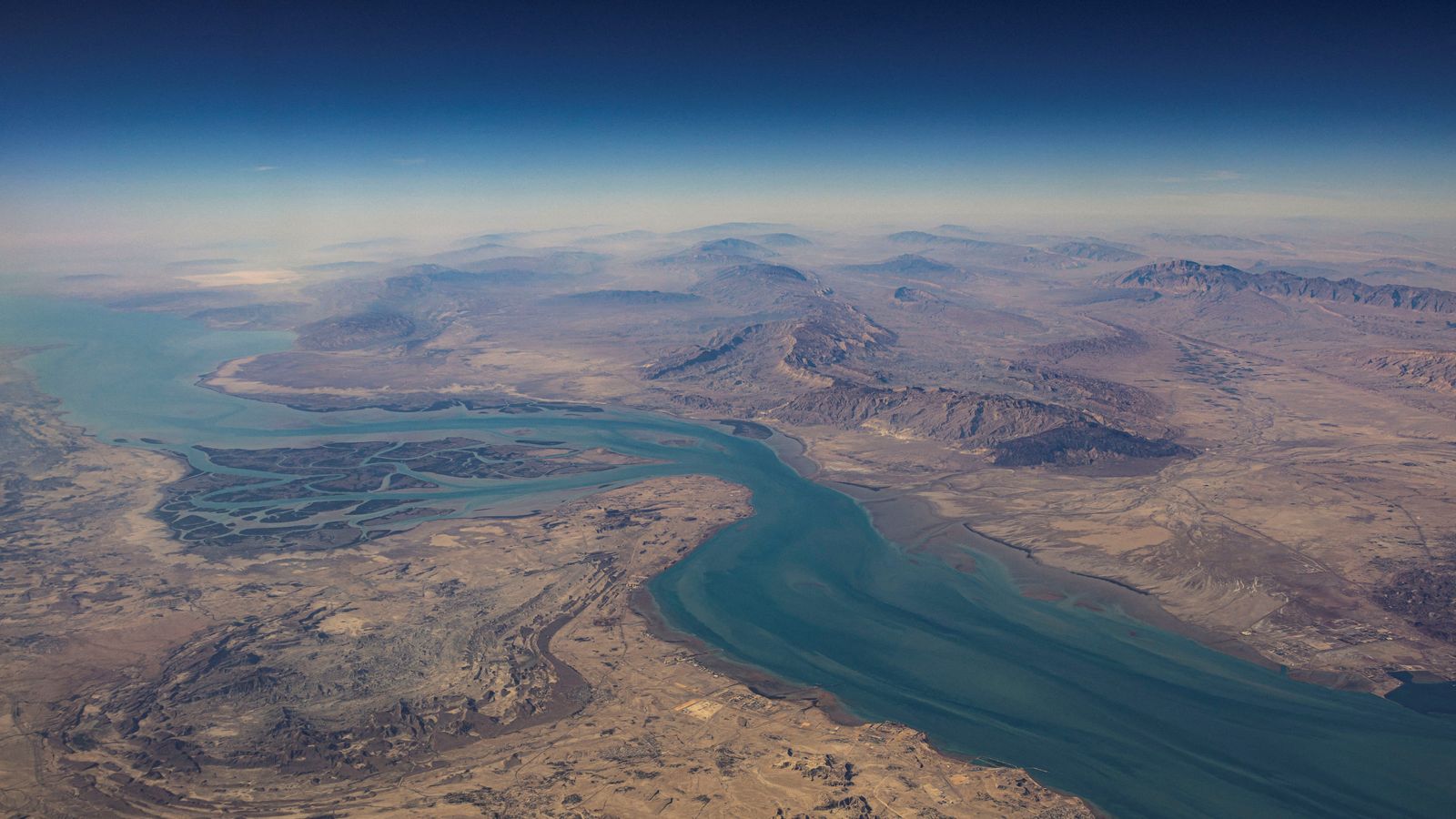
Although today’s figures will come as good news to households, they reflect the period directly before the conflict in the Middle East began.
It’s not yet clear what impact the conflict has had on the UK economy as this has not yet fed through.
James Murray, chief secretary to the Treasury, said: “Growth only happens when the economy is on solid ground.
“That’s why in a changing world our plan to restore stability, boost investment and deliver reform is the right one to build a more stronger more resilient Britain.”
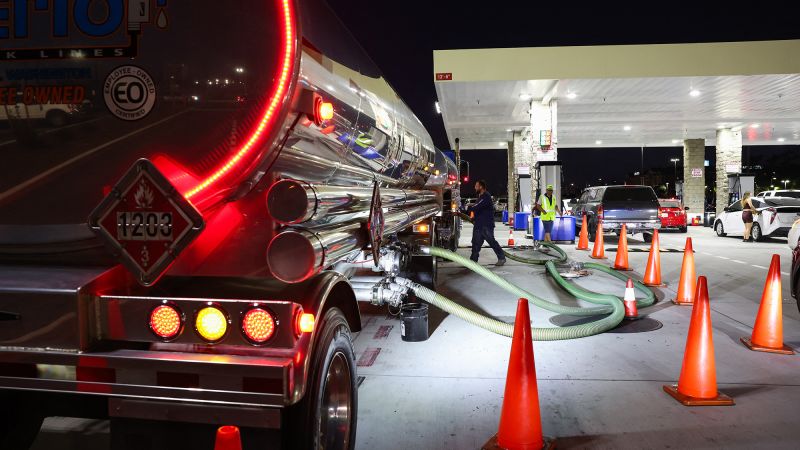
While we don’t yet know how the conflict will affect the economy, households are almost guaranteed to see their energy bills soar this summer.
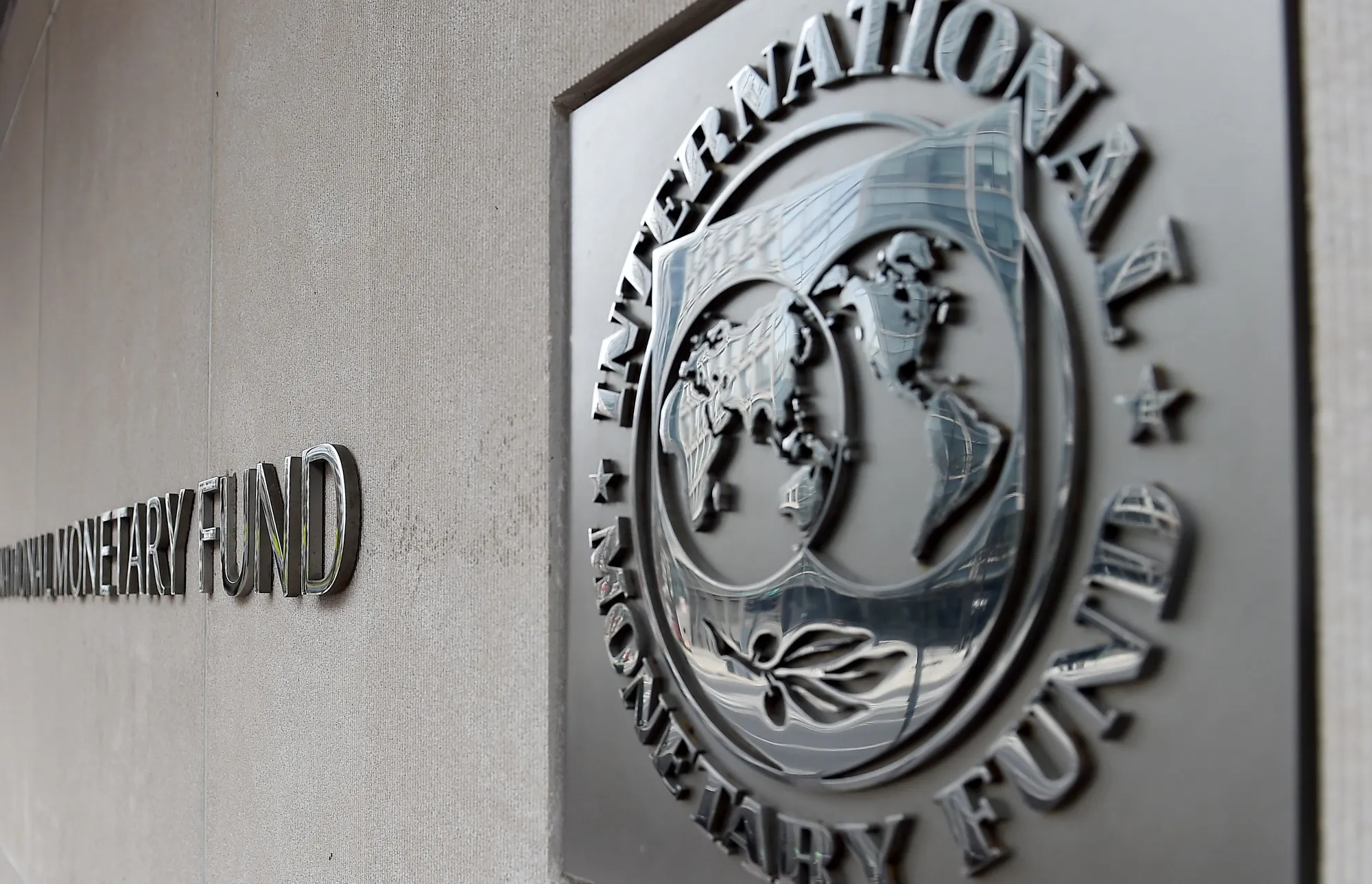
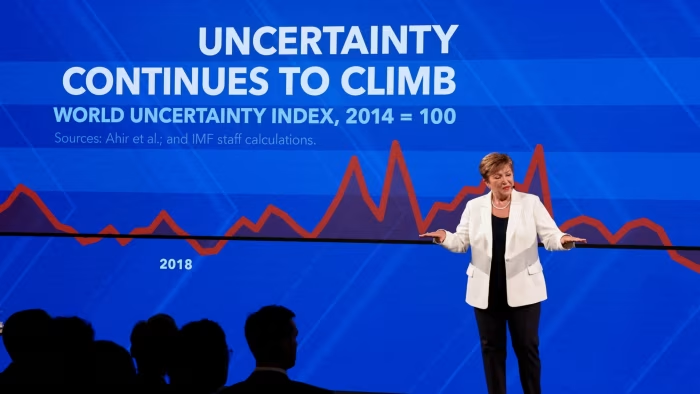
Meanwhile, the International Monetary Fund (IMF) has warned that the energy shock from the conflict in the Middle East will hit the UK the hardest of the world’s advanced economies.
In its latest World Economic Outlook, the IMF cut its estimate for UK growth this year from 1.3% to 0.8%.
It said the downgrade was due to the conflict, fewer interest rate cuts and the expectation that energy bills will stay higher into next year.
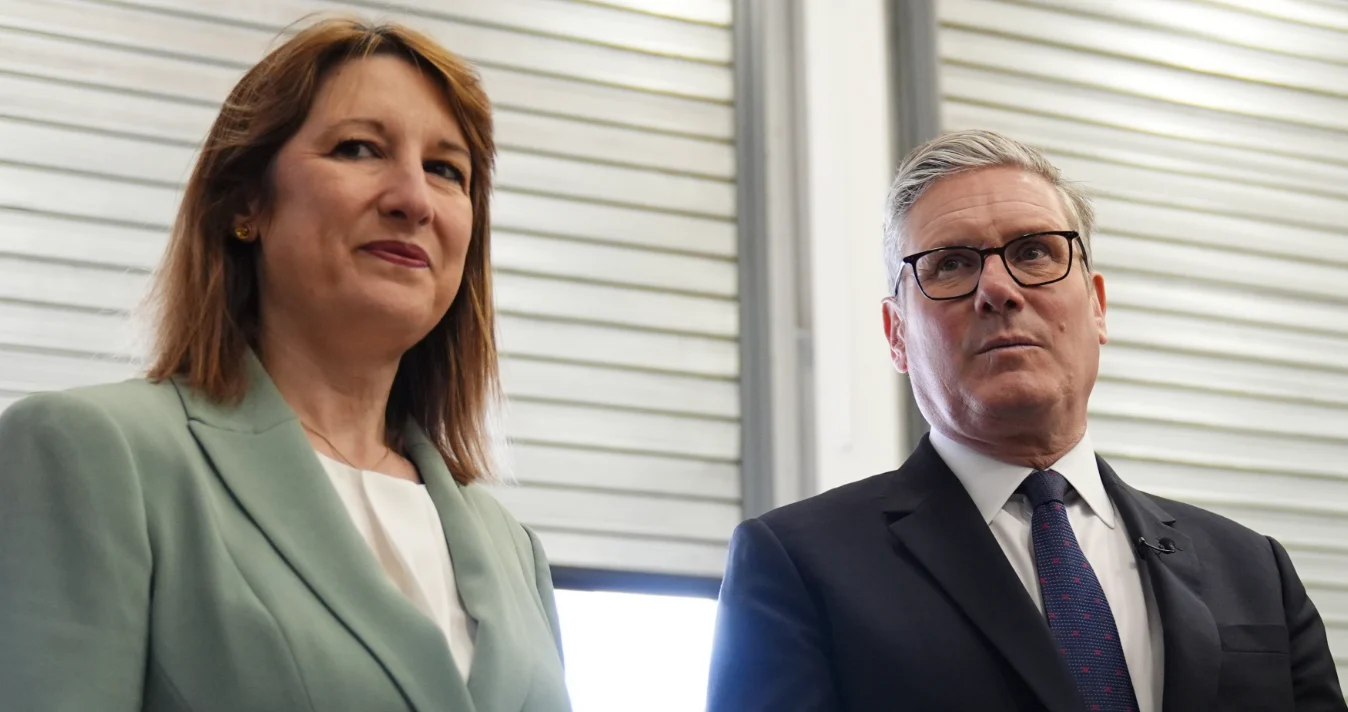
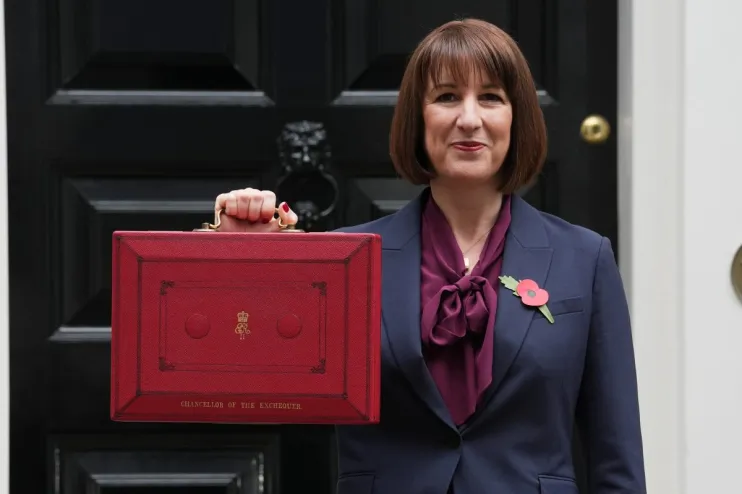
Shadow Chancellor Sir Mel Stride said: “The IMF were clear this week that under Labour our economy is totally unprepared for the recent energy shock.
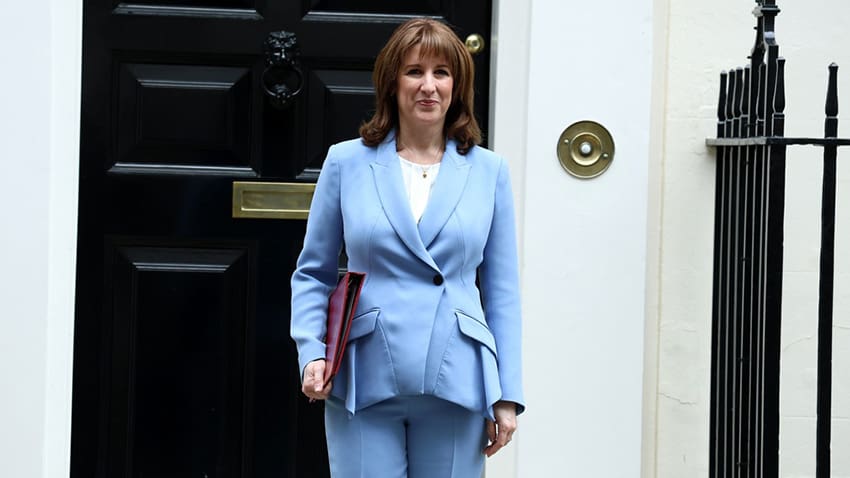
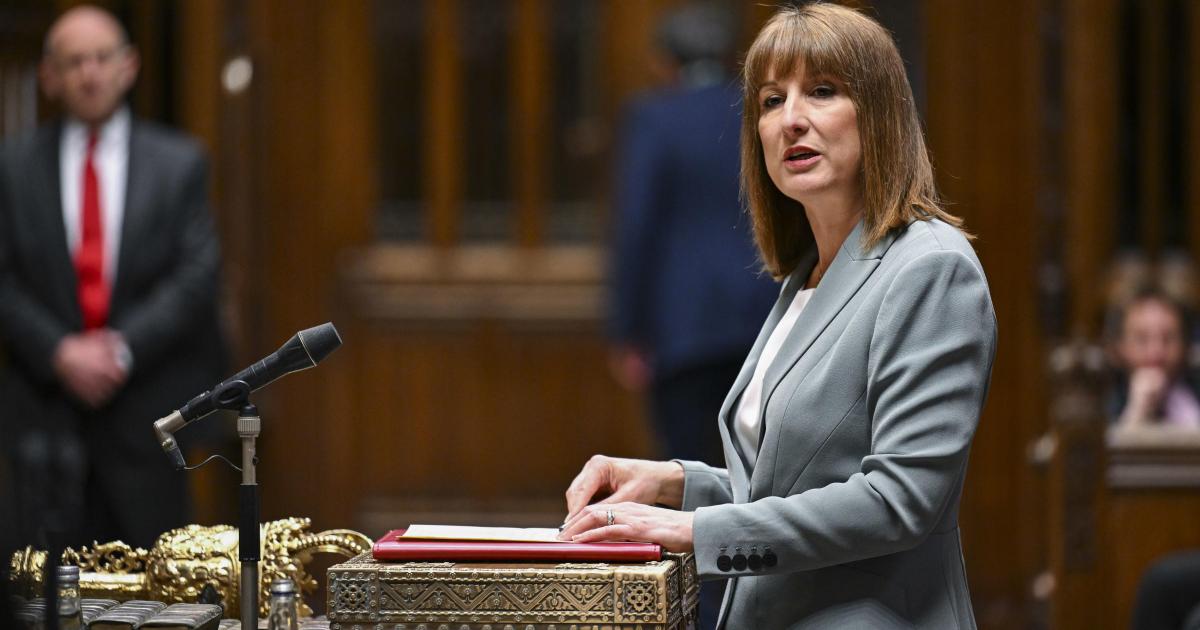
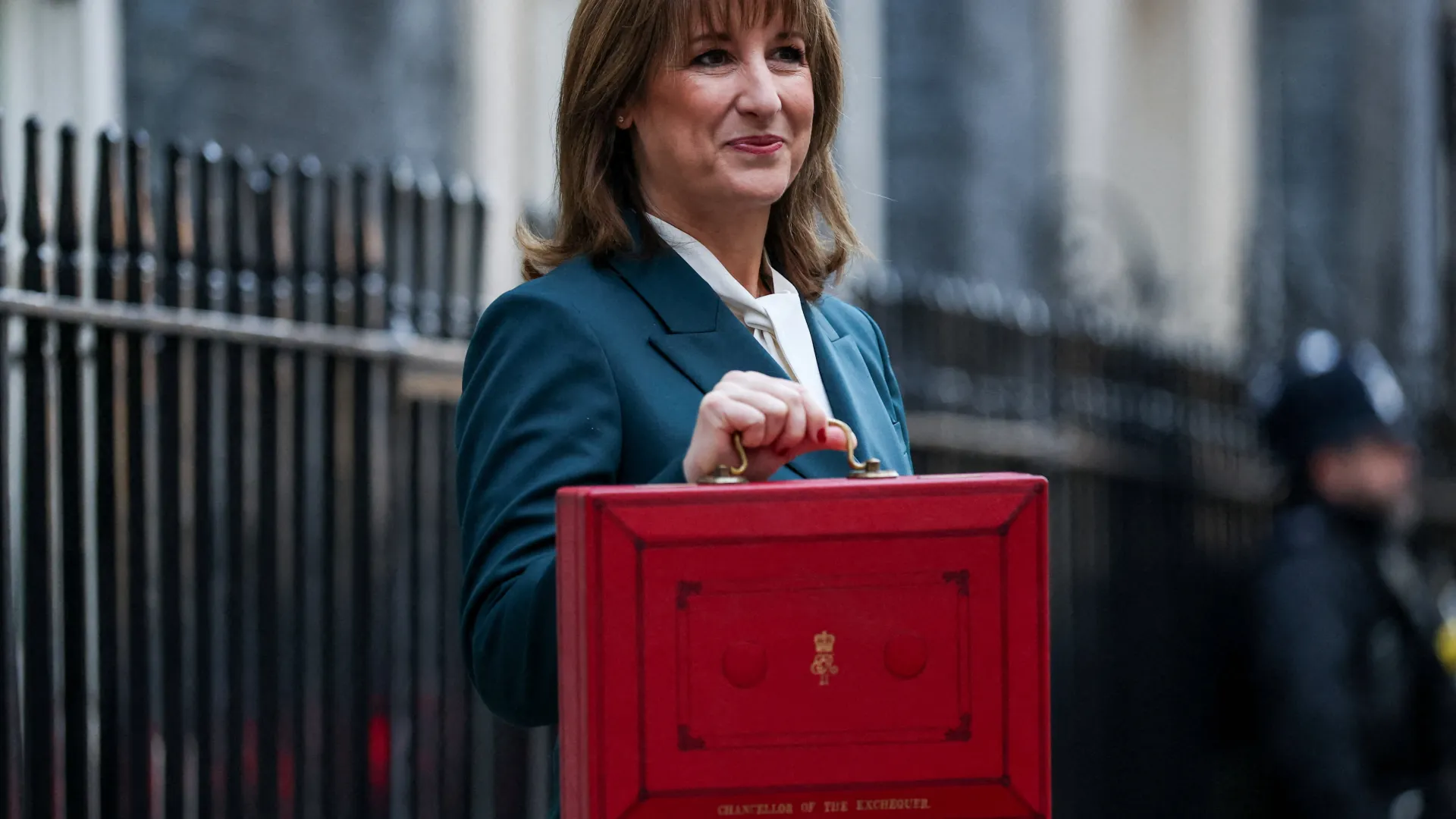
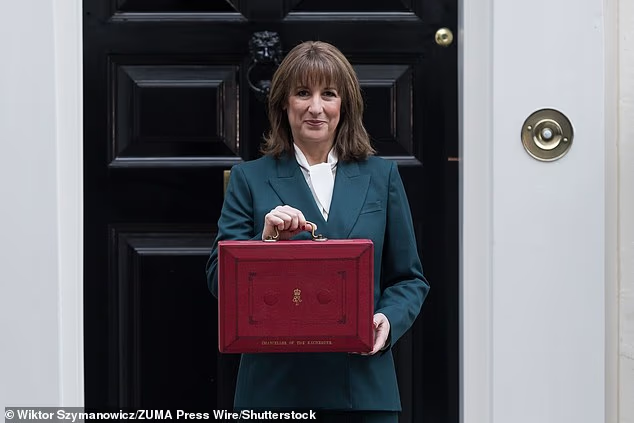
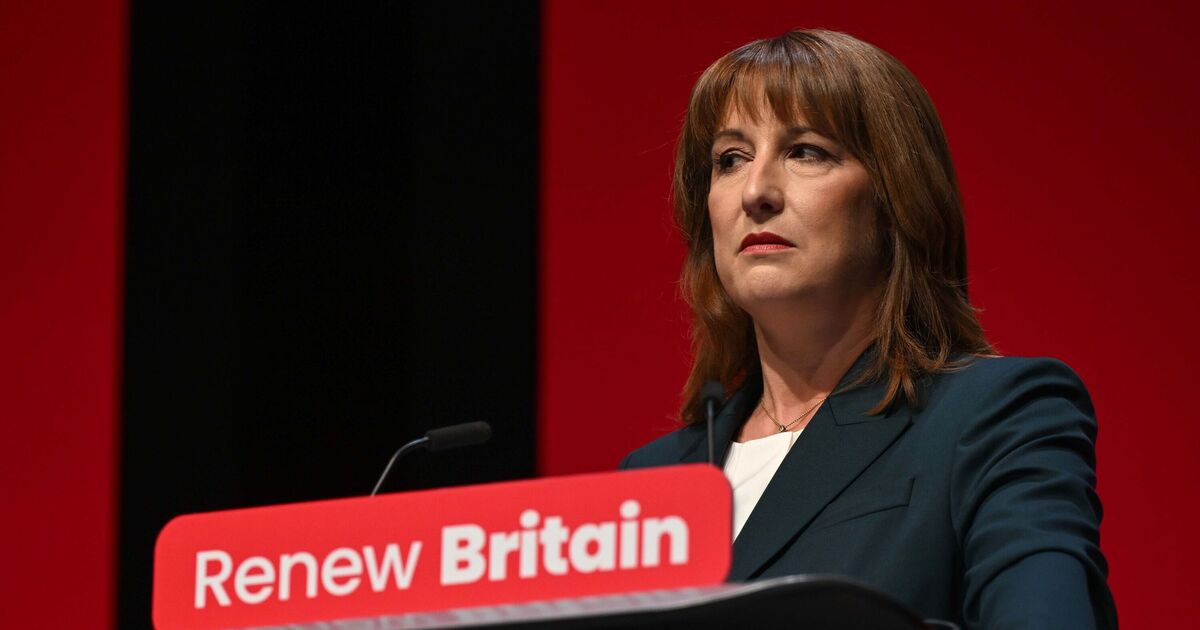
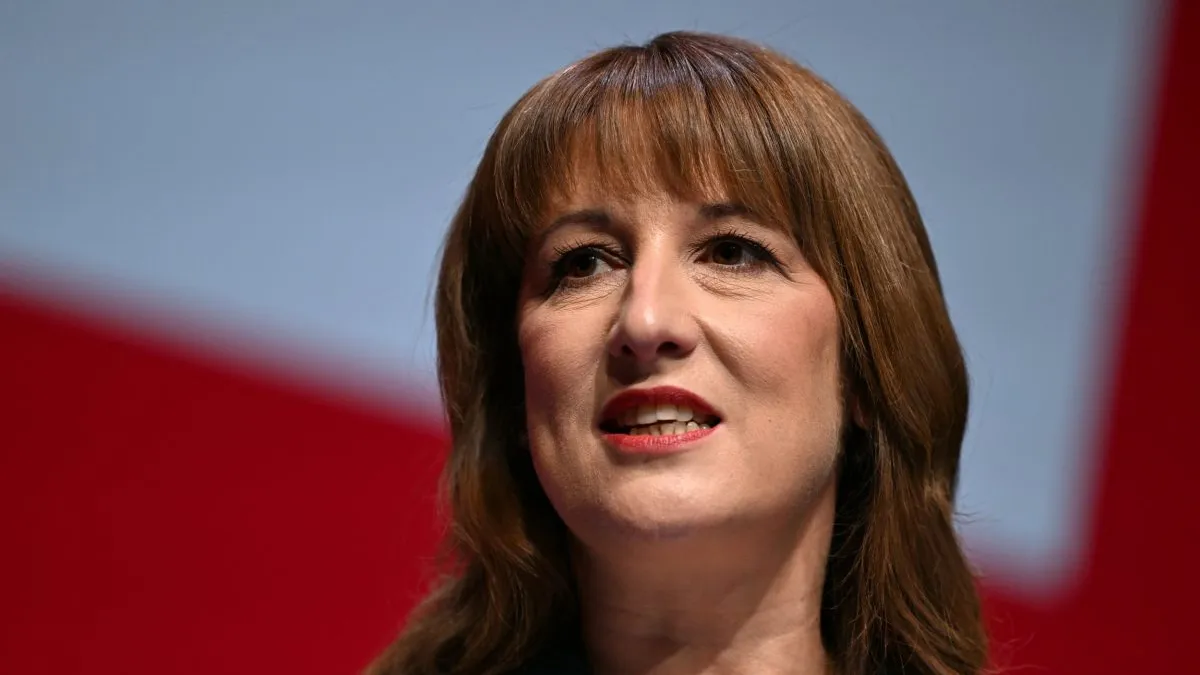
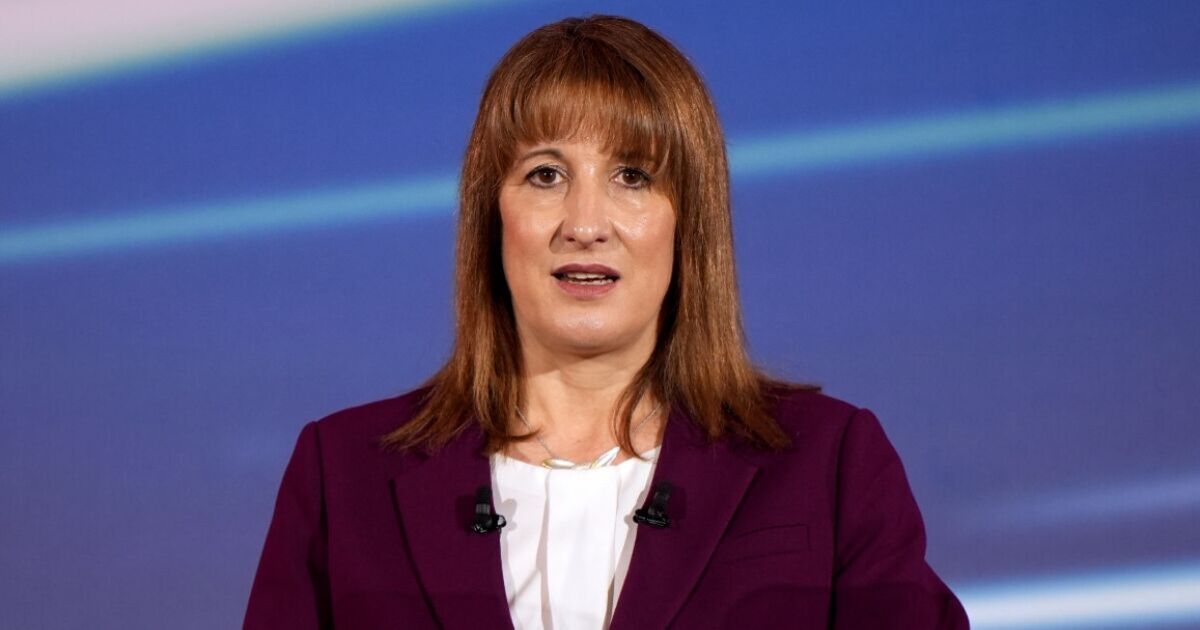
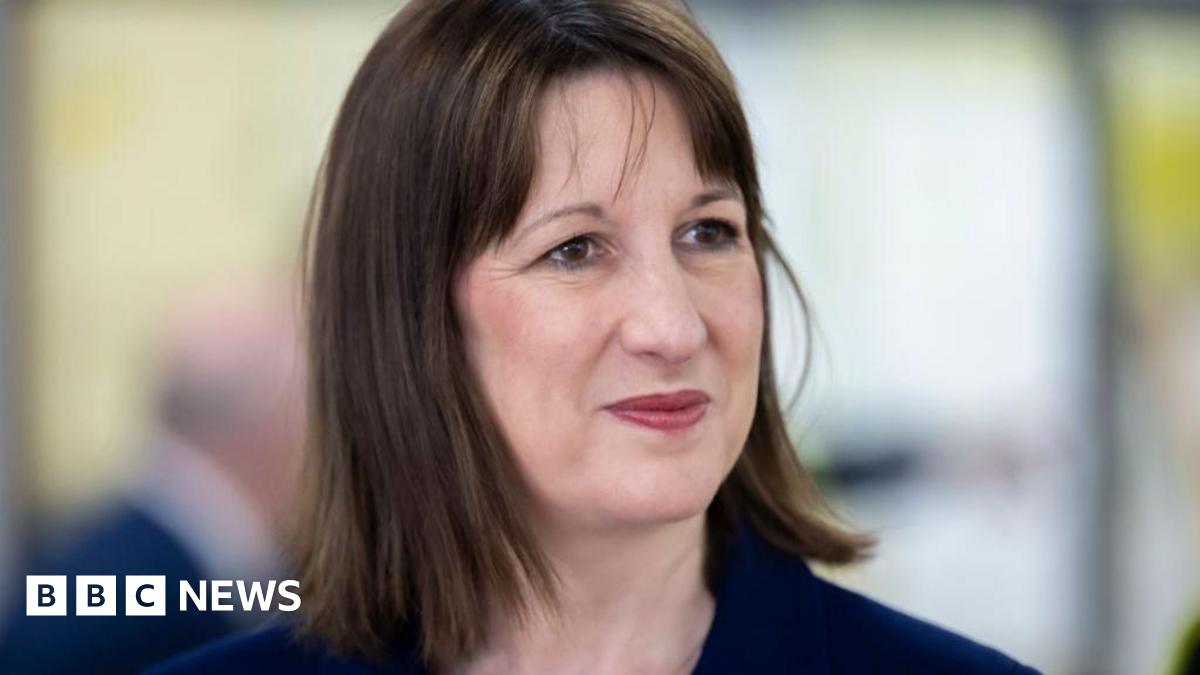
“Rachel Reeves should stop asking other countries to follow her disastrous ‘plan’. Her choices have left us poorer, with soaring unemployment and the highest inflation in the G7.”
Meanwhile, Kevin Brown, savings expert at Scottish Friendly, warns that today’s figures could be short-lived unless the conflict is resolved quickly.
He said: “The fallout has already hit the UK economy, with business confidence slumping and households contending with soaring mortgage rates.
“Add to the mix that the UK is a net energy importer, and therefore heavily exposed to price changes in global energy markets, and you have a toxic combination for a government desperate to drive up growth and living standards.”
Although the ceasefire is still in place, he added that if tensions escalate again then energy prices and borrowing costs will likely soar, which increases the prospect of a recession.
Even if the conflict is resolved soon, it’s too early to see what impact it could have on the economy in the long term.
What it means for your money
GDP measures the economic output of companies, individuals and Governments.
If it is rising steadily, but not too much, it’s a sign of a healthy and prosperous economy.
This is because it usually means people are spending more, the Government gets more tax and businesses get more money which then means pay rises for workers.
When GDP is falling, it means the economy is shrinking which can be bad news for businesses and workers who face pay cuts or even losing their job.
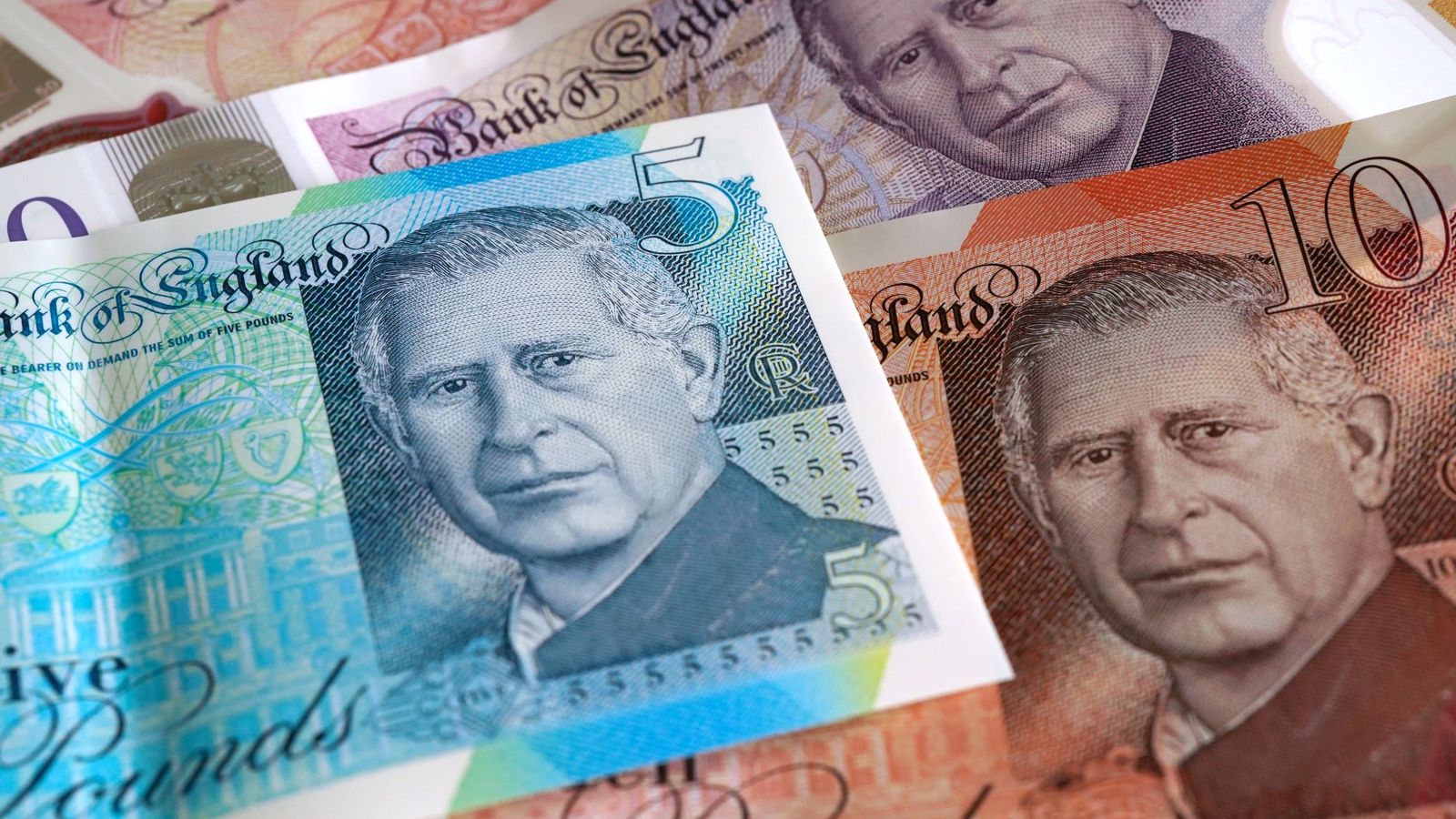
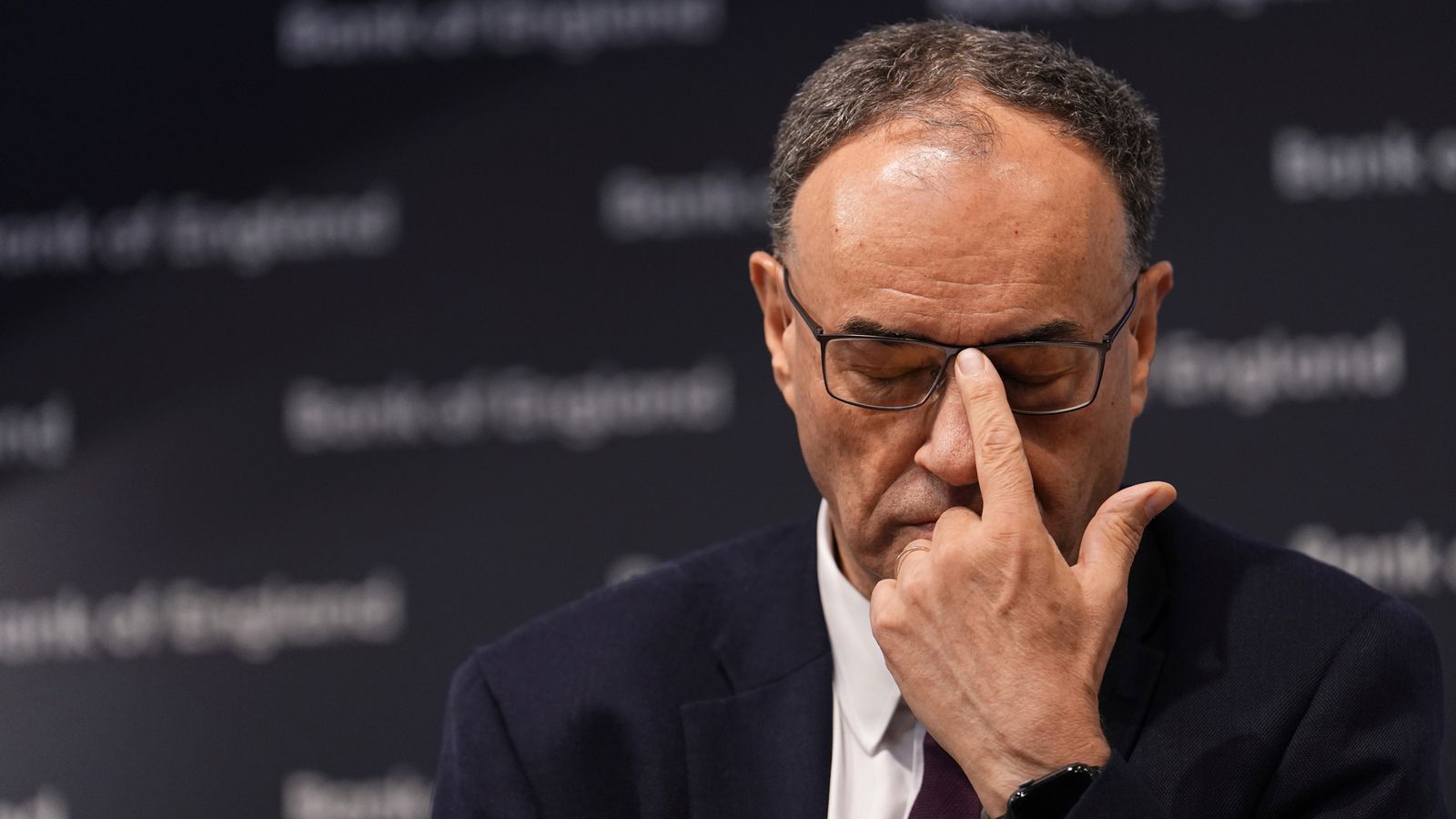
Meanwhile, the Bank of England (BoE) uses GDP and inflation as key indicators when trying to set its base rate.
The base rate decides how much it will charge banks to lend them money and is used as a way to try and control inflation.
If GDP is low the BoE usually cuts its base rate in order to encourage people to spend and invest money.
But if it is higher then the BoE may keep its base rate higher for longer in order to keep inflation under control.
The BoE is set to announce its next base rate on April 30.
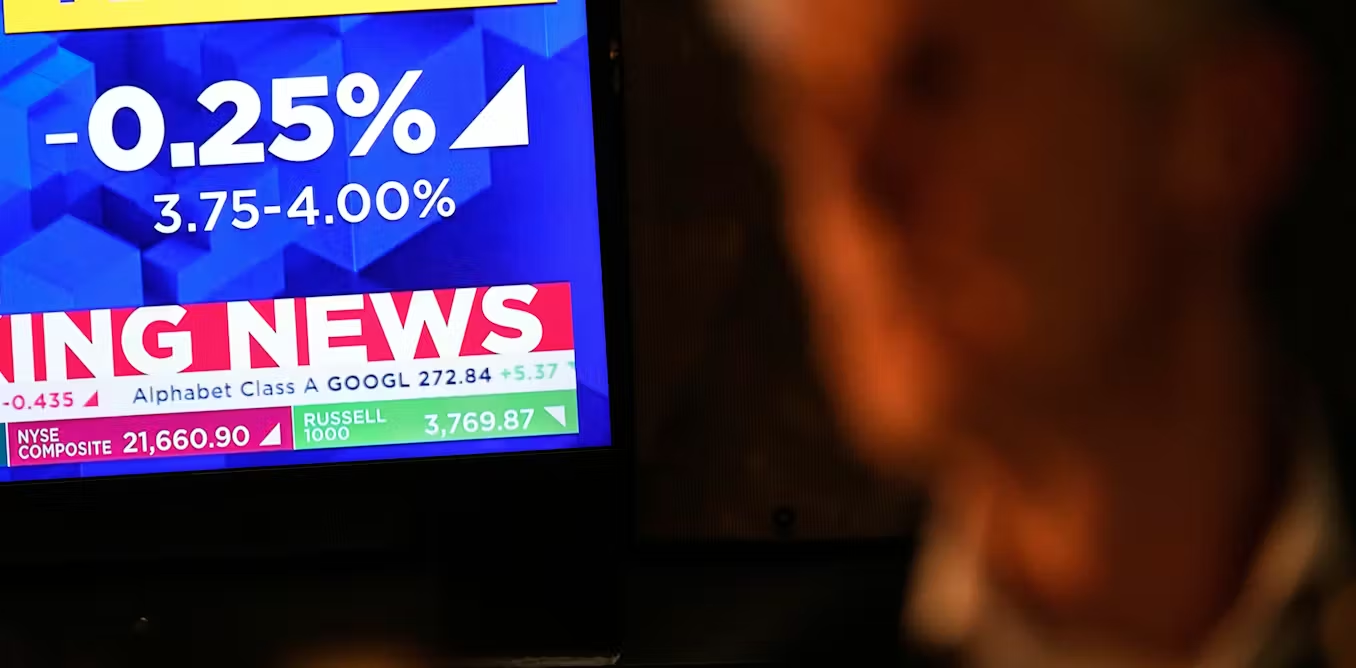
It voted to hold rates at 3.75% when it last met on March 19.
Soaring energy bills and the prospect of a recession may seem daunting but for now it’s important not to panic.
Instead focus on strengthening your own finances.
Try and cut back where possible and build up an emergency pot of between three to six months of essential expenses.
You should also try to focus on getting the best returns on your savings to make sure your money is working as hard as it can.