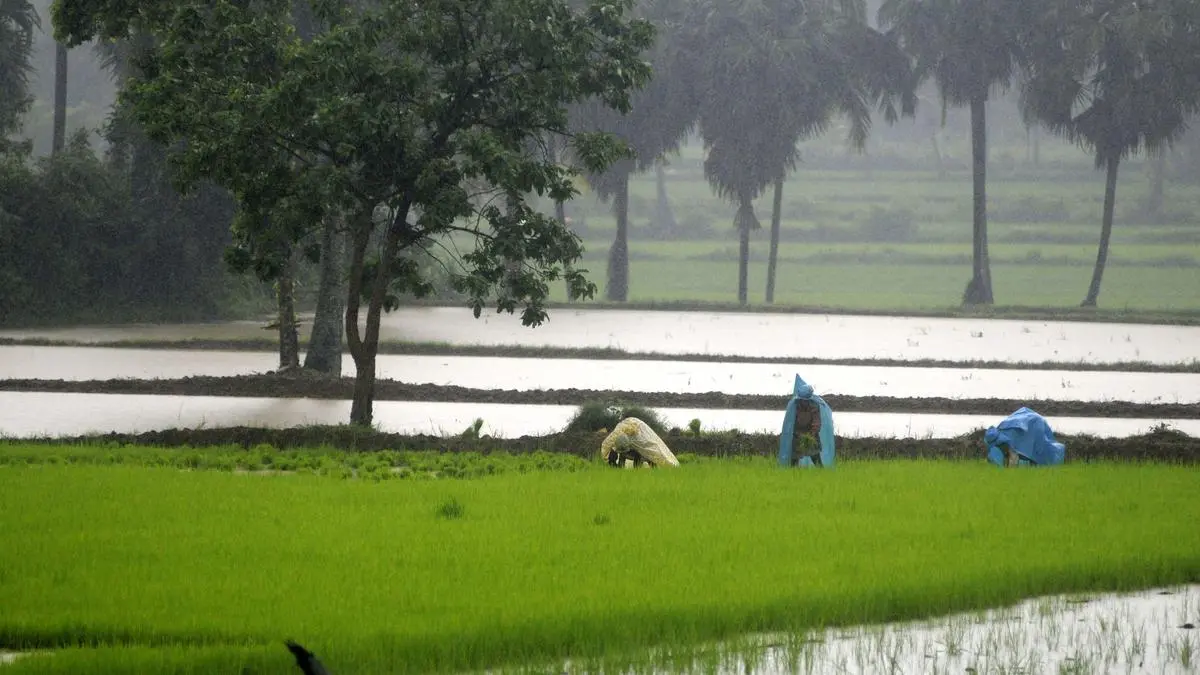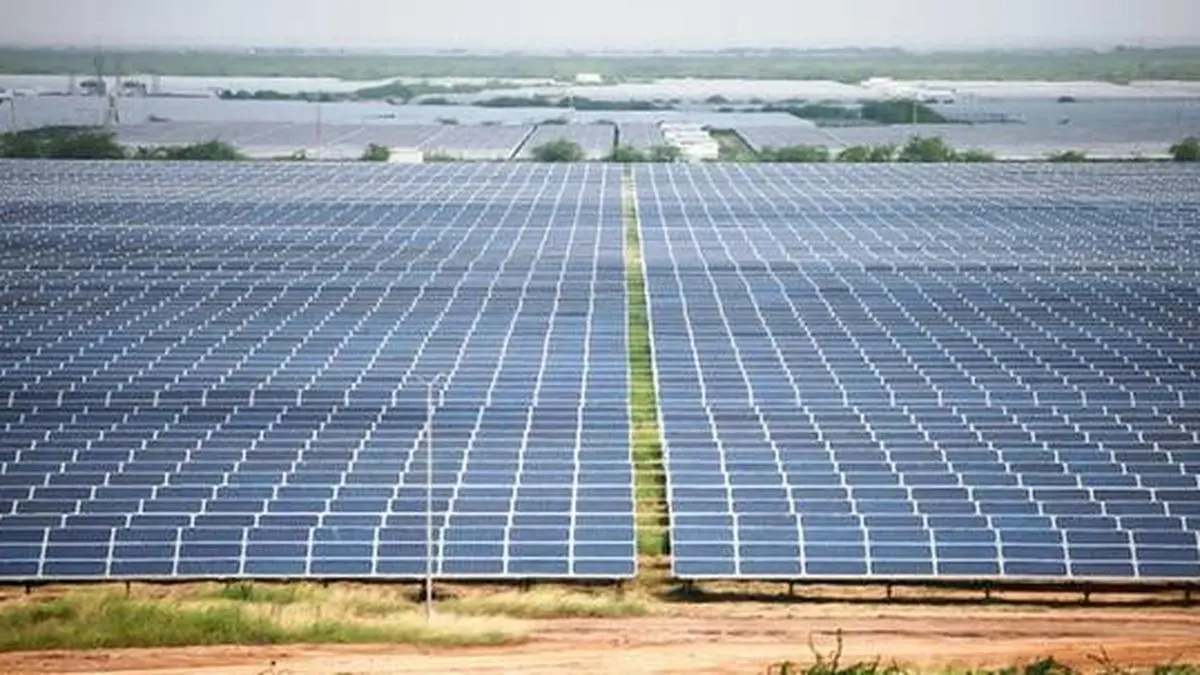
India’s rural economy—deeply rooted in agriculture—is undergoing a silent yet powerful transformation, driven by one of the most abundant resources available: sunlight. As farmers grapple with climate volatility, rising input costs, and unreliable electricity, solar energy is emerging not merely as an alternative, but as a cornerstone of sustainable agricultural growth.
At its core, agriculture is energy-intensive. From irrigation and water management to storage and processing, energy access plays a decisive role in farm productivity. Yet, Indian farmers have long faced a dual challenge—dependence on subsidised but inconsistent grid electricity, and the high recurring costs of diesel-powered systems. Solar energy disrupts this imbalance by offering clean, reliable, and cost-efficient power directly at the farm level.
Solar irrigation: Transforming farm economics
One of the most impactful applications of solar technology in agriculture is solar-powered irrigation. By replacing diesel pumps and erratic grid supply, solar pumps provide consistent, daytime energy—ensuring timely irrigation cycles.
This shift delivers measurable economic benefits. Farmers using solar irrigation systems have reported income increases of up to 30–35 per cent, largely driven by improved yields and the ability to diversify into high-value crops such as fruits, vegetables, and pulses. Reliable irrigation reduces crop stress and enhances productivity, especially in regions vulnerable to irregular rainfall.
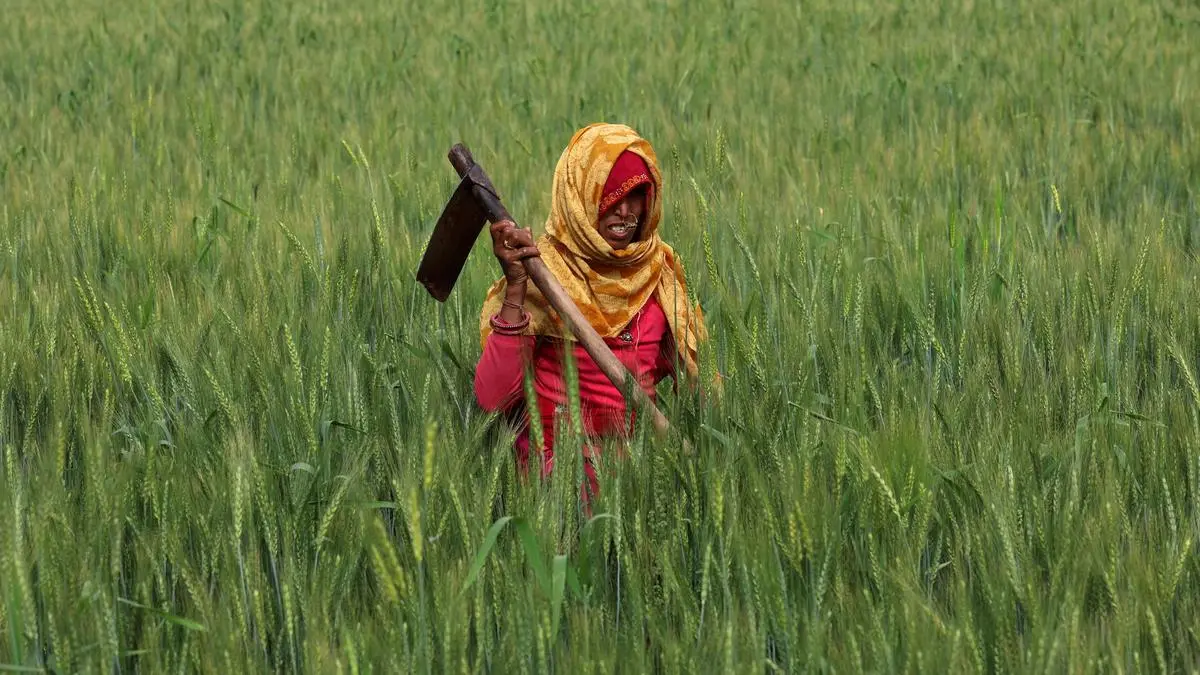
Equally important is the reduction in operating costs. Diesel expenses, which often form a significant portion of farm expenditure, are virtually eliminated. Once installed, solar systems offer long-term savings and predictable energy costs, making them particularly beneficial for small and marginal farmers, who constitute over 85 per cent of India’s agricultural community.
Scaling solar: Policy momentum and national impact
India’s policy ecosystem is strongly aligned with solar adoption in agriculture. Under the PM-KUSUM scheme, the government aims to deploy nearly 34,800 MW of solar capacity by 2026, with a significant focus on solarising irrigation infrastructure.
This large-scale push is not just about clean energy—it is about strengthening rural economies through decentralised power generation. Solar enables farmers to move beyond being mere consumers of electricity to becoming prosumers, capable of generating and even selling surplus power back to the grid, thereby creating additional income streams.
Beyond energy: Building rural resilience
Solar energy’s impact extends far beyond cost savings. It is fundamentally reshaping the rural ecosystem in three key ways:
1. Energy independence: Farmers gain control over their energy supply, reducing dependence on erratic grids and fluctuating fuel prices.
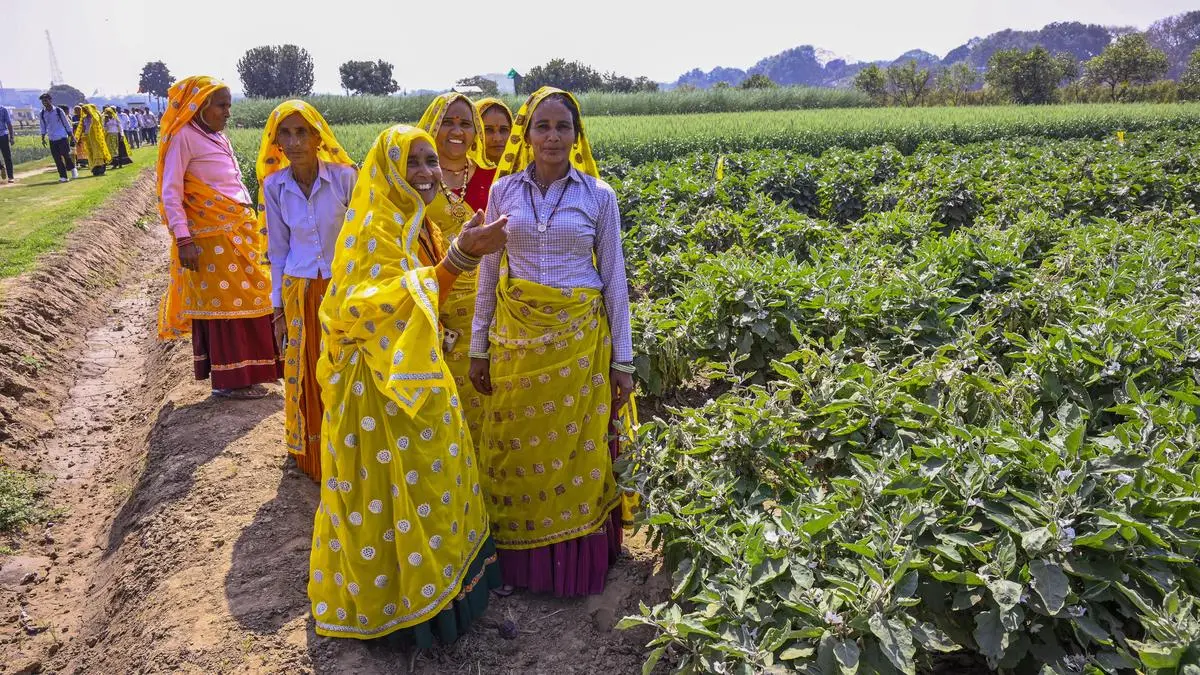
2. Rural entrepreneurship: Decentralised solar models—such as shared irrigation services and solar-powered micro-enterprises—are creating new livelihood opportunities. In several states, community-led solar initiatives are enabling local employment and fostering women-led enterprises.
3. Climate resilience: With increasing water stress and unpredictable weather patterns, solar-powered irrigation offers a reliable solution. When combined with efficient technologies like drip irrigation, it significantly improves water-use efficiency—critical for sustainable farming.
Innovations driving the next phase
Emerging innovations such as agrivoltaics—where solar panels are installed alongside crops—are unlocking new possibilities. These systems optimise land use, reduce soil moisture loss, and can even improve crop yields in certain conditions, all while generating renewable energy.
Additionally, solar-powered cold storage, food processing units, and rural electrification initiatives are expanding the value chain, ensuring that the benefits of solar energy extend well beyond cultivation.
Challenges and the road ahead
Despite its promise, solar adoption in rural India is not without hurdles. High upfront installation costs, limited access to financing, and awareness gaps continue to slow penetration in some regions. Addressing these challenges will require innovative financing models, stronger last-mile delivery, and sustained policy support.
However, the long-term trajectory is undeniable.
Conclusion: From sunlight to sustainable growth
Solar energy is no longer just an environmental solution—it is an economic catalyst for rural transformation. By reducing input costs, increasing farm incomes, enabling new business models, and strengthening climate resilience, it addresses multiple structural challenges in agriculture simultaneously.
In a nation where the future of agriculture is inseparable from the prosperity of its villages, solar energy offers a compelling promise: to not only harvest sunlight, but to cultivate opportunity, resilience, and inclusive rural growth.
The author is Senior VP- Sales & Operations at Oorjan
Published on April 25, 2026