
The project is intended to improve the measurement and communication of environmental impacts.
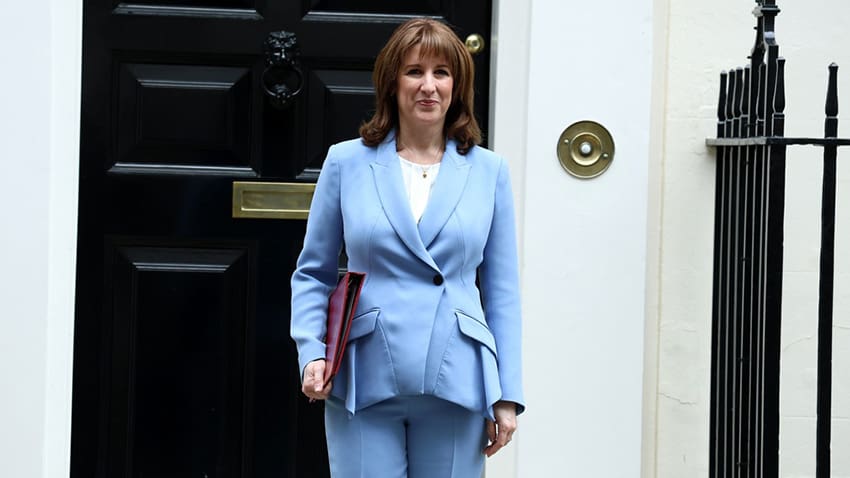
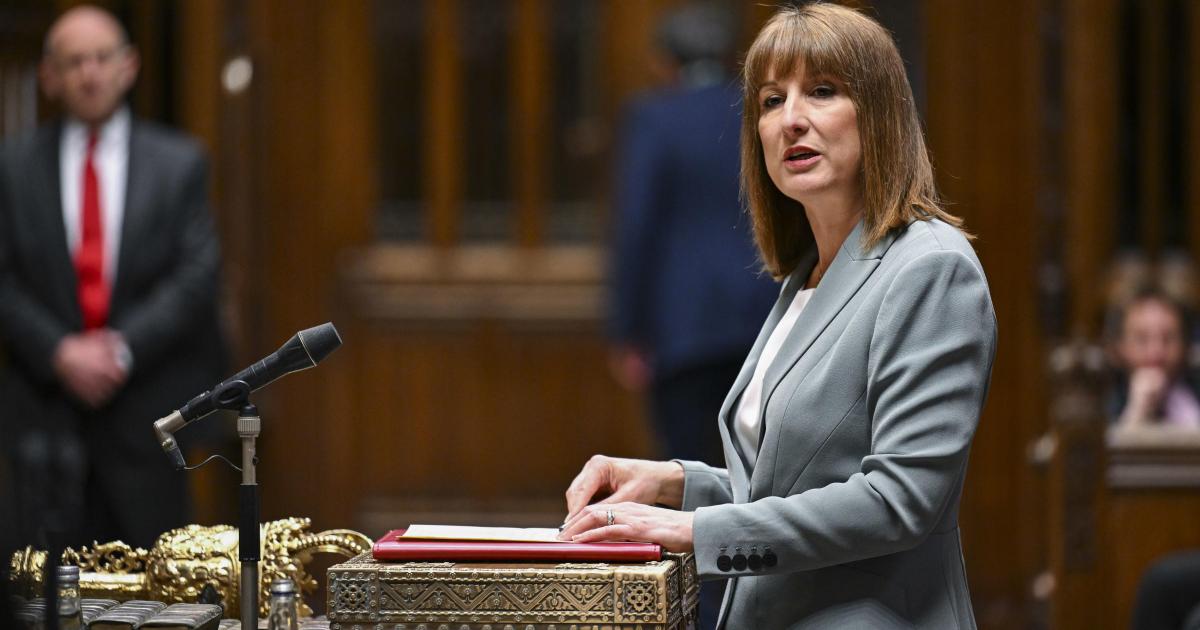
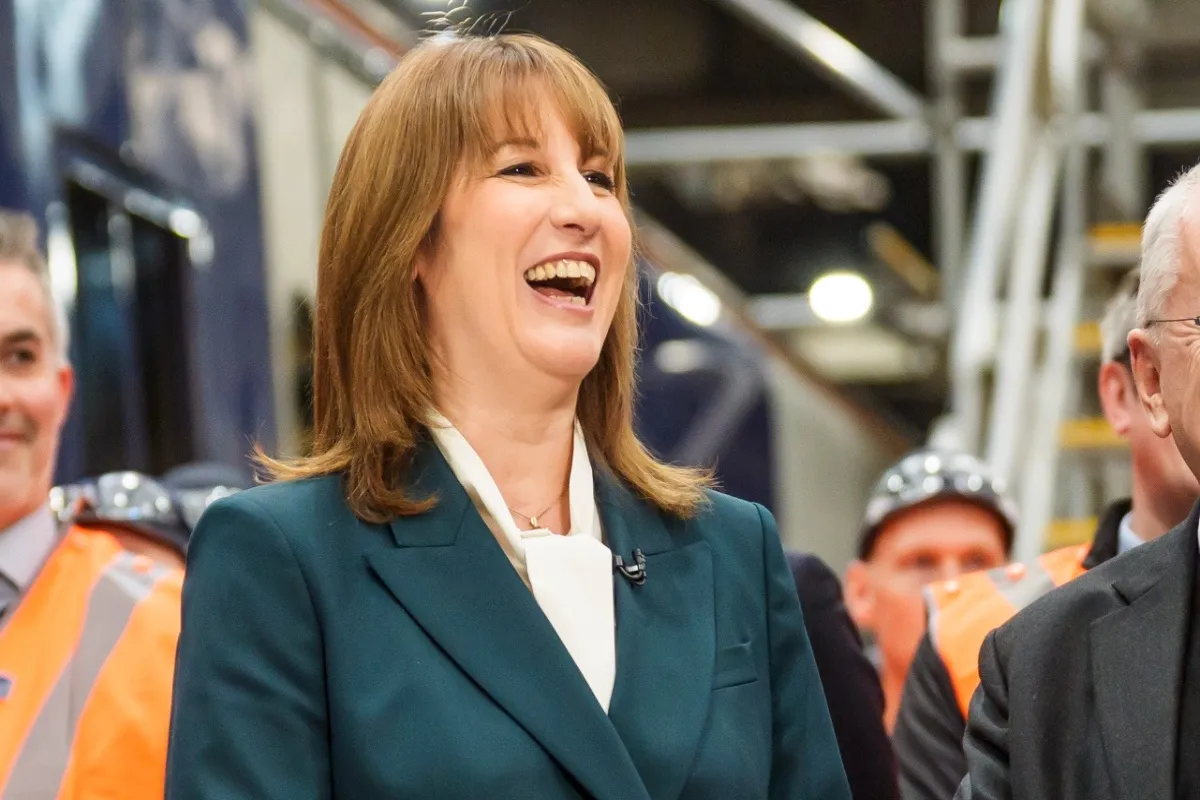
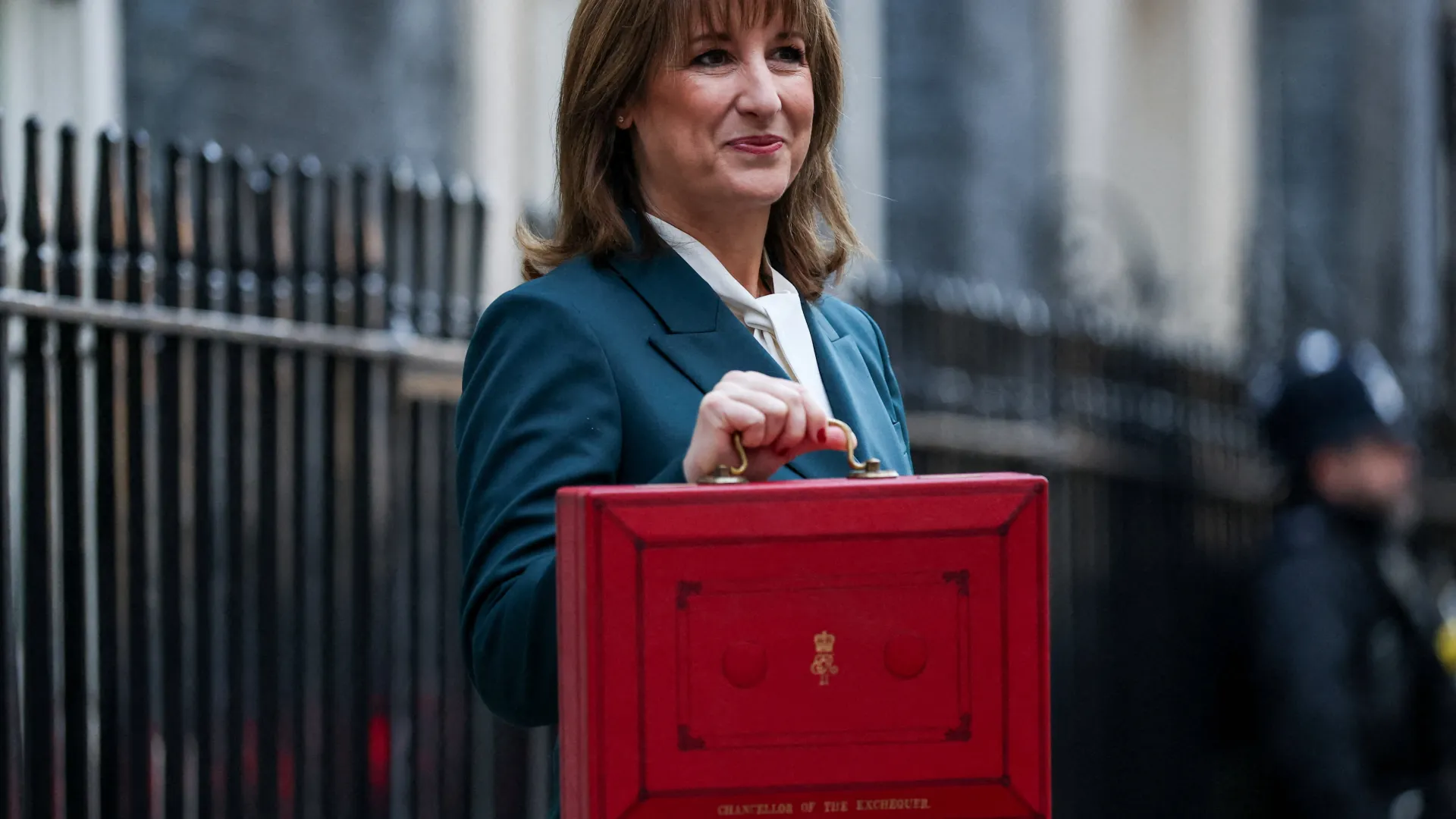
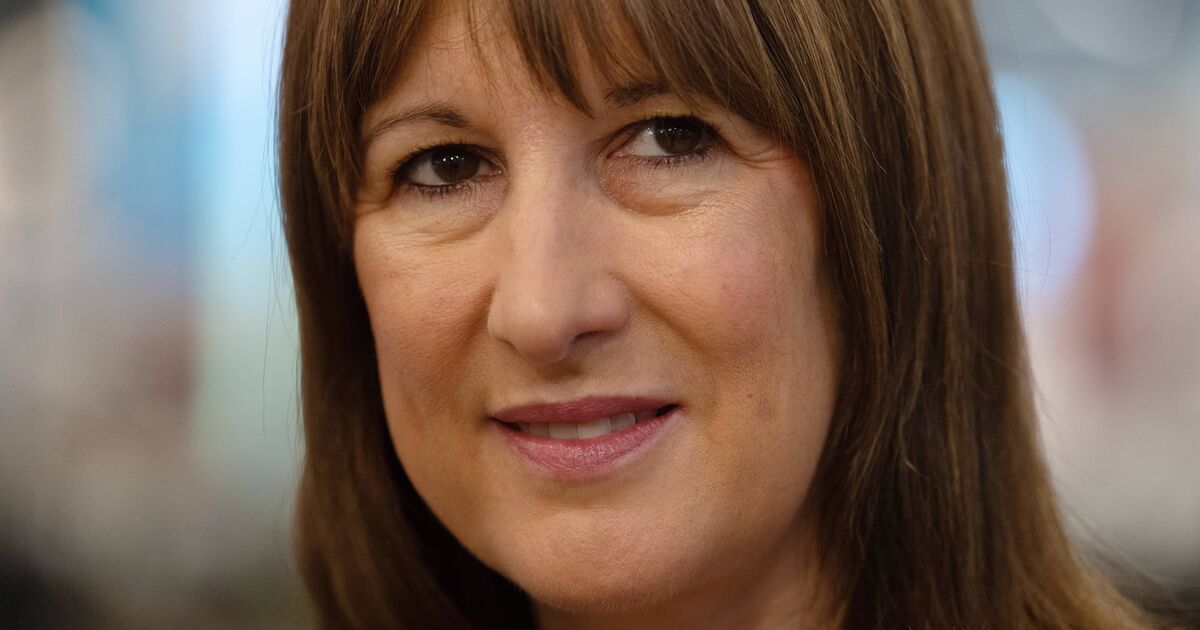
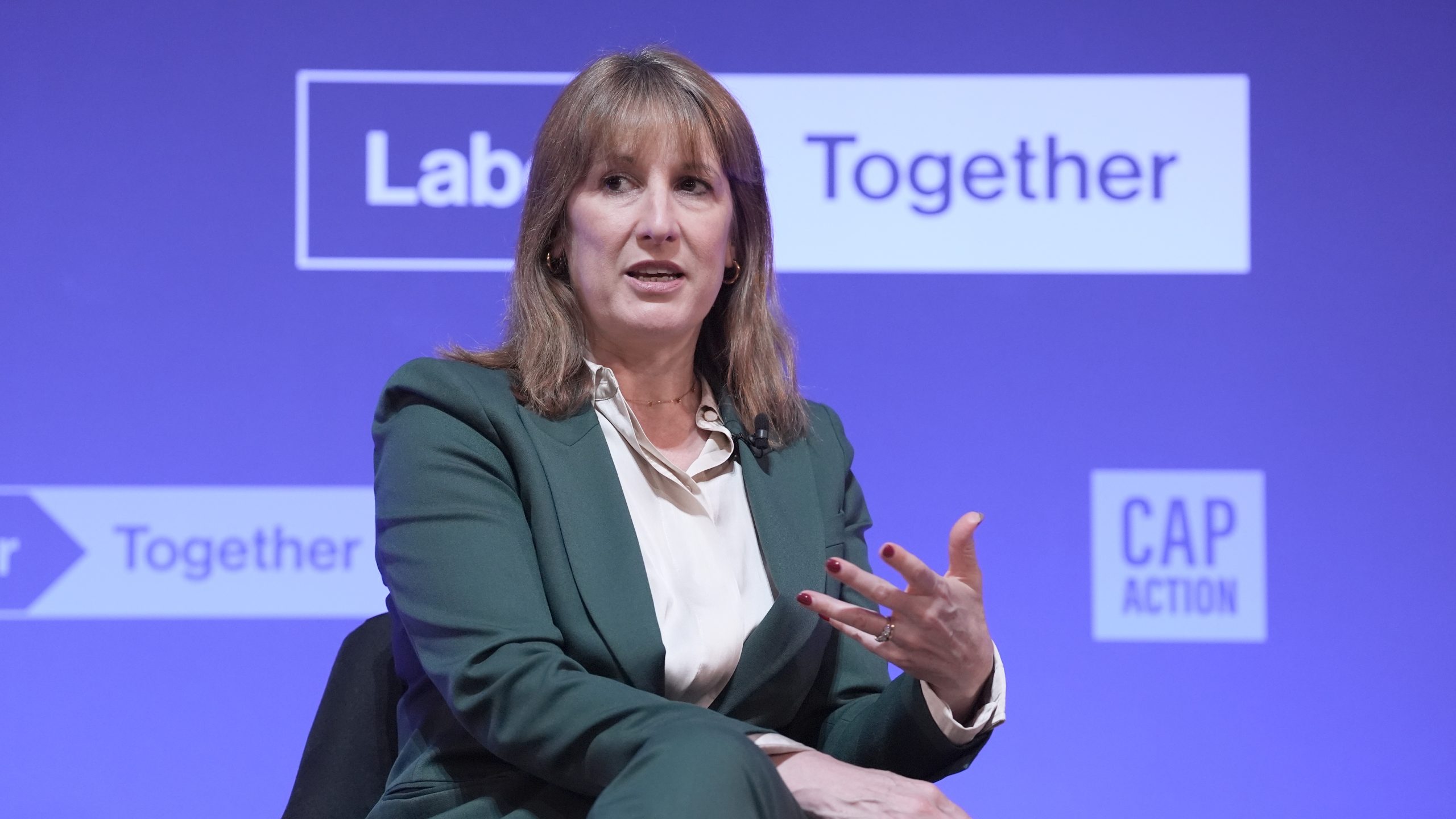
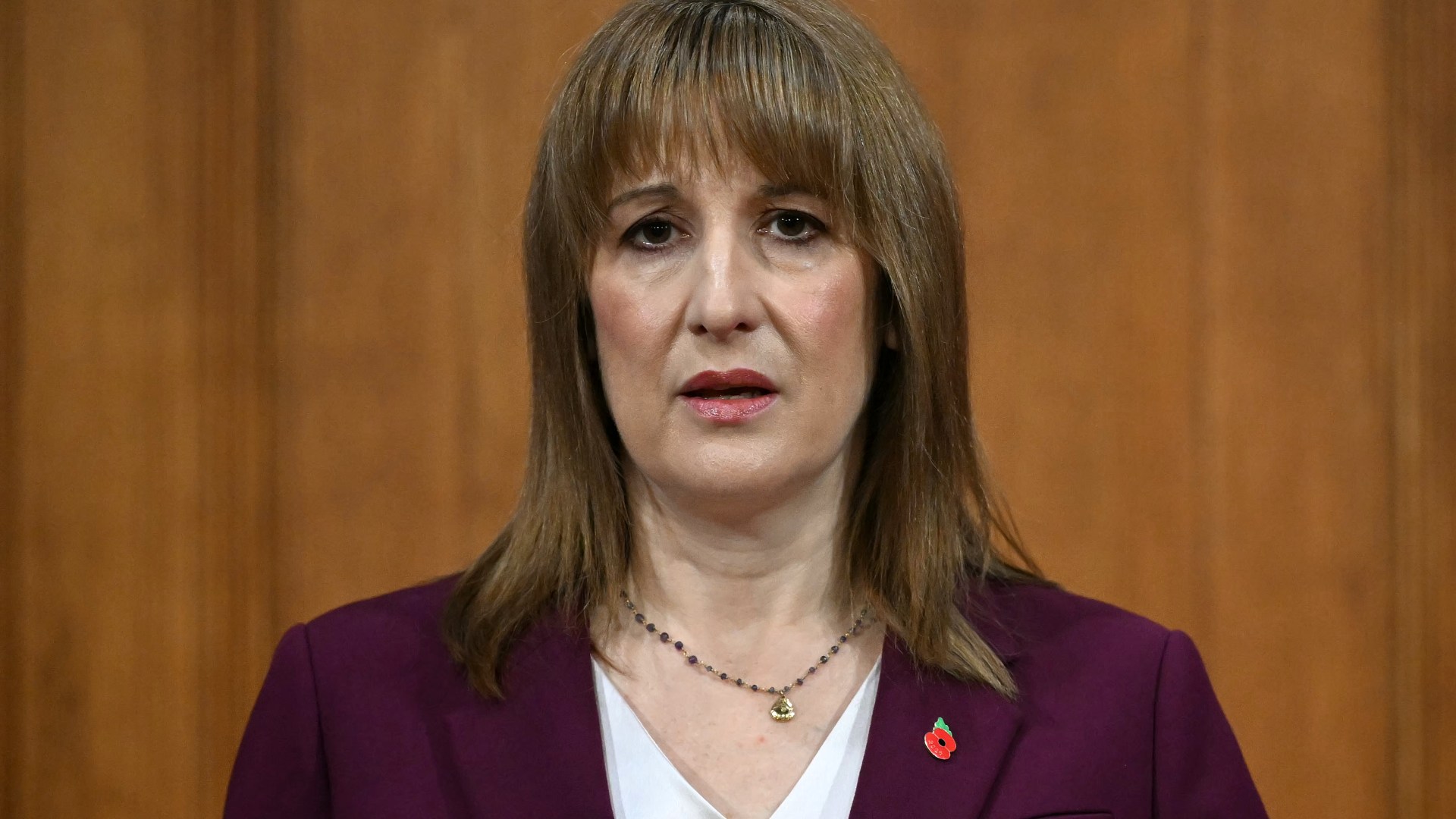
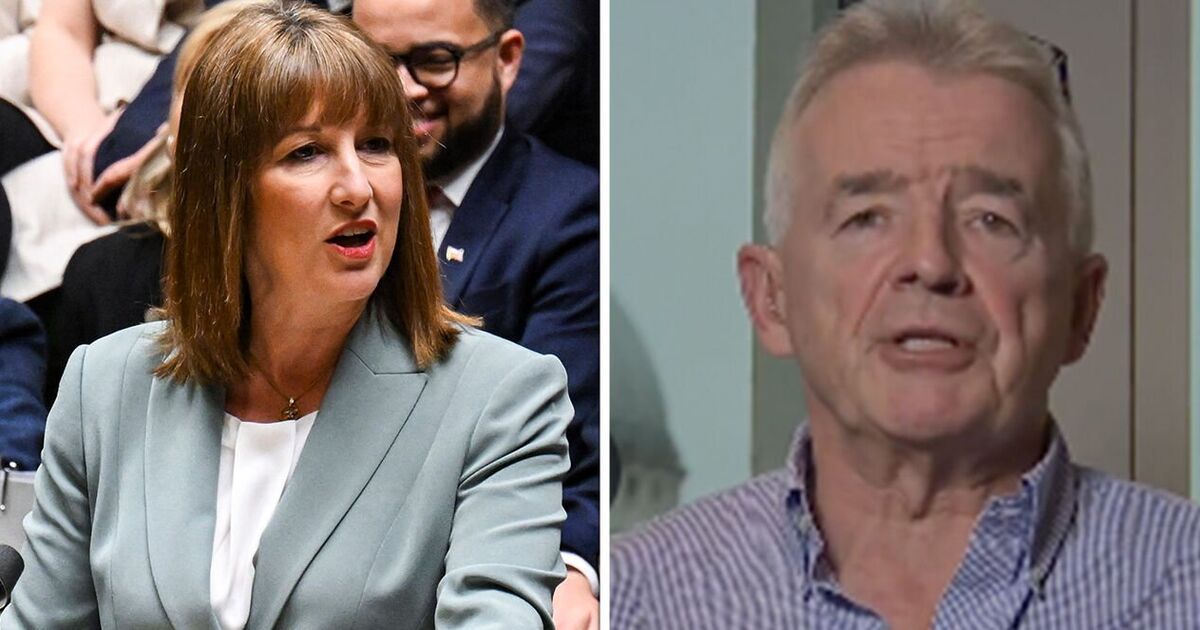
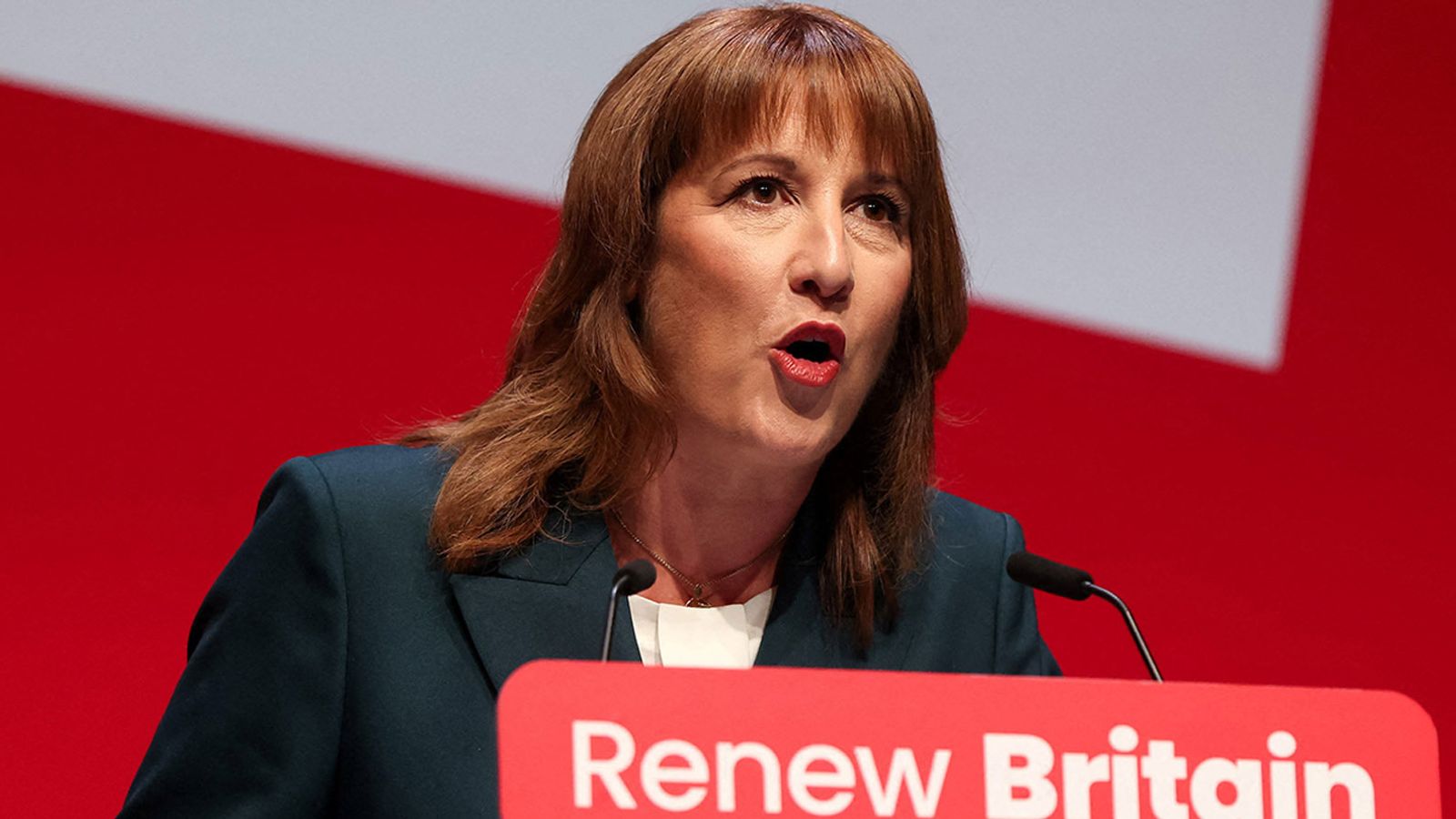
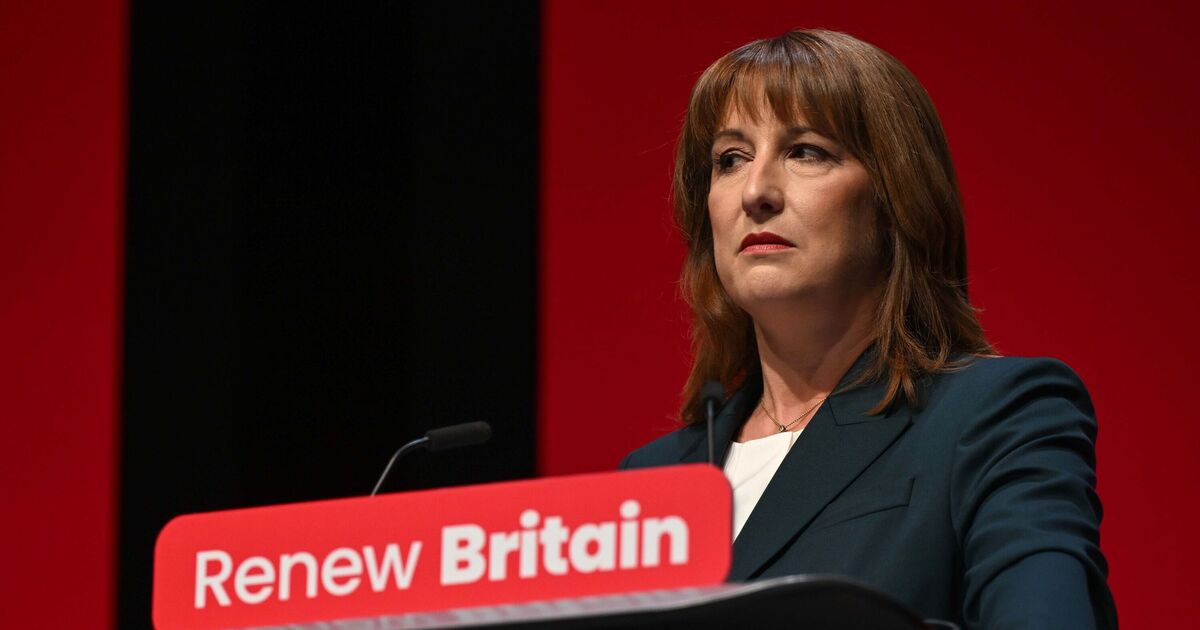
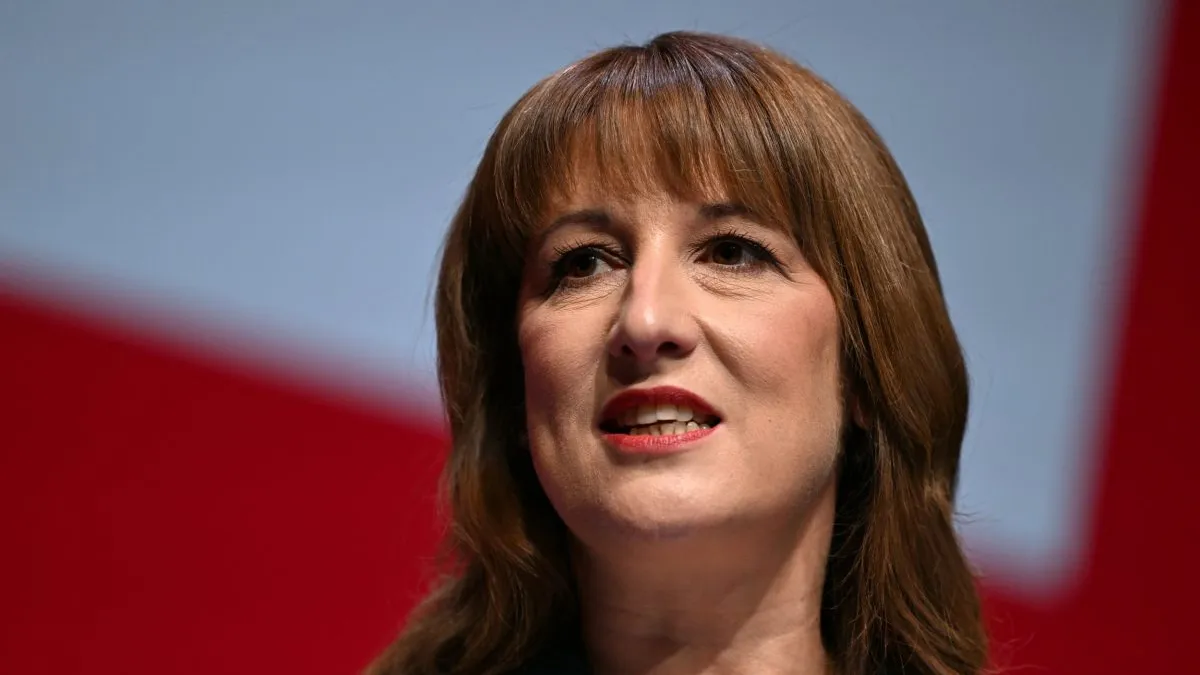
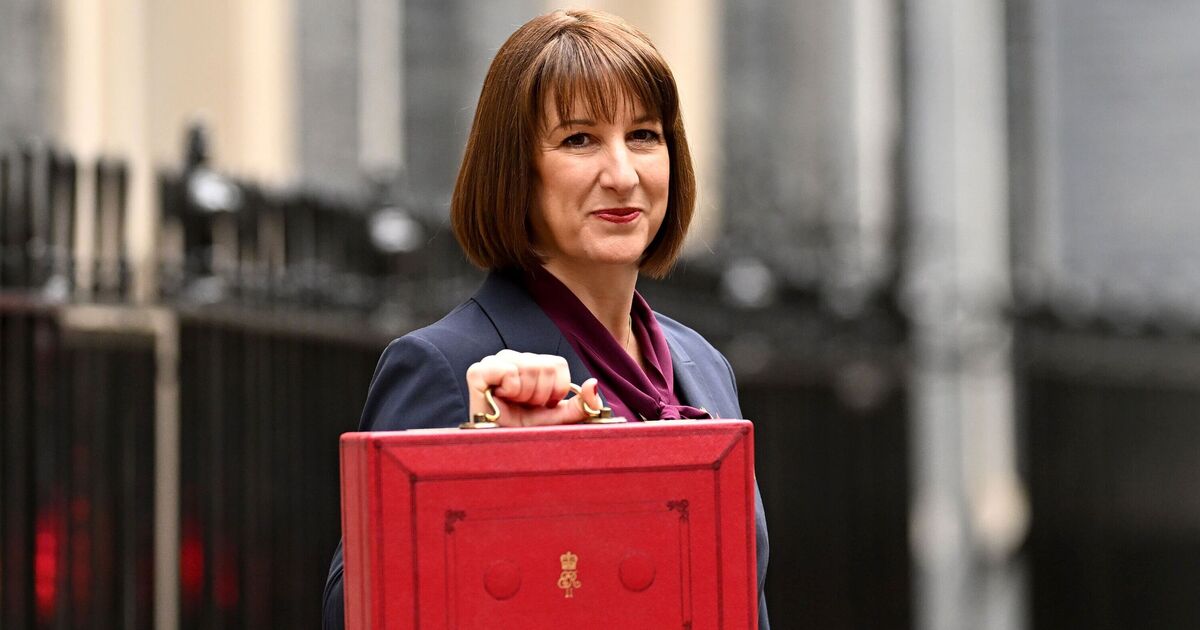
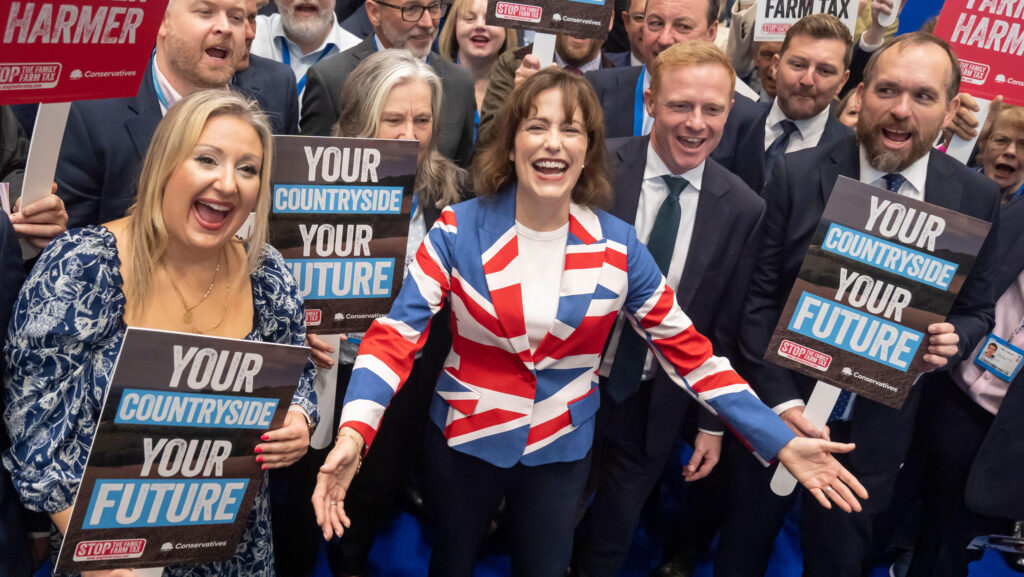
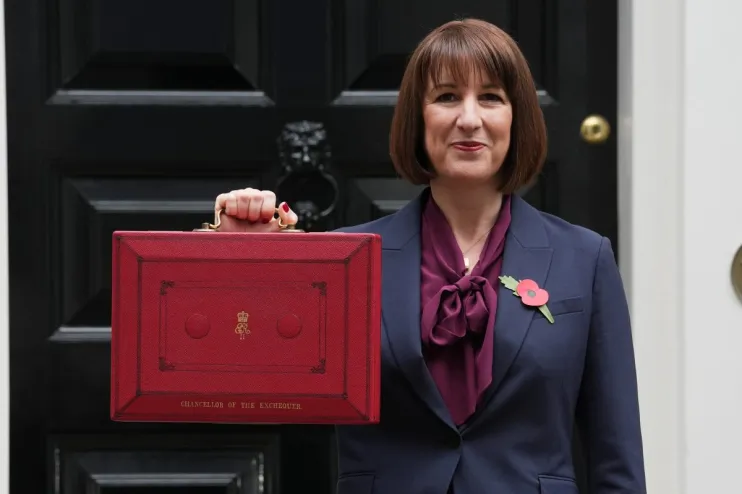
The Guardian reported on the plan earlier this week, stating that it will be confirmed late next month as part of Reeves’ plans to reduce a £22m shortfall in the Treasury this Parliament.
Civil servants told The Guardian that, because the prior Government failed the spend the full annual pot for new post-Brexit farming subsidy schemes, it will be “impossible” to justify maintaining the pot’s full level to the Treasury.
The Department for Food, the Environment and Rural Affairs (Defra) has been asked by the Treasury to identify opportunities for around £1bn of savings this Parliament.
The Treasury neither confirmed nor denied the reported £100m annual cut. A spokesperson told edie: “Following the spending audit, the Chancellor has been clear that difficult decisions lie ahead on spending, welfare and tax to fix the foundations of our economy and address the £22 bn hole in the public finances left by the last government. Decisions on how to do that will be taken at the Budget in the round.”
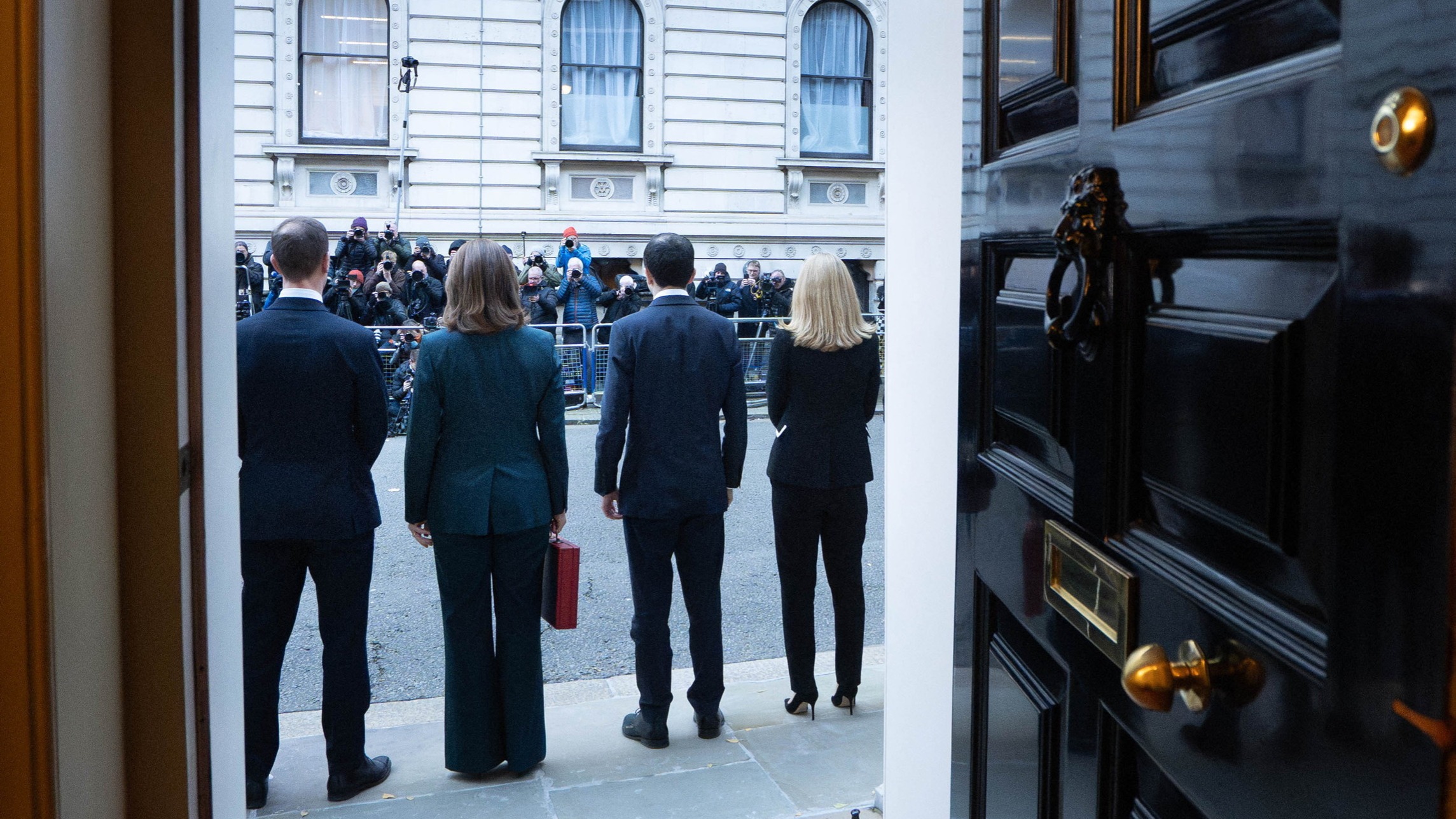
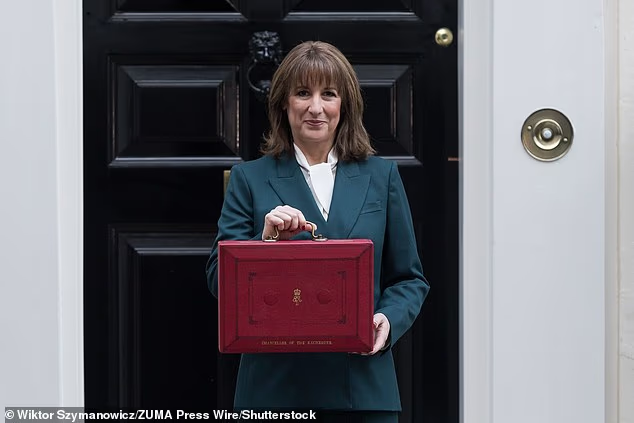
Reeves is due to present her first Budget in the last week of October 2024. Labour had pledged, pre-election, to limit fiscal events to one per year by scrapping the Spring Statement.
Farming in transition
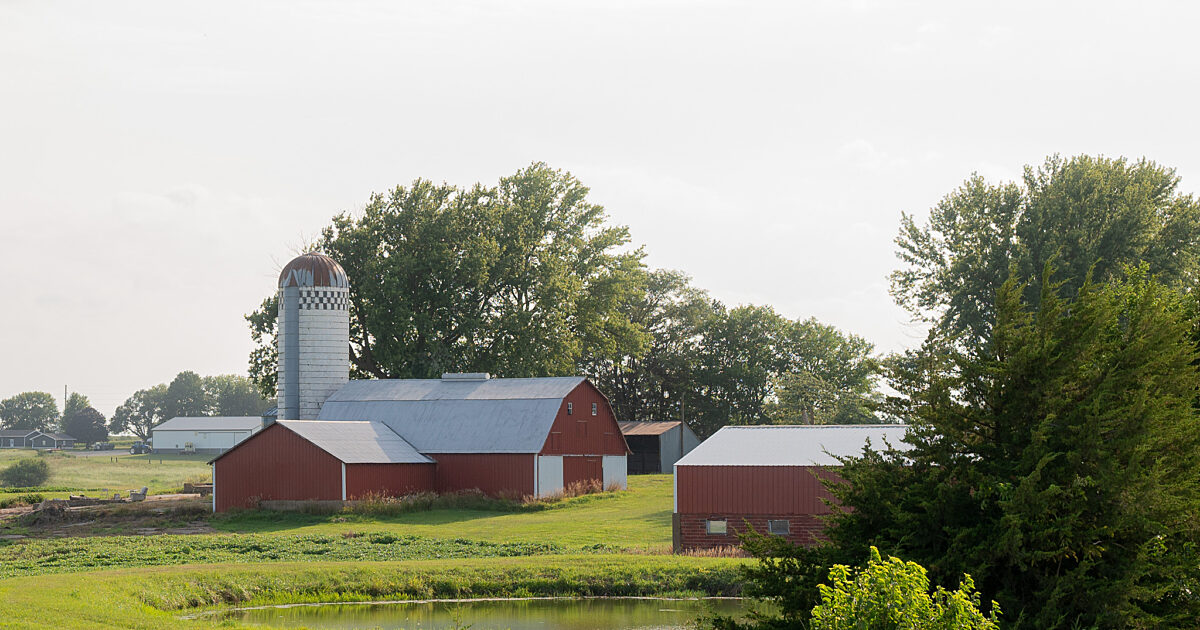
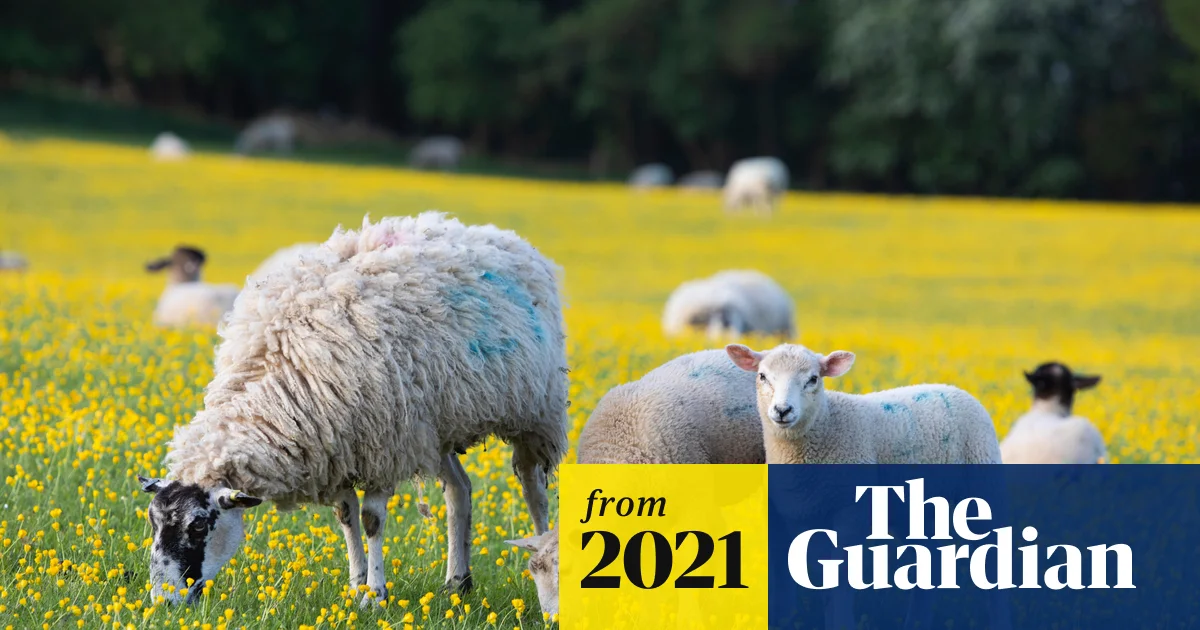
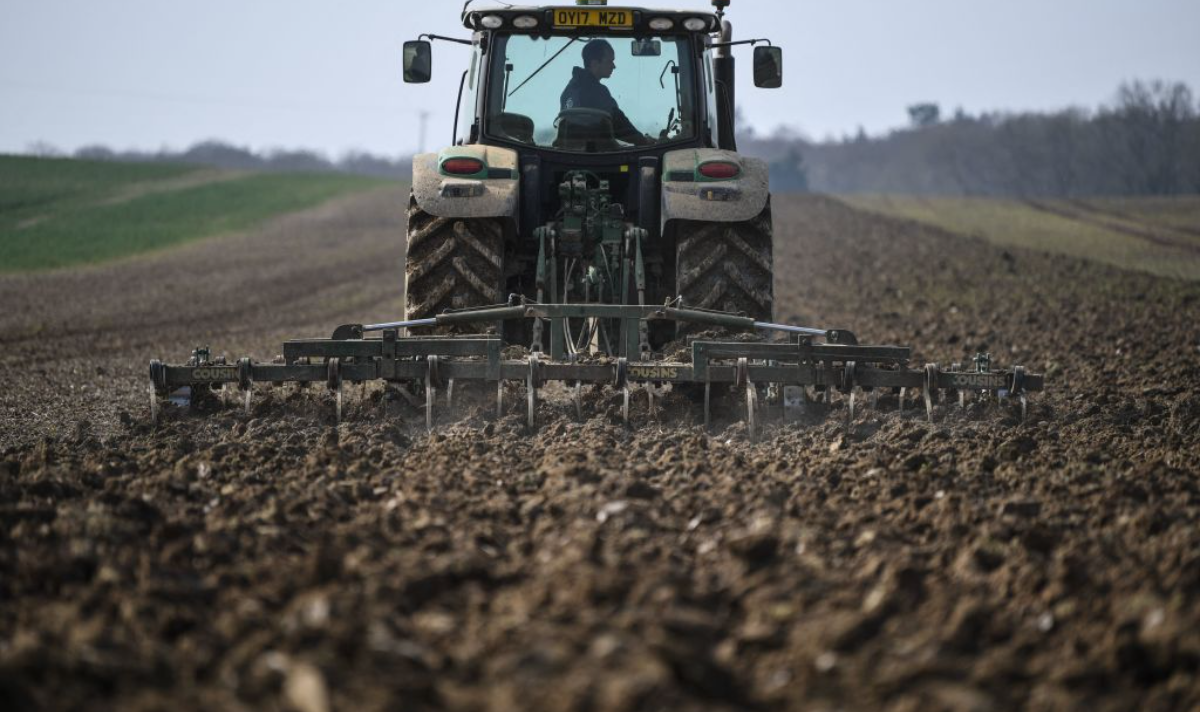
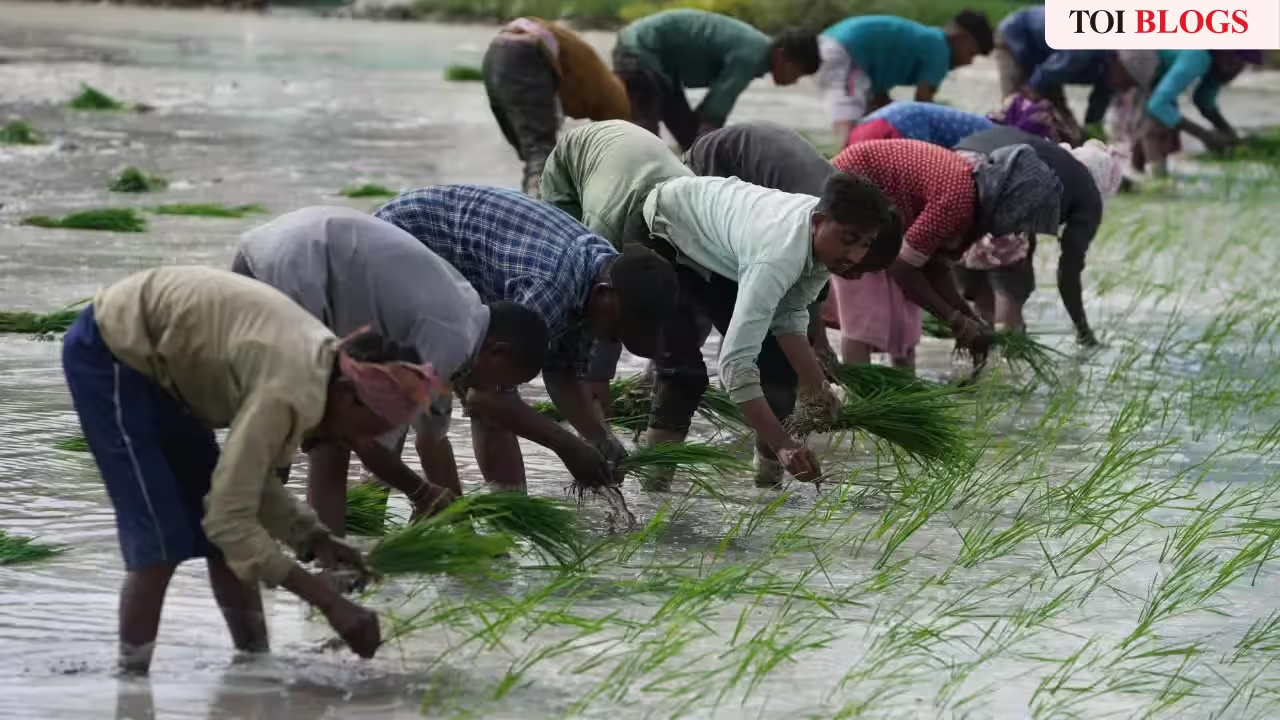
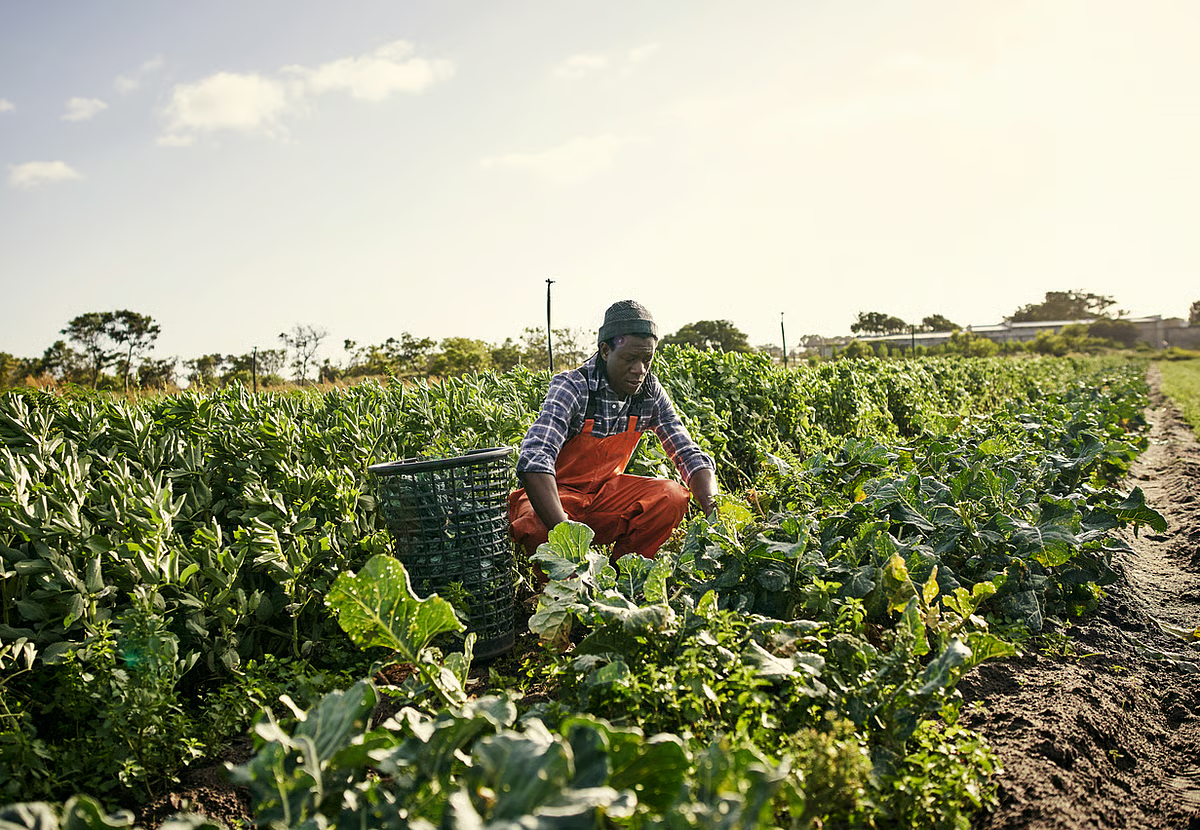
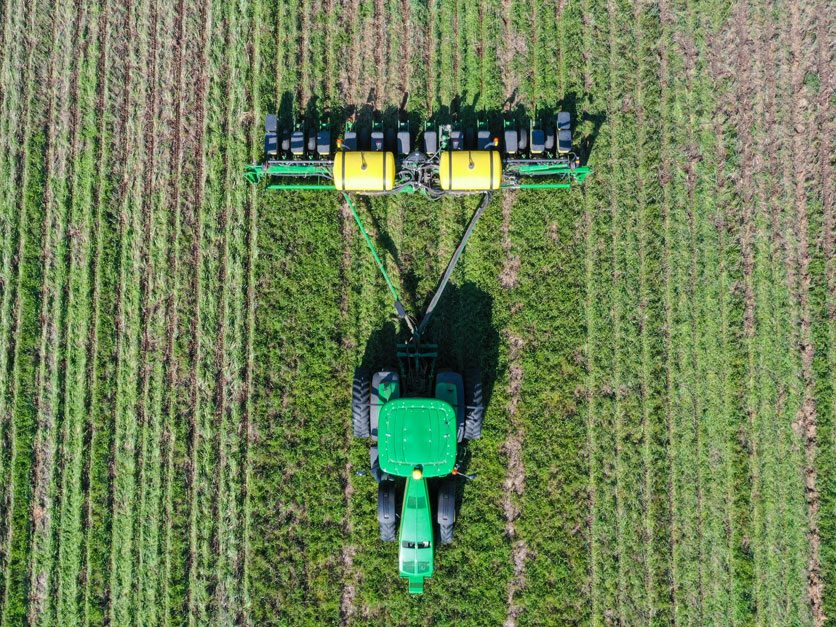
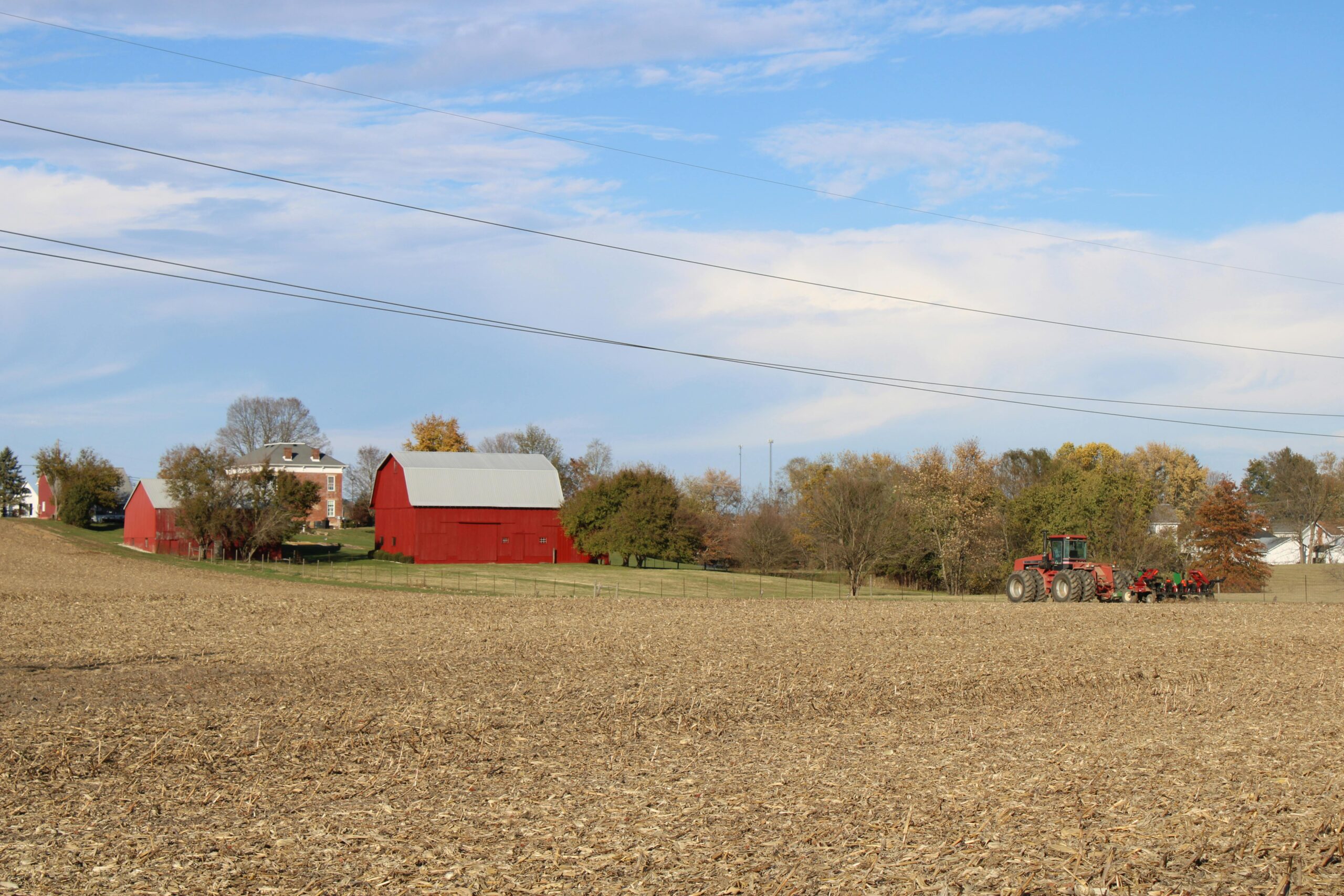
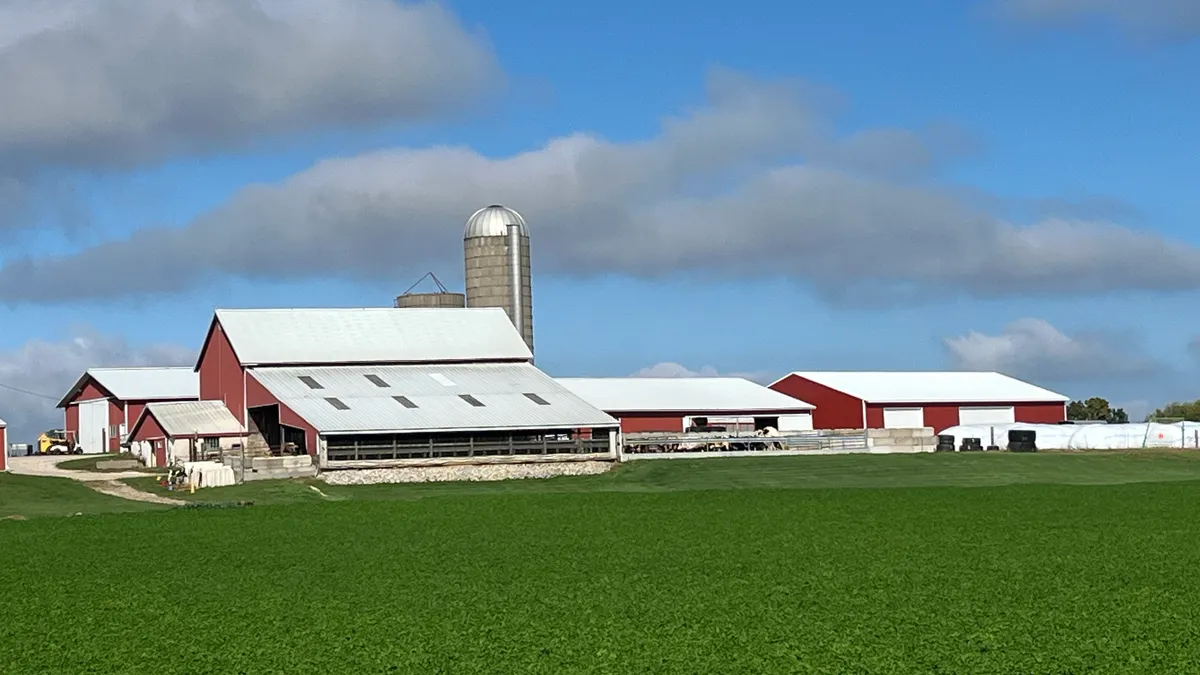
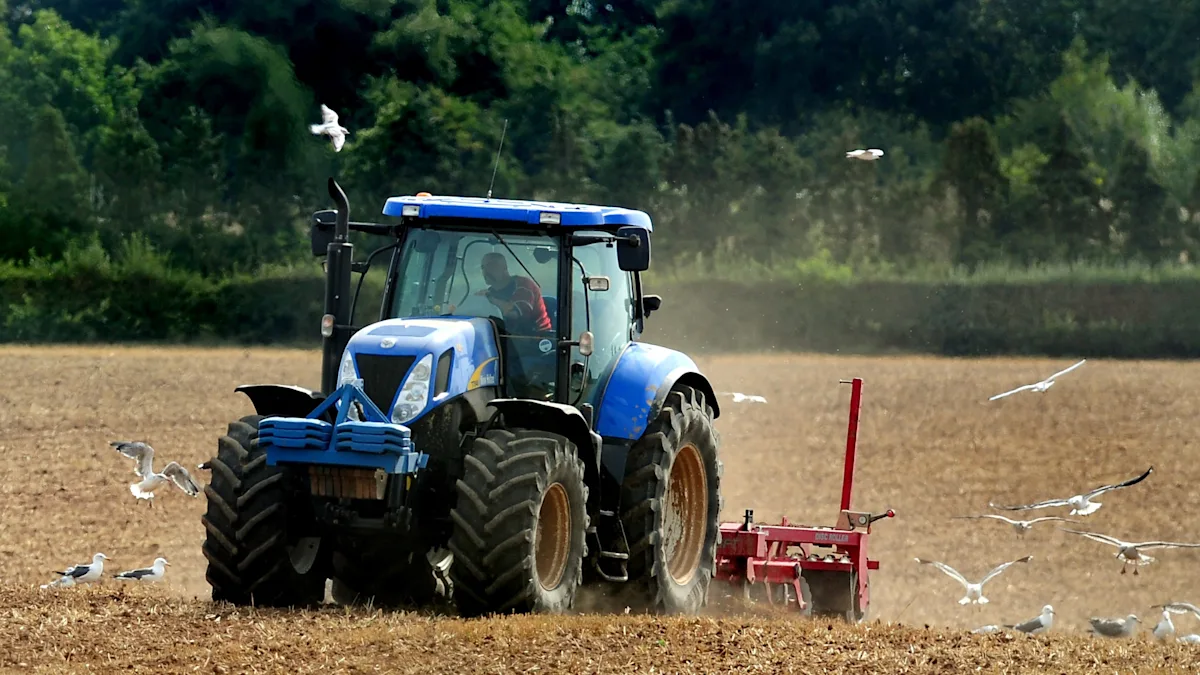
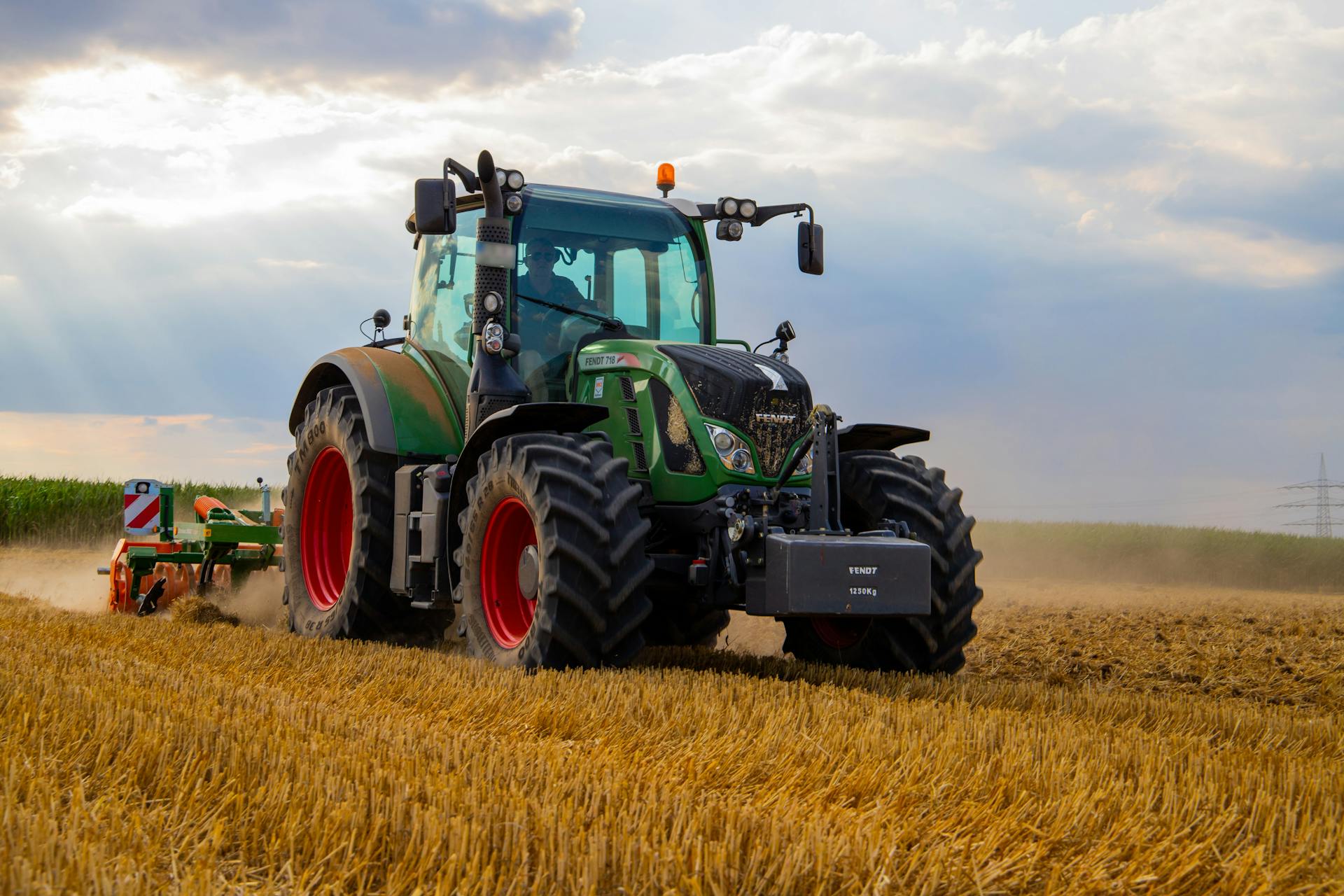
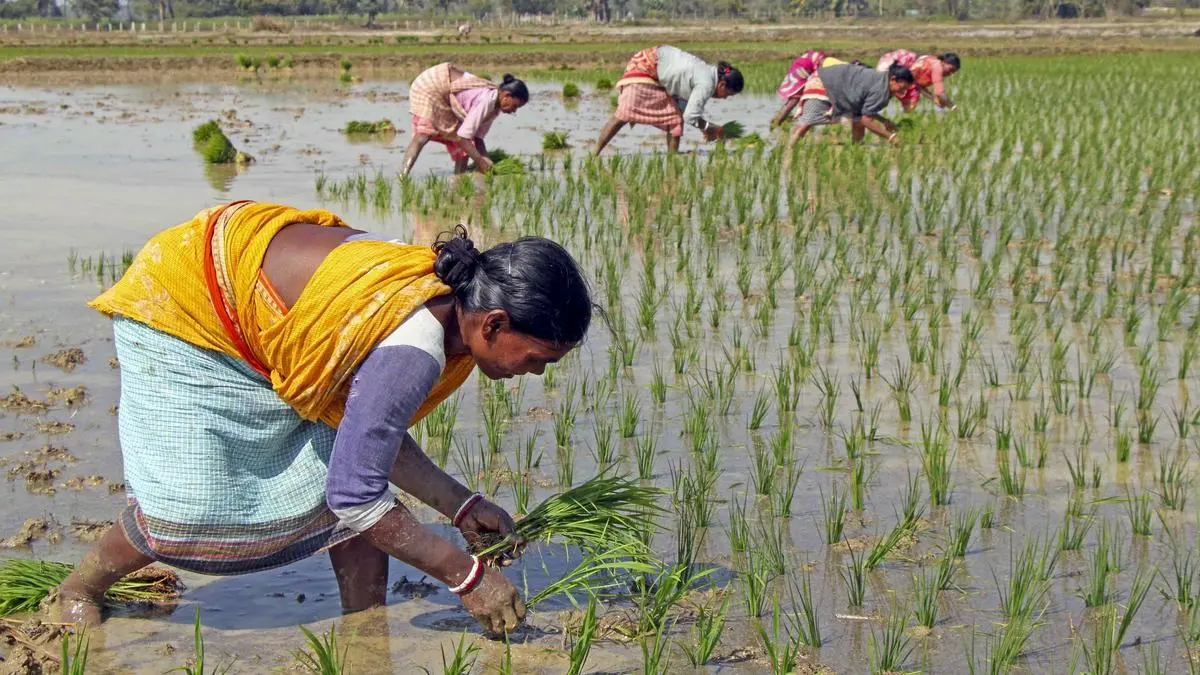
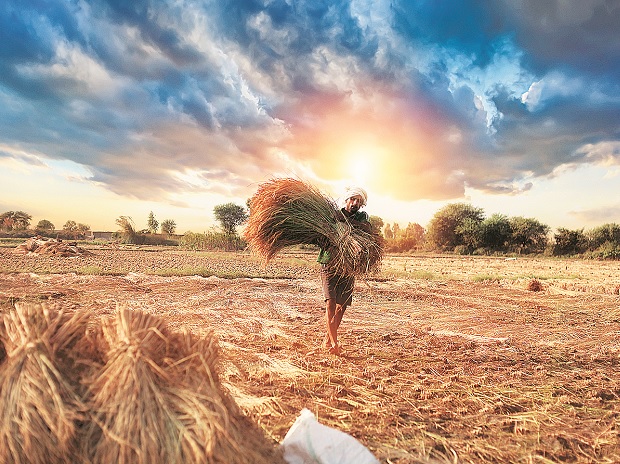
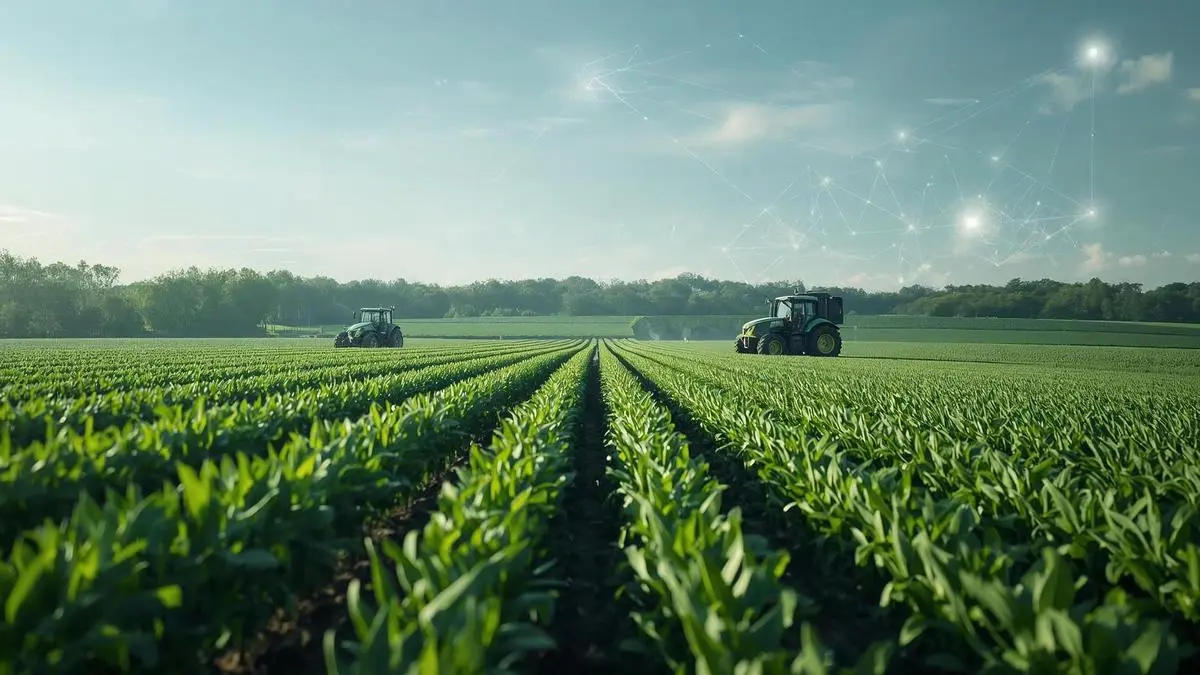
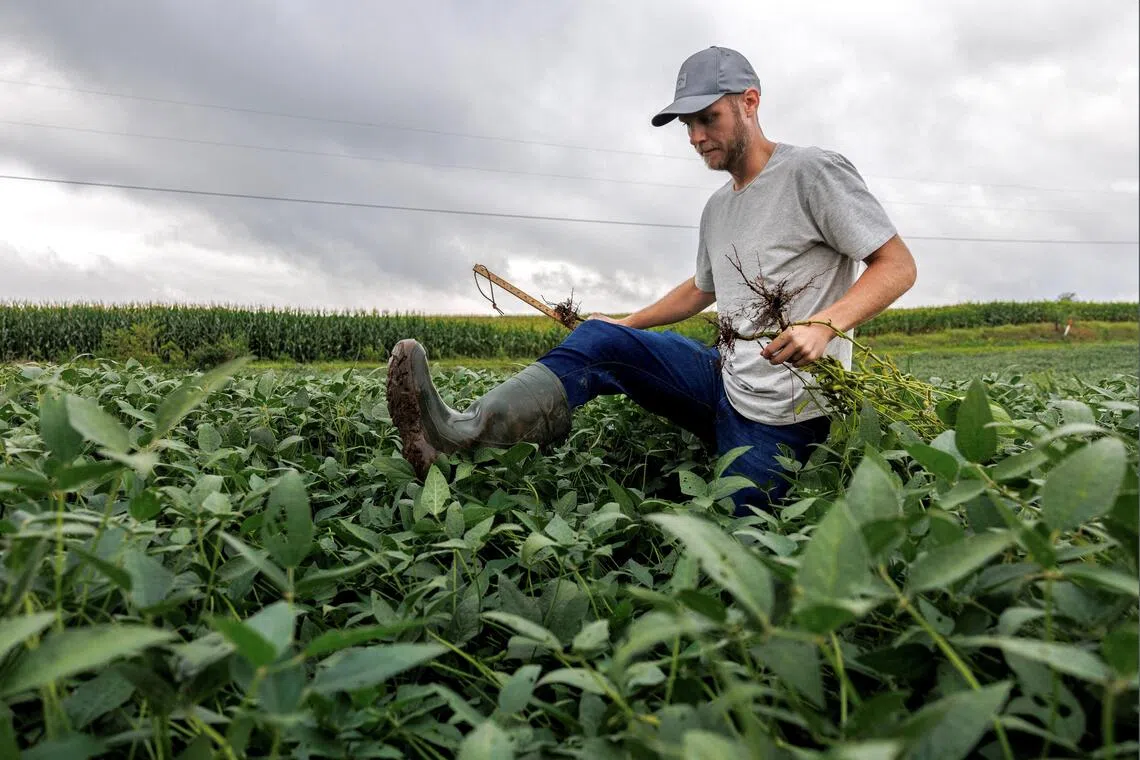
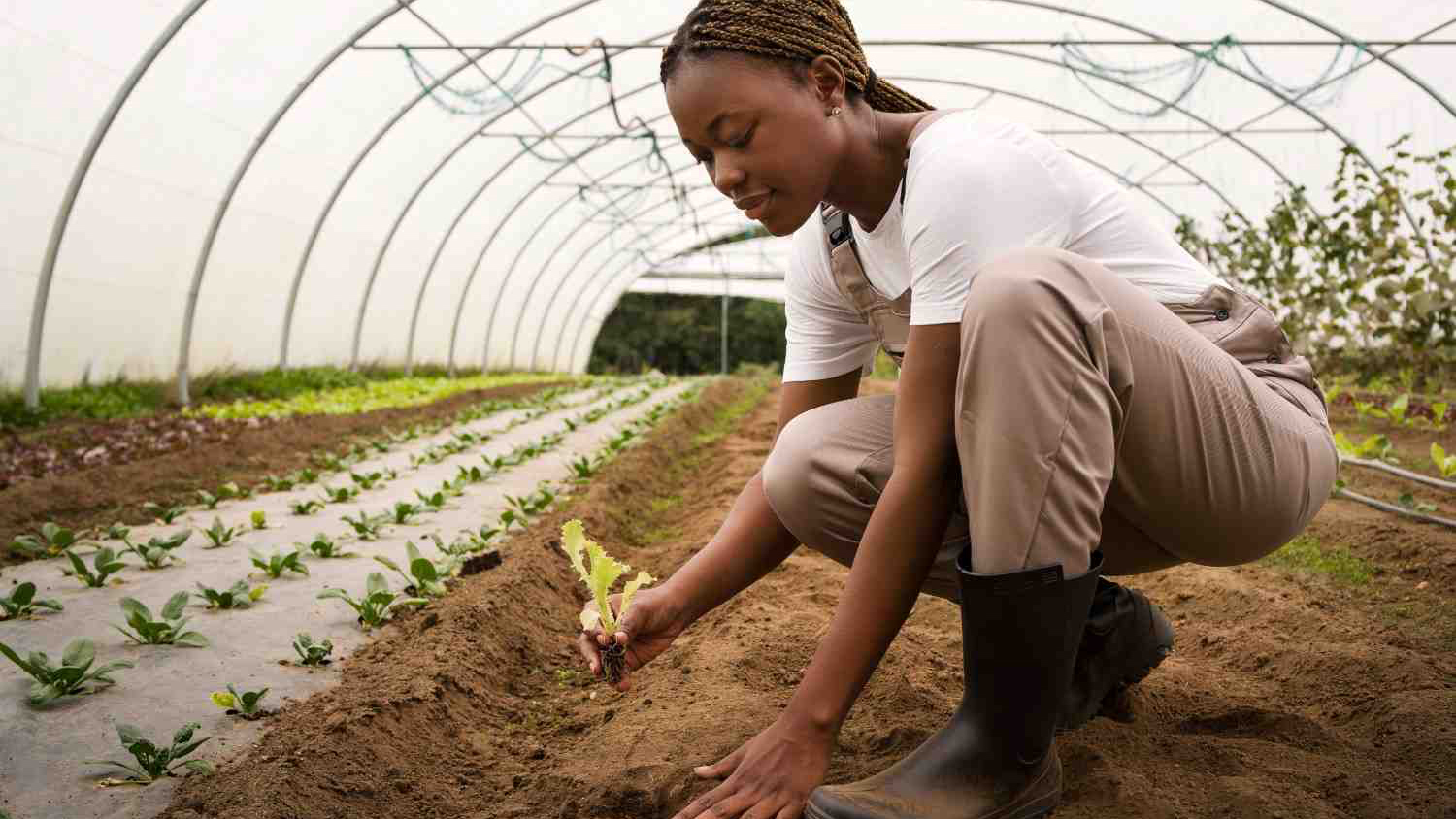
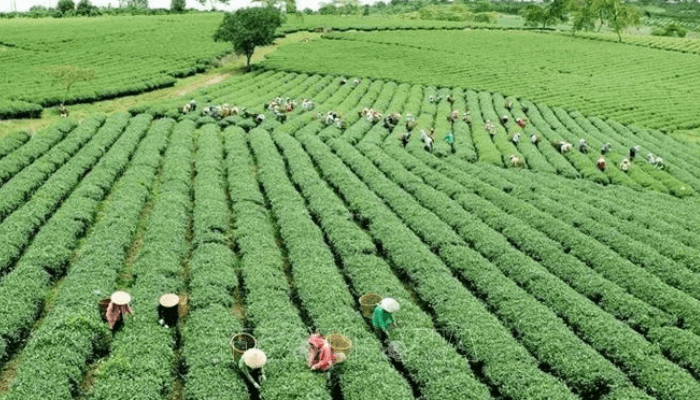
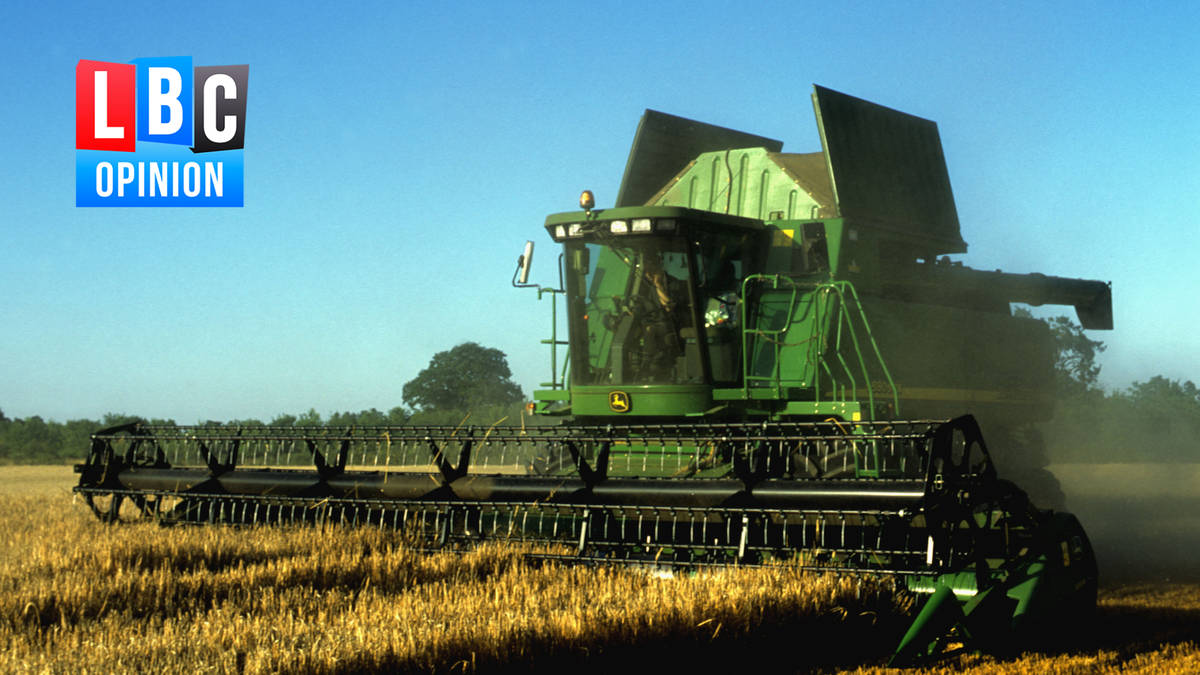
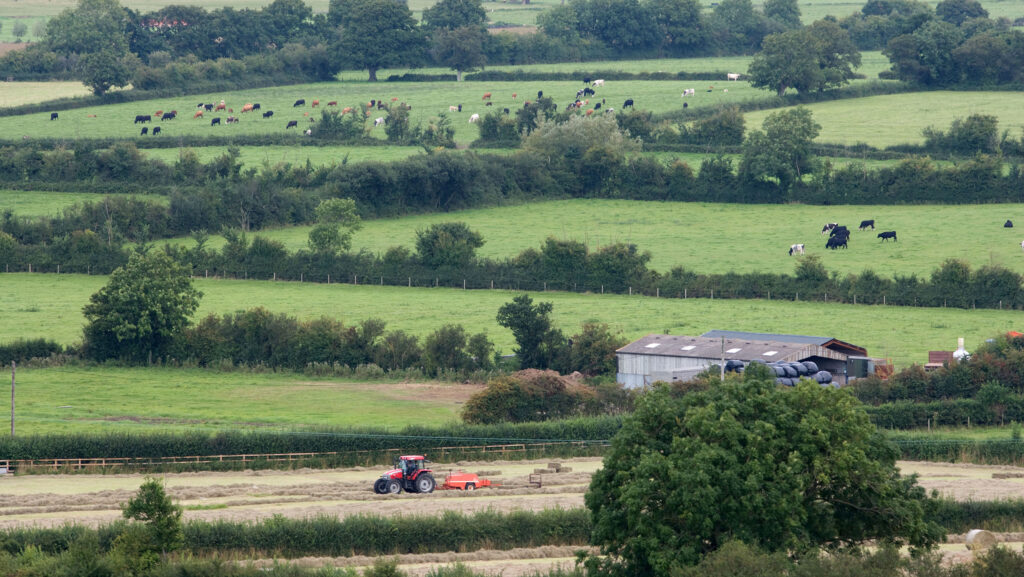
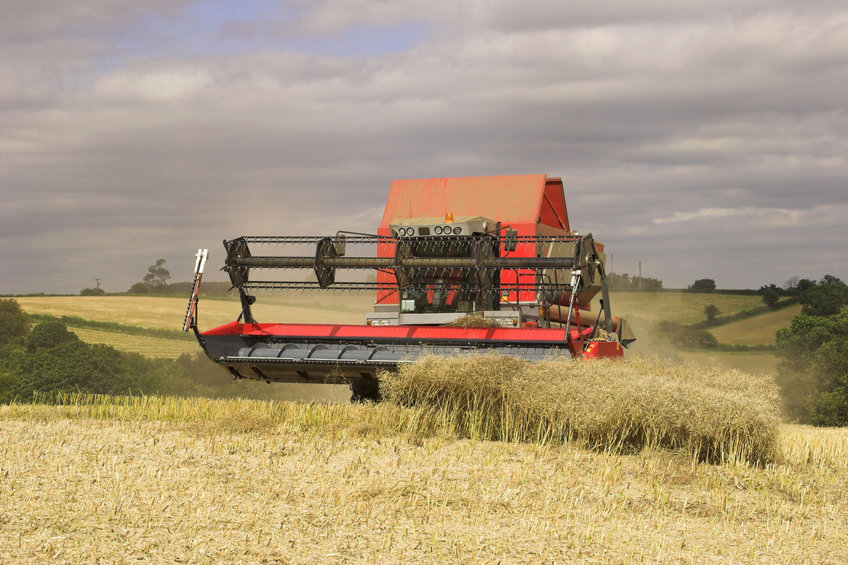
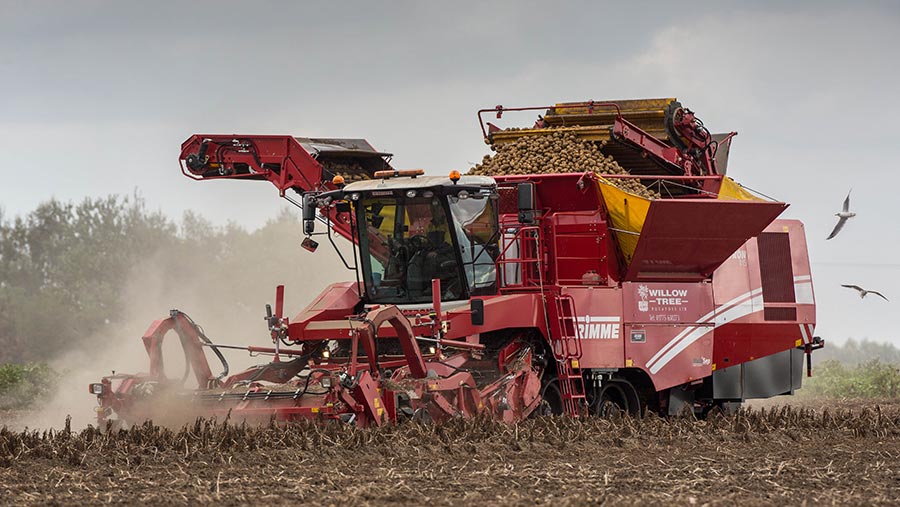
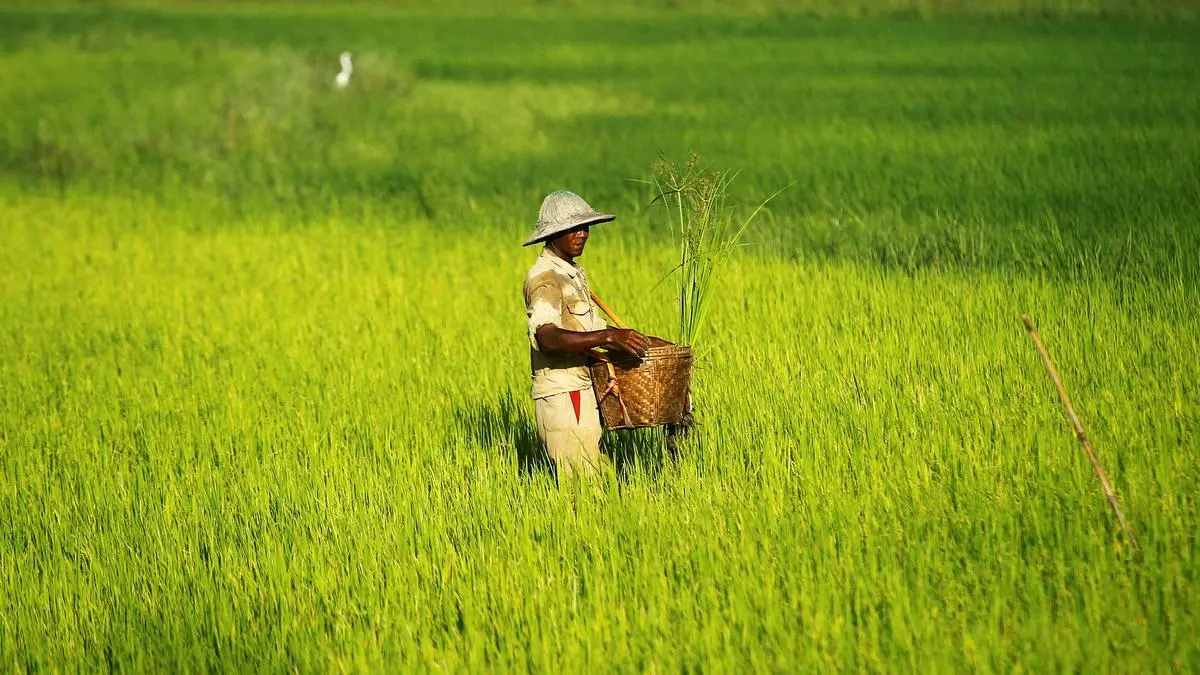
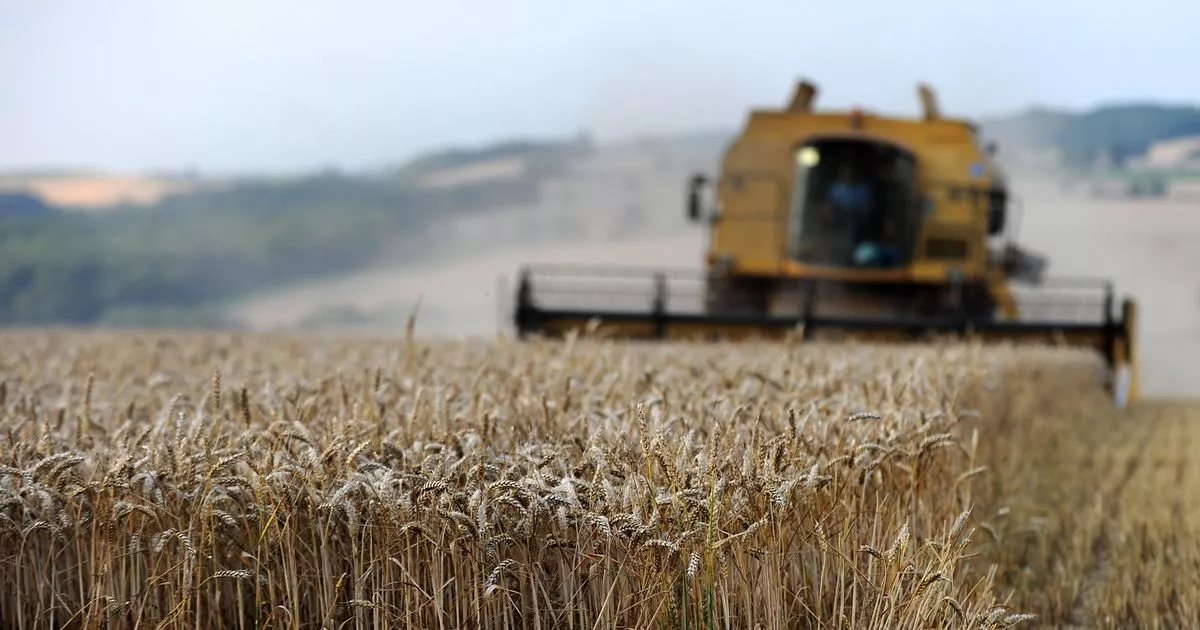
Farmers in England have been able to apply for new, post-Brexit payment schemes from Whitehall for some time now. A key focus of the transition away from the EU Common Agricultural Policy has been to reward farmers for ‘common goods’ like biodiversity and healthy soils – seen as necessary to meet legally binding environment targets and improve farm resiliency.
This year’s payment offer for farmers was designed under Rishi Sunak and included a 10% upsurge in the average value of agreements in the Sustainable Farming Incentive and Countryside Stewardship. Sunak subsequently made tweaks to allay food security fears, blocking farms from putting more than 25% of their land aside for activities that boost nature but decrease food outputs.
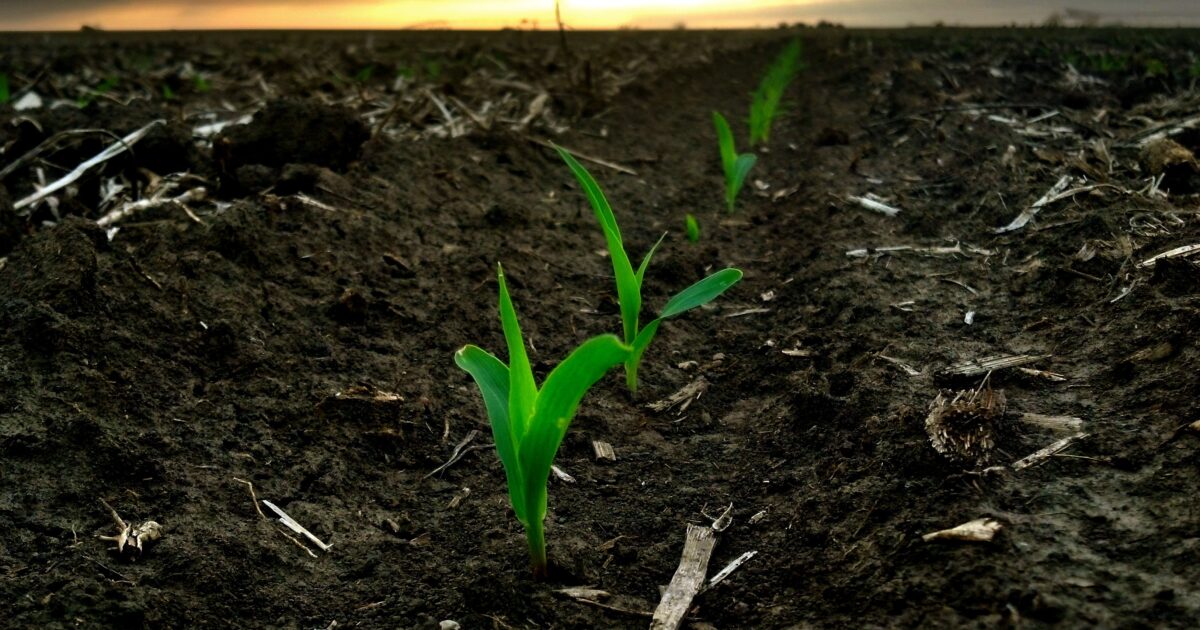
The post-Brexit approach was already improving nature on farms according to Government findings. An average of 25% more breeding birds were found in areas with nature-friendly farming schemes and uplifts were also recorded in butterflies, moths, hoverflies and bats.
Nature NGOs are, therefore, heavily criticising the reported cutbacks and urging Reeves’ team to reconsider – especially given Defra secretary Steve Reed’s stated support for maintaining nature and habitat funding.
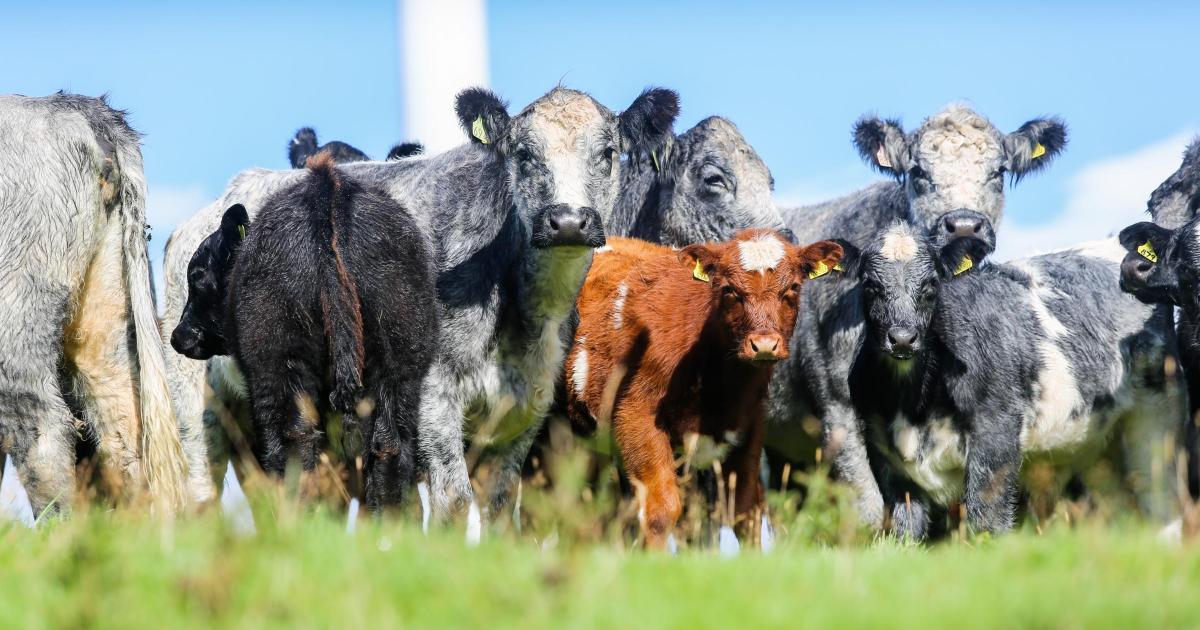
RSPB claims the cut back would result in almost 240,000 fewer hectares of nature-friendly farmland over the course of this Parliament.
“Whilst we recognise the financial challenges government faces, investment in nature-friendly farming is critical, not just to meet our legally binding nature and climate targets, but also in order to underpin our national food security and the health of the economy,” said the RSPB’s head of sustainable land-use policy Alice Groom.
Other NGOs have called the mooted decision “a very big mistake” against a backdrop of climate and nature risks to farmers, thus risking greater costs in the long term. Wildlife Trusts CEO Craig Bennett said: “This is very disappointing and, at the end of the day, it is a false economy”.
Green Party MP Adrian Ramsay said the move would be “a short-sighted blow to our environment and local communities”.
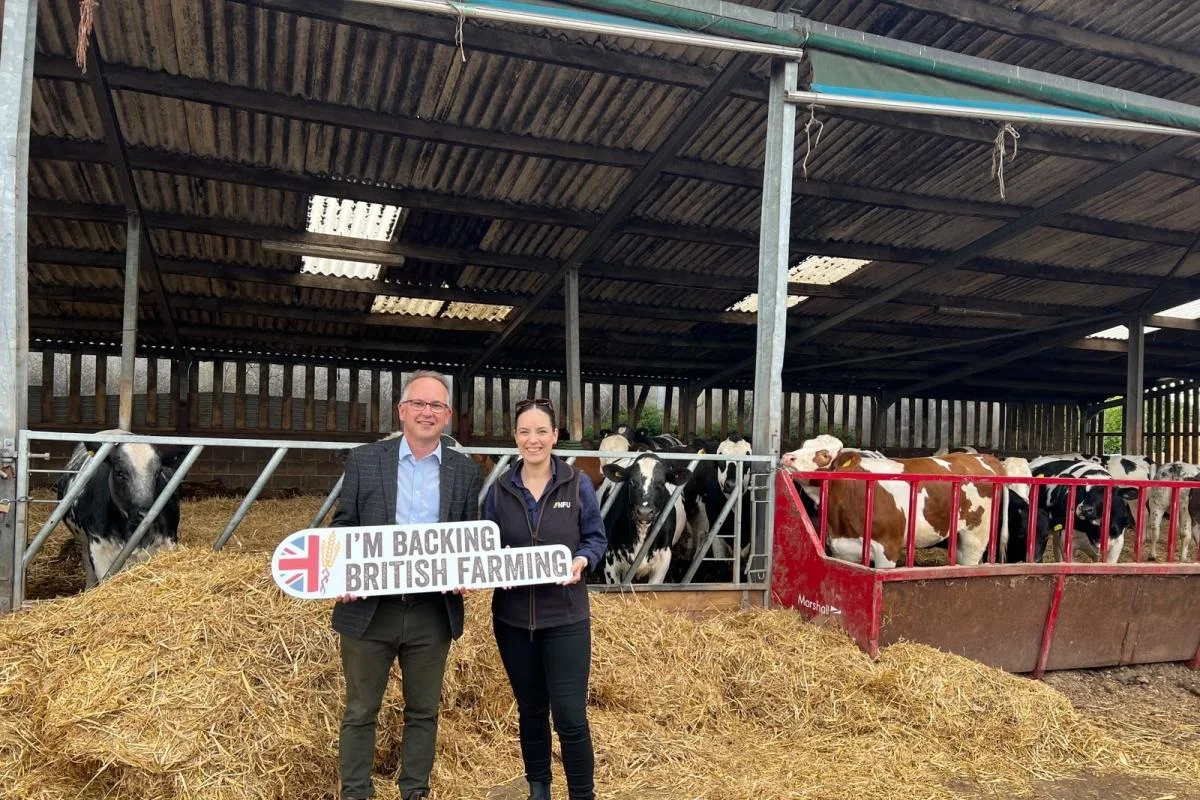
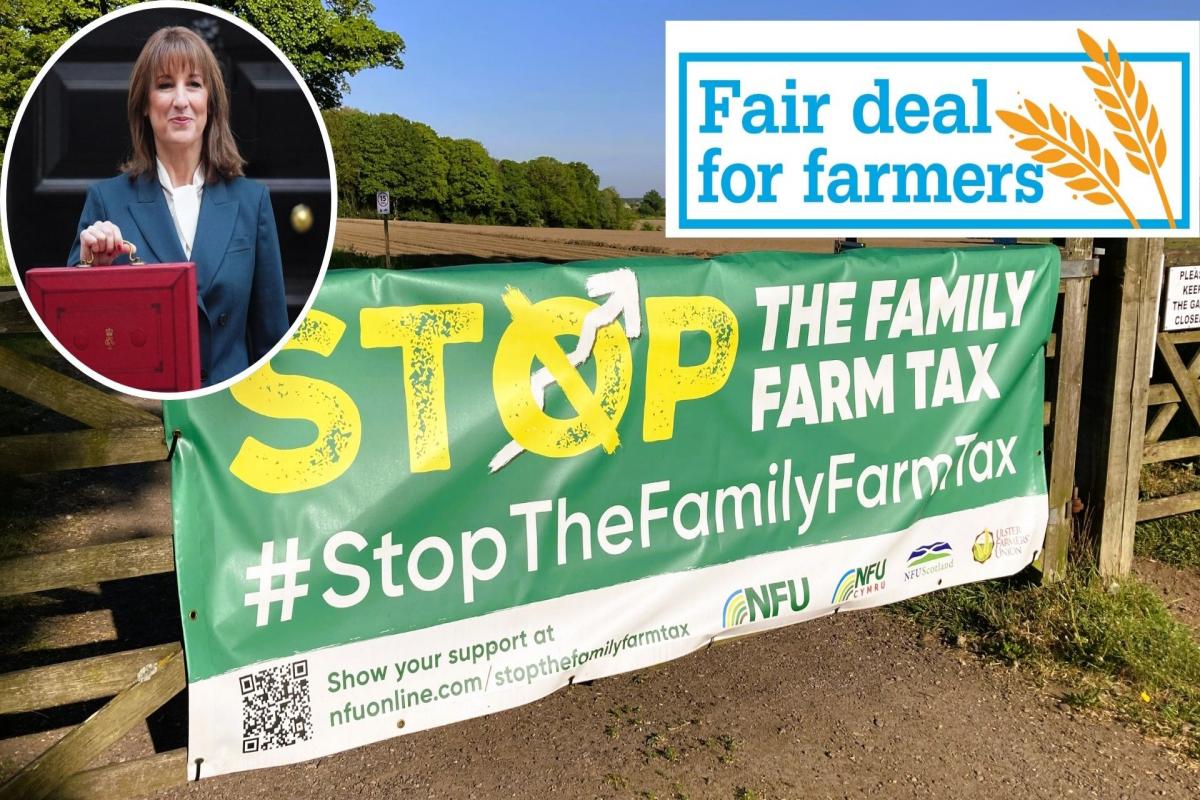
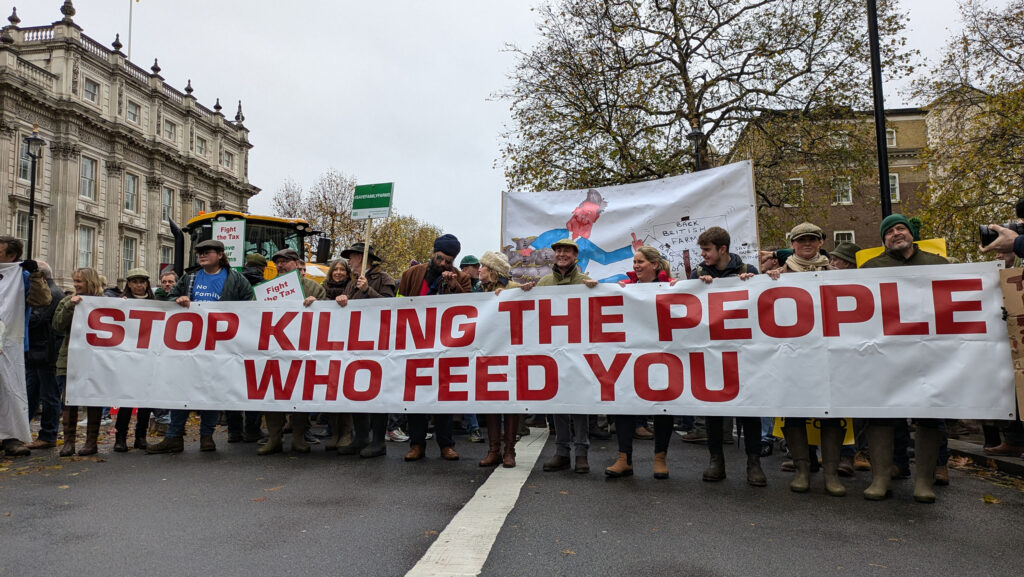
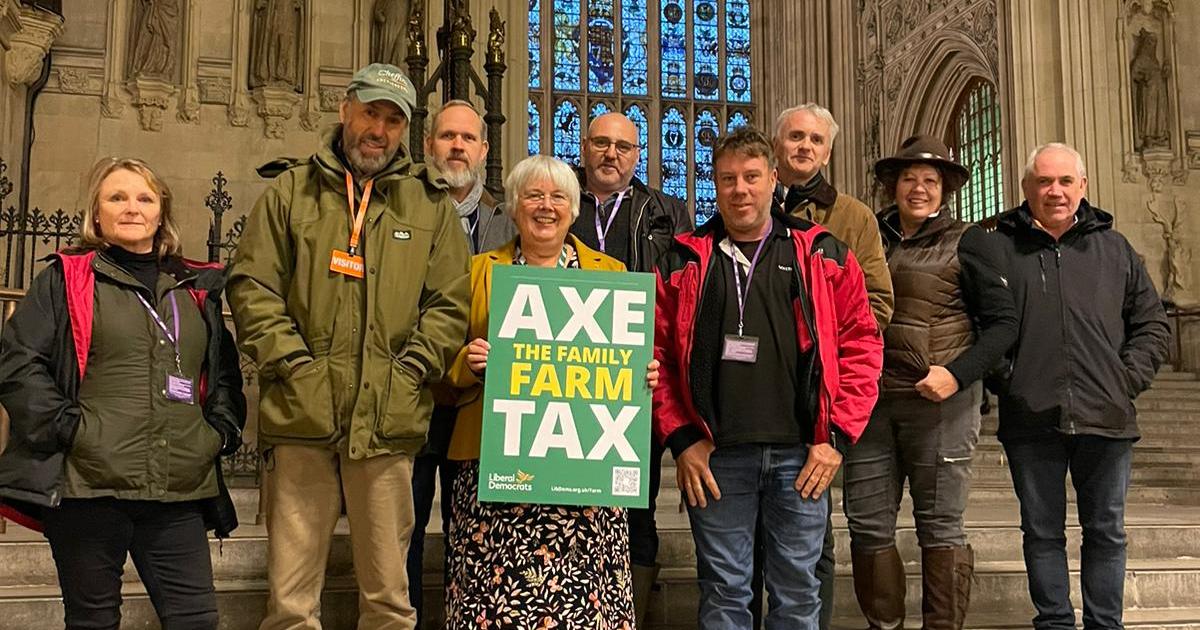
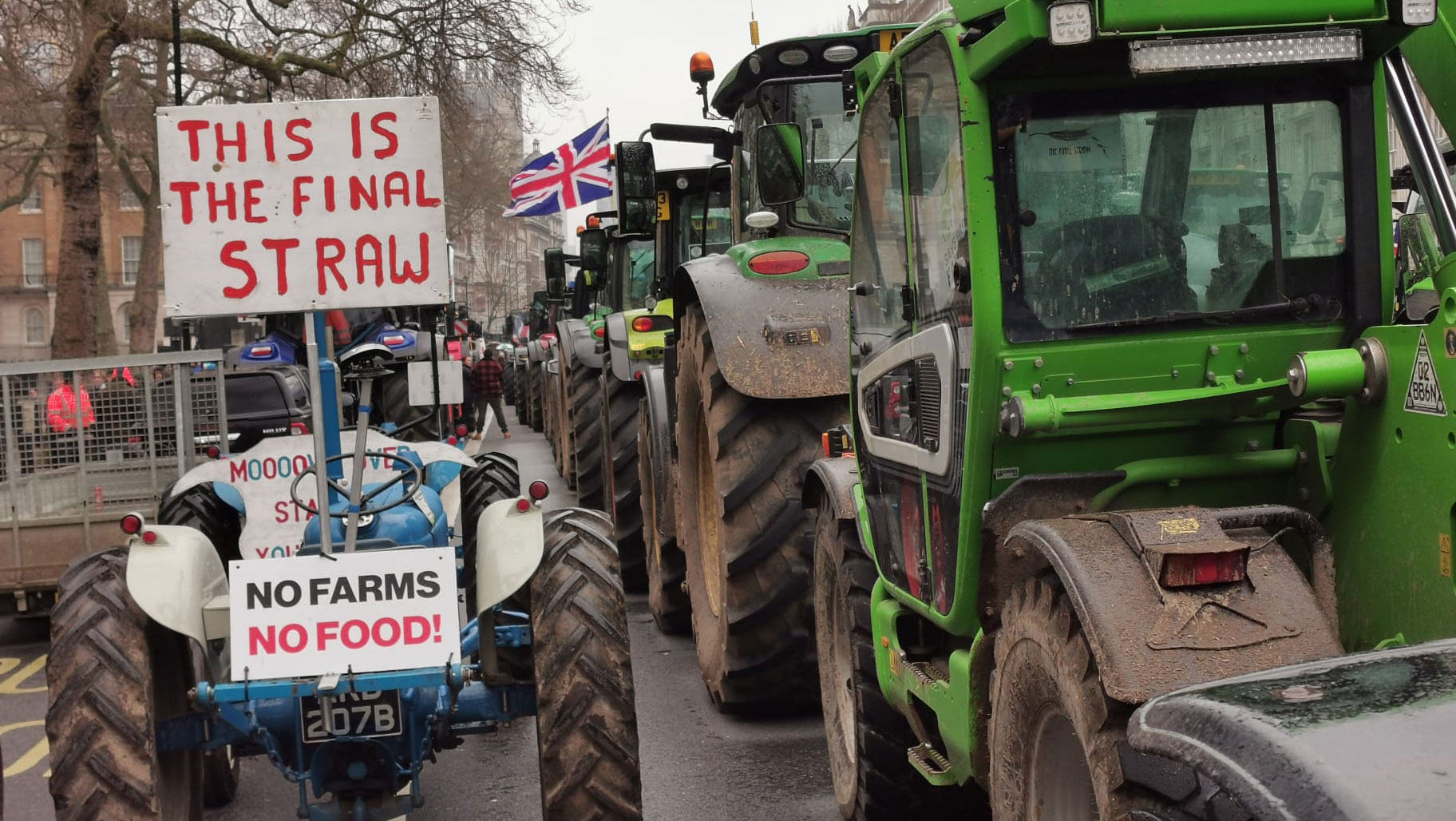
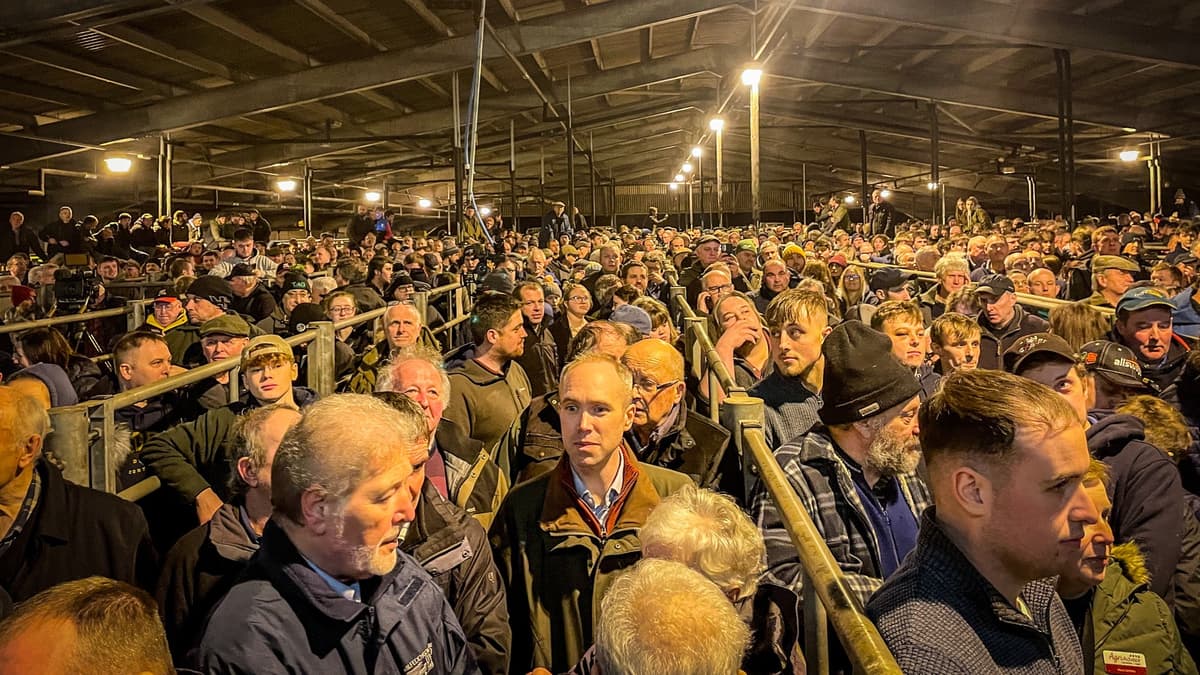
The National Farmers Union similarly thinks the move would send the wrong message to the sector, which has suffered a lack of policy certainty due to three changes in Prime Minister since summer 2022. It is advocating for a multi-year budget with clear guidelines on allocation plans.
Farmer Joe Stanley tweeted that the decision would be a “gut-punch”.
Manifesto pledges
Shortly after the election, Defra’s Reed set in motion a rapid review of the UK’s legally binding nature and environment targets. The review will assess whether the targets set out in the Environment Act and plans for their delivery detailed in the Environmental Improvement Plan (EIP) are sufficient to meet the scale of the nation’s environmental challenges in line with science.
The legal targets were added to the Environment Act retrospectively. This policy package was kick-started under Theresa May in 2019 and received Royal Assent in 2021.
Sunak’s Government put more emphasis on food security, hosting two summits on the matter and promising a national strategy. Farmers said it did not adequately respond to near-term pressures including poor climate resilience, high energy costs and low farm-gate prices.
In its general election Manifesto, the Labour Party stated that it would “champion British farming whilst protecting the environment”.
Manifesto pledges were made to end Bovine TB, introduce higher public sector procurement standards to promote local fresh foods, and “make environment and land management schemes work for farmers and nature”.
Reed’s team should also draw up a land-use framework. This would map how land is currently used in the UK and how in the future competing demands can be managed. These include demand from housebuilding, critical infrastructure, energy generation, nature conservation, nature restoration and food production.
Related feature: Can regenerative agriculture help Europe’s farmers adapt to climate change?