Uganda’s economic transformation over the last three decades has not been accidental. It has been driven by deliberate policy choices: market liberalisation, exchange rate flexibility, and openness to capital flows. As Uganda advances toward middle-income status, supported by oil production, regional integration, and financial sector deepening—the case for maintaining and strengthening these pillars is compelling.
The alternative—economic closure, currency controls, and capital restrictions—has historically produced stagnation, shortages, and instability. Uganda’s own history provides the evidence. A free-market economy allows prices, investment, and production to be guided by supply and demand rather than by government decree.
For Uganda, this has been a critical engine of growth. In the 1970s and early 1980s, when the economy was heavily controlled, Uganda experienced shortages, capital flight, collapsed industries, a thriving black market and declining productivity. By contrast, when Uganda embarked on structural reforms in the late 1980s and 1990s, this unleashed private enterprise, attracted foreign investment, and revived sectors such as banking, telecommunications and services. This shift to market-driven allocation changed Uganda’s economic trajectory.
A free-market economy offers Uganda several advantages such as efficient resource allocation and private sector dynamism. Free markets reward efficiency and innovation. Competition improves quality and service delivery and lowers prices for consumers.
A closed economy, on the other hand, protects inefficiency, encourages rent seeking, and limits opportunities to those with political connections rather than productive ideas. Uganda operates a flexible exchange rate regime under the Bank of Uganda. A free-floating currency, where the exchange rate is determined by market forces rather than fixed by the state, is a natural companion to a free market economy.

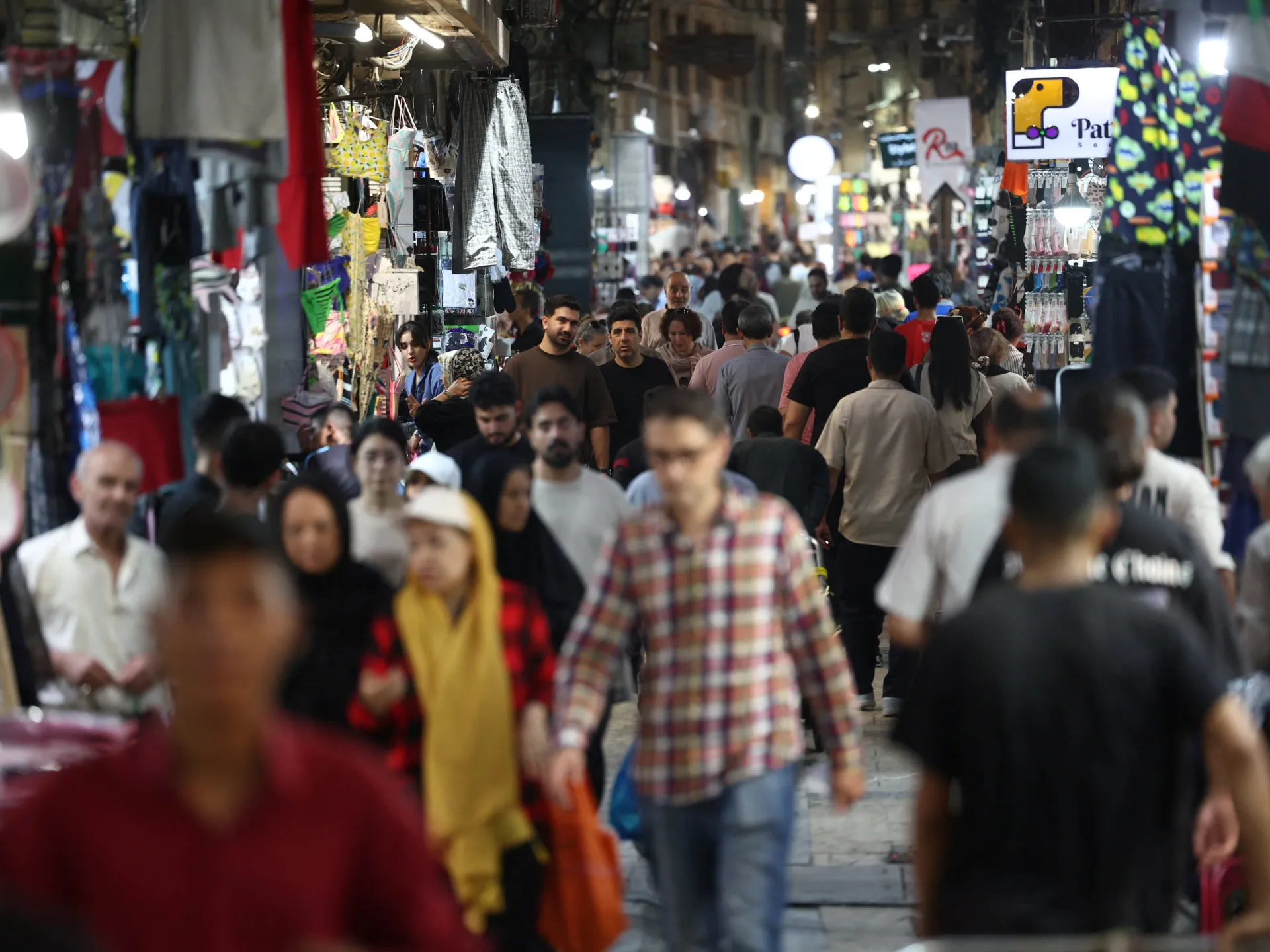
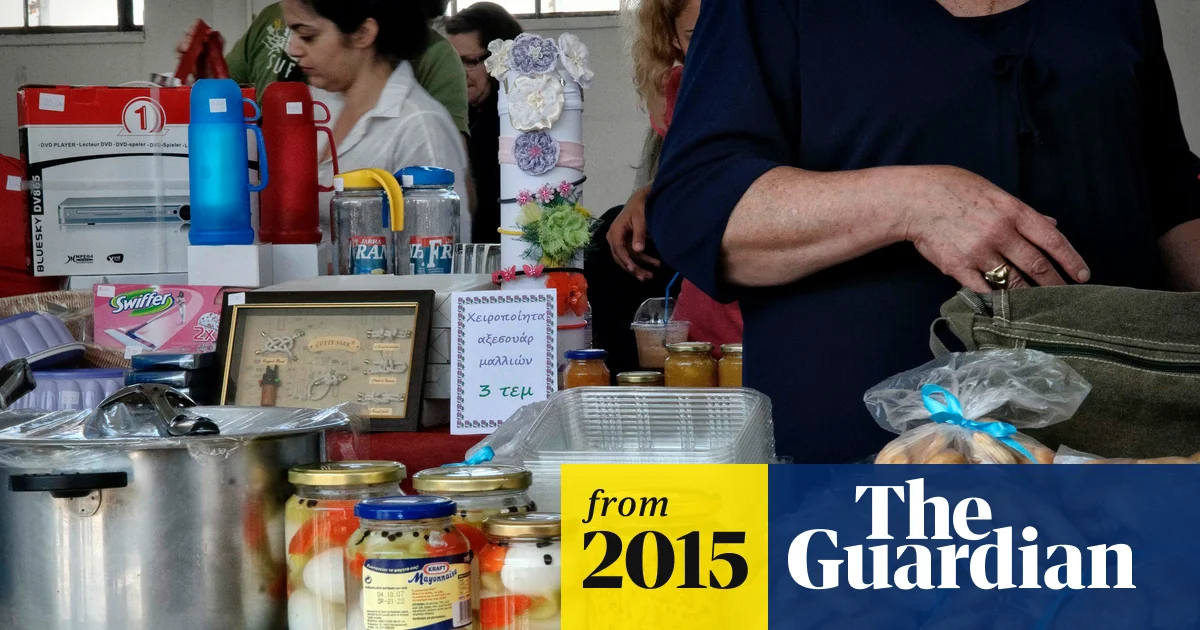
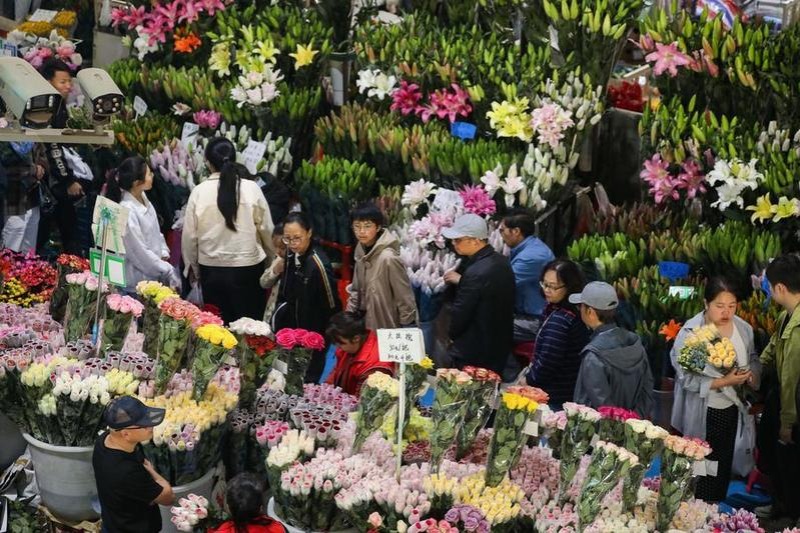
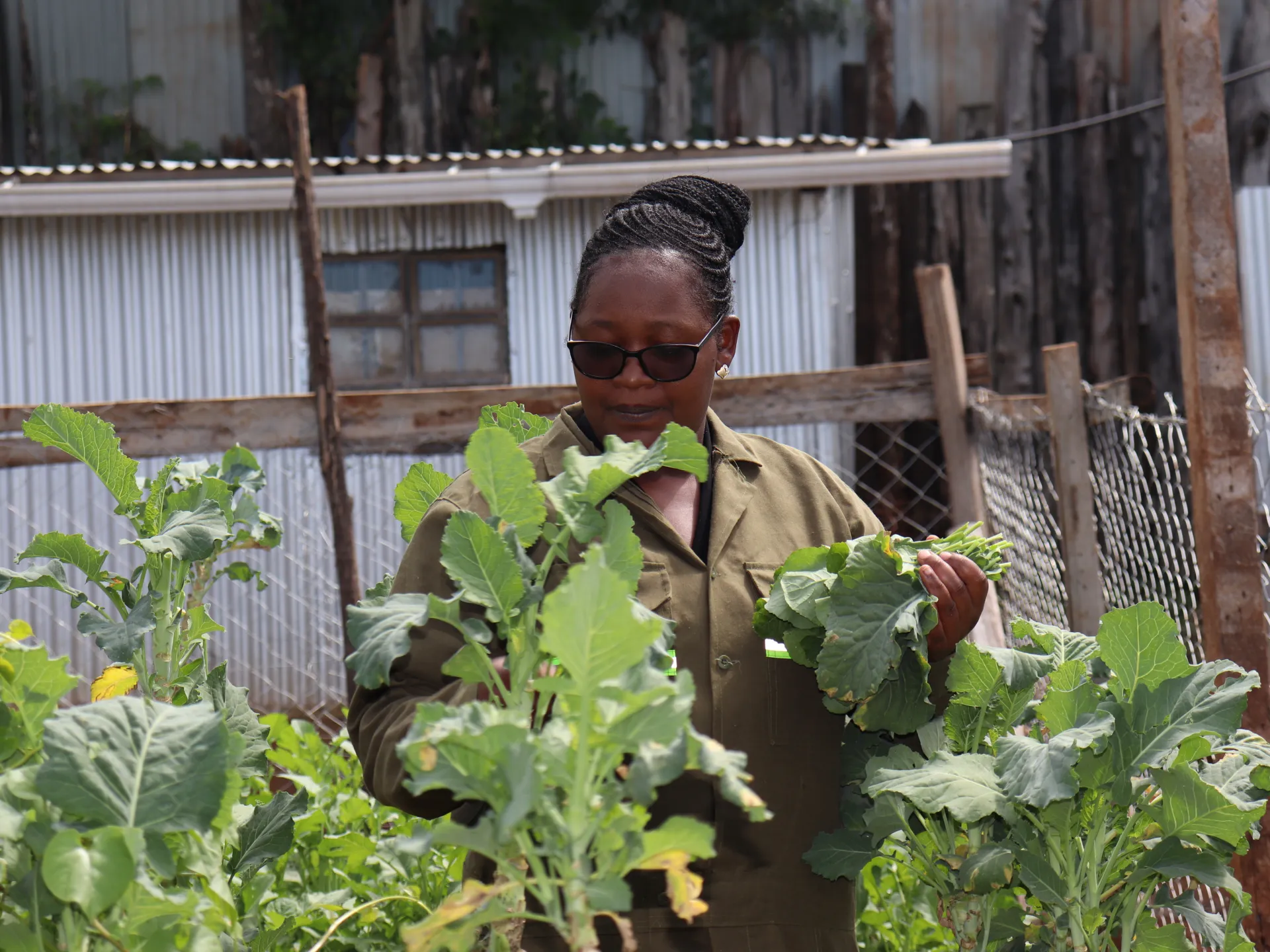
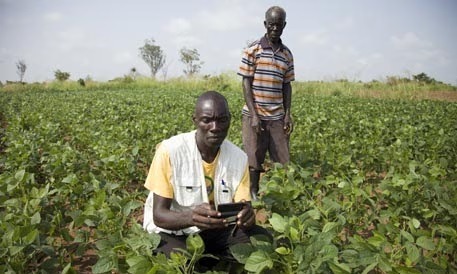
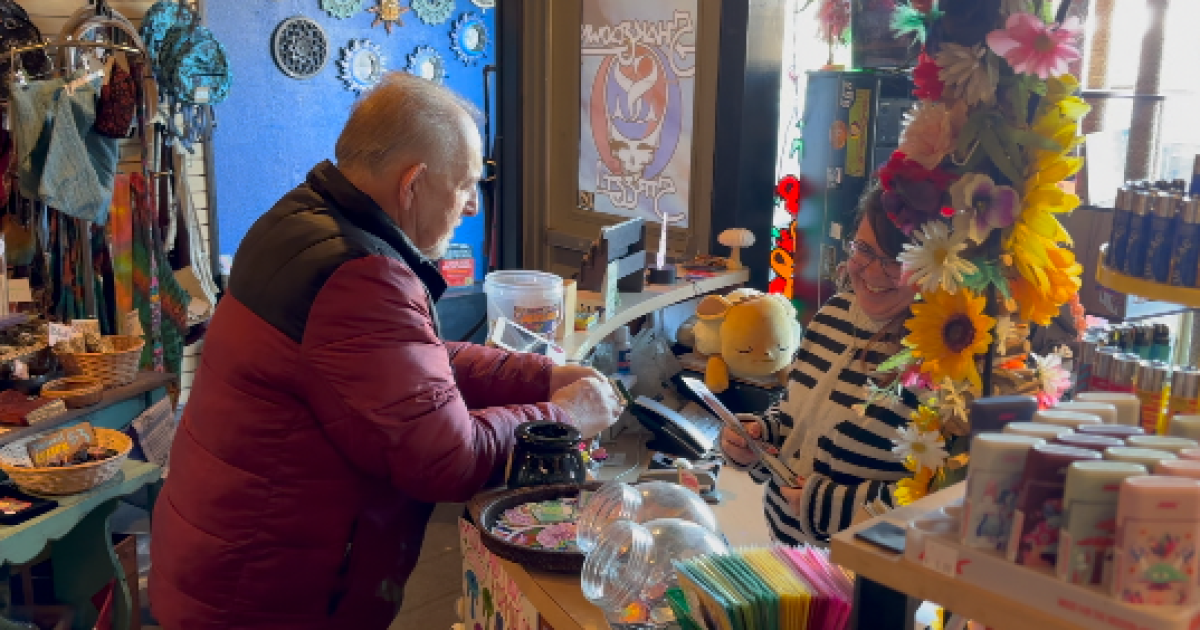
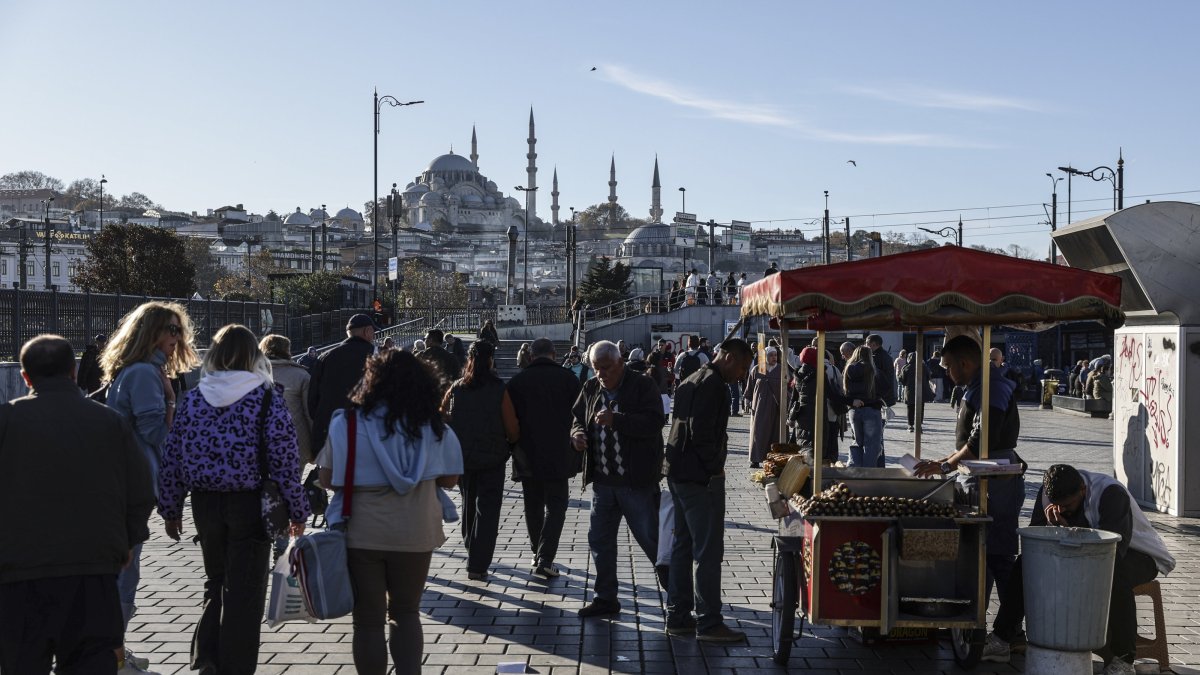
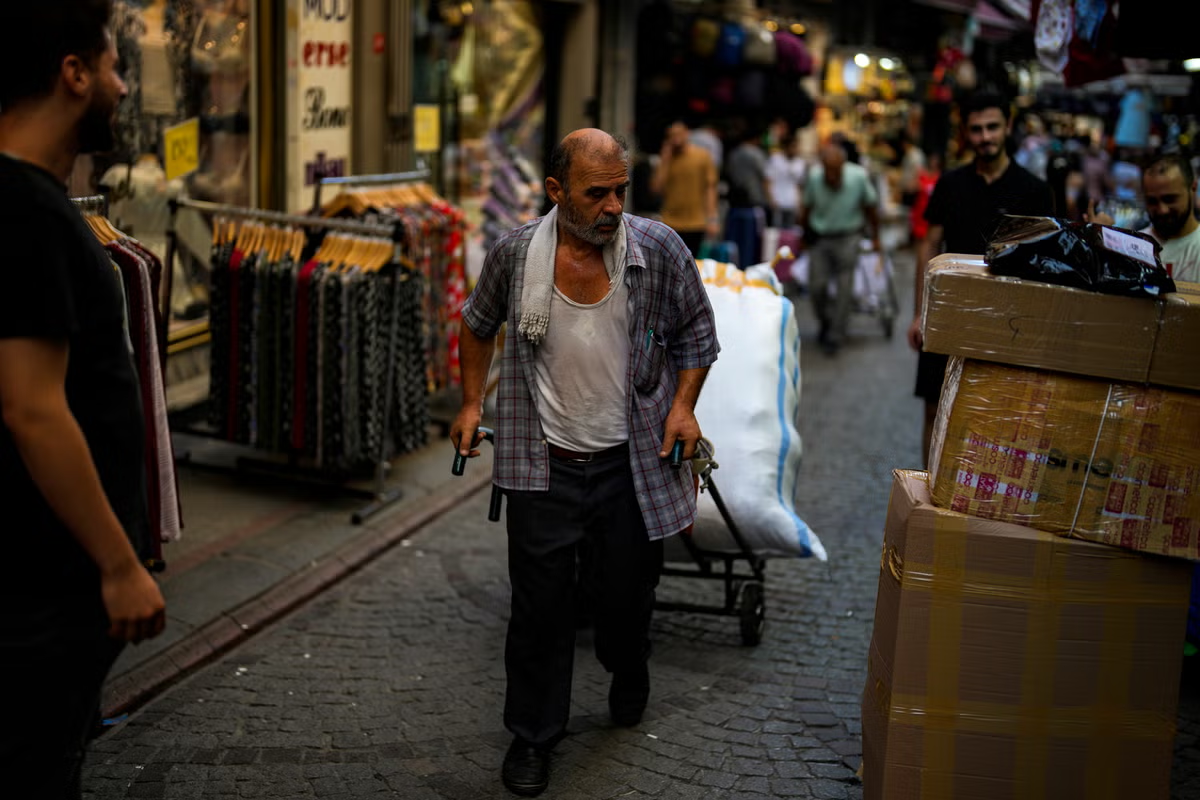
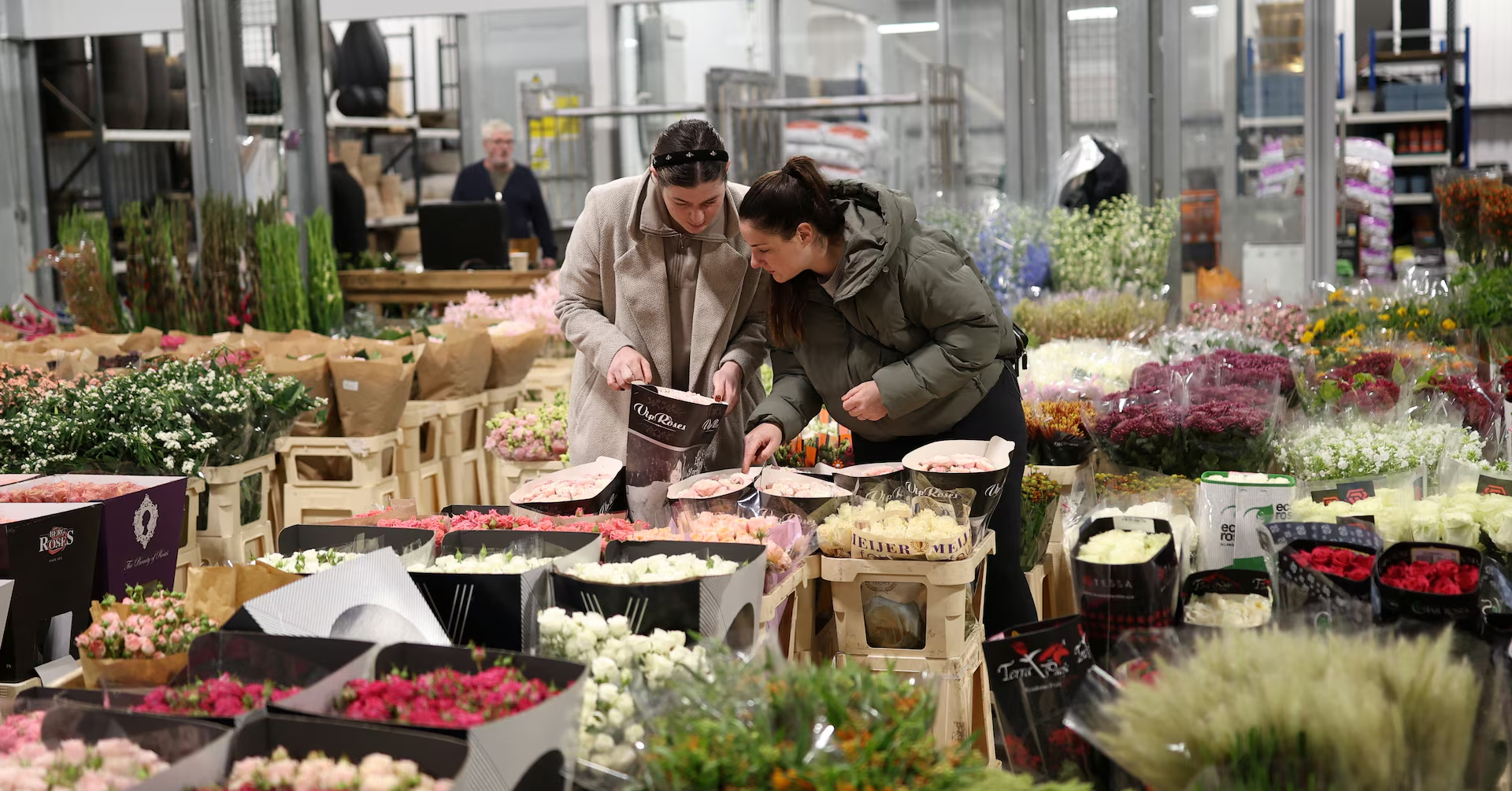
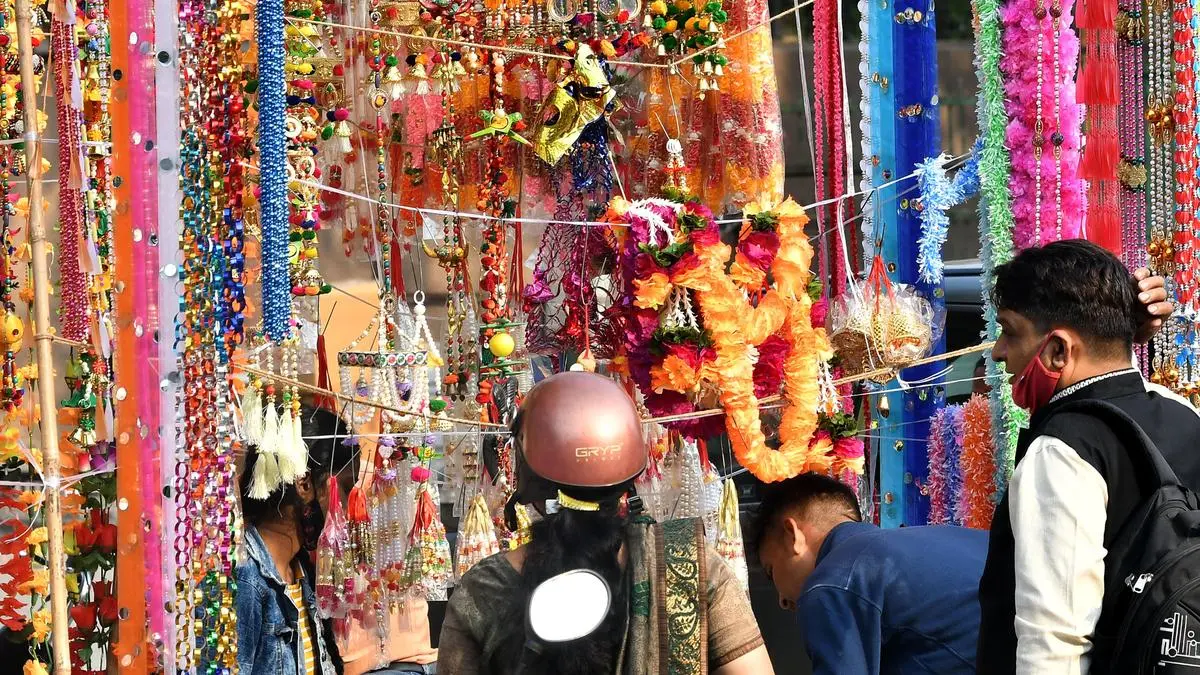
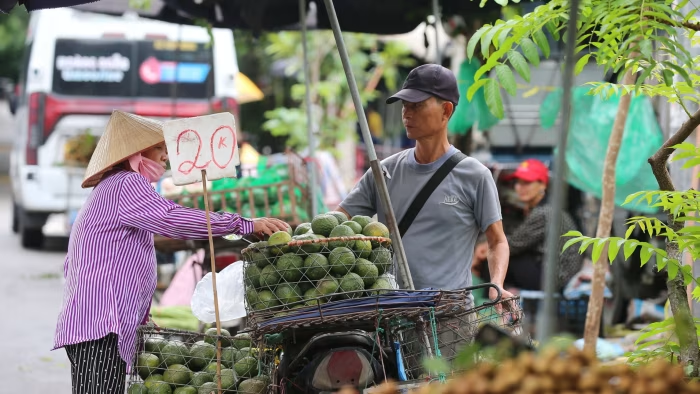
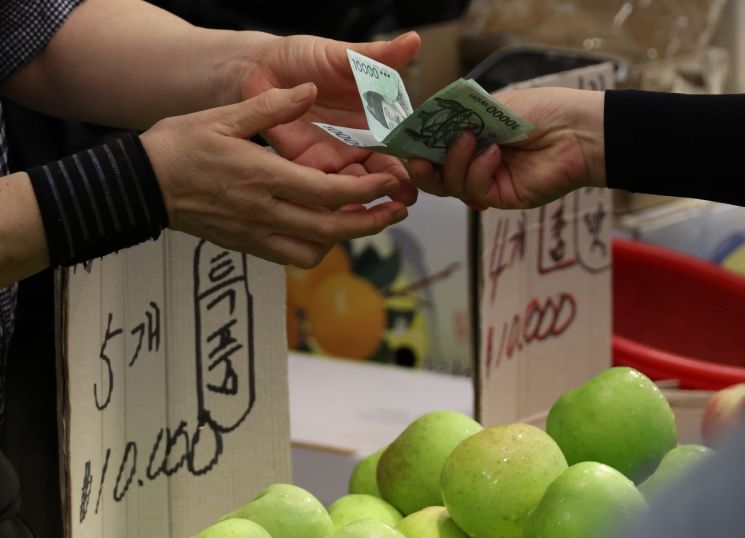
A woman waits for customers at her stall in the market. A free-market economy allows prices, investment, and production to be guided by supply and demand rather than by government decree. PHOTO/MICHAEL KAKUMIRIZI
Macroeconomic stability
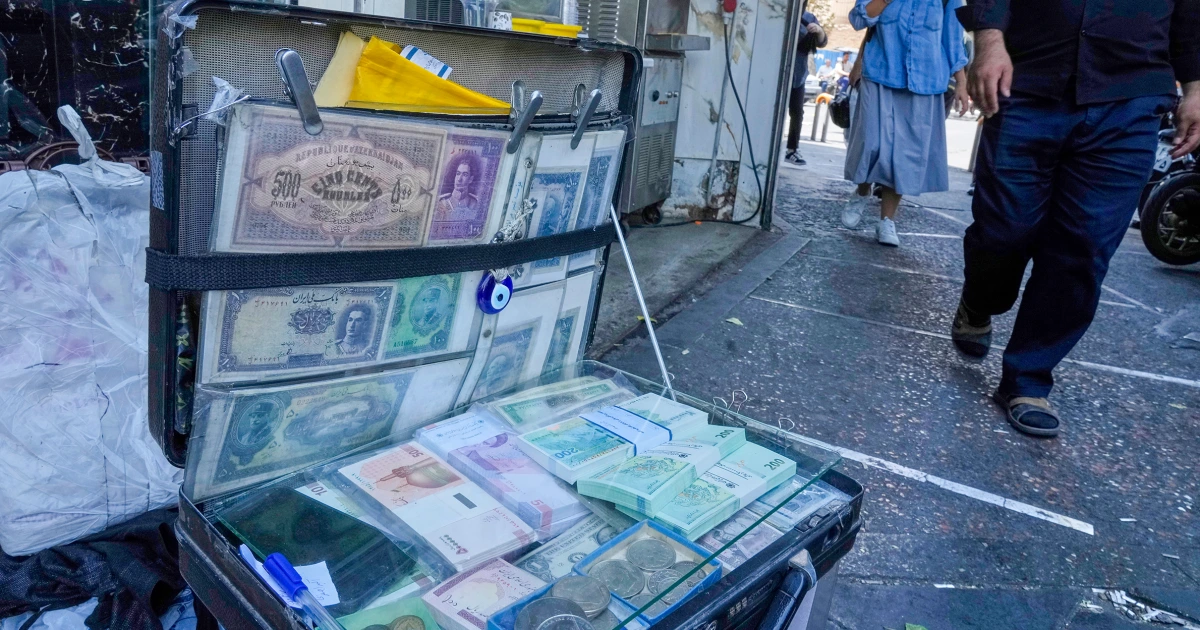
For Uganda, this has been a cornerstone of macroeconomic stability. When a currency is artificially controlled, governments must constantly intervene using foreign exchange reserves to defend an unrealistic rate. This often leads to reserve depletion, black markets, corruption, and sudden, painful devaluations. Uganda lived through this reality in the past, when official and parallel exchange rates coexisted, distorting incentives and undermining confidence.
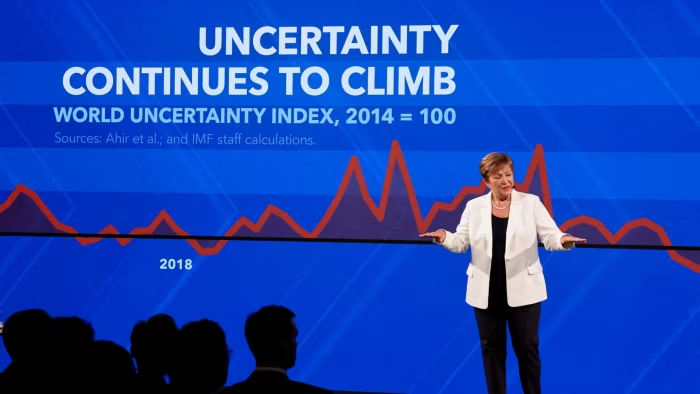
When global commodity prices fall, or when external shocks occur—as seen during Covid-19 or global financial tightening, the exchange rate adjusts gradually rather than collapsing suddenly. This flexibility protects foreign reserves and allows exporters to remain competitive. In essence, flexibility prevents crises. Monetary policy independence represents another crucial advantage of a free-floating currency. With a free-floating shilling, the Bank of Uganda can set interest rates based on domestic economic conditions, controlling inflation, managing growth, and responding to local needs.
Countries that peg their currencies to the dollar or other foreign currencies effectively surrender this control, importing the monetary policy decisions of foreign central banks that may not align with Uganda’s economic circumstances.
A liberalised capital account, coupled with a free-floating currency, enhances credibility. Foreign investors are more likely to bring money into Uganda if they know they can move it back out at a transparent, market-determined rate without government interference. An example of this are the offshore portfolio investors who regularly buy Bank of Uganda government securities and currently hold between 13 percent to 16 percent of total outstanding stock. Investors—both local and foreign—prefer environments where prices, interest rates, and exchange rates reflect economic fundamentals rather than political decisions.
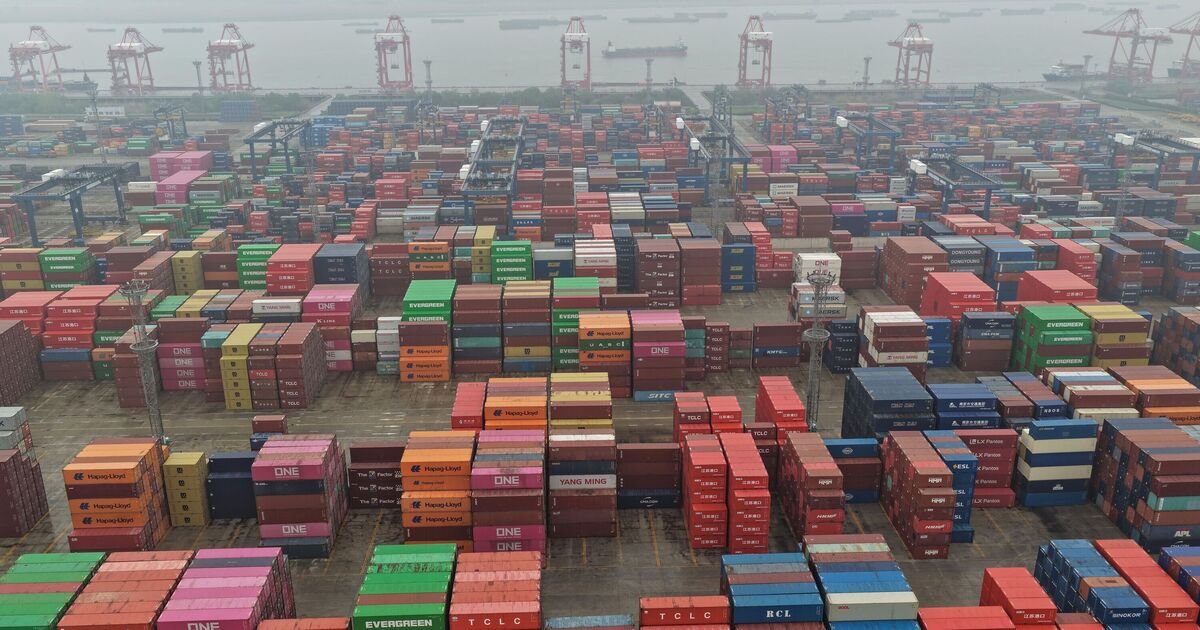
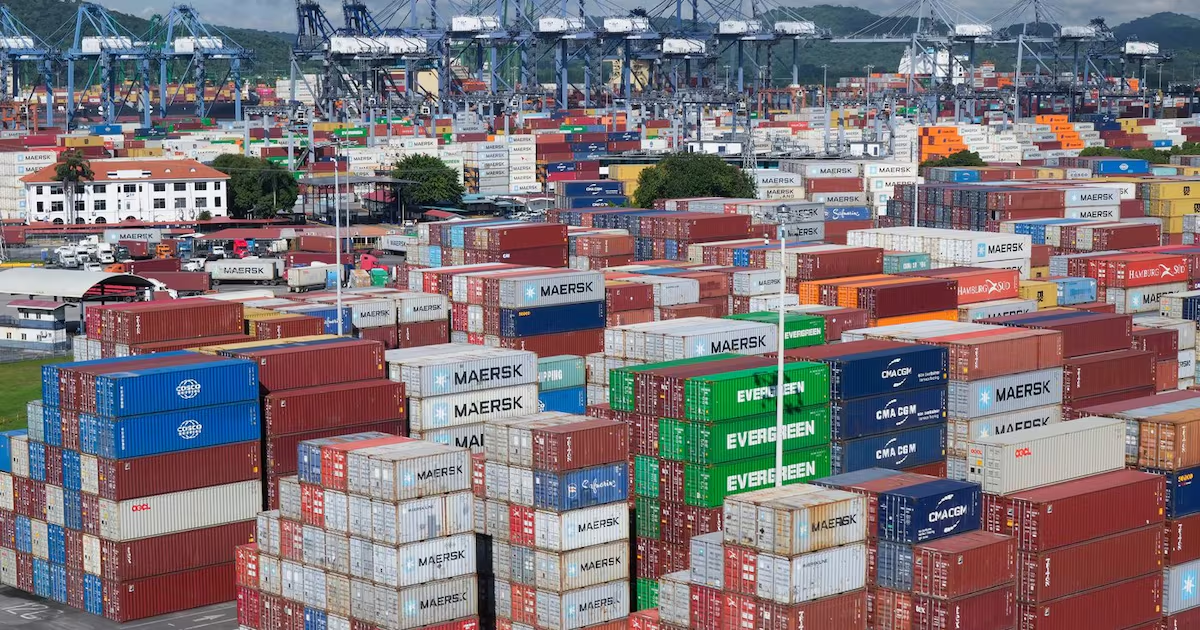
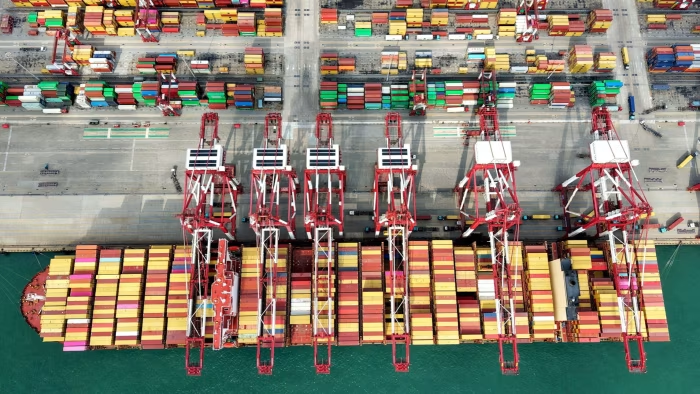
Uganda’s relatively stable macroeconomic framework has helped maintain investor confidence even during periods of global uncertainty. Uganda’s exports have grown over the years, reaching roughly $13.2 billion in 2025.
A market-determined exchange rate ensures that exporters are paid fairly and remain competitive in international markets. Artificially overvalued currencies, common in controlled regimes, punish exporters and encourage imports, widening trade deficits. Advocating for free markets and a free-floating currency does not mean the absence of government.
The Bank of Uganda’s independent monetary policy, focused on inflation targeting rather than exchange rate control, is a strong example of this balance. The goal is not a weak state, but a smart one—one that enables markets to function while protecting consumers, maintaining financial stability, and supporting inclusive growth. For Uganda, the debate between free markets and closed systems is not ideological—it is empirical.
History shows that openness, competition, and flexibility deliver better outcomes than control and isolation.
A free-market economy empowers Ugandans to innovate and prosper, while a free-floating currency preserves stability, competitiveness, and confidence.
The path to sustainable growth lies not in turning inward, but trusting the energy, creativity, and resilience of the Ugandan people—guided by markets, supported by strong institutions, and anchored in sound economic policy.
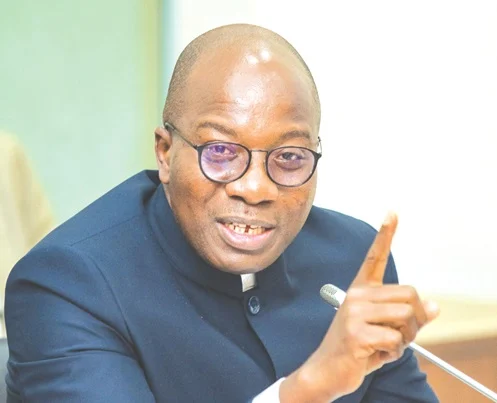
Benoni Okwenje is the chairman Treasurers’ Forum, Uganda Bankers Association.