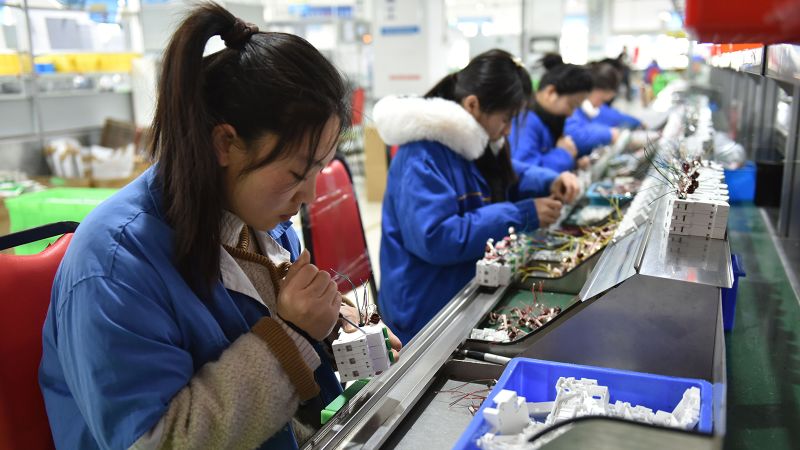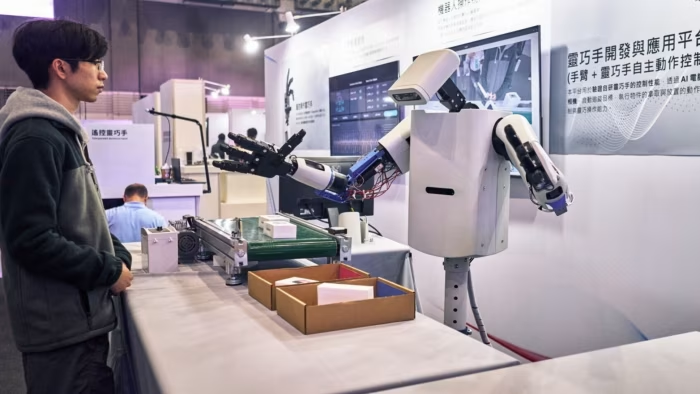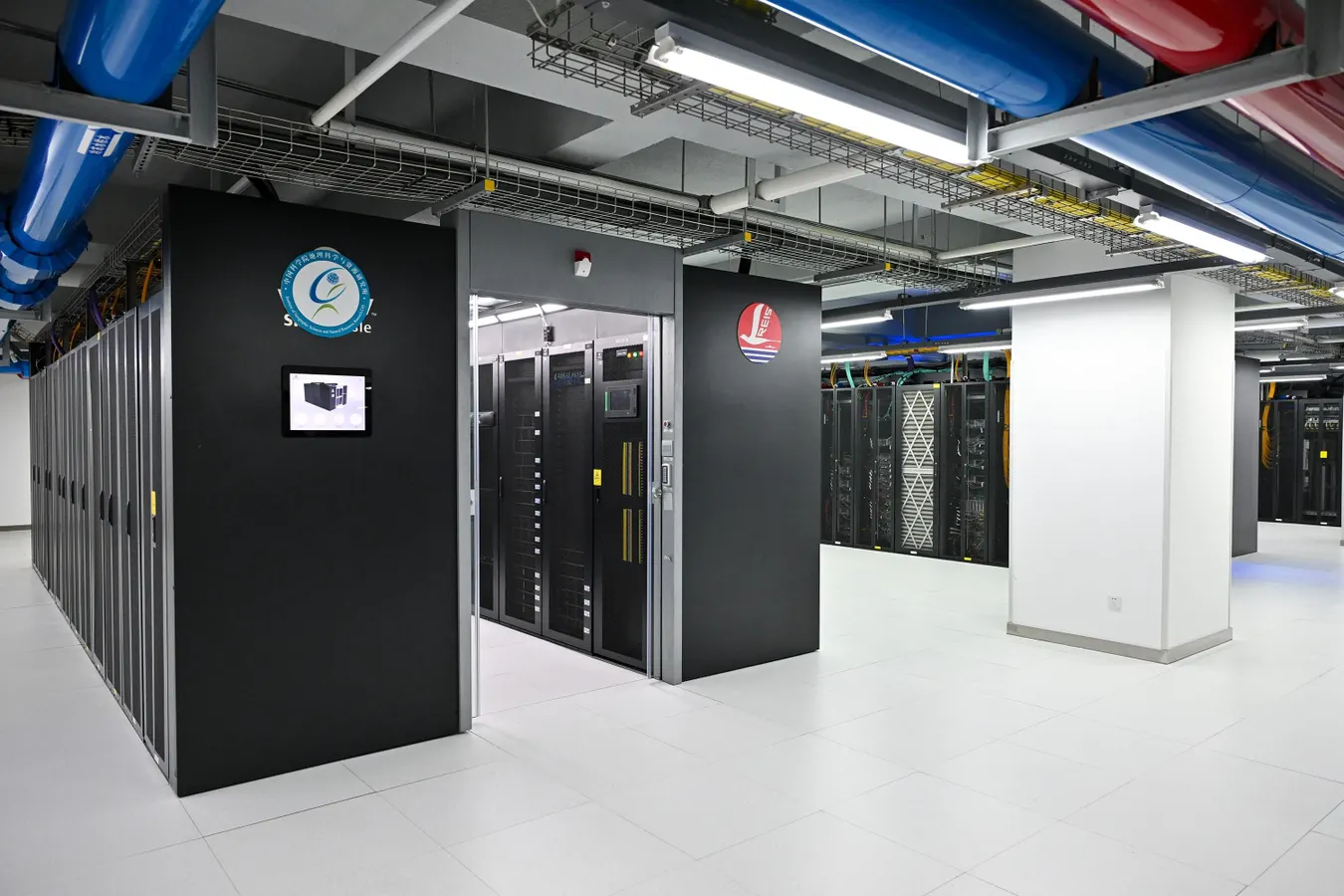

A geographic sciences multi-modal LLM (Photo by Li Xin/Xinhua via Getty Images)
Xinhua News Agency via Getty Images
With AI in the headlines in today’s world, and with recent graduates facing uncertainty about how future career paths and job prospects are impacted by AI, an often overlooked, but crucial, aspect is how AI impacts the geographical organization of work. AI will not only shape skills and job descriptions, but also where these jobs could be found. While it is too early to predict how AI models will evolve in the future, there appears to be the growth of AI clusters. Economists who study agglomeration highlight that there are three forces that shape where jobs cluster: specialized inputs, capital allocation, and talent pooling. Understanding how AI changes these forces is the key to figuring out where the jobs will be. Here are three takeaways about how AI impacts where the jobs of the future are located
Where The Jobs Are: Superstar Metros and Early Adopter hubs in the AI Economy
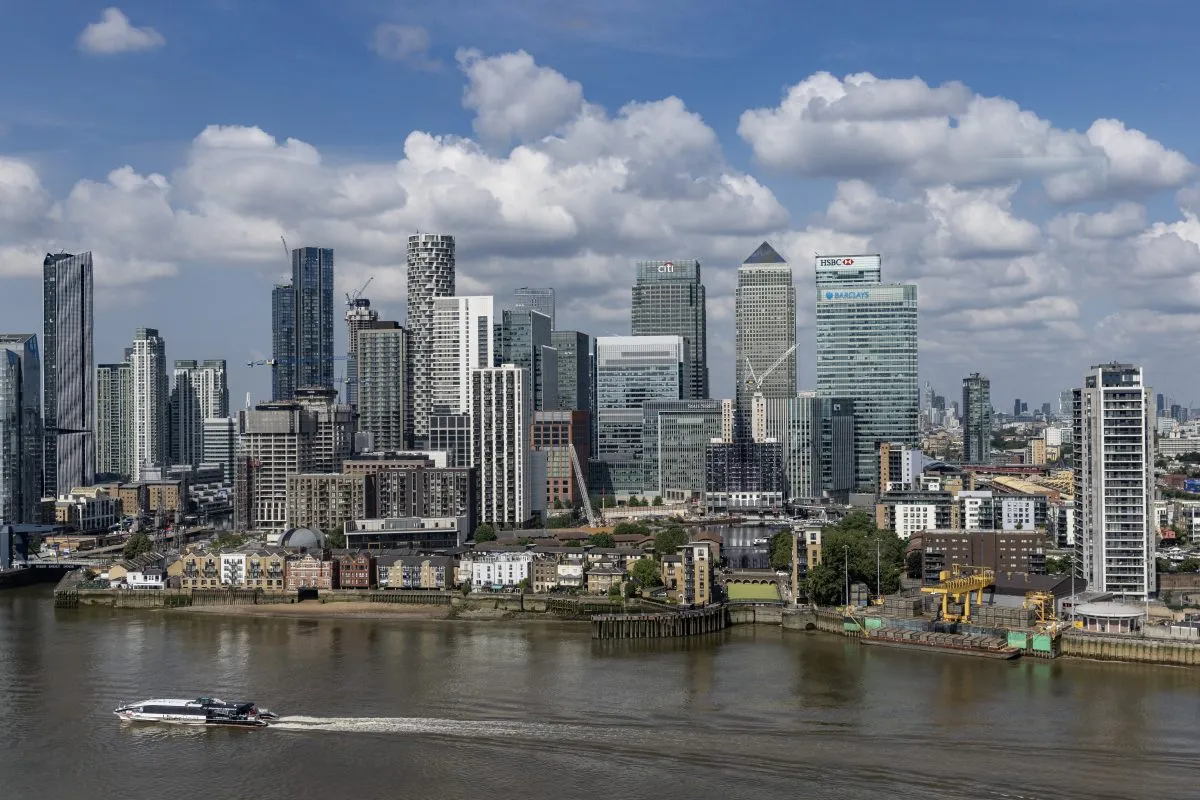
A Brookings Institution report on The Geography of AI shows that the early landscape of the American artificial intelligence economy is characterized by a stark “winner-take-most” geographic concentration. AI technology creation and commercialization are heavily clustered within a short list of primary coastal markets, either the “superstar” metros or “early Adopter” hubs. The San Francisco Bay Area is the ultimate superstar ecosystem, commanding a massive, disproportionate share of the nation’s AI research assets, federal R&D funding, venture capital, and job postings, serving as the primary engine for foundational AI development. The early adopter hubs include major metropolitan markets like New York, Seattle, Boston, Washington D.C., San Diego, Austin, and Los Angeles. While these cities do not match the sheer volume of the Bay Area, they boast significant digital economies, elite research universities, and deep pools of technical talent that allow them to integrate and scale AI workflows well ahead of the rest of the country. It follows that the specialized inputs such as legal frameworks, data sandboxes, custom API infrastructure are likely to concentrate in these superstar metros, leading to increased venture capital and corporate R&D flow to dense ecosystems where high-value, non-routine innovation occurs, chasing unique human-AI synergies. Talent pooling occurs when high-skill workers cluster tightly because their tacit knowledge and creative output are amplified by AI, increasing local wage premiums.
What Types of Jobs Are Being Created? Augmention vs. Automation Effects in the AI Economy
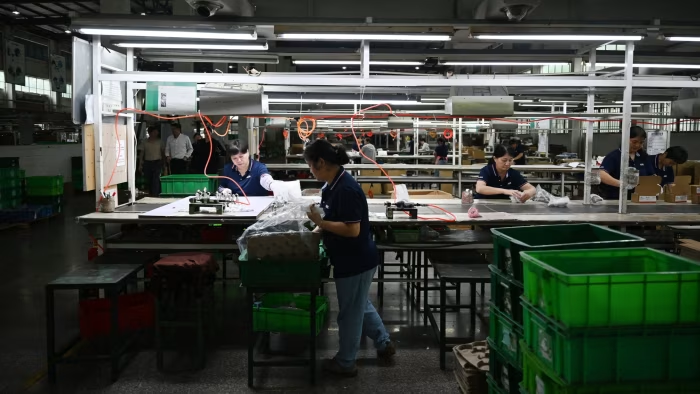
It is important to understand whether AI’s role is primarily in automation or used to augment jobs. Typically, back-office processing centers, customer support hubs, and administrative clusters are often located in lower-cost, secondary tiers. In these geographies, AI acts primarily as a substitute for human capital. Because these tasks are more easily automated by agentic workflows, these regions face labor contractions and downward pressure on wages, accelerating spatial economic inequality.
When AI augments workers, the required inputs become more complex and specialized. For example, a medical AI startup building diagnostic tools cannot rely solely on off-the-shelf code. They require highly specialized local inputs such as partnerships with research hospitals, access to compliance experts well-versed in local healthcare privacy laws, and custom data-labelling pipelines. This roots the industry firmly within specific innovation clusters. When the goal is pure automation, the specialized input is codified into the software itself. Once an AI agent can fully automate insurance underwriting or basic accounting, the “input” is no longer a localized ecosystem of specialists but a standardized, scalable cloud software asset. The dependency on local physical inputs evaporates.
Because augmentation relies on the unpredictable, creative synergy between elite talent and advanced models, capital allocation behaves like a winner-take-most game. Investors concentrate their capital in Tier-1 superstar metros (e.g., Silicon Valley, London) where these high-productivity pairings occur. The capital is spent on scaling R&D, corporate labs, and frontier model development. Capital allocated toward automation is highly cost-sensitive and follows a spatial efficiency model. If an AI pipeline is designed to automate customer support or routine data entry, the capital is spent on backend infrastructure such as building hyper-scale data centers in regions with cheap land, tax incentives, and low-cost energy (e.g., Iowa or Virginia), or setting up lean operations in lower-cost secondary cities.
How To Thrive: Understand The Co-Location of Data and Expertise in the AI Economy
The widespread adoption of generative AI is shifting the equilibrium of remote and hybrid work. It alters the fundamental trade-off between the benefits of clustering and the costs of congestion such as high rent and traffic. This changes the co-location premium for jobs. While routine execution can be shipped to a home office, model-based learning and innovation require intense collaboration. Augmentation increases the economic return on elite, non-routine cognitive skills. Because a prompt engineer, a quantitative strategist, or an AI-driven biophysicist is vastly more productive when augmented by AI, their value skyrockets. This deepens the co-location premium. High-skill talent pools cluster tightly in superstar metros because the velocity of knowledge spillovers such as learning the latest tricks, techniques, and model limitations from one’s peers is too valuable to lose to remote work. However, when AI automates routine cognitive work, it diminishes the value of localized, mid-skill talent pools. Geographies that historically built their economies around specific labor pools like back-office data processing centers in secondary Midwestern hubs or call center clusters in the Sunbelt face structural displacement. As software agents absorb these repetitive tasks, the local labor pool loses its competitive advantage, leading to regional wage stagnation or labor contraction.
Tacit knowledge transfer requiring face-to-face interaction is best located in physical corporate campuses or regional innovation nodes. The economic premium shifts away from “fully remote” configurations toward hybrid models that mandate physical presence in a cluster for brainstorming, strategy, and system design, while reserving remote days for isolated execution. For example, someone looking at a job as a customer success operations specialist (which is a job integrated with AI) in a secondary hub city has to focus on implementation, maintenance, and regional service delivery. Instead of building core models, they take enterprise generative AI applications (designed in the superstar metros) and integrate them into corporate workflows such as configuring automated customer support pipelines, fine-tuning regional compliance guardrails, or managing automated account ticketing systems. The geography matters due to what economists term labor pooling. While secondary hubs have deep, highly capable pools of business-operations, IT-support, and customer-success talent, these roles are highly exposed to AI as a substitute for routine tasks. While the specialist’s efficiency scales by using AI to automate ticket routing, the regional office footprint may contract over time as fewer frontline reps are needed to handle the same volume of work. This alters the nature of labor pooling and regional human capital development. When there is overall slowing of economic growth, there will be lesser need for credit and secondary services, ultimately affecting the broader economy.
Take-aways
With AI impacting regional economies in different ways, here are three factors to bear in mind when looking at where the jobs are:
- The Rise of “Superstar Metros”: Early AI development and high-value innovation are heavily clustering in dense, coastal tech hubs like the San Francisco Bay Area, New York, and Seattle. These “superstar” regions command a disproportionate share of venture capital, elite research assets, and specialized infrastructure, driving a “winner-take-most” geographic economy.
- The Geography of Augmentation vs. Automation: In tier-1 innovation hubs, AI augments elite workers, forcing a reliance on highly specialized local inputs (like research hospitals and compliance experts). Conversely, in lower-cost secondary cities where jobs focus on routine execution (like customer support or data entry), AI acts as a substitute, threatening regional labor contractions and widening spatial economic inequality.
- A Deepened Co-Location Premium: While routine tasks can be done remotely, high-value, AI-driven innovation thrives on intense collaboration and face-to-face knowledge sharing. This shifts the future of work away from fully remote setups toward hybrid models rooted in physical corporate campuses, where the “co-location premium” for elite talent remains too valuable to lose.