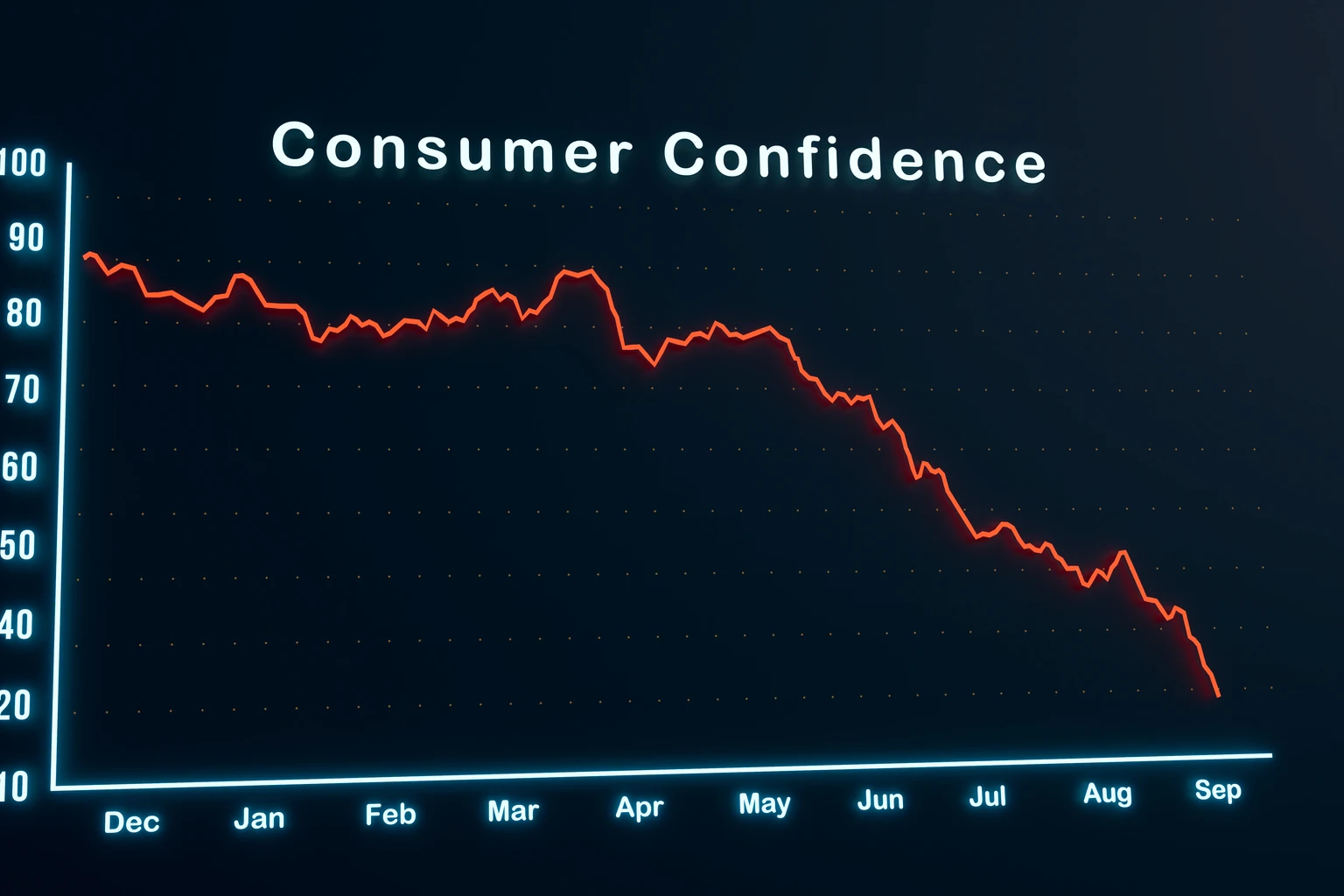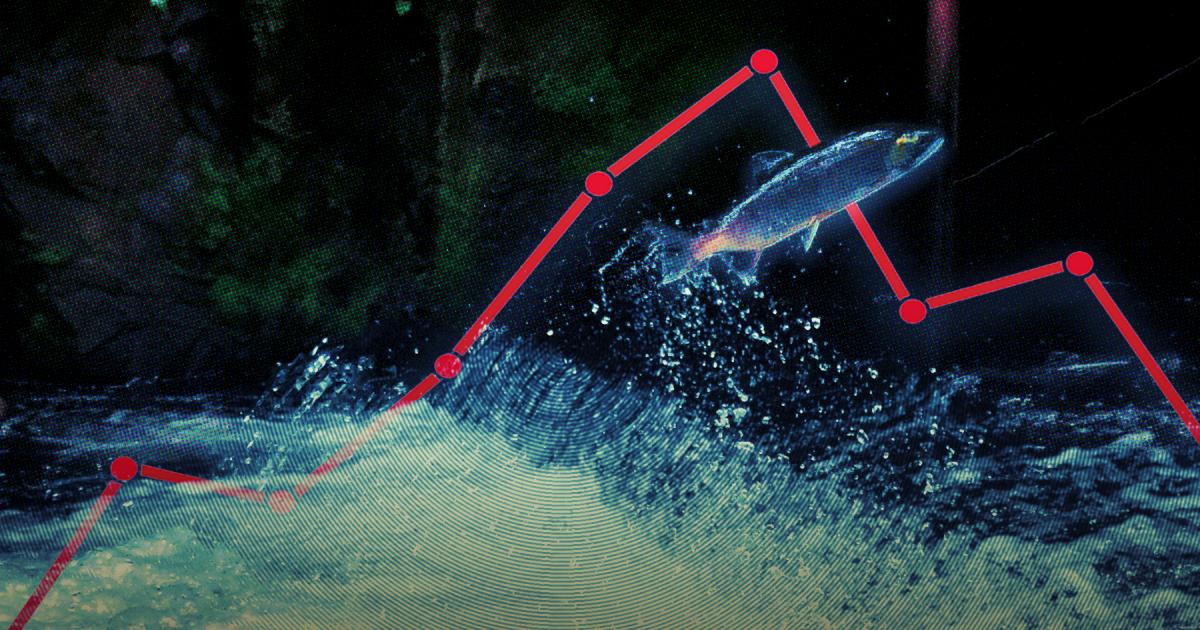

Canada’s real gross domestic product growth came in flat for the second month in a row in August, another sign that economic growth slowed in the third quarter after a second-quarter rebound.
According to data from Statistics Canada published on Friday, the economy experienced no month-over-month growth in August and July after growing by 0.4 per cent in June.
Economists had predicted 0.2 per cent growth in August, and flash estimates from Statistics Canada suggest the economy shrank by 0.1 per cent in September.
Statistics Canada said the economy was on track for an annualized growth rate of 1.3 per cent in the third quarter of 2026, below the Bank of Canada’s forecast of two per cent in the October Monetary Policy Report.
However, those numbers could be revised.
Ali Jaffery, partner and chief economist at KPMG Canada, said there were temporary forces that dragged down growth in August that could unwind in the fourth quarter of 2026 while making the latest figures look a little worse than they should.
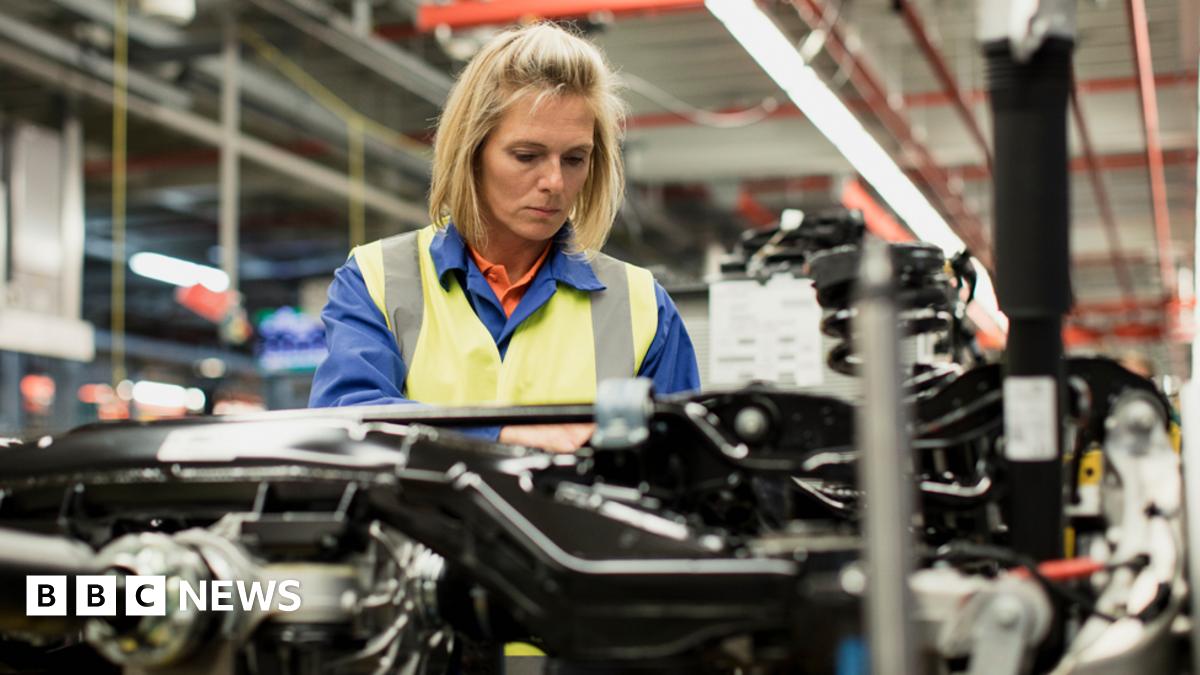
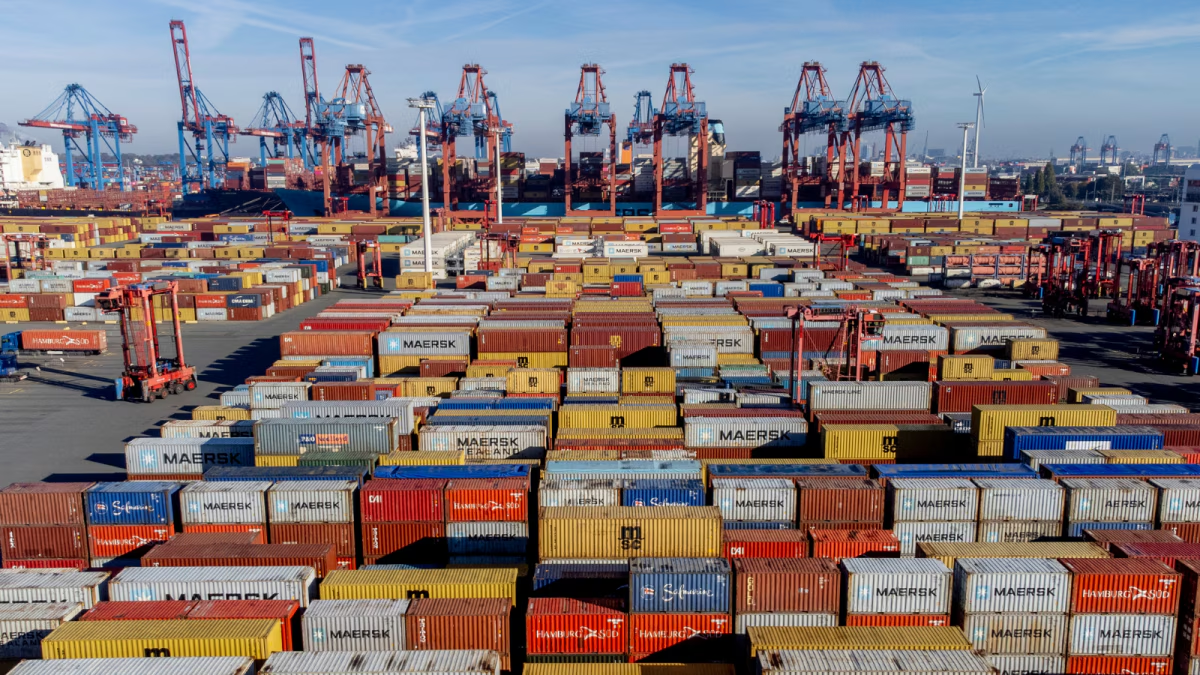
Wholesale trade contracted by 1.4 per cent month over month in August, mainly driven by a fall in motor vehicle and parts sales from lower imports of passenger cars and light trucks. However, flash estimates for September suggest the sector expanded by 0.5 per cent and year-to-date data showed growth overall, which could mean August’s decline was a one-off event and not the start of a trend.
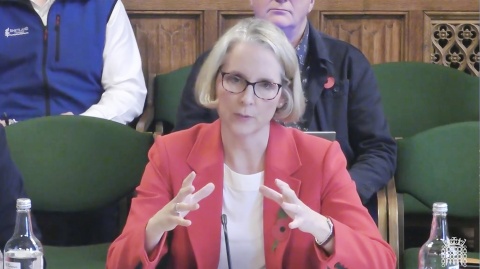
“The data is very noisy. The economy is looking like it has lost some momentum in August and September, and that’s consistent with what we saw in the labour market data, but it’s a very uneven economy,” Jaffery said in an interview.
The underlying story is an economy that is still weak in some sectors but also showing signs of resilience, he said.
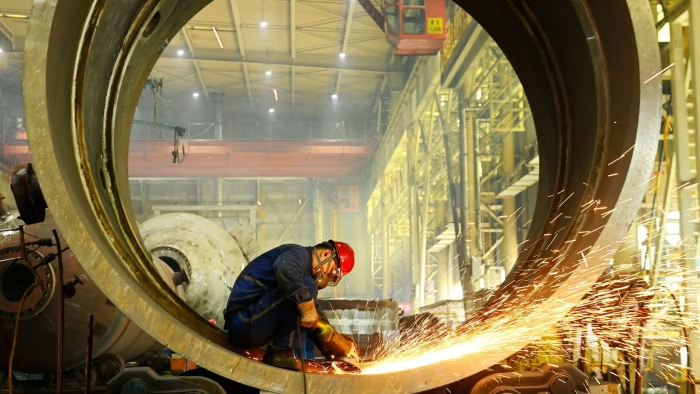
Sectors to show growth in August included retail trade, which grew by 1.2 per cent, driven by a rebound in motor vehicle and parts dealers, as well as manufacturing, rail transportation and finance and insurance.
KPMG now predicts that the economy will grow at an annualized rate of 1.5 per cent in the third quarter of 2026, before slowing slightly to 1.4 per cent in the fourth quarter due to the U.S. tariffs and ongoing weakness in the manufacturing sector.
The firm also expects another Bank of Canada rate hike in December and again in early 2027, assuming global energy prices remain elevated.
“We’re not panicking about it, but we’re not pounding the table saying that the economy is incredibly strong, either,” Jaffery said.
“People are going to criticize the Bank of Canada for raising rates and then seeing a soft number. We thought the Bank of Canada should have waited as well, but we don’t think it’s the end of the world or a policy error per se. We understand the inflation risk.”
LJ Valencia, an economist for the Desjardins Group, said August’s data was a surprise and below expectations, but there’s a lot of nuance in the details of the report.
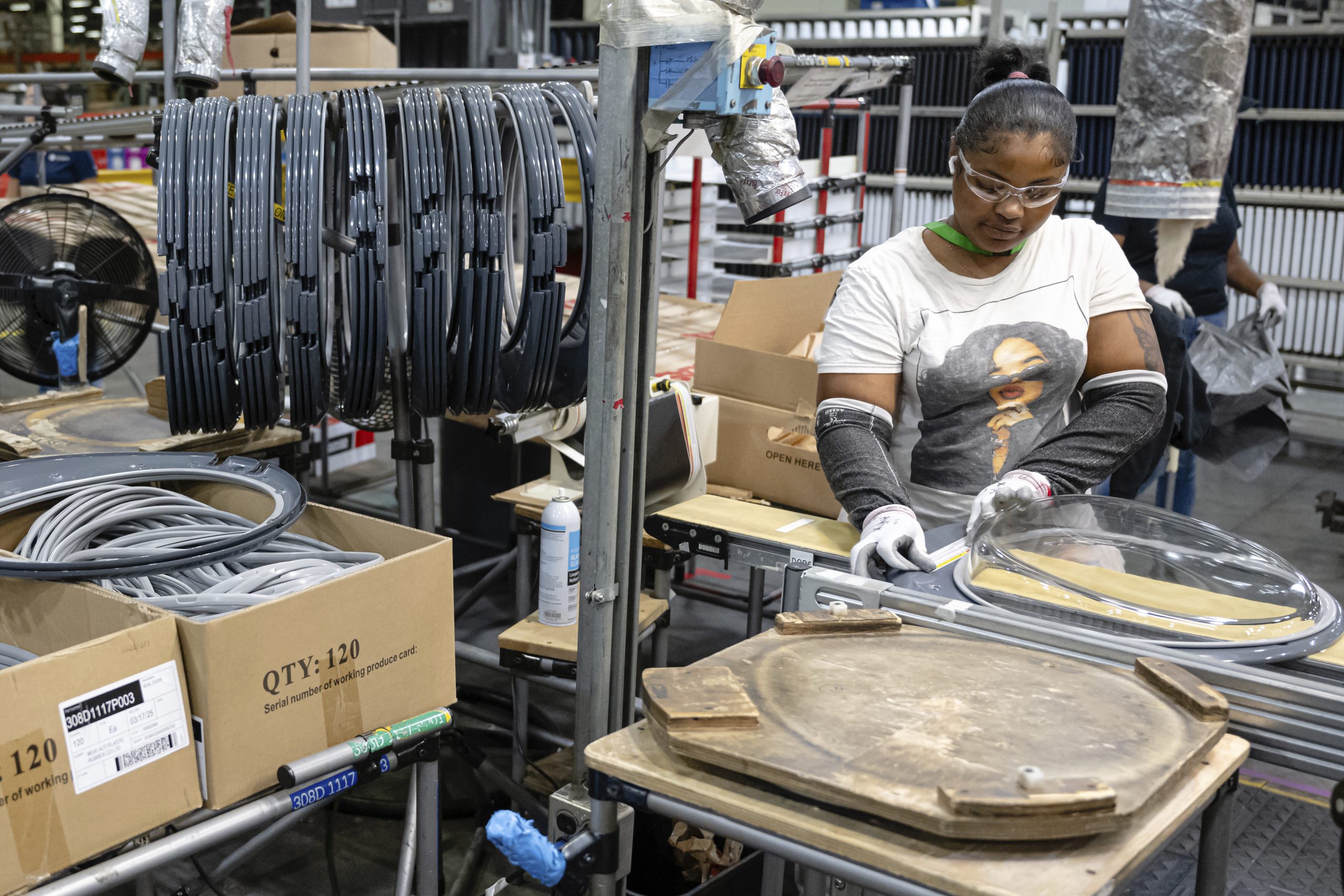
The weak flash estimate could be attributed to the new 50 per cent levies from the U.S. and Canadian countermeasures, as well as lower activity in the manufacturing and resource extraction sectors.
Desjardins projects that the economy will grow at an annualized rate of 1.5 per cent in the third quarter of 2026 before falling to around 1.1 per cent in the fourth quarter.
“If you look at the headline data, it came in basically unchanged and that was below expectations, but when you look at what’s happening under the hood, there’s a lot of conflicting movements,” Valencia said in an interview.
“What this may suggest is that there could be some one-off events that could occur in selected subsectors. We shouldn’t expect this to be a consistent pattern moving forward.”
Editor’s Picks
Desjardins also expects another 25-basis point rate hike in December, which would bring the key interest rate to 2.75 per cent.
“Keep in mind that the central bank does their own internal tracking, so things may change as well once they update their next Monetary Policy Report,” Valencia added.