By Ola Adedayo
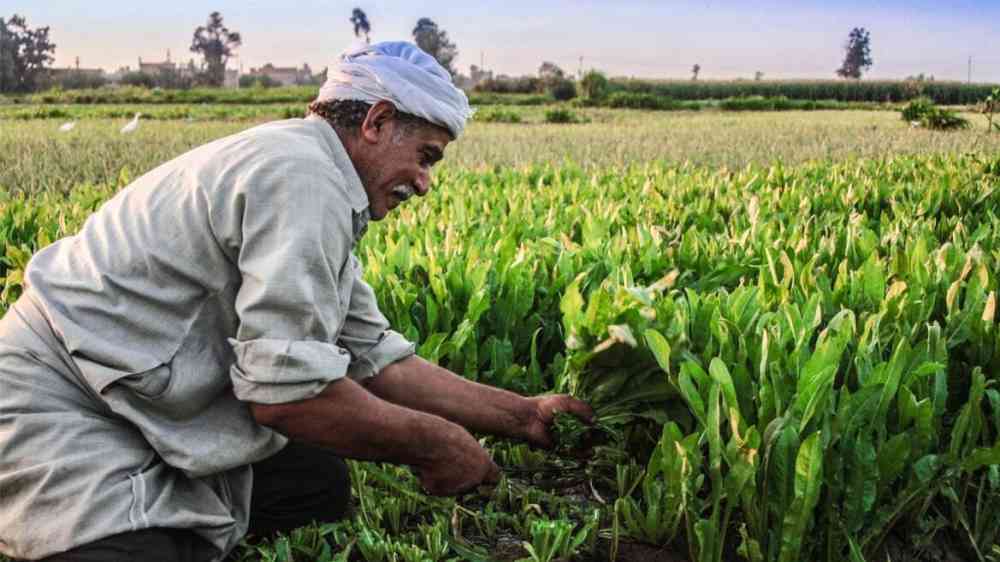
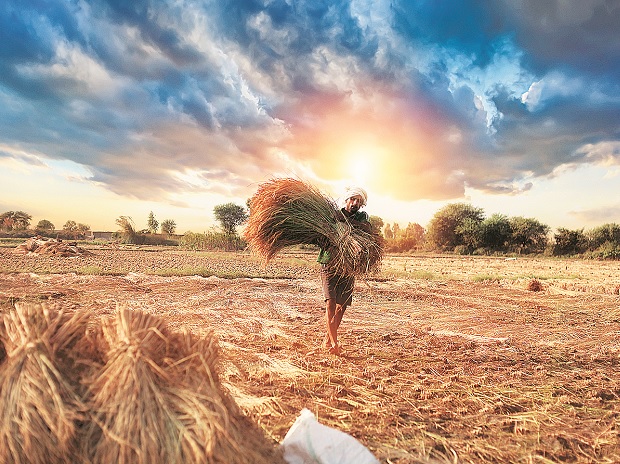
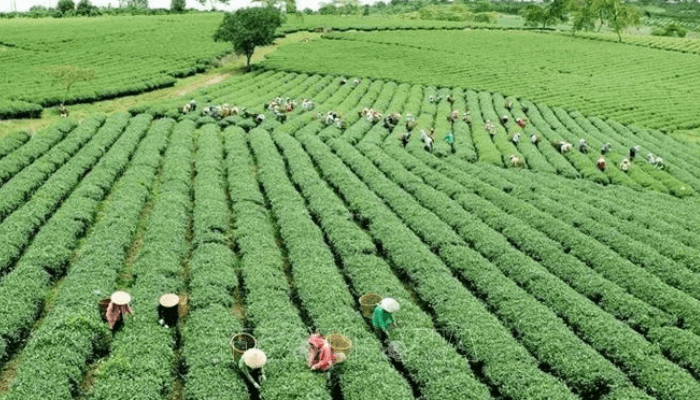
N20bn farm credit, 12,000 solar pumps, 400 tractors and a $110m industrial pipeline headline Jigawa’s agricultural transformation drive Jigawa State is pursuing an ambitious agricultural transformation agenda designed to move farming beyond subsistence production and reposition it as a foundation for wealth creation, industrial development and rural prosperity.
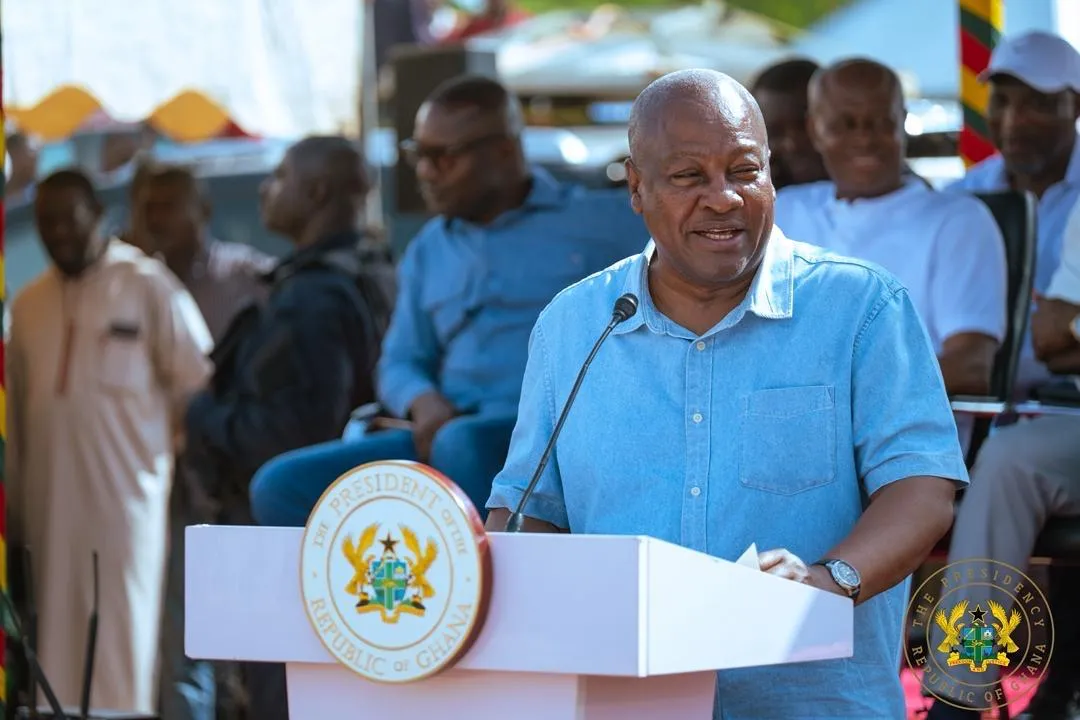
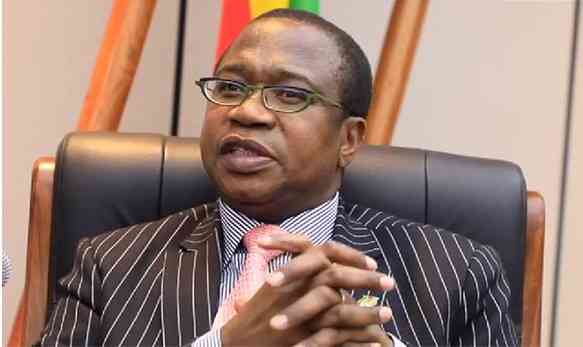
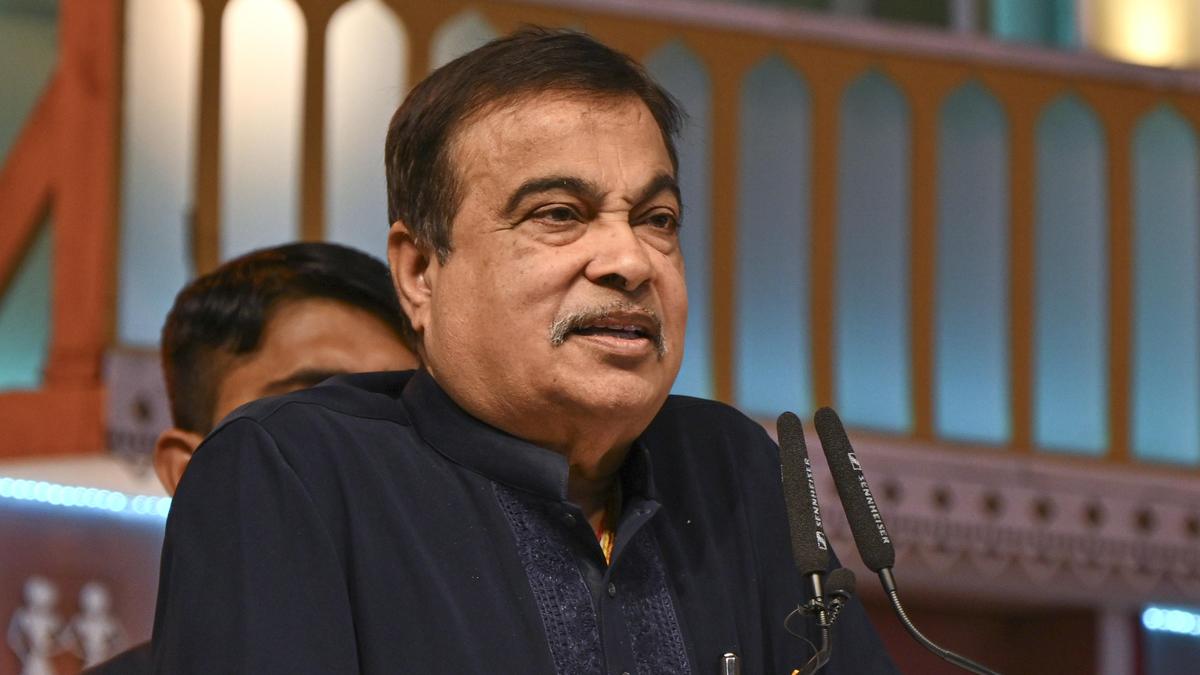
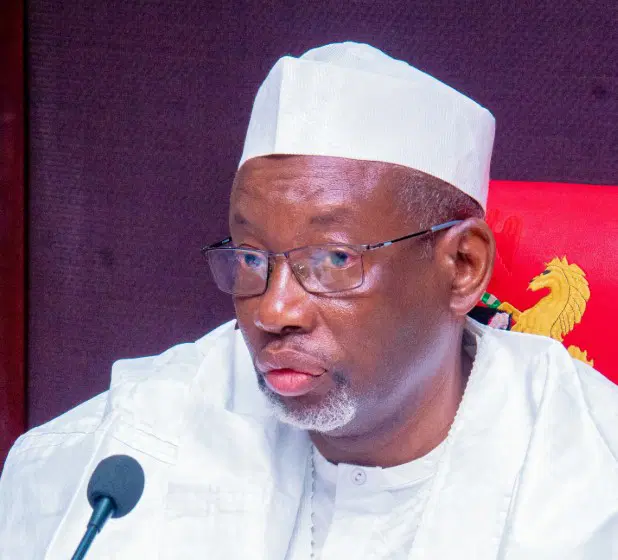
At the centre of the initiative is Governor Umar A. Namadi, whose administration, according to a performance account presented by the Director-General of the Jigawa Agricultural Transformation Agency (JATA), Dr. Saifullahi Umar, has spent three years building an agricultural system that links production to mechanisation, finance, technology and industrial processing.
The figures presented in the agency’s September 2026 keynote address are substantial. They include the recruitment of more than 1,700 agricultural field personnel, the establishment of 60 farm mechanisation service centres, the deployment of 400 tractors, the distribution of 12,000 solar-powered irrigation pumps and the mobilisation of more than N20 billion in agricultural financing.
Taken together, these interventions suggest an attempt to address the structural weaknesses that have historically constrained farming in the state: limited extension services, expensive irrigation, inadequate machinery, restricted access to credit and the absence of dependable markets for agricultural produce.
But the larger question is whether Jigawa can convert these investments into a more productive rural economy, higher household incomes and a new generation of commercially successful farmers.
From subsistence farming to commercial agriculture
One of the most significant elements of the programme is its emphasis on institutional capacity.
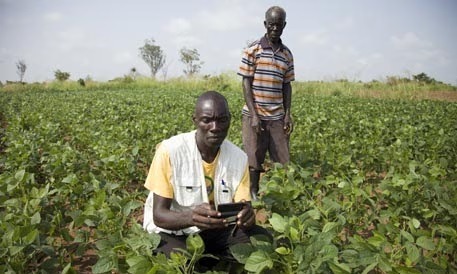
According to JATA, the state’s public agricultural extension workforce stood at just 255 personnel when the administration assumed office in May 2023. The agency says the workforce has since grown to more than 1,700, comprising 1,447 JAGRO crop extension agents and 270 community animal health workers.
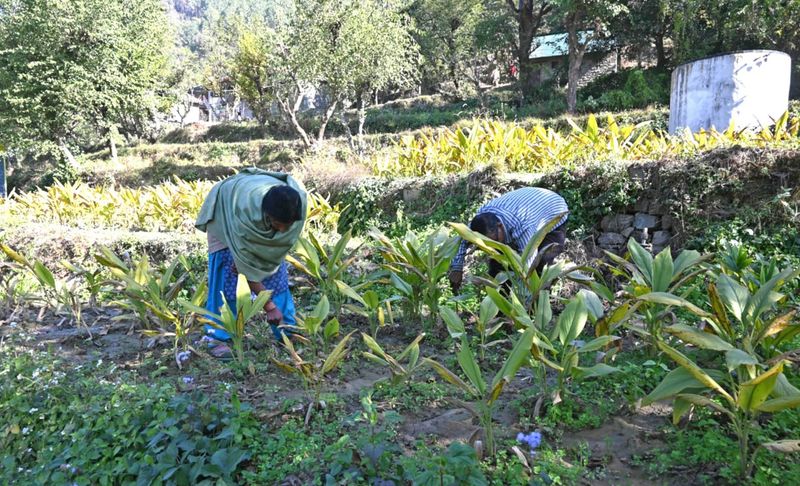
The programme also reportedly delivered structured agricultural training and advisory services to more than 200,000 smallholder farmers across the state’s 27 local government areas.
If sustained and effectively deployed, a stronger extension system could improve farmers’ access to modern cultivation techniques, climate-resilient practices, pest management and post-harvest handling.
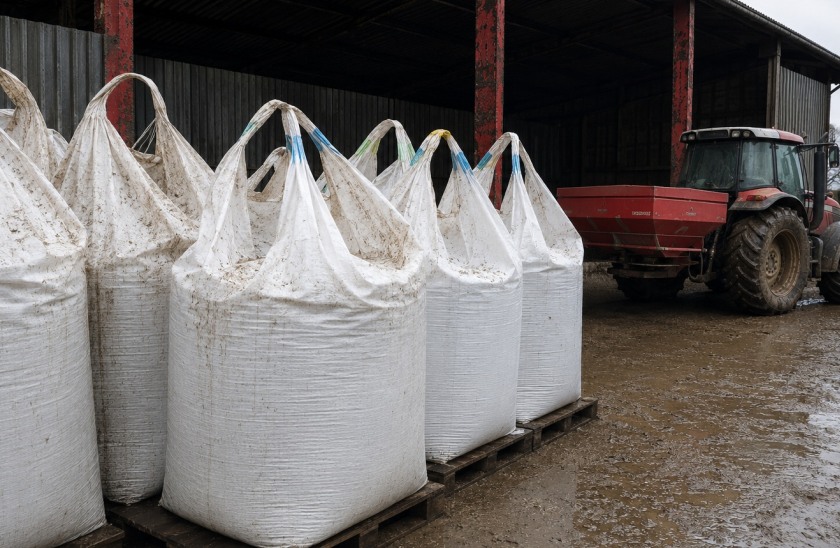
The administration has also reported distributing 329,000 bags of NPK fertiliser, 150,000 bags of urea and other agricultural inputs through an emerging electronic voucher system intended to improve traceability and reduce diversion.
The significance of these interventions lies not simply in the volume of materials distributed, but in whether they help farmers produce more food at lower cost and earn better returns.
Mechanisation without the burden of ownership
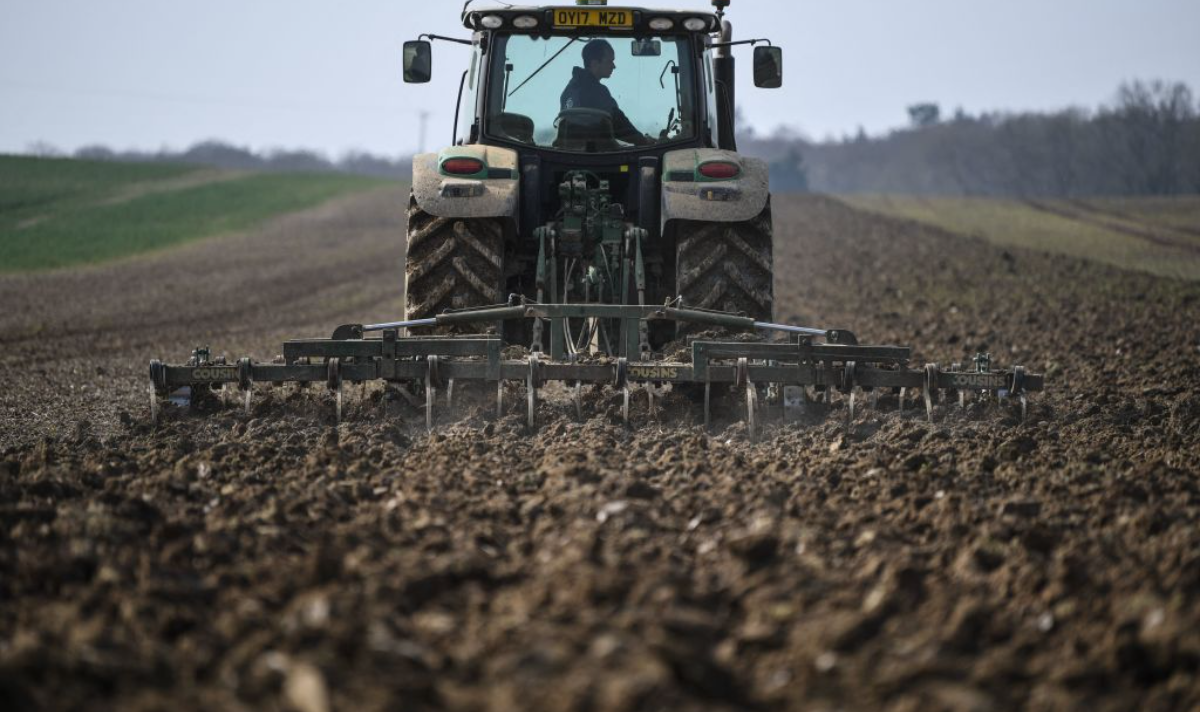
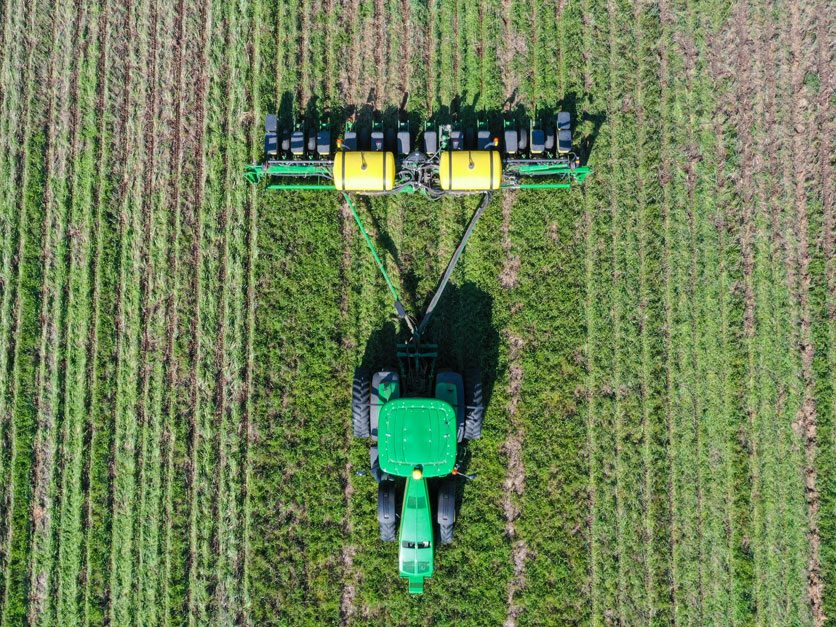
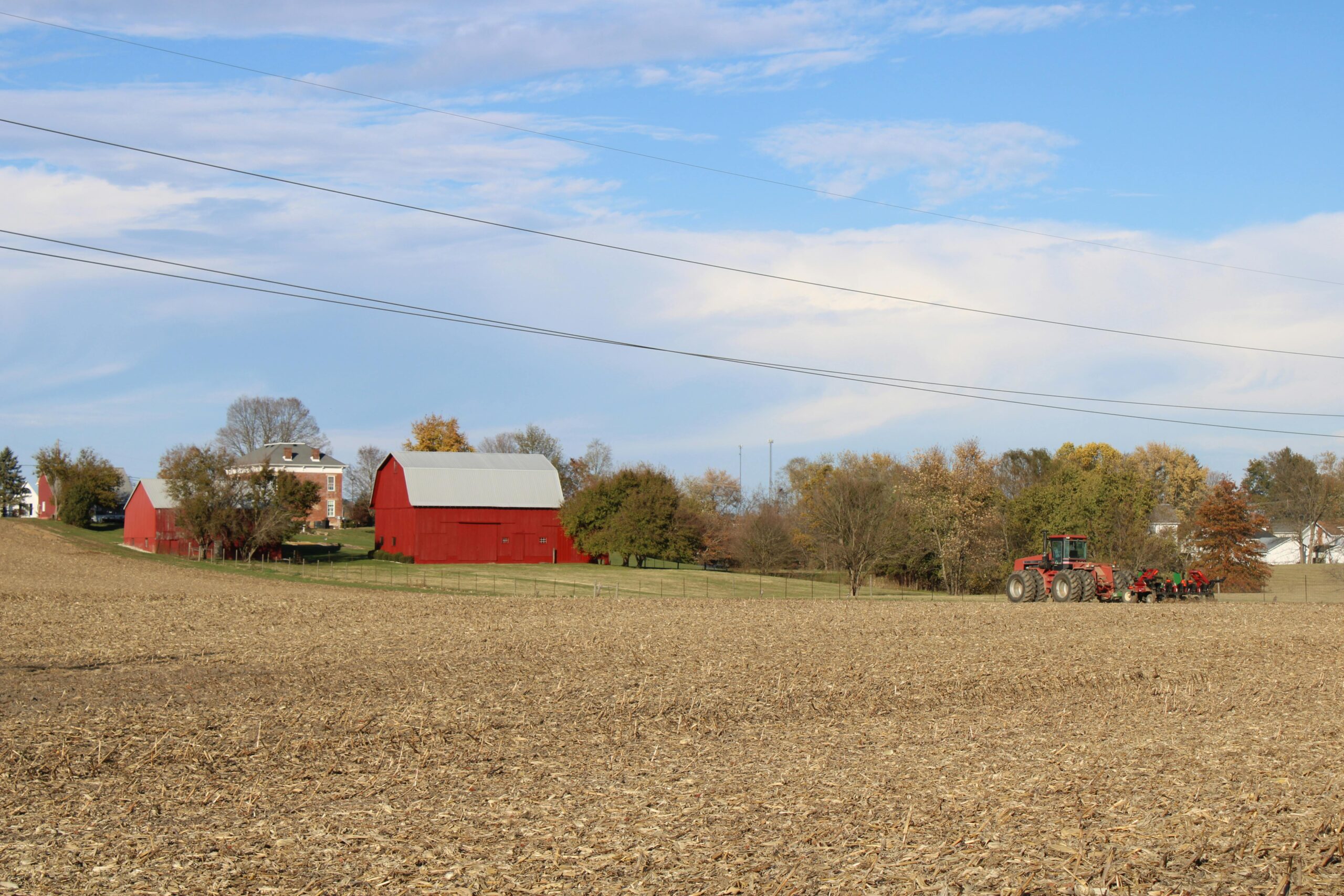
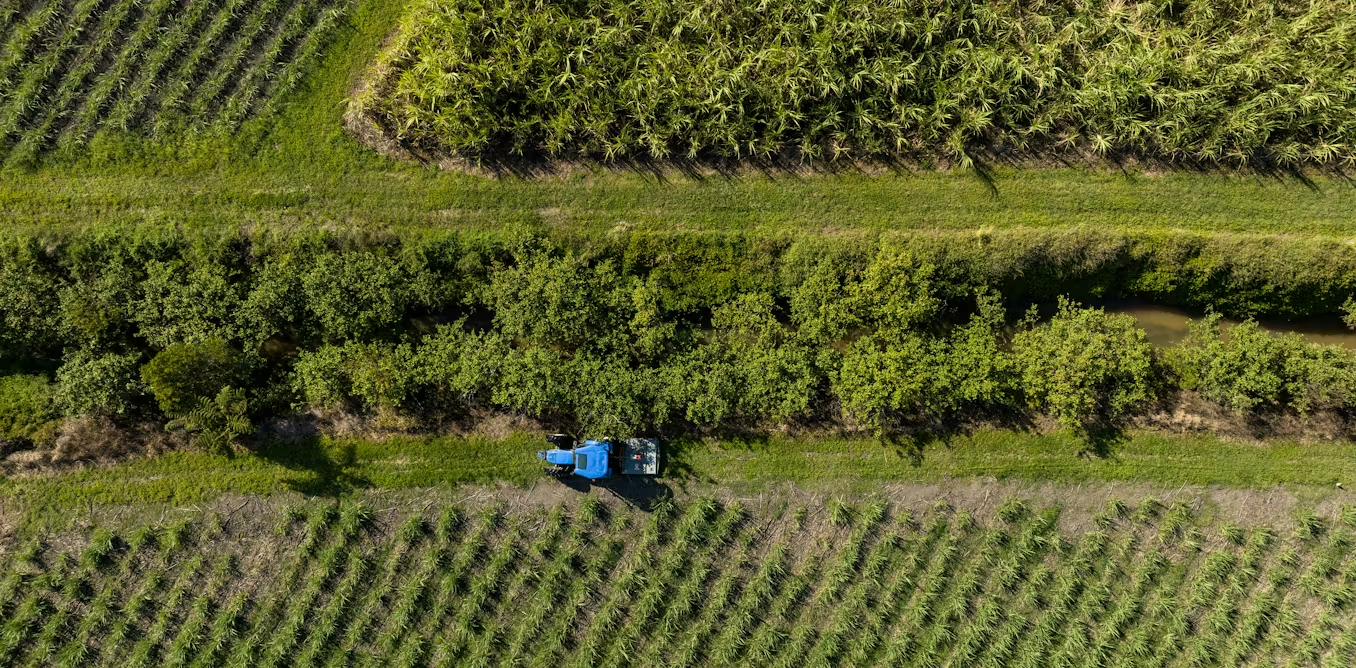
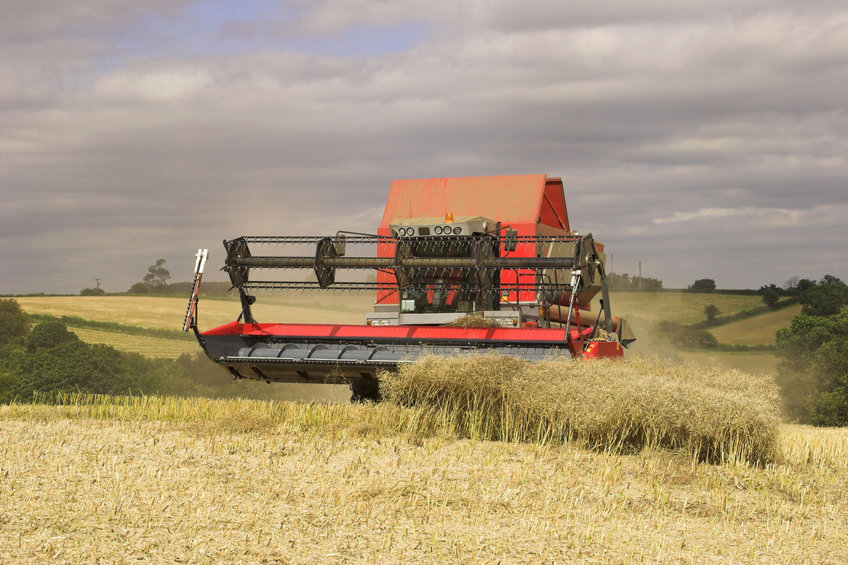
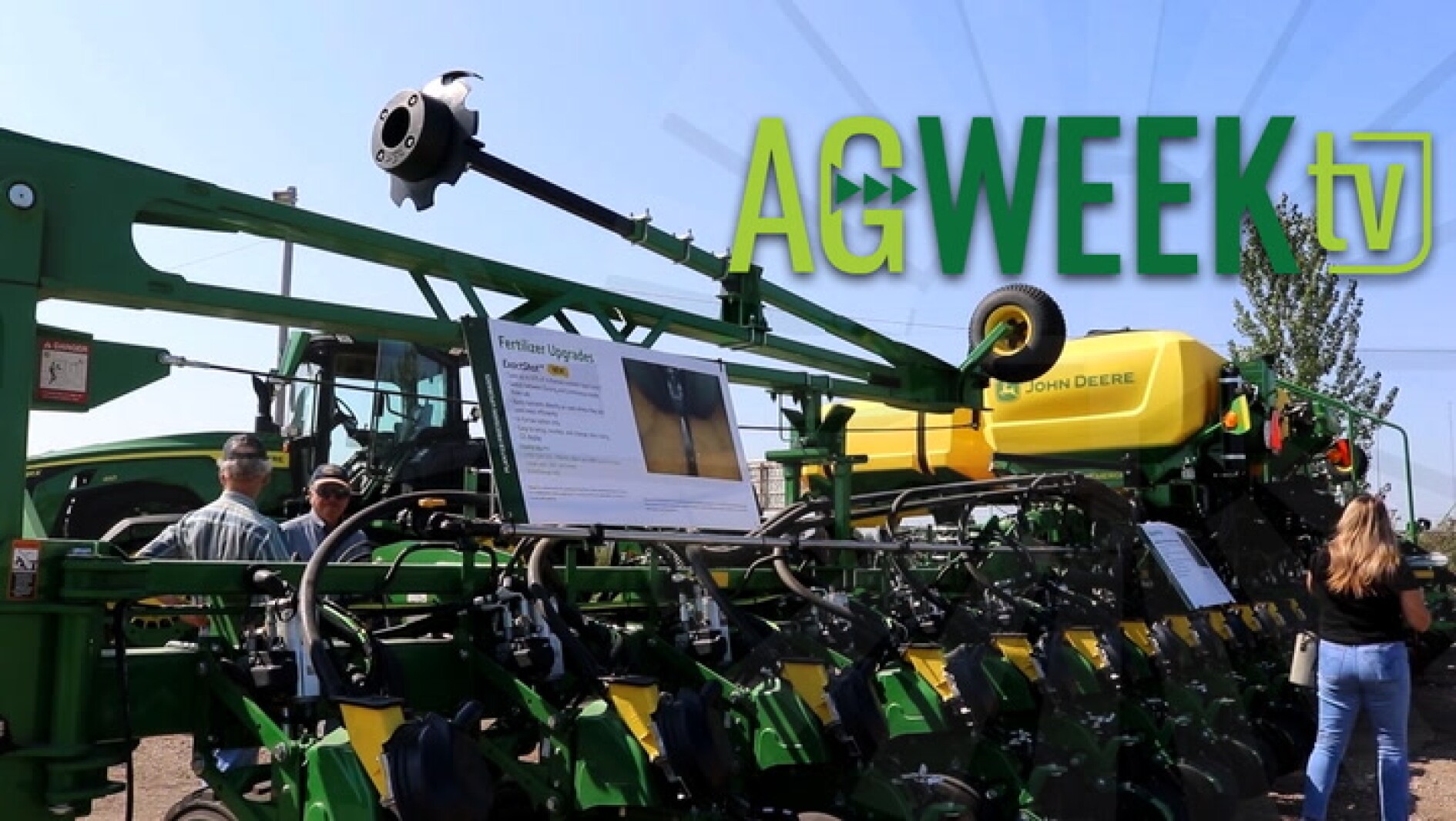
Another major intervention is the establishment of the Jigawa Farm Services Company and 60 mechanisation centres.
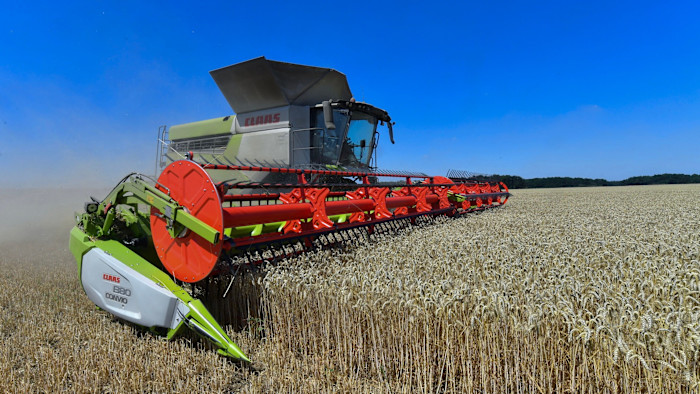
Rather than distributing tractors to individual beneficiaries, the model is designed to provide machinery as a service.
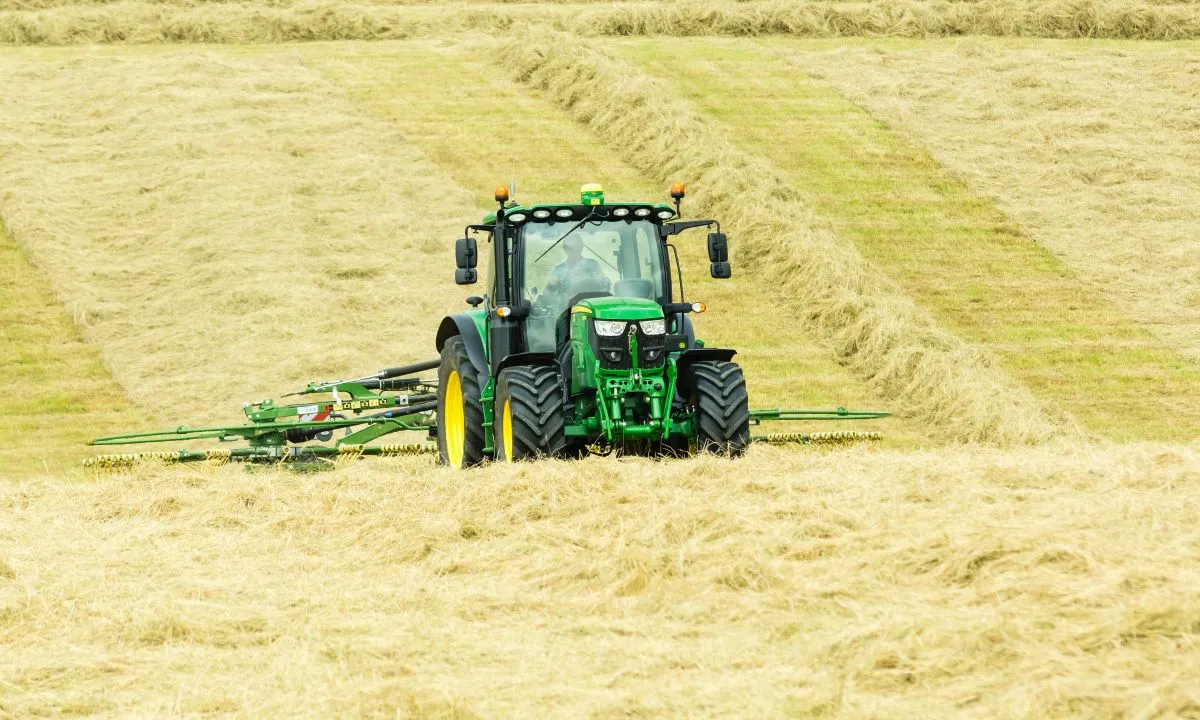
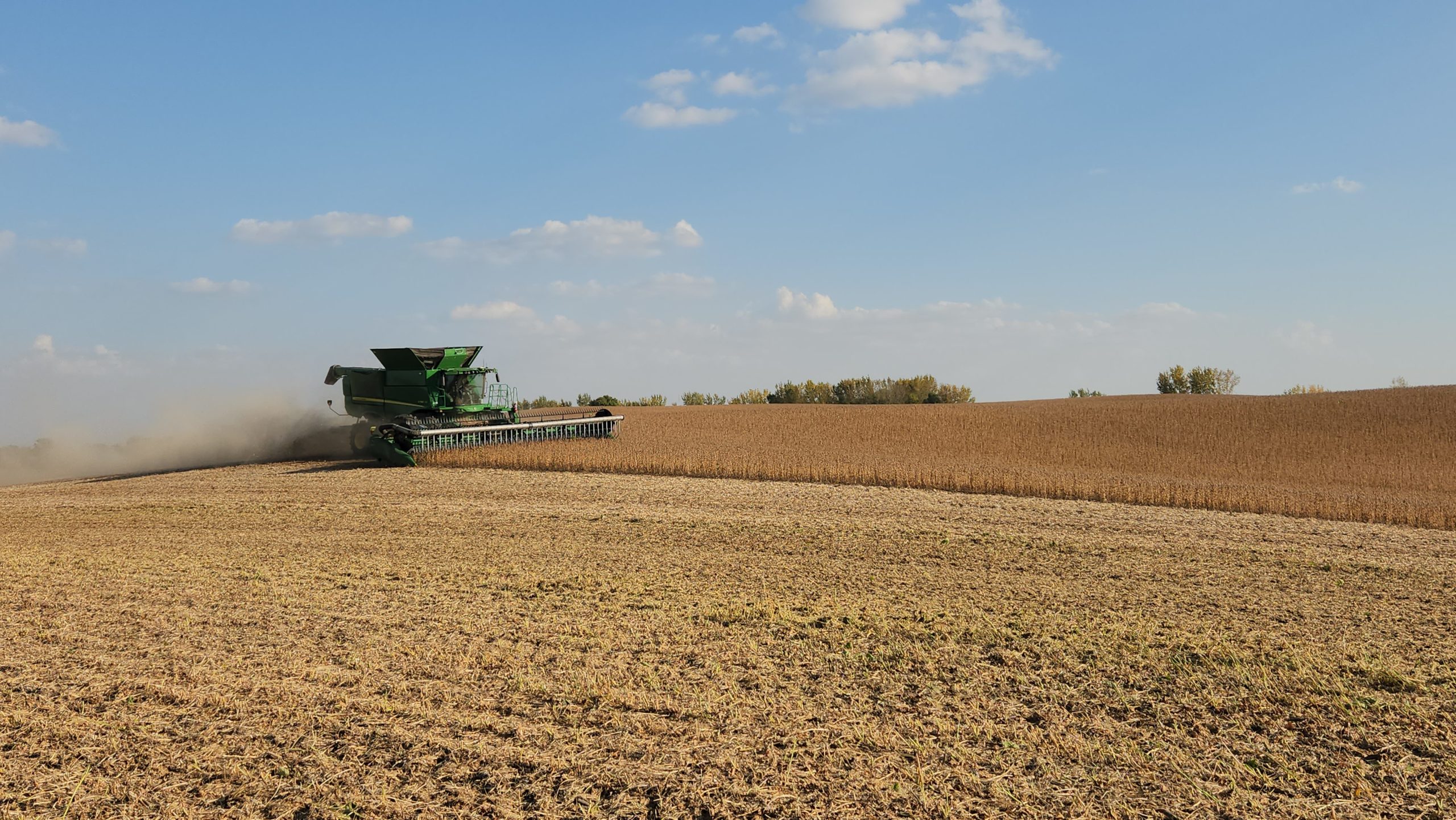
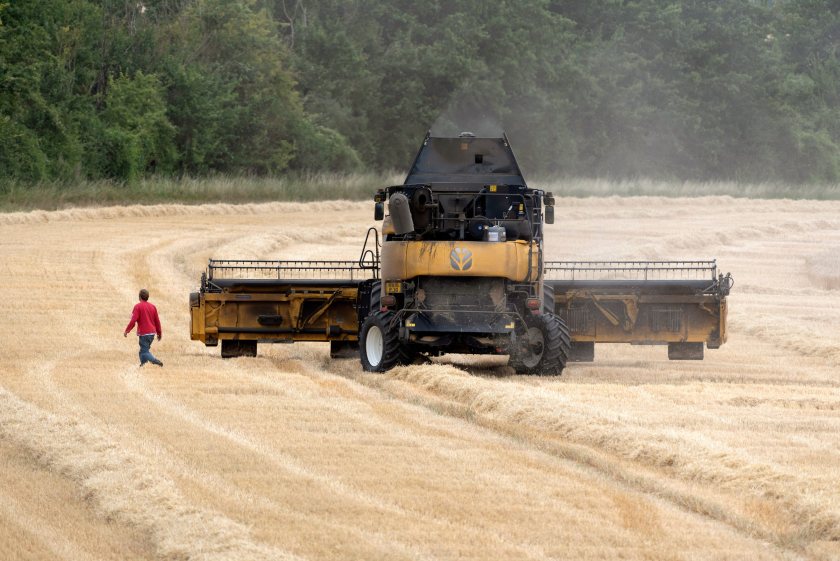
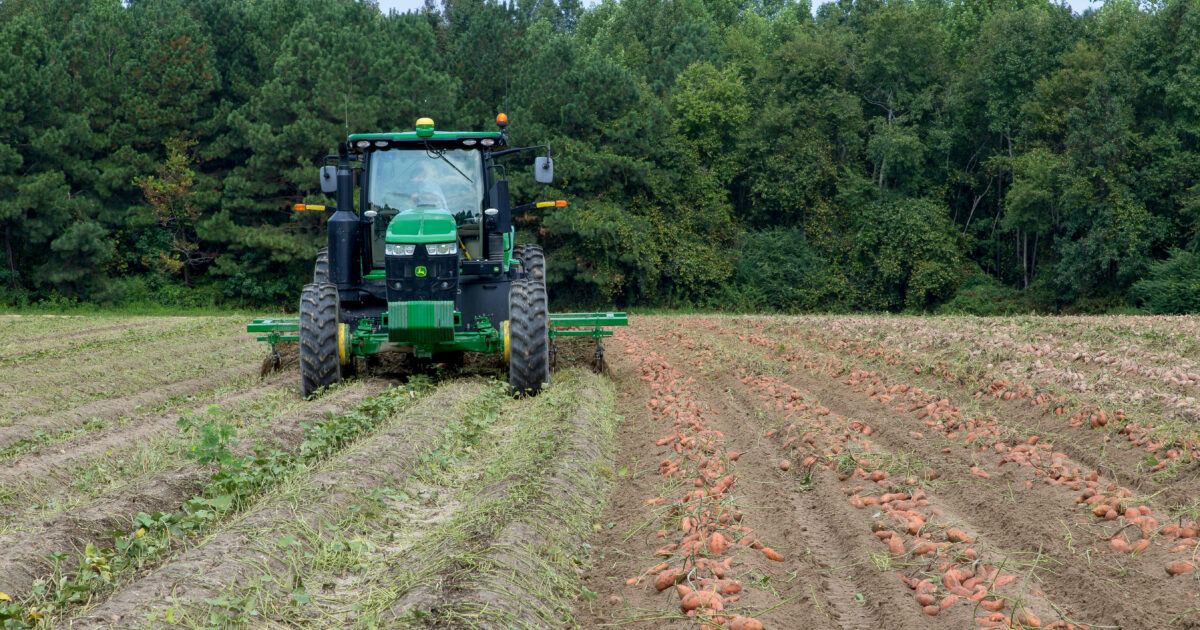
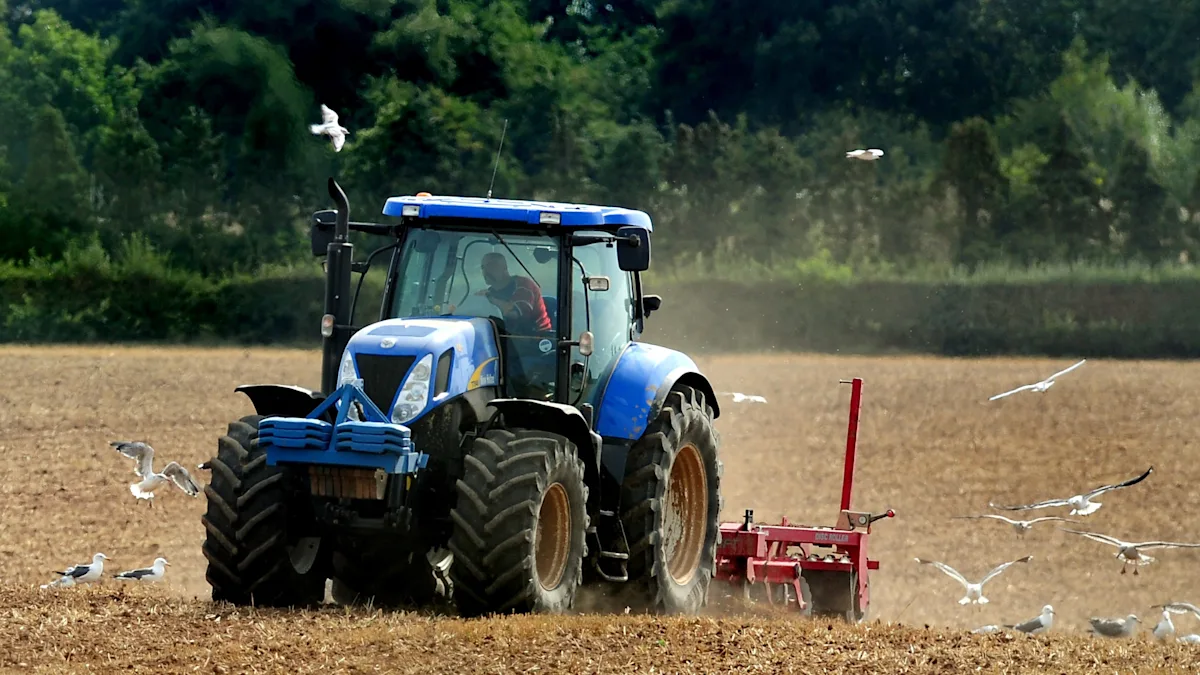
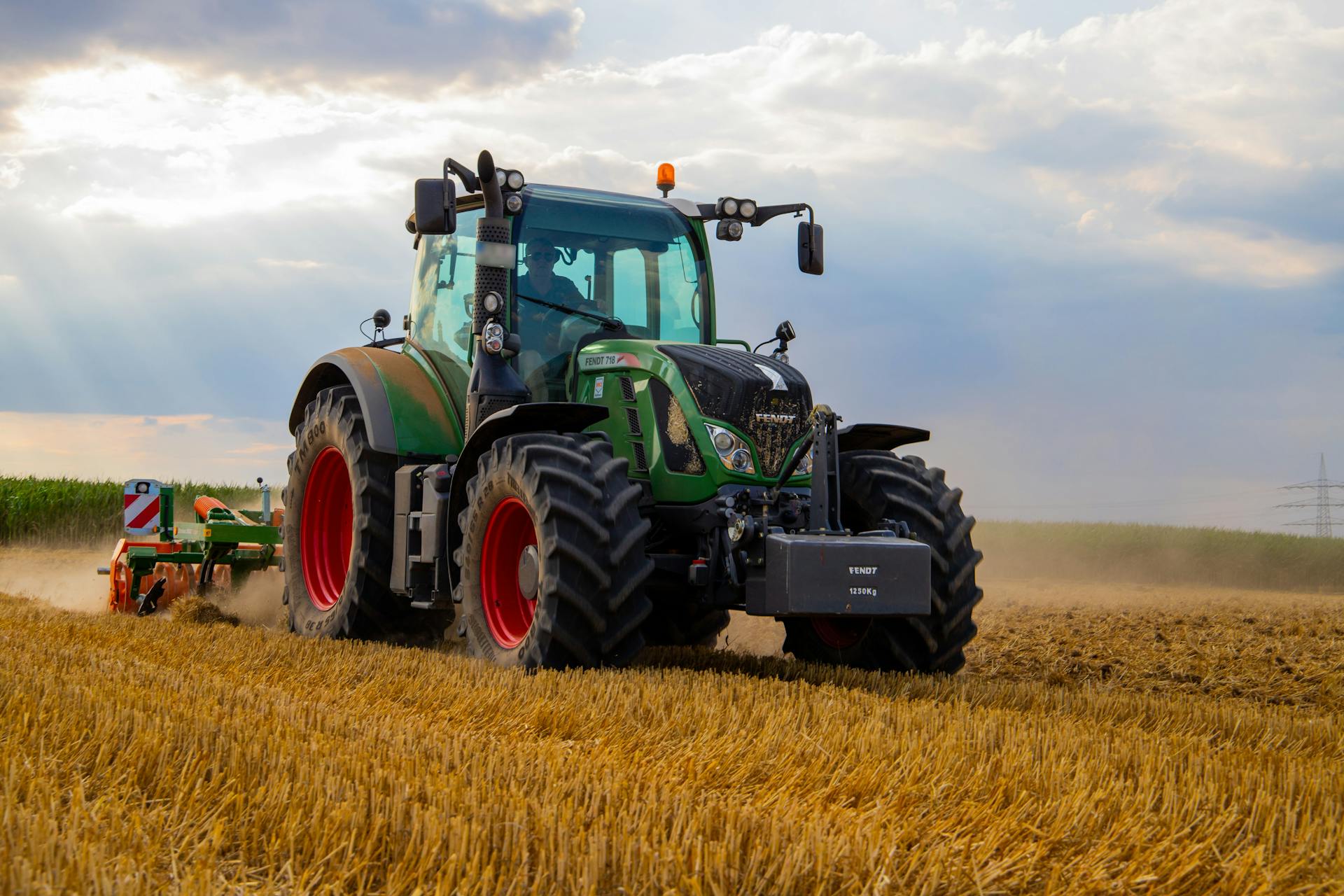
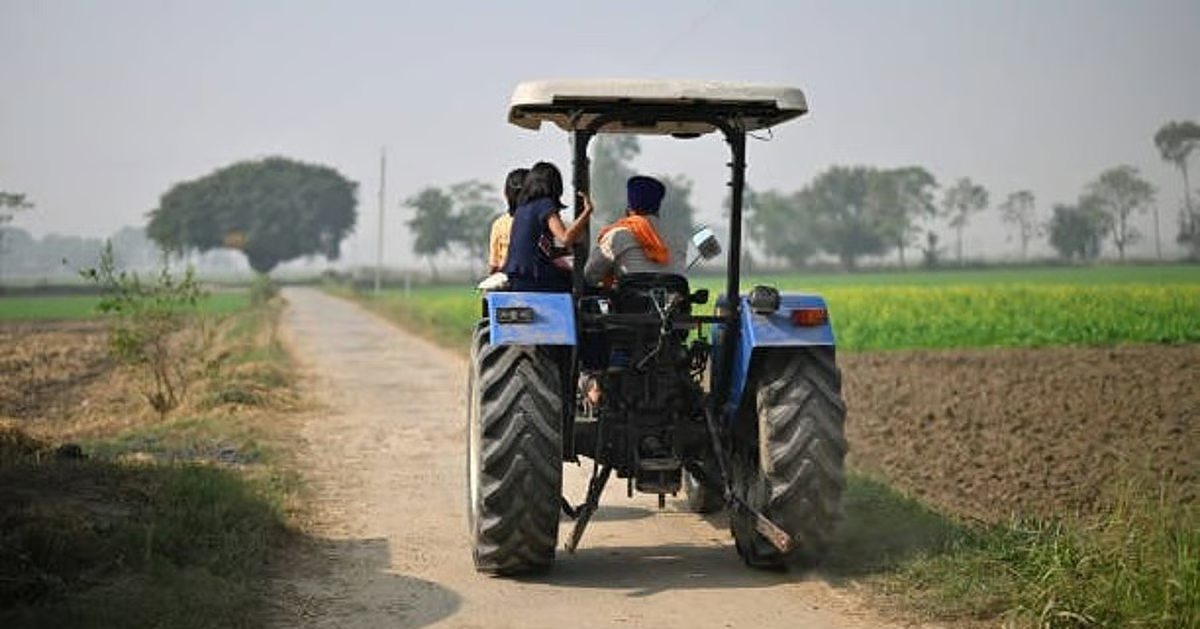
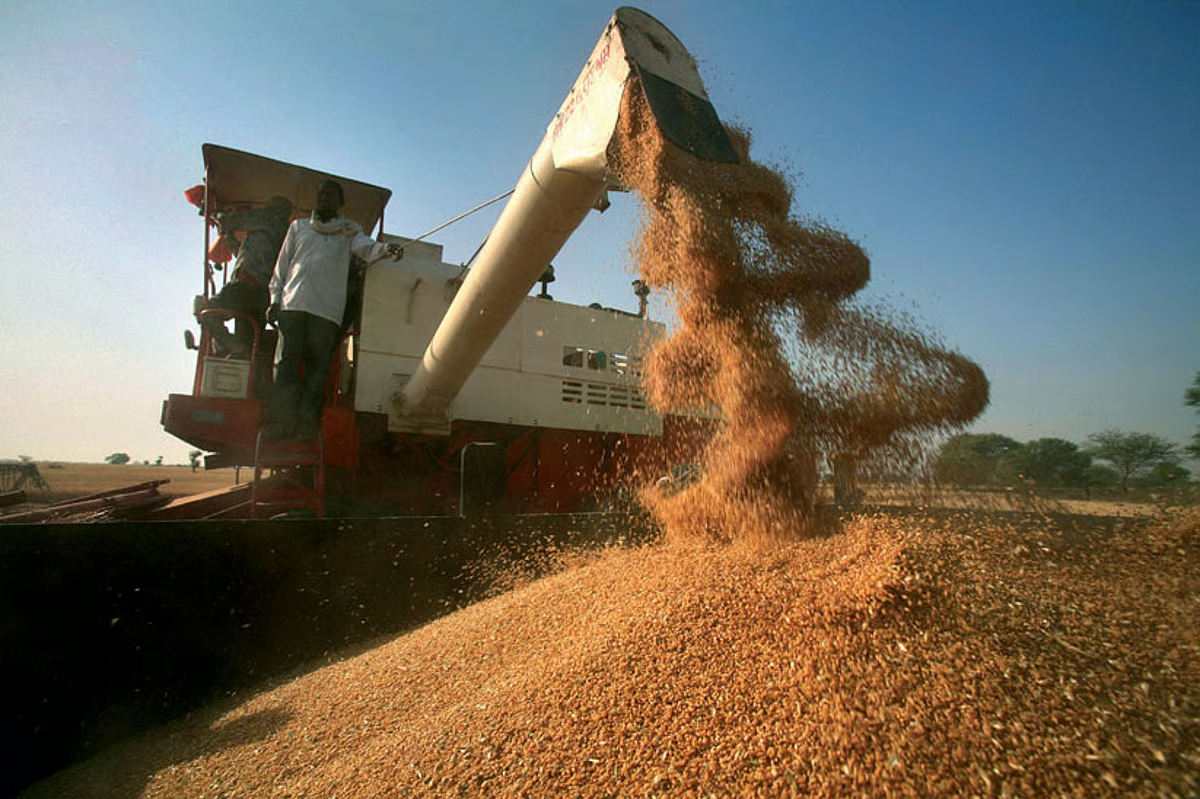
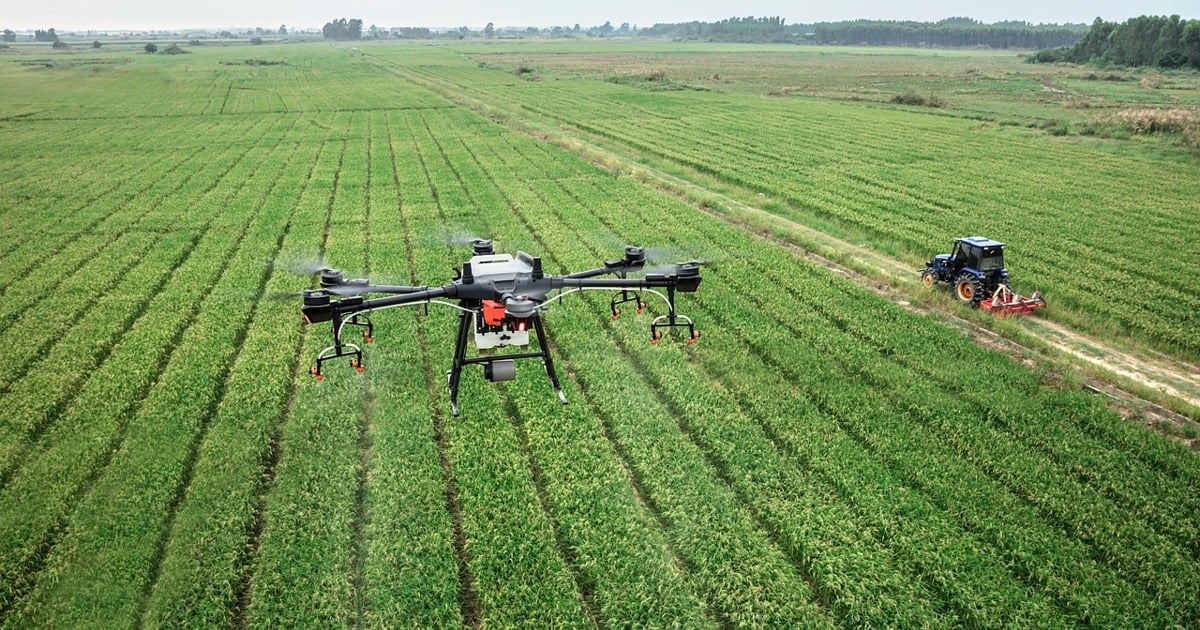
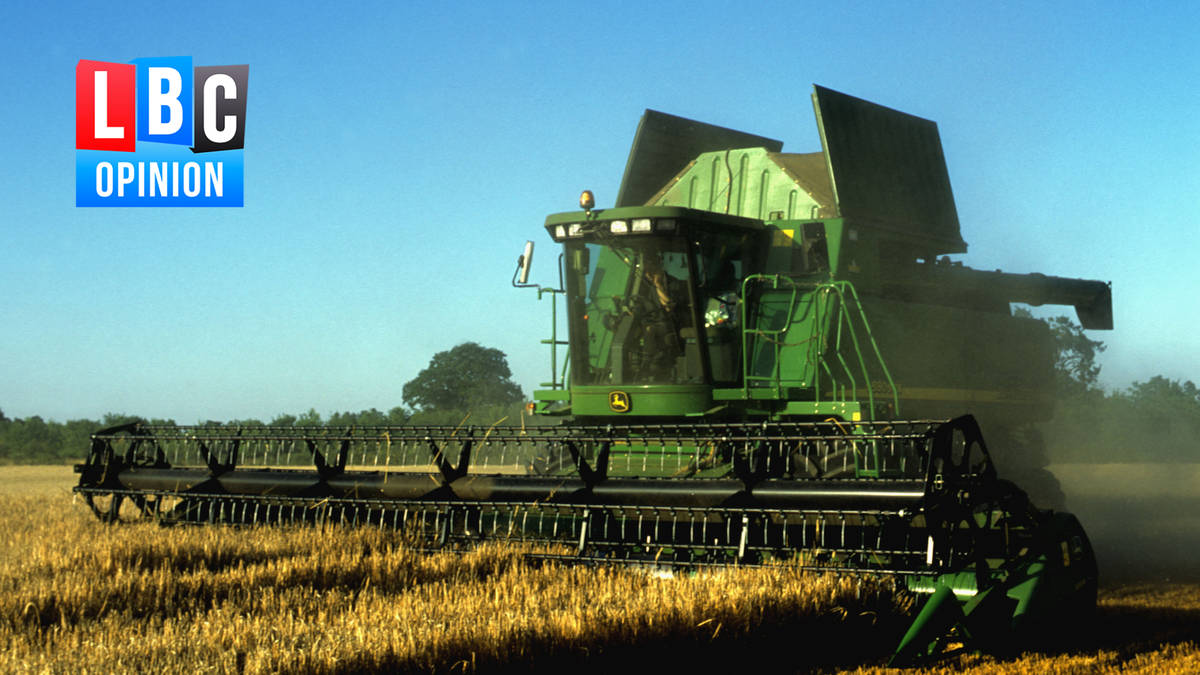
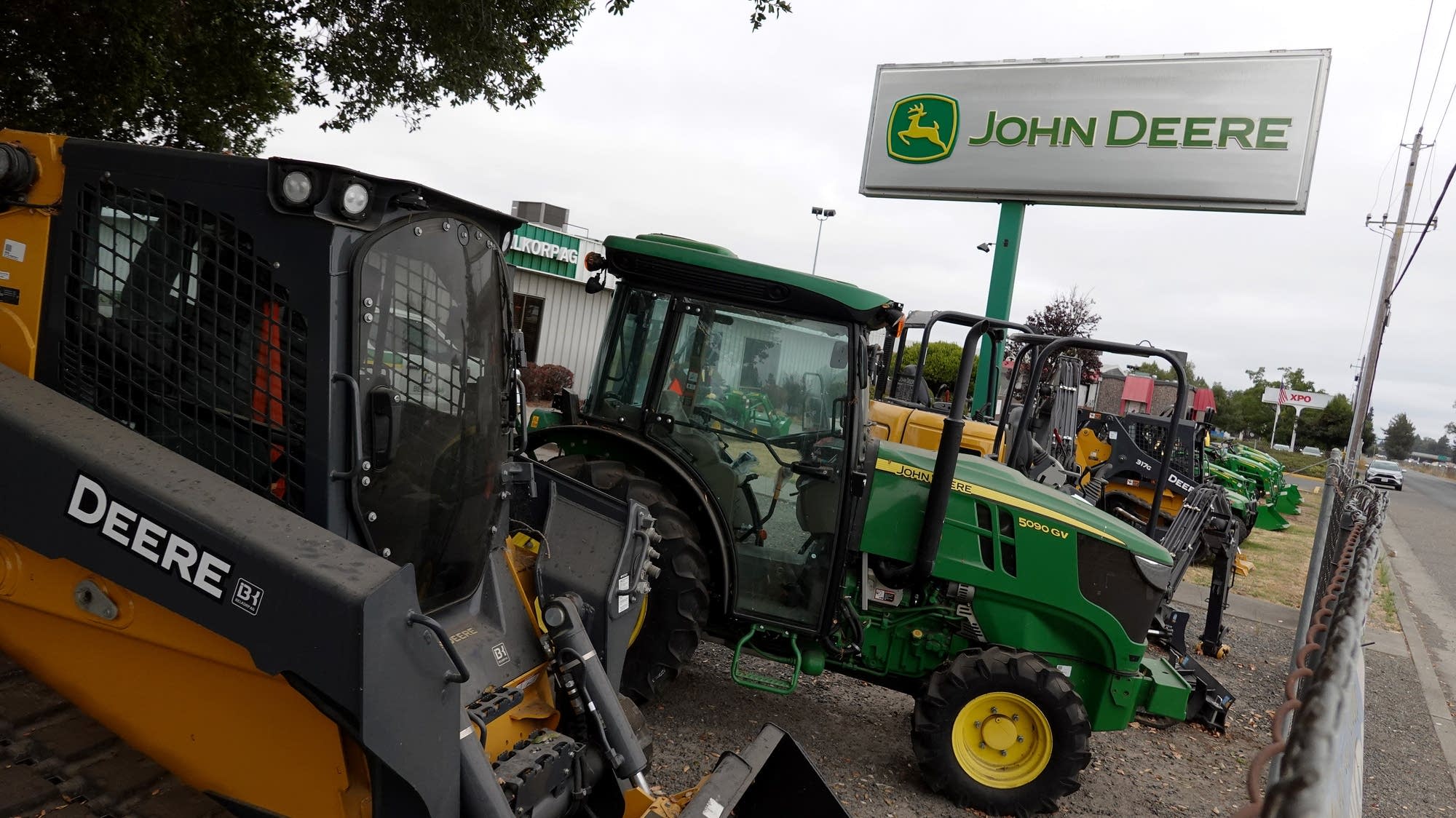
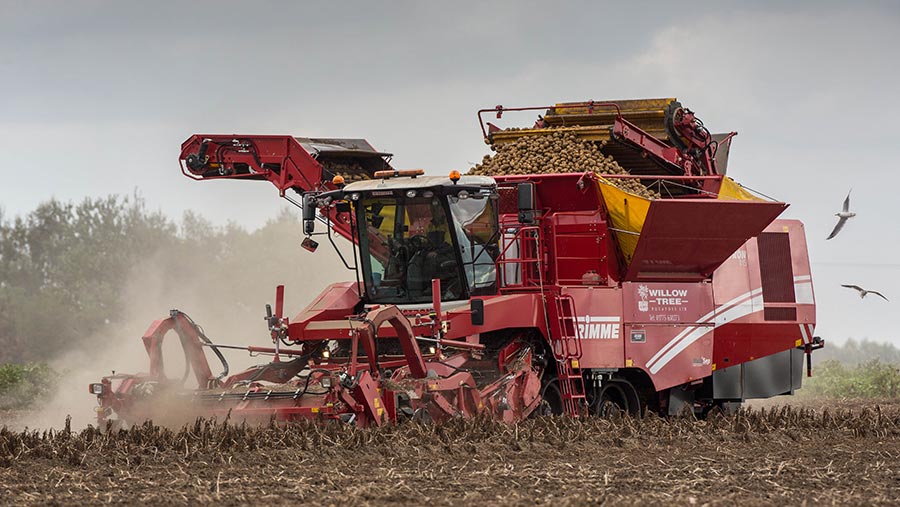
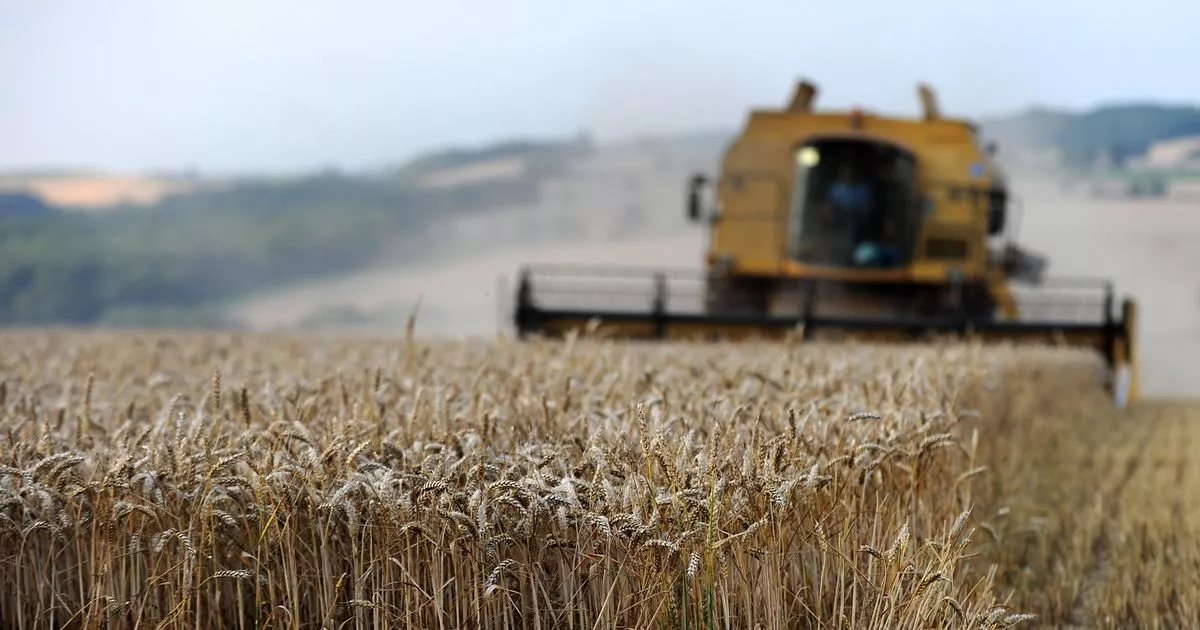
JATA reports that 400 tractors and accompanying implements have been deployed to serve farmers at subsidised rates.
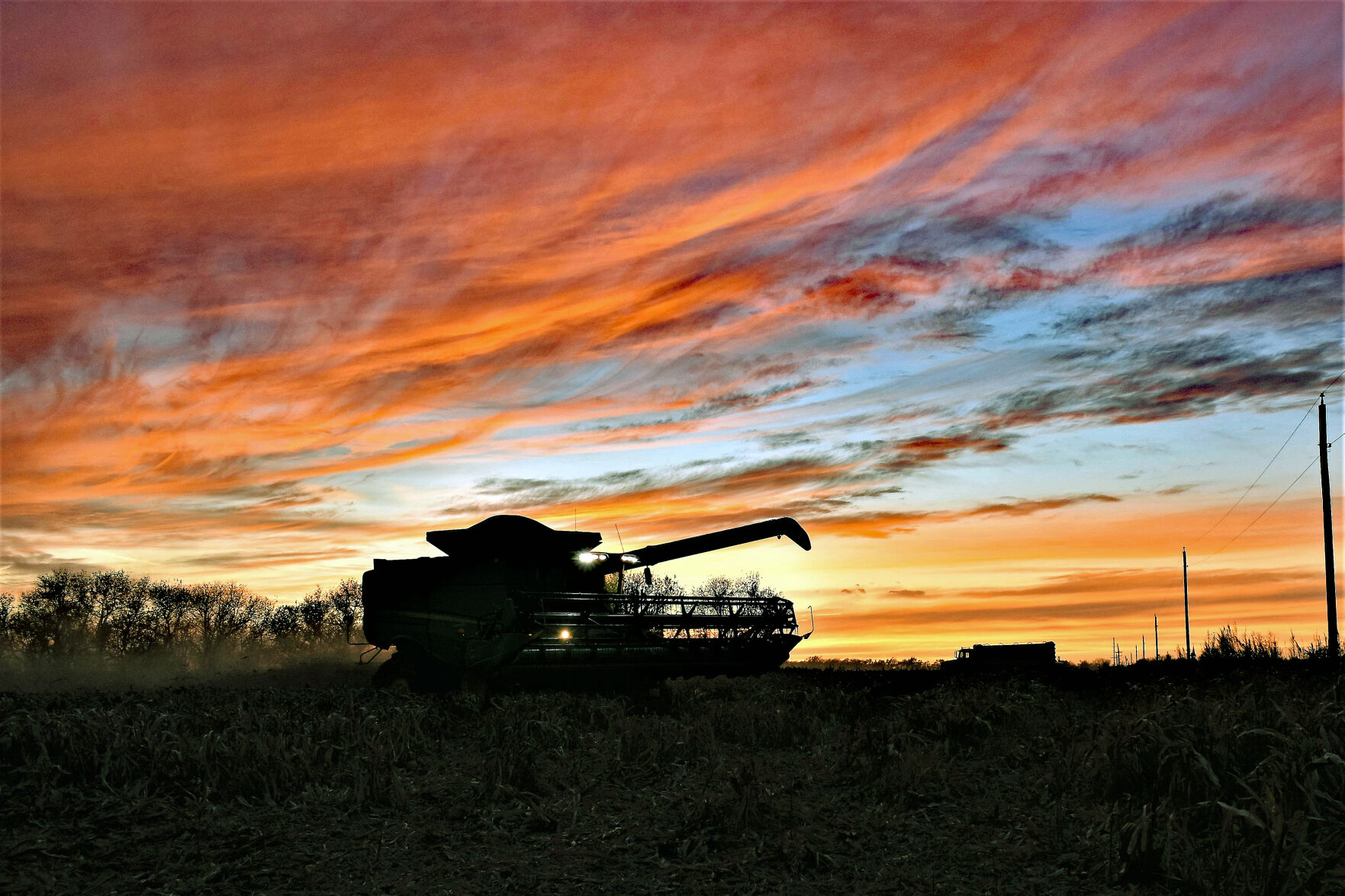
The approach could help smallholders who cannot afford to purchase and maintain their own machinery. Timely land preparation and harvesting can improve productivity while reducing dependence on costly manual labour.
However, the real test will be the affordability, availability and utilisation of the equipment, including maintenance costs, breakdown rates and the number of hectares served each season.
Solar irrigation and the promise of year-round production
Jigawa’s agricultural strategy also places considerable emphasis on irrigation and renewable energy.
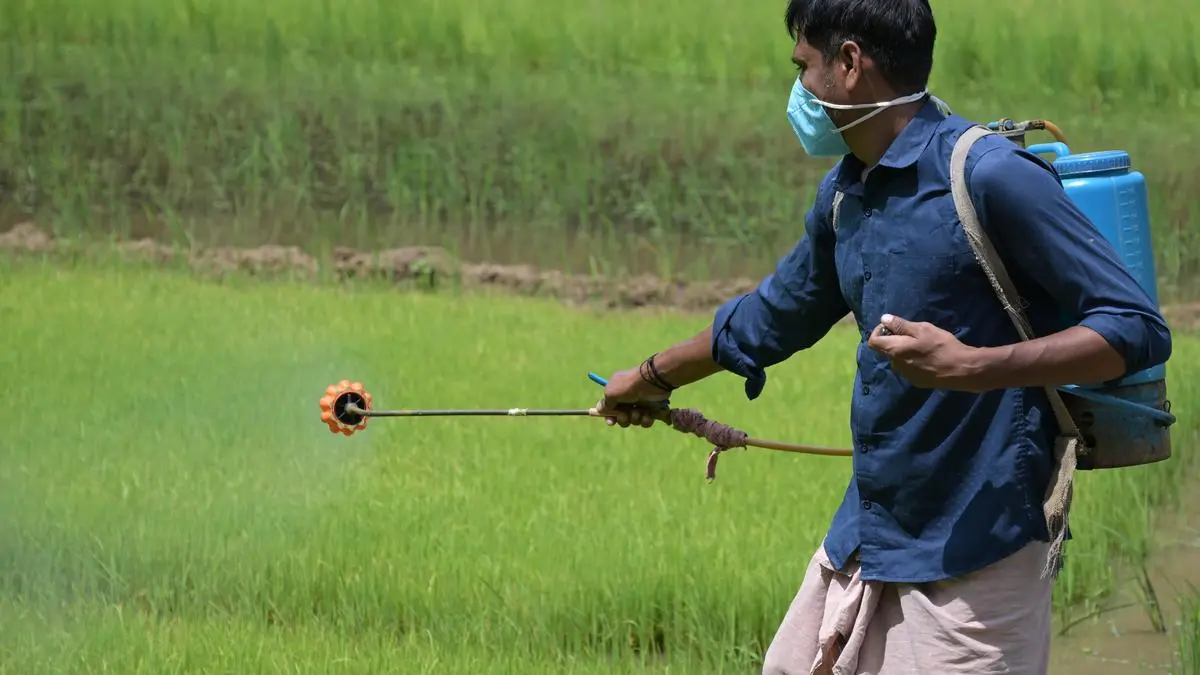
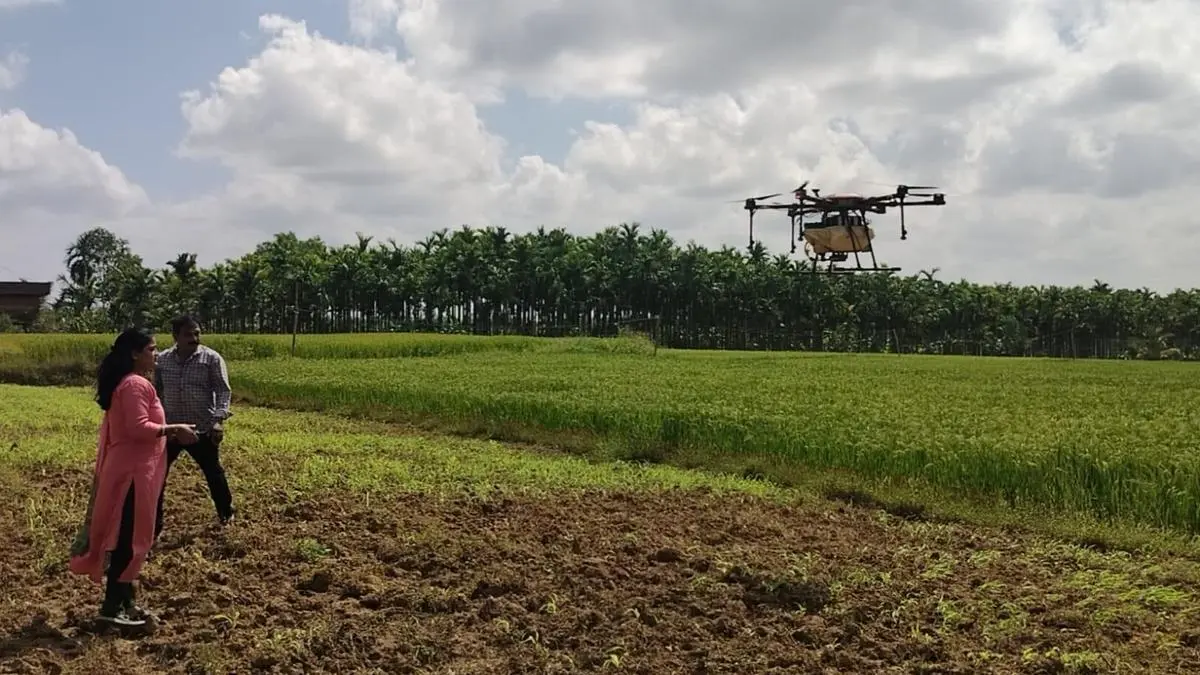
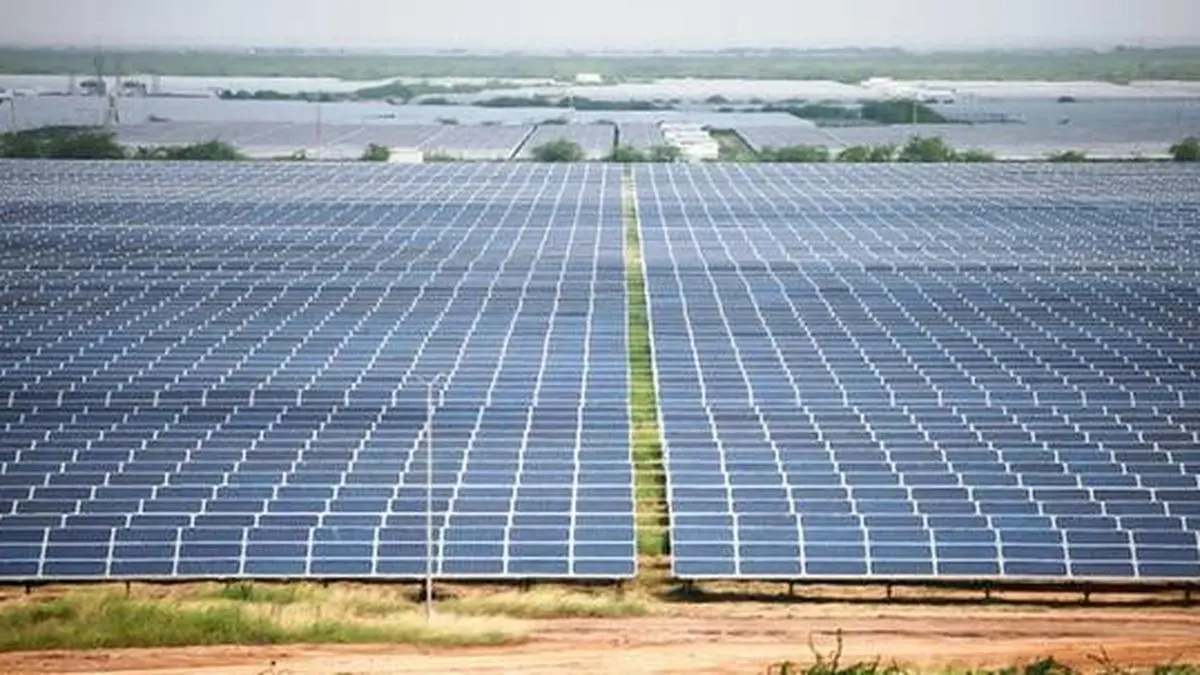
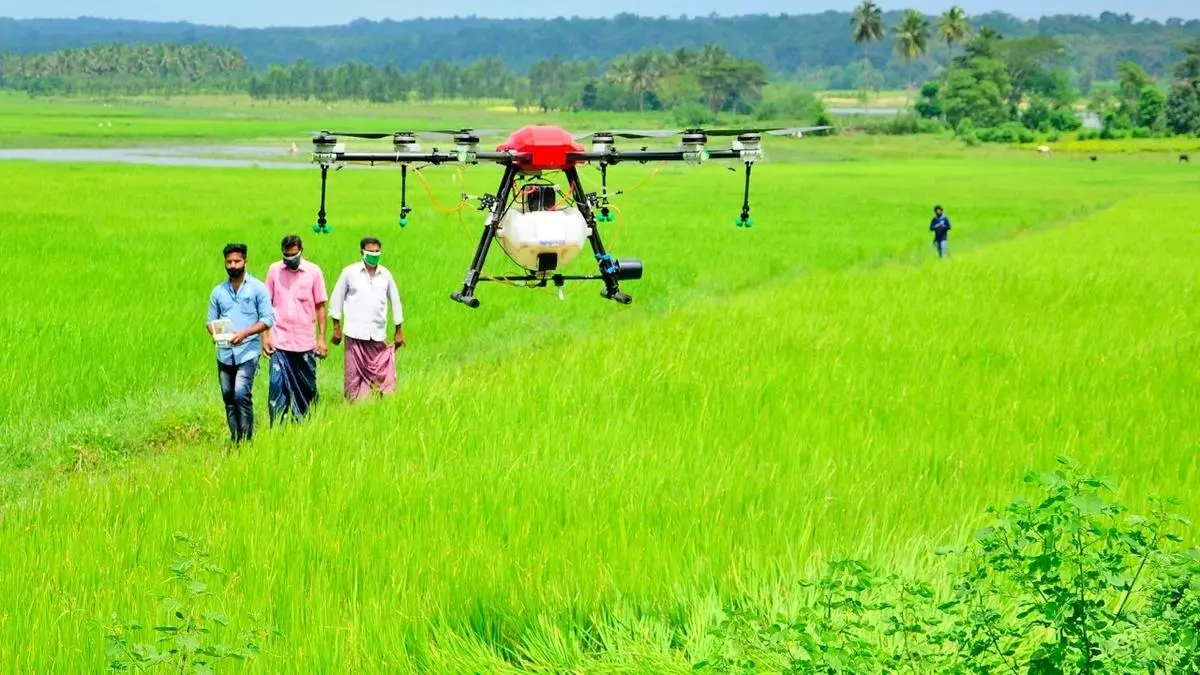
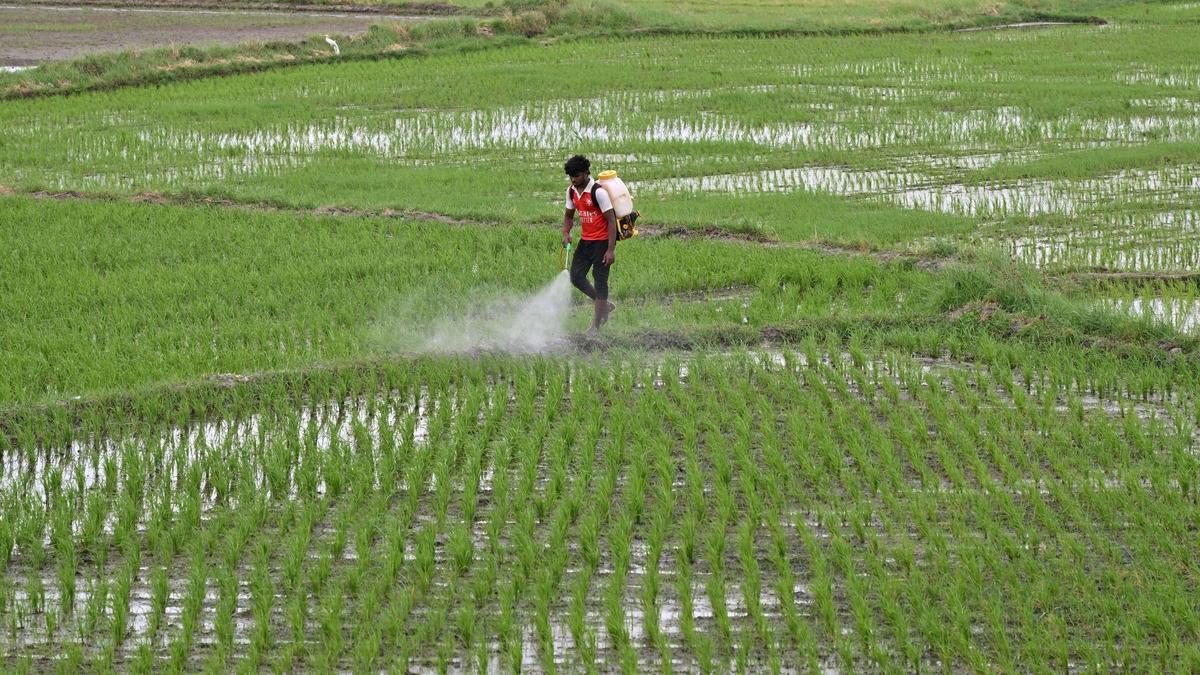
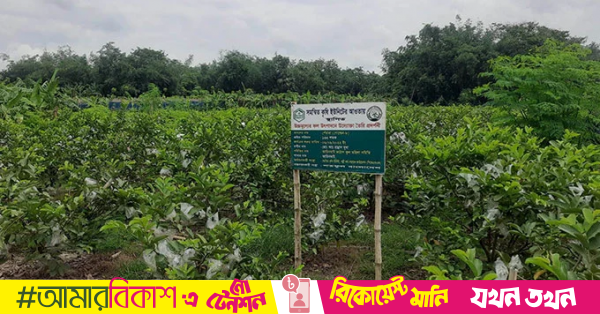
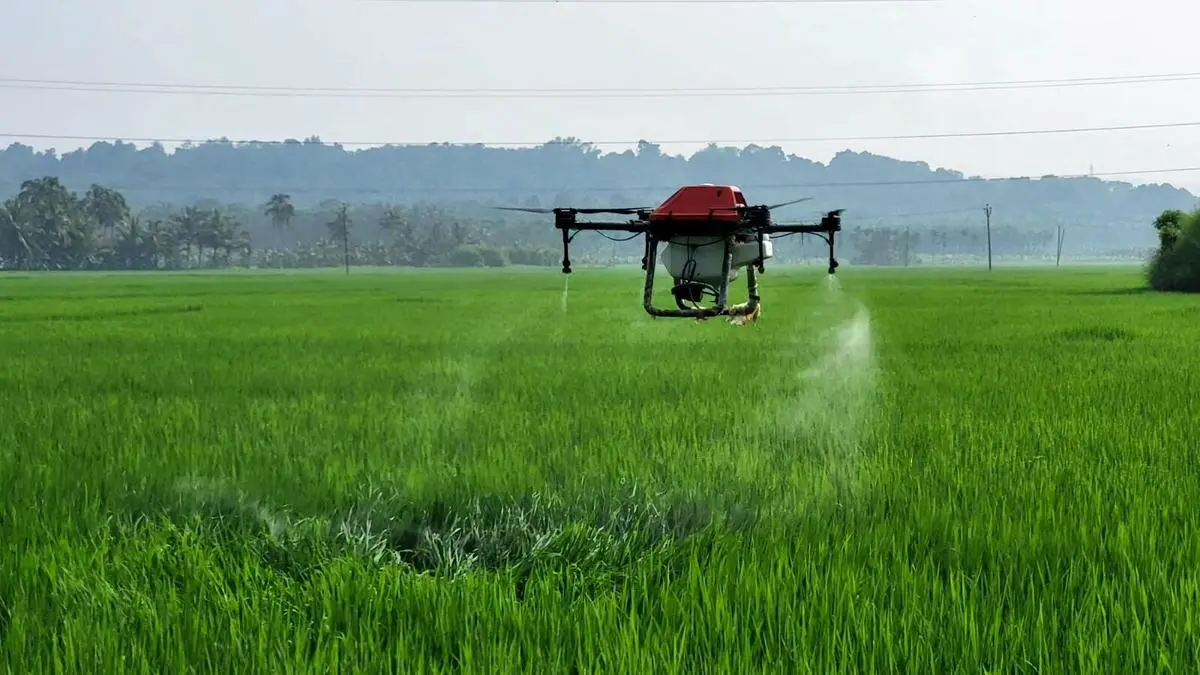
The agency reports the distribution of 12,000 solar-powered water pumps to farming clusters, with the aim of reducing dependence on petrol and diesel-powered irrigation.
It also reports the rehabilitation of Kuda and Dembo dams, restoring irrigation infrastructure serving 1,237.17 acres, alongside 12 community-level smart irrigation schemes.
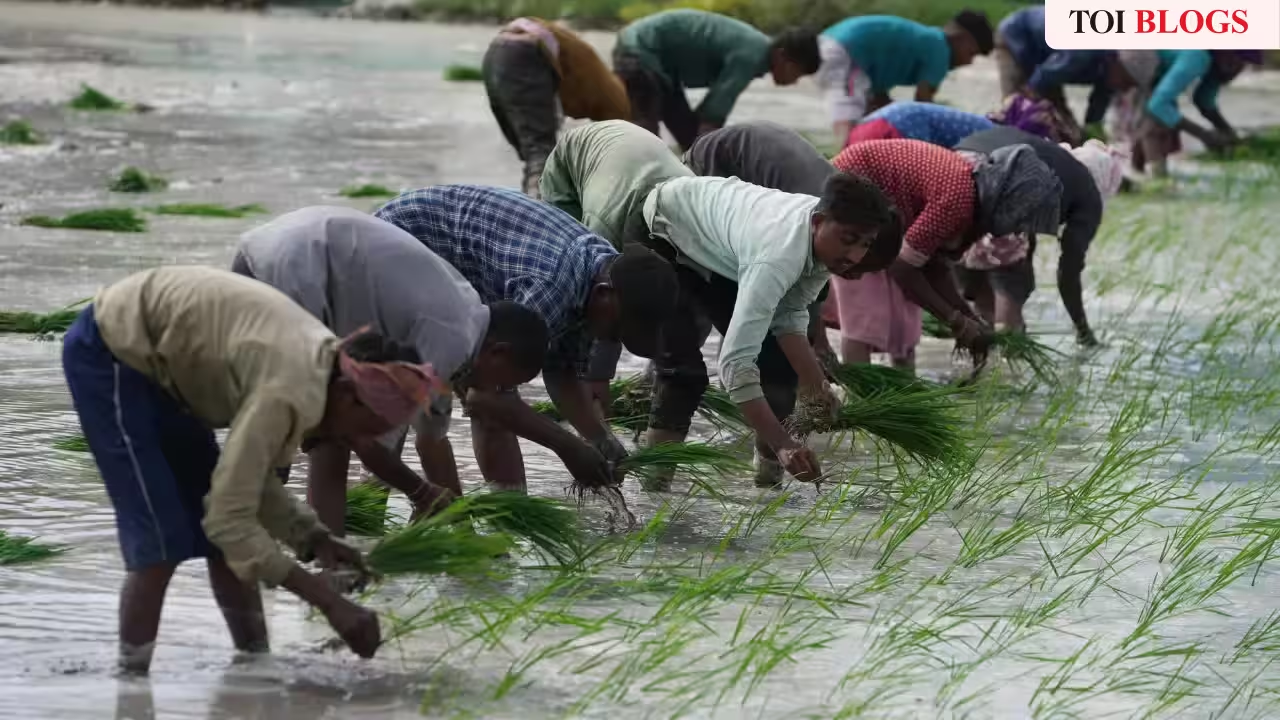
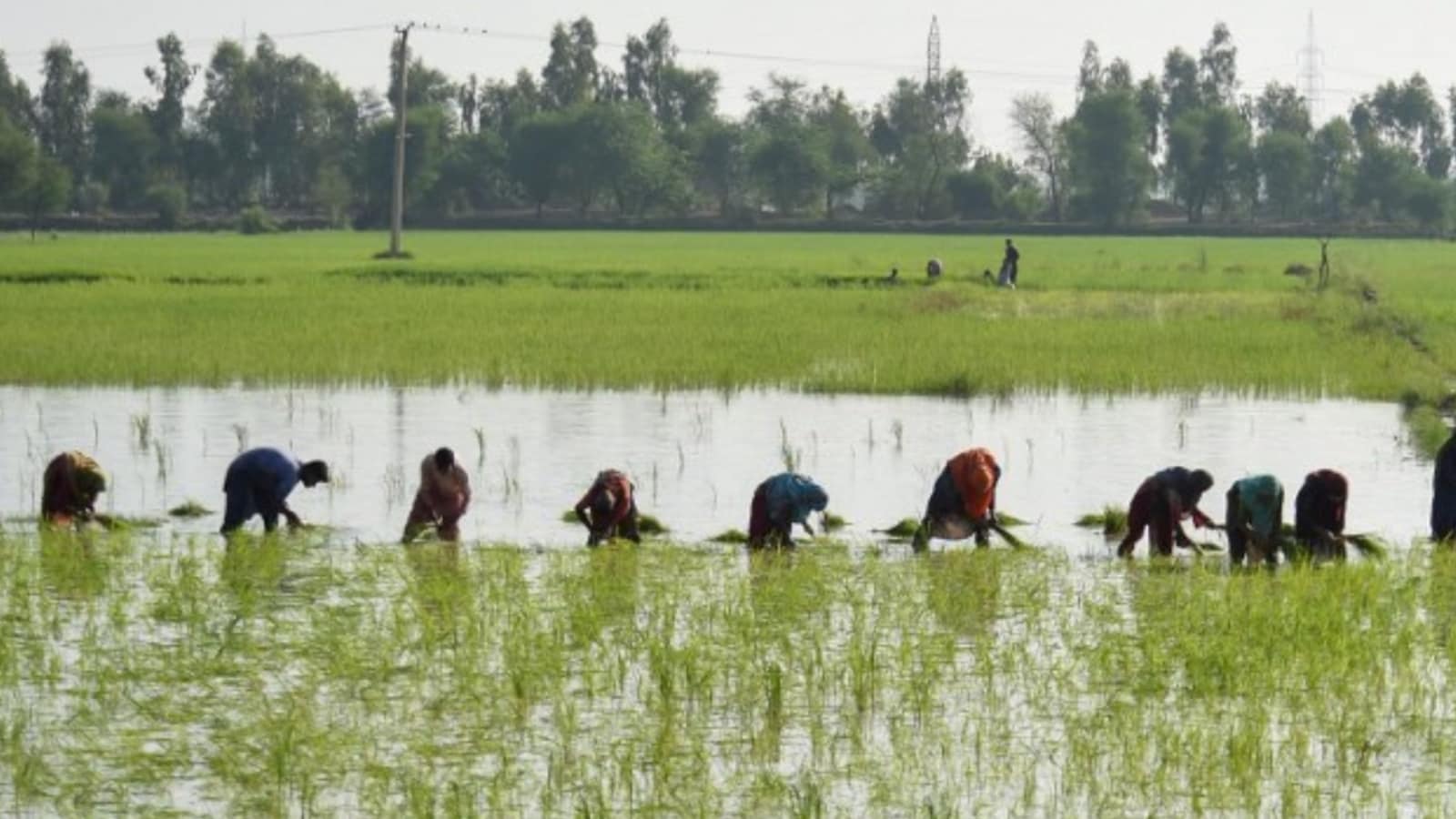
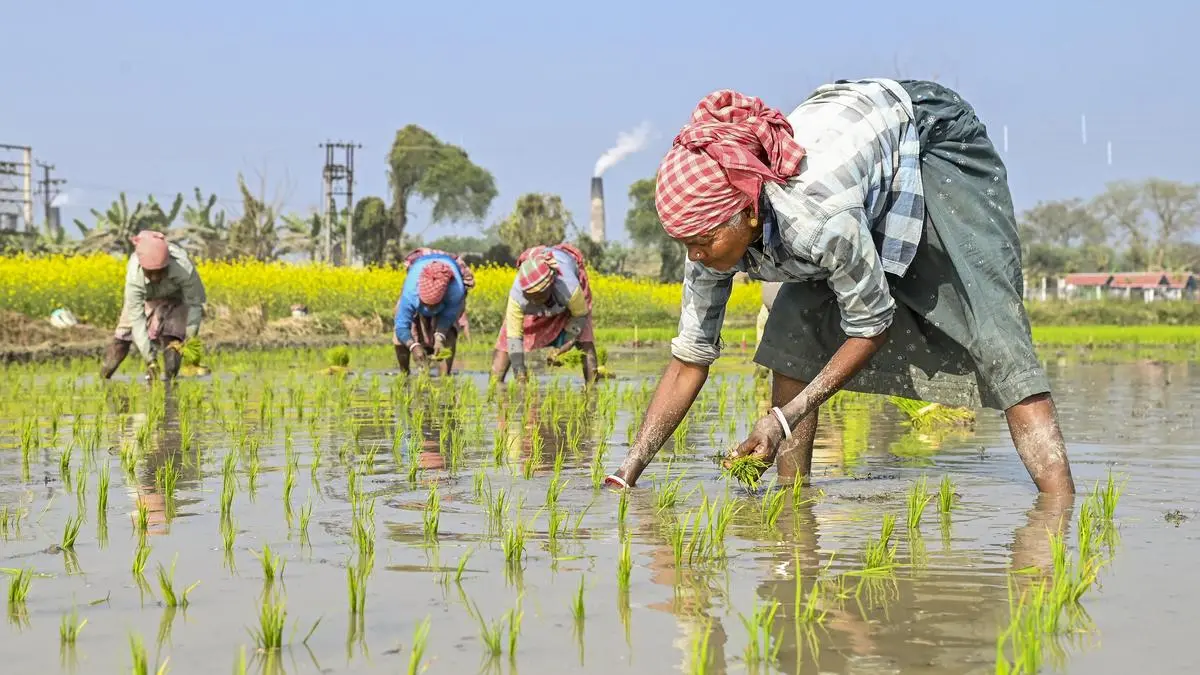
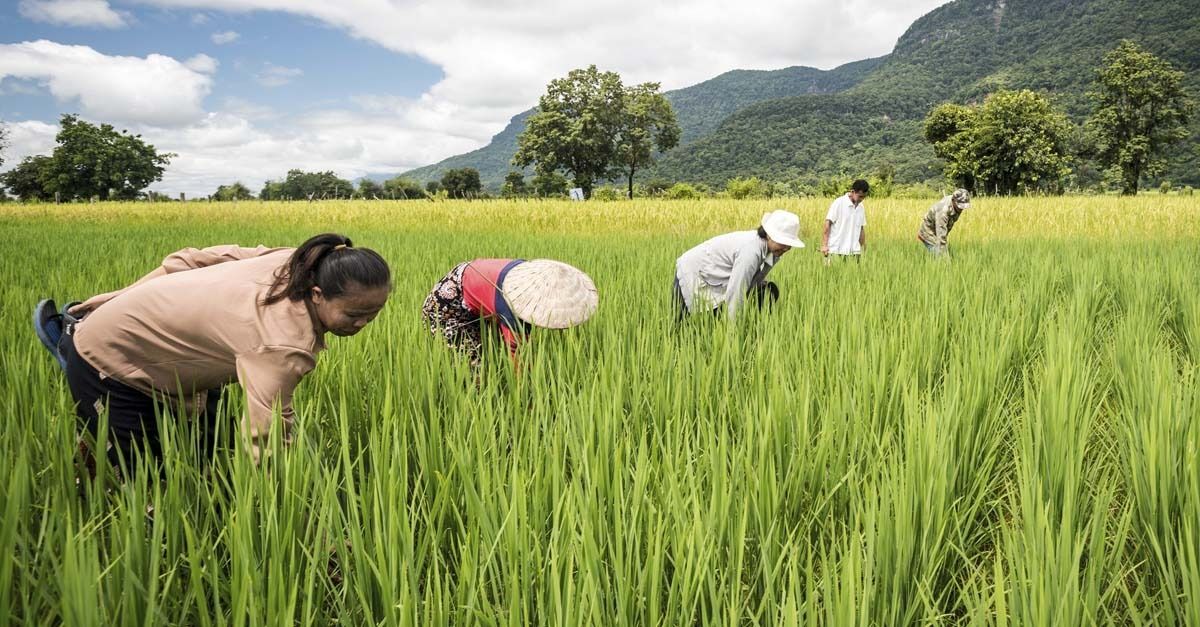
For farmers accustomed to seasonal production, reliable irrigation can create opportunities to cultivate crops during the dry season, diversify household income and supply markets beyond the traditional rainy-season harvest.
Yet, access to water alone does not guarantee profitability. Farmers also require quality seeds, fertiliser, storage, transport, processing facilities and dependable buyers.
The rice and wheat millionaire strategy
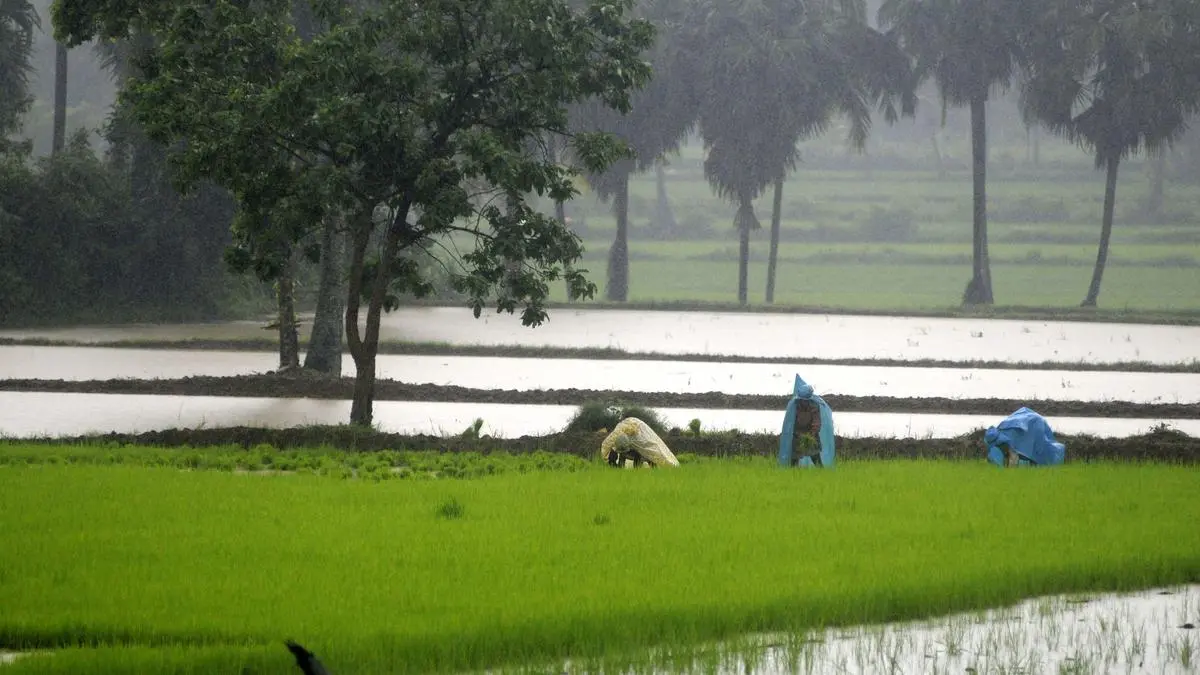
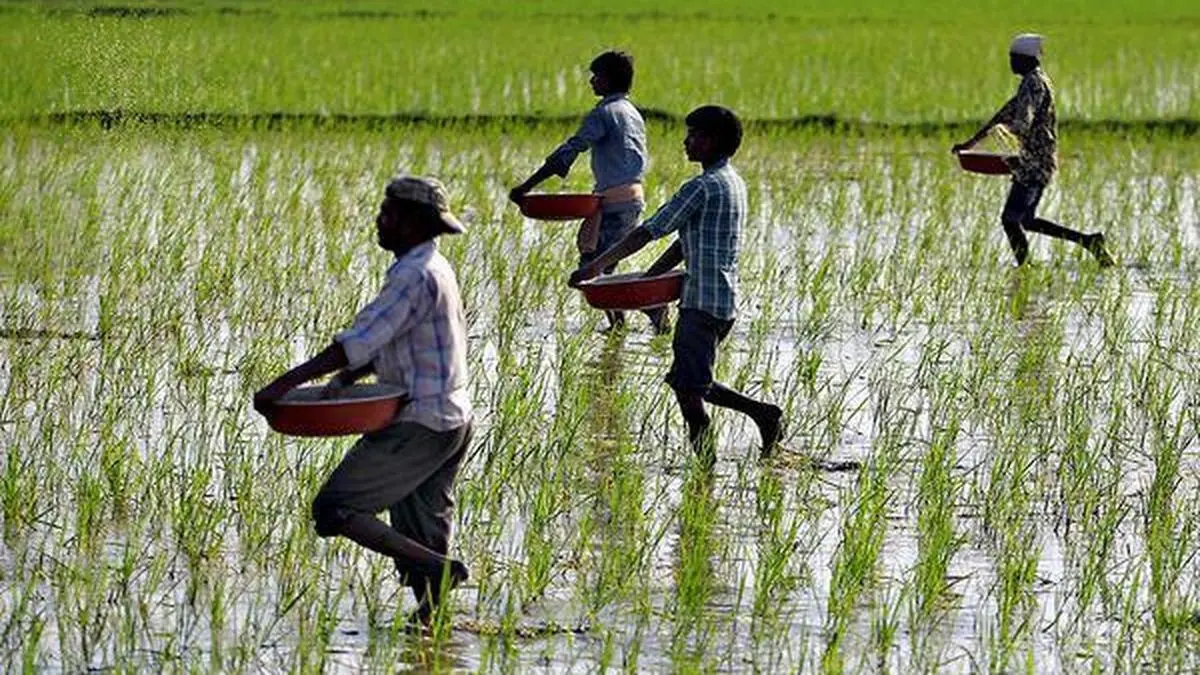
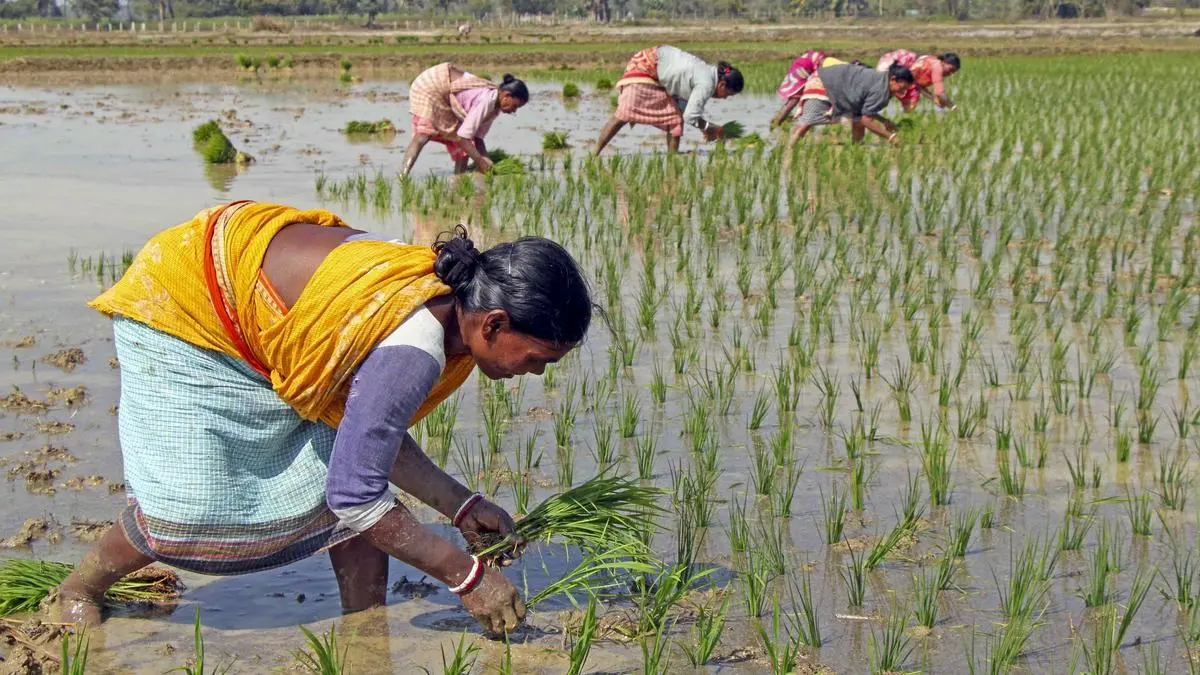
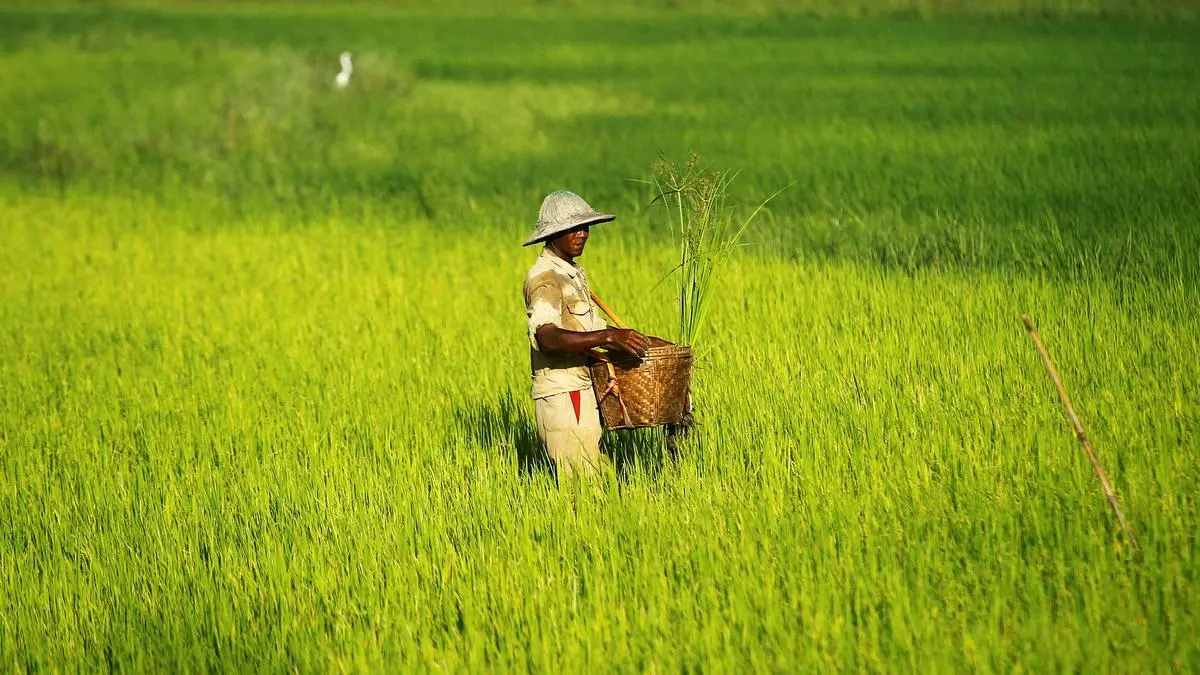
The administration’s Rice Millionaire and Wheat Millionaire projects represent another attempt to transform farming into an enterprise rather than merely a means of subsistence.
JATA reports that 991 commercial rice producers were enrolled in a structured support programme involving agricultural inputs, extension services, mechanised harvesting and market linkages.
In wheat production, the document cites 137,647 farmers supported under the National Agricultural Growth Scheme and Agro-Pocket programme. It also reports support for 47,800 farmers under Fadama NG-CARES and 22,610 smallholders through a Central Bank of Nigeria fertiliser intervention.
The strategy is to connect farmers to organised commodity value chains, improve production and encourage the emergence of commercially viable agricultural businesses.
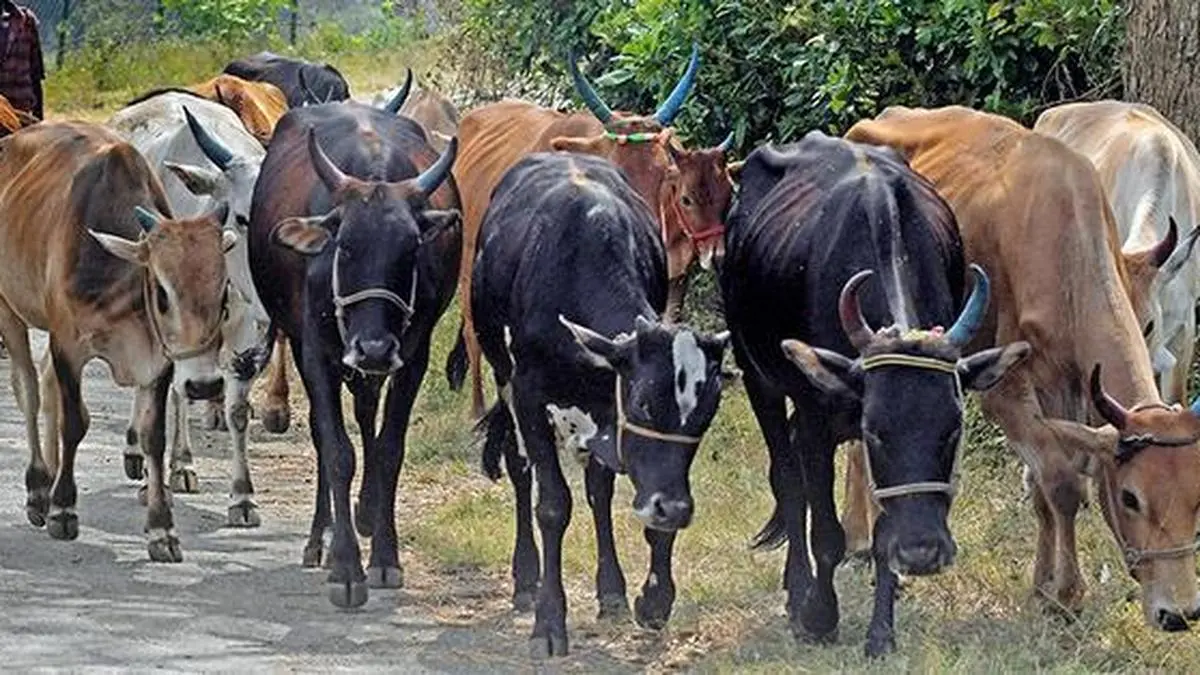
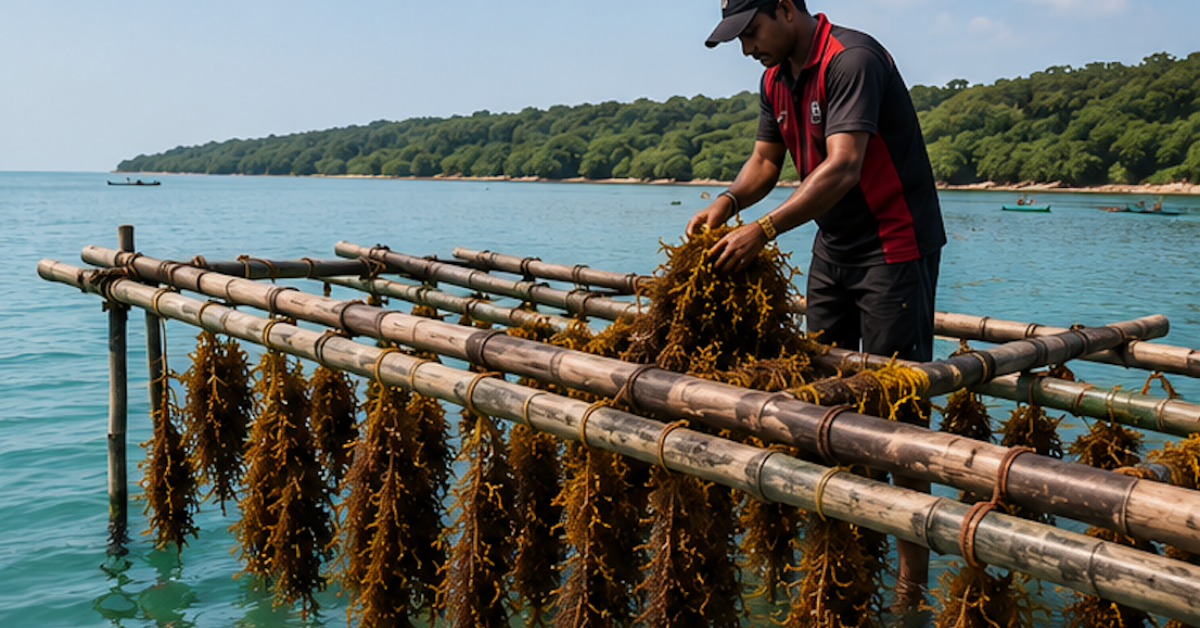
The agency further reports fish production of 11,000 metric tonnes during the 2025/2026 period and the distribution of more than seven million fingerlings.
These figures point to an agricultural programme extending beyond staple crops into fisheries, livestock and other rural enterprises.
From farm produce to industrial wealth
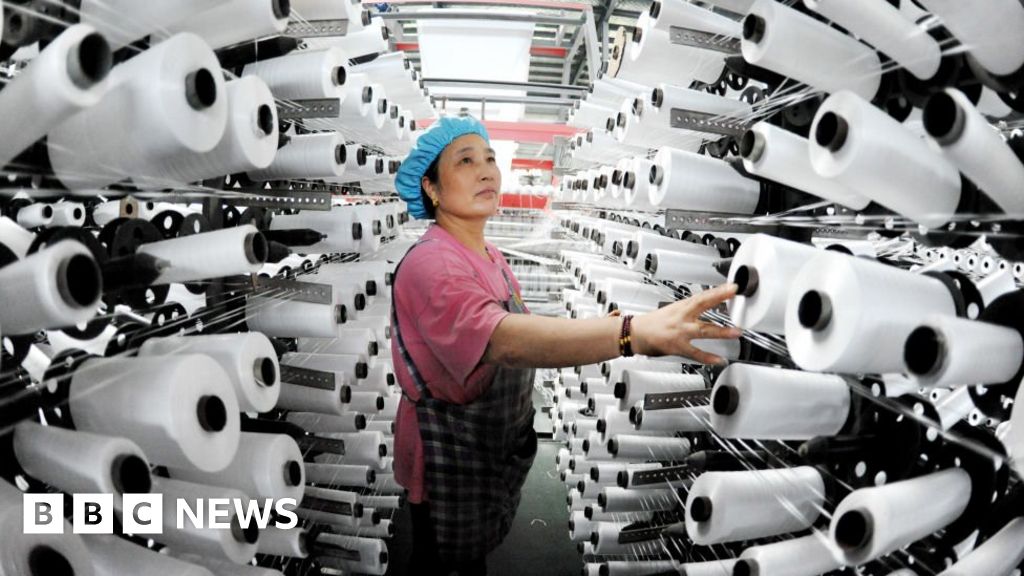
Perhaps the most ambitious component is the proposed US$110 million agro-industrial investment pipeline.
The document identifies a US$40 million Special Agro-Industrial Processing Zone, a US$50 million AGROW agricultural growth initiative and a US$20 million IFAD value-chain programme.
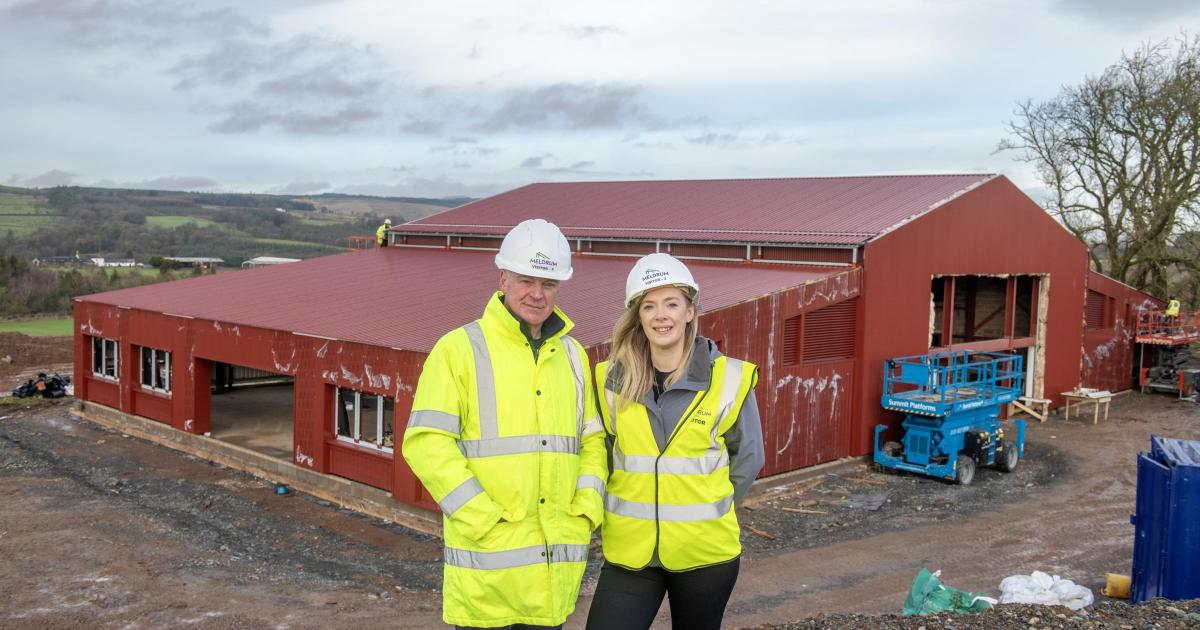
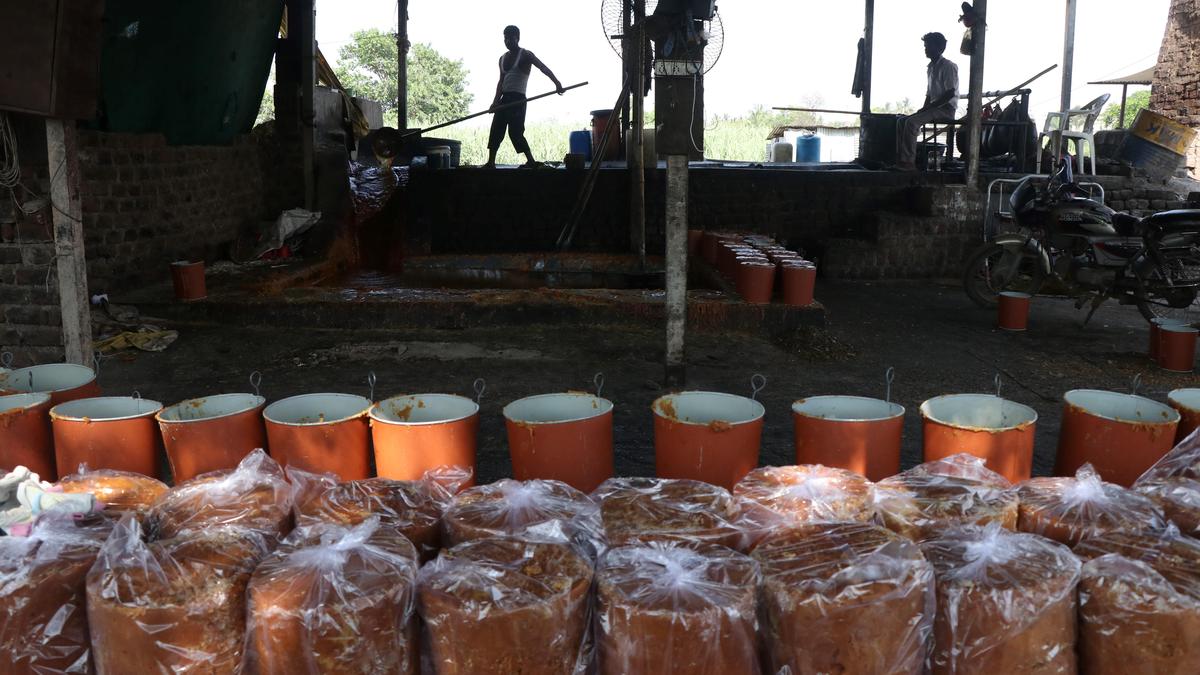
The proposed processing hub in Gagarawa, linked to agricultural transformation centres in Kafin Hausa, Kazaure, Dutse, Ringim and Gwaram, is intended to create facilities for processing commodities such as sesame, hibiscus, rice and livestock products.
If the proposed investments reach implementation at the stated scale, they could help Jigawa retain more value from its agricultural production, create jobs and expand opportunities for farmers, traders, processors and transport operators.
However, the document describes this as an investment pipeline. The stated value should therefore not be confused with money already spent, projects fully completed or factories already operating.
The economic test ahead
Namadi’s agricultural programme offers a potentially important framework for linking smallholder farming with finance, infrastructure, markets and industrial development.
But its ultimate success cannot be determined by counting tractors, pumps, fertiliser bags or trained personnel alone.
The decisive indicators will be improvements in crop yields, farmers’ net incomes, food prices, job creation, loan repayment, private investment and the proportion of agricultural produce processed within the state.
For Jigawa, the opportunity is substantial: turn a large agricultural base into a source of durable prosperity.
The next phase must demonstrate that the infrastructure and institutional changes reported by JATA are translating into measurable improvements in the lives of ordinary farmers.
That is where the administration’s agricultural ambition will either become an enduring economic legacy or remain a promising programme awaiting its full impact.
Adedayo is a public affairs analyst writing from Abuja.