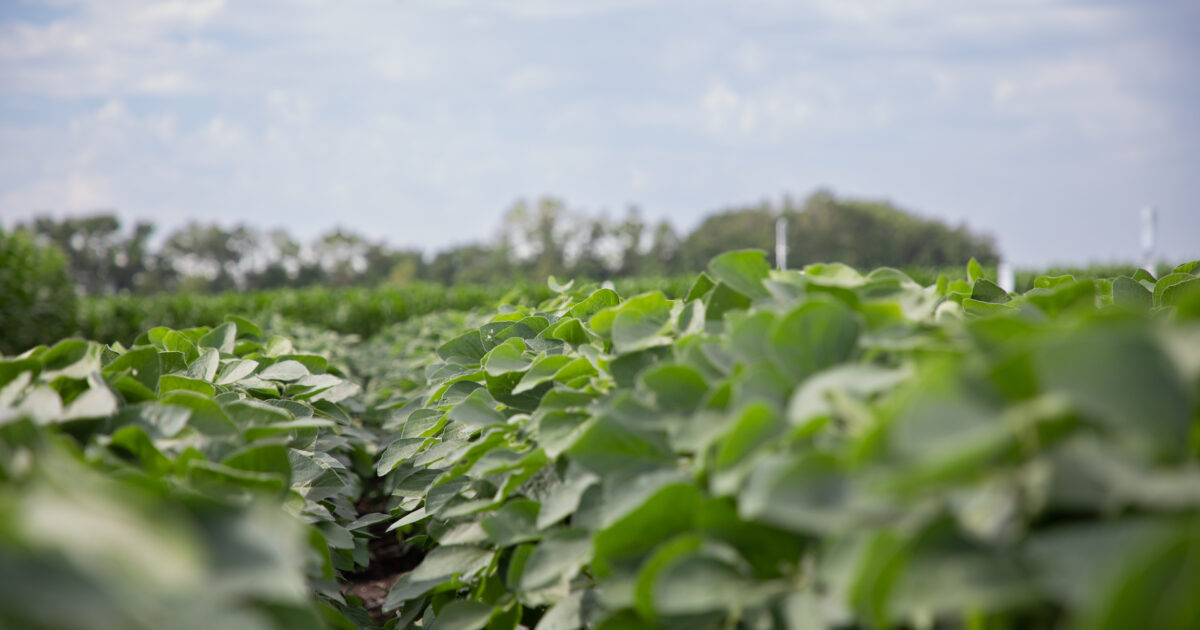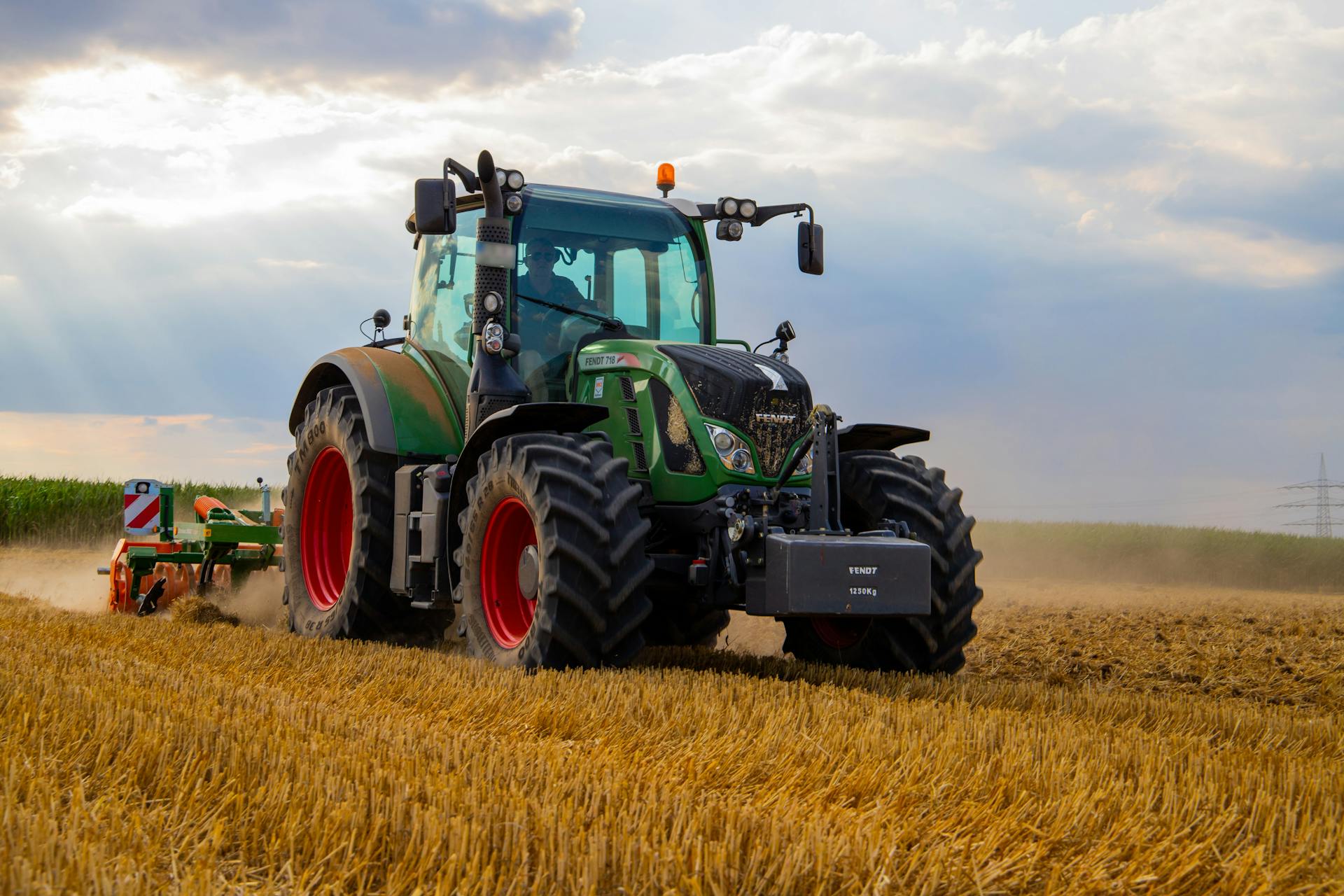
The government has promised a 25-year reset for English farming, but industry leaders have warned that ambition alone will not protect farm businesses from high costs, low margins and extreme weather.
Defra’s Farming Roadmap 2050 sets out plans to make English agriculture more profitable, productive, sustainable and resilient, with ministers promising farmers greater certainty beyond the next harvest.
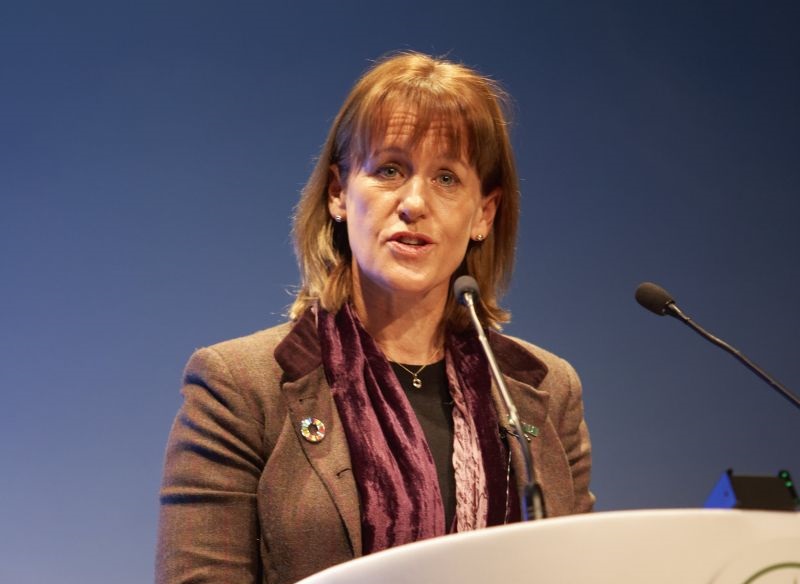
The 25-year strategy has been published today (24 June) alongside the government’s response to Baroness Minette Batters’ independent Farming Profitability Review.
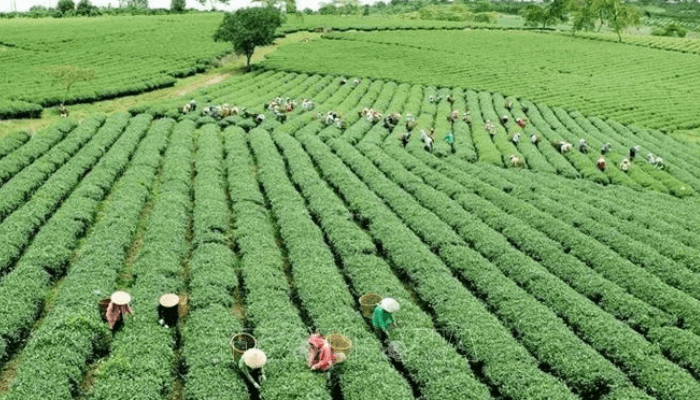
Farmers produce around 65% of the nation’s food and manage about 70% of England’s land, while the wider agri-food sector is worth £153 billion and has been recognised as Critical National Infrastructure.
But farming organisations said the long-term plan must now be backed by funding, planning reform and urgent delivery if it is to make a difference on the ground.
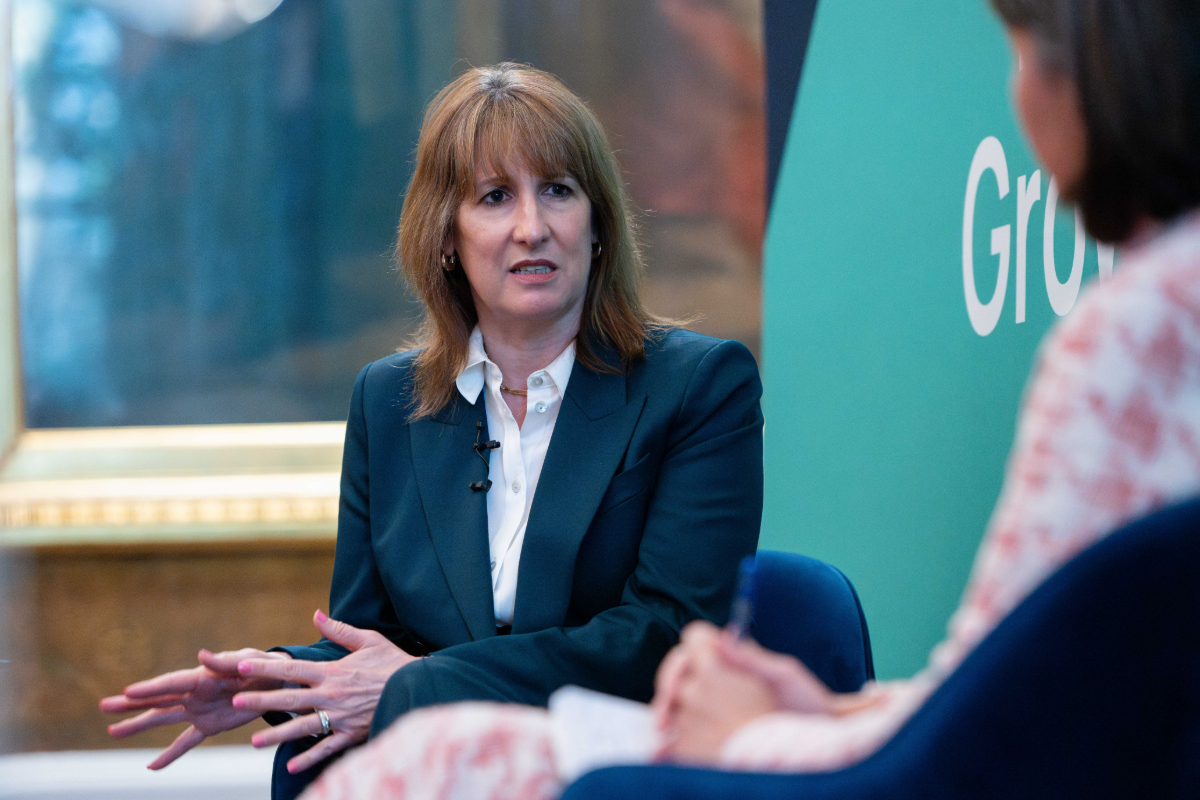
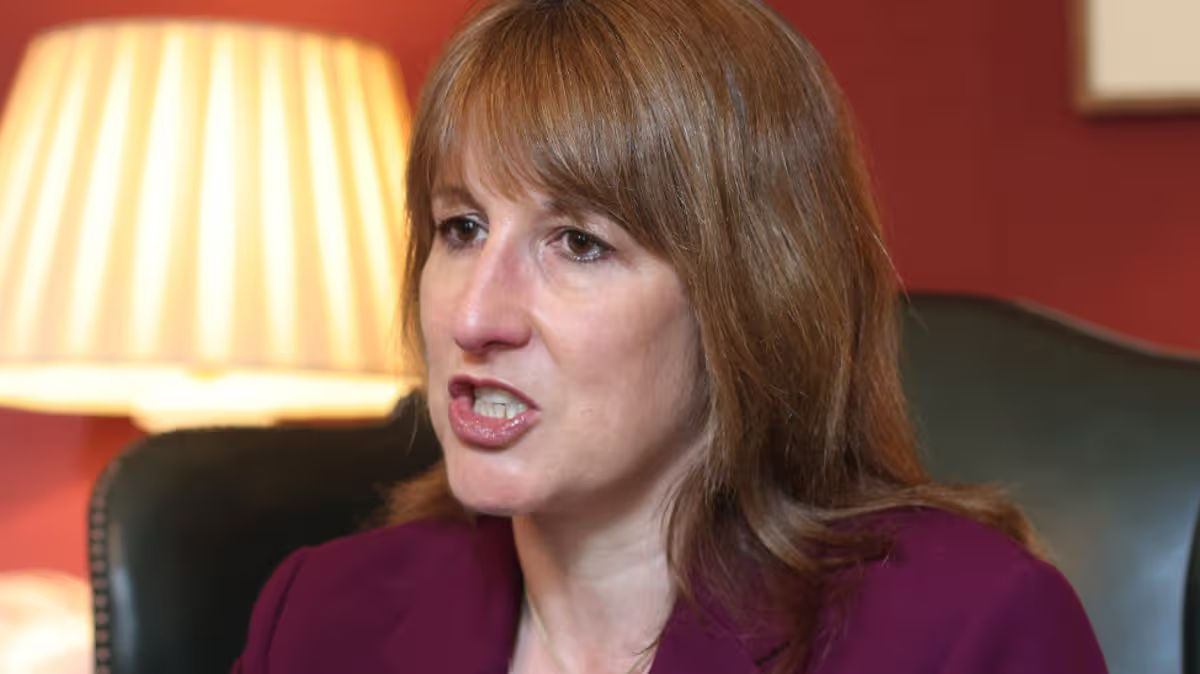
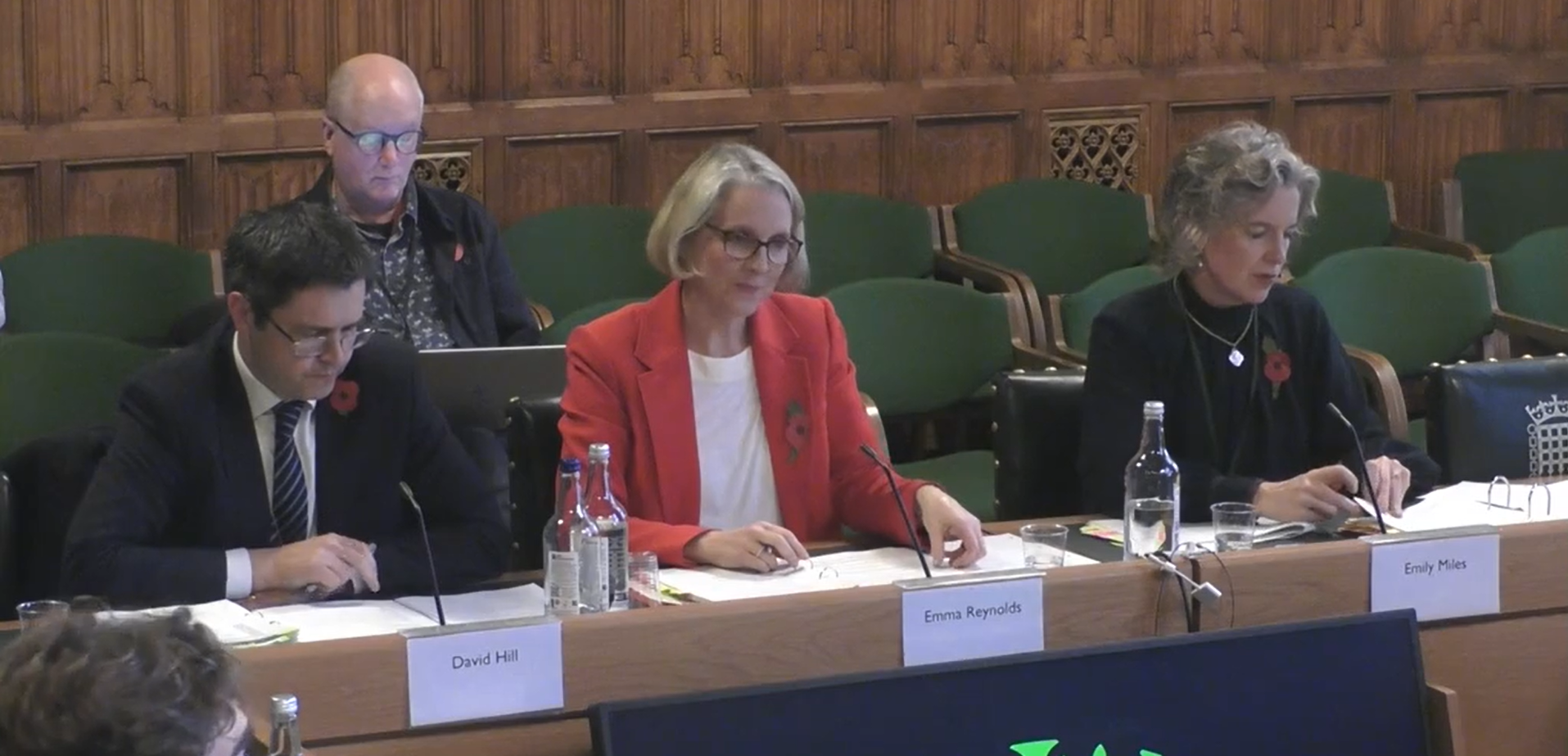
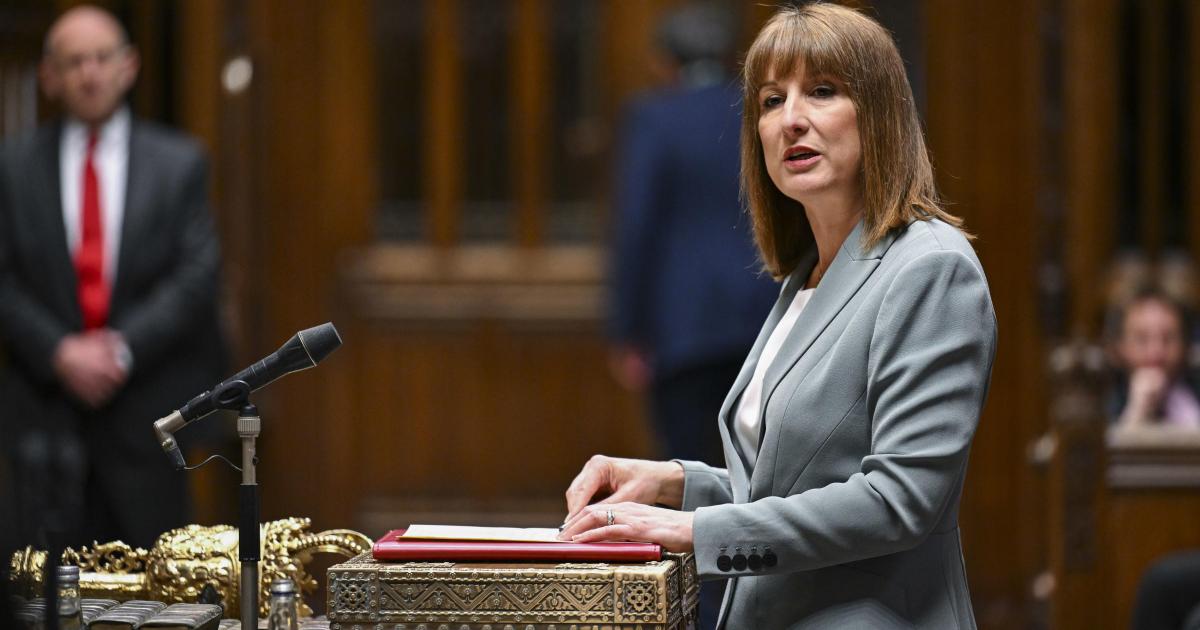
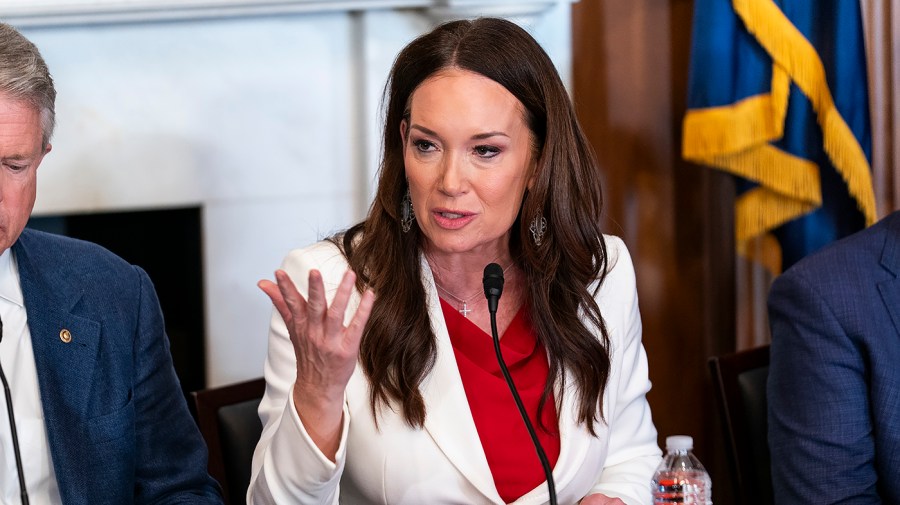
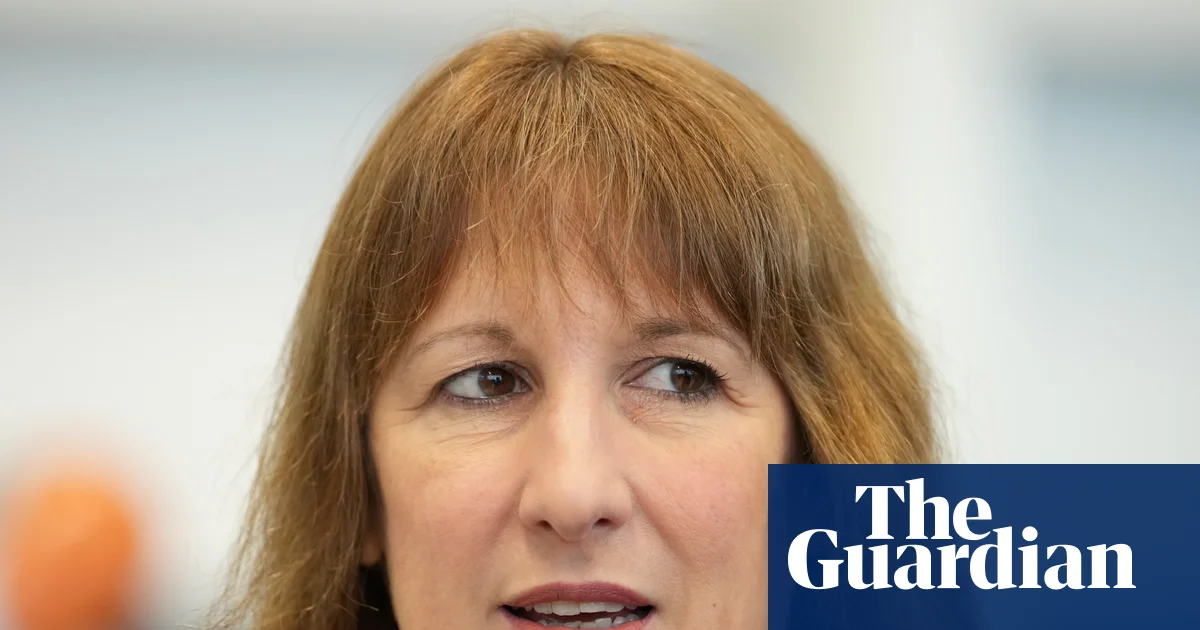
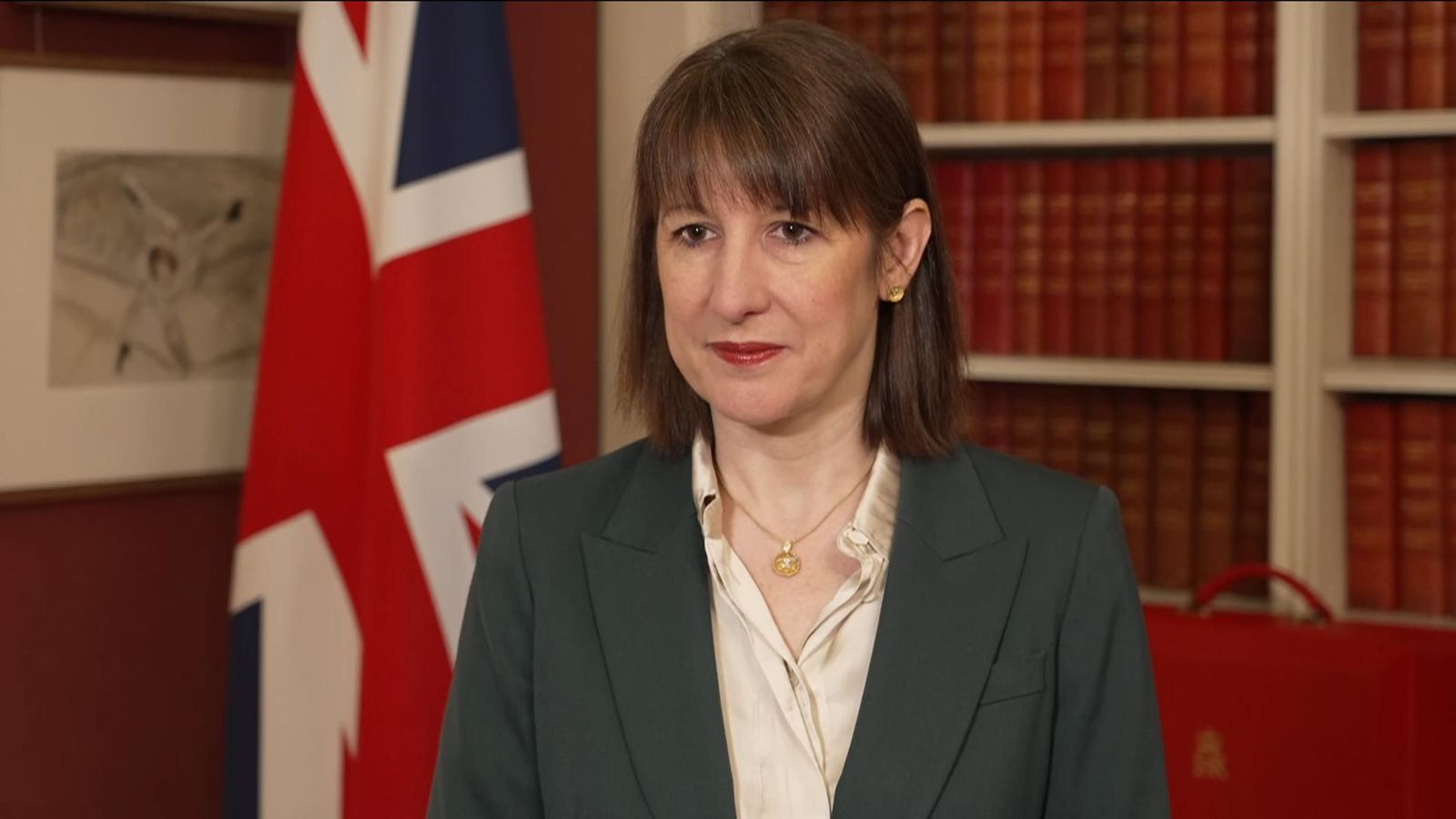
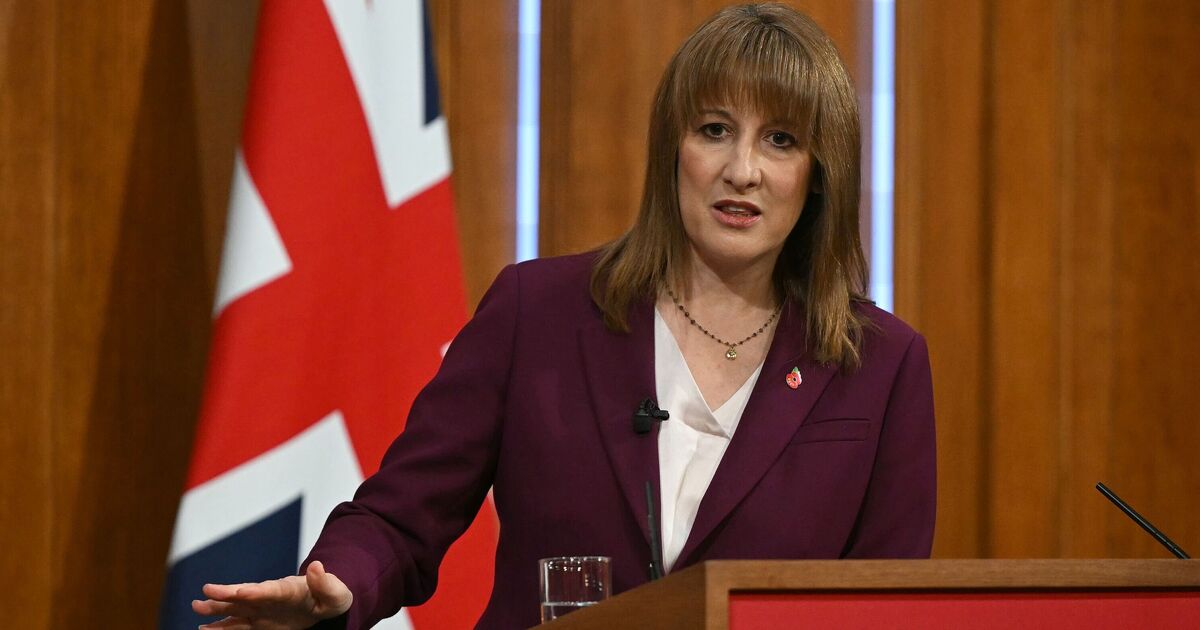
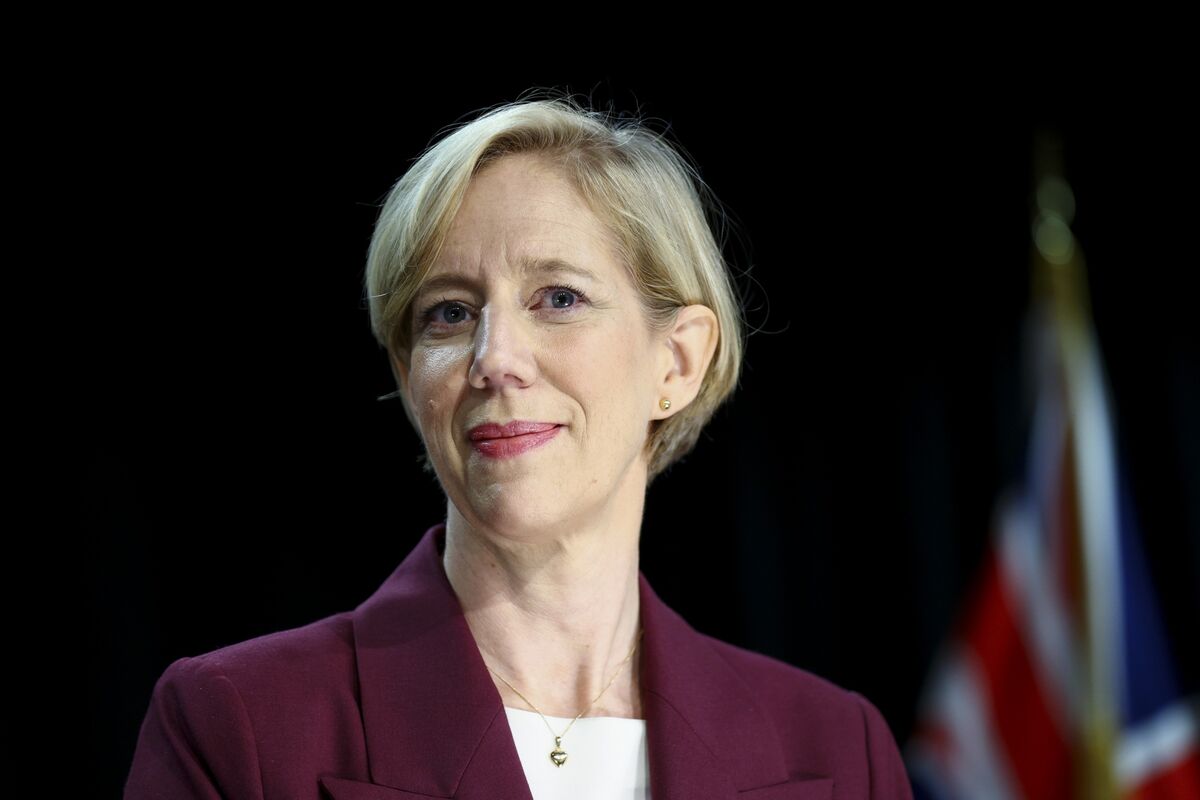
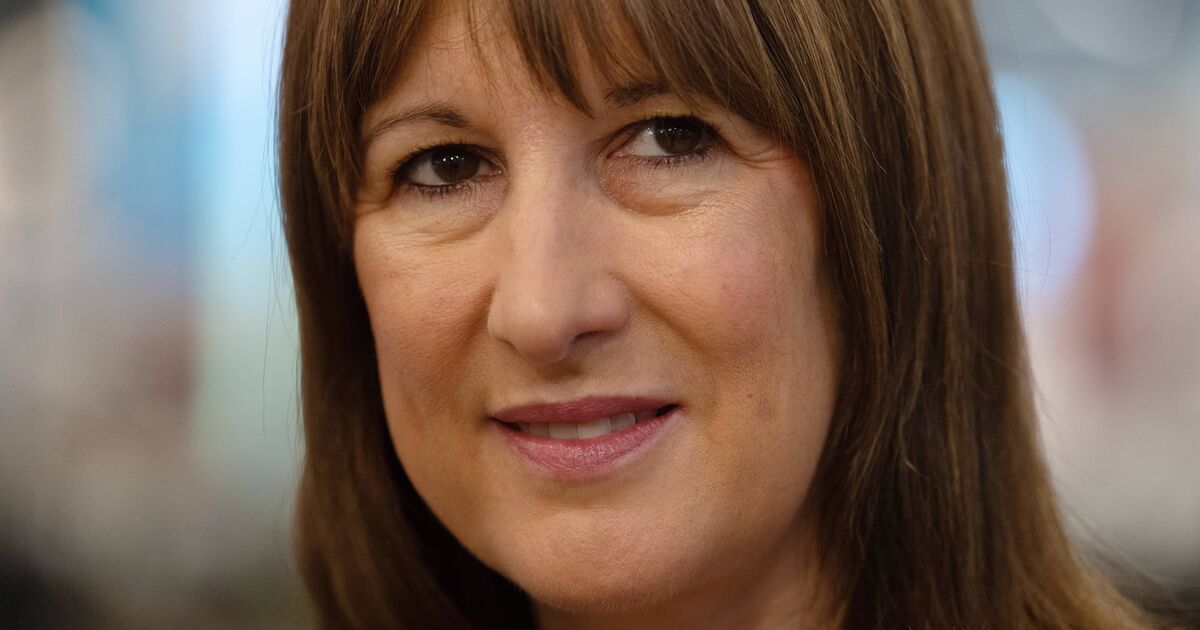
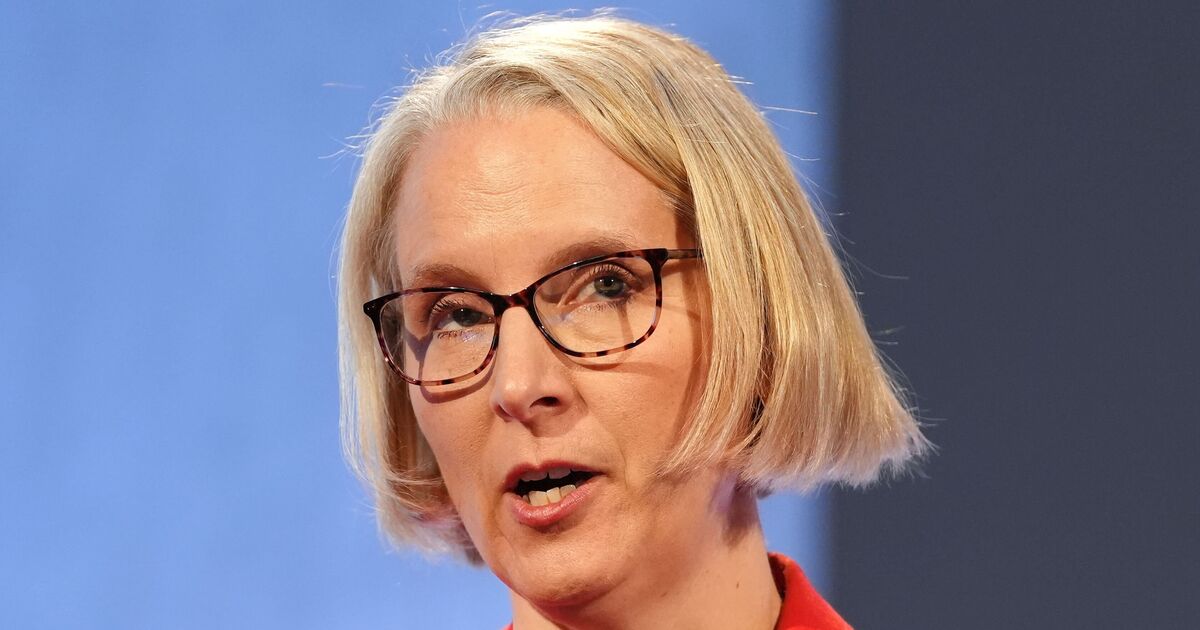
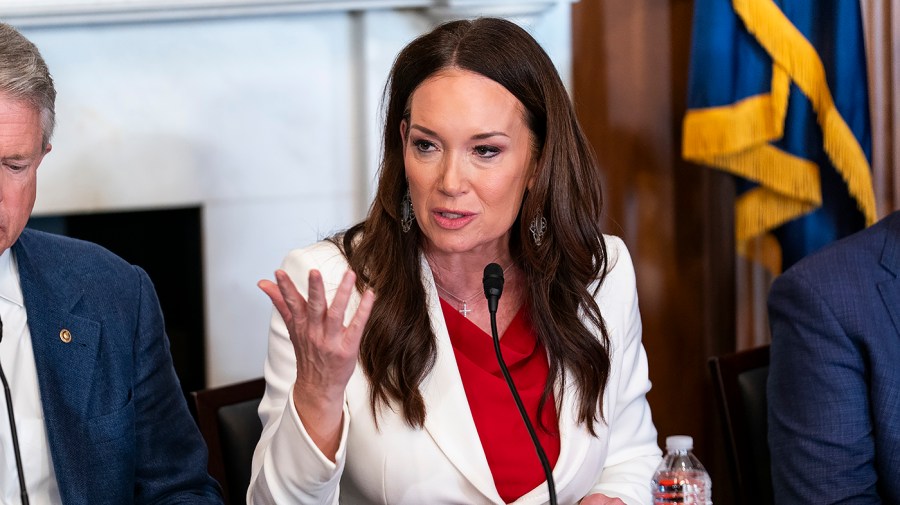
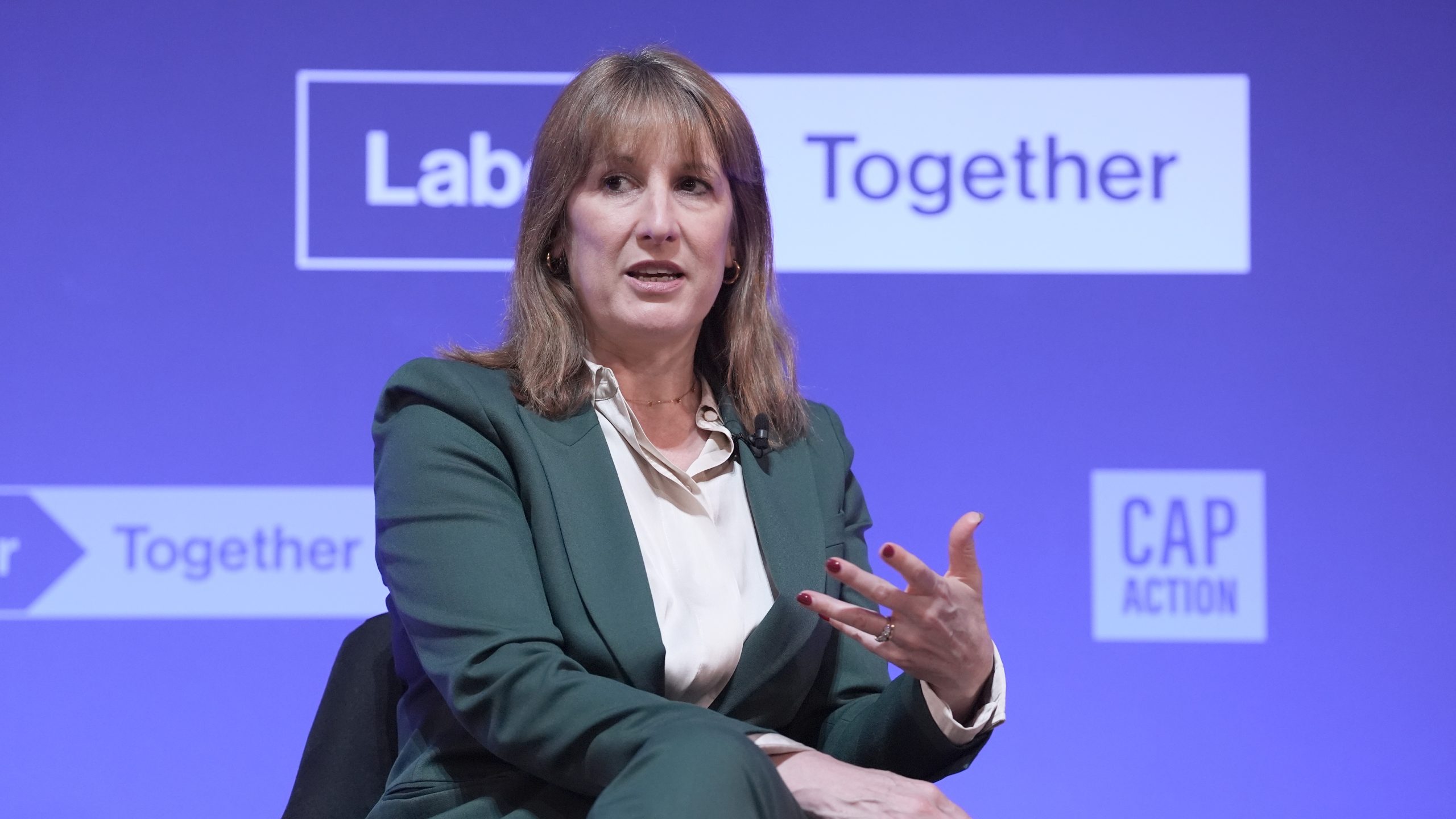
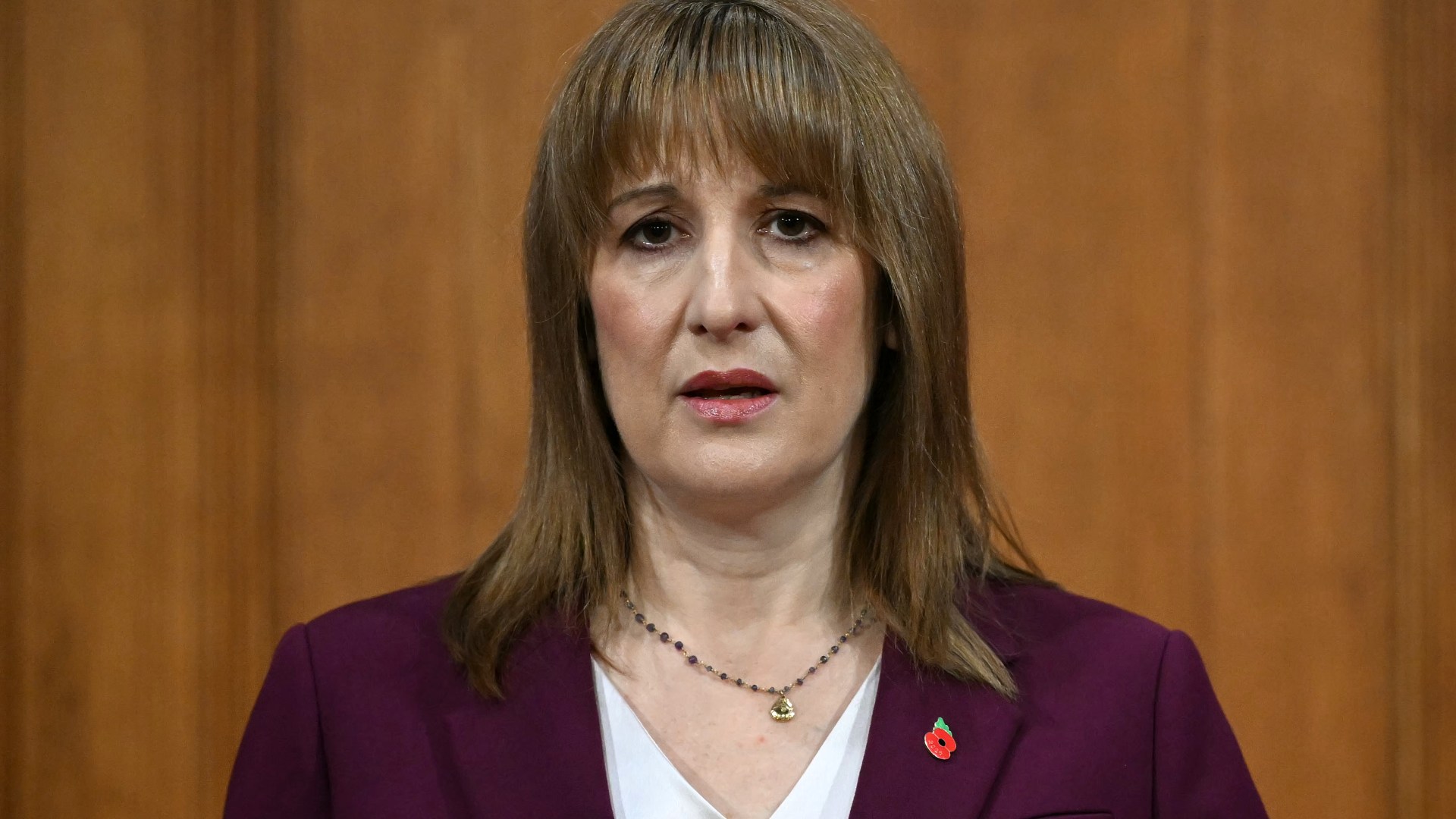
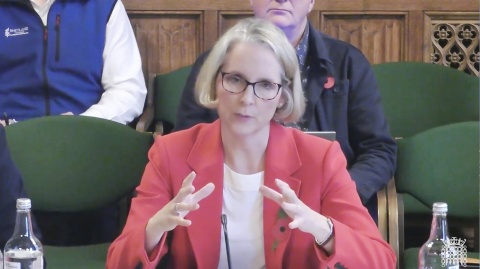
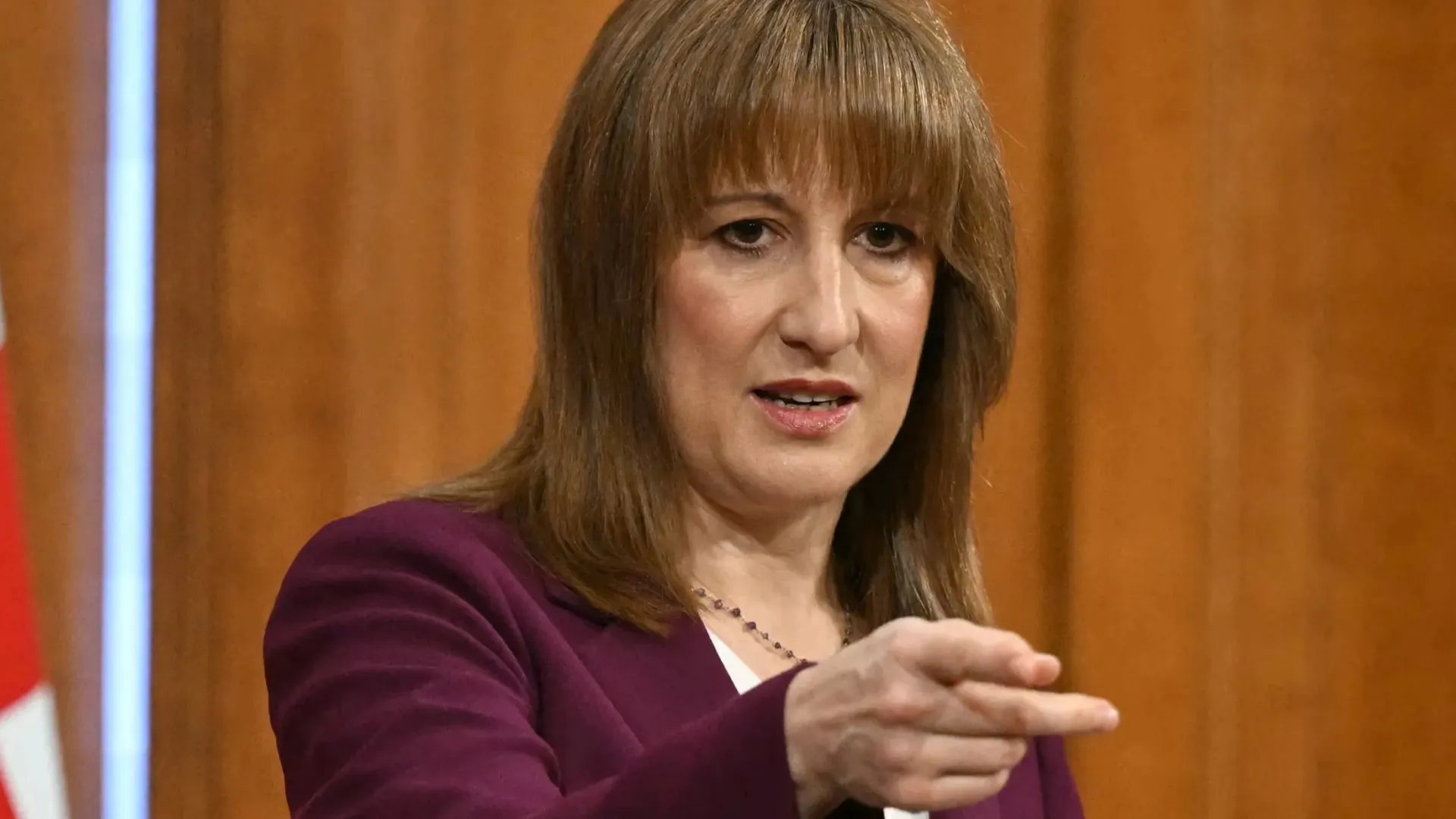
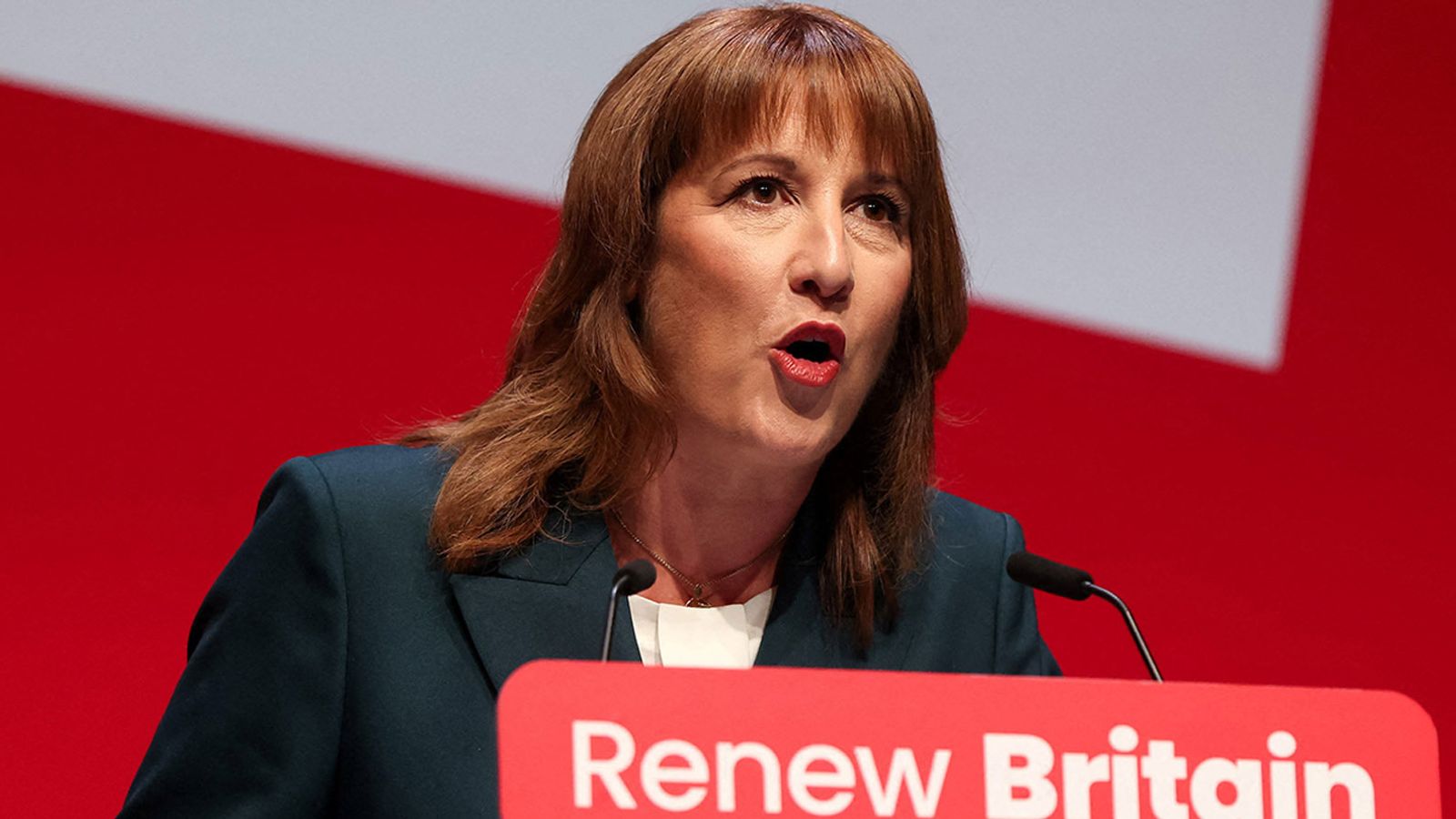
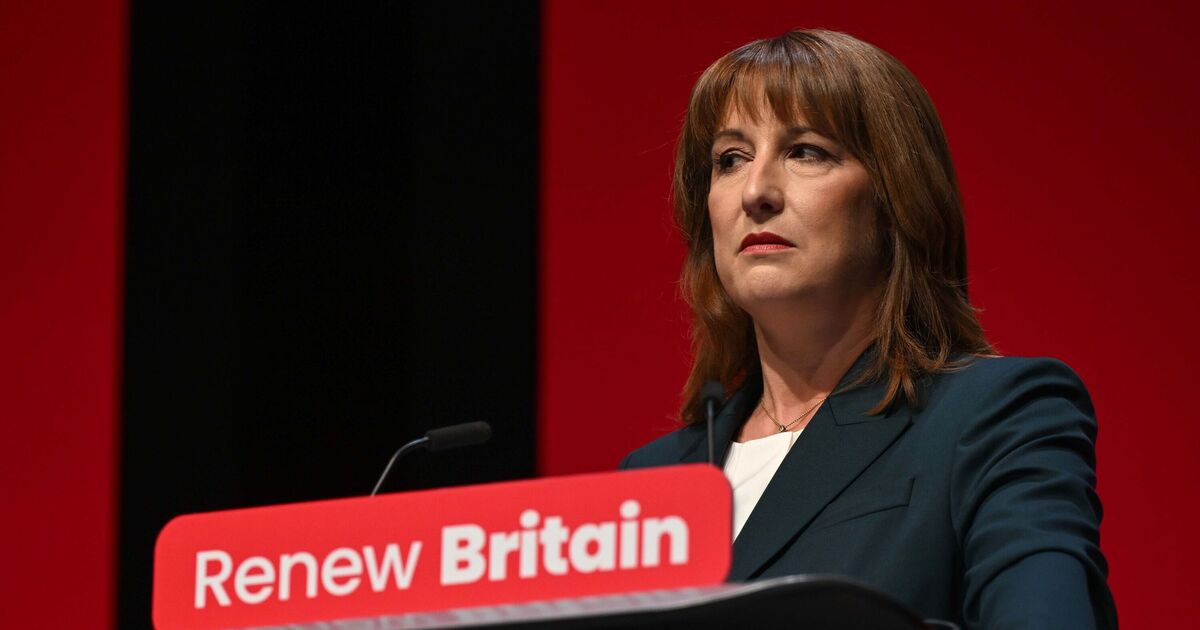
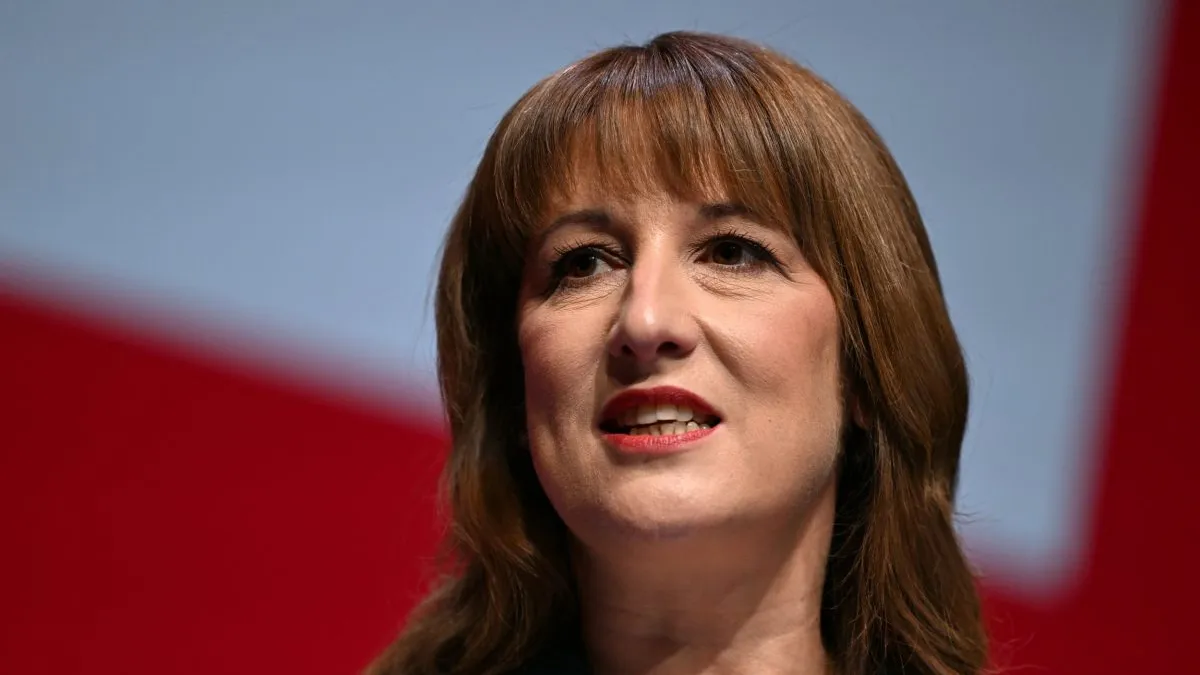
Defra Secretary Emma Reynolds said: “Farmers feed our nation and manage the land that shapes our countryside, yet their contribution has never been valued in the way it deserves.”
She said the roadmap marked “a shift away from only looking to the next harvest” and towards a longer-term plan giving farmers the clarity to “innovate, invest and grow with confidence for generations to come.”
Ms Reynolds added: “I have spent every day in this role rebuilding our relationship with farmers brick by brick because they’re such an important part of our economy, our society and our environment.”
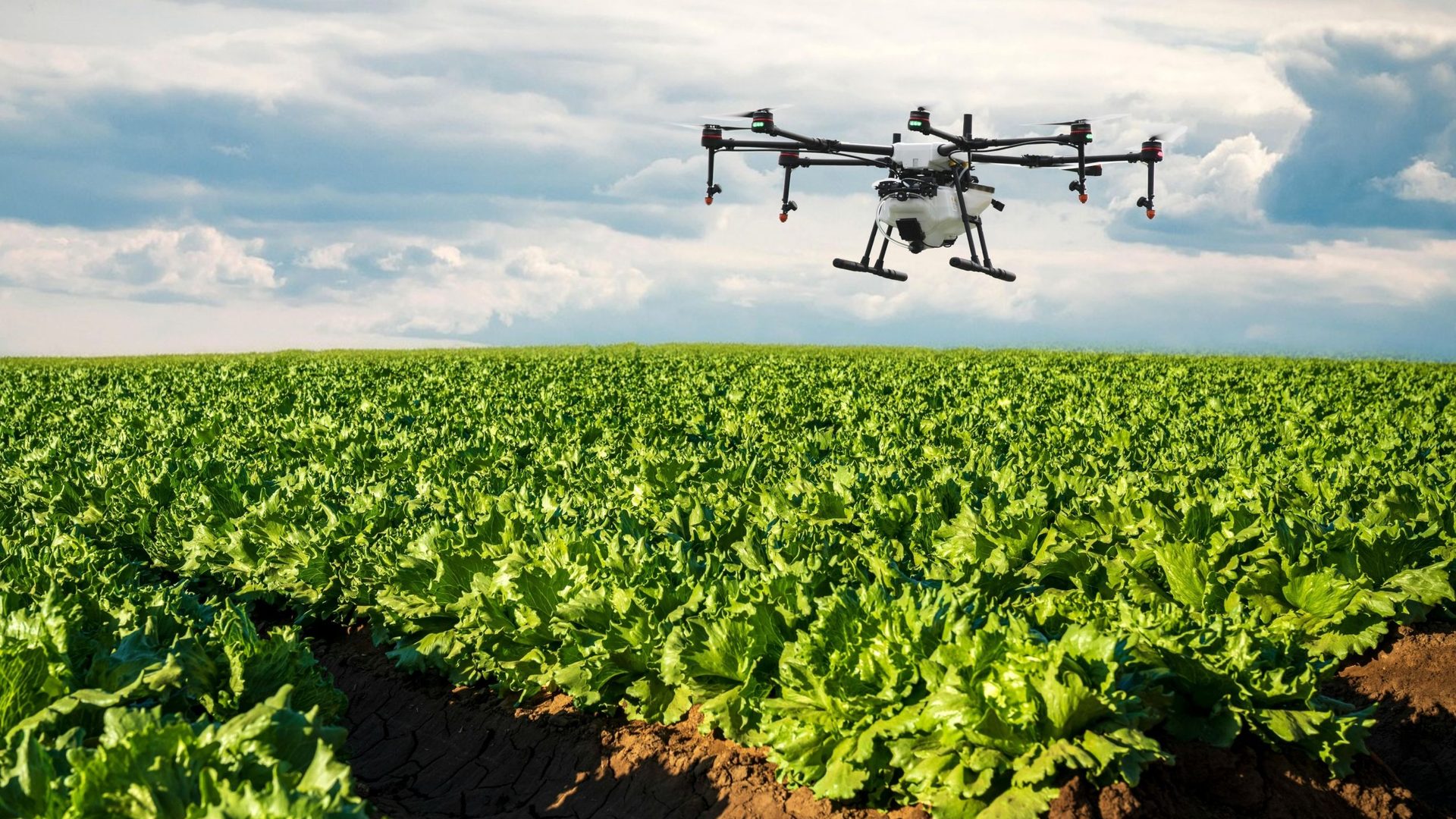
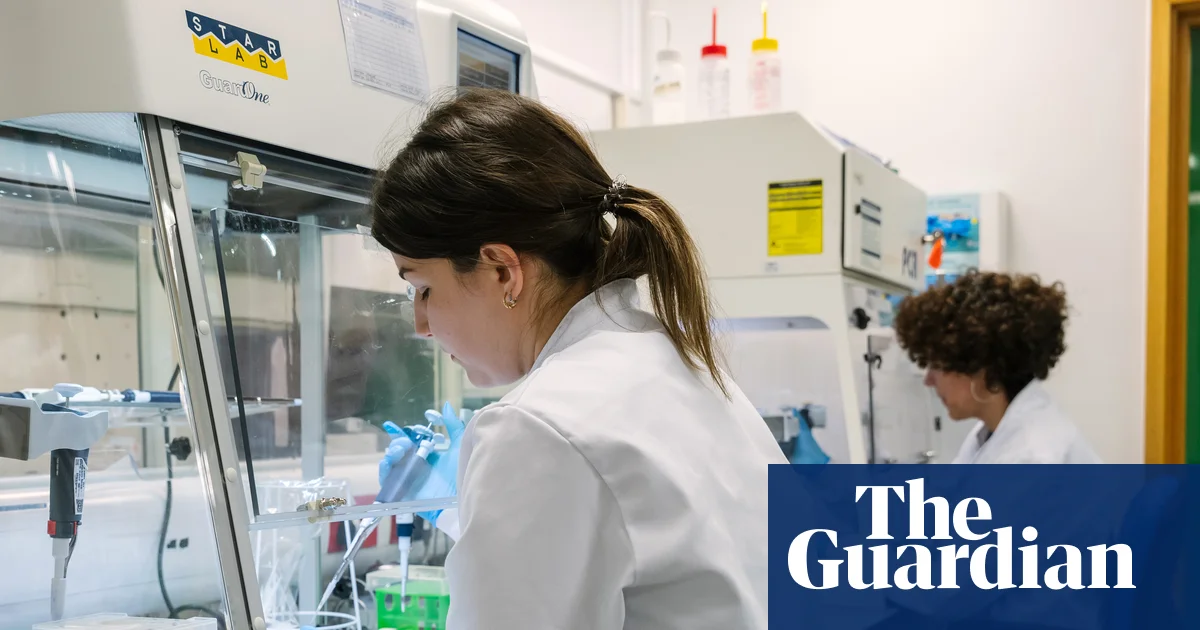
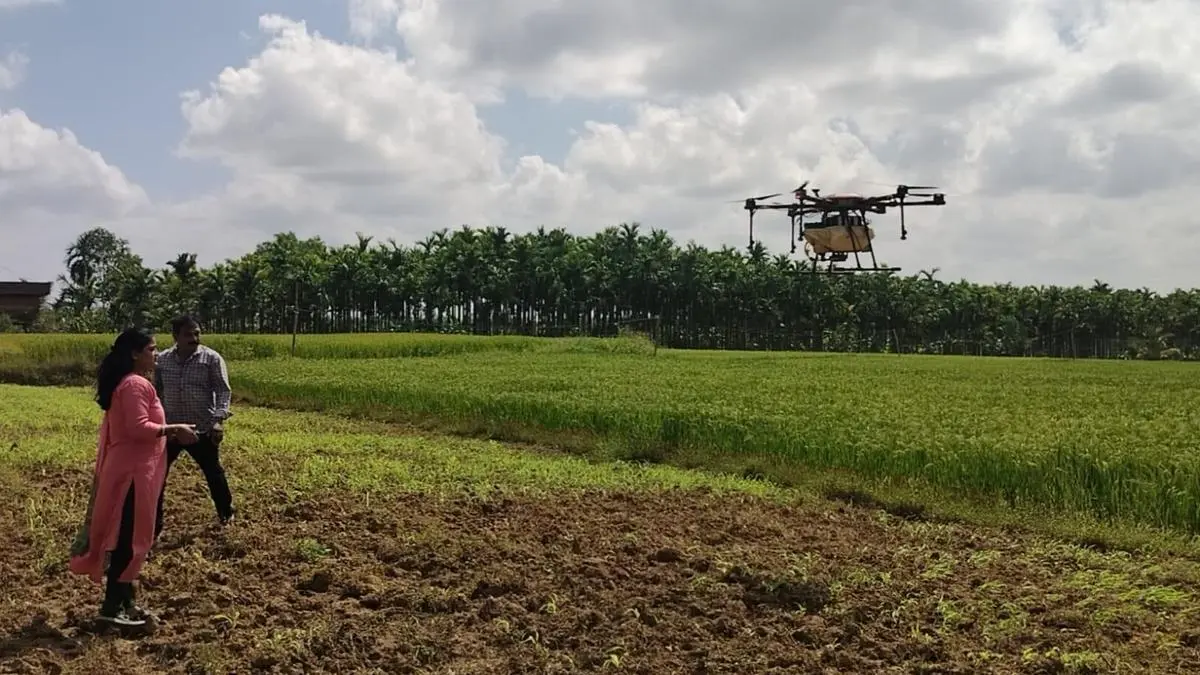
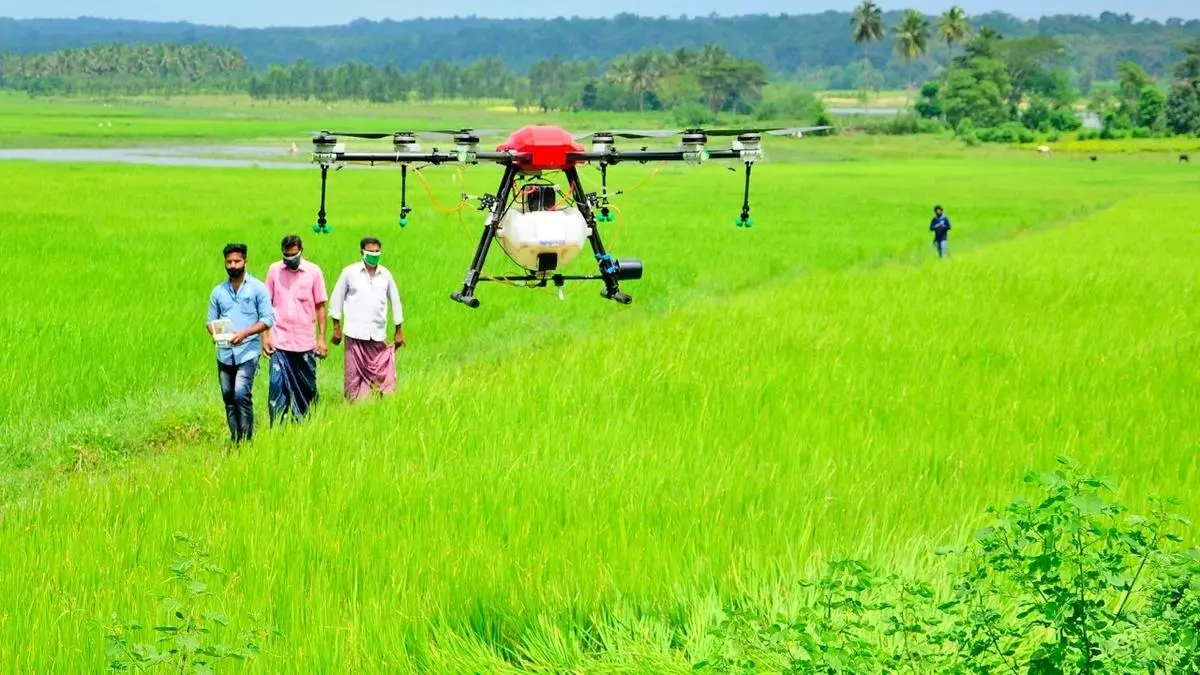
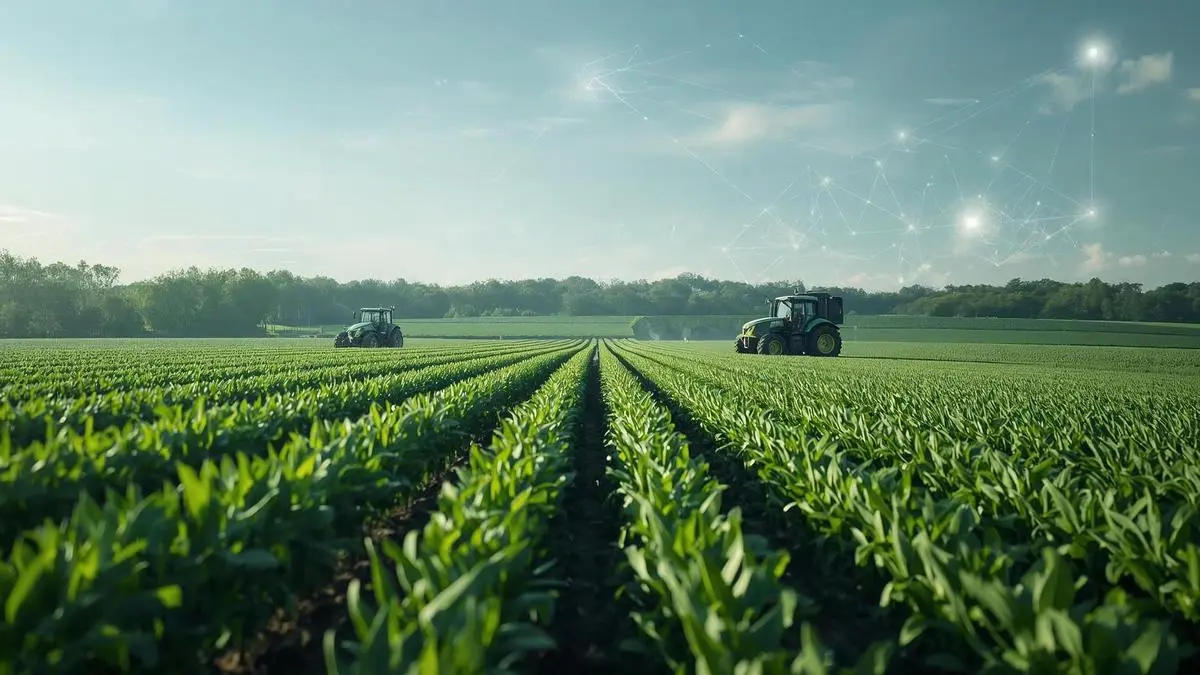
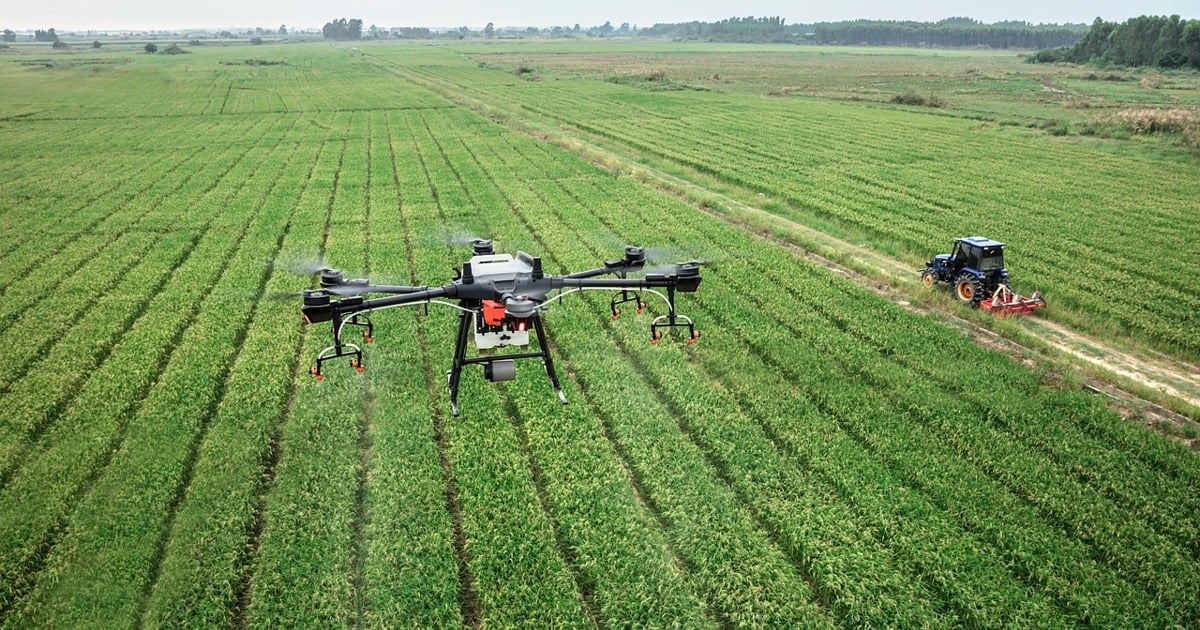
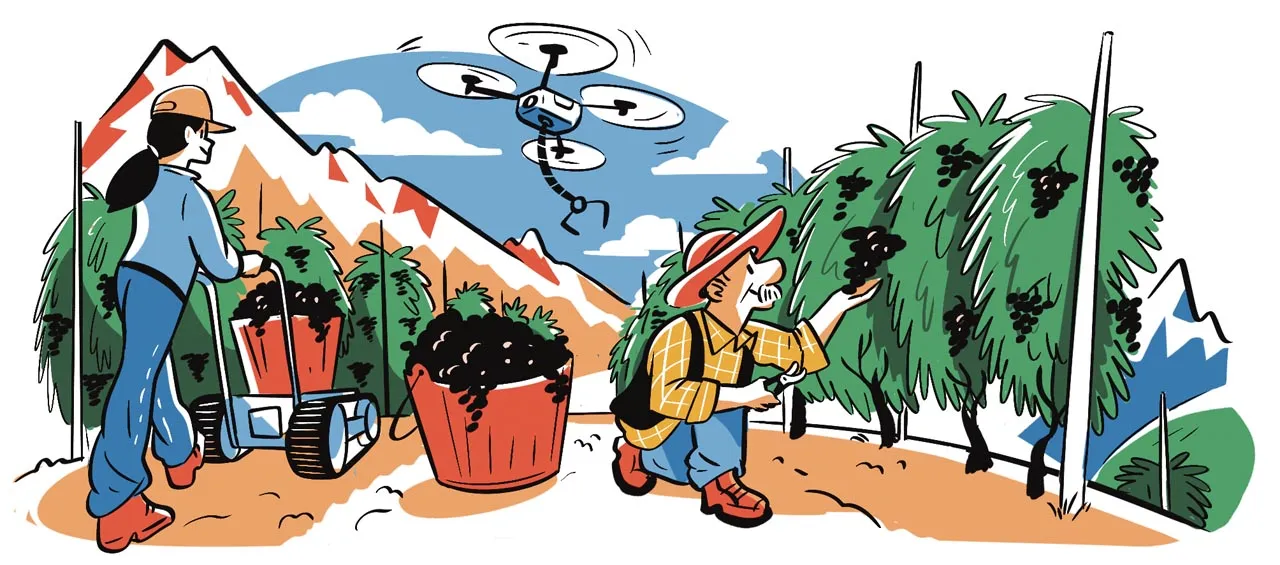
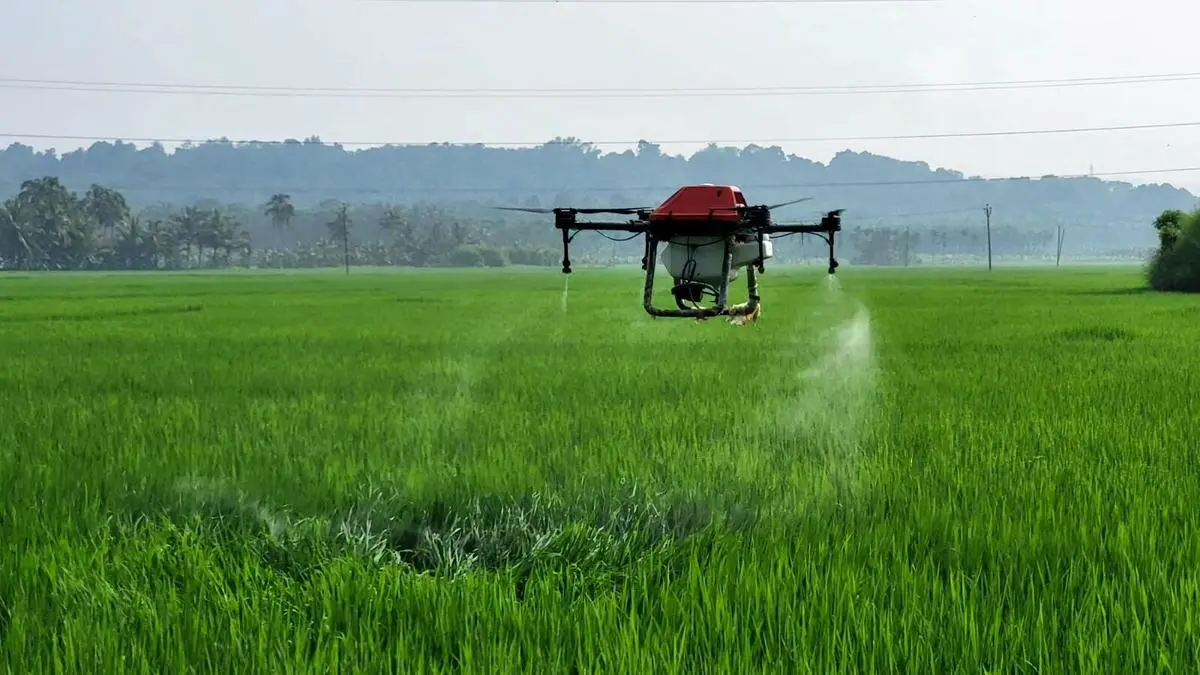
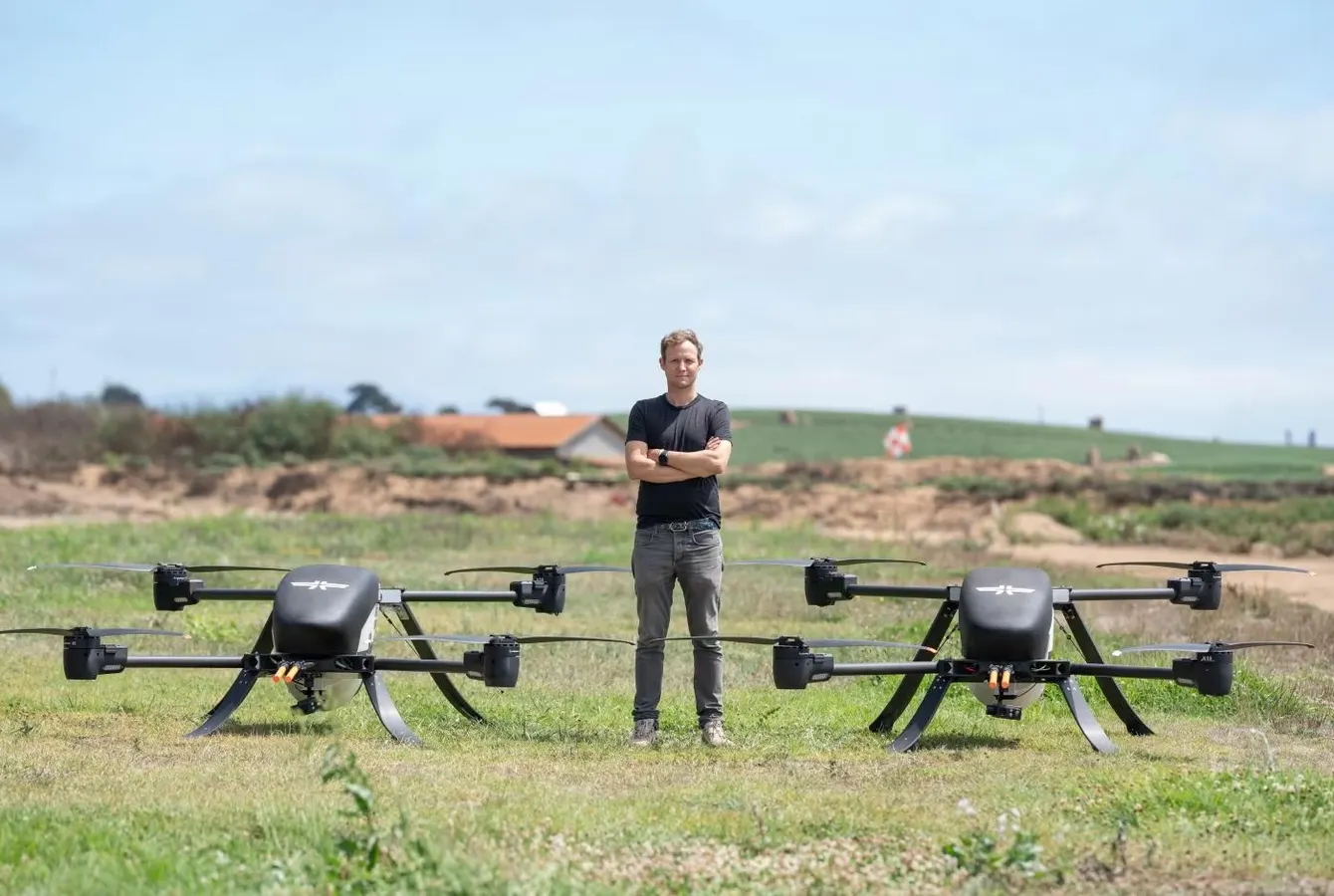
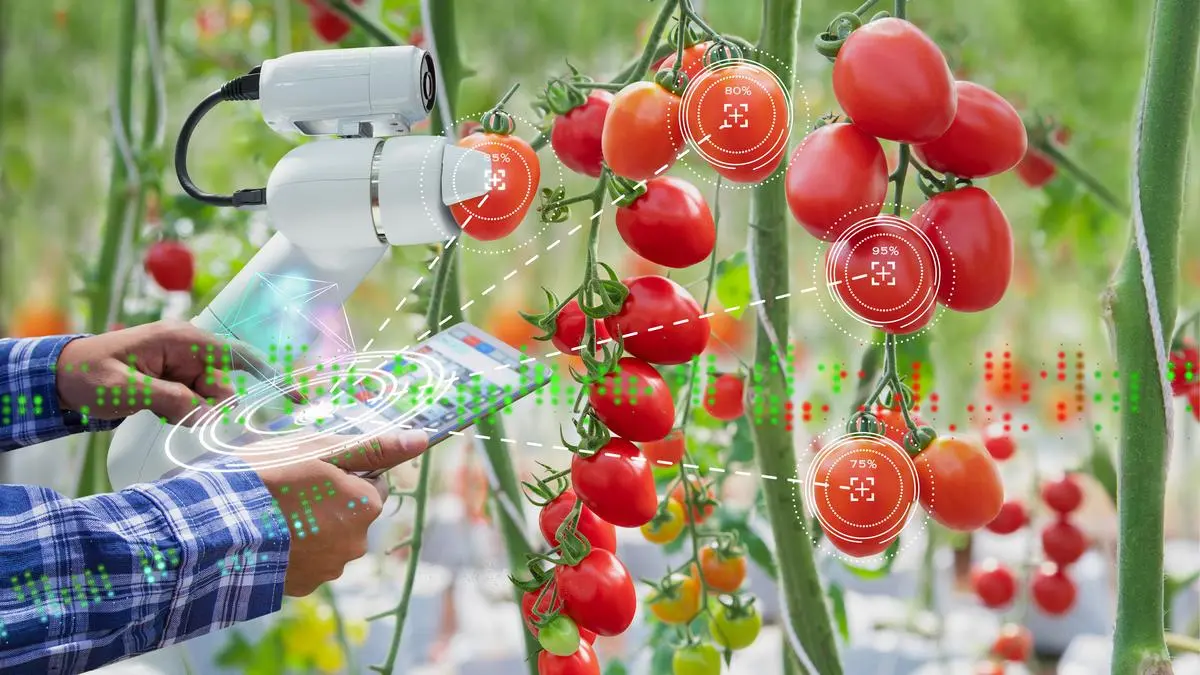
The plan includes a further £53 million for the Farming Innovation Programme, taking total innovation funding this year to £123 million. Dedicated funding rounds will focus on robotics, soil health and water management, as ministers seek to boost productivity and help farms adapt to climate pressures.
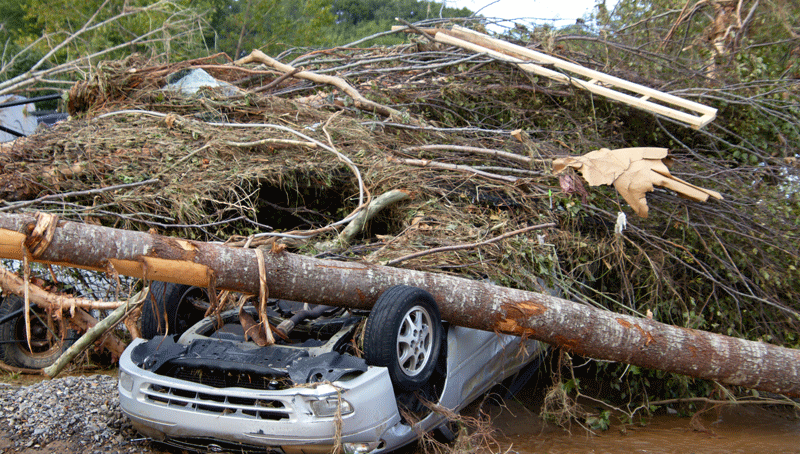
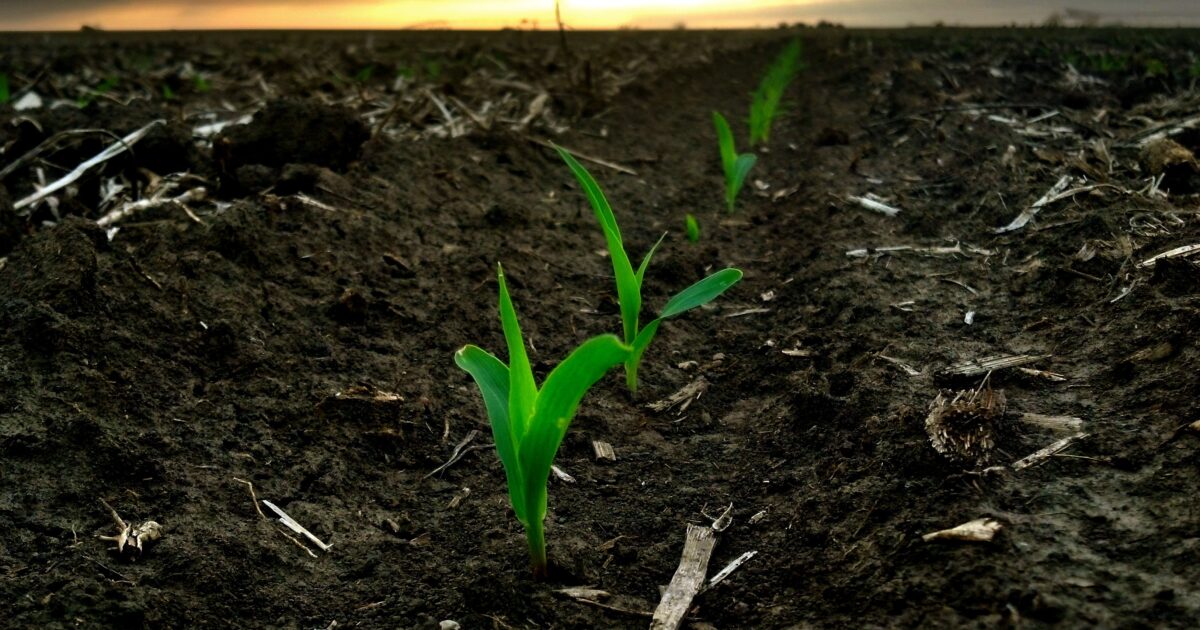
The blueprint also highlights the role of healthier soils, better water management and other nature-based solutions as farms face more frequent extreme weather.
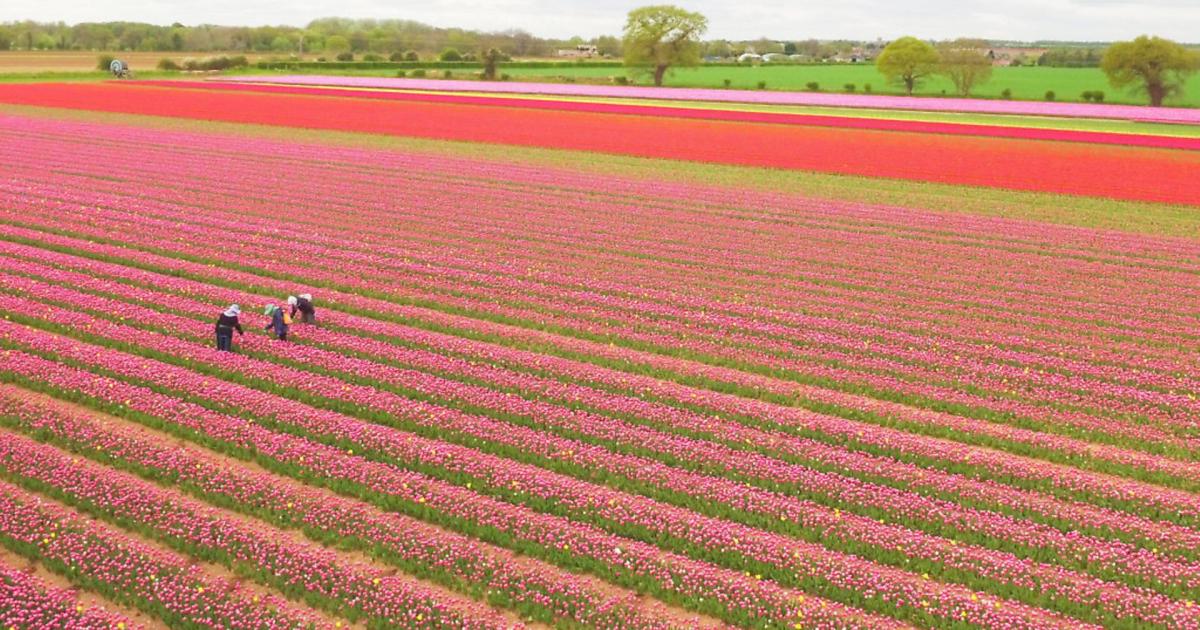
Seasonal Worker visas will continue until at least 2030, providing reassurance for the UK horticulture sector.
The government will develop Sector Growth Plans, starting with horticulture and poultry, and bring farmers, retailers and investors together through the Farming and Food Partnership Board.
Other measures include plans to cut EU trade friction through a new Sanitary and Phytosanitary agreement and legal protections for egg and fresh produce growers against unfair supply chain practices.
Collaborative models, such as co-operatives, are expected to play a bigger role in helping farmers reduce costs, share risk and invest jointly.
The government also plans to review how the economic value of agriculture is measured, arguing that the commonly cited figure of 0.6% of Gross Value Added does not capture farming’s wider role across the food supply chain.
Environmental Land Management schemes will become more targeted, with some mitigation and conversion payments phased out as good practice becomes standard. However, ministers said long-term payments for public goods, including habitat creation, would continue.
Immediate measures from the Farming Profitability Review include extending fair dealing regulations to egg producers and fresh produce, launching a group to unlock private investment in sustainable farming and opening the new SFI26 application window to all eligible farmers this month.
A £30 million Farmer Collaboration Fund will also open this summer, while the Groceries Code Adjudicator will be transferred from the Department for Business and Trade to Defra to support a more joined-up approach to food supply chain fairness.
The National Farmers’ Union welcomed the roadmap’s focus, but said ministers must move quickly from intention to delivery.
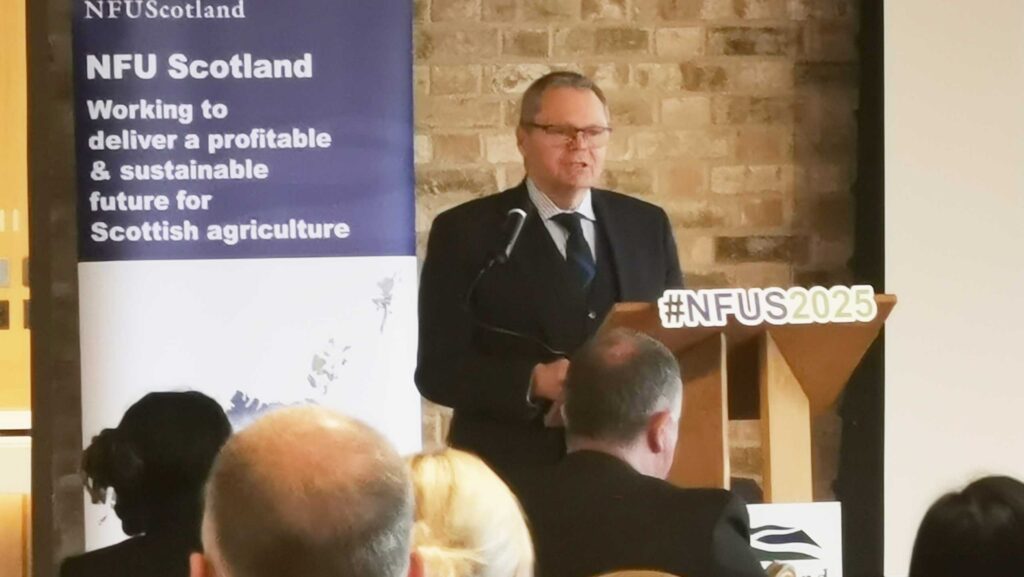
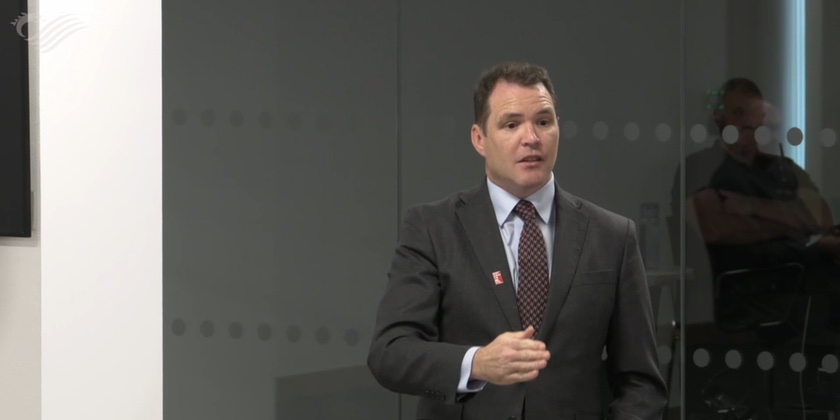
NFU President Tom Bradshaw said: “After nearly two years of waiting for this roadmap, it’s good to see resilience, profitability, productivity and sustainability at its heart – all areas we’ve been urging the government to focus on.”
He said the government was right to recognise that the national security context had changed, adding that climate and economic shocks had left the food system exposed. Mr Bradshaw said: “we need to move rapidly into delivery mode to turn this around.”
However, he warned that the plan did not yet provide the practical backing needed by farm businesses.
“However, while the roadmap is full of ambition, it falls short on action and even shorter on the means of delivery,” he said.
Mr Bradshaw said the roadmap set out a welcome multi-year direction for farming, but added that there was “no long-term funding to go with it.”
He said: “Intent alone won’t deliver a secure and affordable supply of homegrown food for the nation, nor care for 70% of England’s landscape.”
The NFU also raised concerns about the reliance on productivity growth and private finance, warning that many farm businesses had already been weakened by rising costs and low margins.
“The Treasury is conspicuously absent in this plan,” Mr Bradshaw said.
He called for a stronger partnership between Defra, the Treasury, the Ministry for Housing, Communities and Local Government, and farmers.
Mr Bradshaw said food production must be given greater priority in government decision-making, particularly as climate pressures intensify. He called for a review of abstraction licensing, more investment in on-farm water storage and planning reforms to make it easier to build reservoirs.
Mr Bradshaw also thanked Baroness Batters for her work on the profitability review, saying she was right to highlight the need for closer collaboration between farming and government.
The Country Land and Business Association welcomed the ambition of the roadmap, but said profitability remained the most immediate concern for many farmers.
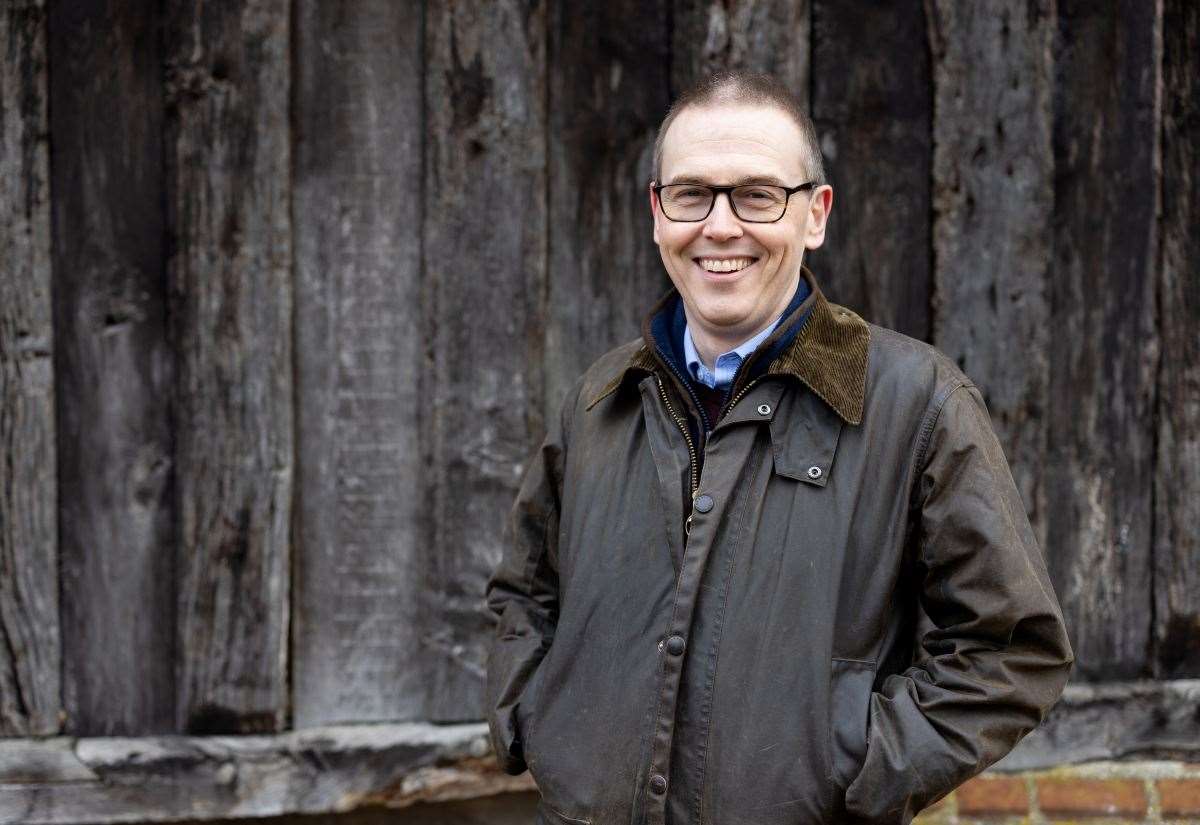
CLA President Gavin Lane said: “The ambition of Defra’s long-term Farming Roadmap is welcome, but for many farmers the immediate challenge is staying profitable.”
He added: “High costs, low returns and increasingly volatile weather continue to put huge pressure on farm businesses.”
Mr Lane said the plan must now be matched by practical action, including stable policy, clearer farming schemes, planning reform and a more joined-up approach to rural affairs.
“Without profitable farm businesses, the government’s ambitions for food production and nature recovery simply will not be achieved,” he said.
The Nature Friendly Farming Network said it was encouraged by the roadmap’s recognition of the links between farming, food production, climate and nature.
Martin Lines, chief executive of the NFFN, said: “With much of England sweltering in its second record-breaking heatwave in two months, it is a great relief that the roadmap recognises the interconnectedness of farming, food production, climate and nature.”
He said farming was about more than food production alone, pointing to clean water, nature recovery, renewable energy and sustainable materials such as timber and fibre.
Mr Lines said the government now needed to support farmers to turn the roadmap’s ambitions into action. He said this would require “the right investment, schemes, and market conditions” so landscapes could support food production, nature recovery, climate resilience and economic growth.
He added: “Delay and inaction, on the other hand, would be disastrous.”
Farming groups have welcomed the roadmap’s ambition, but warned that its success will be judged by how quickly ministers deliver funding, certainty and reform for businesses already under pressure.