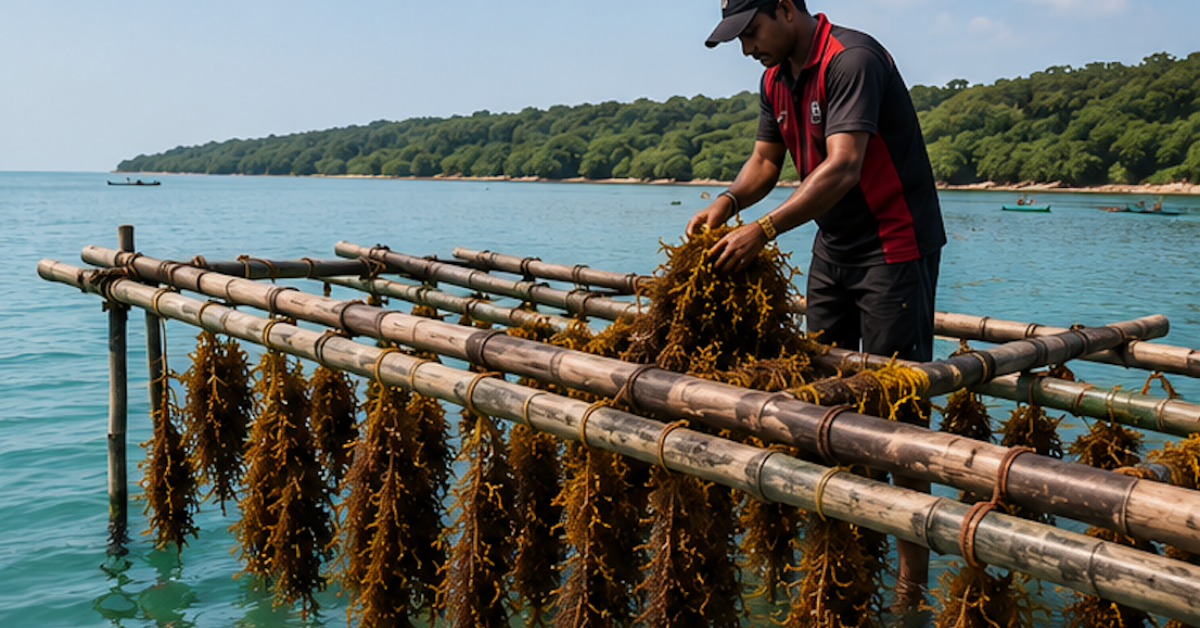


An independent study has found salmon farming to be a “key anchor” for rural and coastal areas including Shetland.
According to analysis by Aecom salmon farming “significantly” supports the economic and social fabric of these communities.
The study involved community interviews and surveying salmon farmers and supply-chain organisations.
People in Unst and Yell said salmon farming was a “core part of local identity” because it supports employment and enables residents to remain in the community.
Analysis found that in 2025, more than 3,500 people used or benefited from transport initiatives or projects supported by salmon farmers, including road and ferry infrastructure, emergency and community transport, logistics assistance and use of company vehicles.
The study also found salmon farming helped sustain school rolls, teaching posts, local shops and businesses as well as directly employing more than a third of the population of one island.
The researchers revealed that salmon farming acted as a key anchor industry in many remote and island communities, particularly where year-round employment was scarce.
In 2025, salmon farmers recruited more than 350 employees locally, and delivered 139 apprenticeships.

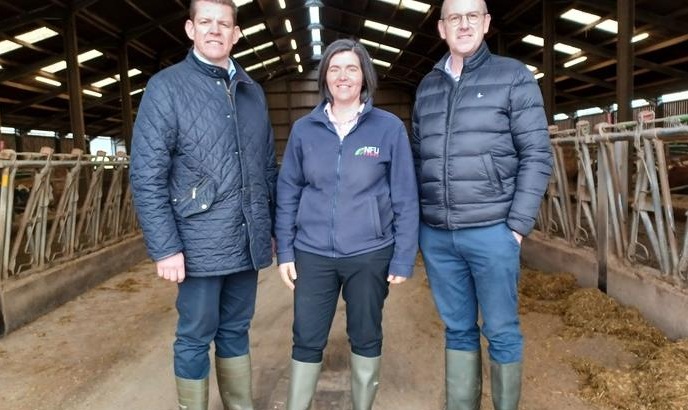
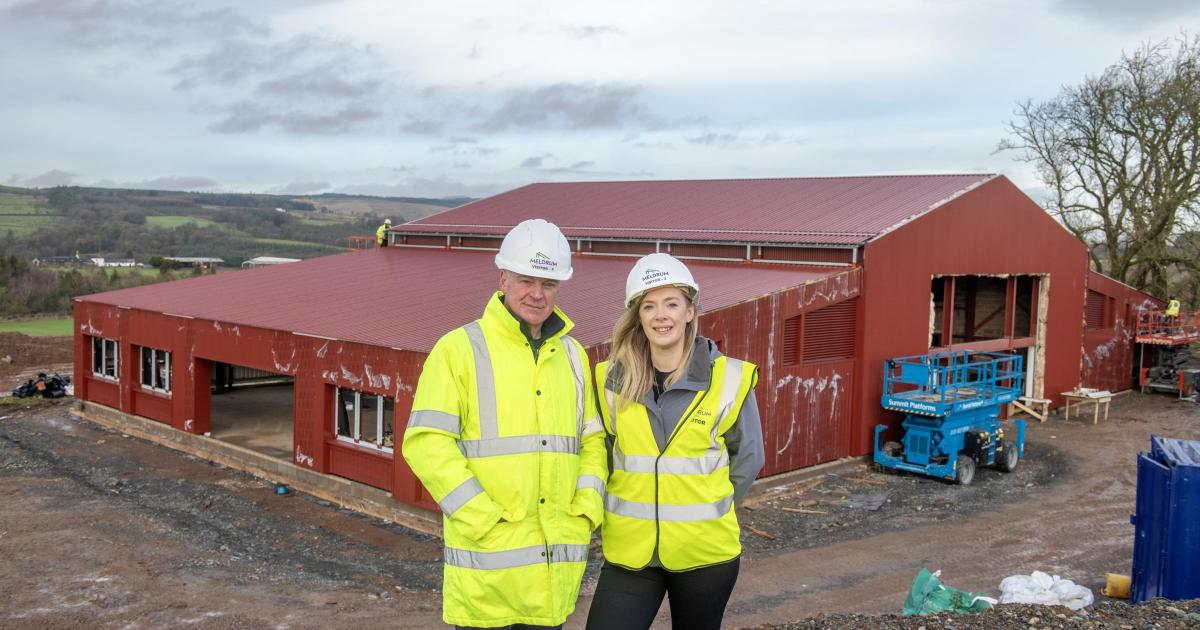
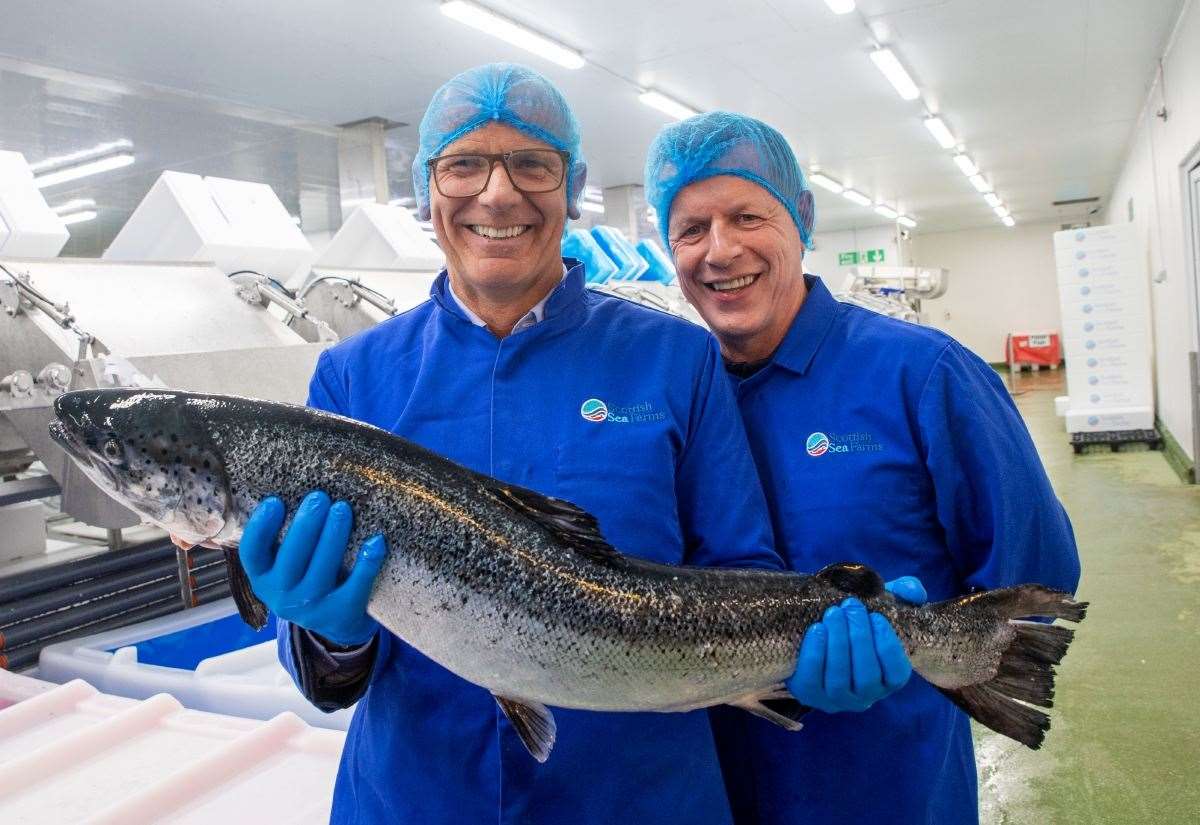
Islands minister Jim Fairlie, who received the report while visiting Scottish Sea Farms’ Gremista site, praised Scotland’s aquaculture sector as a success story.
“As the UK’s biggest food export, salmon farming alone contributes hundreds of millions of pounds to the Scottish economy each year,” he added.
“Seeing first-hand the skill, dedication and innovation across the industry reinforces just how important it is that we continue to back this sector.
“Apprenticeships and training opportunities are helping to build a skilled workforce rooted in our island and coastal communities.
“It’s not just about economic growth, it’s about giving people in our rural and island communities the opportunity to build careers and futures where they live.”

Salmon Scotland chief executive Tavish Scott said the report showed how farm-raised salmon was the “lifeblood” of many of Scotland’s coastal, rural, and island communities.
“Salmon farms enable people to live and work in the communities where they have grown up and help retain schools and families in areas plagued by depopulation,” he added.
“The hundreds of thousands of pounds of community benefit provided each year by salmon farmers make a real difference to the communities of which they are an integral part, from helping people get to hospital appointments to rebuilding roads and providing broadband.”
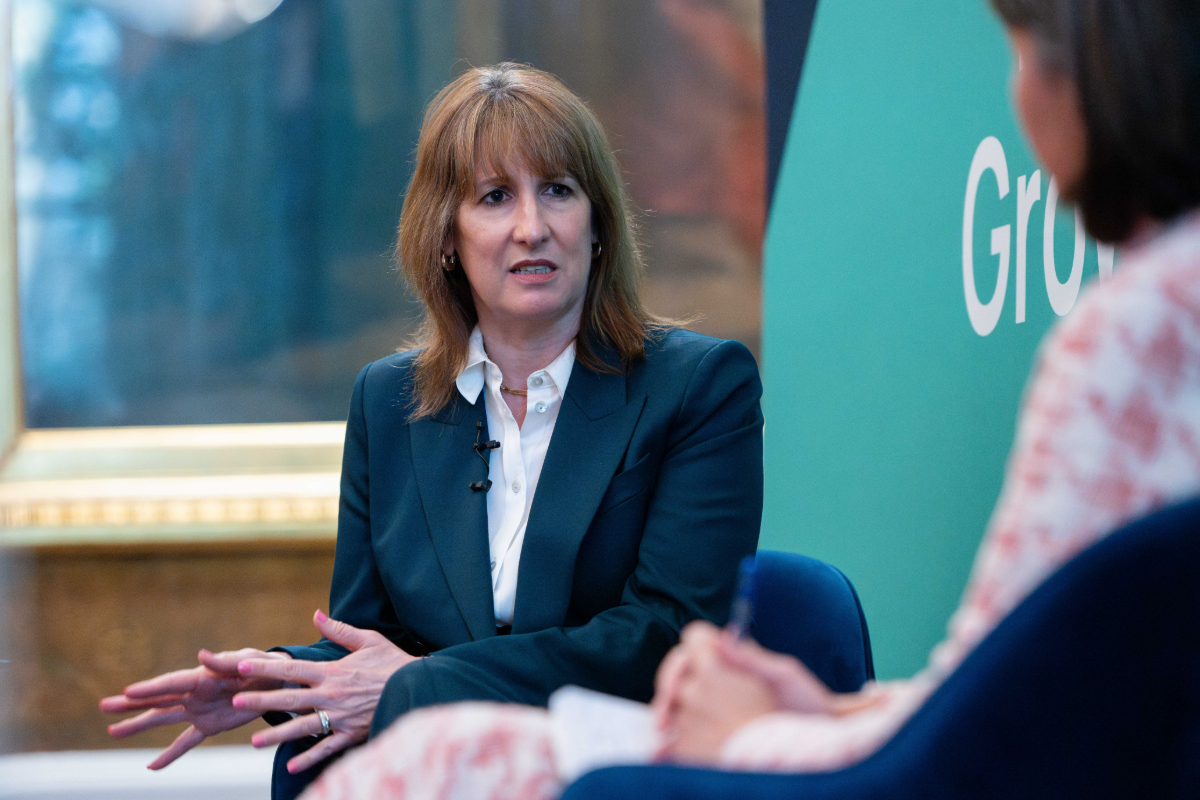
Aecom’s Eva Kleinert said the research found many communities viewed salmon farming as an important source of employment, investment and support for local services.
“The findings highlight the significant role the sector can play in helping remote and island communities remain economically and socially resilient,” Dr Kleinert added.