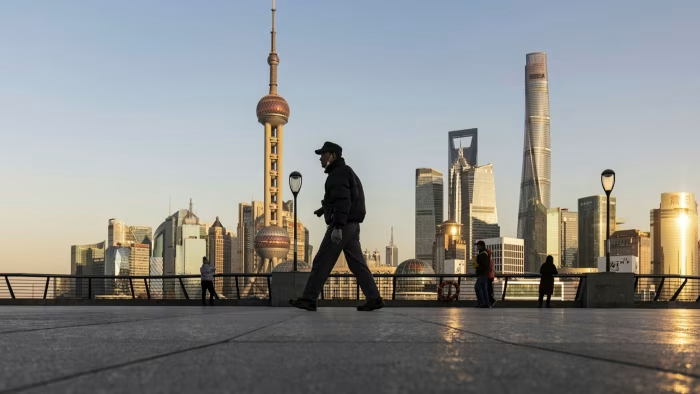
Vietnam is poised to enter the FTSE emerging markets index this September, turning a country once seen as a highly risky frontier market economy into an asset class moving closer to the centre of allocators’ screens.
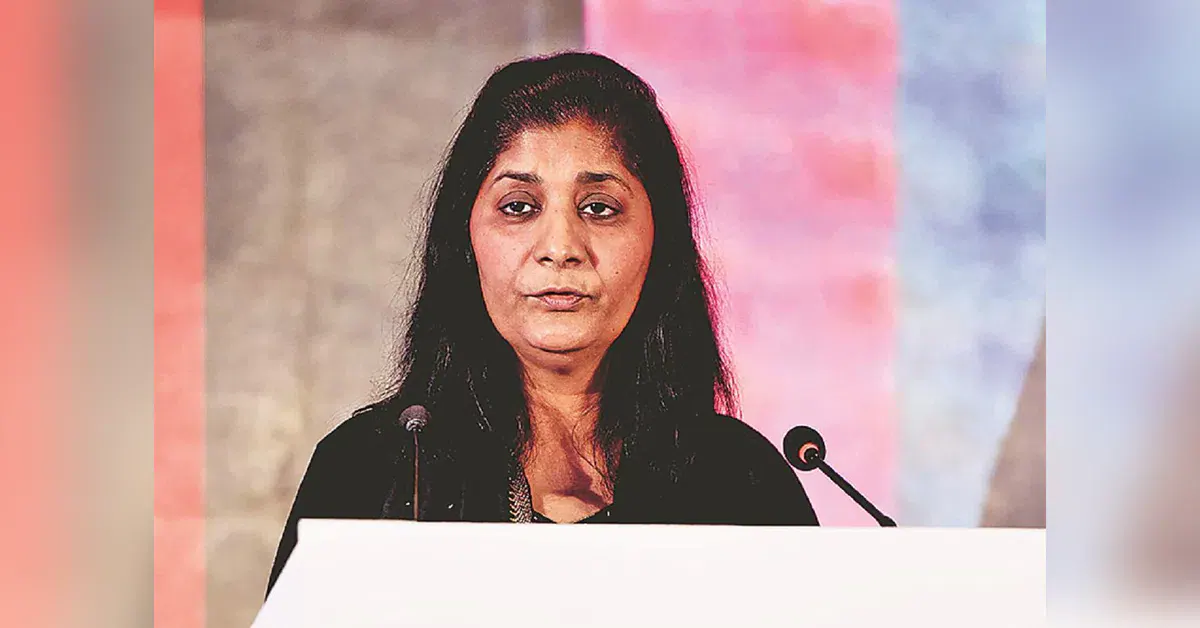
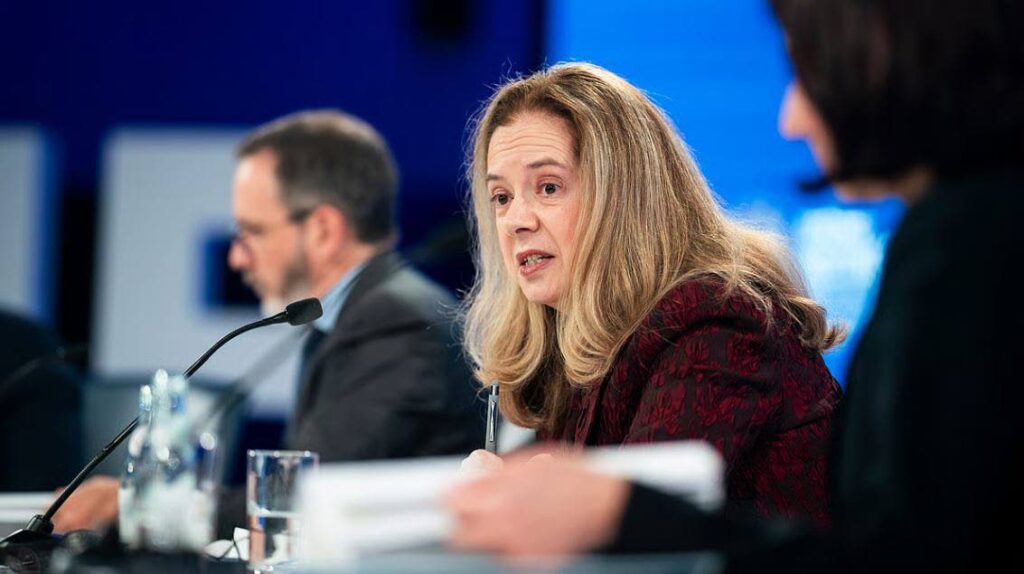
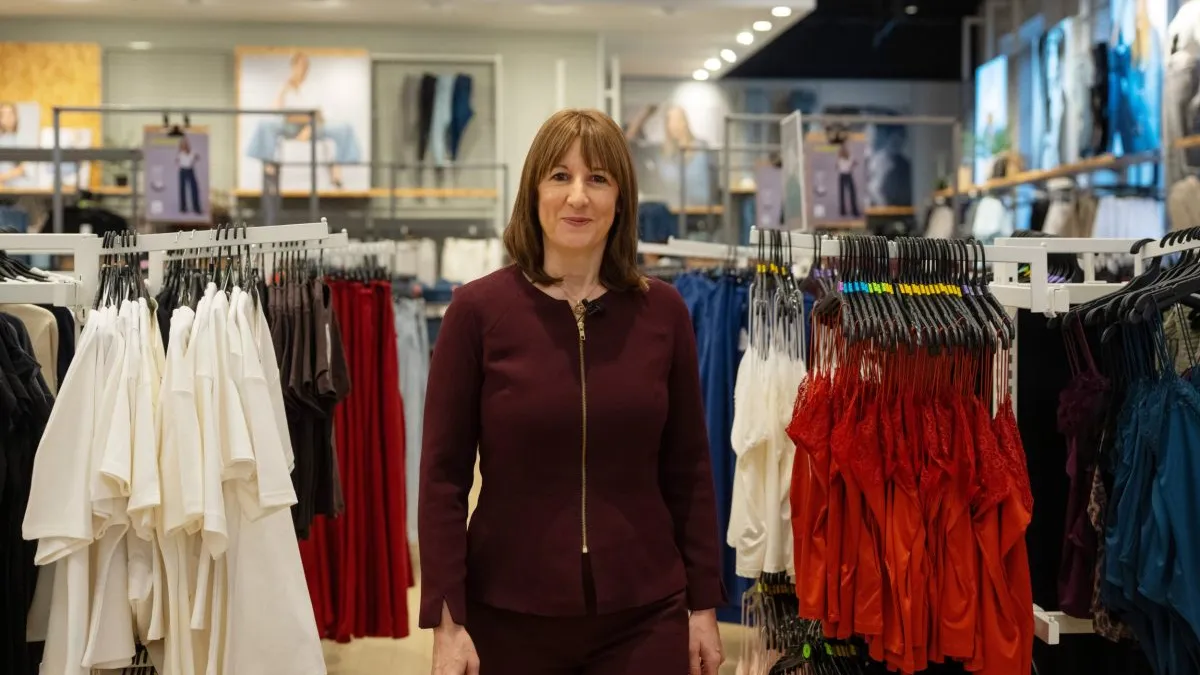
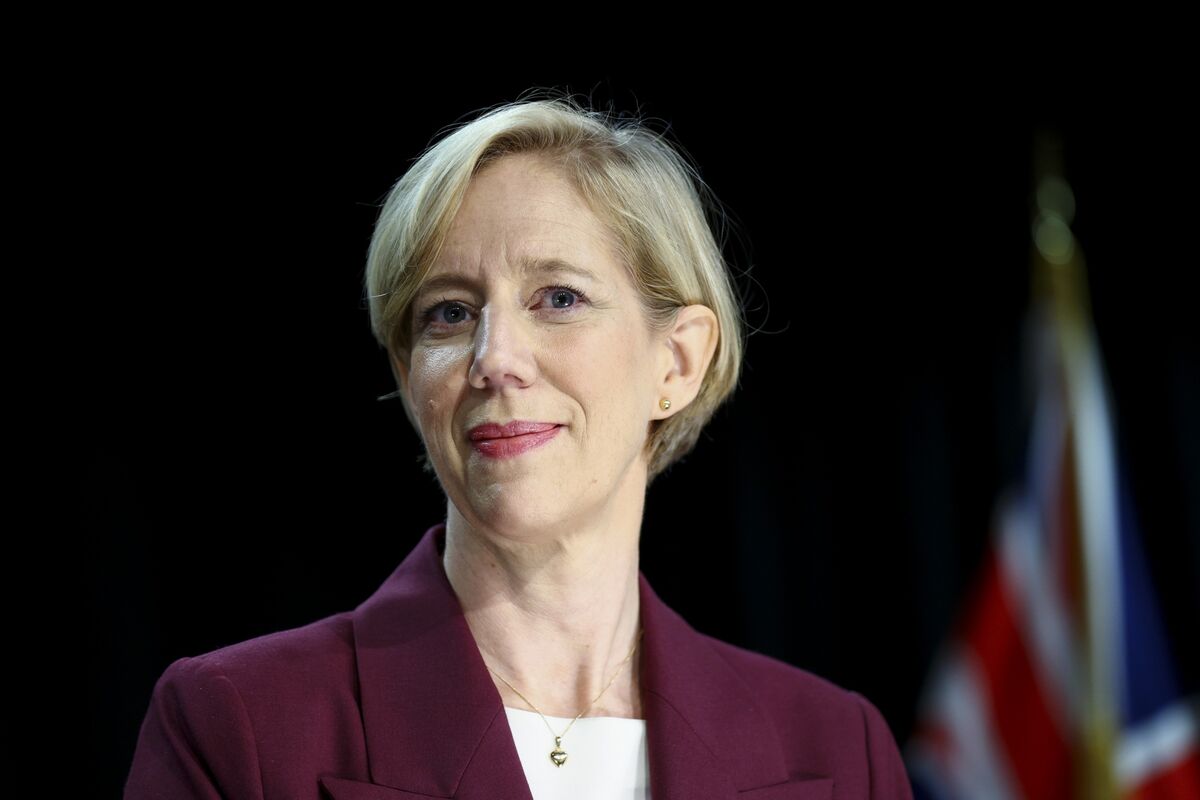
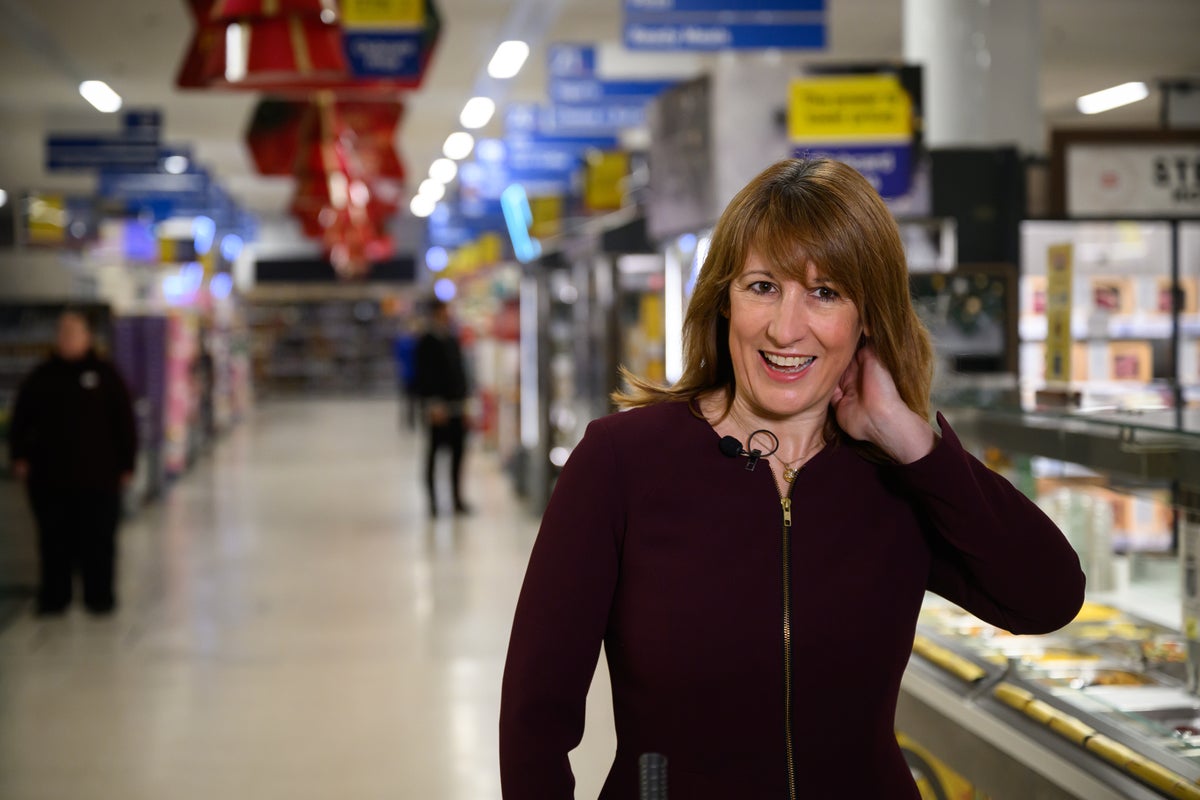
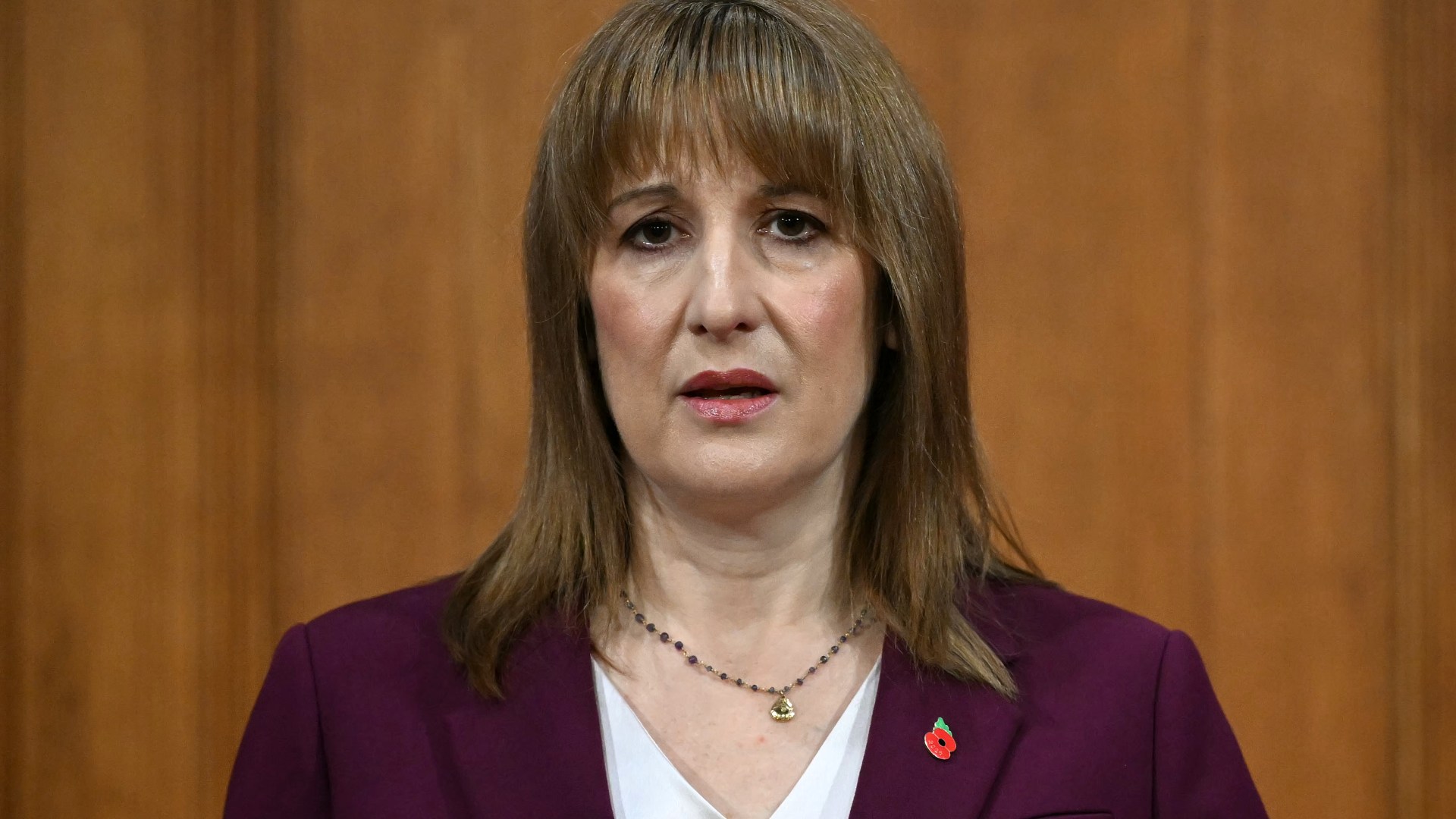
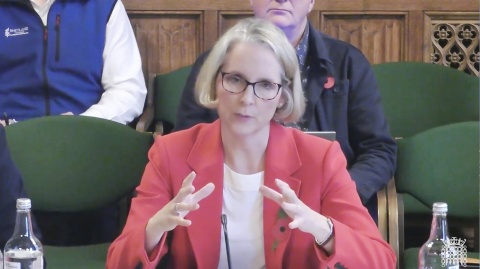
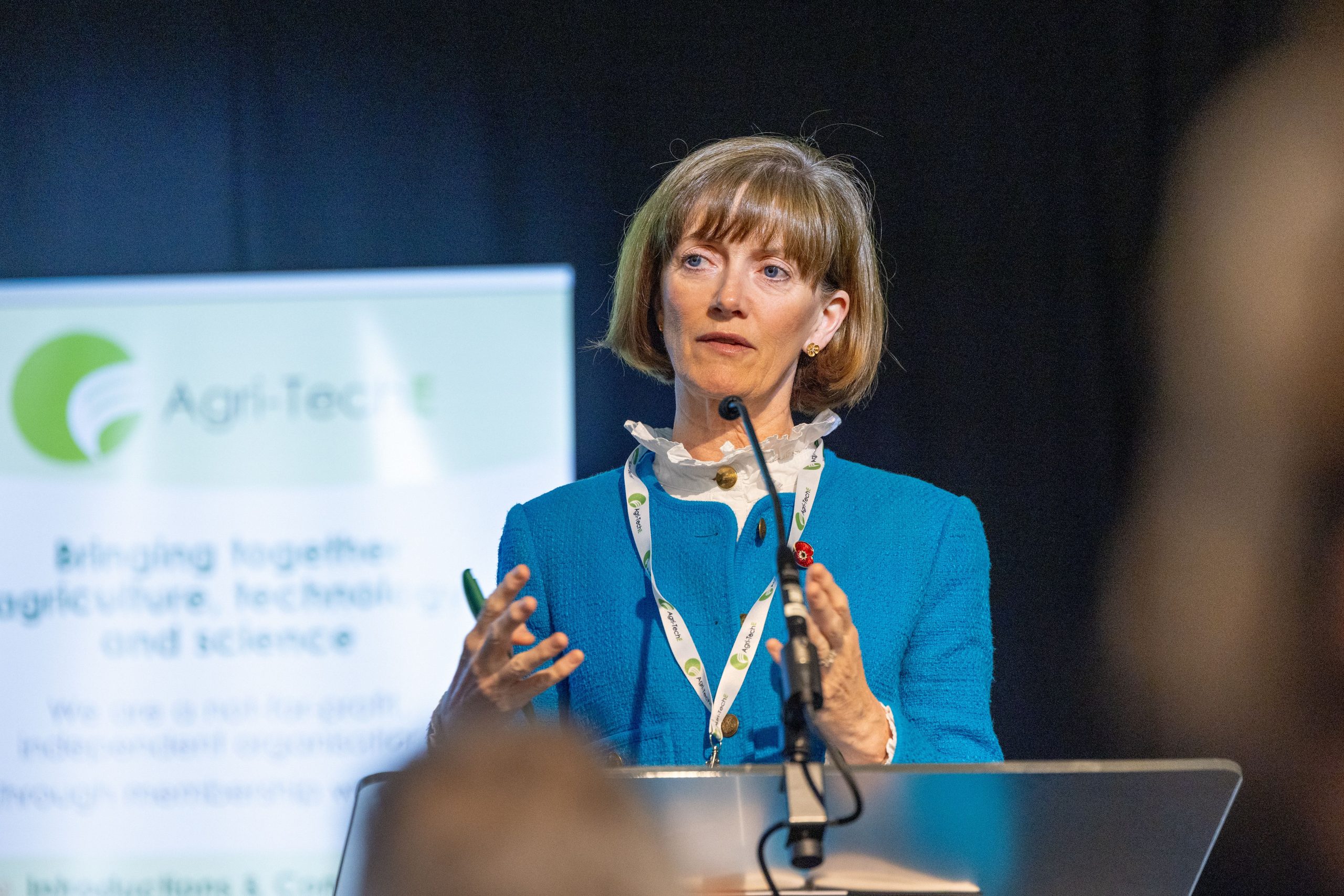
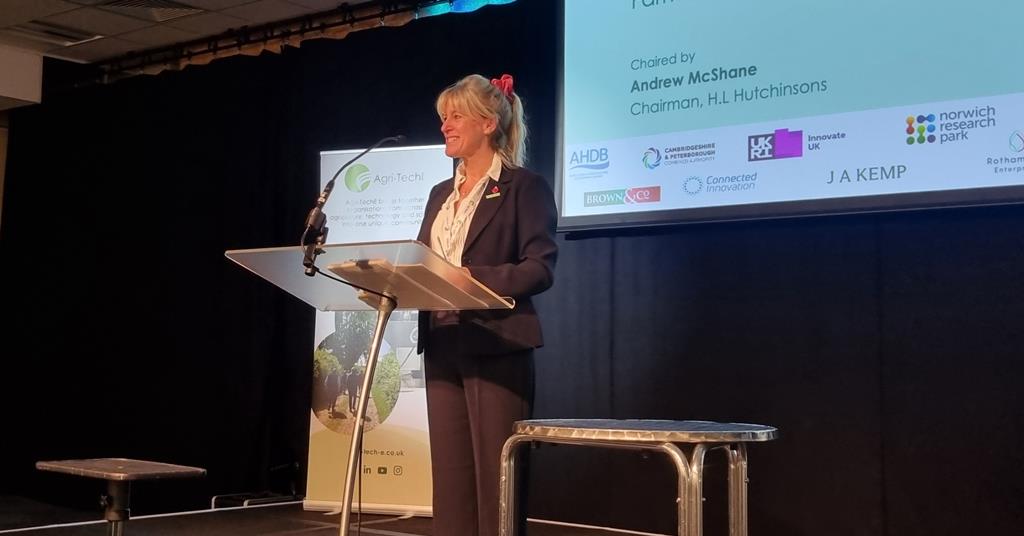
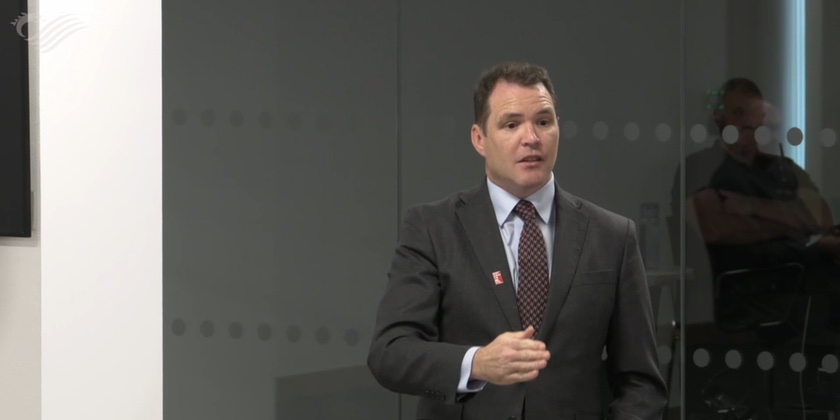
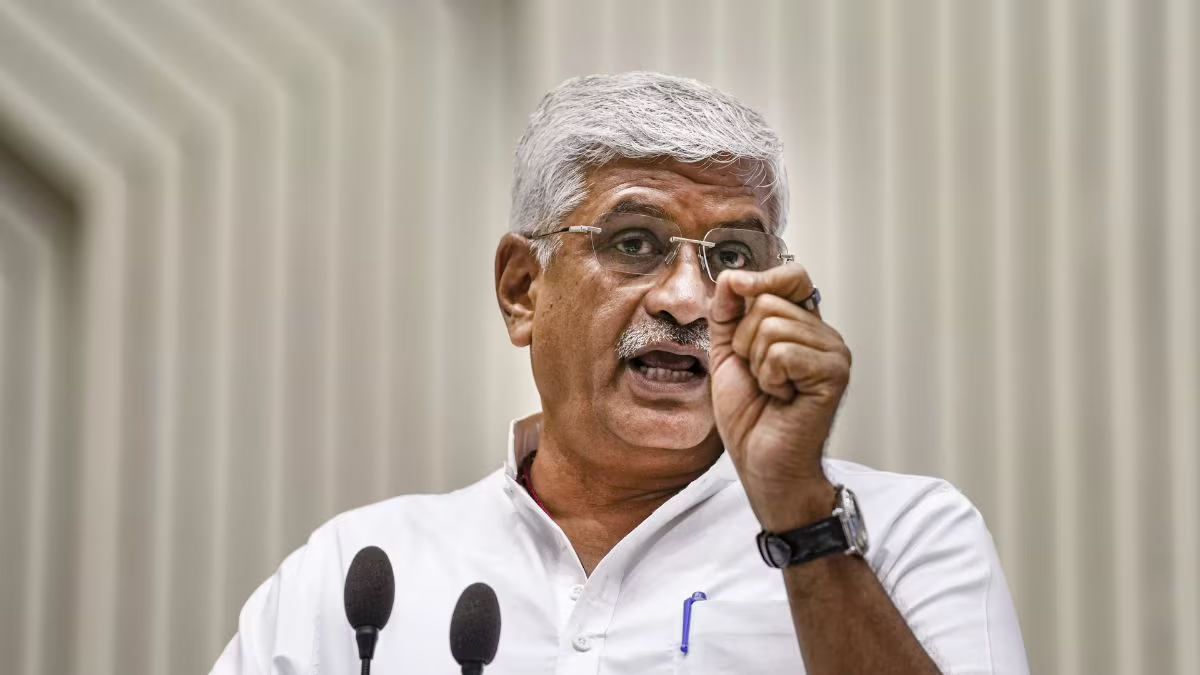
Thao Thanh is co-portfolio manager of the £1.17bn Vietnam Enterprise Investments Limited, an investment trust managed by Dragon Capital, and listed on the London stock exchange.
She said the elevation to emerging market status is the culmination of many years of development in the country, with Resolution 68, unveiled in 2025 and confirmed at the 14th national party congress in January this year, setting out the government’s plans to put Vietnam on the world’s economic stage.
The resolution focuses on hitting significant growth targets, including:
-
Achieving 2mn active businesses by 2030
-
A 60 per cent GDP contribution from the private sector by 2045
-
An investment grade sovereign credit rating
-
Upgrades to EM status — 2026 for the FTSE and 2030 by MSCI
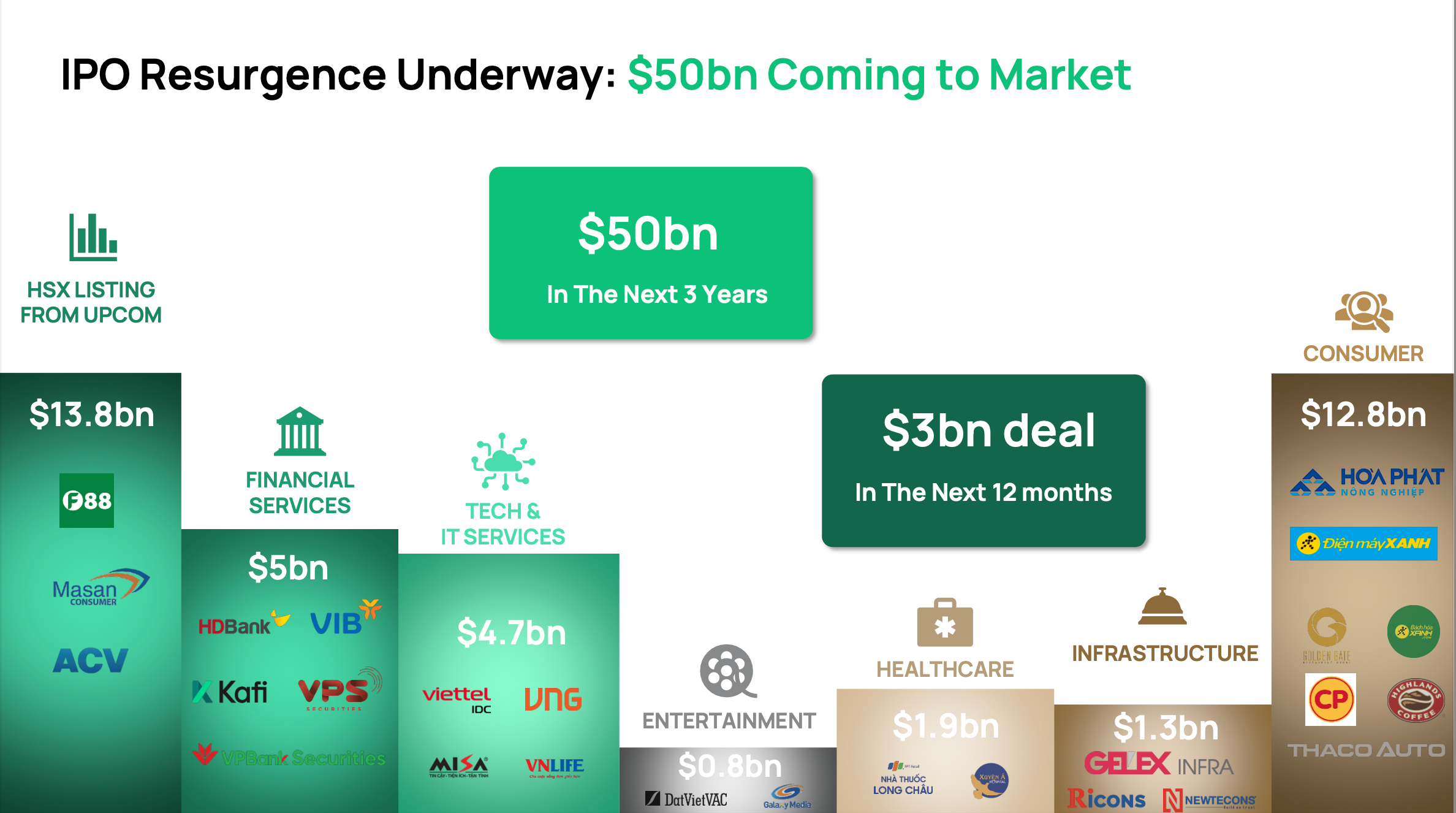
Thanh said: “We are already seeing more companies coming to the domestic stock market for listing.
“GDP growth has already been strong, hitting 8.5 per cent at the end of 2025, with economic reforms pushing for ever-higher targets for GDP growth.
“The reforms set out last year [2025] show the government’s intention to make Vietnam a highly developed country by 2045, which means it needs to grow faster and hit at least 10 per cent GDP growth by 2030 and beyond.”
She said the government’s targets are accompanied by what she views as pro-market policies.
Moving on up
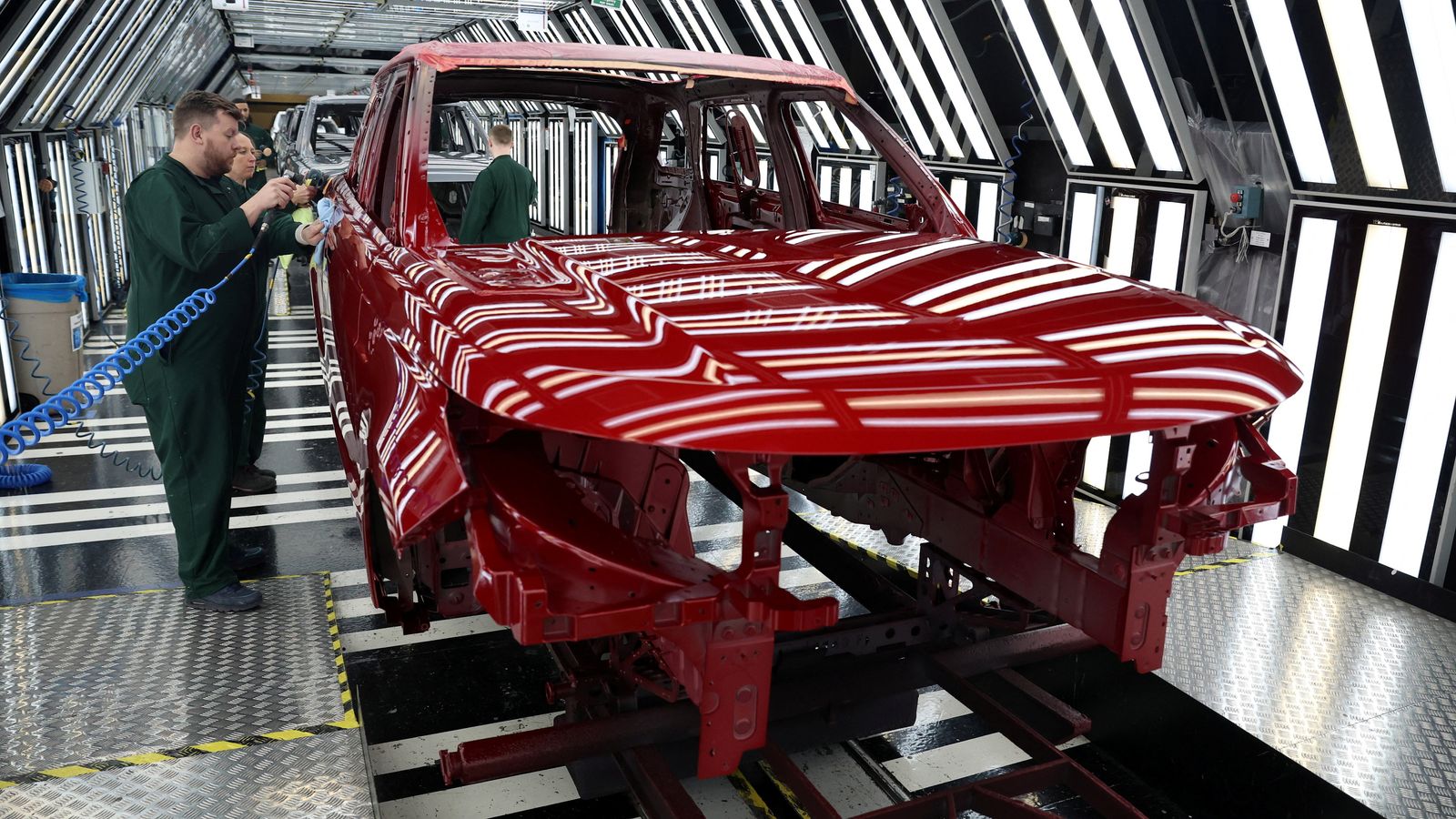
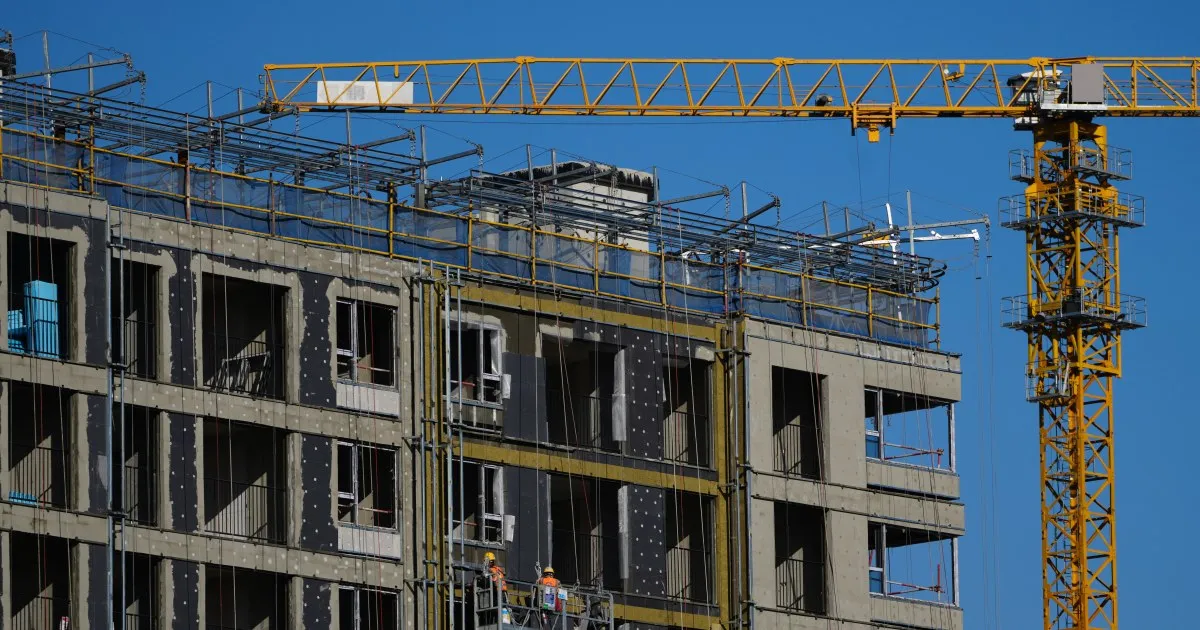
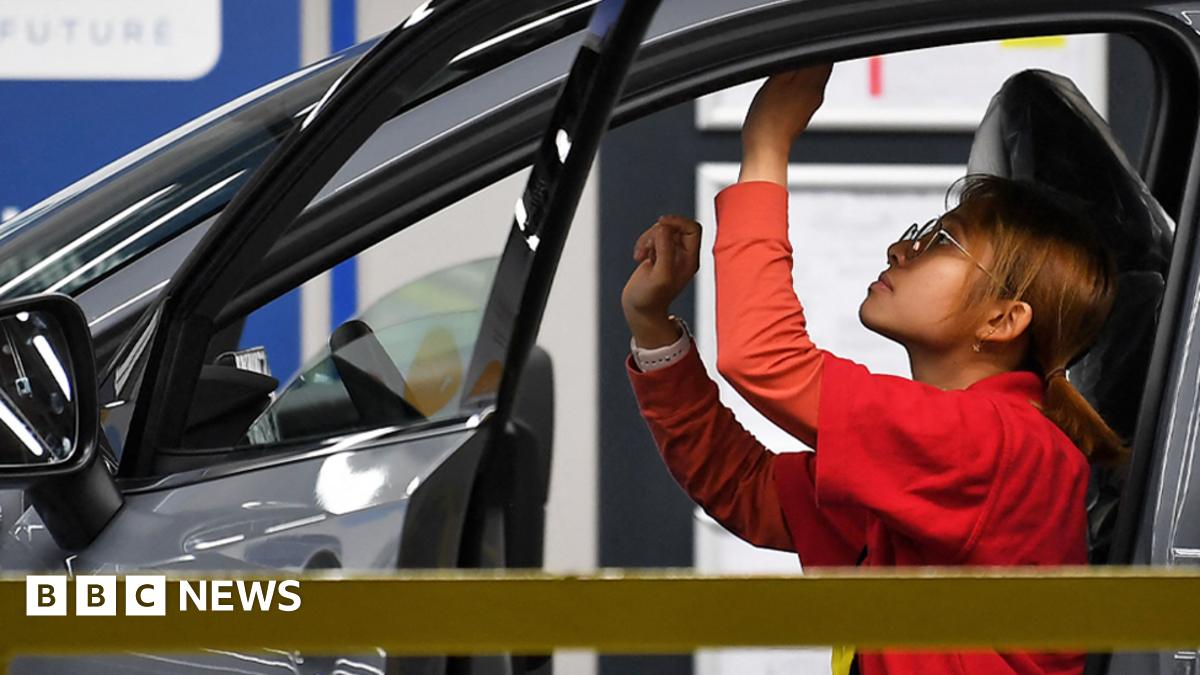
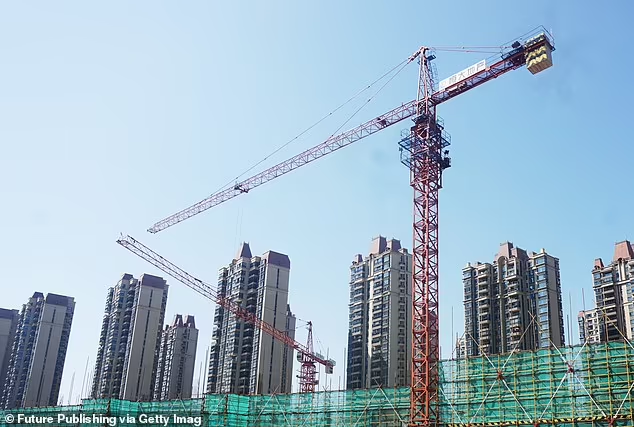
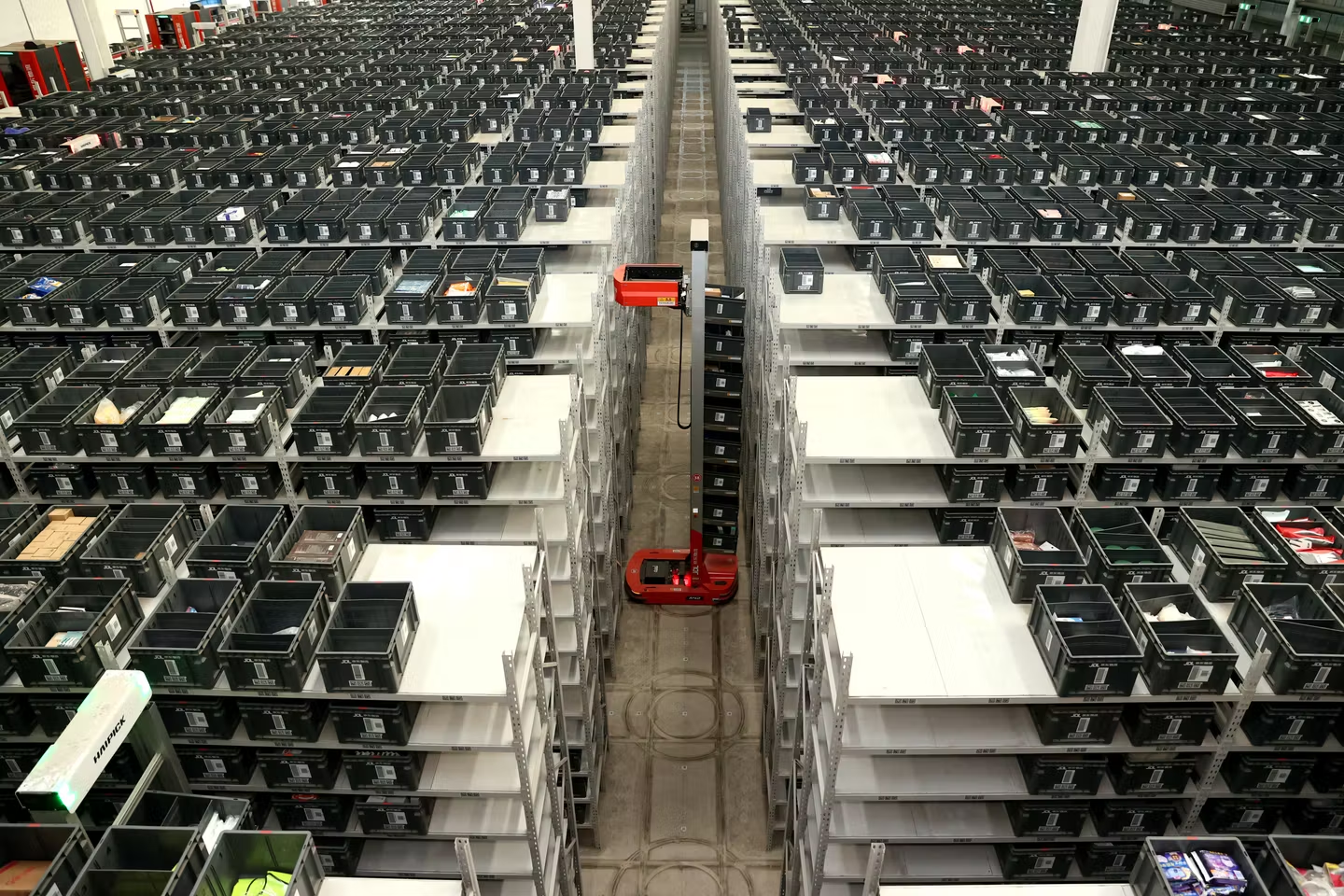
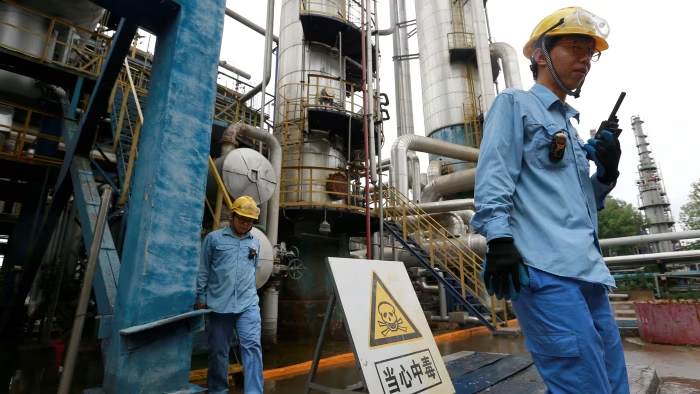
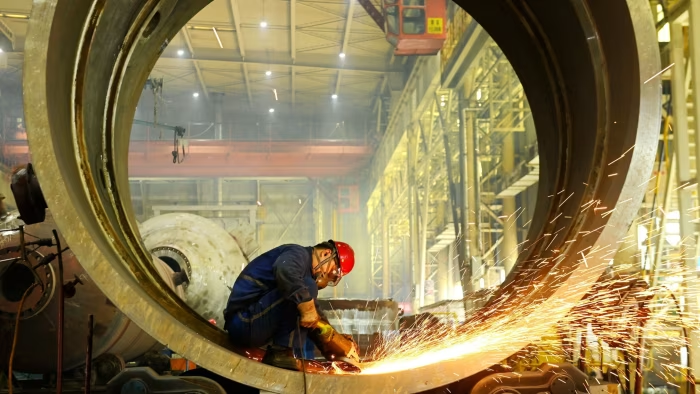
The typical stage of economic development for countries moving from frontier to emerging status, is the level of fixed asset investment rising in areas such as infrastructure, to attract foreign investors and companies to site manufacturing plants there.
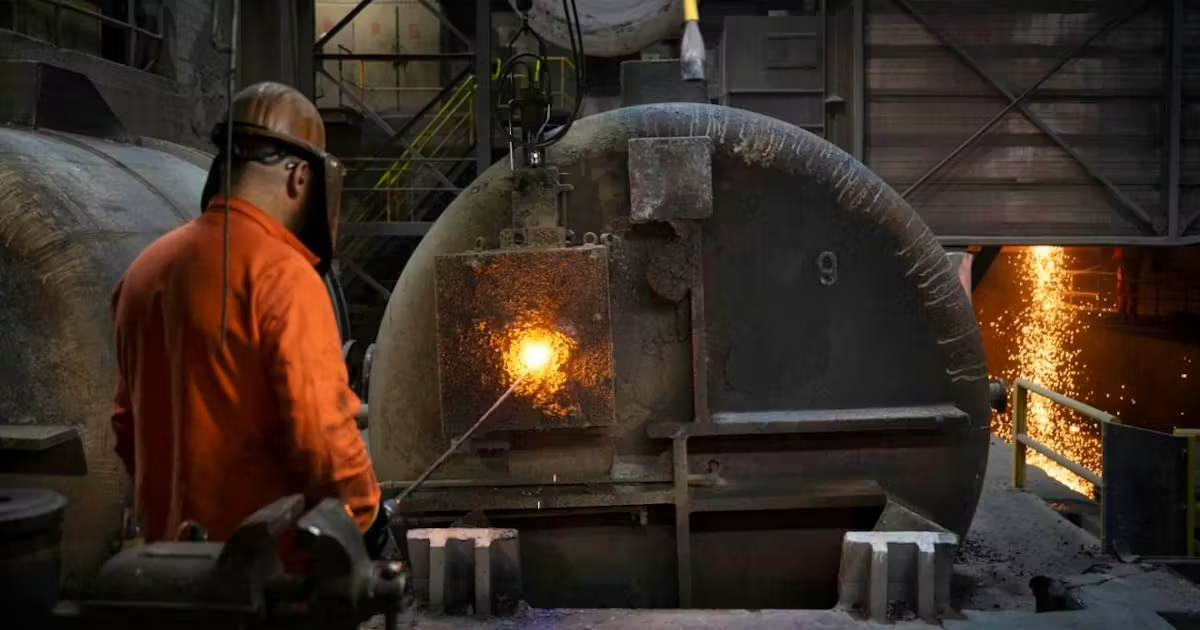
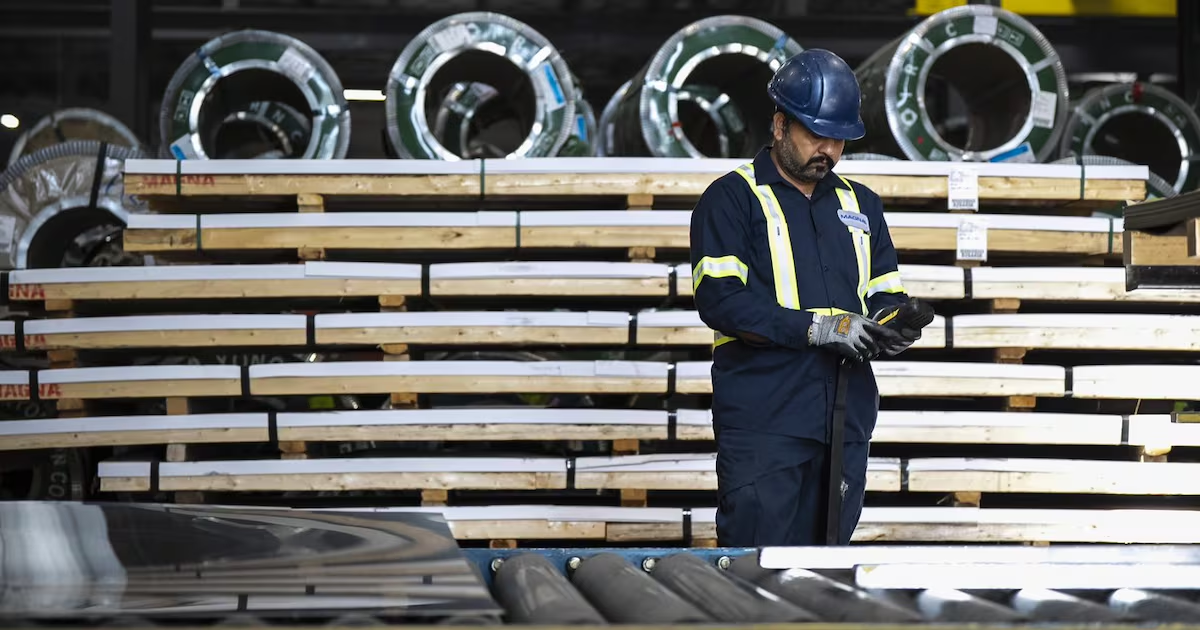
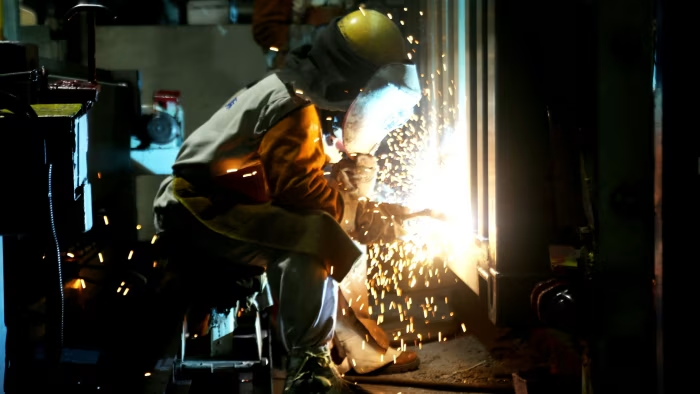
As a result, steel factories and construction companies are popular with the managers of Veil.
“We have local supplies of many materials and we do not need to rely on imports for construction for Vietnam’s infrastructure”, Thanh said.
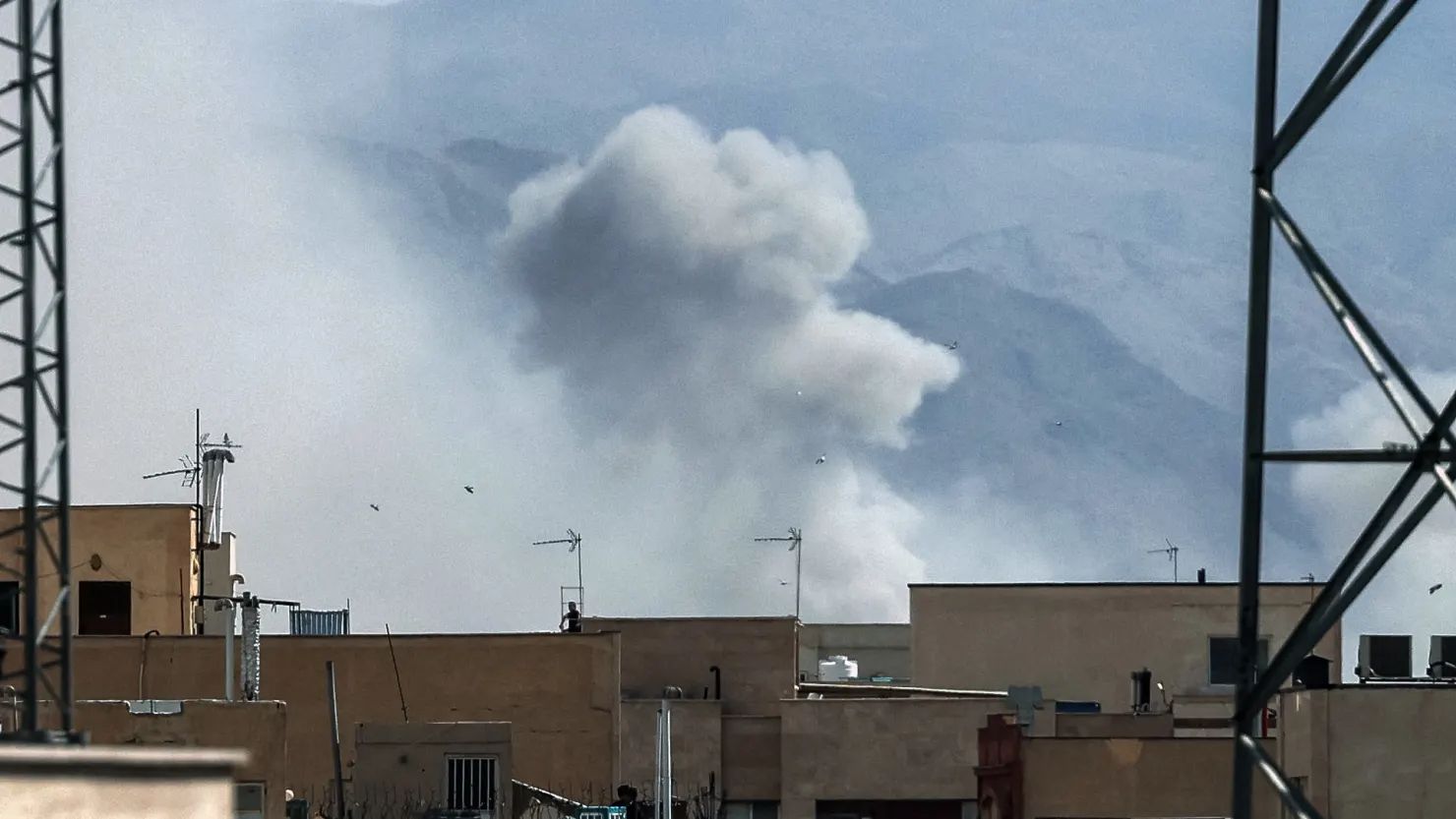
This domestic supply has so far been an important ‘buffer’ for the country, especially considering the constraints on many countries in the east which are experiencing problems over the ongoing crisis caused by the US’ war on Iran.
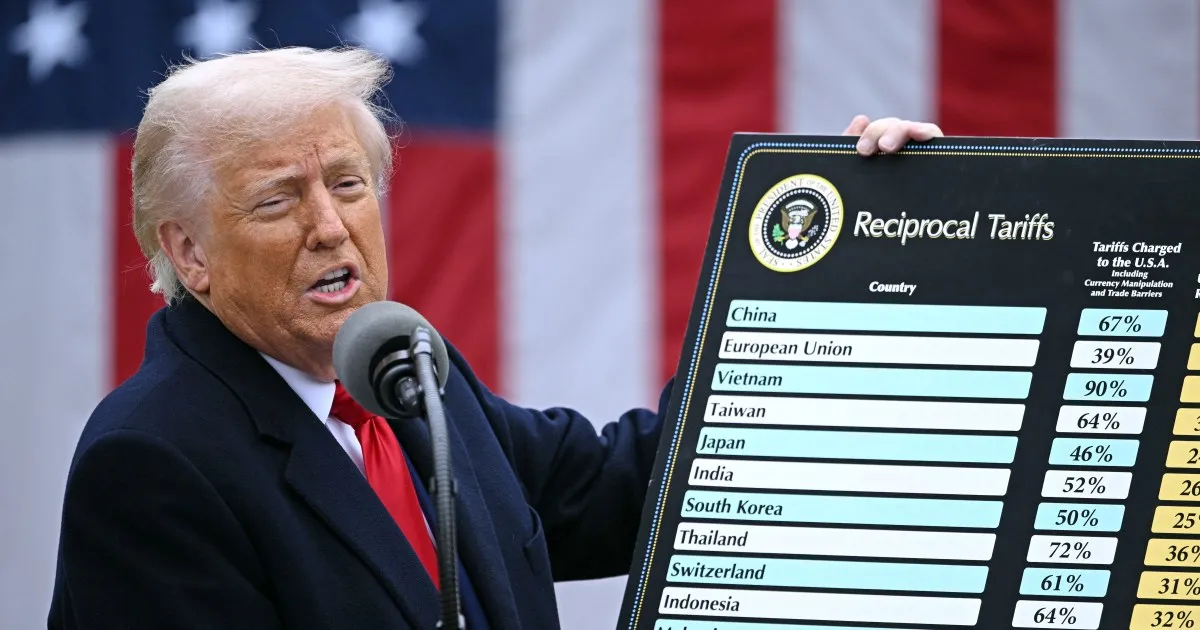
Thanh said: “Of course, what is happening has an effect. We saw the impacts of the tariff tantrum in April last year, and we saw the recovery.
“Currently there is concern about the conflict in the middle east, which has impacted the oil price.
“Vietnam, like other Asian countries, is a net importer of oil and gas, which could put upward pressure on inflation.
“However, even if it goes to 5 per cent, the country can still deliver the expected growth.”
Domestic growth
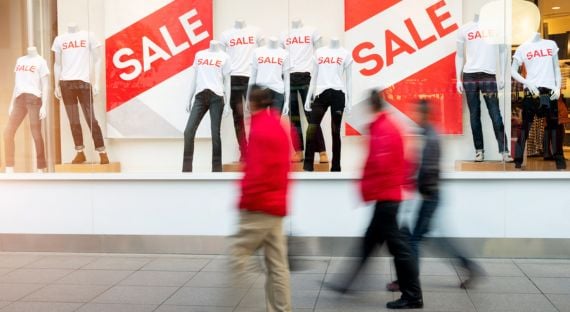
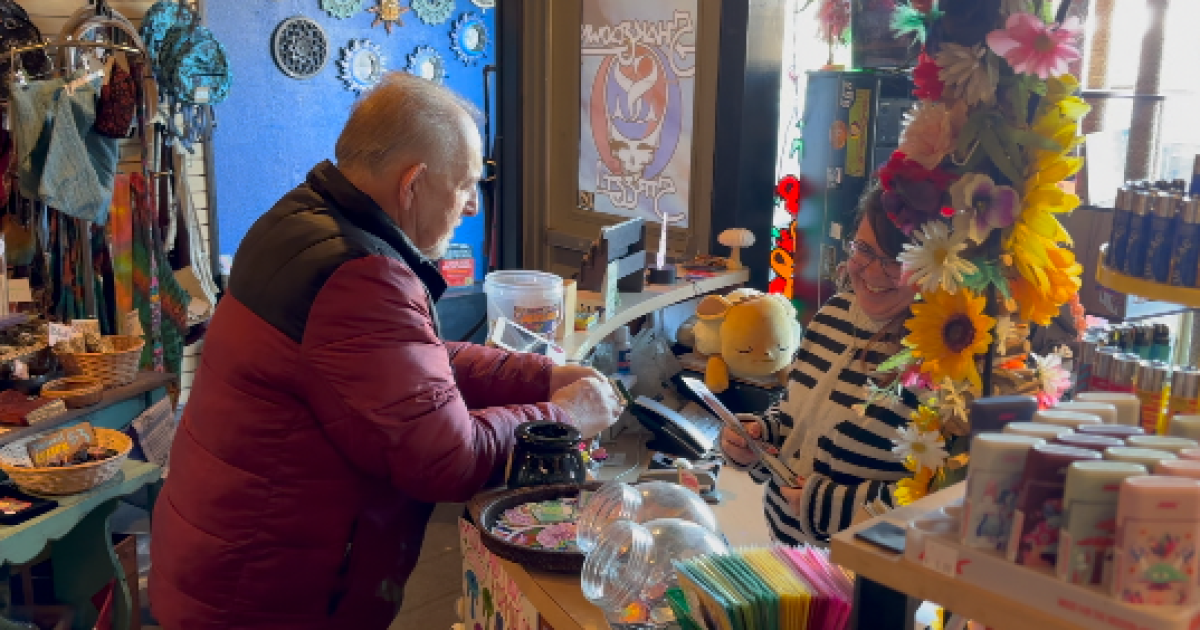
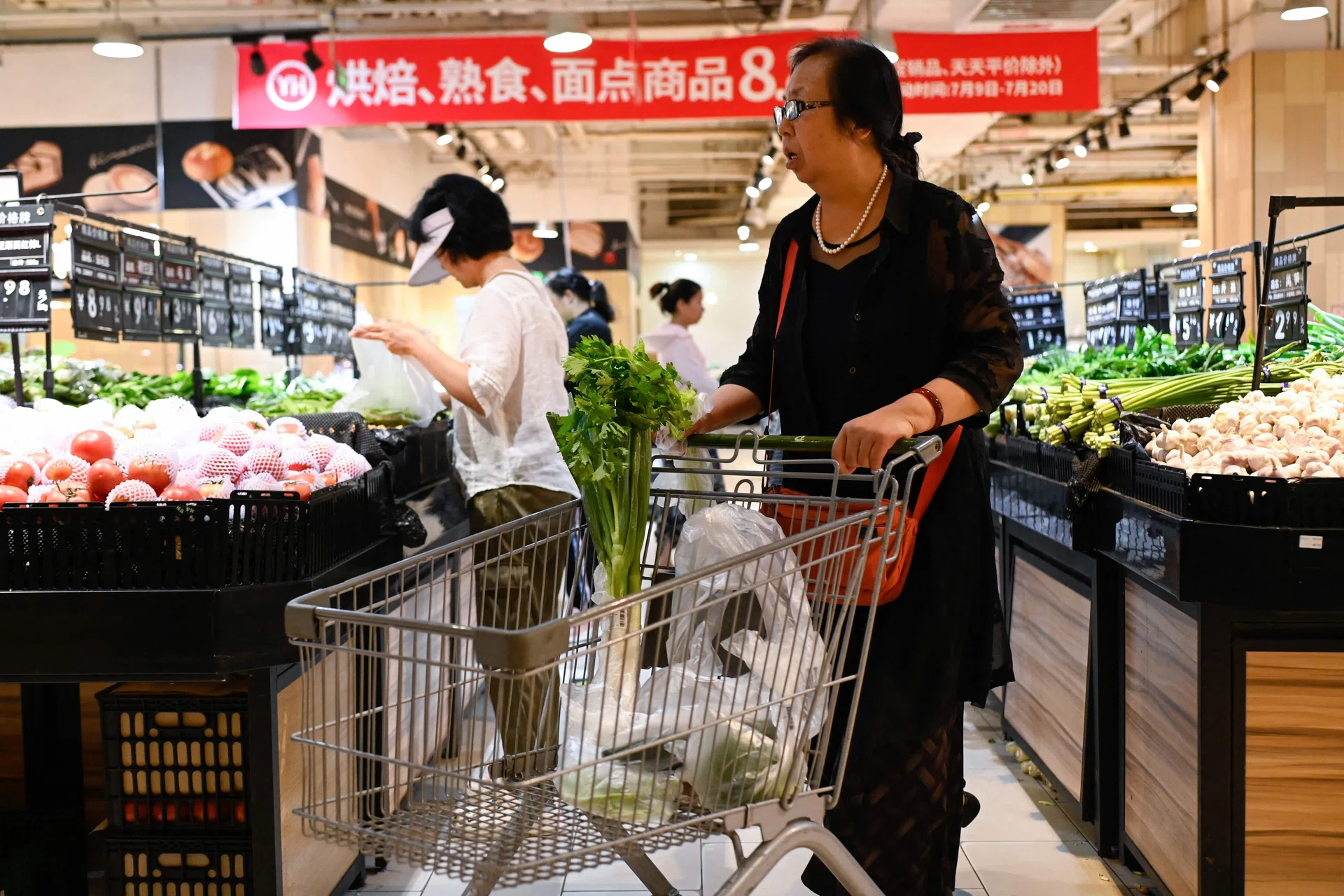
But she said approximately 35 per cent of the population would be considered ‘middle class’, and rising, giving more impetus to domestic consumer stocks despite any threats of inflation.
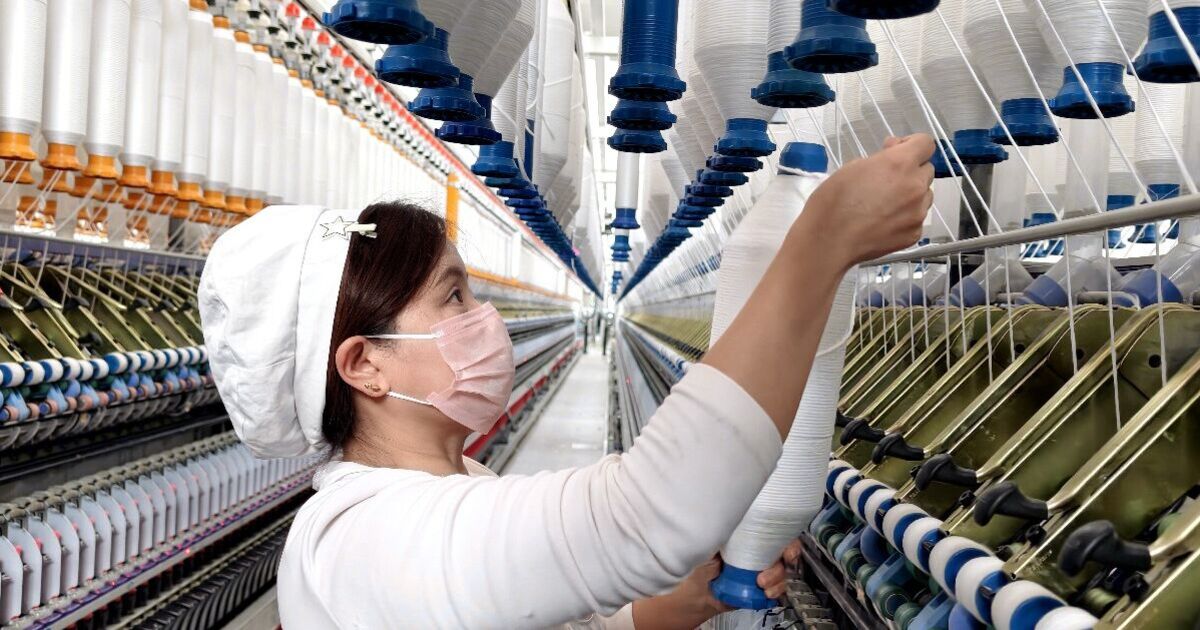
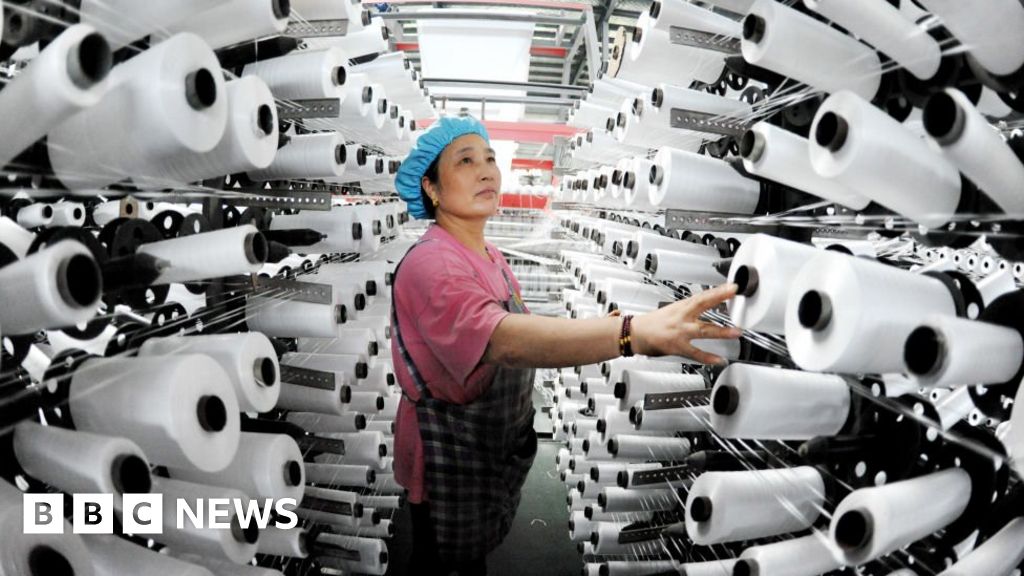
This is typically the second stage of development for an economy moving from frontier to emerging status, as the manufacturing jobs created in the first stage create higher employment and wages, enabling more consumption, broadening the sources of growth in the economy.
Thanh added: “The domestic market is proving very resilient — people have more money to spend and, given the rise in wages, the support for domestic consumption is great.”
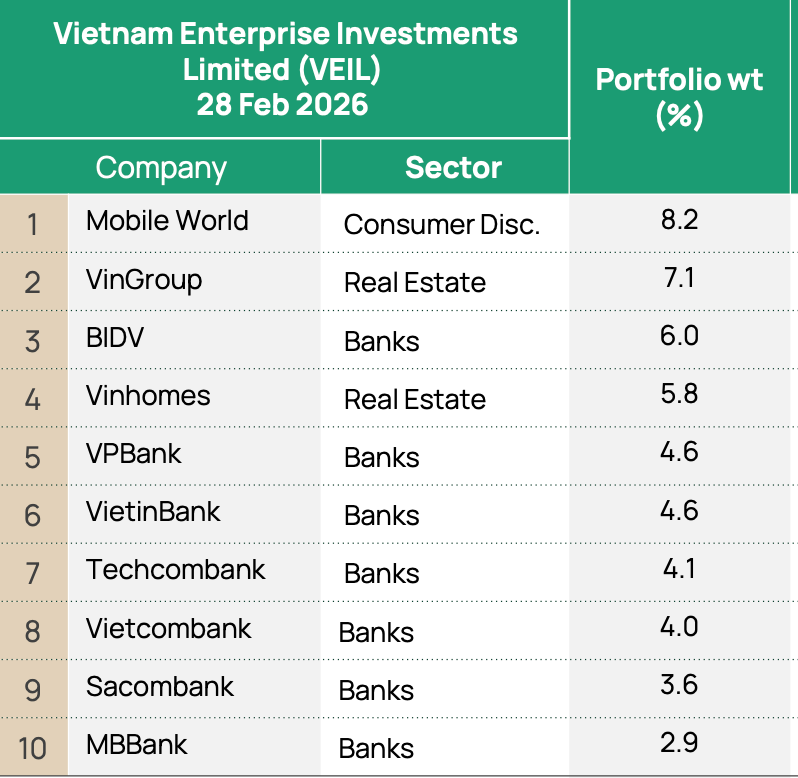
Currently, the largest holding in the fund is in consumer discretionary stock MWG — Mobile World.
According to the managers, this is not just because the company has been on an acquisition hunt to consolidate and grow its grocery business across the country, but also because it has the highest market share in the ICT and consumer electronics market in the country.
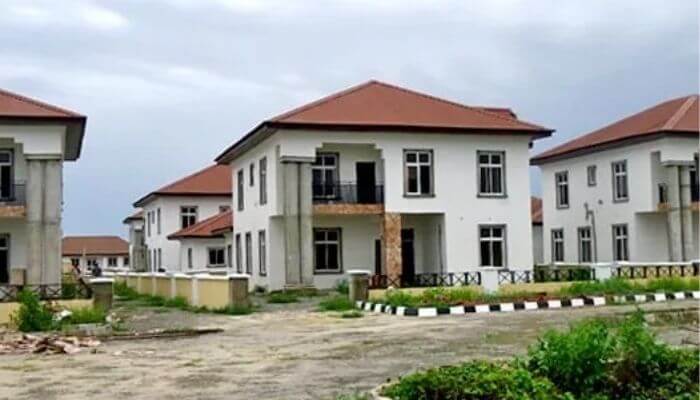
Real estate is also attractive as cities start to expand, attracting more mobile workers from rural areas into the suburbs; young workers who are demanding quality accommodation and the infrastructure that supports new housing.
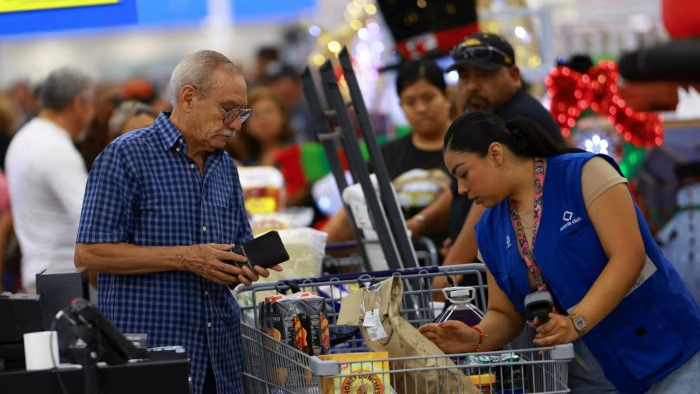
Michael Kokalari, chief economist at Vina Capital, said a feature of the Vietnamese economy so far in 2026 has been that manufacturing growth has accelerated far ahead of expectations, while consumer spending has more moderate than he expected.
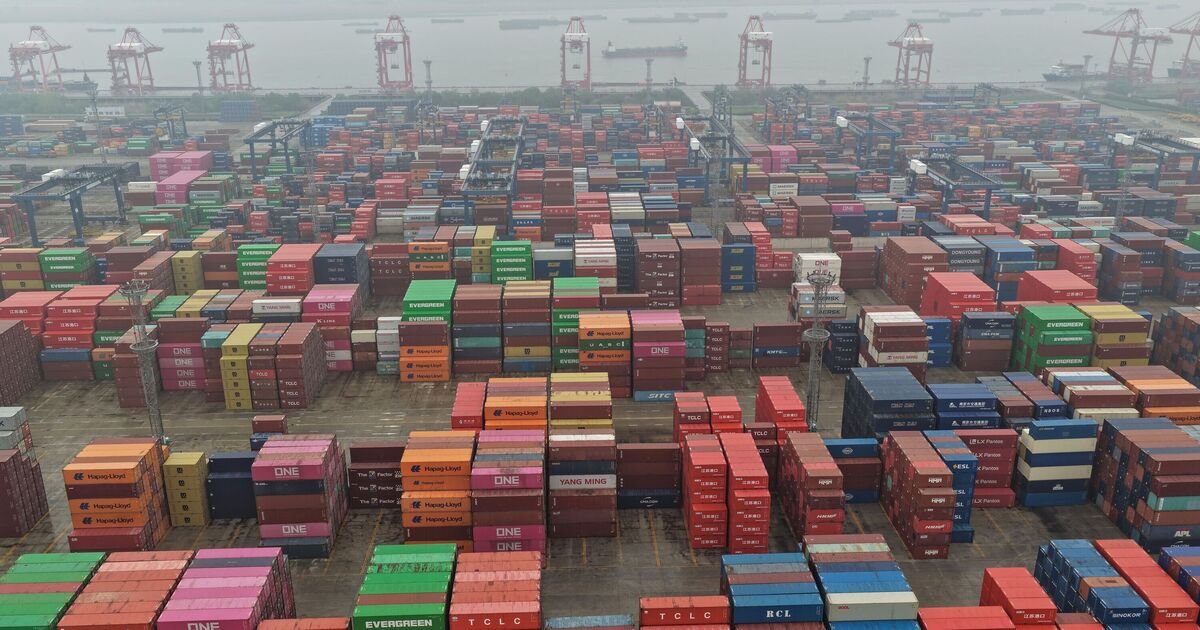
He said US consumer demand for manufactured goods has been the major driver of manufacturing demand. However, in his view, interest rates are higher than justified, which has been inhibiting consumer spending.
Kokalari’s view is that rates are being kept high in order to protect the value of the currency, and limit inflation.
FDI
But generally, foreign ownership in Vietnam has hovered around 10 per cent, largely given its frontier market status, but also because of structural hurdles.
There have long been foreign ownership limits in the country, restricting the extent to which outsiders could buy into the market, but the government are reviewing these.
FDI was “holding up” at approximately 10 per cent, but because the equity and corporate bond markets were still “quite young”, foreign investors have been relatively limited in what they can invest in.
And the country’s frontier status has not helped drive inflows.
Most international pension funds do not tend to invest in frontier markets, given the need to balance risk and return very carefully to meet future liabilities.
This is something Thanh said she hoped would change once Vietnam moves into the FTSE Emerging Markets index in September this year, and into the MSCI in 2030.
She added that anticipated higher volumes of FDI in the coming years should help to boost the government’s plans for developing the country.
Currently, most of the financing for infrastructure and other projects is being provided by the Vietnamese banking system – one reason why the fund has such a high weighting to banks.
“One of the focuses now for the government is to strengthen the equity and bond markets, to reduce reliance on banking capital”, Thanh said.
“To finance all the infrastructure growth, state-owned companies cannot do this alone: we need the participation from the private sector to develop all the airports, railways, highways — such as the high-speed rail connecting the north and south of the country — and other projects that the country needs”, she said.
Defensive measures
Veil managers have maintained a significant cash position as a defensive play over recent months.
They held approximately 5.9 per cent, as at the end of February, which was increased in the first week of March to manage volatility, while preserving flexibility should opportunities emerge.
“We raised a little more cash given the fluctuations in the market, to be a bit more defensive. We also try to have a little more allocation to defensive stocks, such as beverages and energy”, Thanh said.
However, she stressed that while Veil was being tactically more defensive at the moment for “risk management”, the managers did not want to be “timing the market”.
“We still believe in the valuation story for banking, real estate, construction, material and resources stocks, which have high exposure in the fund.”
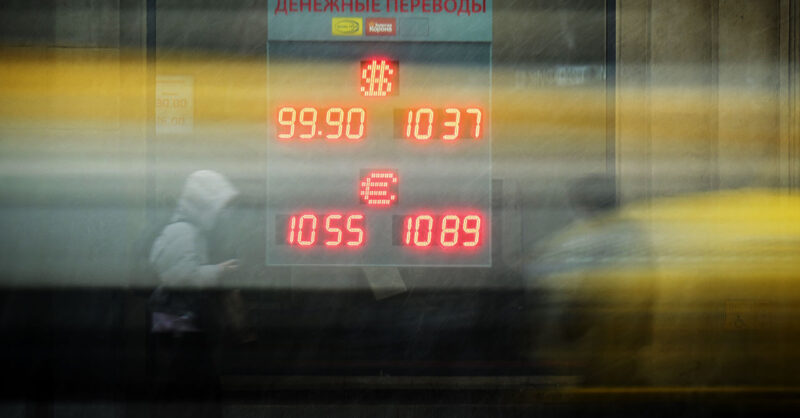
And while there is a concern over a weakening of the Vietnamese Dong against the US Dollar, Veil has had a nice boost from the currency differentials.
The managers invest in Dong-denominated assets, but the net asset value is valued in US dollars, so there has been a net return boost to the fund thanks to this.