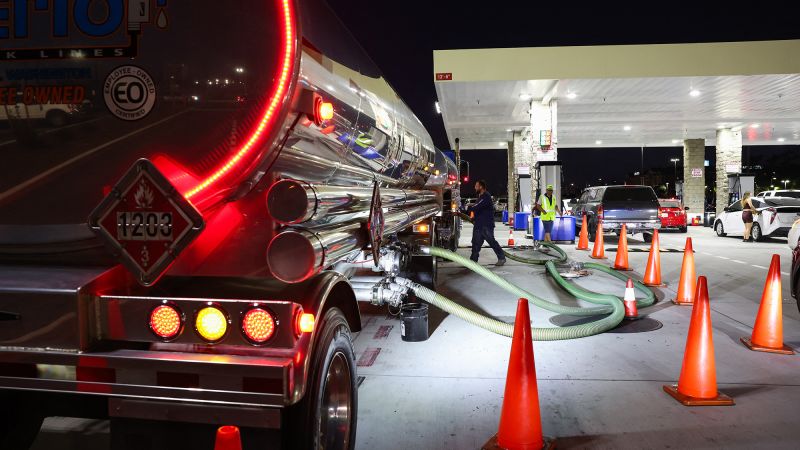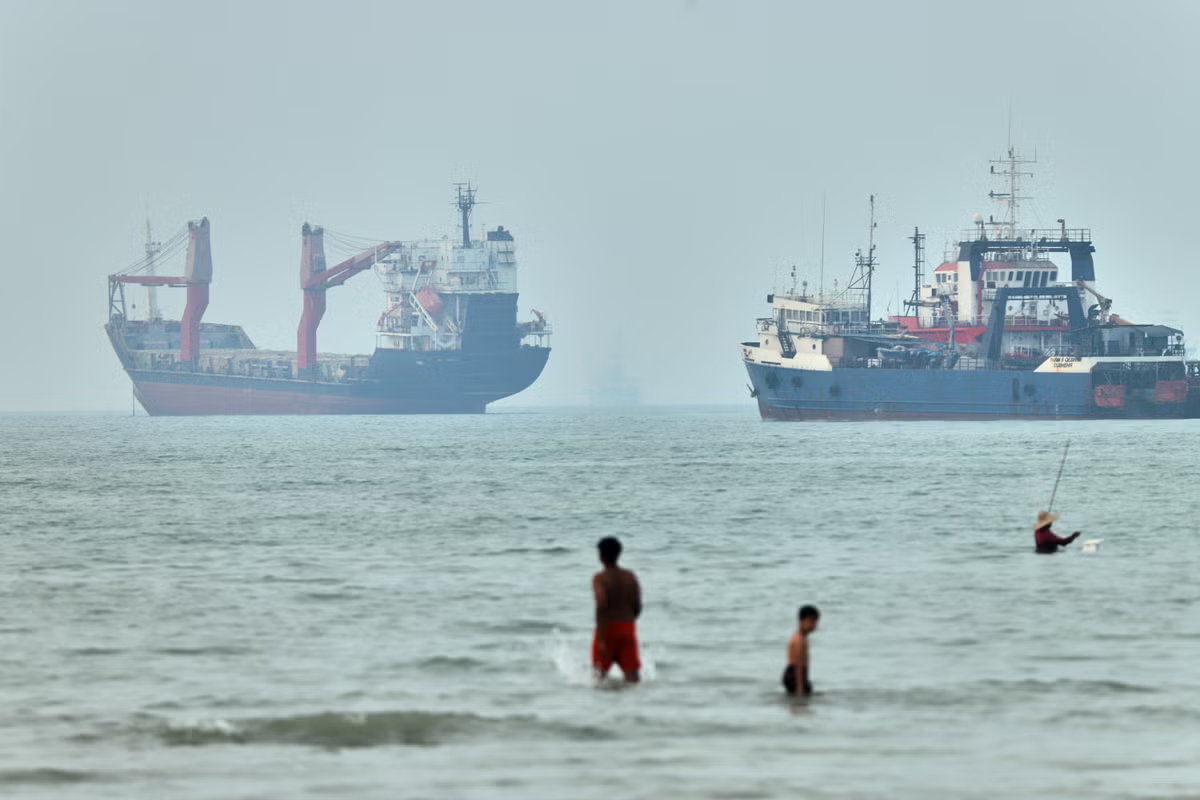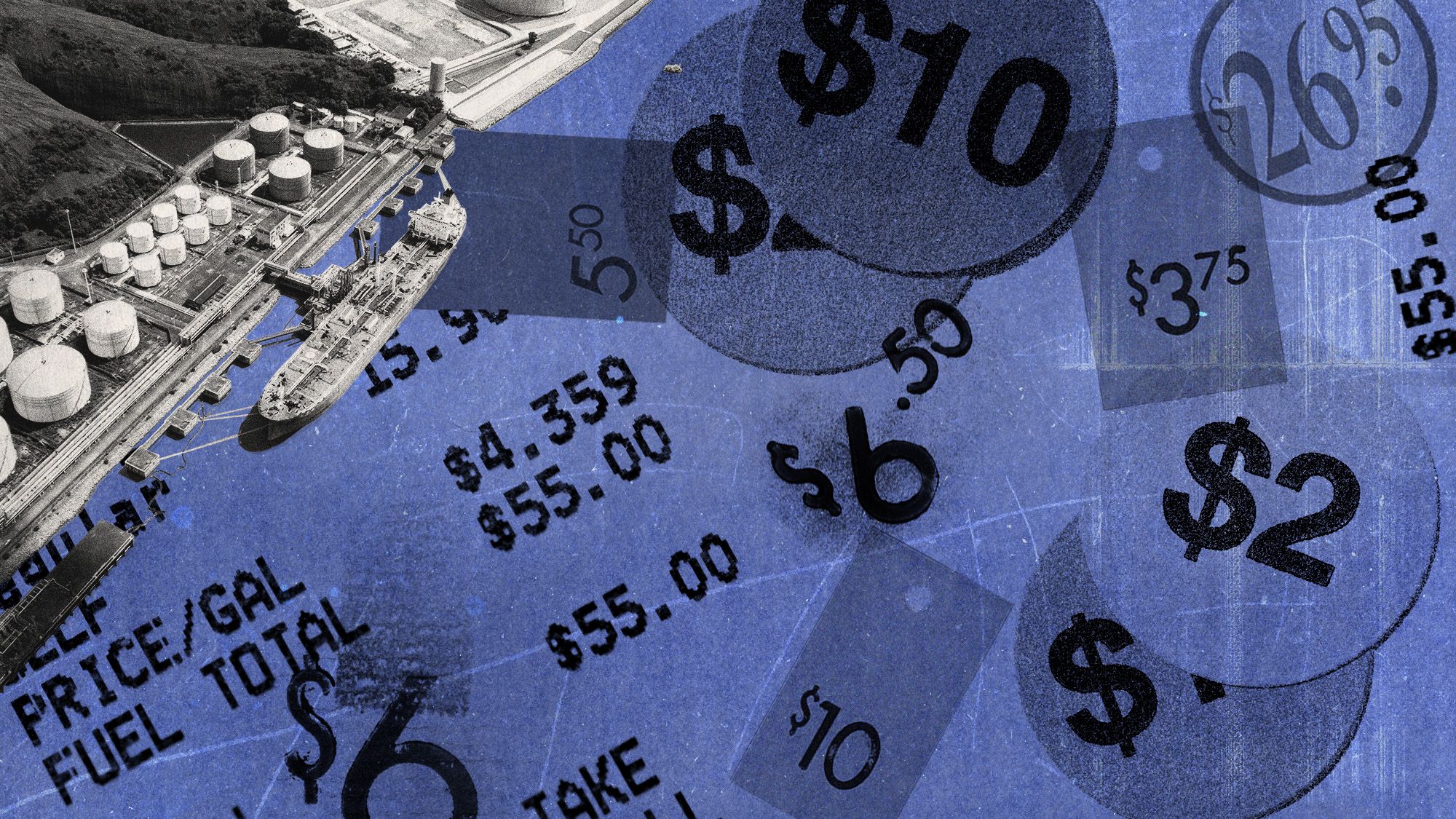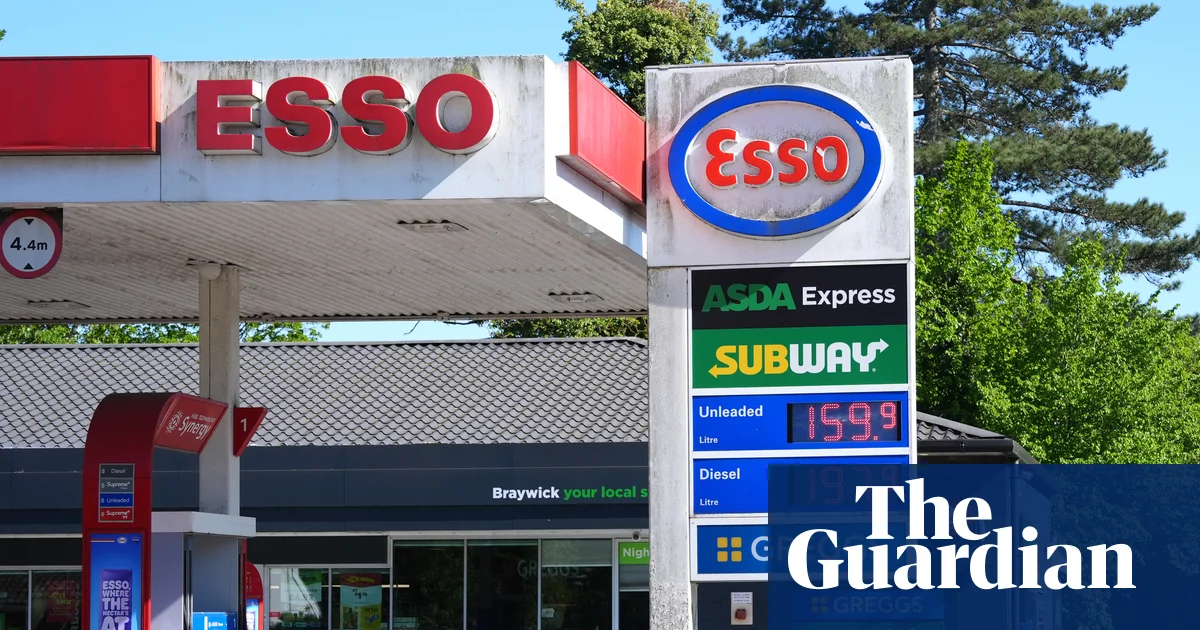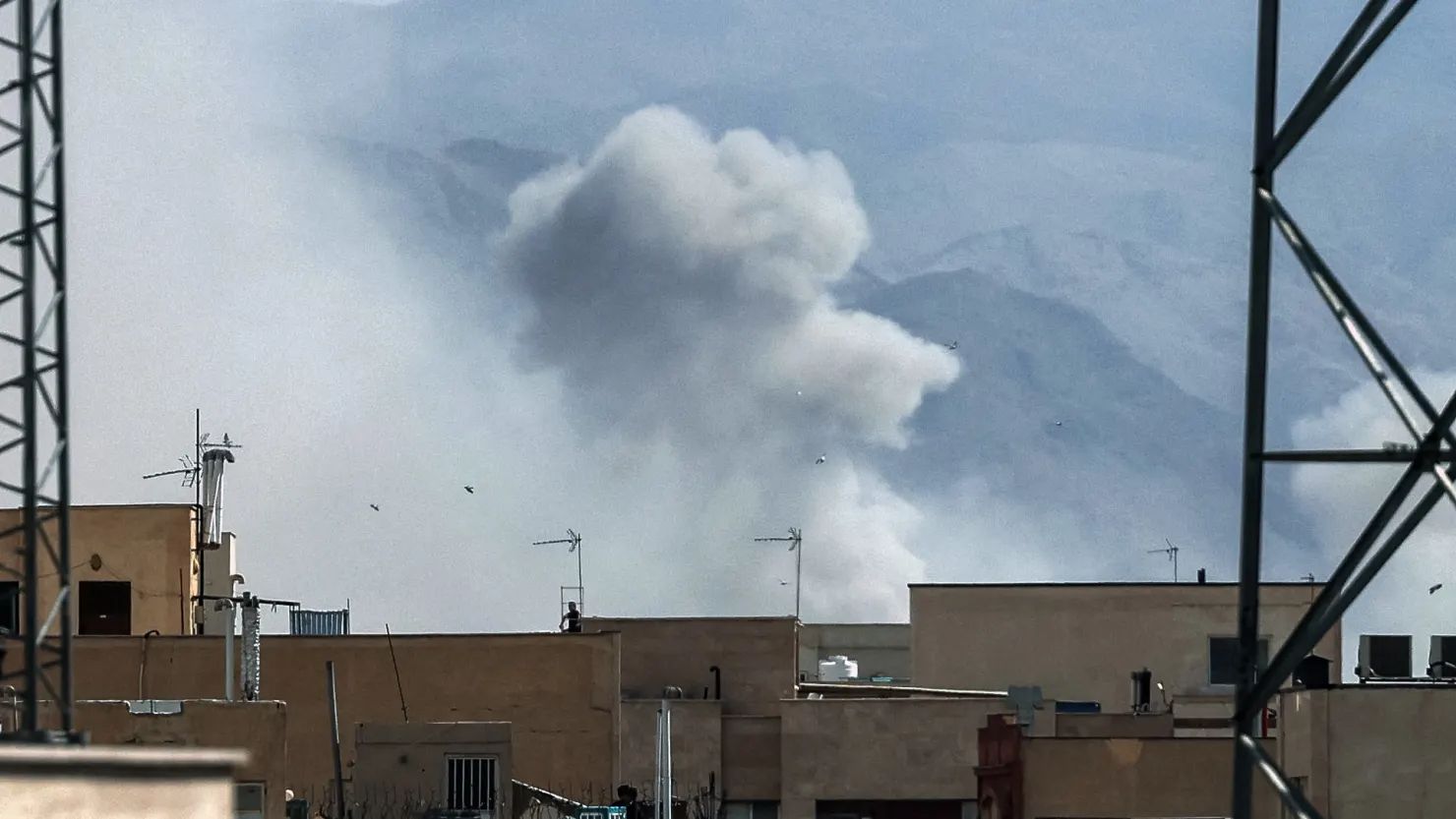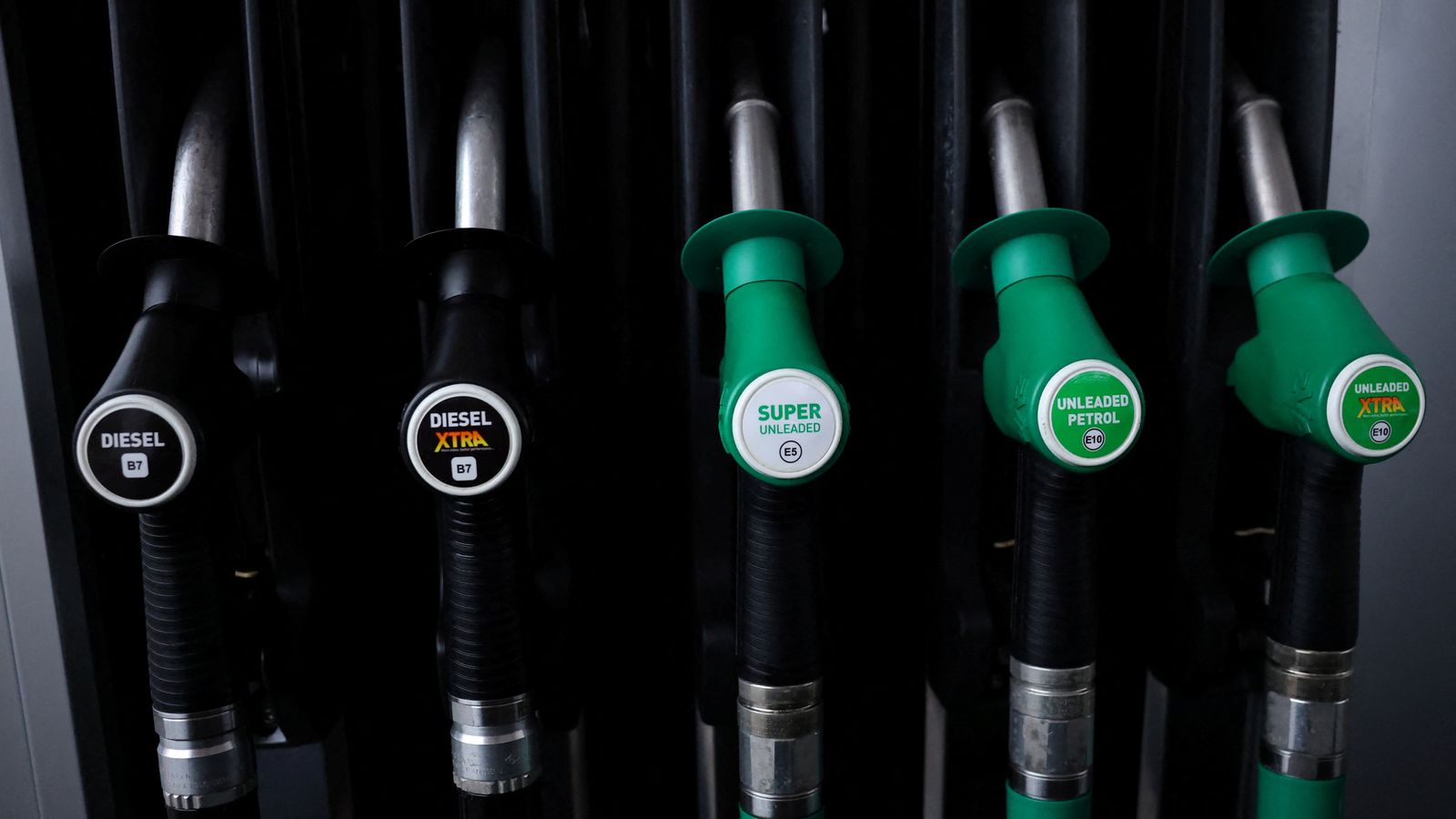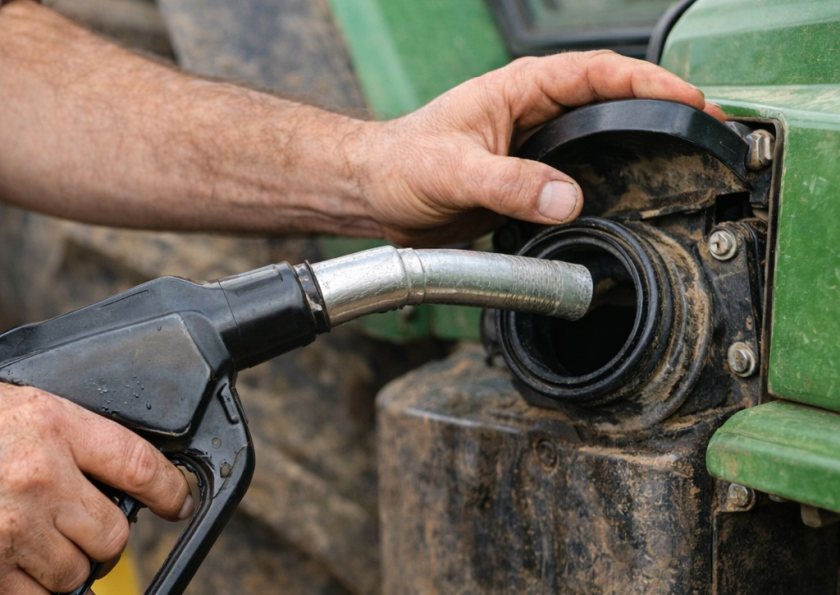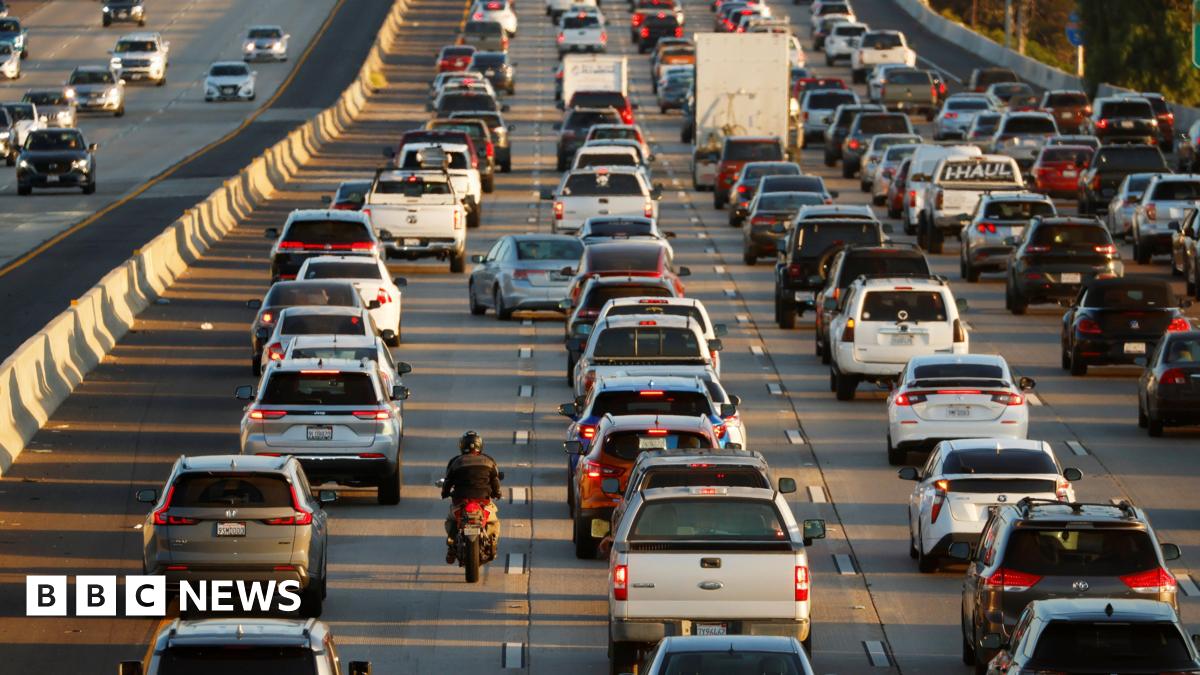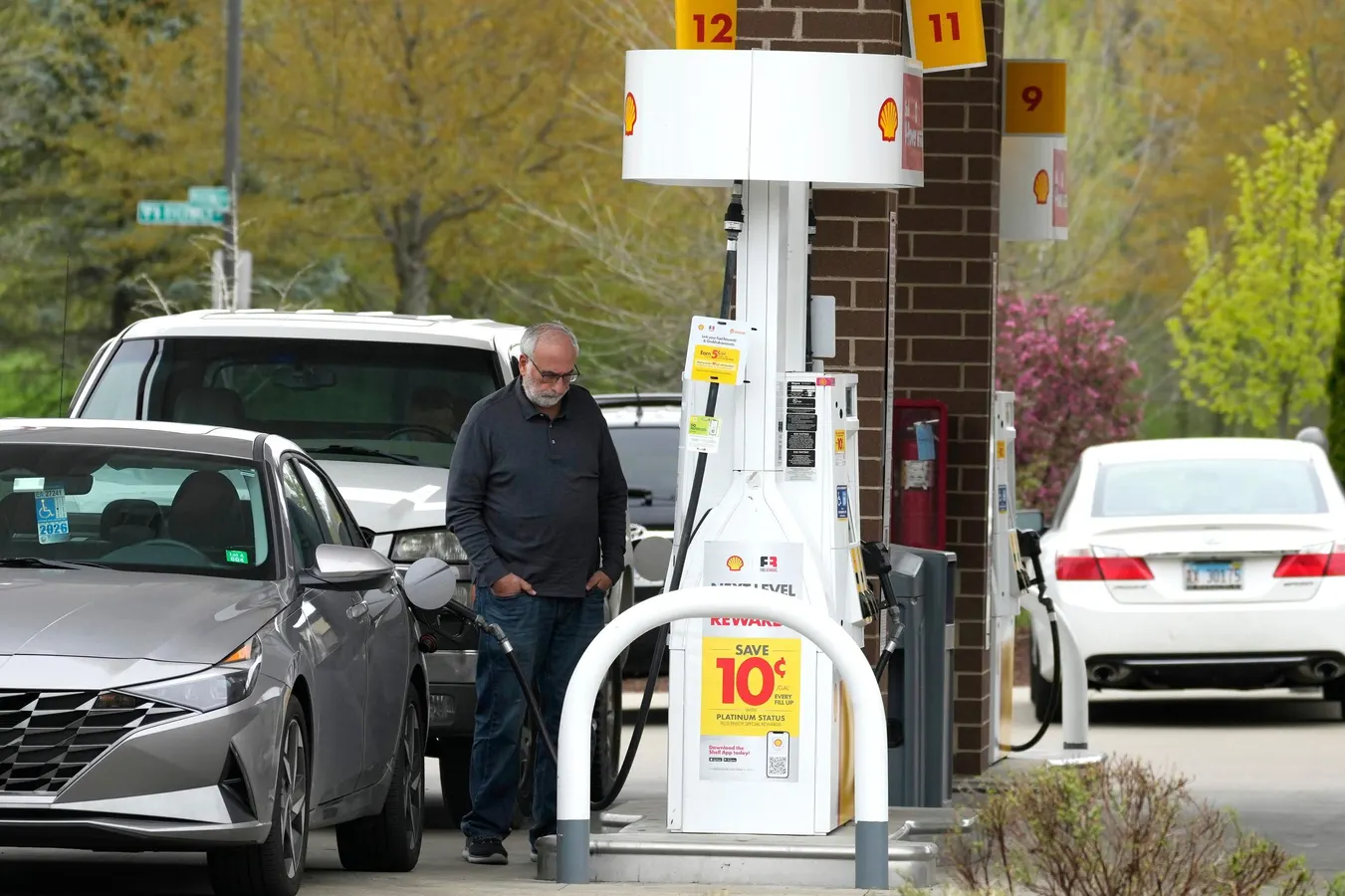
Drivers in the UK have seen petrol and diesel prices rise sharply since the war broke out.
Heating oil users have also been hit by steep increases, although households under Ofgem’s energy price cap will be shielded from rising energy prices until July.
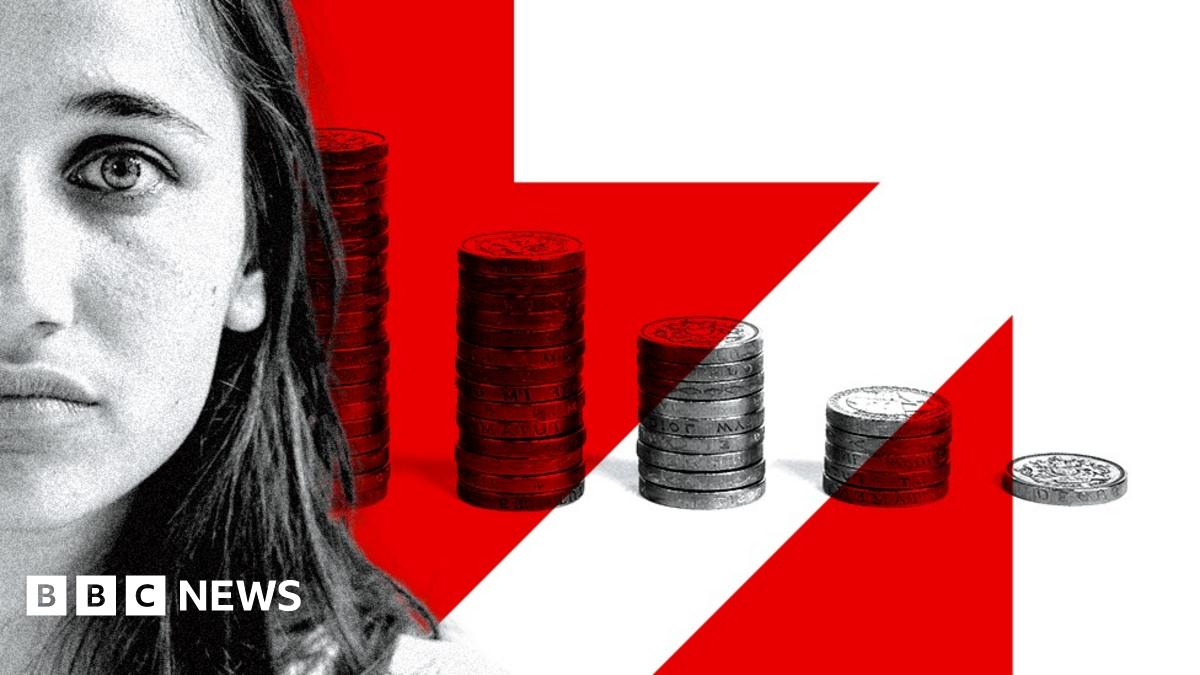
The economic ripple effects from the conflict could push up inflation – the rate at which prices rise – which before the conflict was on track to fall back to the Bank of England’s 2% target by spring.
A pick-up in inflation could also affect interest rates, which prior to the war were expected to fall. However, the prospect of higher inflation has prompted speculation rates will be held steady or even rise this year.
The change in expectations has already had an effect on the mortgage market. Hundreds of deals have been pulled by UK lenders, with average mortgage rates rising to levels not seen since last spring and summer.
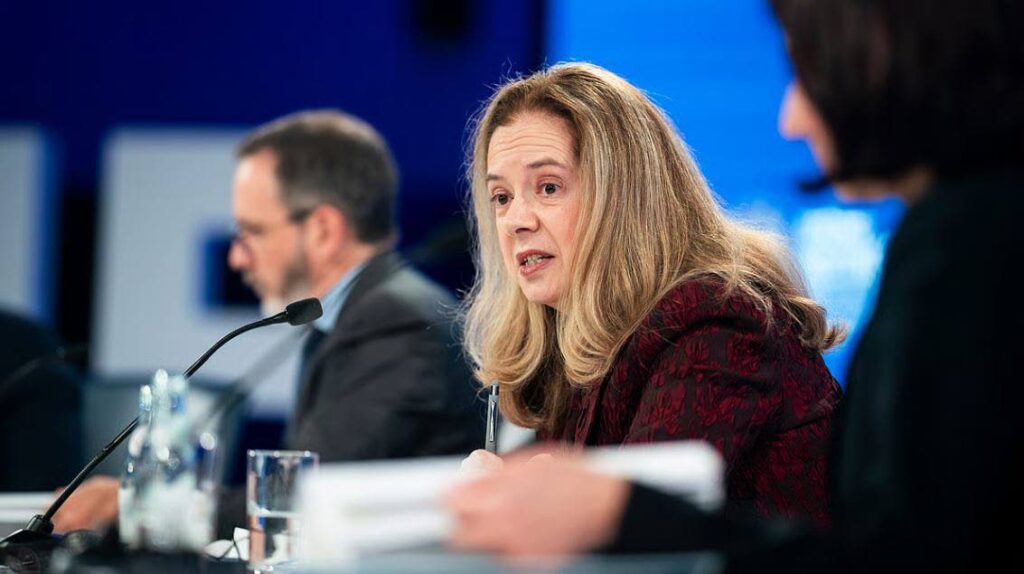
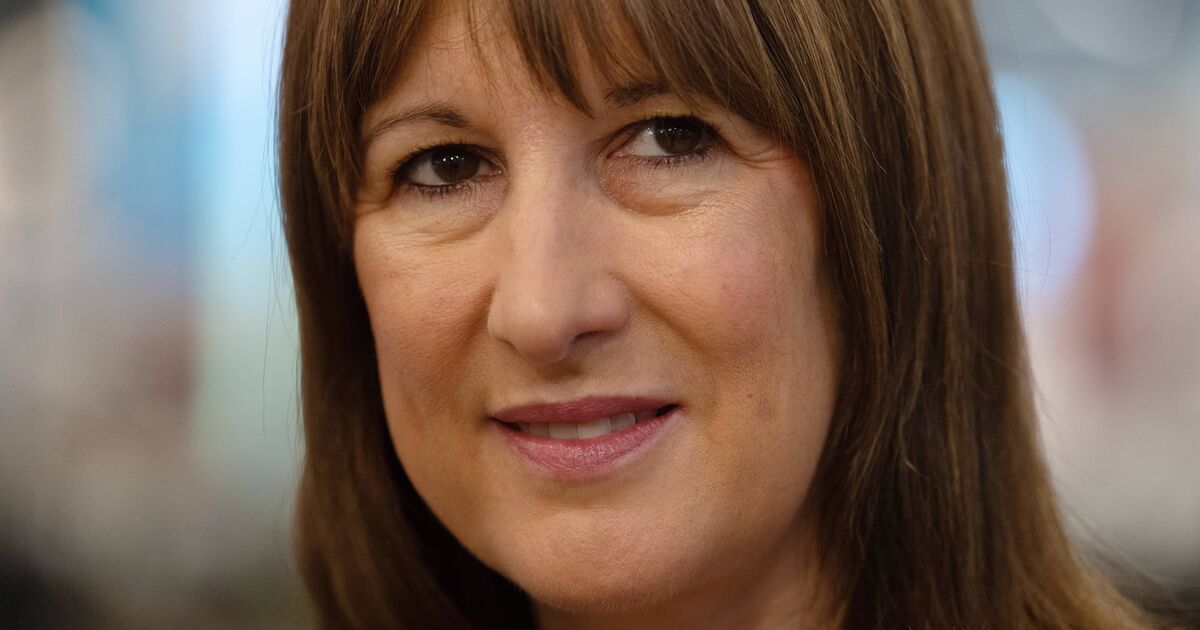
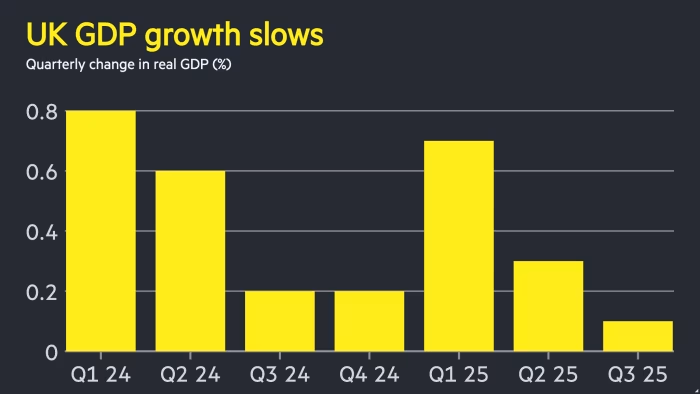
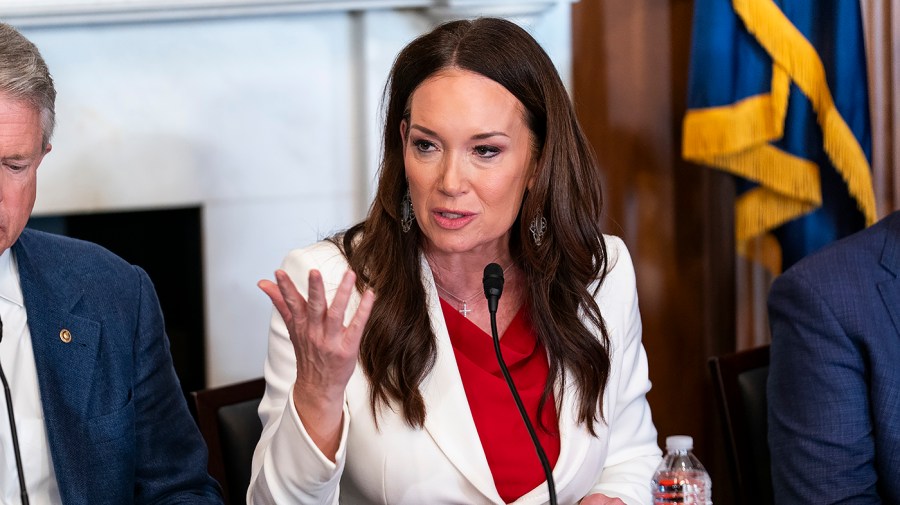
Ruth Gregory, deputy chief UK economist at Capital Economics, said the “bumper” growth in February was “probably already extinguished” by the Iran war.
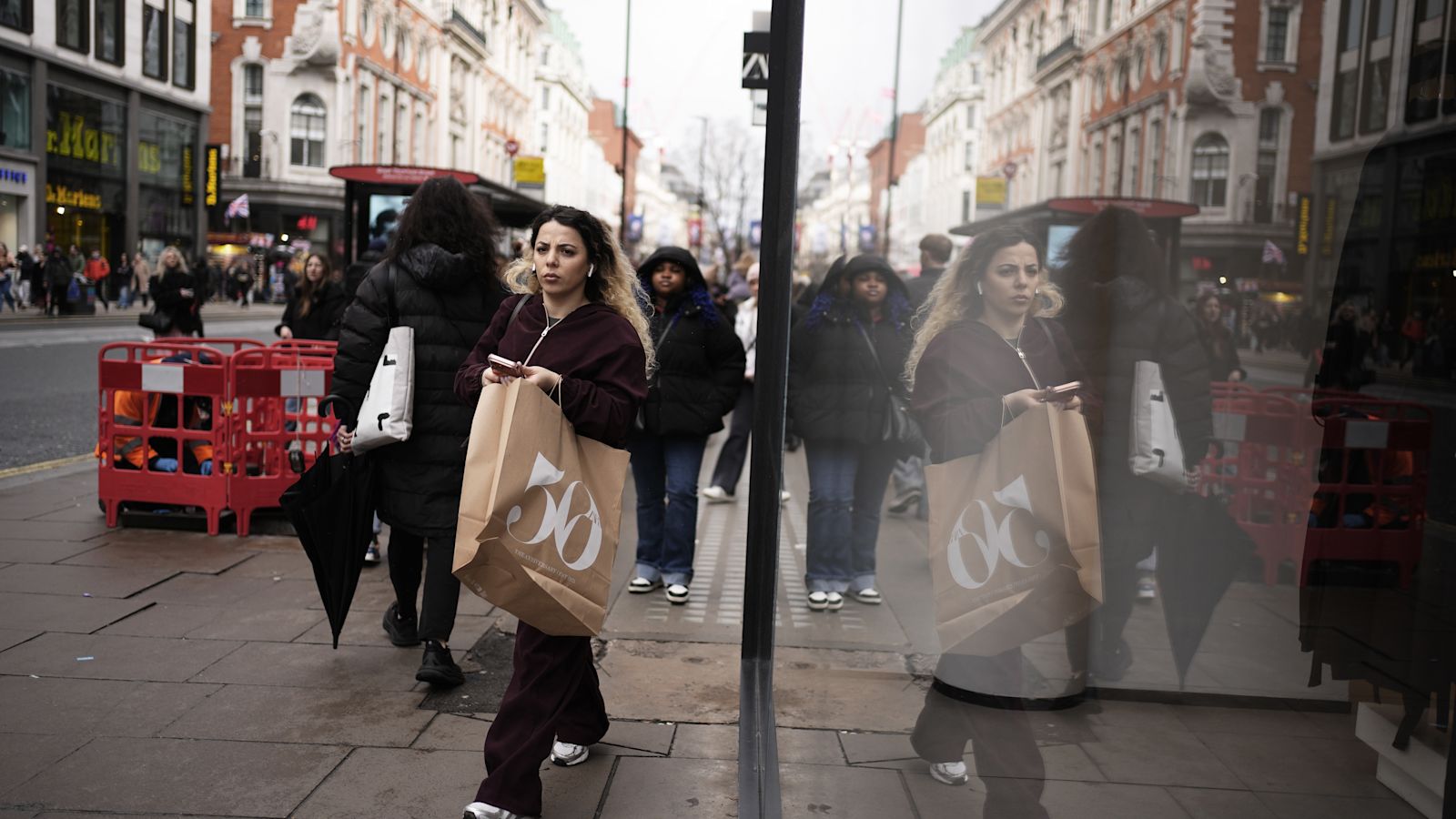
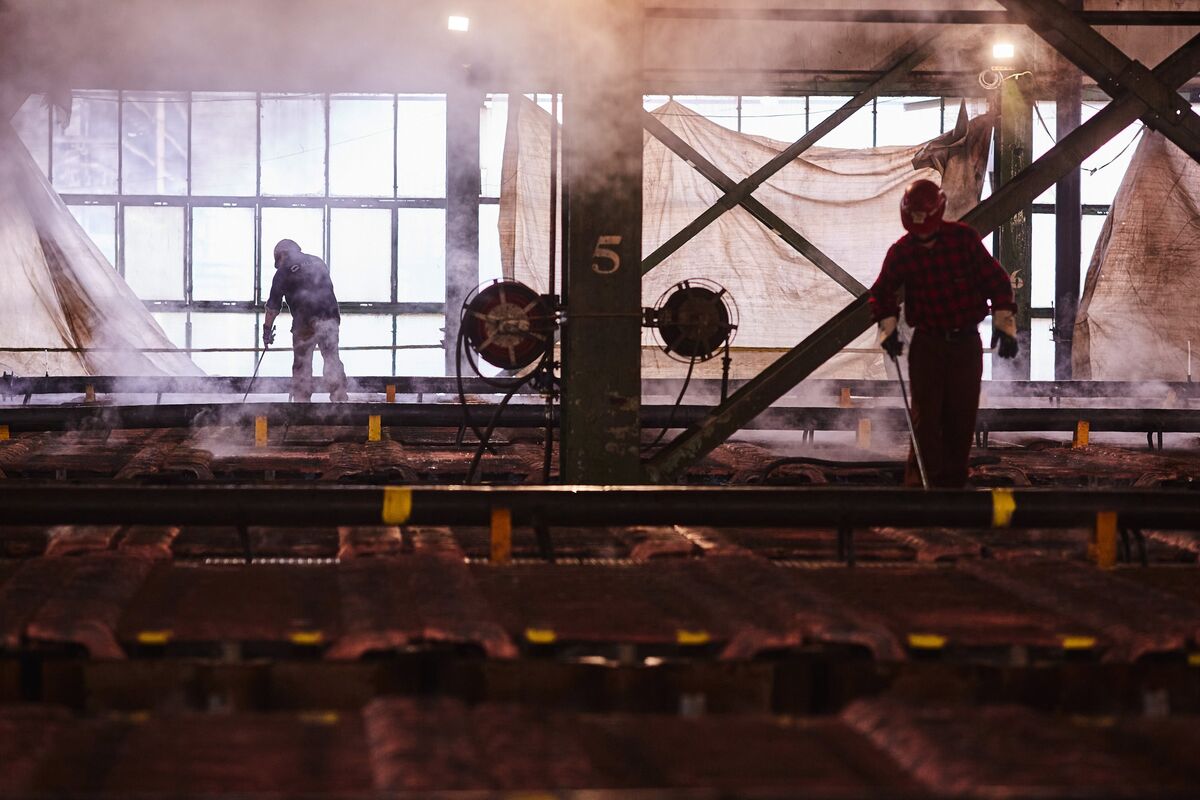
But she said it was encouraging that some of the sectors most exposed to the rise in energy prices had performed well, such energy-intensive mining, transport and retail.