This story is part of “Tough Times,” a Harvest Public Media series looking at the economic stress that many American farmers are facing in 2026.
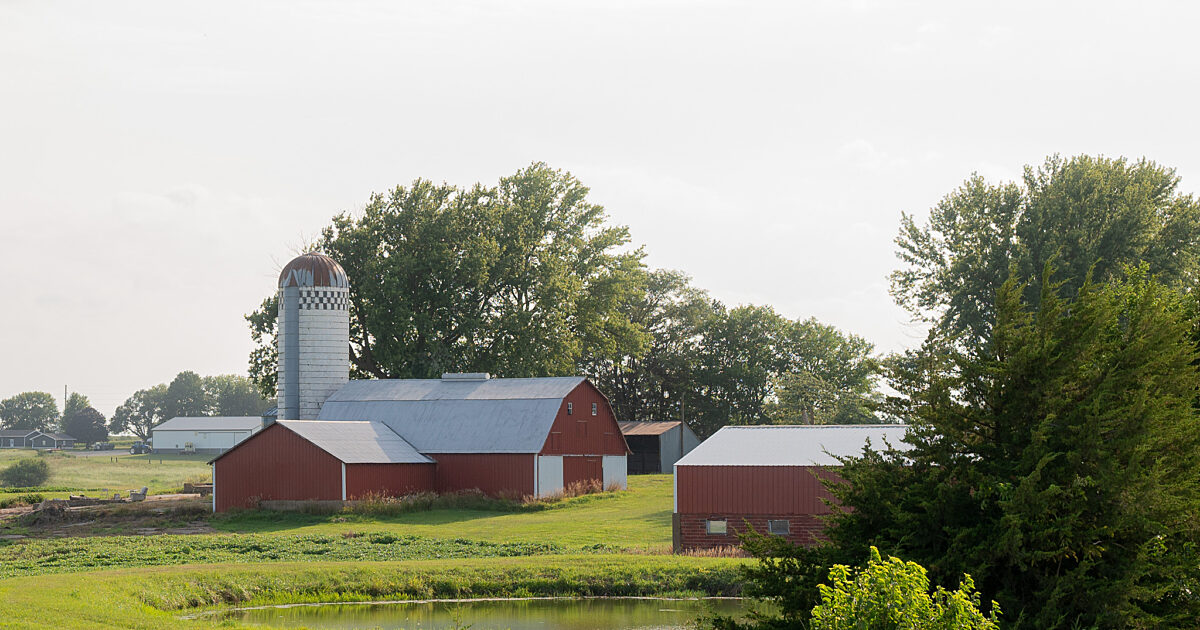
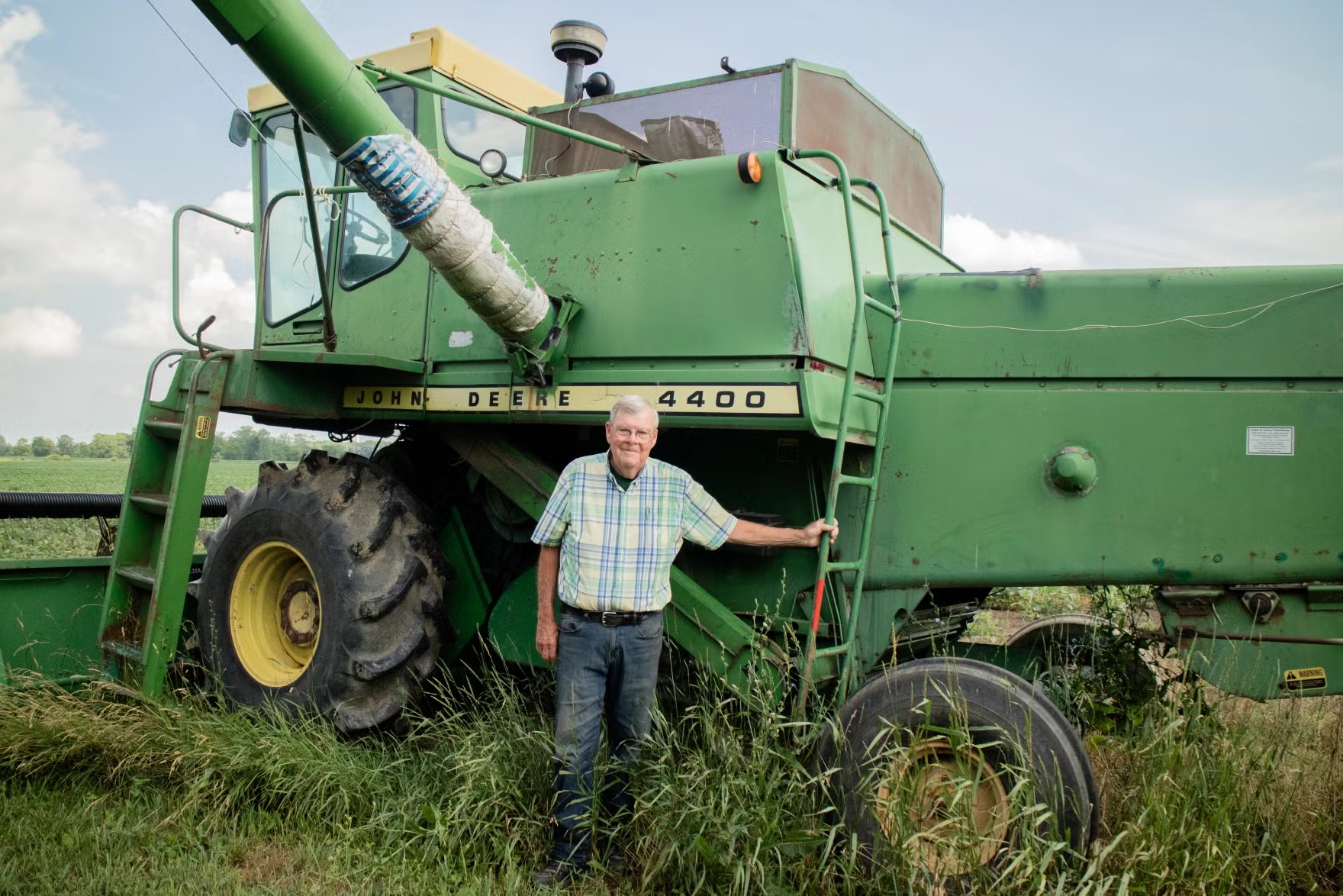
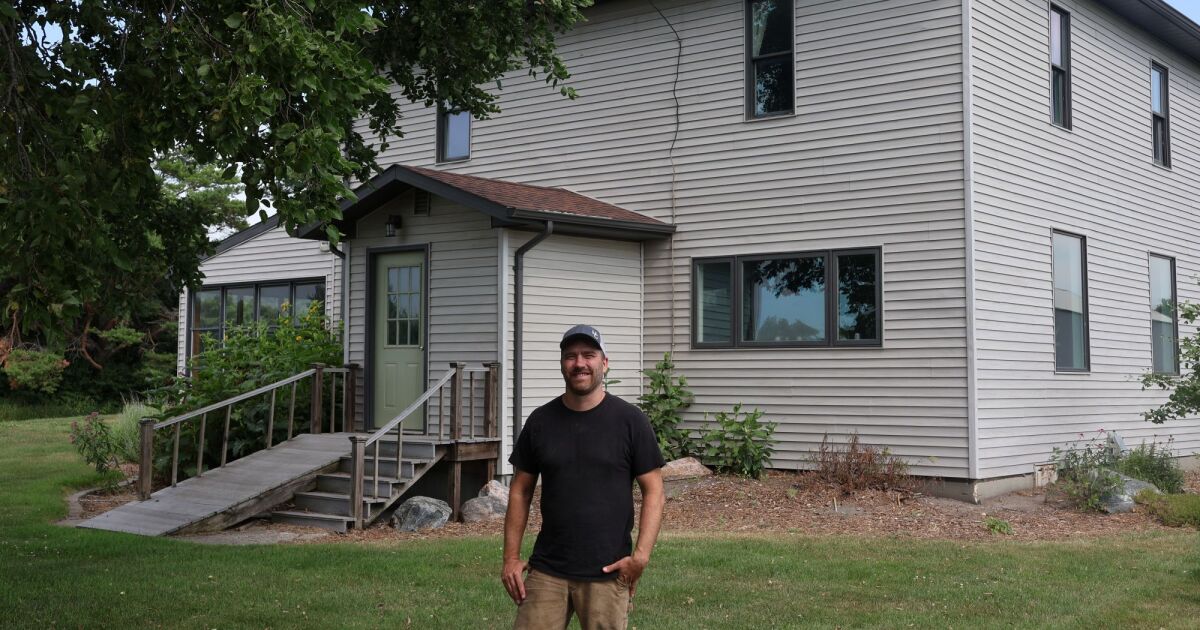
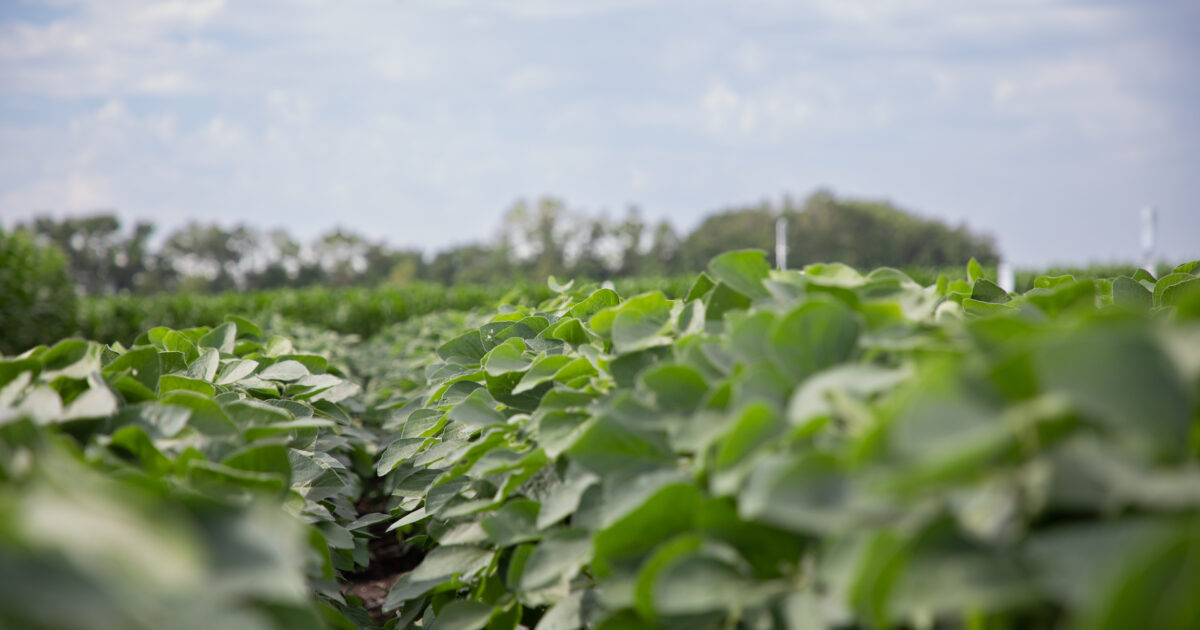
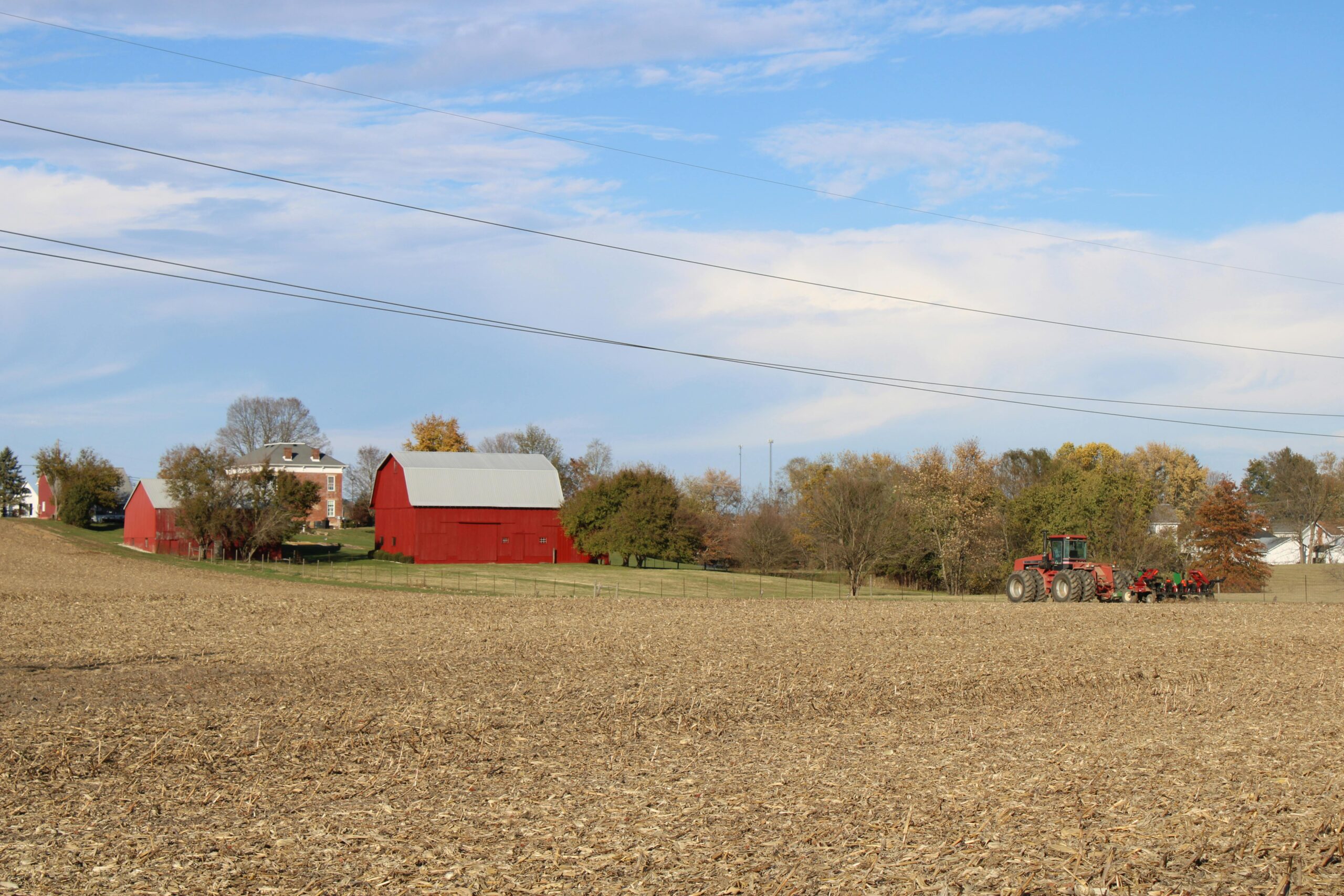
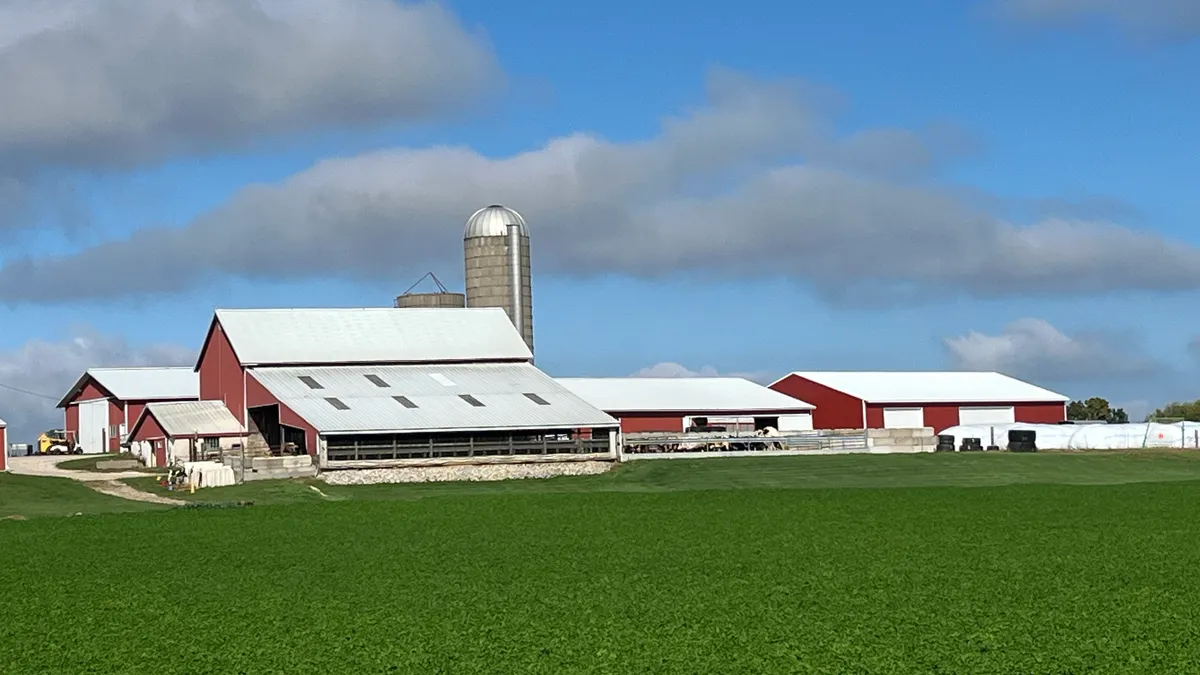
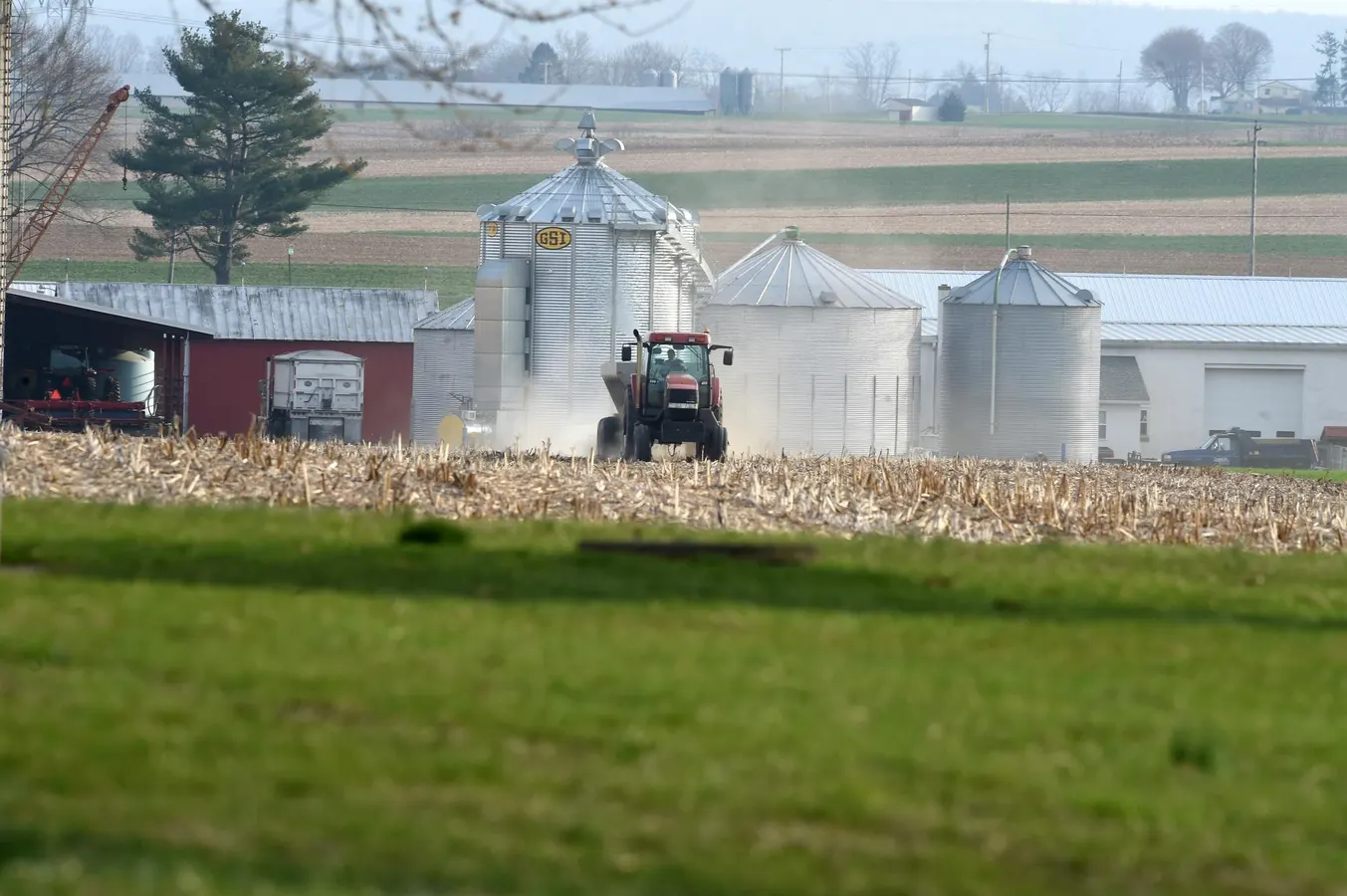
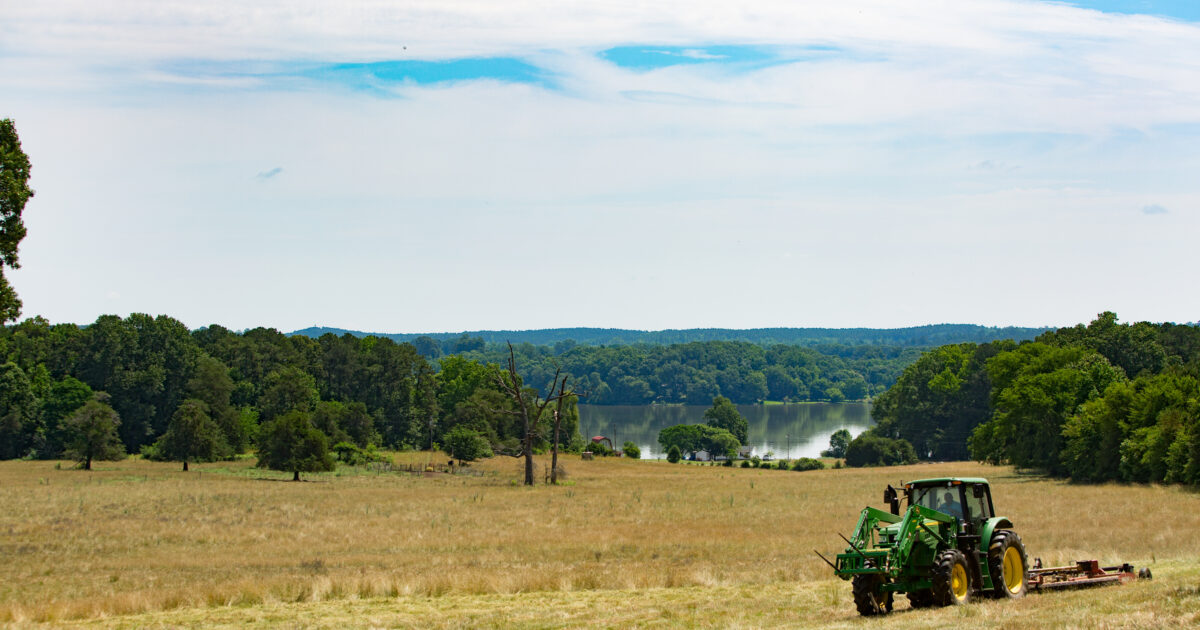
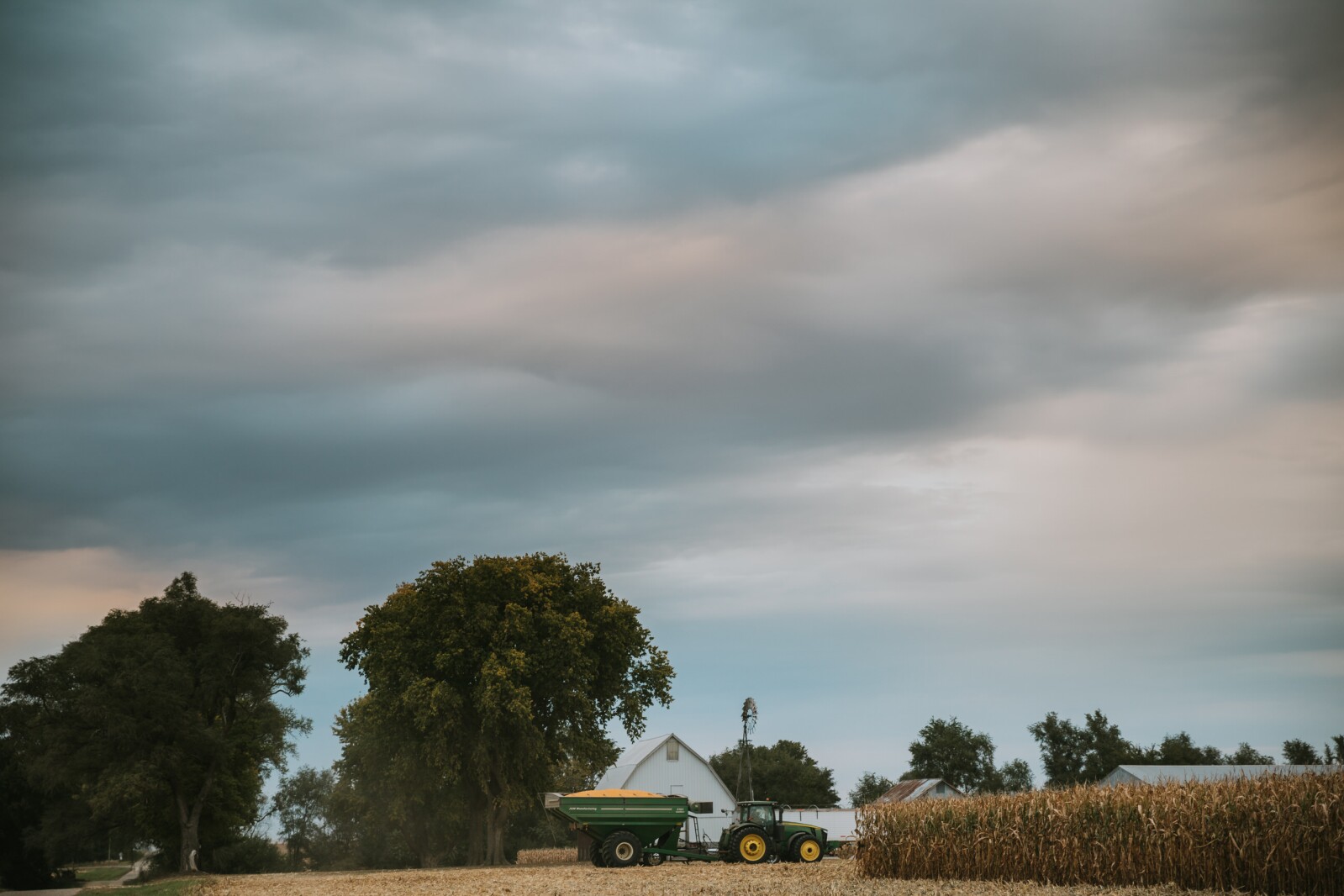
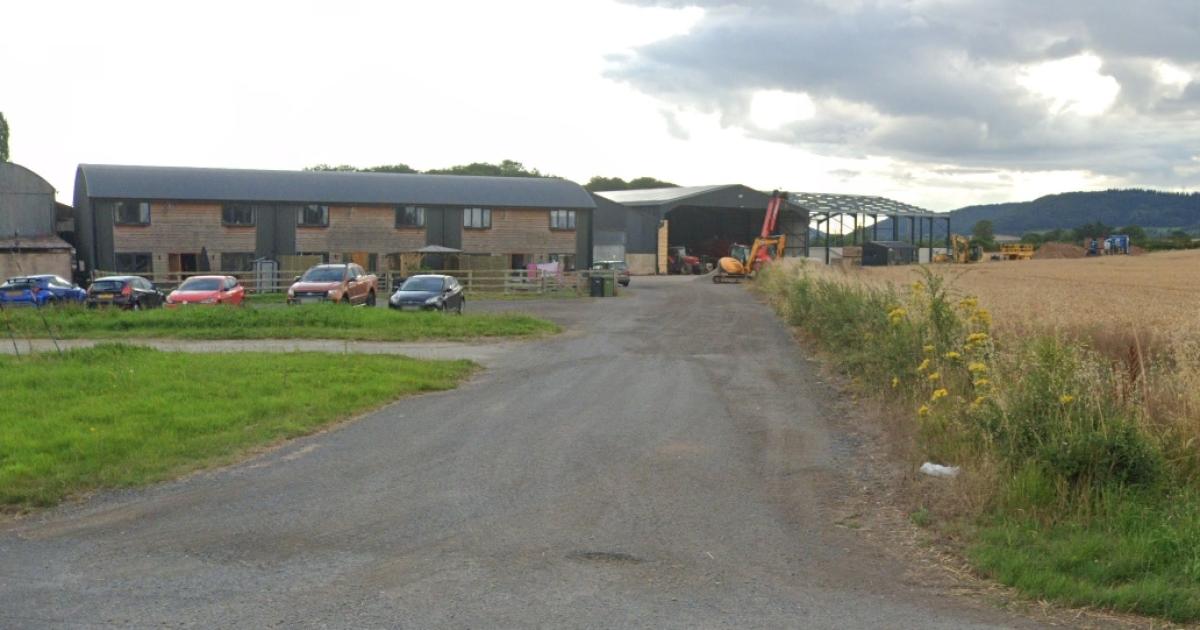
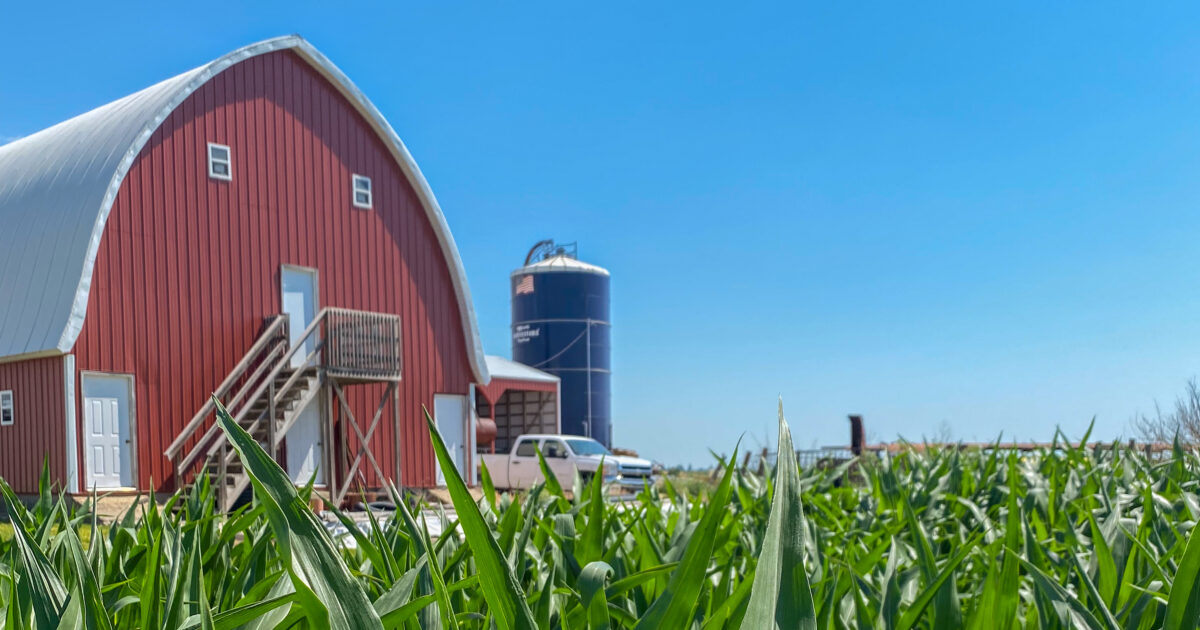
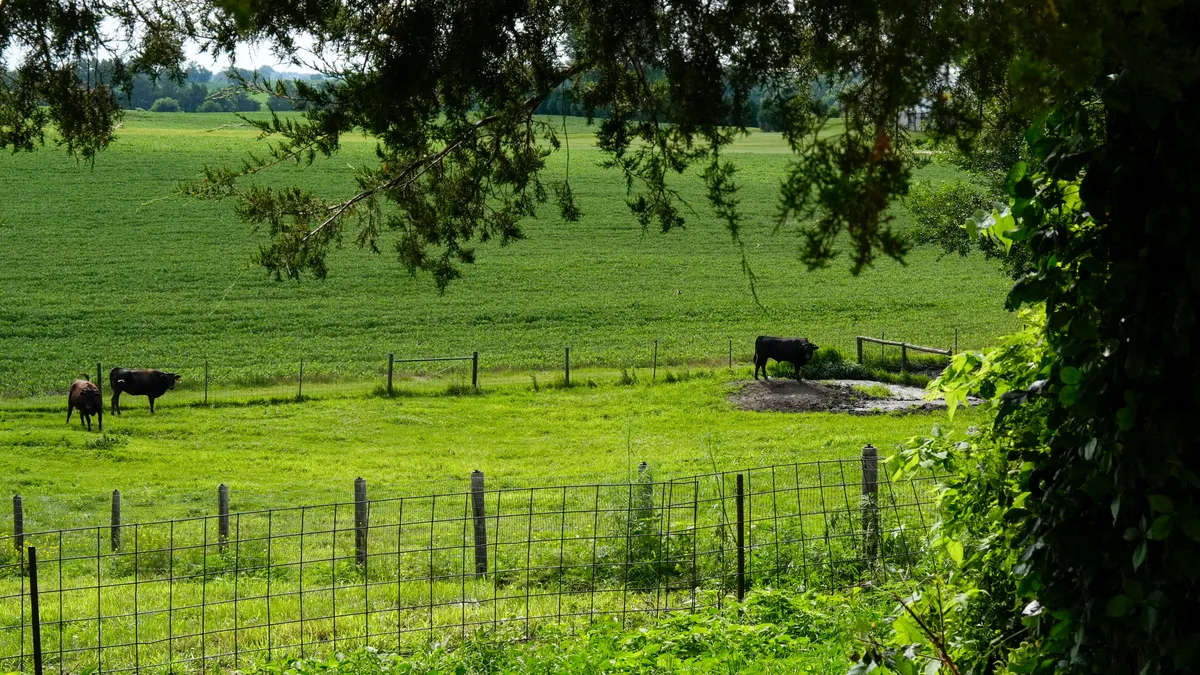
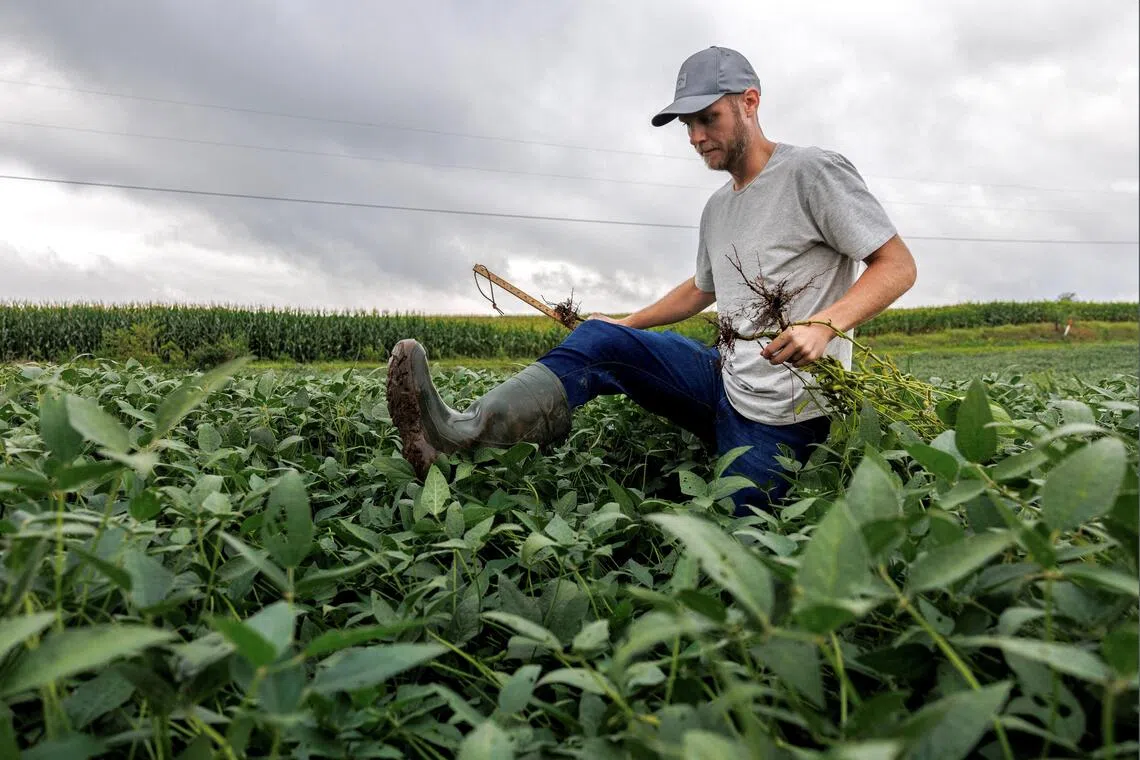
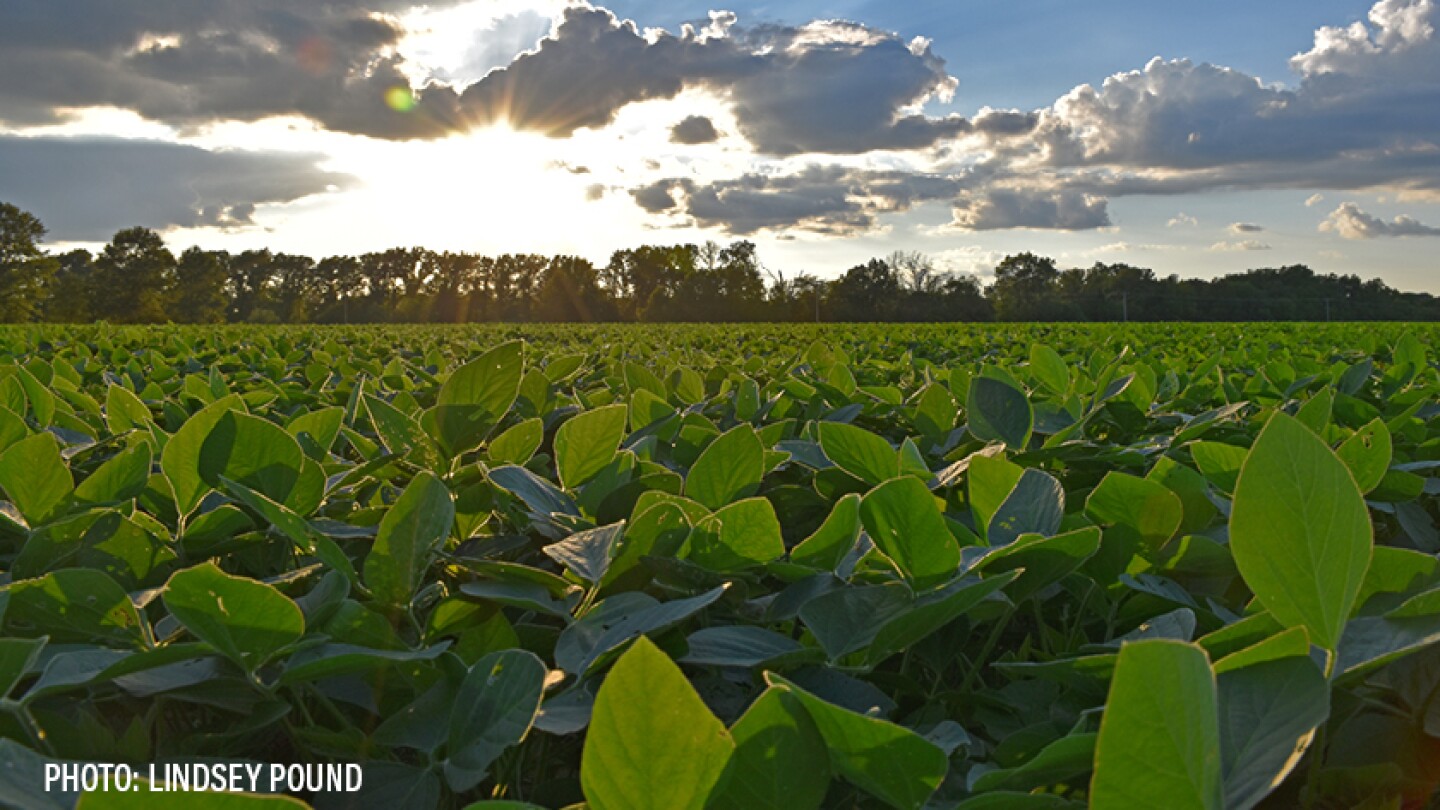
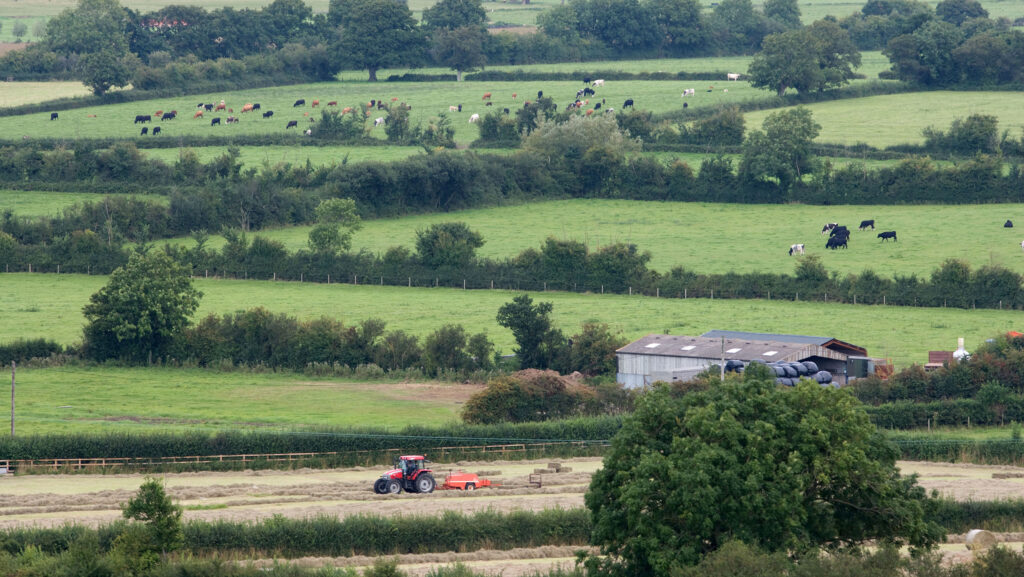
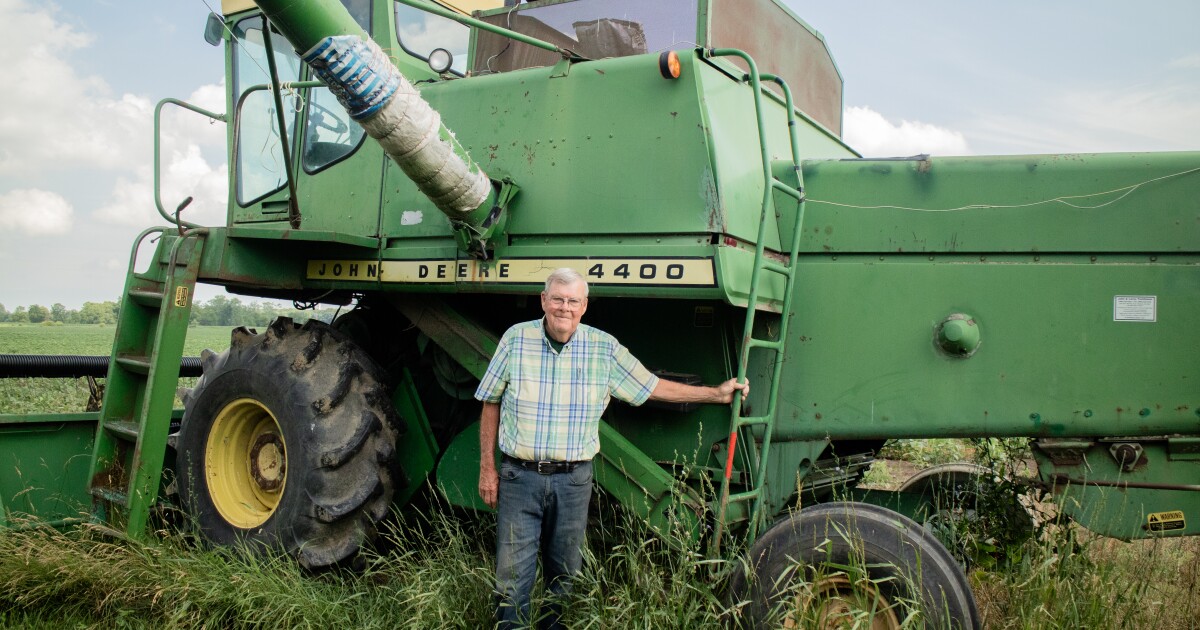
Knee-high soybeans cover hundreds of acres of Kellogg Family Farms, and century-old barns dot the homestead.
But the most striking part about the farm in Ithaca, Michigan, are the piles of old machinery scattered across the property.
“Some of this equipment we’ll never use again,” said sixth-generation owner Dennis Kellogg. “But it’s amazing how if I need a part of something that’s similar that’ll work on even a different brand, I’m able to go and find something that’ll work.”
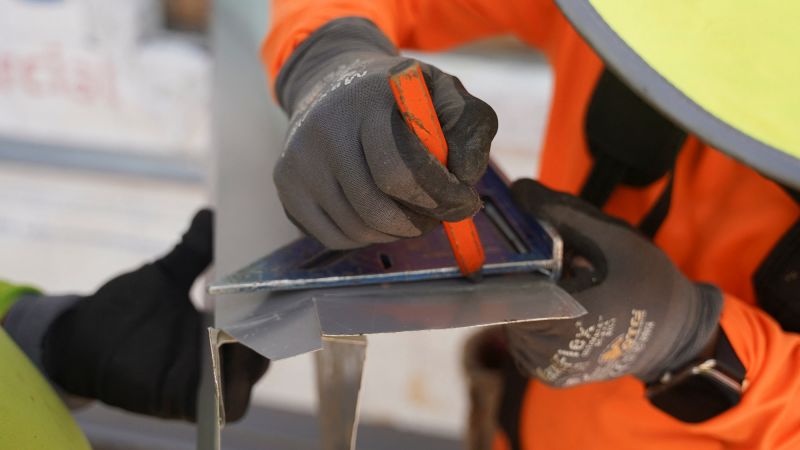
Whether it’s a pulley, an old truck or tillage equipment – Kellogg has it on his farm. And he’s proud he can save money by flexing his mechanic skills.
“So here’s a piece of equipment bought at scrap price that’ll do the same job as a $40,000 or $50,000 brand new piece of equipment would do,” he said.
While the soybean farmer enjoys fixing up old equipment, he admits he would welcome some new machinery.
But right now, that’s just not possible.
“We only have so much money to operate with,” Kellogg said. “And then we need to have a reserve in case we won’t have a harvest this year.”
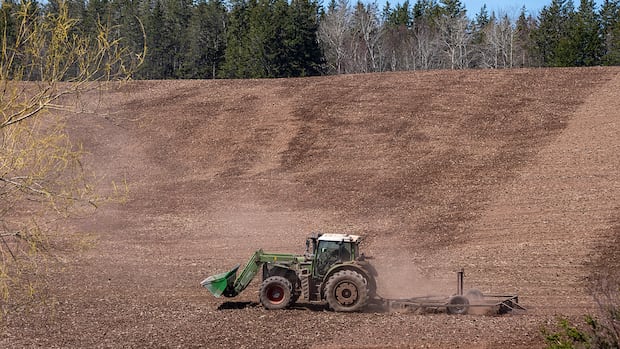
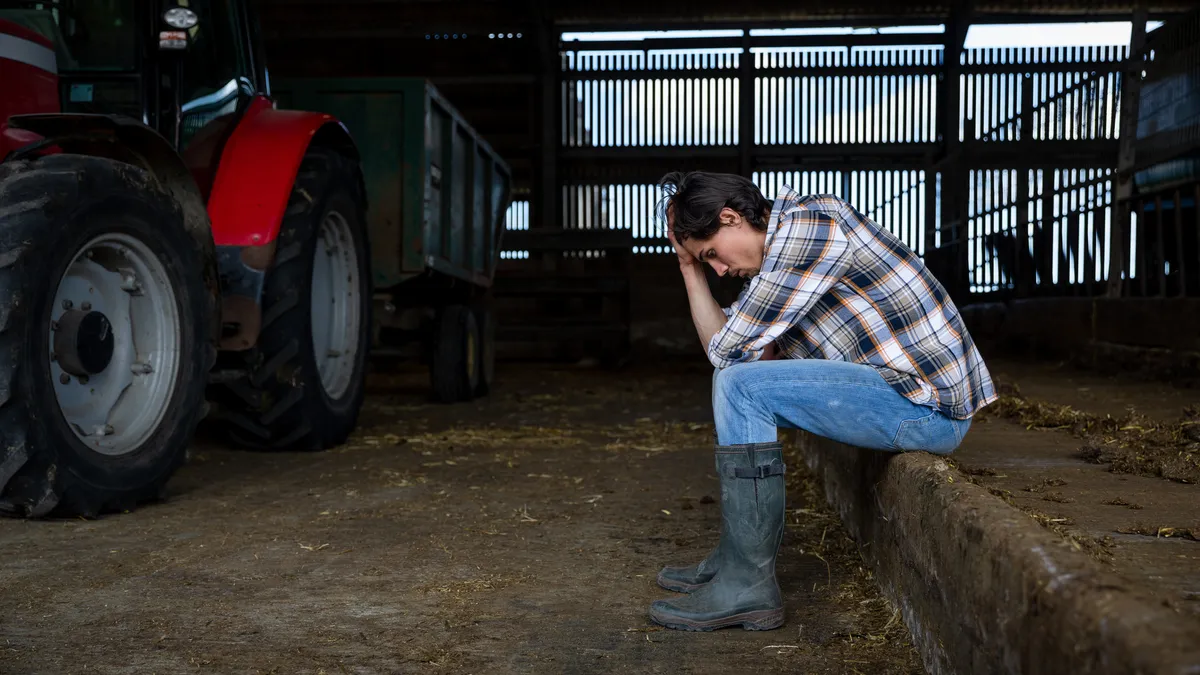
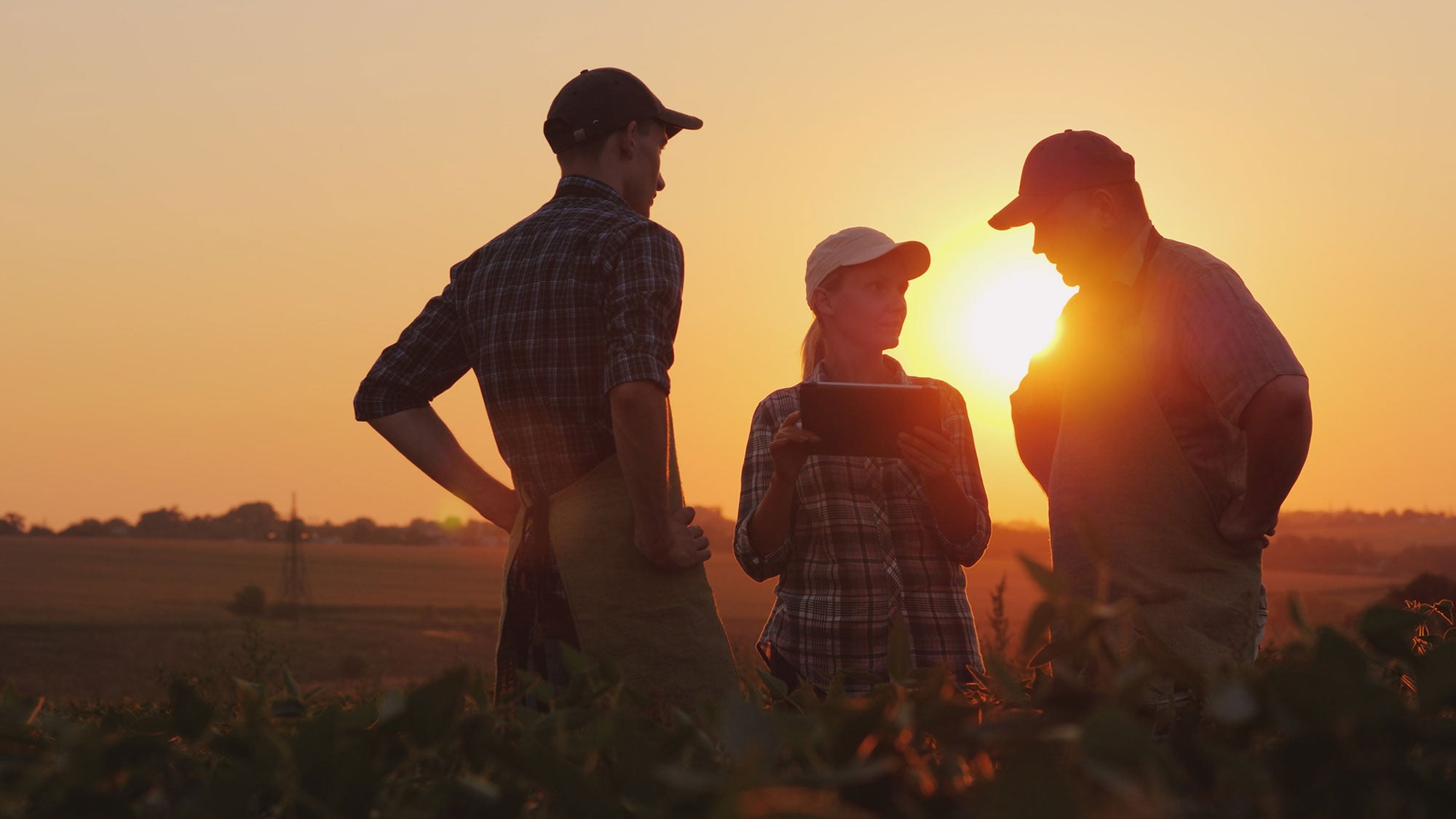
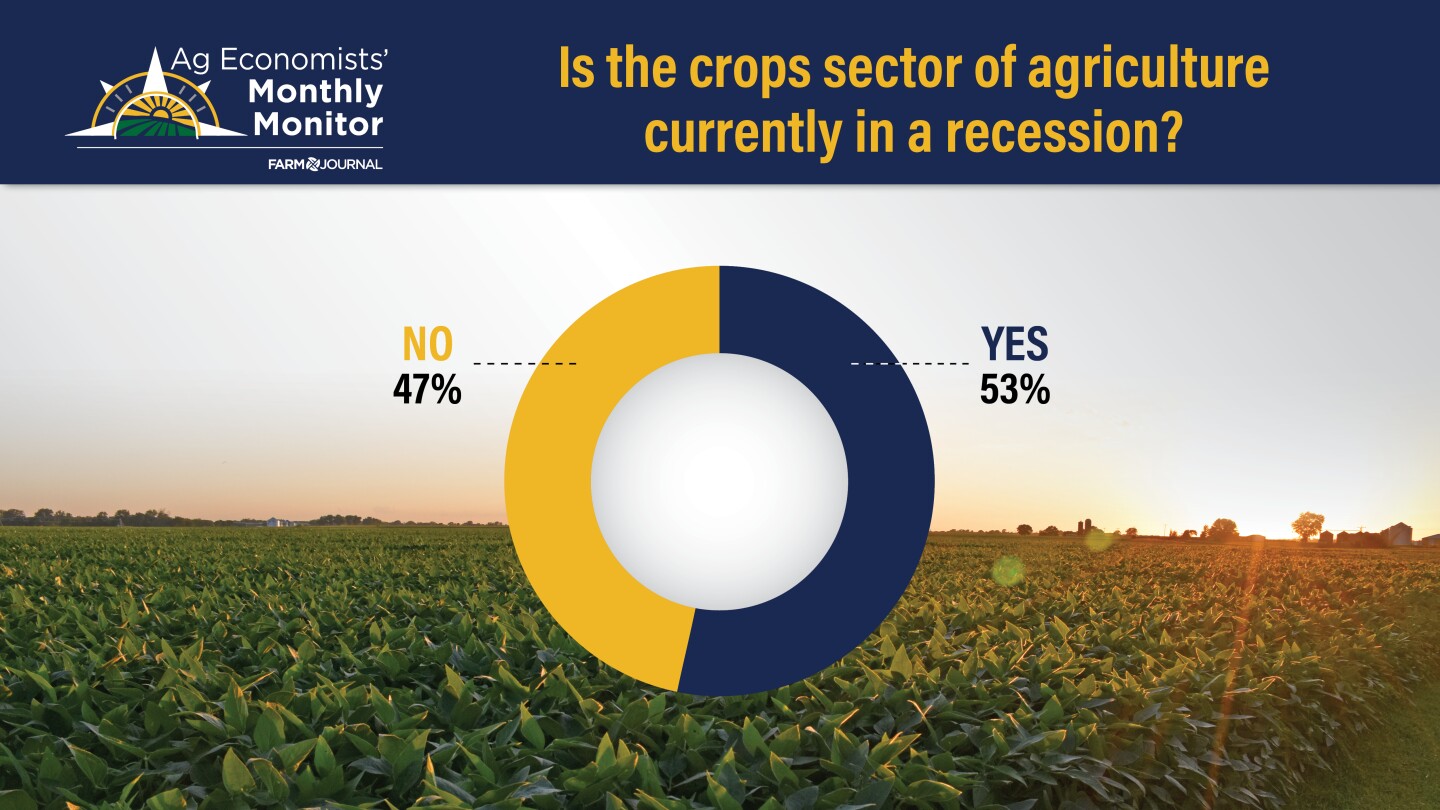
Farmers across the country are tightening their belts in the midst of a tough farm economy. With high fertilizer and fuel costs, it’s becoming more difficult for farmers to turn a profit. The U.S. Department of Agriculture estimates farm income will decline this year.
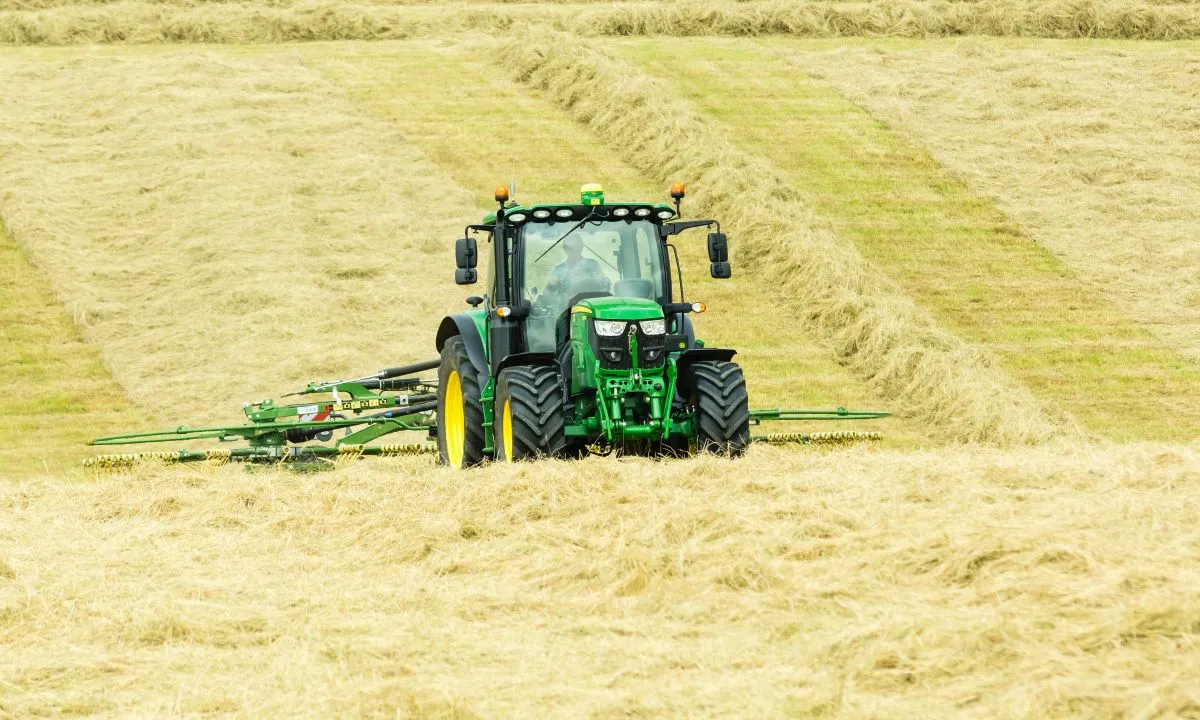
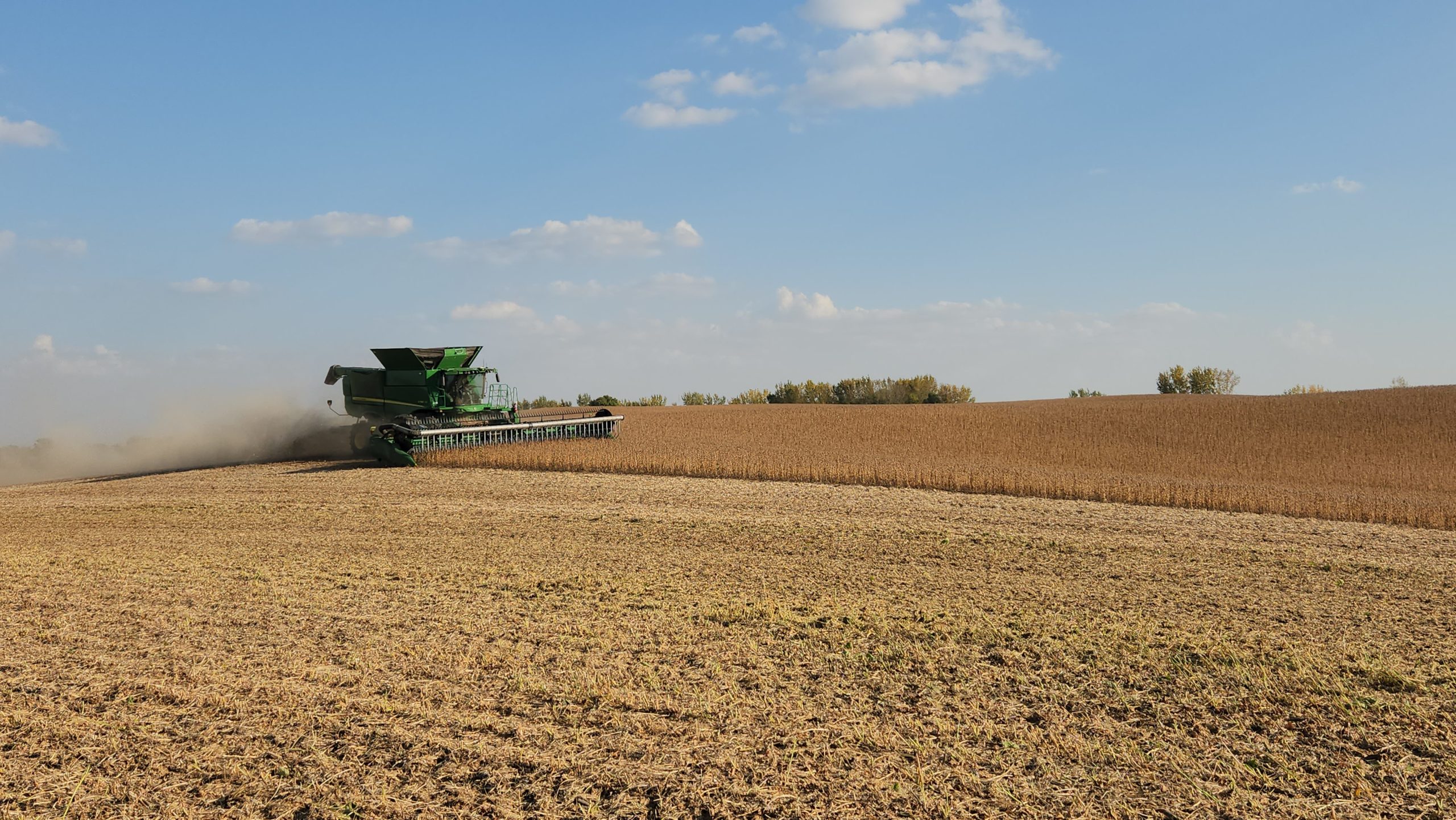
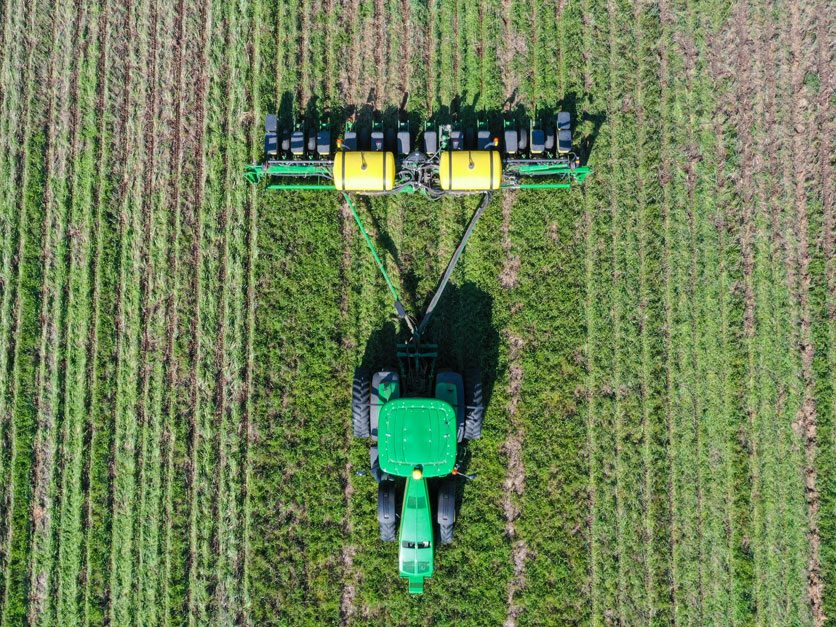
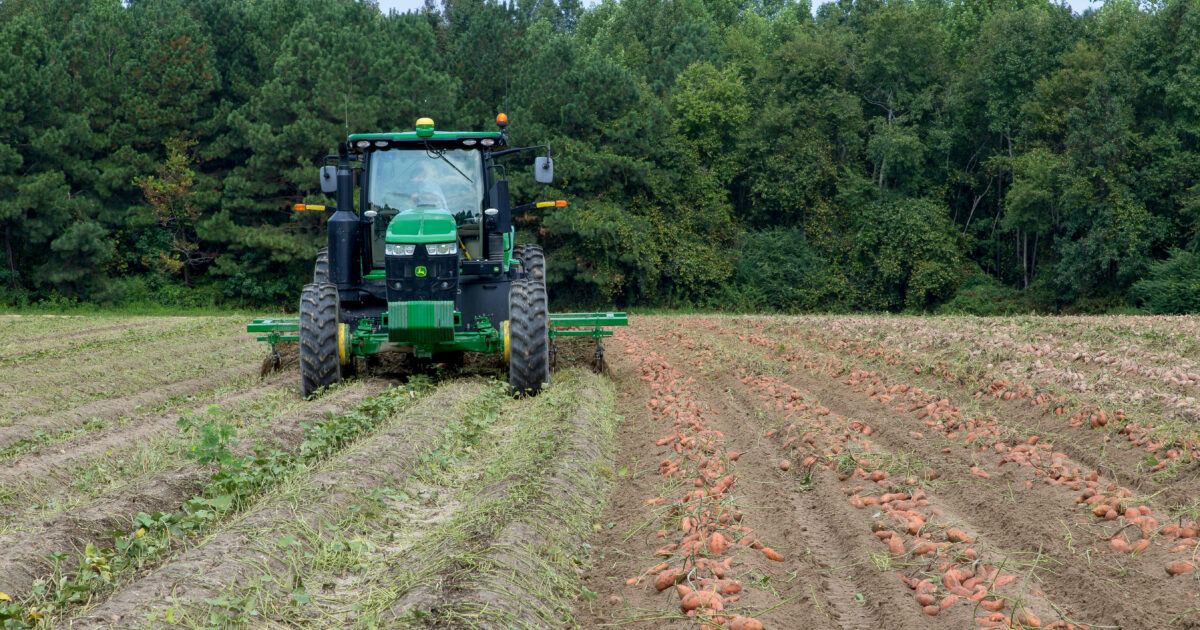
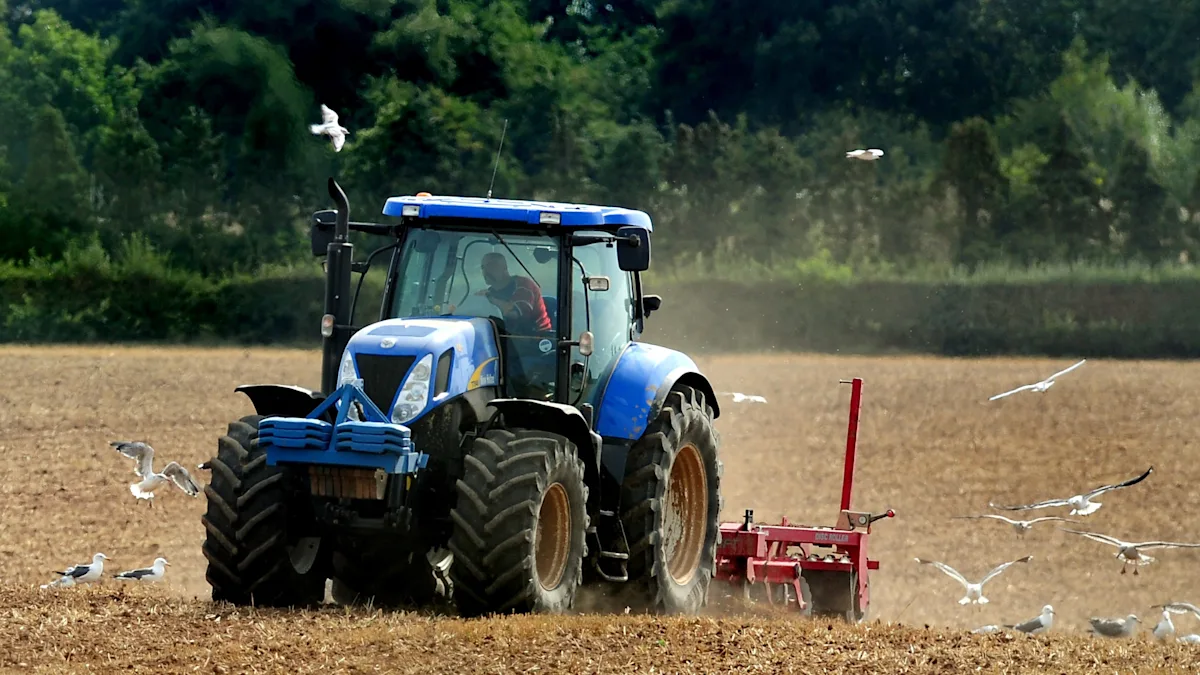
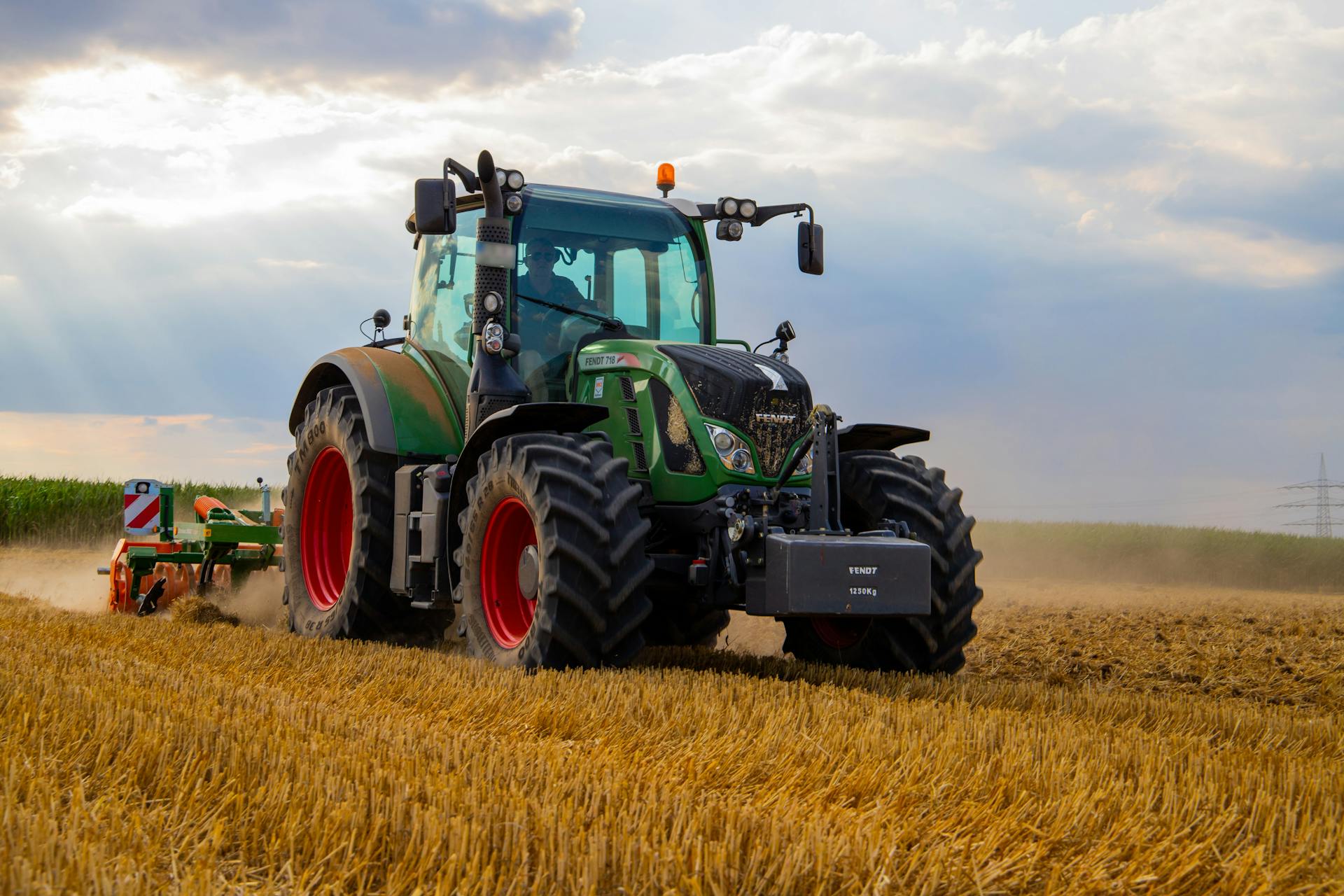
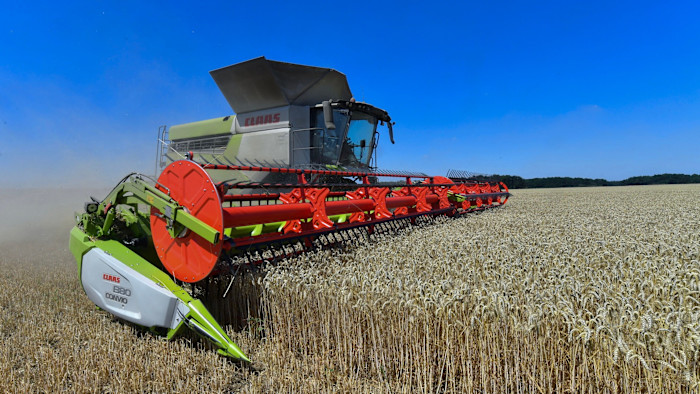
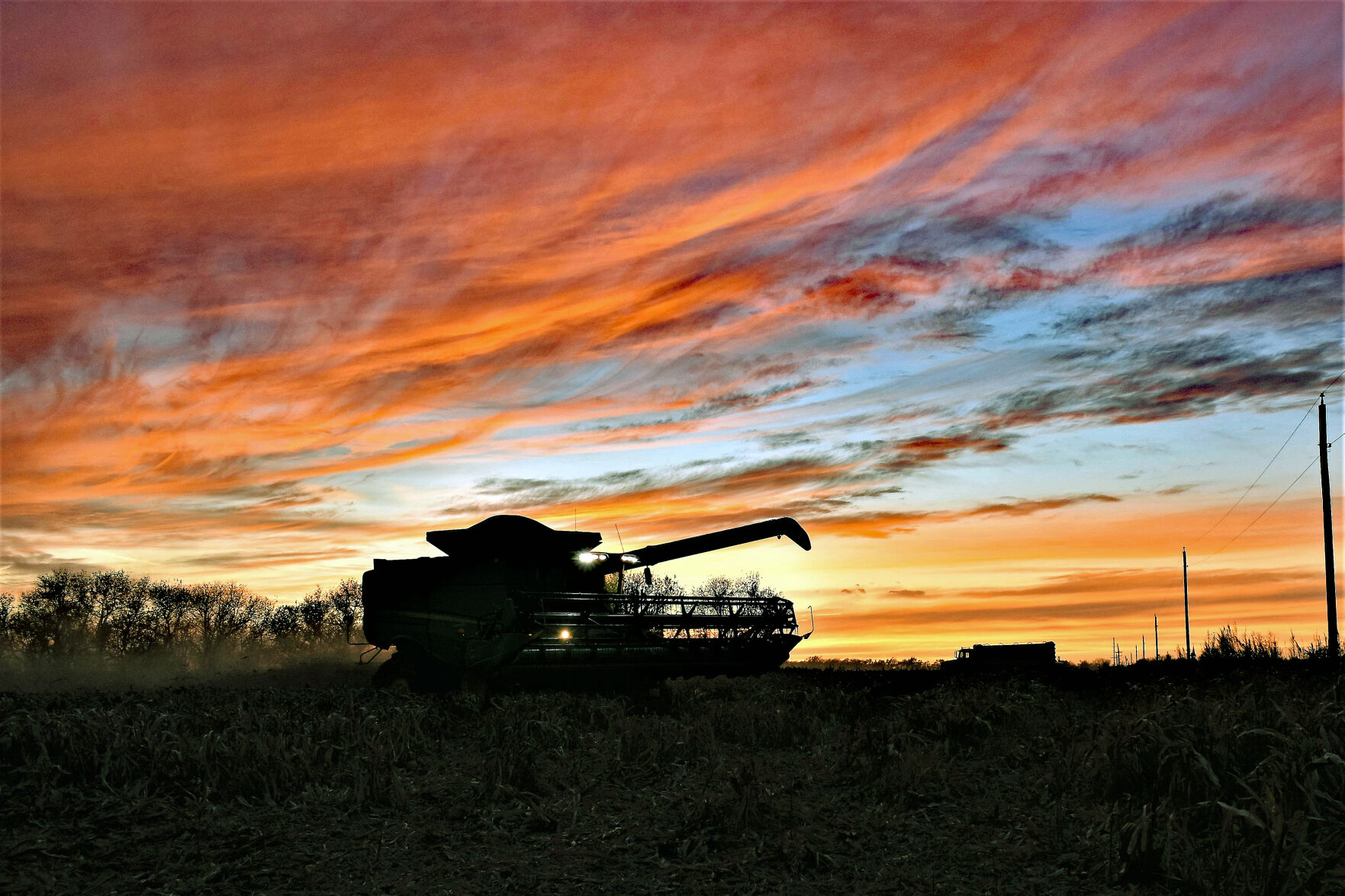
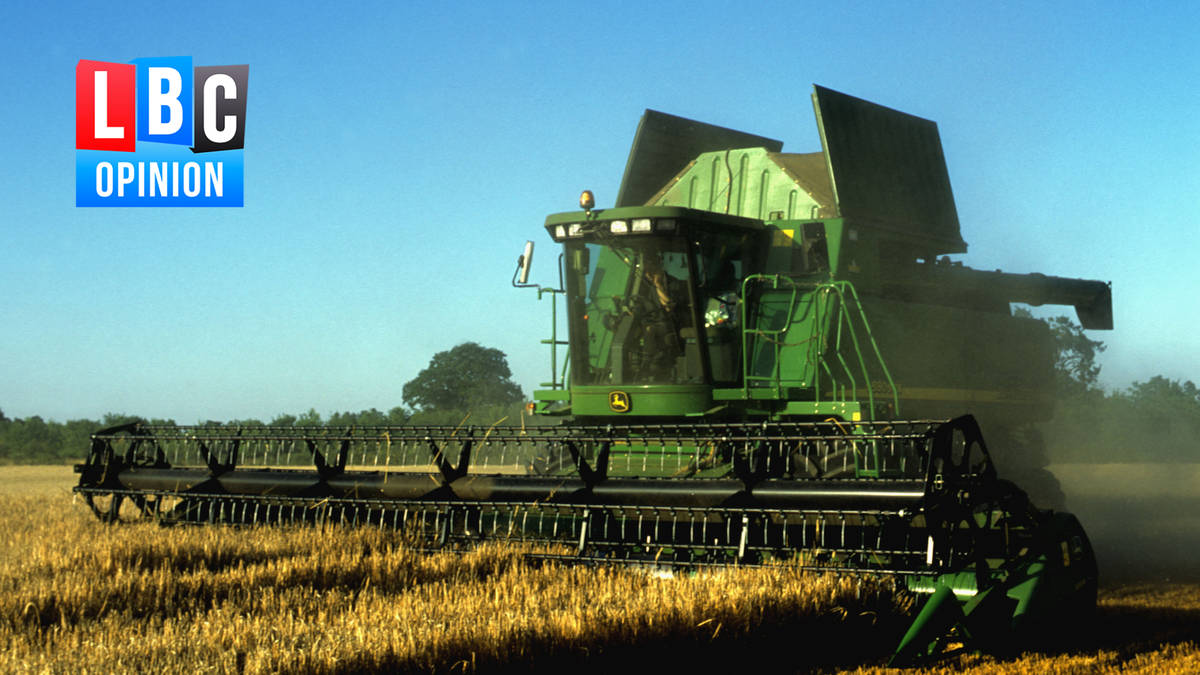
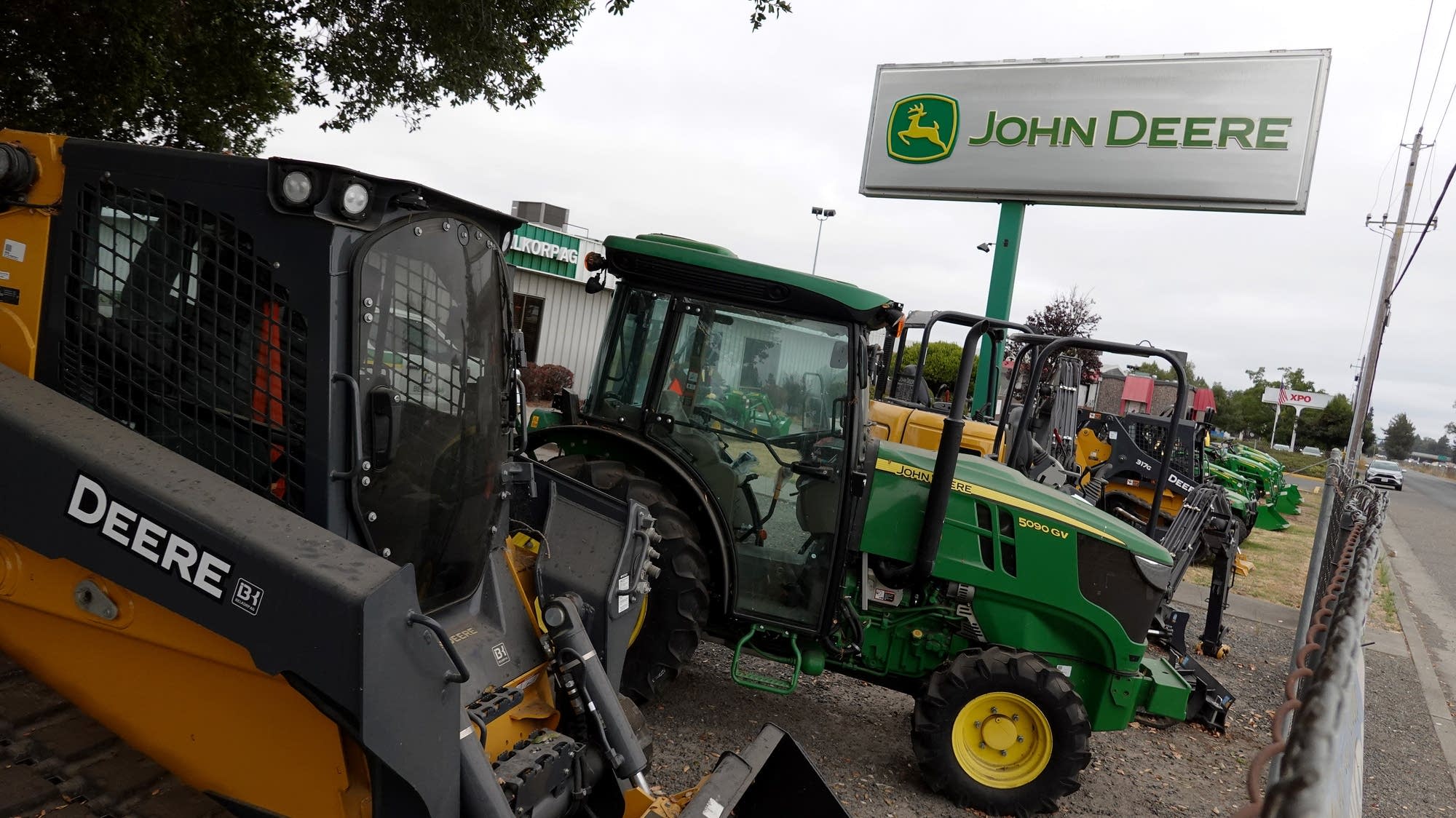
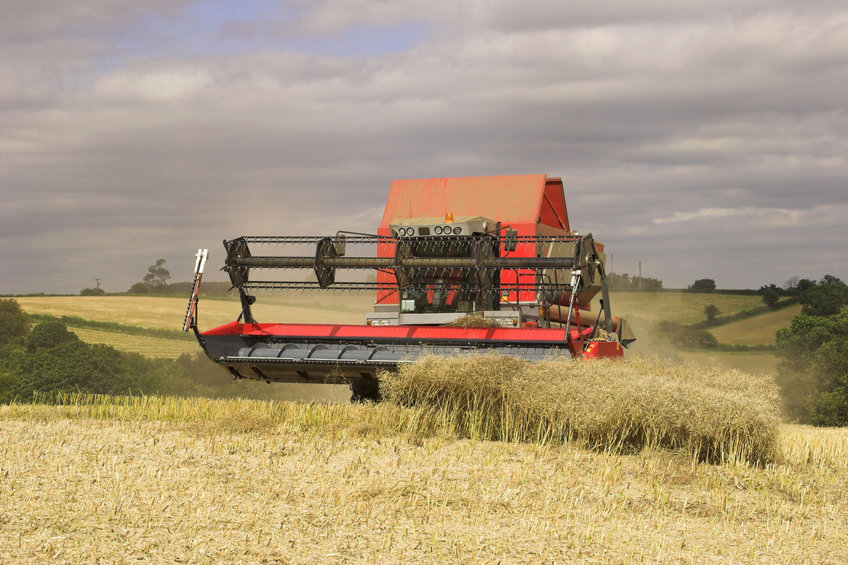
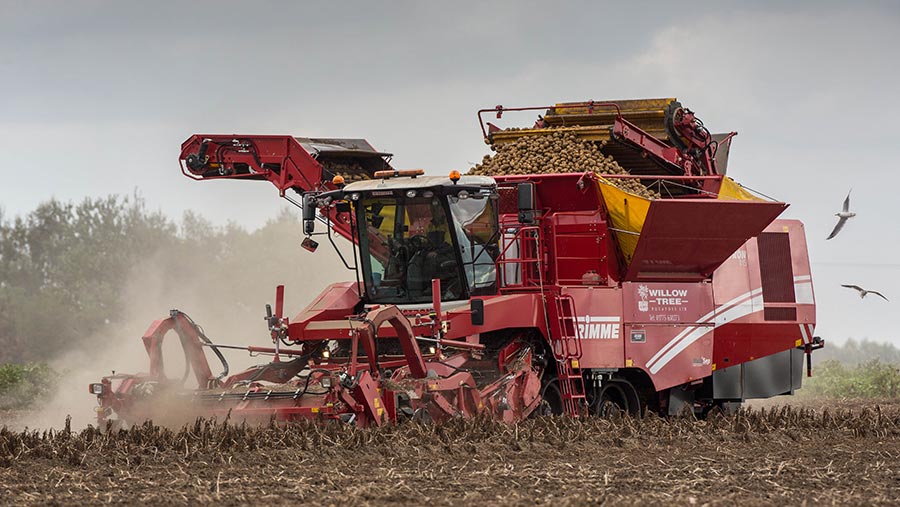
At the same time, farm equipment prices rose sharply in 2020 and remain near historic highs. With sticker prices on new combines and sprayers ranging from $600,000 to $1 million, many farmers make do with what they have.
Equipment sales on combines dropped 50% compared to last year and tractor sales fell by 20%, according to data from the Association of Equipment Manufacturers.
Out with the new, in with the old?
Fifty years ago, it was more common for farmers across the country to have newer tractors and combines, according to Drew Kientzy, an agriculture research analyst at the University of Missouri.
Up to that point, Kientzy said technological advancements made older equipment obsolete.
“I would say it was sometime in the mid-1990s when a lot of farm equipment really kind of started to take on the shape that it largely still is in today,” he said.
Now, farmers can get by with older models of equipment. And they can upgrade those machines with new technologies.

“It’s really been pretty revolutionary in the last 20 years as far as enabling farms to have older equipment still be competitive with the latest and greatest,” said Kientzy.
Still, upgrades can be expensive.
In Paducah, Kentucky, Donnie Edwards said the return on those upgrades isn’t enough for his 2,000-acre farm.
“It’s a tough pill to swallow,” he said. “You need to spend another $100,000 on computerized stuff for your combine, tractor, sprayer, everything that goes with it. But you’re not gonna make all that much more money.”
Edwards and his son own a repair shop, alongside their row-crop operation. He said it makes it easier to repair secondhand equipment on their farm.
“I want my son to learn how to survive in farming,” he said. “It’s not realistic to think you can own new equipment and make payments, and the cost of farming and actually make a living out of it.”
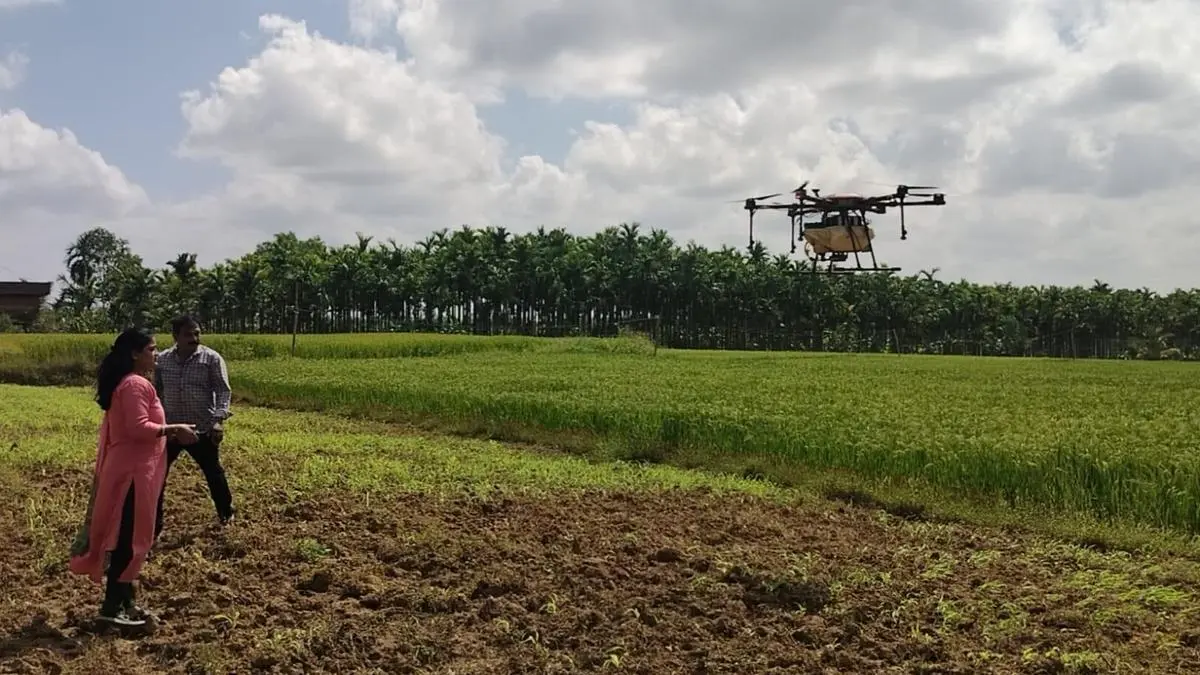
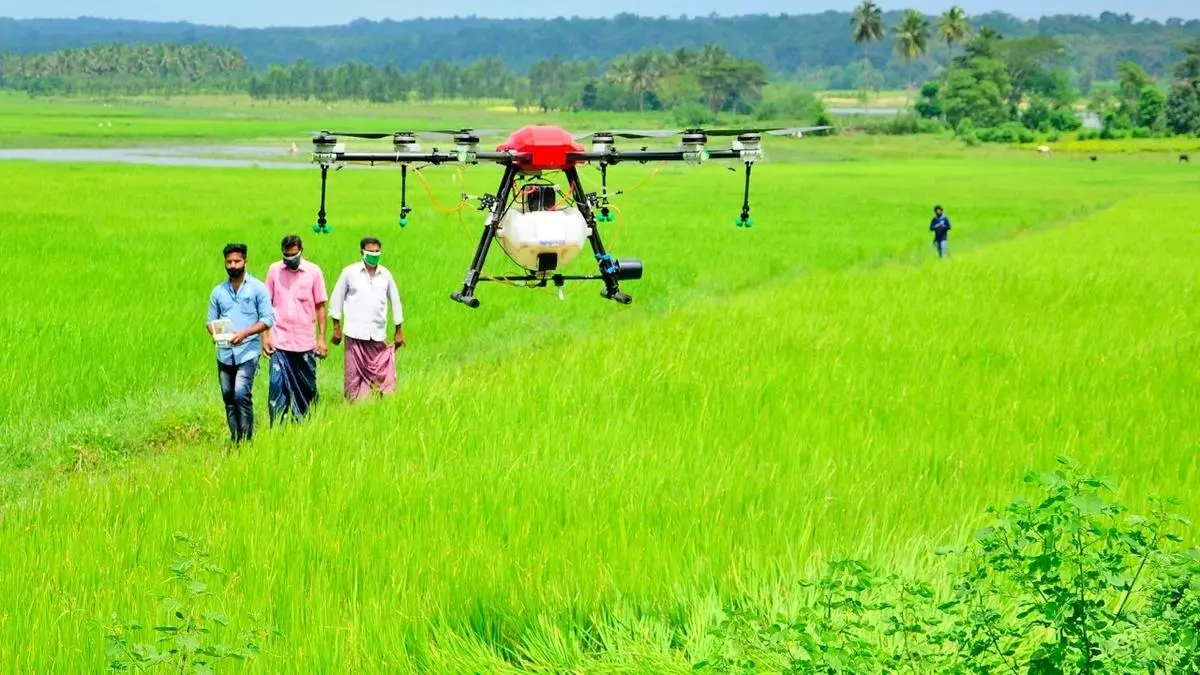
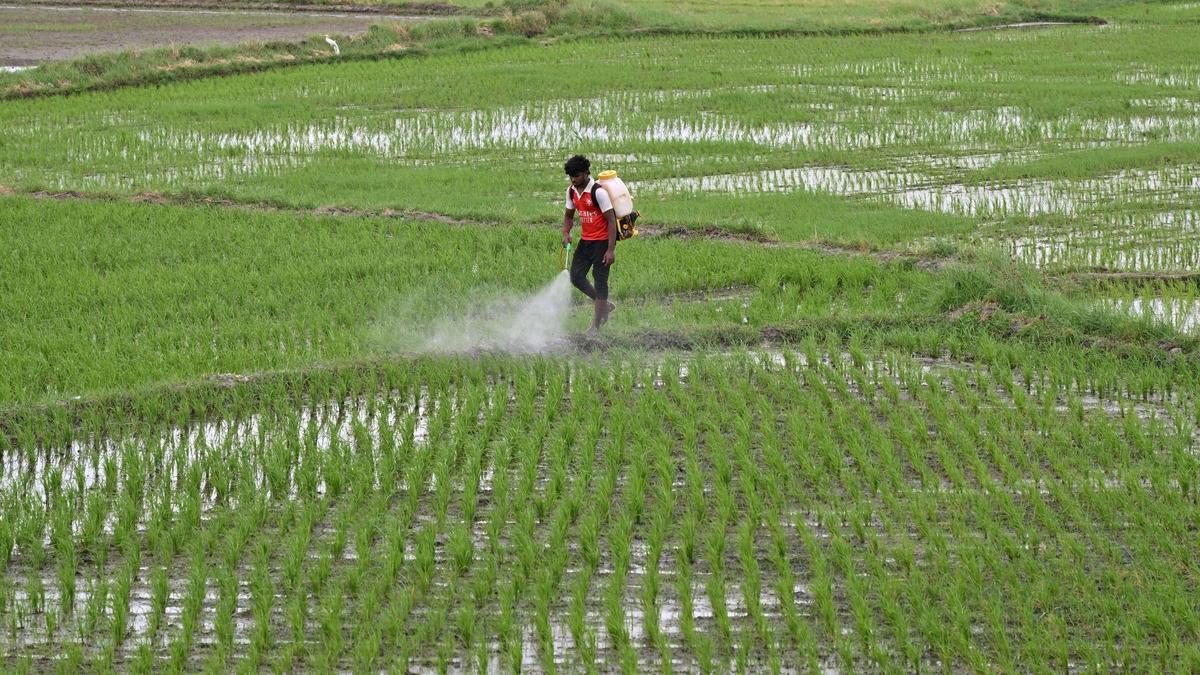
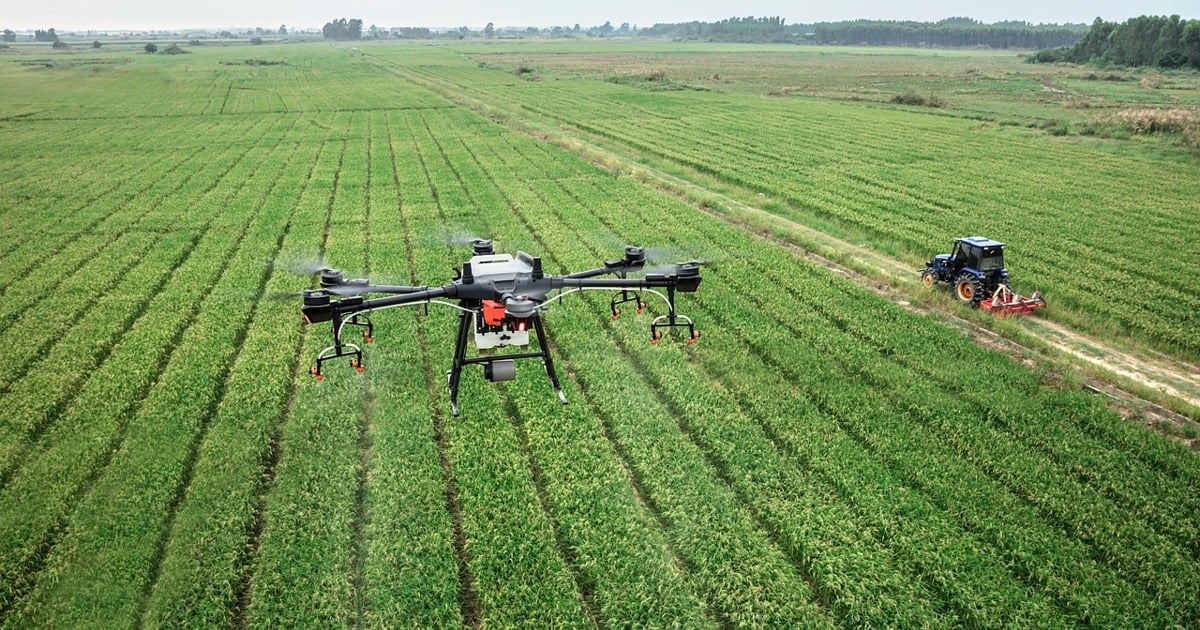
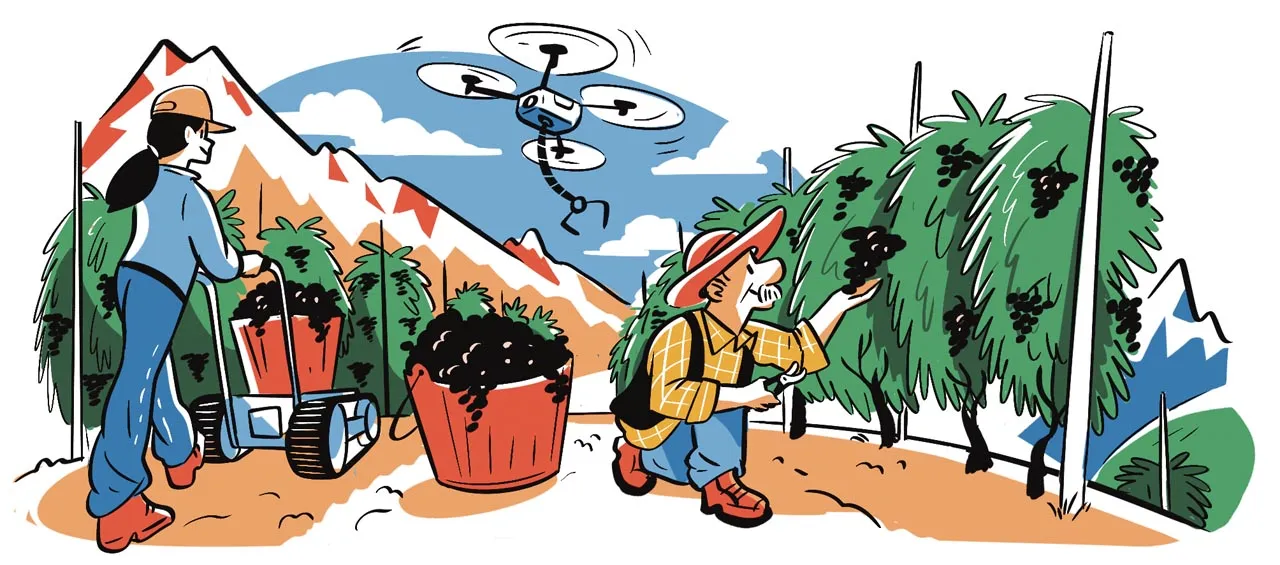
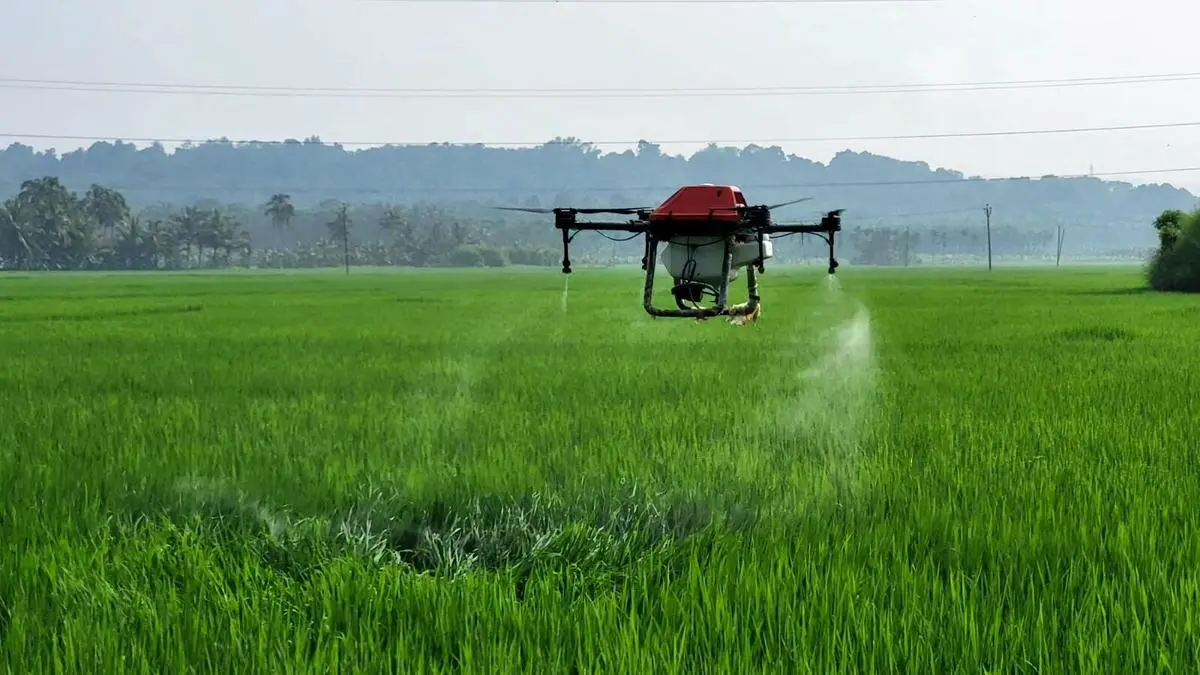
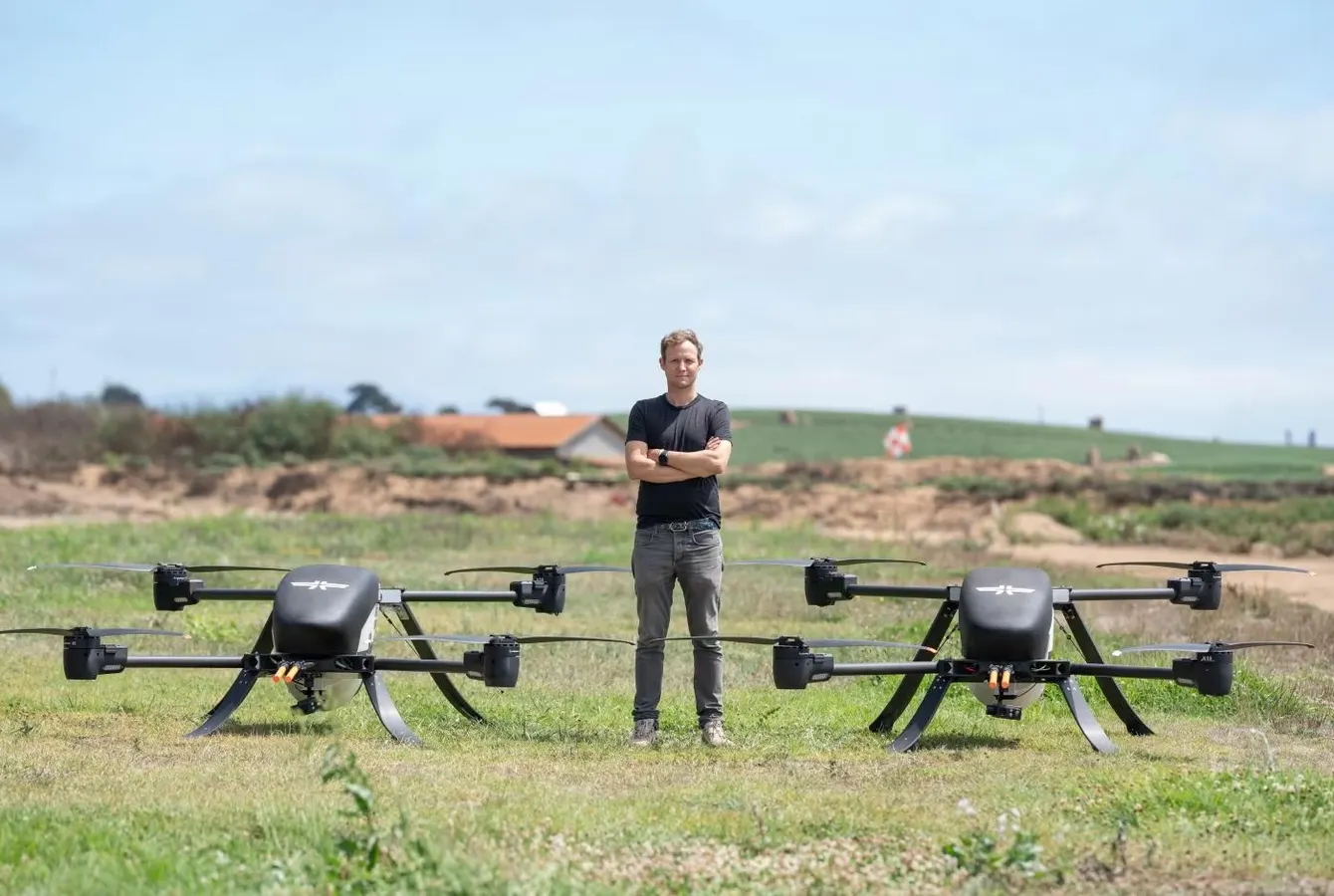
But Edwards isn’t opposed to new technology. This year he hired a drone service to spray his field with fungicide — an added cost he said was well worth it because it got the job done faster than he could have himself.
Balancing time and money
Farmers who rely solely on old equipment run the risk of losing out on efficiency, said Doug Houser, a digital agriculture specialist at Iowa State University Extension. But he also understands how carefully farmers must make those decisions.
“I’d say a lot of farmers right now are stepping back and trying to figure out their equipment plans, whether time to trade into, maybe not new paint, but some used updated equipment,” said Houser.
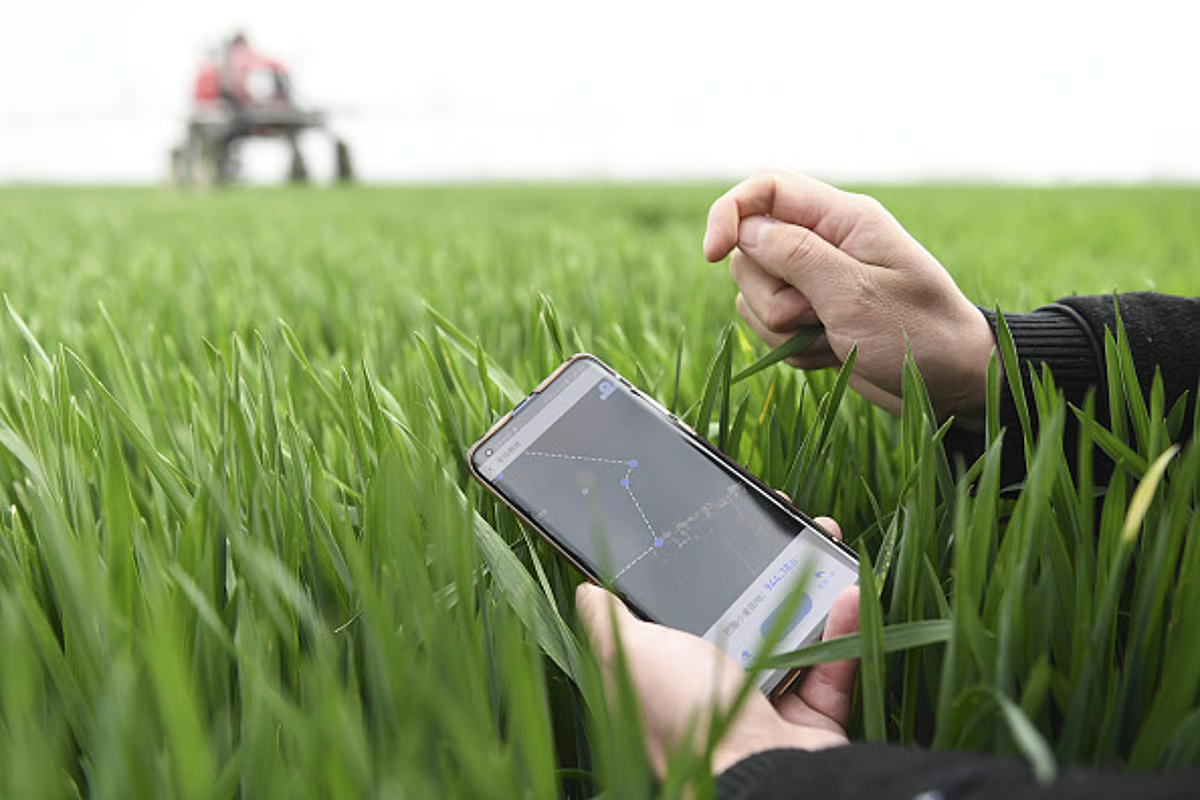
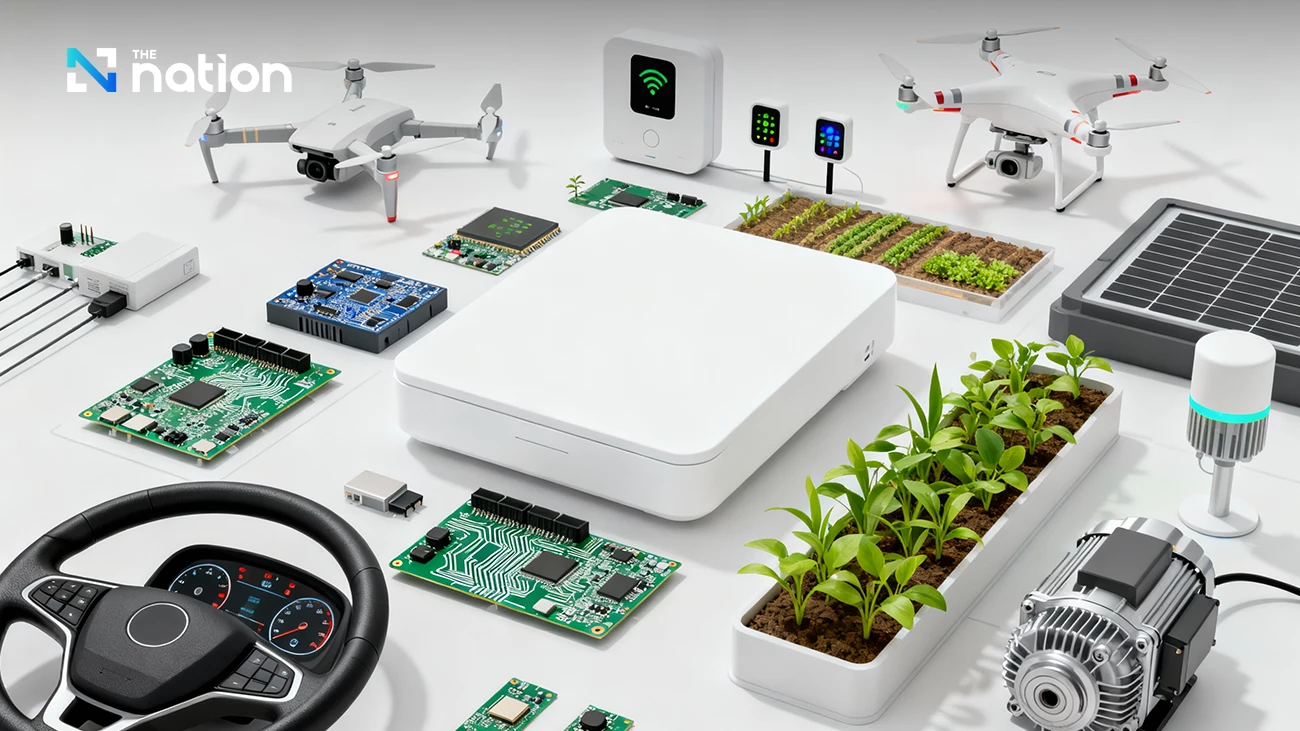
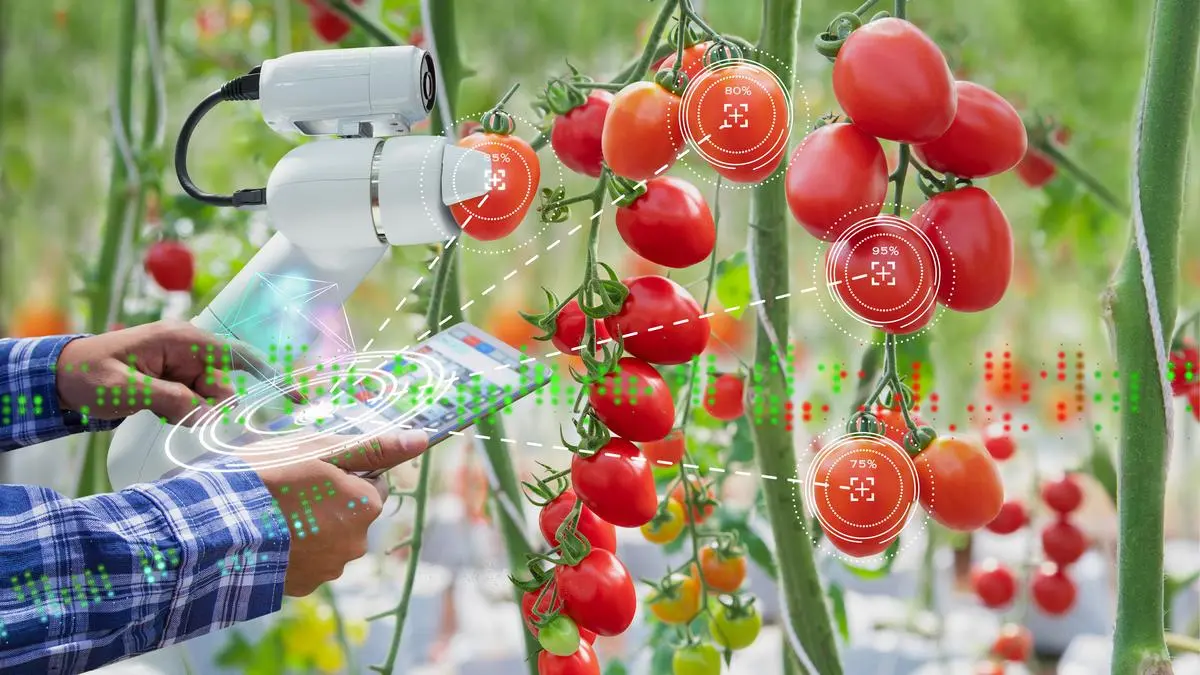
Drones are one piece of new technology that Houser thinks farmers should consider. The drones can detect disease in crops using aerial visuals or spray plants with pesticides — which can save time and money elsewhere, Houser said.
“You can’t manage what you can’t see,” he said.
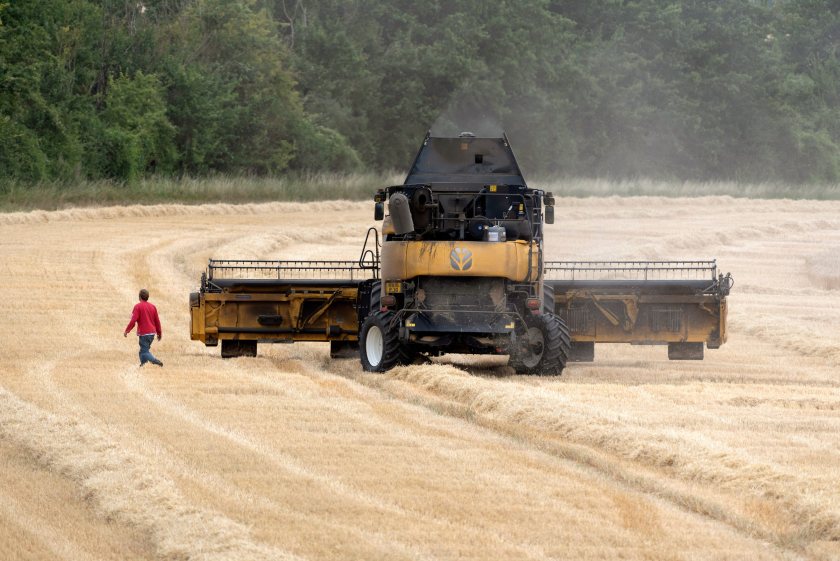
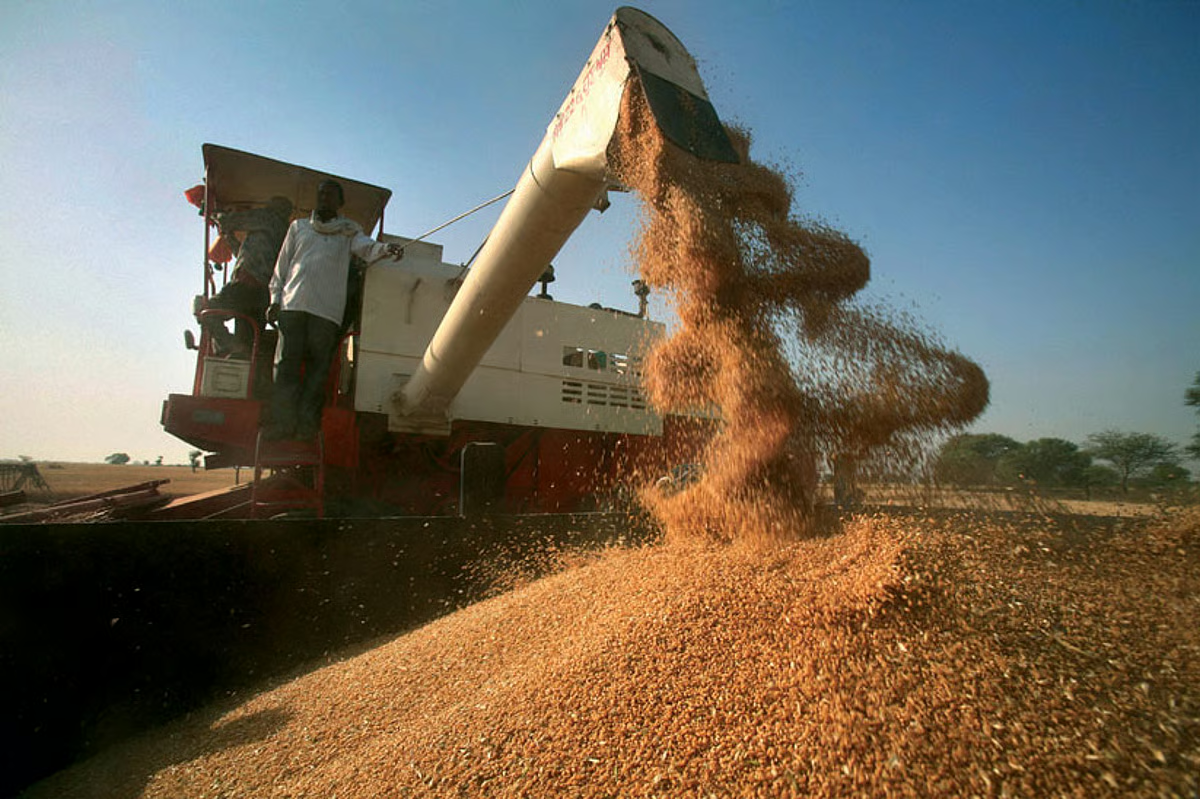
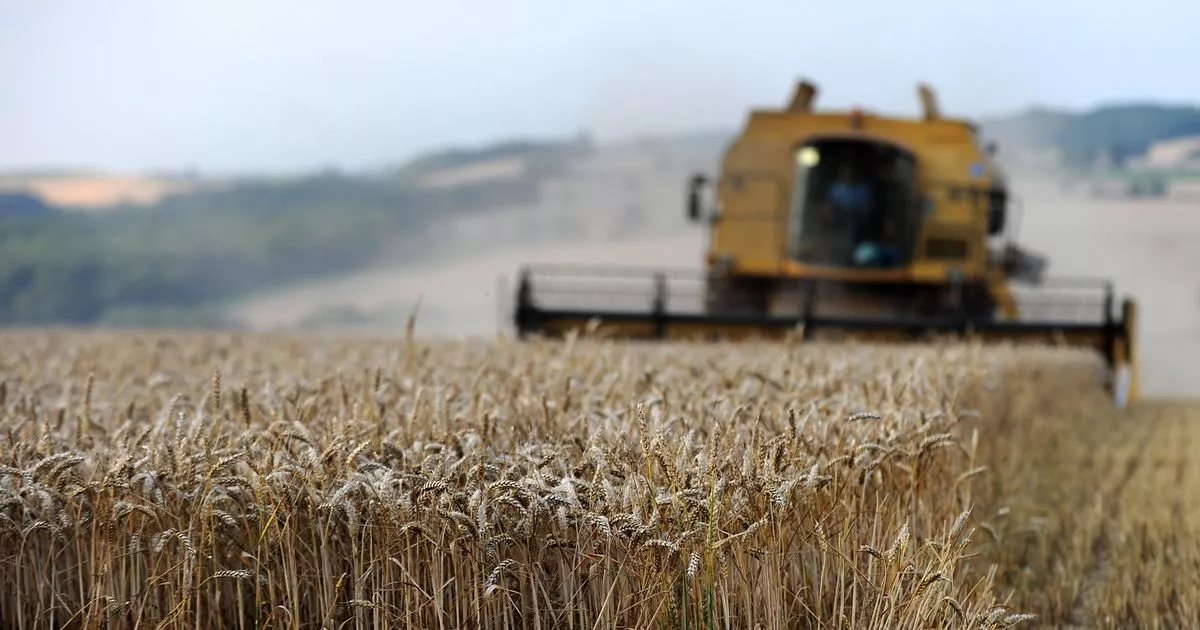
Some producers are avoiding big purchases – like combines – altogether by hiring a company to harvest their crops.

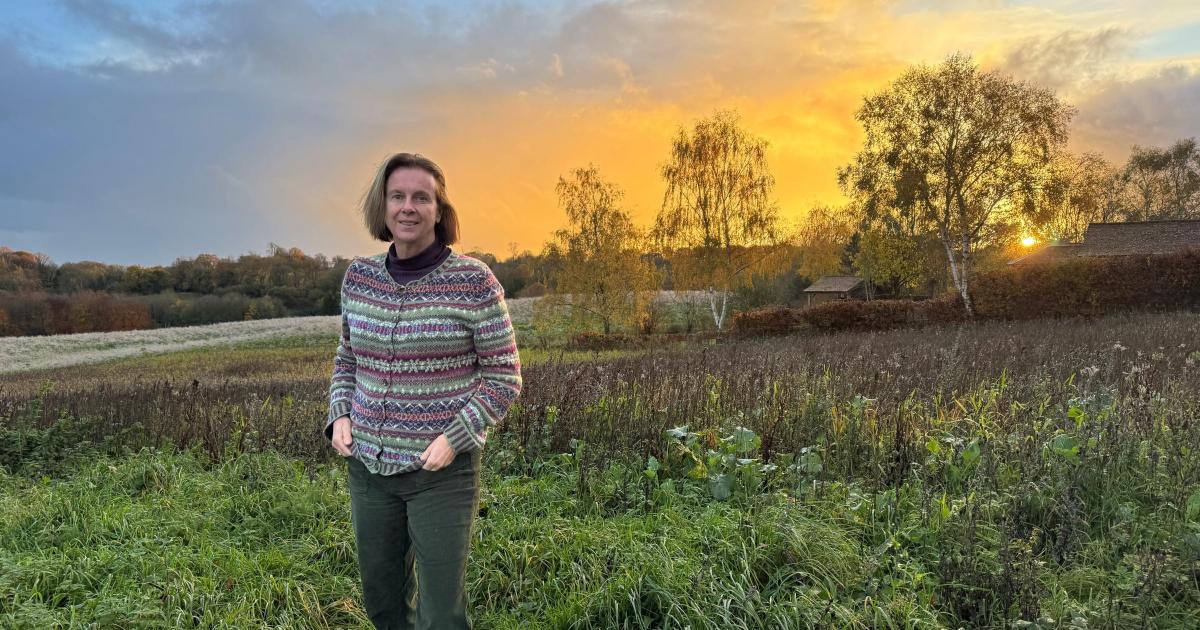
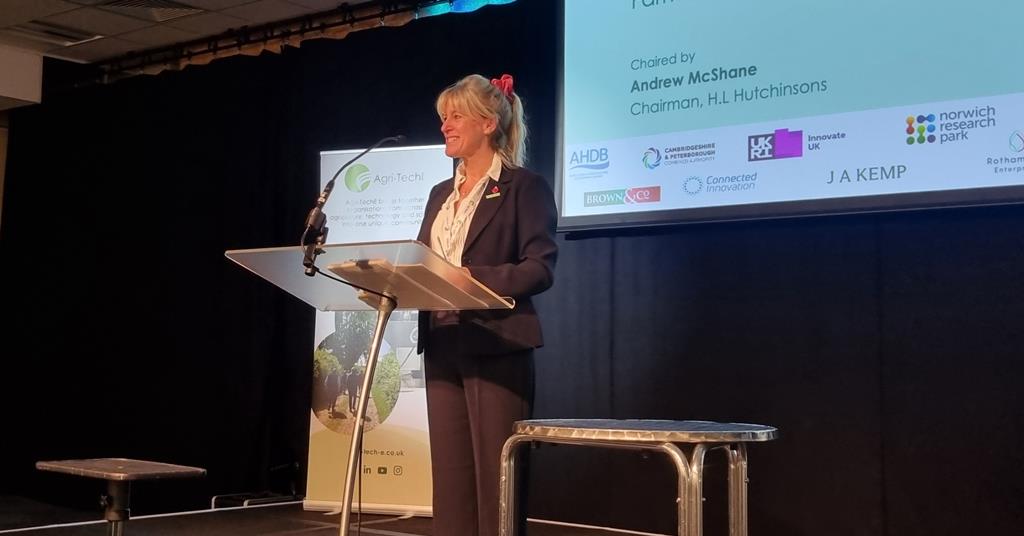
Courtesy of Laura Haffner
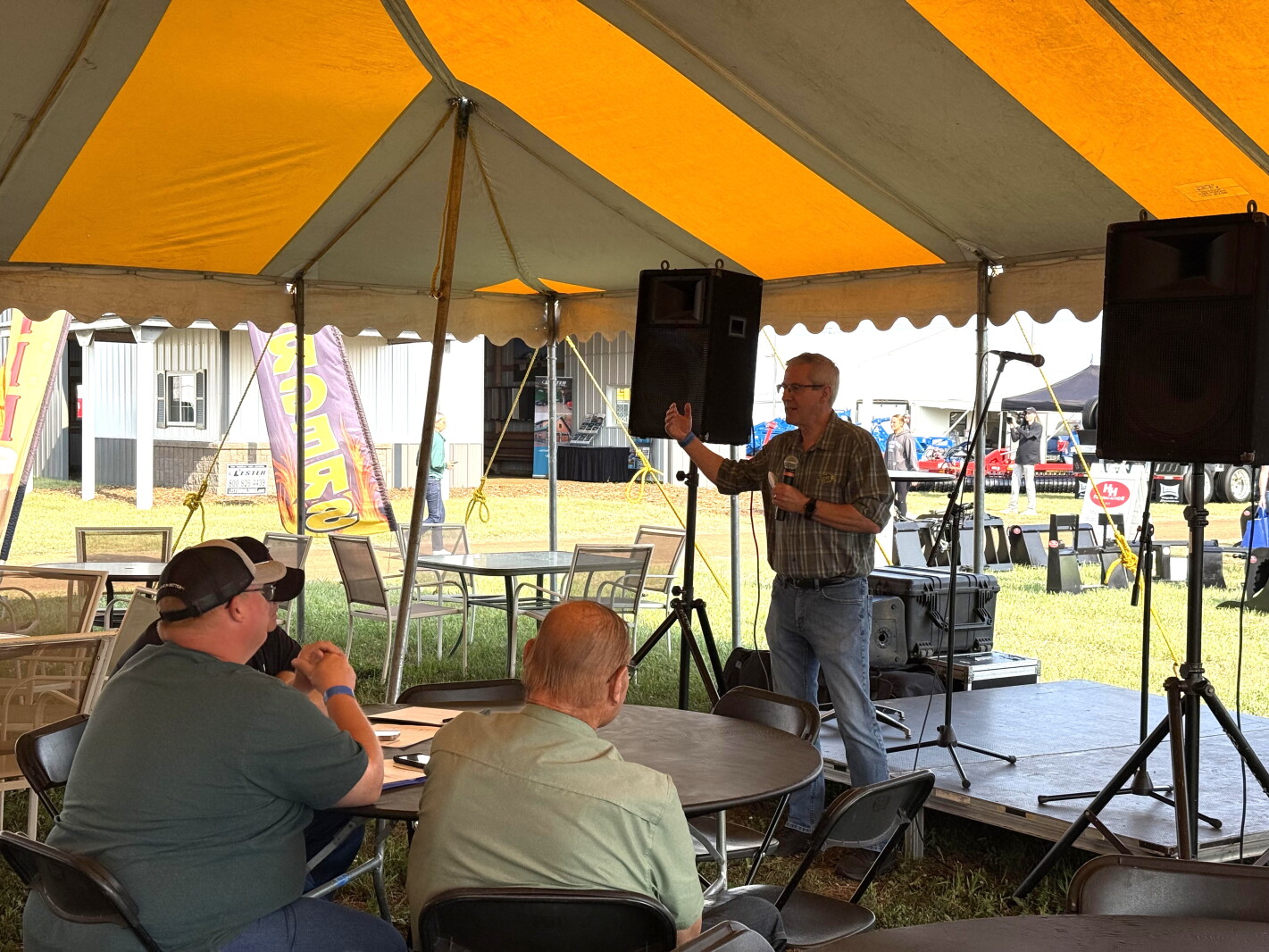
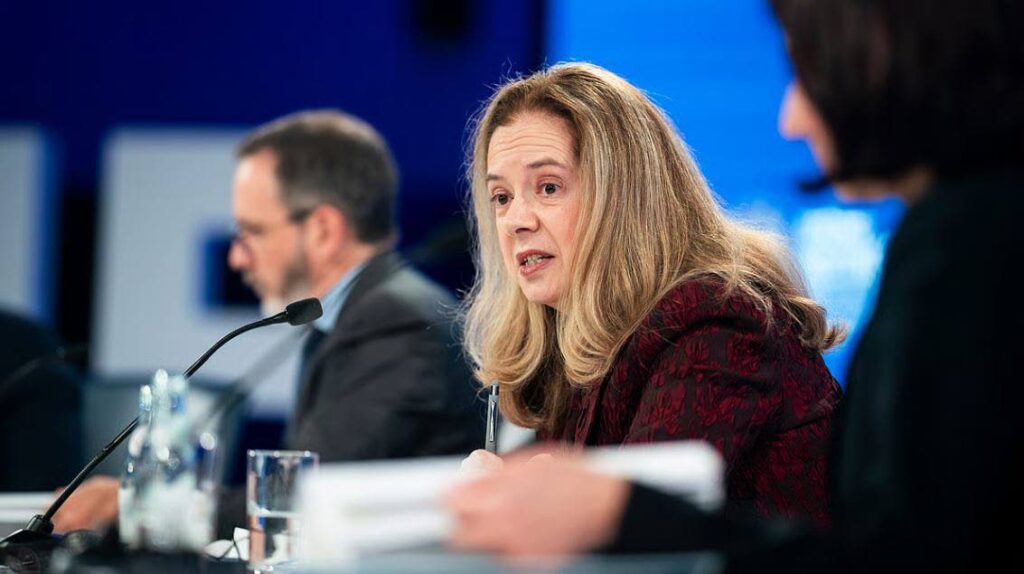
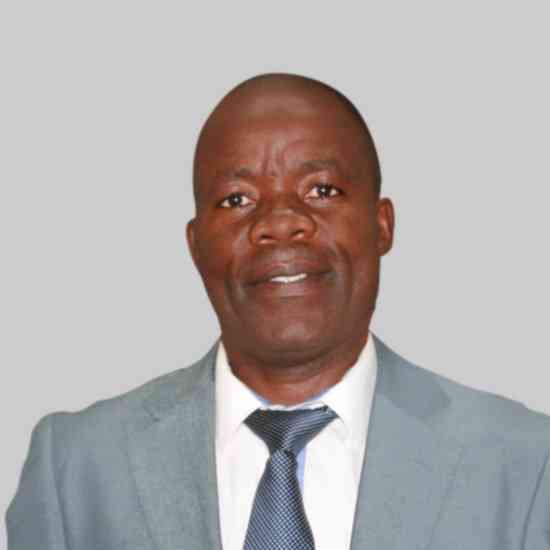
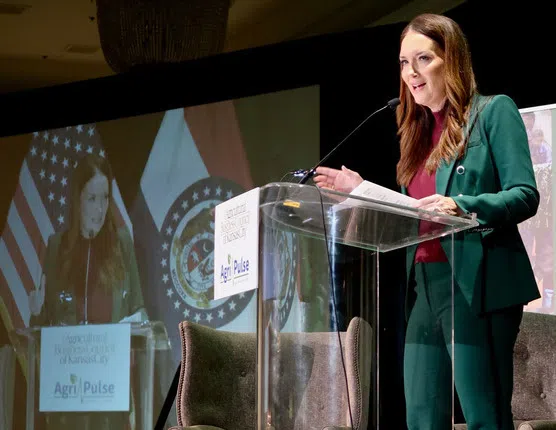
Laura Haffner owns a business that harvests grain for farms from Texas to North Dakota. She said services like hers can be a cheaper alternative for farmers who don’t want to pay for costly machinery upgrades.
“We also provide all the equipment that they need,” Haffner said. “And all of the team members necessary to run that equipment and to complete the job in a very efficient yet careful manner.”
Services like Haffner’s allow farmers to save on yearly equipment maintenance, along with fuel and labor costs. On average, it costs twice as much for a farmer to harvest their own row crops compared to hiring a service to do it, according to data from the Custom Harvester’s Association. And that’s not including the added cost of buying new equipment.
Haffner said hiring a service may make more sense for farmers – especially because certain machines are only used a few weeks out of the year.

Emma George-Griffin
/
Harvest Public Media
“That equipment is going to sit in the shed or in the lot, not doing anything, it’s not making money,” Haffner said.
For other farmers, including Kellogg in Michigan, making equipment repairs themselves is helping them avoid massive amounts of debt — at least until the farm economy changes.
“It’s your time or your money,” Kellogg said.
This story was produced in partnership with Harvest Public Media, a collaboration of public media newsrooms in the Midwest and Great Plains. It reports on food systems, agriculture and rural issues.