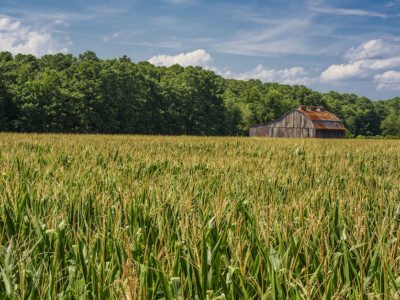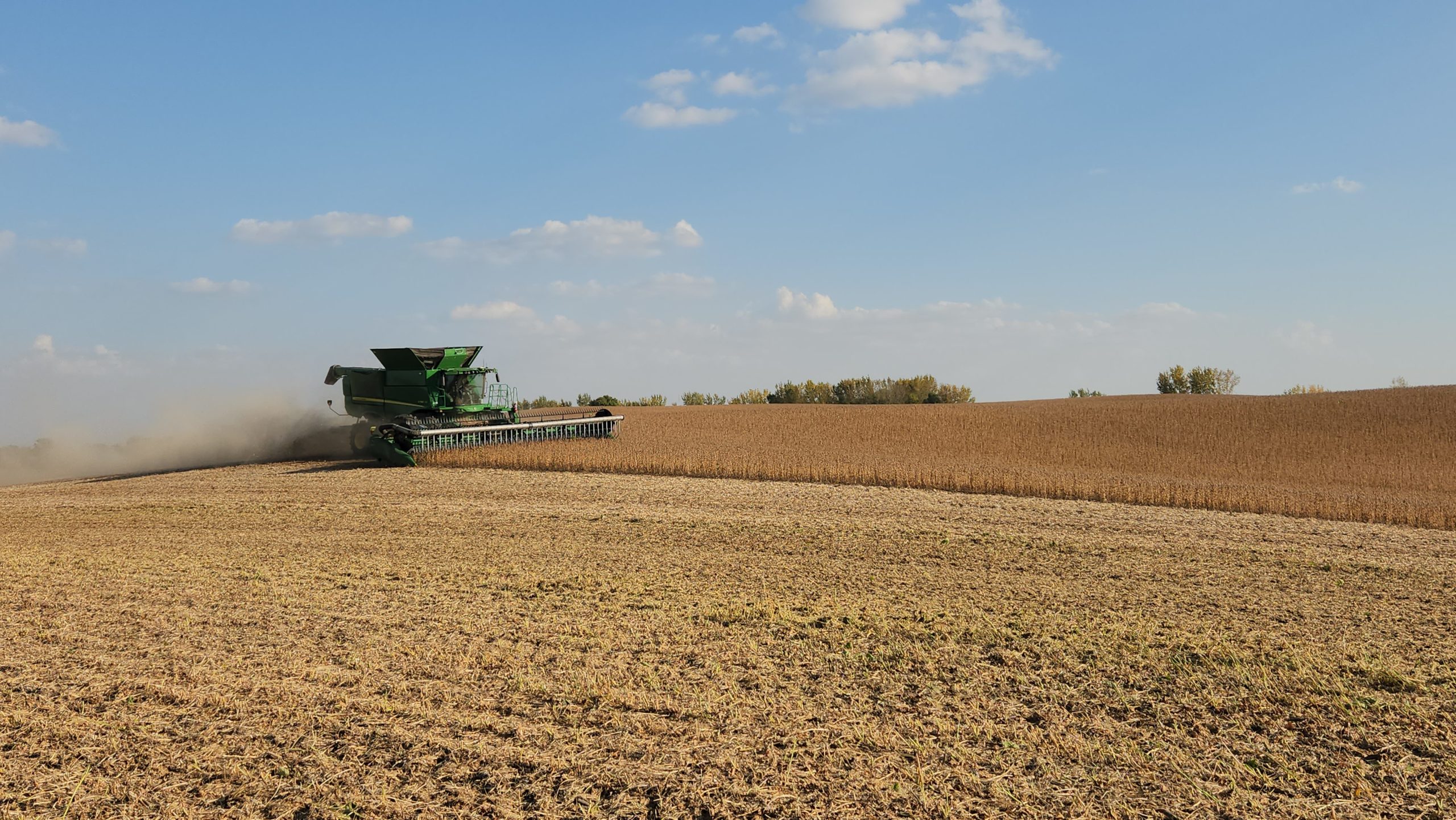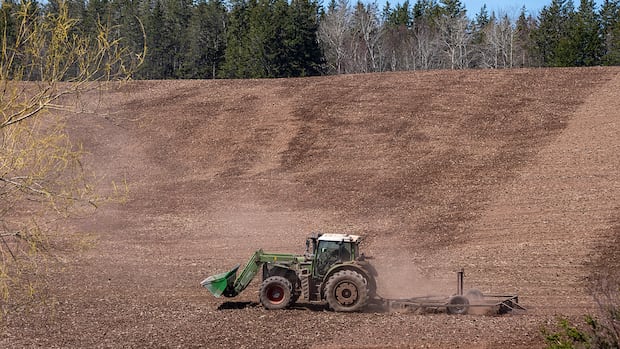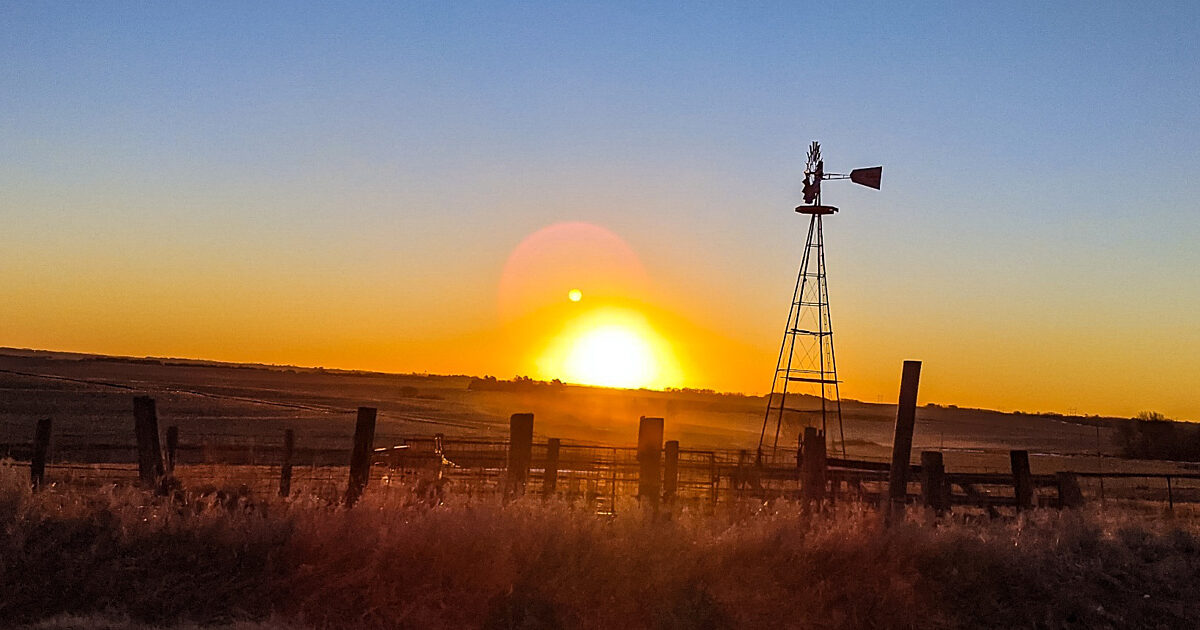
(Omaha) — One of KMAland’s leading indicators shows no signs of improvement in the rural economy.
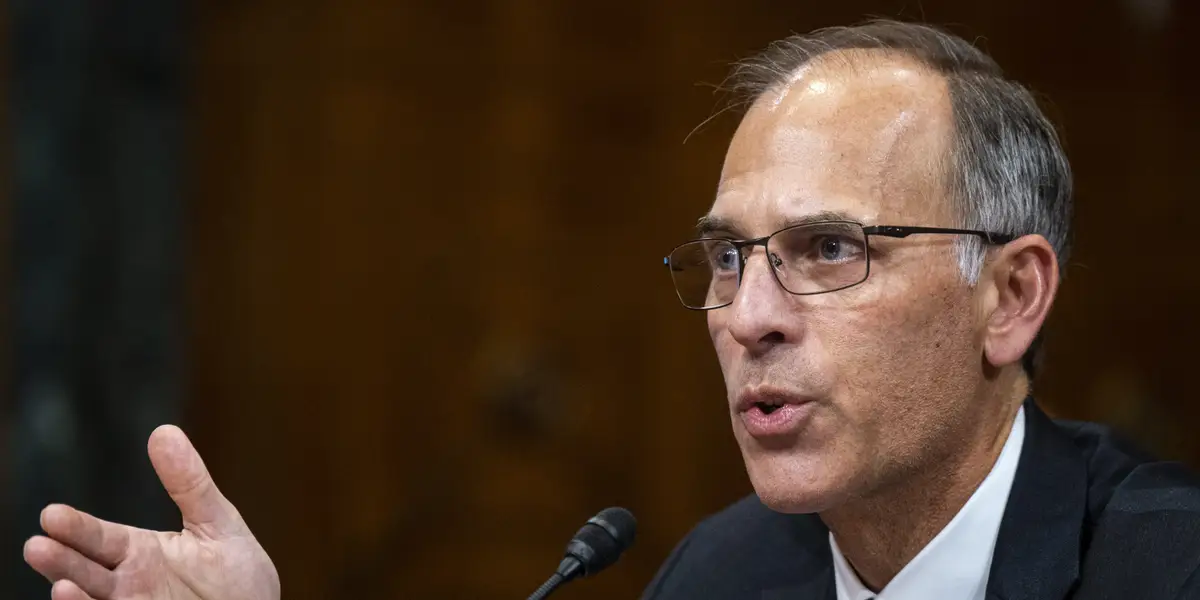
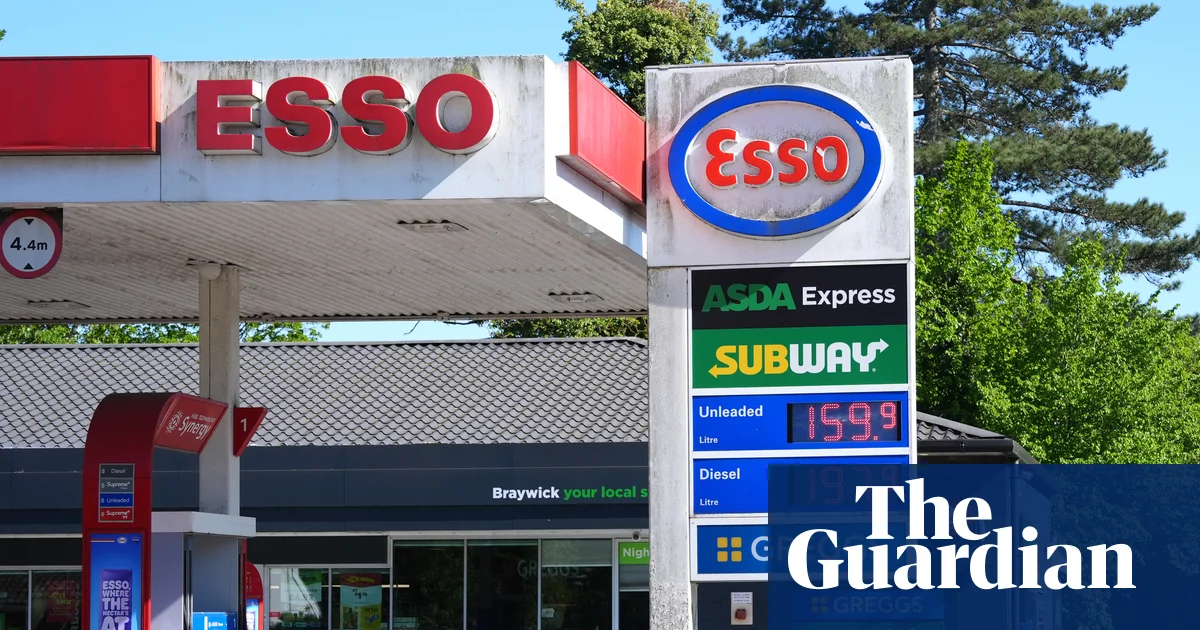
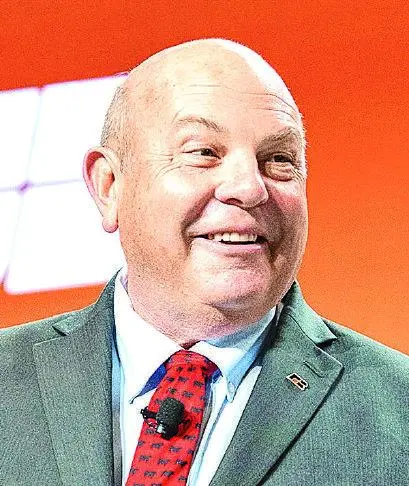
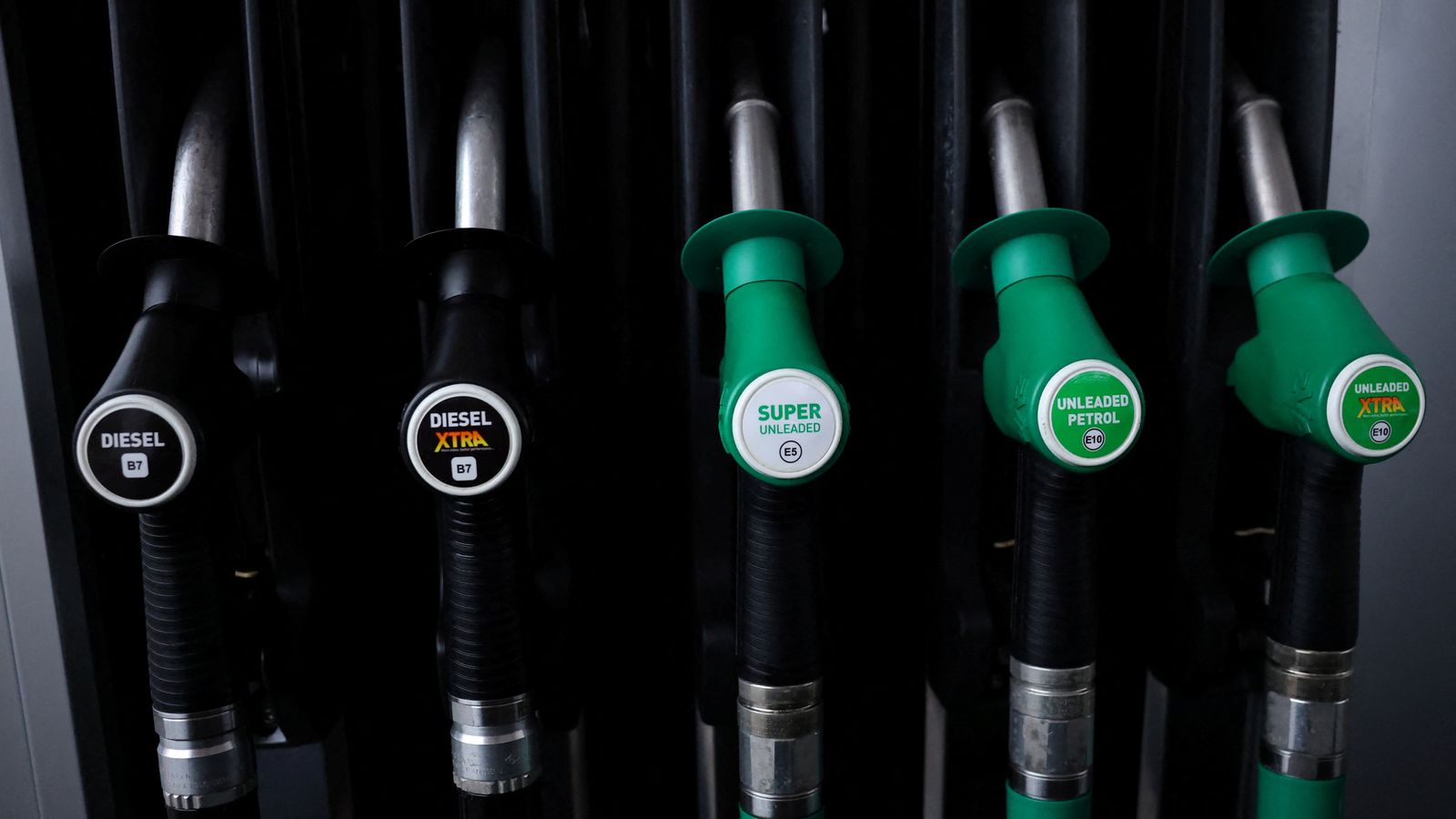
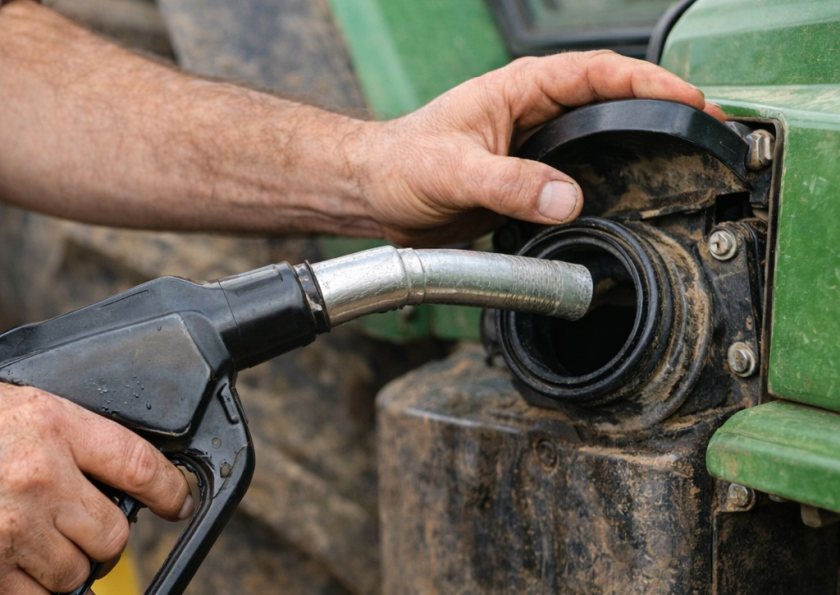
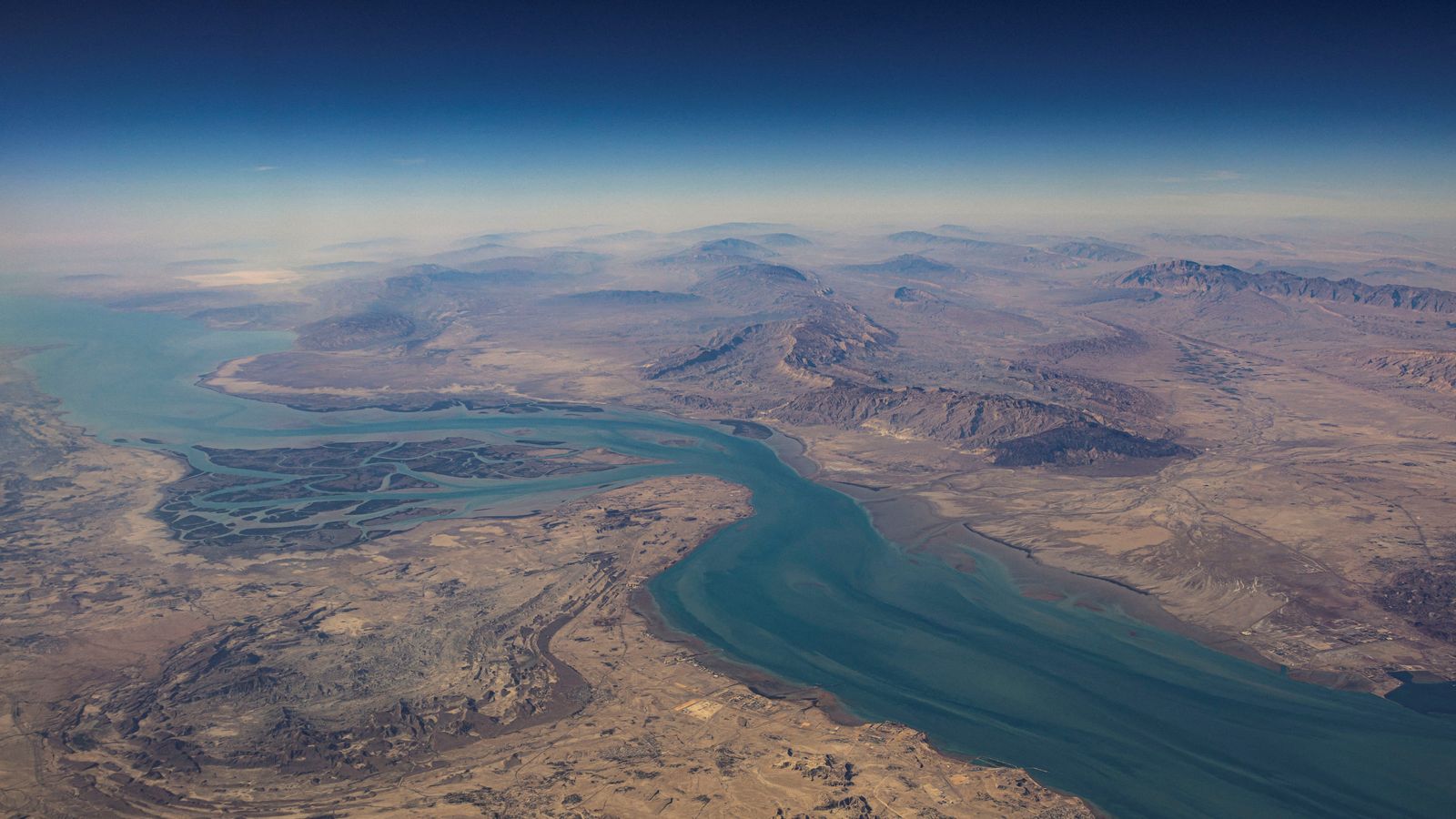
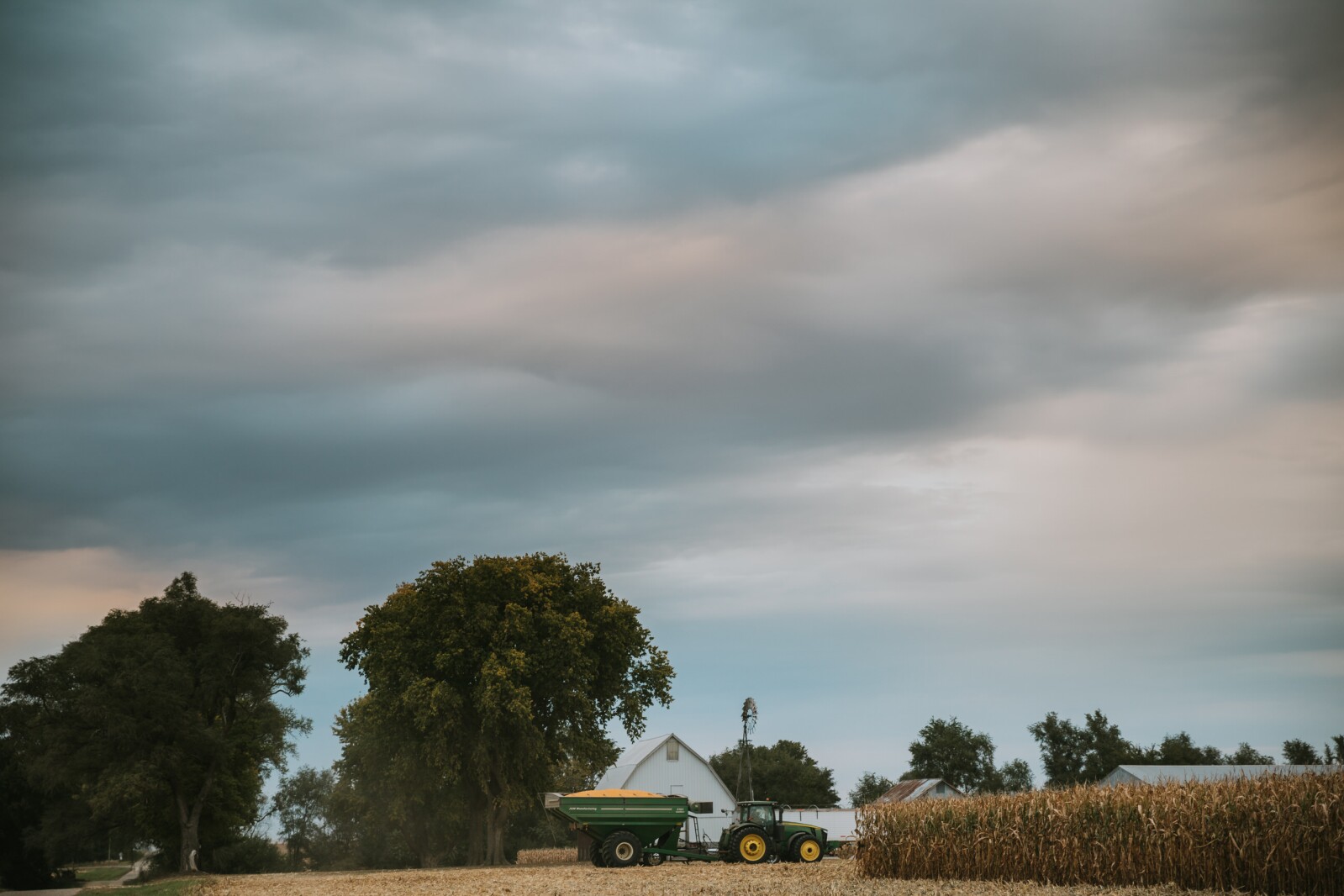
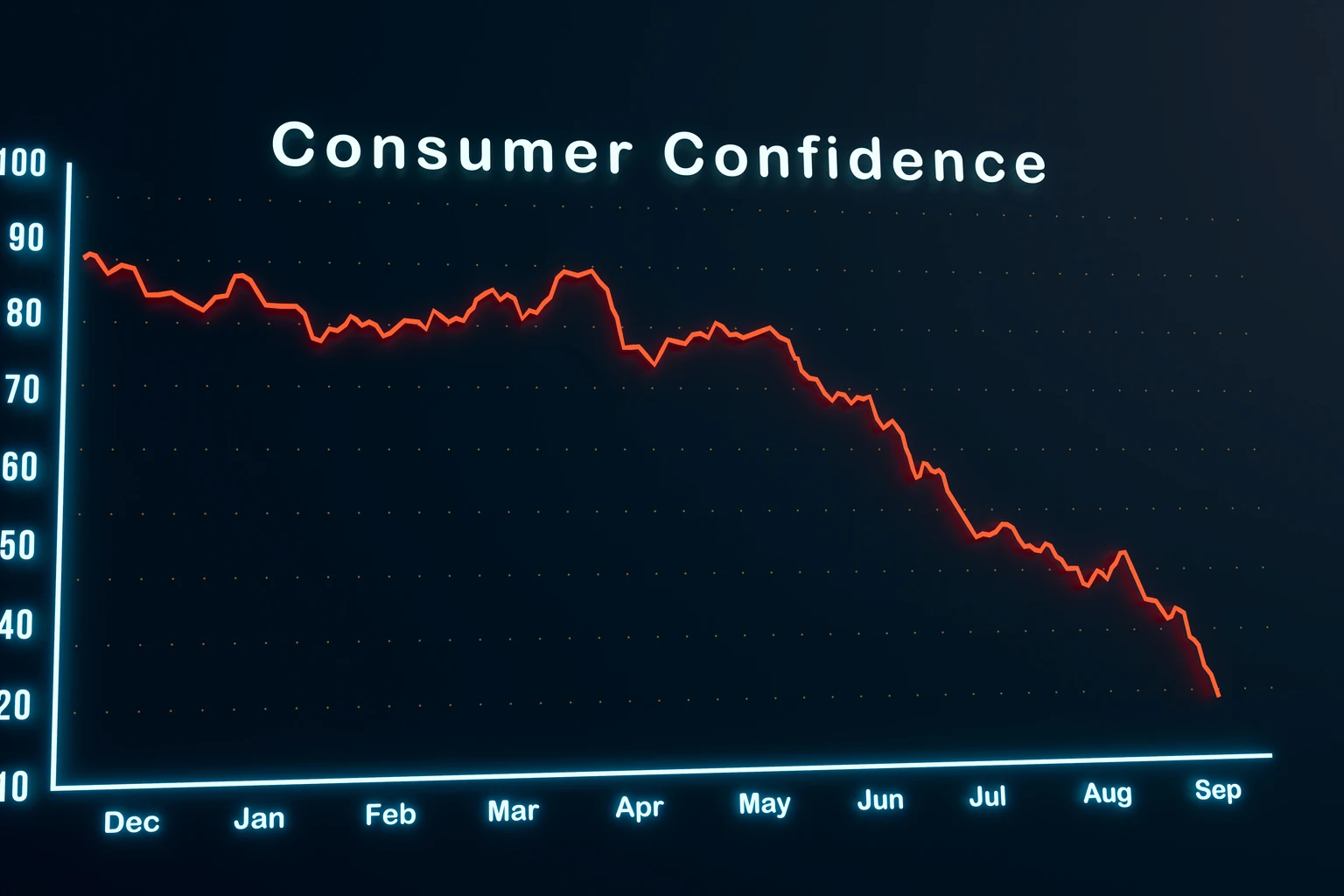
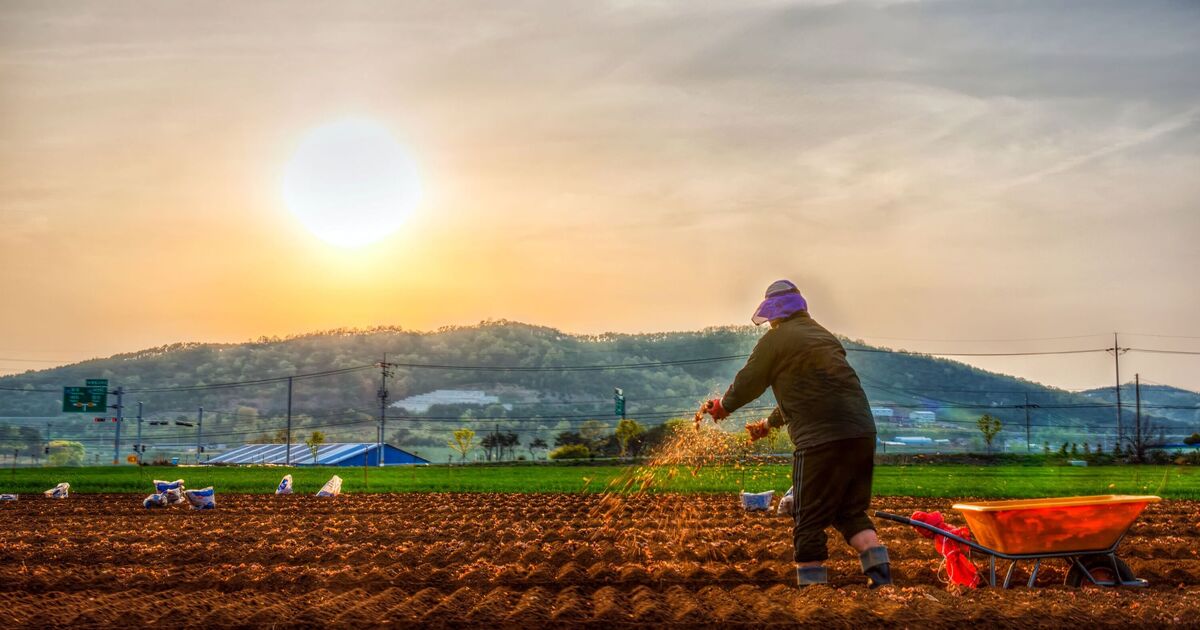
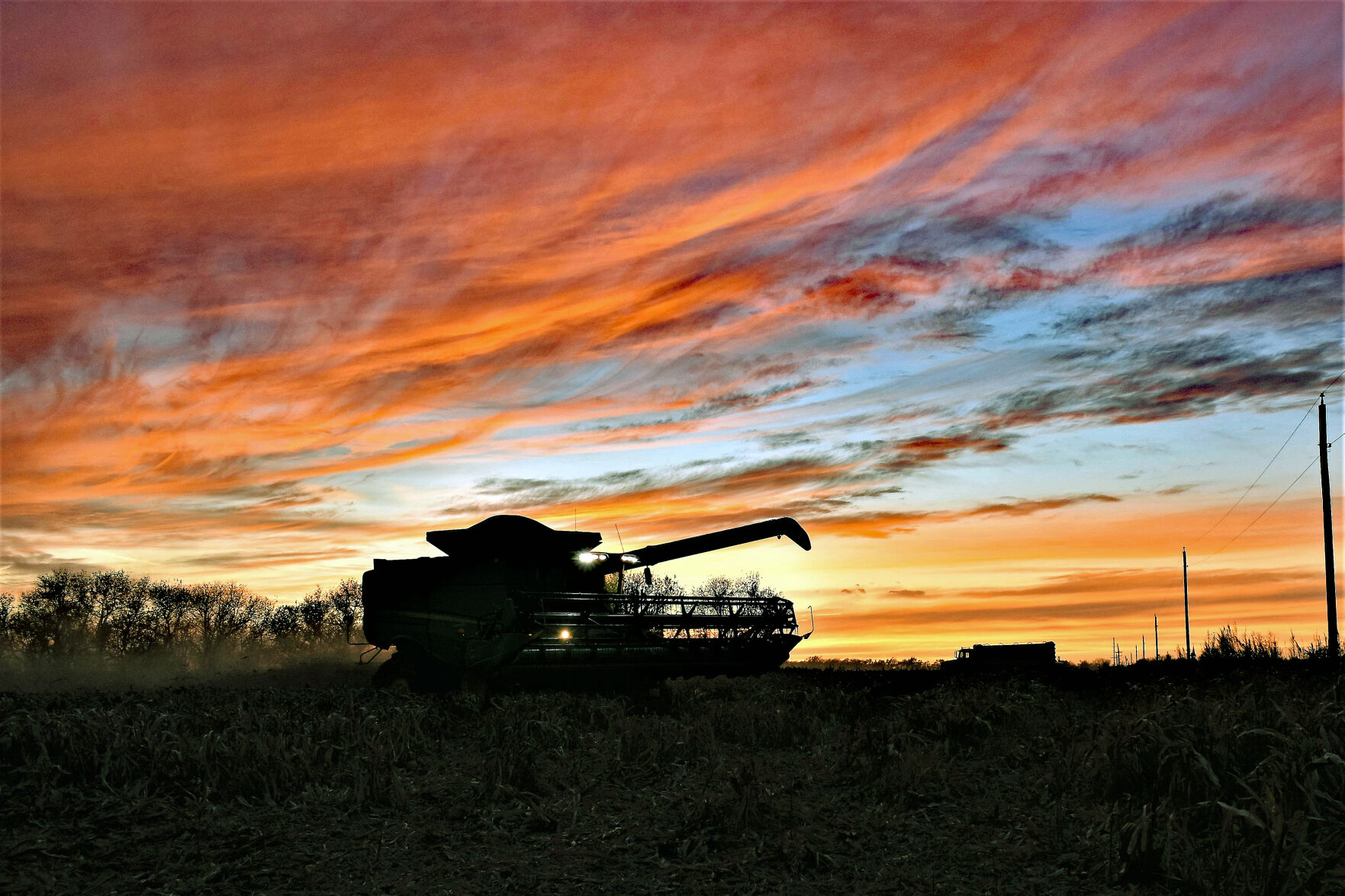
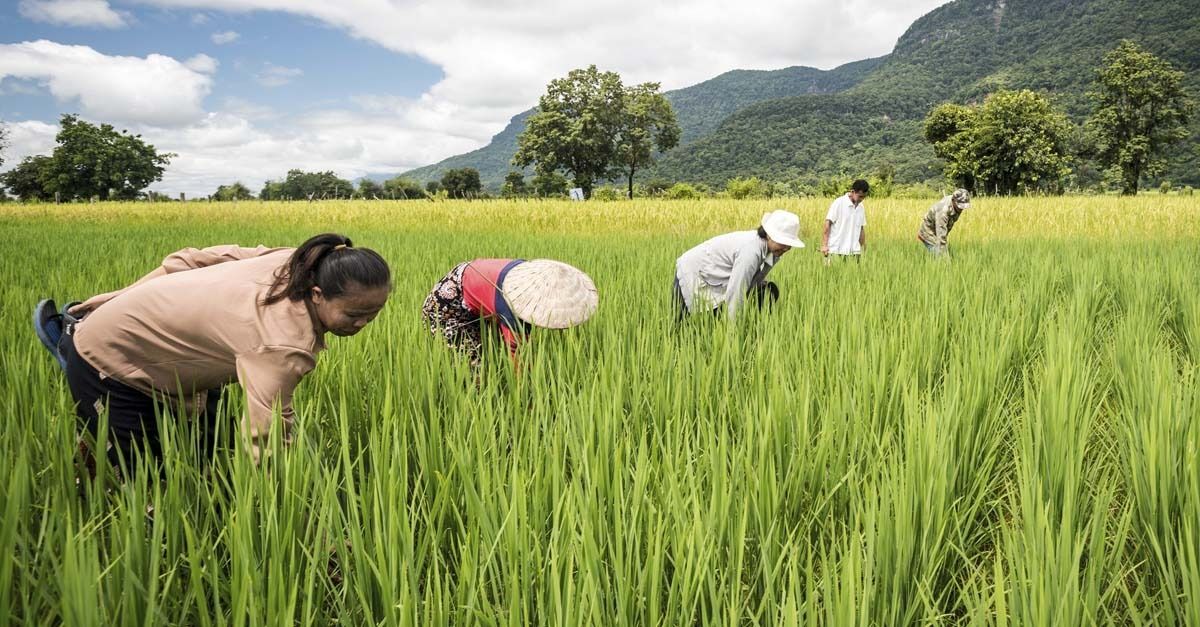
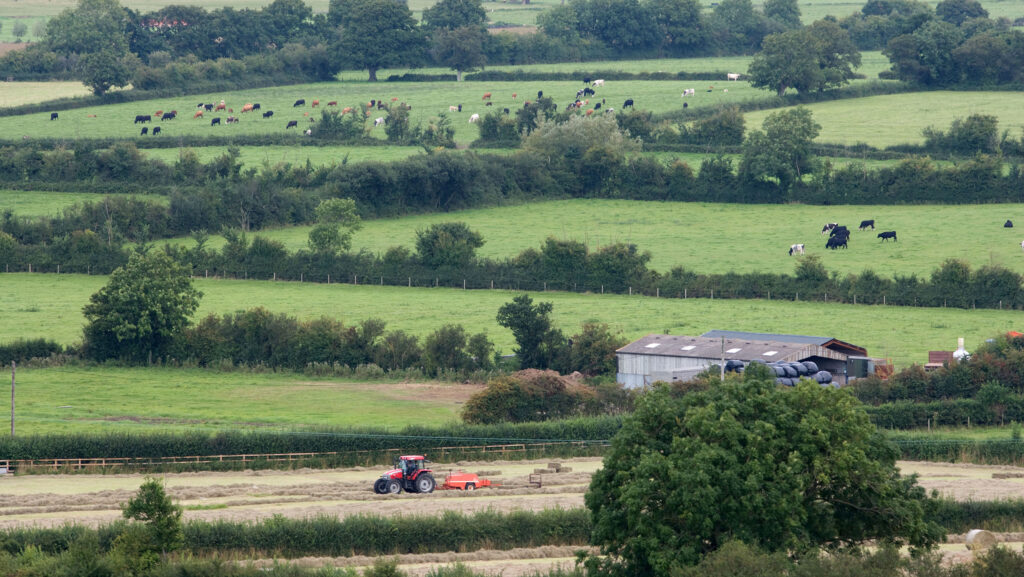
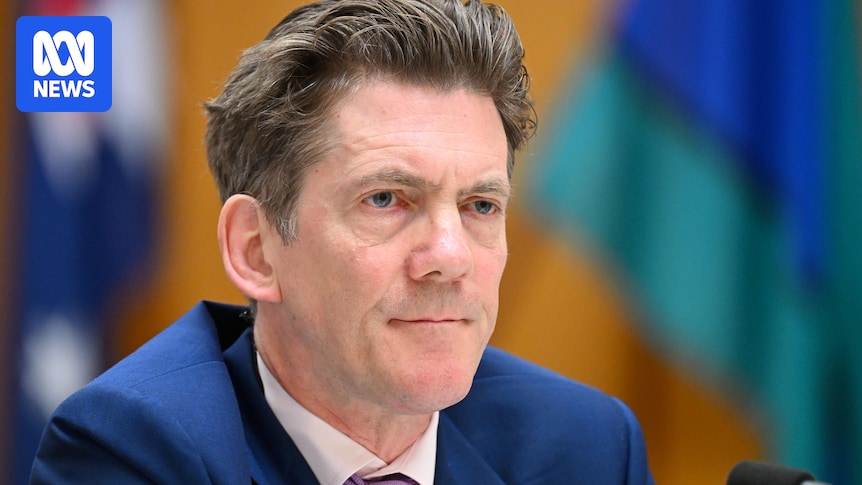
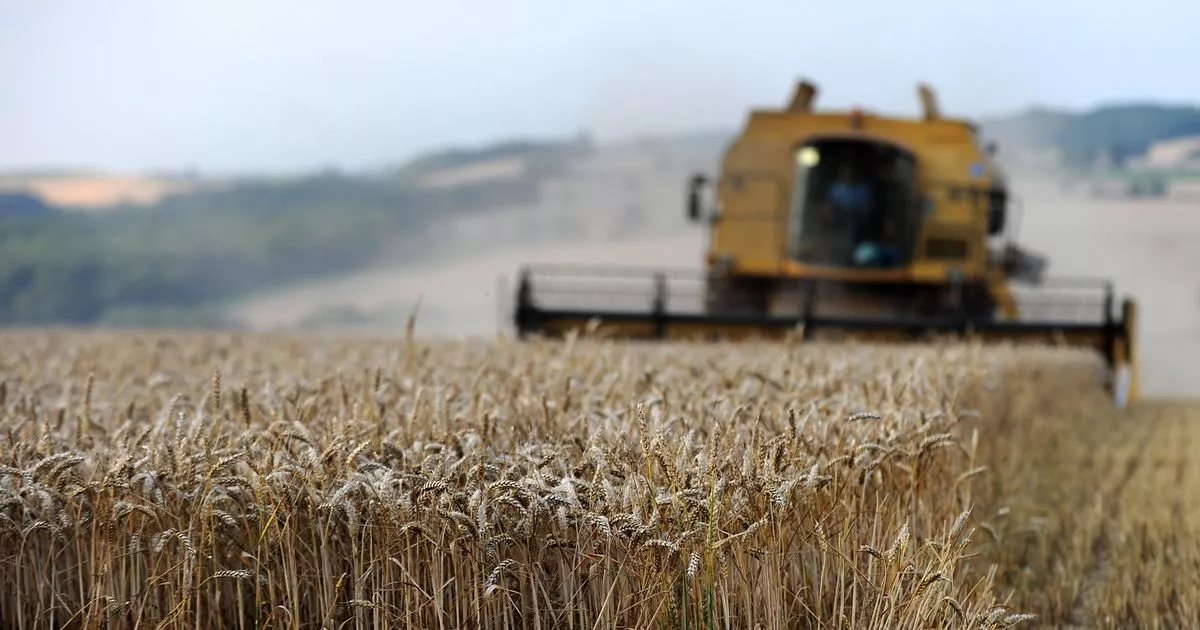
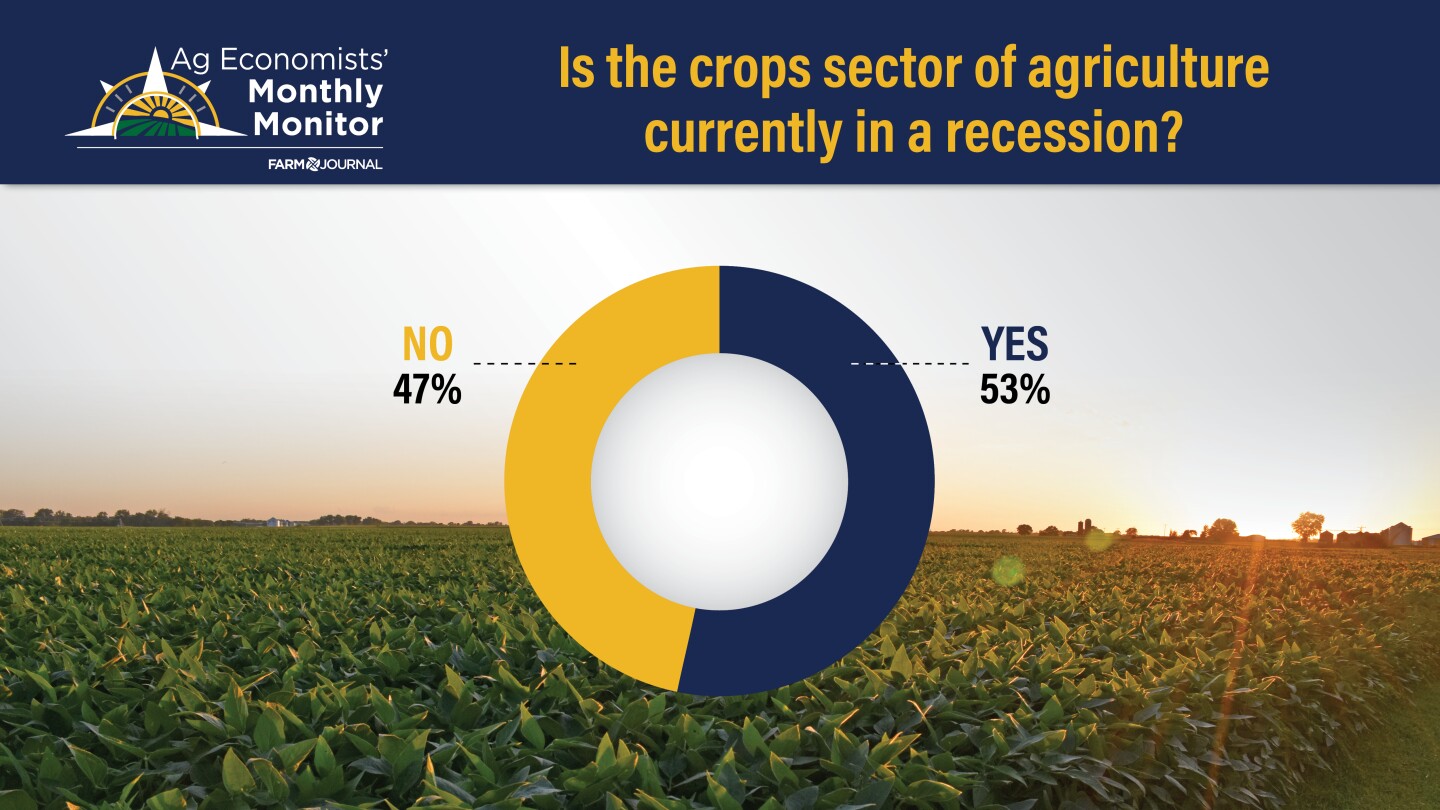
Creighton University’s Rural Mainstreet Index dropped below growth neutral for the fourth straight month. The survey of bank CEOs in a 10-state region–including Iowa, Nebraska and Missouri–indicates a May overall reading of 45.7–down from April’s mark of 47.9. Creighton University Economist Dr. Ernie Goss cites two factors for the rural economy’s continuing doldrums–increased fuel costs from the U.S.-Israeli War against Iran, and weaknesses in farm economy prices.
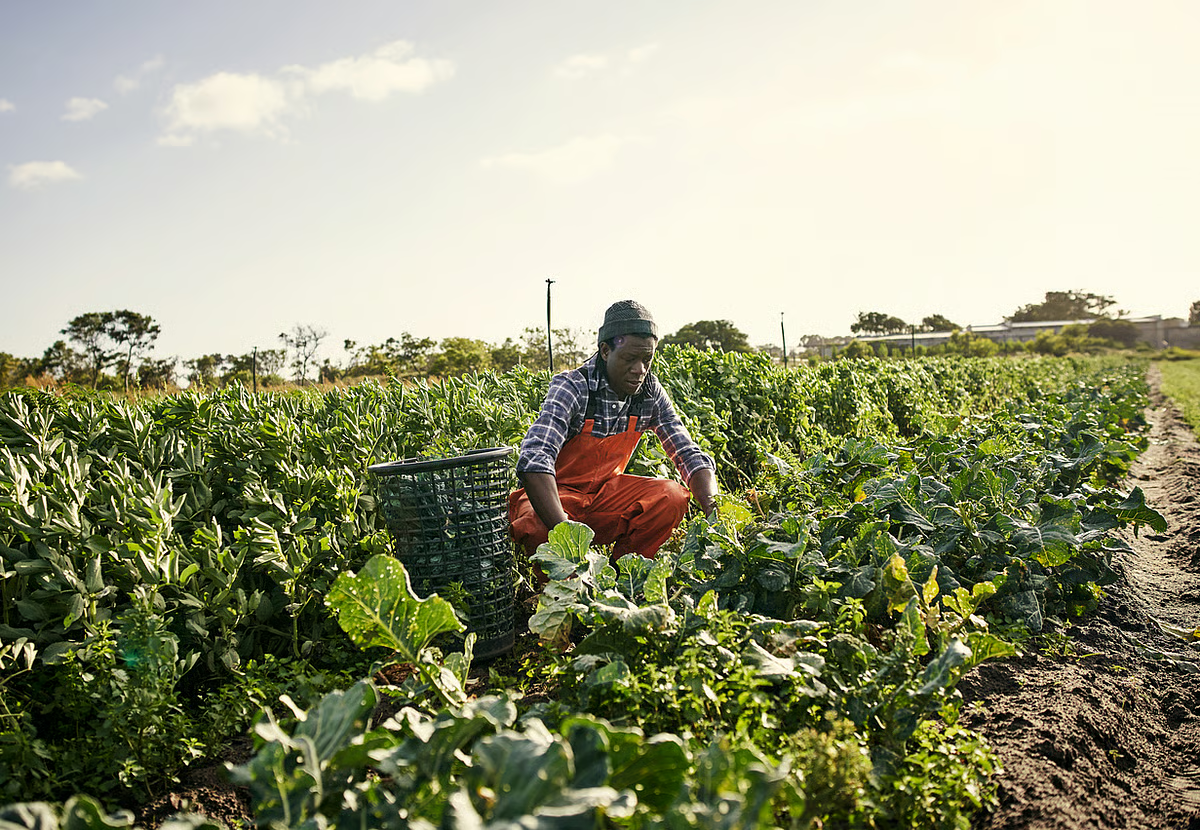
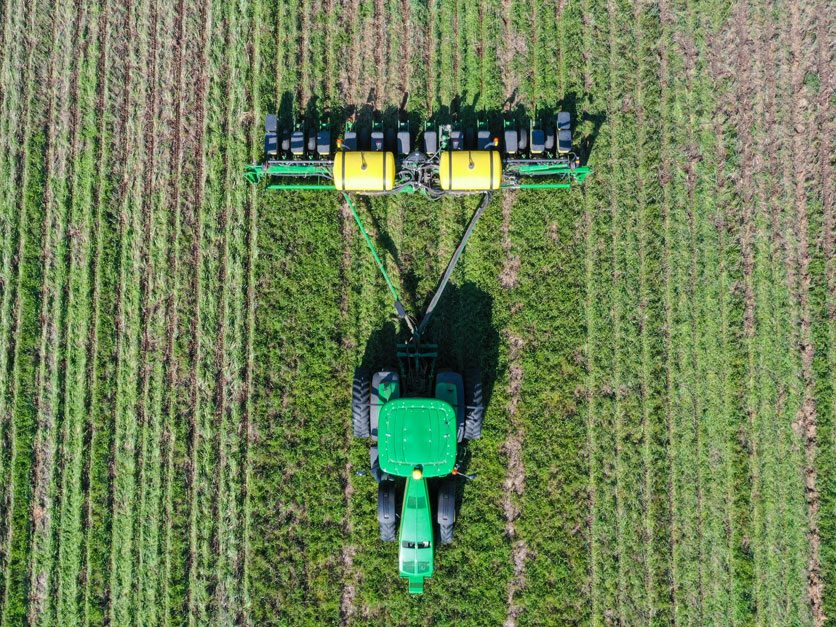
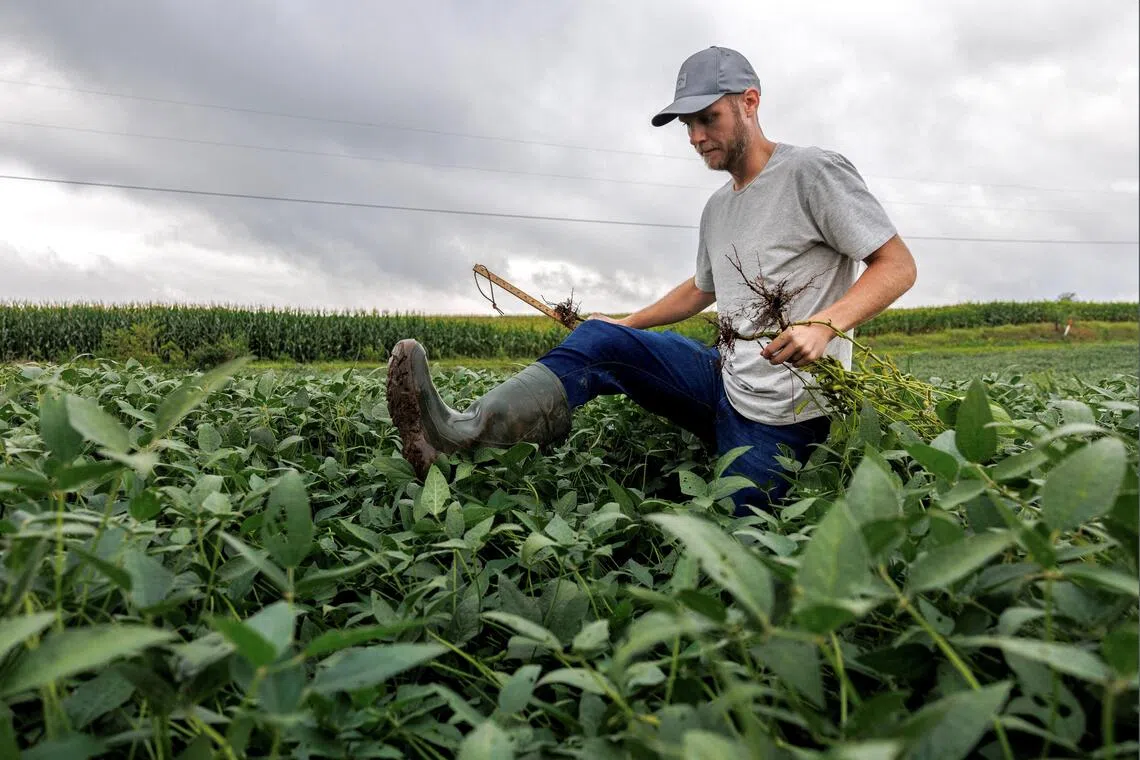
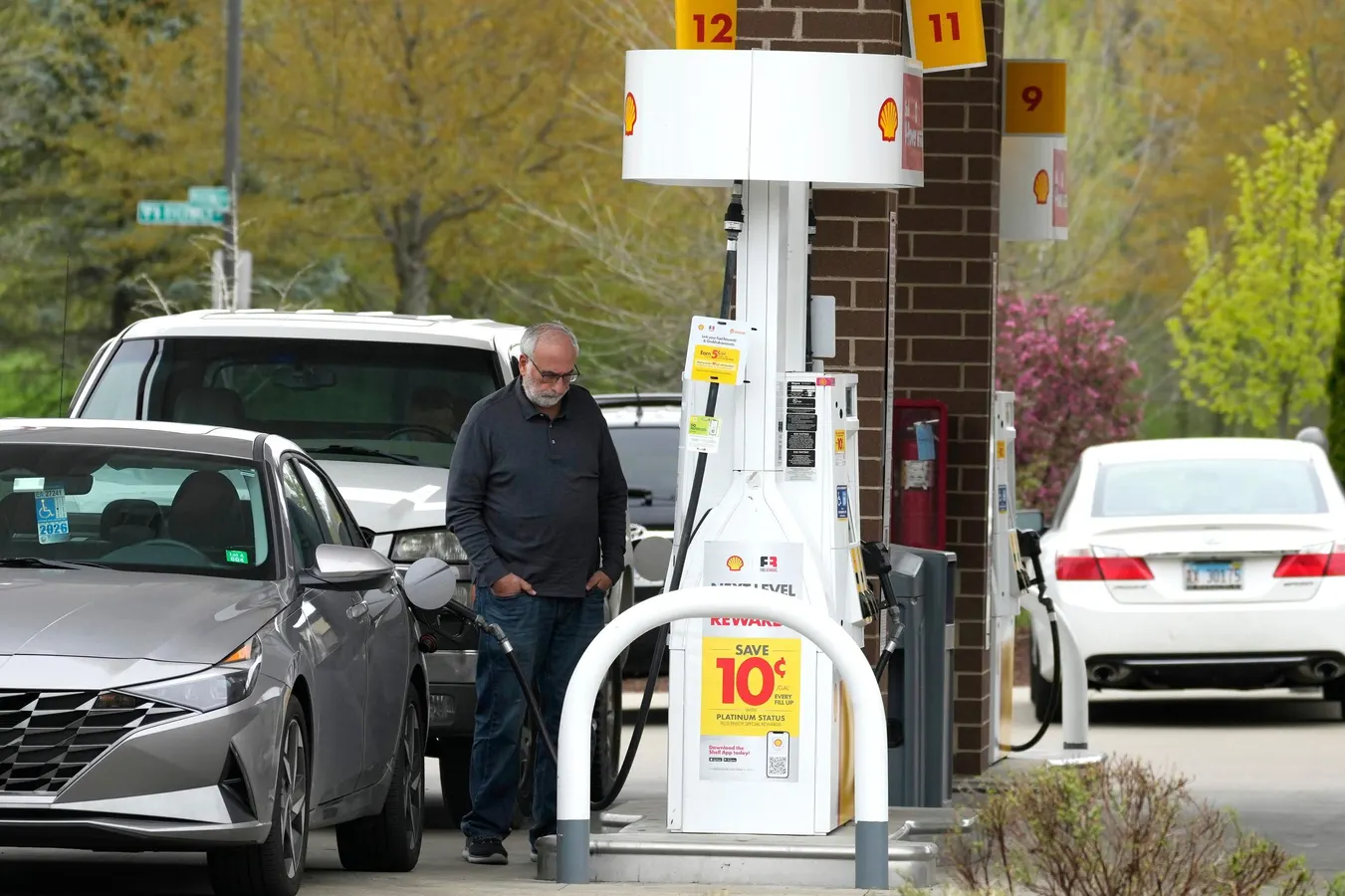
“When you put it together, higher fuel costs–of course, diesel, particularly for the farming economy–and other input costs,” said Goss, “you’re talking about 20%, or one out of five reported that was their number-one factor in bringing down the farm economy right now. But again, the major factor, a little over 50% said the low grain prices.”
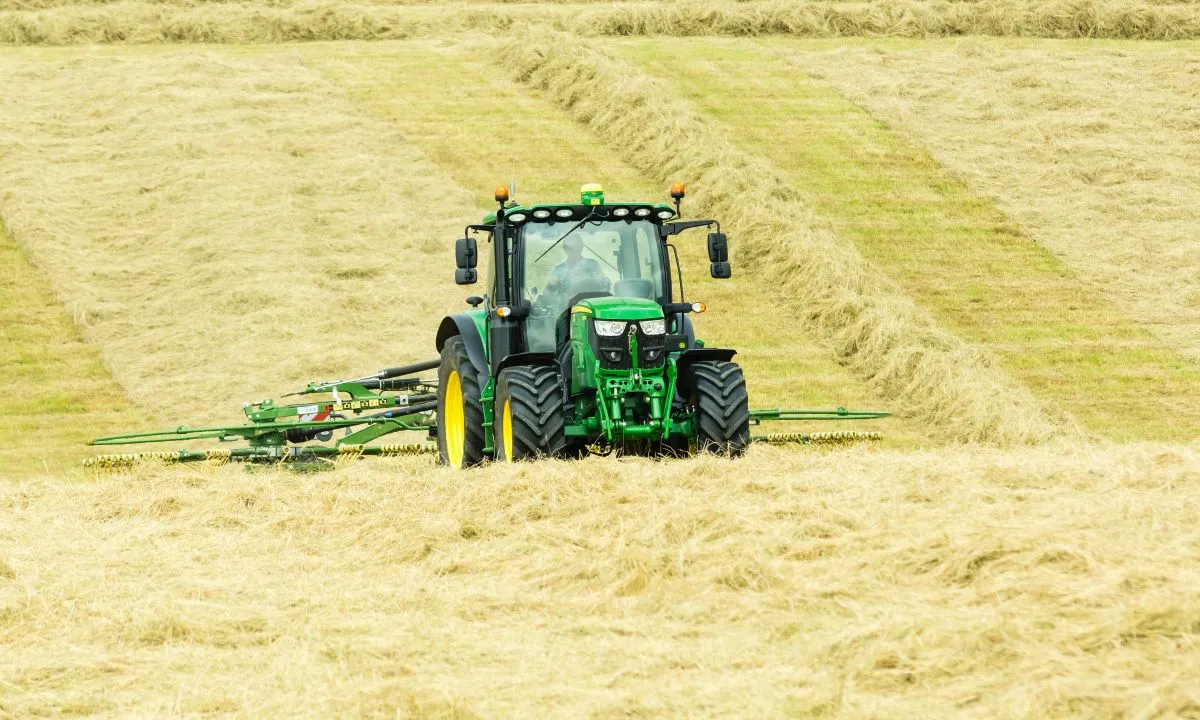
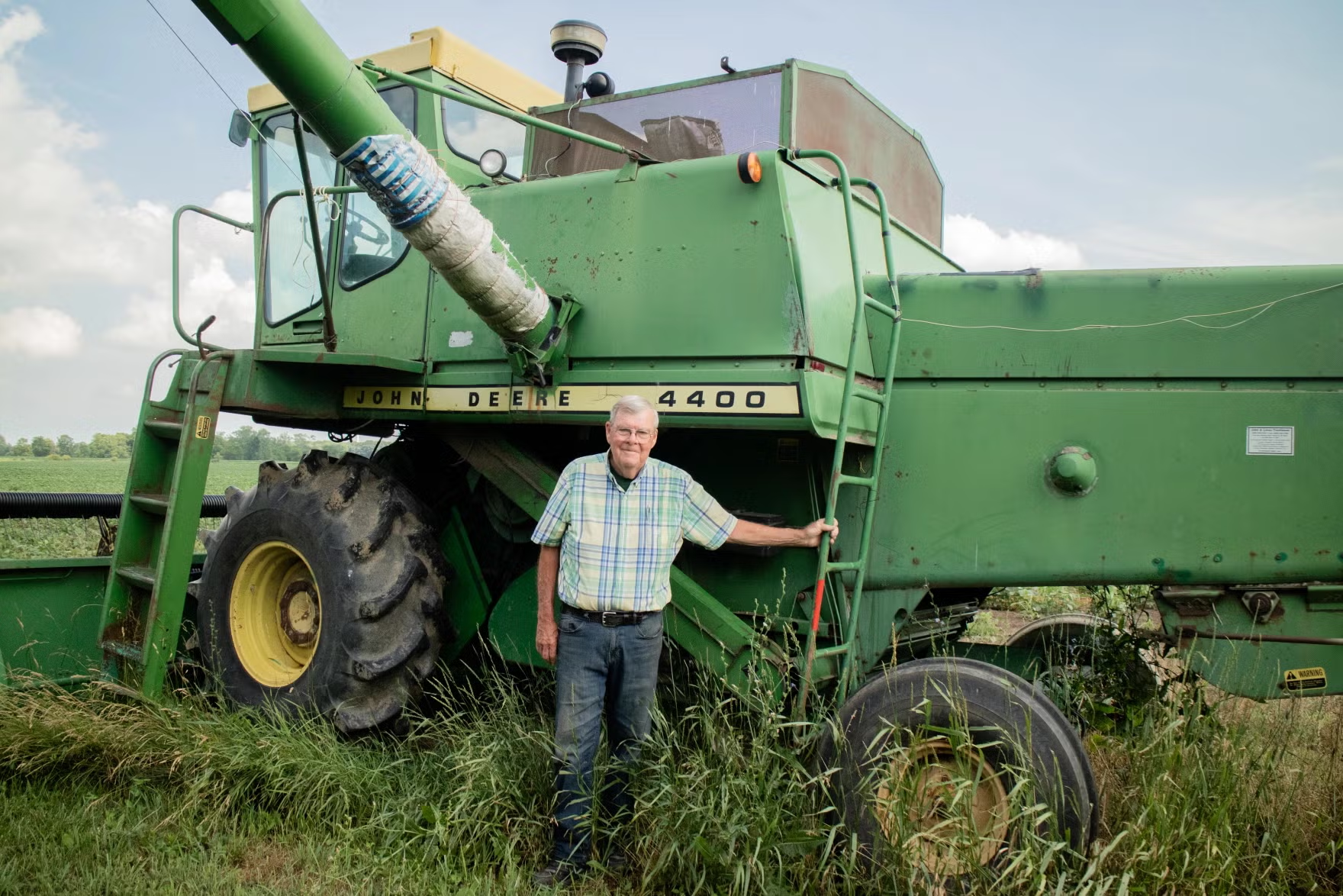
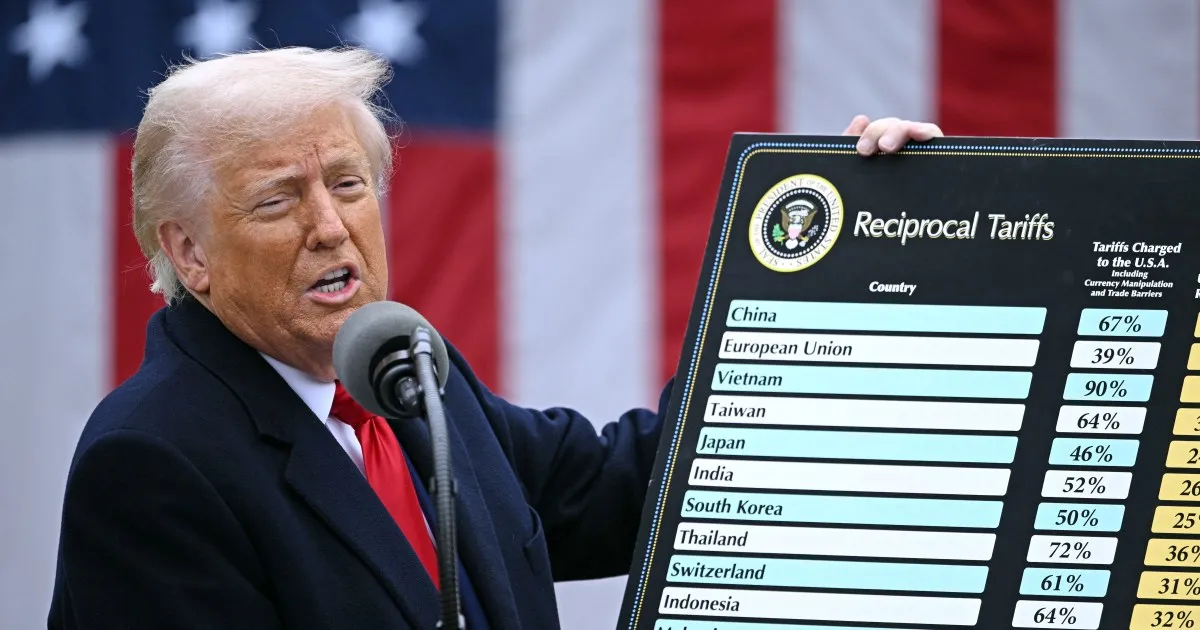
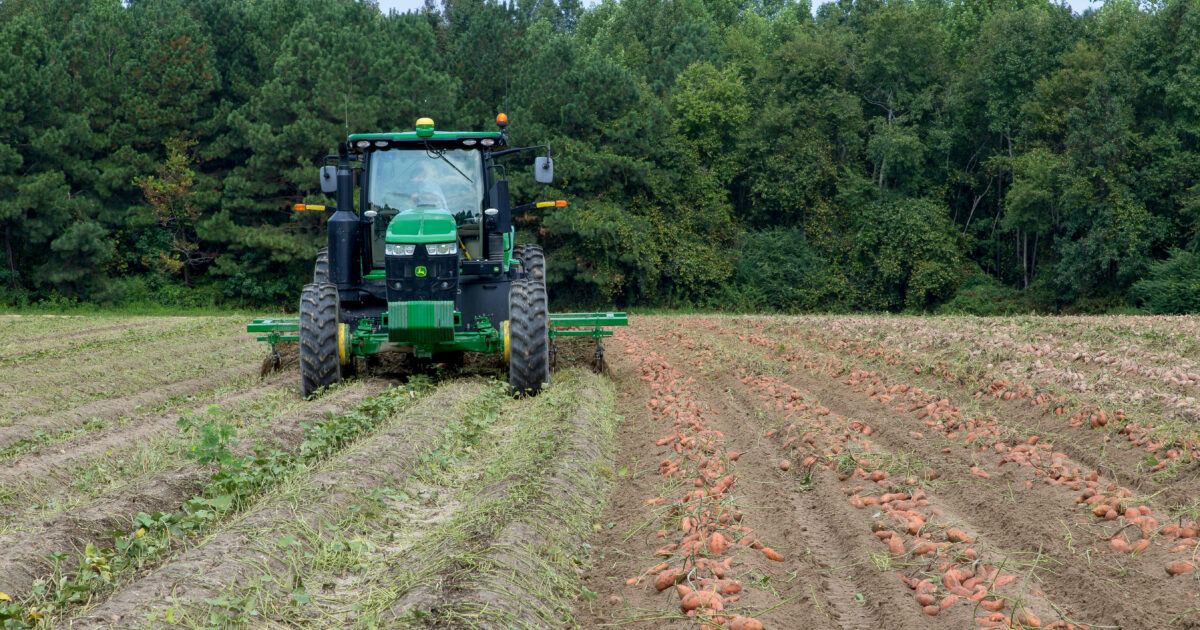
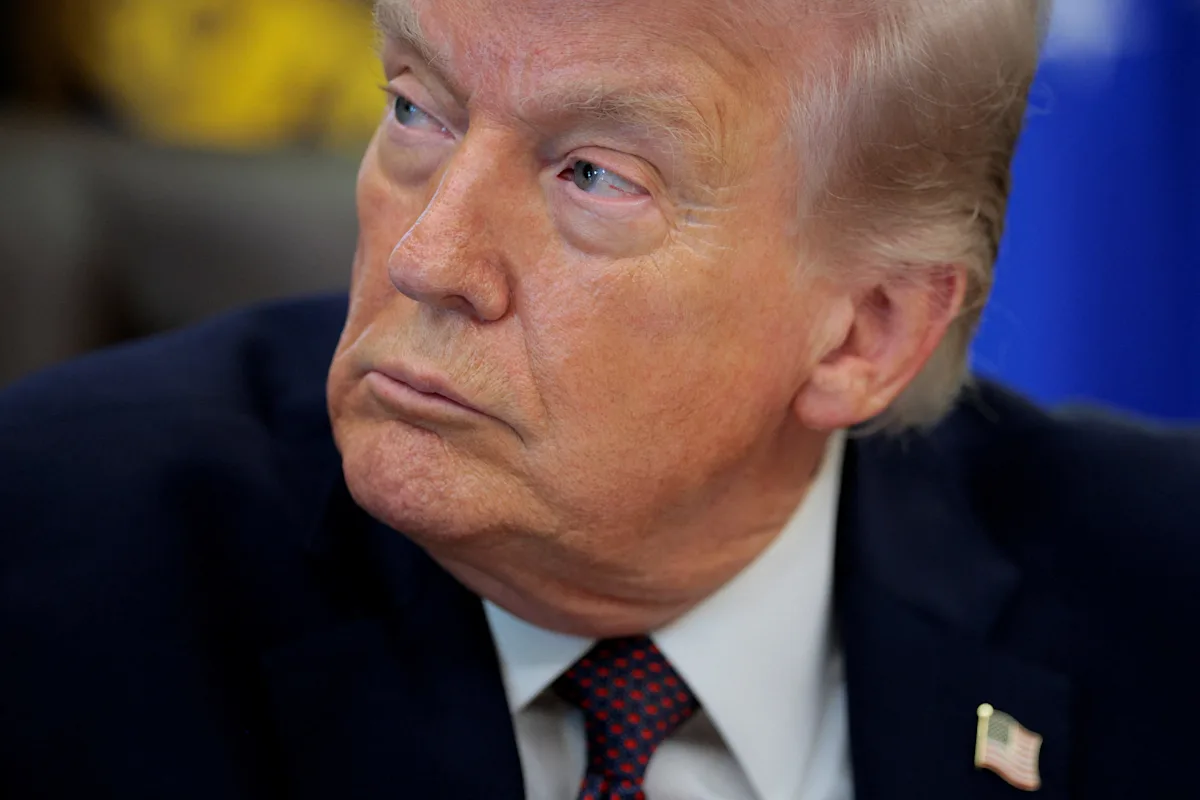
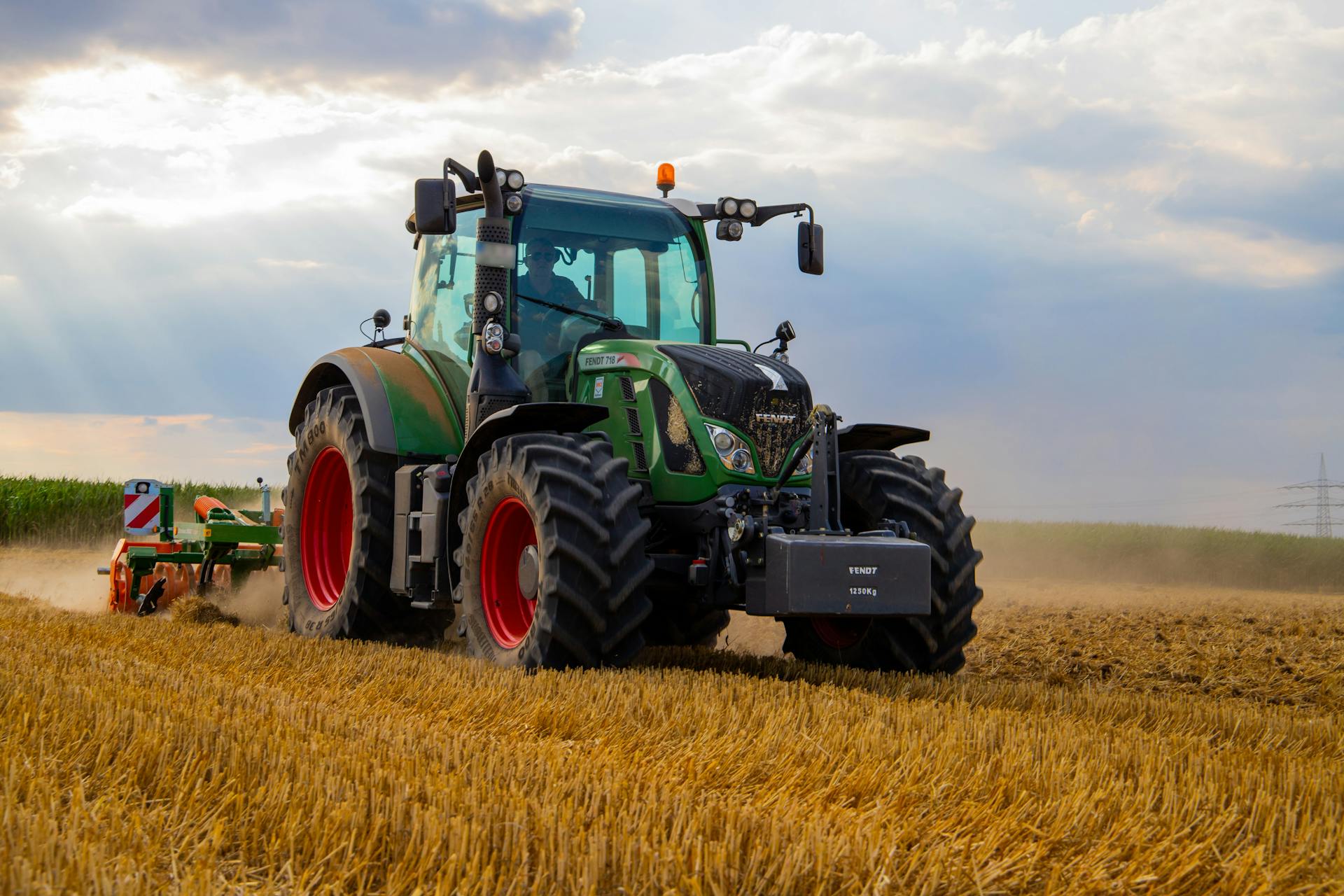
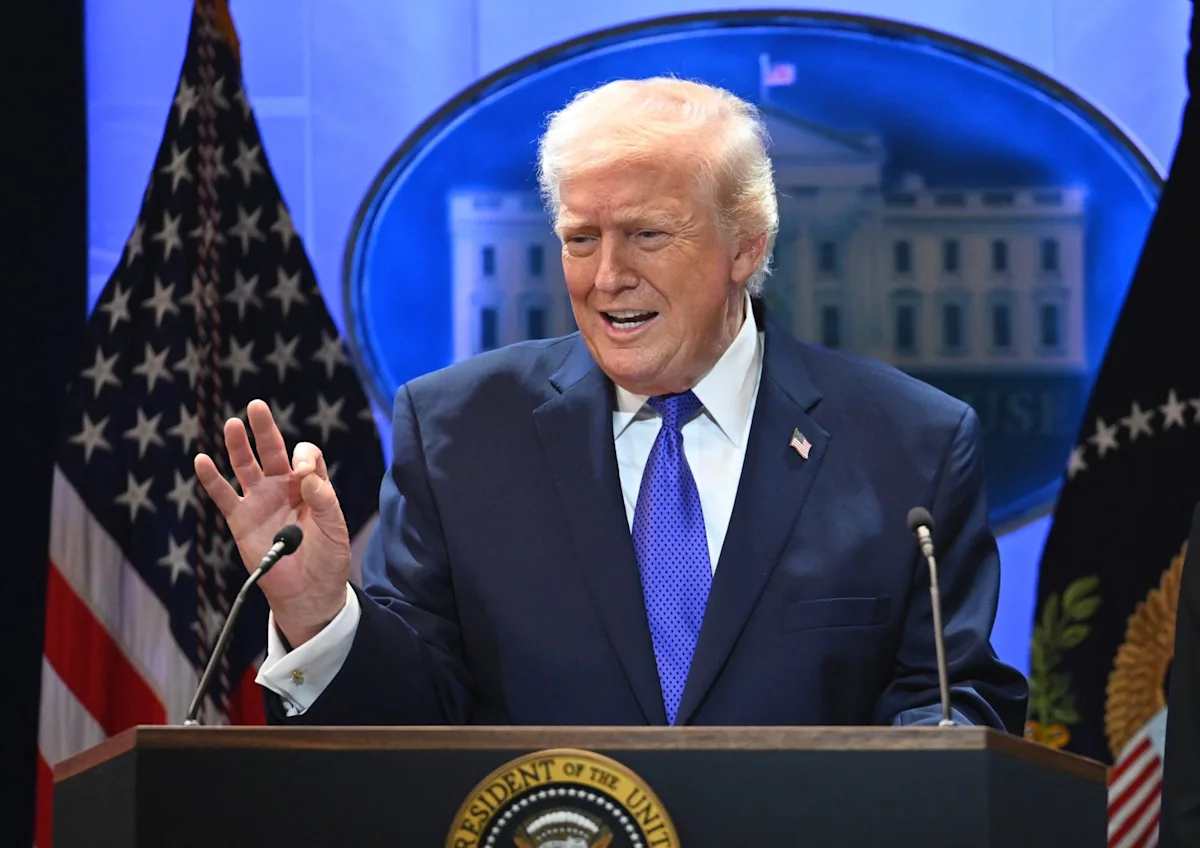
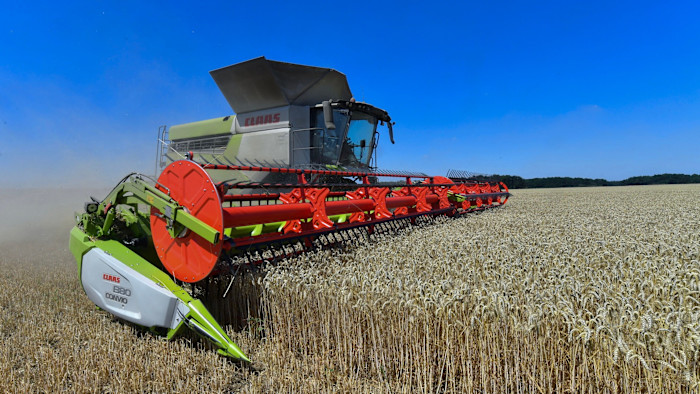
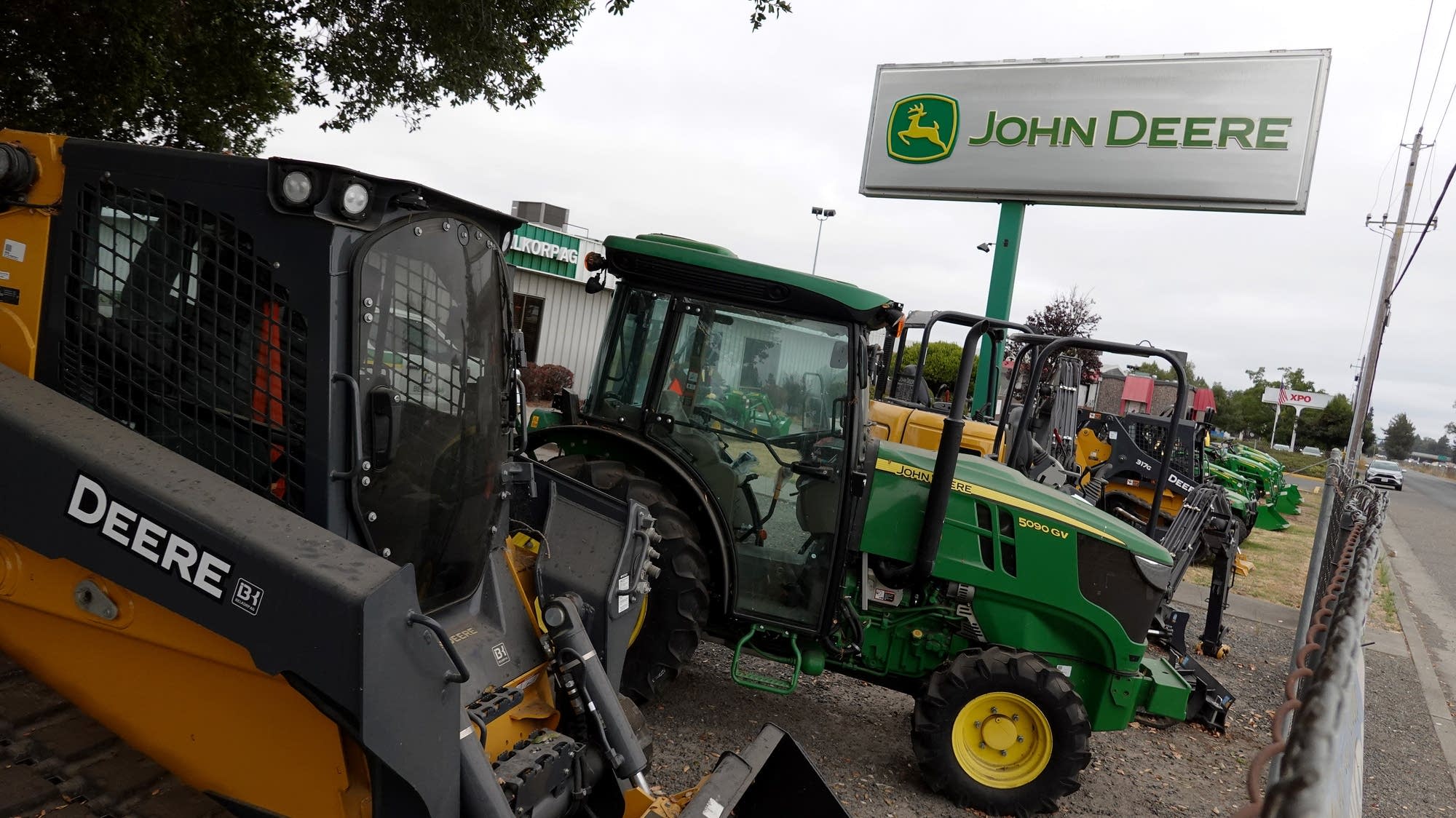
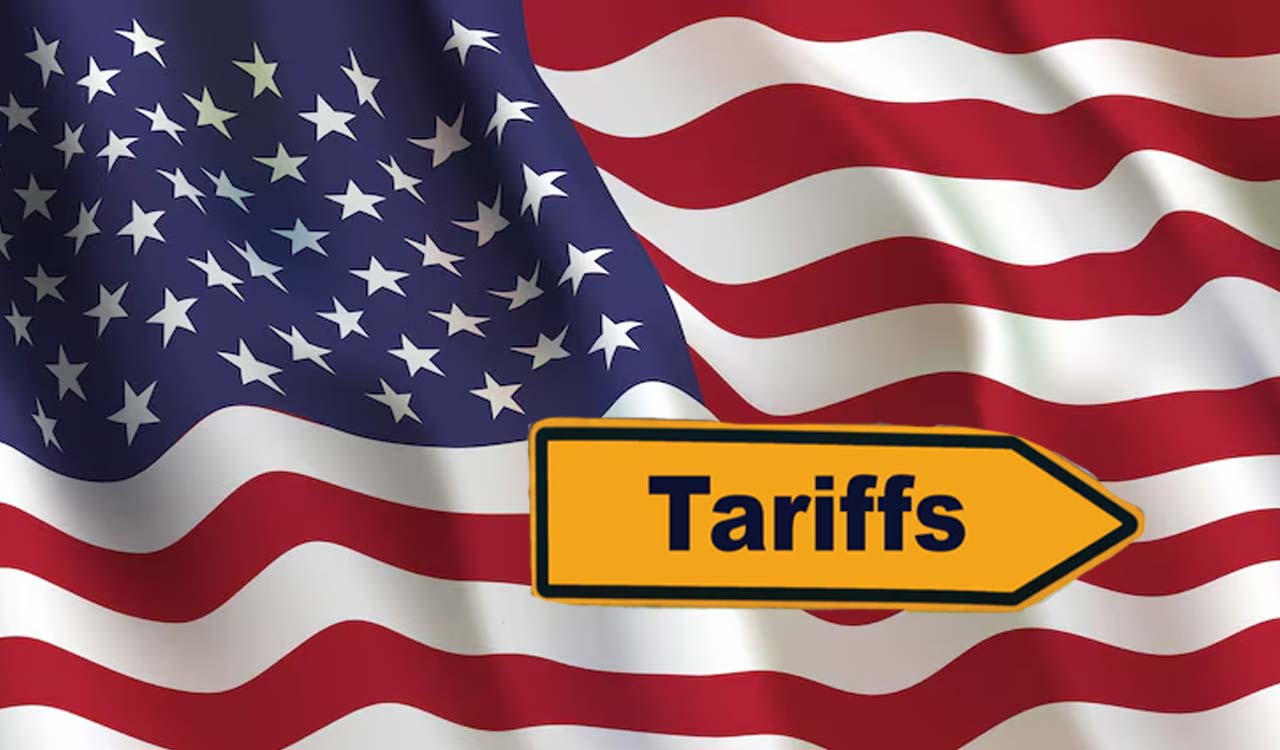
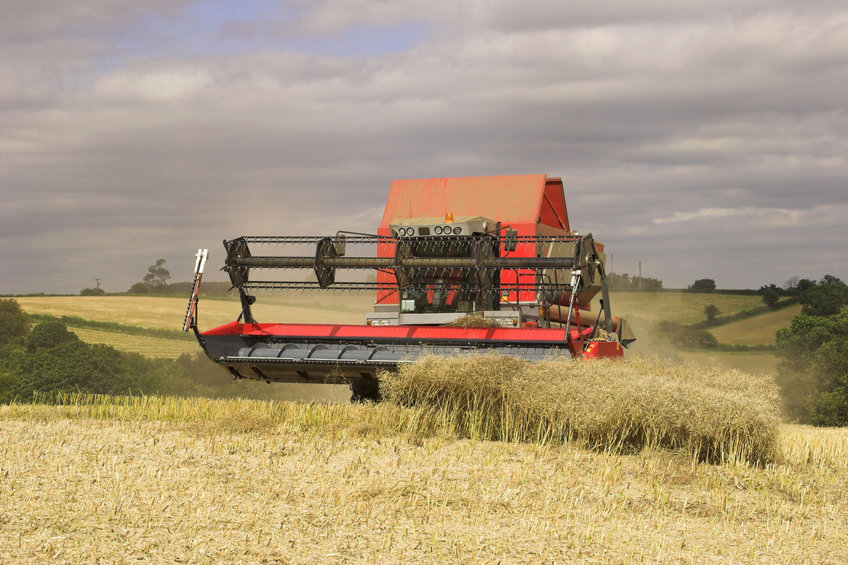
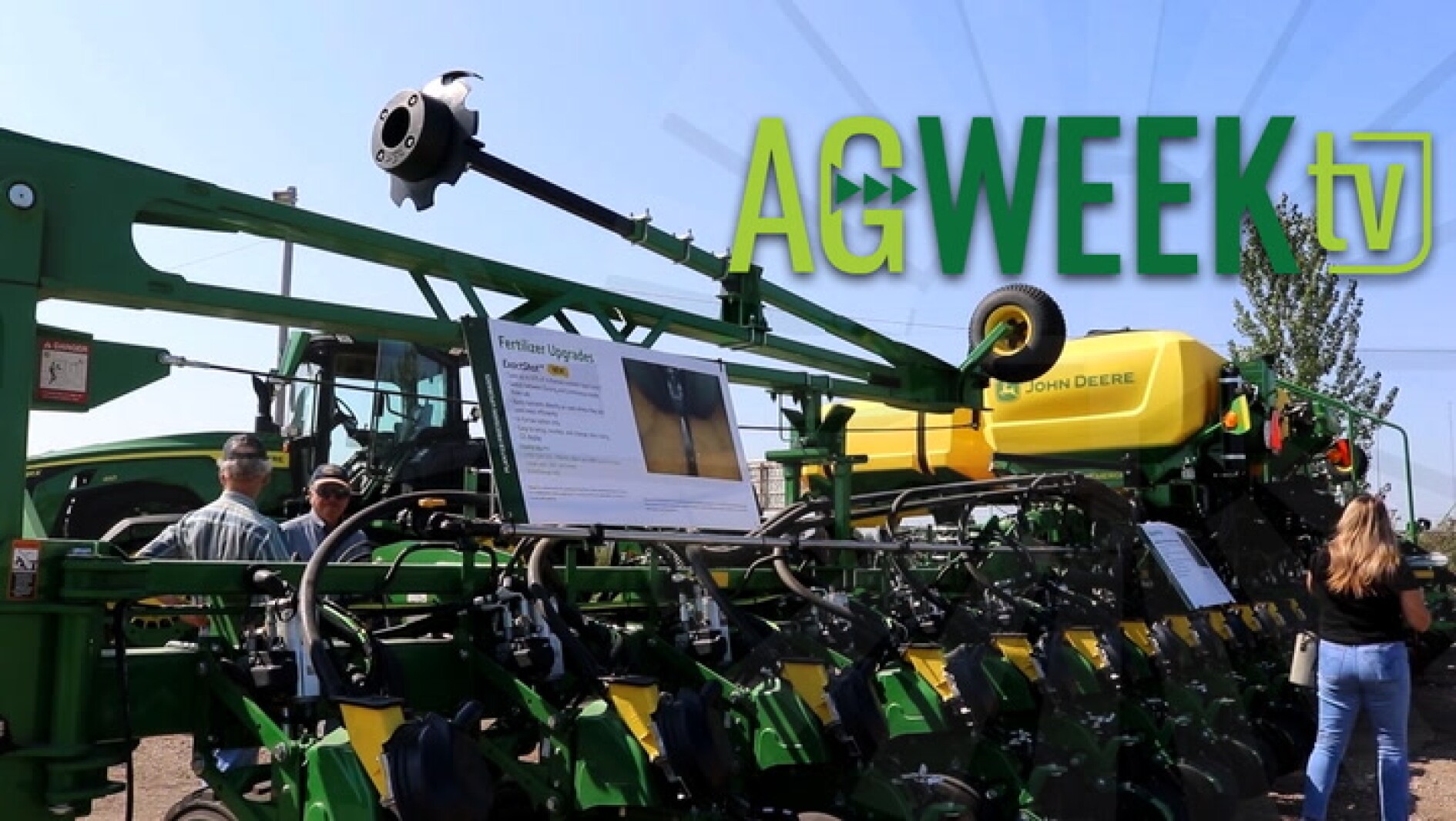
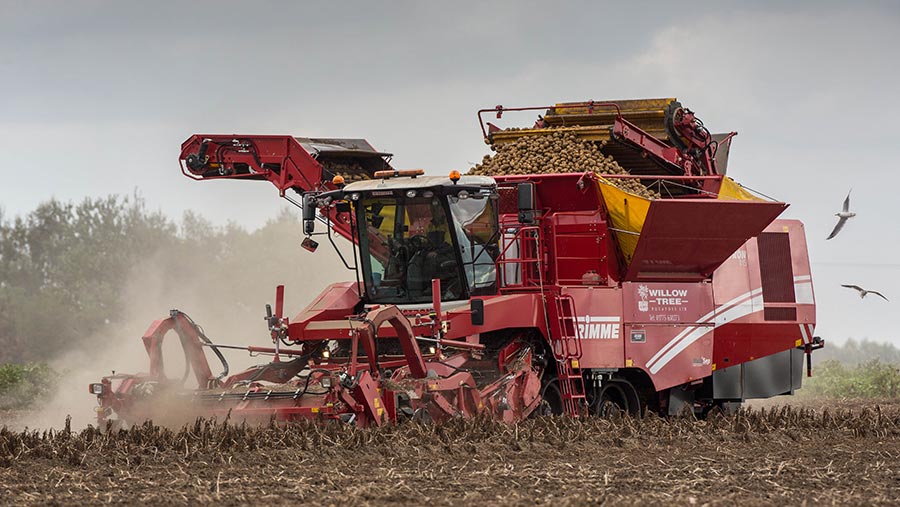
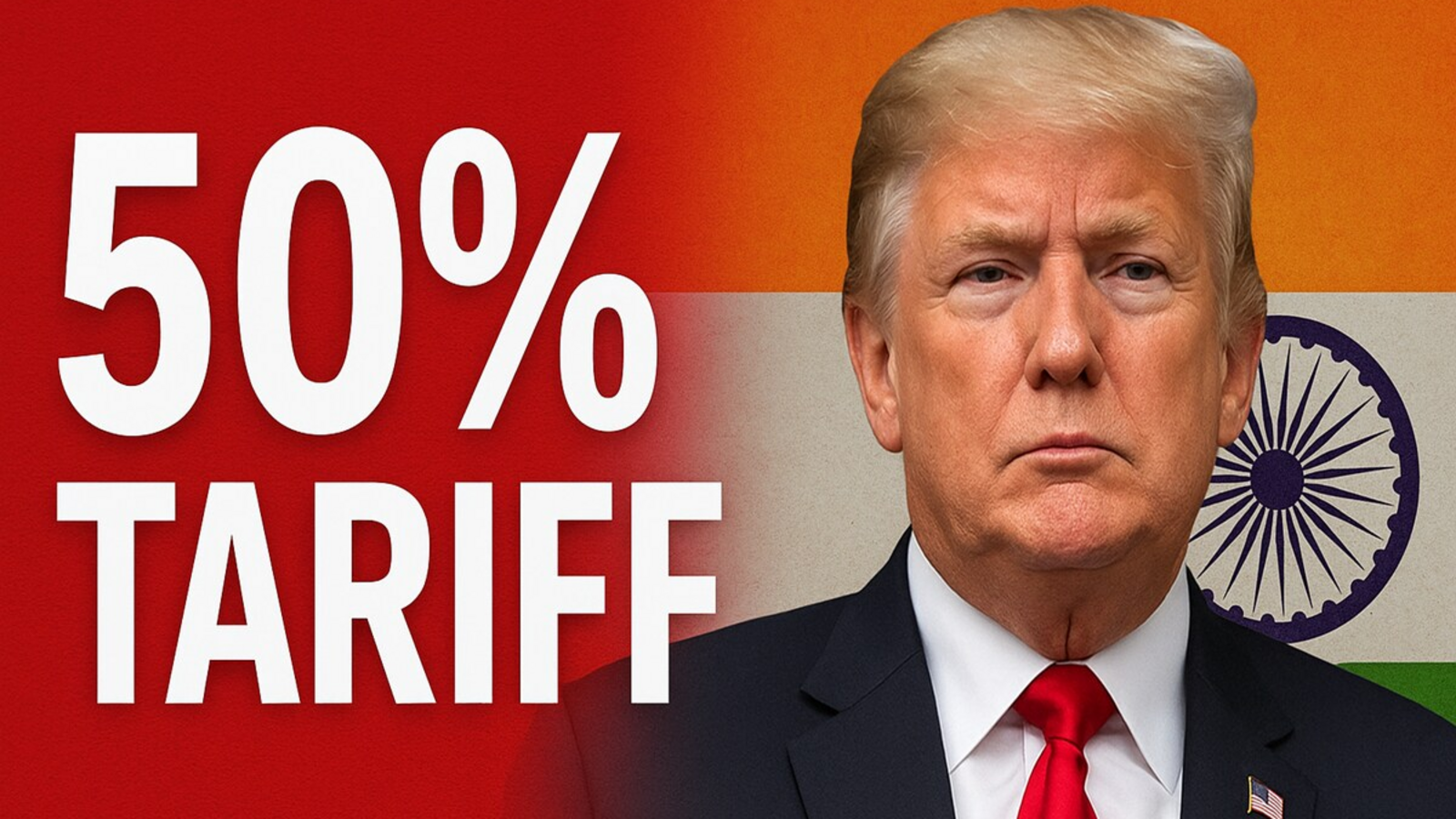
Goss says the continuing Iranian conflict is adding volatility to the farm economy. Agricultural equipment sales sank below growth neutral for the 33rd straight months. He says President Trump’s tariffs on foreign goods continues to increase equipment prices–forcing farmers to delay purchases, and make do with the equipment they have.
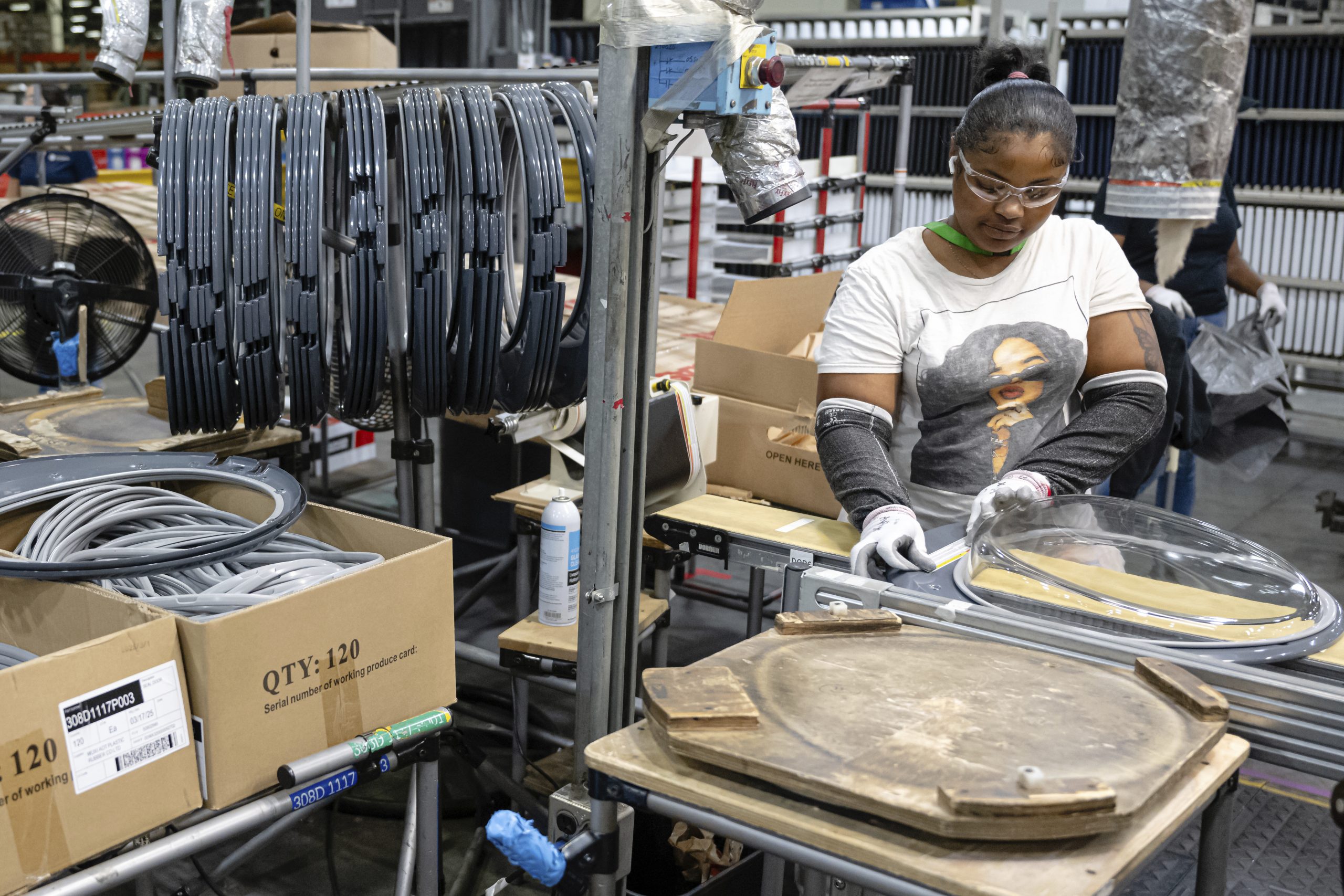
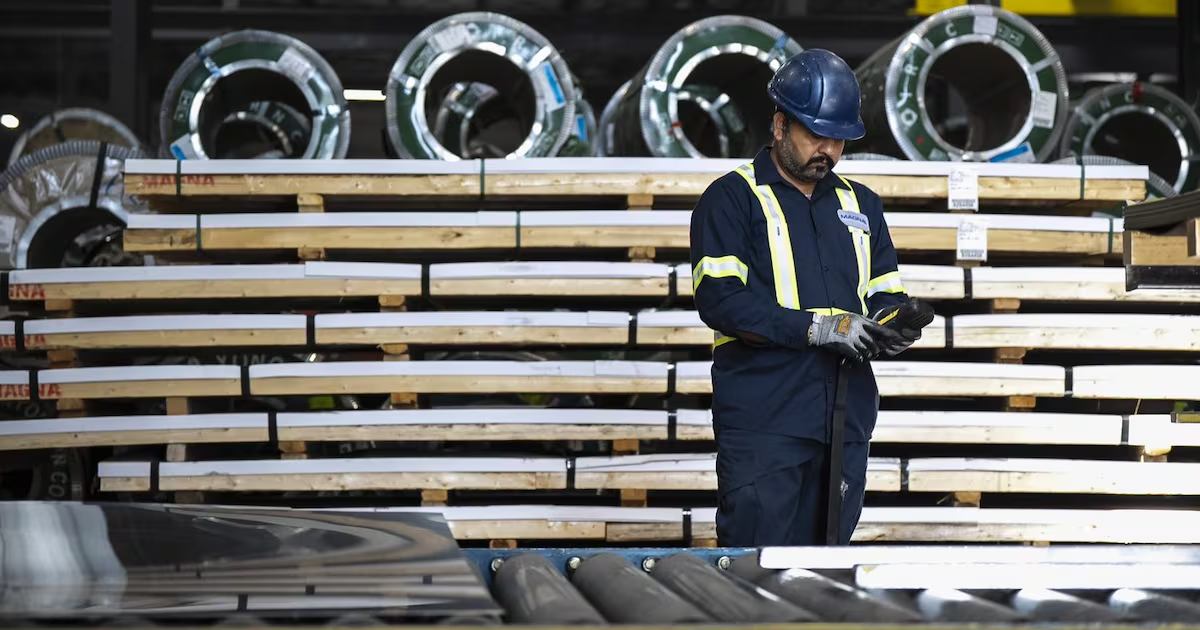
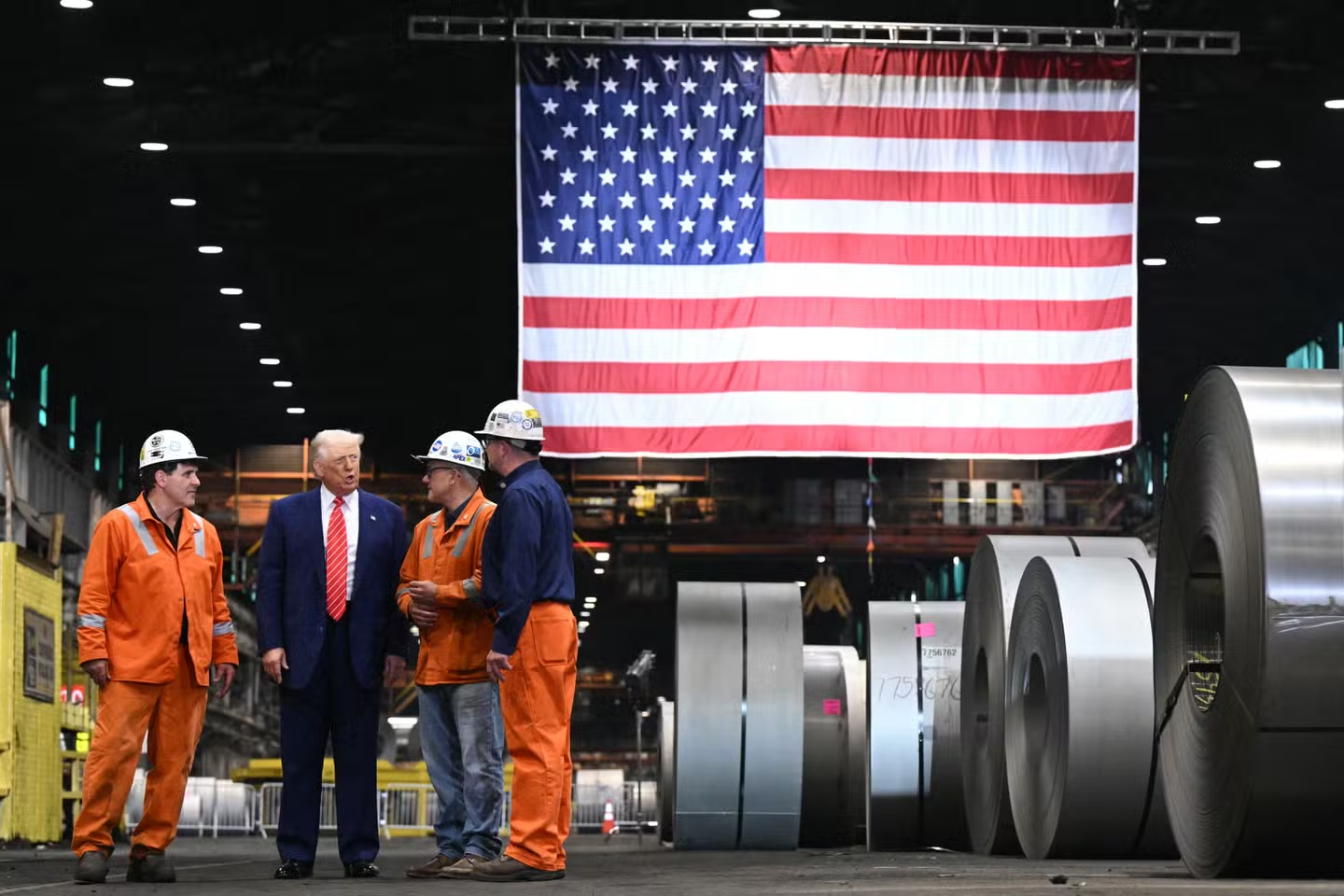
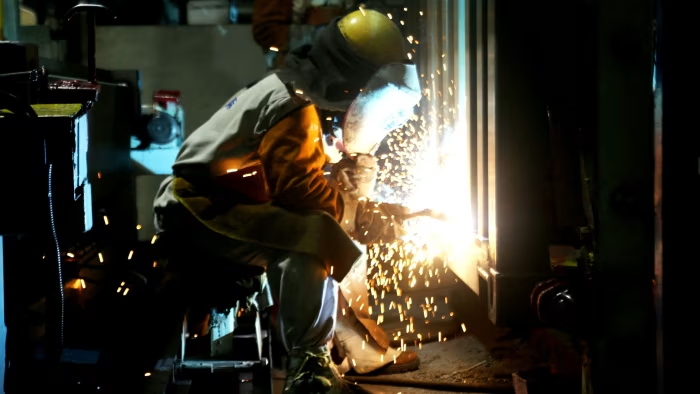
“What we’re seeing–and this is particularly true for Iowa–we’ve got steel prices with the tariffs on steel and aluminum coming in the U.S.,” he said. “Of course, that pushes up prices for manufacturers, which is a very important industry in Iowa, pushes up the cost. Then, you’ve got higher interest rates, as well. Then, put on top of that, volatility. Trying to make decisions in this volatile time is very difficult.”
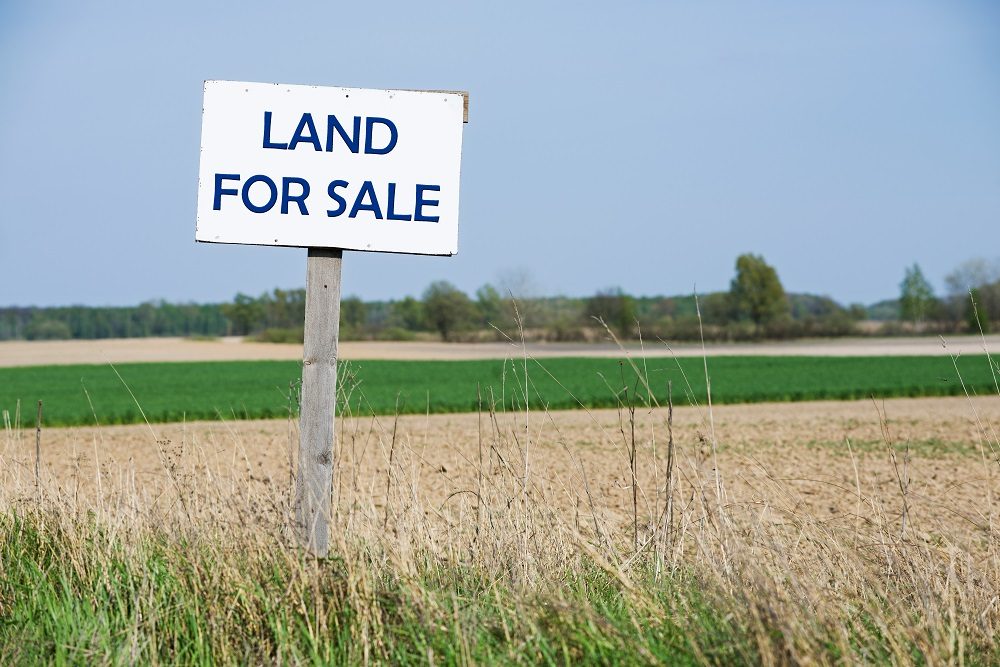
One bright spot noted in this month’s report is this month’s farm and ranchland price index expanded from 48.0 in April to 50.1 in May. Goss says the numbers hint at some longterm improvement in rural economic conditions.
“Of course, the problem is the farmers aren’t selling farmland, they’re selling grain from it,” said Goss. “In some cases, that just pushes up their taxes. But, none the less, that is a good signal for the long term for agriculture. That is true in Iowa, and it is true in the nine other states that we survey.”
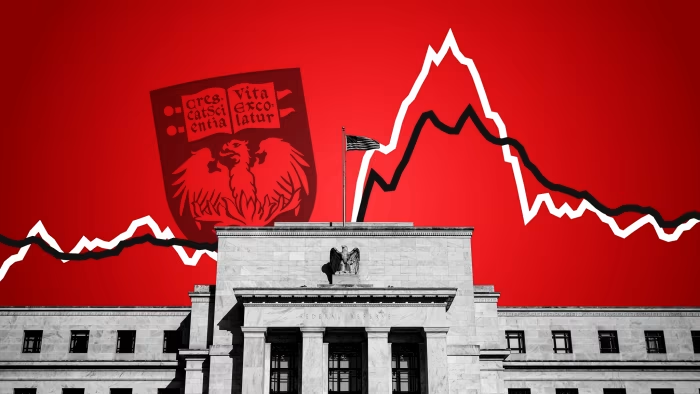
Almost three out of four bankers recommend no change to Federal Reserve interest rates at their next meetings June 16-17.