Investing.com — The U.S. dollar fell to its lowest level in over a month on Wednesday, as currency market participants digested a Democratic sweep in the U.S. midterm elections and weighed potential policy ramifications that could possibly dent economic growth.
Watchers of monetary policy also received some mixed economic data ahead of Friday’s all-important U.S. nonfarm payrolls report.
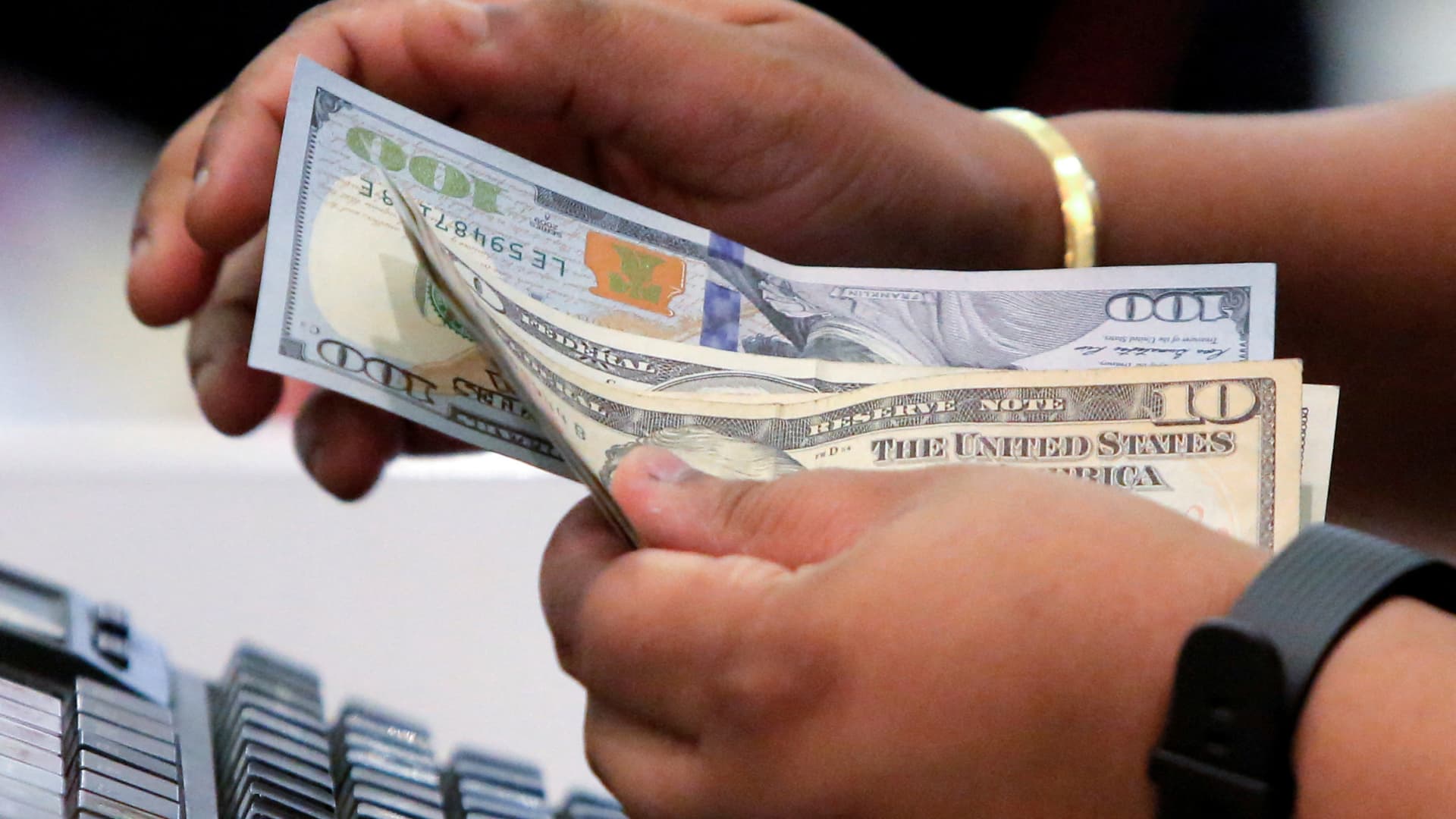
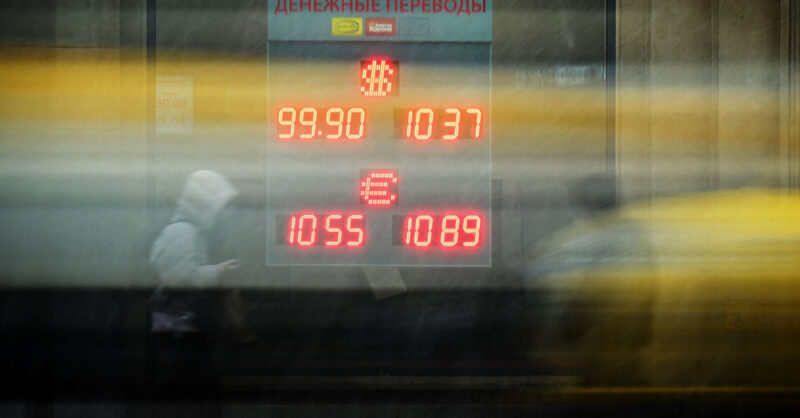
At 14:21 ET (19:21 GMT), the U.S. dollar index, which tracks the greenback against a basket of six major peers, fell 0.3% to 101.55. The gauge earlier hit a session low at 101.10, its lowest since September 30.
Democrats seize control of both chambers of Congress
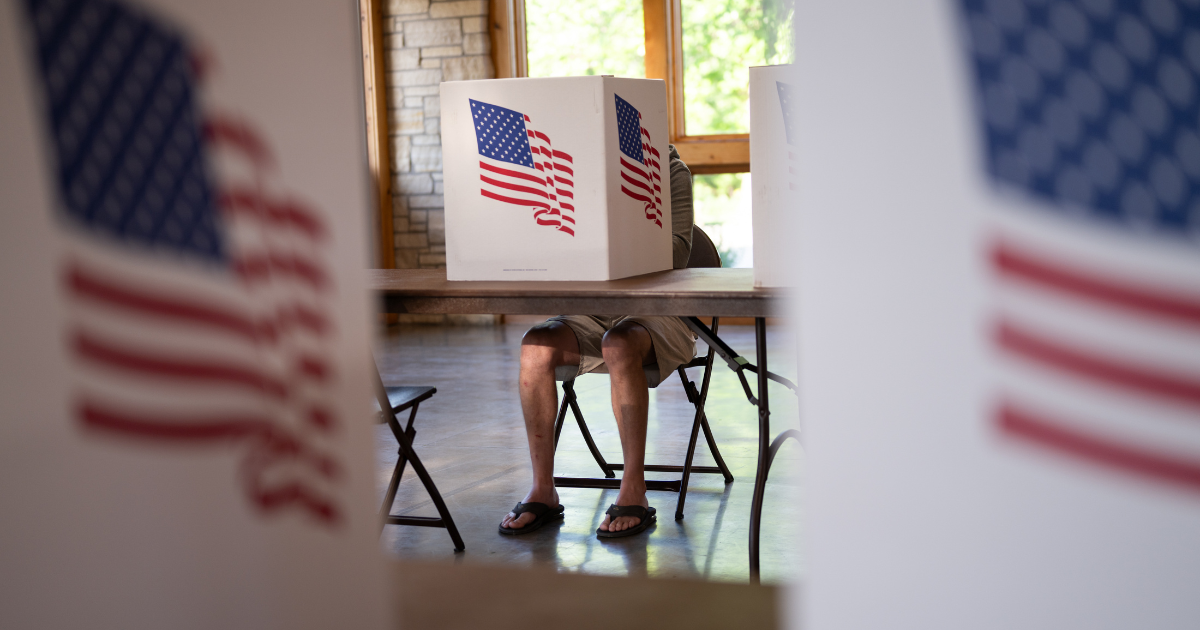
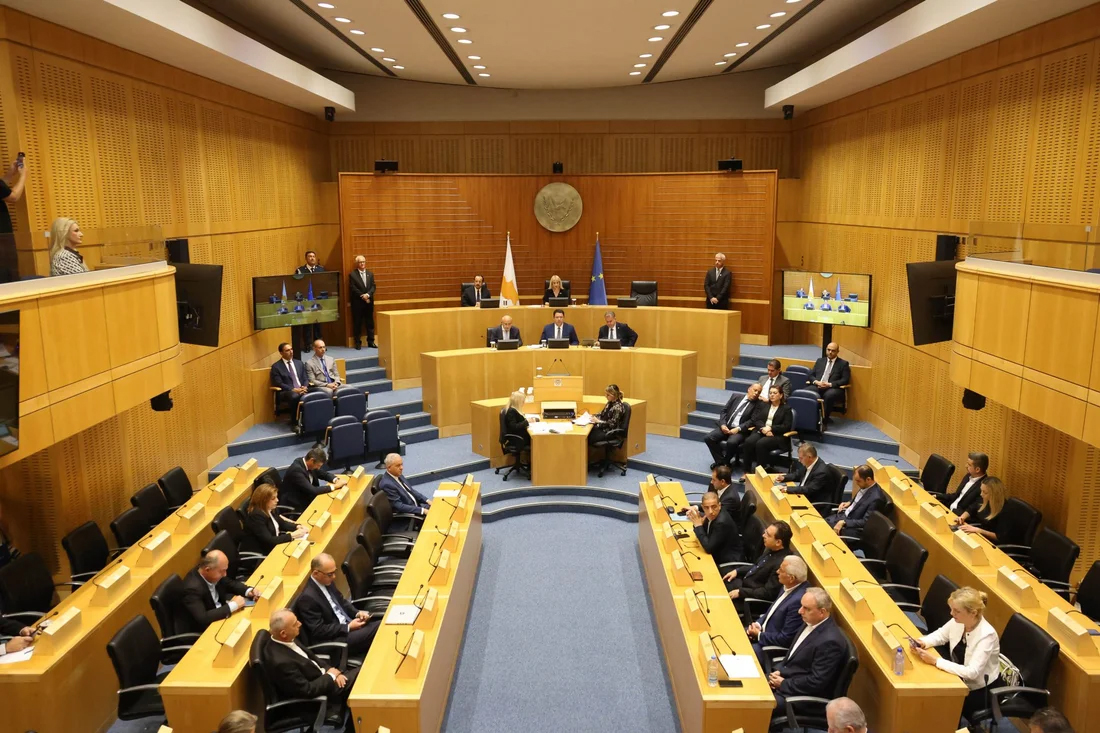
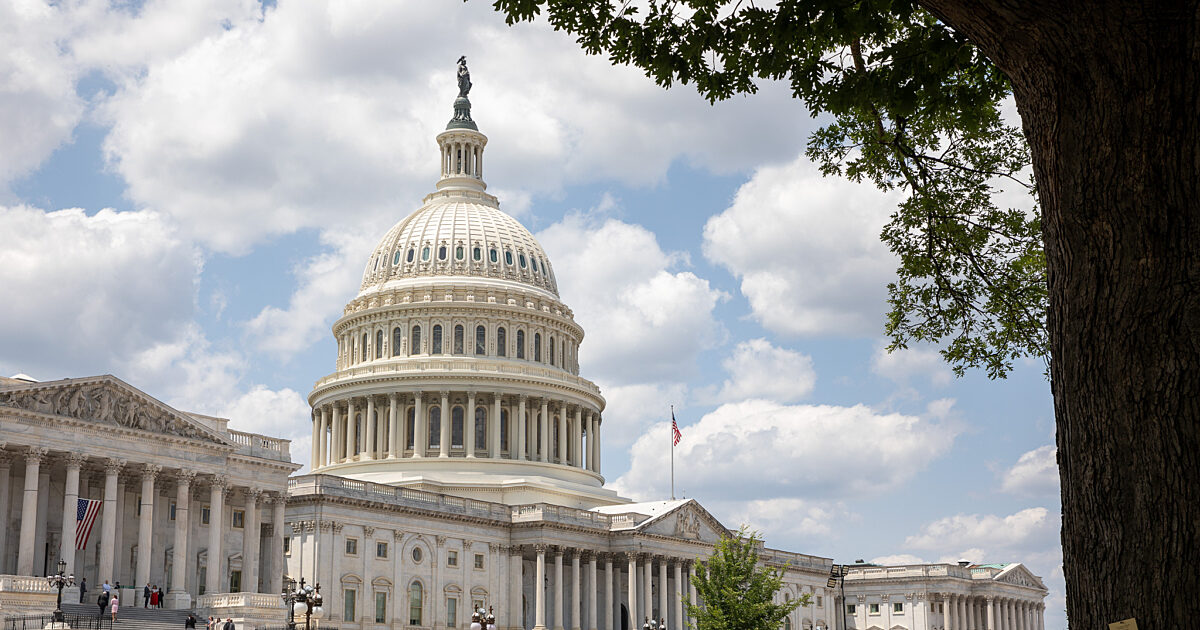
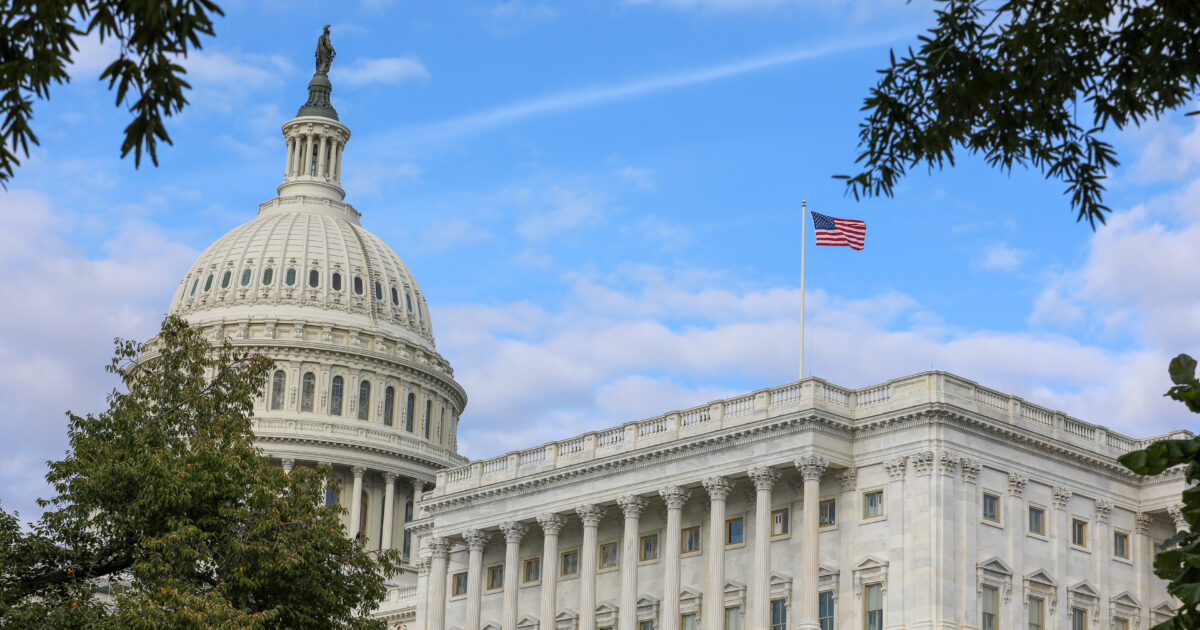
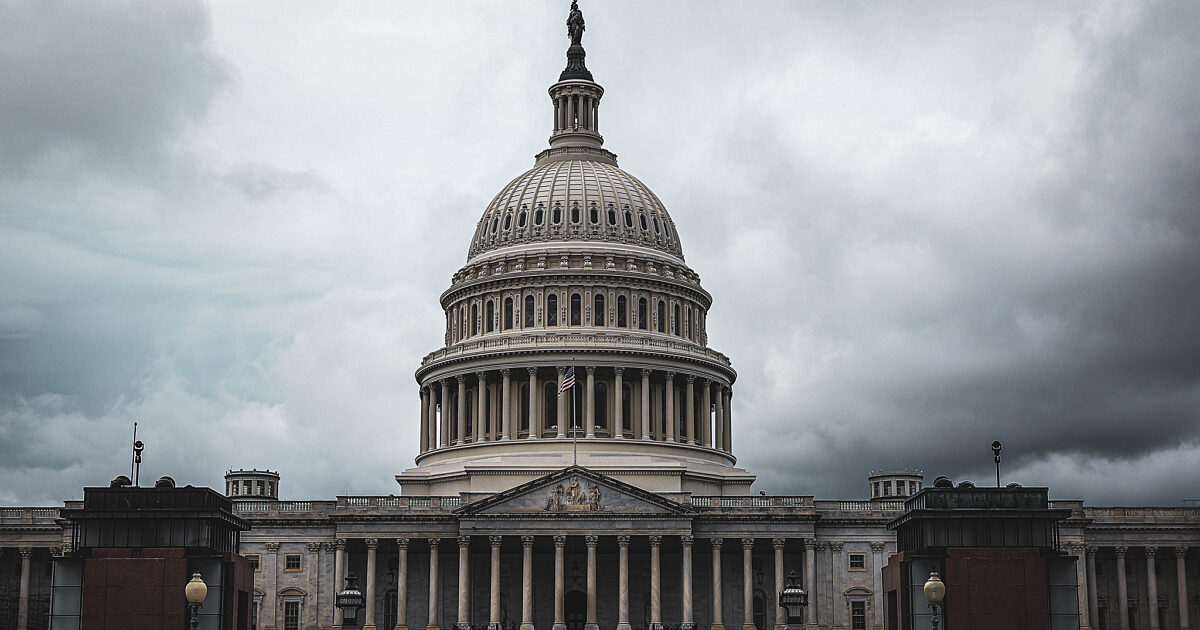
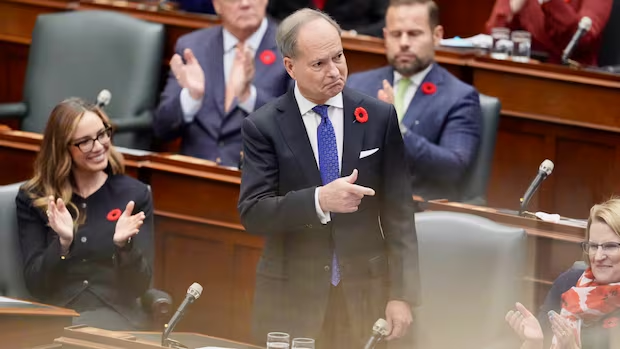
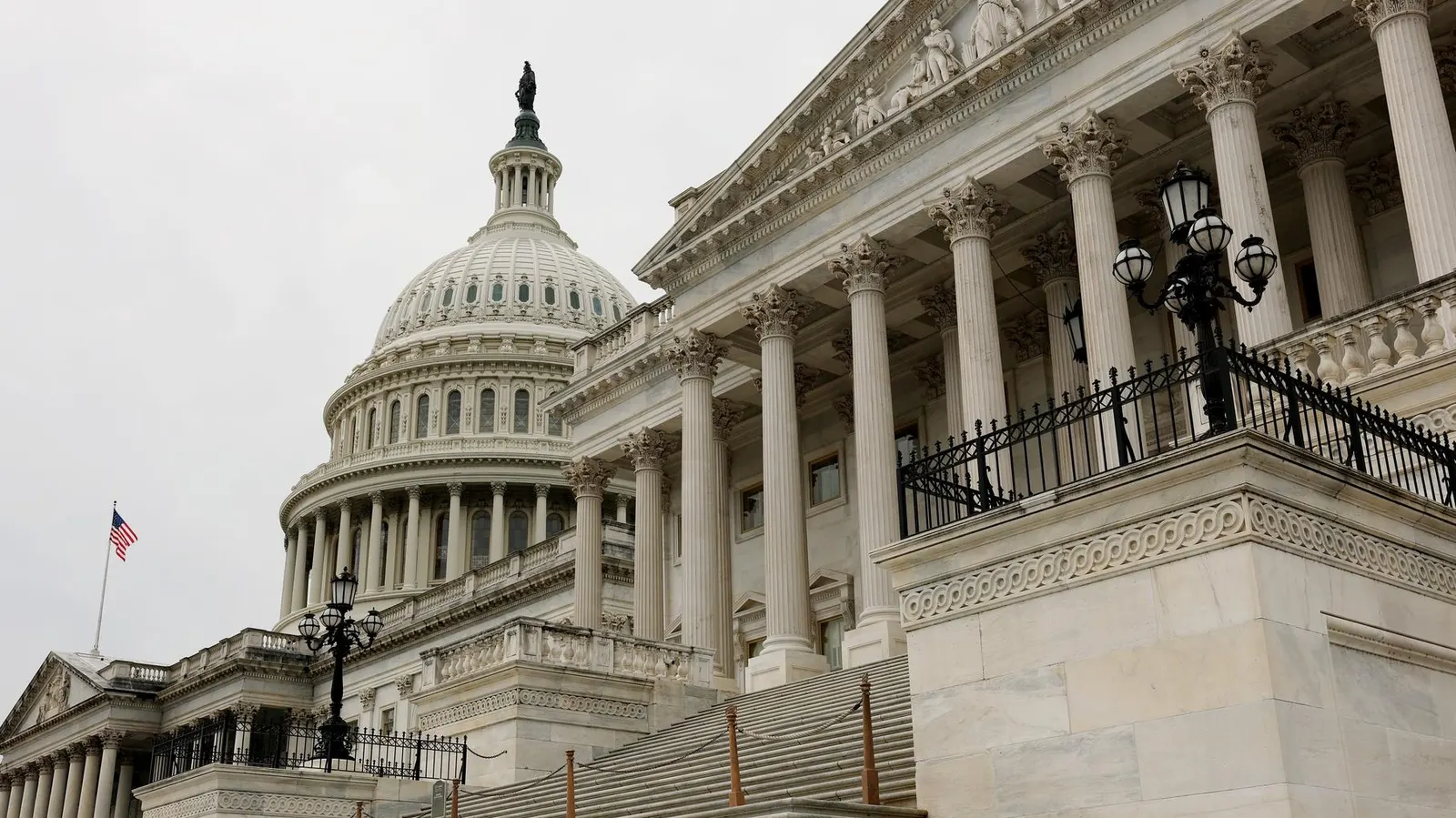
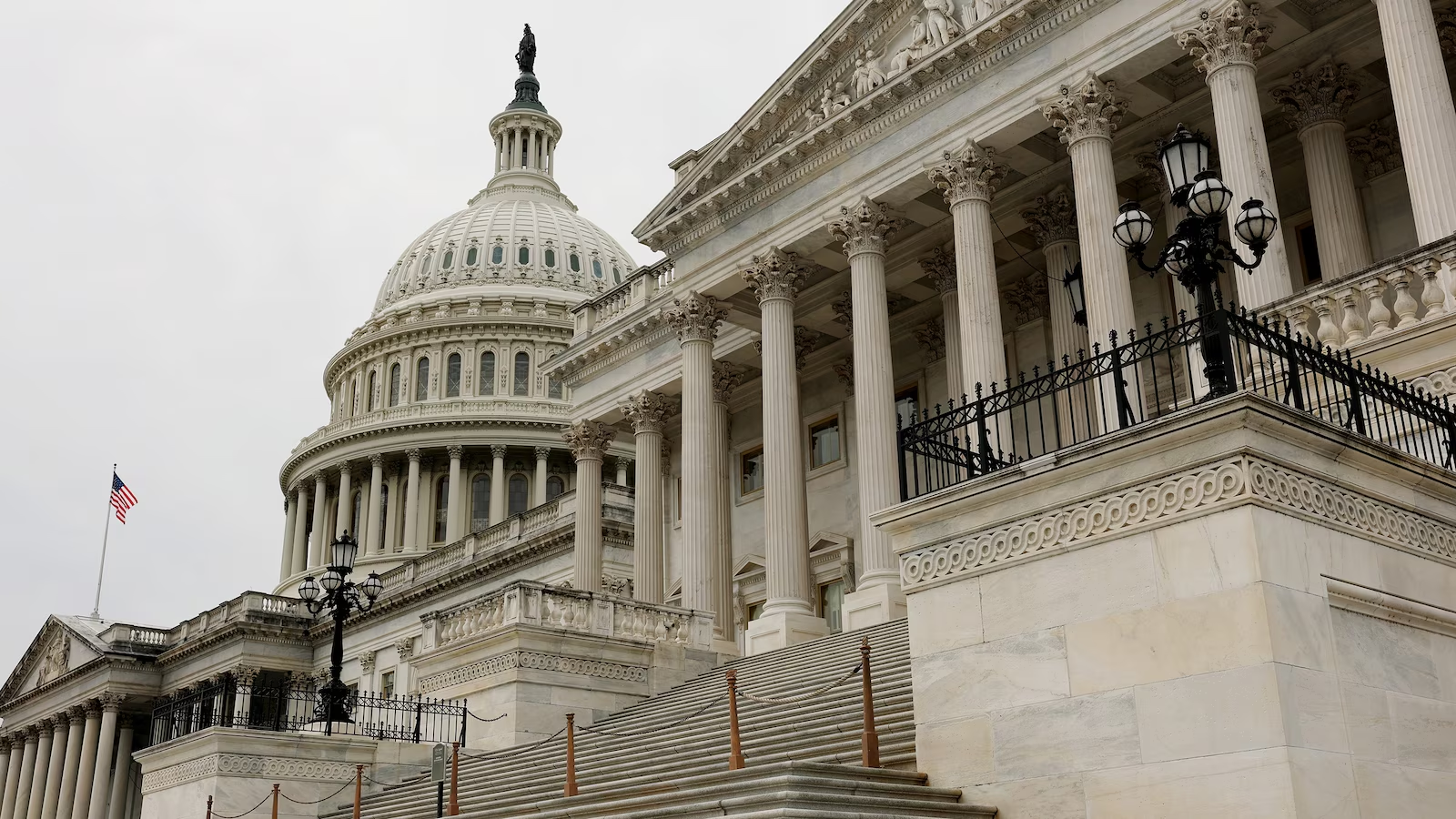
Figures from the Associated Press showed the Democrats securing a majority in both the Senate and the House of Representatives, even with some votes still yet to be counted.
In the 100-seat Senate, Democrats have won 54 seats, with two races still to be called, according to AP projections. Democrats have also seized 228 seats in the House of Representatives, surpassing the 218-seat threshold needed to have a majority in the lower chamber.
Notable Democratic victories included James Talarico taking winning in a Senate race in the traditional Republican stronghold of Texas, along with Abdul El-Sayed emerging victorious in a Senate race in the key swing state of Michigan. The Democrats flipped at least seven seats from the Republicans in the Senate.
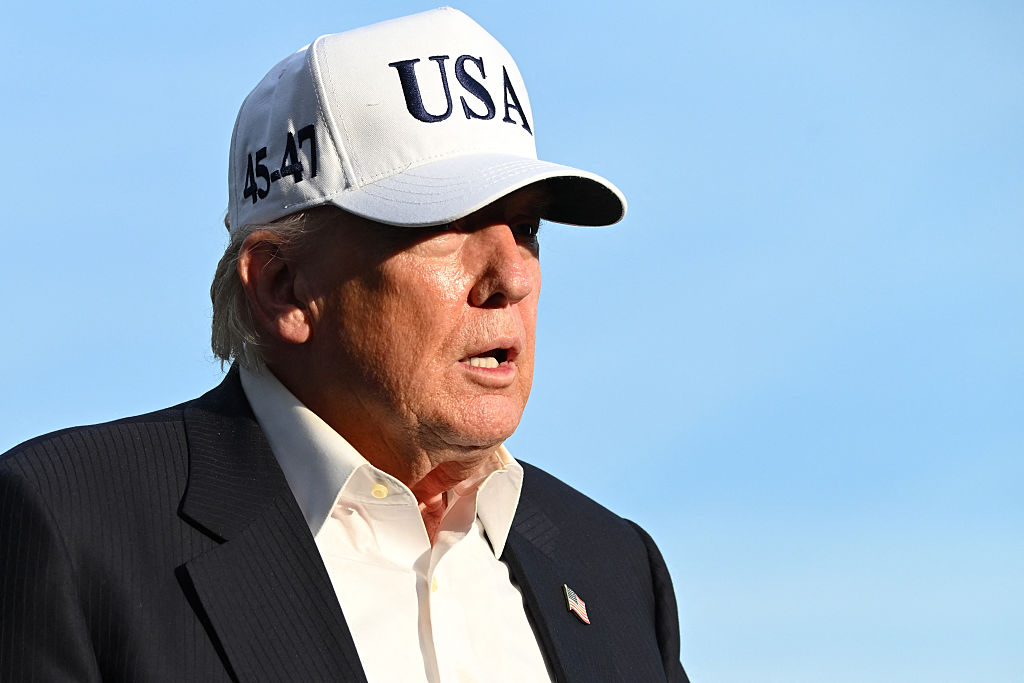
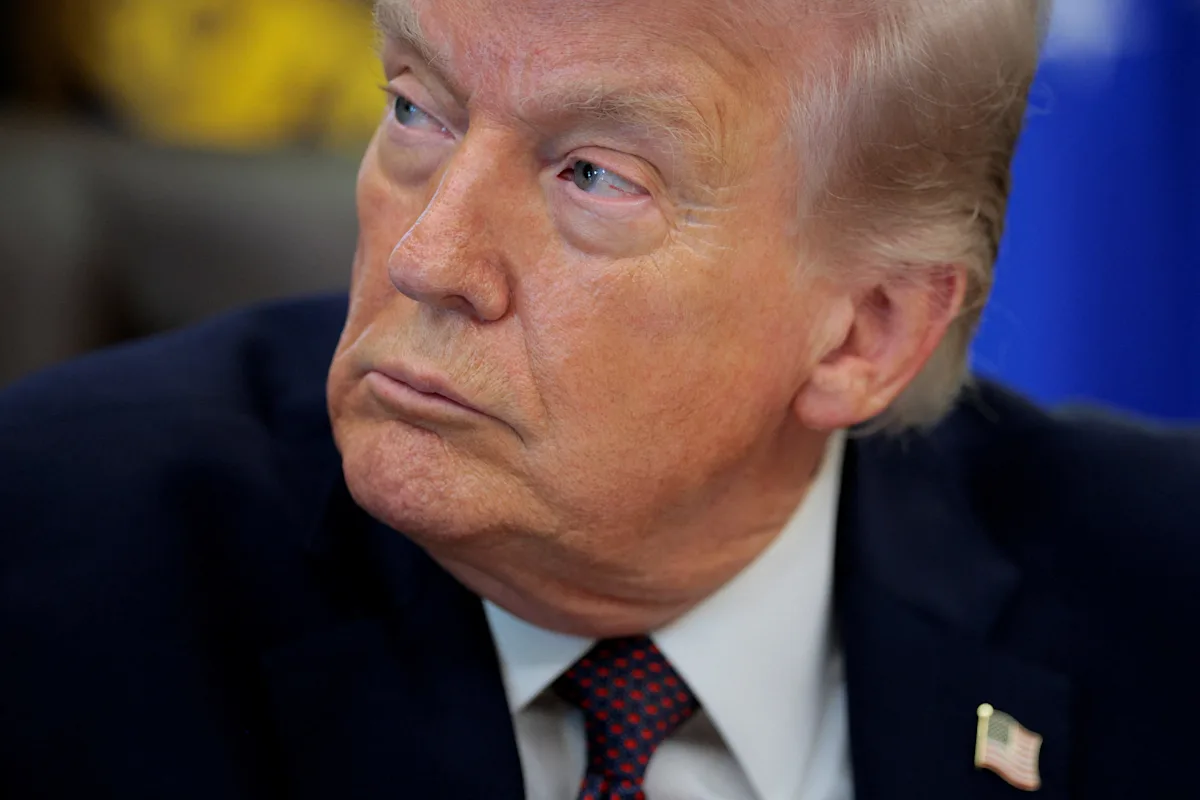
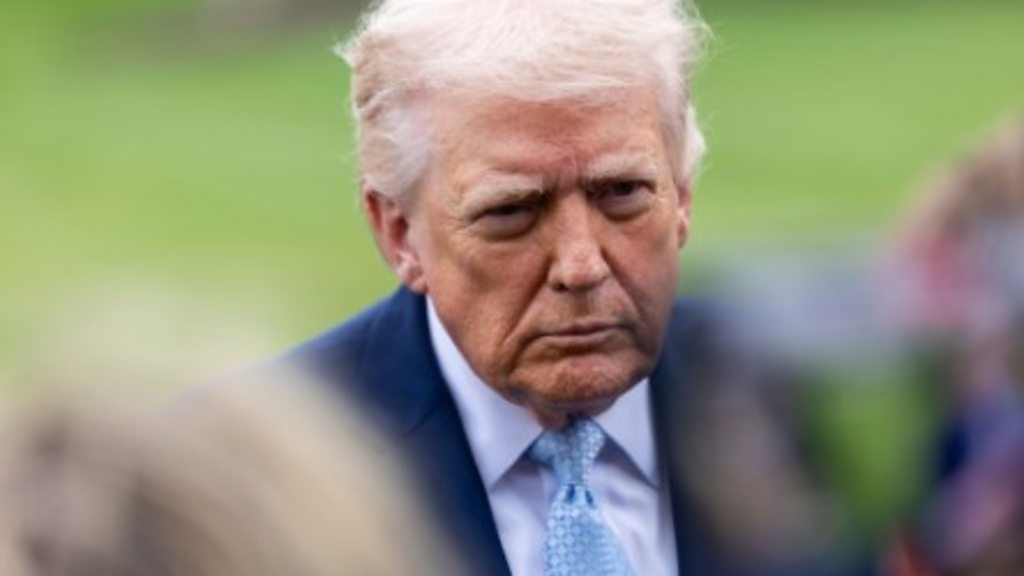
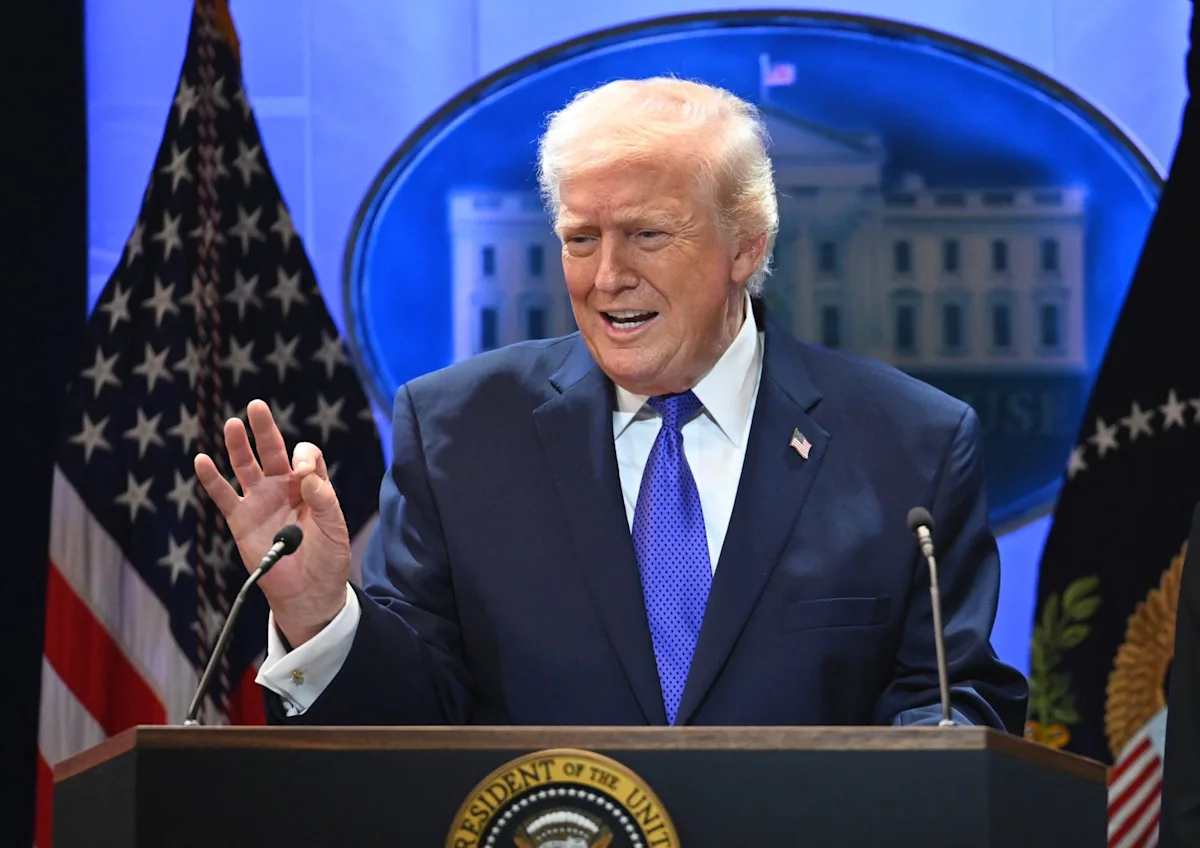
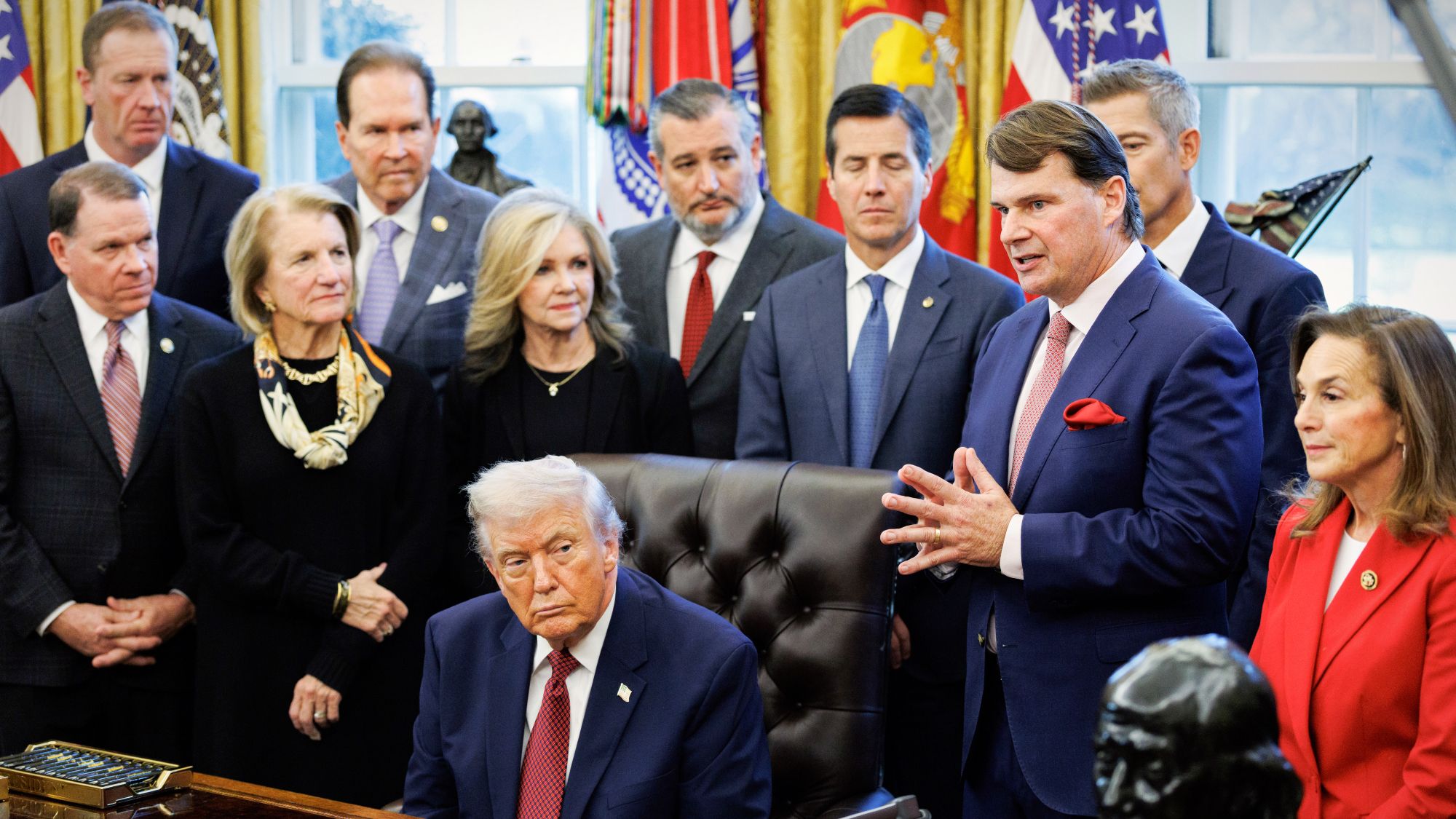
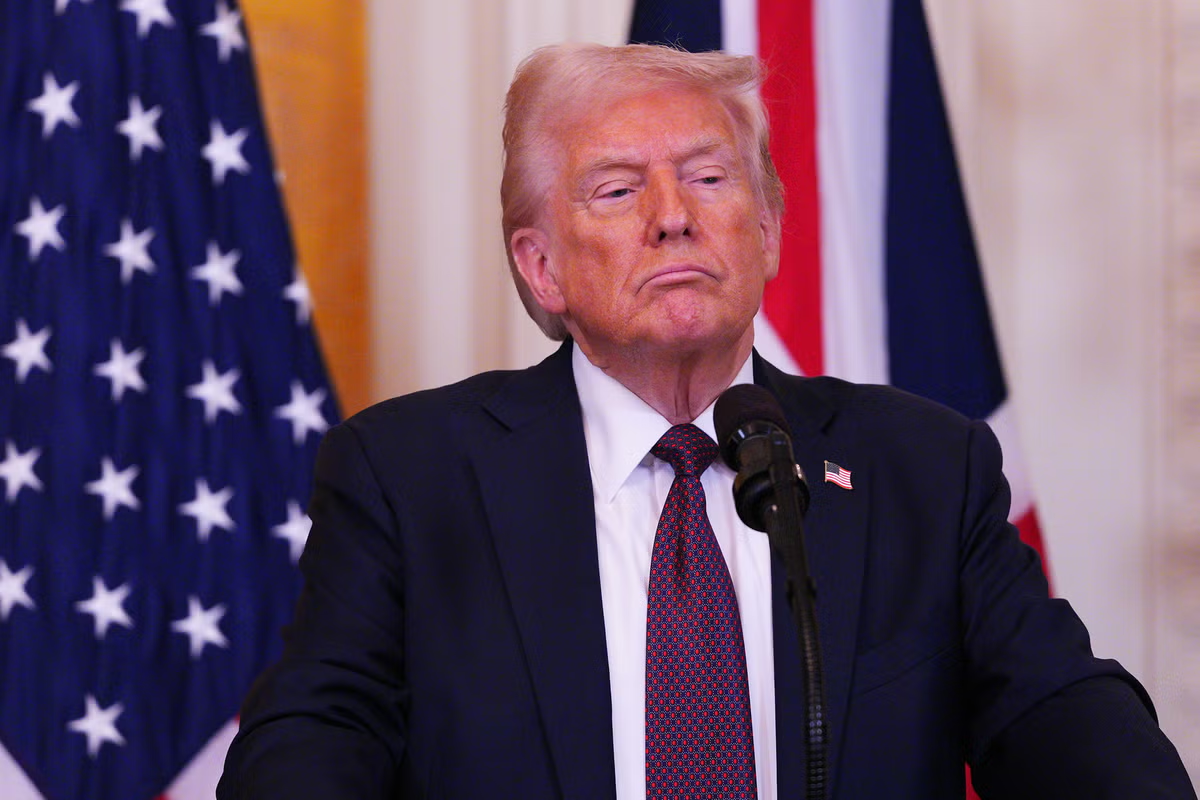
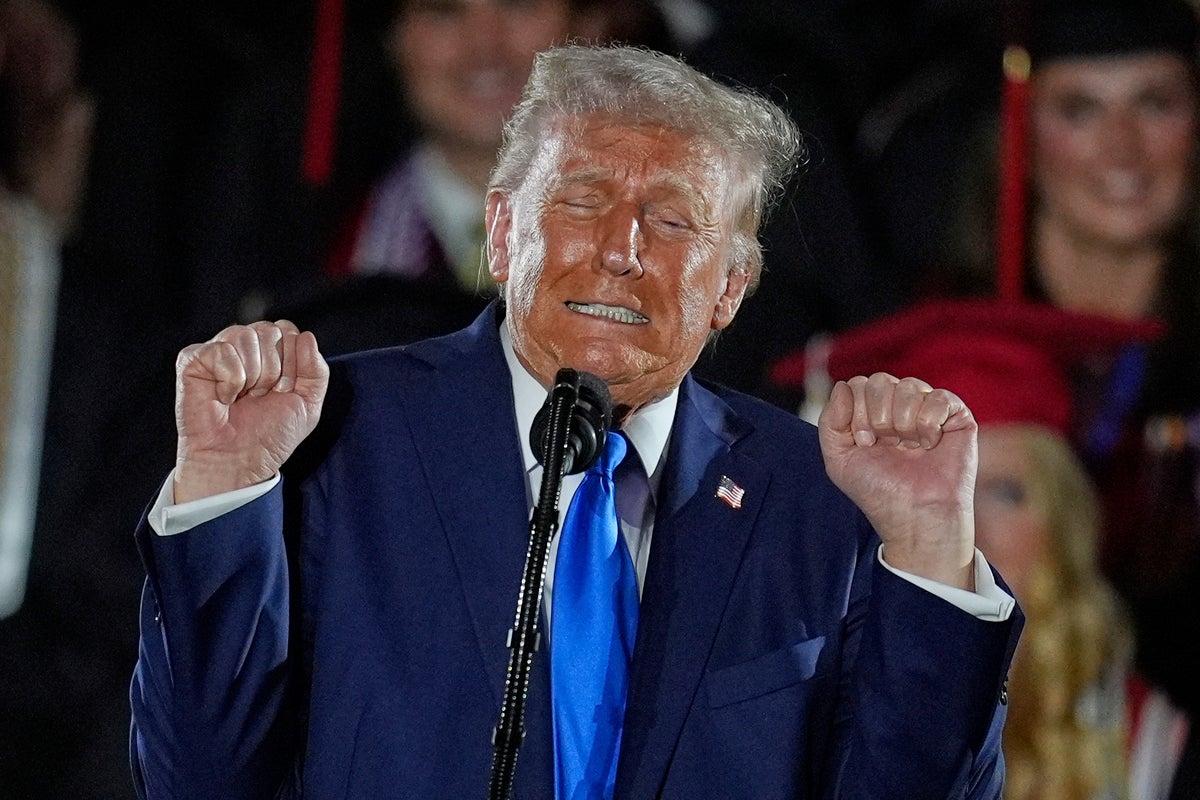
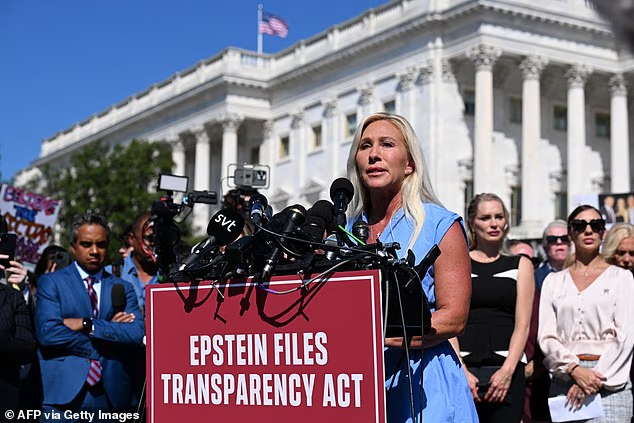
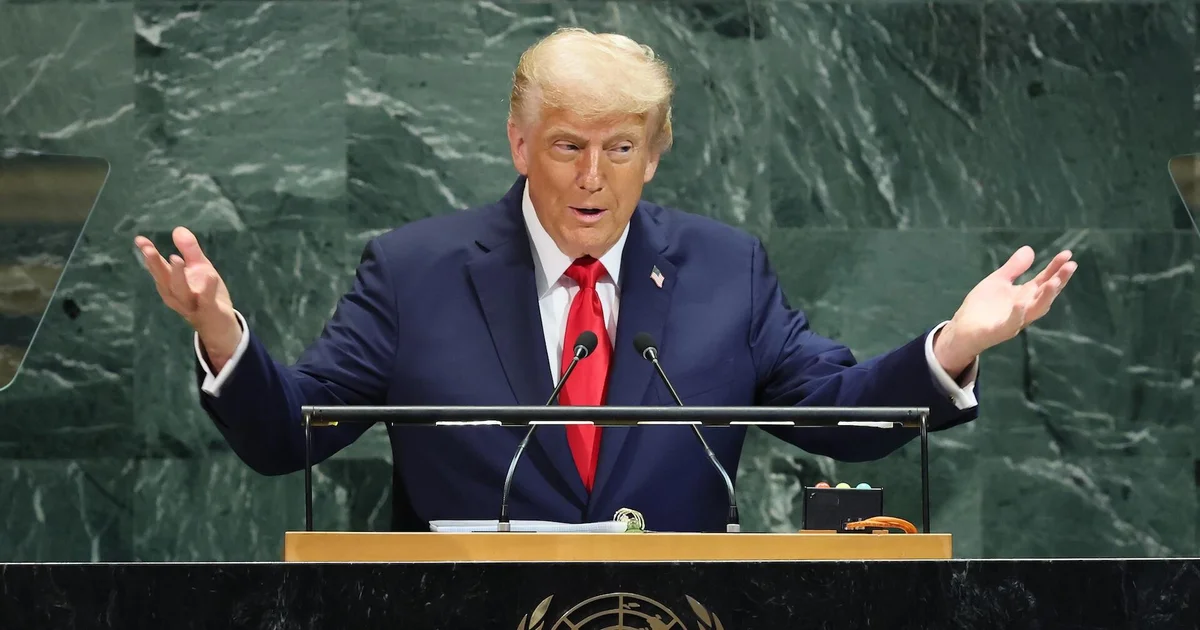
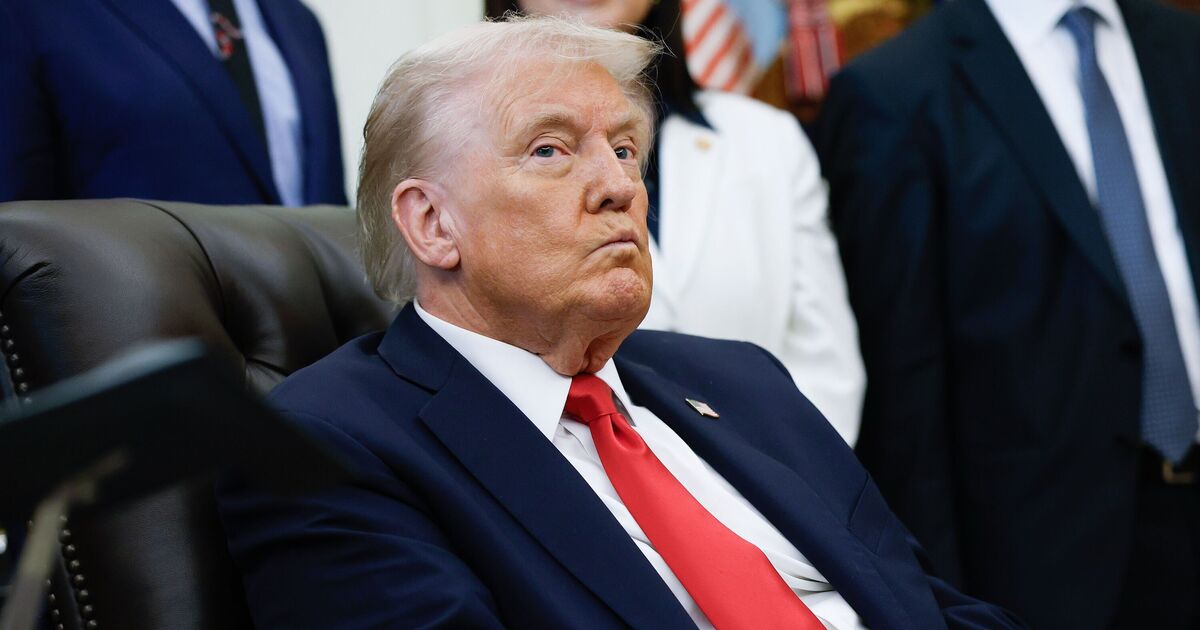
The outcome represents a sharp repudiation of the first two years of President Donald Trump’s second term, a time during which Republicans held slim majorities in the House and Senate. At least some Democratic approval will now be required for legislation to pass through Congress from January, although Trump will retain his ability to veto bills without the threat of a Congressional override.
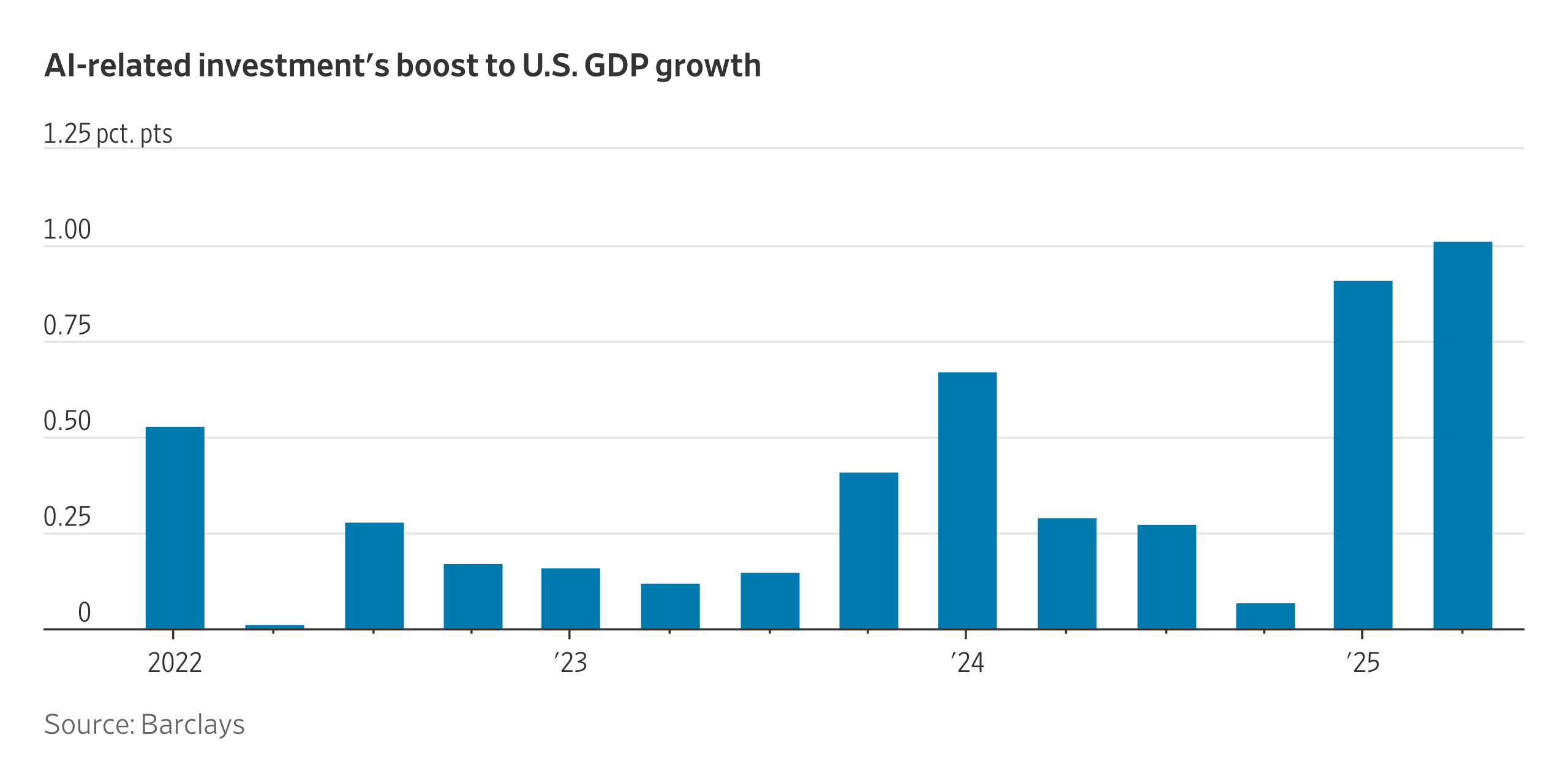
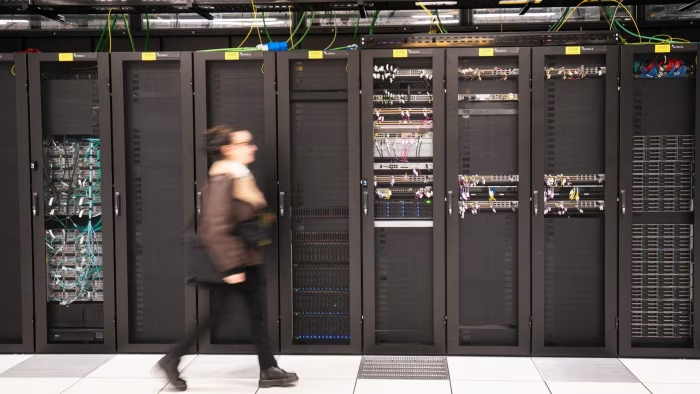
The immediate consequences of the results could be stricter regulation at the federal and local level of artificial intelligence-related investments such as the construction of data centers. Given that AI infrastructure buildouts have boosted the U.S. economy, any hit to it could affect growth and take the shine off the world’s premier currency.
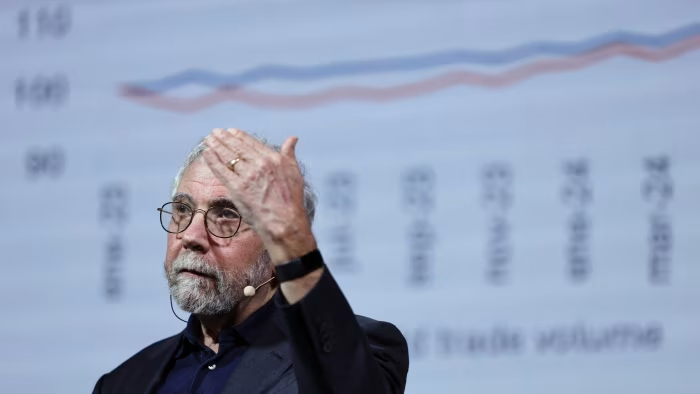
“The most important policy implication of a Democratic landslide in the U.S. midterm election is a prospective slowdown of data center construction. And insofar as the AI-driven infrastructure investment cycle has supported growth in the U.S., especially, any politically-driven slowdown would be adverse for the USD. This is among the three most important factors driving the value of the USD in FX markets in the medium term, along with oil/war and European debt sustainability,” Thierry Wizman, global FX and rates strategist at Macquarie, said.
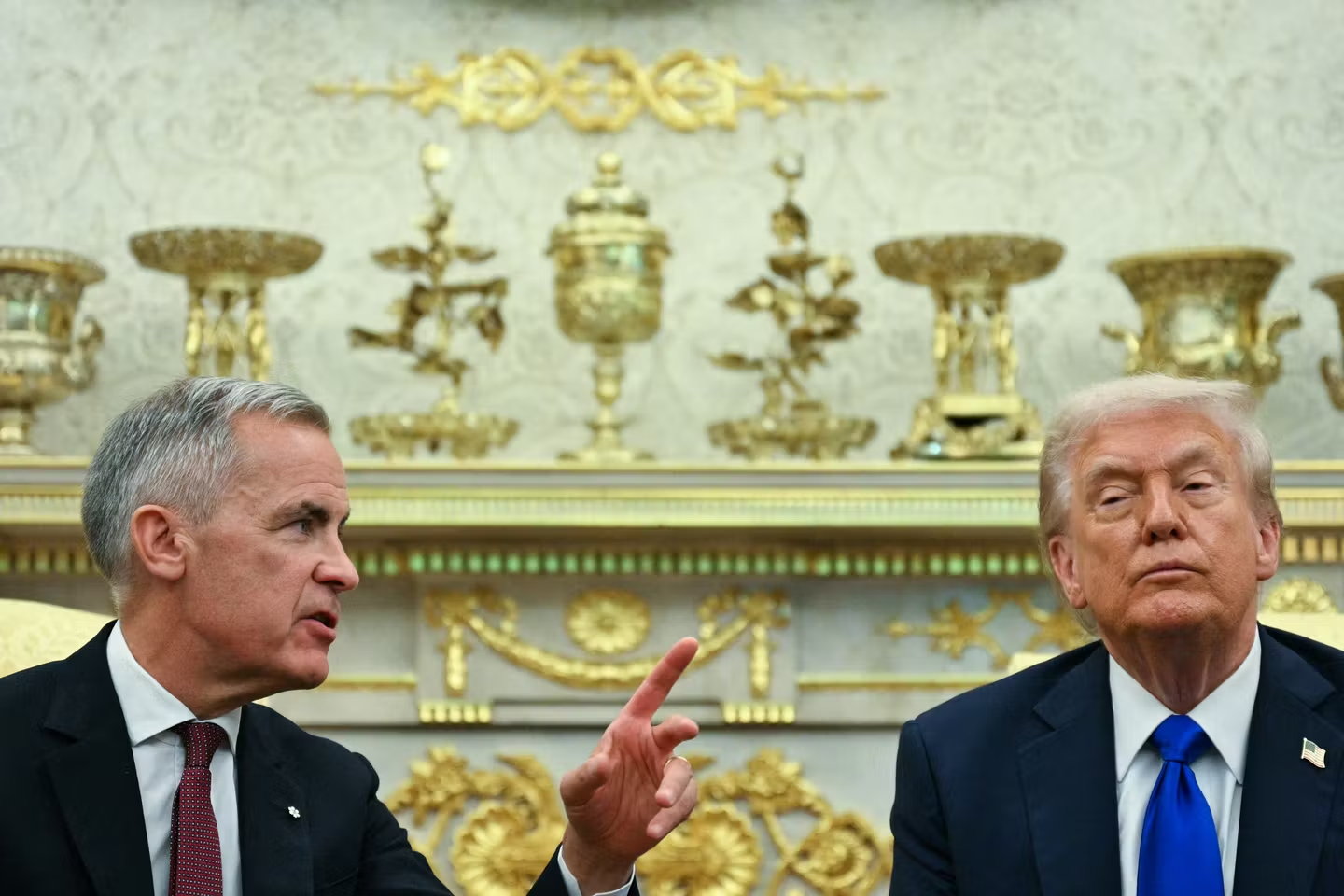
“When looking for FX ideas following the mid-term election, consider the CAD. Canada is the U.S.’s largest trade partner, so would benefit more than others if we get a ‘softer’ Trump. Reciprocally, lowered U.S. tariffs on Canada would help directly address the ‘cost of living’ issue that hurt Republican candidates. And rapprochement would help build the strong hemispheric alliance that may help Trump rebuild his legacy project in the last half of his term. We still like selling AUD/CAD,” he added.
The Canadian dollar had indeed strengthened to $1.3975 on Wednesday.
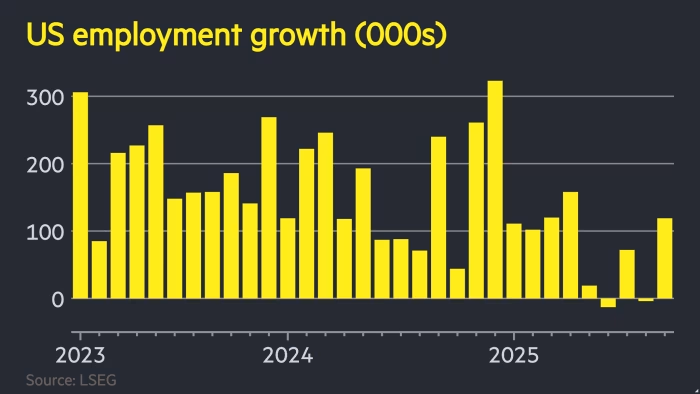
Away from the midterms, the U.S. economic calendar was in focus. ADP’s monthly private employment report showed the addition of 86k jobs in October, comfortably higher than expectations of 67k and matching September’s figure. The data indicated a solid labor market, coming a day after U.S. job openings hit a four-month high. All eyes are now on Friday’s nonfarm payrolls report.
Elsewhere, the Institute for Supply Management said economic activity in the U.S. services sector cooled slightly in October from September, but remained in expansion territory. A separate report from S&P Global showed a similar trend.
Euro set for best day since mid-October
Across the Atlantic, the euro capitalized on the greenback’s retreat, jumping 0.3% to $1.1220 and heading for its best session since October 15.
The sharp advance occurred despite underlying domestic macroeconomic data highlighting persistent growth drag across the single-currency bloc. The S&P Global Eurozone Composite PMI fell to 51.7 in October from 53.1 in September, hitting a four-month low and undershooting the preliminary estimate of 51.9.
The survey revealed that underlying economic expansion slowed sharply, with aggregate demand coming close to stalling, business confidence sinking to a five-month low, and rising input costs squeezing corporate profit margins.
Sterling climbs ahead of Bank of England decision
The sterling also advanced against the dollar, rising 0.4% to $1.3467, its highest in nearly two months.
Sterling drew support from the dollar unwind, but dealing desks refrained from chasing aggressive upside ahead of Thursday’s Bank of England (BOE) policy announcement.
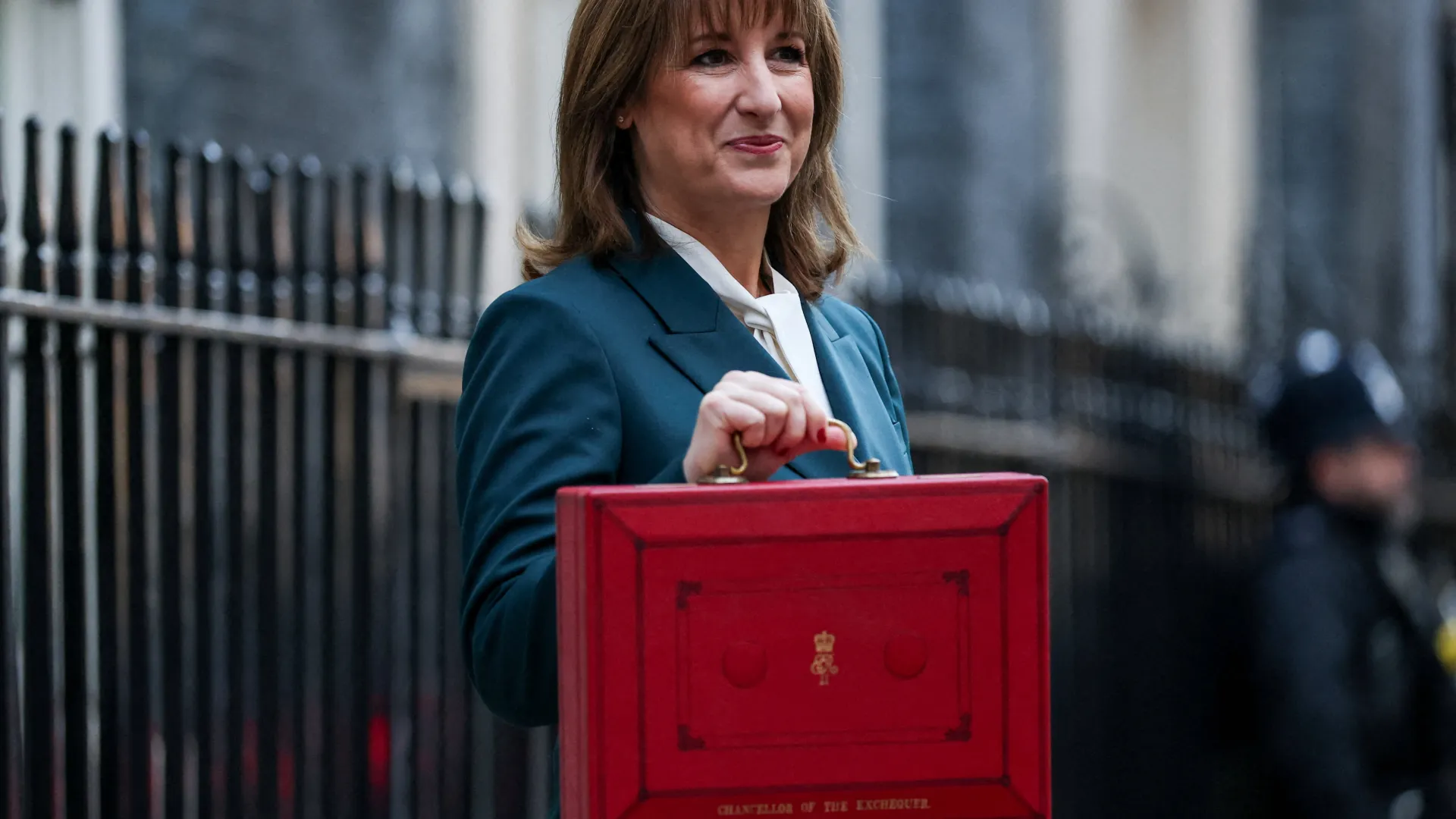
With UK headline and services inflation proving stubborn, money markets are heavily positioning for the Monetary Policy Committee (MPC) to raise the key policy rate by 25 basis points to 4%.
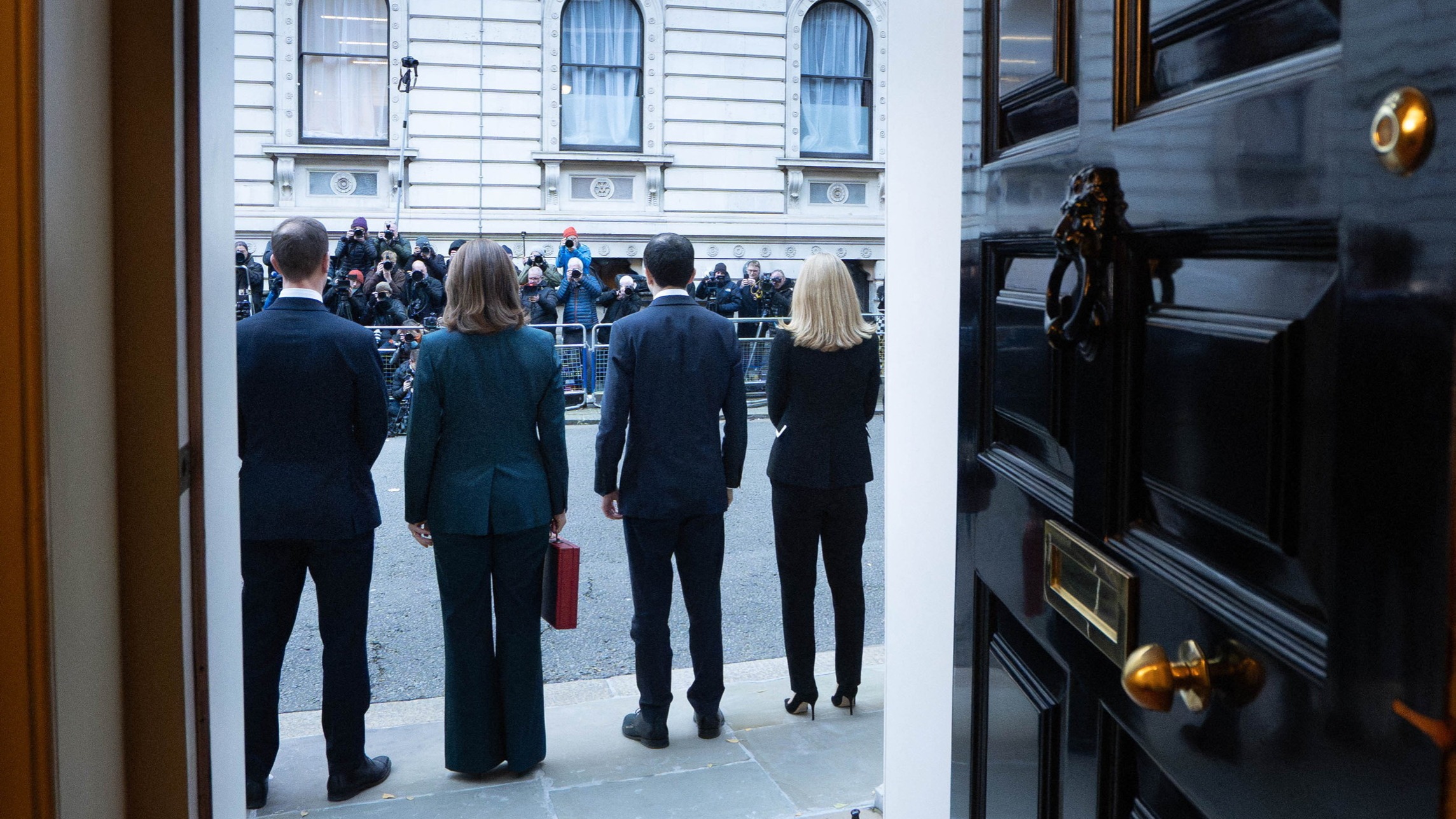
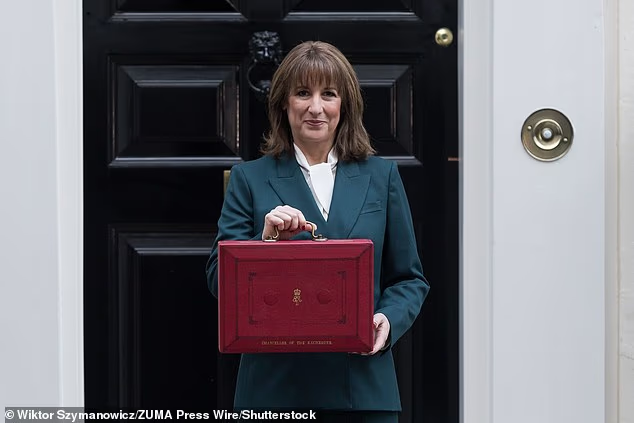
“It’s likely that the BOE responds to trends in the UK data and the new UK Budget proposal with a ‘hawkish hike’ in the Bank Rate at tomorrow’s MPC meeting,” Macquarie’s Wizman said.
“Partly in anticipation of this tonal shift, EUR/ GBP has already slid much lower in the past five weeks and is probably not worth chasing downward. Still, the foundation for a stronger EUR/ GBP is not being put in place yet. That would happen, perhaps, with a resumption of stronger EU growth, clarity on EU debt sustainability, or peace in Russia-Ukraine,” he added.
Roushni Nair and Pranav Kashyap contributed to this article
Related articles
Dollar slips to over one-month low on U.S. midterm results, mixed economic data
Sterling today: Pound gains as dollar slips on Democratic midterm sweep
Treasuries rally as Democrats sweep into Congress