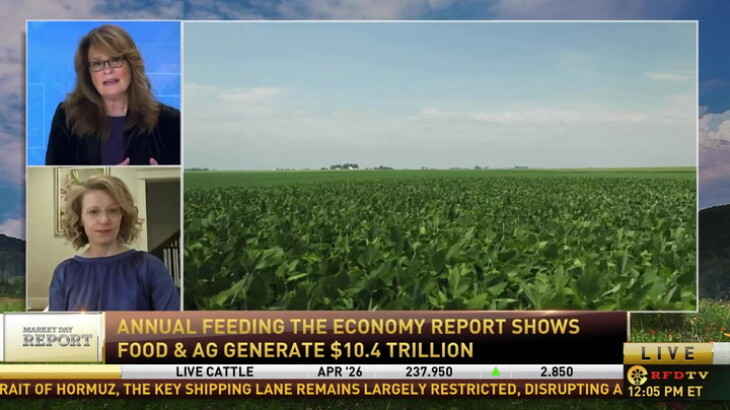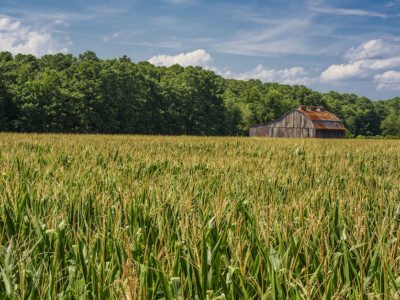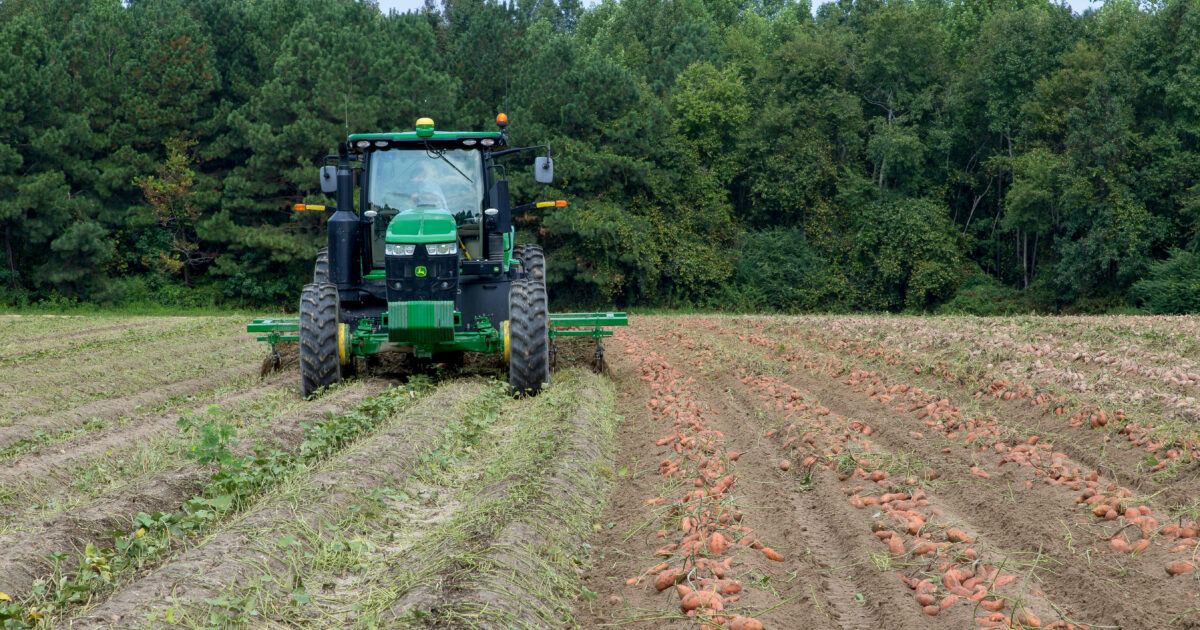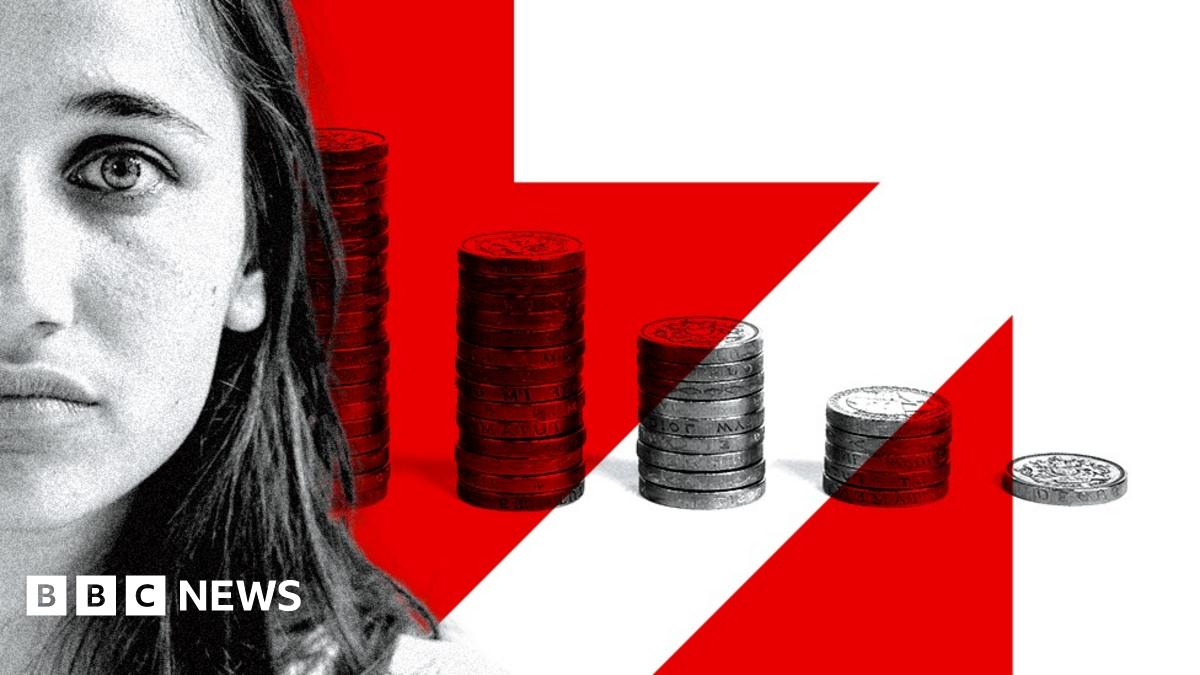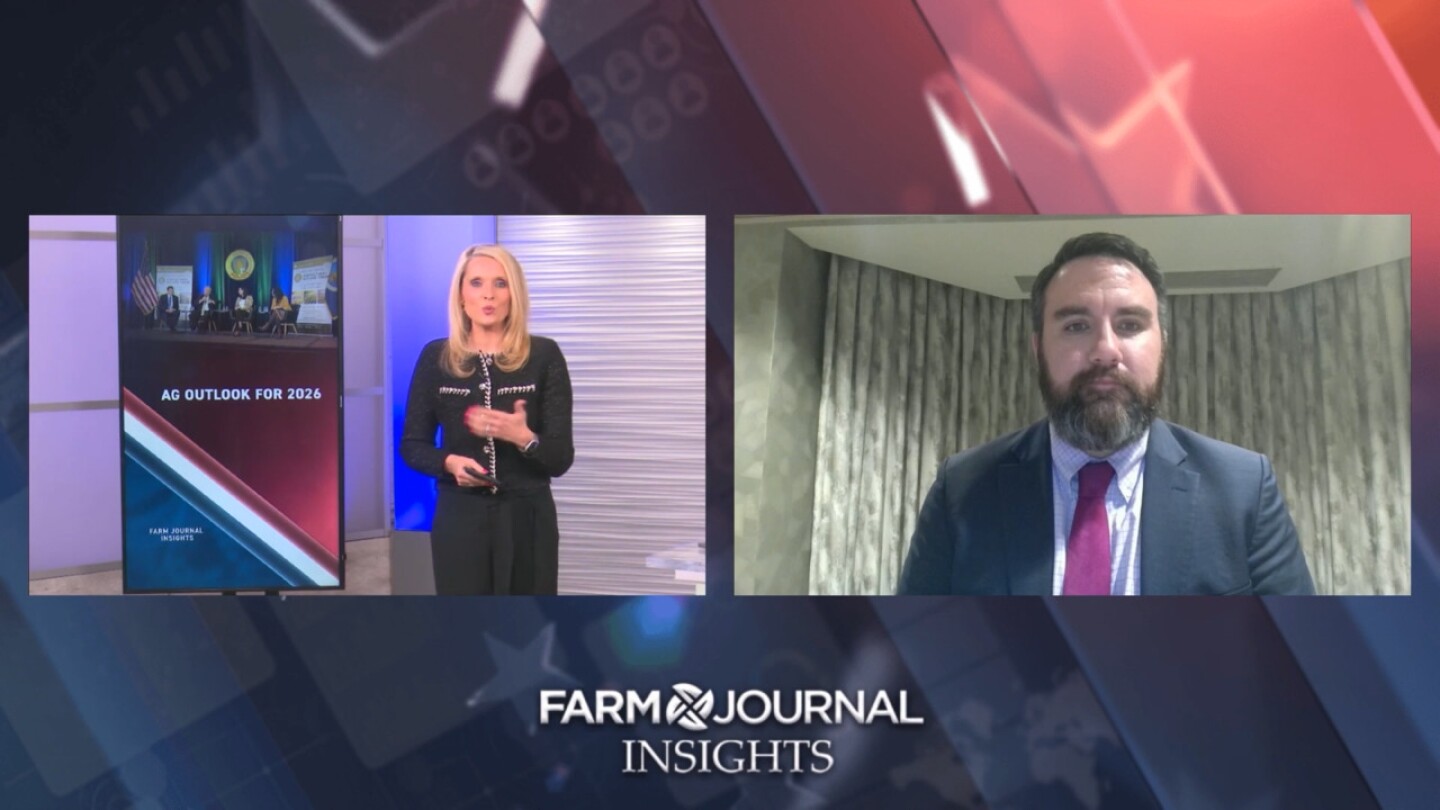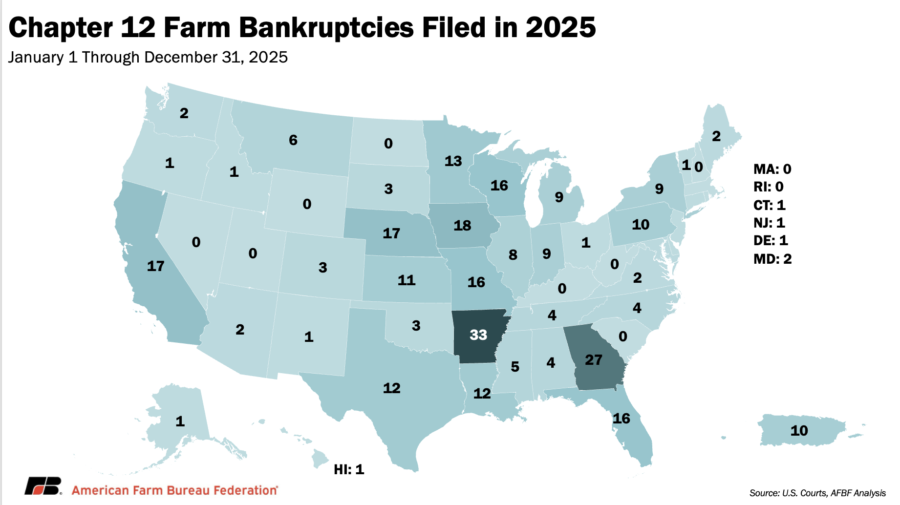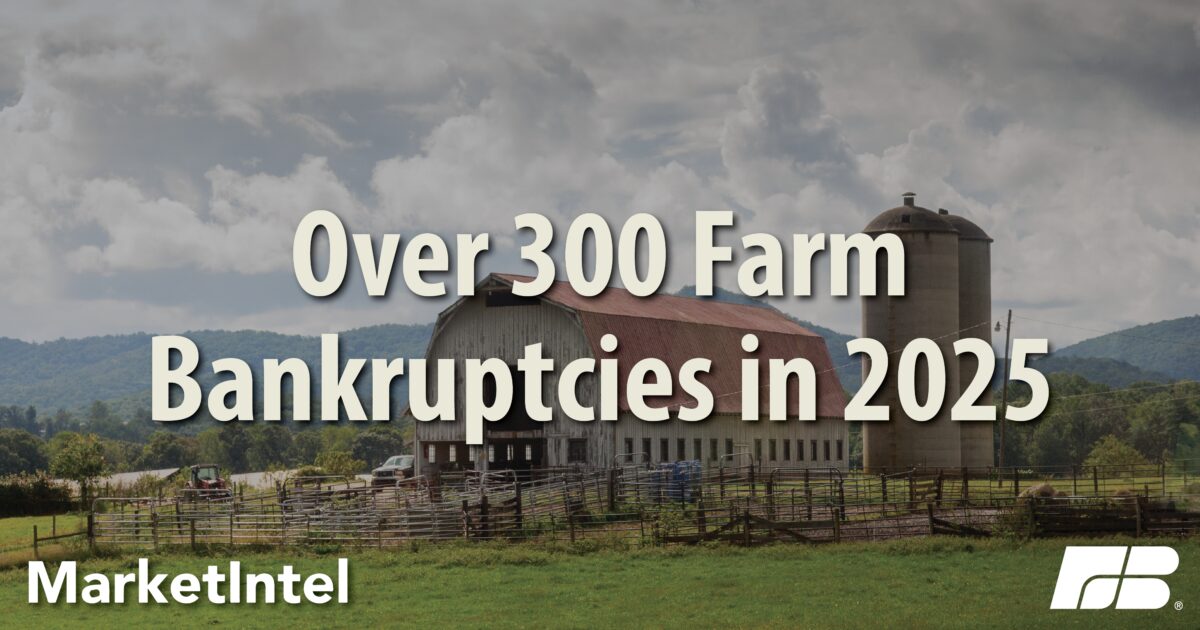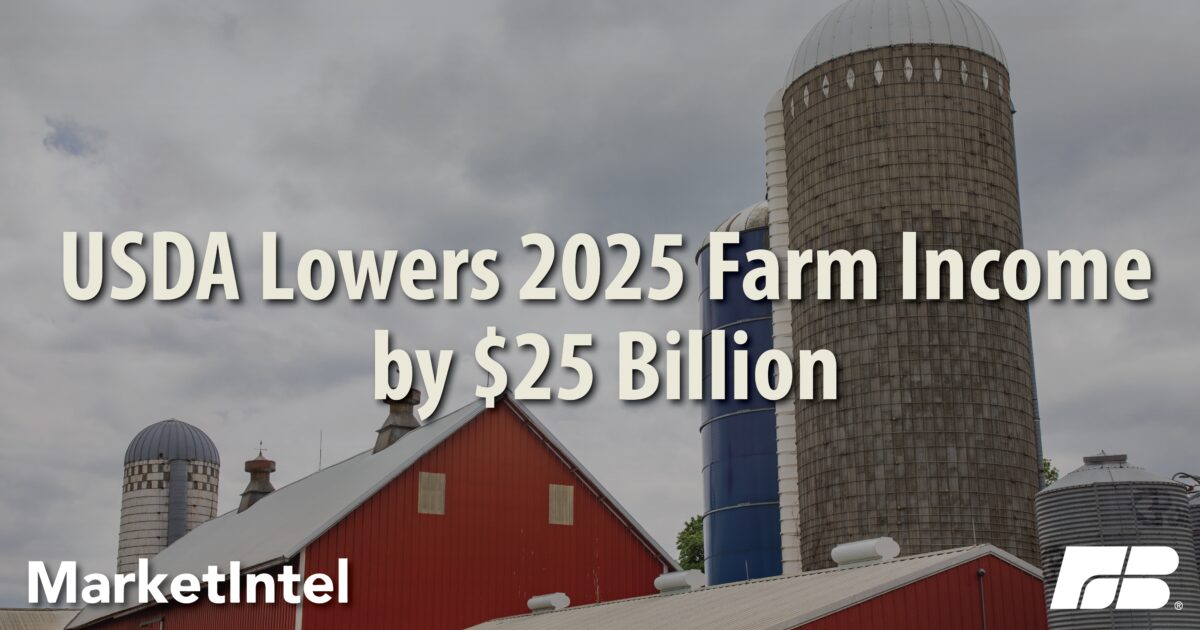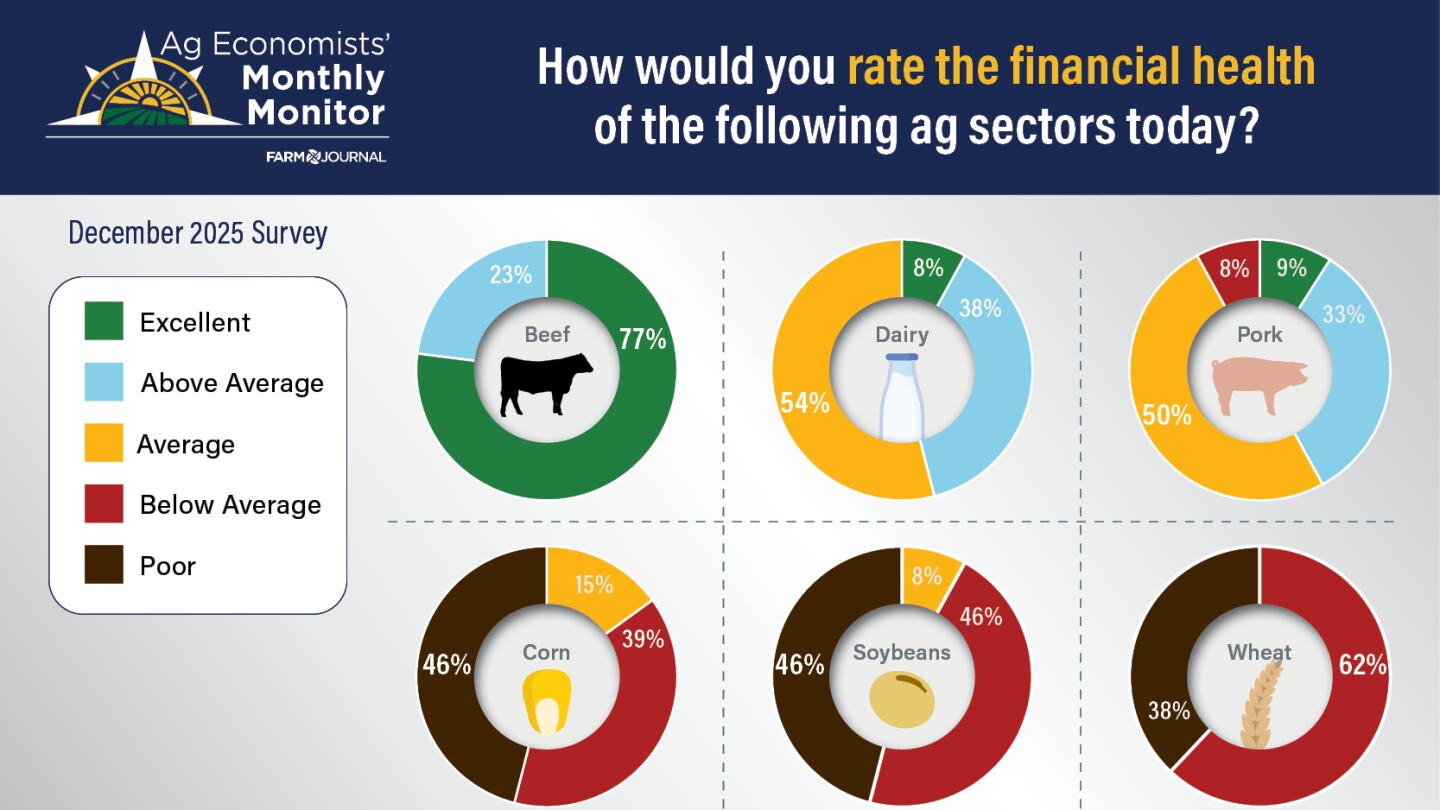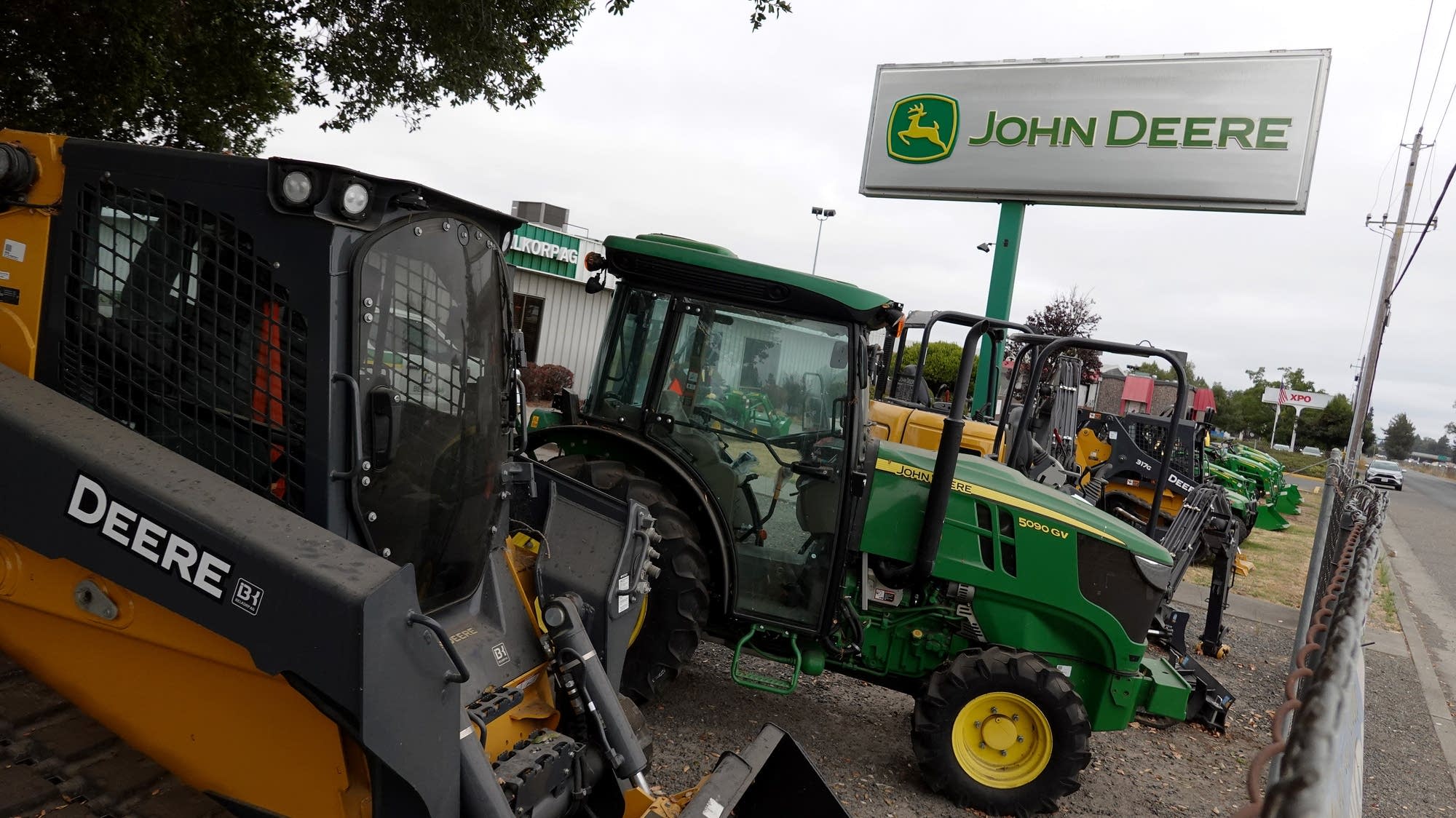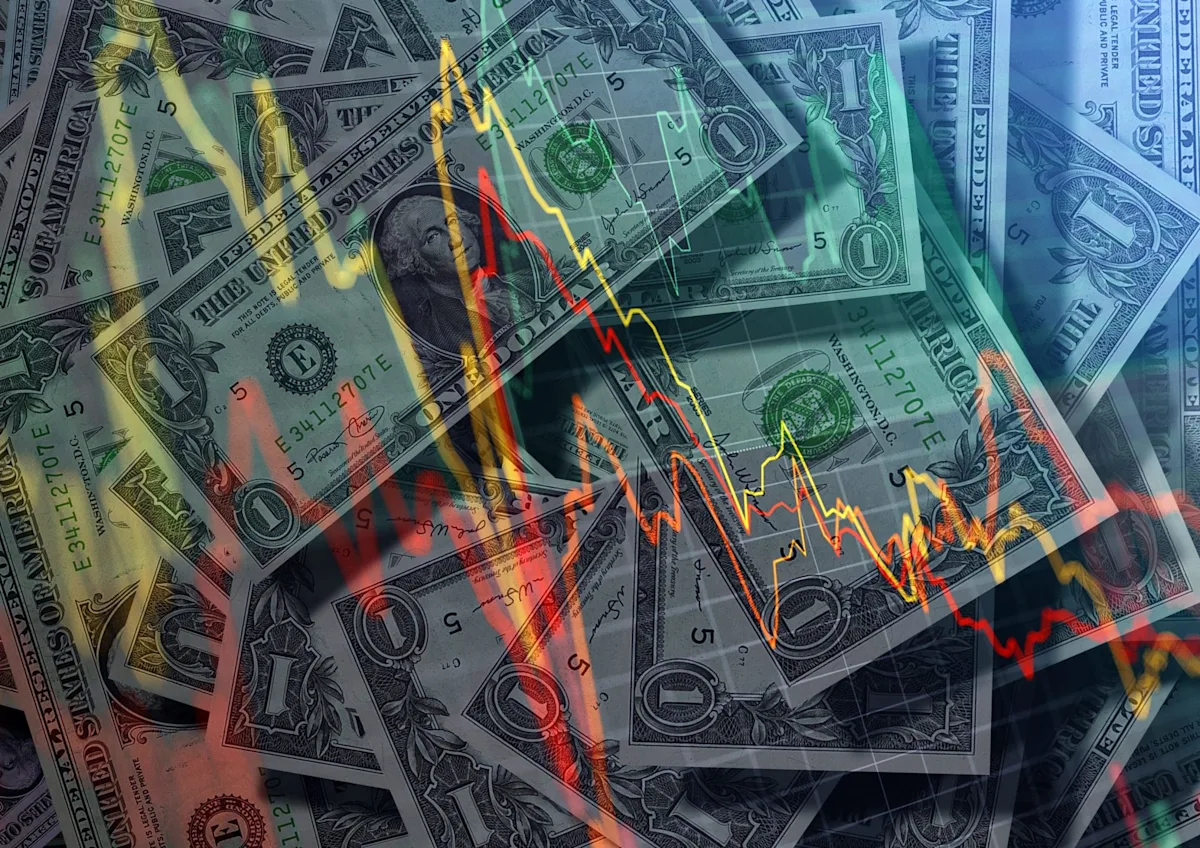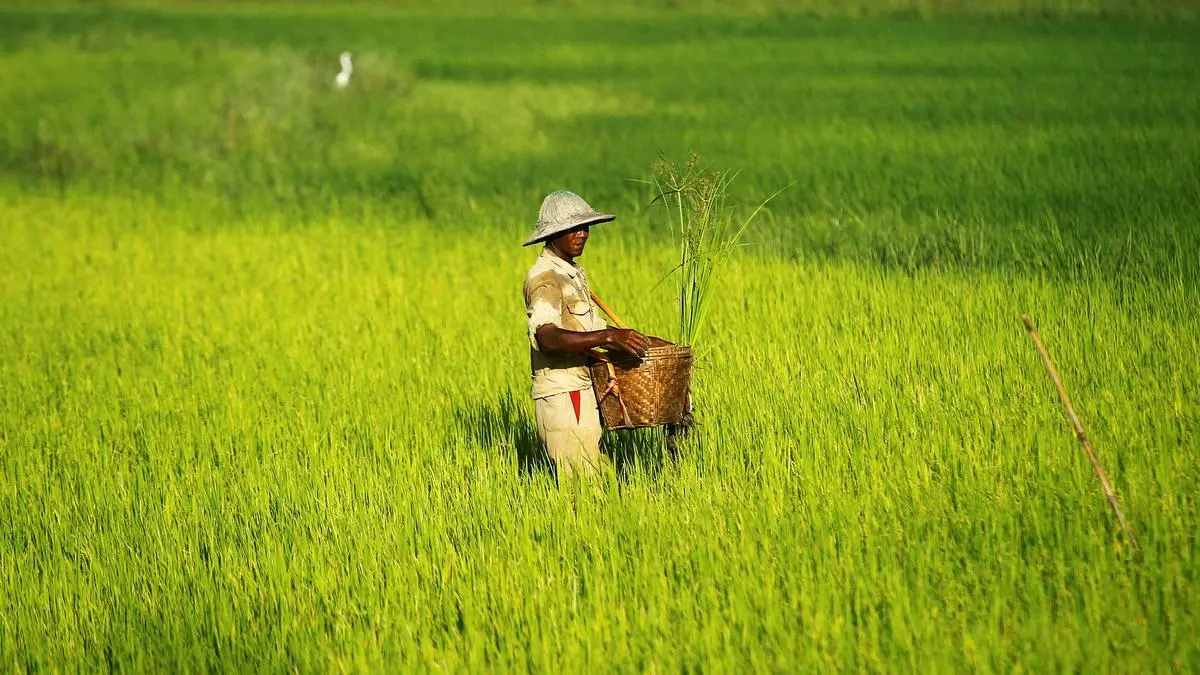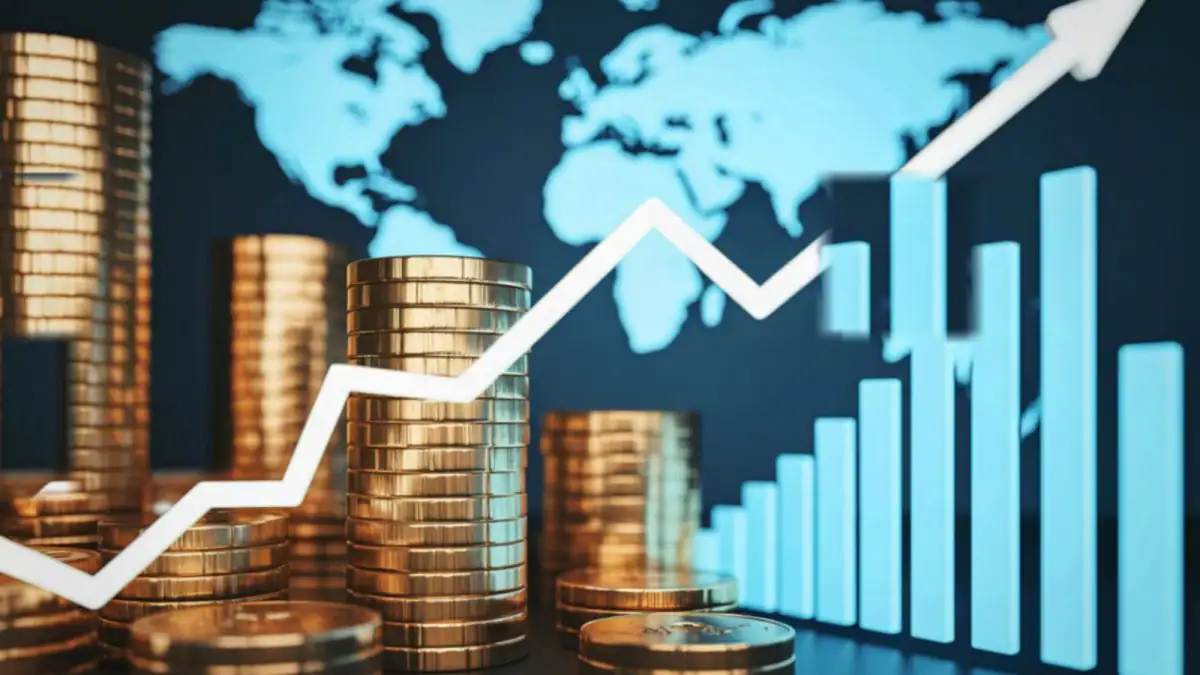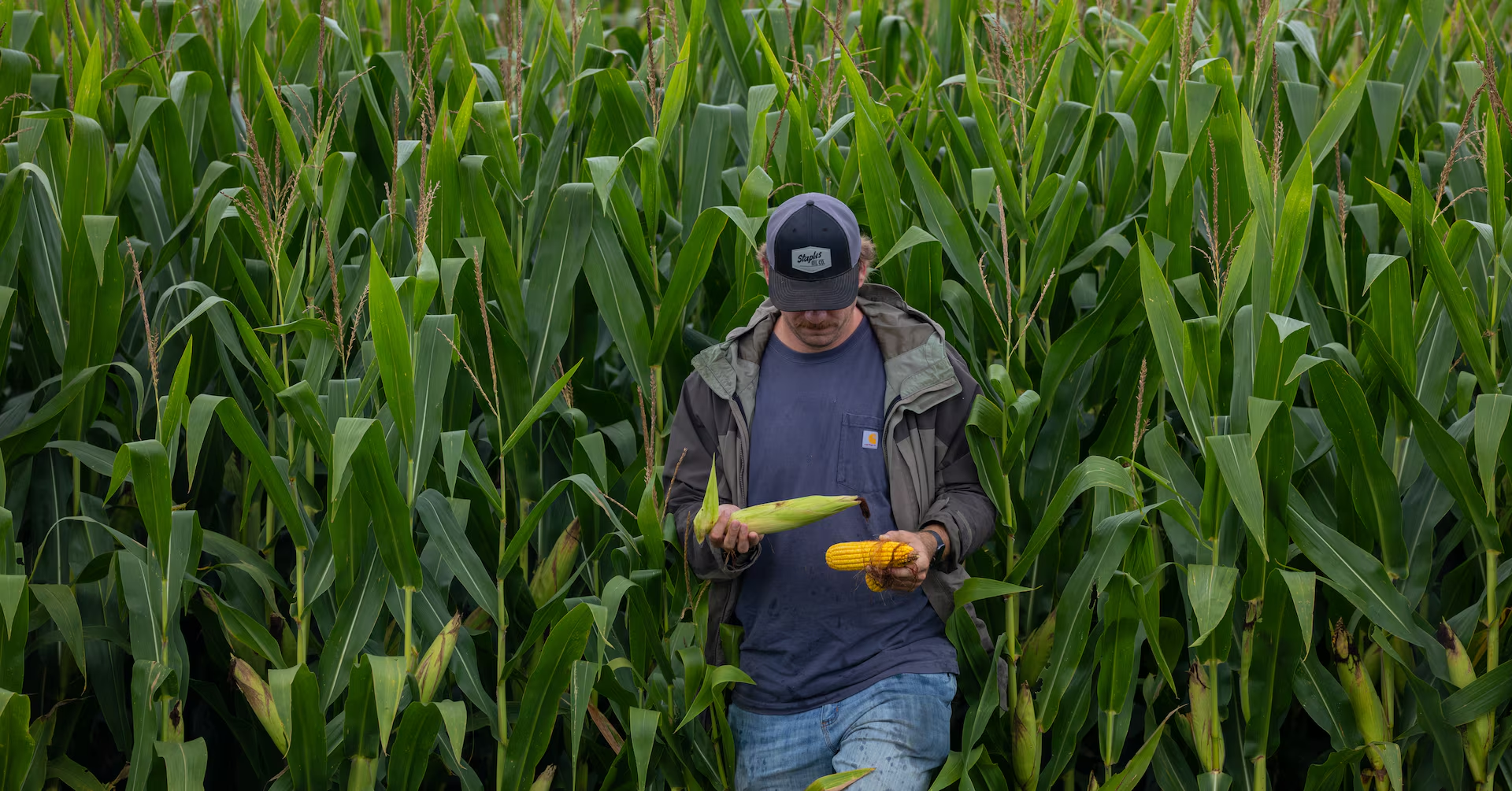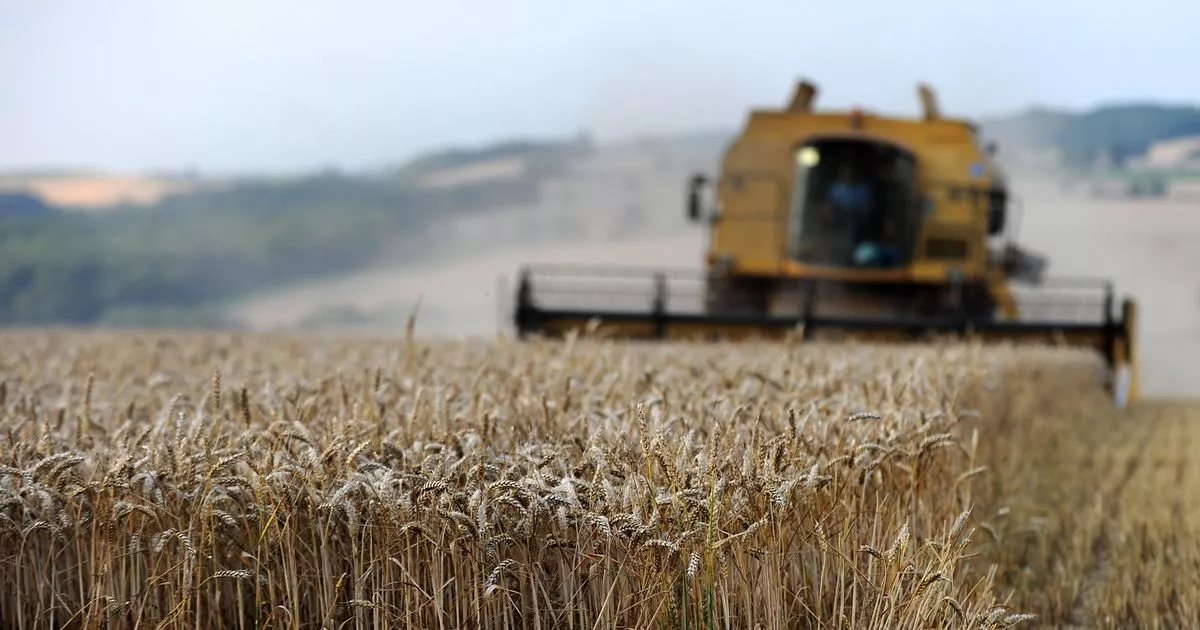
USDA estimates that farmers will spend more money on interest payments in 2026, after adjusting for inflation, than at any other time on record. Stephanie Hoff learns more.
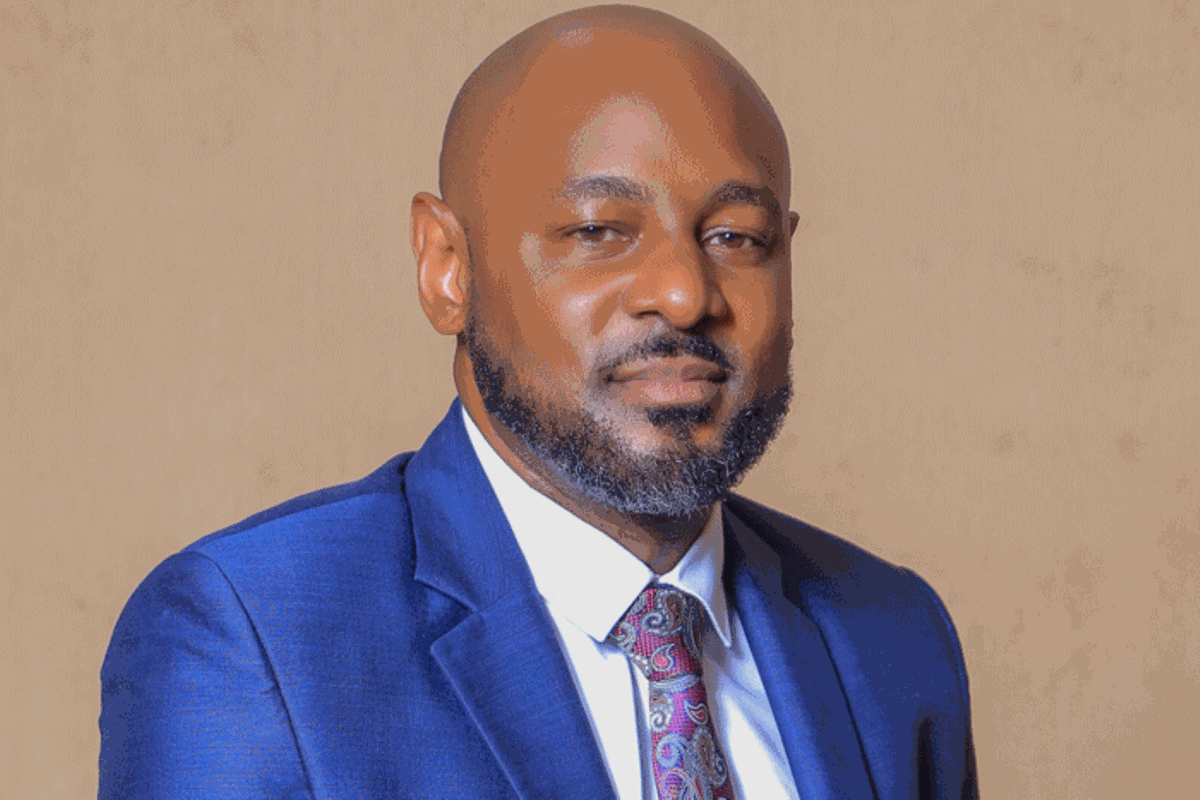
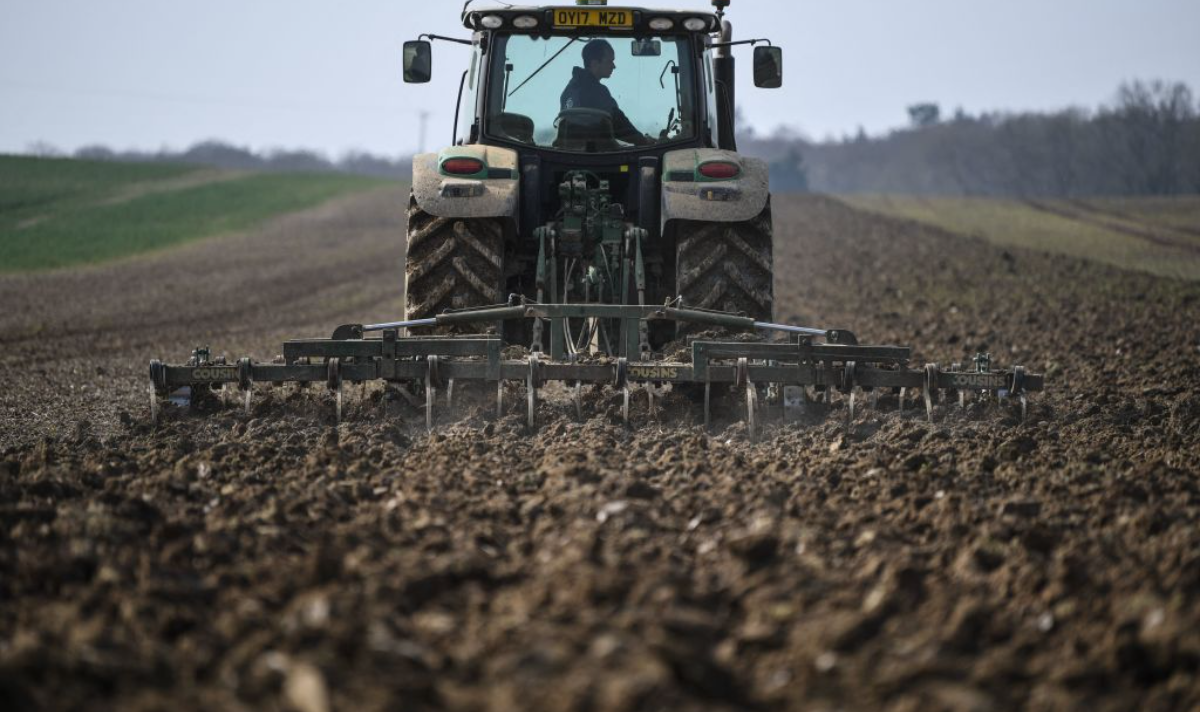
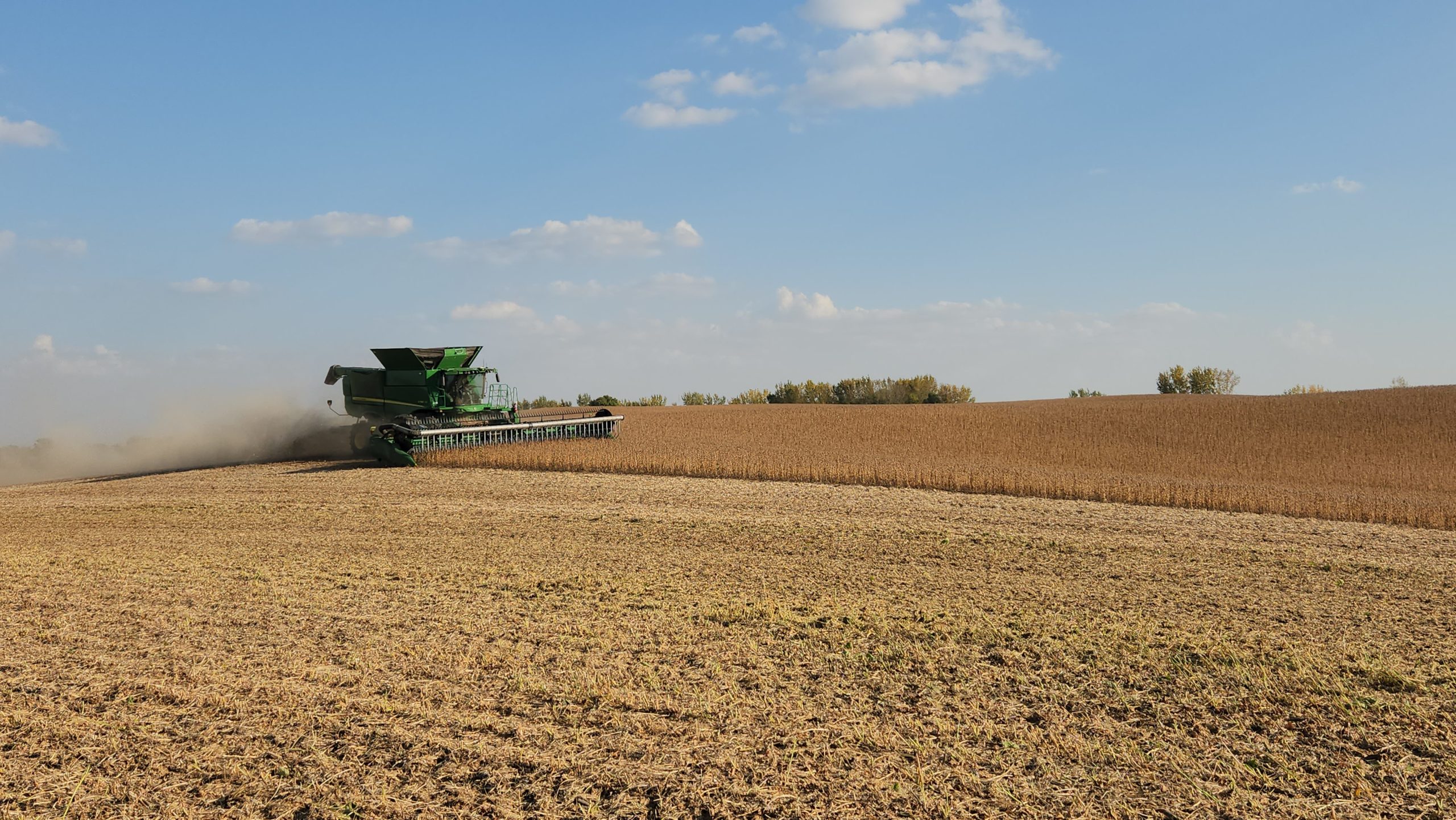
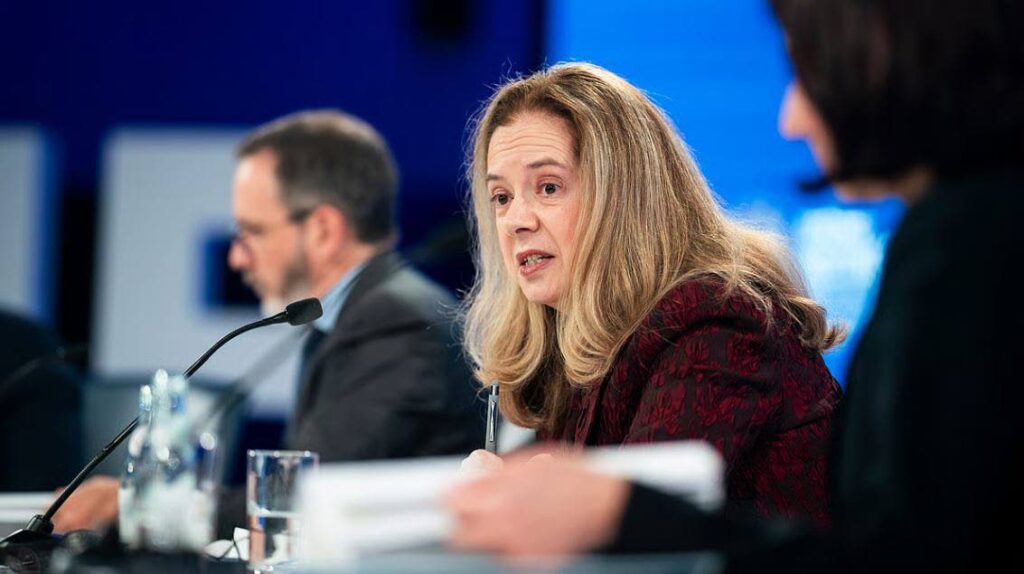
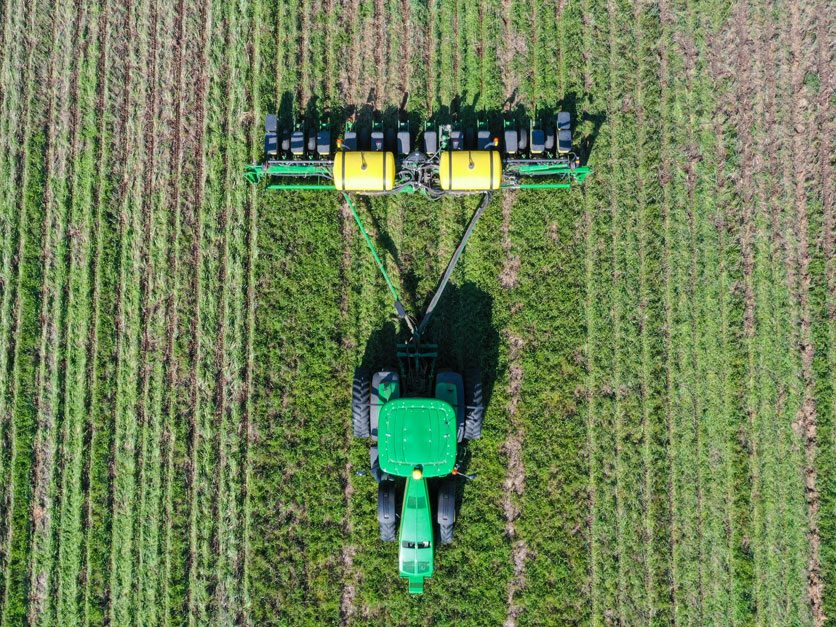
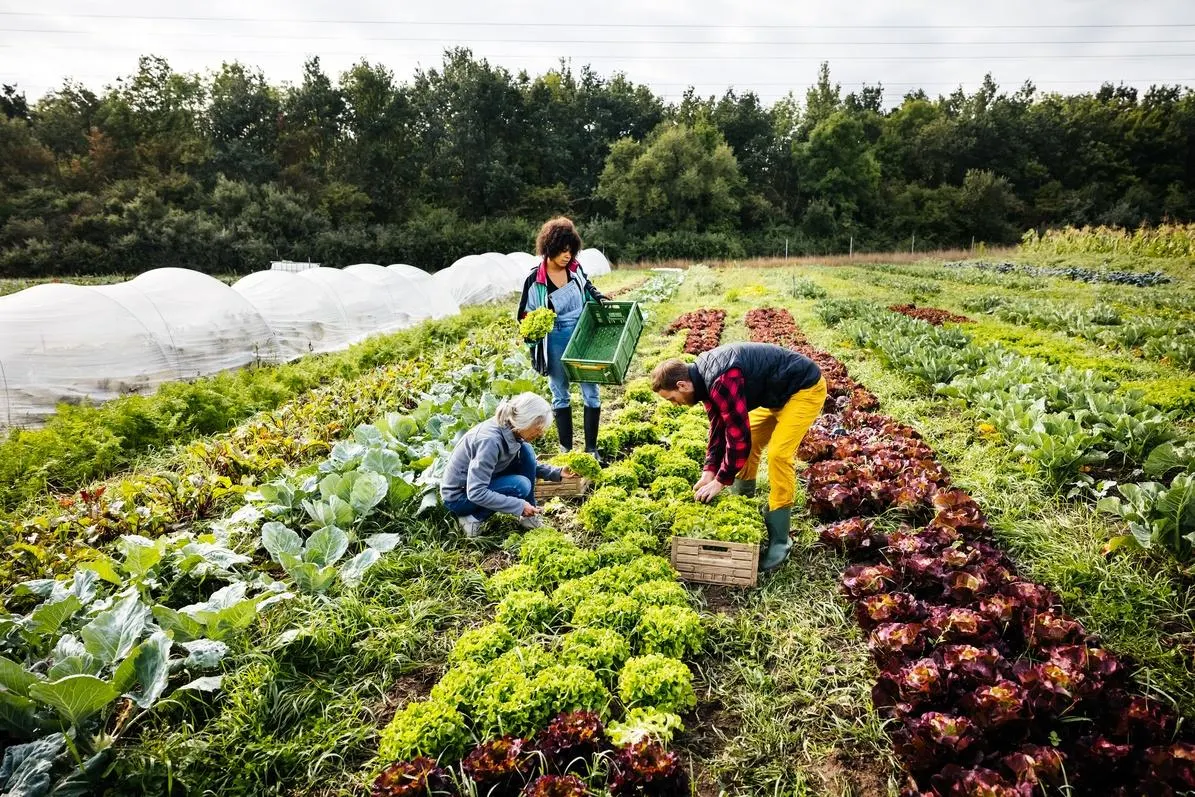
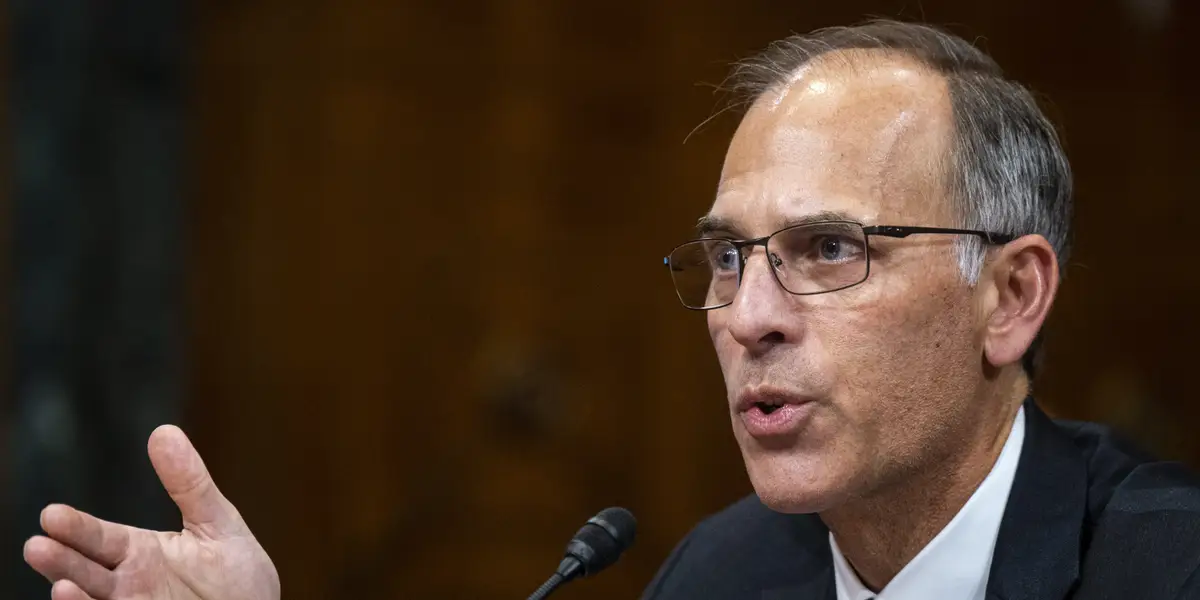
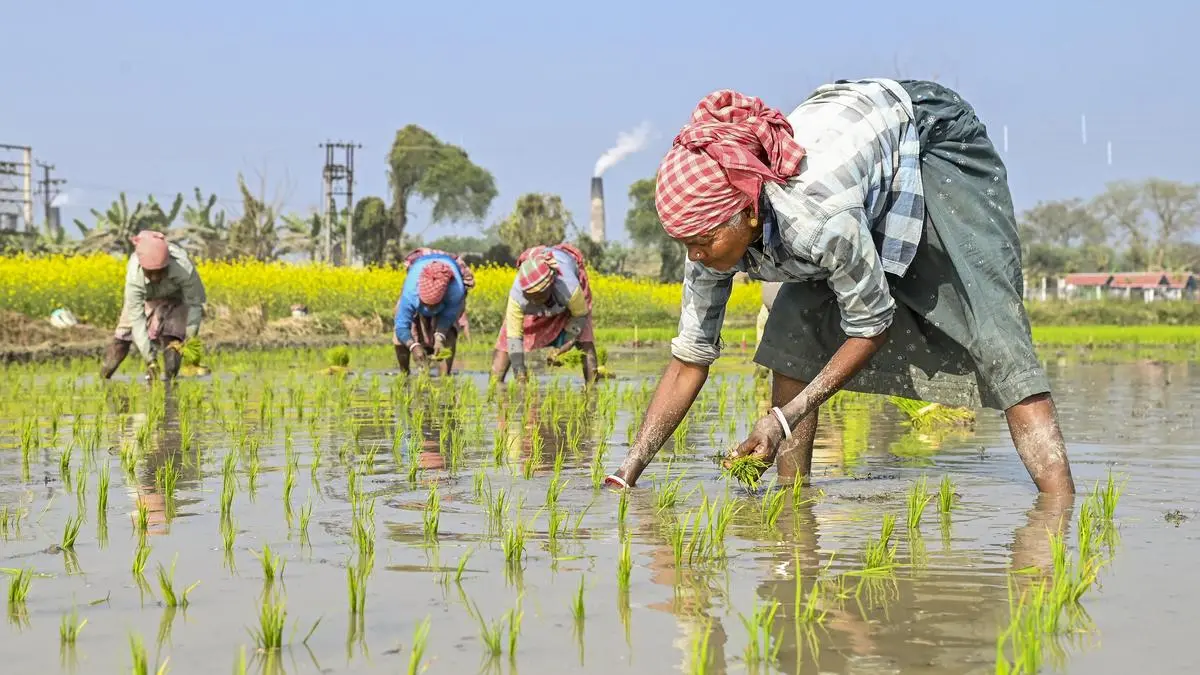
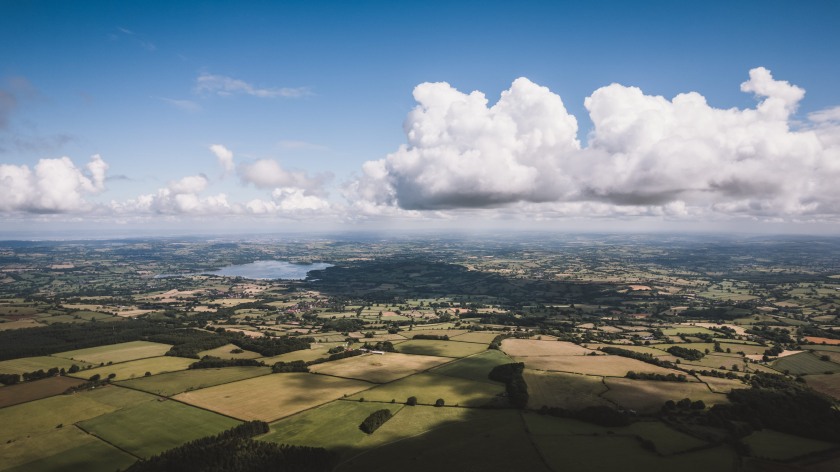
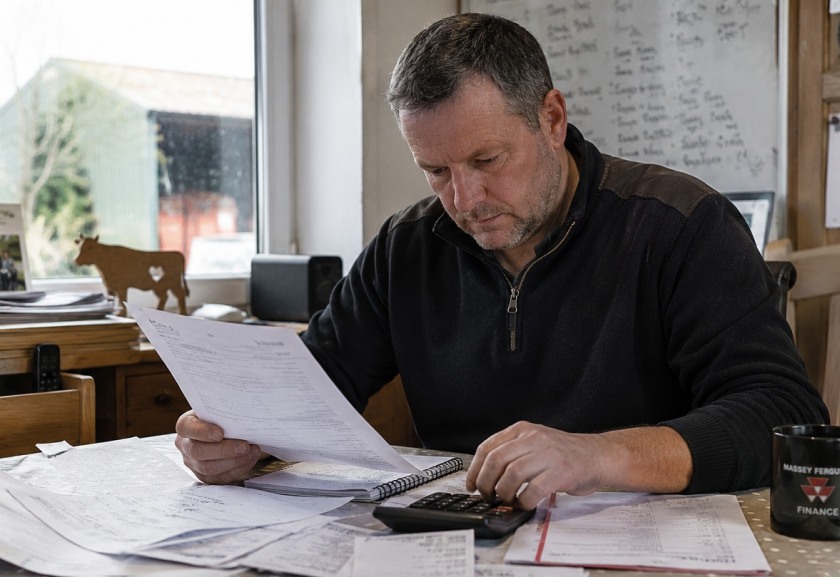
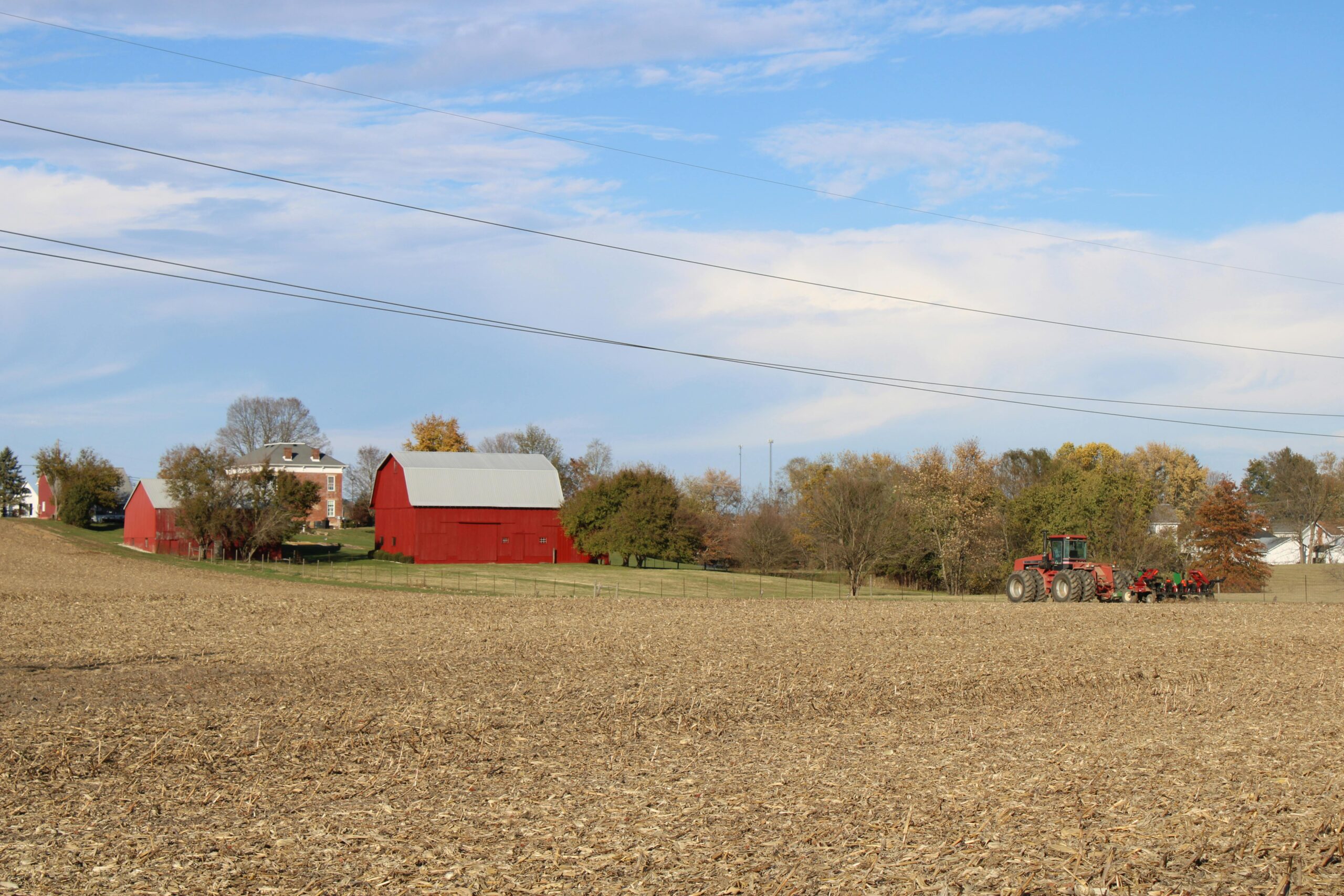
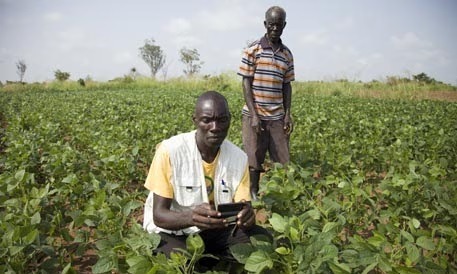
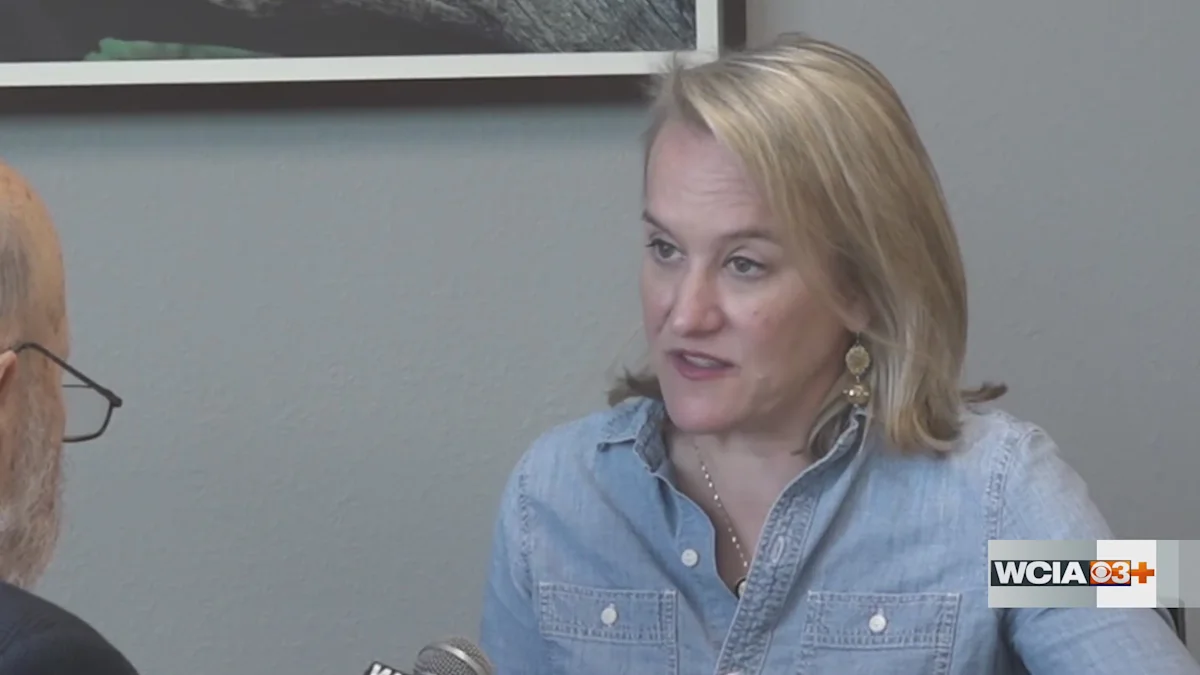
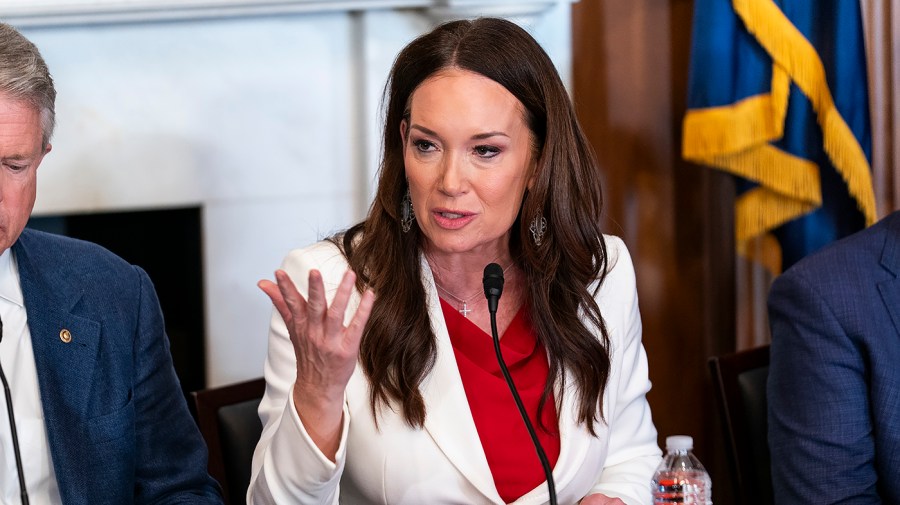
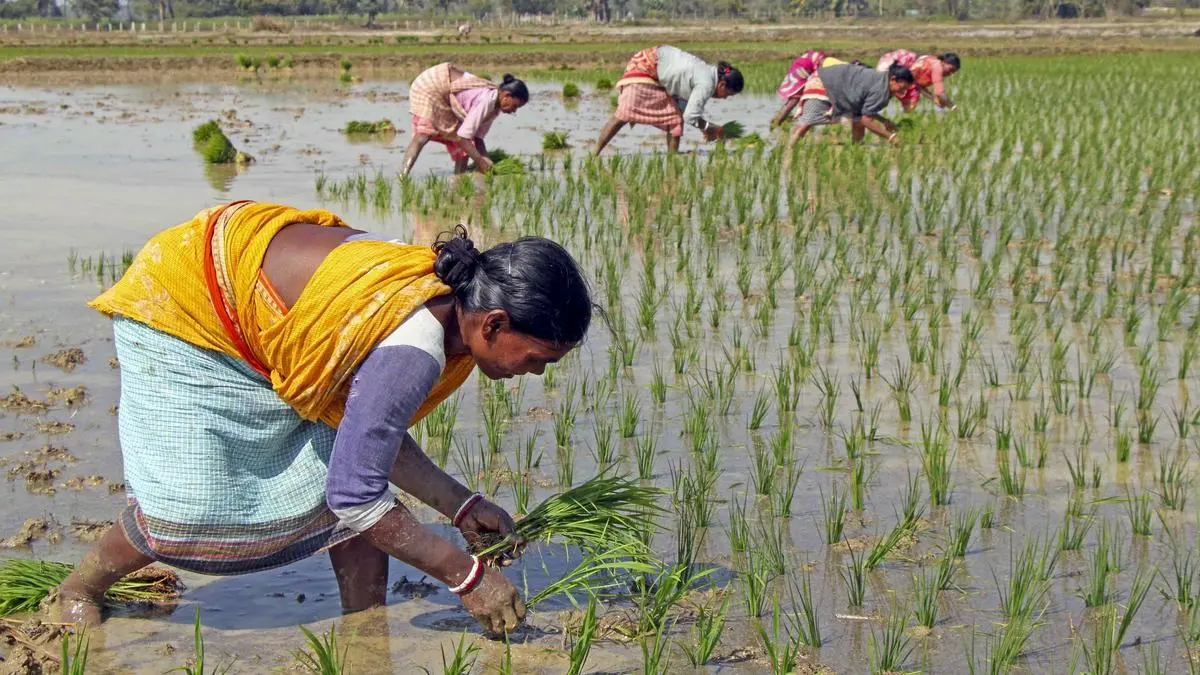
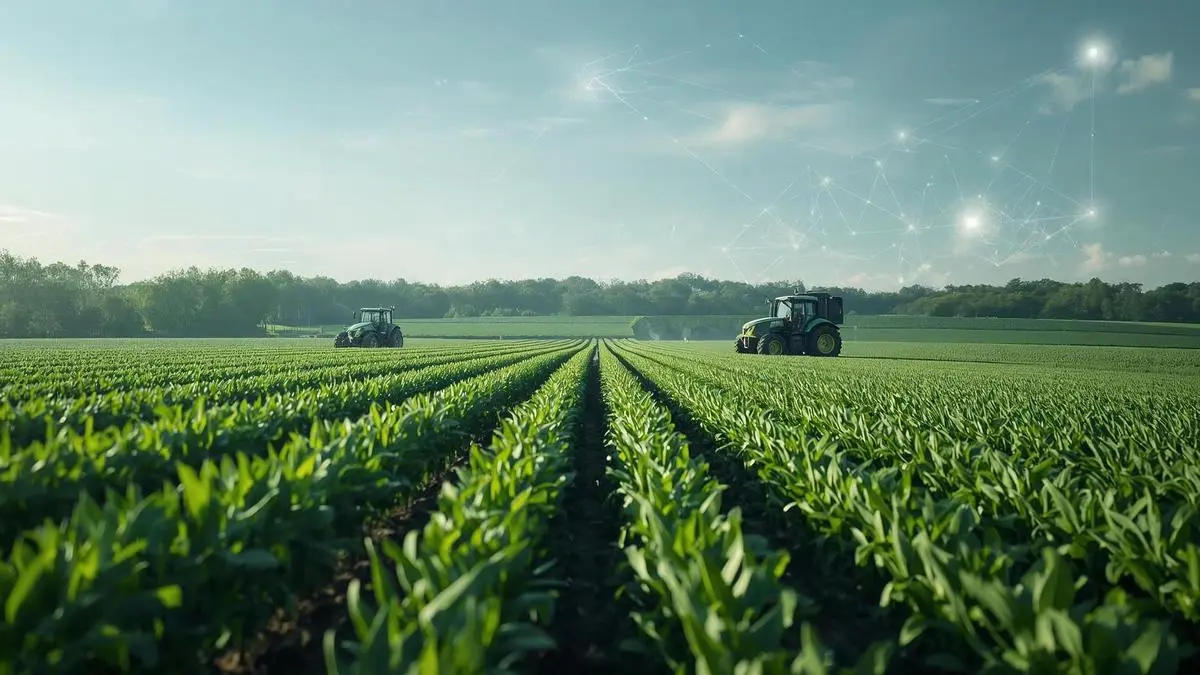
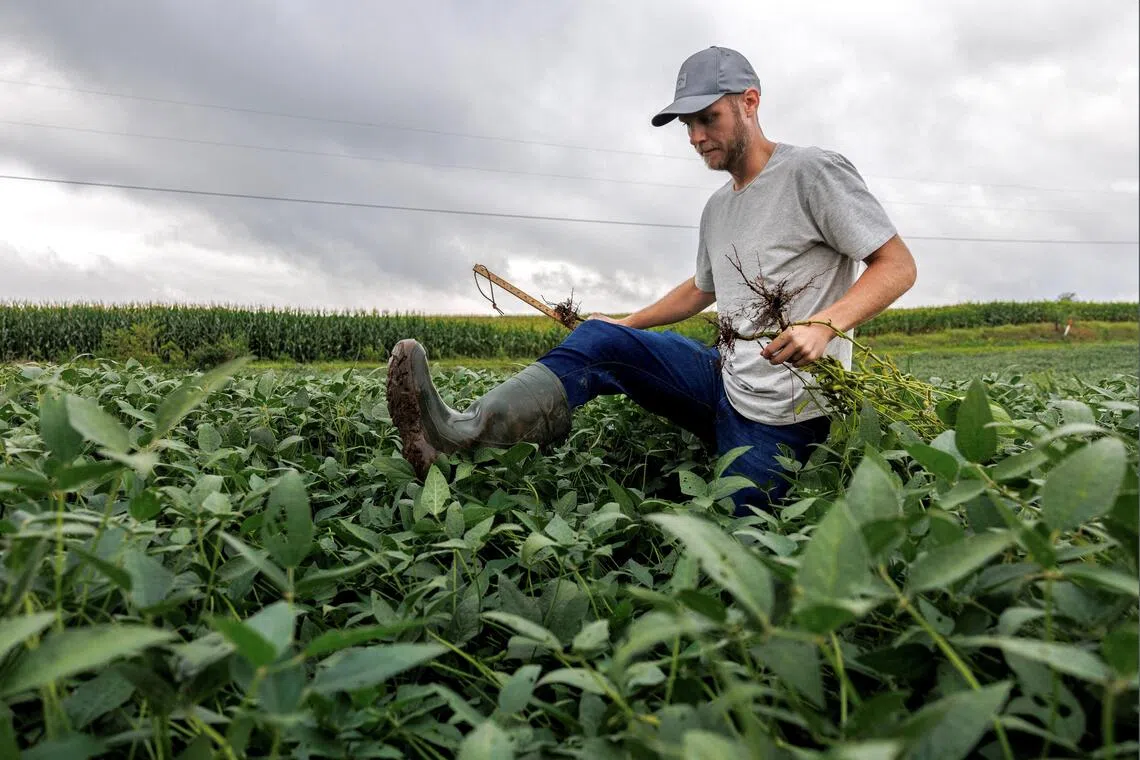
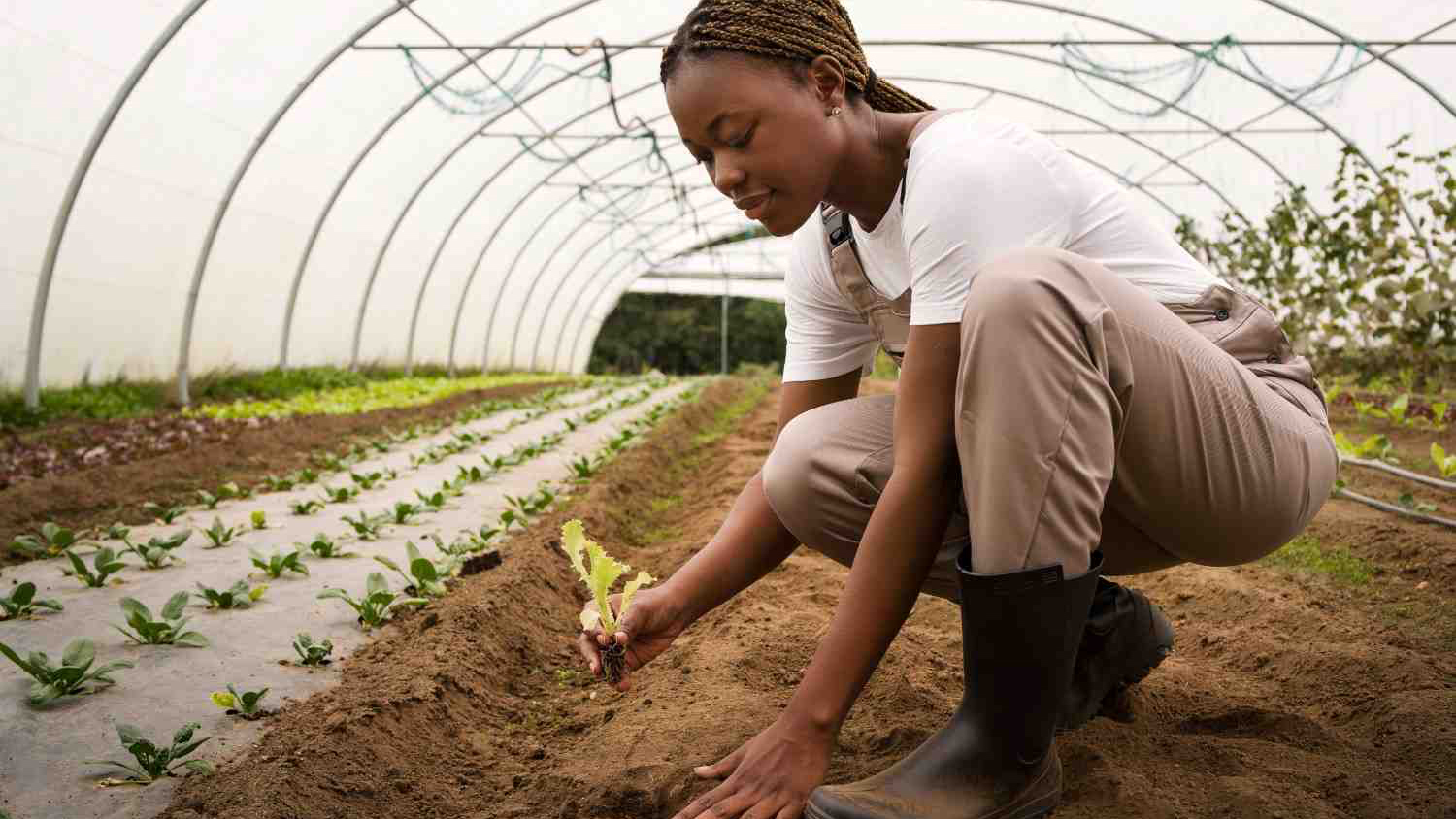
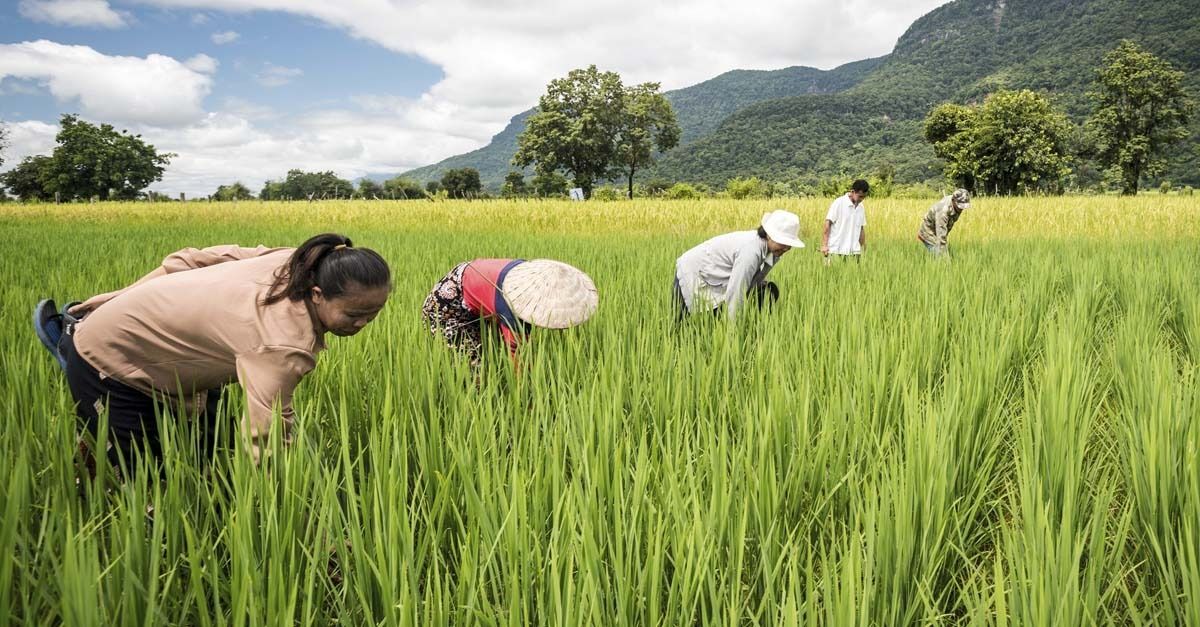
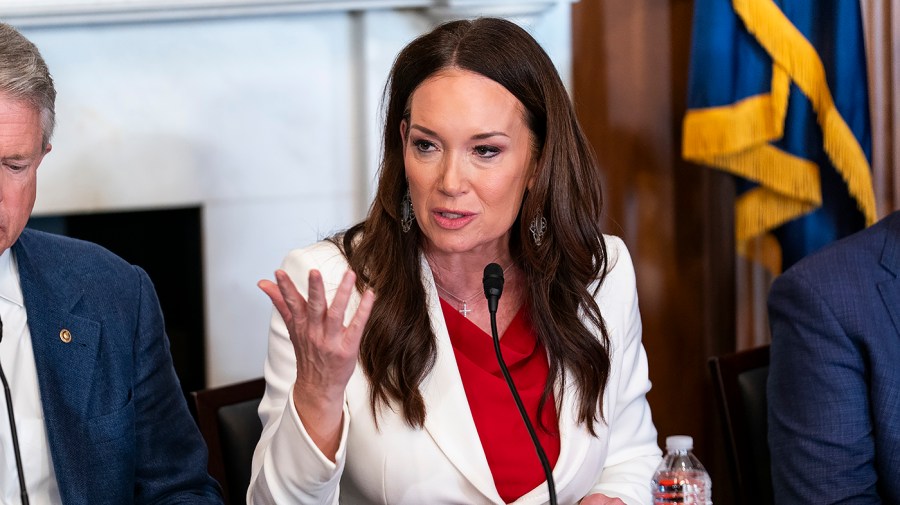
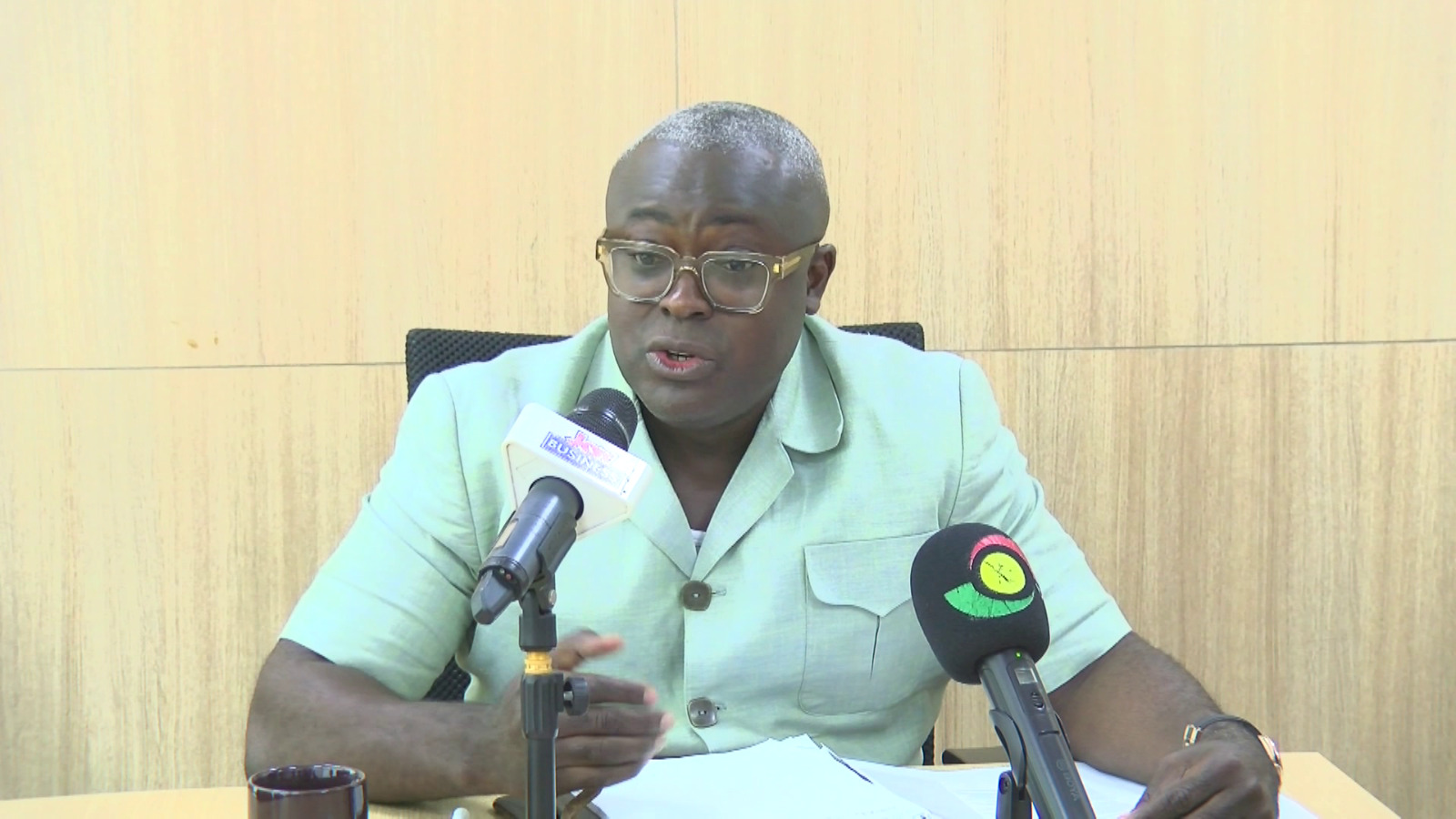
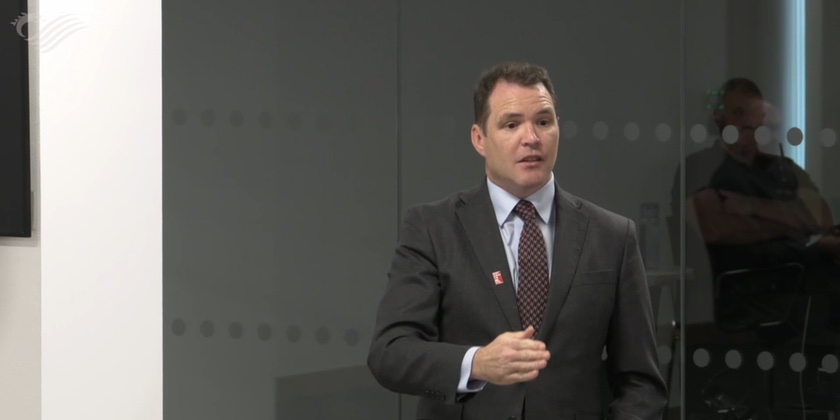
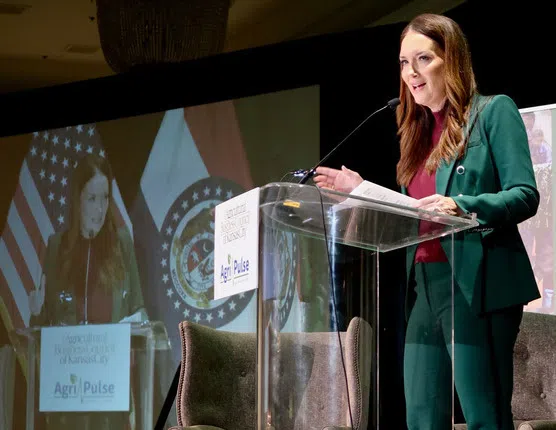
Parum: Farming is obviously a very expensive industry, so it takes a lot of money to put a crop in the ground, and it takes a while for farmers to get that money back and sell it in the marketplace. And farm credit is one of the ways that they get around that. So, taking out loans and things to make sure that they have the capital needed to put that crop in the ground and wait, you know, some places years to get that money back.
Hoff: Credit can also offer clues about broader economic conditions in agriculture.
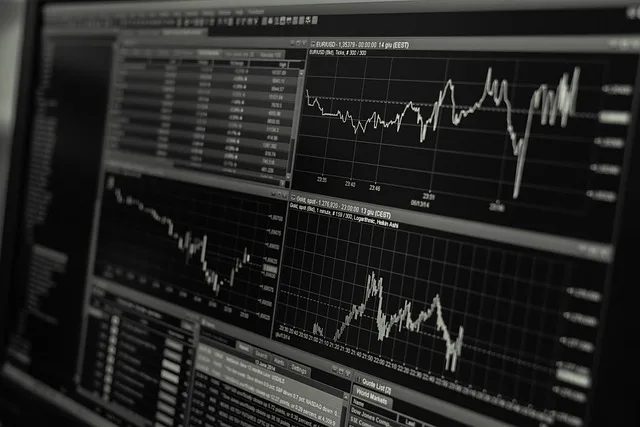
Parum: Using credit doesn’t mean necessarily that the farm or the farm economy is in bad financial health, but something we do look at is the amount of debt farms are taking on. USDA actually says that this is the highest interest rate expenses in 2026 dollars that they’ve ever estimated. So, you know, taking on debt is not a bad thing, but we want to make sure it’s in a sustainable manner.
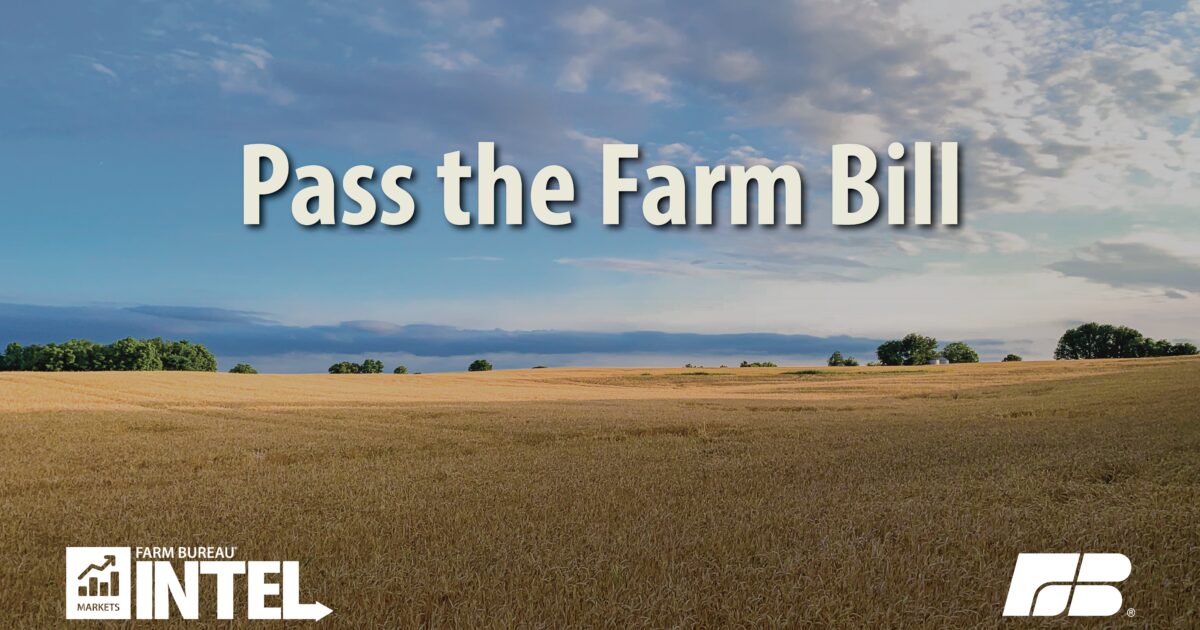
Hoff: Parum says there is a way Congress can help ease that financial strain.