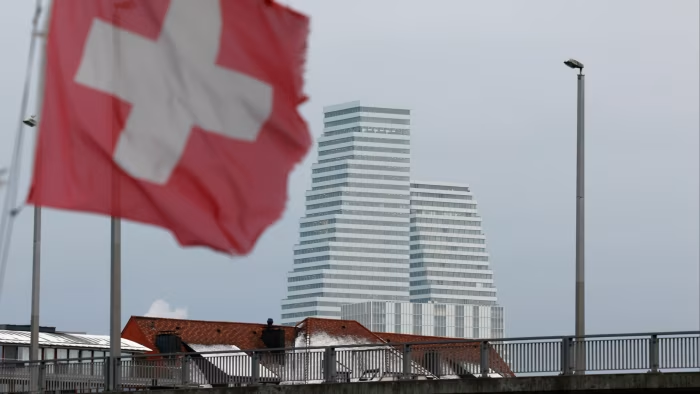
Agadir – The global economy has shown resilience over the past year, yet mounting inflation, rising public debt, financial vulnerabilities, and uncertainty surrounding artificial intelligence (AI) threaten that stability, according to the latest Annual Economic Report from the Bank for International Settlements (BIS).
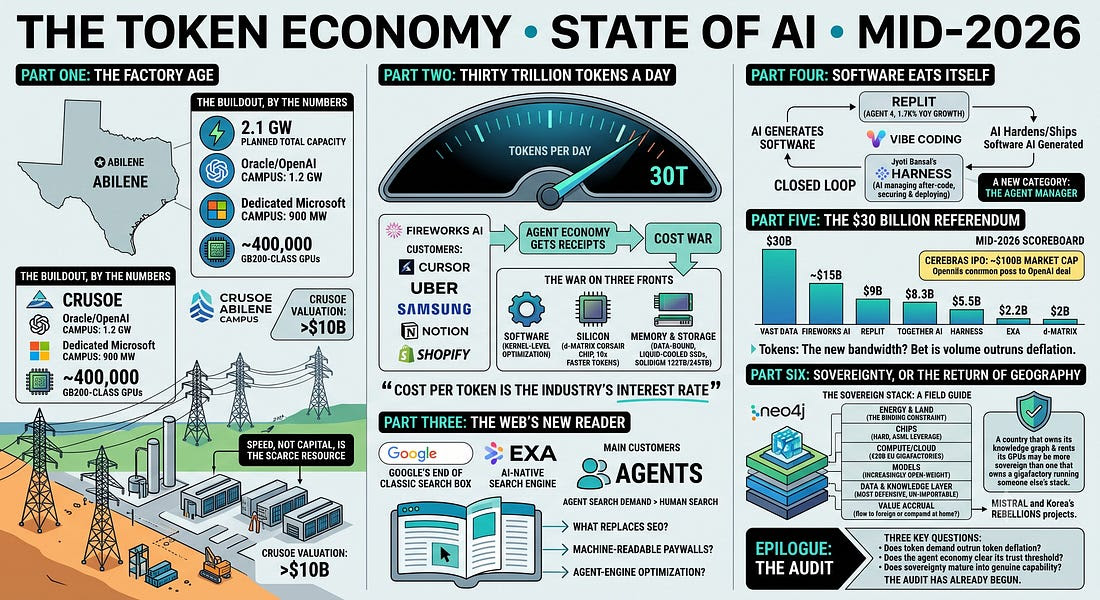
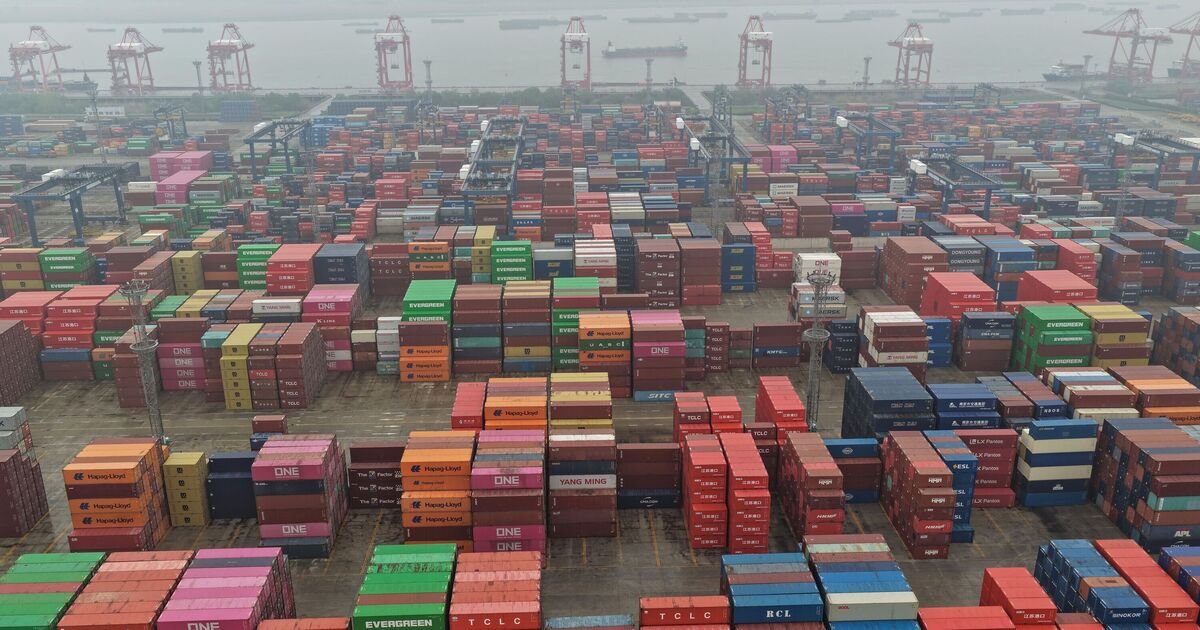
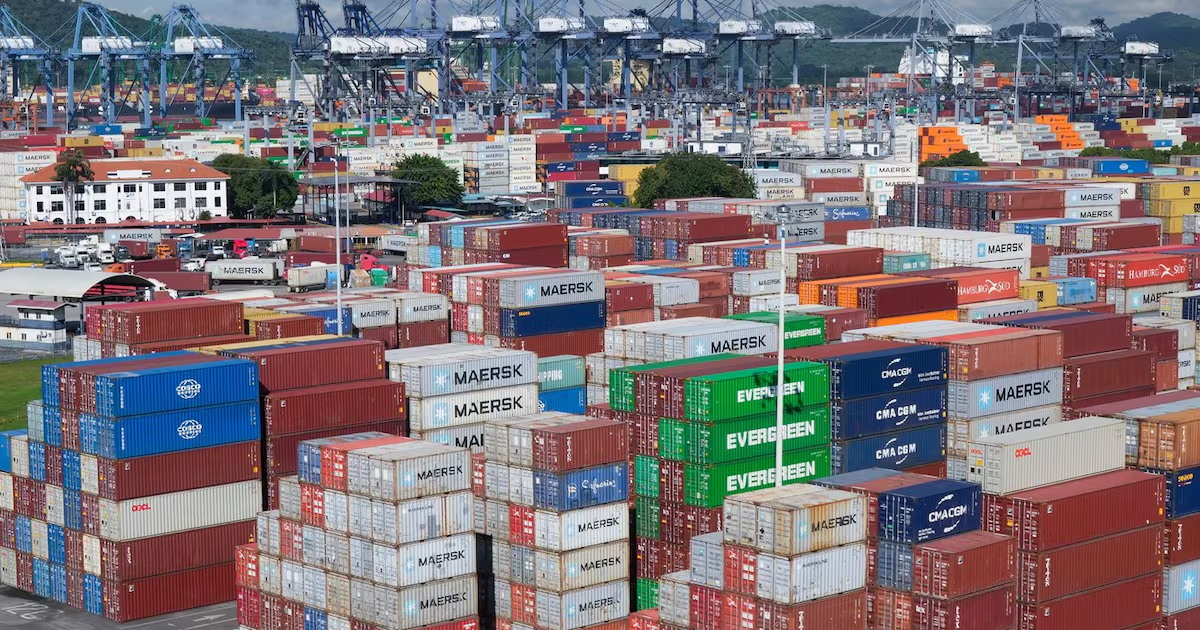
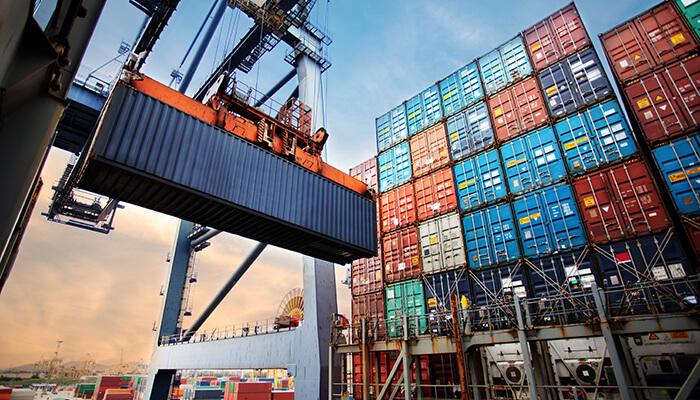
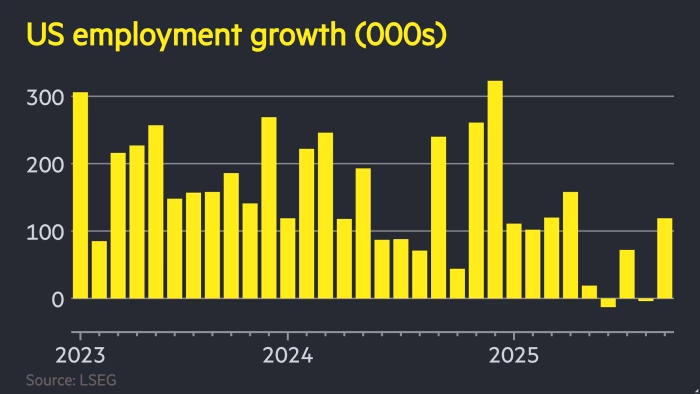
The BIS said global growth remained resilient throughout 2025 despite higher tariffs and geopolitical uncertainty, citing lower-than-expected effective tariff rates, strong investment in AI infrastructure, and buoyant financial markets fueled by optimism over AI.
Global economy stays resilient
“Growth held up well in 2025, despite significant headwinds from higher tariffs and geopolitical uncertainty,” the report said.
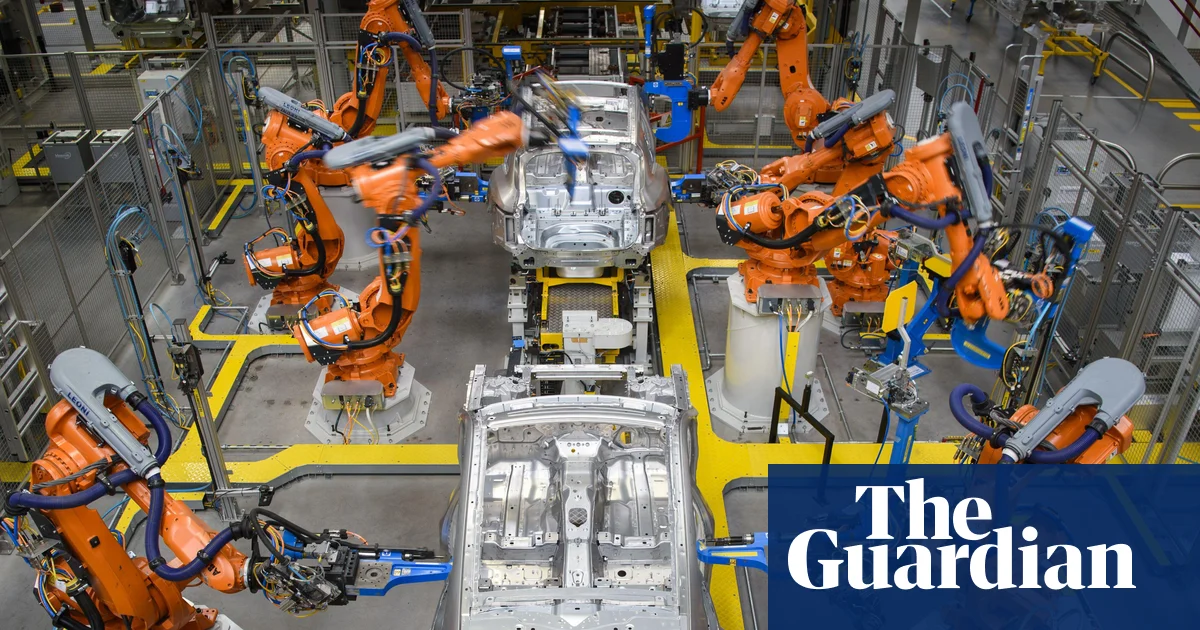
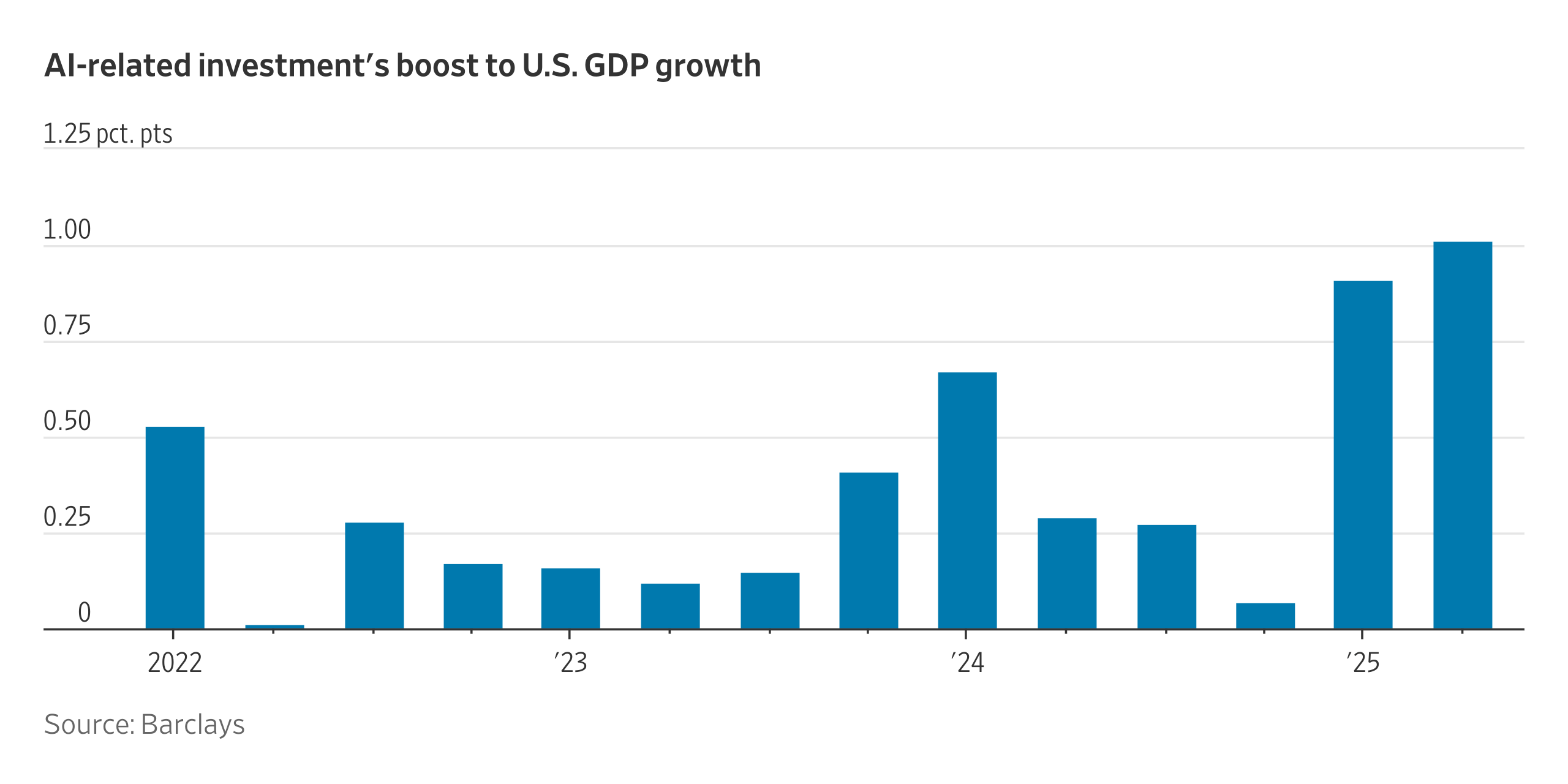
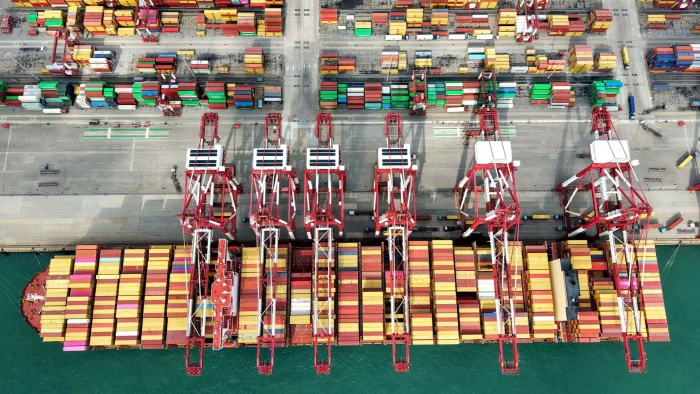
According to the BIS, firms helped reduce the impact of trade barriers by absorbing part of the additional costs through lower profit margins, while trade diversion also softened the blow. At the same time, surging investment in AI infrastructure boosted US capital expenditure and generated spillover effects across global supply chains.
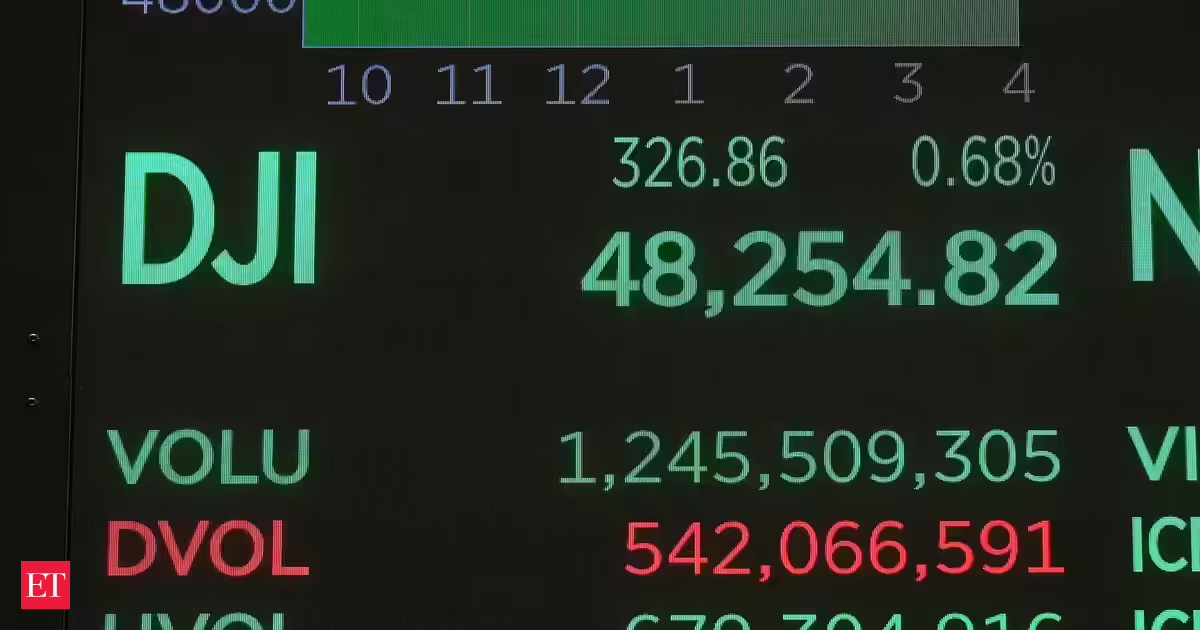
The report also noted that investor enthusiasm surrounding AI pushed stock market valuations higher, helping maintain favorable financial conditions worldwide.
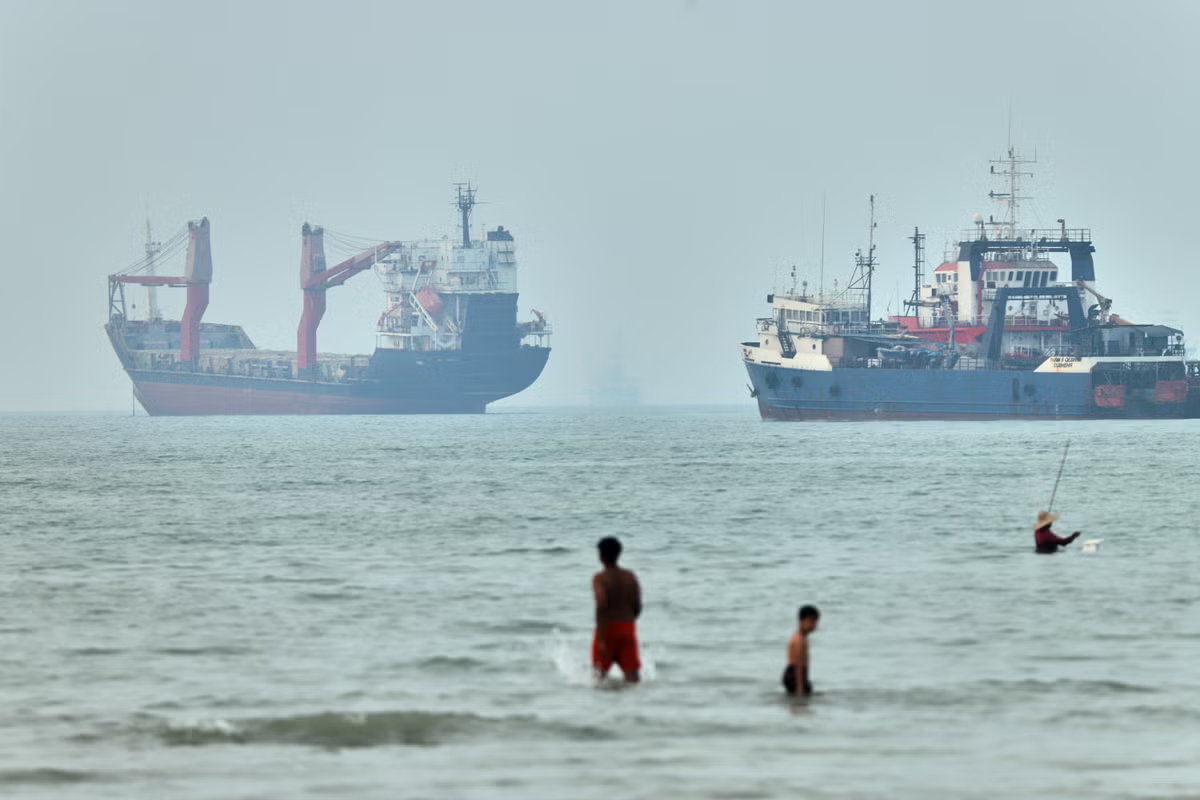
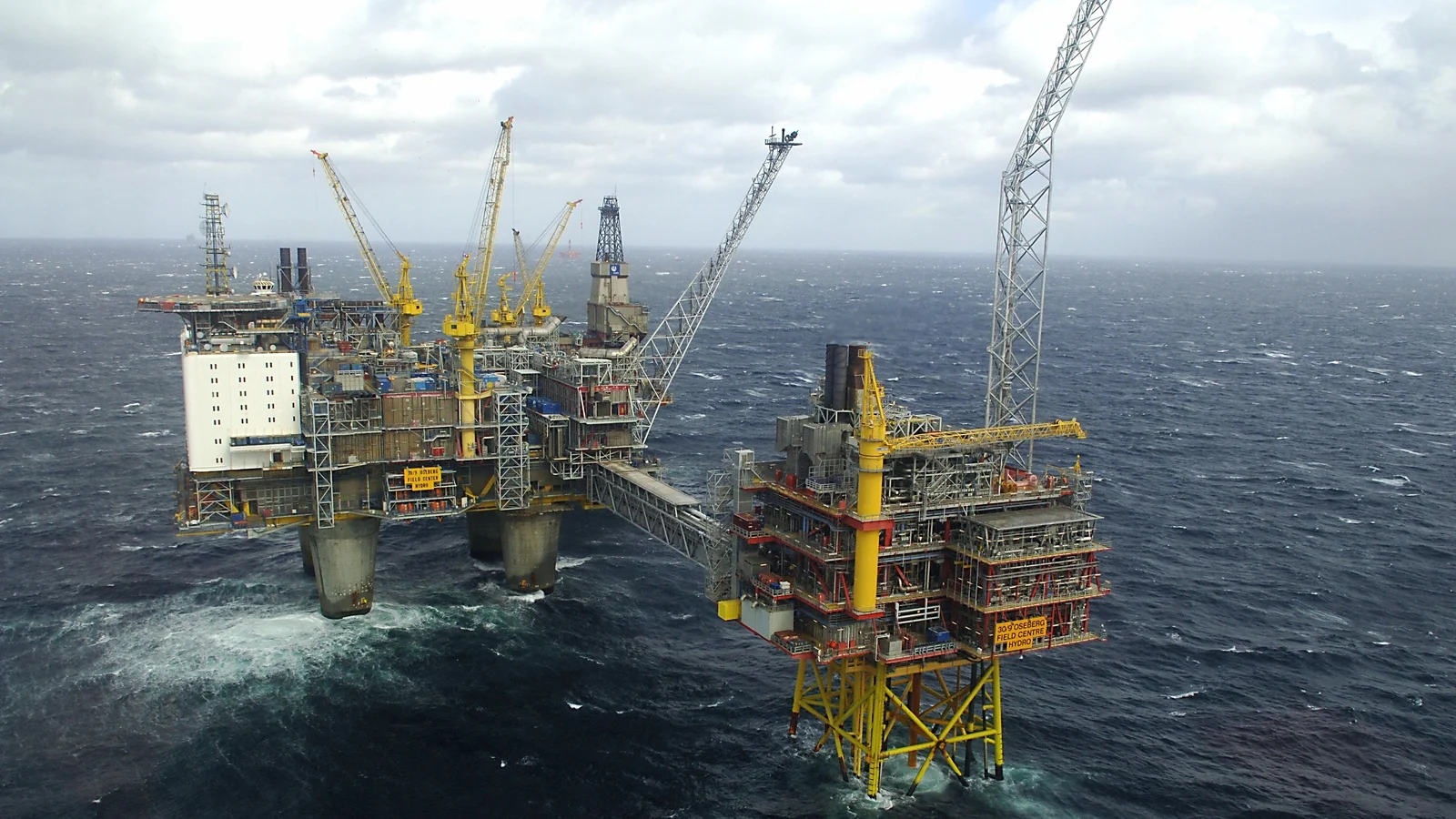
However, the global outlook shifted sharply in early 2026 following the temporary closure of the Strait of Hormuz, one of the world’s most important energy transit routes.
Inflation rises after energy shock
The BIS described the disruption as “a major shock to global energy supplies,” warning that higher energy costs have once again driven inflation above central banks’ targets, drawing comparisons with the inflation surge that followed the COVID-19 pandemic.
Although tensions in the Middle East have eased, the institution warned that the economic consequences could persist as energy supply chains take time to normalize.
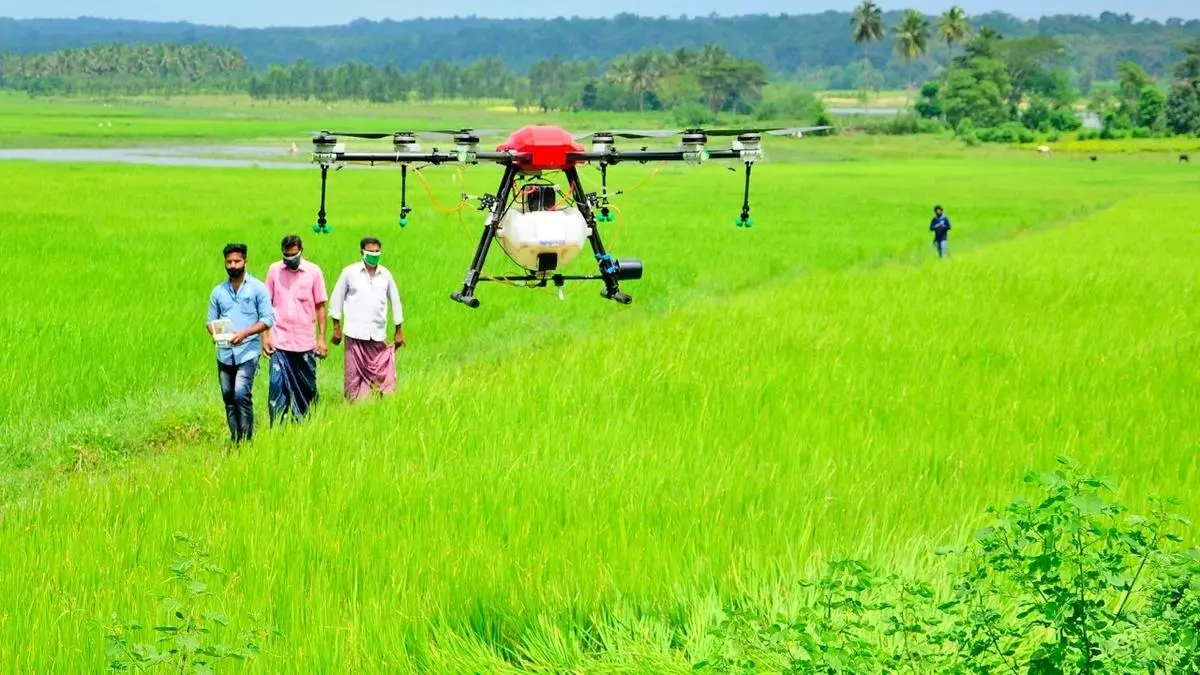
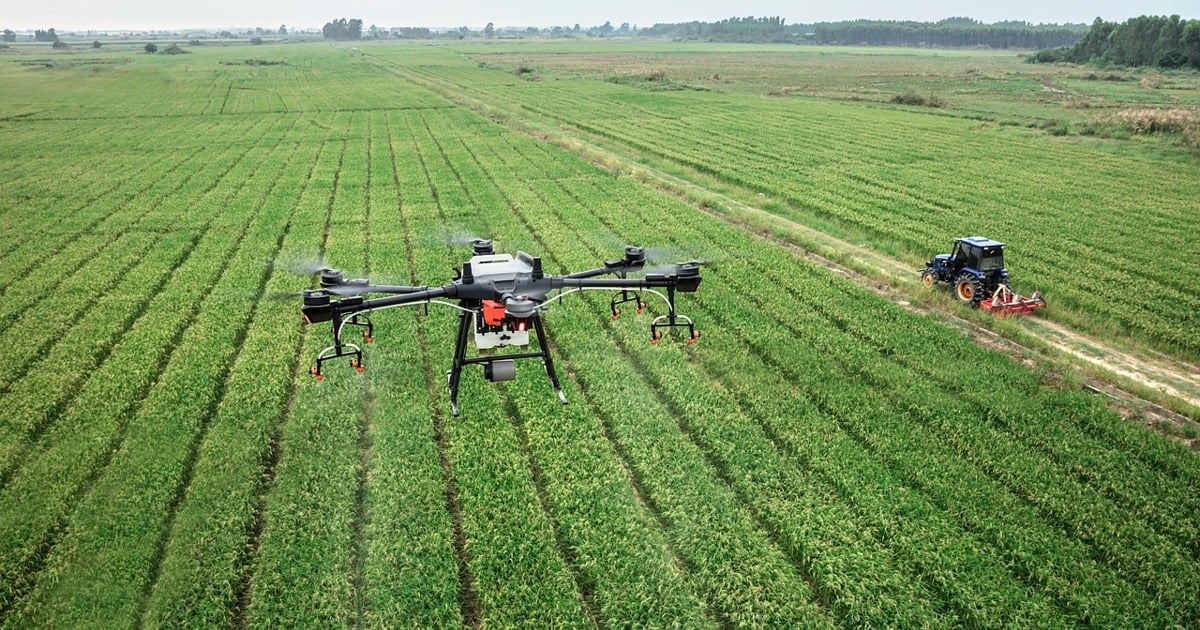
“The closure of the Strait of Hormuz has raised the costs of manufacturing and agriculture inputs, with potentially dire consequences for food prices and food security among the poorest countries,” the report said.
Prices of key industrial inputs have already risen sharply. According to the BIS, plastics prices have increased by approximately 30%, while fertilizer prices have climbed by around 50% since the war began.
The report cautioned that the key question is whether these initial price increases will spread throughout the broader economy, as they did during the 2021-2023 inflation episode.
BIS warned that continued volatility in energy markets risks unanchoring inflation expectations more rapidly than in previous cycles.
AI boom faces challenges
Beyond inflation, the report identifies three additional pressure points that could weigh on the global economy.
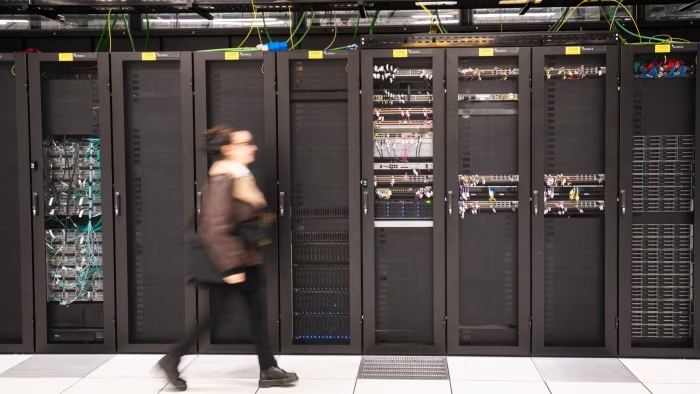
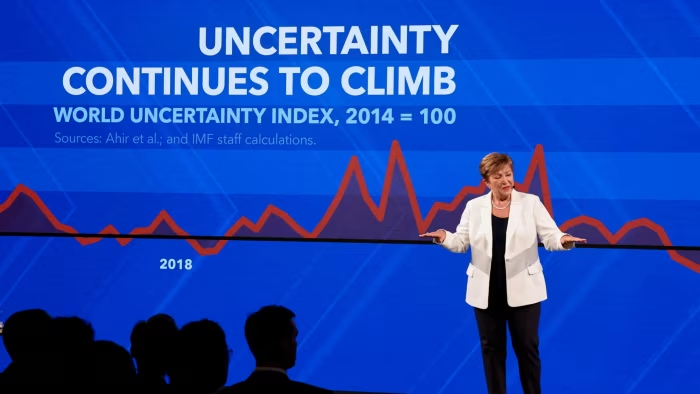
The first concerns AI. Although the technology promises substantial productivity gains, the BIS warned that the current investment boom may not be sustainable if supply bottlenecks emerge or expected returns fail to materialize.
“The current surge in capital expenditure could prove unsustainable if supply bottlenecks restrain production,” the report noted, adding that intense competition among companies could fuel excessive investment before leading to a sharp correction.
Financial markets also remain vulnerable despite their recent strength. The BIS warned that compressed risk premiums, elevated asset valuations, rising leverage, expanding private credit markets, and increasingly opaque financing of AI-related activities leave markets exposed to sudden reversals should borrowing costs rise or AI-related expectations weaken.
Debt and financial risks grow
Lastly, the institution pointed to worsening fiscal pressures across many economies.
Governments are facing rising spending demands linked to energy shocks and geopolitical tensions while already carrying elevated debt burdens. At the same time, slower economic growth and higher interest rates have increased debt-servicing costs.
“Interest payments as a share of GDP have risen across many countries,” the BIS said, warning that sovereign bond markets have also become more fragile.
Despite the economy’s resilience over the past year, the BIS concluded that the combination of persistent inflationary risks, uncertainty surrounding AI, financial market vulnerabilities, and deteriorating public finances could become major sources of instability if left unaddressed.