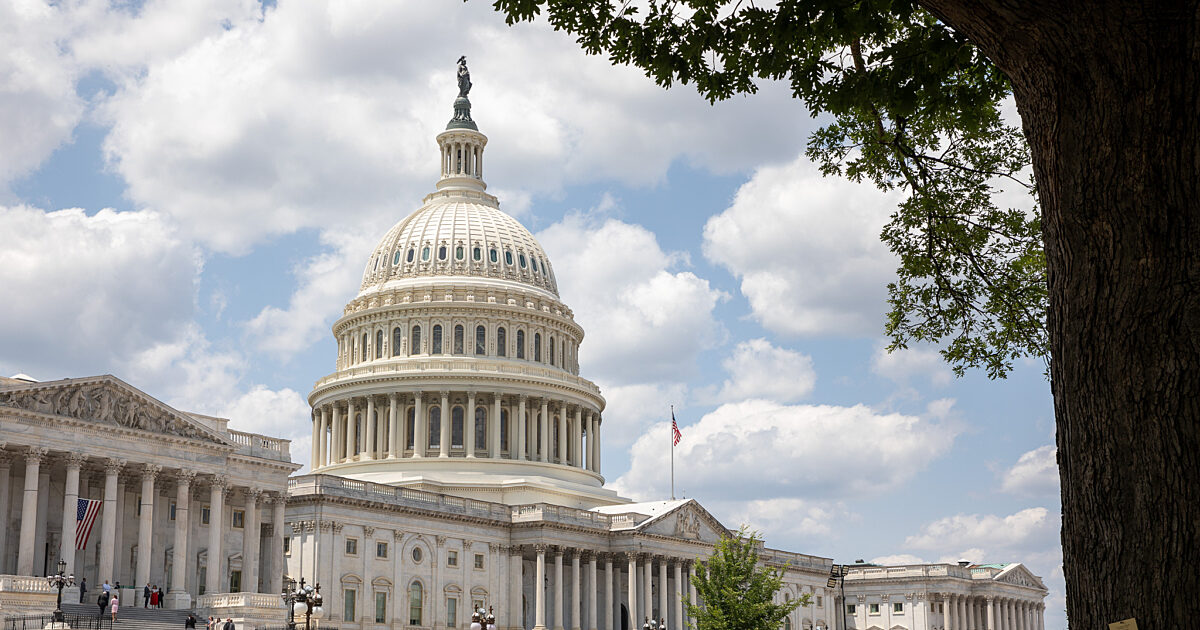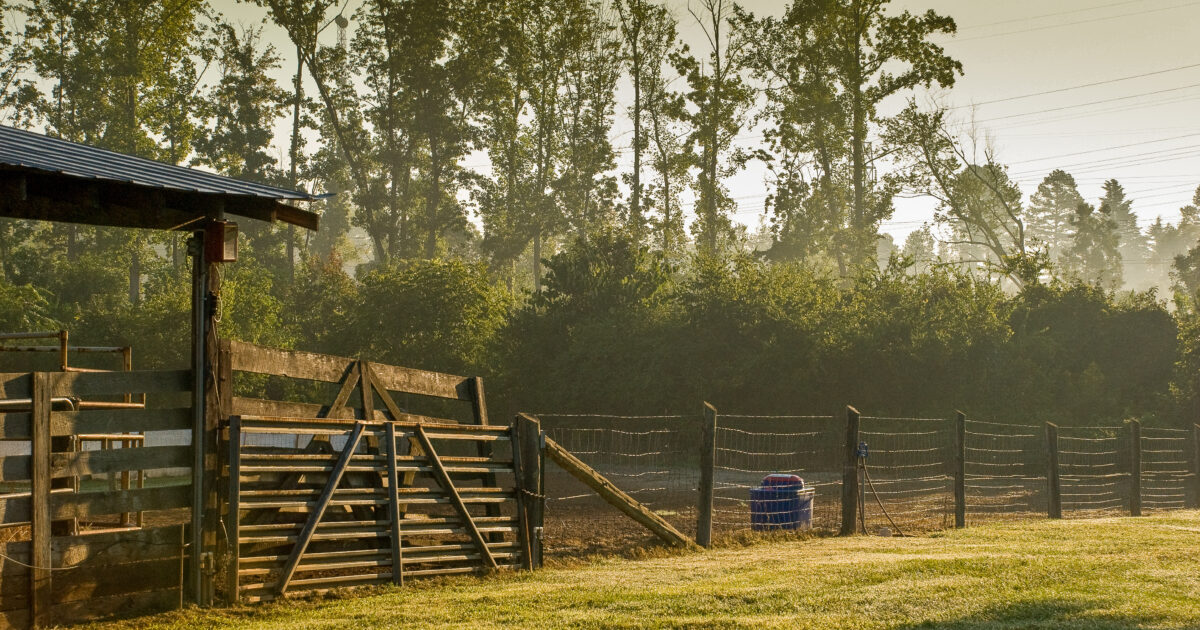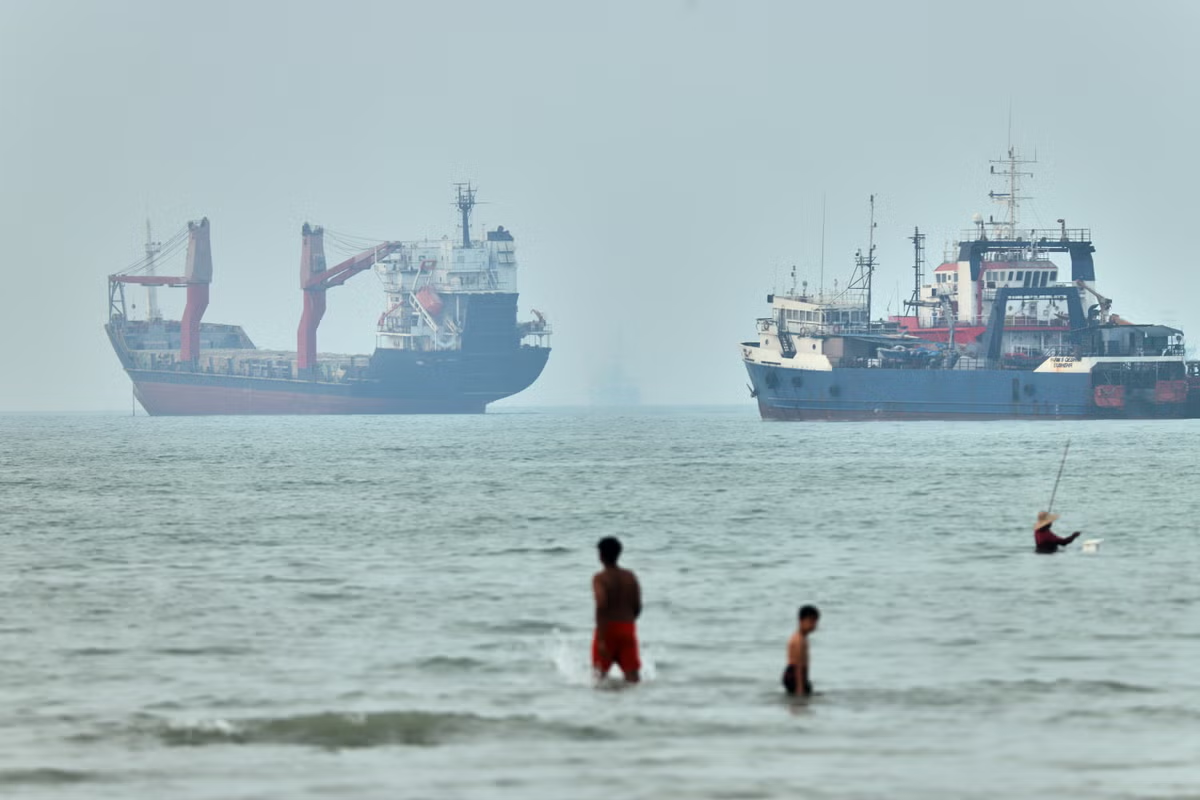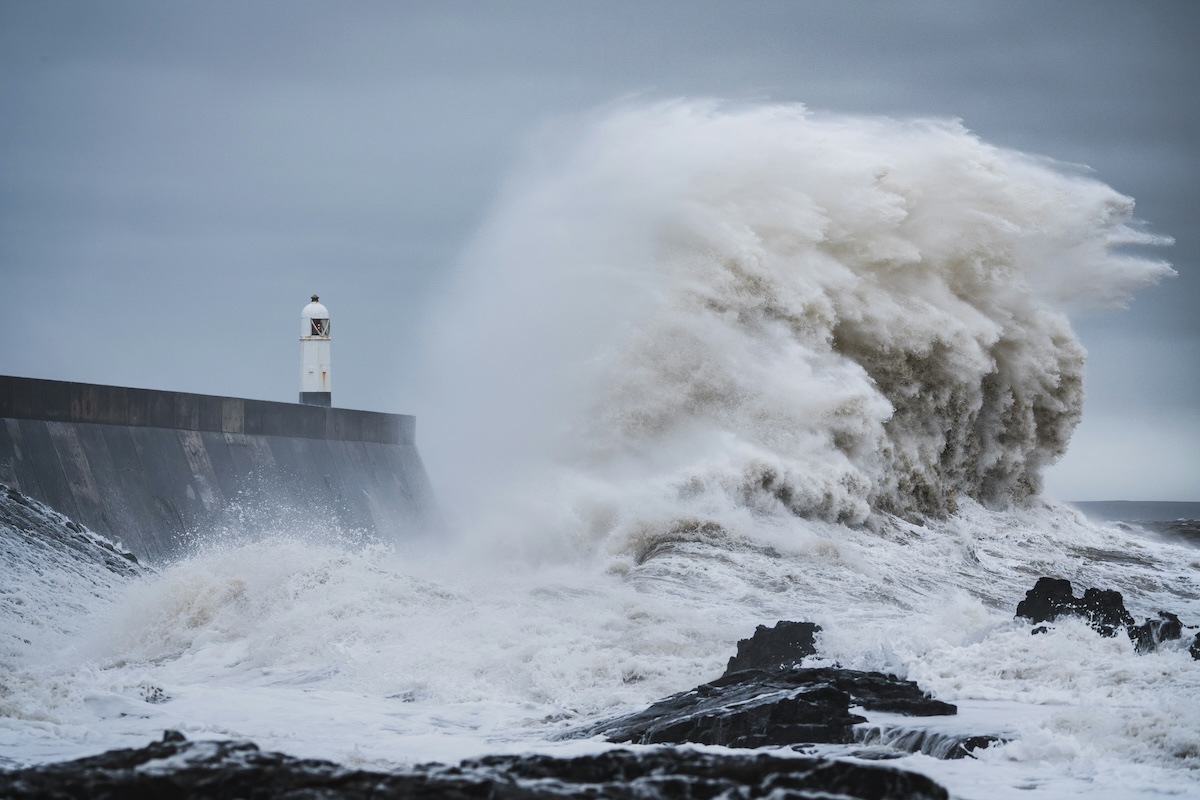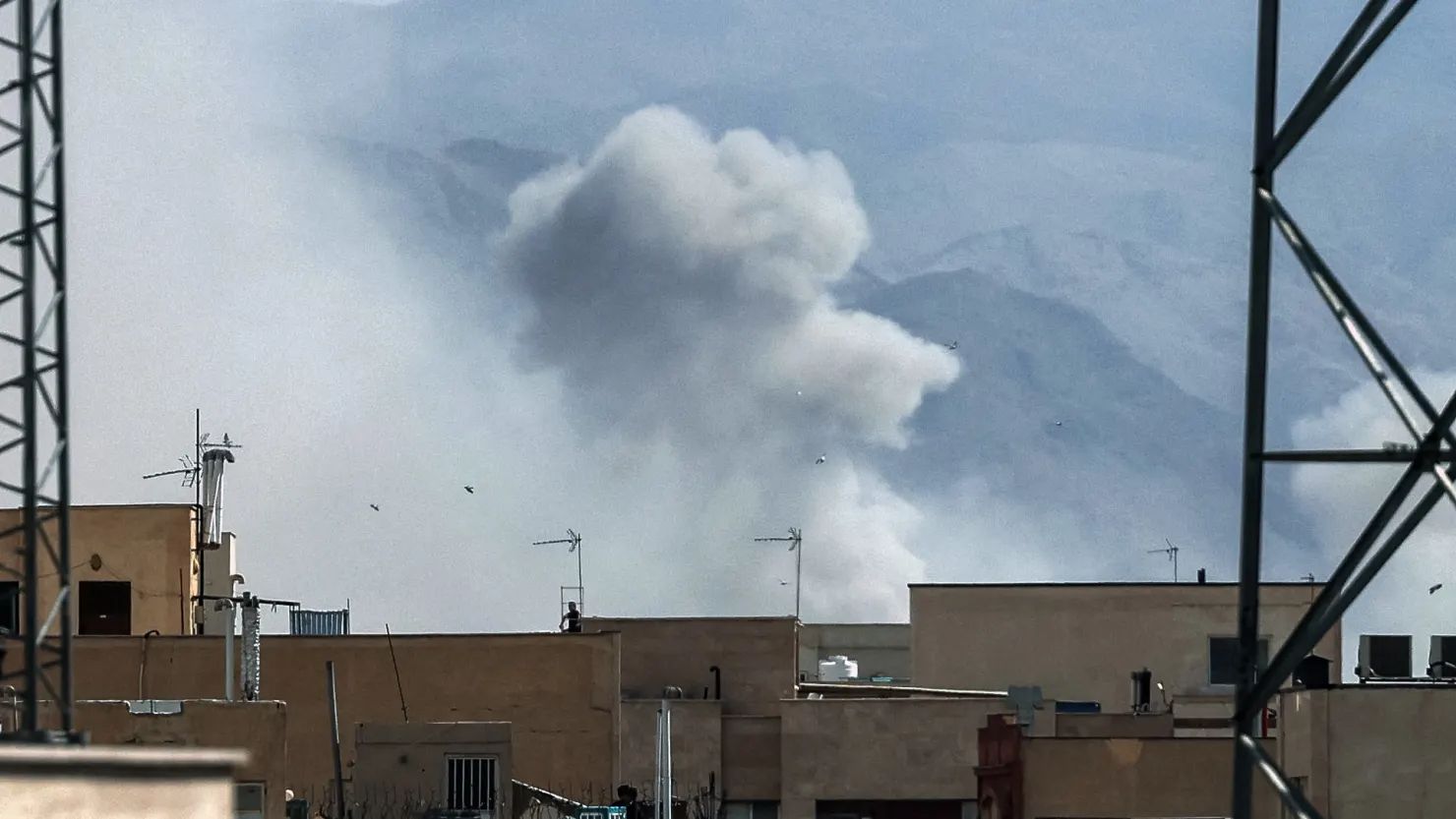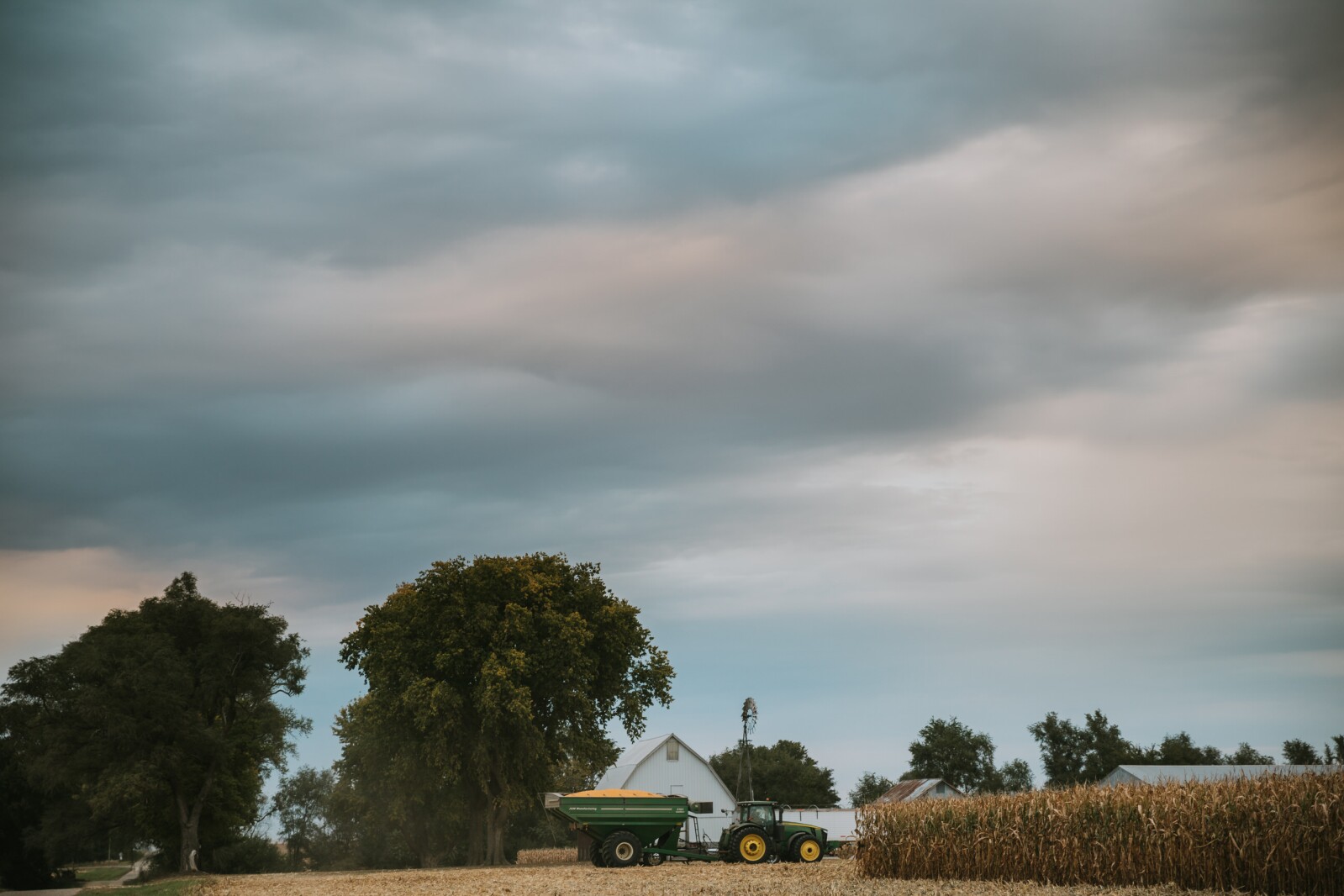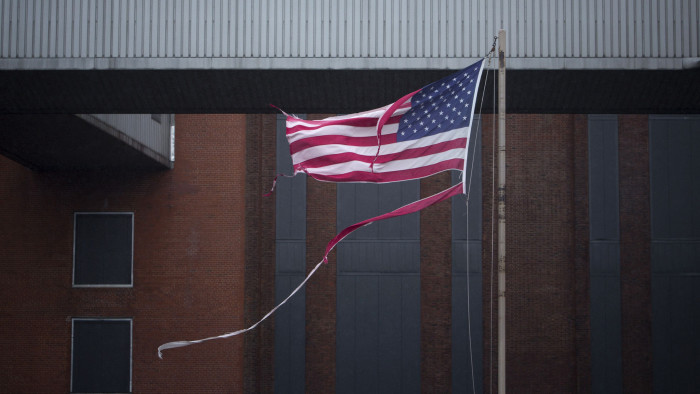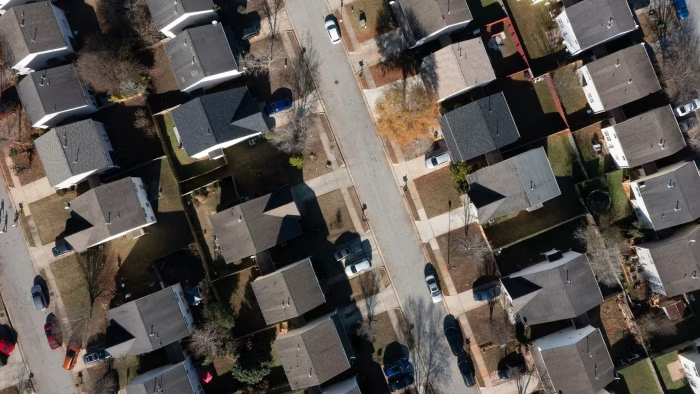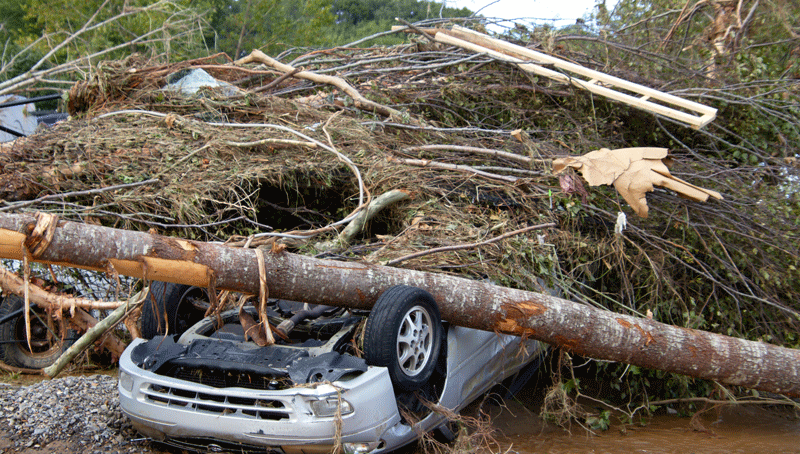

Pictured: Damage resulting from Hurricane Helene, USA, 2024
The report found that only 35% of the 11,261 companies that disclosed environmental data through CDP in 2025 identified extreme weather as a material financial risk.
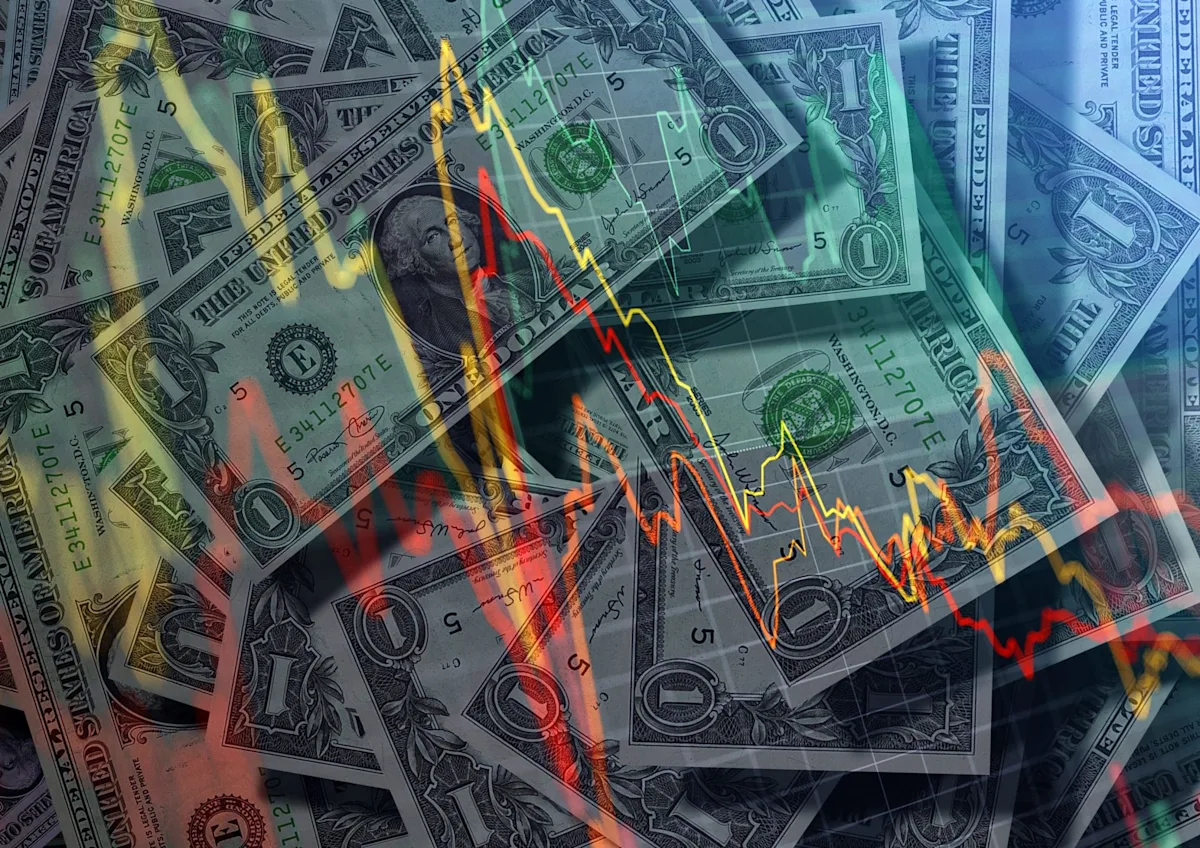
Despite that, companies reported nearly $3bn in losses during the year, driven mainly by higher direct costs and operational shutdowns.
Heavy rain was the largest contributor to reported losses, accounting for $1.5bn. Companies also pointed to flooding, cyclones and severe rainfall as major future threats.
Businesses project future financial impacts of $898bn, with flooding expected to account for $528bn of those losses. Cyclones are linked to $161bn in projected impacts, while heavy rain is associated with $86bn.
Nearly half of the risks identified by companies are expected to materialise within the next two years, placing climate-related disruptions within current investment and operational planning cycles.
CDP said the main financial impacts are expected to come from reduced production capacity and asset impairment or early retirement.
The report added that risks are spreading across infrastructure, supply chains, insurance markets and public services rather than remaining confined to individual assets or sectors.
The organisation added that the cost of adapting to climate risks remains significantly lower than the expected financial damage.
CDP’s 2025 Disclosure Dividend report found that the median cost of climate-related risks per company was $39.4m, compared with $3.1m to mitigate them.
Regional challenges
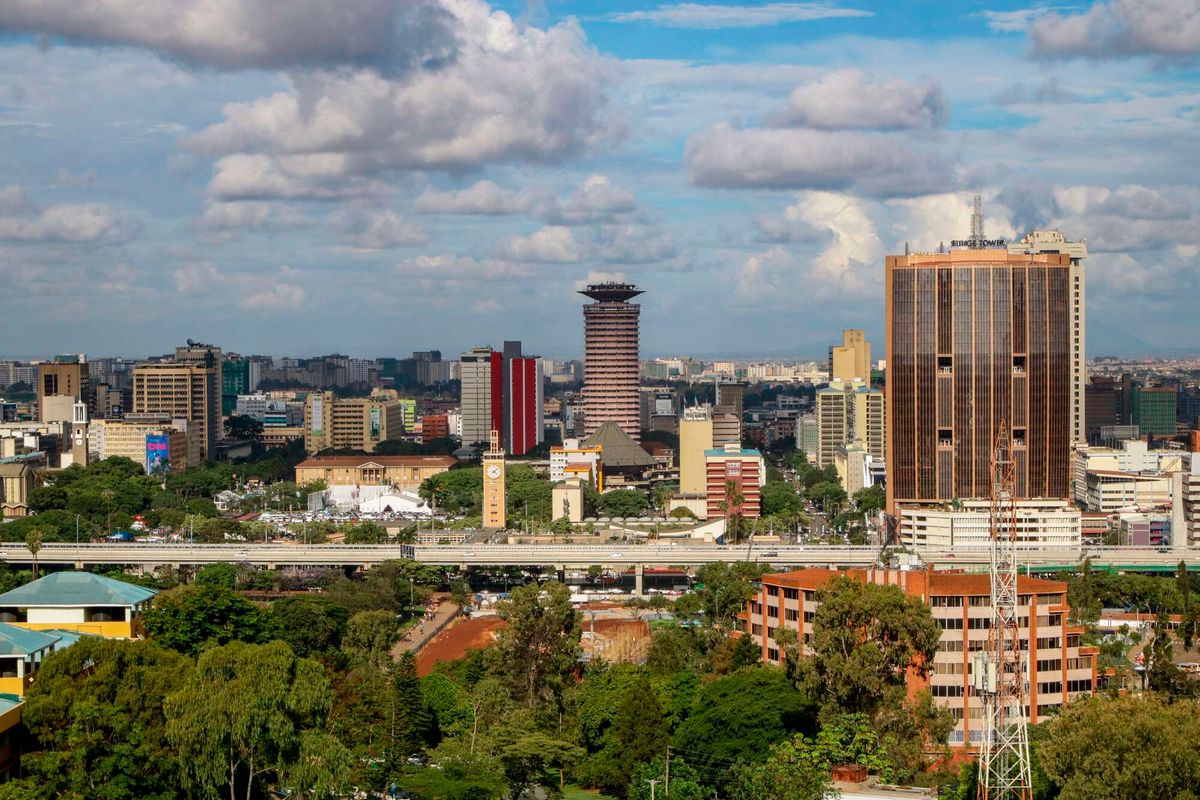
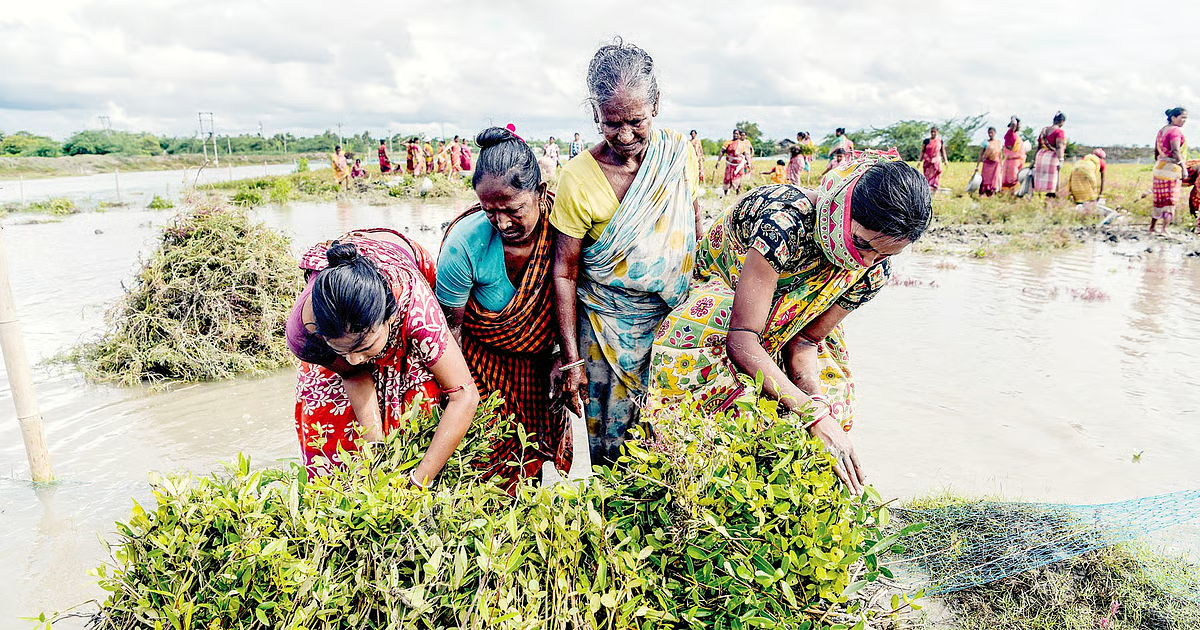
The report also highlighted growing concerns among local and regional governments. Of the 1,005 cities, states and regions across 80 countries reporting through CDP platforms in 2025, 62% said they were already significantly affected by extreme weather events.
More than 60% said they expect hazards such as extreme heat, urban flooding and drought to become more severe or frequent in the future.
Subnational governments increasingly view climate hazards as a financial risk, with 23% identifying financial and insurance activities as particularly exposed.
At the same time, more than 60% of cities and regions reported having at least one climate adaptation project that still requires funding, pointing to an investment gap of at least $34bn.
Nearly half said budget constraints were limiting their ability to adapt to climate impacts.
CDP has called on companies to treat extreme weather as a broader system-level business risk tied to infrastructure, utilities and logistics networks.
It has also urged governments, regulators and central banks to strengthen disclosure requirements and financial oversight to reduce economy-wide exposure to climate risks.
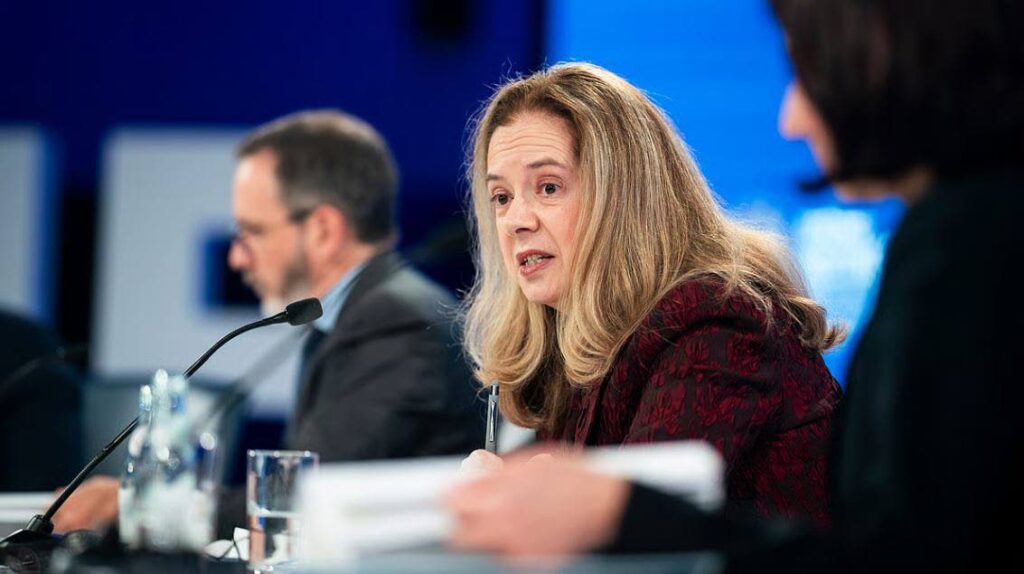
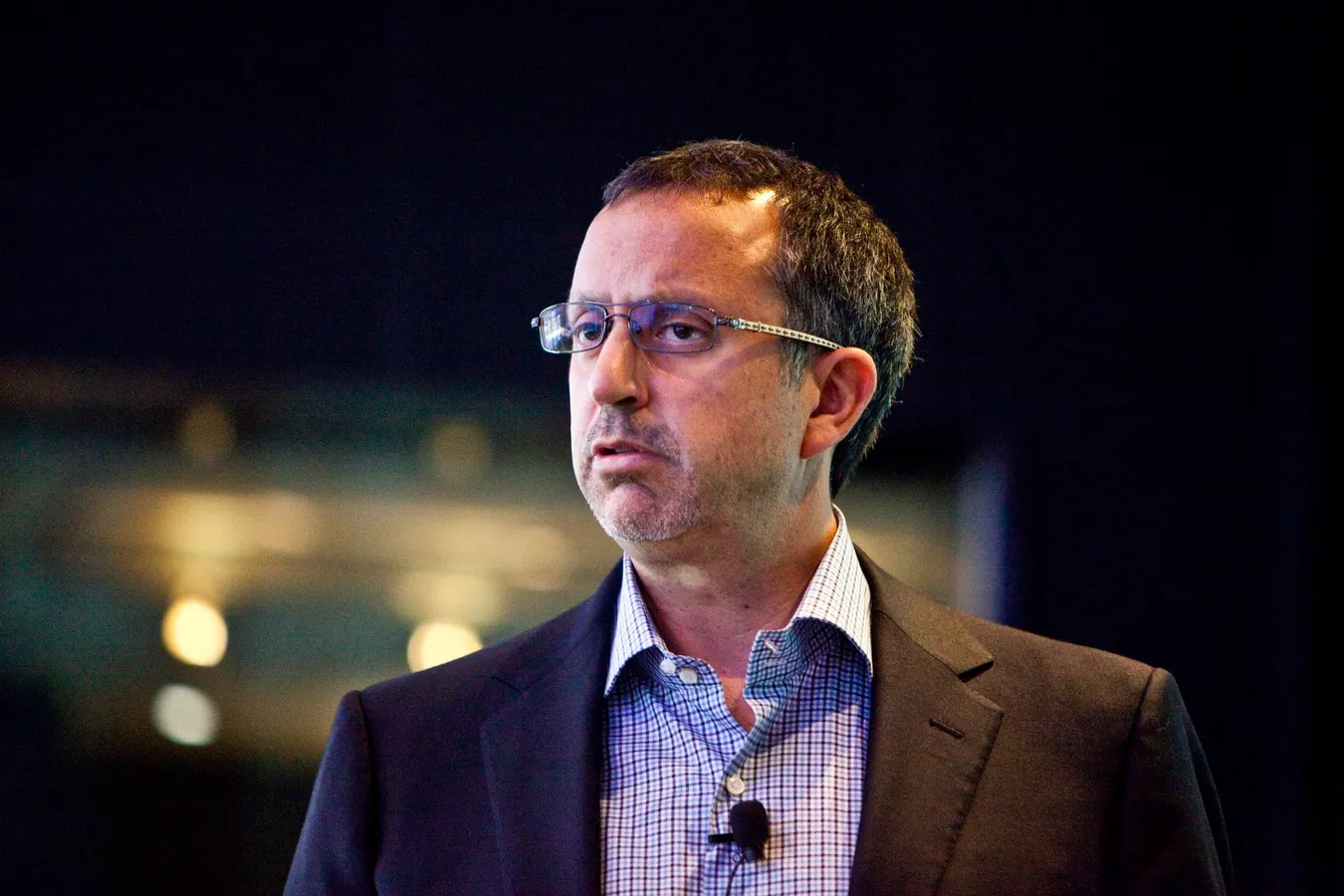
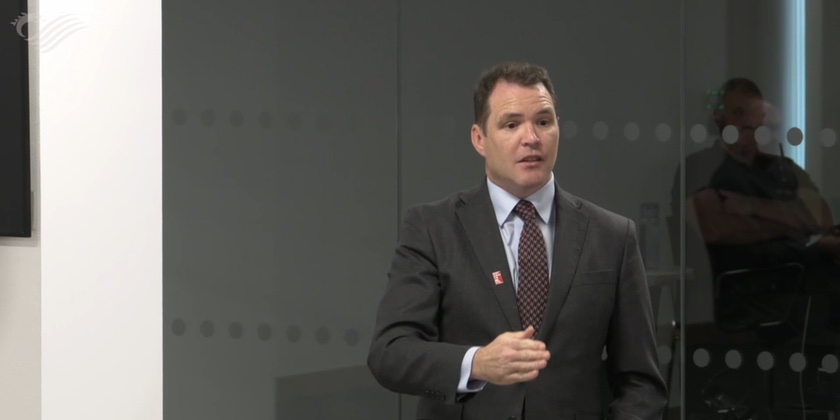
CDP’s global director of climate Amir Sokolowski said: “Extreme weather is a systemic challenge that no single actor can manage alone.
“By aligning investment, strengthening shared systems and scaling adaptation – with disclosure as a guide to enable better decisions – businesses and governments can not only reduce risk, but accelerate the transition to an earth-positive, resilient economy.”