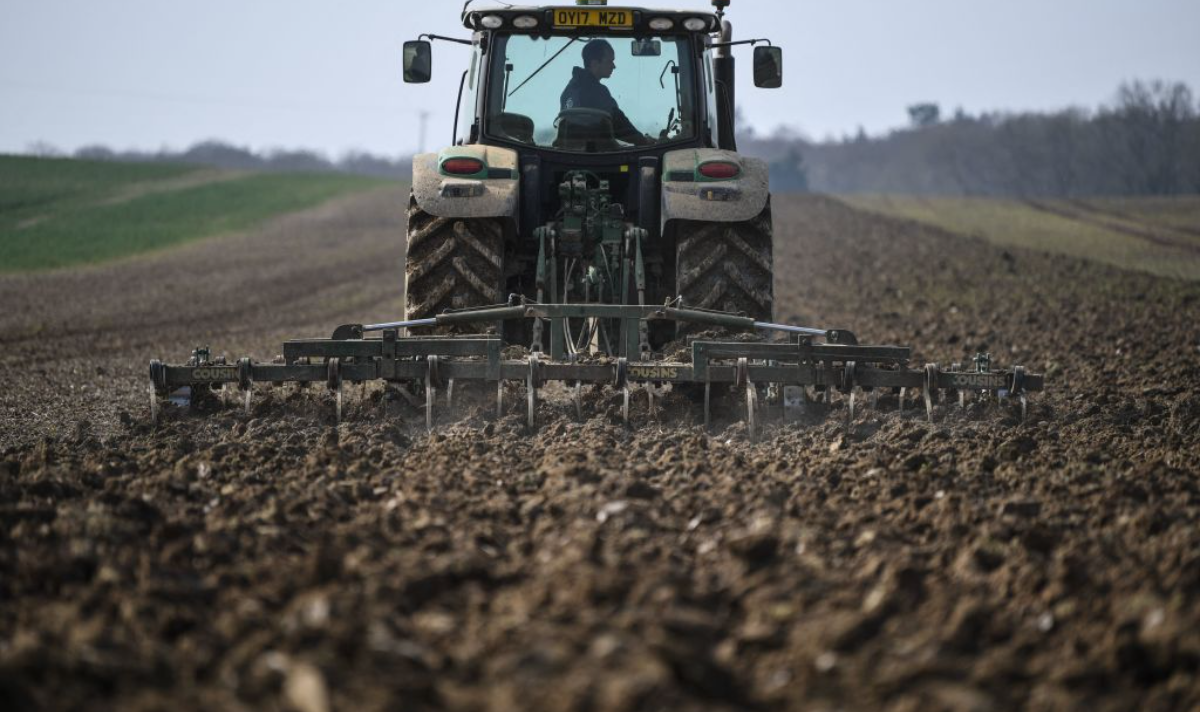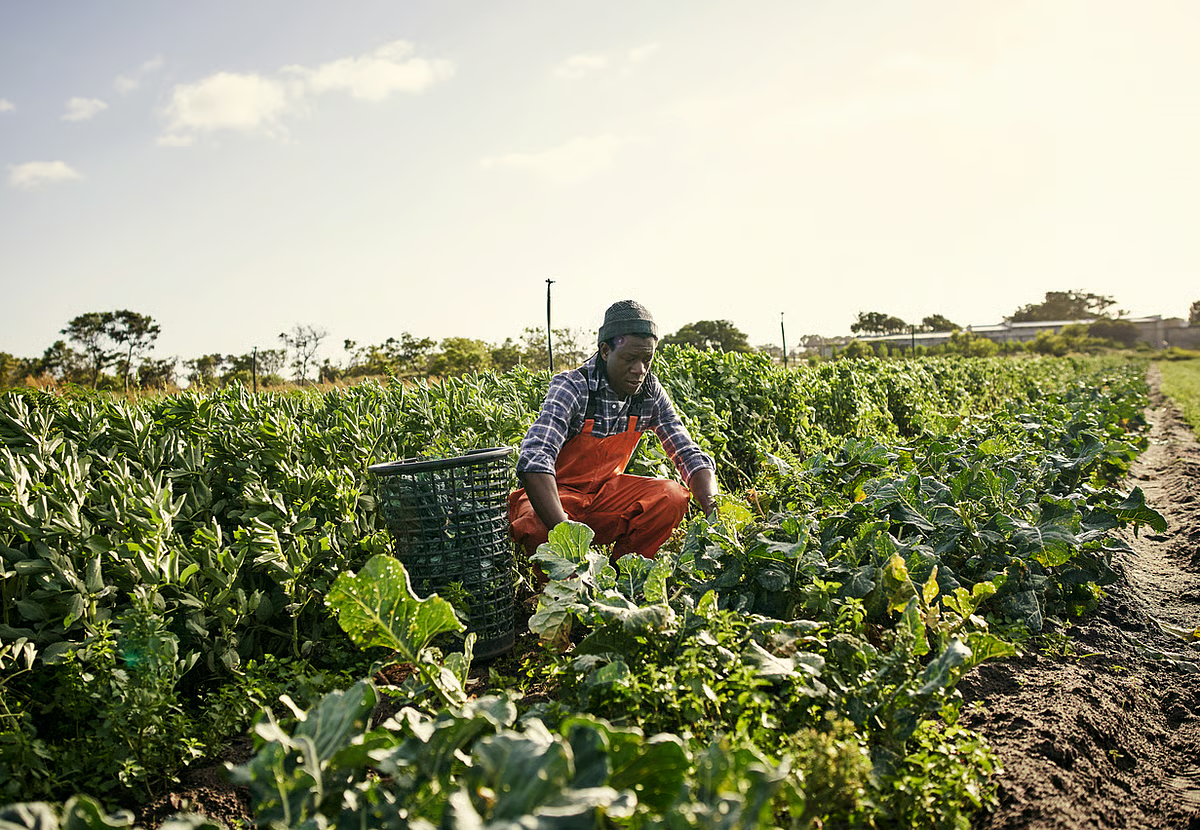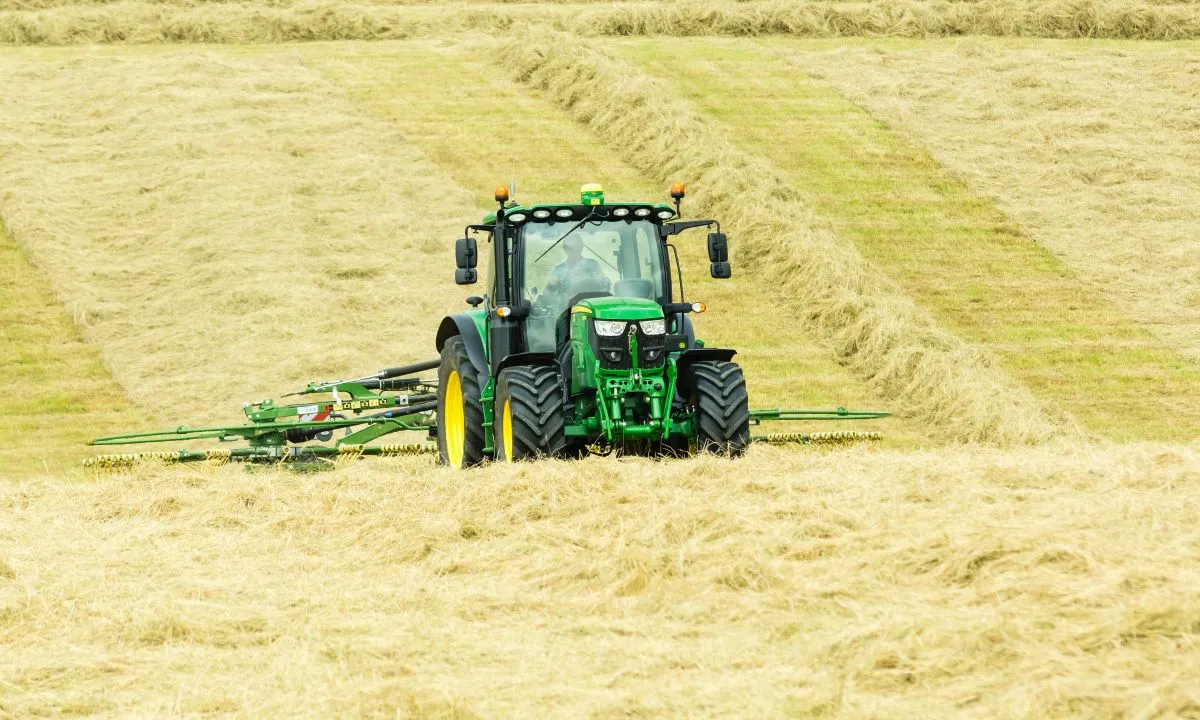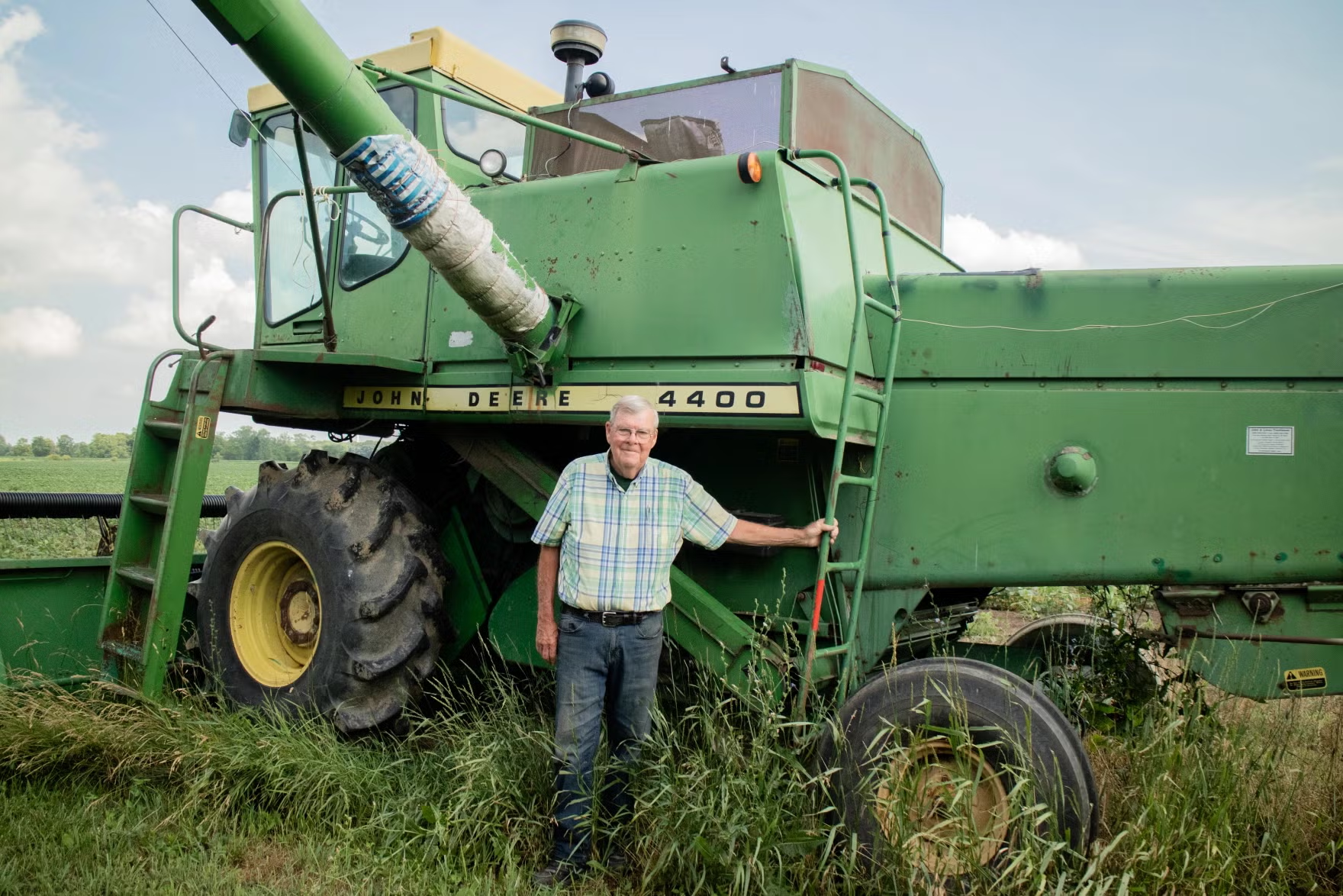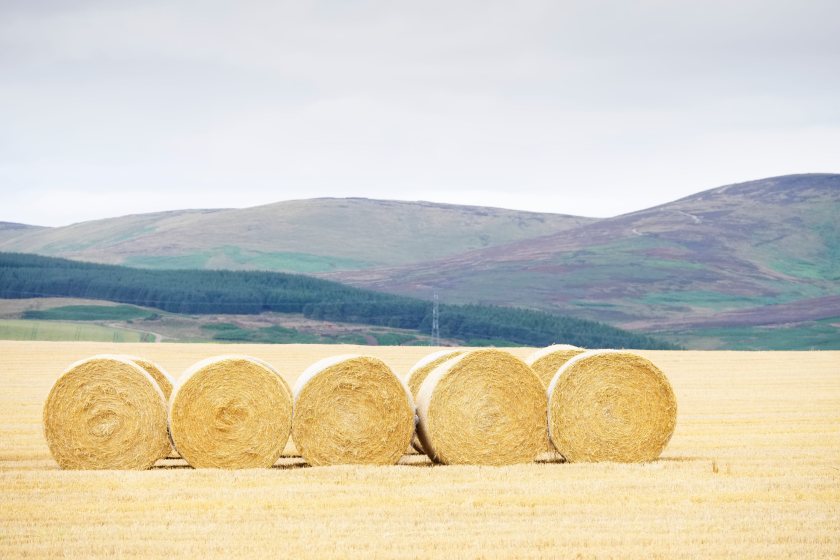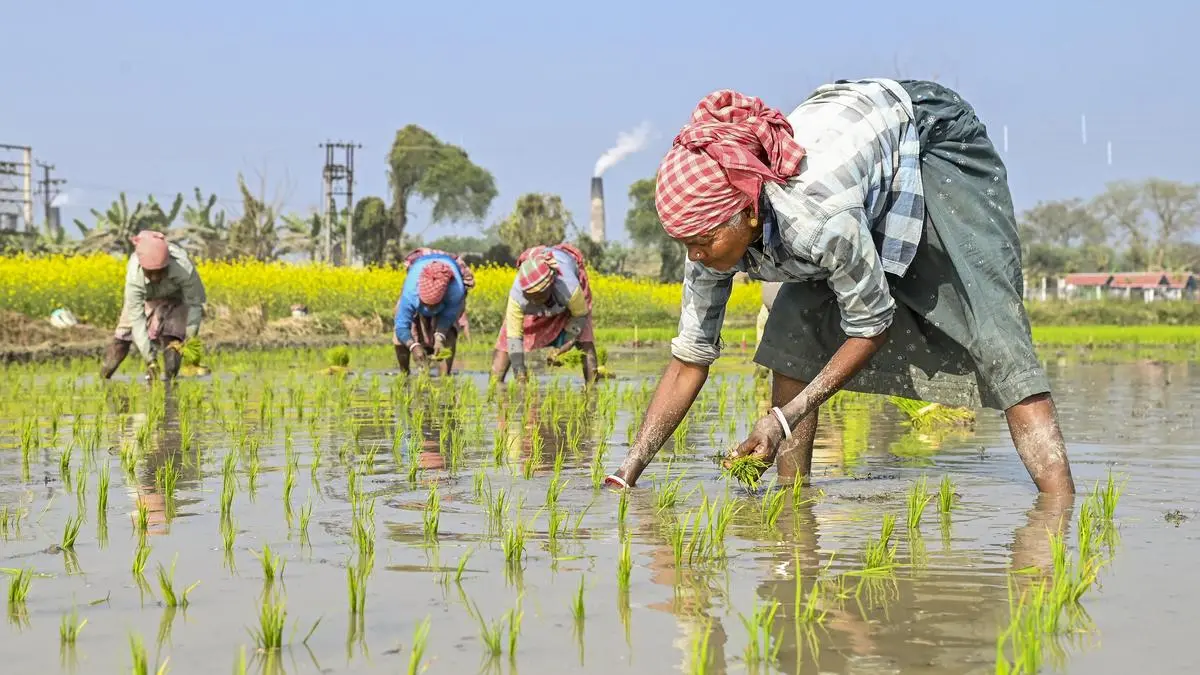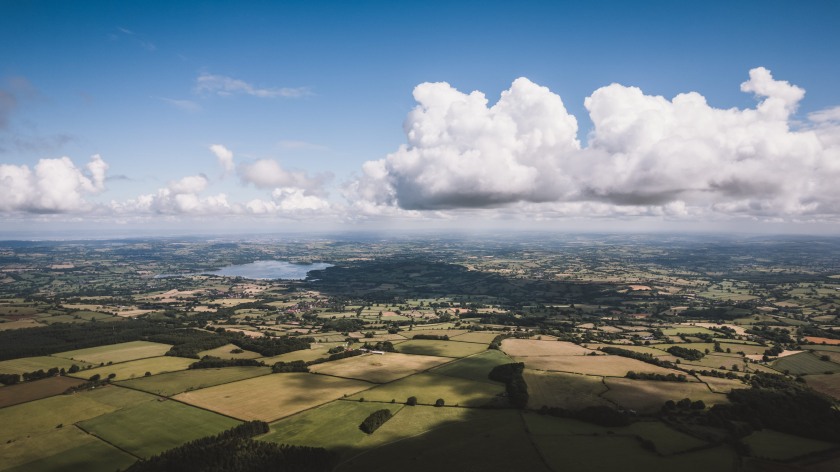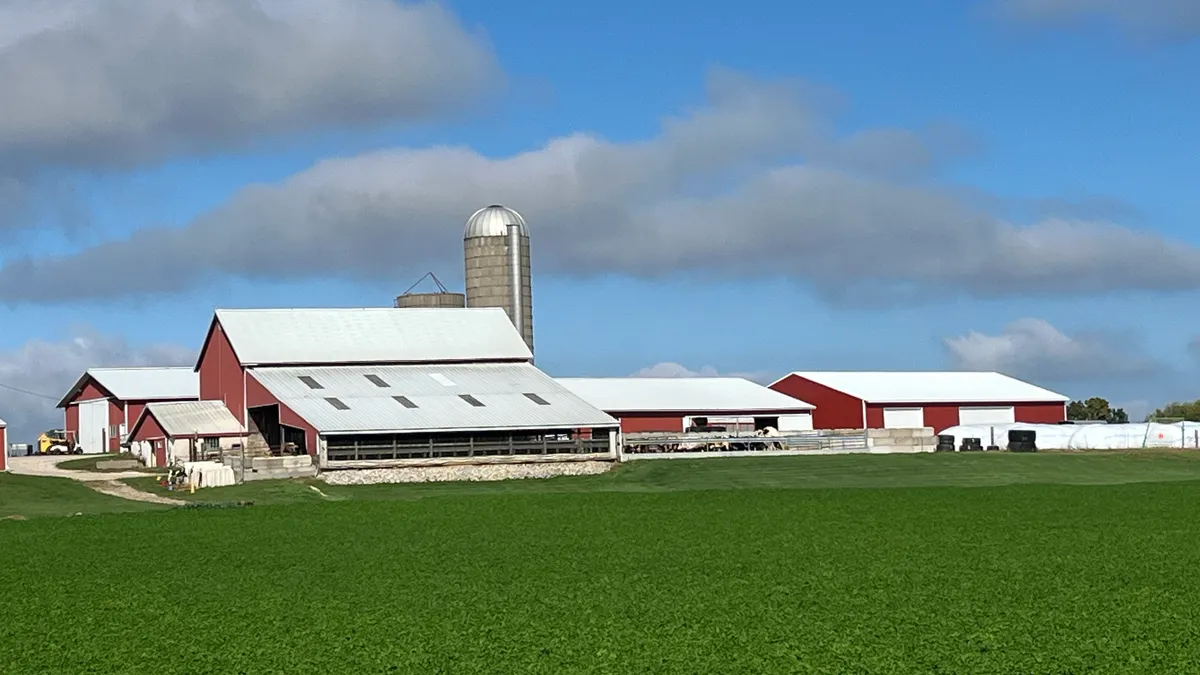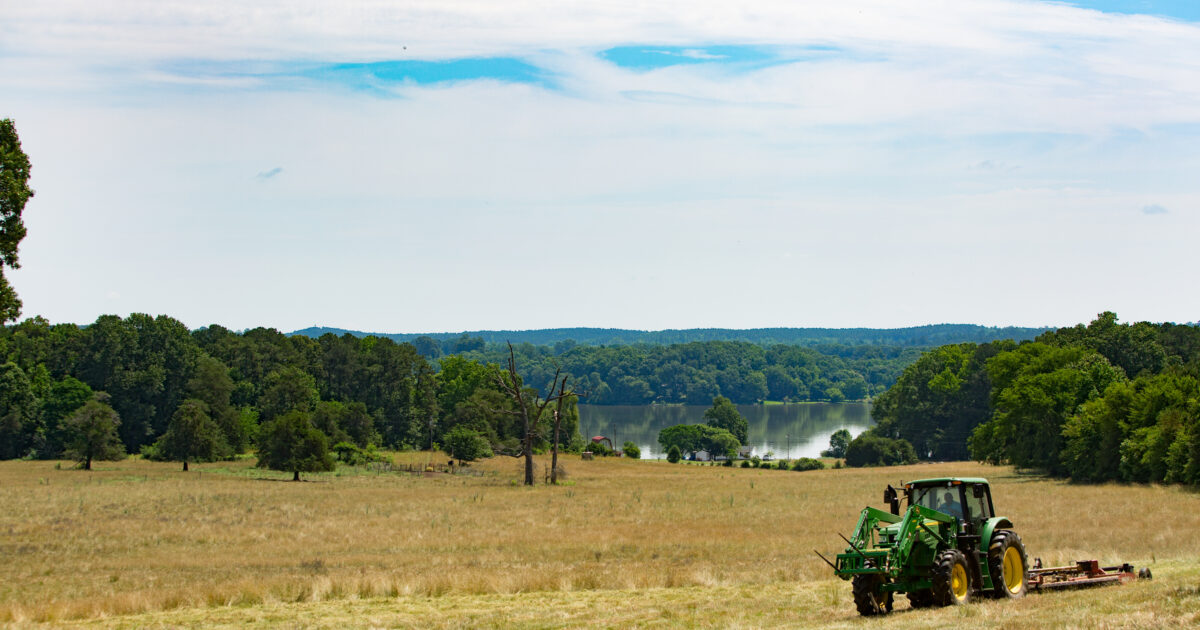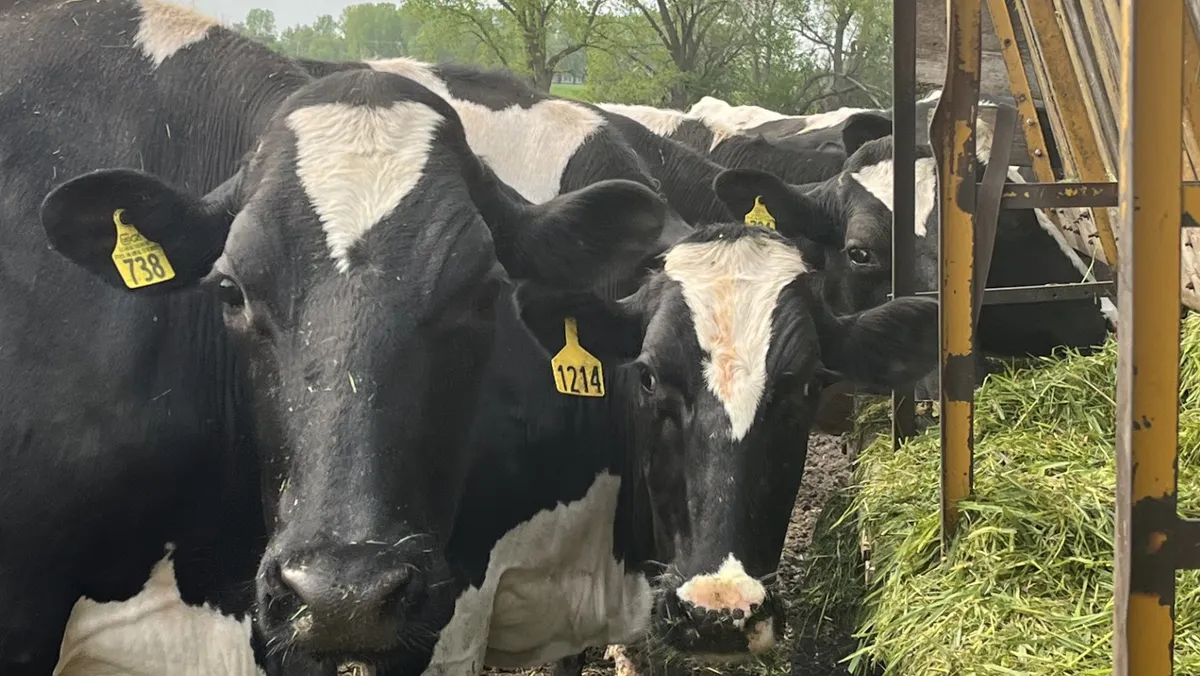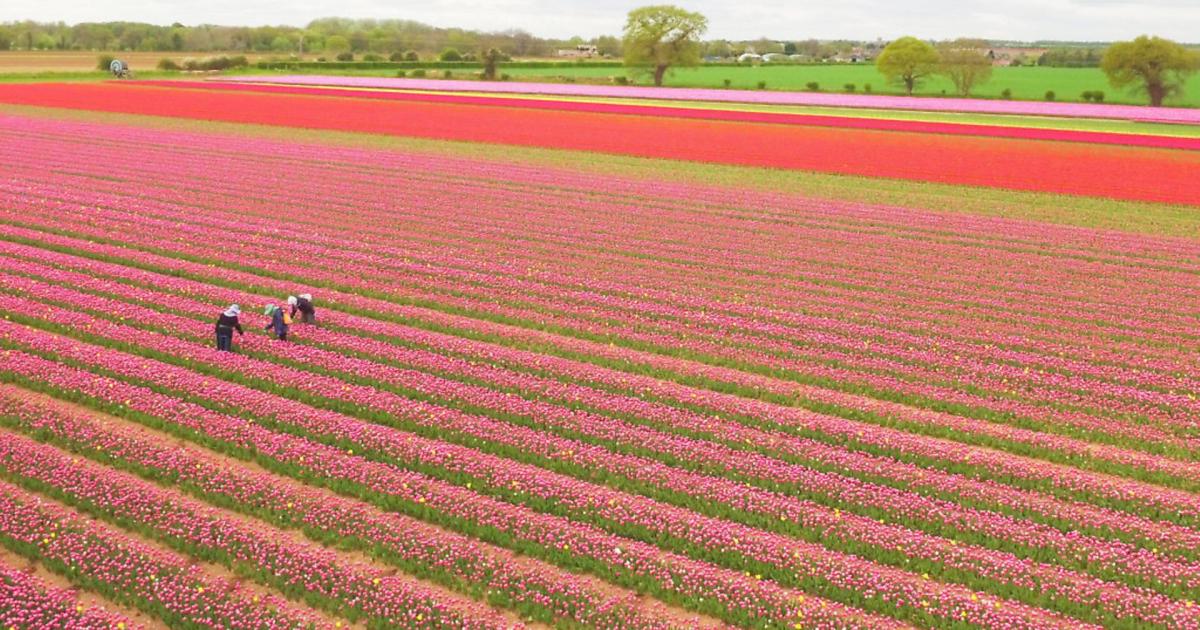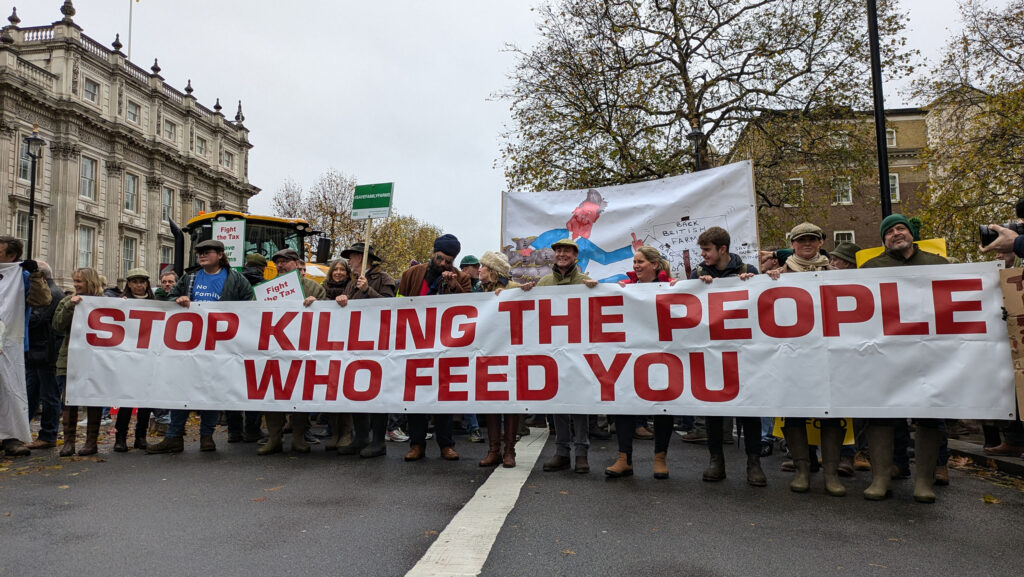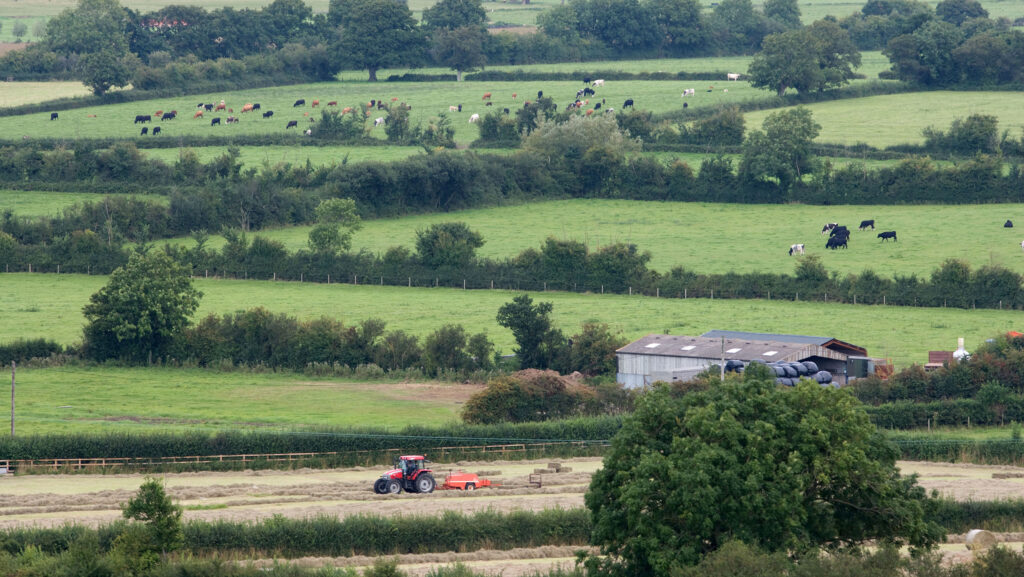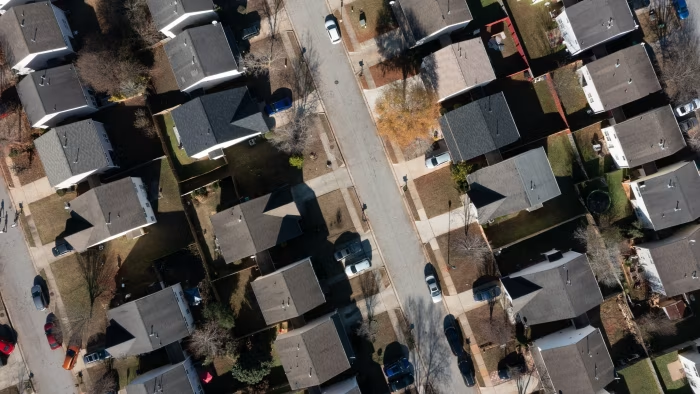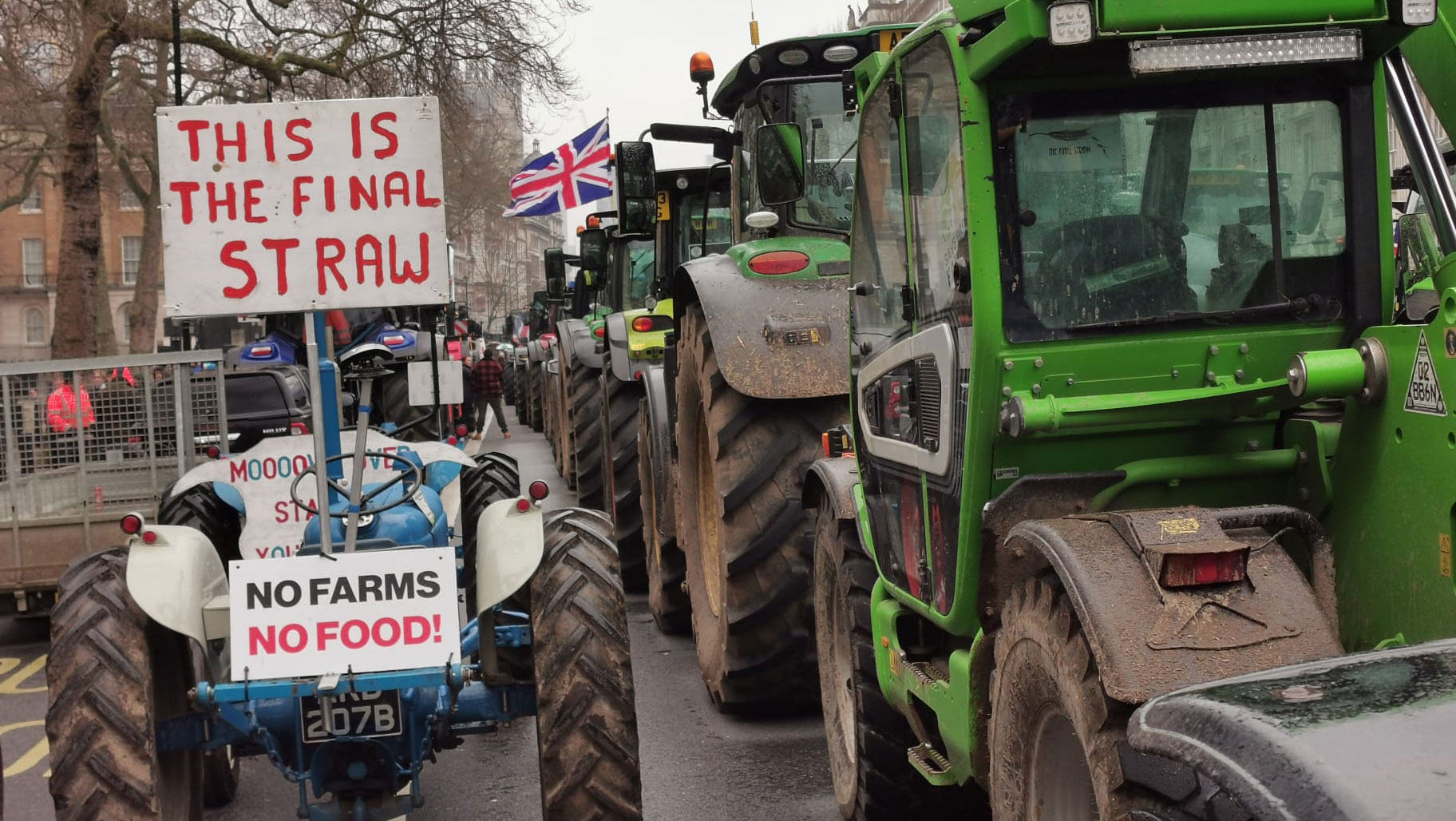
As The Archers celebrates its 75th anniversary this year, BBC Radio 4 is launching Farming Tomorrow, a special three-week season of programmes exploring one of the biggest questions facing the UK today: what is the future of Britain’s rural communities? From changing patterns of land ownership and food production to climate change, new technology and artificial intelligence, the season asks how rural life has evolved since The Archers began, and whether another farming revolution is already underway.
Across documentaries, current affairs, comedy and drama, Farming Tomorrow brings together voices from across the UK to examine the opportunities and challenges shaping the future of farming. The season will include Another Country, a new three-part series narrated by writer and farmer James Rebanks, which captures the hopes, fears and experiences of rural communities across England; comedian Kiri Pritchard-McLean’s warm and humorous Kiri’s Farm, documenting her life on a farm in rural Wales; a special edition of Currently investigating the role AI could play in agriculture; and a week of future-focused storytelling in The Archers itself.
The season also sees Farming Today dedicate a week of programmes to imagining how British farming could change over the next 75 years, examining everything from climate-resilient crops and emerging technologies to farm succession and the changing identity of farmers. Further programmes include The Briefing Room on the future of the rural economy, The Food Programme on regenerative farming, and a special Today Debate exploring whether farming is in crisis and what urban Britain misunderstands about the countryside.
Mohit Bakaya, Controller of BBC Radio 4, says: “For 75 years, The Archers has reflected rural Britain during a period of remarkable change. As we celebrate this milestone, Farming Tomorrow offers an opportunity to ask some important questions about the future. Through documentary, discussion, comedy and drama, Radio 4 will bring together a wide range of voices and perspectives to explore how farming and rural communities are changing, and what the next 75 years might hold.”
Programmes
Another Country with James Rebanks
Monday 5 October, 11am – 11.45am, Radio 4
In a period of rapid change in rural England, Another Country explores the lives, hopes and fears of rural workers in and around three English villages, narrated by writer and farmer James Rebanks. What is special about these communities? What has changed in living memory and what might they lose or gain in the next generation? How does it feel to live through the transformation of a culture?
These are the uncensored voices of rural England – by turns thoughtful and funny, defiant and melancholy. As forces including land ownership, government policy, climate change, globalisation, rewilding and food production monopolies alter rural England forever, the programme explores the impact of these changes on the collective lives and cultures of communities and offers a radio portrait of their inner lives.
Amongst the programme’s more than 30 contributors are a deer stalker and a regenerative market gardener, a bellringer, a gamekeeper and a retired vicar. Men and women from 23 to 90 years old. What are their pre-occupations, their memories, their desires for the future and what do they think is happening to the worlds they live in?
Episode 1: Muker, North Yorkshire
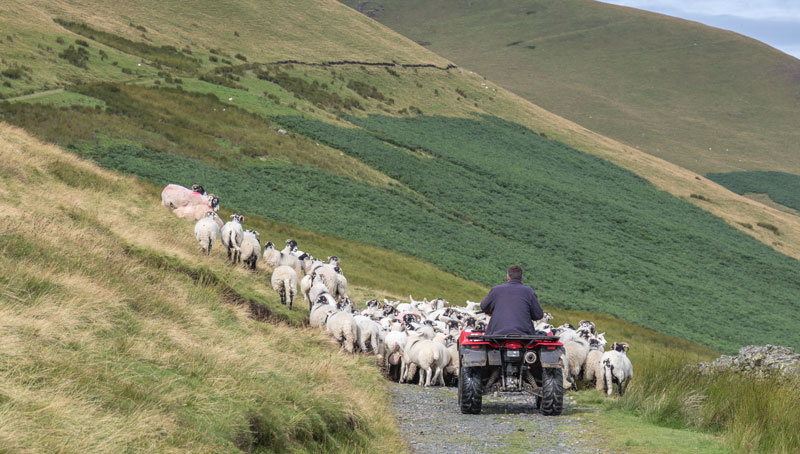
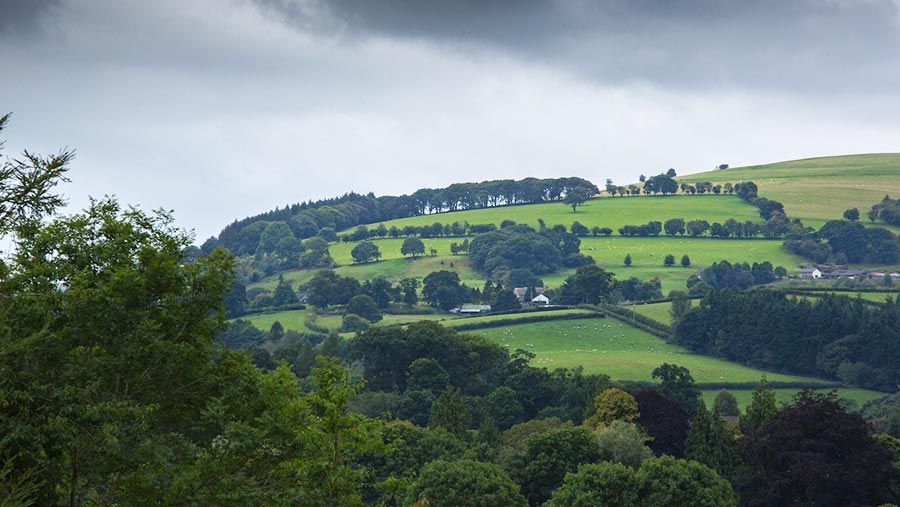
A centre of hill farming and Swaledale sheep breeding. A proud, living farming community feels increasingly threatened by economic changes and environmental policy. In a place which has often held itself apart from the outside world, mass tourism, second homes and retirees from towns and cities are increasingly offering a vision of a very different future. What would it mean for nobody to farm these hills?
Episode 2: Mayfield, East Sussex
An hour from London this country of coppiced woodland and small farms feels largely untouched, with a lively community and high street lined with shops. But family farmers and working locals are now a tiny minority in a world of big estates, wealthy commuters and retirees. This episode focuses on their vanishing culture and on the power of land ownership to influence the future of the English countryside.
Episode 3: Wolfardisworthy (Woolsery), North Devon
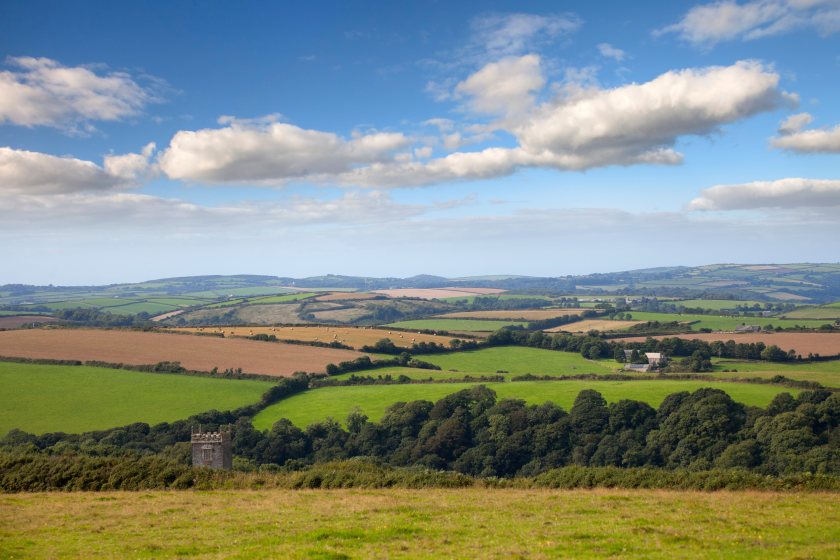
In living memory this was a community of small (sometimes tiny) subsistence farmers, a place concerned almost entirely with agriculture. Now the area around this expanded village is home to some of the largest dairy farming operations in the country but also a kaleidoscope of approaches to “restorative” farming. In a world in which farmers are told to “get big or get out” what does the future hold for those (big and small) who have stayed in. Meanwhile, a tech philanthropist’s sometimes controversial efforts to restore the village centre have created a debate about who and what the village is now for.
Produced by Michael Umney. A Just Radio production for BBC Radio 4.
Kiri’s Farm
Wednesday 7 October, 11pm – 11.15pm, Radio 4
Kiri Pritchard-McLean grew up on a sheep and cattle farm in Wales. Idyllic, if you like asbestos, and you’re up to date with your tetanus. Now, Kiri owns a smallholding of her own on the beautiful island of Ynys Môn, and she wants to use the land for good. But because you can’t grow sequins (yet) she’s going to grow vegetables instead. Join a comedian – and her brother – as they teach themselves how to work with the land and each other.
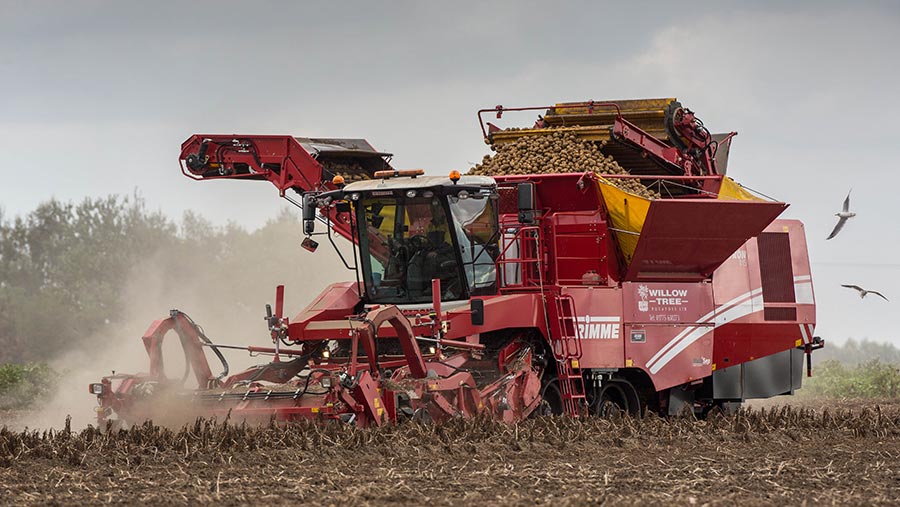
In this five-part series, Kiri and Alistair get to grips with the principles of permaculture, which they learn is a slower way of farming that works with the land, not against it (they’ve definitely got the slow part down). It’s as much about people and the planet as it is about potatoes. The dream is an abundant, nourishing community space. The reality, at least to begin with, is nettles and scrap metal. Join Kiri on her quest to get her sceptical big brother on board with a more barefoot way of life, as they tackle Kiri’s Farm together.
Produced by Jo Southerd. A Little Wander Production for BBC Radio 4.
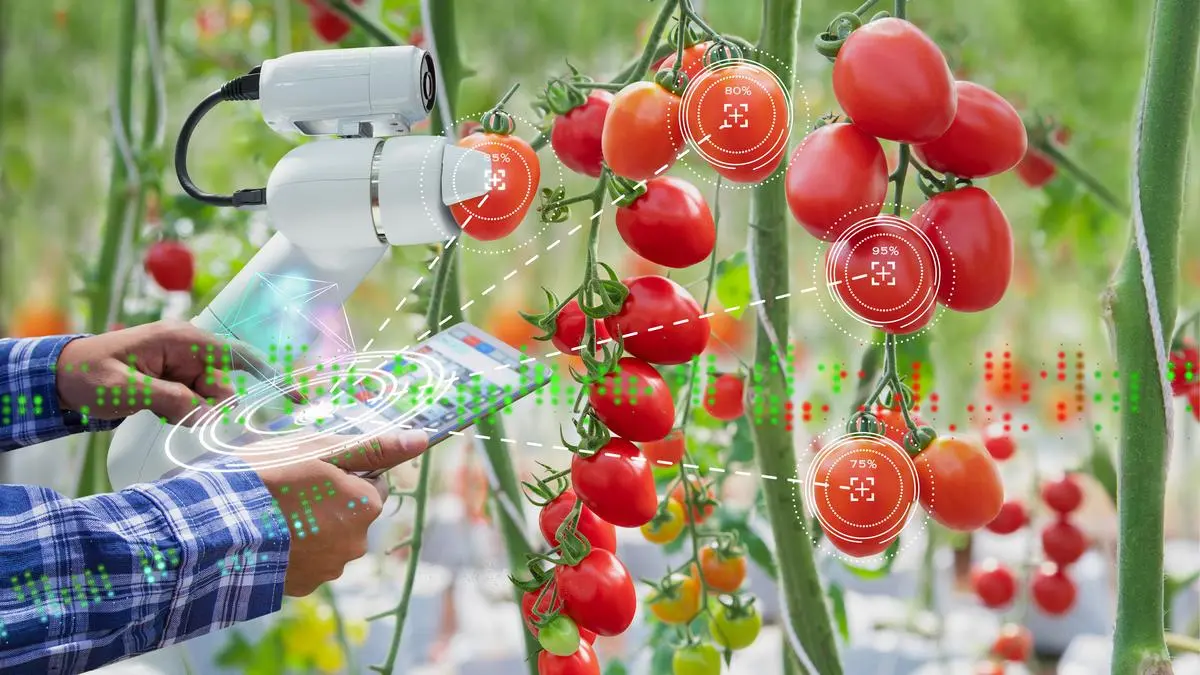
Currently: Agriculture and AI
Sunday 11 October, 1.30pm – 2pm, Radio 4
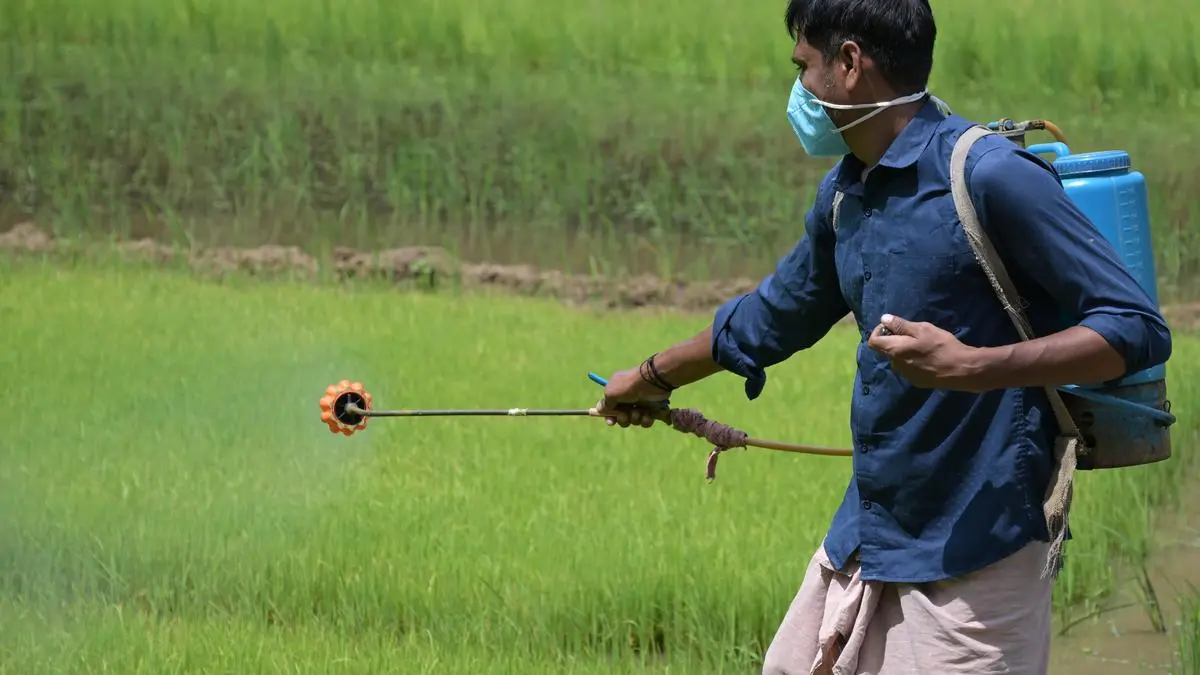
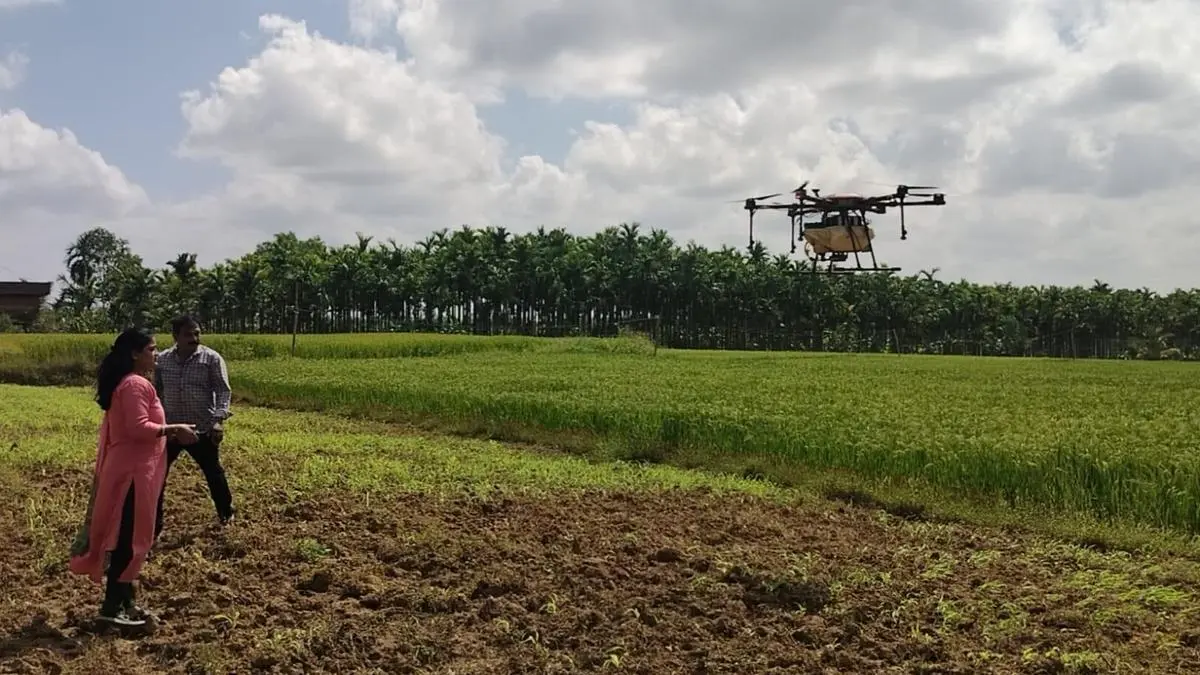
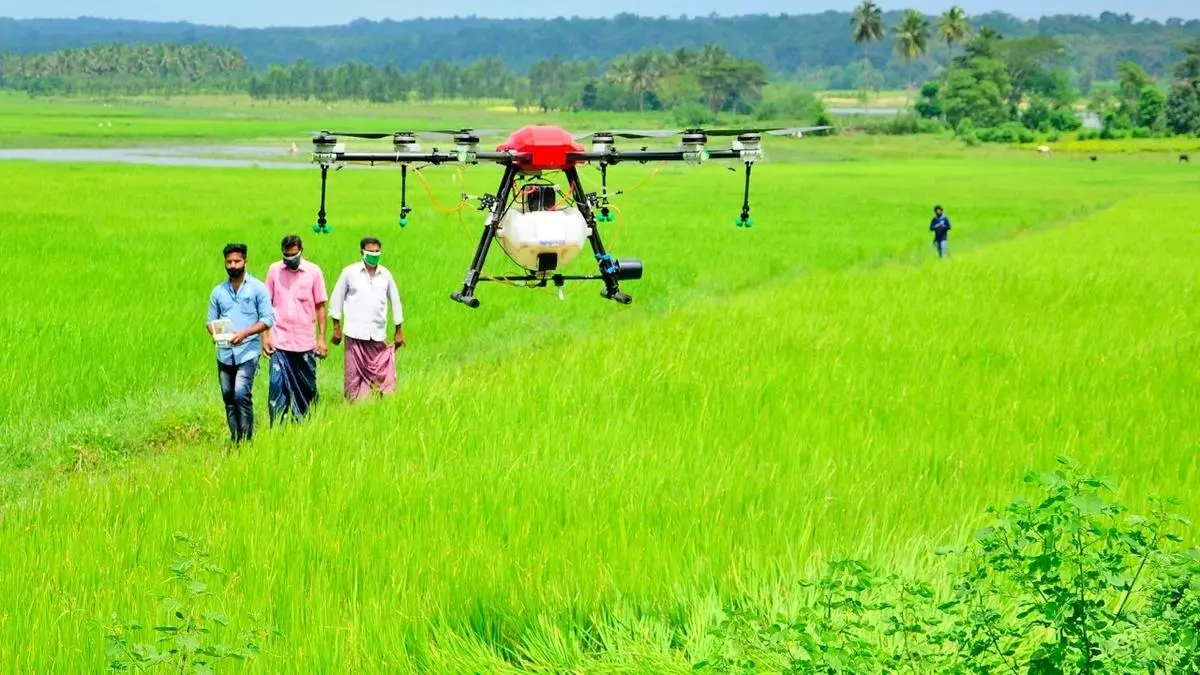
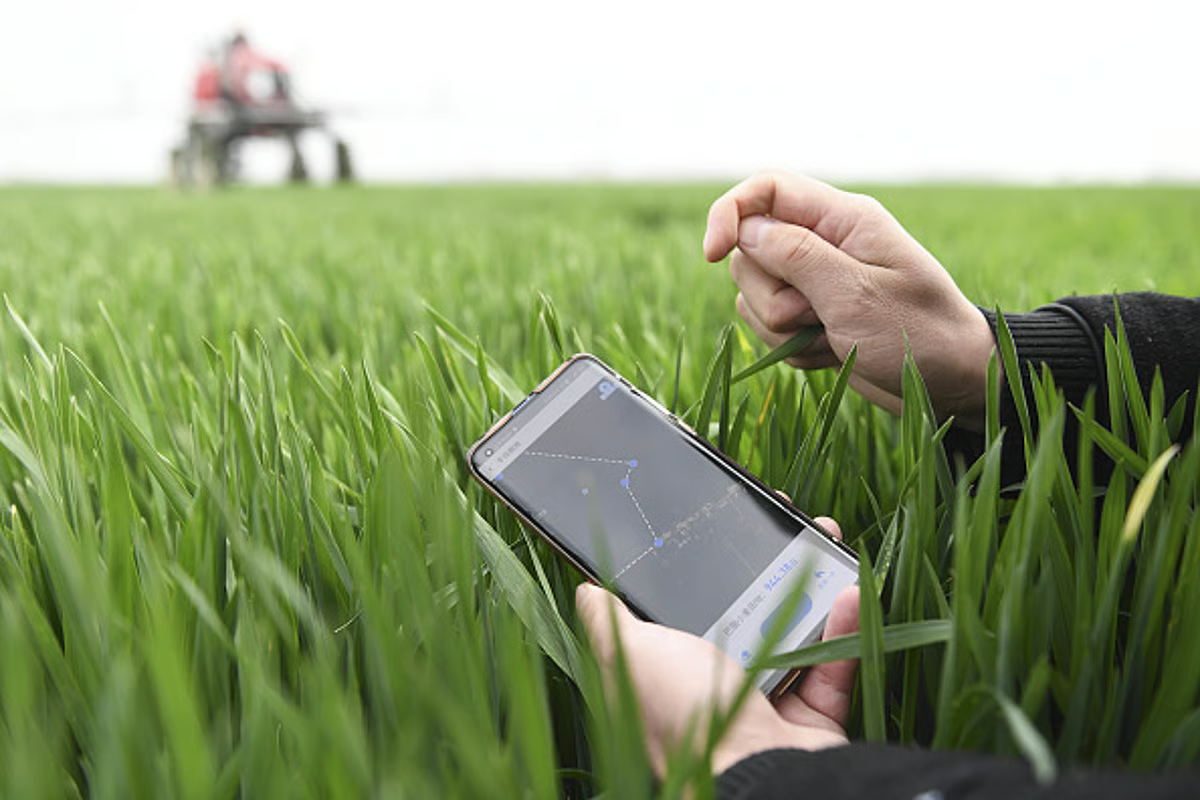
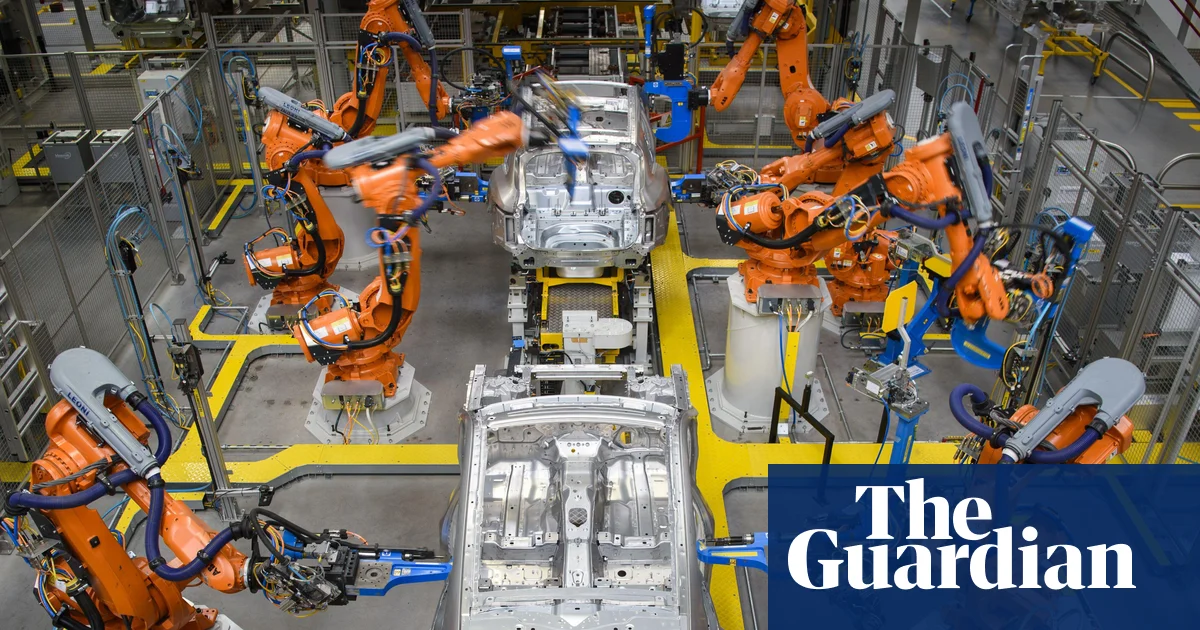
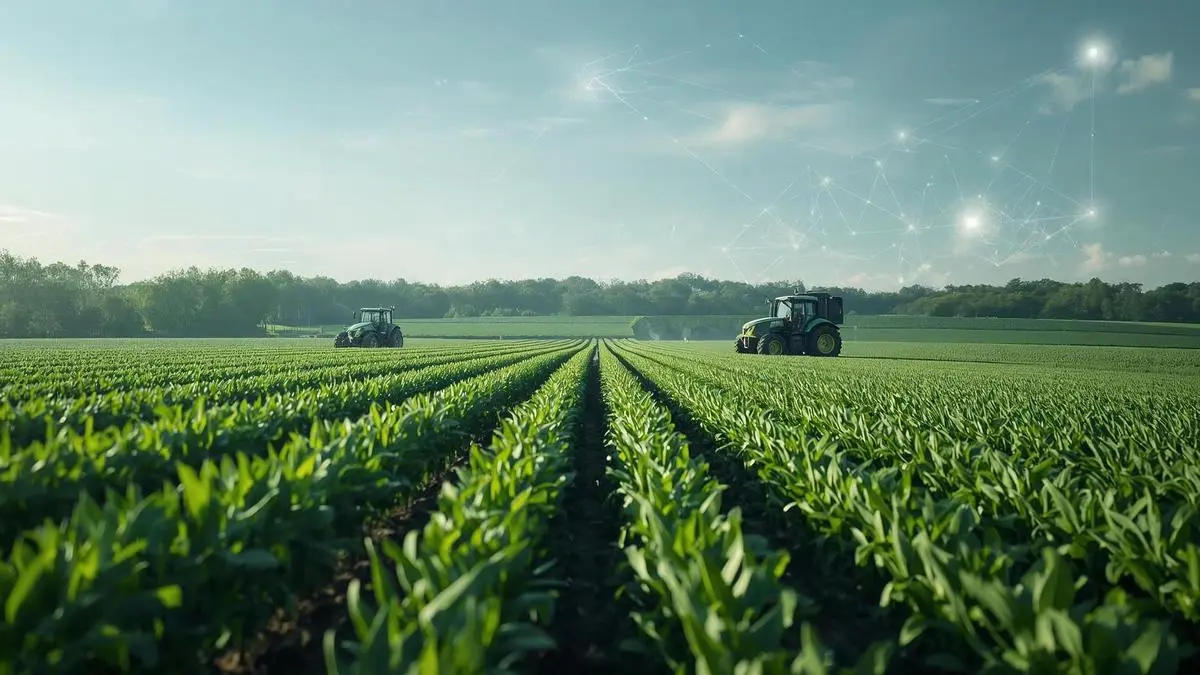
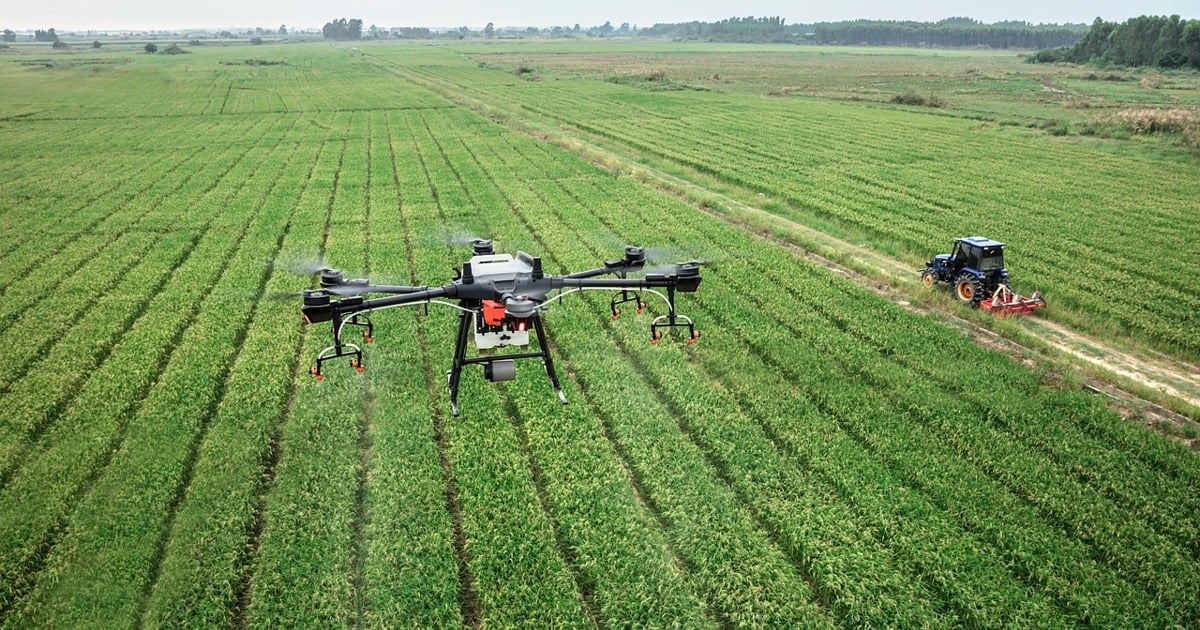
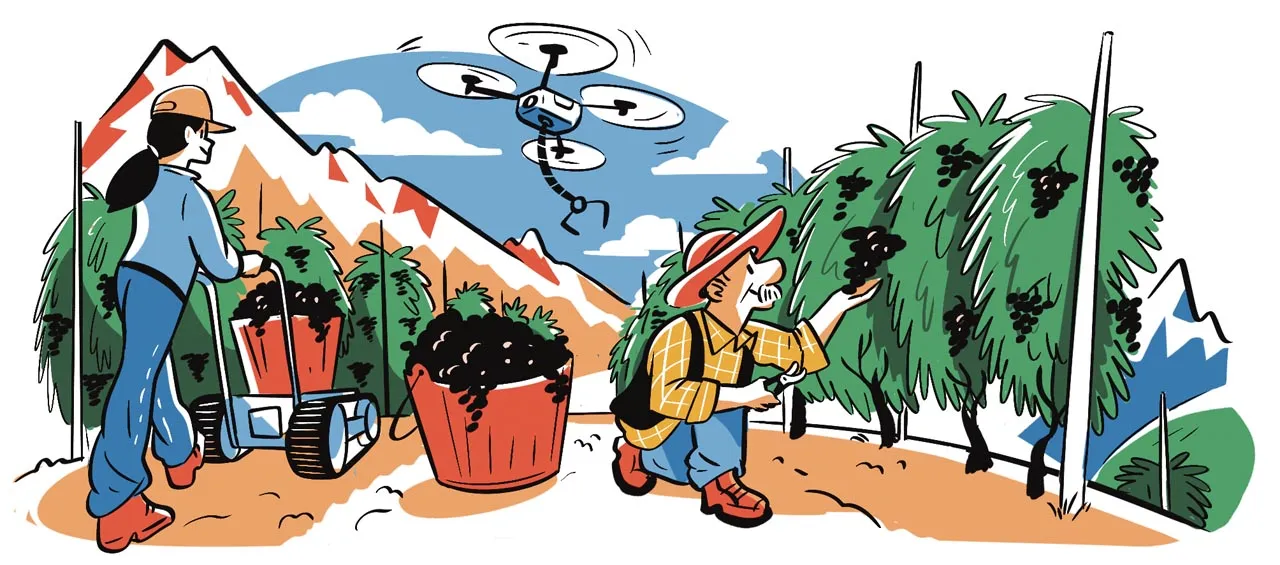
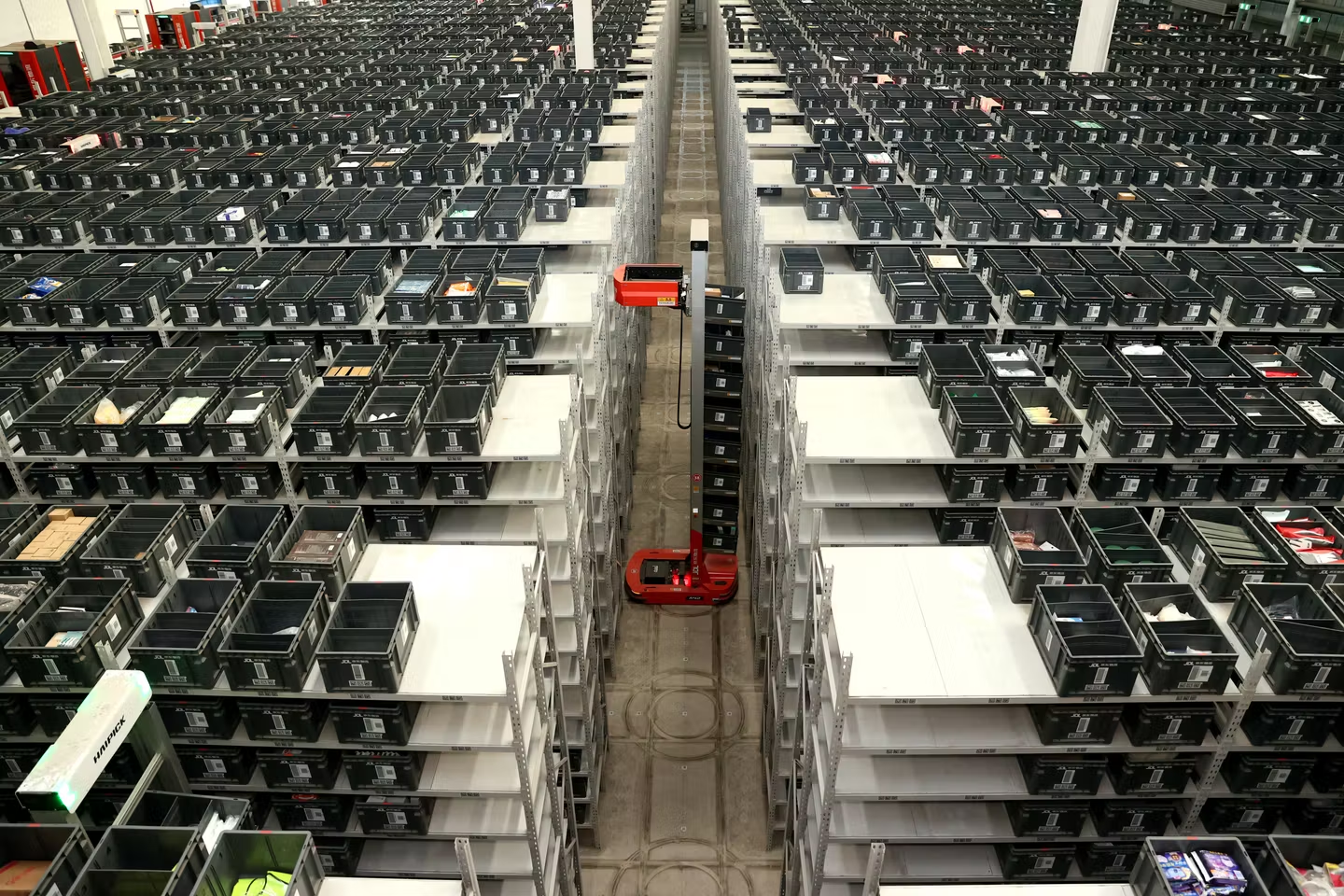
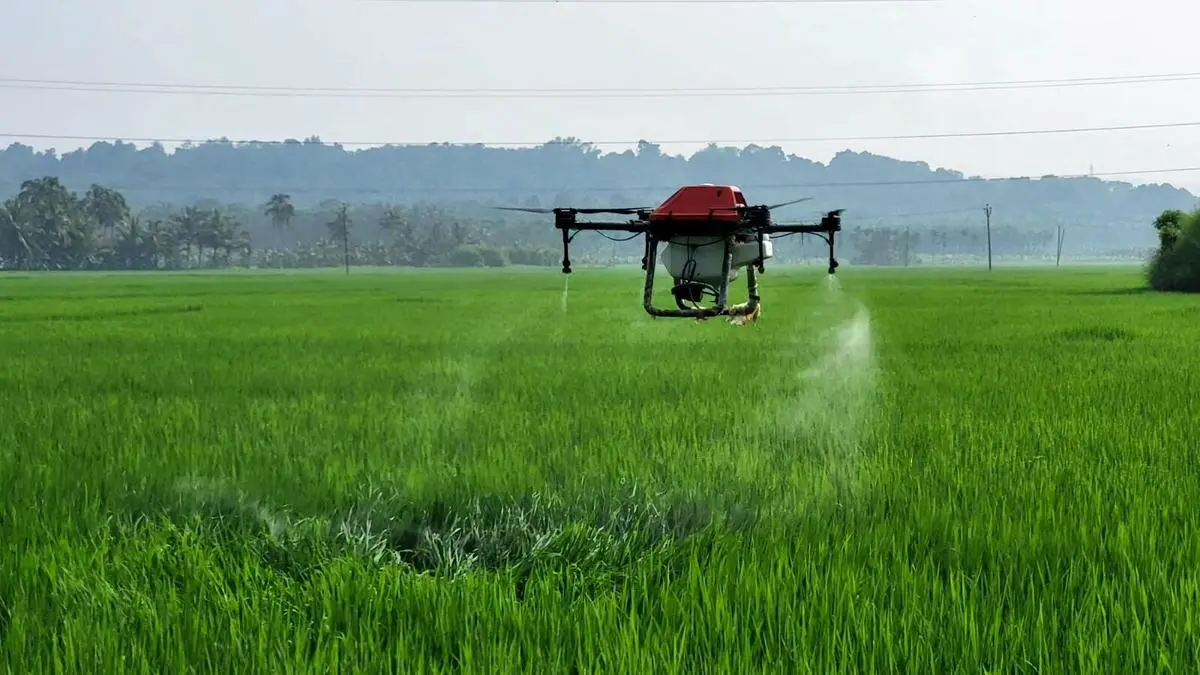
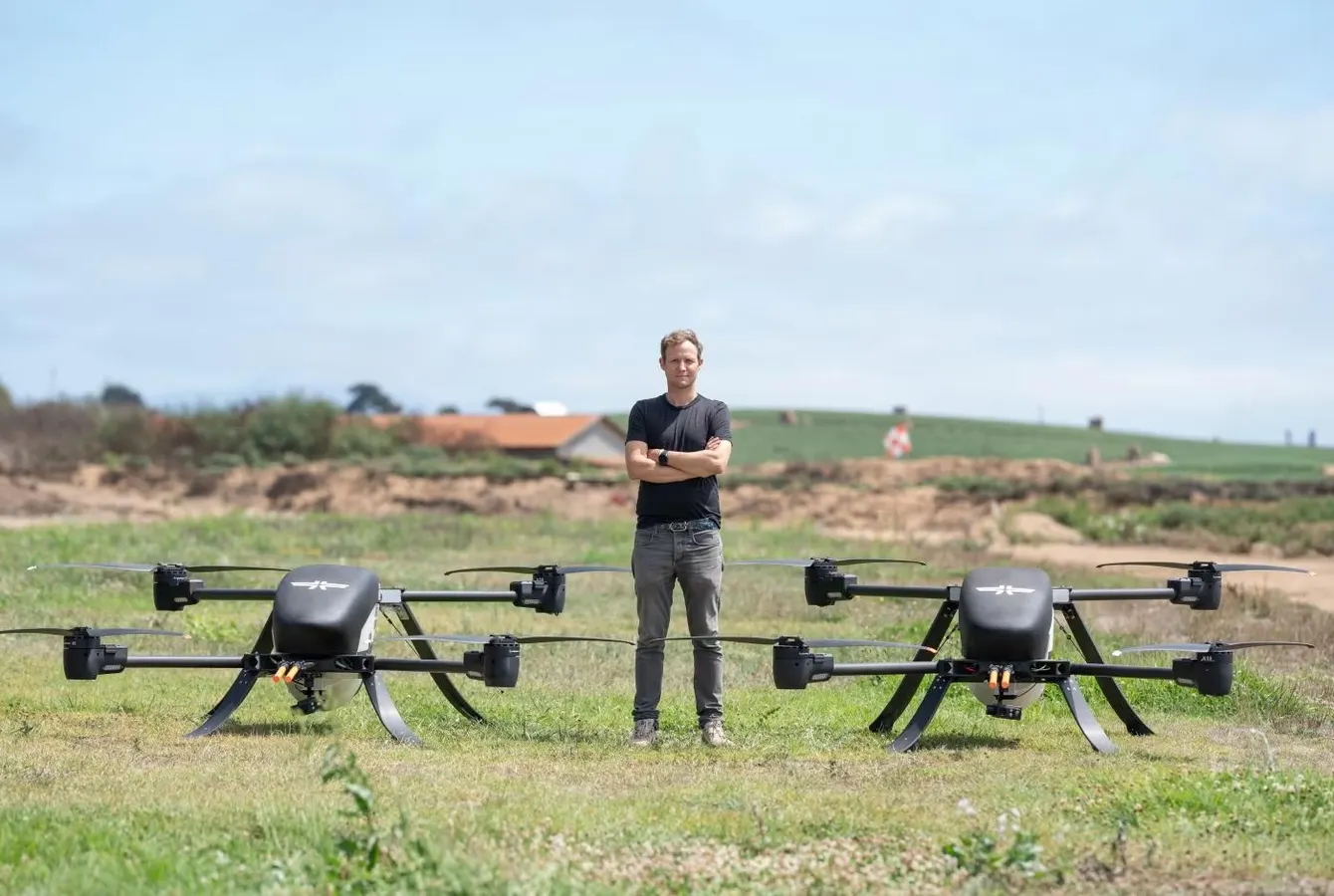
As agriculture battles for its future, might AI hold the answer? Despite bucolic views of the countryside and rural life which give a strong sense of tradition, agriculture has always been at the forefront of transformation and quick to adapt to new technology. It now finds itself on the cusp of a new industrial revolution being brought about by AI. As an industry vulnerable to climate change, geopolitical shocks and global economic uncertainty, farmers must turn to new ways of producing food.
Climate change is believed to be the reason for the rise in pests and diseases preying on crops and livestock. The price of food is spiralling, driven by extreme weather and higher input costs, while geopolitics affect our ability to export and import food products. It is becoming harder for farms to stay viable, and a recent survey suggested over half of farmers are considering quitting the industry. But could AI hold the key to safeguarding the future of farming in the UK? A small but growing number of farmers think so.
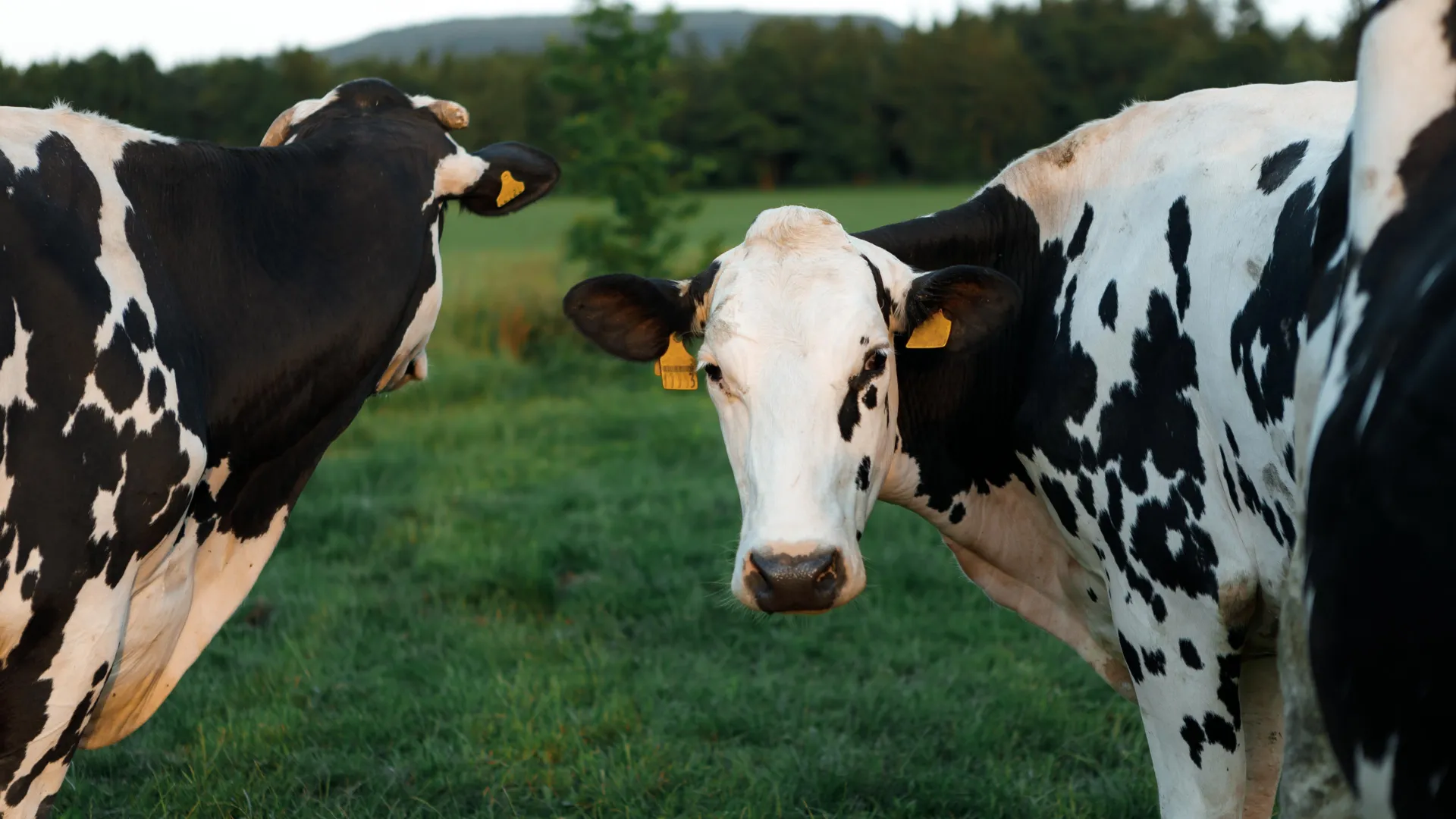
In this programme, presented by Charlotte Smith, we’ll explore some of the fascinating new developments taking place and ask what impact this could have on our countryside, from bioacoustics that allow us to find pests eating plants from within, to high-tech cameras enabling farmers to improve the productivity of dairy cows.
The Archers
Sunday 11 October – Friday 16 October, Radio 4
As Ambridge braces for a storm, its farmers are drawn into conversations around what farming looks like in the longer term and how to prepare themselves for the future.
Farming Today
Monday 12 October – Friday 16 October, 5.45am, Radio 4
In a special week of programming, Farming Today asks: how will British farming change over the next 75 years? This question is explored across five different episodes:
Land use: As the century unfolds, what will we be doing with the land we now farm? Farming Today pays a visit to Ambridge to explore the future of its farms, and elsewhere, Steffan Messenger reports from farms in Wales, and Charlotte Smith interviews Jeremy Clarkson.
Homegrown: How will climate change affect what we grow? Anna Hill is at the John Innes Centre looking at decision making about crops of the future, while Kevin Keane reports from Scotland.
Tech: exploring the impact of the AI revolution, including an interview with James Dyson.
Succession: Who will own and run the farms of the future? Charlotte Smith returns to Ambridge to explore its succession dilemmas, while Caz Graham looks at a family succession situation in Cumbria.
In 75 years, what will a farmer be? A panel discussion featuring young farmers at Harper Adams University.
The Briefing Room
Thursday 15 October, 4pm – 4.30pm, Radio 4
The Briefing Room explores the future of Britain’s rural economy.
The Food Programme: Regenerative Farming and Nutrition
Friday 16 October, 11am – 11.45am, Radio 4
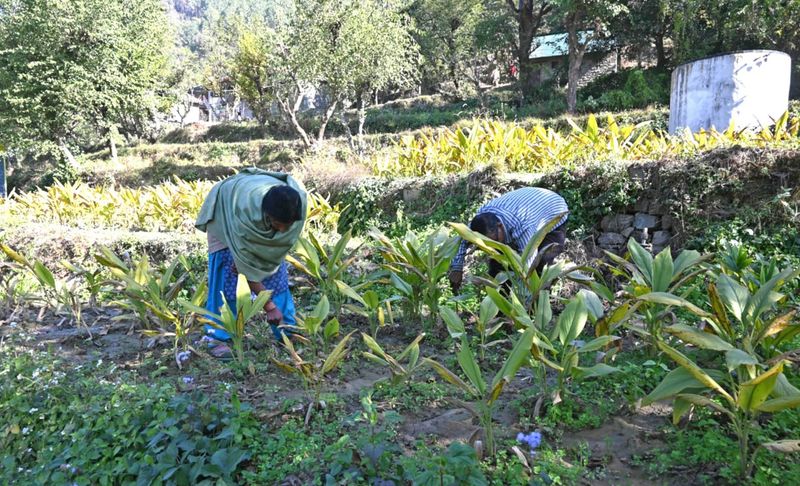
Regenerative farming is being championed by some as the future of British agriculture. As part of Radio 4’s Farming Tomorrow season, Leyla Kazim asks – does regenerative farming change the nutritional value of what we eat? “Regenerative” farmers say the way they work their land rebuilds soil health, using practices including cover crops, grazing animals, reduced cultivation and greater biodiversity. Its supporters say these healthier soils could produce healthier food. But what does the evidence show so far? Could the way we farm influence not just the environment, but the nutrients in our food, and even our health?
The programme includes interviews with Ian Wilkinson founder of FarmEd, a regenerative research and education farm; Lucy Williamson (a former vet, now nutritionist, author of “Soil to Gut: How to Regenerate Your Health with Food”), Dr Grace Kangara – a soil scientist at Rothamsted who is researching the impact of different farming practices on the nutritional content of wheat (and other grains); and Rob Ward from Vitagri, a think tank pulling together thousands of research studies to try to answer the question.
Today Debate
Tuesday 20 October, 8pm – 8.45pm, Radio 4
Anna Foster and guests consider whether farming is in crisis, and what urbanites get wrong about the countryside.
FK