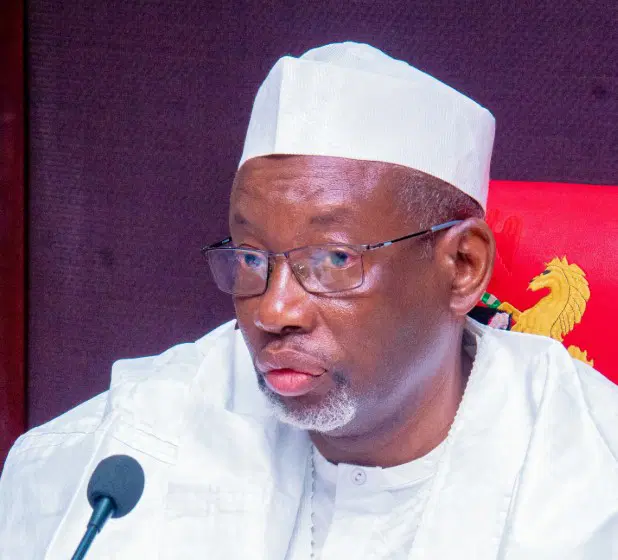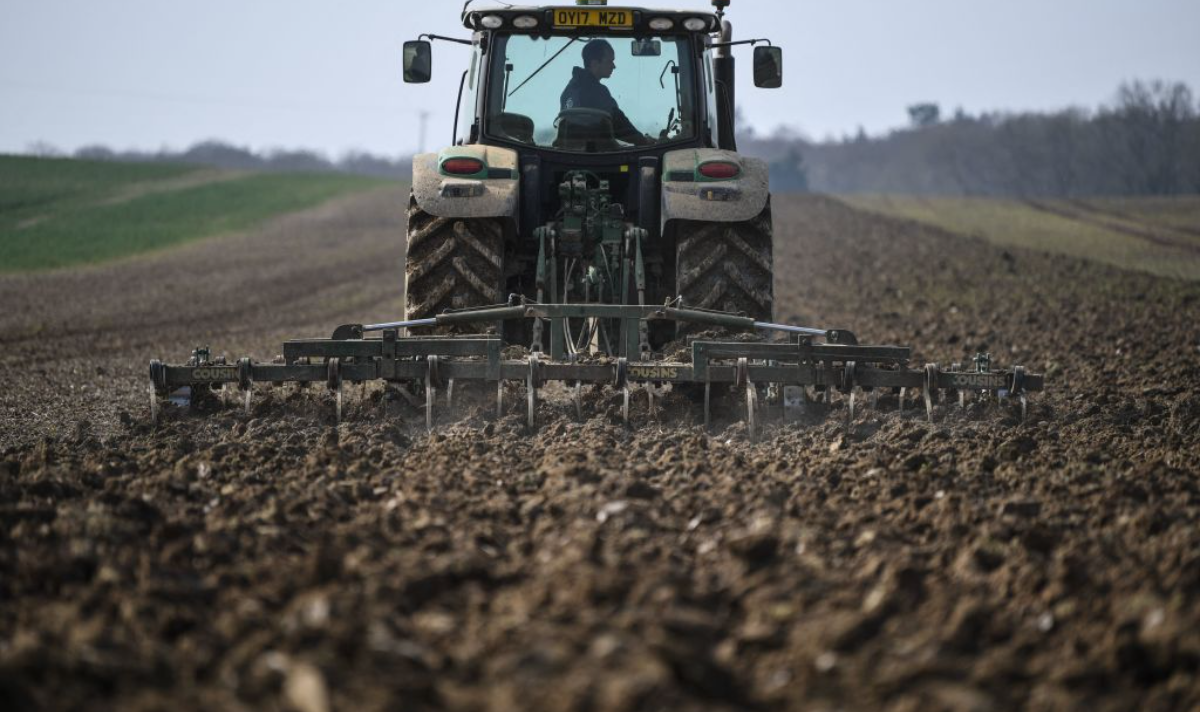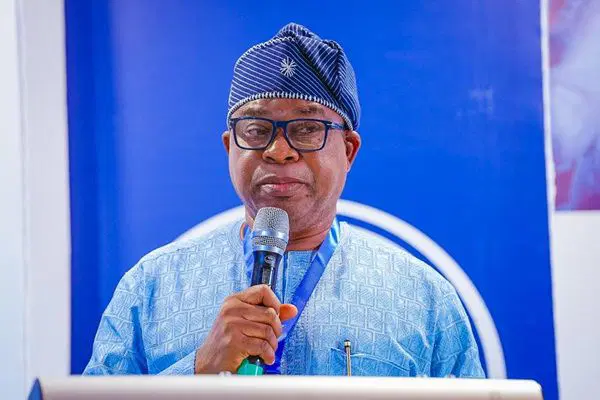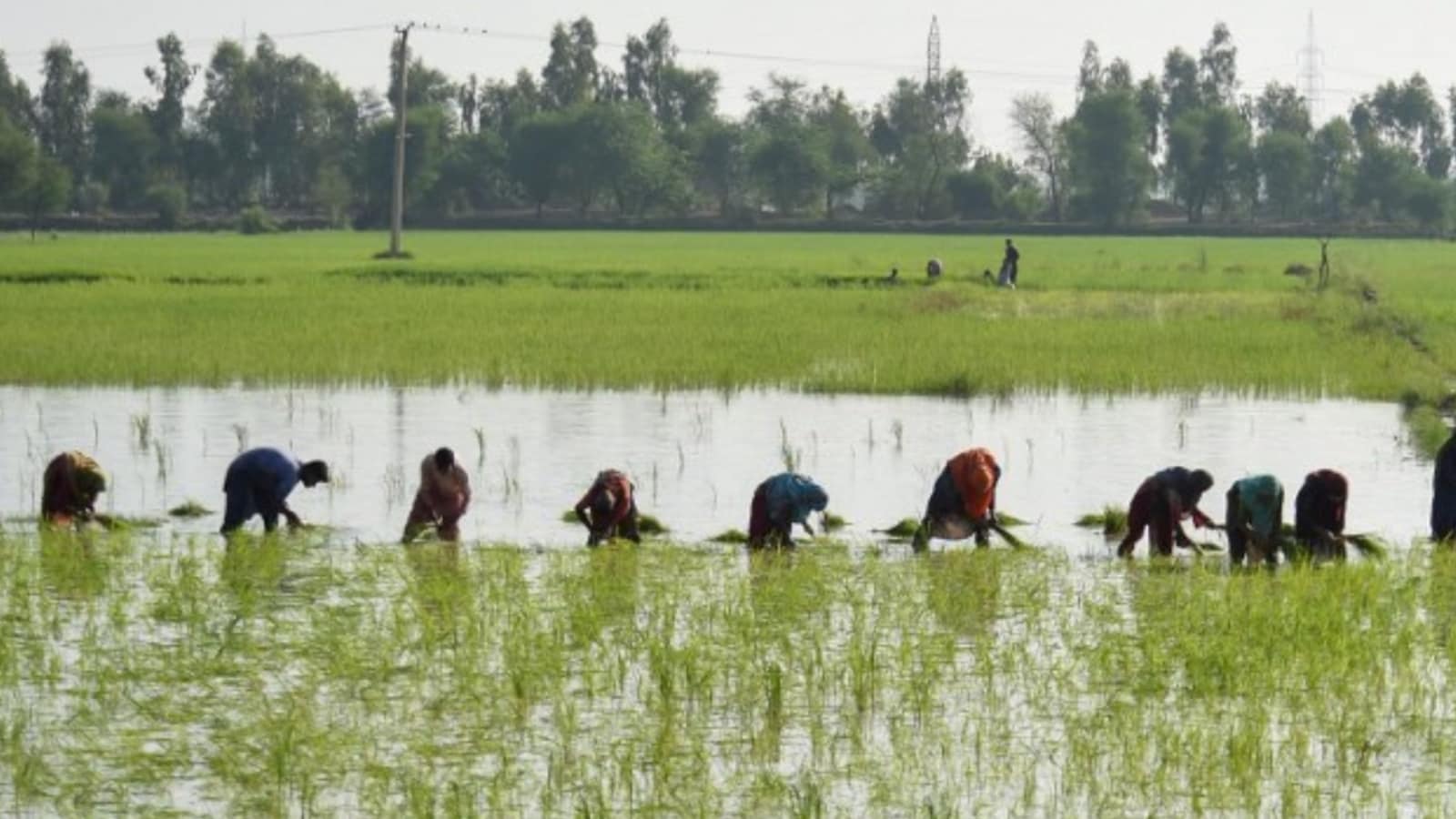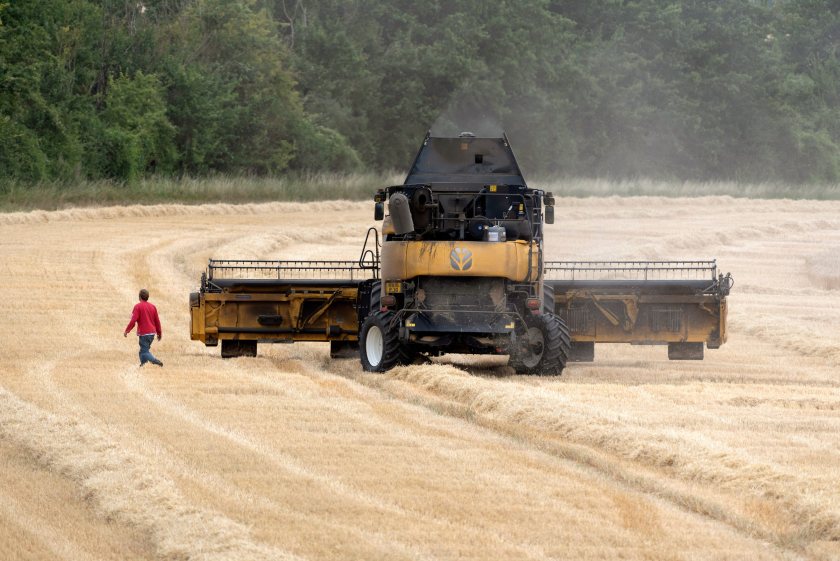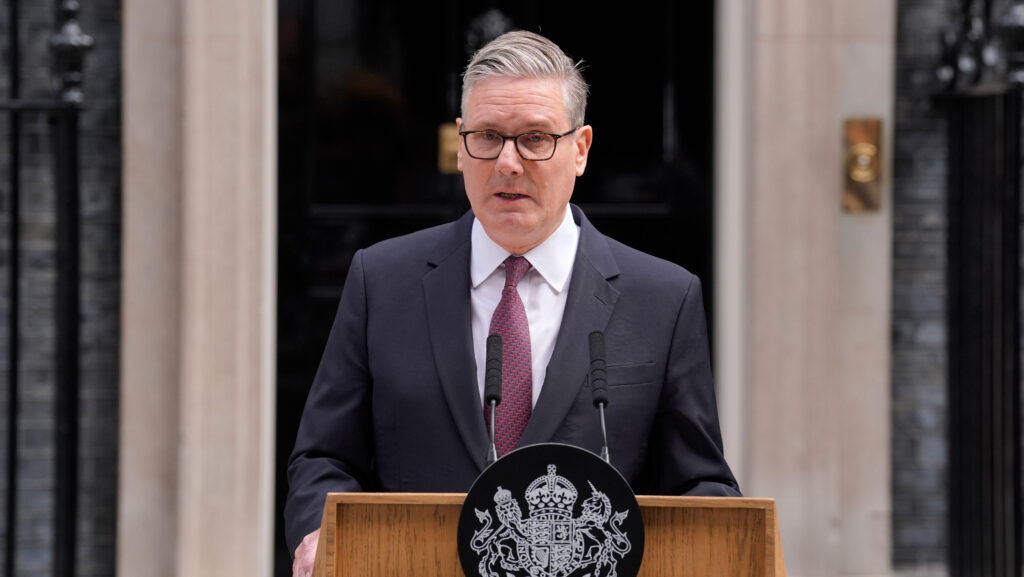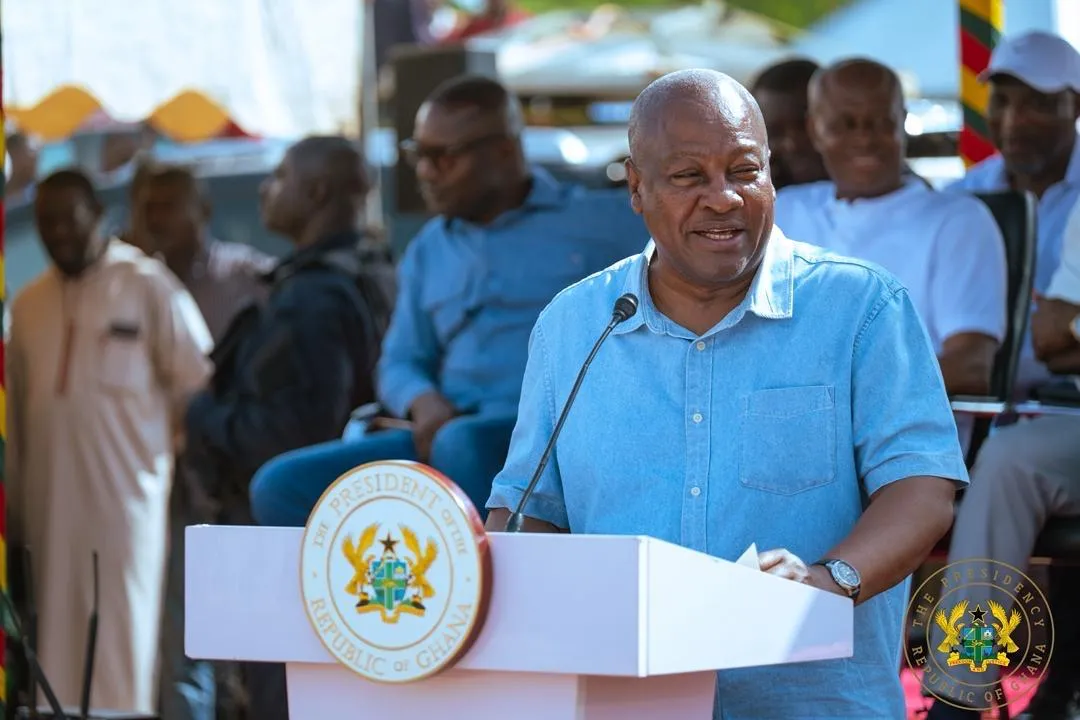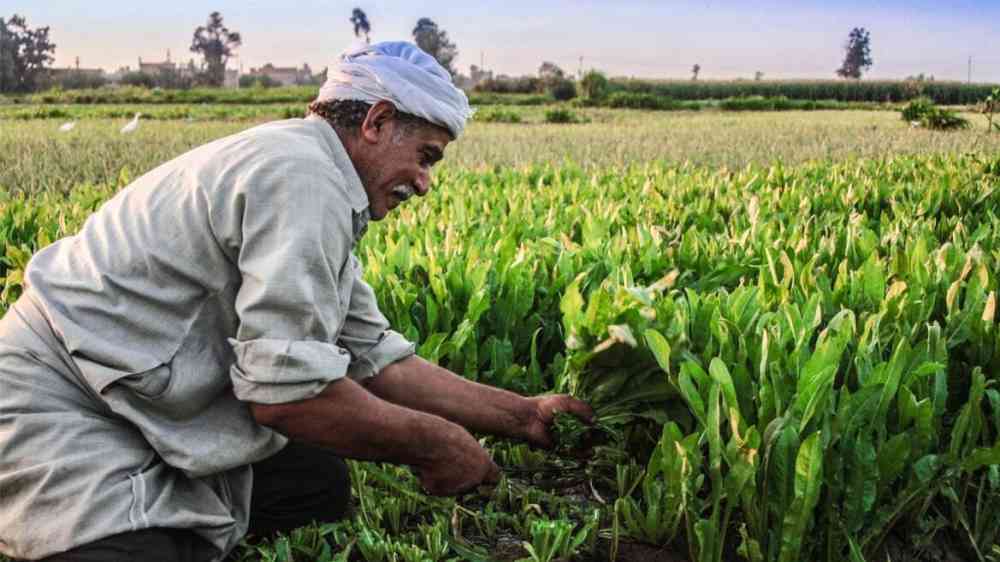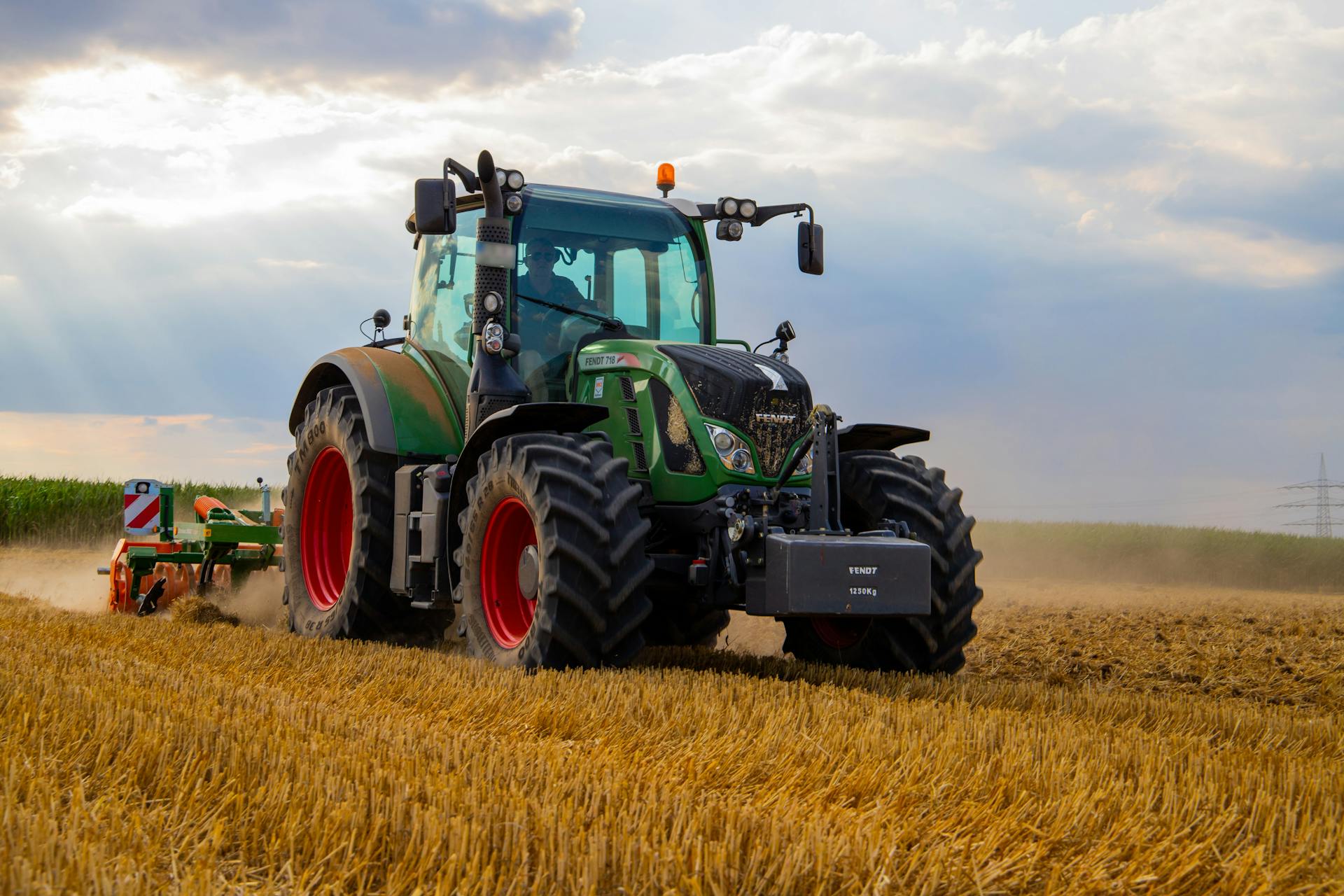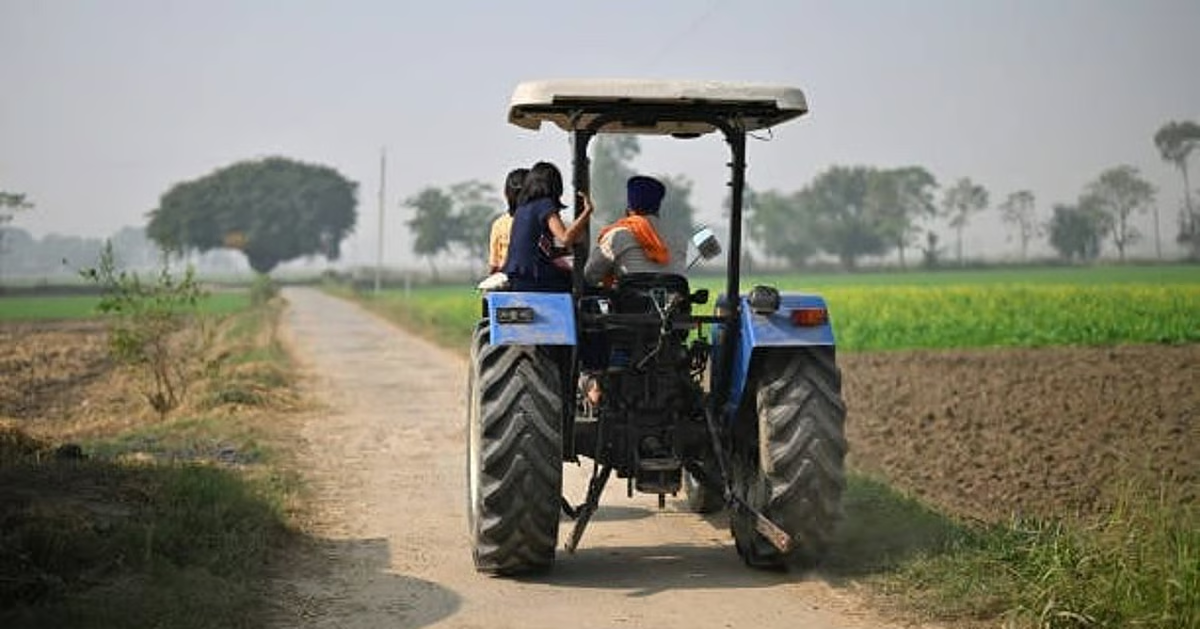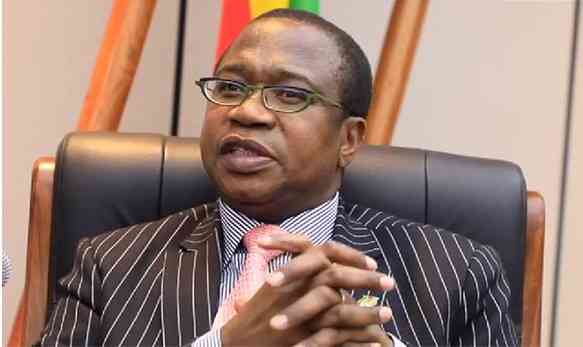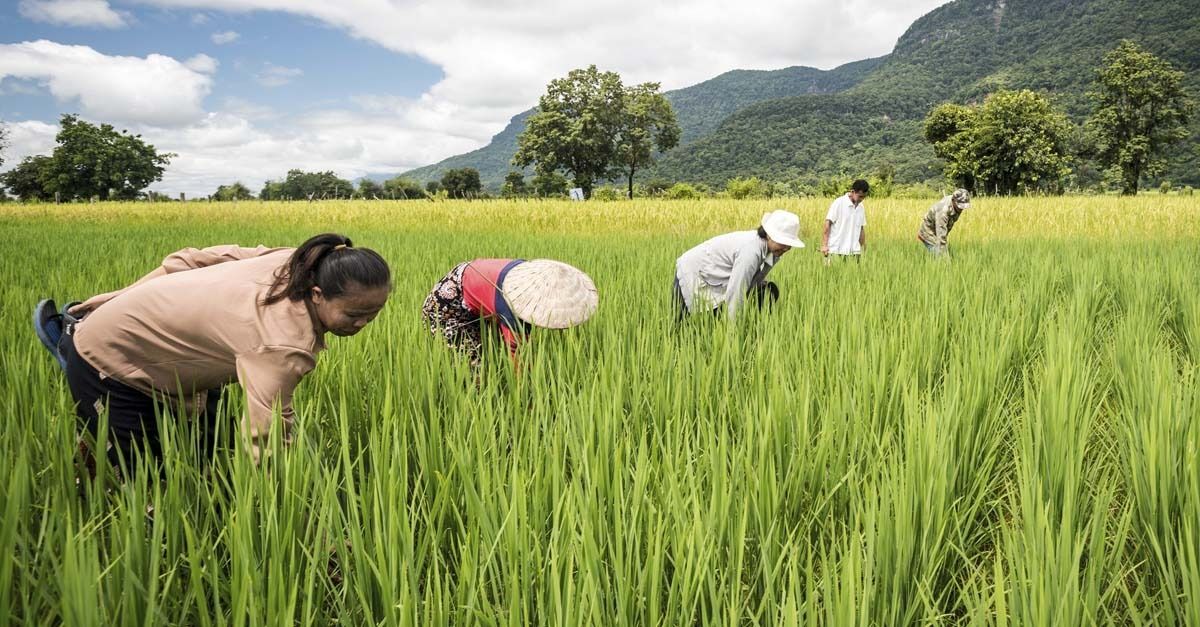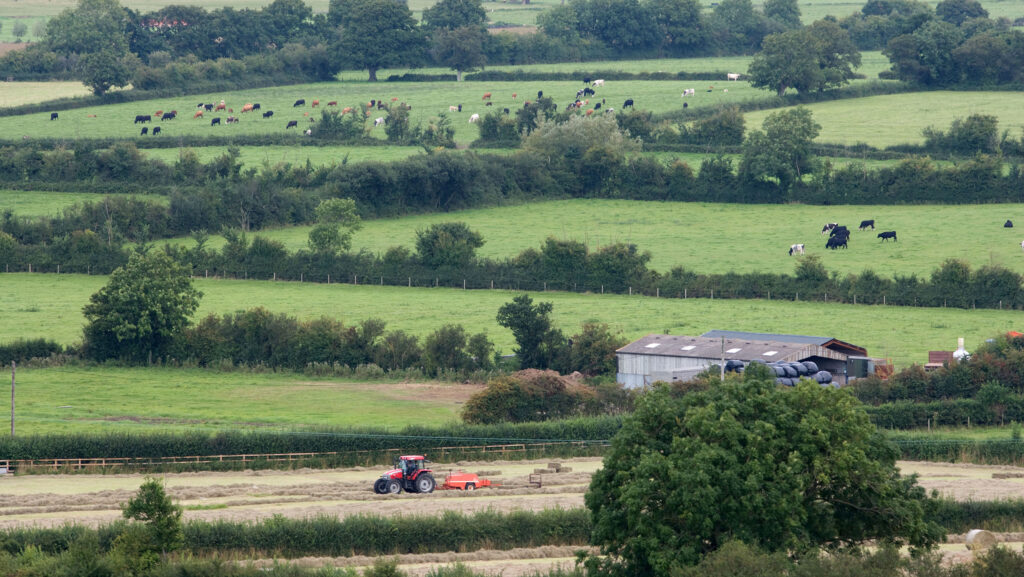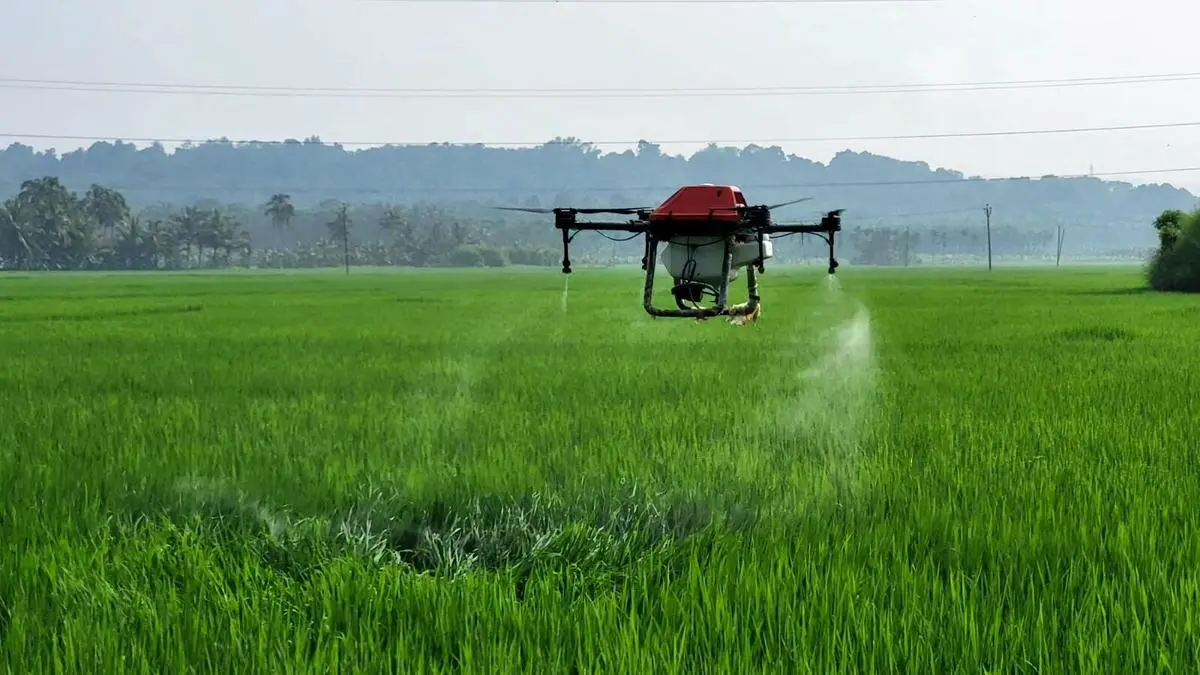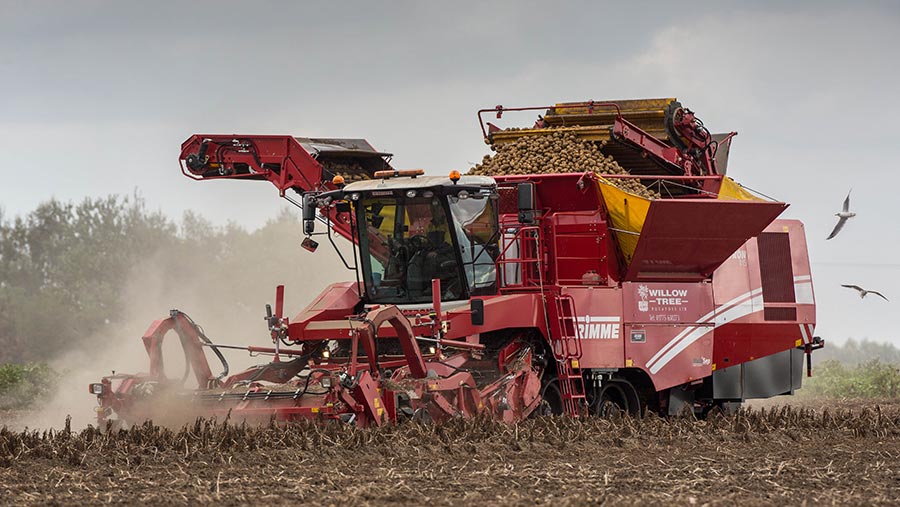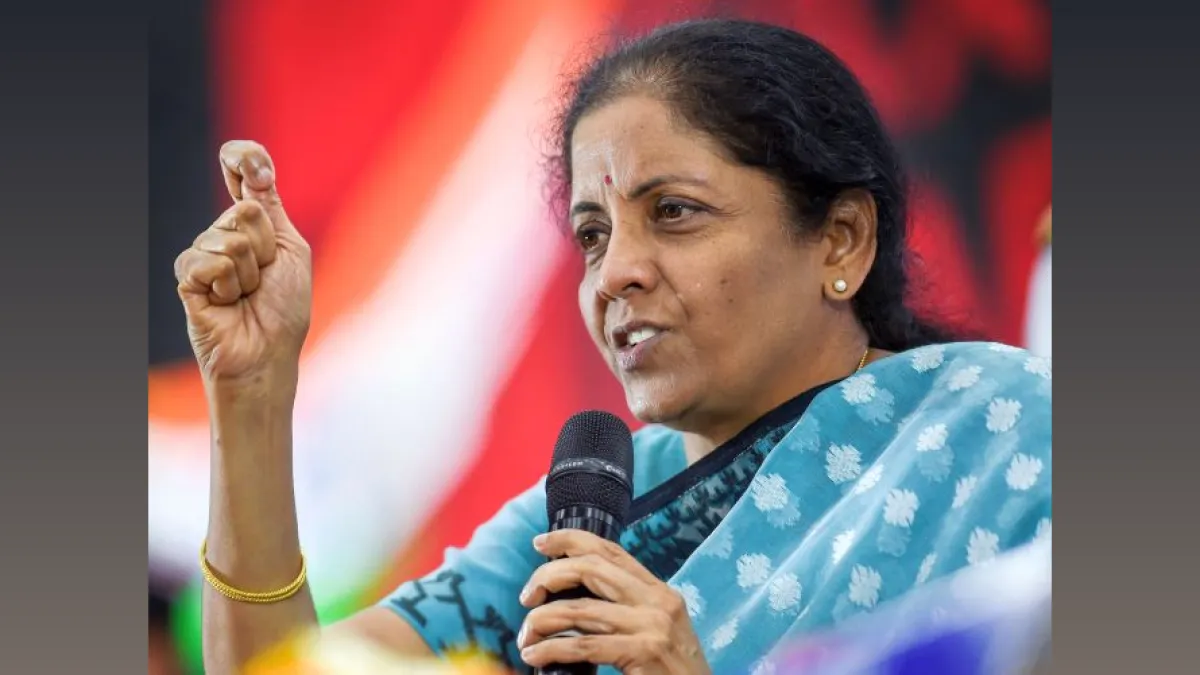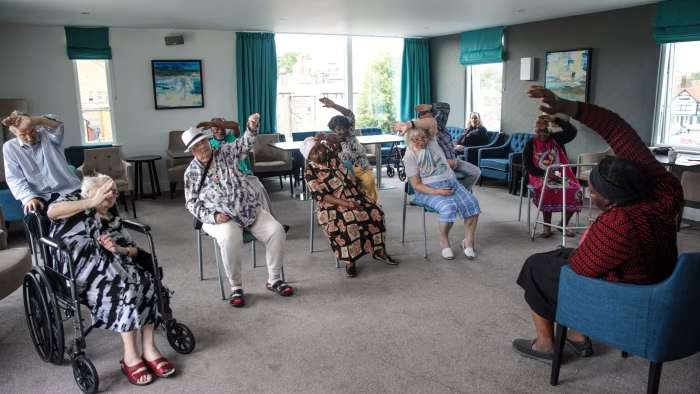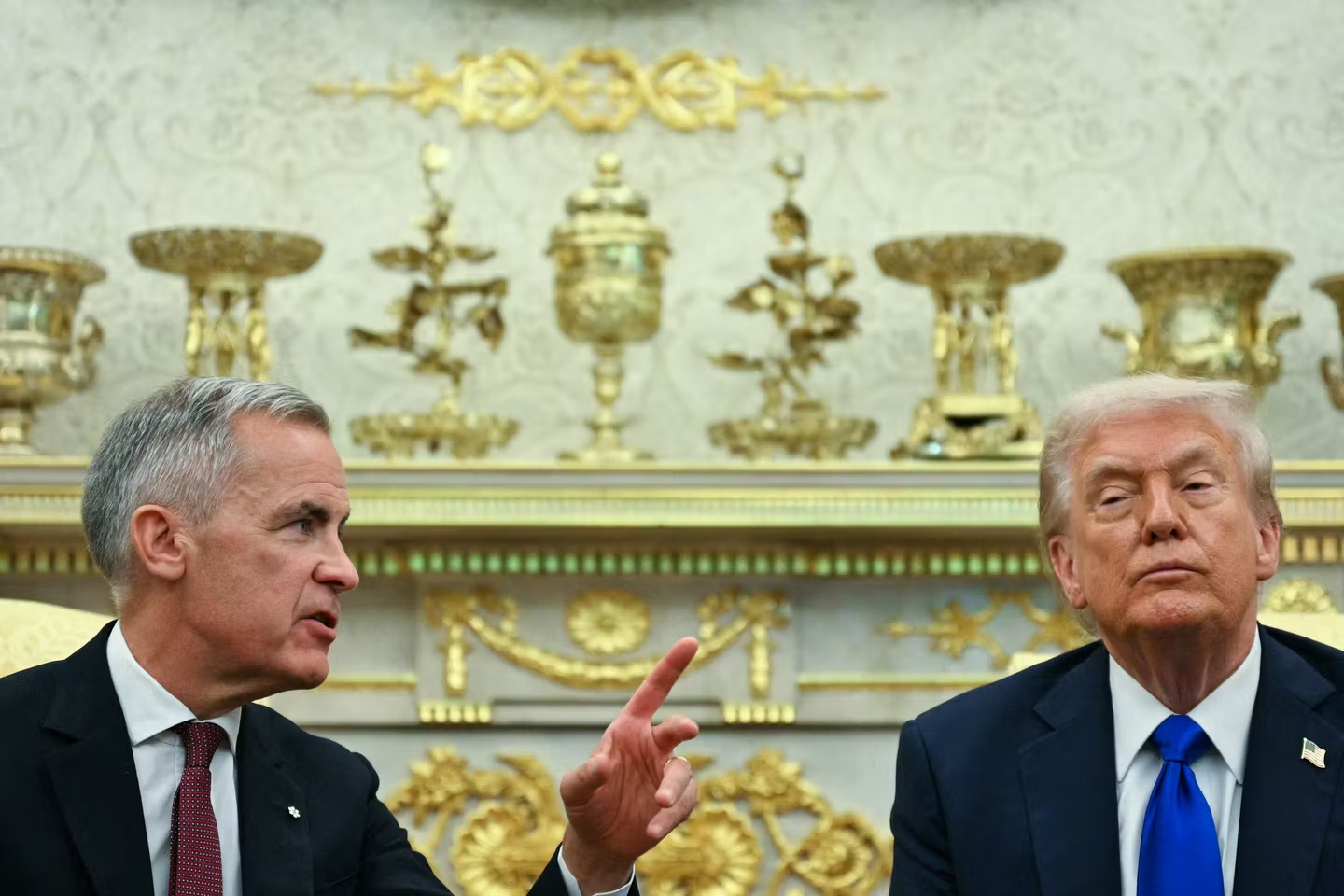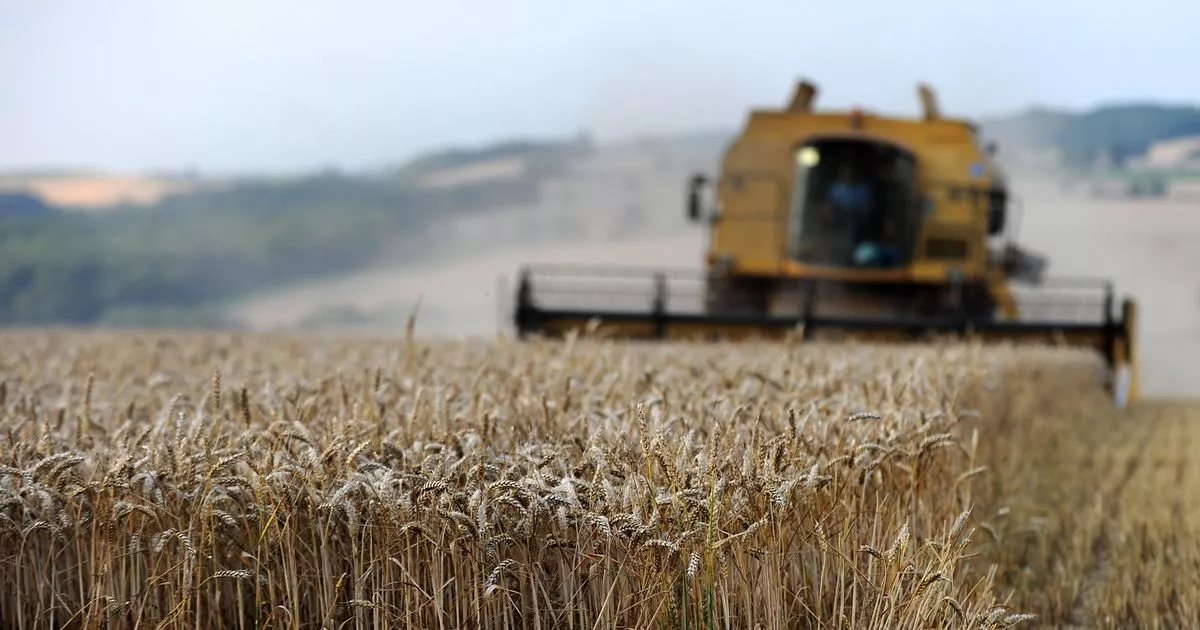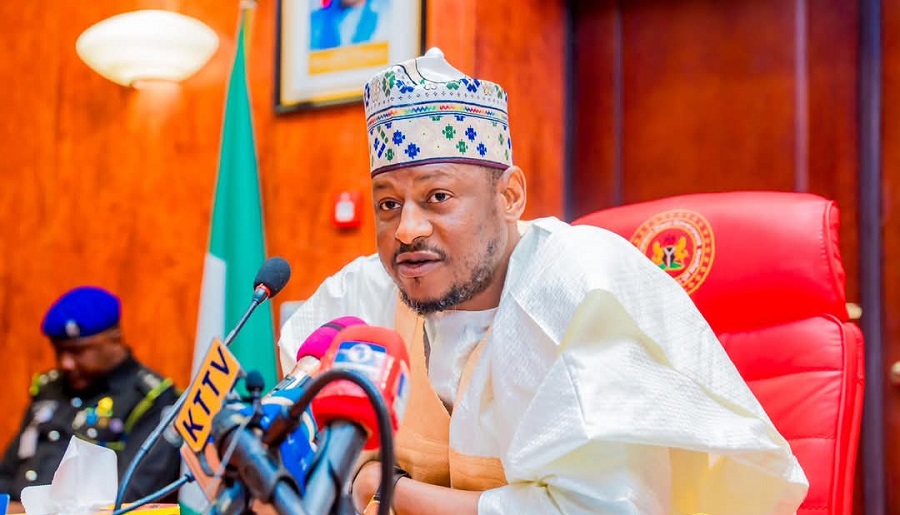
Katsina State Governor, Dikko Umaru Radda, has reaffirmed his administration’s commitment to transforming agriculture and livestock development as a key strategy to reduce poverty, create jobs, and stimulate economic growth in Katsina State and the wider North-West region.
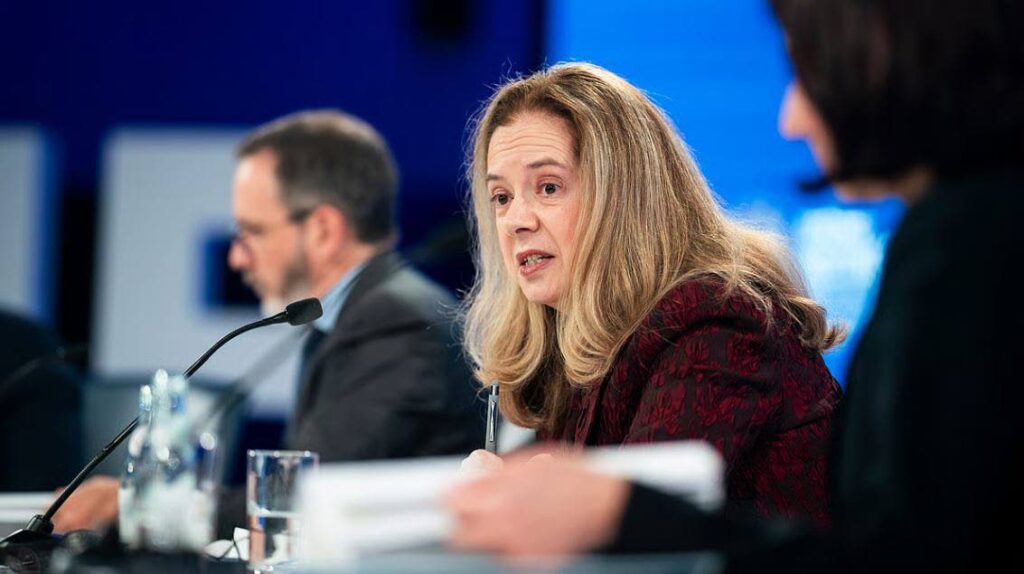
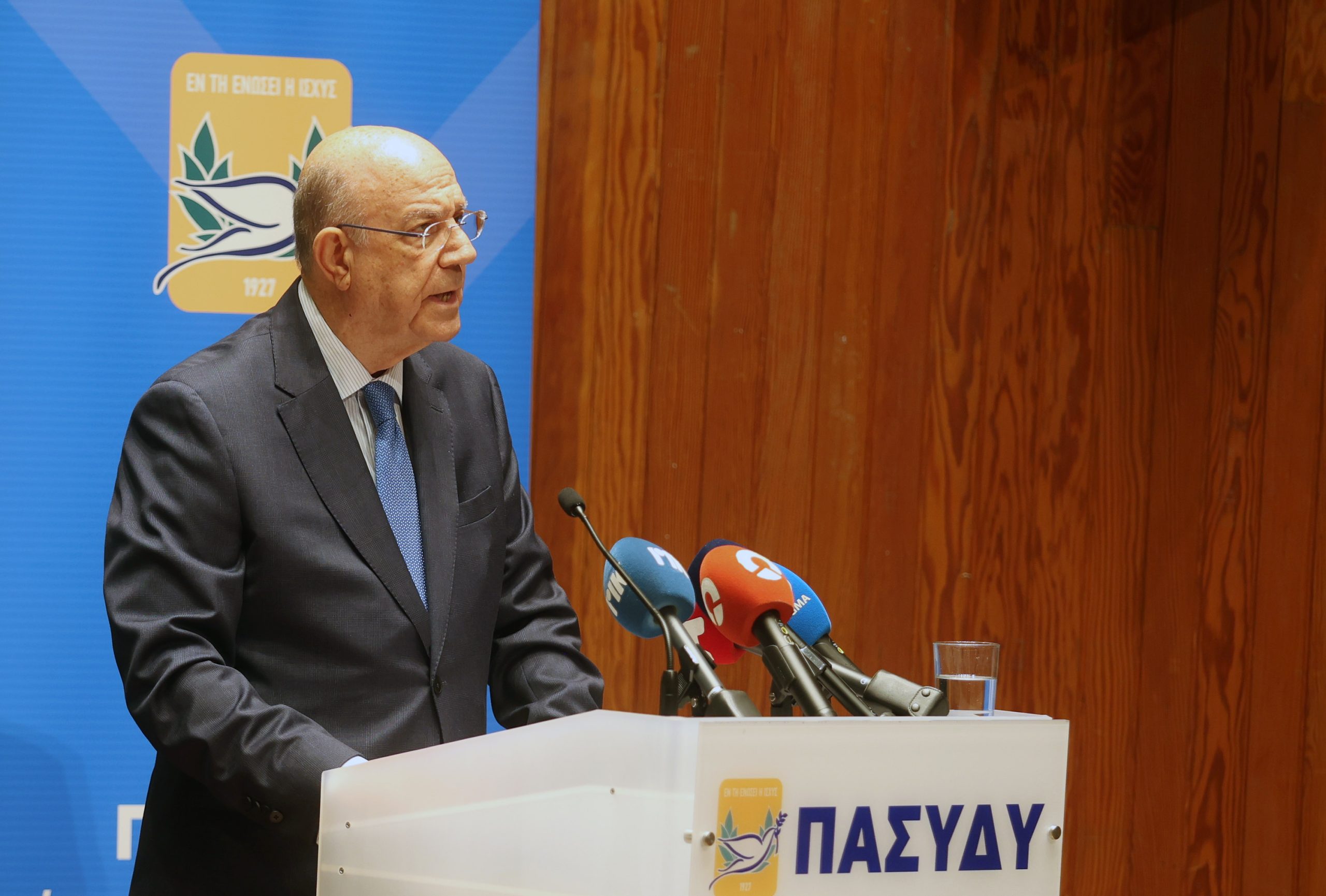
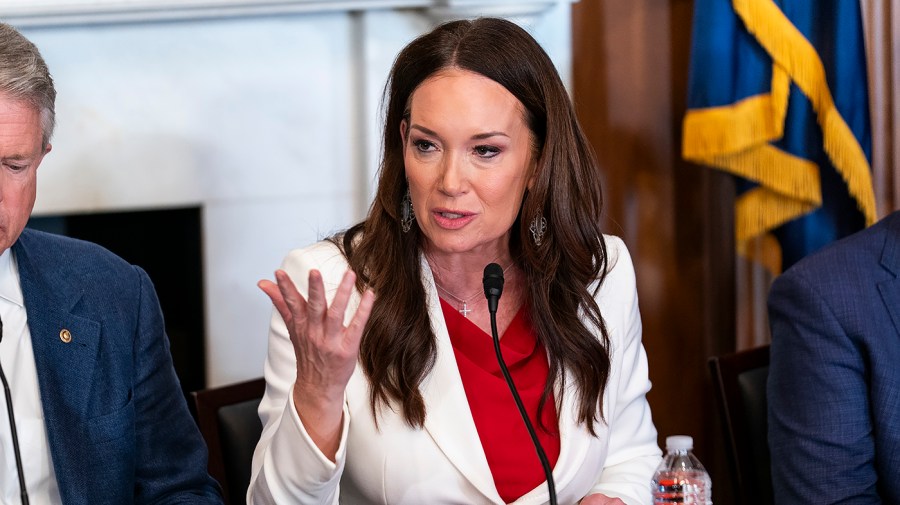
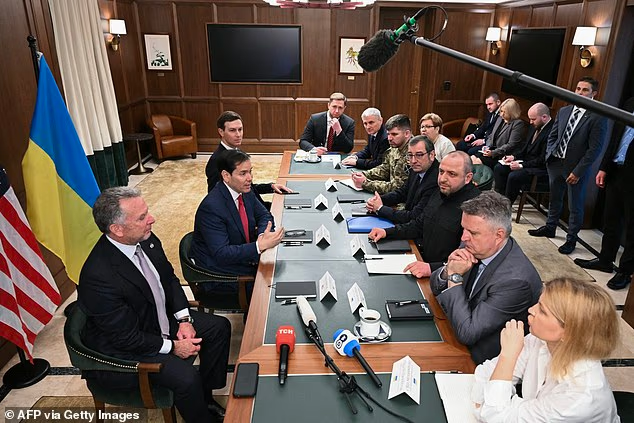
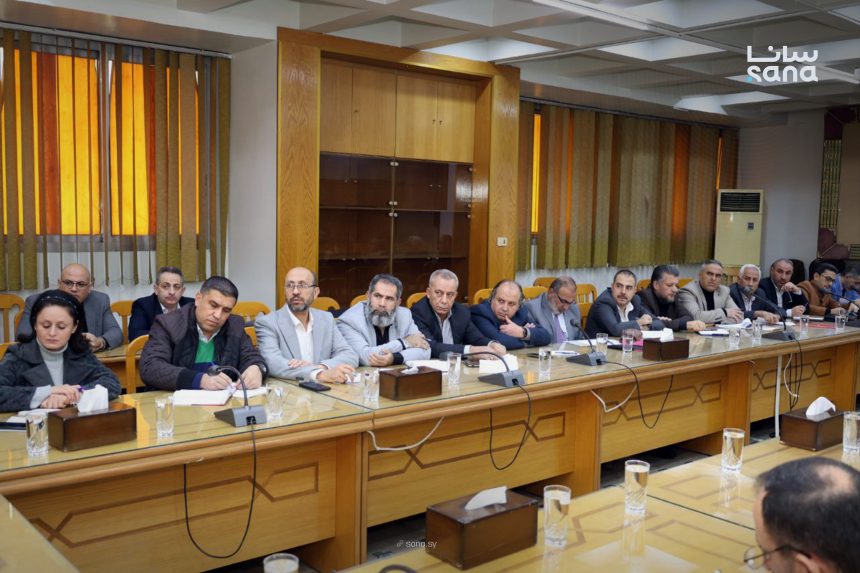
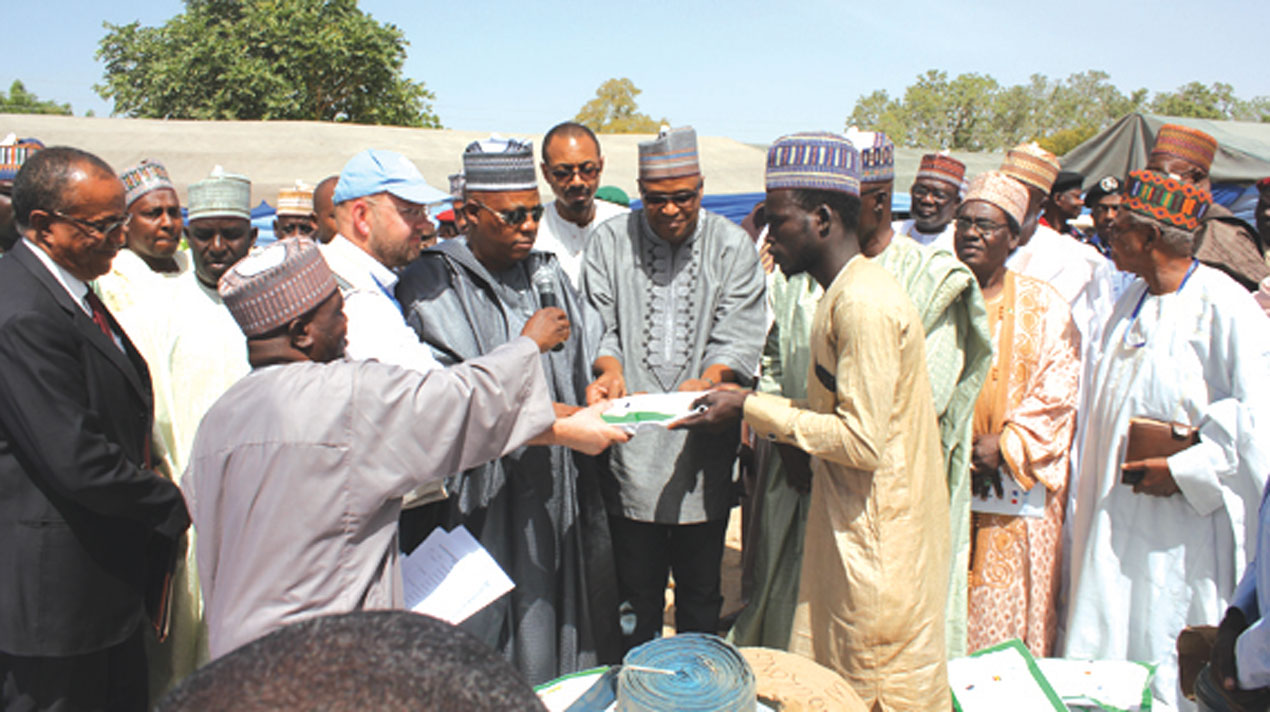
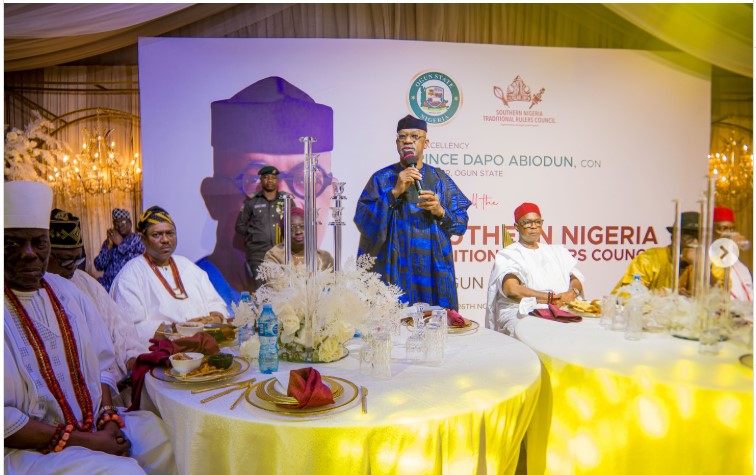
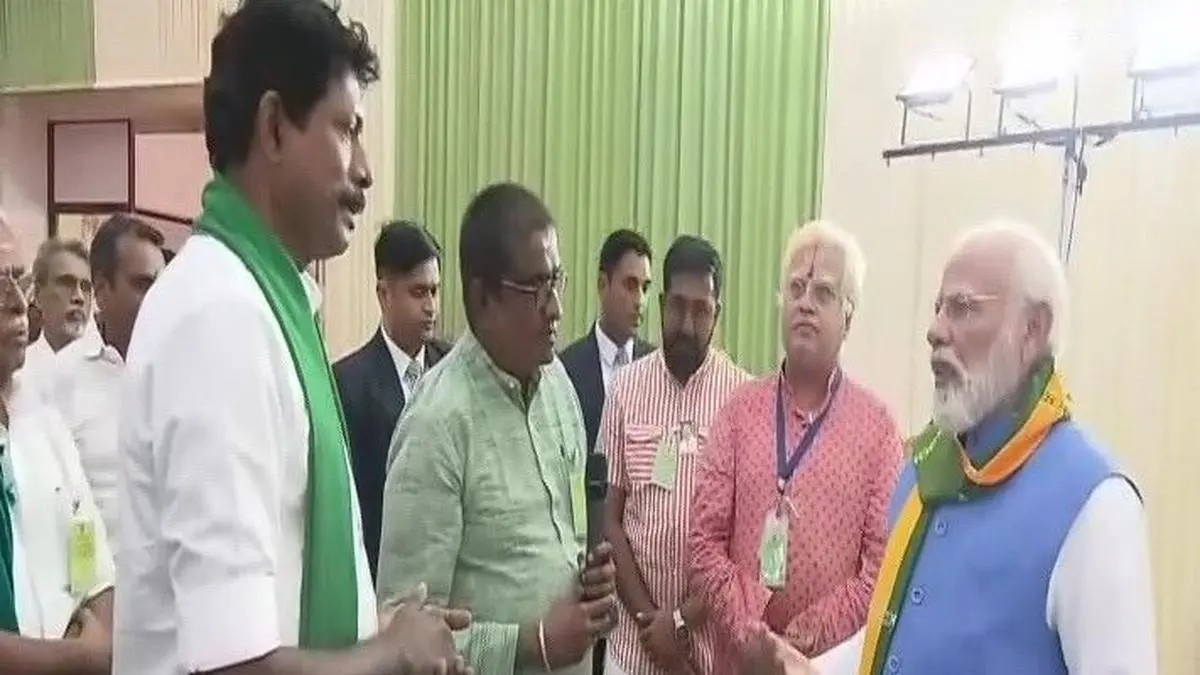
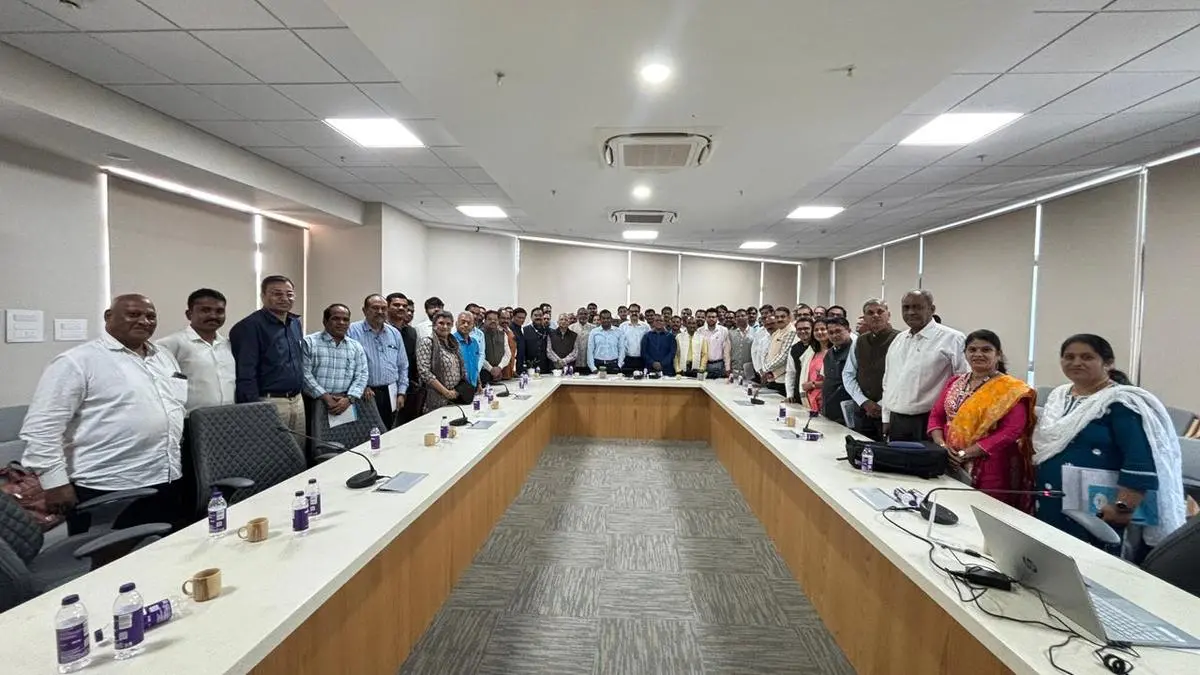
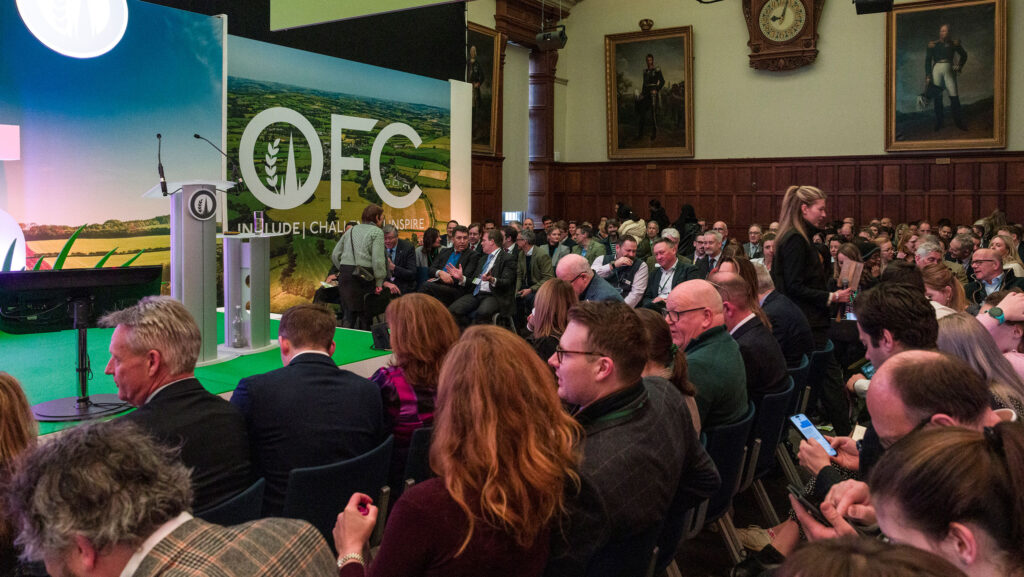
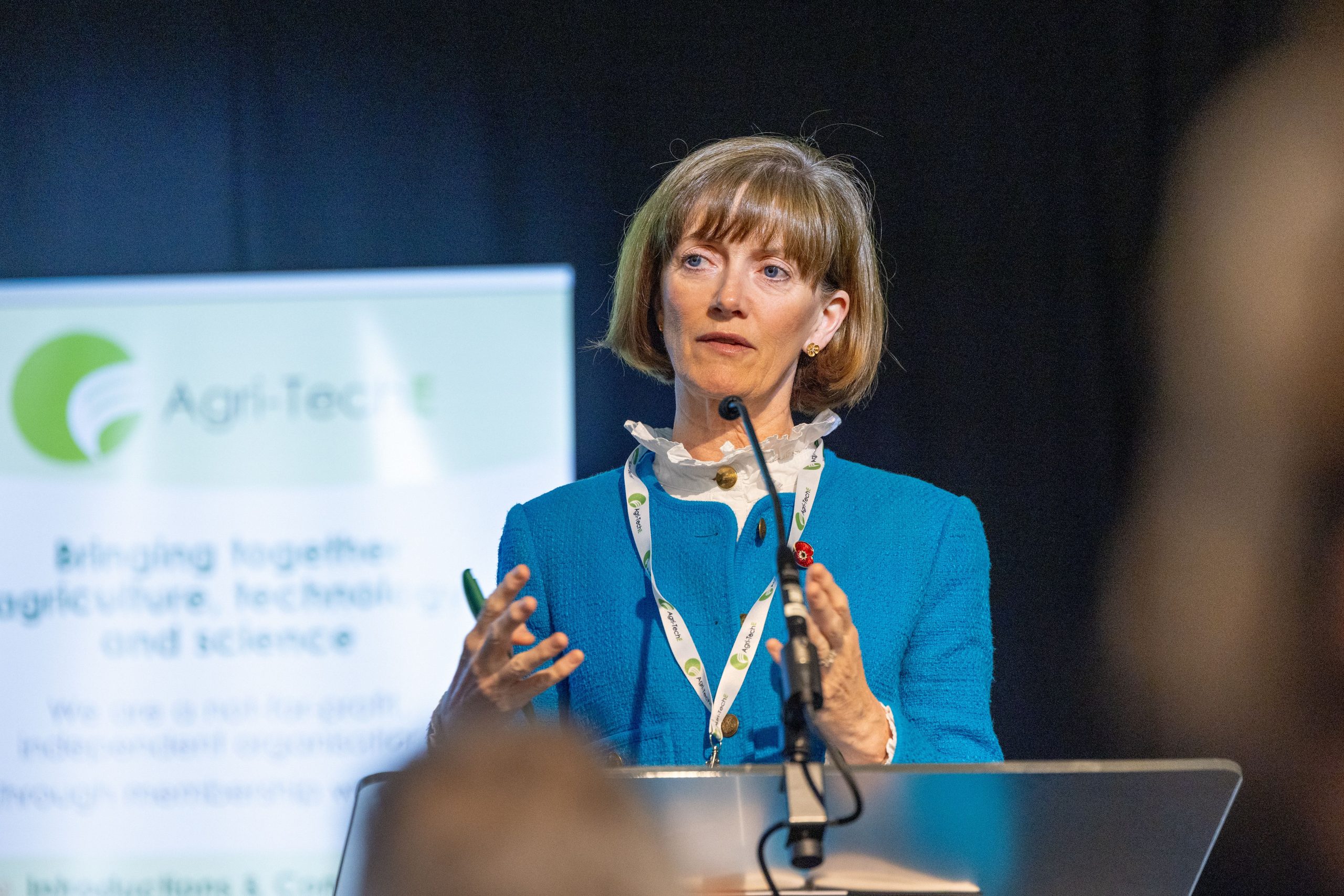
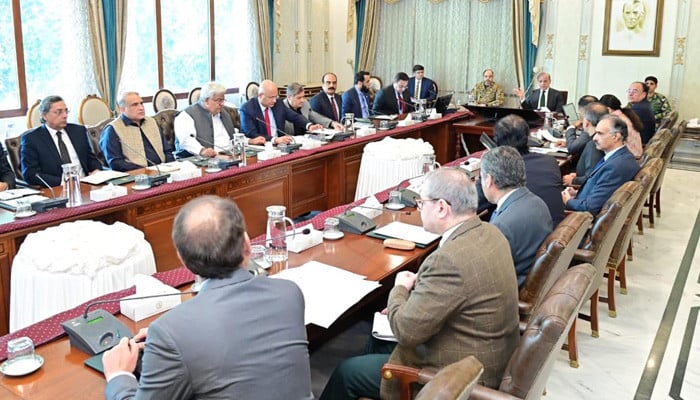
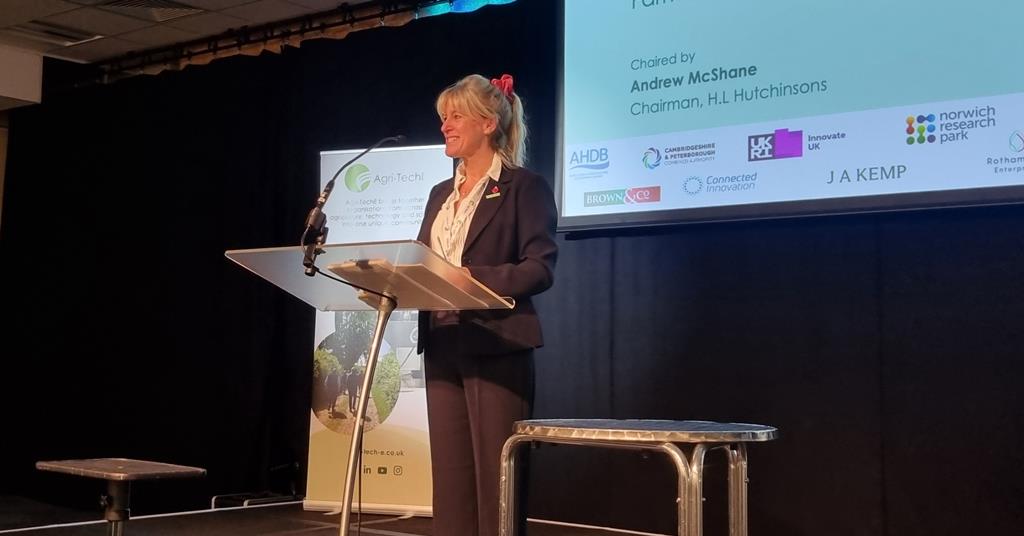
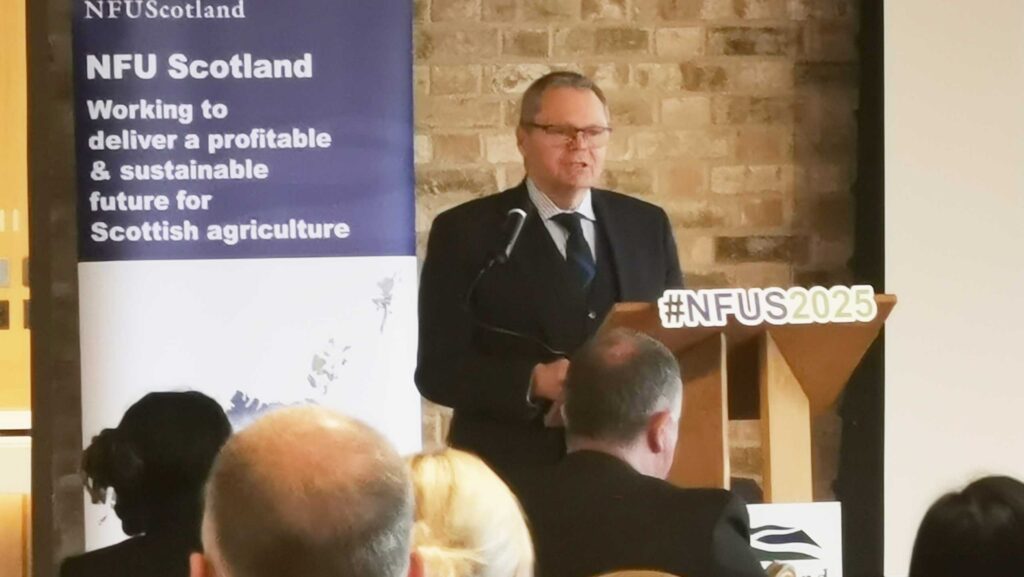
Radda made the pledge while addressing participants at the North-West Agriculture and Livestock Stakeholders’ Symposium in Katsina.
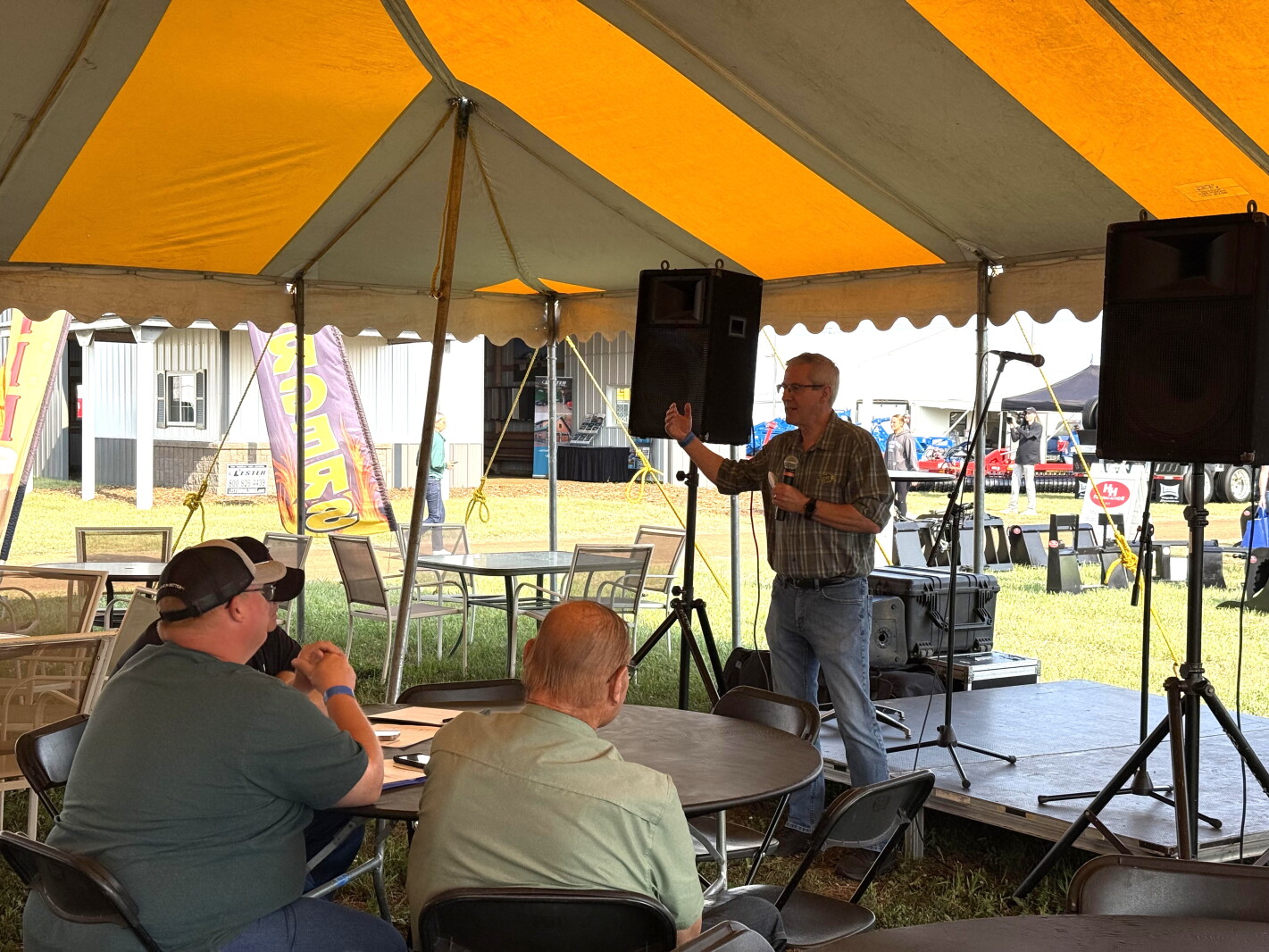
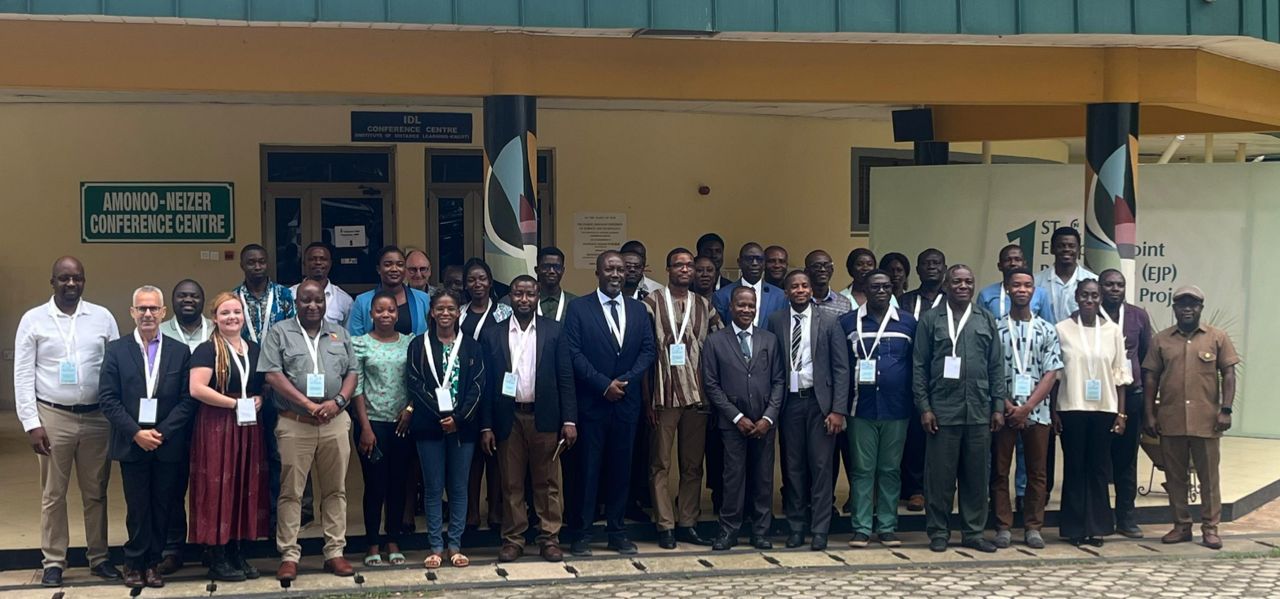
The symposium brought together stakeholders from the agriculture, livestock, transportation, food trade, security, and development sectors across the region to discuss ways to strengthen these sectors.
The governor described the gathering as timely, noting that agriculture and livestock remain critical to food security, employment generation, revenue growth, and national development.
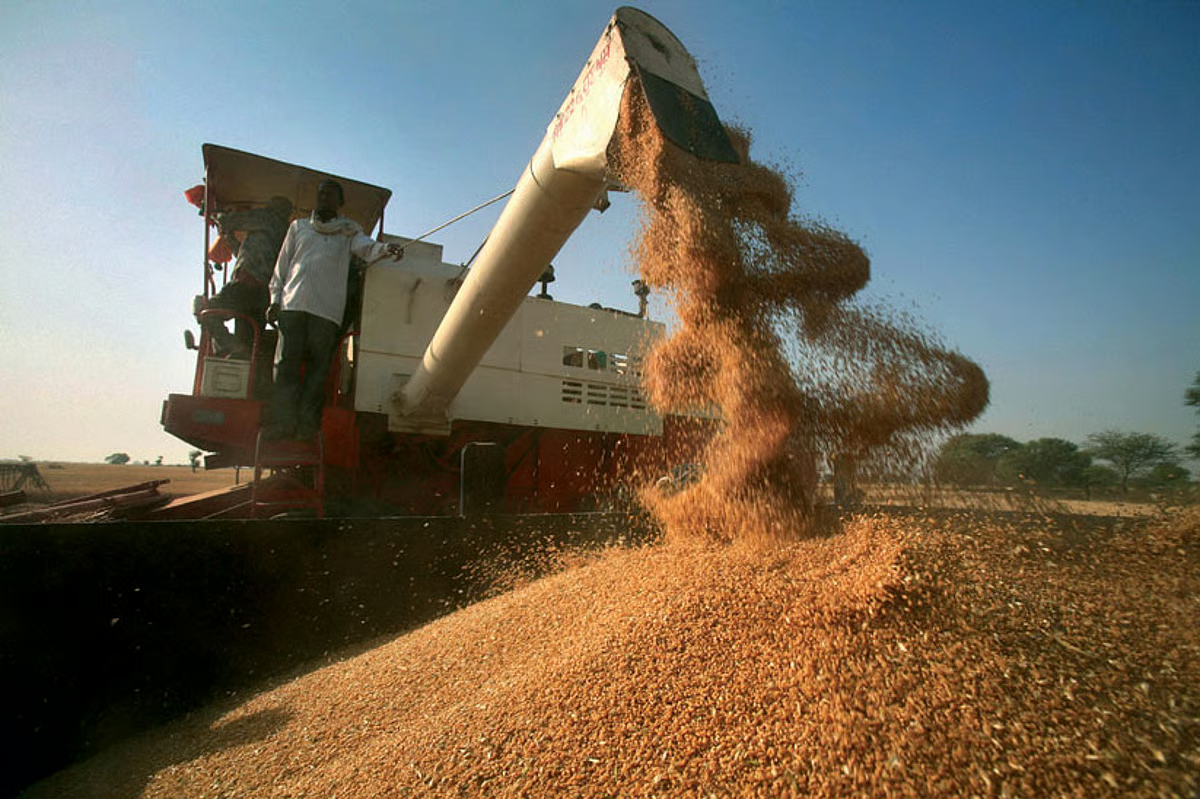
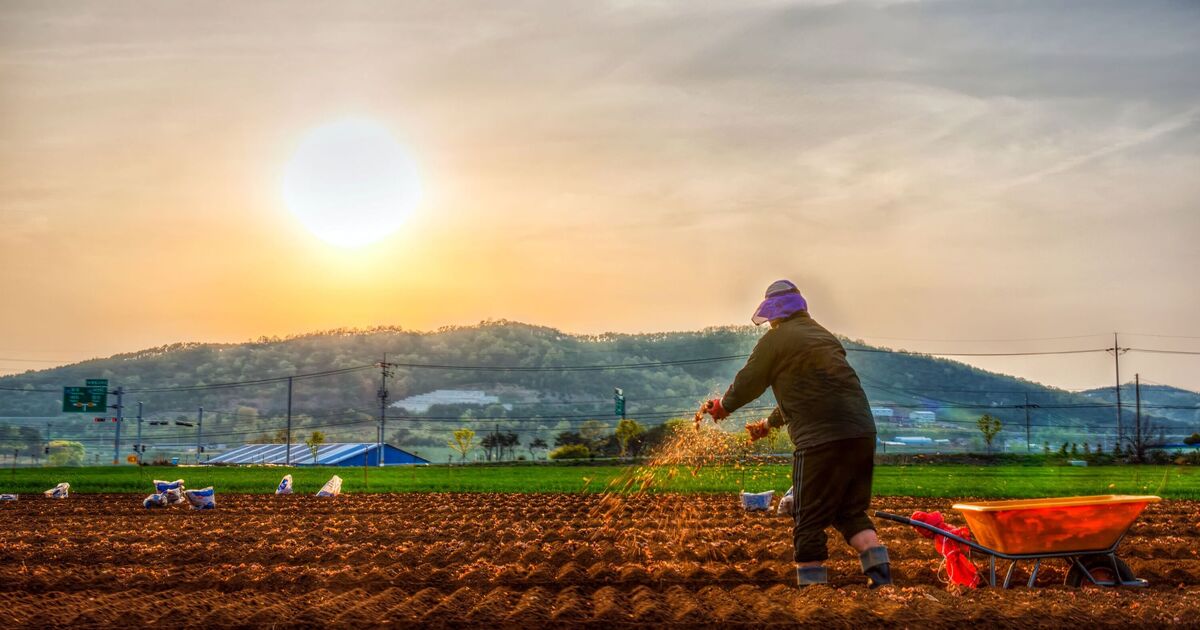
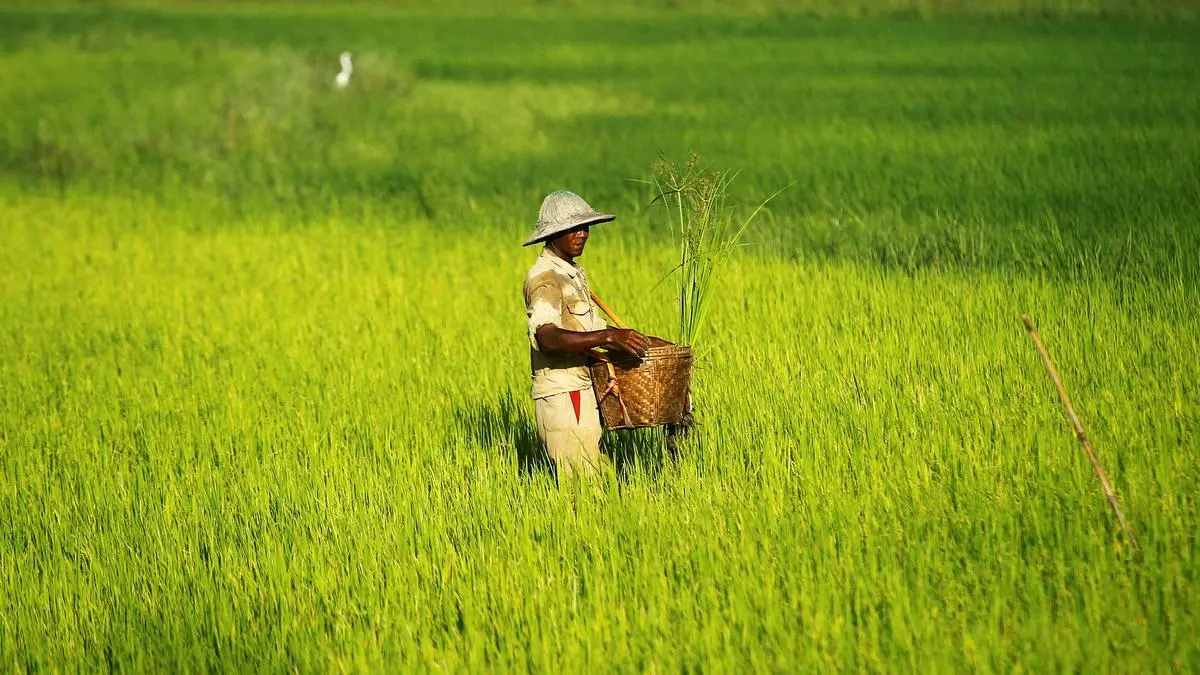
According to him, increasing agricultural productivity remains one of the most effective tools for tackling poverty and improving economic prosperity in the North-West.
“If we must effectively tackle poverty in the North-West, agricultural productivity must be significantly improved,” Radda said.
“We must continue to strengthen collaboration among farmers, traders, transporters, processors, security agencies, and government institutions to unlock the full potential of the sector.”
He acknowledged challenges confronting the sector, including insecurity, poor transportation networks, inadequate market infrastructure, climate-related threats, and limited access to finance.
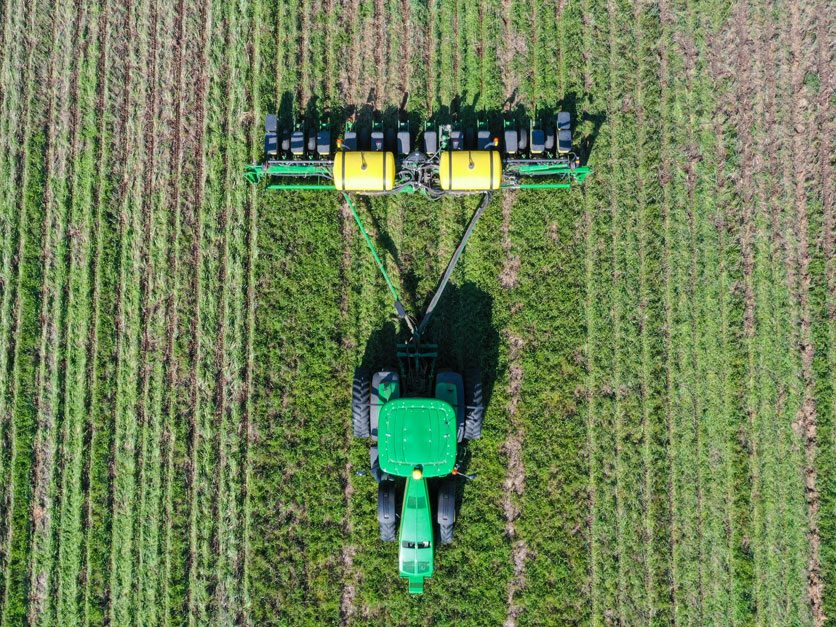
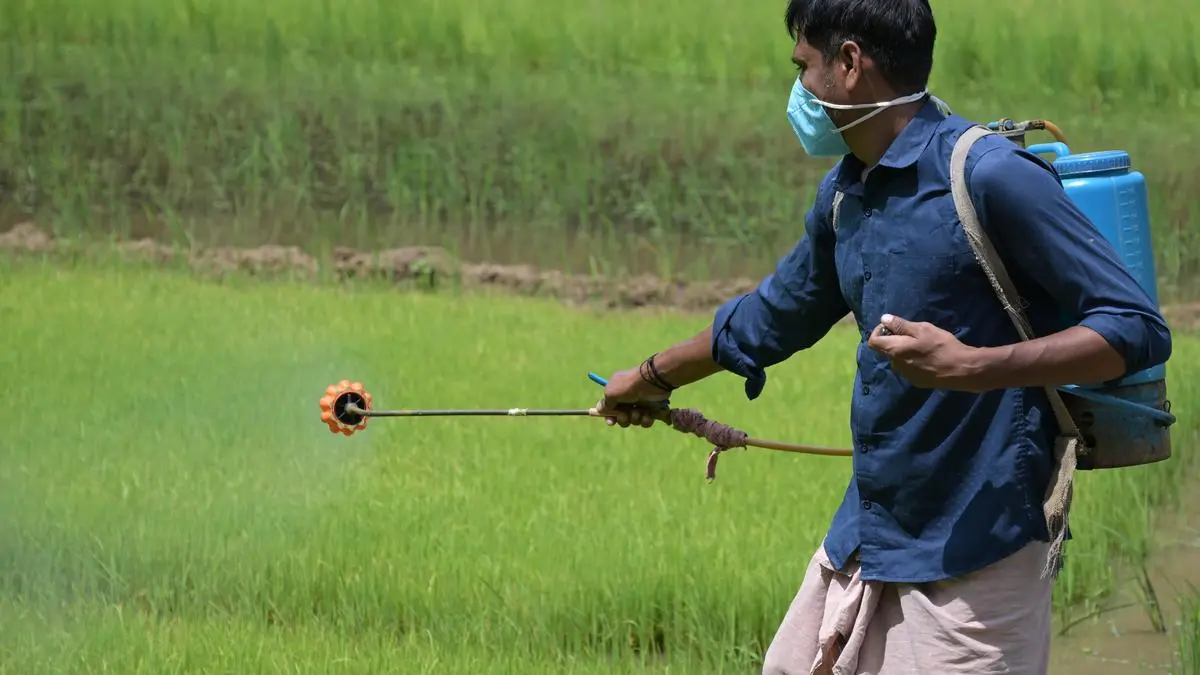
Radda said his administration had already initiated measures to address these challenges through market upgrades, enhanced agricultural support programmes, livestock development initiatives, and strategic partnerships with private investors and development organisations.
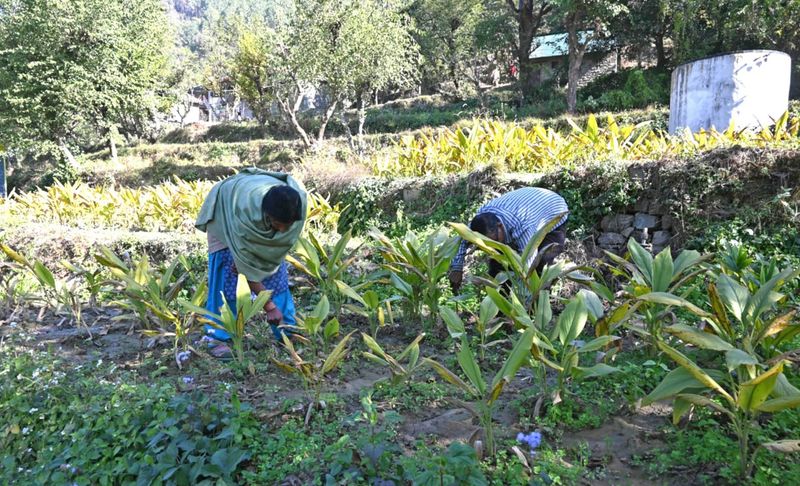
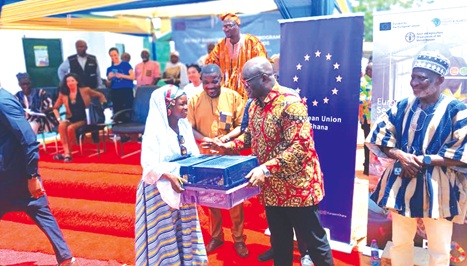
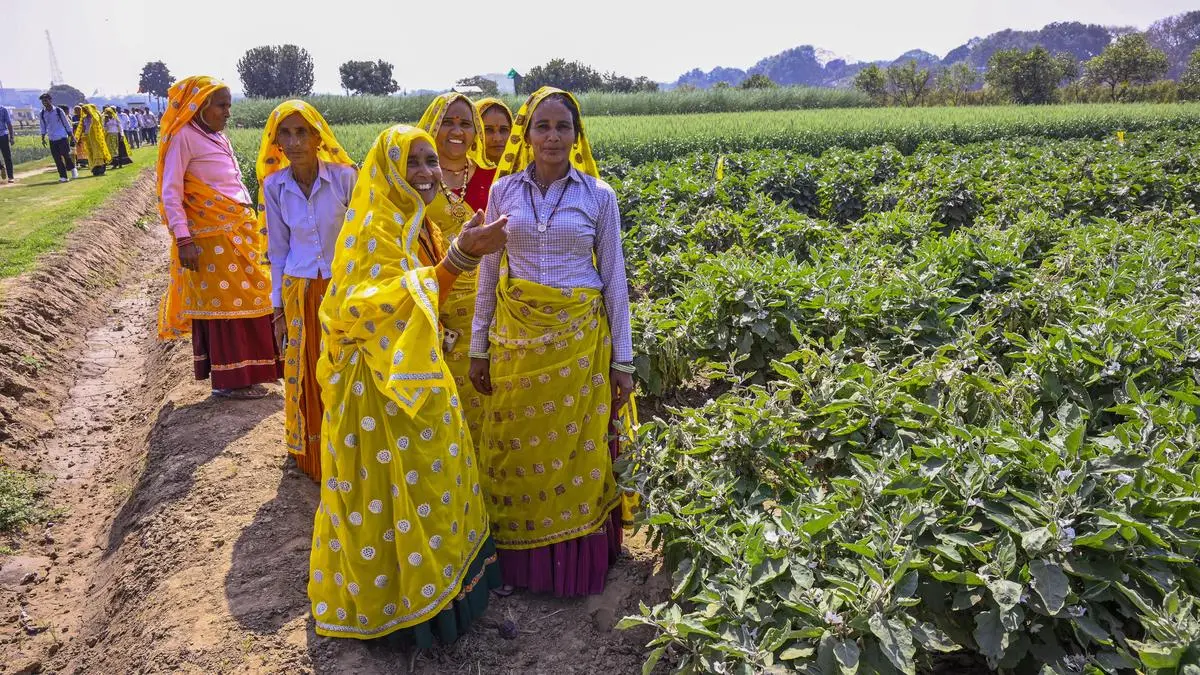
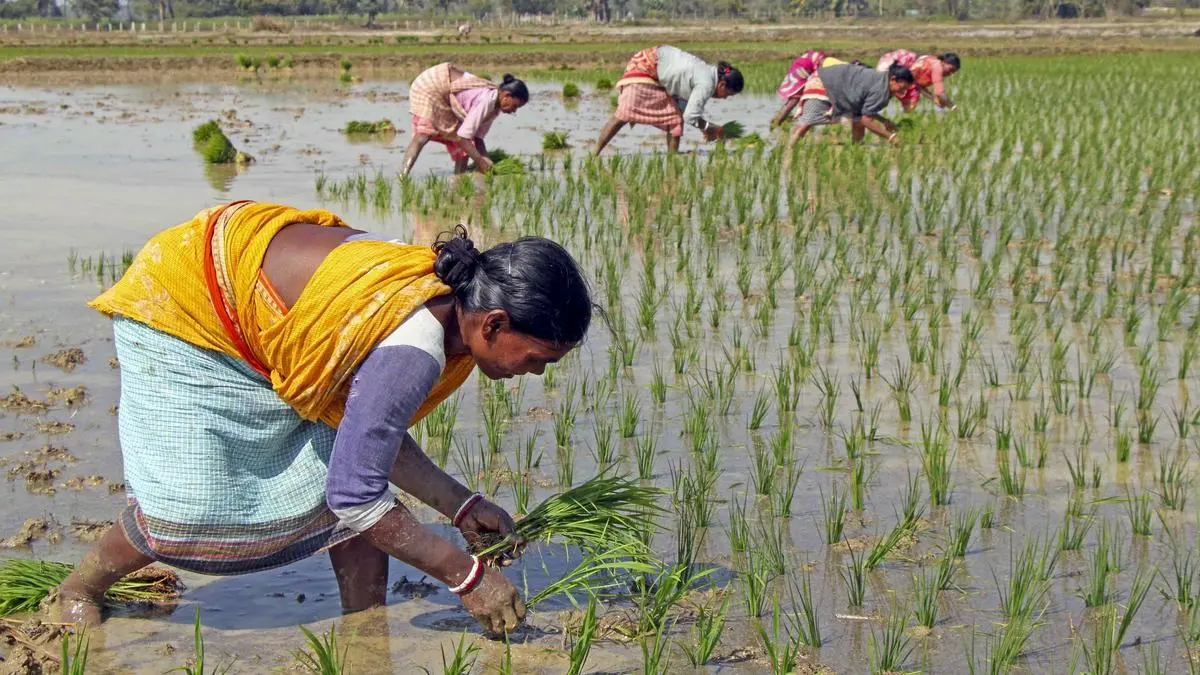
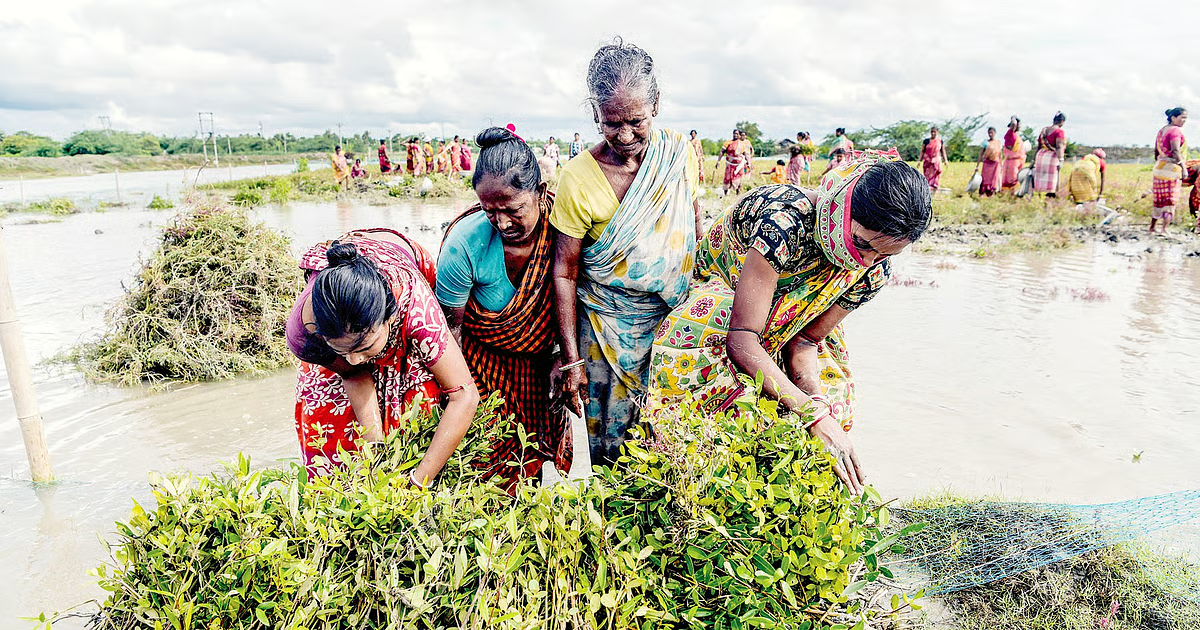
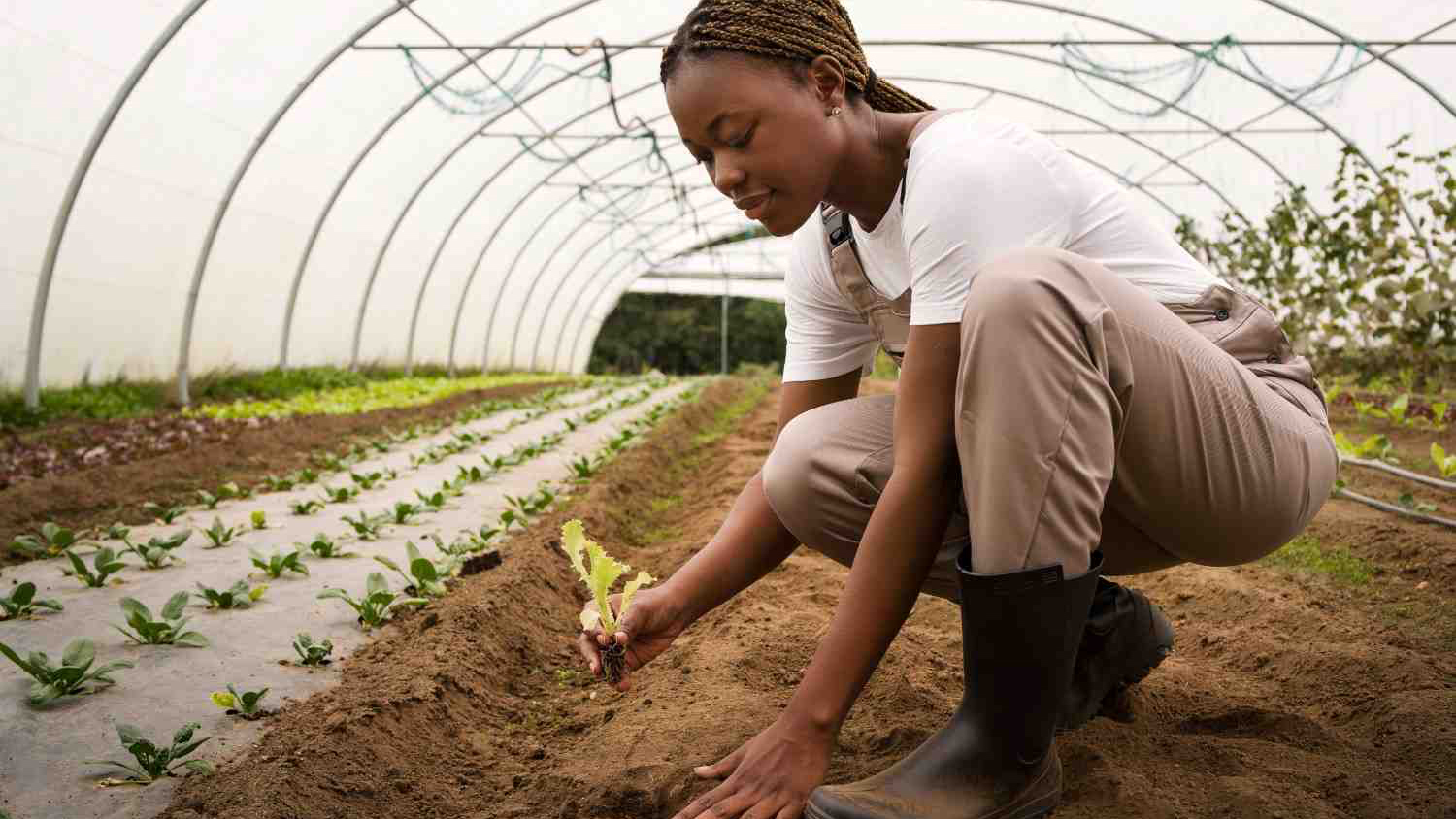
The governor disclosed that the state had introduced a ward-based agricultural empowerment programme covering all 361 political wards to ensure direct benefits for women and small-scale farmers.
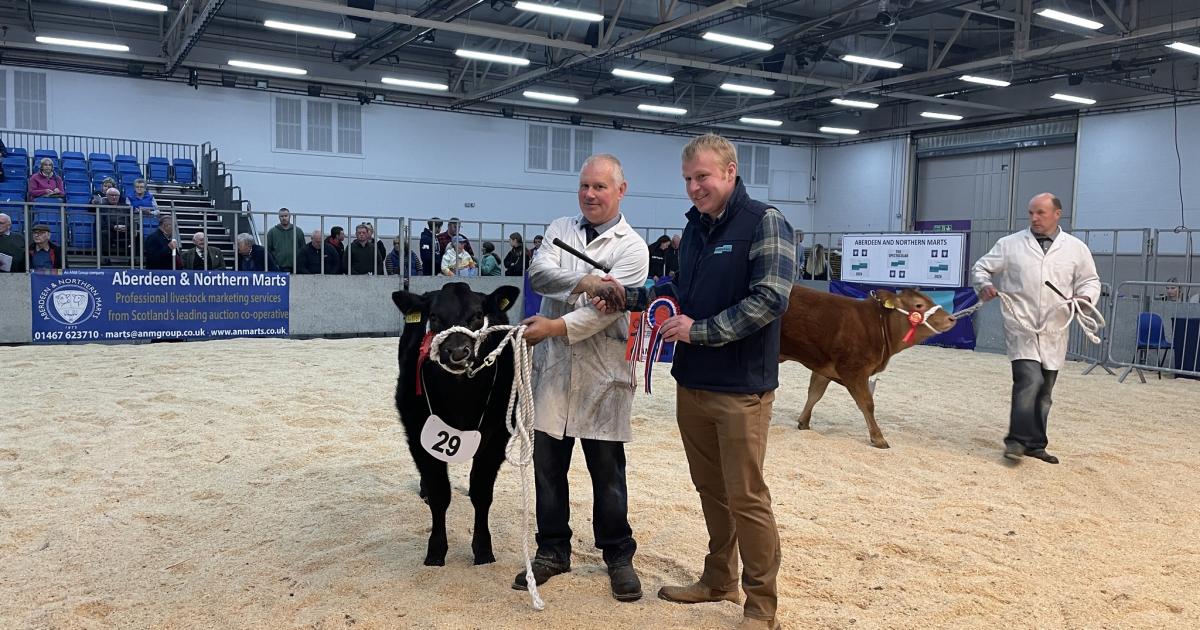
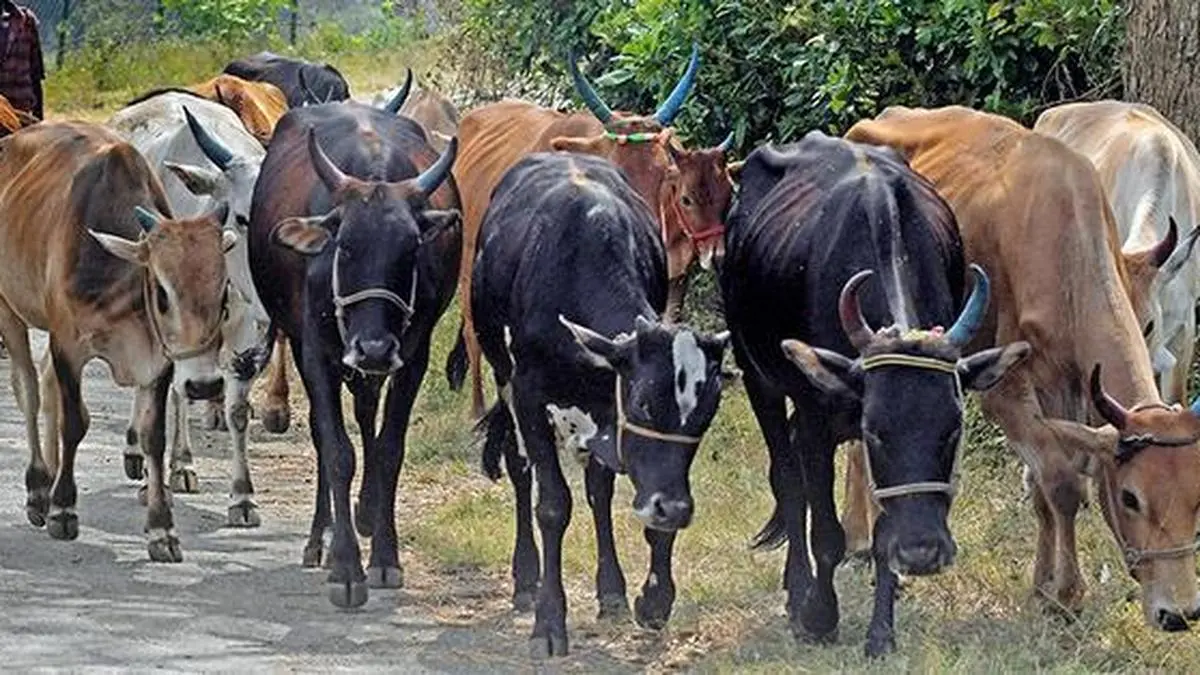
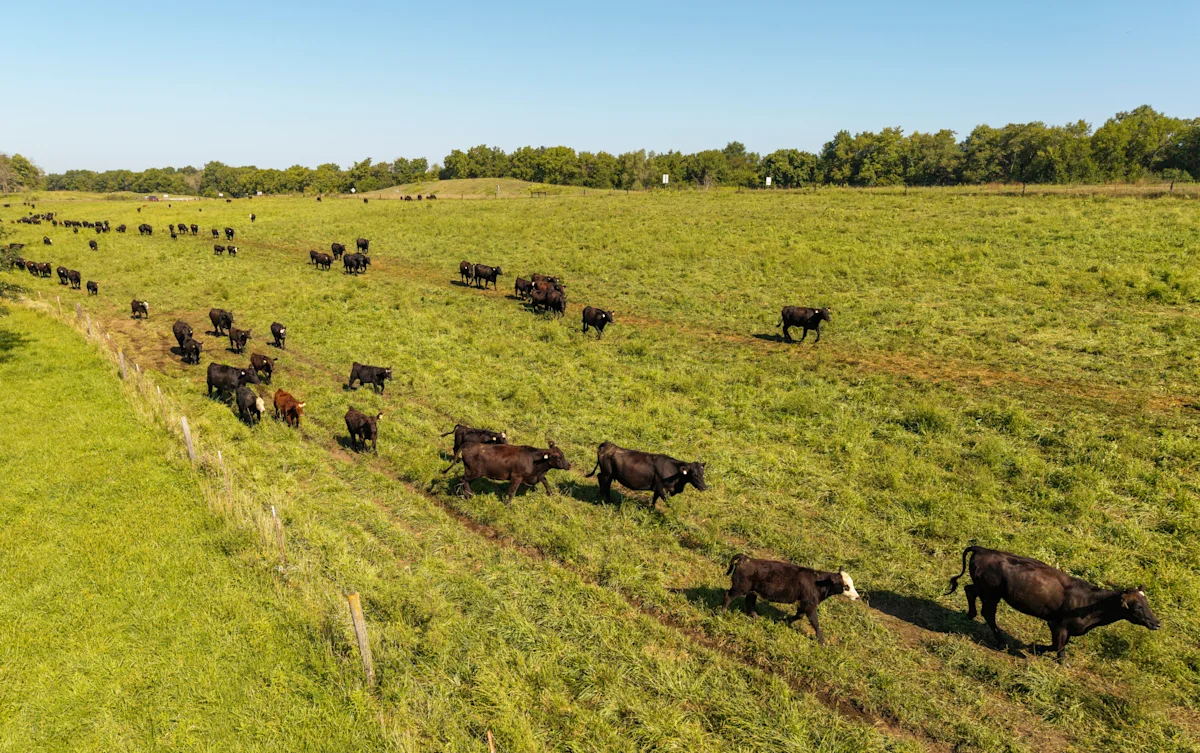
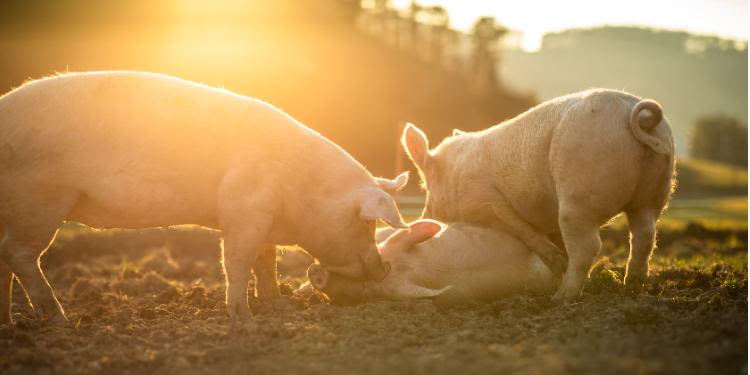
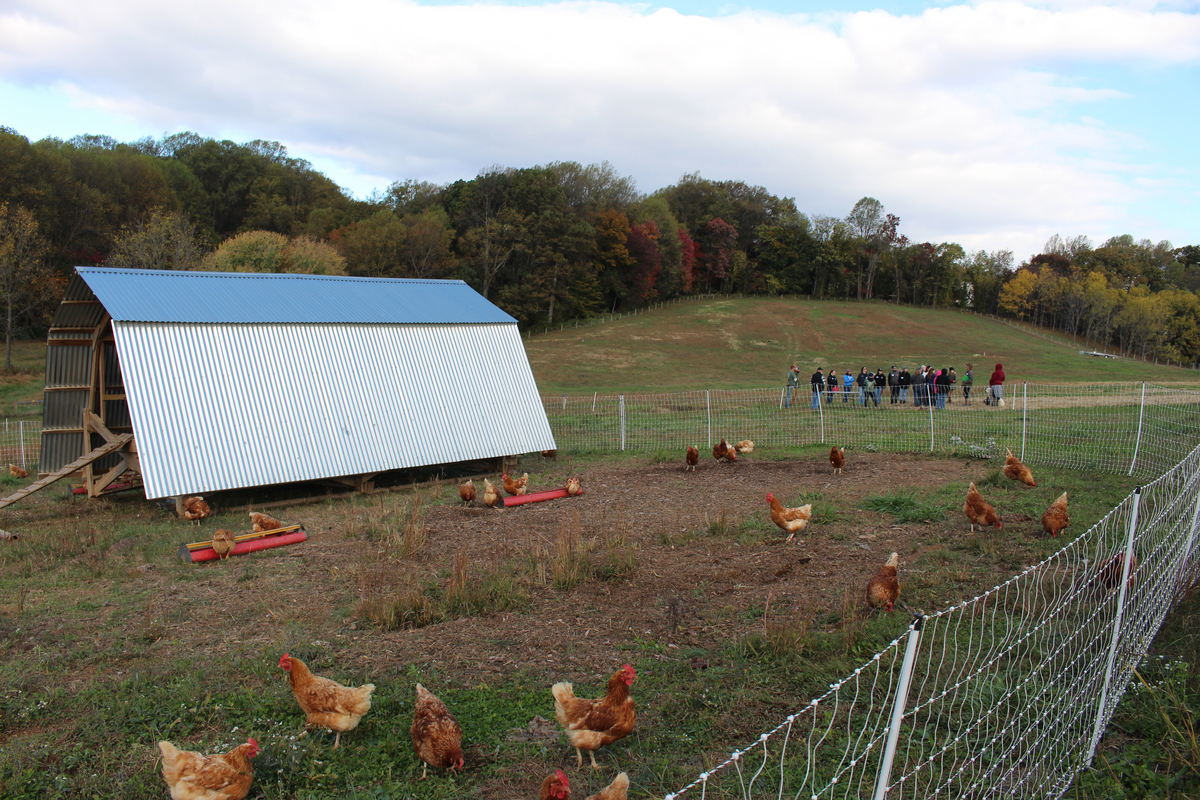
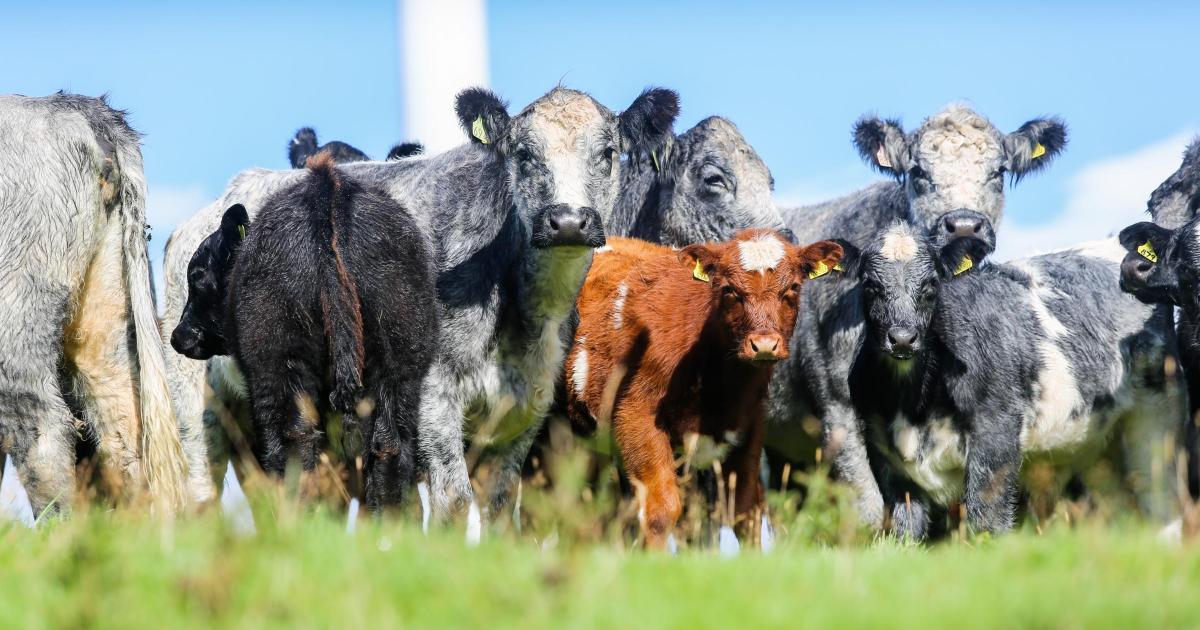
He also revealed that the government had established a Goat Breeding Centre in Larinawa, which is expected to evolve into a comprehensive livestock development hub, while seven zonal veterinary clinics have been created to improve animal healthcare services.
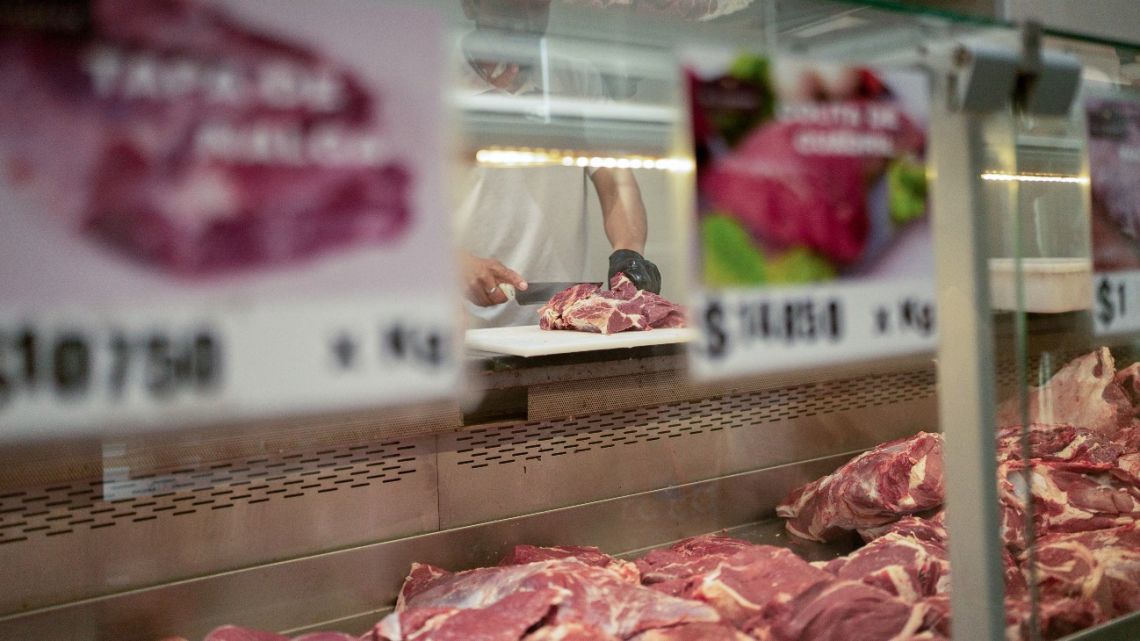
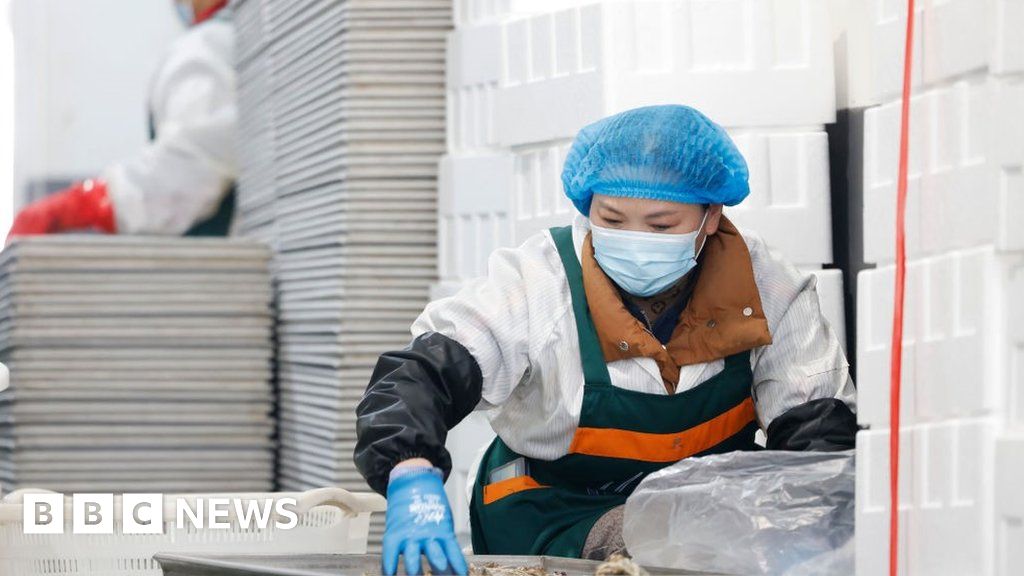
“We are committed to ending the practice of exporting livestock in raw form. Our focus is to process meat locally, create jobs for our young people, strengthen the local economy, and improve the earnings of livestock farmers through value addition,” he said.
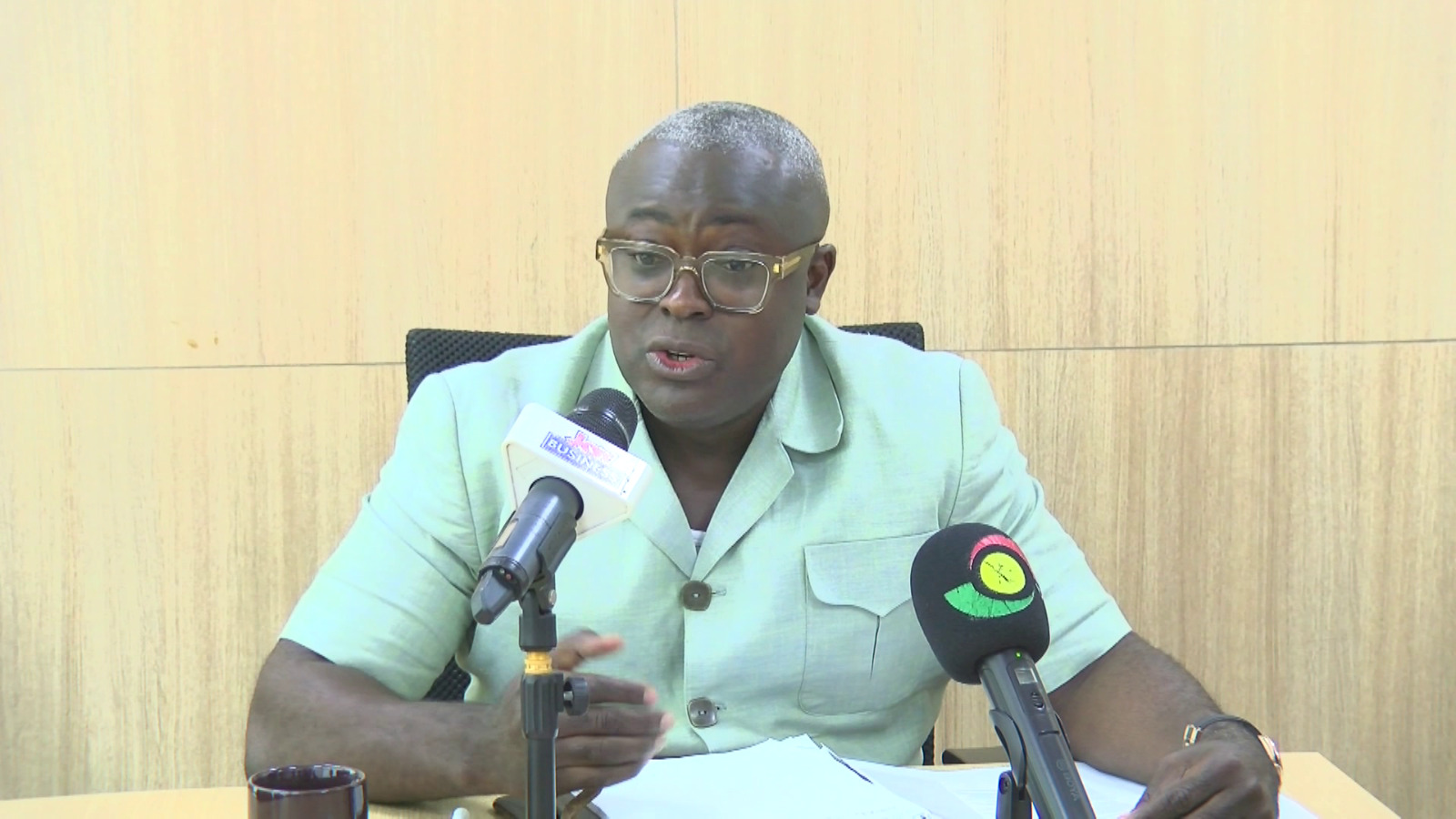
Also speaking, the Minister of Livestock Development, Idi Mukhtar Maiha, commended the Katsina State Government for its interventions in agriculture and livestock development, describing them as strategic efforts capable of transforming the sector.
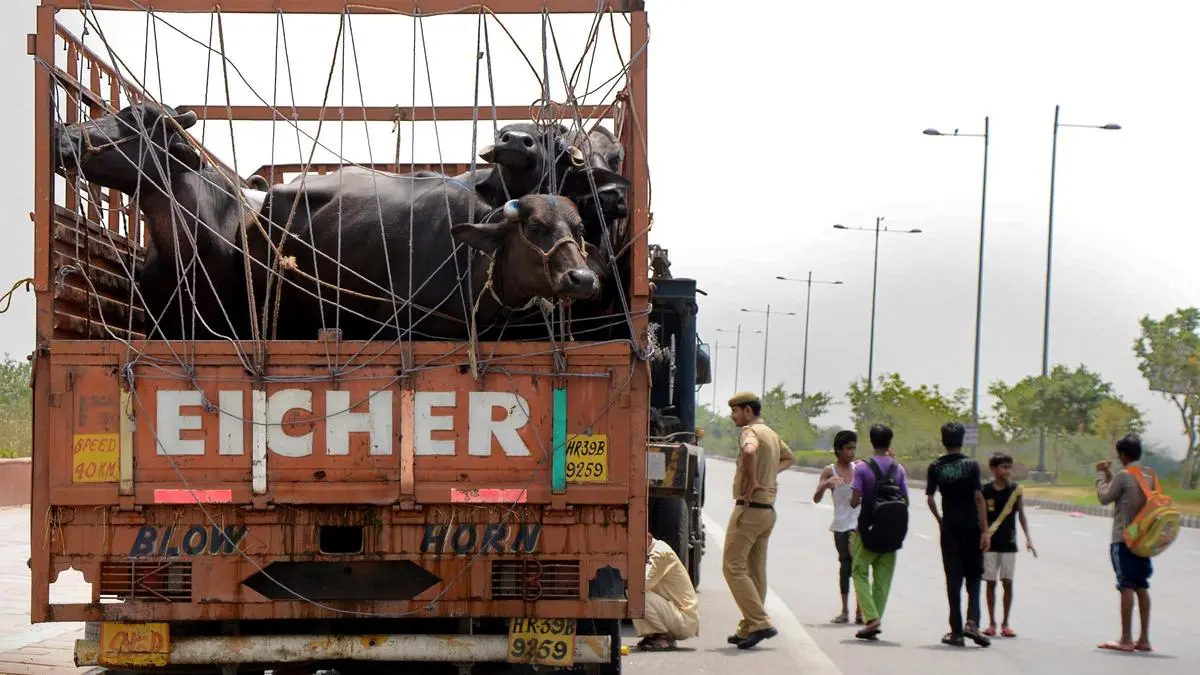
Maiha advocated processing livestock closer to production centres and transporting packaged meat via efficient cold-chain systems rather than moving live animals over long distances.
“The establishment of modern abattoirs and meat processing facilities will create jobs, increase revenue generation, and stimulate growth across several related industries,” he said.
The minister also expressed concern over the impact of multiple security checkpoints on livestock transportation and called for stronger collaboration between the government and the private sector to improve efficiency along the livestock value chain.
In his welcome address, Katsina State Commissioner for Livestock Development, Ahmed Bakori Mohammad, said the ministry had commenced sensitisation tours across the state’s 34 local government areas to mobilise beneficiaries and encourage grassroots participation in the goat-rearing empowerment programme.