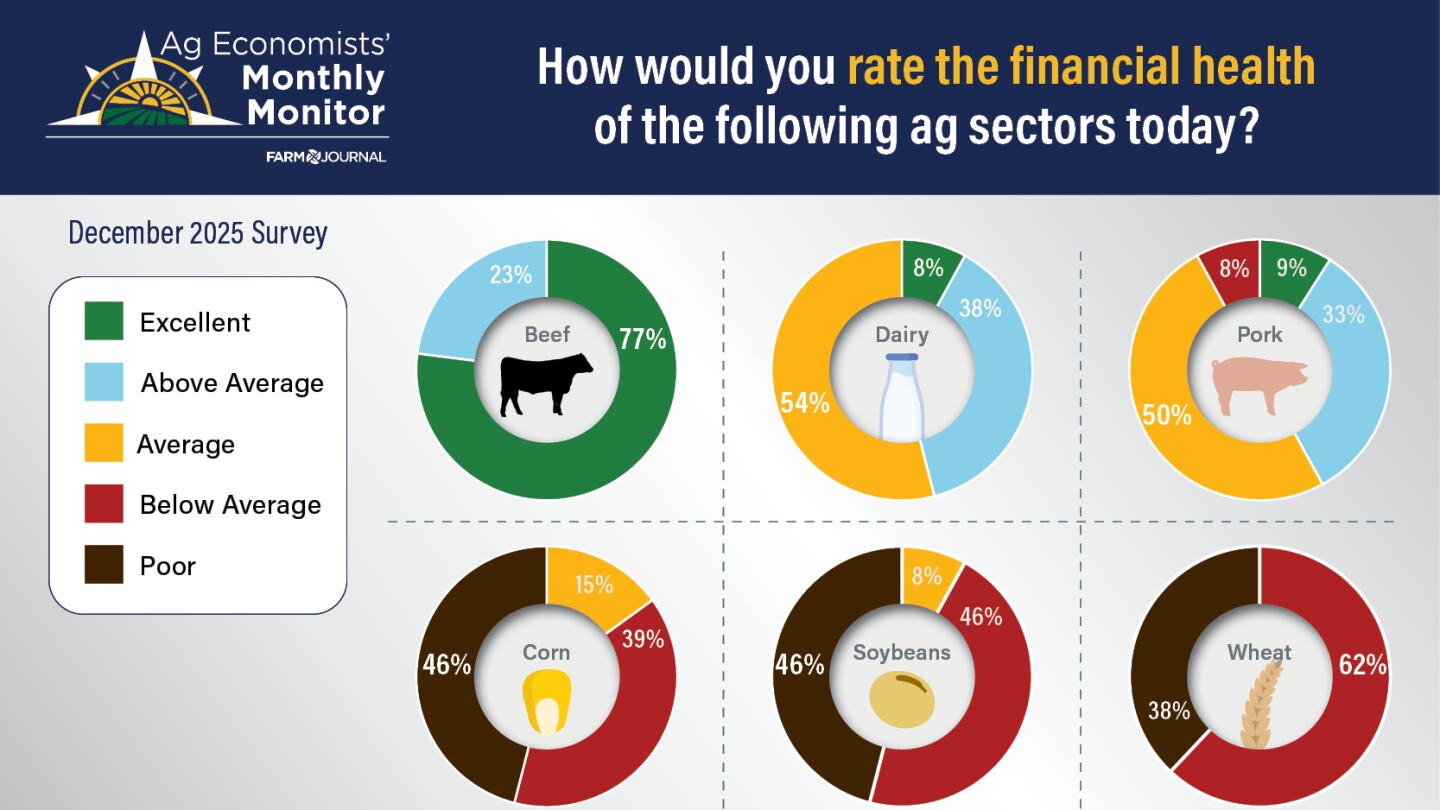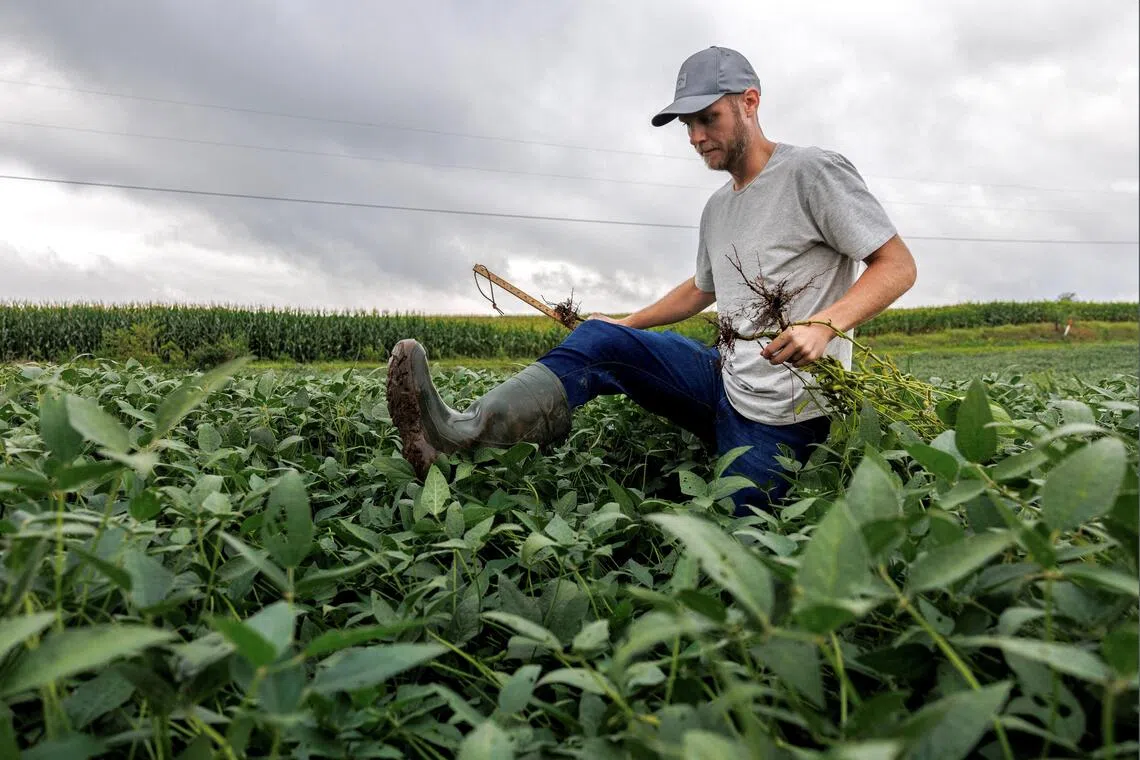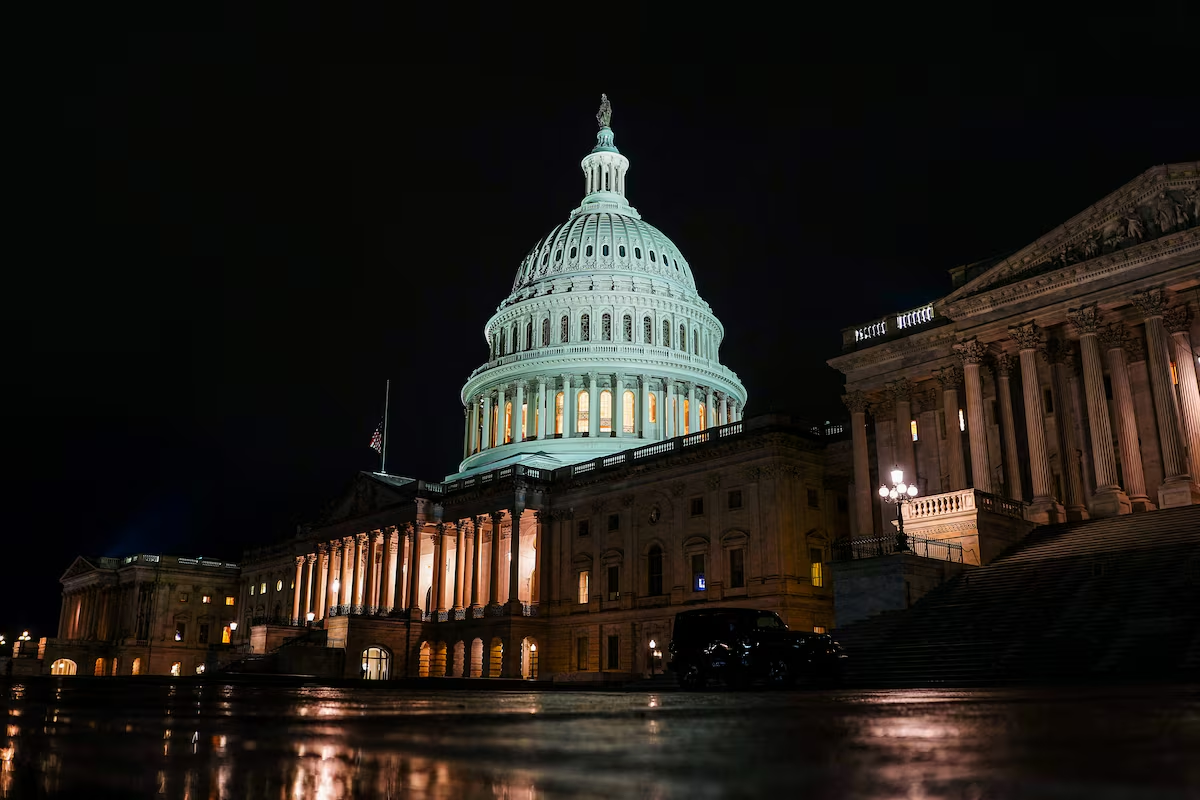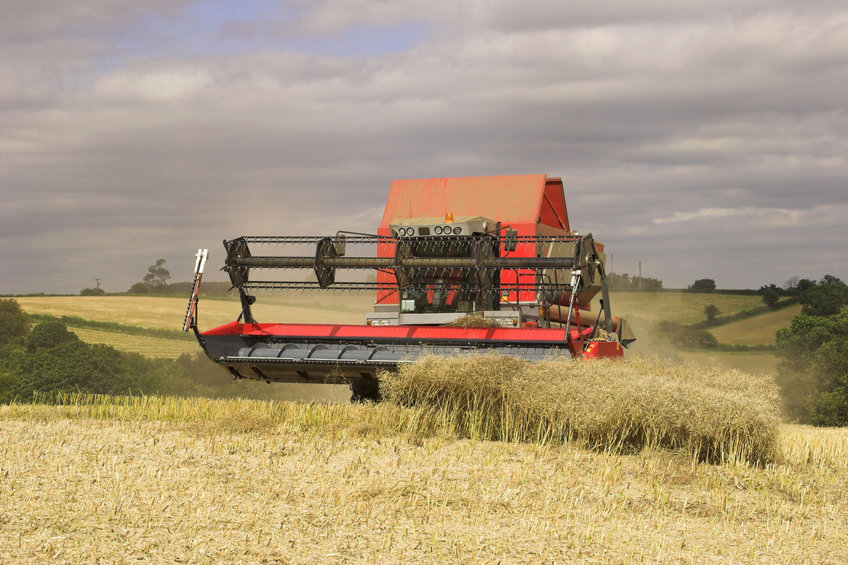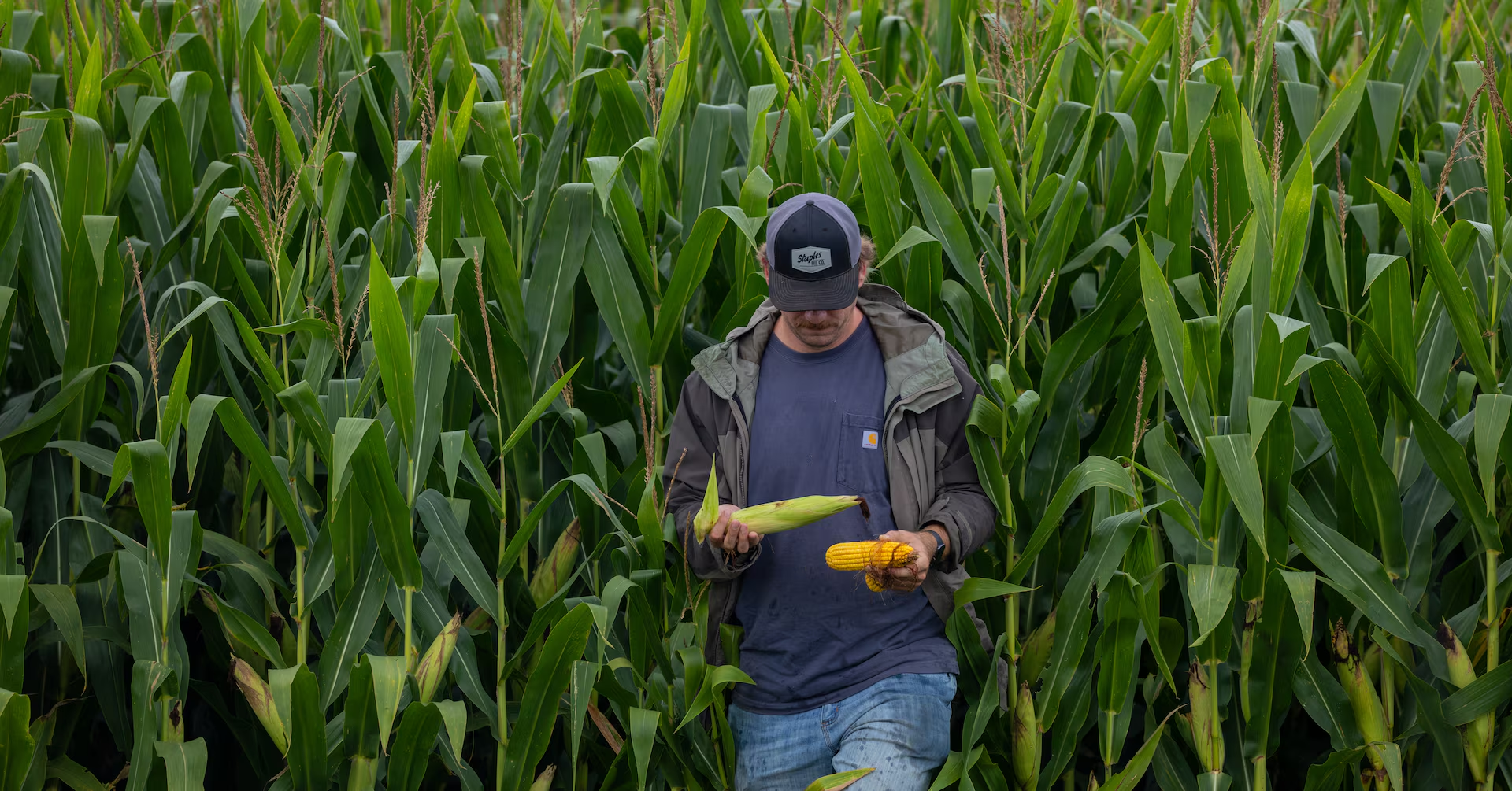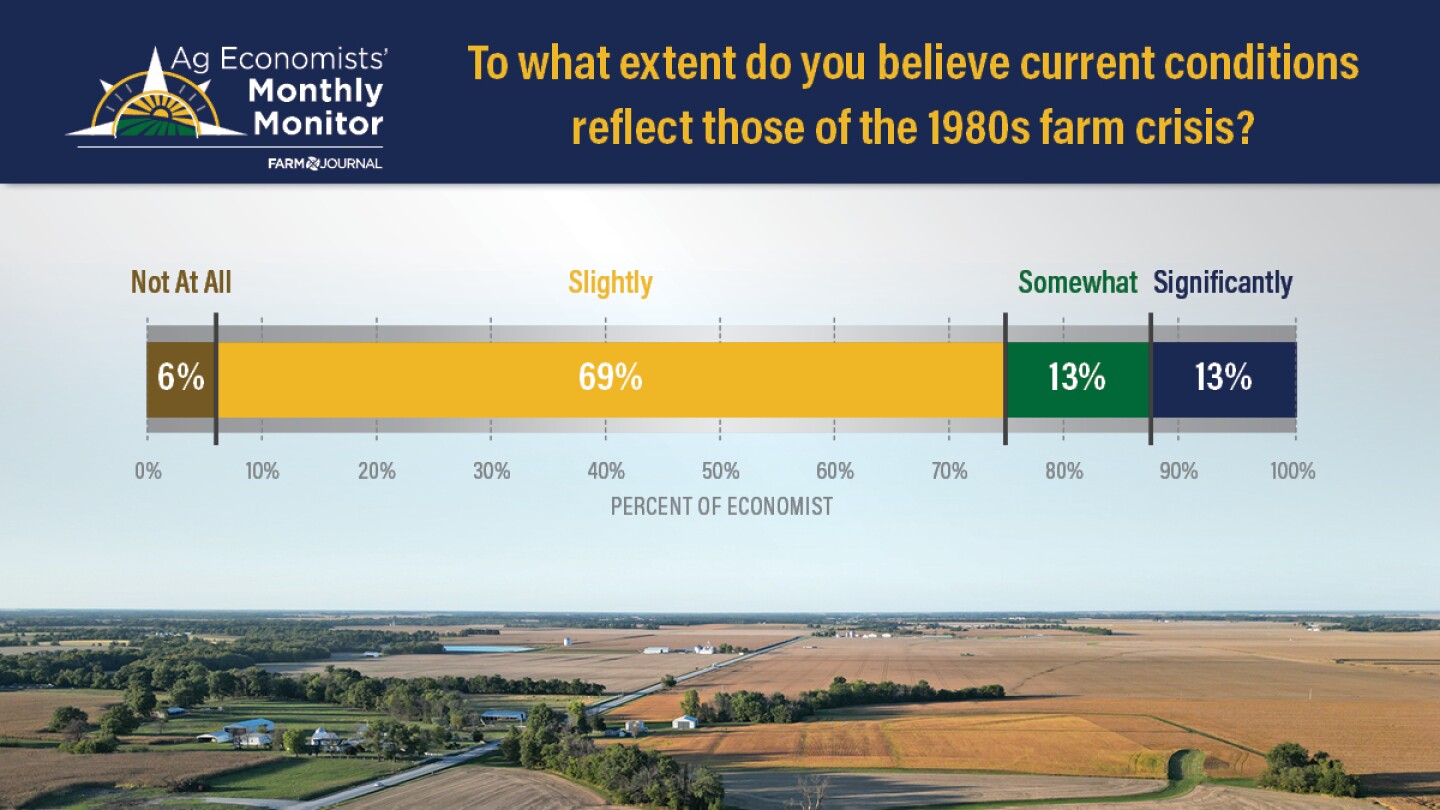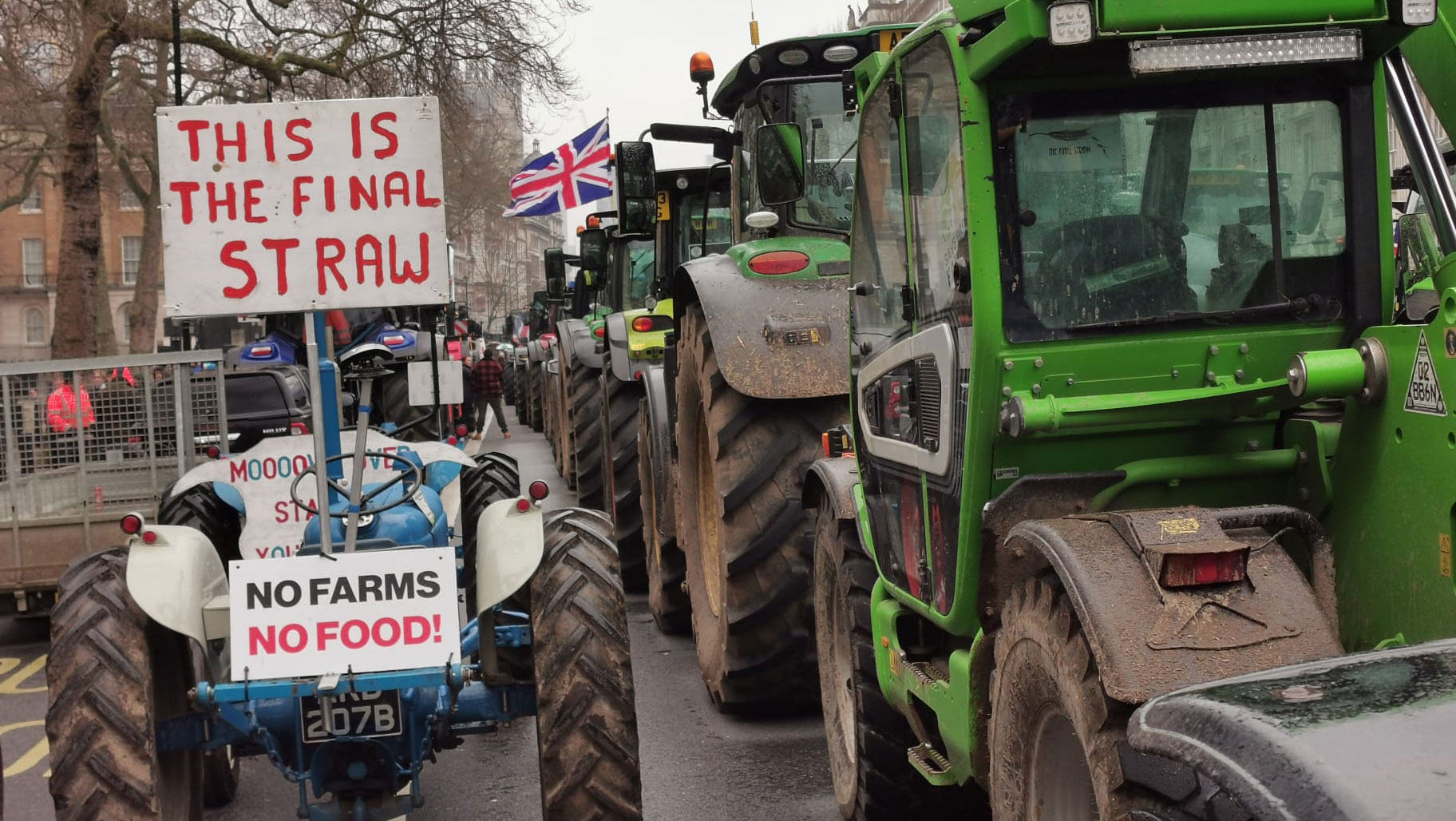
The farm economy is in crisis but Congress is not rising to the challenge, more than 40
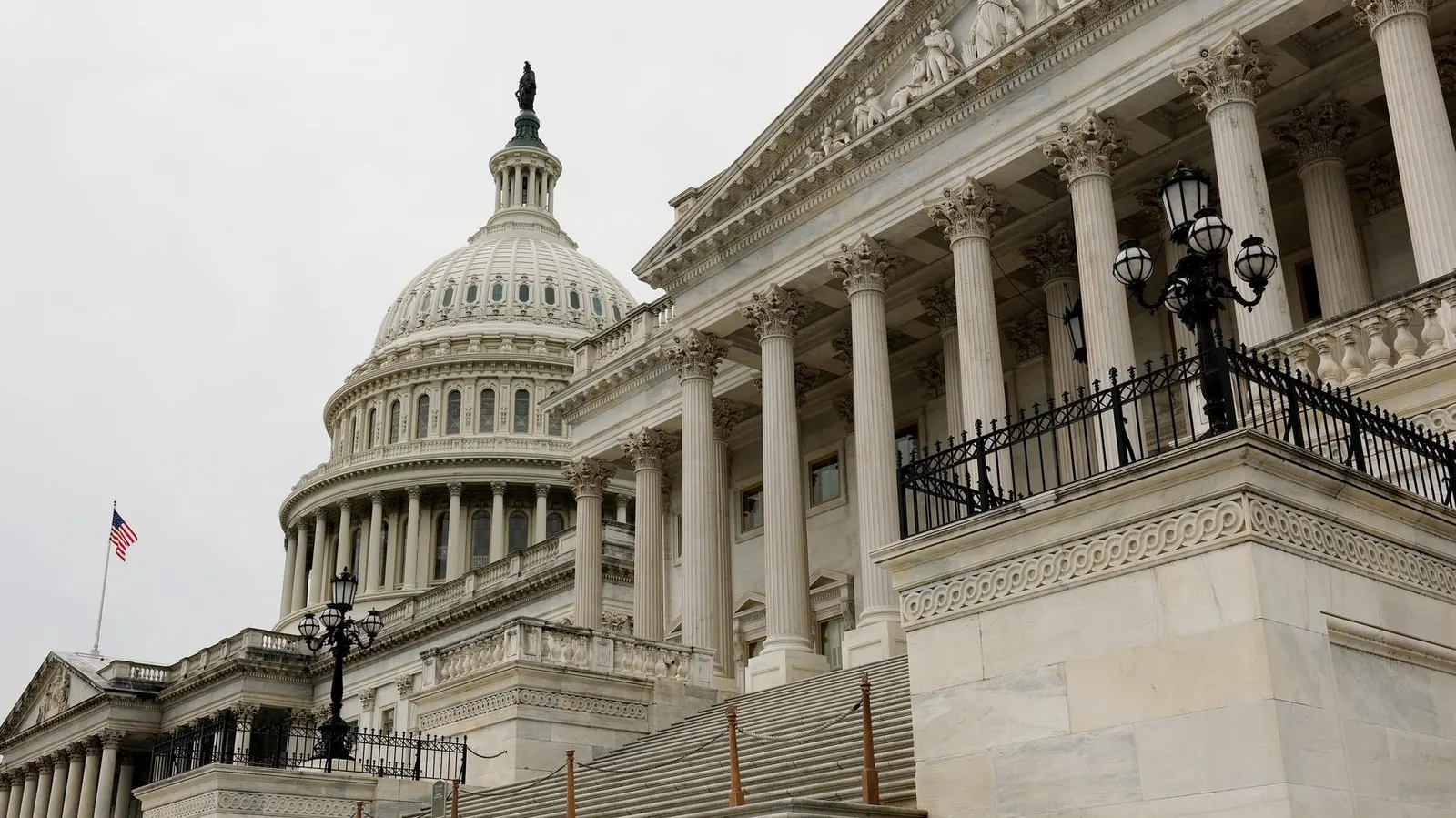
former agricultural leaders say in a letter today to the leaders of the House and Senate agriculture committees.
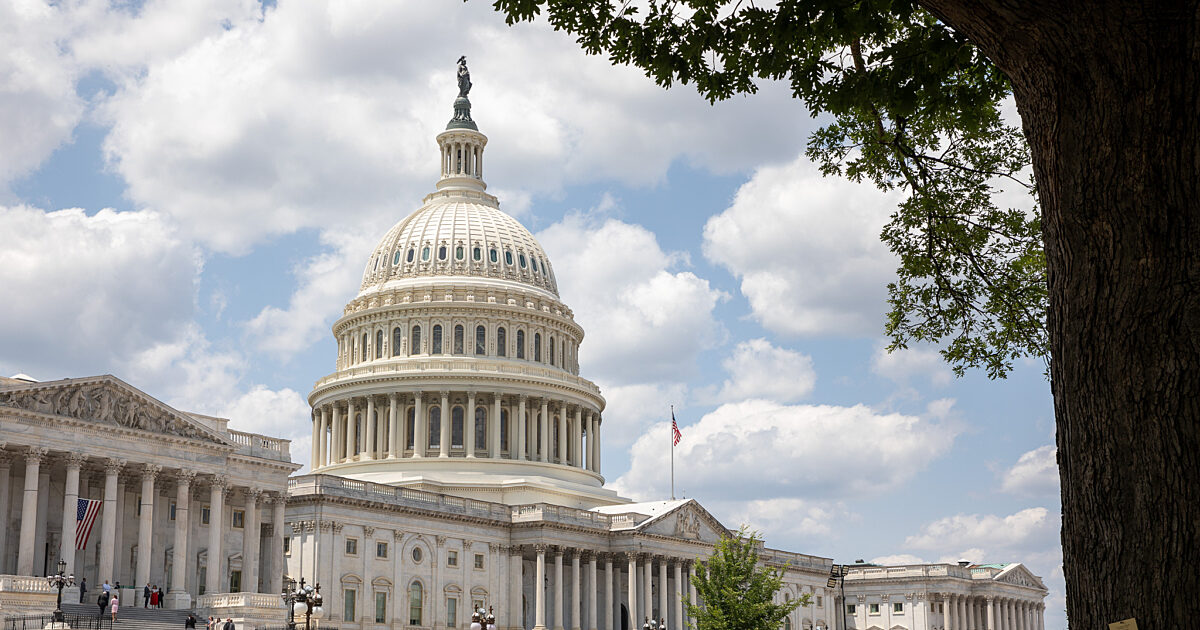
“Actions of the current administration and inaction by Congress have created and worsened unparalleled pressures on producers and rural communities across America,” they write to Senate Agriculture Committee Chair John Boozman, R-Ark. and House Agriculture Committee Chair Glenn “GT” Thompson, along with Ranking Members Sen. Amy Klobuchar and Rep. Angie Craig, both Minnesota Democrats.
The letter resembles one sent in February by many of the same people. That letter had 27 signers; the latest one has 45.
“In the five months since many of us wrote to share our concerns, the pressures facing farmers and ranchers have intensified dramatically in ways that jeopardize the entire U.S. ag economy—now and in the future,” they write. “The limited response by Congress does not match the extent and severity of the difficulties farmers are encountering every day.”
“I just wonder where on Capitol Hill is the leadership today, because if your solution is another bailout, you’re not addressing the problem,” Bob Dinneen, former president and CEO of the Renewable Fuels Association, tells Agri-Pulse. “You’re putting a band-aid on the issues. How about we start thinking a little bit more long-term, a little bit more strategically. Look at what the issues are, and get to it.”
The Trump administration has proposed another $11 billion in relief for farmers on top of an earlier tranche of $12.65 billion. On Wednesday, the House narrowly passed a $95 billion budget measure, or “reconciliation 3.0,” that includes $12 billion in agricultural aid.
Dinneen says the letter cuts across party lines. “It really is a broad-based bipartisan group of folks that are concerned,” he says. “And if you’d have told me that you’d get Roger Johnson on the letter with Farm Bureau folks, I’d have said you’re crazy, but they all see it the same way.”
Johnson led the National Farmers Union for 11 years up until 2020. Other signers include a former head of the Illinois Farm Bureau and multiple former leaders of trade groups, including the National Corn Growers Association, American Soybean Association, and National Pork Producers Council. Farmers and former leaders of state ag departments also signed on.
The letter cites a number of challenges for farmers, including input costs, the administration’s tariff policy, and the slashing of USDA’s workforce.
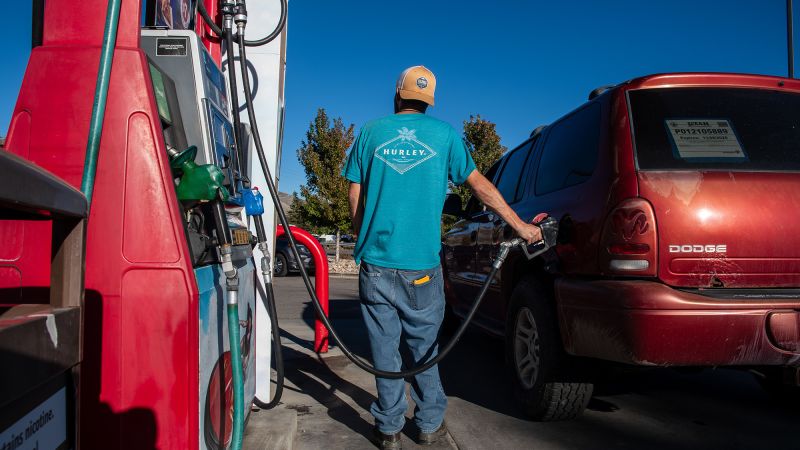
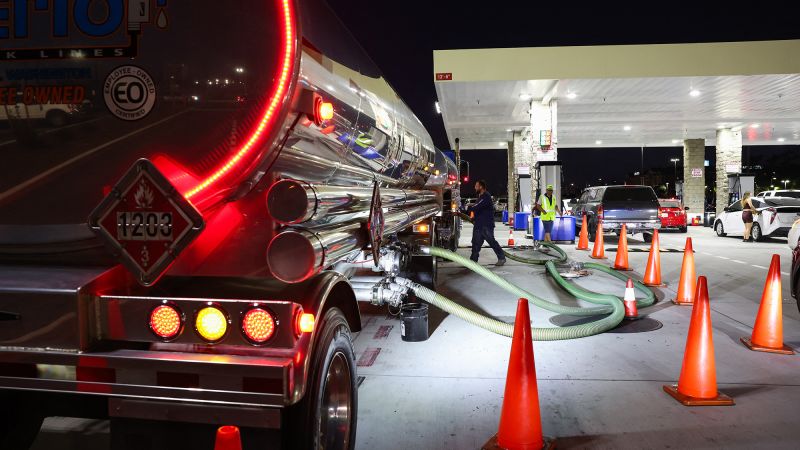
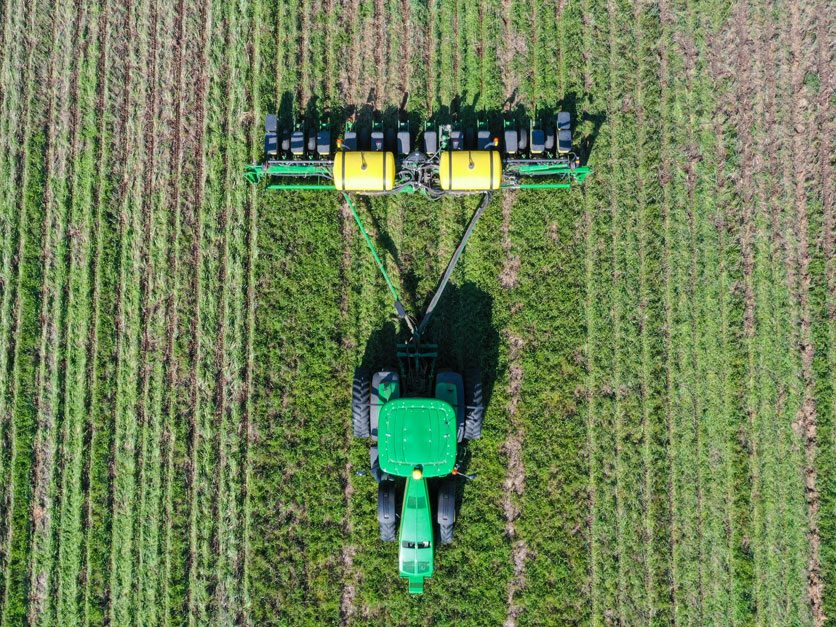
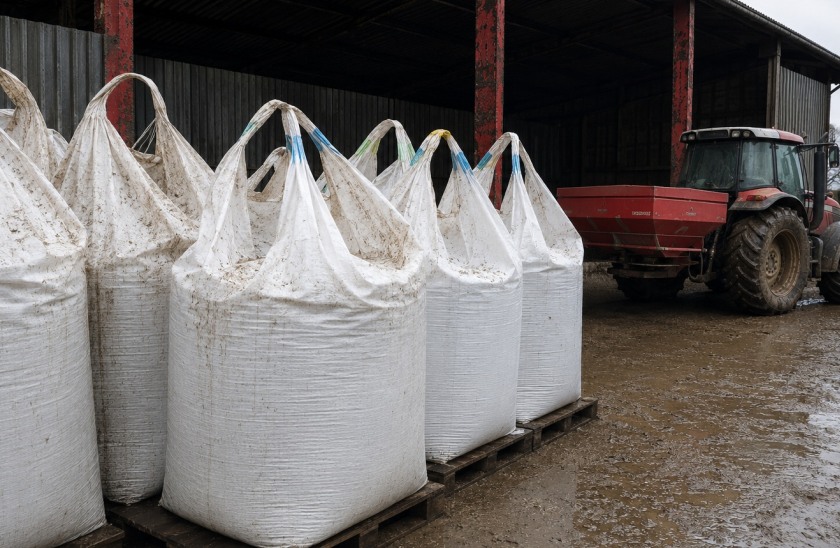
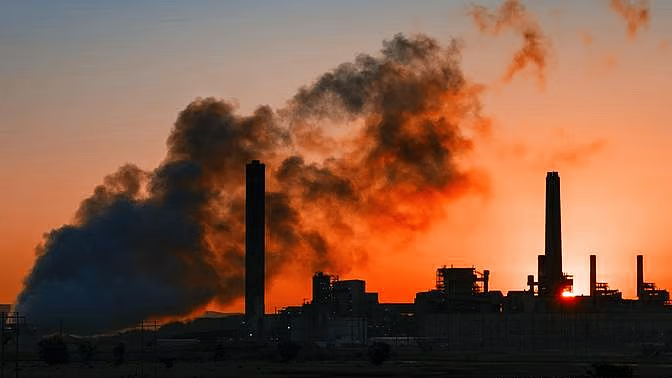
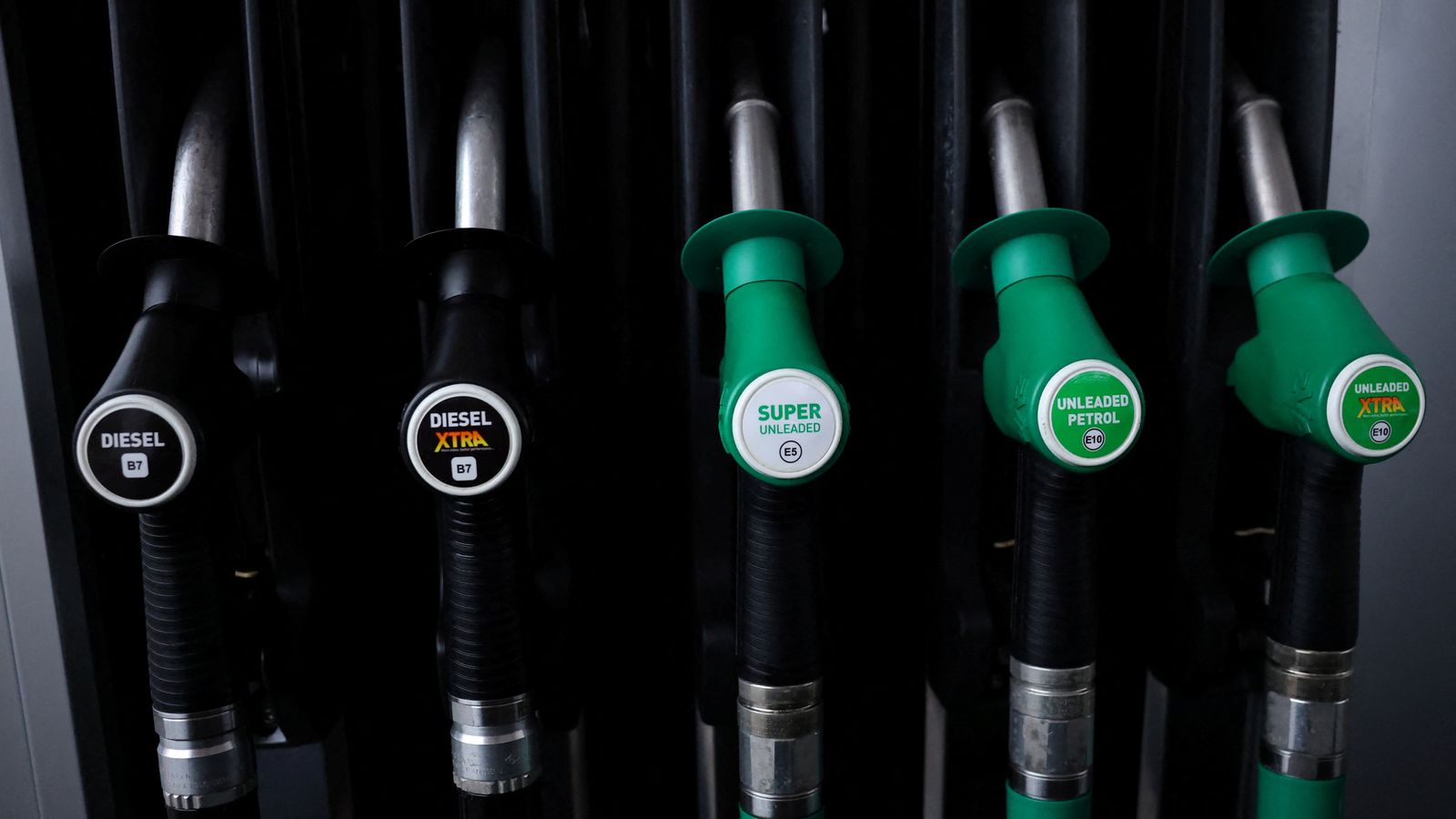
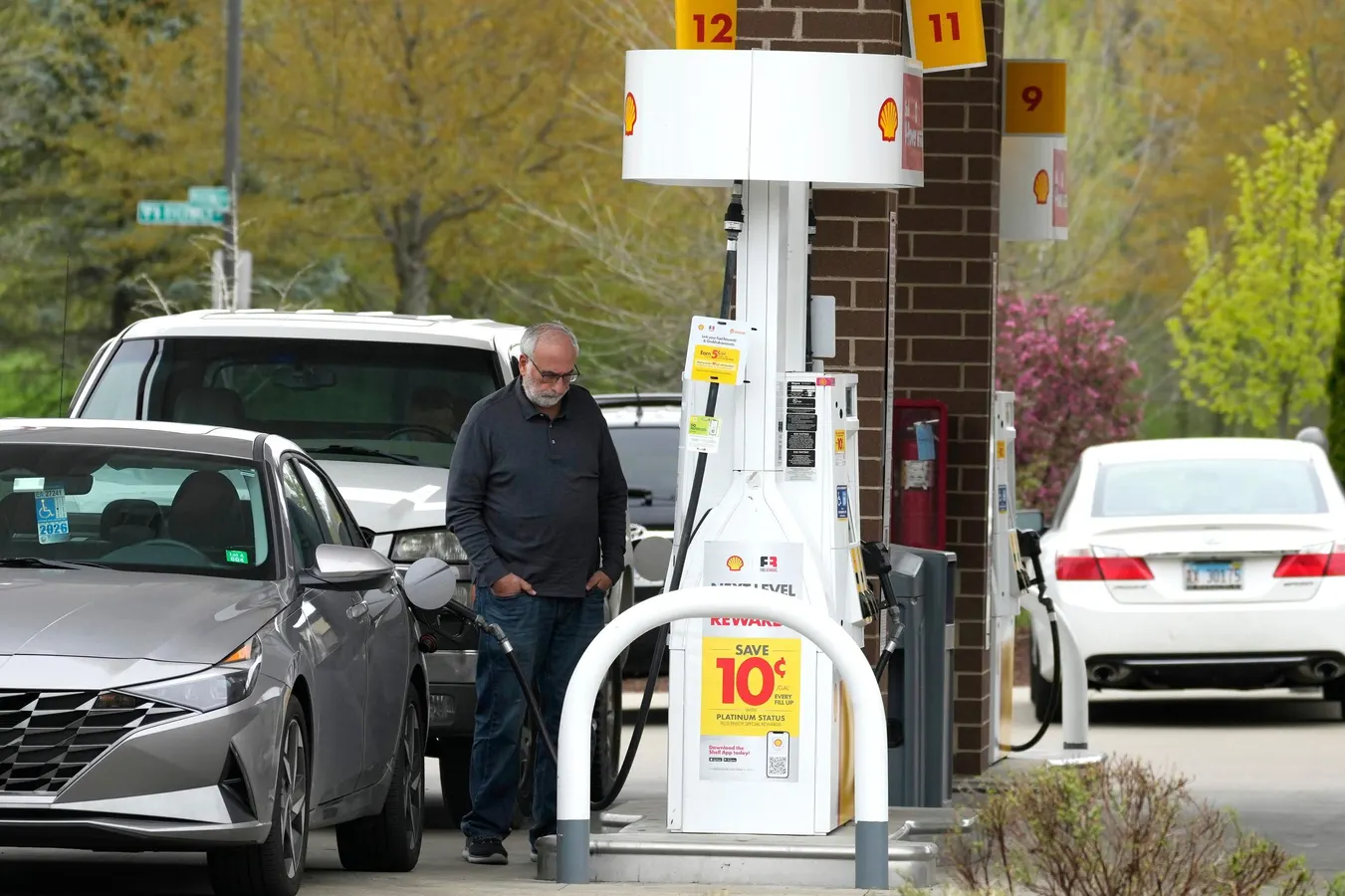
“The increases in fuel and fertilizer costs have further diminished prospects for farmers who have seen their margins steadily shrink over the past four years,” the letter says. “Diesel prices alone doubled over last year’s prices in farm country, increasing the cost for every acre in production. These increases have added to the continuing rise in input costs as a consequence of tariffs.”
“The Feb. 3 letter asked that you hold hearings on the farm crisis,” the signers said. “This has not happened.
“More than ever before, Congress needs to seek out and listen to the hardships American farmers are facing, seriously engage with farmers on the causes and solutions, and exercise bipartisan oversight and legislative authority to reverse the decline and restore our nation’s agricultural economy.”
Dinneen said there is a “courage deficit” on Capitol Hill. Another letter signer, Dawn Riley, a former USDA official in the George W. Bush administration and staffer for Sen. Mitch McConnell, R-Ky., said, “I think the public service has actually gotten lost significantly over the last several years, and I dare say, especially since the first Trump administration.”
Much of what comes out of Congress and the administration is “performative,” she says. In Congress, “If they’re not getting called out directly for something that’s happening in their own district or in their own state, they don’t really pay much attention to it, or don’t want to actually take a stand and provide some leadership.”
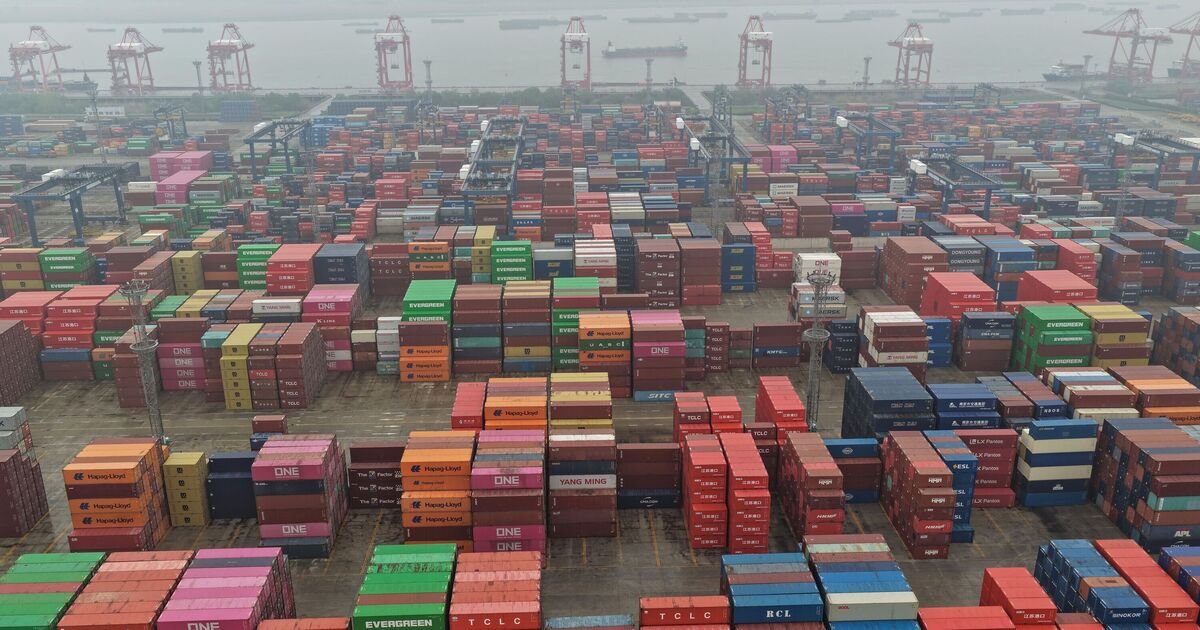
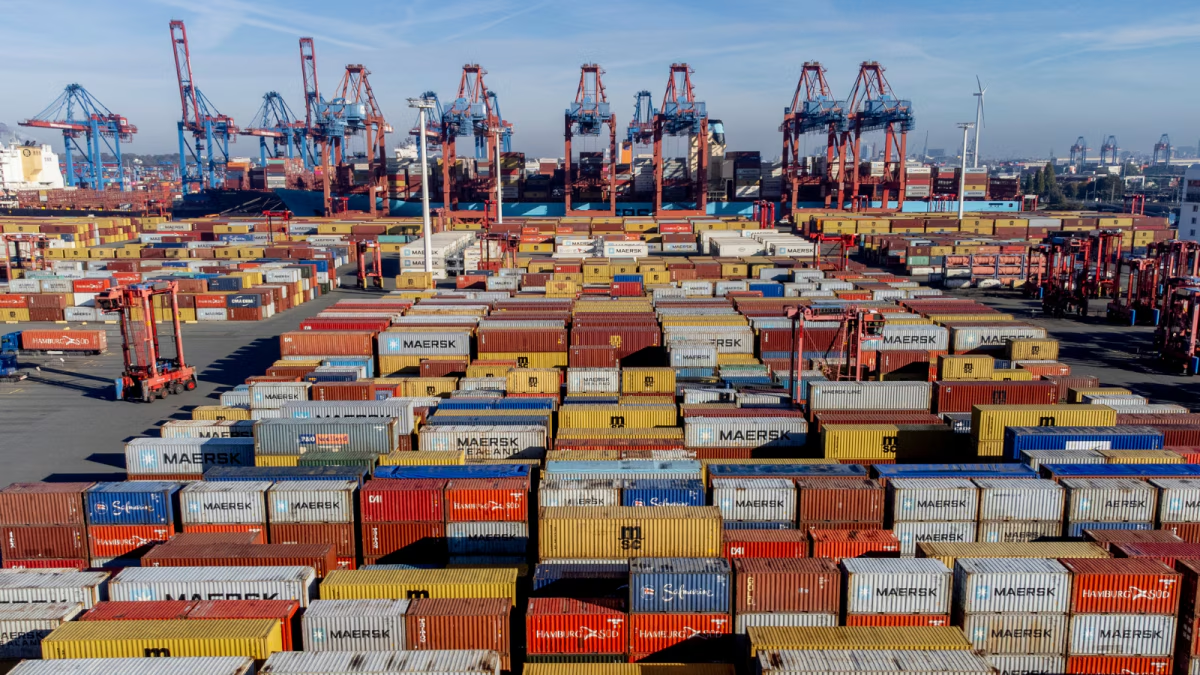
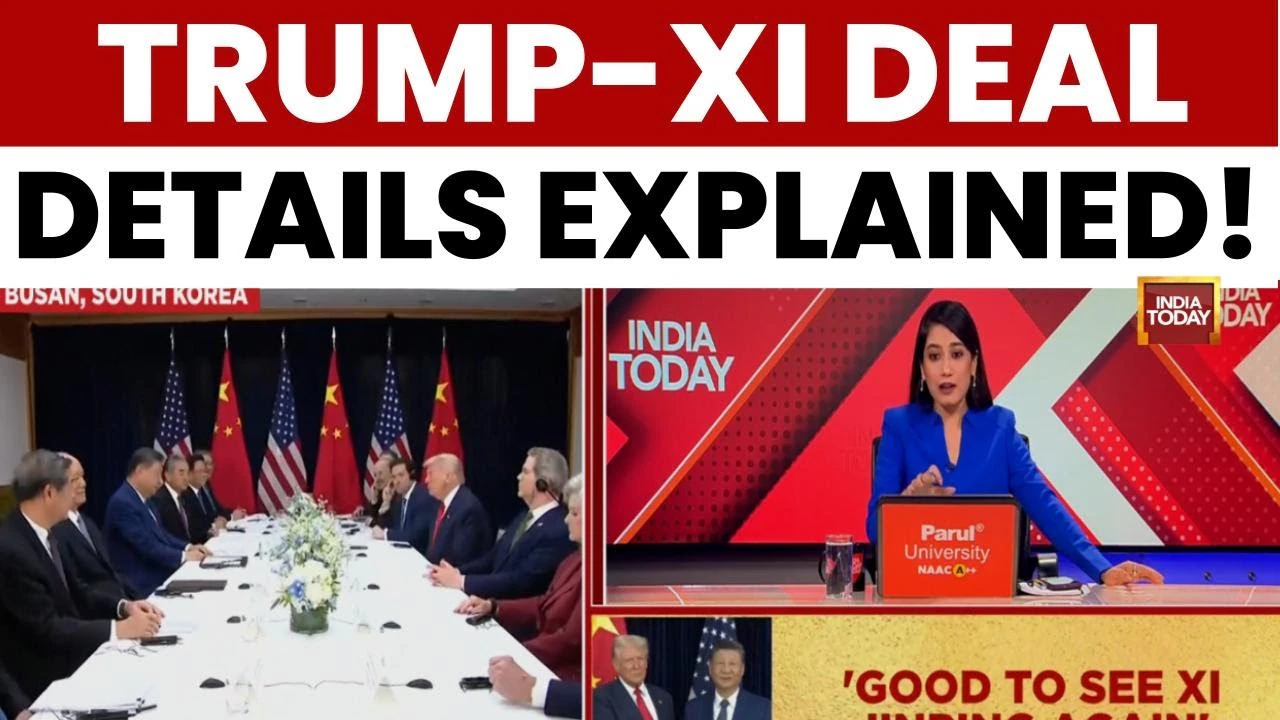
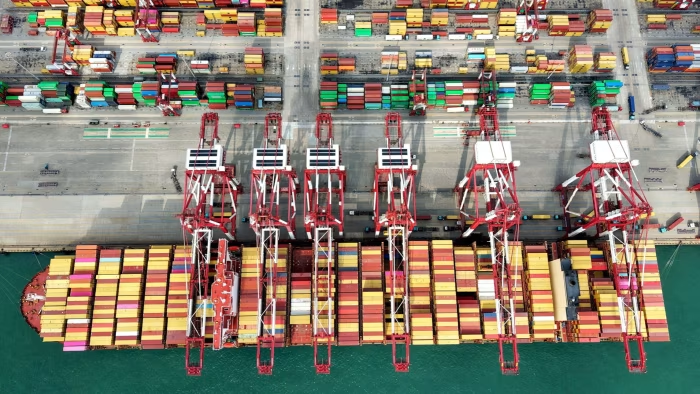
Despite the administration’s touting of new trade deals, “Agricultural exports continue to languish,” the letter says. “Among the impacts is the loss of $15 billion of exports to China, as that country has substantially shifted its reliance away from U.S. commodities.”
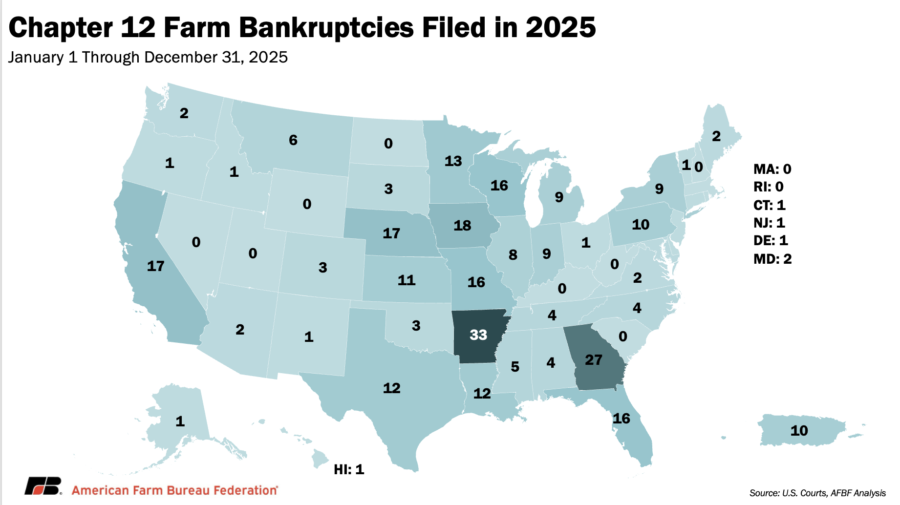
The signers also cite the increase in farm bankruptcies. “As widely reported, farm bankruptcies increased by 46% in 2025 as farmers have struggled to break even. In 2026, the increase in farm bankruptcies has intensified with a doubling of filings in the first quarter of 2026.”
They also emphasize the importance of agricultural research.
“Not so long ago, our nation’s public research capability was preeminent in the world, but it has now been surpassed in spending by major competitors including China and Brazil,” the letter says. “The current version of the farm bill does little to address that trend and leaves research funding stagnant. Without effective congressional oversight, USDA has canceled research projects, delayed funding, forced unwarranted, capricious layoffs and needless relocations of USDA employees, thereby decimating the research capacity and technical support upon which the viability and competitiveness of American farmers depends.”
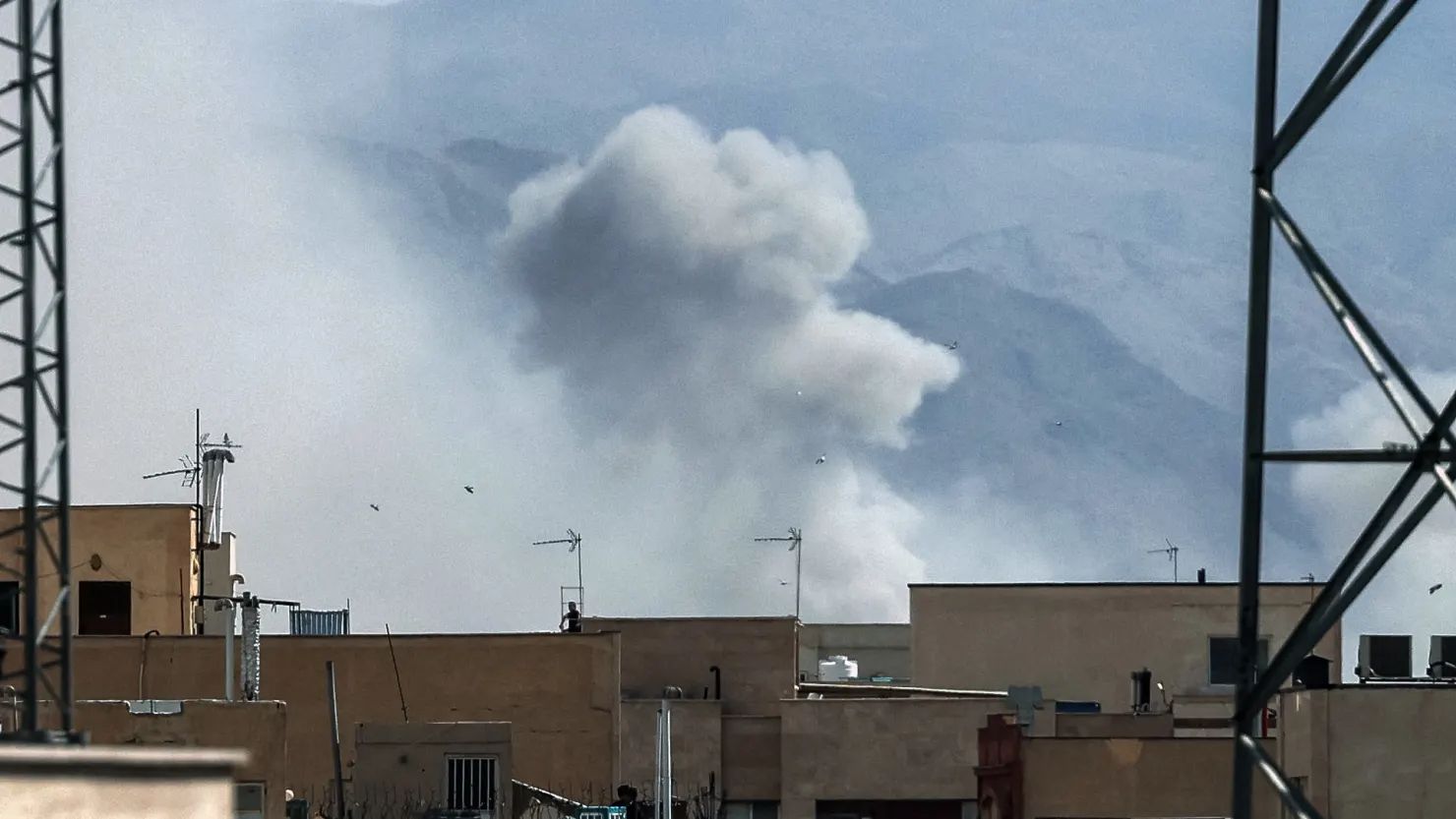
They criticize what they call “the administration’s ill-conceived war in Iran with its shifting objectives.”
It has “cost American lives, depleted our military arsenal, and raised the cost of critical fuel and fertilizer inputs for farmers. The increased costs are being felt not only by farmers but by all Americans as higher prices spread to consumers throughout our economy,” they say.
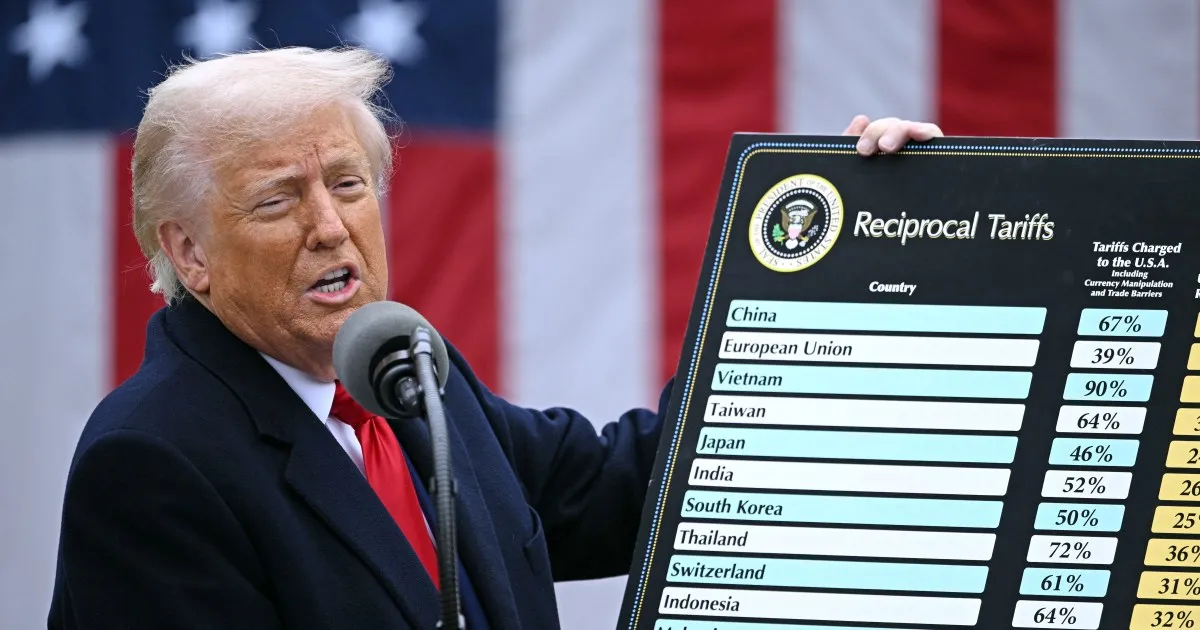
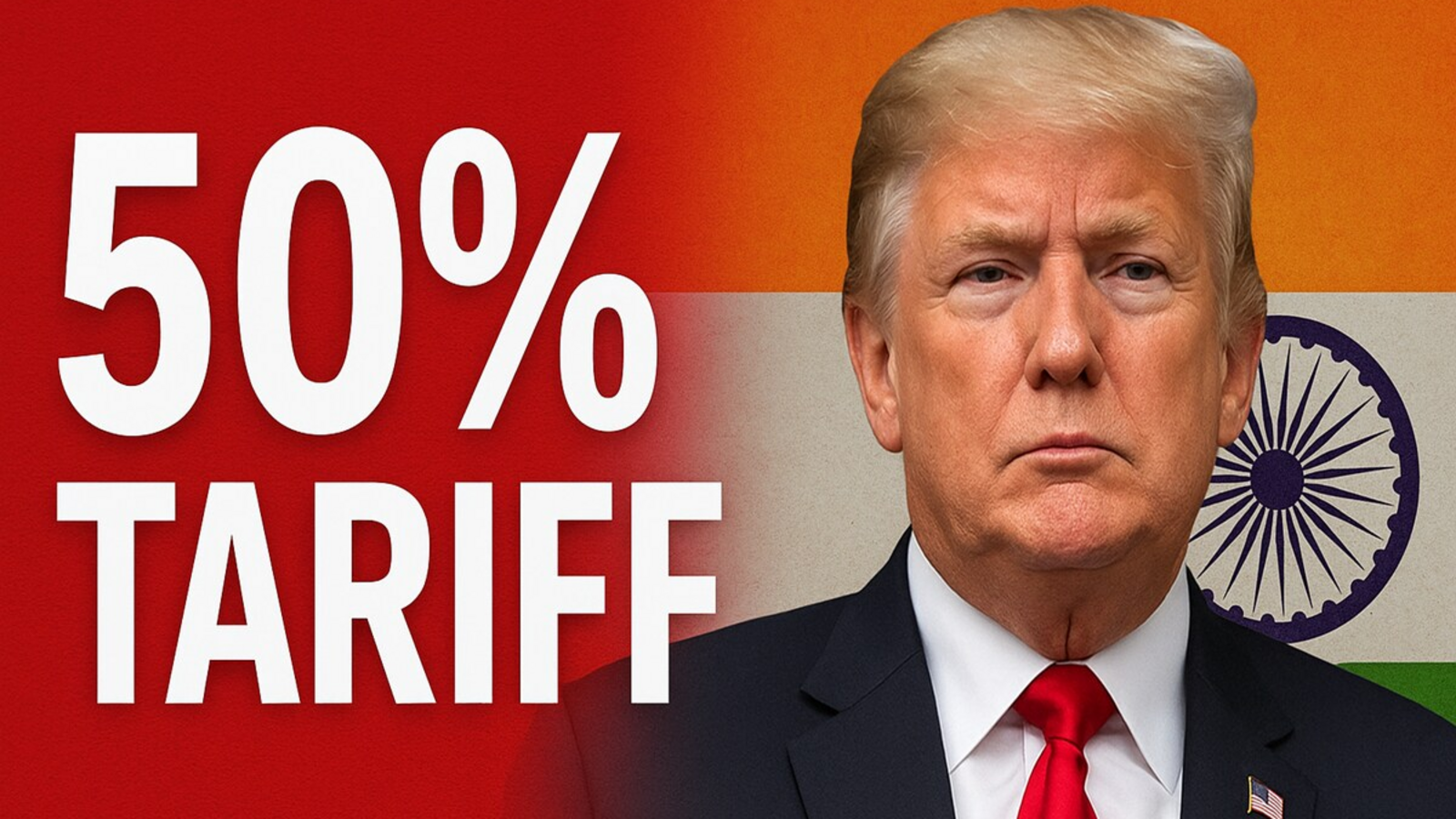
“The widespread use of tariffs as a trade policy by the administration has been and continues to be a disaster for American agriculture, resulting in export value losses, significant loss of market share, increased input costs and creation of new, competing global trading alliances by other countries,” they add.
The administration’s tariffs under the International Emergency Economic Powers Act were struck down by the Supreme Court, after which the administration imposed new, Section 122 tariffs that expire Friday. Now the administration is looking to impose new tariffs under Section 301, requiring a conclusion that other countries have engaged in forced labor.
“The outcome of these new tariffs will damage U.S. ag exports and our competitiveness in the world and increase costs to Americans,” the letter says. “The various handshake deals secured by this administration do not come close to offsetting the instability and loss of markets caused by this haphazard trade policy. As farmers have suffered from this debacle, Congress has failed to exercise its authority over tariffs set forth in Article I, Section 8 of the U.S. Constitution.”
Dinneen criticized Congress’s failure to exercise its authority over tariffs and the war.
“Congress has failed miserably in its responsibilities in terms of war powers,” Dinneen says. “I actually was a political science major. I actually have read the Constitution, and I happen to have a pretty good idea that it is Congress, not the president, that has the ability to wage war, and Congress has done nothing.”
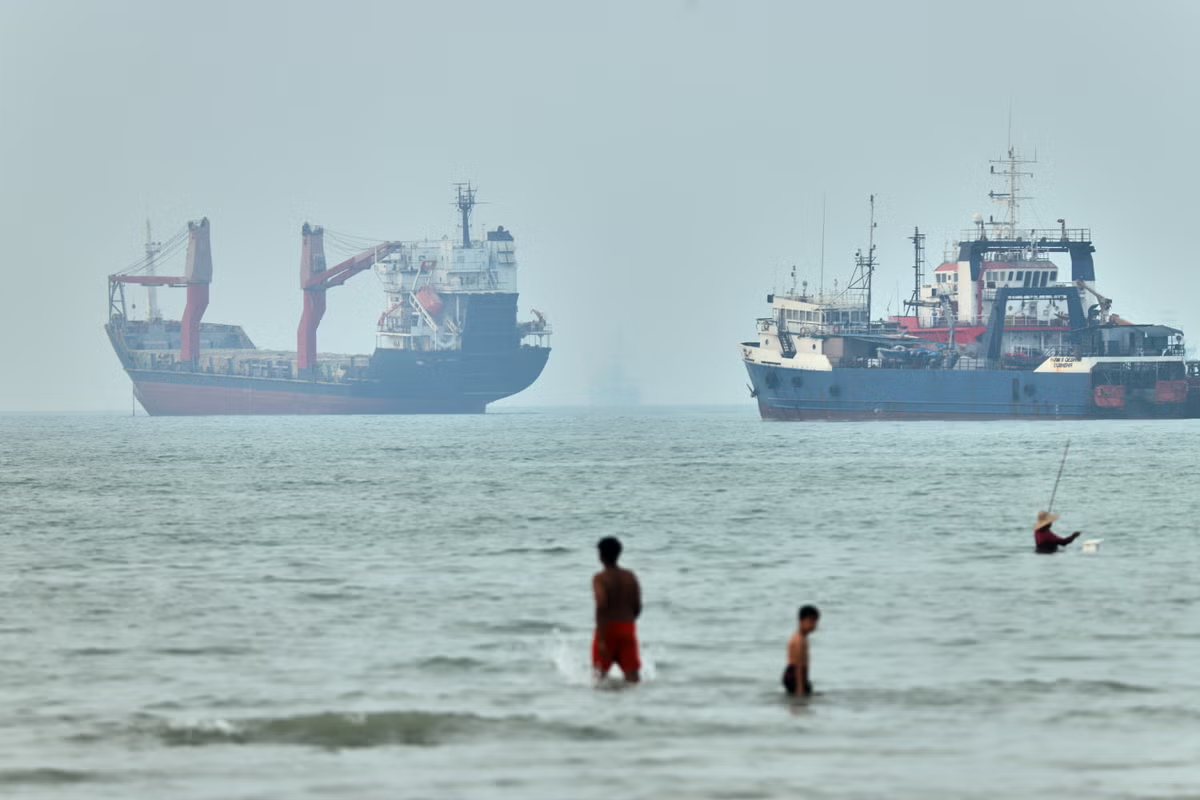
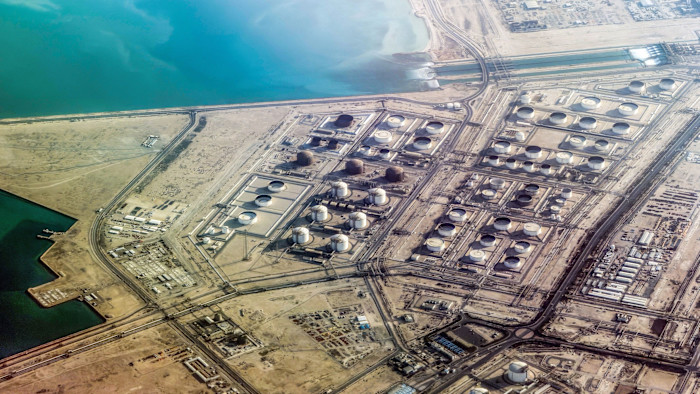
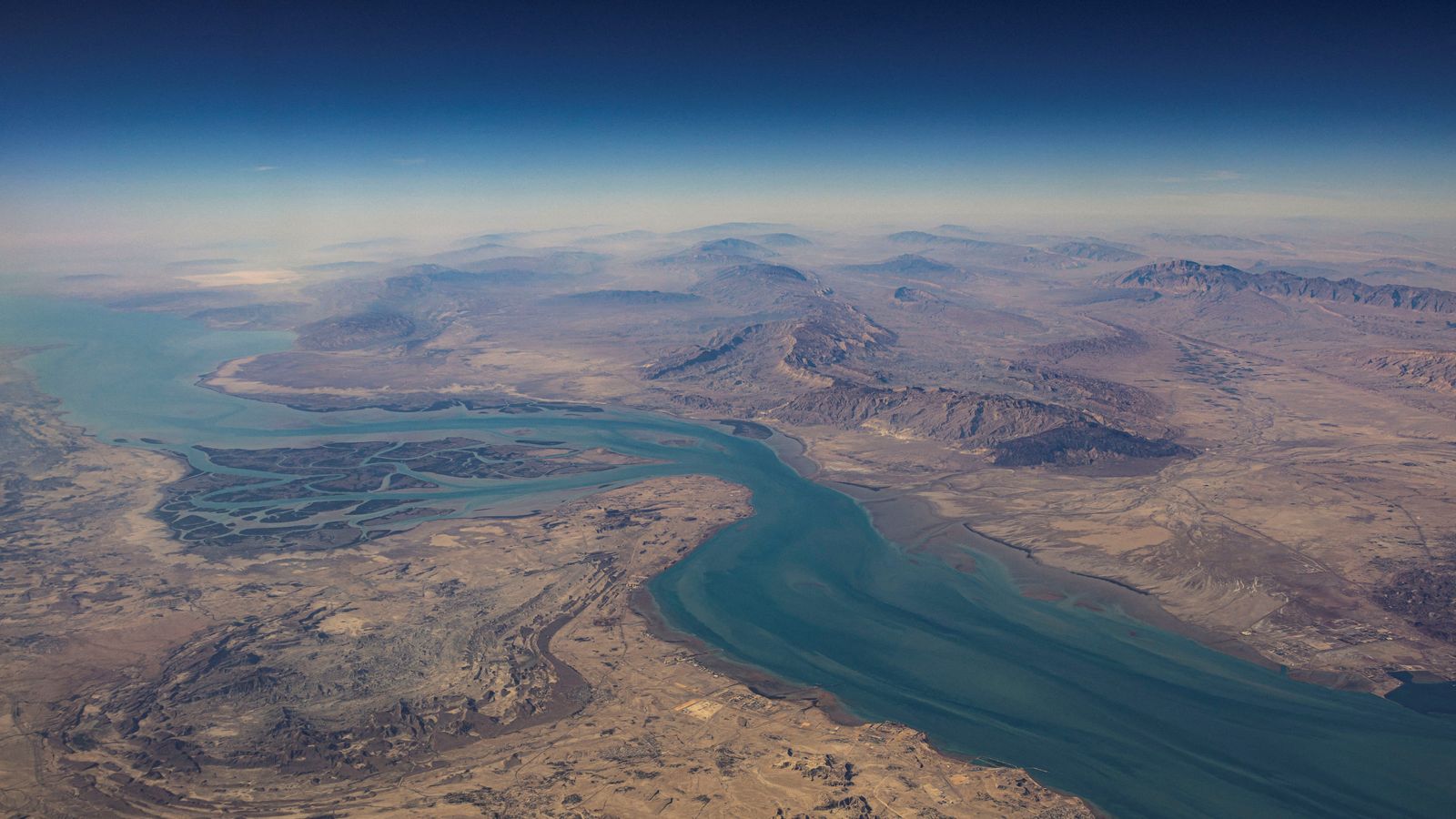
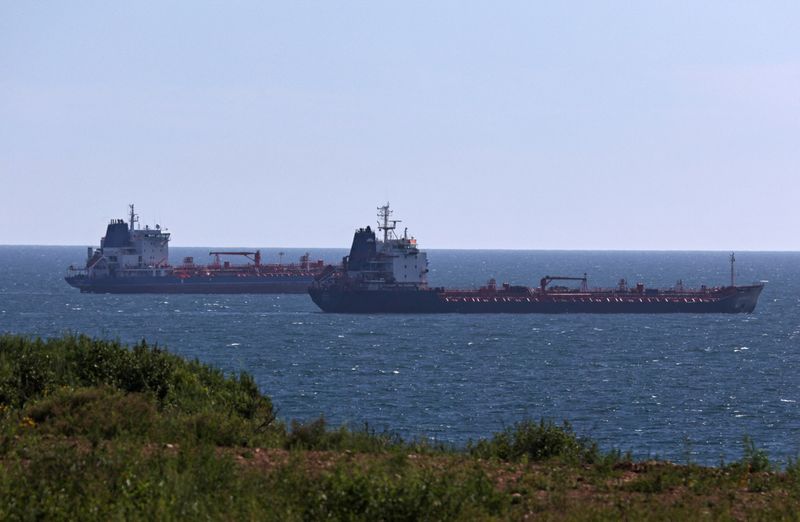
“The Strait of Hormuz was open before the war. It’s closed today, and that has an impact,” especially on diesel prices, Dinneen says.
Among the things Congress could do to ameliorate the situation for farmers would be to pass year-round E15, they say: “By not passing the E15 bill, Congress has missed the opportunity to give consumers much-needed relief at the pump and farmers a much-needed boost in demand for the single most important value-added market in a generation.”
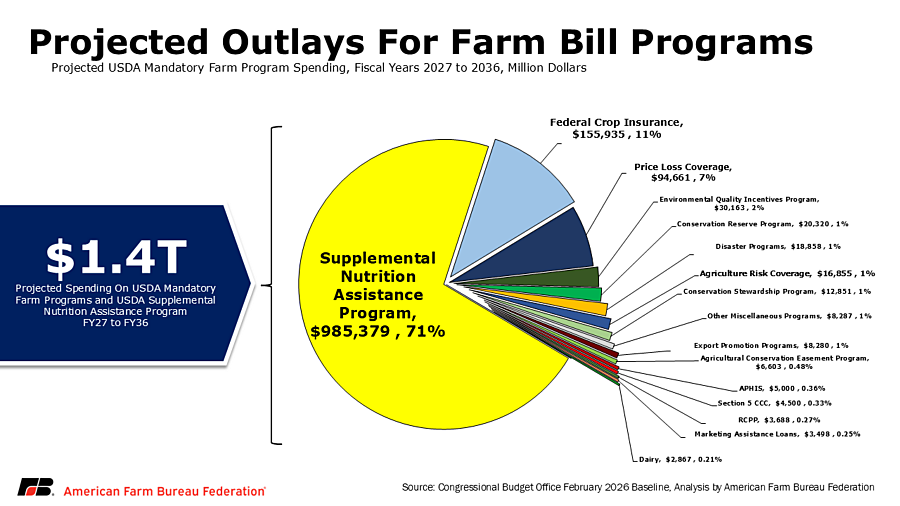
They continue: “While Congress has begun action to pass a long overdue farm bill, those efforts do not begin to address the crippling input costs created by federal actions, the reductions in SNAP and other programs that affect rural communities, the ability to detect and respond to new and emerging livestock and crop pests, the need for increased research as global competition intensifies, or the rise in farm bankruptcies, even as conservation programs that provide direct assistance to farmers have been reduced by $1 billion.”
Congress needs to step up, they say. “Notably missing in the last five months has been anything from Congress that resembles a systematic, thorough, bipartisan engagement with farmers about what is really happening to their livelihoods and the farm economy and an extensive, candid assessment about policies that can reverse this crisis.”
Asked what she is most concerned about, Riley mentioned the impact on rural communities and said, “We’re talking about some big programs and we’re talking about some of the larger farmers, the commodity crop farmers, but what are happening to those small and medium-sized farmers? What’s happening to our food supply chains? What’s happening to the people that are actually going to purchase product from farmers – can they afford to do that?”
For more news, go to www.Agri-Pulse.com