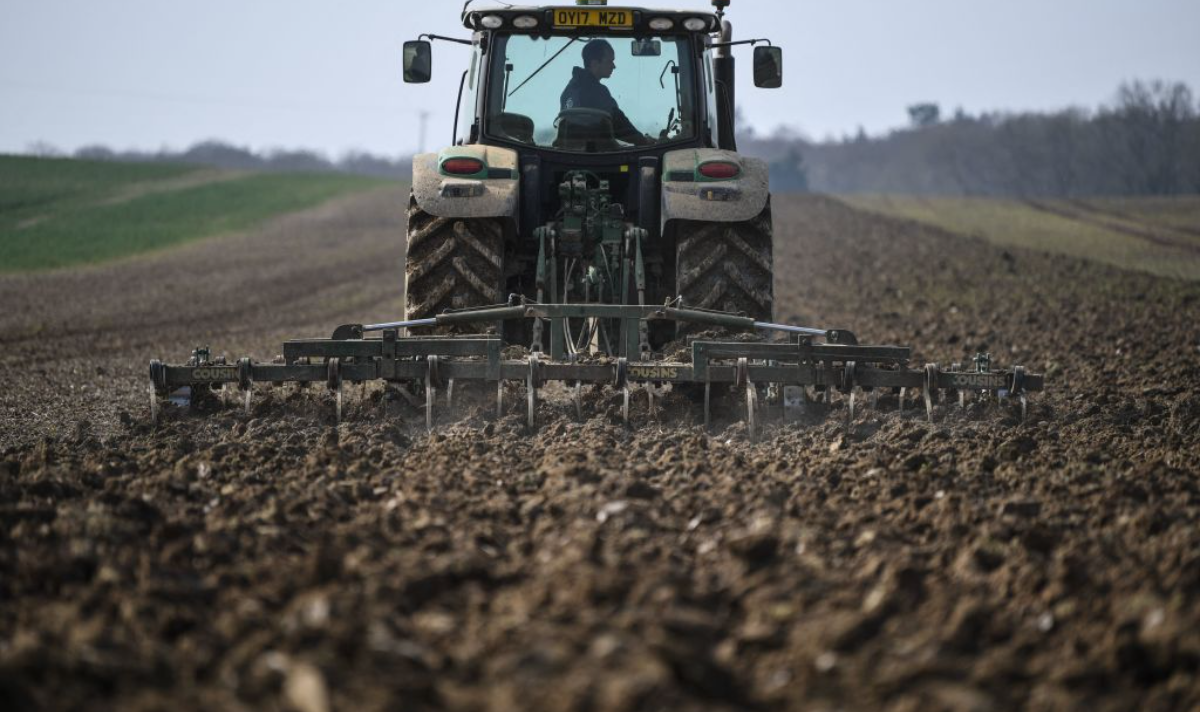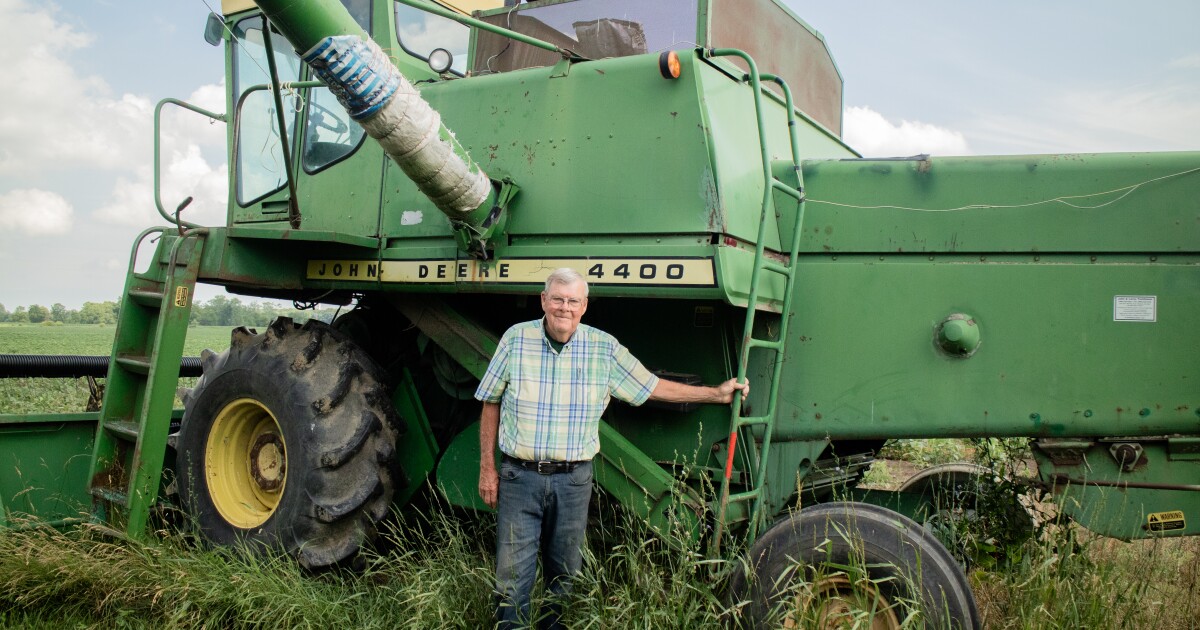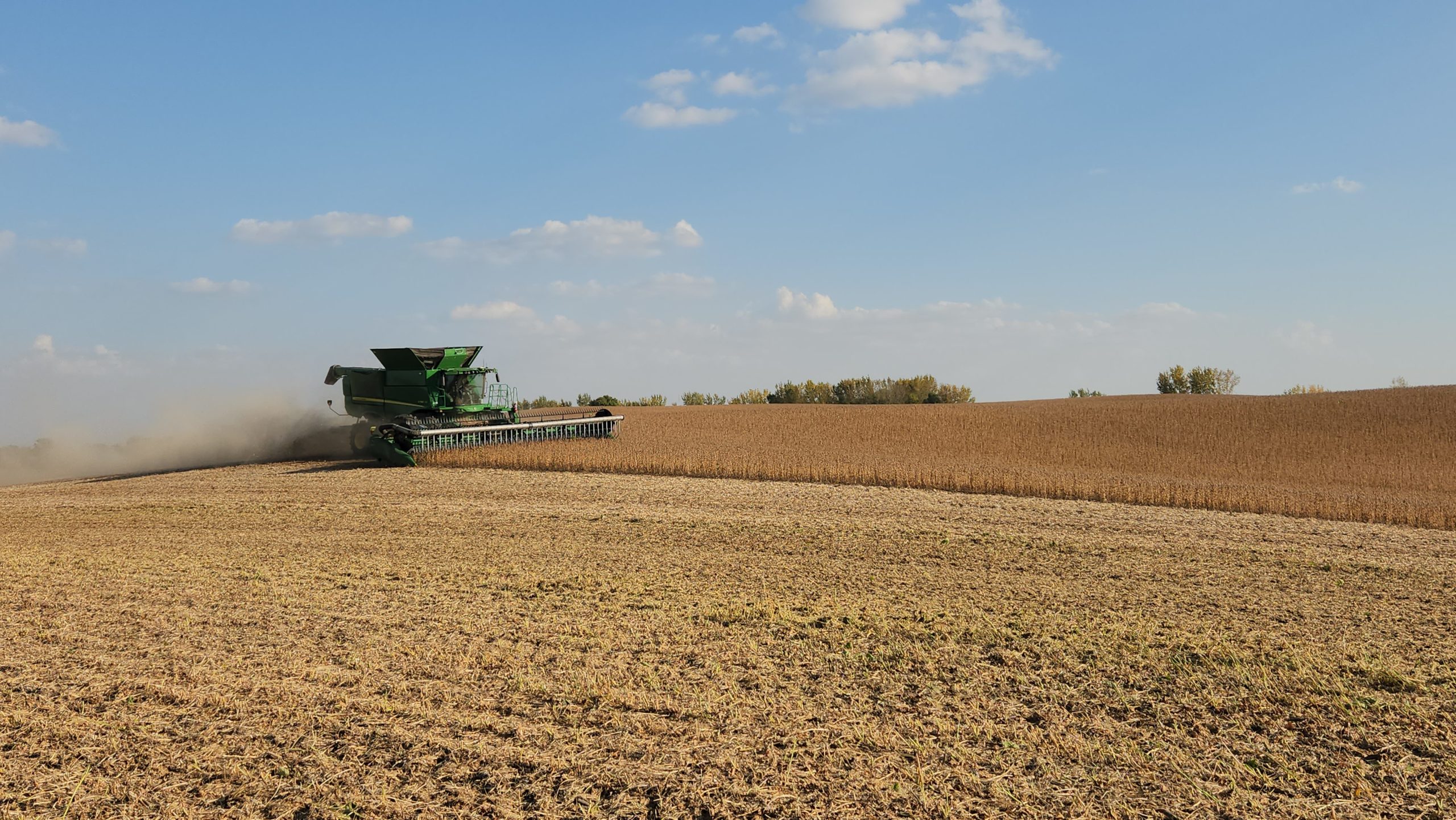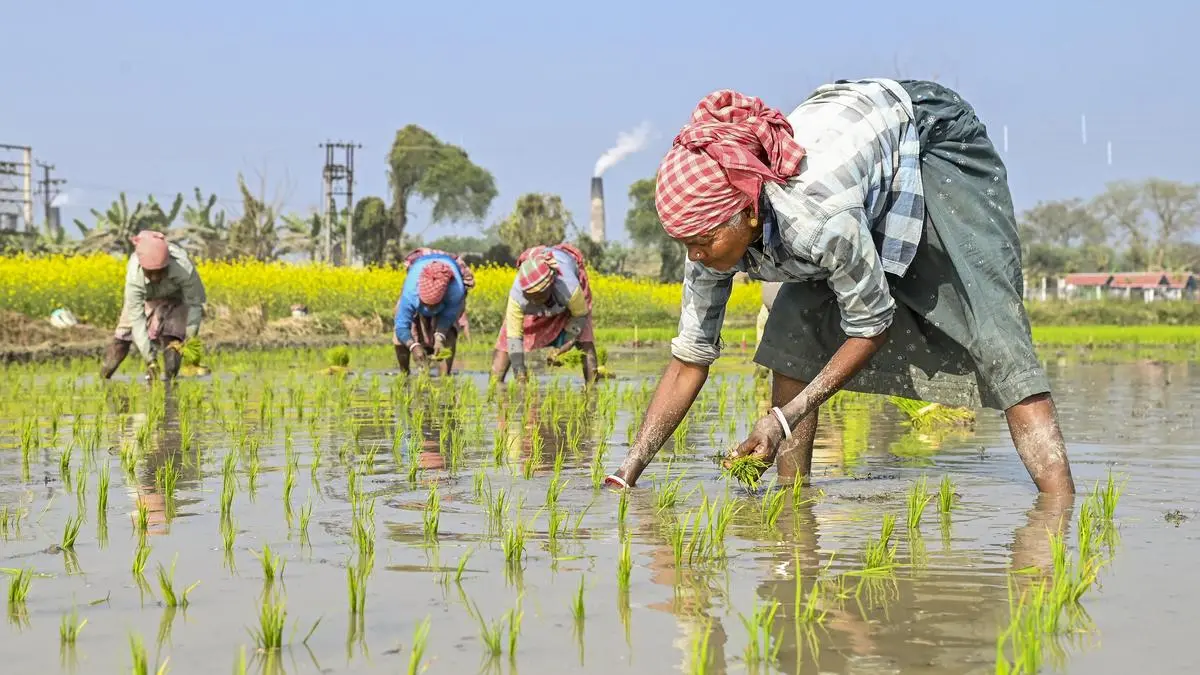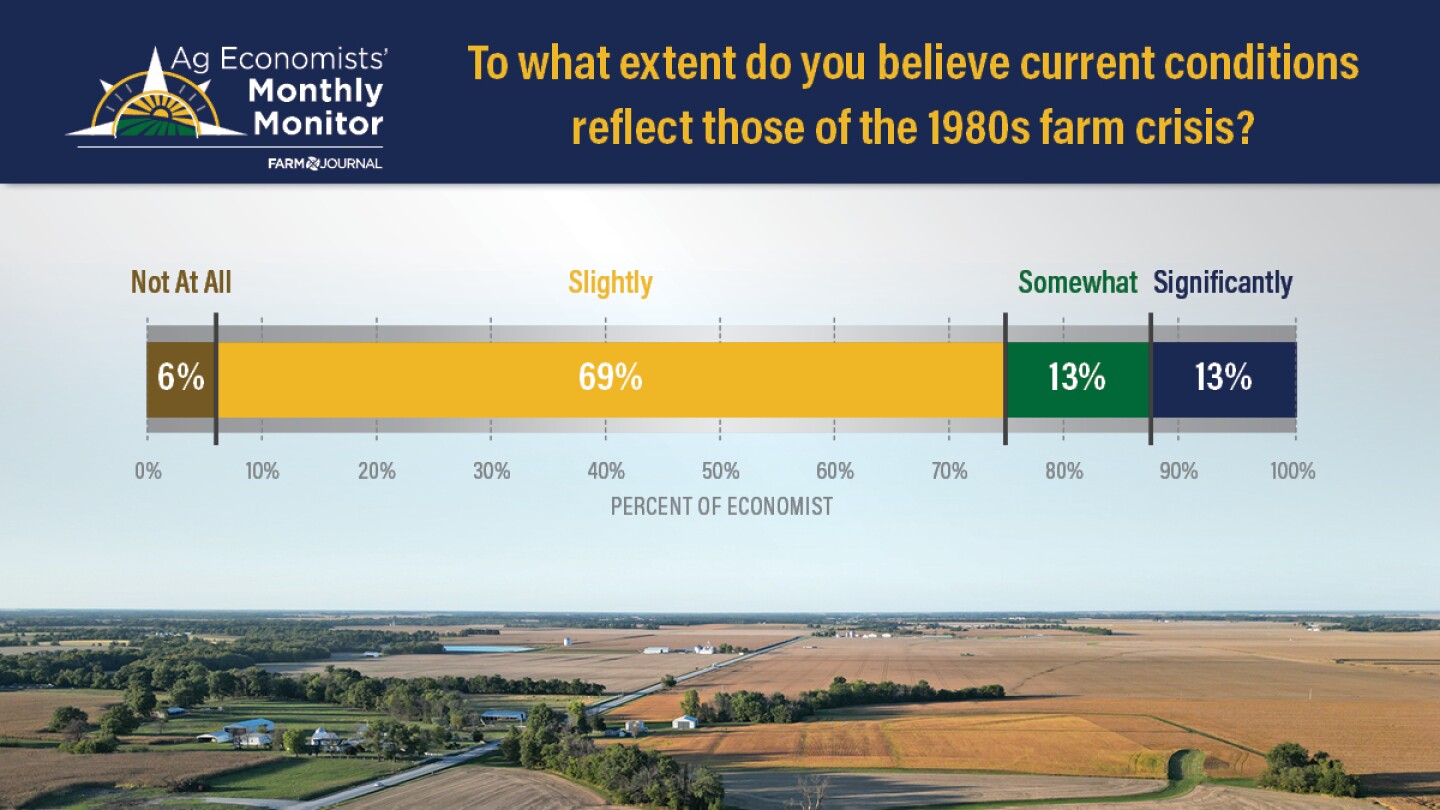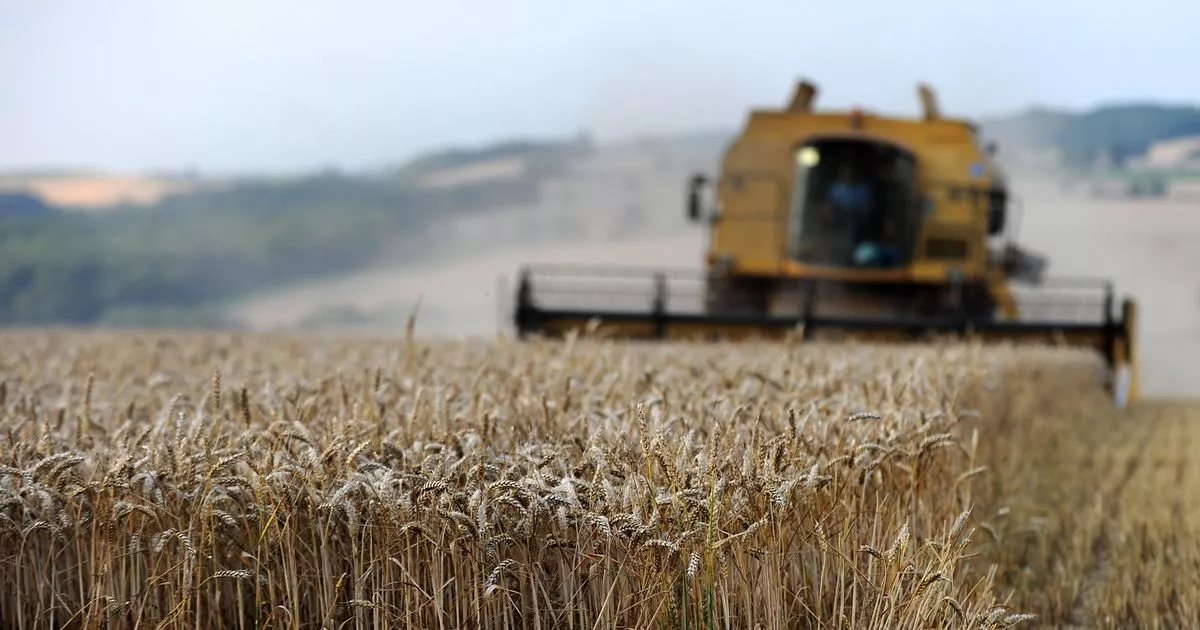
MORGAN, Minn. — Times in the agriculture industry have many farmers worried, with farmers who farmed through the
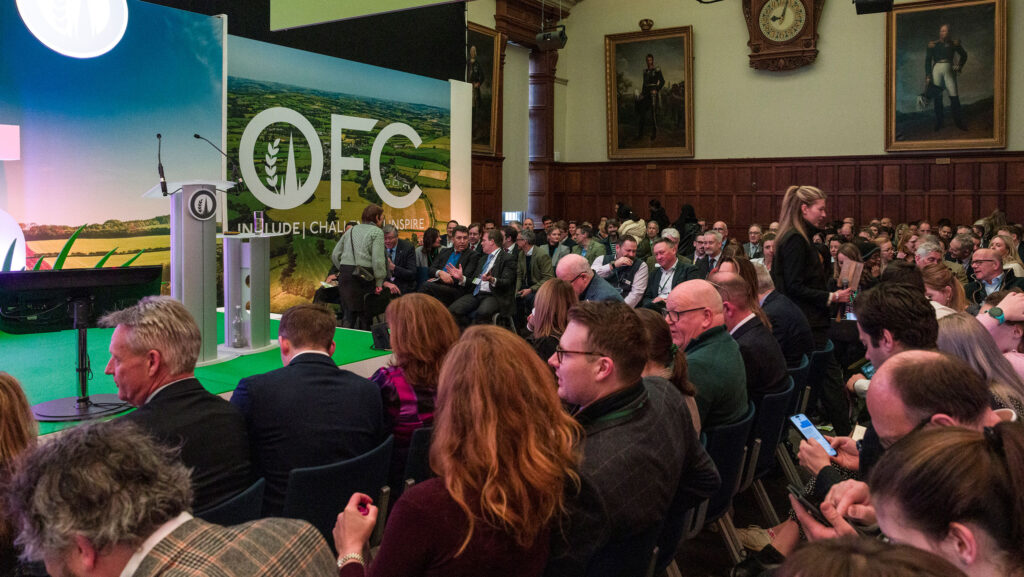
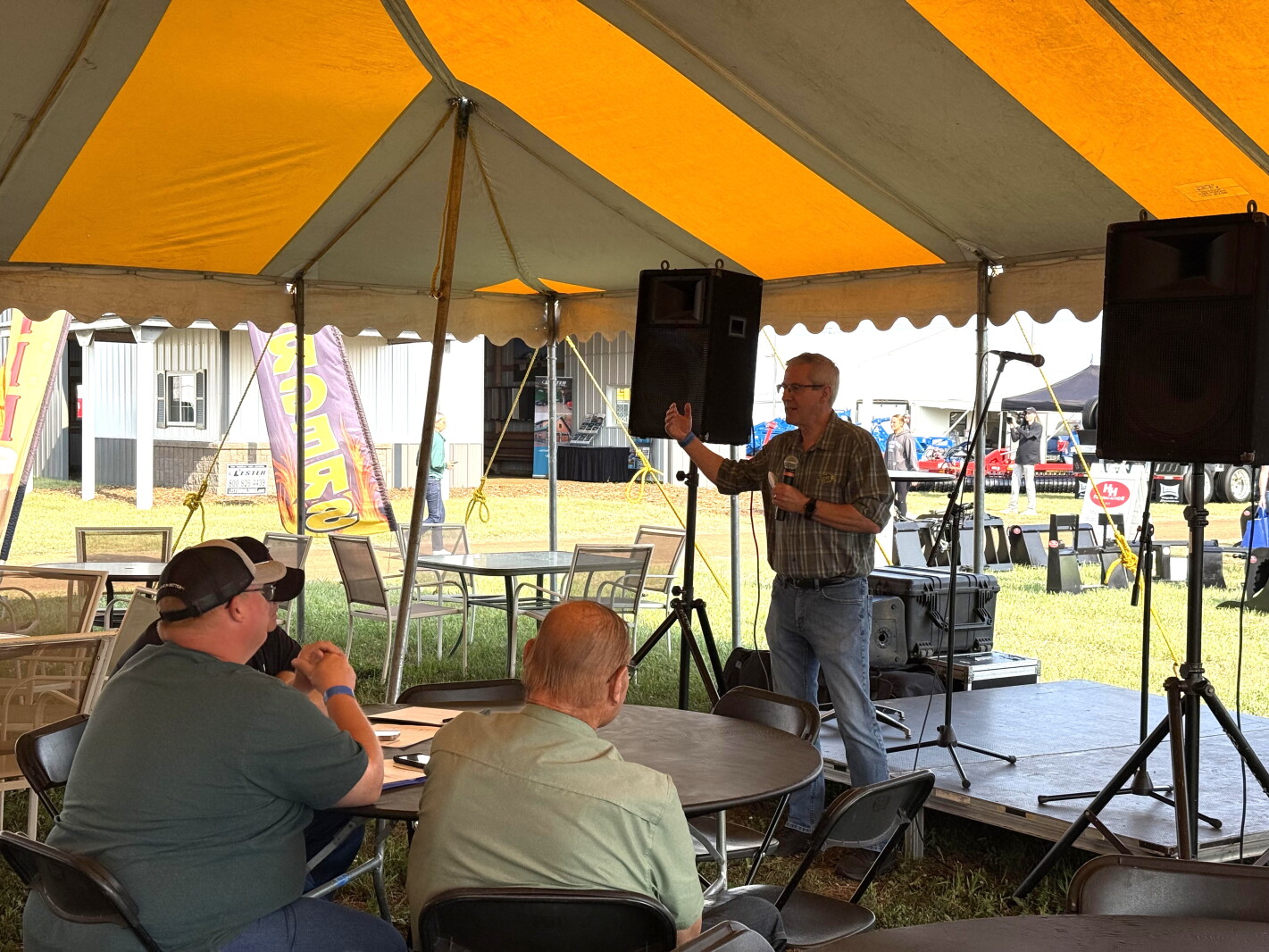
feeling a sense of déjà vu. It was a topic of discussion at Minnesota Farmfest during a Profit Roadmap seminar, which was new at Farmfest this year.
Along with making comparisons to the ’80s, the two-hour seminar also featured information and speakers on politics, strategies for finding profitability and managing stress. The seminar is also on the schedule for Dakotafest in Mitchell, South Dakota, later this month.
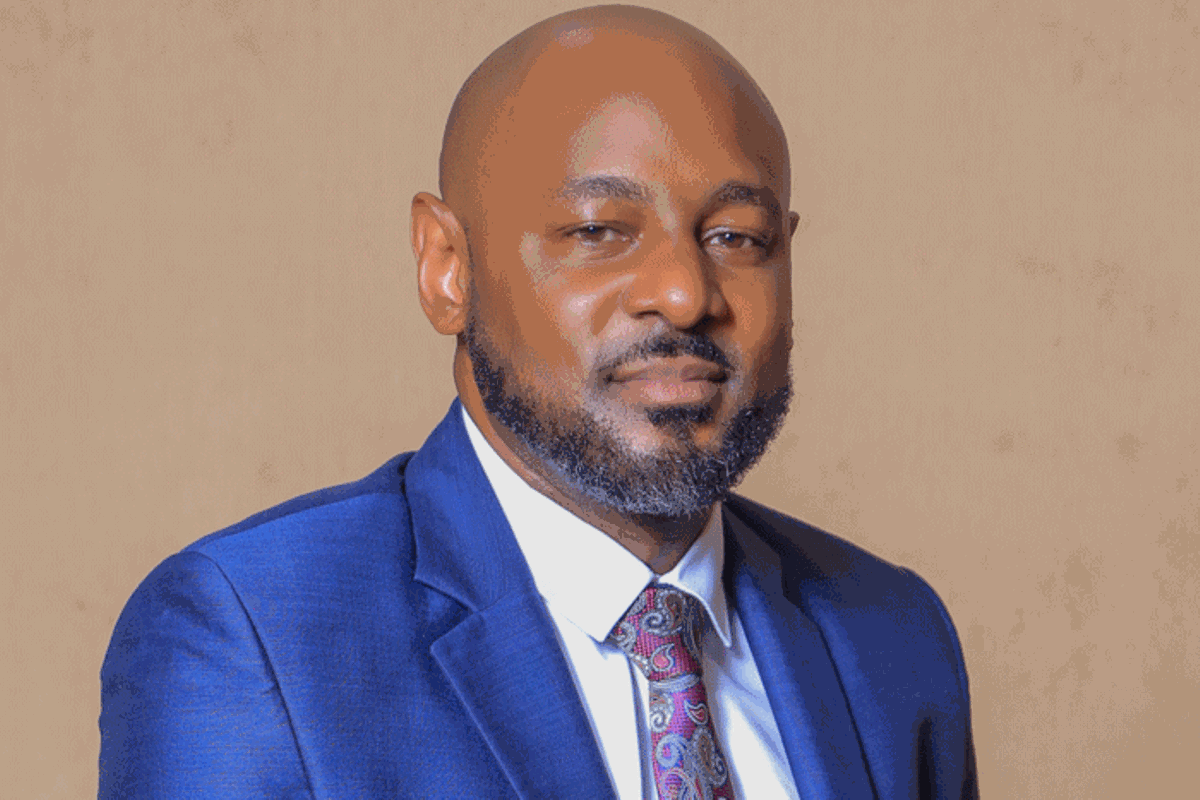
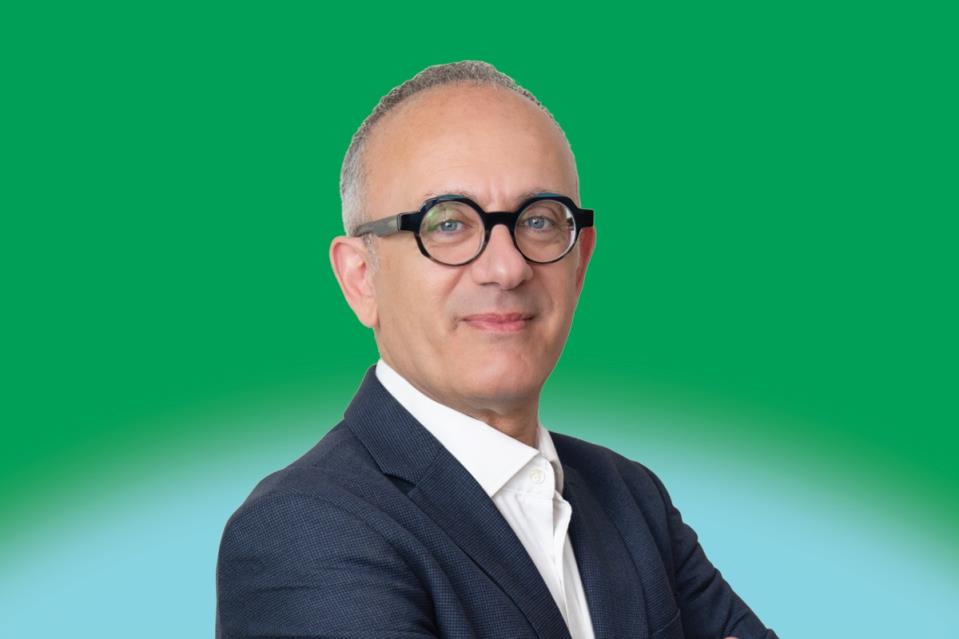
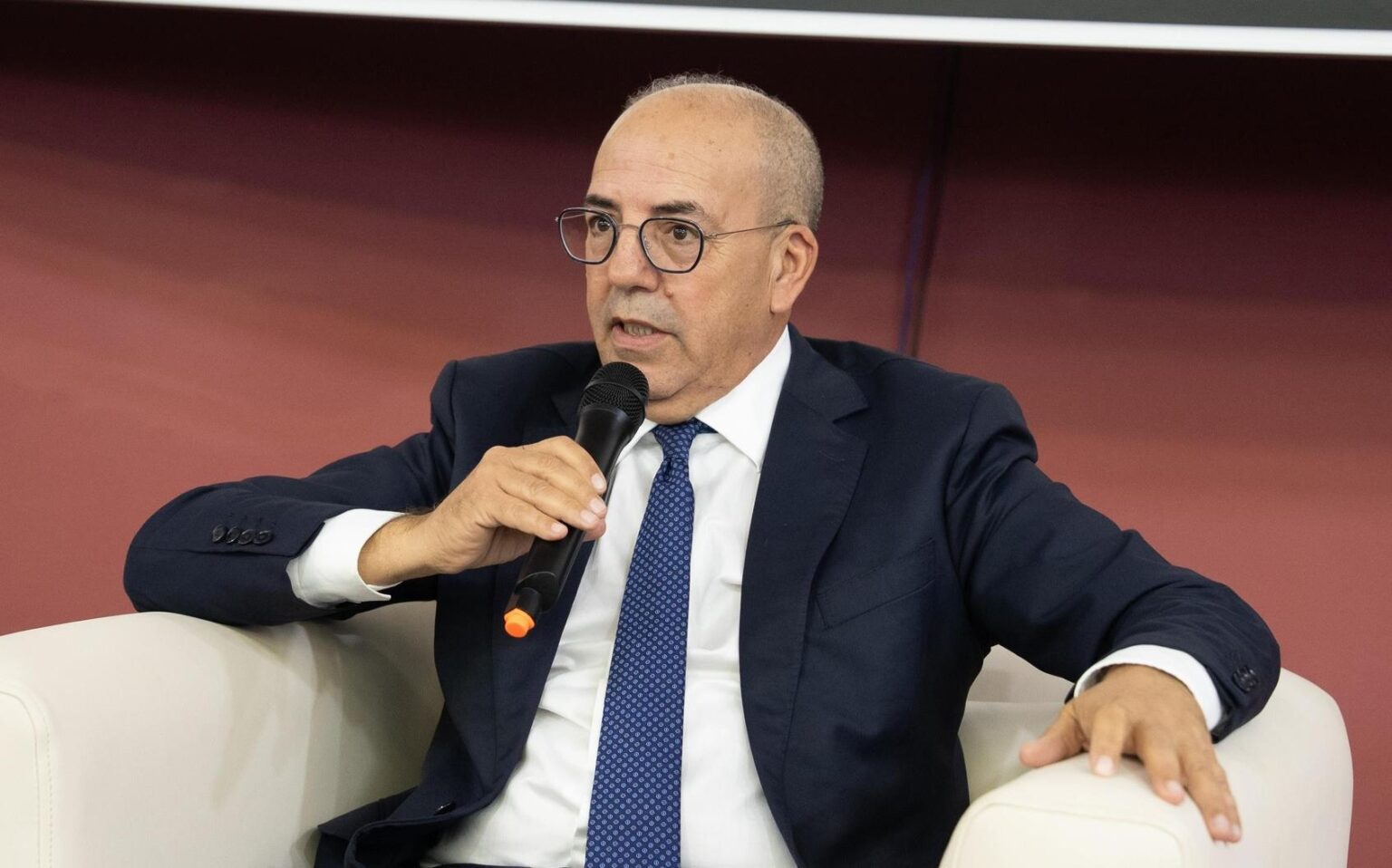
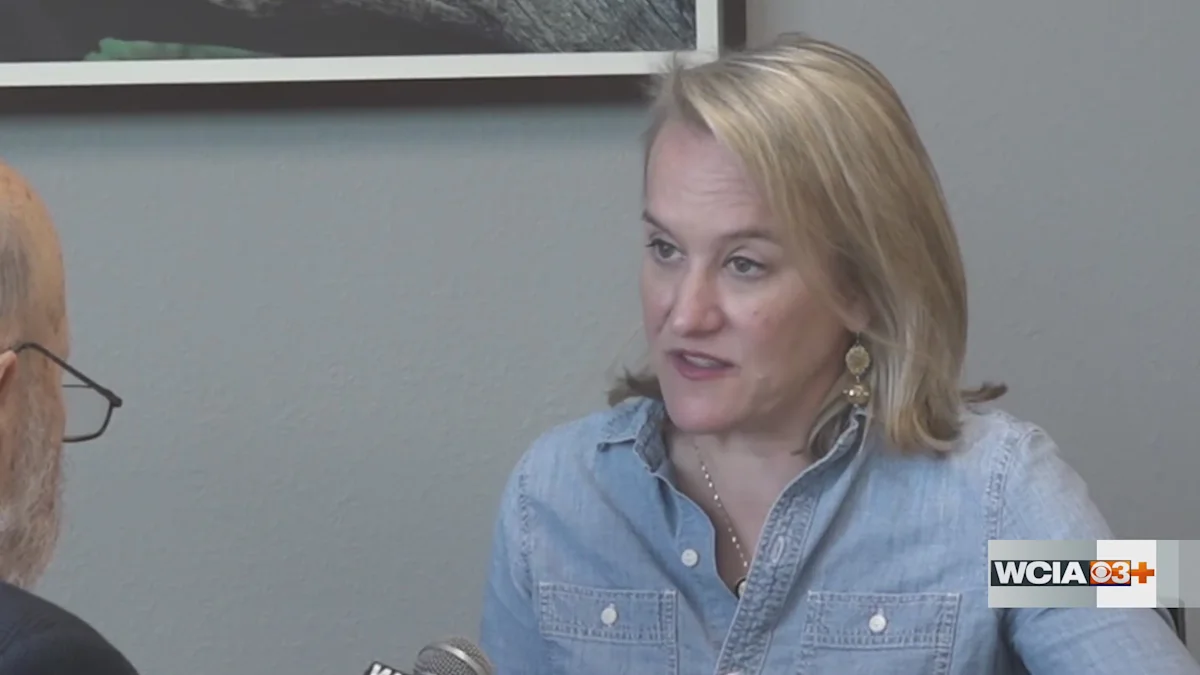
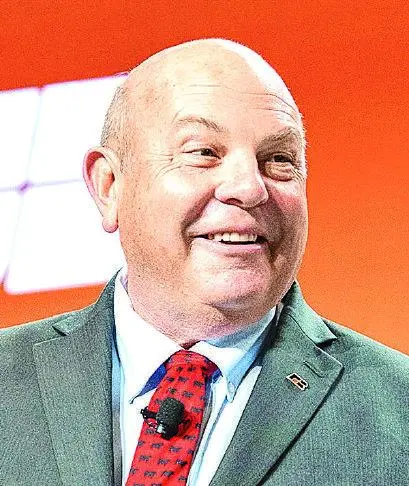
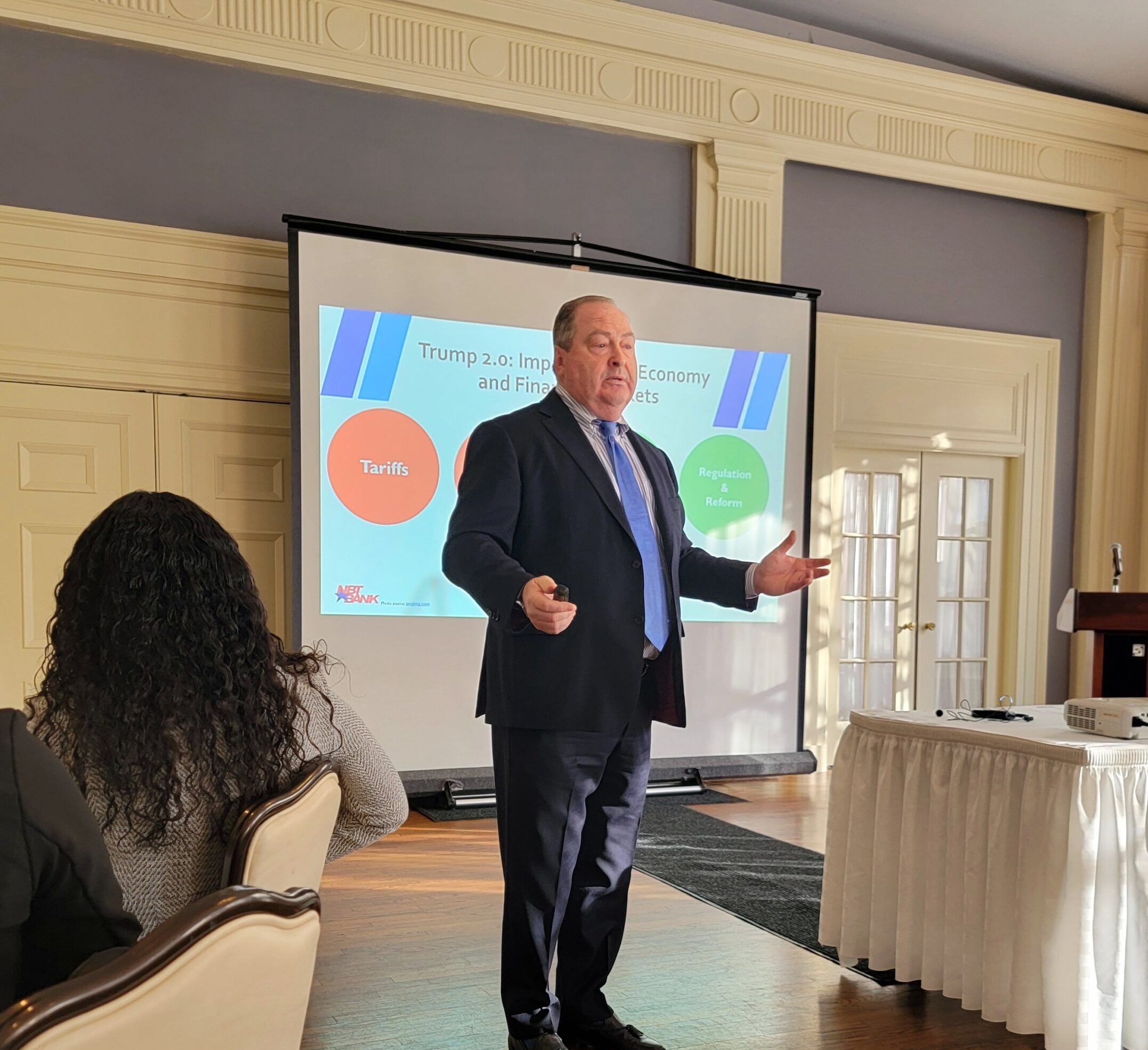
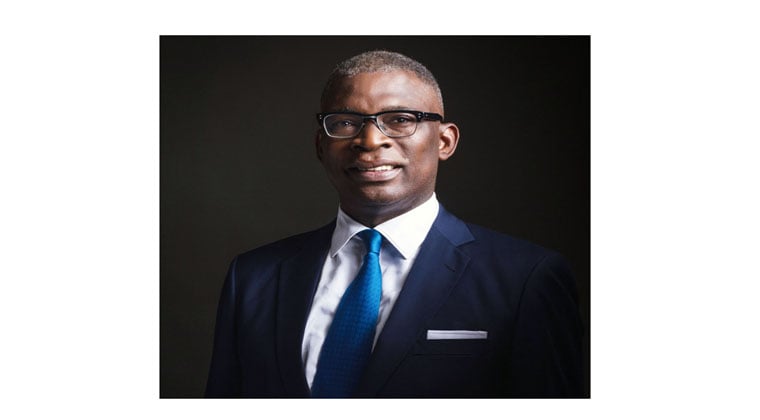
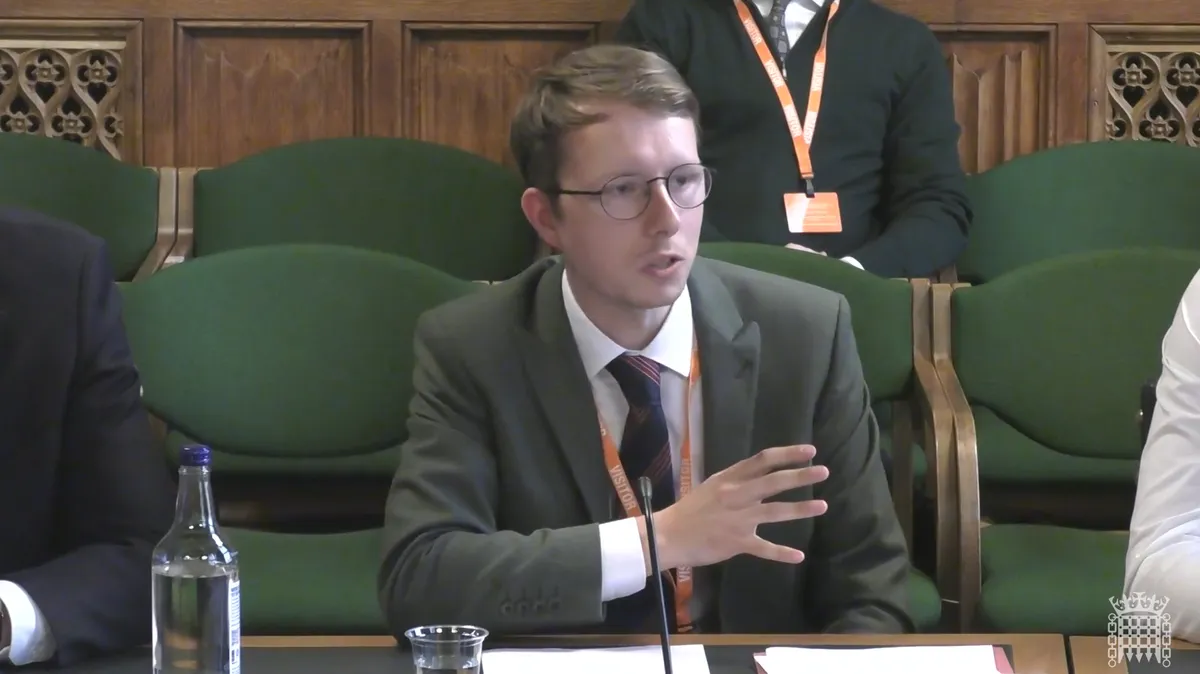
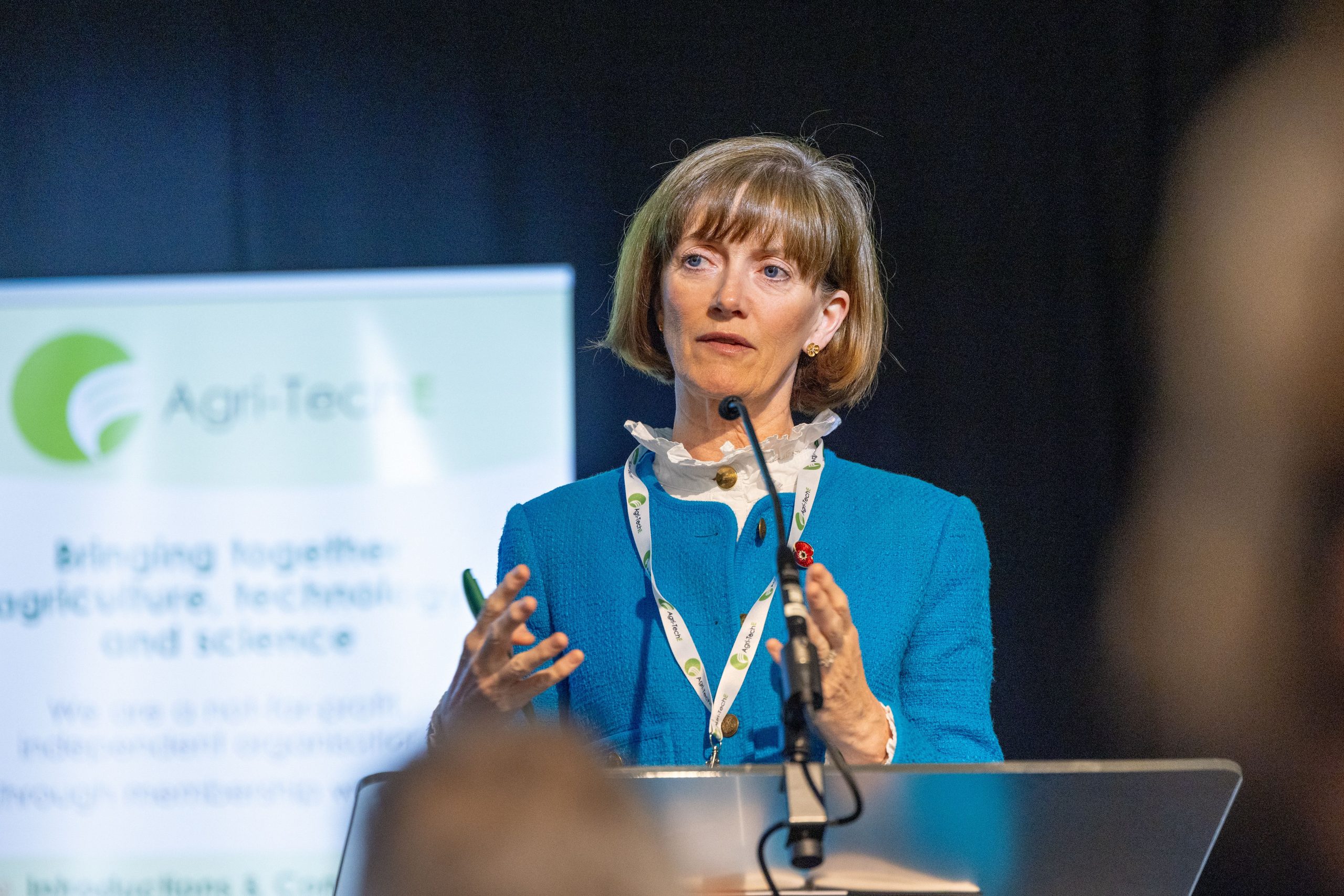
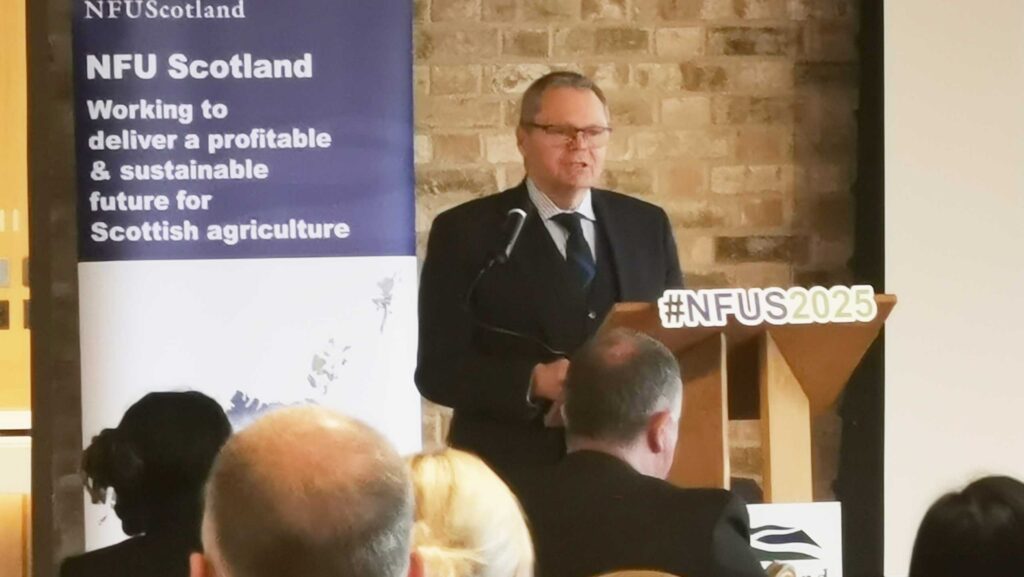
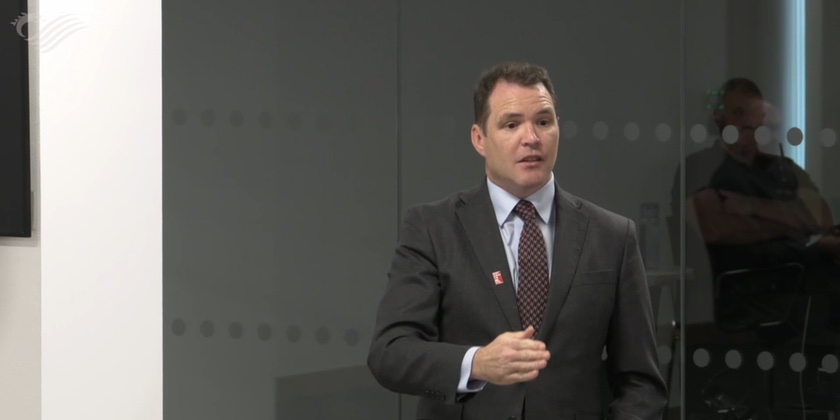
Frayne Olson, North Dakota State University Extension crops economist, was one of the speakers during the seminar. While he said there are definite similarities between now and what happened in the ’80s, there are differences as well.
“The outside environment is much, much different,” Olson said. “One of the challenges we had in the ’80s was we had very low profitability, very high expenses, in particular for interest rates. We had high inflation at that time, but it extended for many years. … This time, because our economy has shifted, the ag economy is much, much different. We’ve got biofuels, we have a lot more international trade. We have a lot more flexibility.”
Therefore, even if farmers are seeing several years in a row with lower or negative profitability, Olson urges producers to remember that the current situation will not last as long as the ’80s farm crisis. While this is welcome news, Olson acknowledges that it doesn’t negate stress or problems surrounding a farming operation.
Olson highlighted the importance of having a plan in place prior to a down farm economy — an emergency plan.
“It’s more of a planning process than it is a response process. So during those years when we do have very good profitability, to try and build up the financial reserves, to build up the inventories, to build up those, to reduce some of your debt capacity. So when you get into those time periods where we have those challenges, you have those reserves to be able to pull off and make sure that you can farm another year,” he said.
In terms of farm finances, Olson said there are two groups of farmers facing the most challenges ahead. The first group is made up of farmers who went through a major expansion, either to land, additional livestock or some other investment. The other group Olson referred to was those who are transitioning their operation to a new generation, because those operations often have less flexibility.
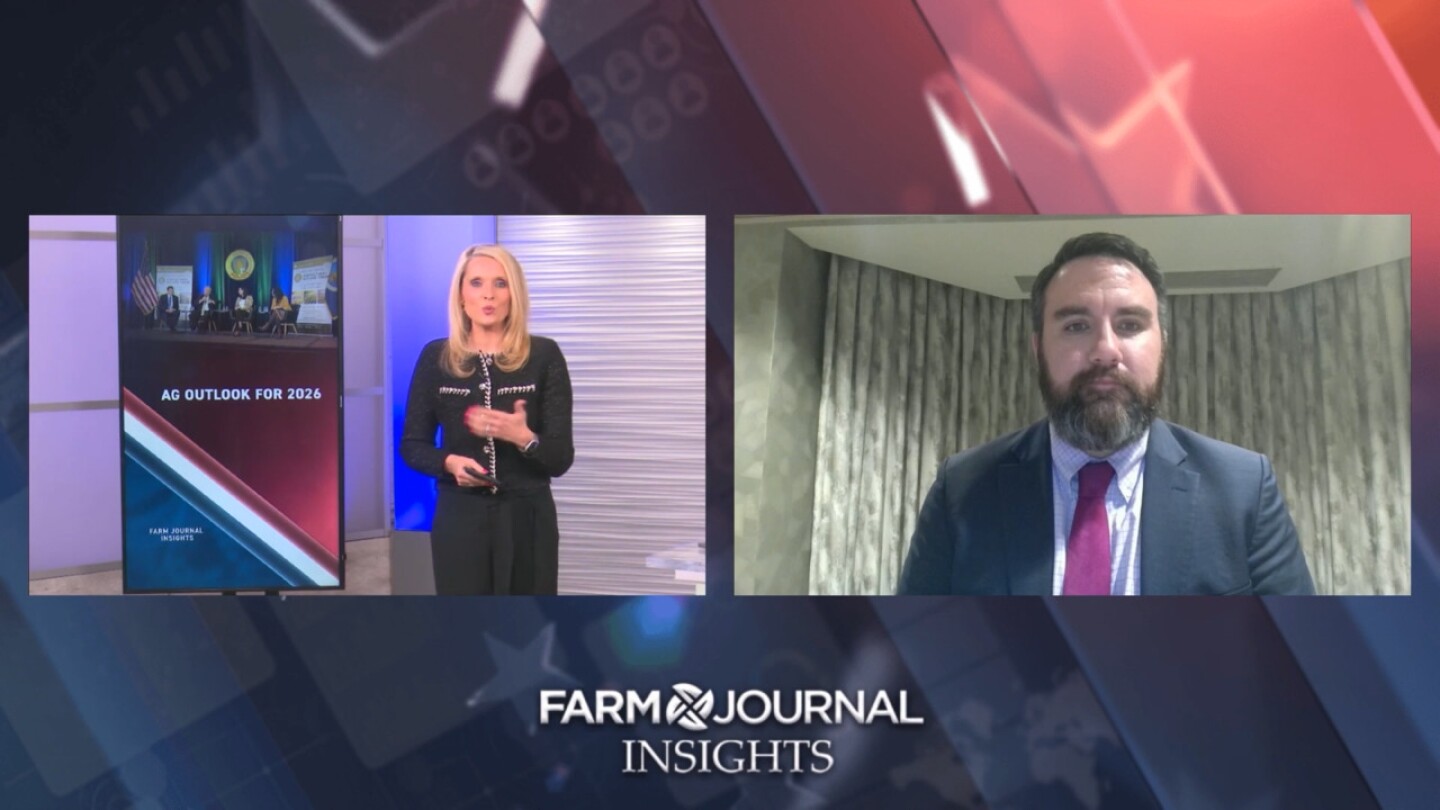
Olson looks for 2026 to be more of a break-even year, with 2027 having the potential to be more of a recovery year for the farm economy.
“We’re starting to see the acreages readjust. We’re starting to see the biofuels mandates or the biofuel system starting to kick in. We’ve realigned some of our trade issues with China, and they seem to be coming back into the marketplace. So I’m looking more optimistically for 2027 as being kind of our turnaround year,” he said.

Emily grew up on a corn, soybean and wheat farm in southern Ohio where her family also raises goats. After graduating from The Ohio State University, she moved to Fargo, North Dakota to pursue a career in ag journalism with Agweek. She enjoys reporting on livestock and local agricultural businesses.